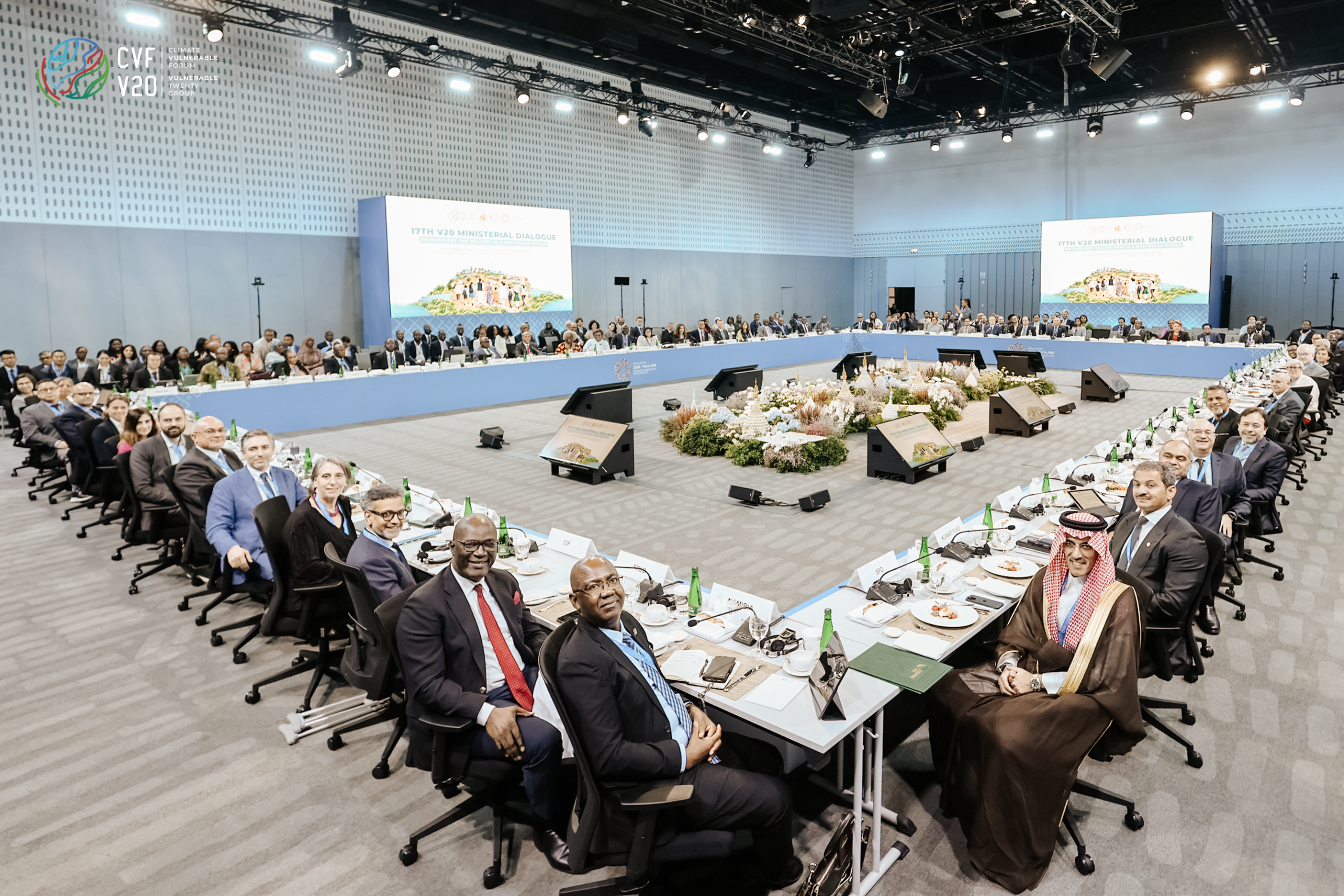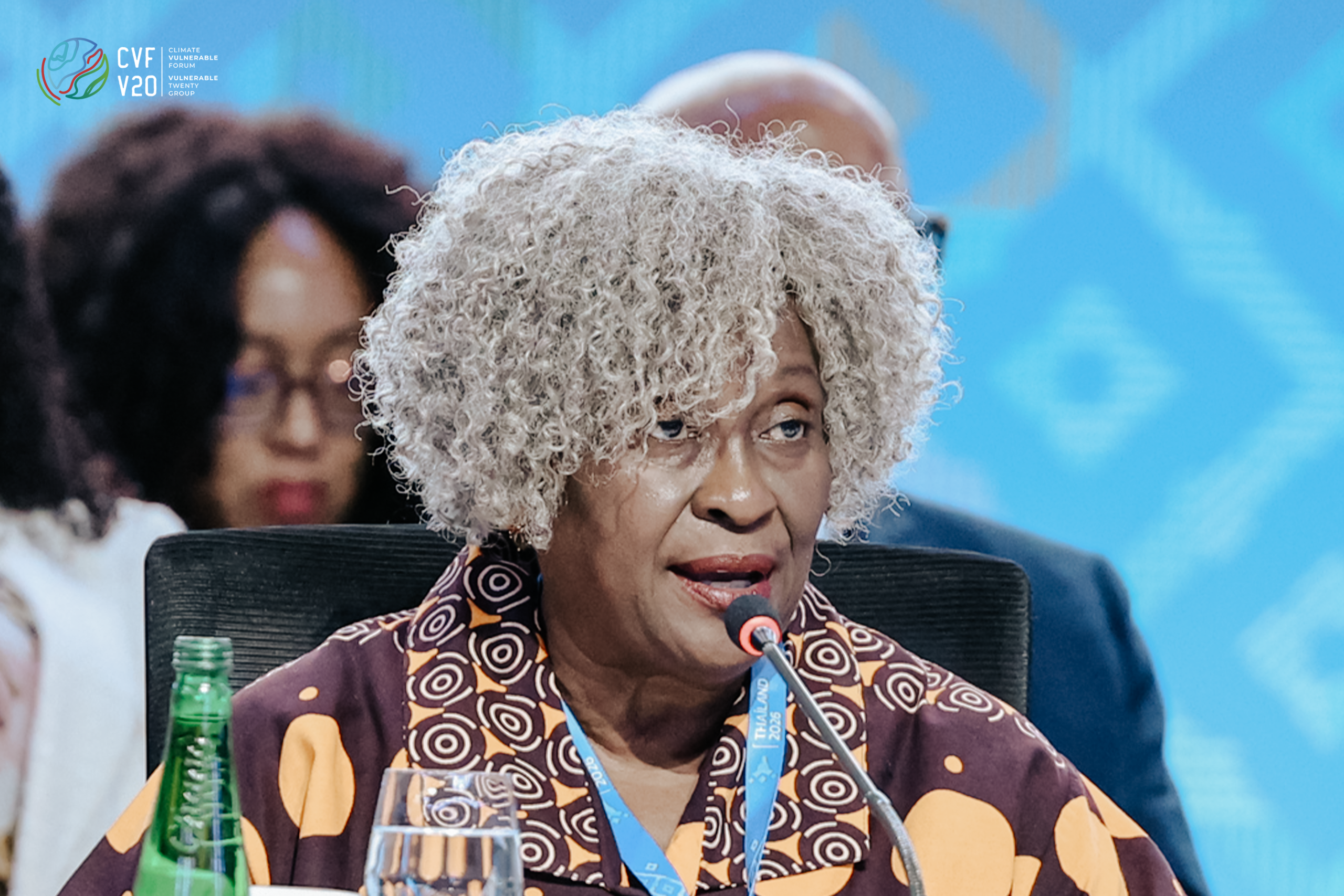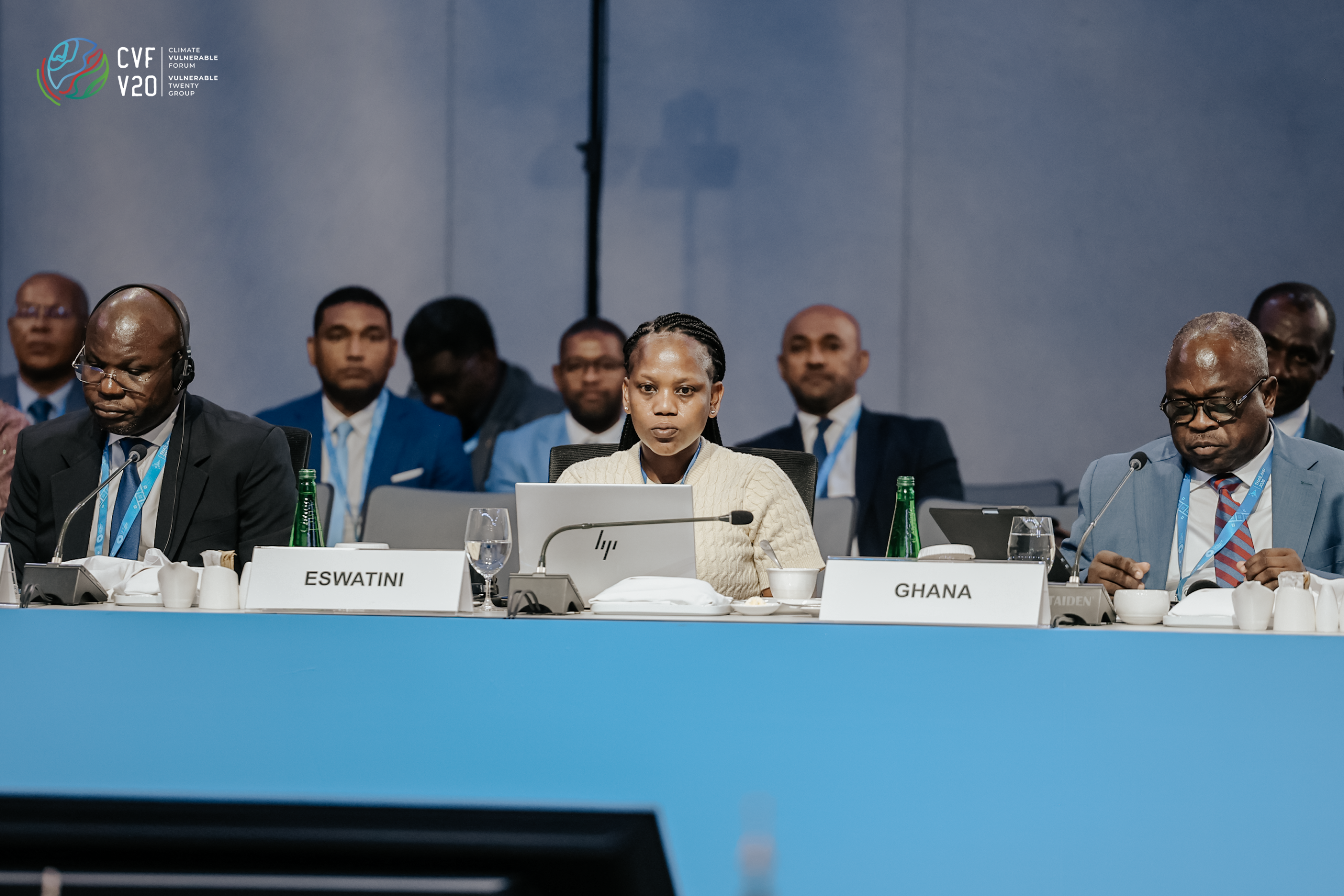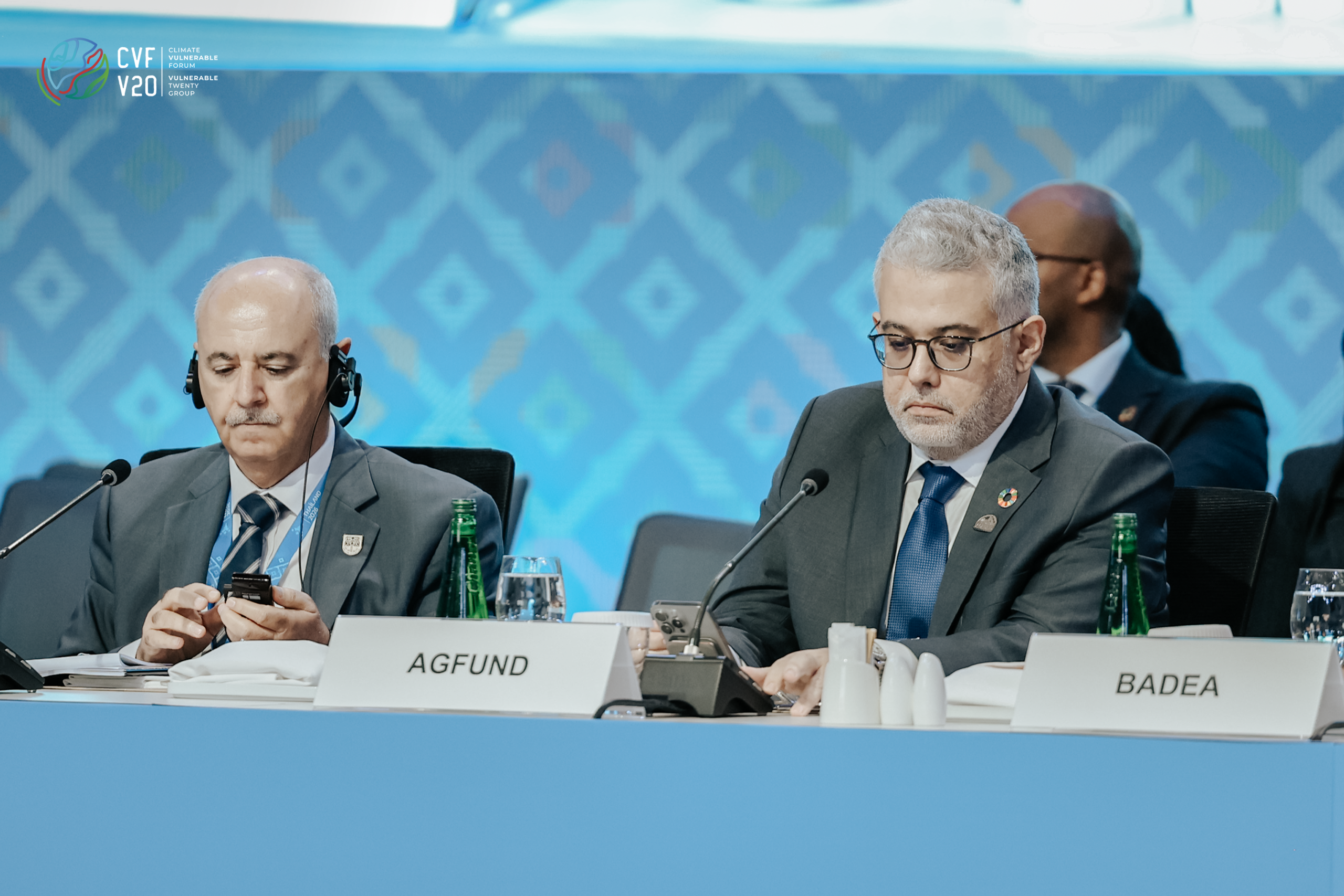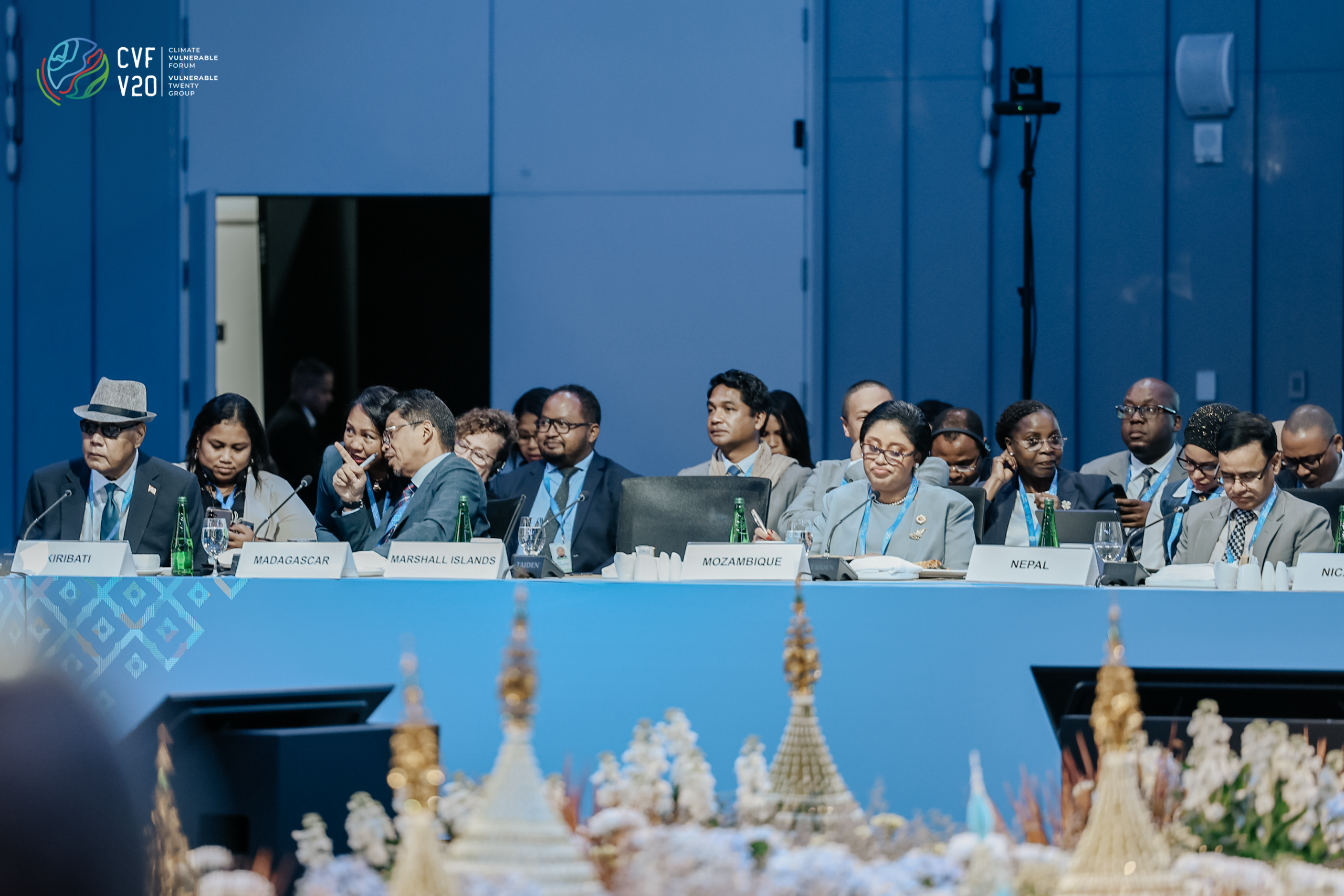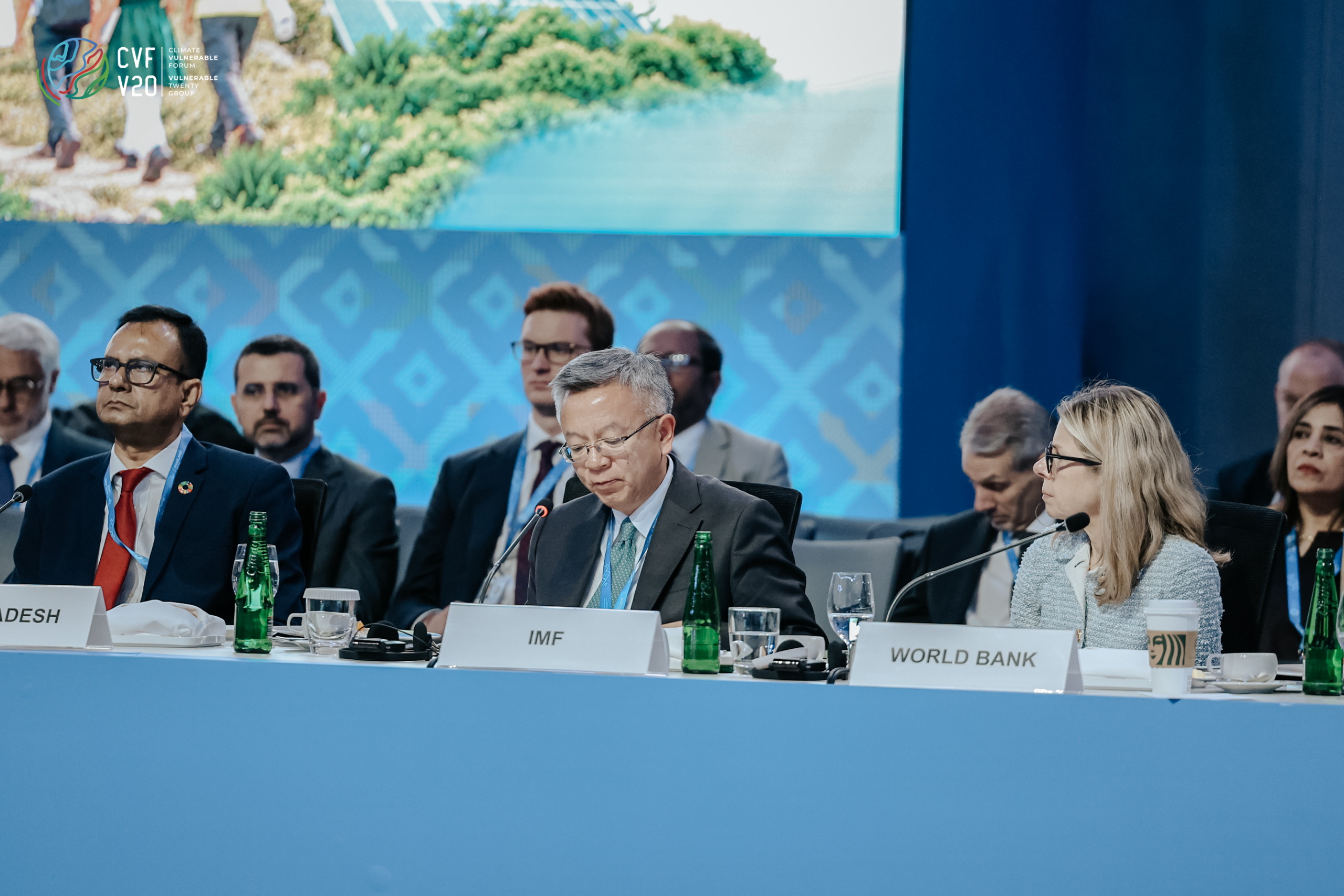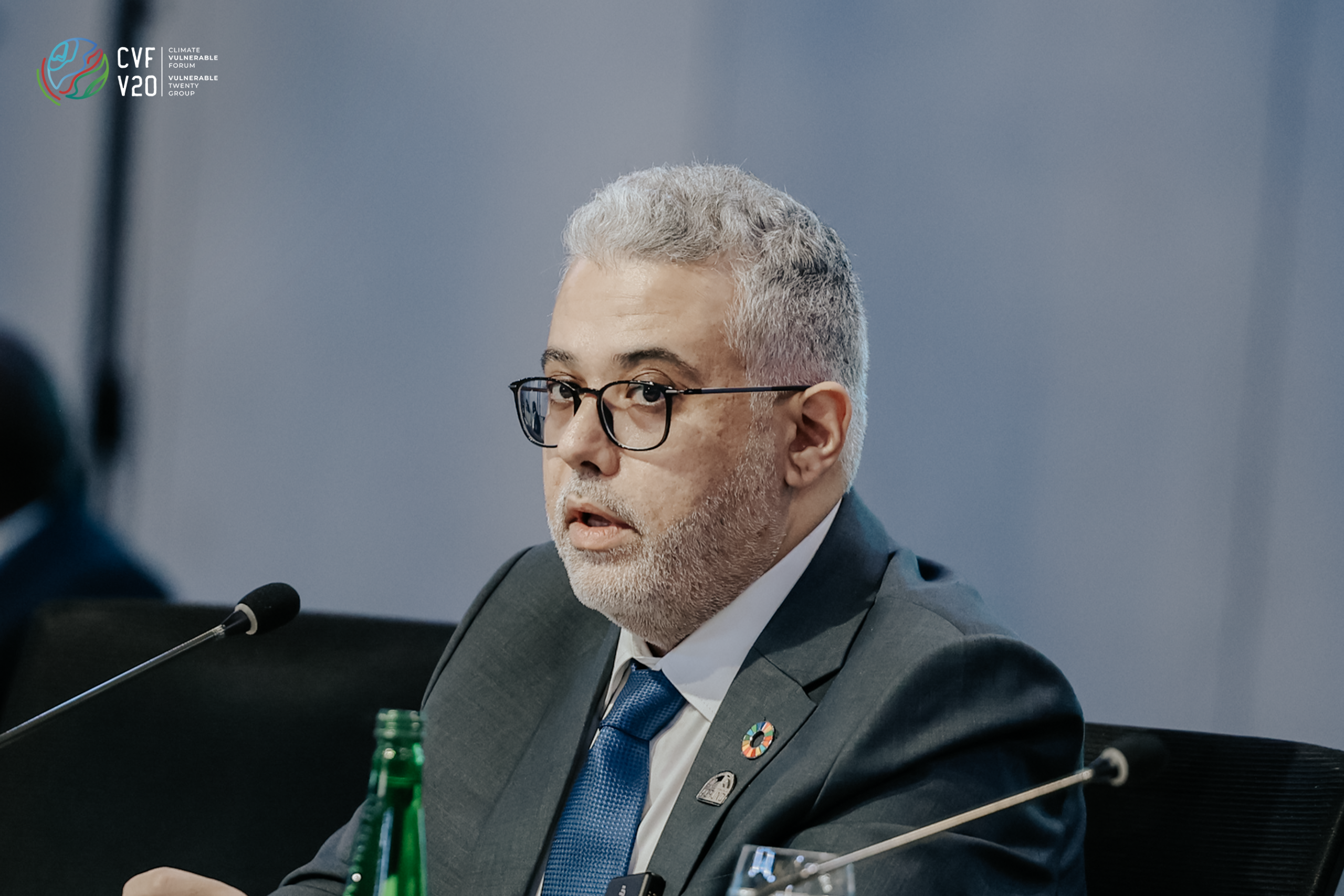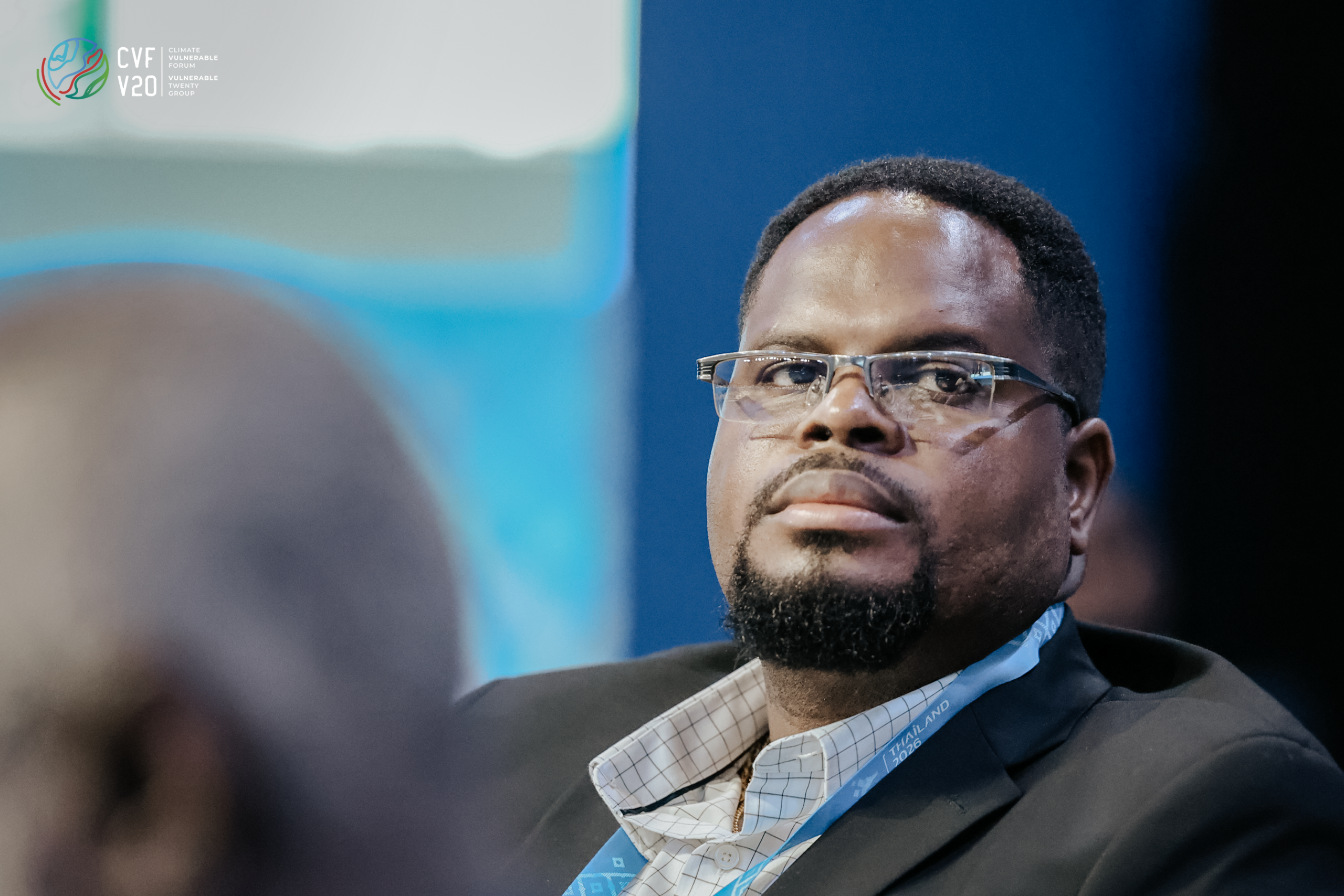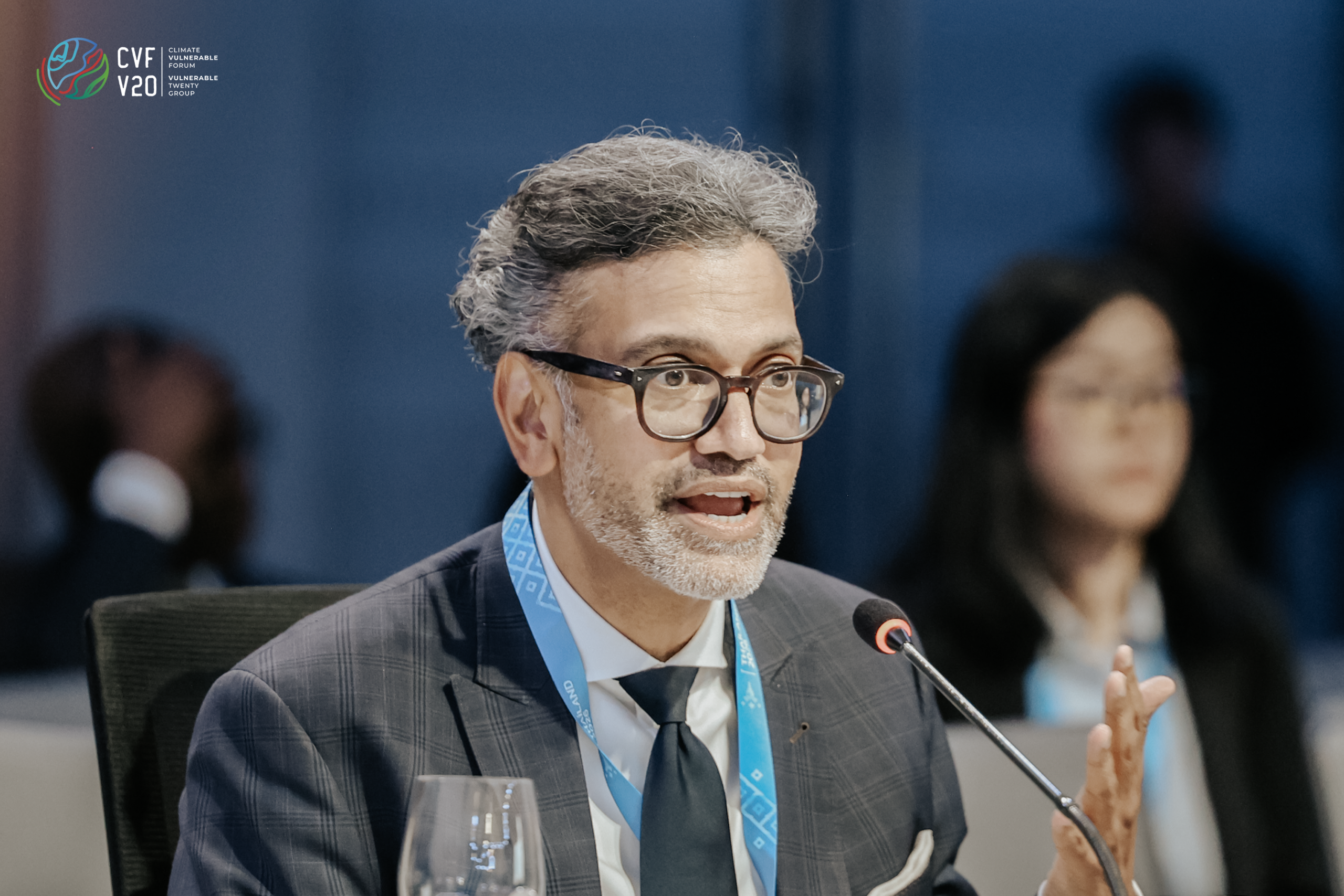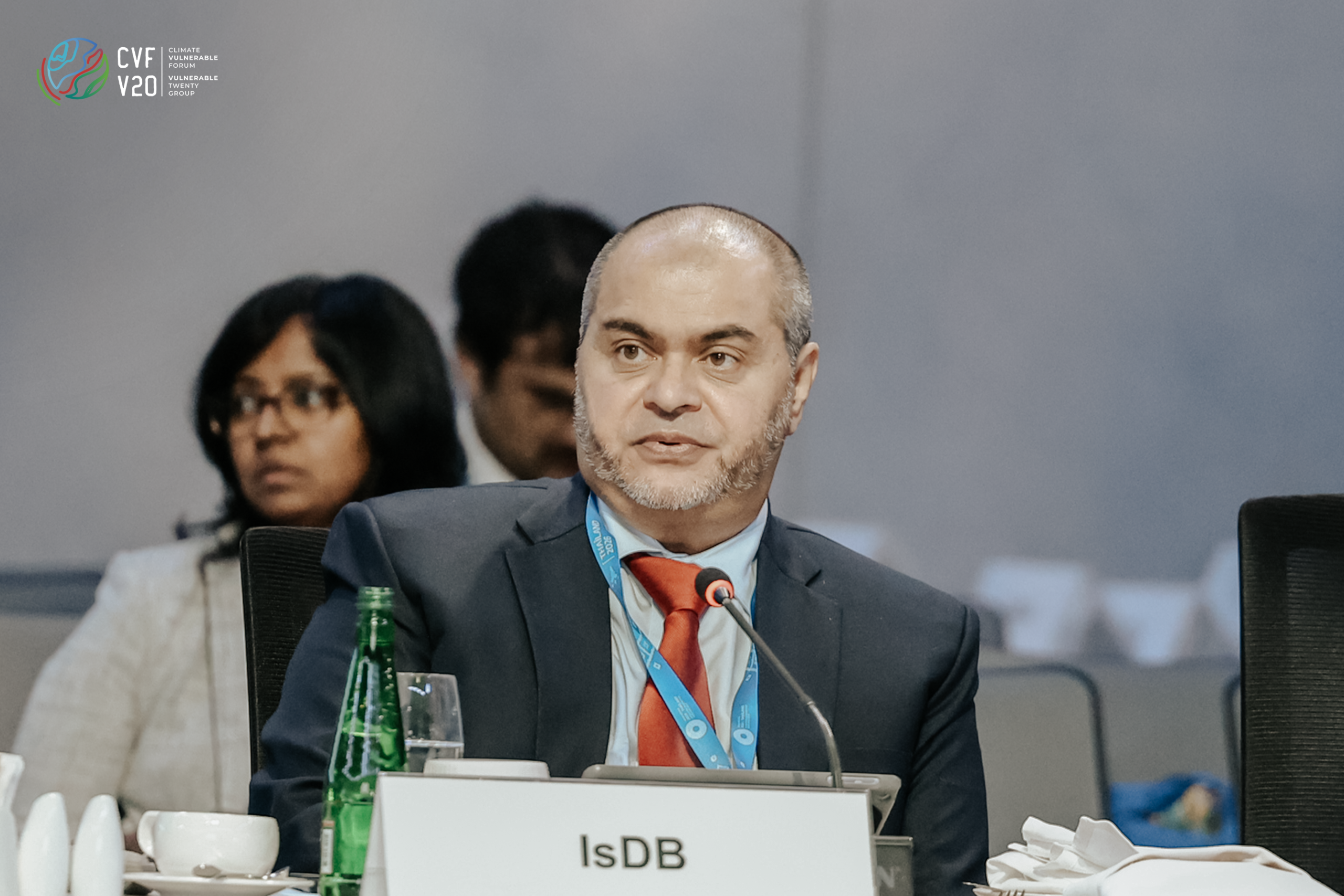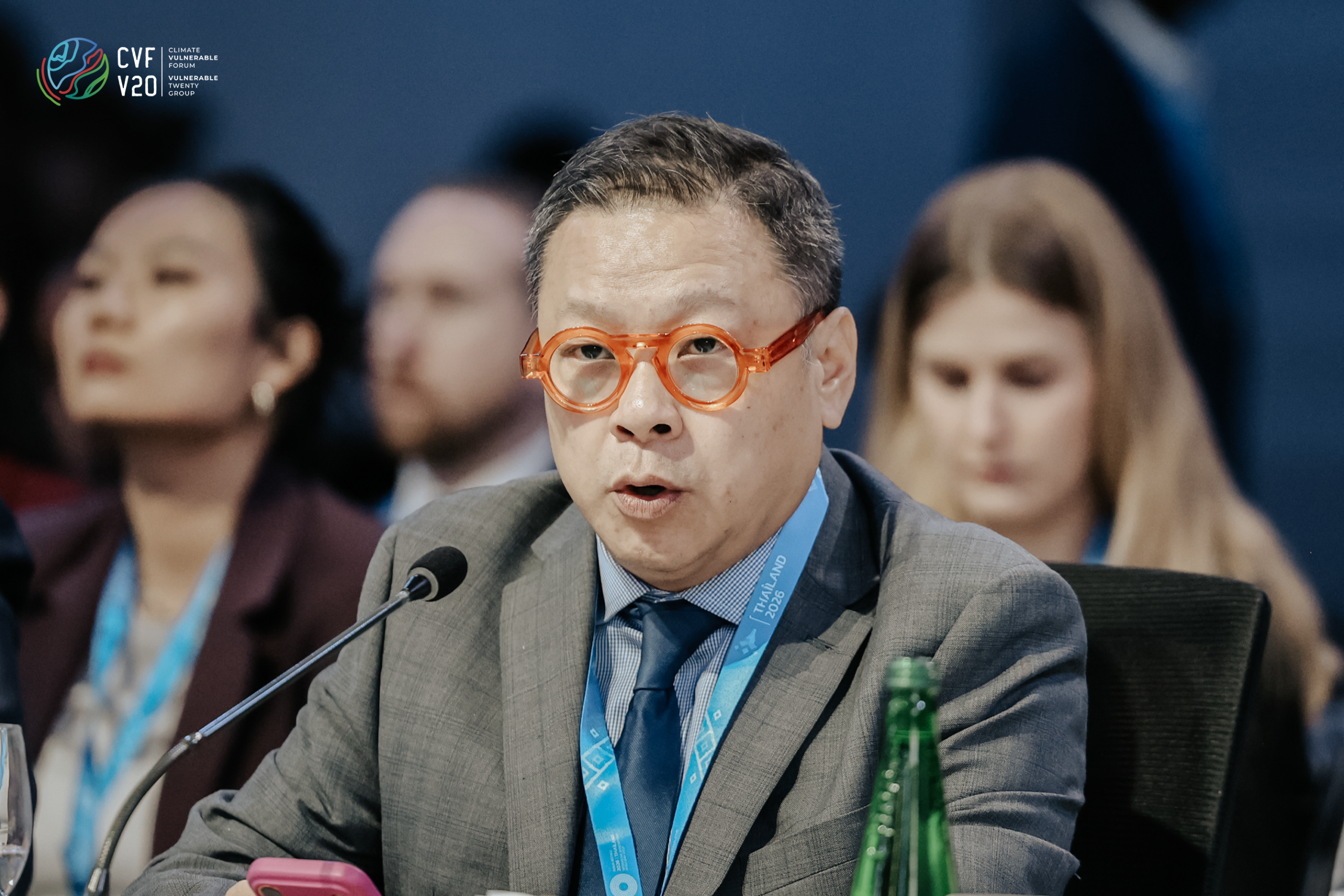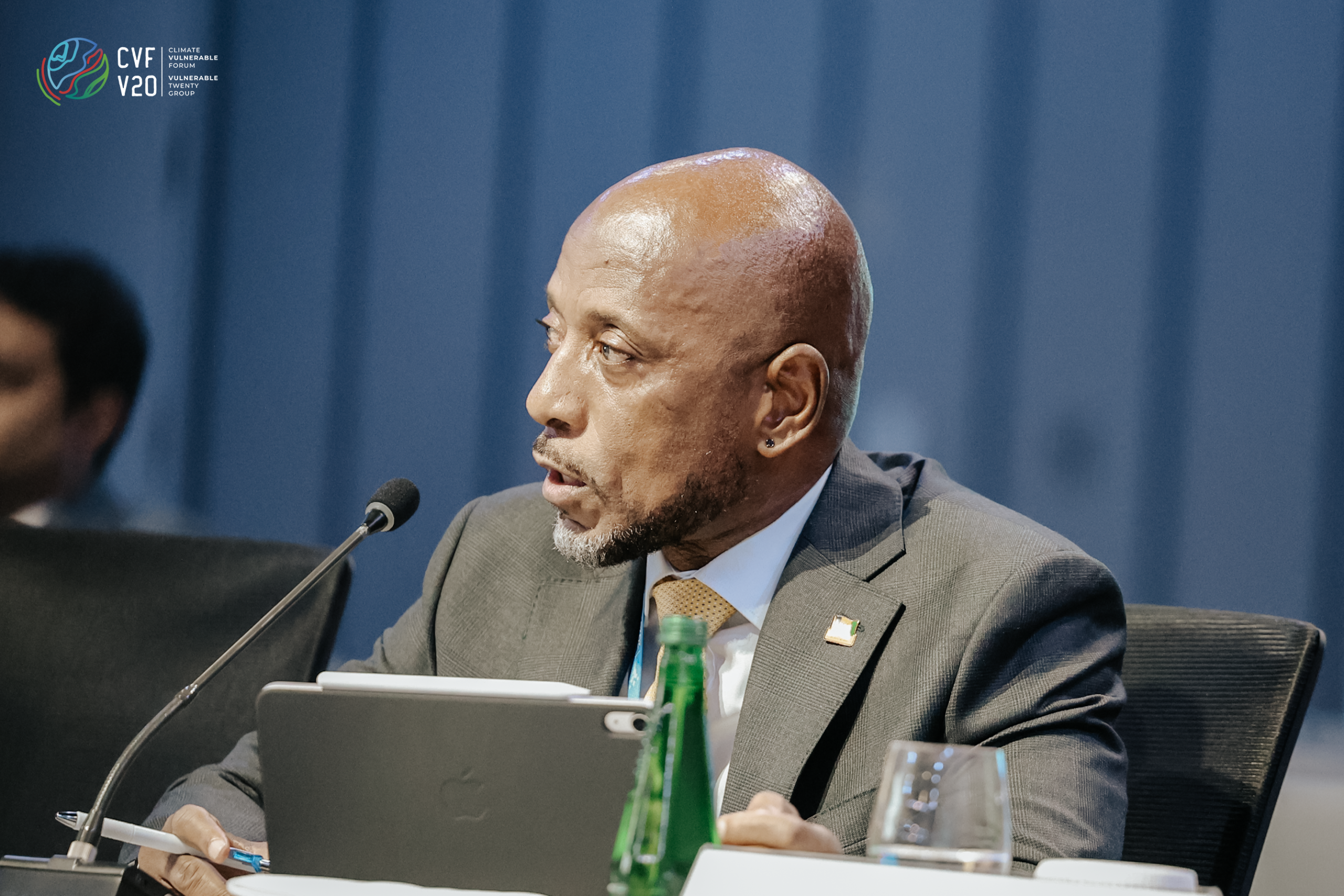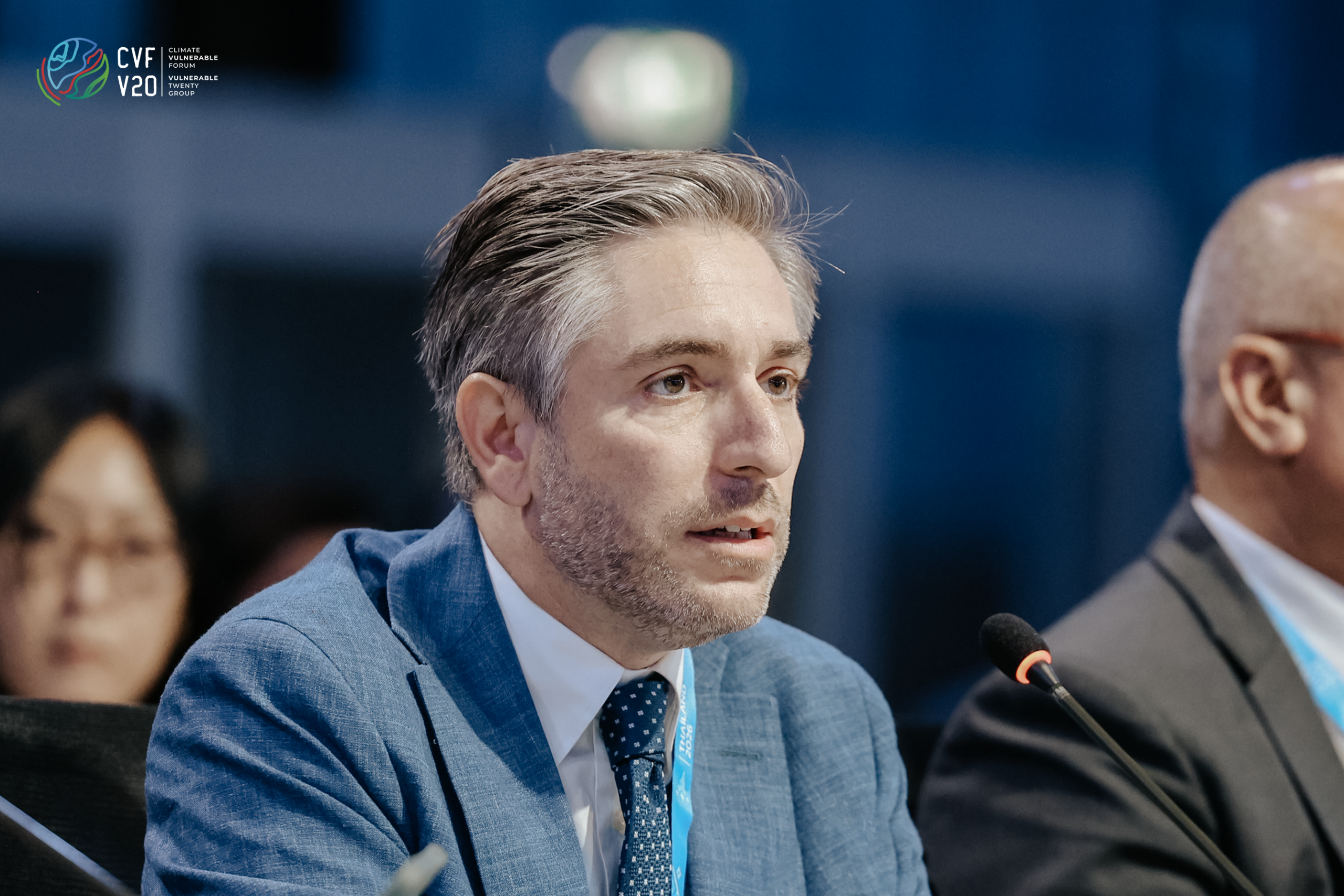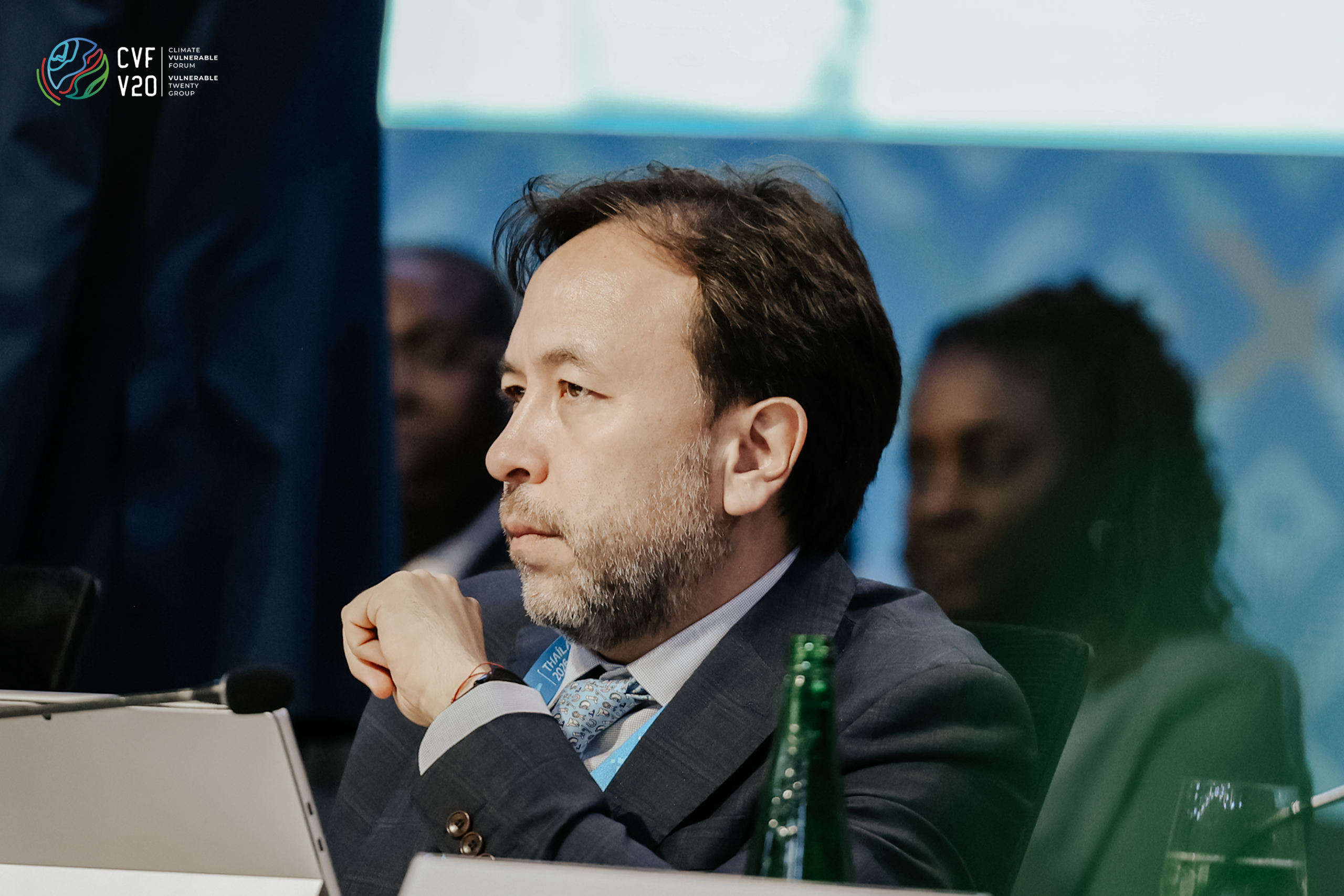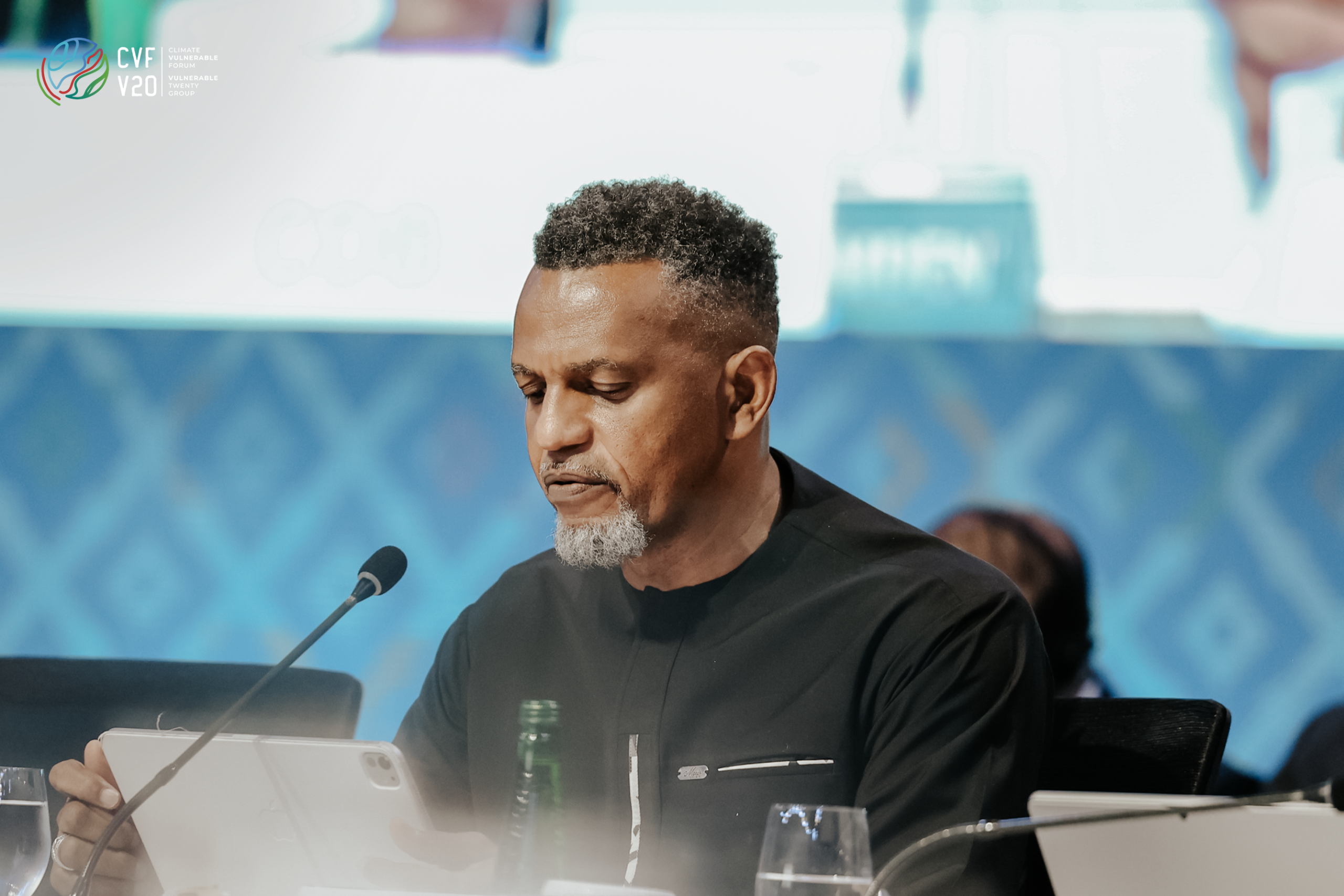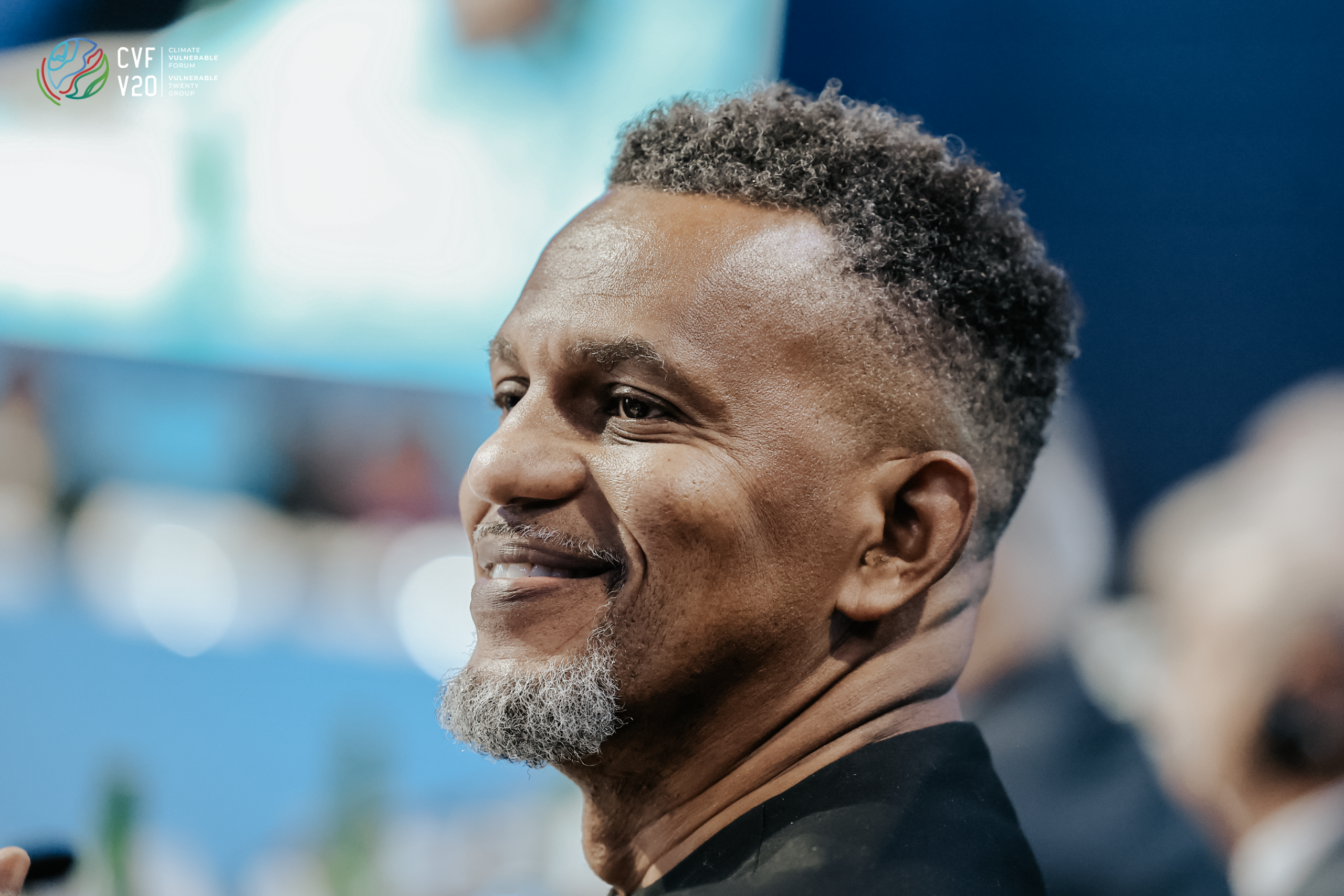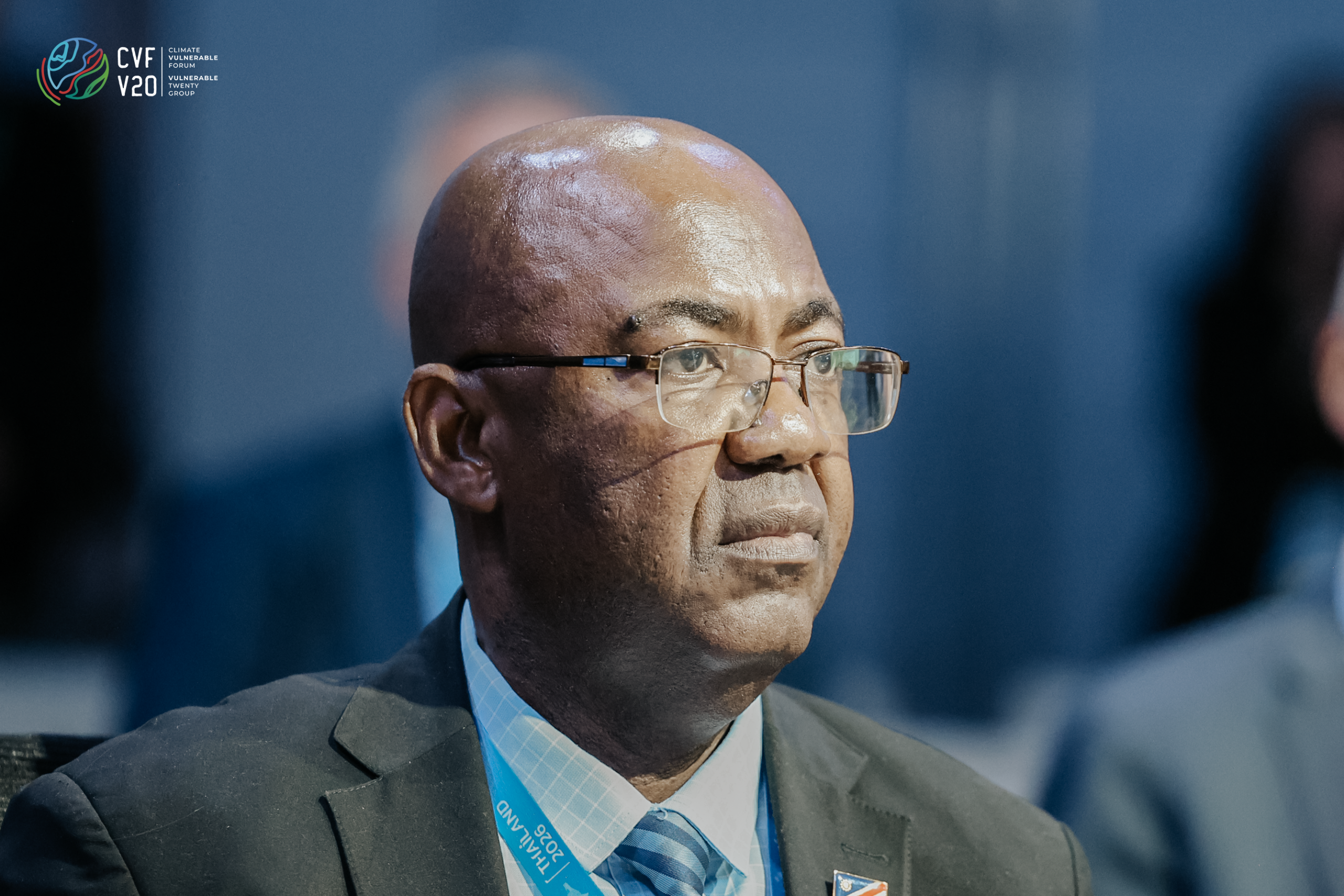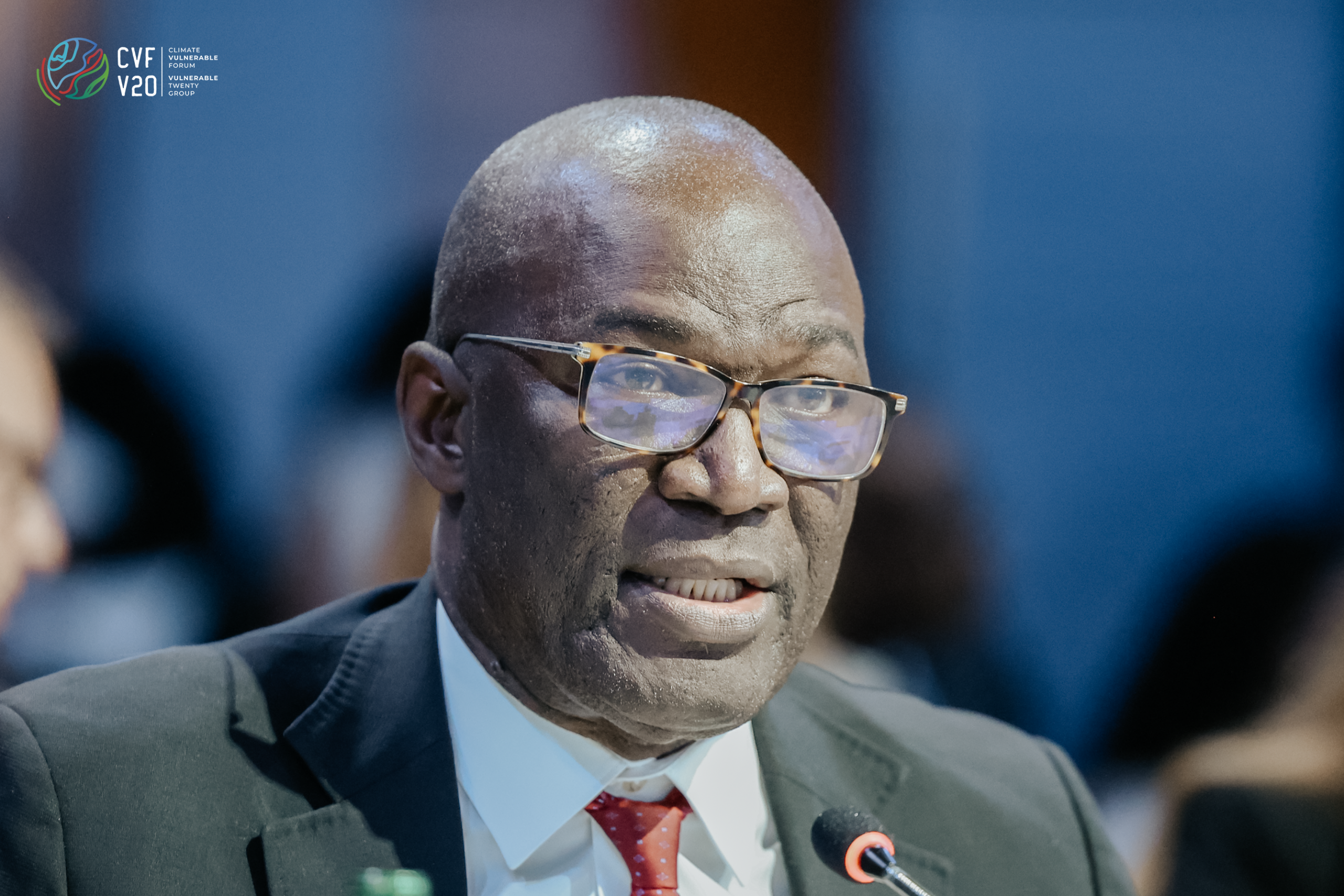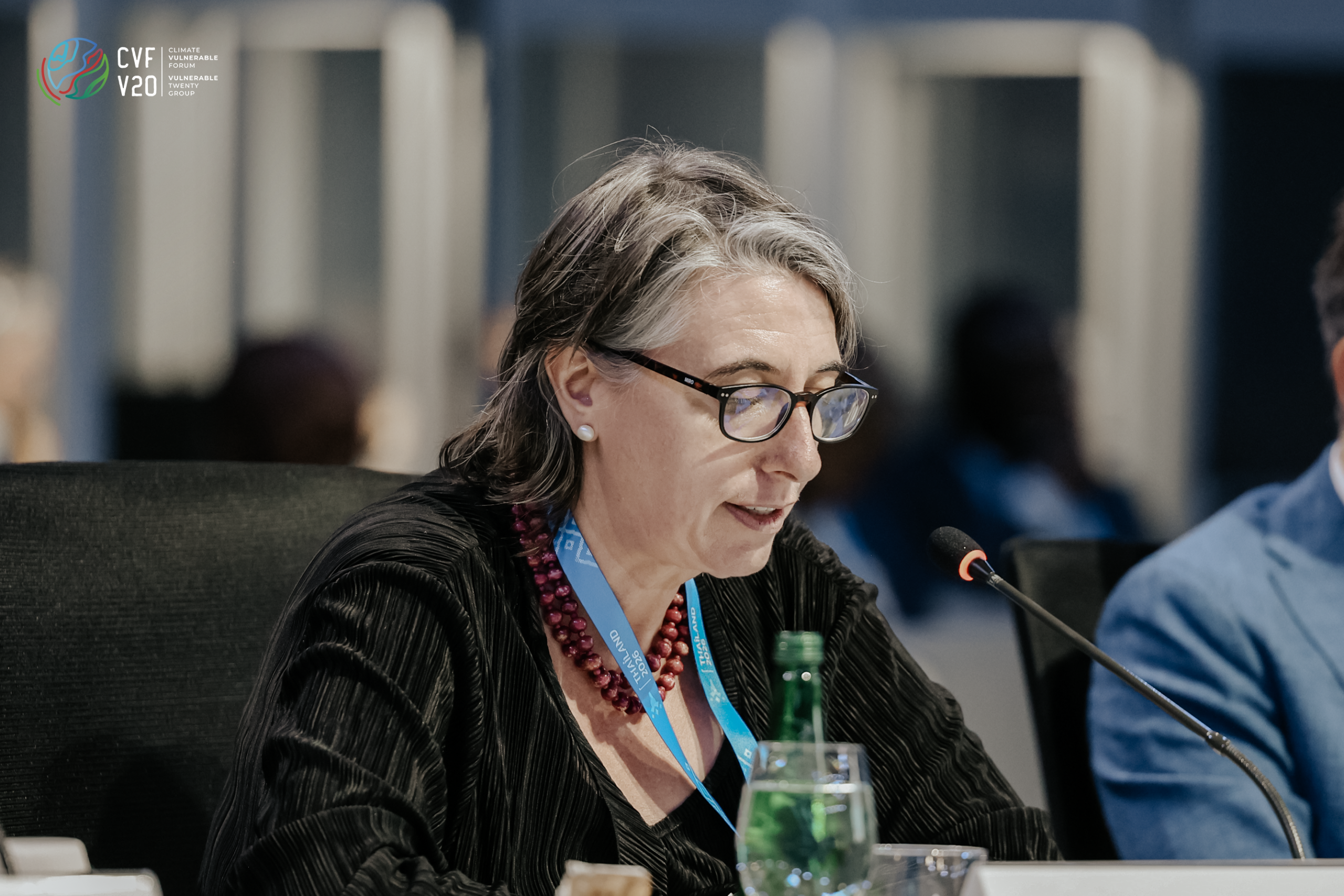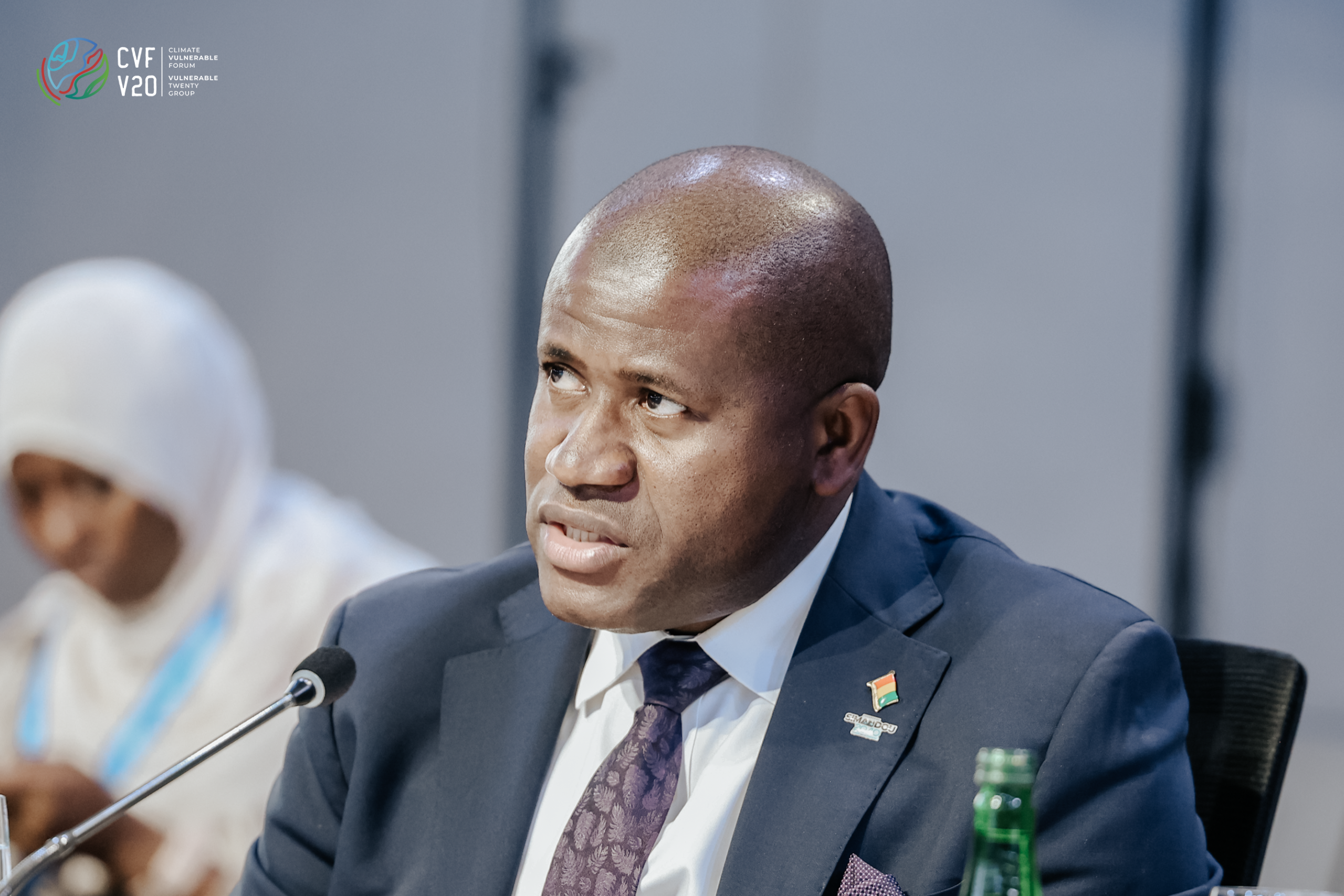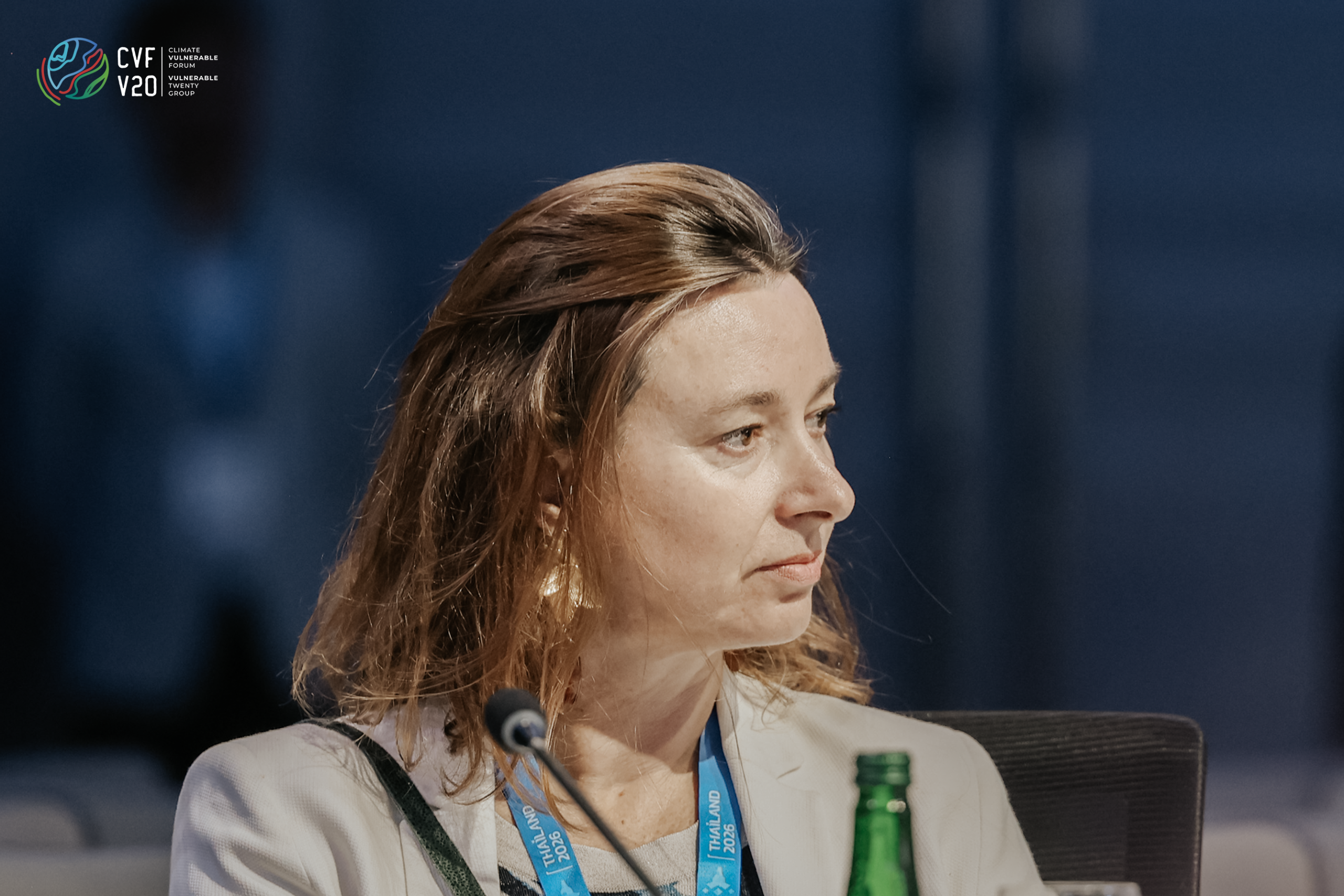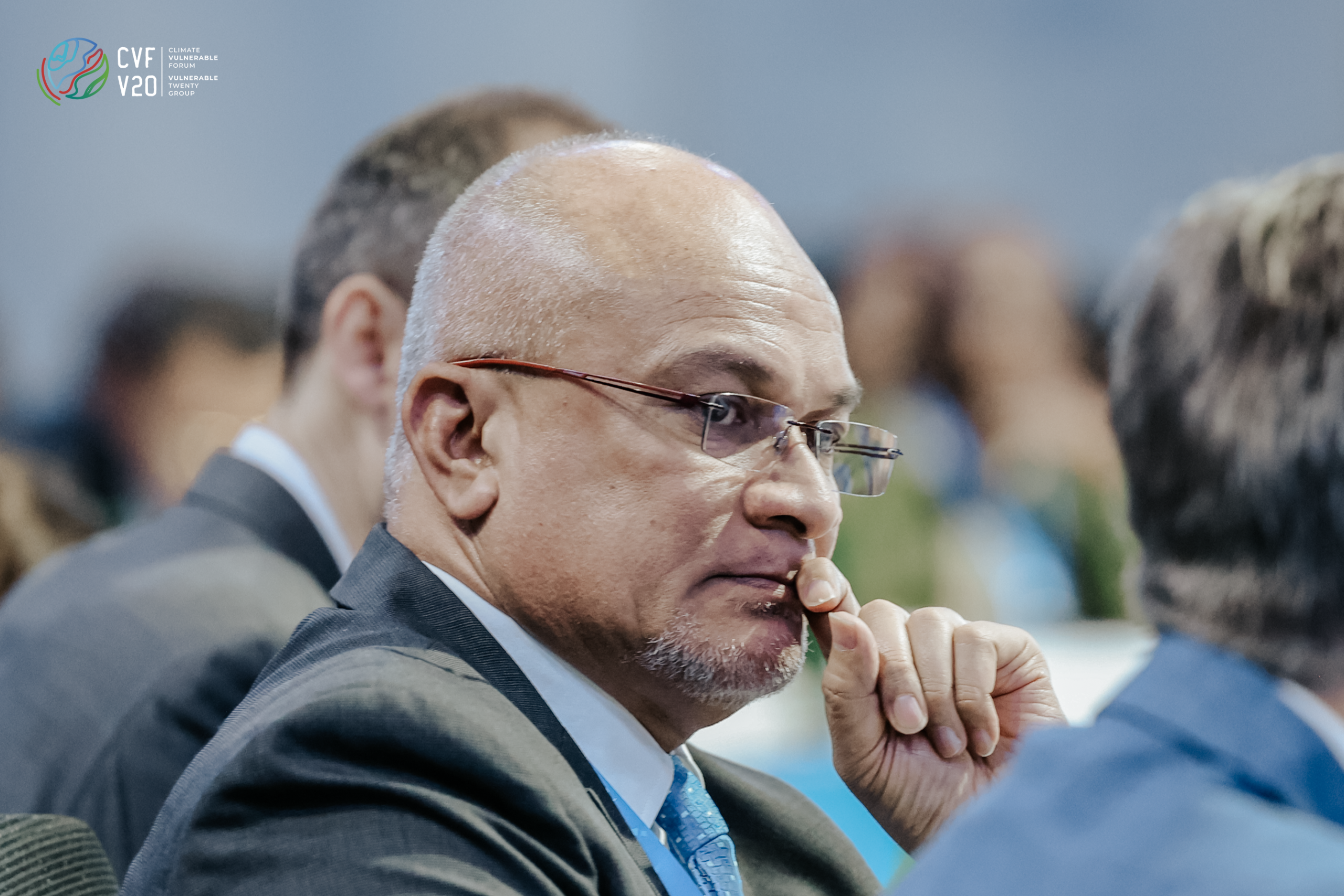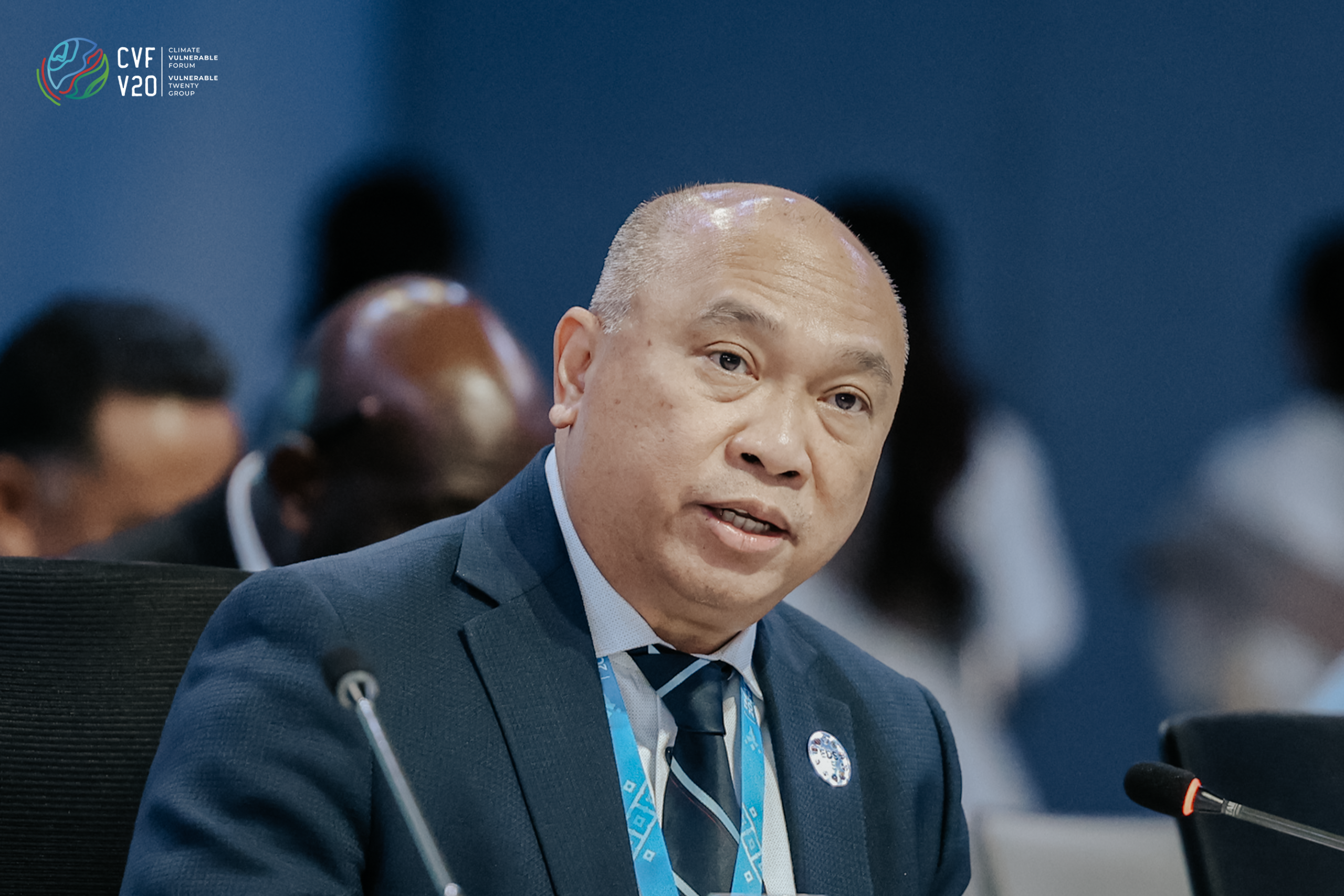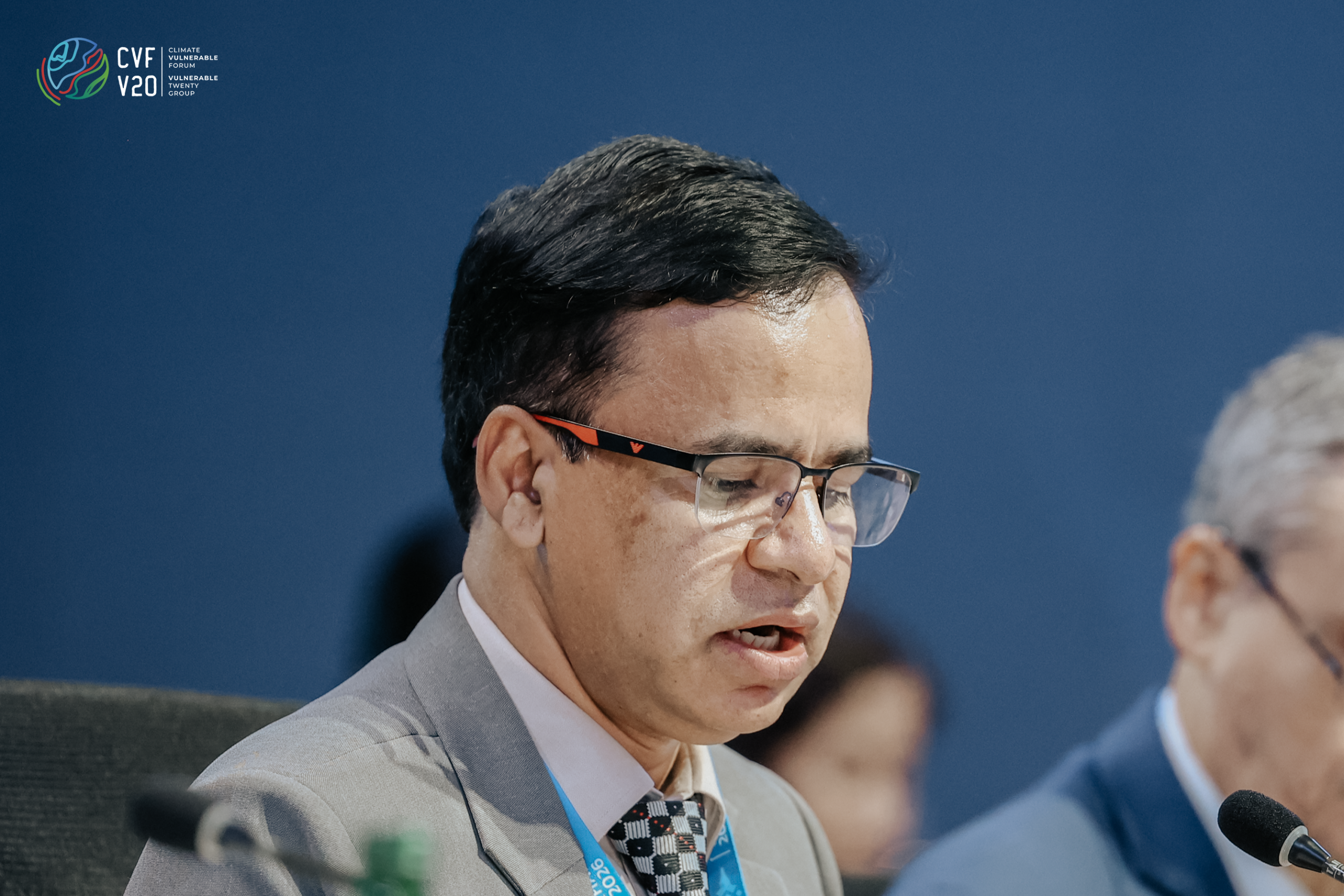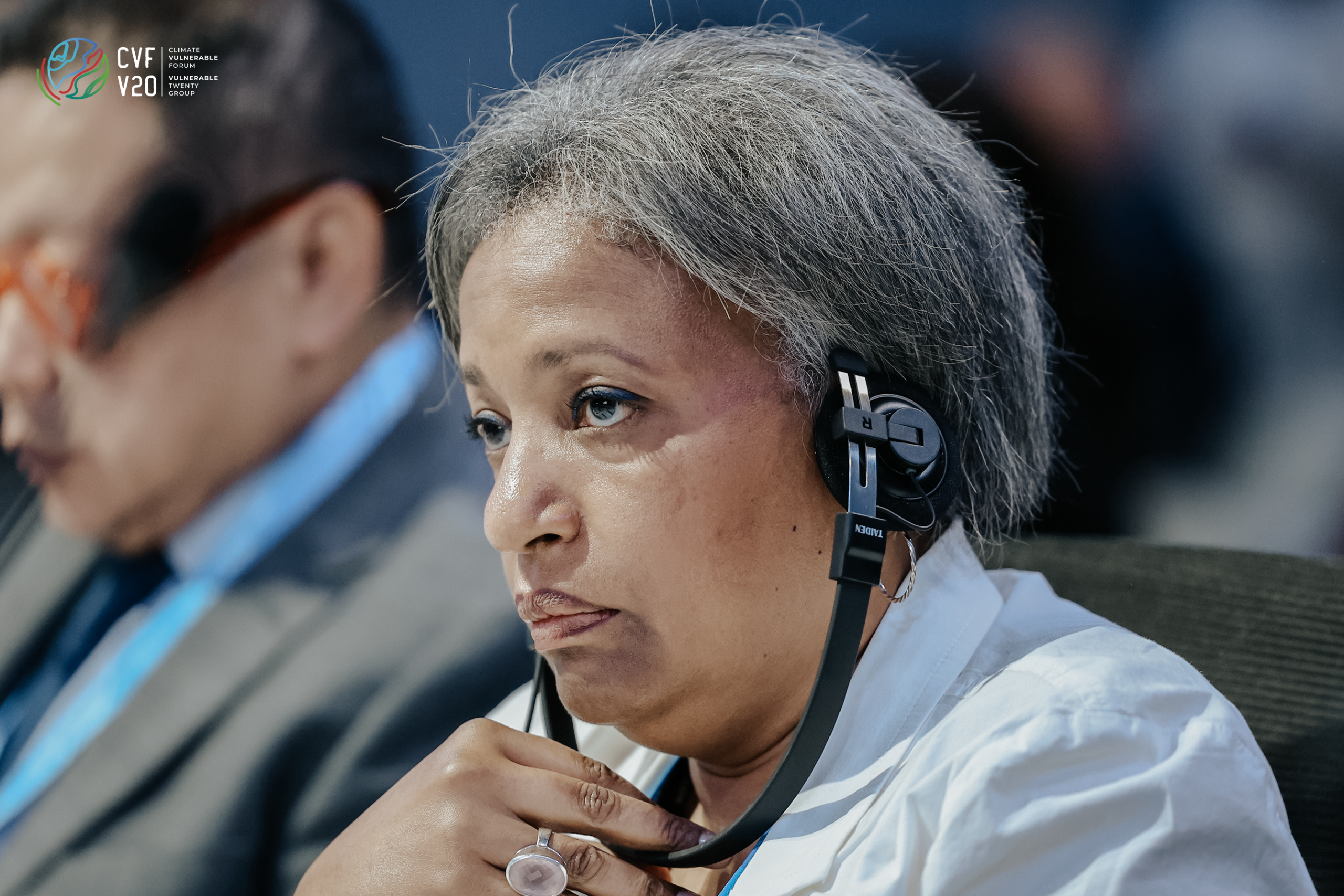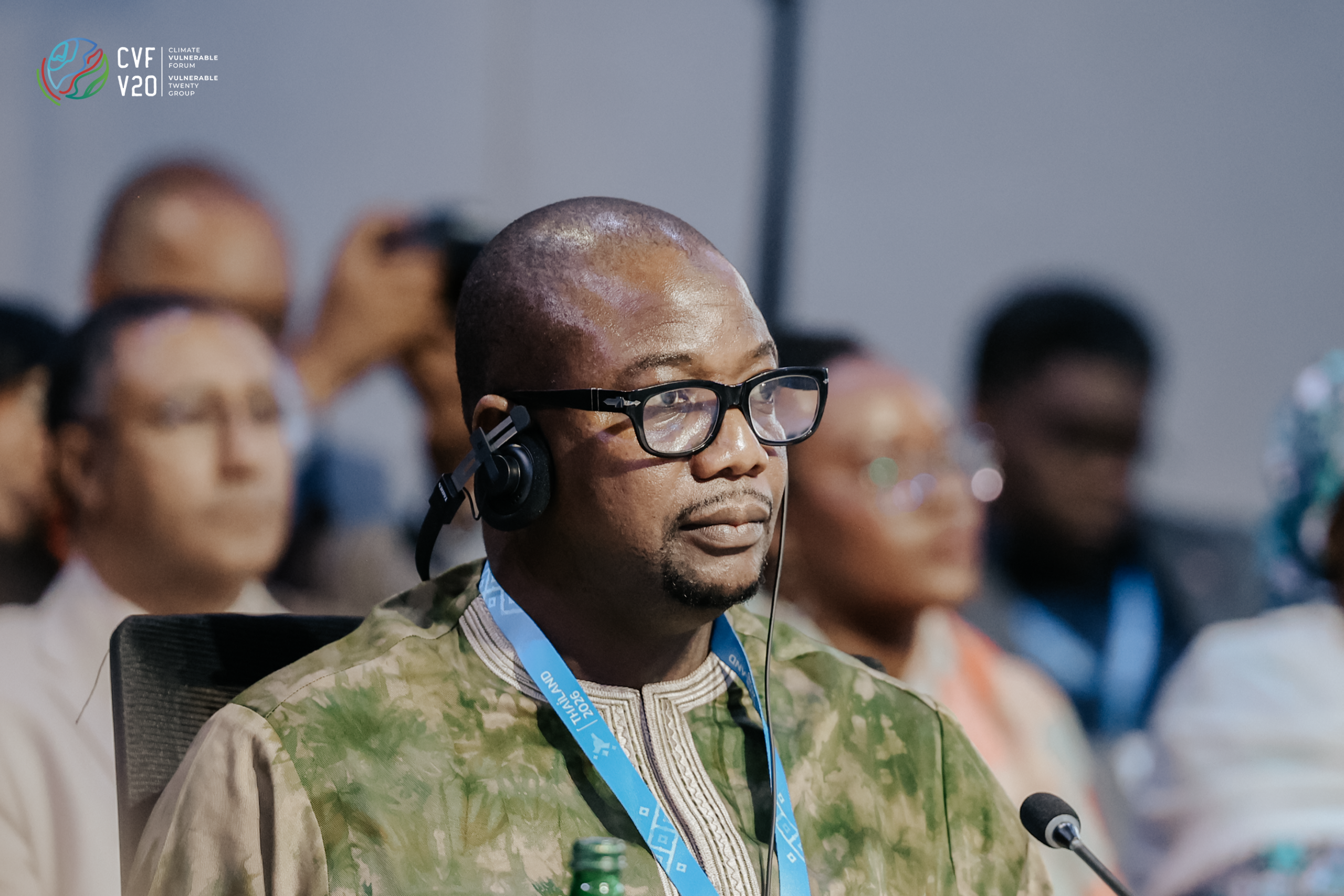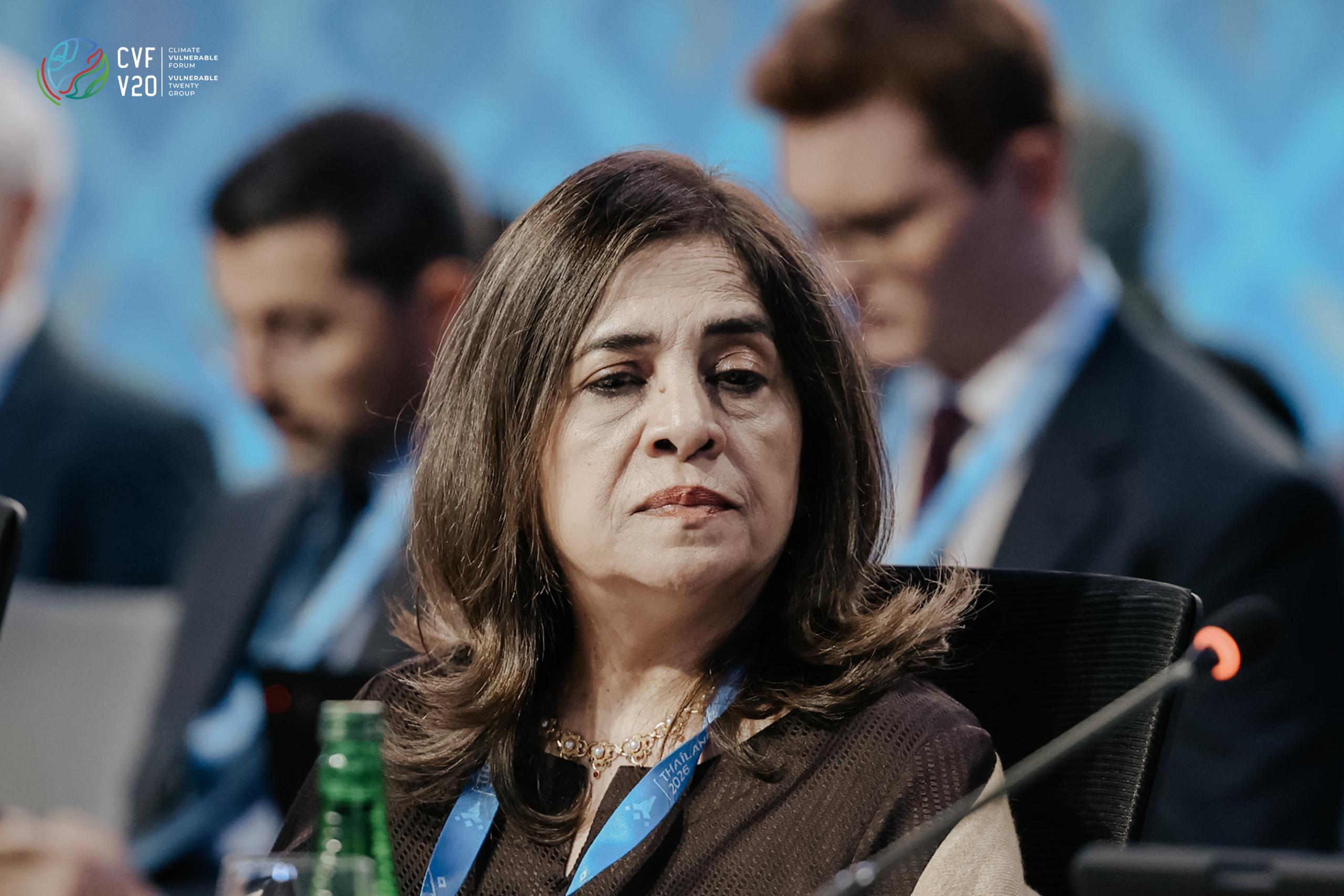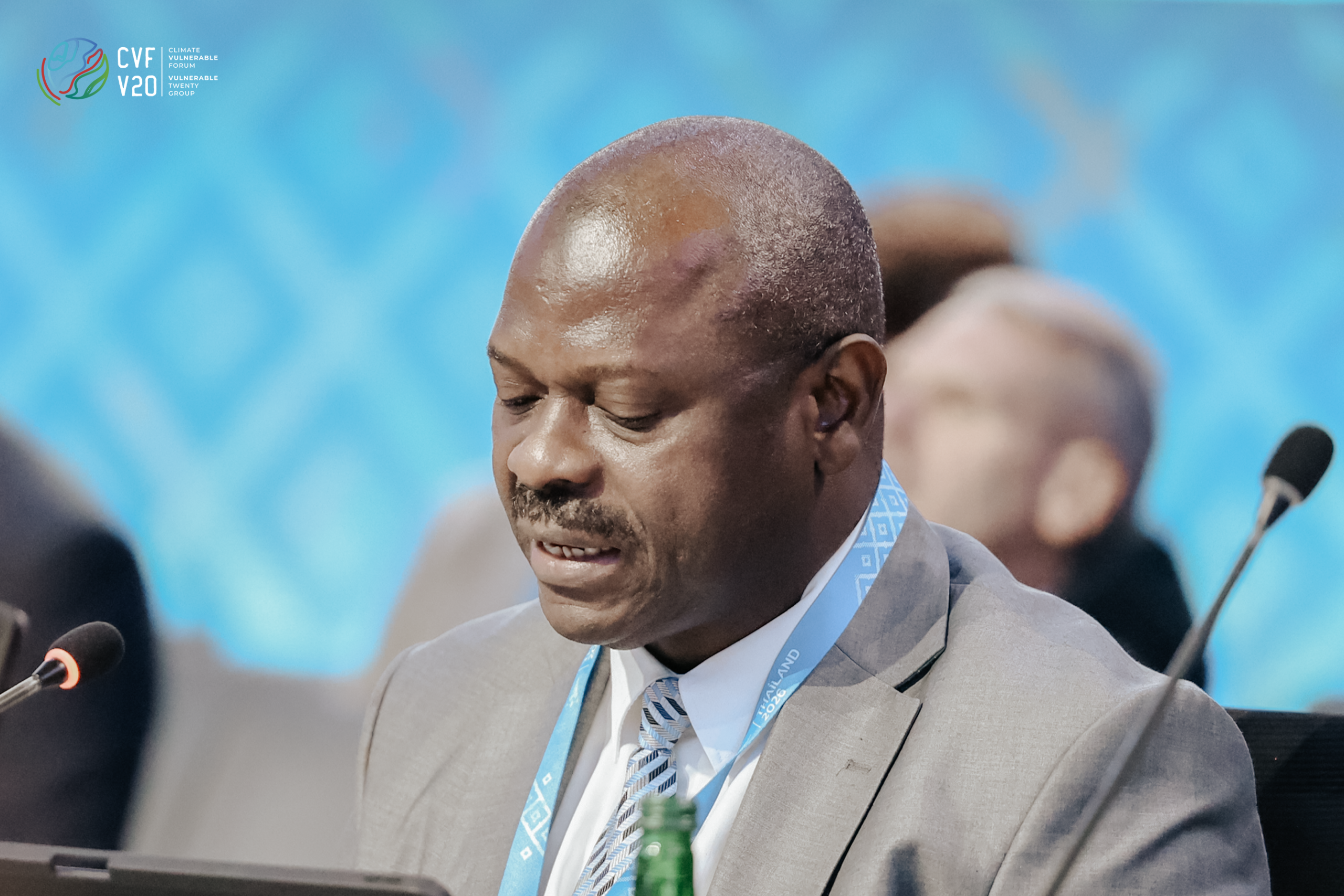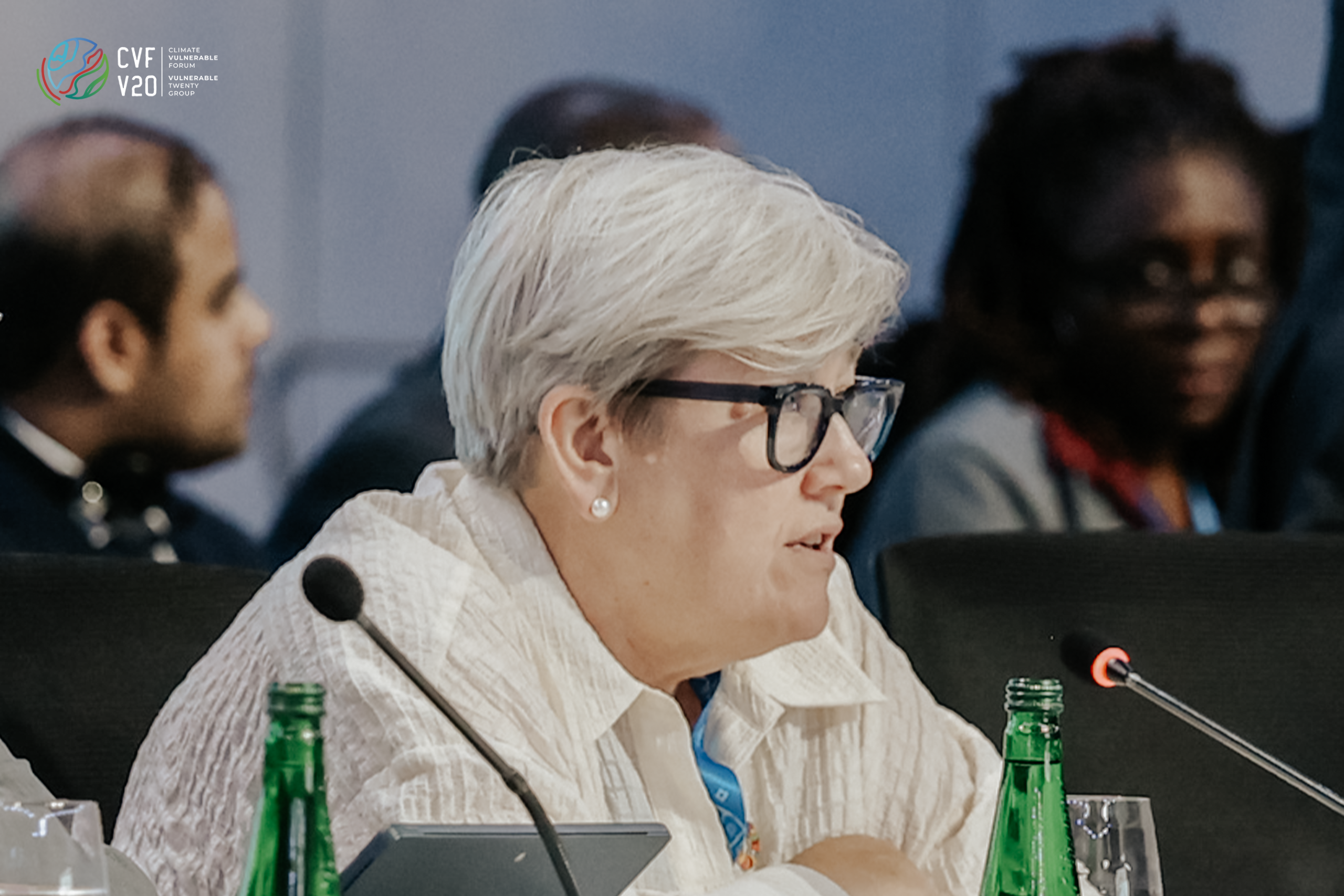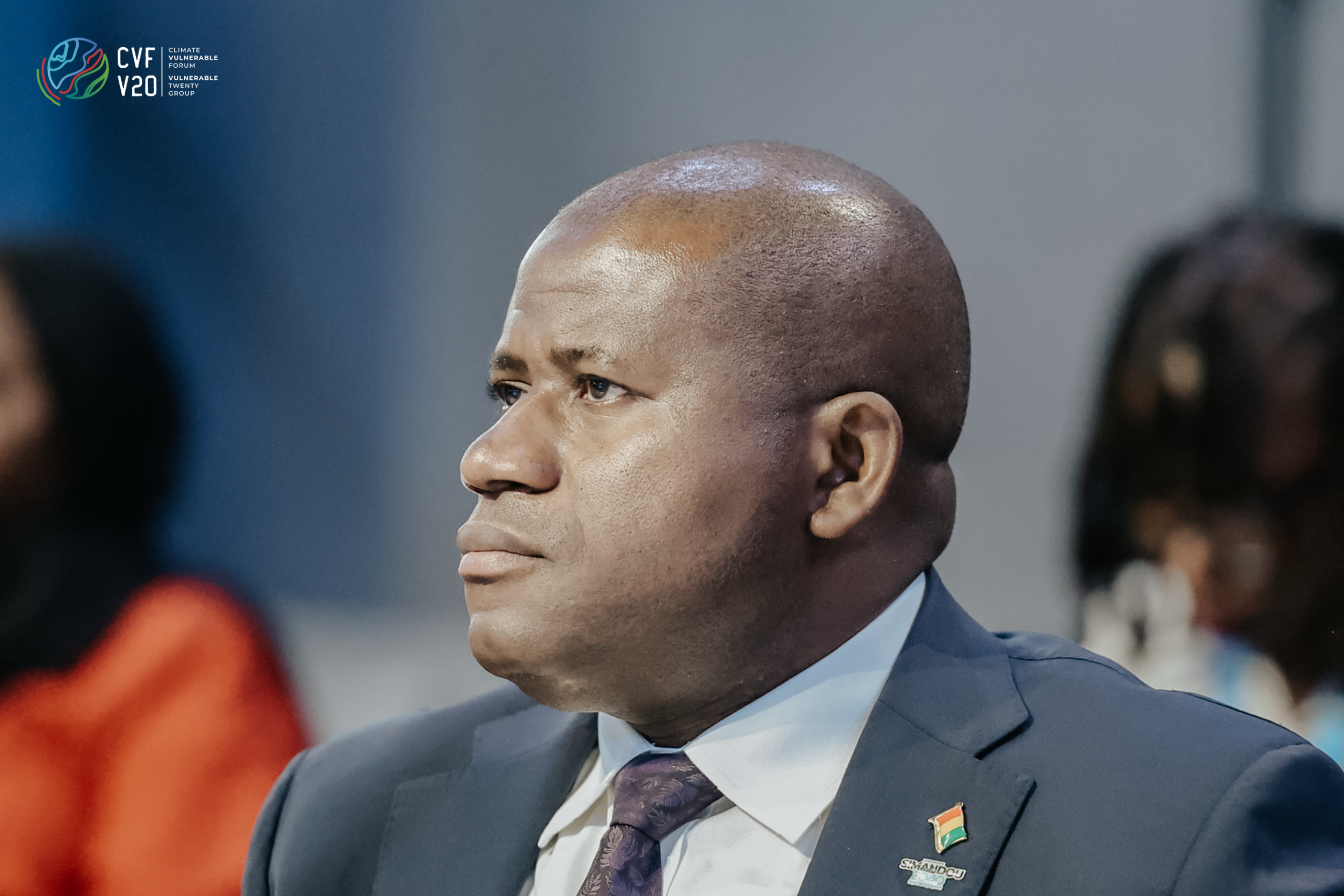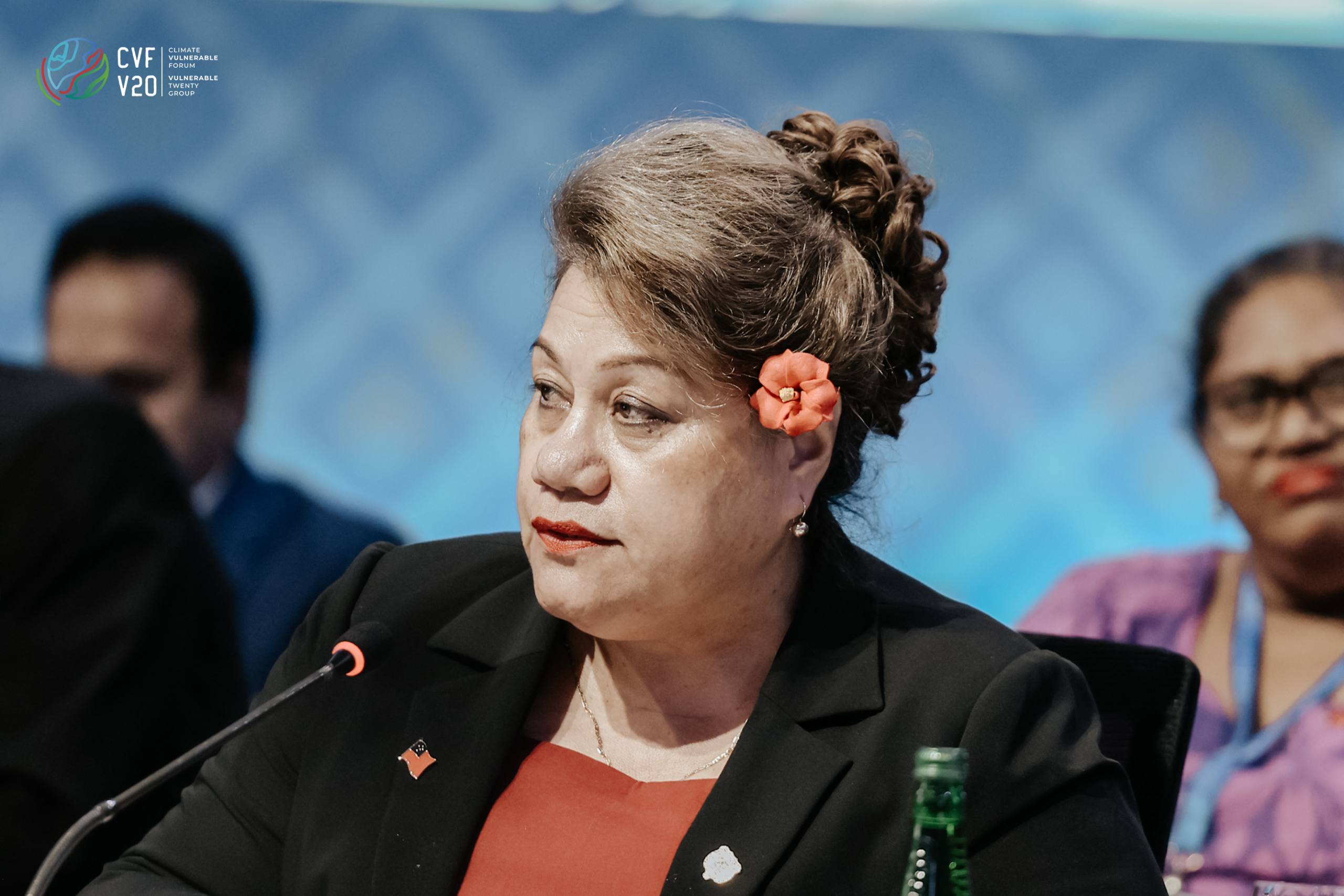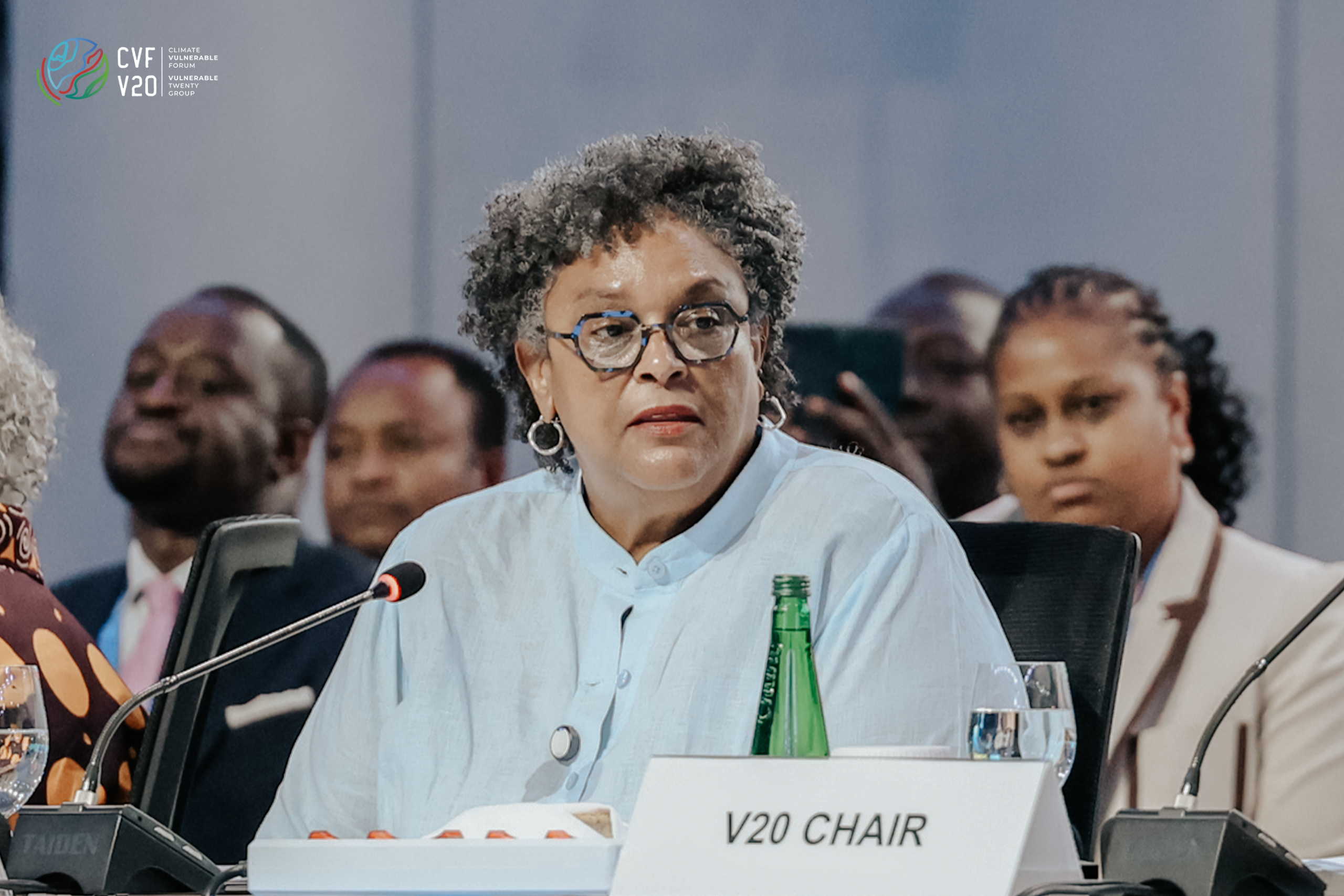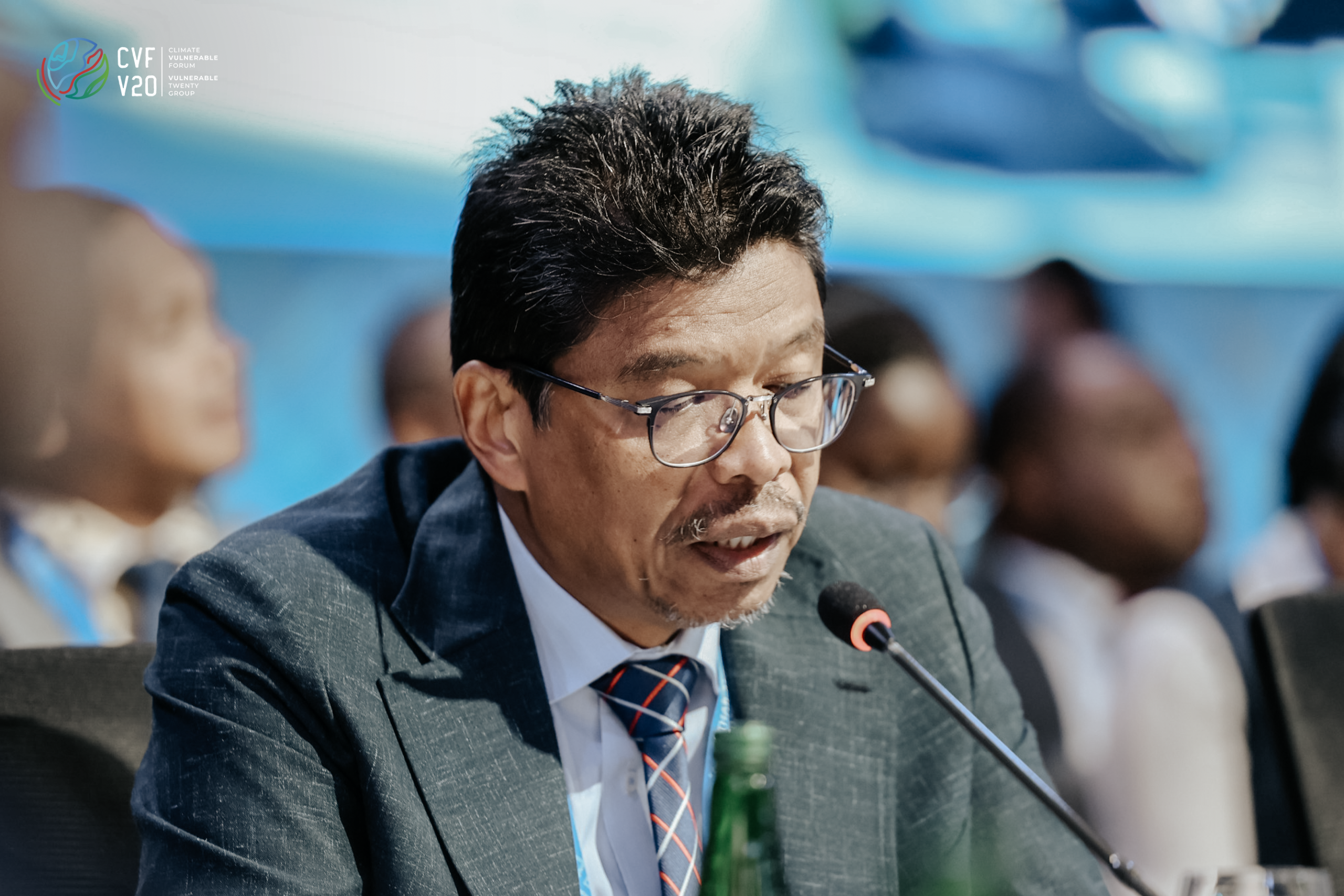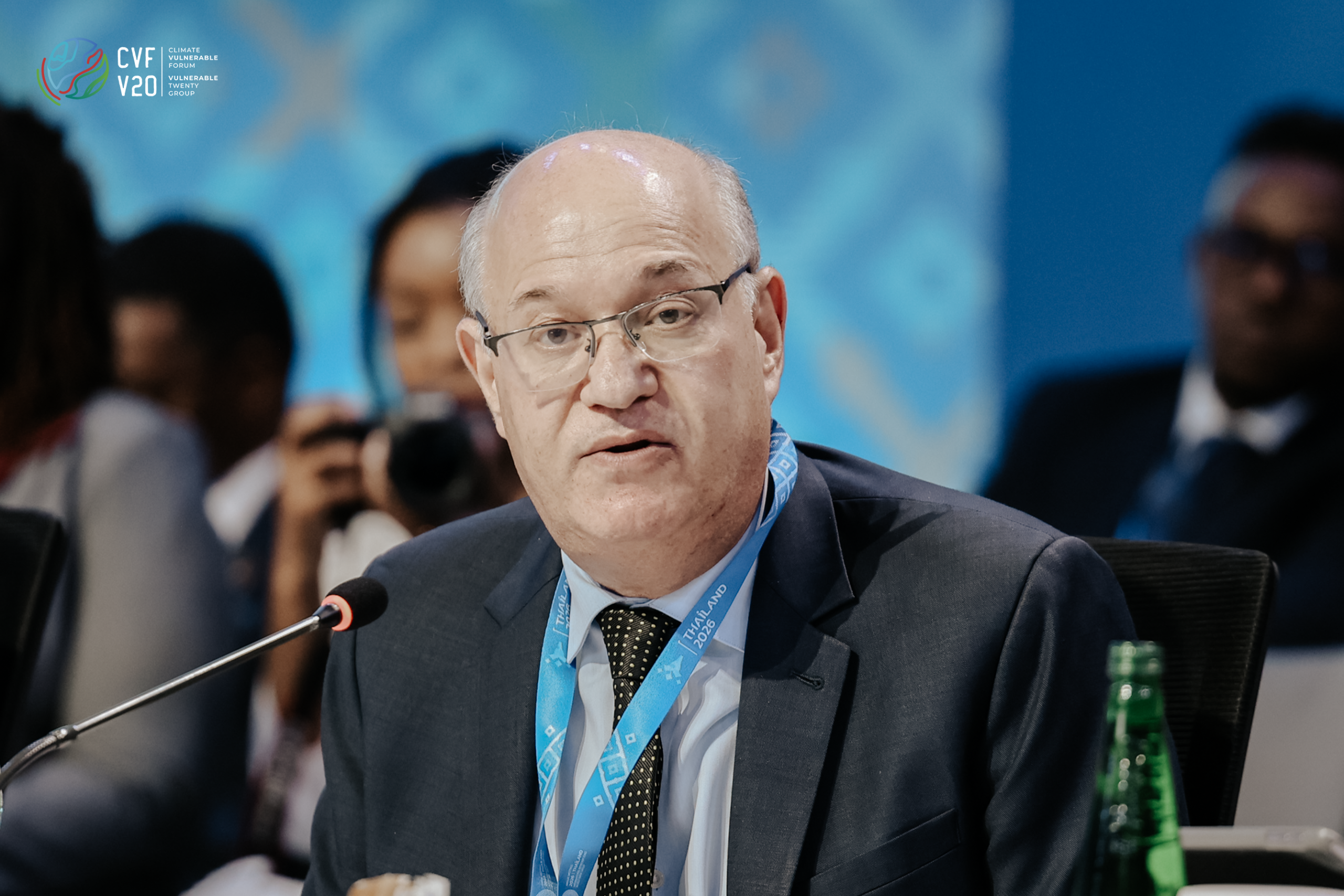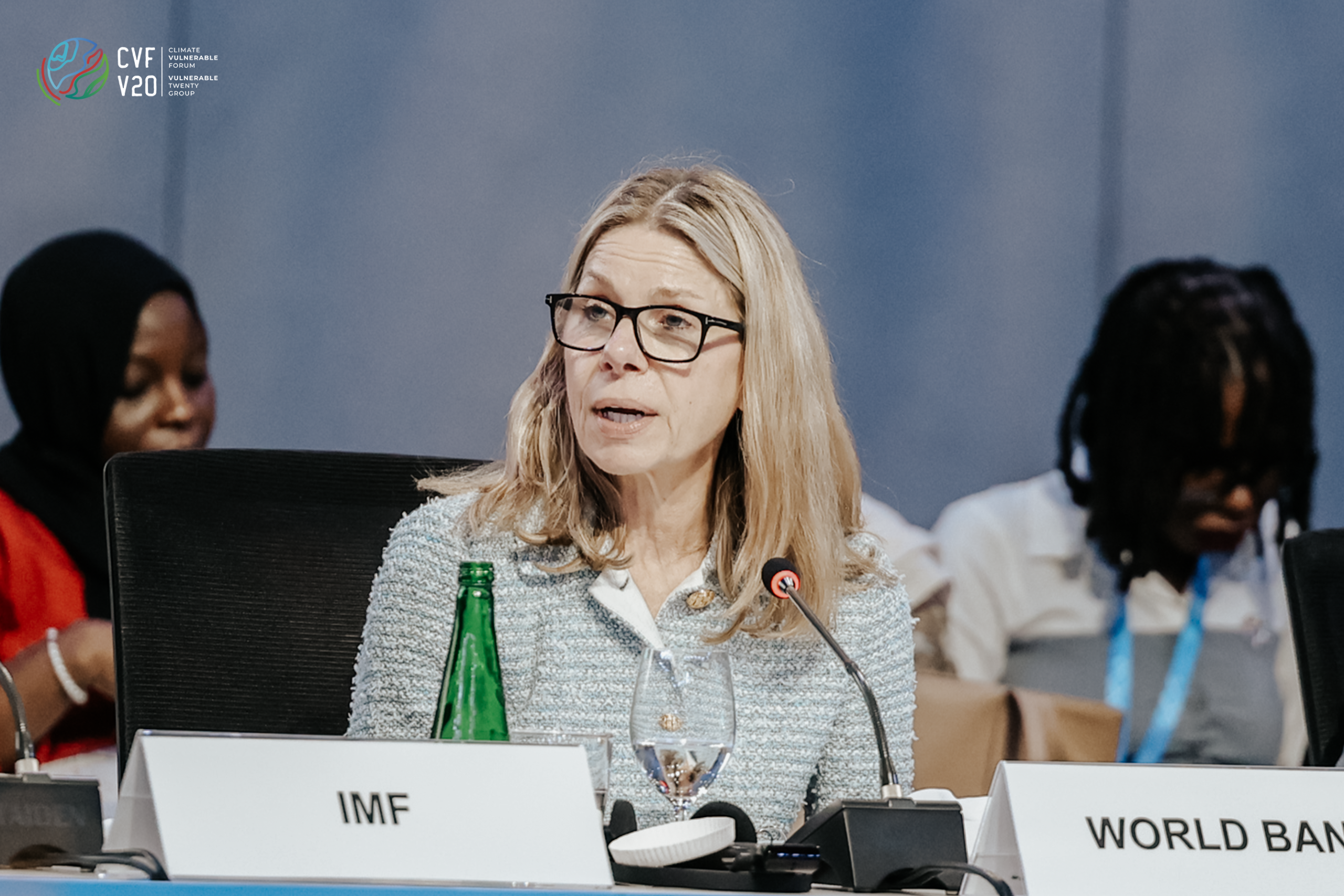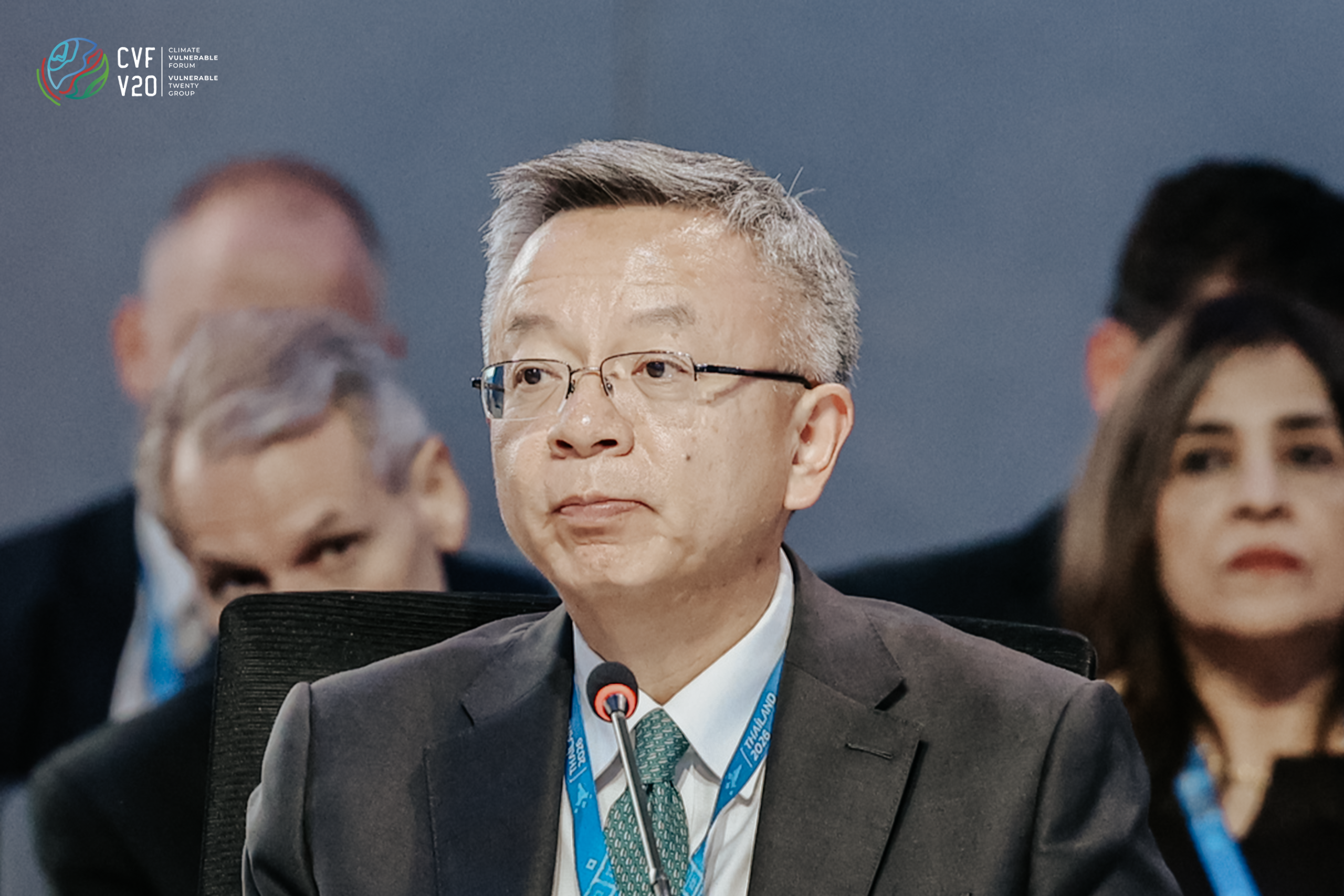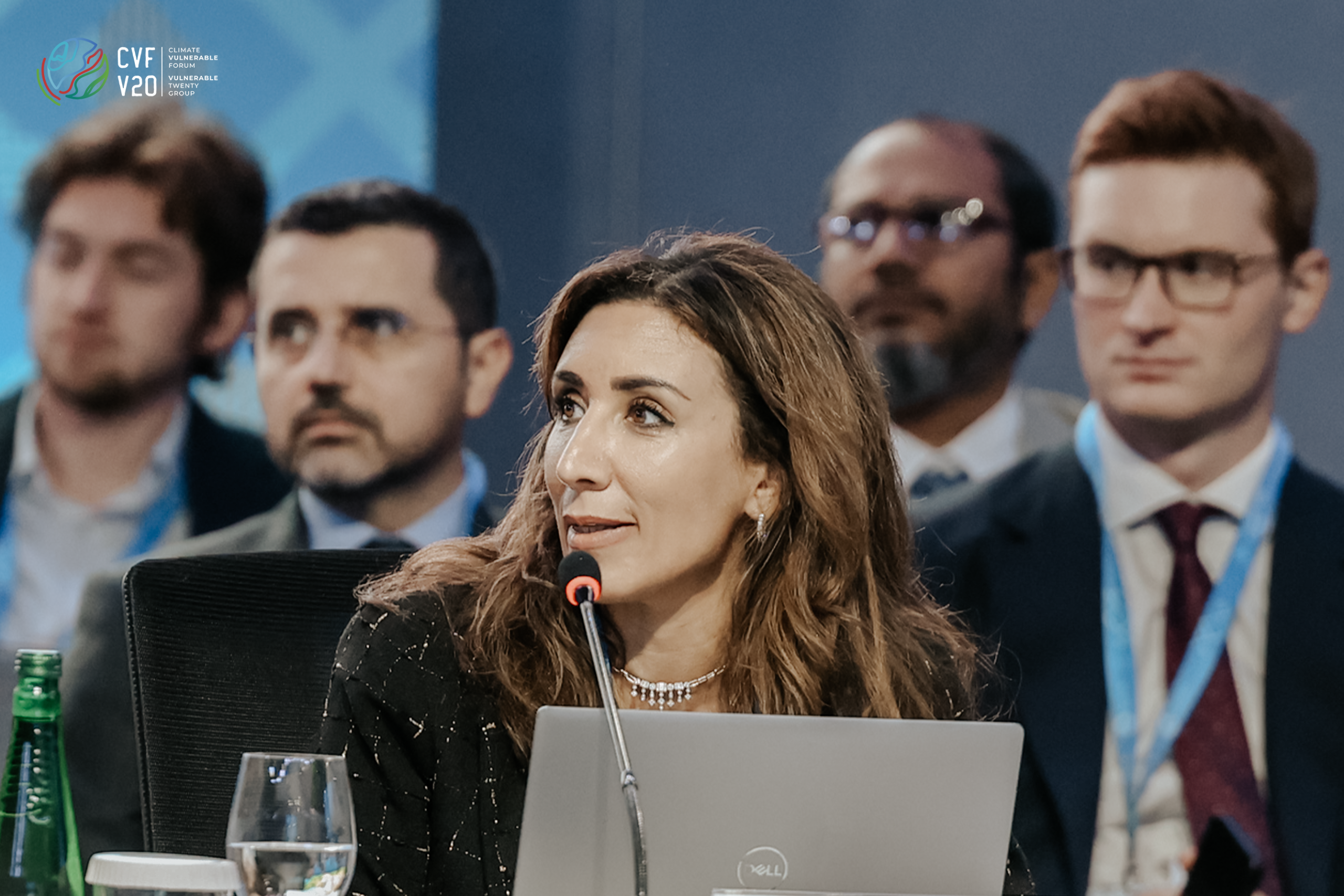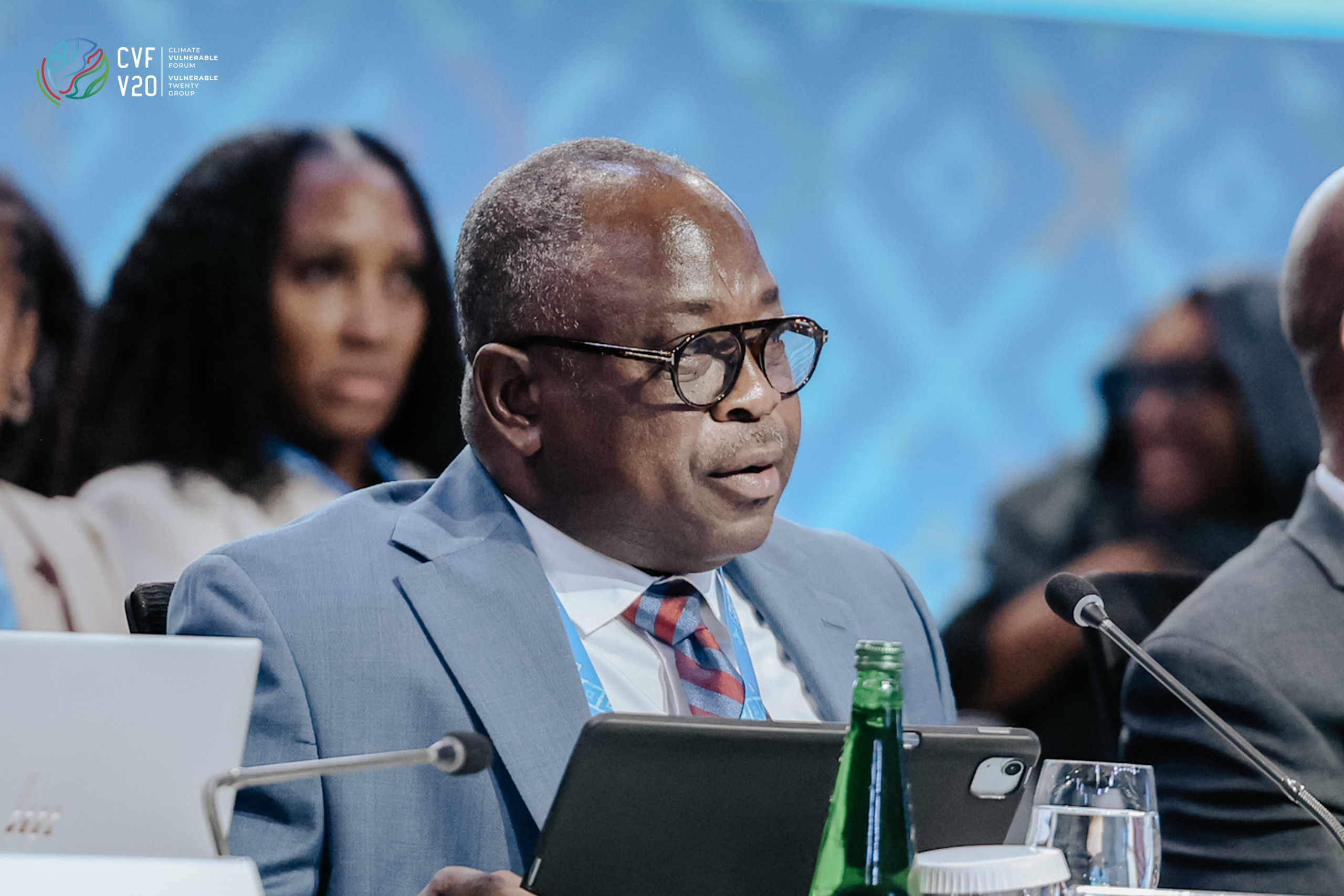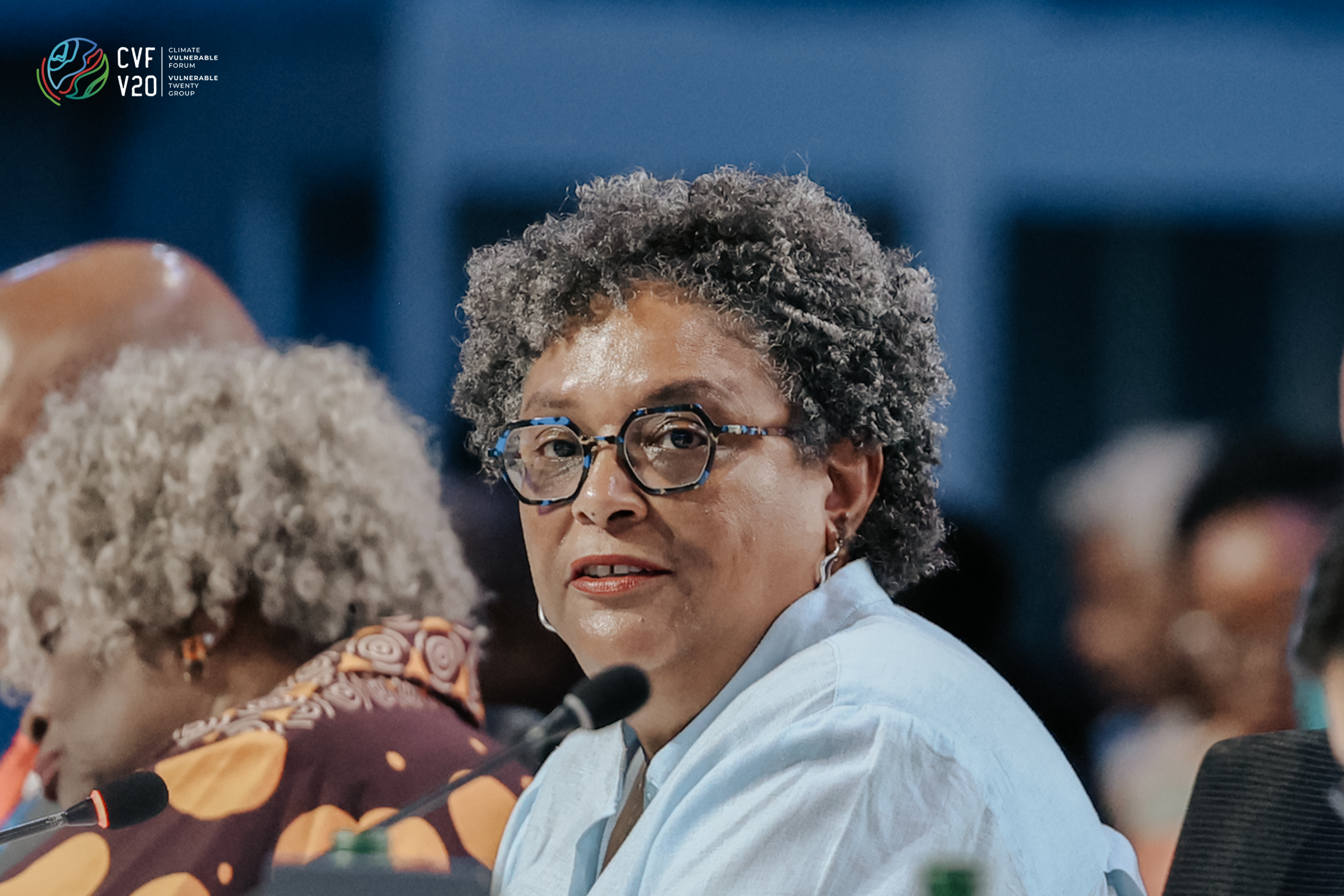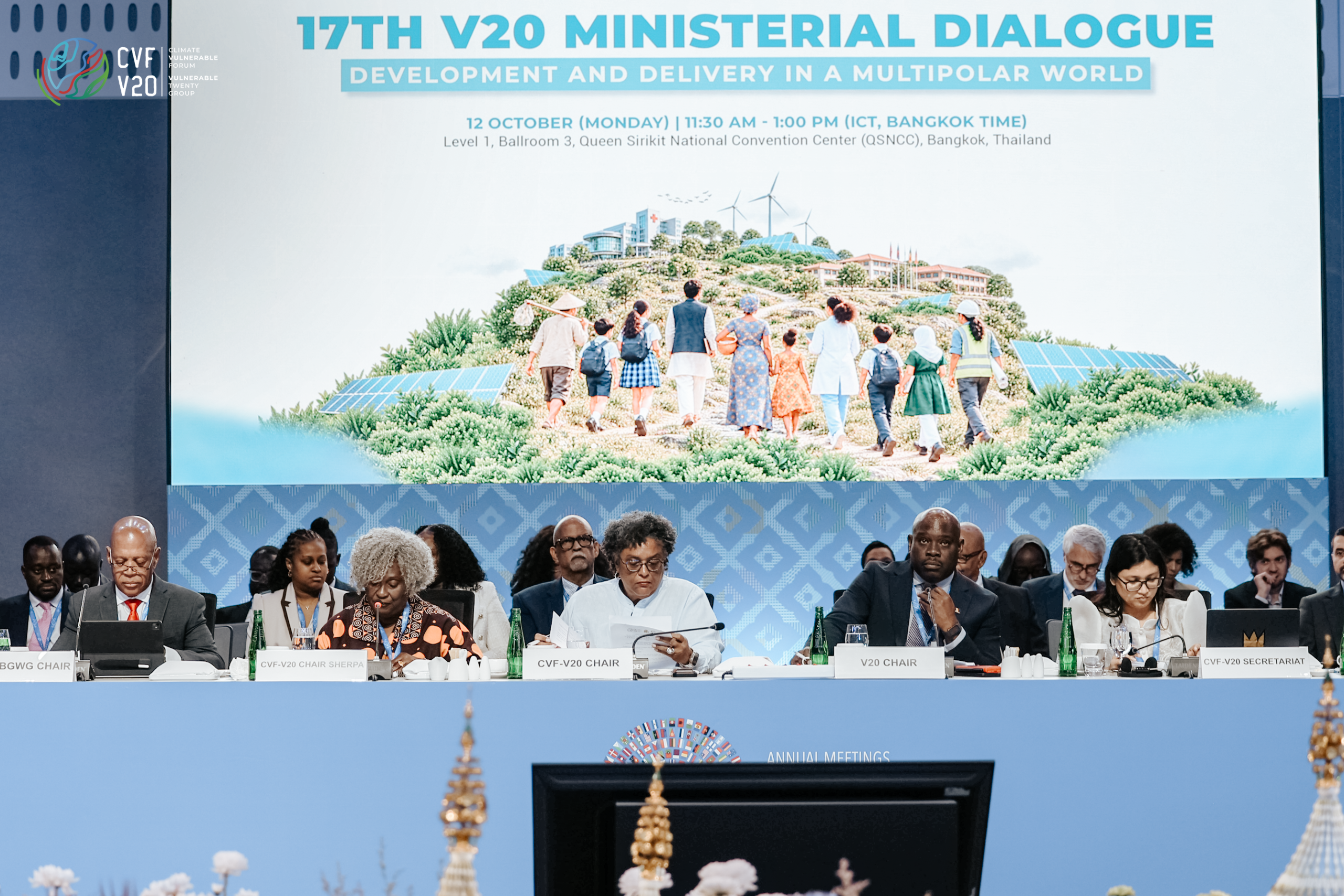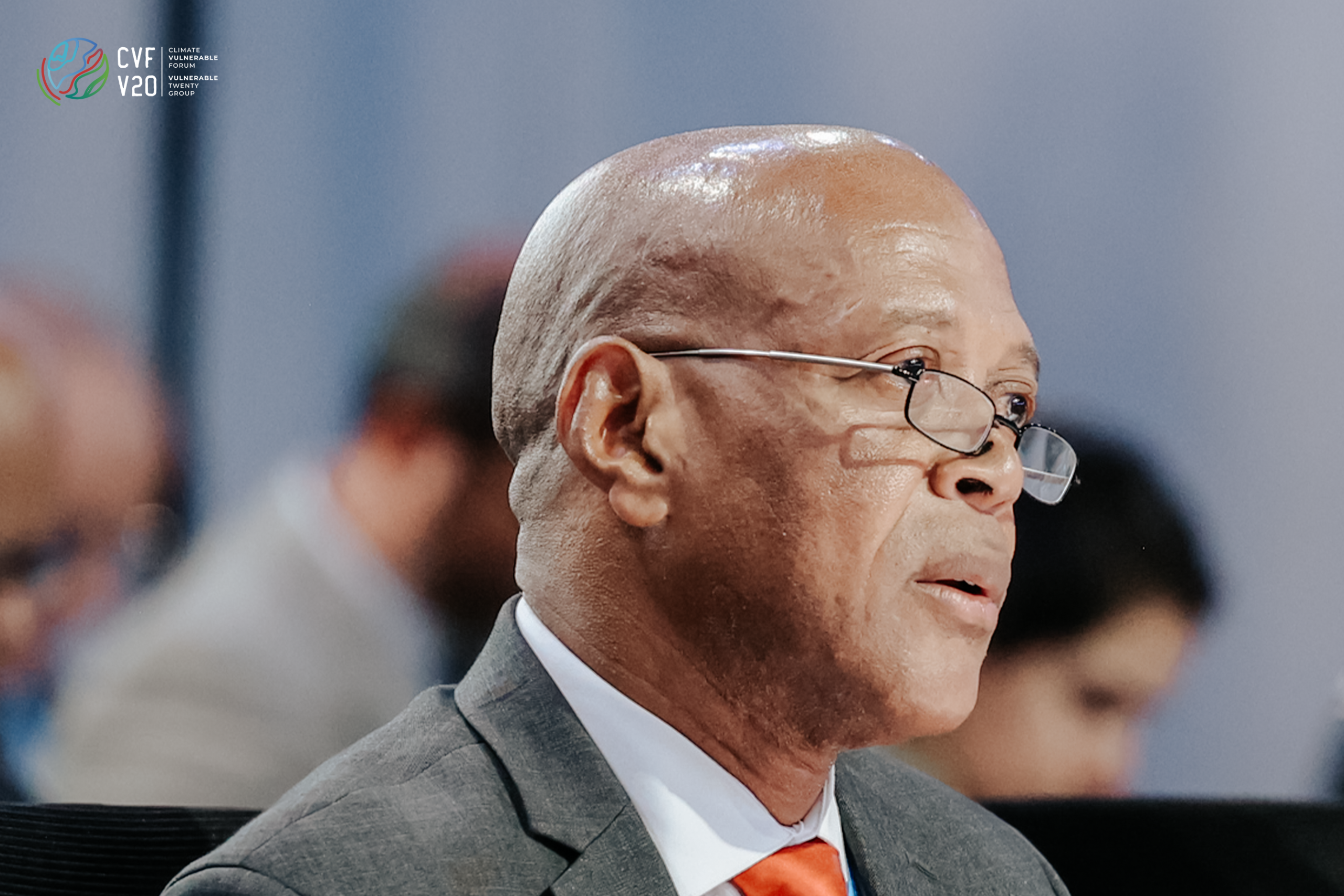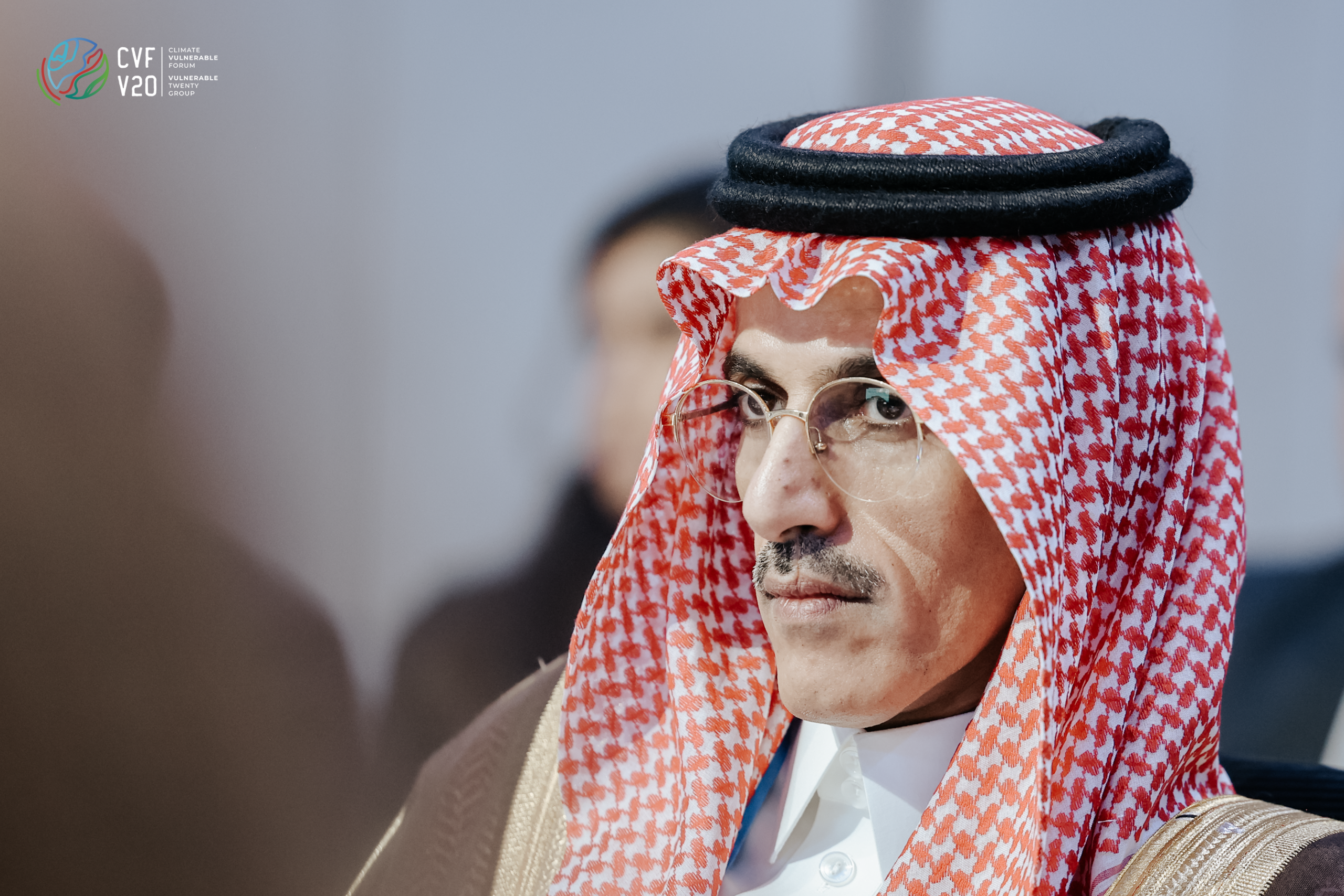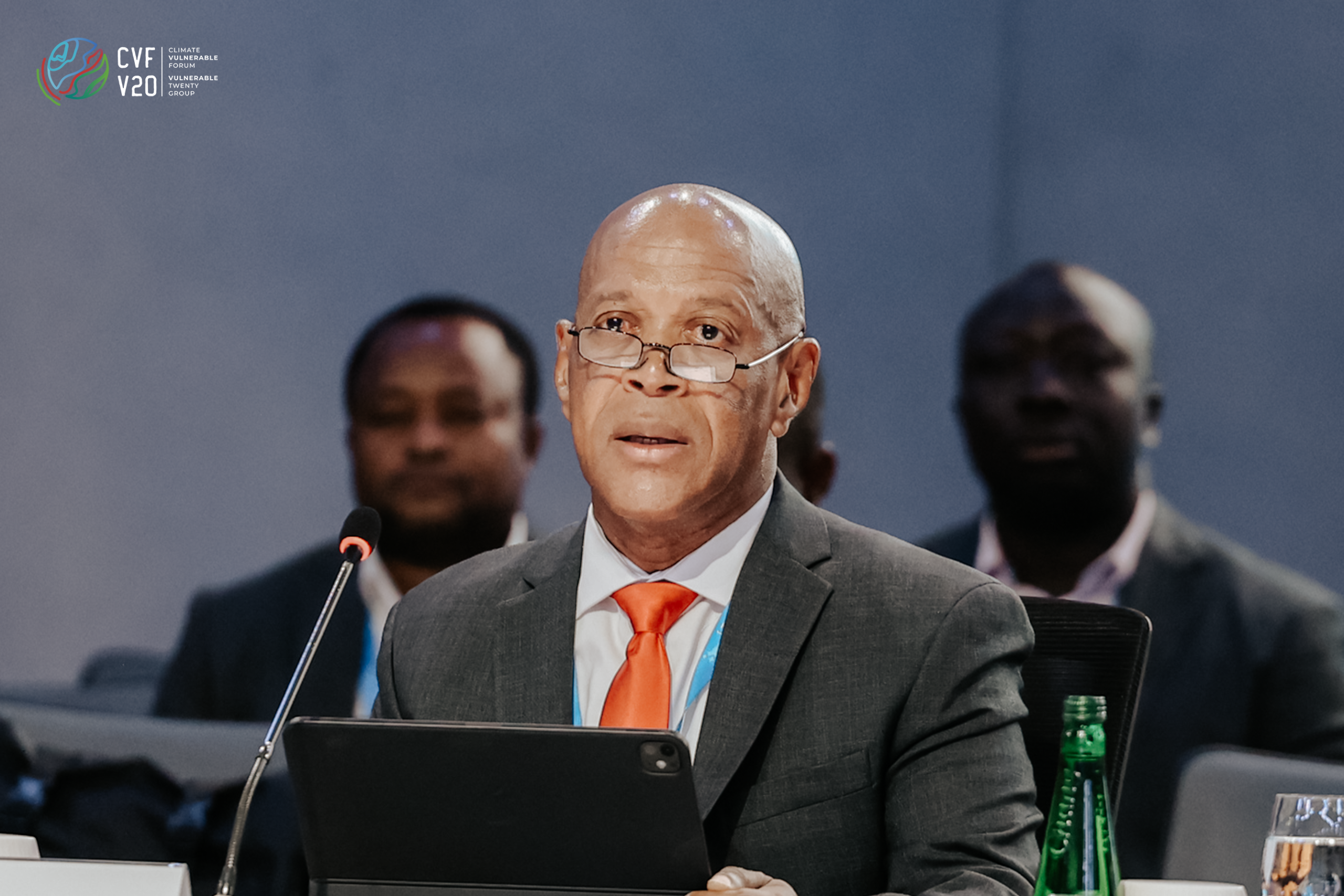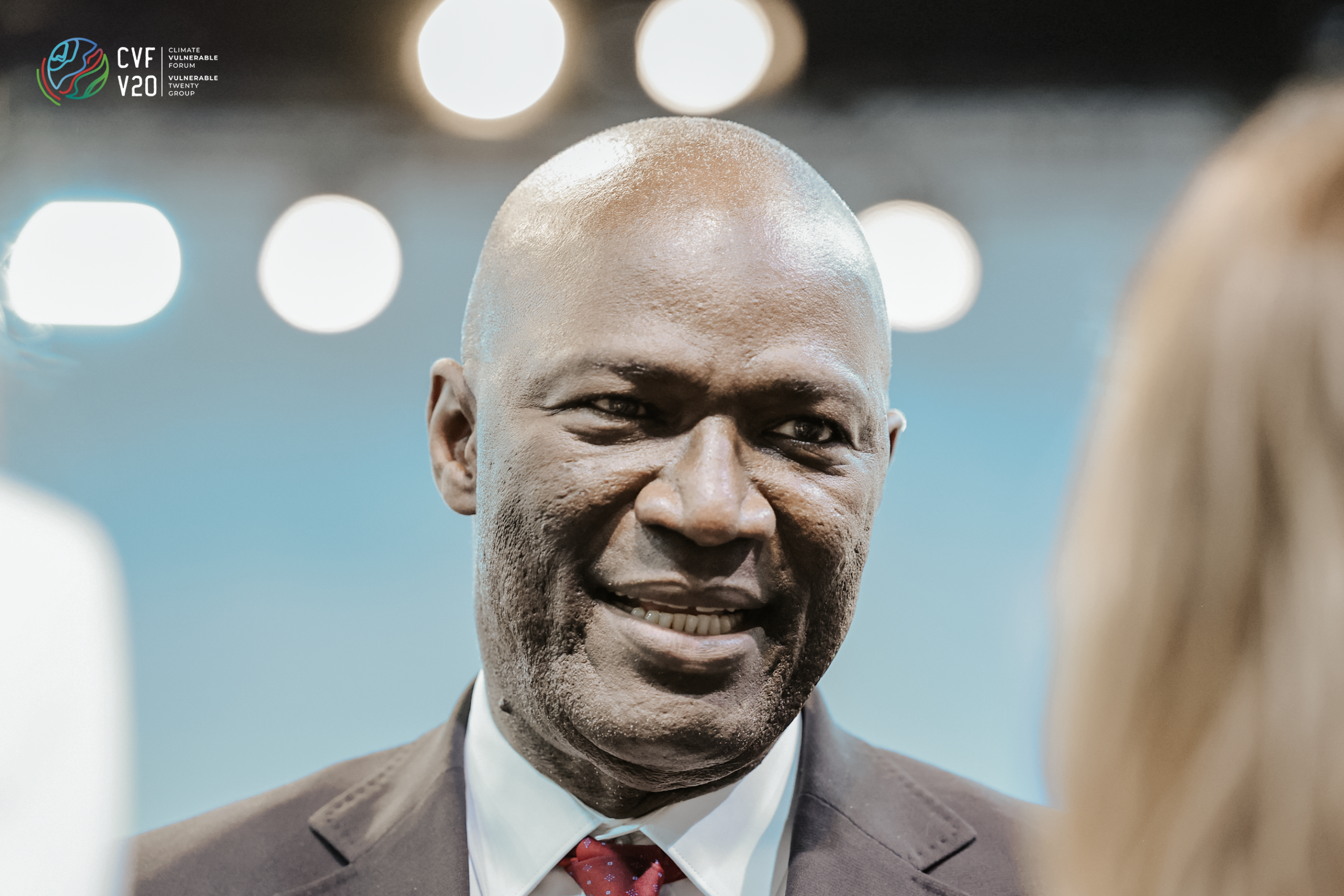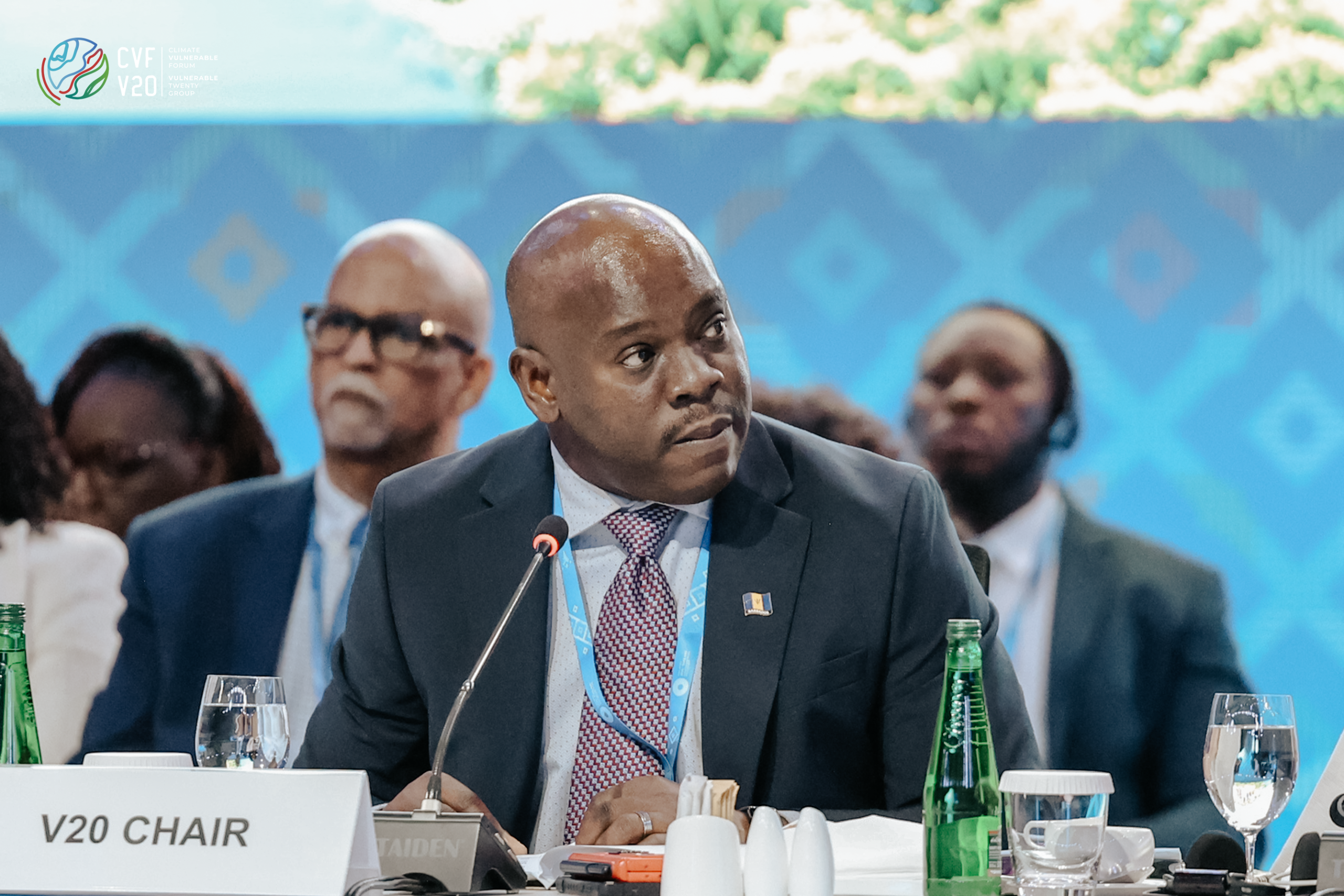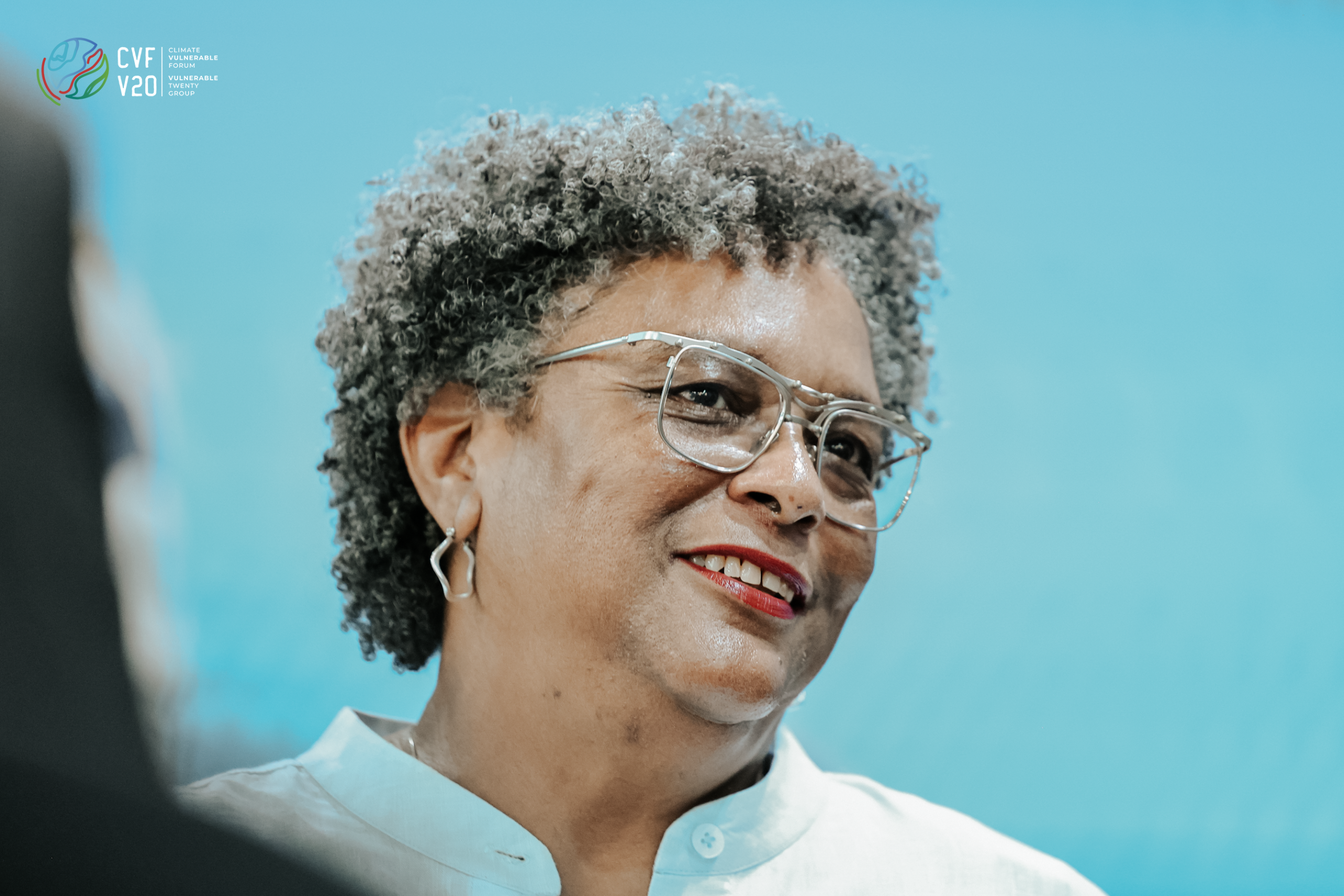
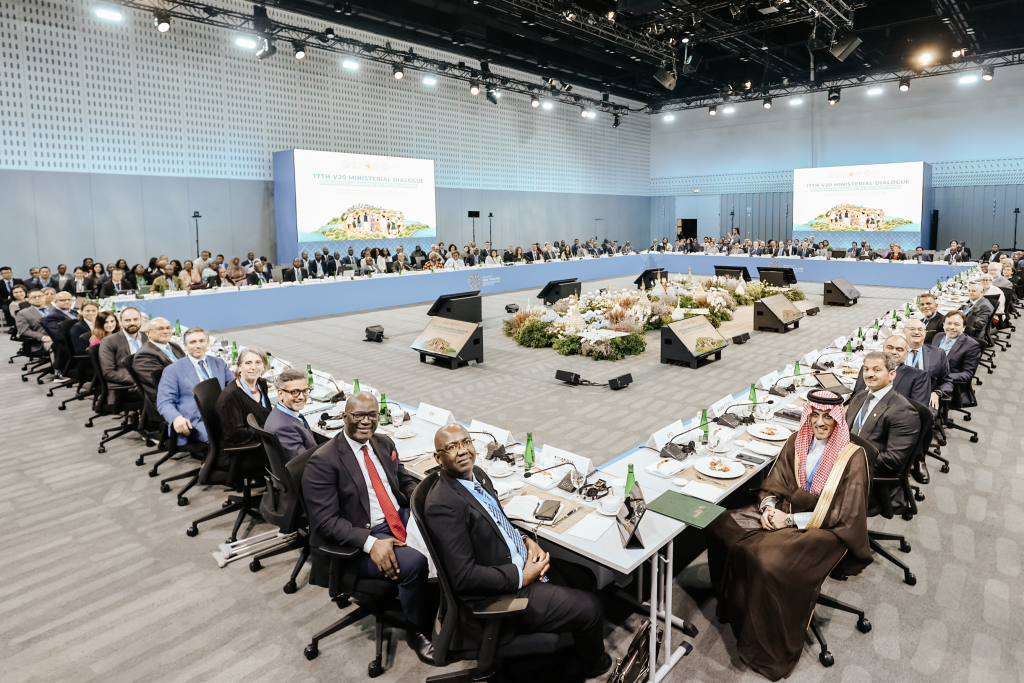
The V20 Finance Ministers convened for its 17th Ministerial Dialogue on the margins of the 2026 Annual Meetings of the World Bank Group and the International Monetary Fund (IMF) in Bangkok, as stalled development, the largest physical energy supply shock in history, the strongest El Niño on record, and mounting debt distress converge on the world’s most climate-vulnerable economies.
The Dialogue highlighted findings from the Fourth Edition of the V20 Debt Review, reinforcing calls for lower borrowing costs, longer maturities and timely debt treatments to ease debt pressures and expand fiscal space for climate resilience and development.
Ministers moved the Vulnerability to Viability (V2V) Compact to implementation, mandating a Working Group to define mechanisms and indicative commitments and set targets for concessionality, private capital mobilization, country ownership and shock-responsive instruments. Its work will inform the forthcoming V2V White Paper.
Ministers also advanced preparations to operationalize the Lifeline Fund, a V20-owned mechanism designed to provide rapid liquidity when climate shocks trigger balance-of-payments pressures. They called on V20 members to become founding members of the Fund, and for the G20 to invest in it through capital contributions, grants, and guarantees.
The Dialogue also welcomed the launch of Madagascar’s Climate Prosperity Plan, three new members (the Central African Republic, St Vincent and the Grenadines, and Zambia), and former Costa Rican President Carlos Alvarado Quesada as CVF-V20 Secretary-General.
HIGHLIGHTS
***