#COP31: Climate-vulnerable countries demand longer, cheaper, and faster finance for water, health, and education

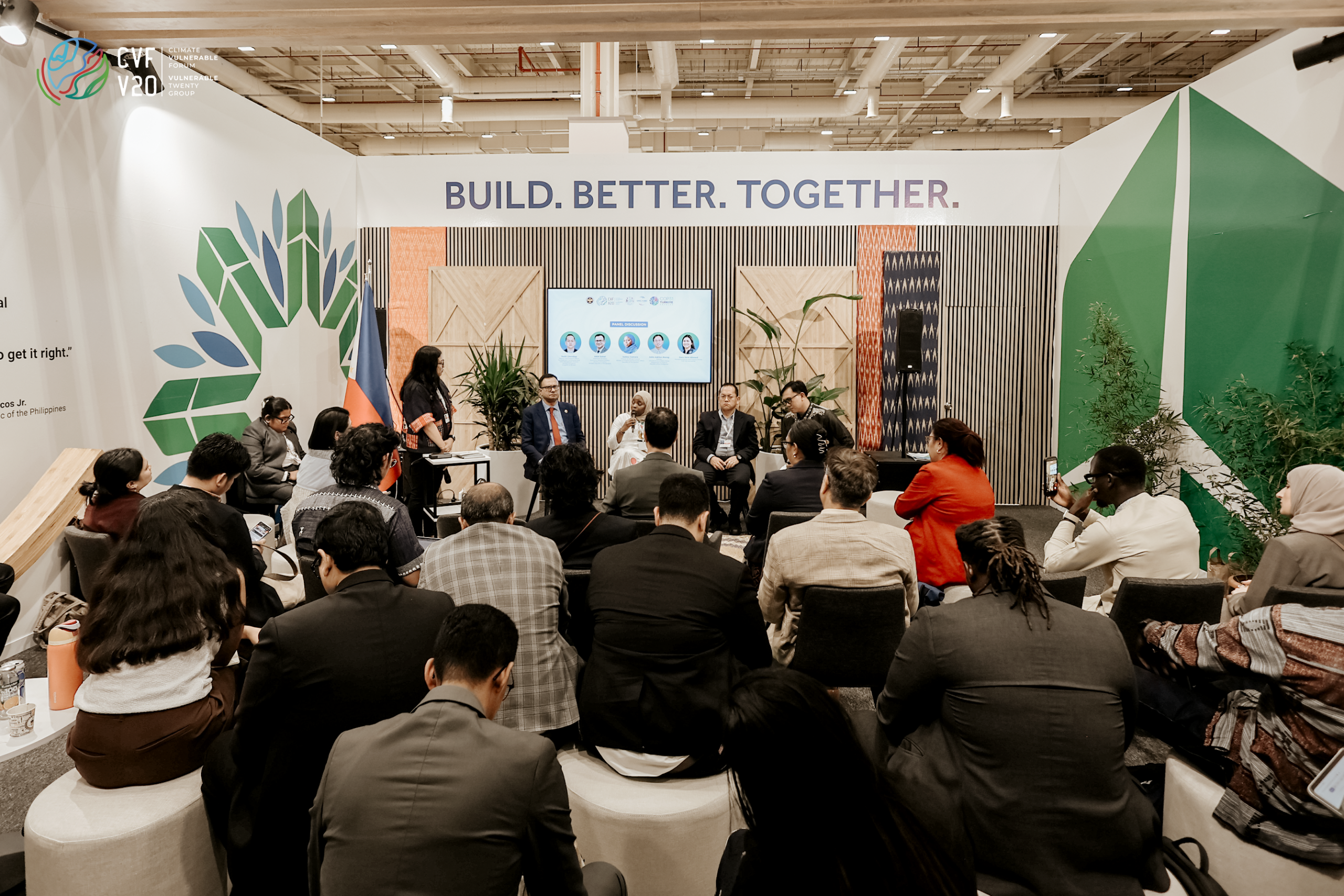
ANTALYA—Finance officials from climate-vulnerable countries called for longer-term, lower-cost development finance that can be deployed before disasters strike, warning that mounting debt and increasingly severe climate shocks are undermining investment in essential services such as water, health, and education.

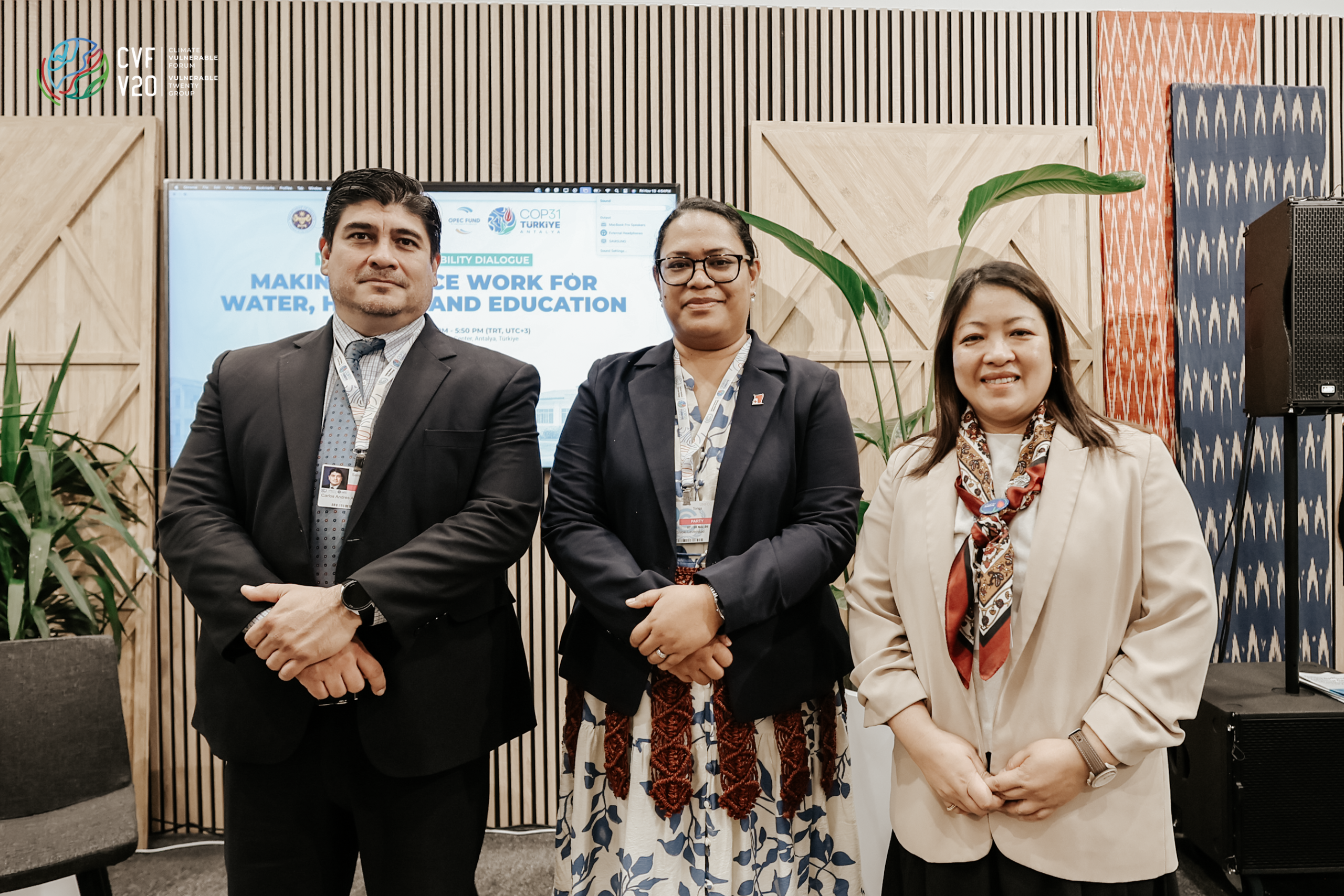
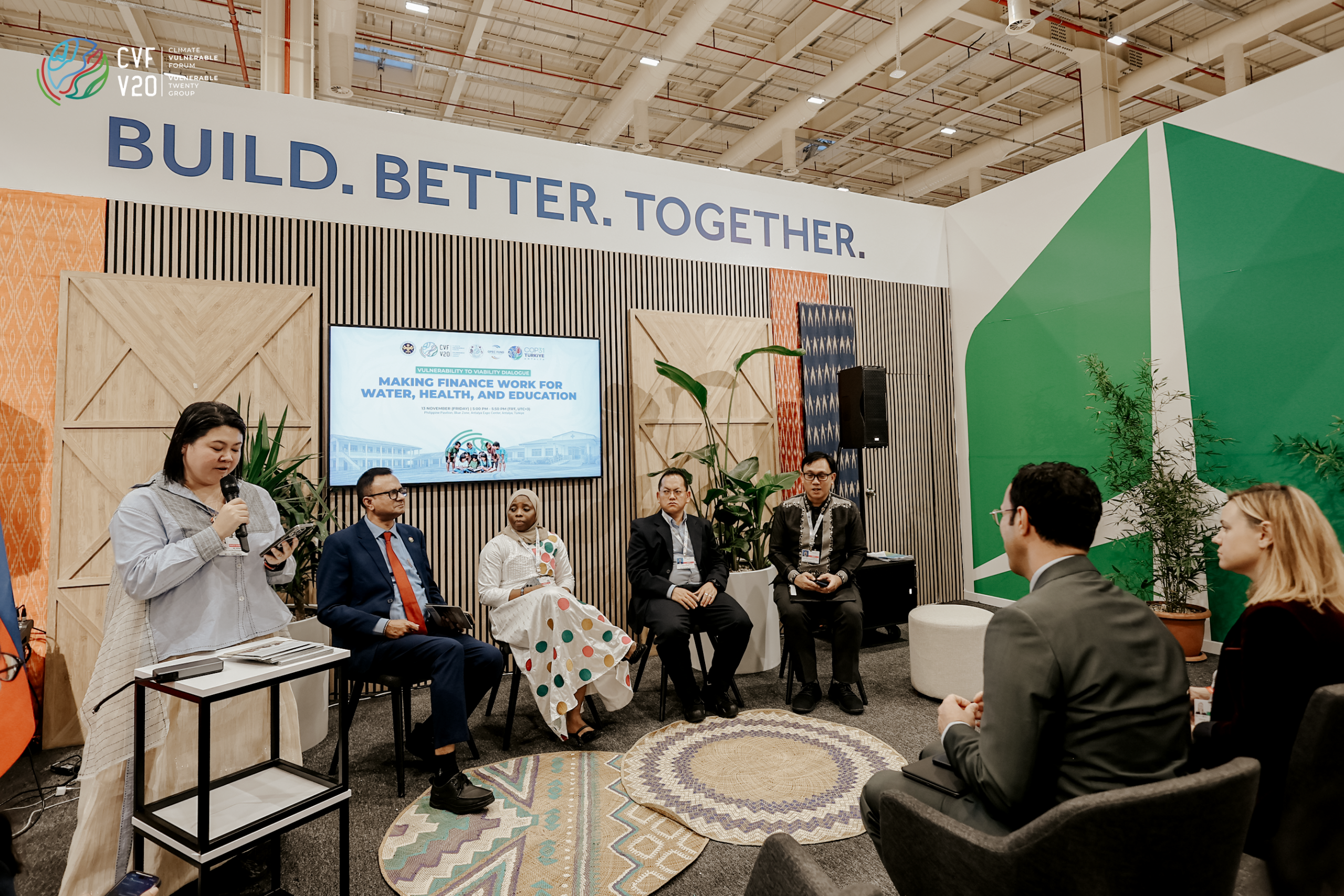
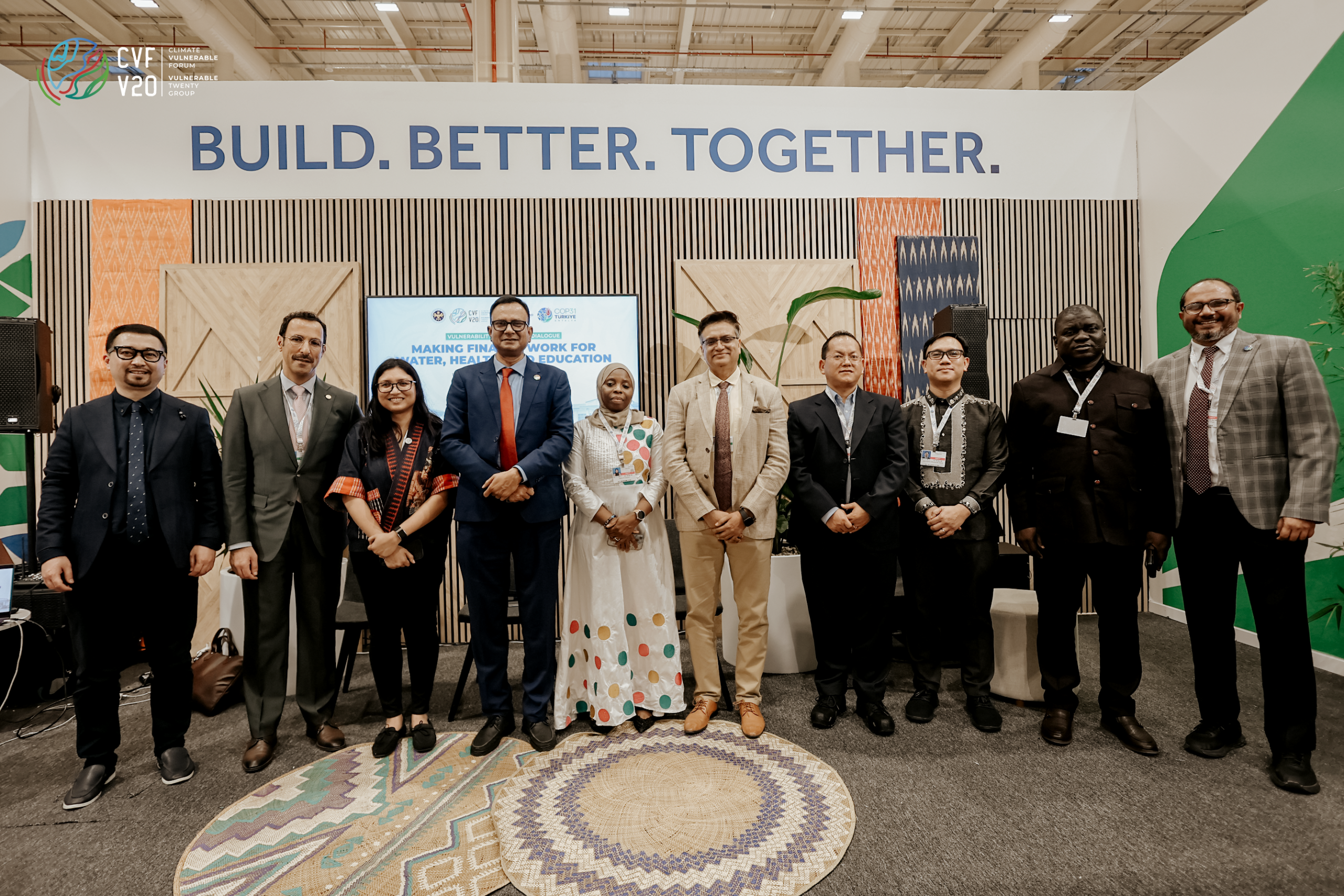
The call came at the Vulnerability to Viability (V2V) Dialogue, convened by the Climate Vulnerable Forum and V20 Finance Ministers (CVF-V20) Secretariat and hosted by the Philippine Pavilion during COP31.

Launched in June at the OPEC Fund Development Forum, the V2V Compact brings together CVF-V20 member countries, led by Barbados, and 16 development finance institutions, led by the OPEC Fund for International Development. Last month, V20 Finance Ministers mandated a working group to establish targets across the Compact’s four pillars: scaling concessionality, mobilising private capital, strengthening country ownership and advancing shock-responsive instruments. The dialogue marked an early step in gathering country inputs for that process.
 
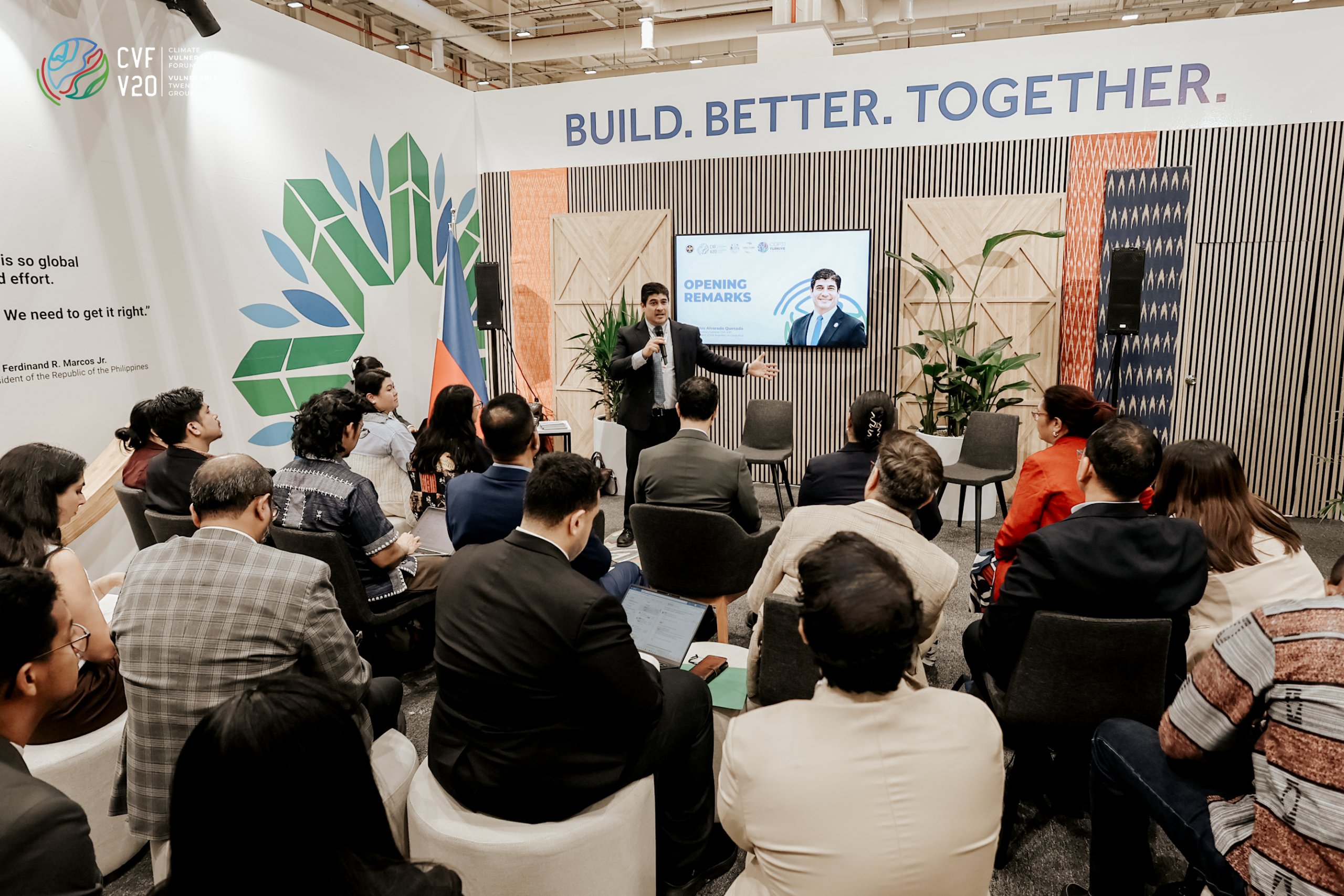
H.E. Carlos Alvarado Quesada, former President of Costa Rica and incoming Secretary-General of the CVF-V20 Secretariat, said water, health and education are generational investments that need fast delivery but long repayment. “The most vulnerable get the most expensive interest rates for development,” he said. “We’re here to challenge the system in a good way, with love, but with a firm voice.”
 
The cost of that system falls hardest on small island states. Hon. Vika Sivoki Lavemaau, Minister of Finance and National Planning of Tonga, noted that Cyclone Gita caused damage and losses equal to almost 30 percent of GDP in 2018, and the 2022 eruption and tsunami caused damage of around 18.5 percent. Both times,vf response finance arrived only after the impact, leaving governments to choose between rebuilding and protecting essential services. She urged pre-arranged finance, vulnerability-based eligibility and genuine country ownership. “Country ownership must mean more than just consultation,” she said.

Countries challenge income-based eligibility and costly lending

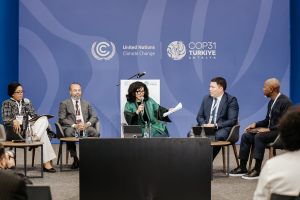
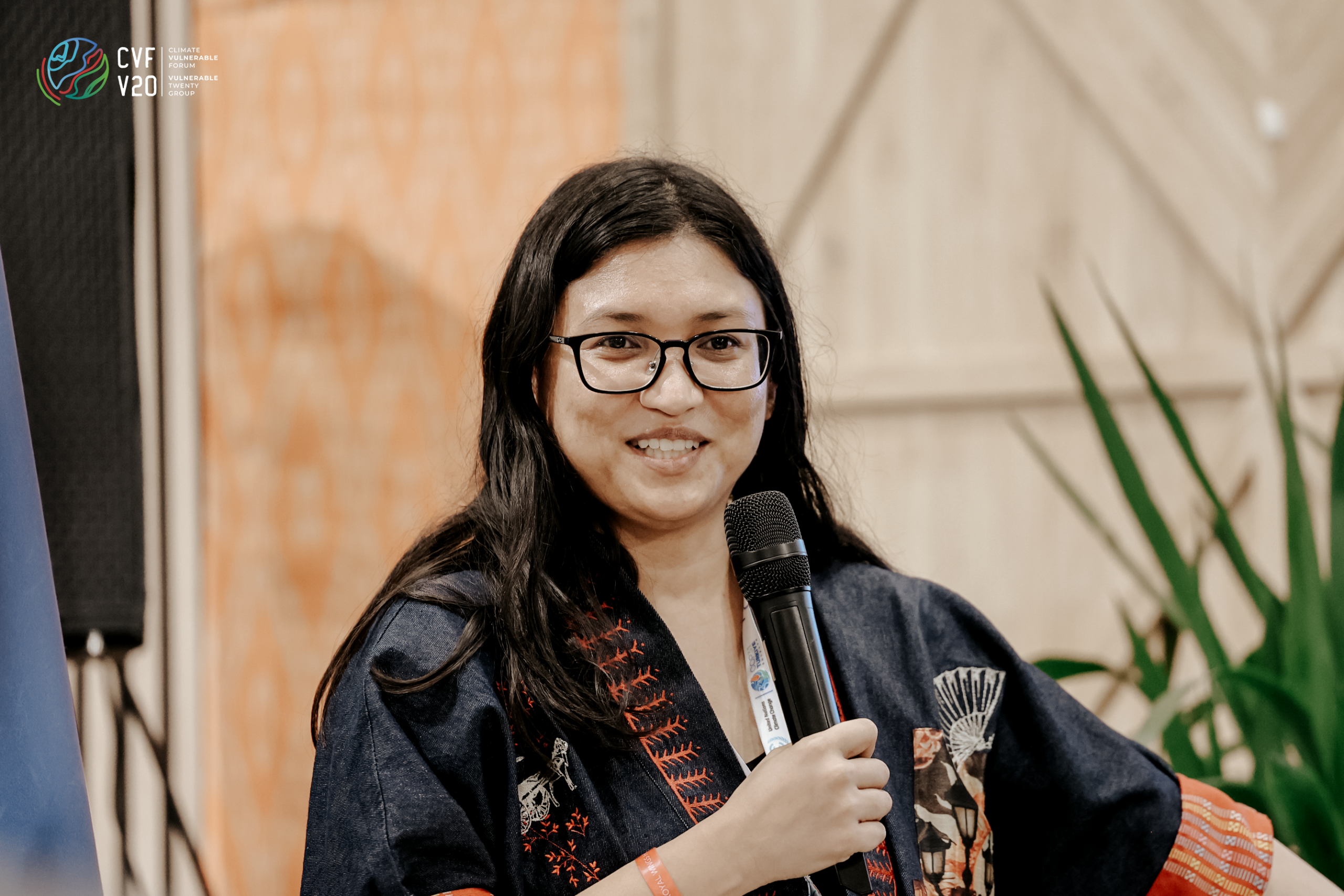
In a panel moderated by Sara Jane Ahmed, Managing Director and Finance Advisor of the CVF-V20 Secretariat, finance officials identified three priorities for reform.


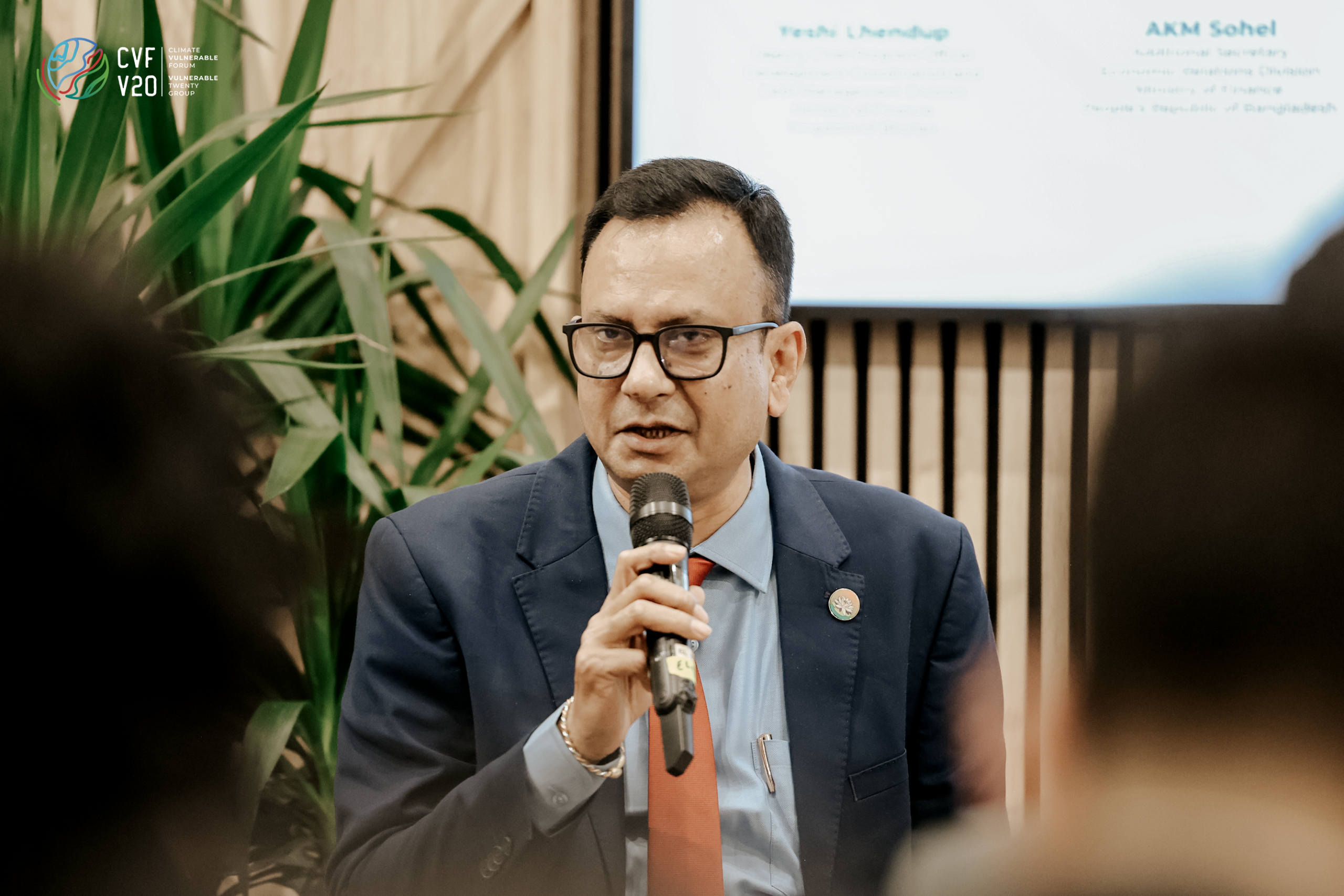
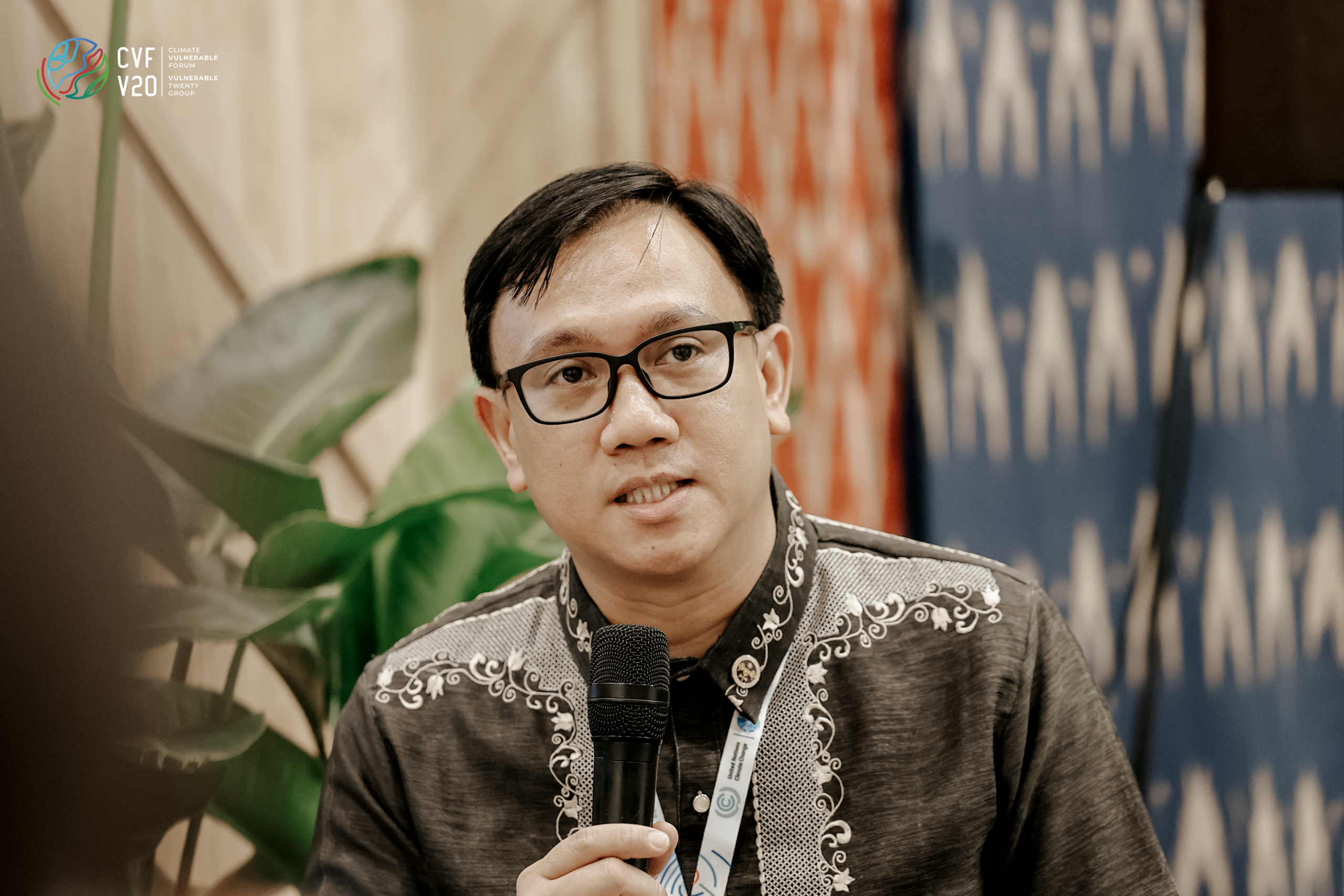
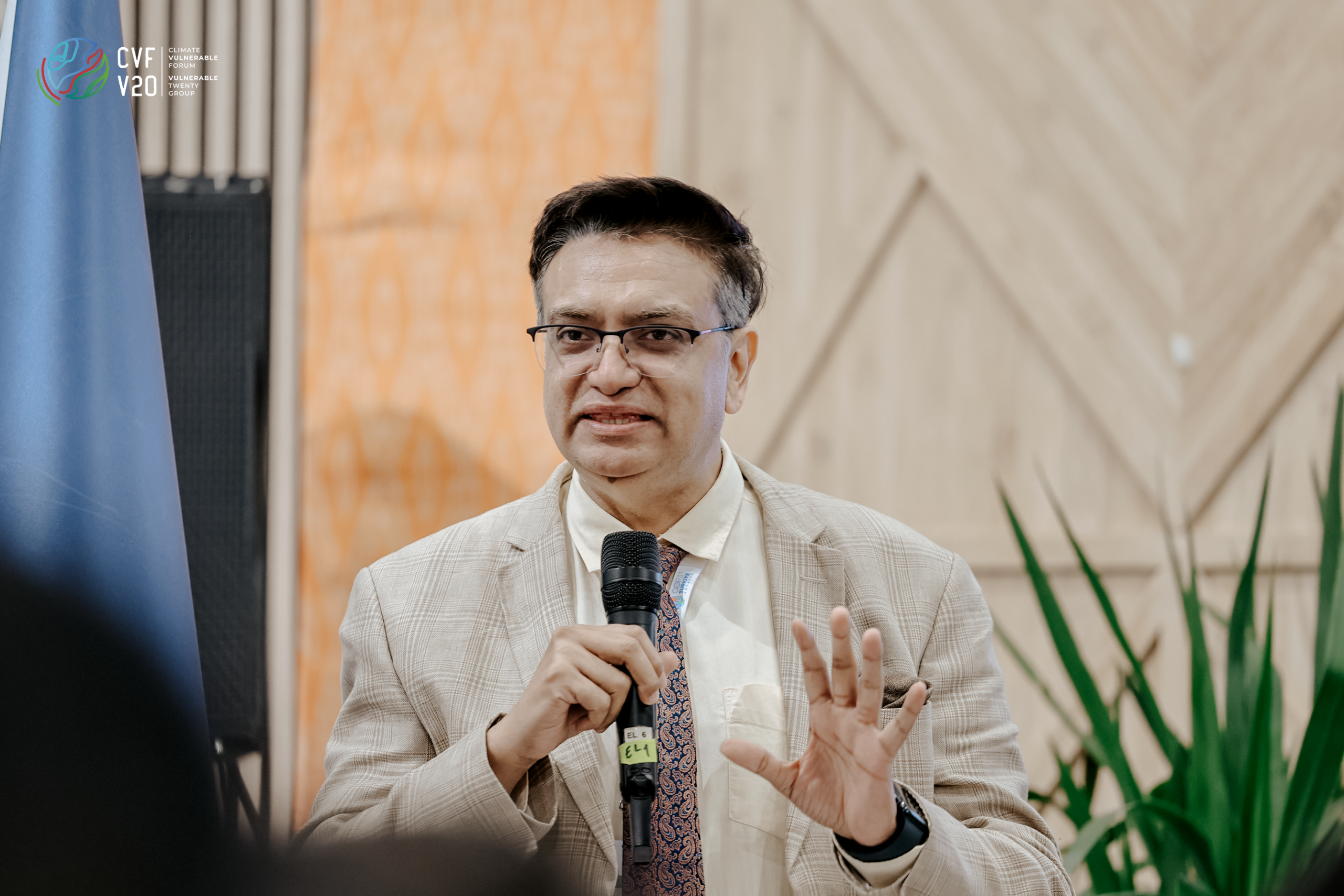
  1. Eligibility that reflects vulnerability, not just income. Bangladesh and the Philippines argued that income-based criteria fail to capture countries’ exposure to climate and economic shocks. Mr. AKM Sohel, Additional Secretary at Bangladesh’s Ministry of Finance, said per-capita income and Least Developed Country (LDC) graduation criteria say little about vulnerability. Mr. John Adrian Narag, Director of the Climate Finance Policy Group at the Philippines Department of Finance, warned that the country’s upper-middle-income status could narrow access to concessional finance despite its exposure to around 20 typhoons annually, El Niño and multiple overlapping hazards. Bhutan’s case was a warning. Mr. Yeshi Lhendup, Deputy Chief Program Officer at its Ministry of Finance, said bilateral loans have become slightly more expensive since the country graduated from LDC status in 2023.
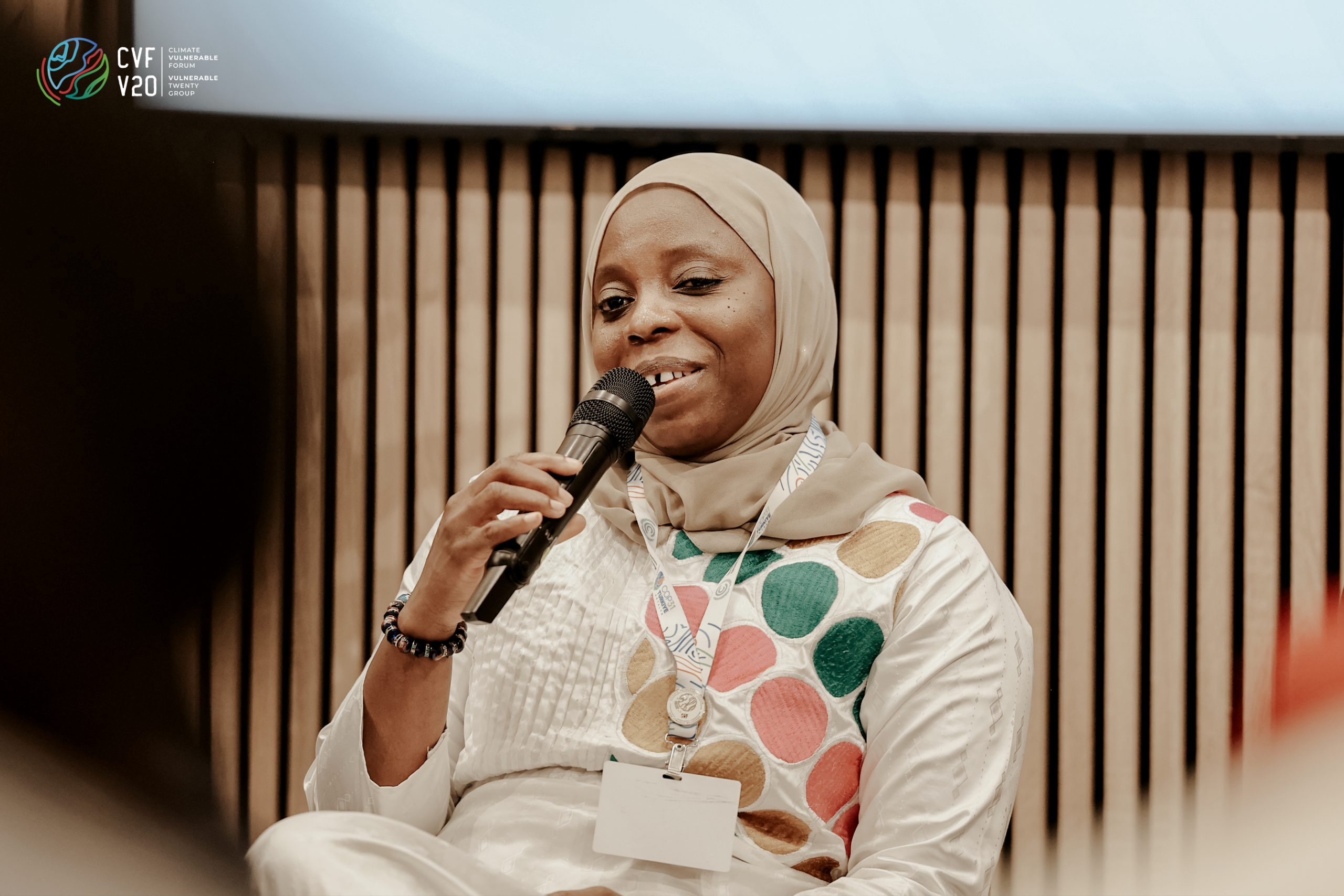
  2. Expand grants and ultra-concessional finance. For countries facing mounting debt and repeated climate shocks, expensive loans can deepen fiscal pressures rather than build resilience. Ms. Isatou Camara, Director of Climate Finance at The Gambia’s Ministry of Finance and Economic Affairs, said more than 40 percent of government revenue already goes to debt service—more than the country spends on health and education. The Gambia therefore needs grants and highly concessional loans. Mr. Sohel called for ultra-concessional funding for Bangladesh, which has spent USD 4.2 billion on oil subsidies during the current energy crisis alone, nearly 10 percent of government revenue.
  3. Put country-led plans and national systems at the center. Ms. Camara urged the Compact to build on The Gambia’s Climate Prosperity Plan and to channel finance through the national budget, domestic financial institutions and the country platform now being set up, saying direct access is what builds country ownership and national capacity. Bhutan has likewise set out its own priorities through a Climate Prosperity Plan, a revised green finance taxonomy and a blended finance strategy in development, and will launch a USD 849 million climate investment plan on 16 November at the MDB Pavilion.

Development partners signal opportunities for reform

Development partners responded by pointing to instruments that already address some of these concerns. Mr. Holger Kray, Europe and Central Asia Regional Practice Director for Planet at the World Bank, cited climate-resilient debt clauses that let eligible countries defer repayments for up to two years after a disaster. To cut fragmentation among lenders, he added, MDBs now share a co-financing portal covering 125 projects worth more than USD 95 billion.

Mr. Dinesh Arora, Principal Health Specialist at the Asian Development Bank, noted that gaps remain, especially in health. The sector receives less than 2 percent of multilateral grant financing, he said, and he urged blending grants with MDB lending to bring costs down.q

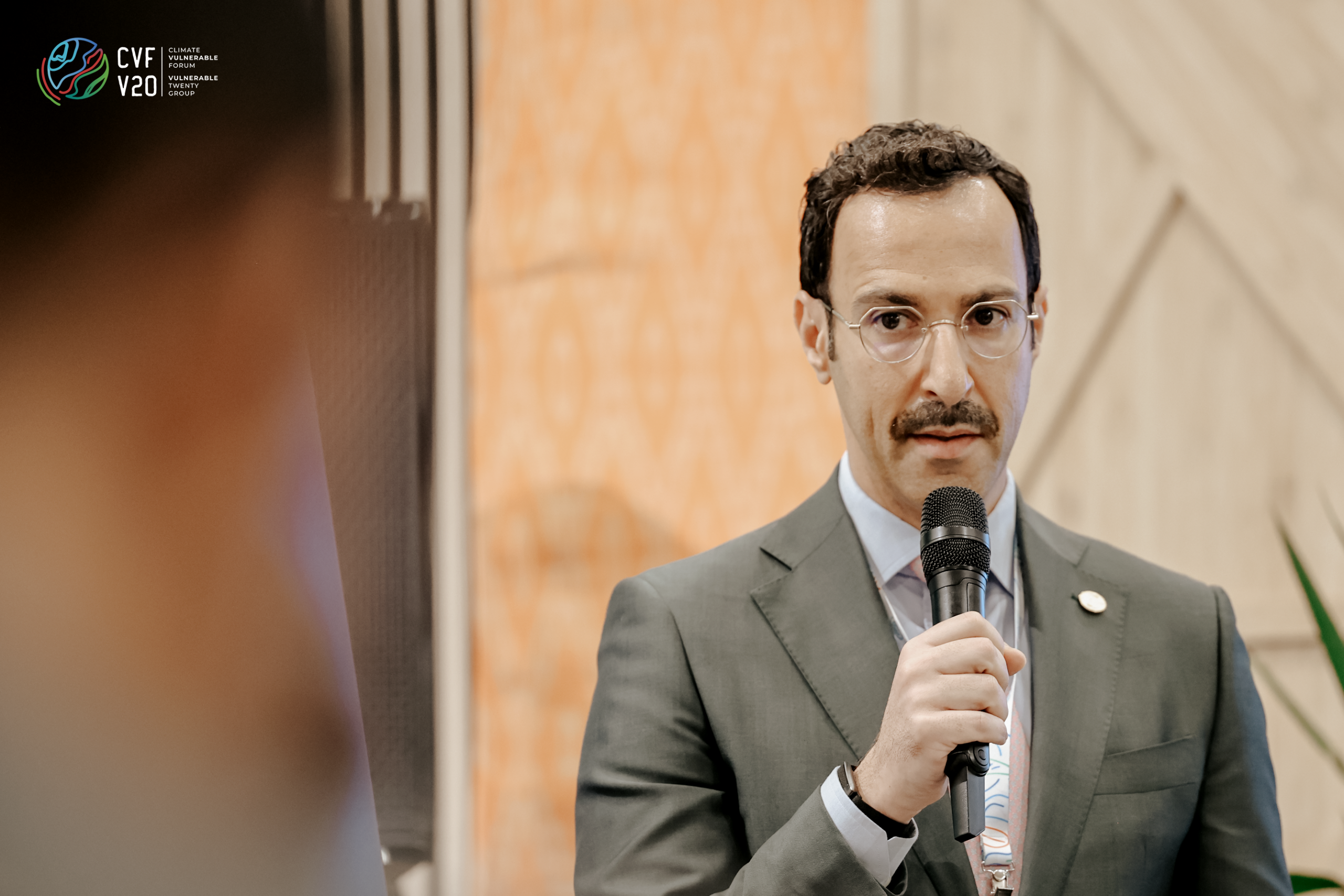
Mr. Musab Alomar, Vice President for Strategy at the OPEC Fund for International Development, linked these threads to the Compact’s core logic: the right concessional terms create the fiscal space countries need to invest in water, health and education. “Vulnerability is not destiny,” he said. He noted that nominations are now open for the V2V working group on concessionality and eligibility, which will turn that logic into practical recommendations.

Inputs from the dialogue will feed into the forthcoming V2V White Paper, which will set out specific targets for each of the Compact’s four pillars. The V2V Compact remains open to new development finance institution partners.

About CVF-V20

The CVF-V20 now represents 77 member countries from small island developing states (SIDS), least developed countries (LDCs), low to middle-income countries (LMICs), landlocked developing countries (LLDCs), and fragile and conflict-affected states (FCS). Working together, the CVF-V20 aims to achieve climate justice through the realization of Climate Prosperity Plans, which contain ambitious economic and financial resilience strategies designed to attract investment and resources that advance the attainment of the Sustainable Development Goals (SDGs), 30×30 Global Biodiversity, and help keep the average global temperature within the Paris Agreement’s 1.5°C safety threshold.

CVF-V20 Membership

Africa: Benin, Burkina Faso, Cabo Verde, Central African Republic, Chad, Comoros, Côte d’Ivoire, Democratic Republic of the Congo, Eswatini, Ethiopia, Gabon, The Gambia, Ghana (Troika), Guinea, Kenya, Liberia, Madagascar, Malawi, Morocco, Mozambique, Namibia, Niger, Rwanda, Senegal, Sierra Leone, Somalia, South Sudan, Sudan, Tanzania, Togo, Tunisia, Uganda, Zambia

Asia: Afghanistan, Bangladesh (Troika), Bhutan, Cambodia, Jordan, Kyrgyzstan, Lebanon, Maldives, Mongolia, Nepal, Pakistan, Palestine, Philippines, Sri Lanka, Timor-Leste, Vietnam, Yemen

Caribbean: Barbados (Chair/Troika), Dominica, Dominican Republic, Grenada, Guyana, Haiti, Saint Lucia, Saint Vincent and the Grenadines, Suriname, Trinidad and Tobago

Latin America: Colombia, Costa Rica, Guatemala, Honduras, Nicaragua, Paraguay

Pacific: Fiji, Kiribati, Marshall Islands, Nauru, Palau, Papua New Guinea, Samoa, Solomon Islands, Tonga, Tuvalu, Vanuatu

Contact

For media enquiries, please contact [email protected]. 

For the latest updates, please follow us on: