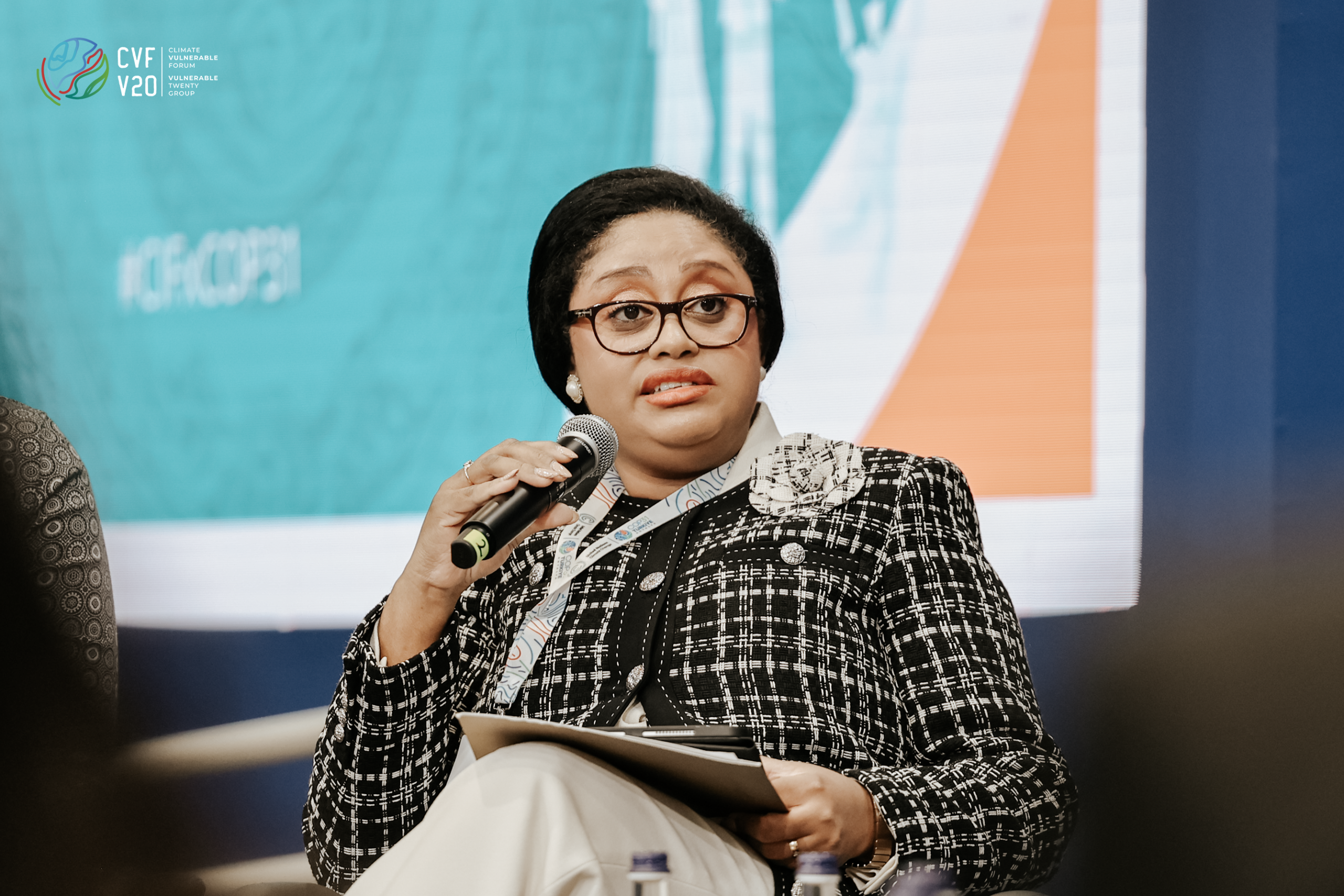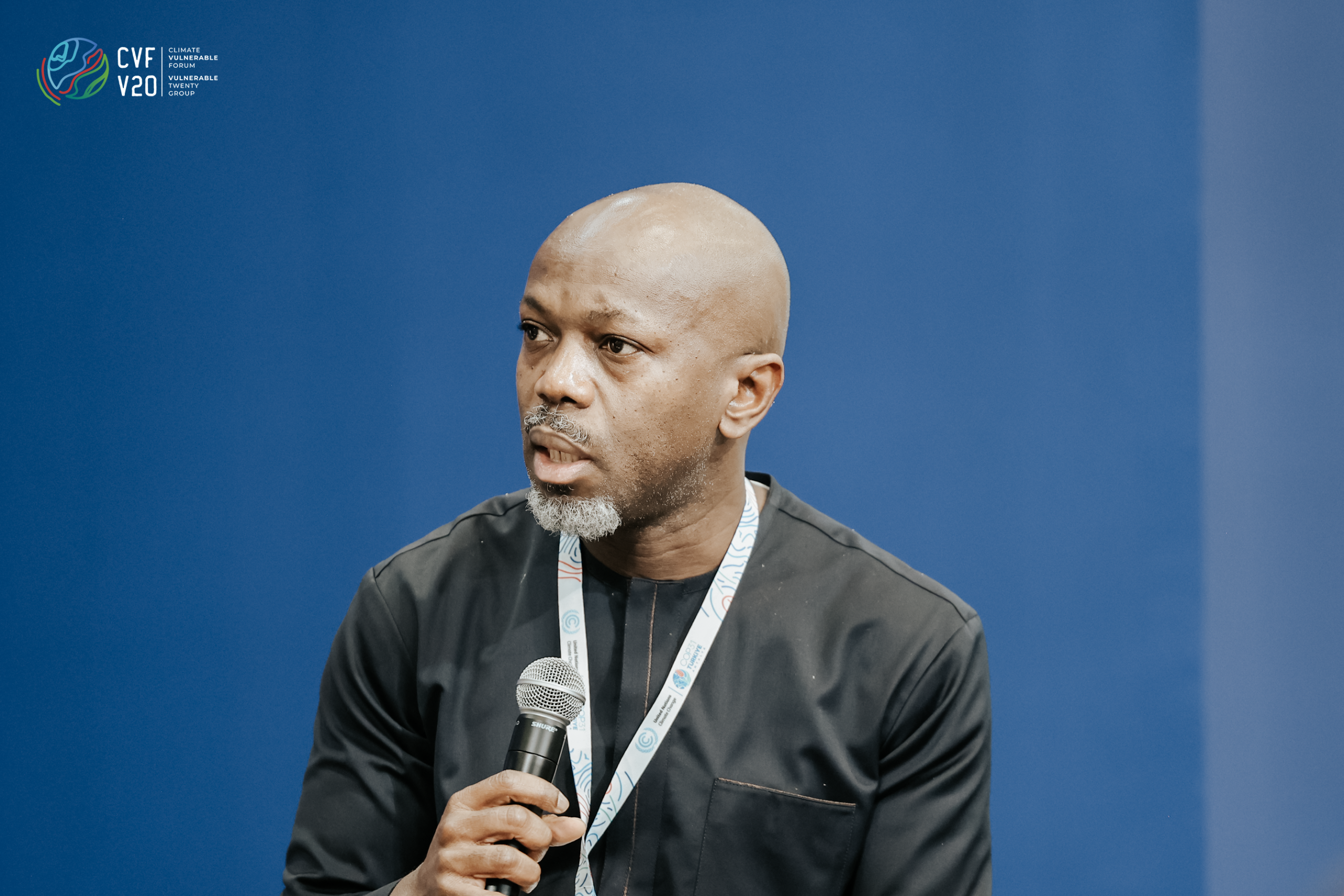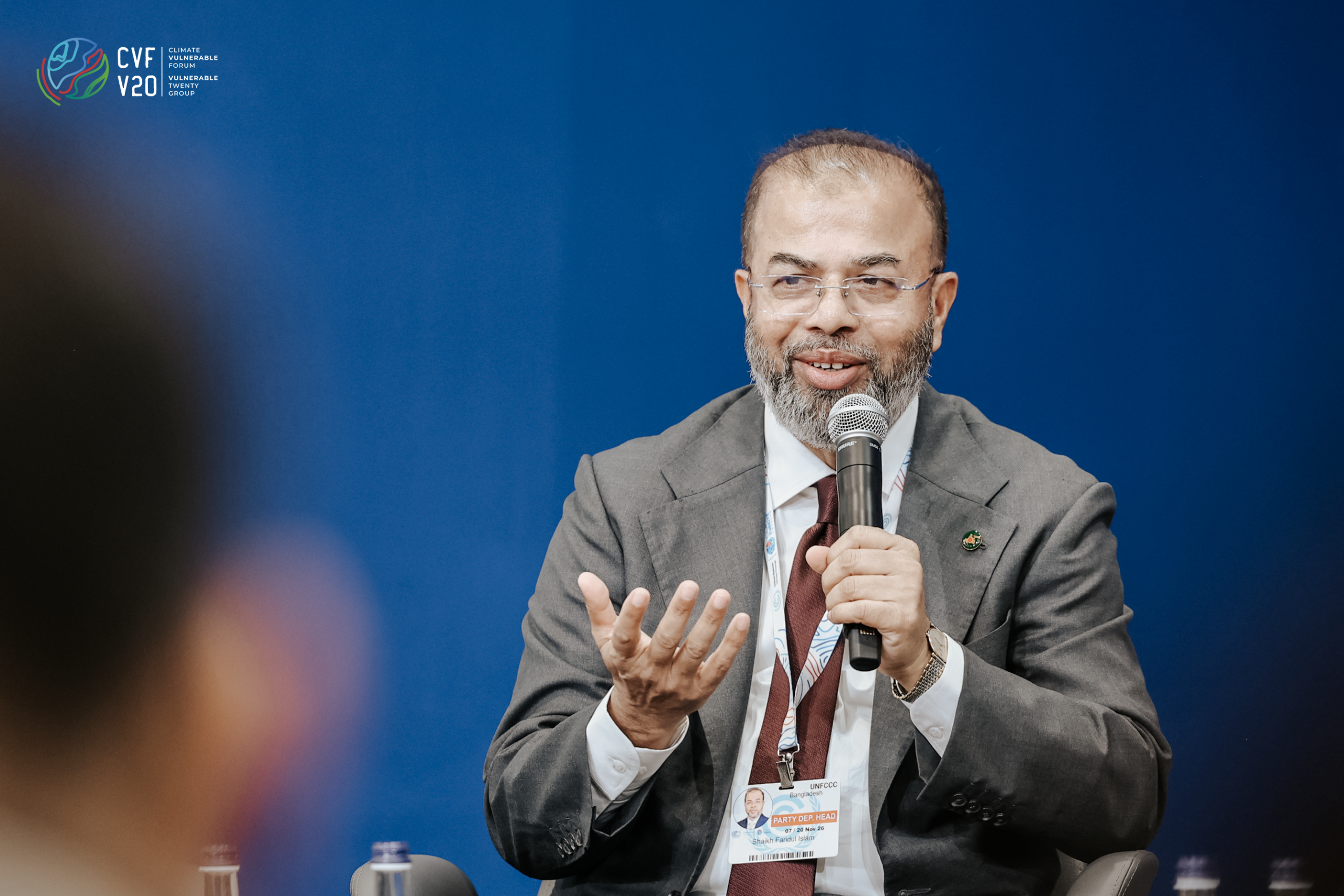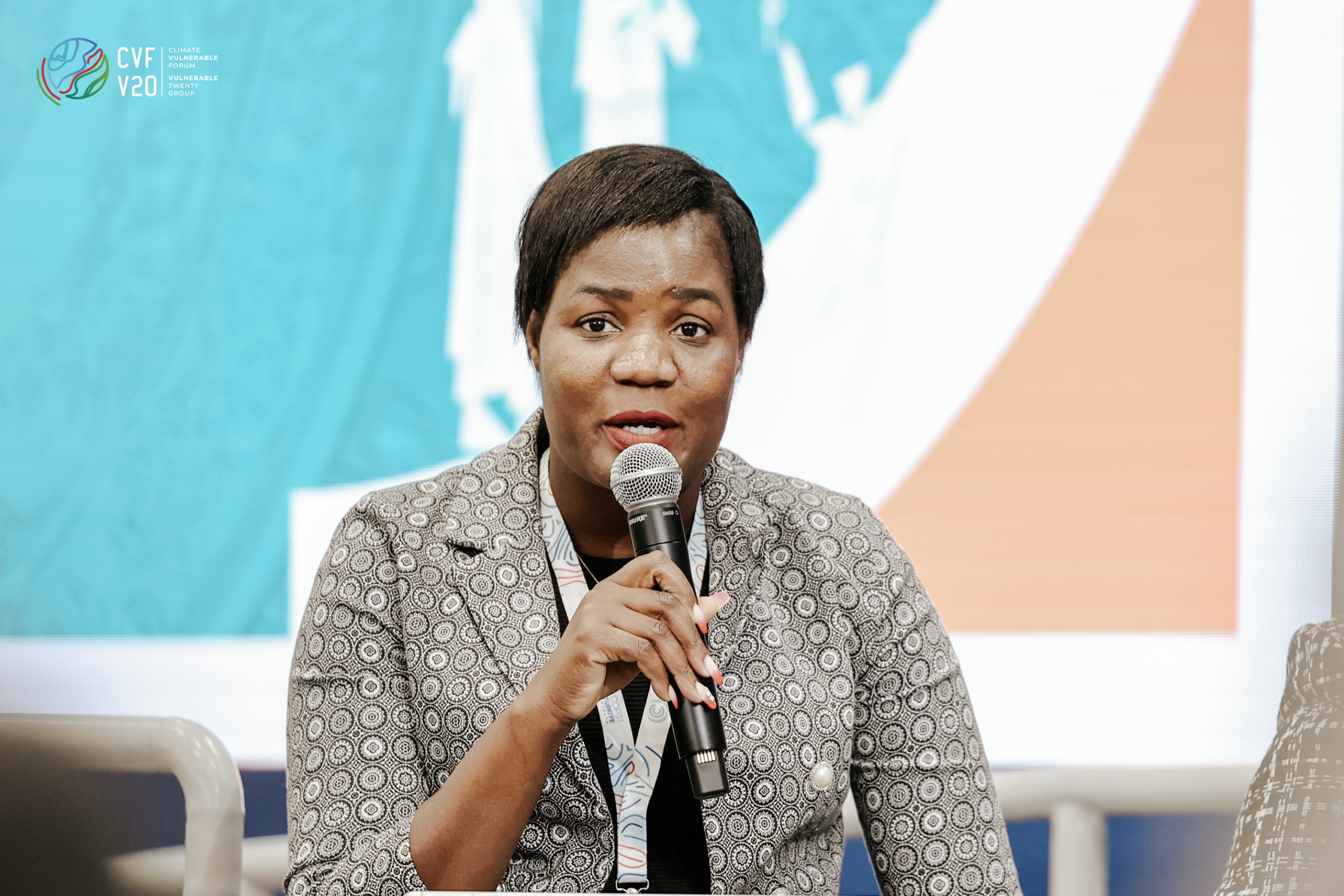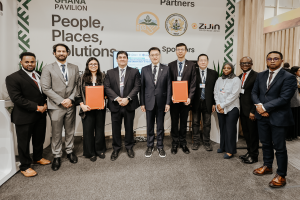

ANTALYA—The Climate Vulnerable Forum and V20 Finance Ministers (CVF-V20) called for adaptation finance to grow faster and larger, as the Climate Investment Funds (CIF) announced today the first countries selected for its ARISE resilience program on the sidelines of the 31st Conference of Parties to the United Nations Framework Convention on Climate Change (UNFCCC).
ARISE (Accelerating Resilience Investments and Innovations for Sustainable Economies) is CIF’s next-generation resilience program. It gives countries concessional finance for programs they design and lead themselves, helping them turn climate risks into investment opportunities.
Bangladesh, Haiti, Kyrgyz Republic, Morocco,, and Sierra Leone will each receive US$30 million, and the Mozambique-Malawi joint regional program will receive US$40 million. Their plans cover coastal protection, mangrove restoration, water security, climate-smart agriculture, the blue economy, and financial systems that can fund resilience over the long term.
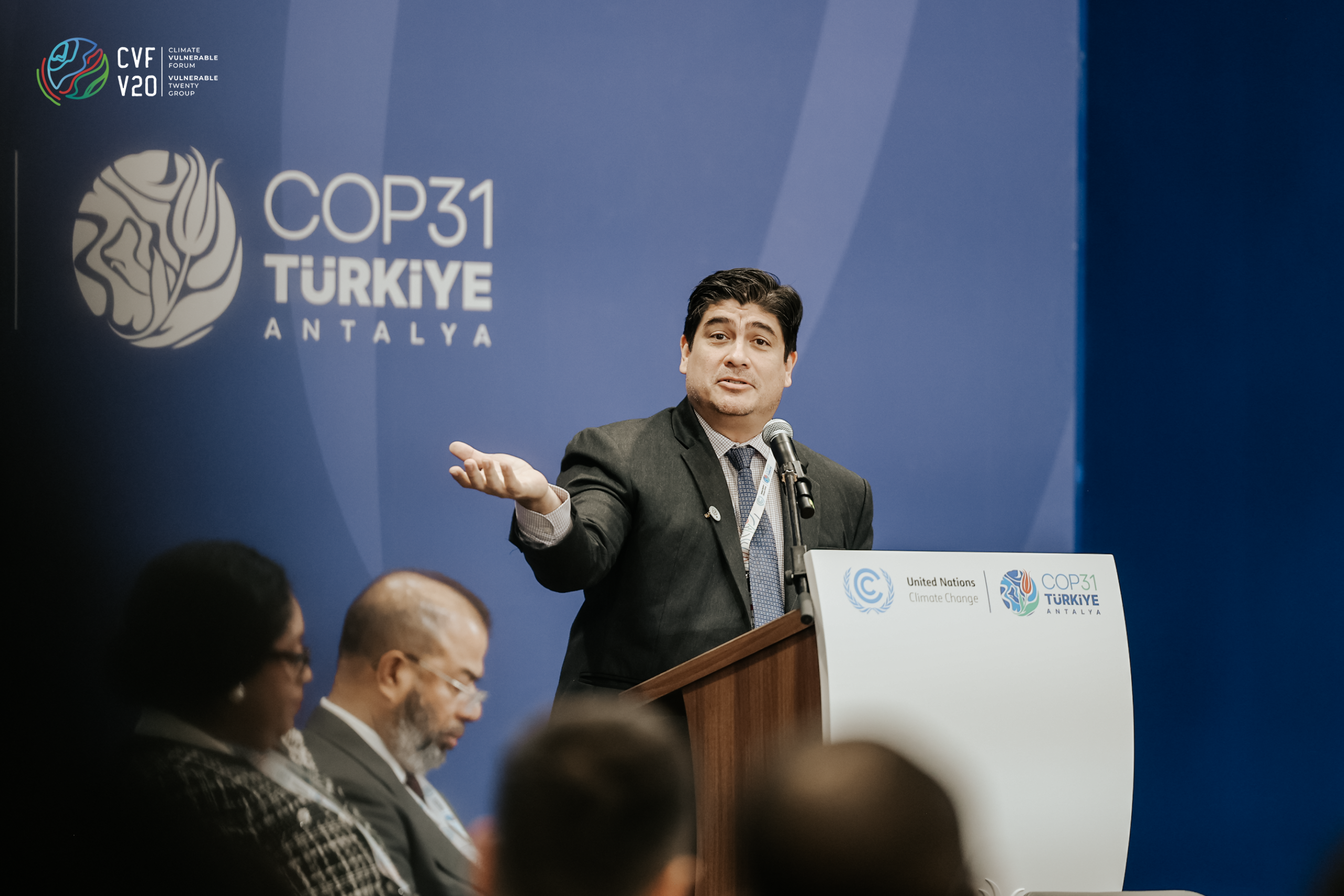
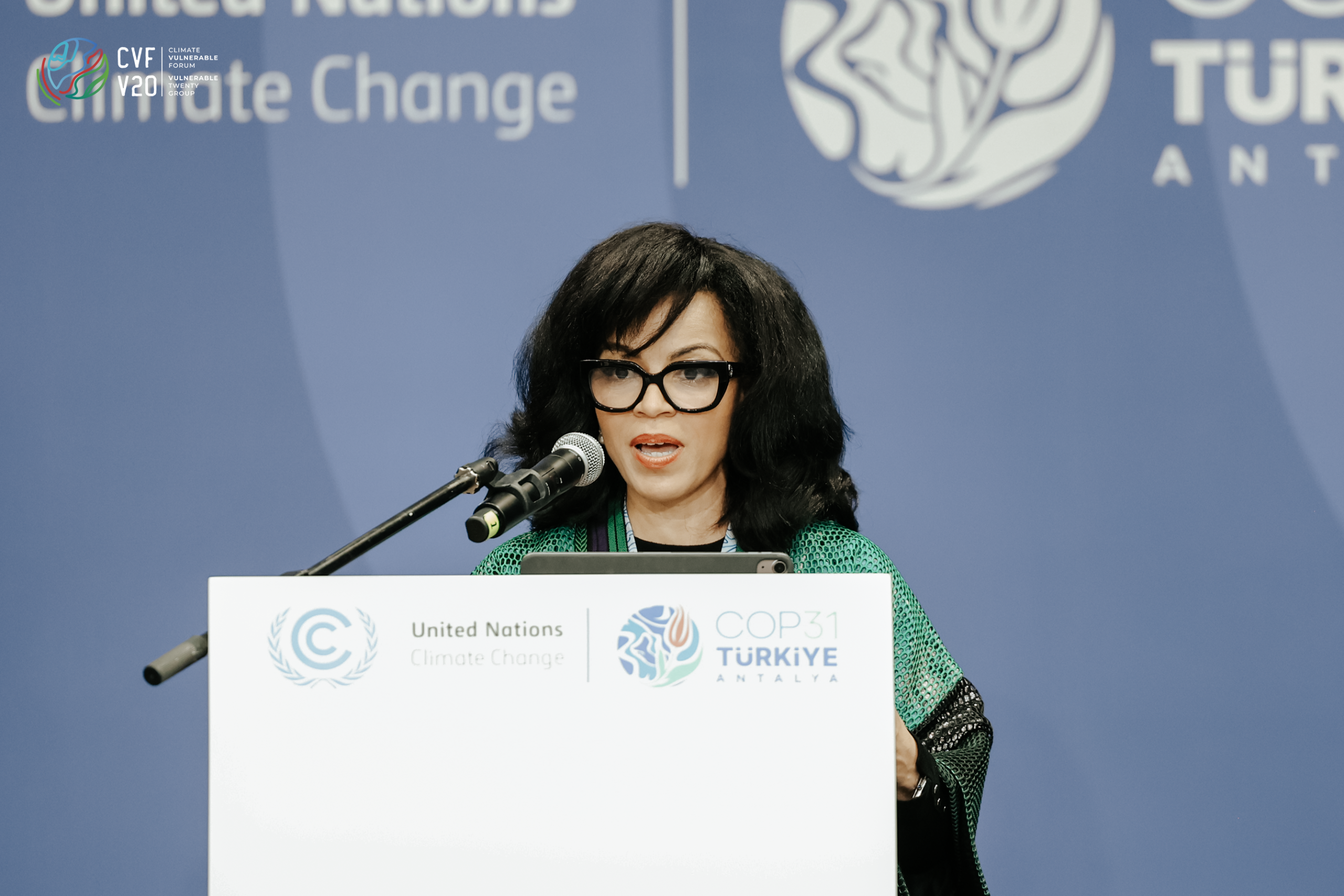
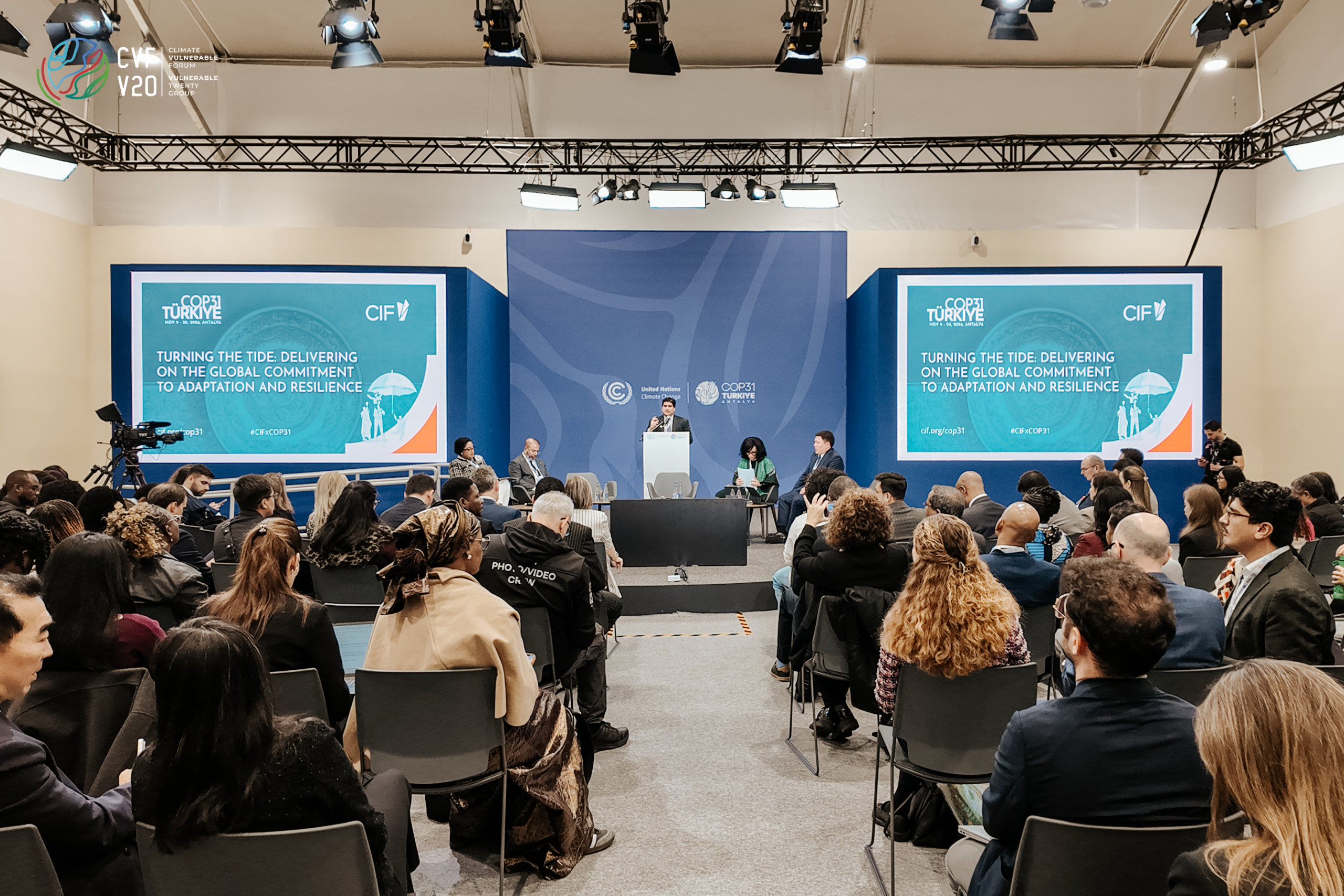
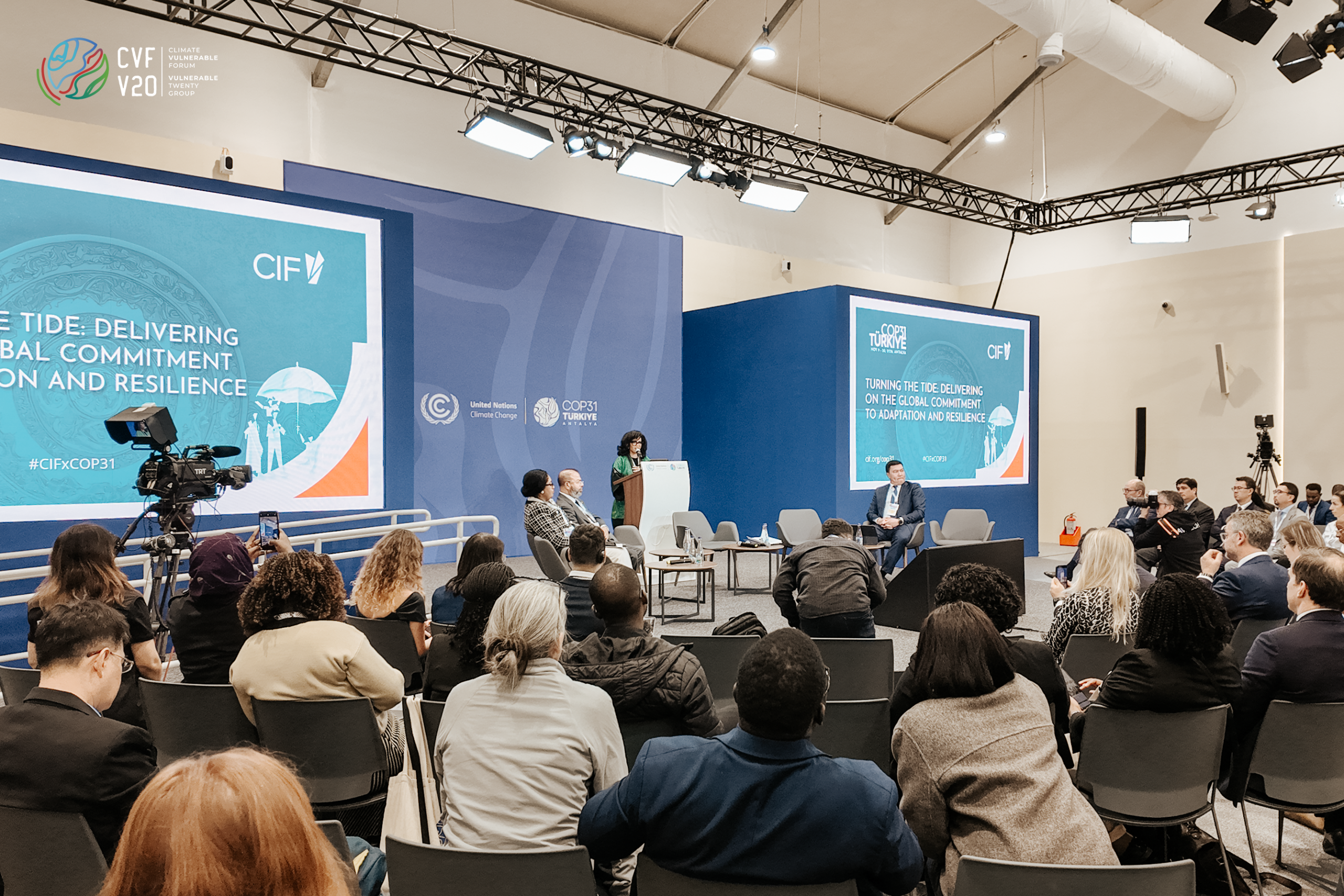
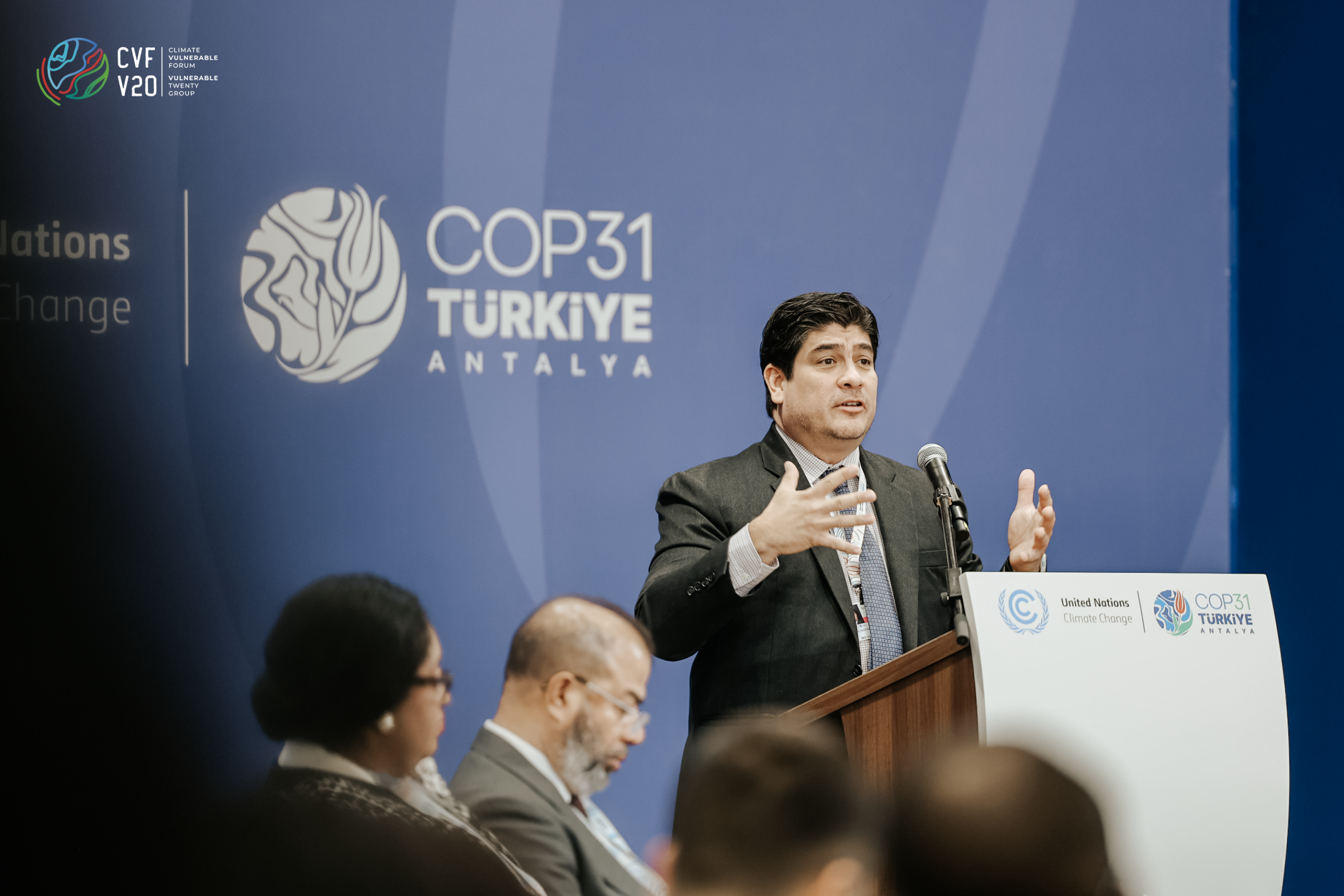
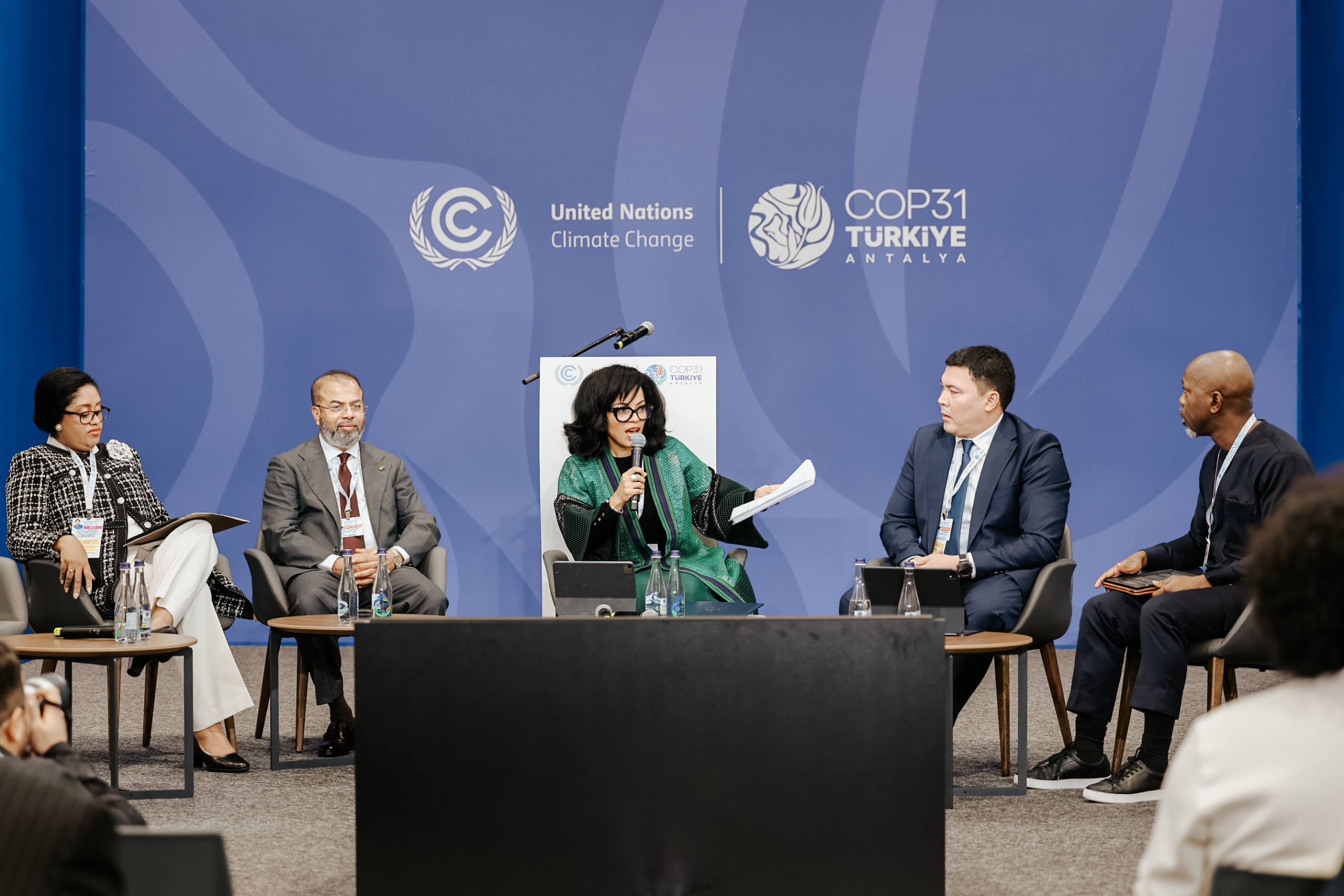
“We’re showing here the way where to go, but still, the scale is not enough,” said incoming CVF-V20 Secretary-General H.E. Carlos Alvarado Quesada, opening the high-level panel organized by CIF with the COP31 Presidency “Turning the Tide: Delivering on the Global Commitment to Adaptation and Resilience,” where the announcement was made. “We talk about the necessities of billions, but still our solutions are in the millions. This is the right direction, but we need to go faster, bolder.”
The ministers on the panel made Alvarado Quesada’s point in concrete terms. Their countries have done the planning and are ready to invest. What they need now is finance on the scale of the risks they face.
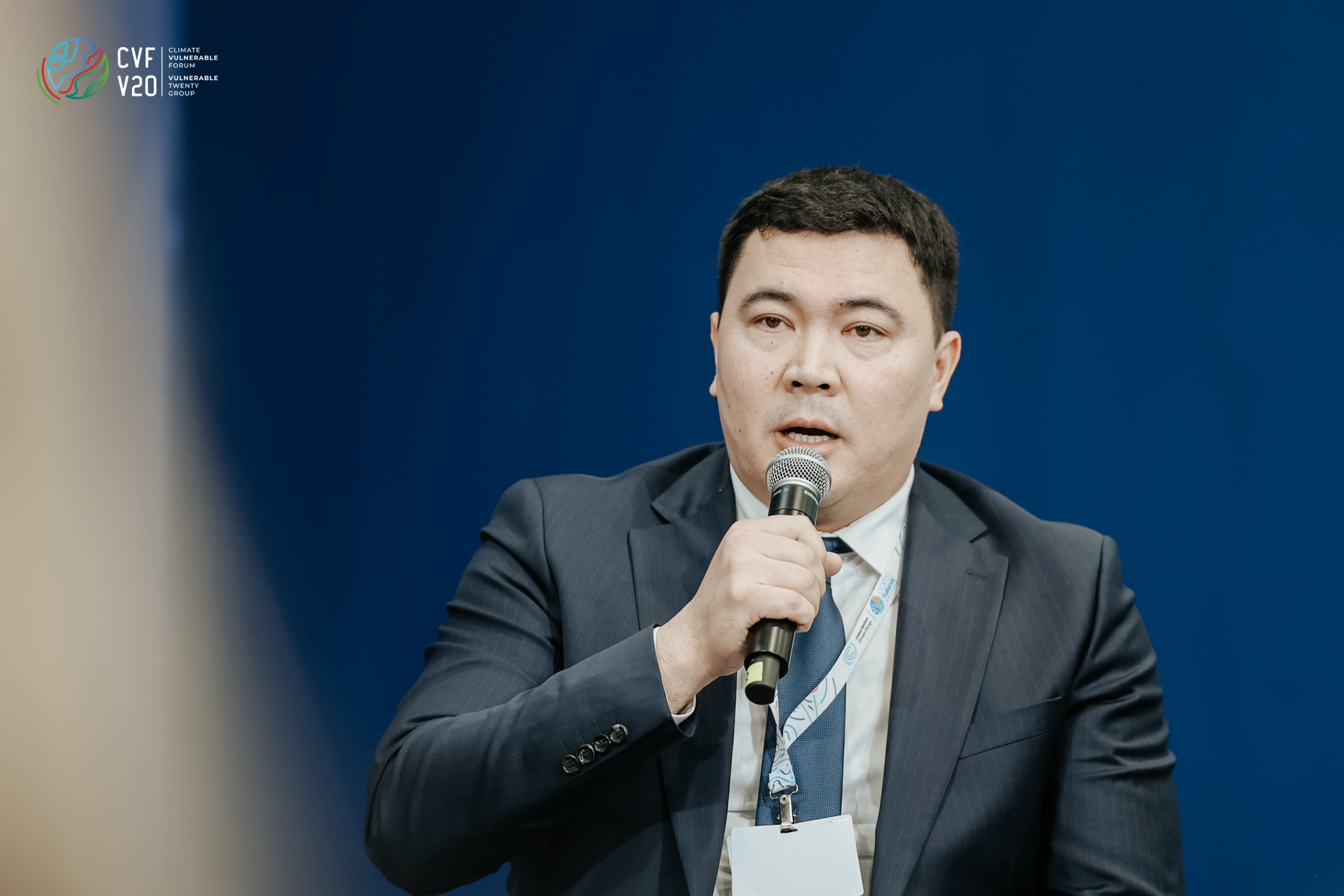
For the Kyrgyz Republic, a high-mountain country, adaptation is “a strategic socio-economic priority,” said Minister of Natural Resources, Ecology and Technical Supervision Akyl Toktobaev. He called for predictable, grant-based concessional finance and for a shift from responding to climate risks to preventing them. That means investing in resilient infrastructure, early warning, water management and restoring mountain ecosystems, while creating the conditions to attract private capital.
Mozambique has faced more than 75 extreme climate events since 2000, and cyclones in 2024-25 alone affected more than 1.8 million people. With debt at around 72% of GDP, “ourselves alone we cannot do enough,” said Carla Louveira, Deputy Minister of Economy and Finance. She said ARISE grants can turn adaptation priorities into projects ready for investment without adding to the state’s debt.
In Malawi, which shares both a border and its cyclones with Mozambique, Minister of Natural Resources Patricia Wiskes described ARISE as “an opportunity… to change how we structure our economies.” Agriculture is “our backbone,” she said, but farmers who rely on rain keep losing their crops to drought and floods. The program will fund irrigation and water harvesting so farmers can grow more than one crop a year. It will also fund climate-resilient infrastructure and aquaculture. “We are landlocked, but we are not a water-poor country,” she said.
Sierra Leone’s Minister of Environment and Climate Change Jiwoh Emmanuel Abdulai said the country’s proposal came out of consultations across the country. It puts early warning and stronger local value chains first for farming and fishing communities. “It’s people that are affected by climate change,” he said, and communities must see themselves “as partners… as opposed to beneficiaries.”
Bangladesh’s State Minister of Environment, Forest and Climate Change Shaikh Faridul Islam spoke for coastal communities facing super cyclones, saltwater getting into their drinking water, river erosion and too few cyclone shelters. He called for “a proper diagnosis for every area” so that investment fits local needs. He pointed to Bangladesh’s own efforts, including a target of 10,000 MW of solar within five years and a campaign to plant 250 million trees. But, he said, some things remain “beyond our control.”
ARISE country proposals make up an investment-ready pipeline of at least US$700 million, and only the first phase is funded. CIF has pledged to keep fundraising to fund all 25 proposals. The pipeline includes proposals from Guinea; Rwanda; The Gambia; Mozambique; Bhutan; Ukraine; Nepal; Botswana; Philippines; Mexico; Tonga; Zambia; Eswatini; Lao People’s Democratic Republic; Armenia; Nigeria; Cabo Verde; Cambodia; Uzbekistan.
Launched at COP30, ARISE has an initial capital of just over US$ 100 million, and early contributions from Germany, Ireland, and Spain made today’s first cohort possible.
CIF announced today that the United Kingdom has decided to direct up to US$ 128 million in historic program reflows to ARISE, allowing support to additional countries. These are welcome steps, but they must be the start of a much larger effort.
For climate-vulnerable nations, adaptation is not optional. It is survival. The CVF-V20 stands with CIF and calls on donors and multilateral development banks to fully fund the ARISE pipeline, so that finance reaches the countries and communities that need it most.
***
The CVF-V20 now represents 77 member countries from small island developing states (SIDS), least developed countries (LDCs), low to middle-income countries (LMICs), landlocked developing countries (LLDCs), and fragile and conflict-affected states (FCS). Working together, the CVF-V20 aims to achieve climate justice through the realization of Climate Prosperity Plans, which contain ambitious economic and financial resilience strategies designed to attract investment and resources that advance the attainment of the Sustainable Development Goals (SDGs), 30×30 Global Biodiversity, and help keep the average global temperature within the Paris Agreement’s 1.5°C safety threshold.
Africa: Benin, Burkina Faso, Cabo Verde, Central African Republic, Chad, Comoros, Côte d’Ivoire, Democratic Republic of the Congo, Eswatini, Ethiopia, Gabon, The Gambia, Ghana (Troika), Guinea, Kenya, Liberia, Madagascar, Malawi, Morocco, Mozambique, Namibia, Niger, Rwanda, Senegal, Sierra Leone, Somalia, South Sudan, Sudan, Tanzania, Togo, Tunisia, Uganda, Zambia
Asia: Afghanistan, Bangladesh (Troika), Bhutan, Cambodia, Jordan, Kyrgyzstan, Lebanon, Maldives, Mongolia, Nepal, Pakistan, Palestine, Philippines, Sri Lanka, Timor-Leste, Vietnam, Yemen
Caribbean: Barbados (Chair/Troika), Dominica, Dominican Republic, Grenada, Guyana, Haiti, Saint Lucia, Saint Vincent and the Grenadines, Suriname, Trinidad and Tobago
Latin America: Colombia, Costa Rica, Guatemala, Honduras, Nicaragua, Paraguay
Pacific: Fiji, Kiribati, Marshall Islands, Nauru, Palau, Papua New Guinea, Samoa, Solomon Islands, Tonga, Tuvalu, Vanuatu
For media enquiries, please contact [email protected].
For the latest updates, please follow us on: