VULNERABILITY TO VIABILITY (V2V) COMPACT

The V2V Compact is a landmark partnership between CVF-V20 member countries and a coalition of Development Finance Institutions (DFIs), led by the OPEC Fund for International Development, to fundamentally change how finance is structured, priced, and delivered to climate-vulnerable economies.
Formally endorsed at the 16th V20 Ministerial Dialogue on the margins of the 2026 Spring Meetings of the World Bank and the International Monetary Fund and launched at the OPEC Fund Development Forum and Golden Jubilee Celebration, the V2V Compact aims to close the finance gap for climate-vulnerable economies on terms that these economies can sustain.
The V2V Compact focuses on three sectors central to long-term resilience and human security: water, education, and health. By combining more affordable and predictable finance with private capital mobilization and shock-responsive tools, this new modus operandi aims to help countries sustain essential services before, during, and after crises.
A SIGNIFICANT FLAW IN HOW RISK IS ASSESSED
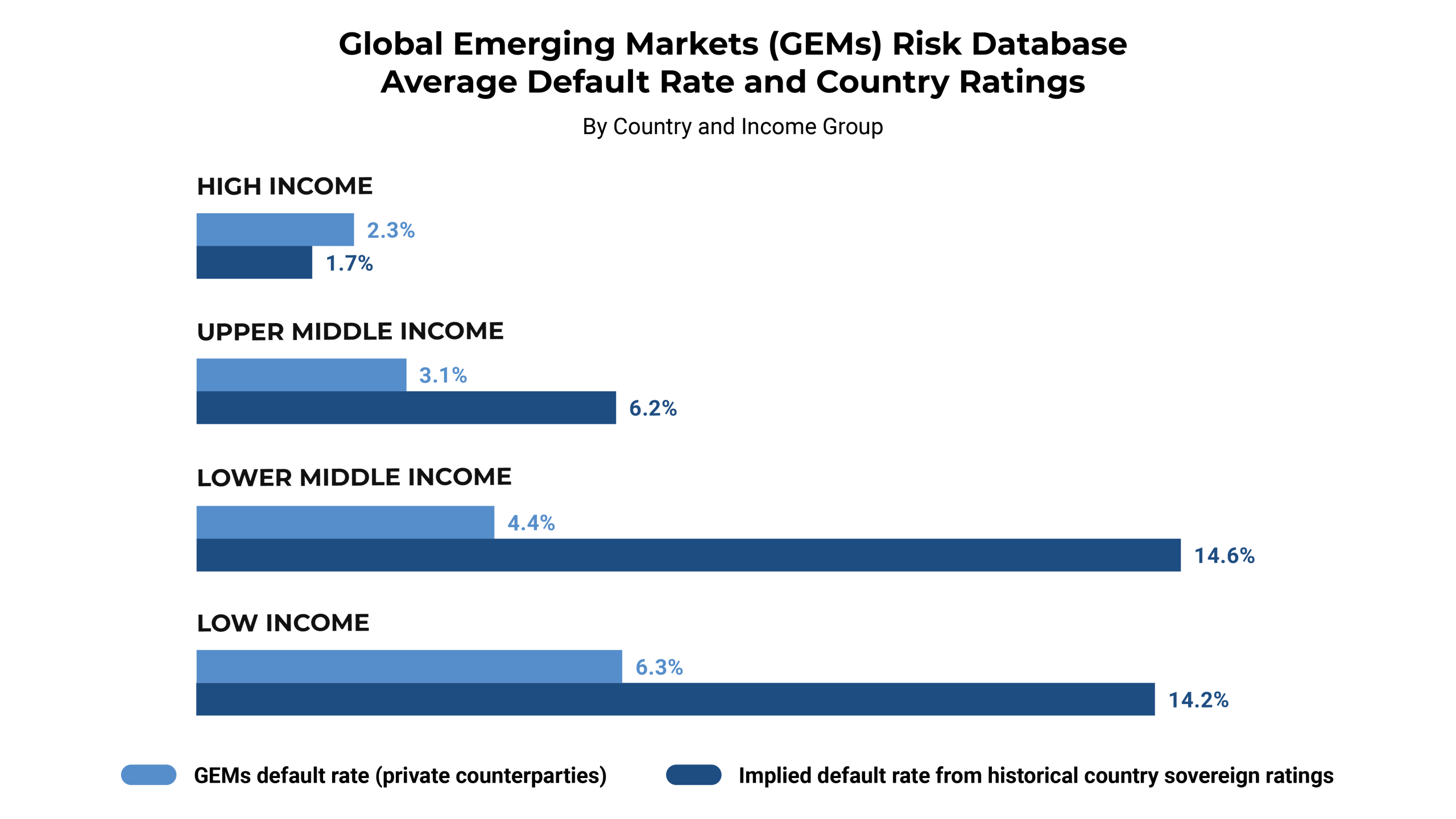
The global community faces a significant and escalating challenge in mobilizing the financial resources needed to support developing countries pursuing sustainable development amid climate shocks and unsustainable debt burdens. In a tightening global fiscal environment, the gap between the finance needed and the finance deployed for Water, Education, and Health in CVF-V20 countries remains critically wide. The CVF-V20 now counts 74 member countries, home to more than 1.7 billion people, all of whose lives and livelihoods turn on the answer to this question.
The problem runs deeper than volume. CVF-V20 countries face higher costs, mispriced risk, fragmented funding, and limited fiscal space. How much capital flows is vital, but equally fundamental are the terms on which it flows. The current financial architecture does not take into account essential human security needs with debt too short for the assets being built and too costly for the communities that depend on them. Water, health, education, and value addition are vital to development and the elimination of poverty, and require a new approach: moving from projects to partnerships, from fragmented institutions to a coordinated toolkit, from rigid finance to flexible/responsive capital, and from external intermediaries to local intermediaries.
USD 490 billion
Annual finance needed by 2030, a 5× increase from current flows
USD 62 billion
Excess interest payments per year generated by the systemic mispricing of sovereign risk
+1.2 percent
Higher borrowing costs faced by CVF-V20 countries vs. advanced economies
3.78×
Return per dollar invested under the Climate Prosperity Plan pathway by 2050
FOUR PILLARS OF STRUCTURAL CHANGE
The Compact organizes work around four pillars, replacing fragmented and unaffordable finance with coordinated investment built around country priorities in water, education, and health.
Pillar 1
SCALING CONCESSIONALITY
Strengthening the affordability, accessibility, predictability, and suitability of finance for V20 priorities.
Pillar 2
MOBILIZING PRIVATE CAPITAL
Developing robust project pipelines using risk-sharing instruments, blended finance approaches, and other catalytic mechanisms to bring private and philanthropic funding.
Pillar 3
STRENGTHENING COUNTRY OWNERSHIP
Aligning finance and delivery with country-led priorities and national strategies, through Country Partnership Frameworks and Climate Prosperity Plans.
Pillar 4
ADVANCING SHOCK-RESPONSIVE INSTRUMENTS
Strengthening early-warning systems, use of debt suspension clauses in debt instruments, contingency planning, debt swaps, and operational safeguards to maintain the continuity of essential services before, during, and after fiscal shocks.
COMPACT PARTNER INSTITUTIONS
OBSERVERS
RELATED ARTICLES

Fellowship Sessions Empower Climate Leaders to Drive Bold Action