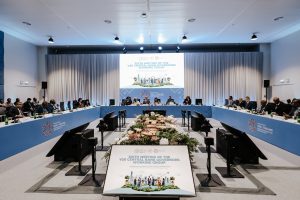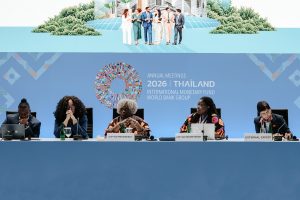
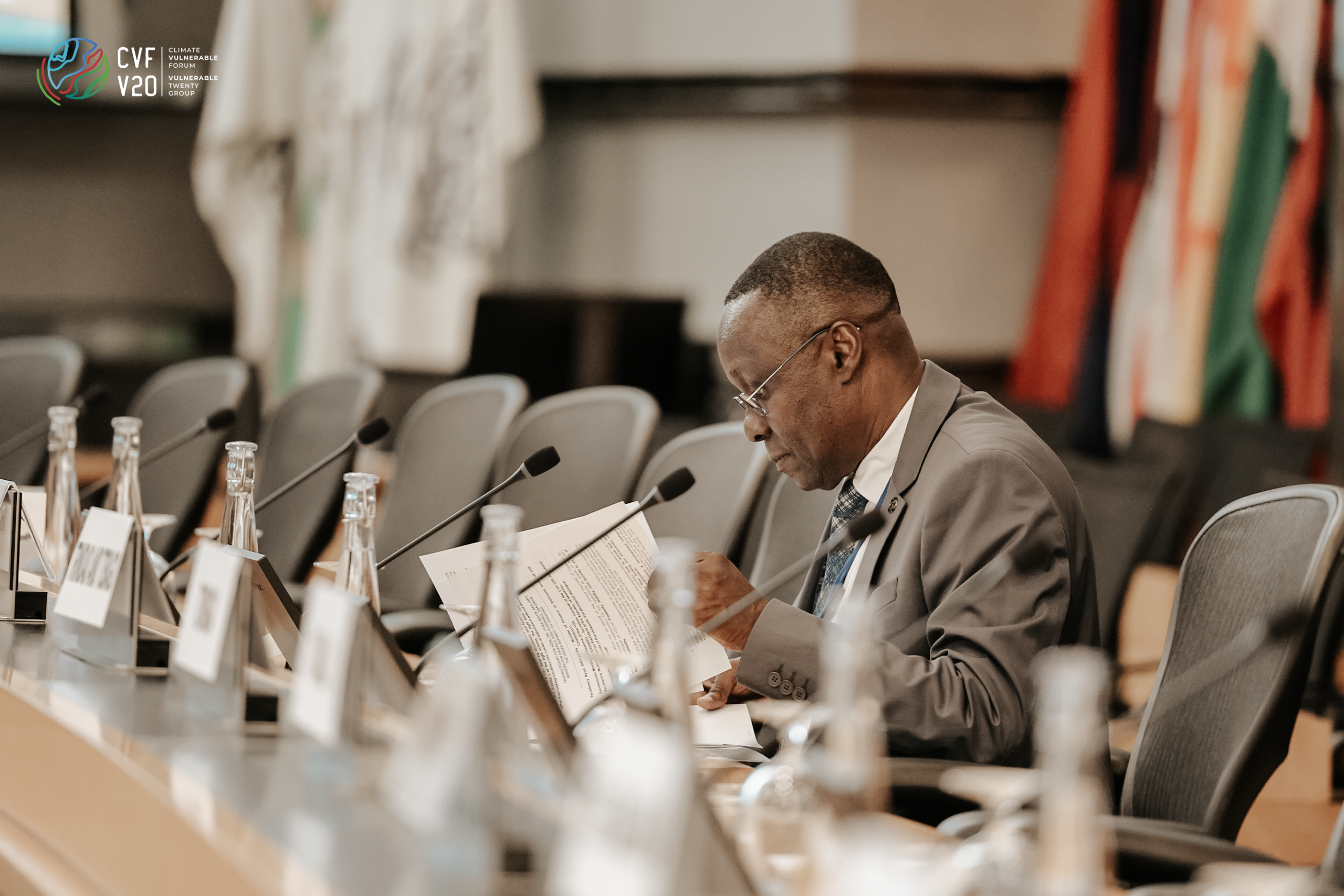

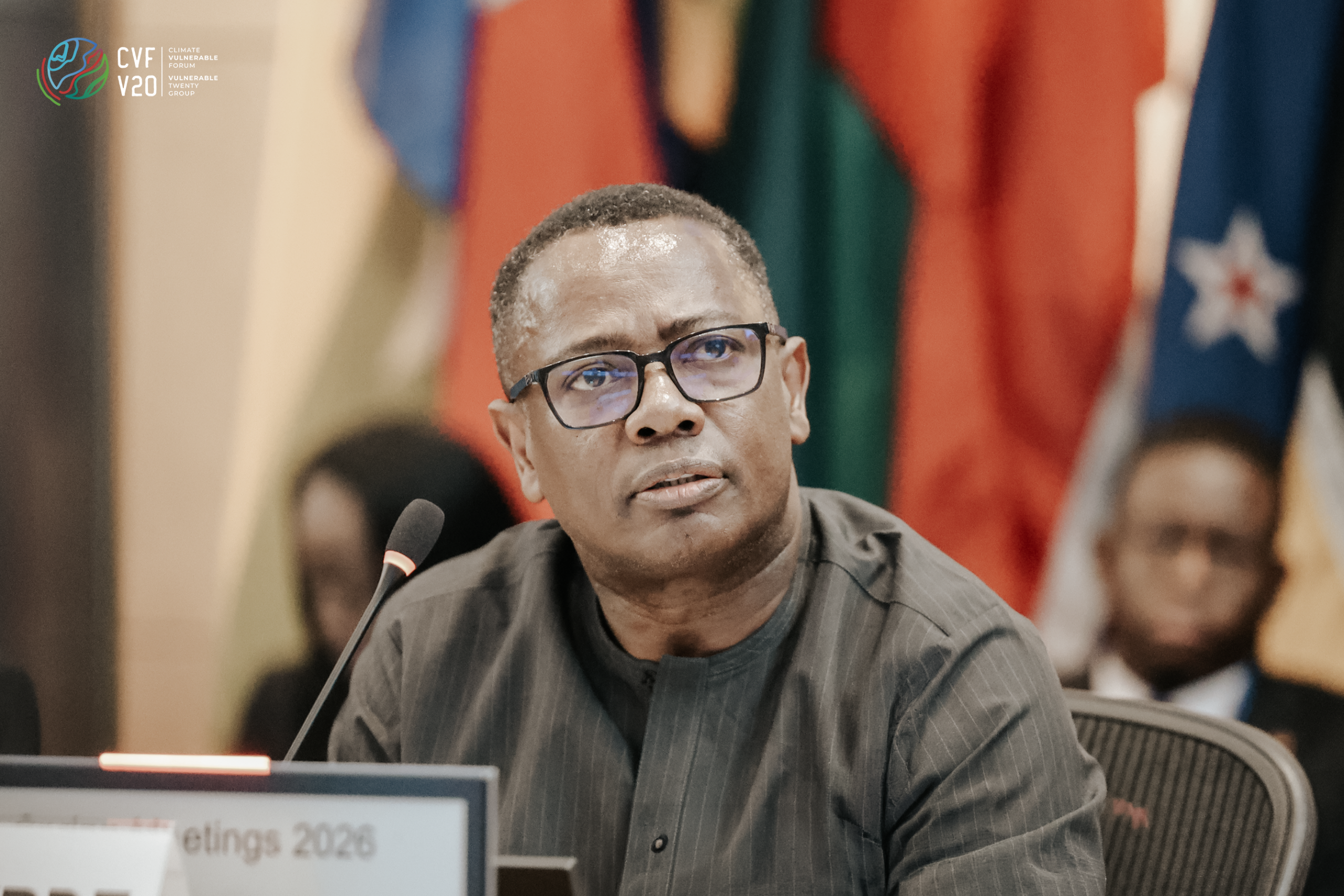
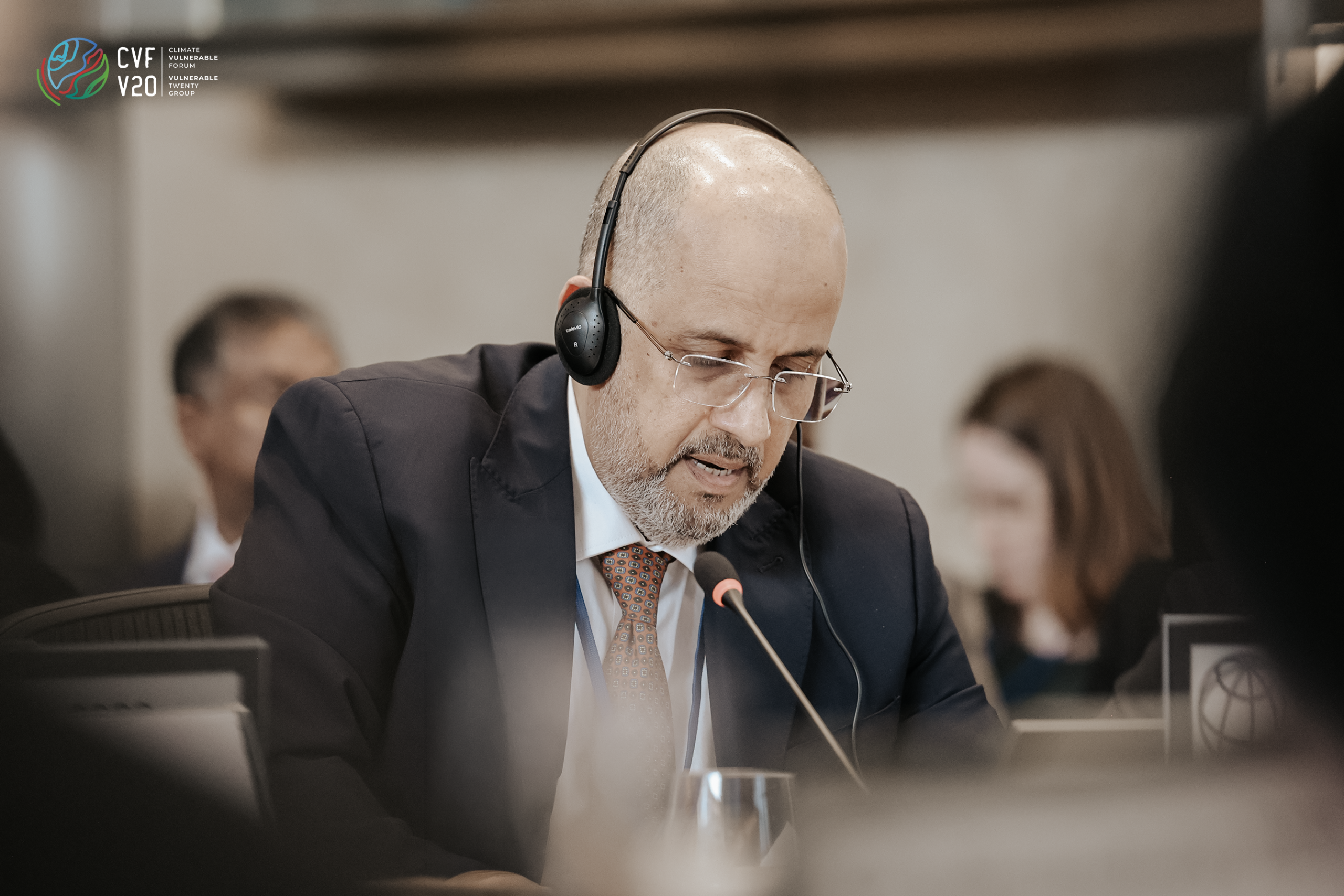
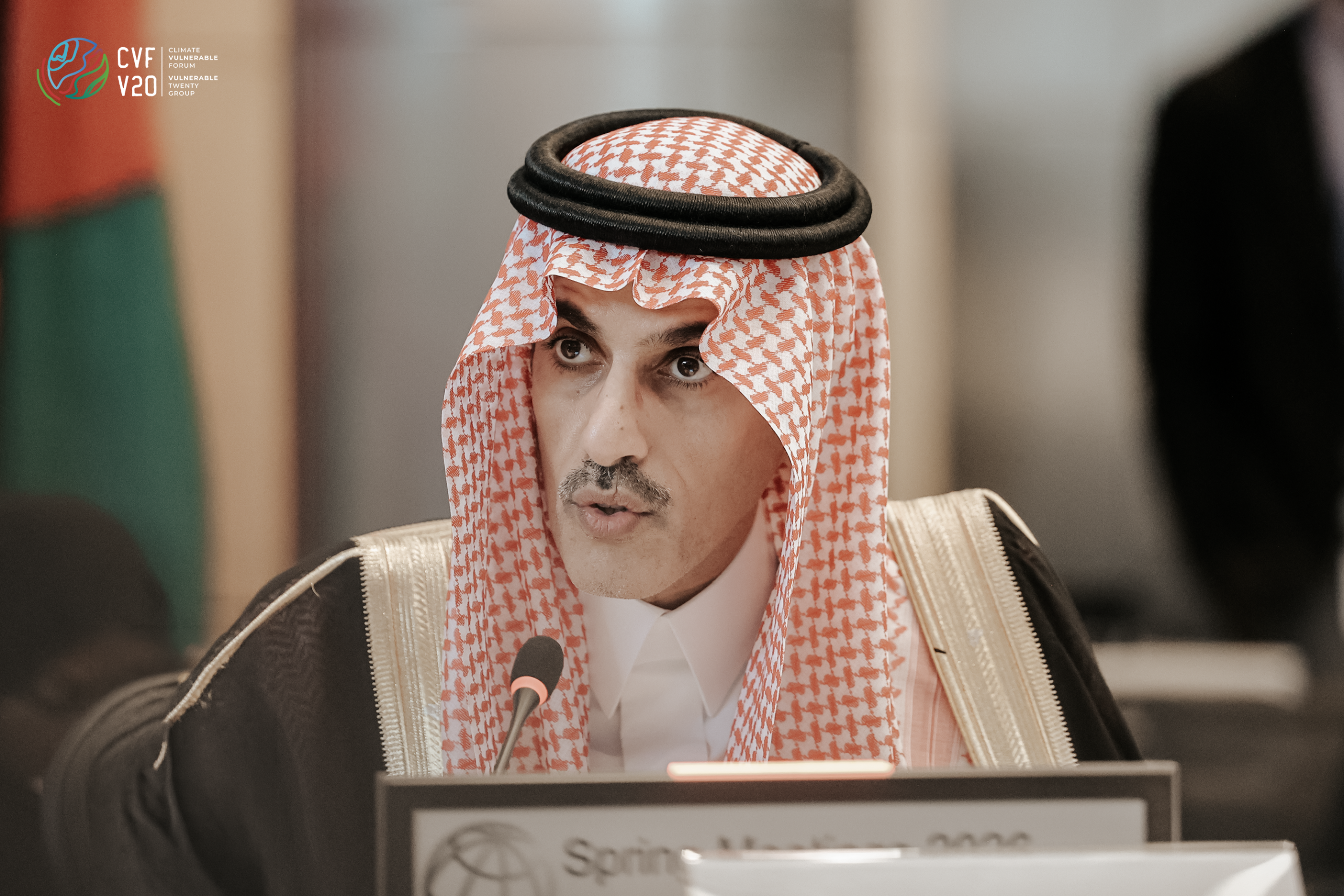
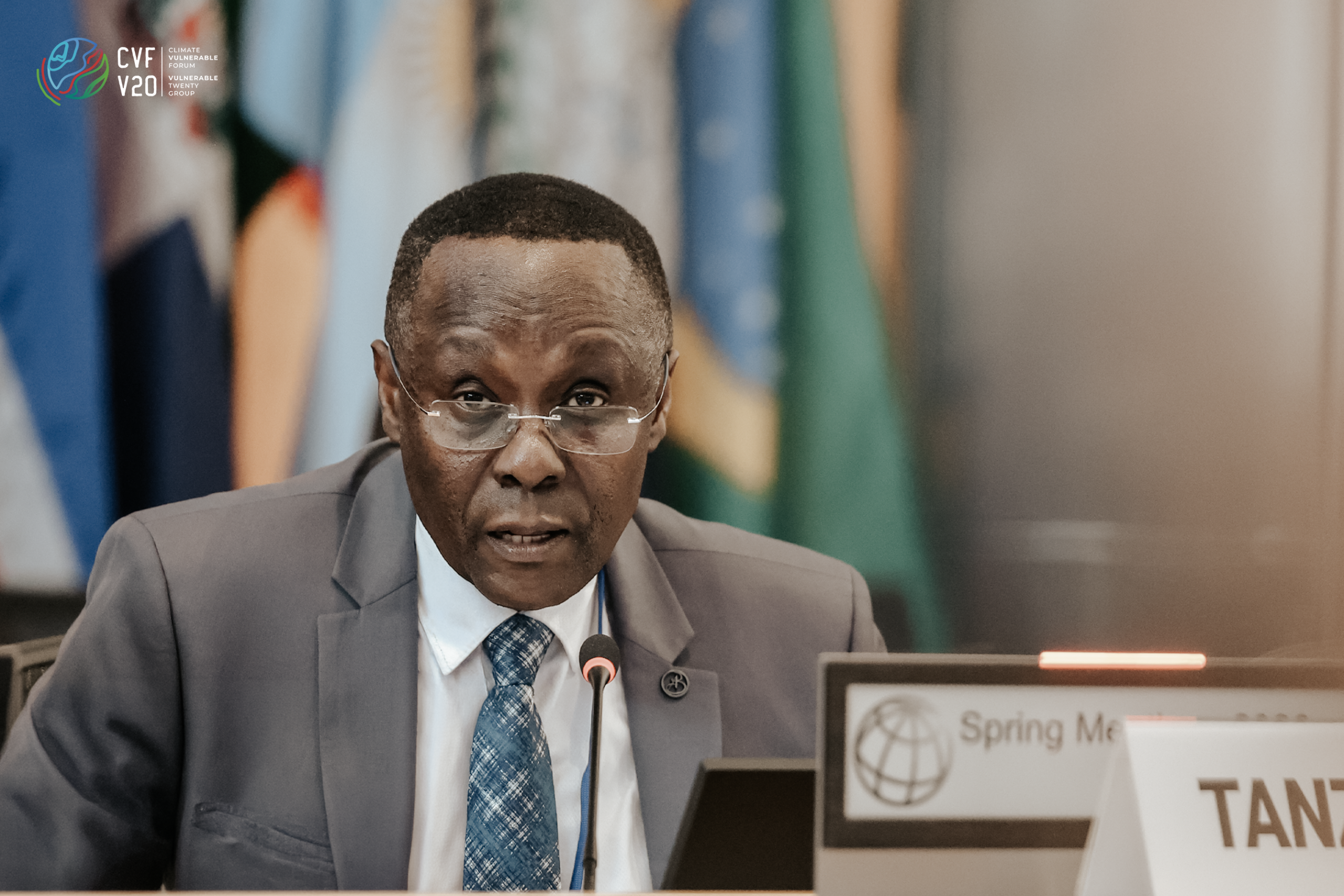
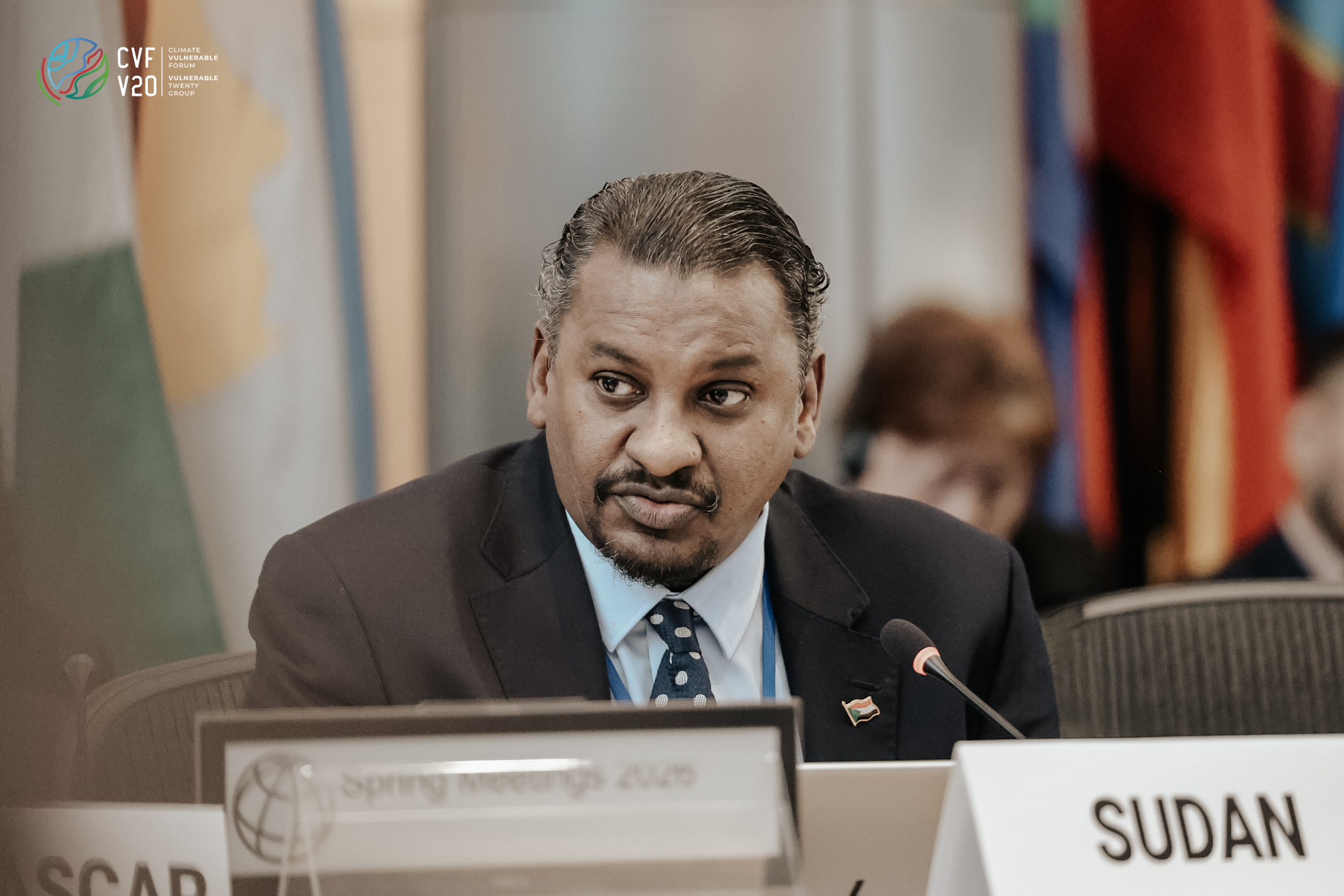
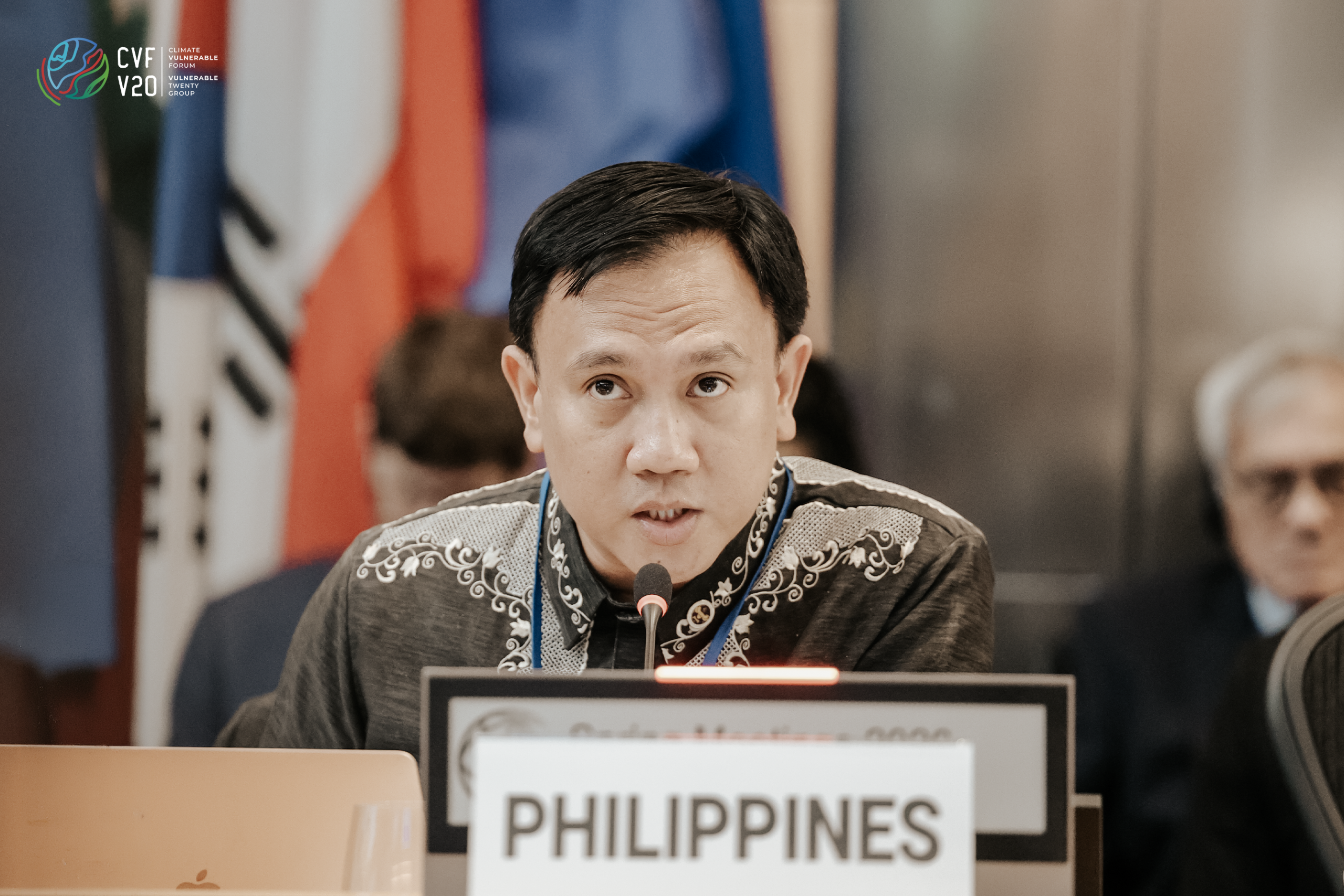
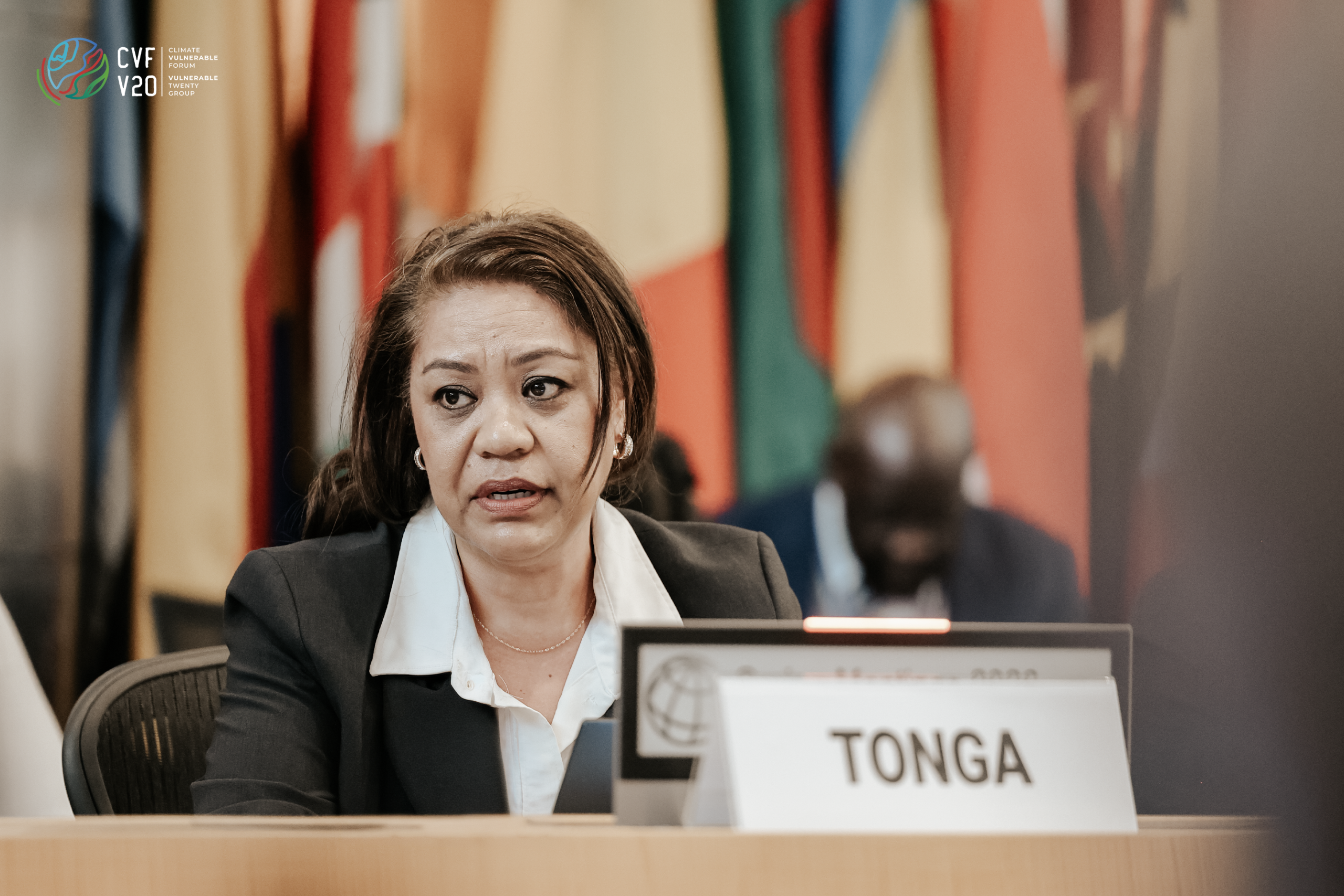
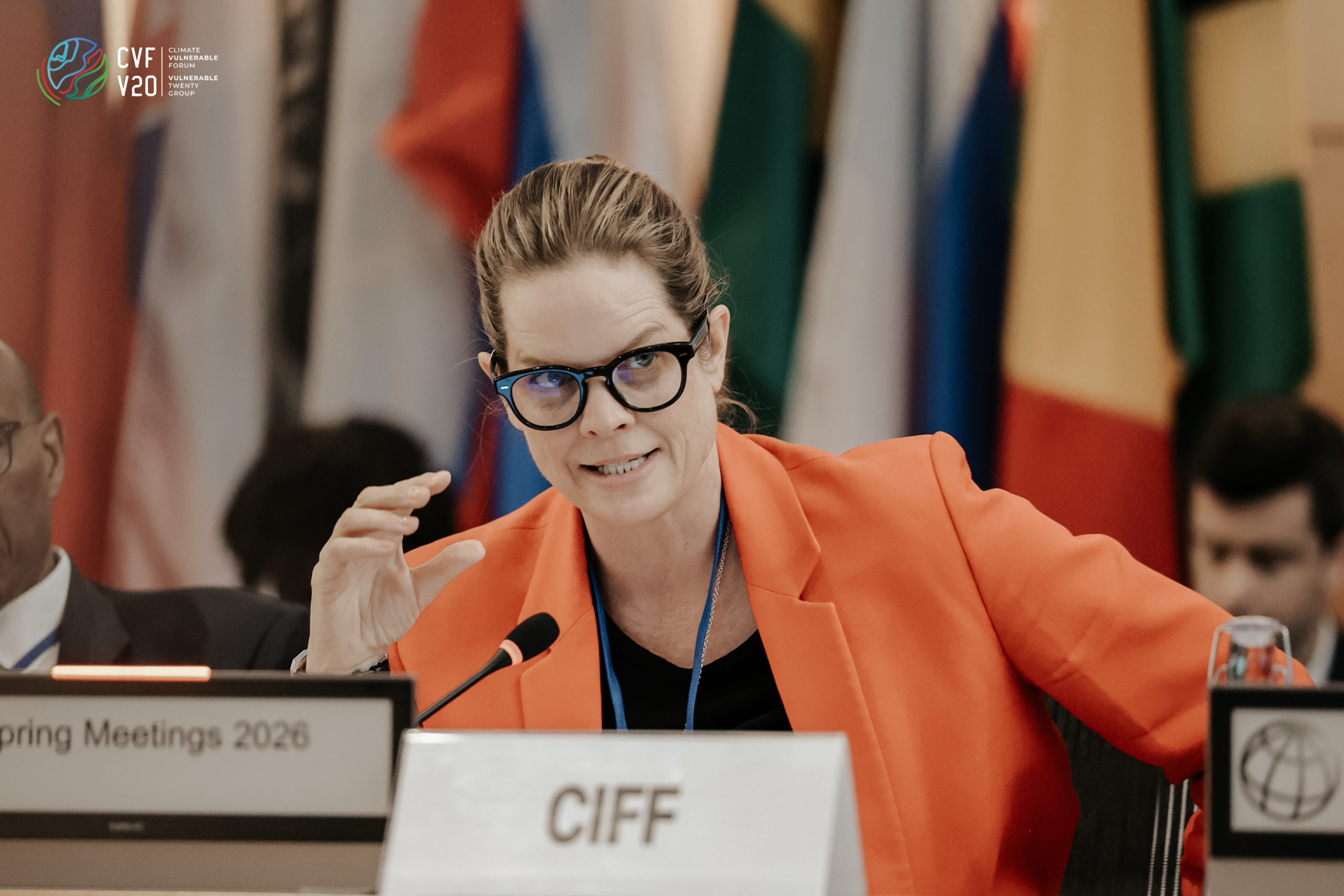
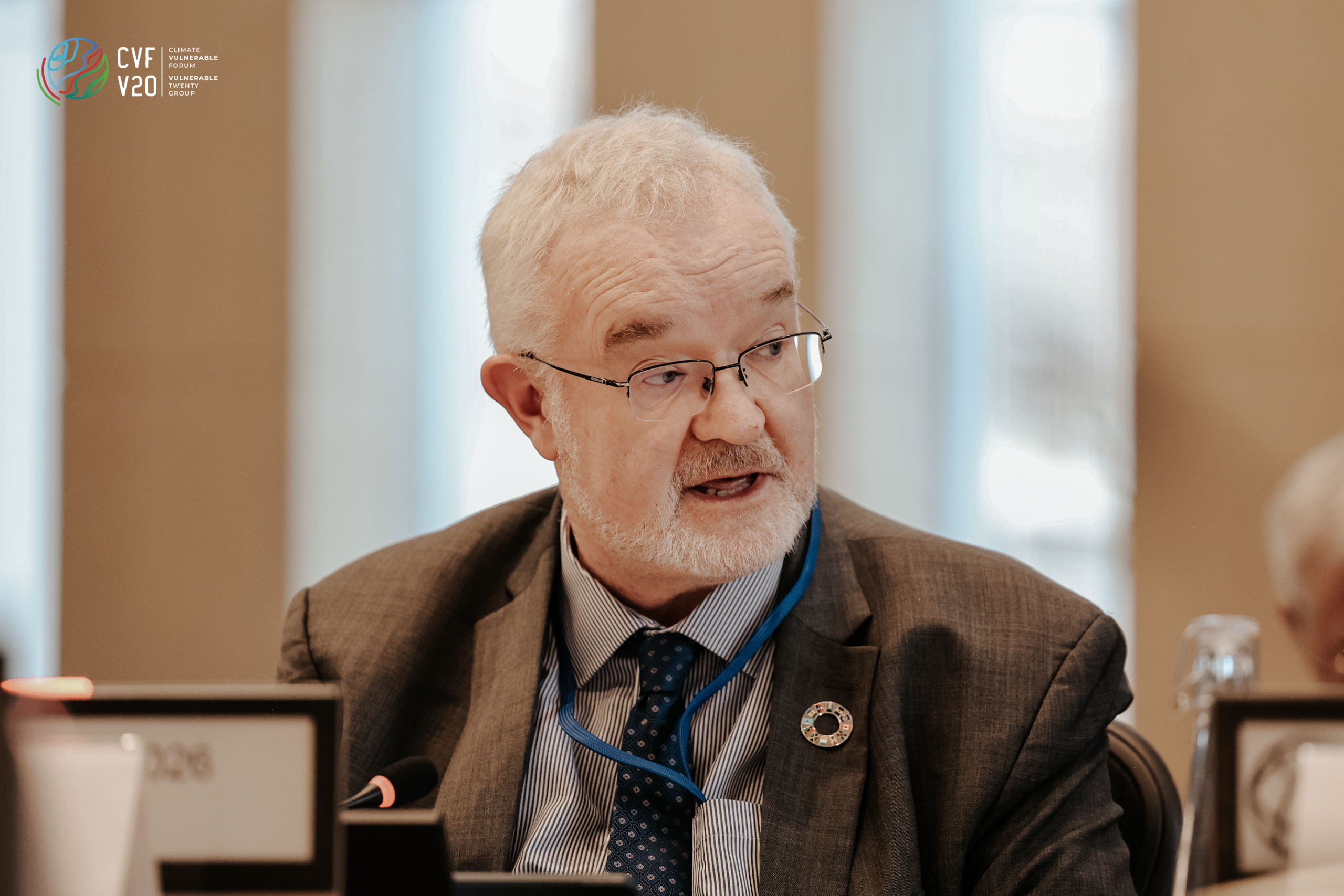
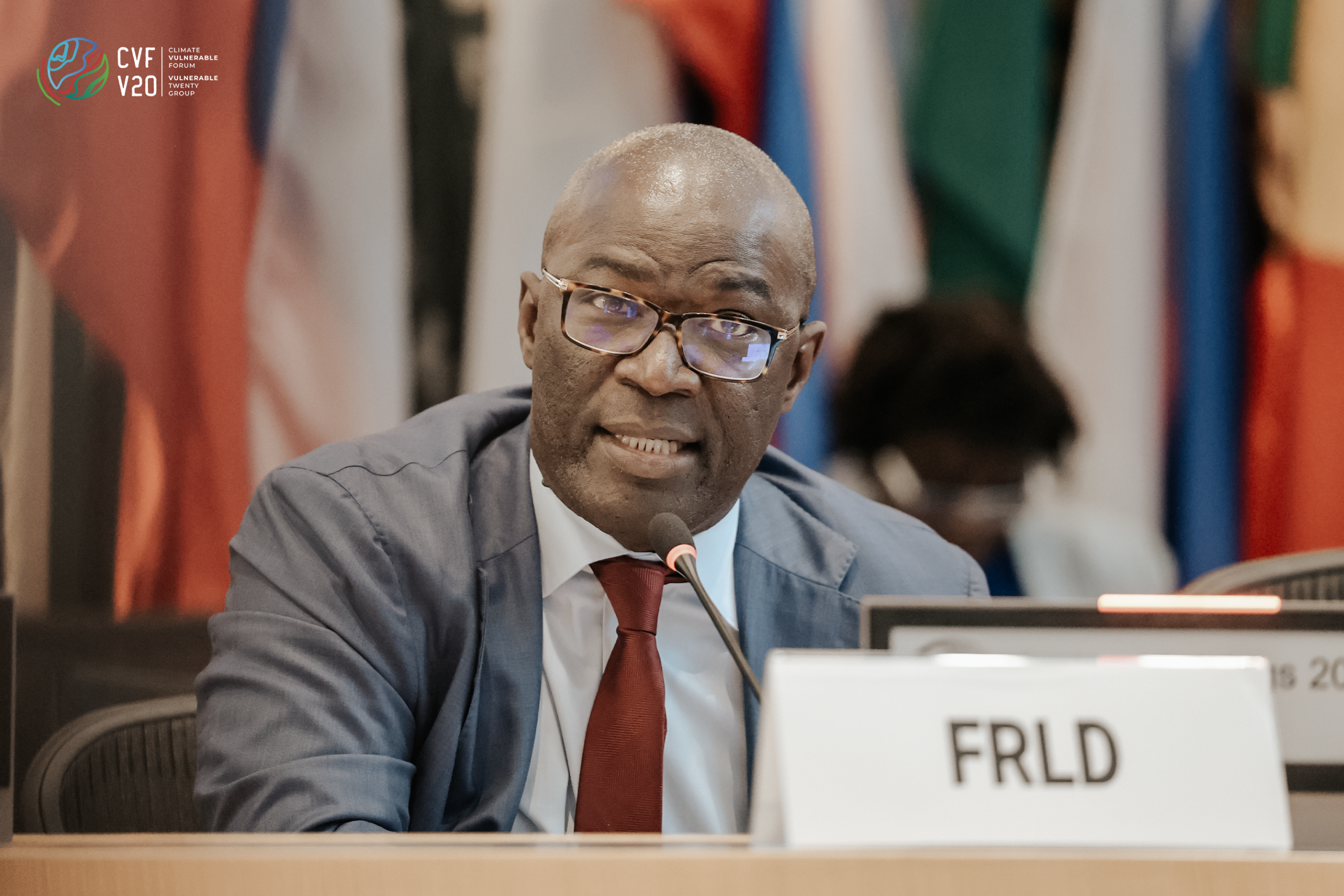
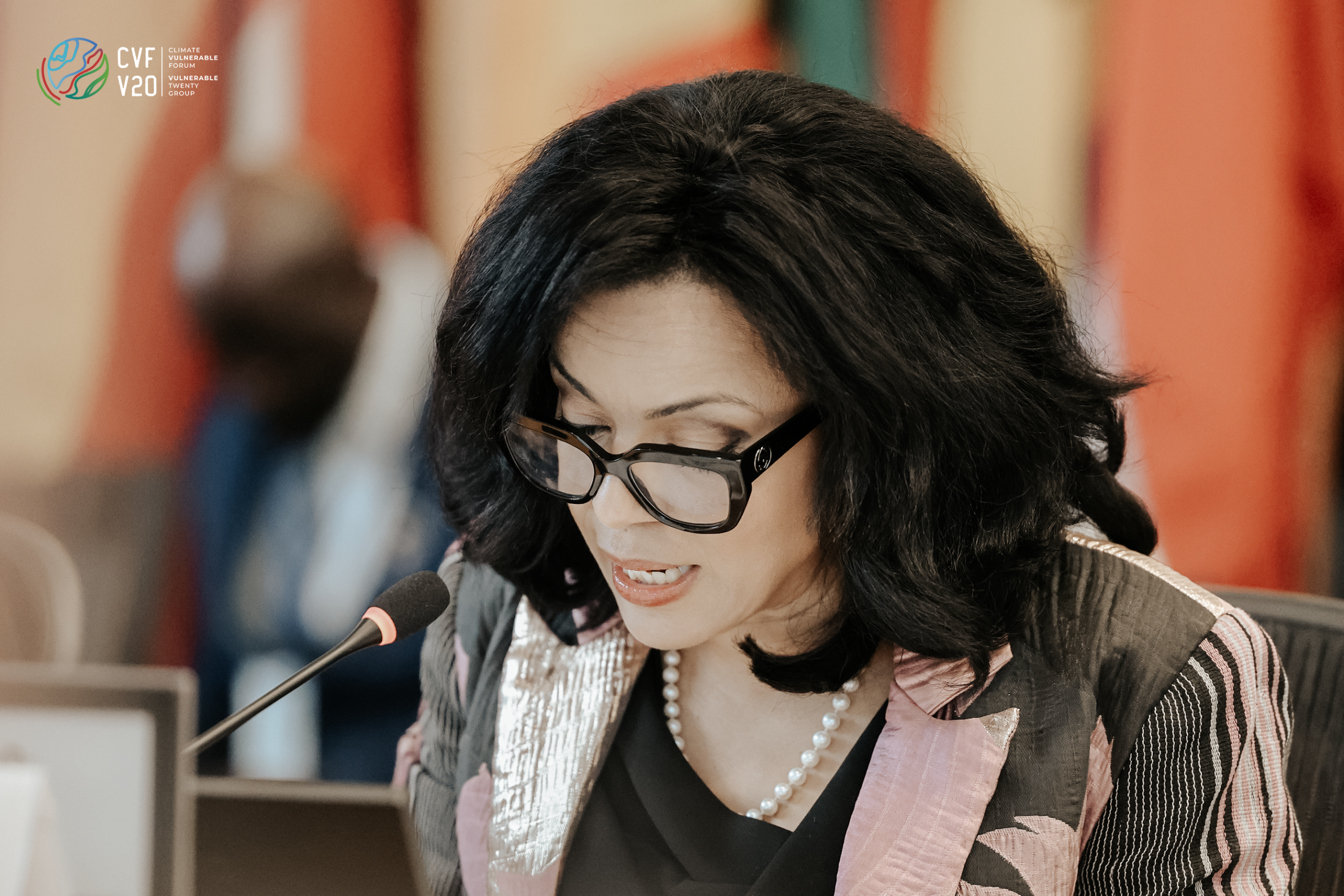
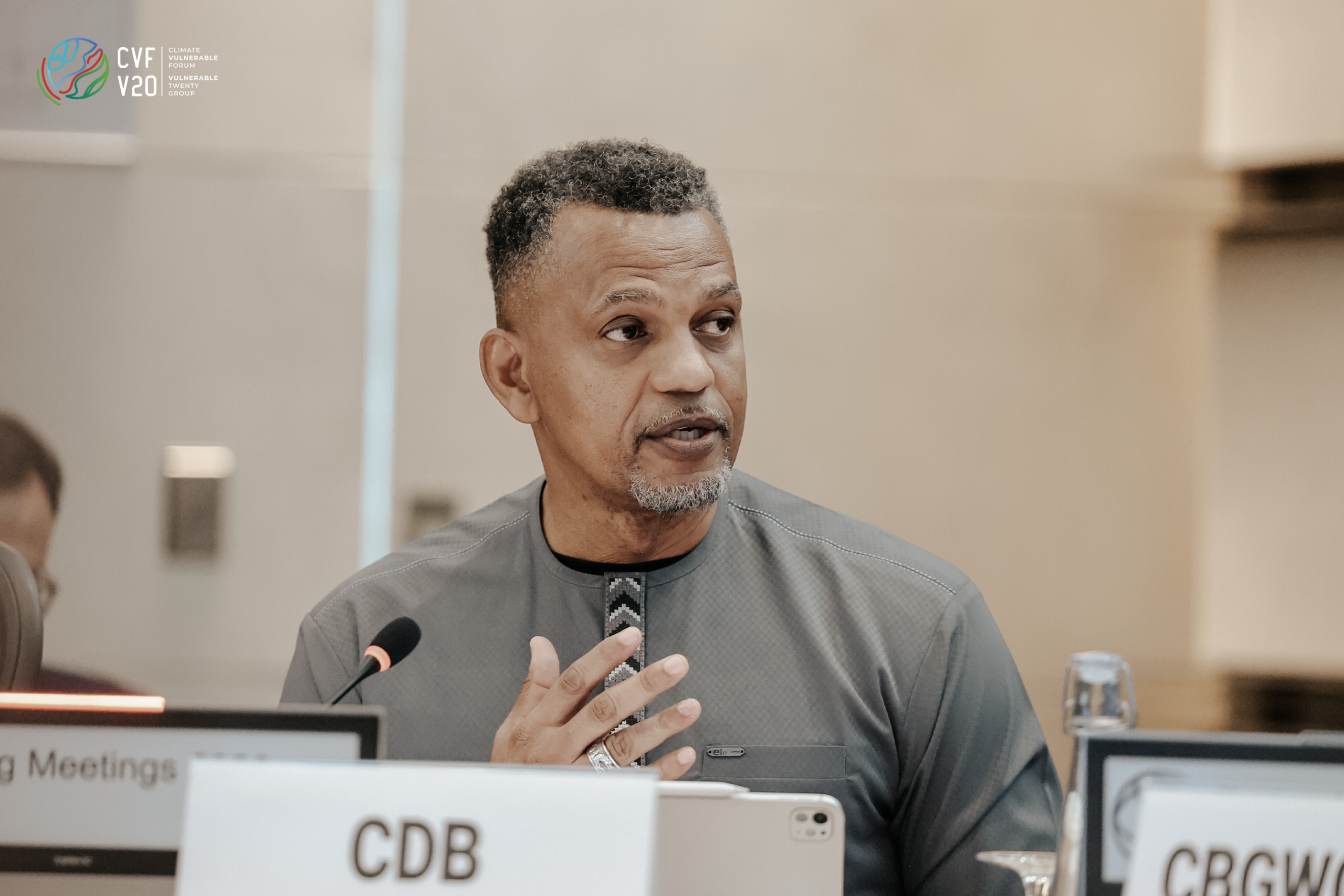
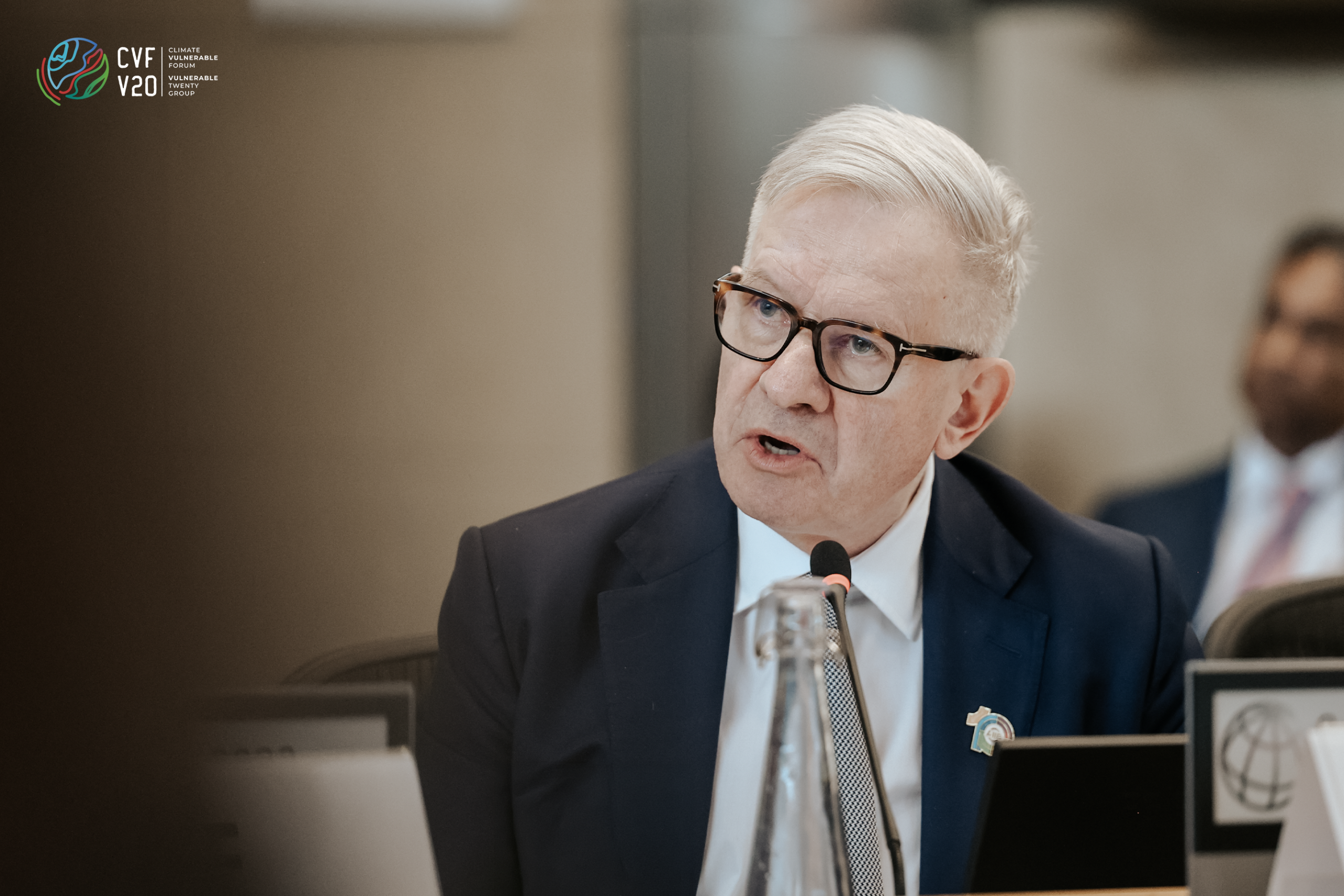
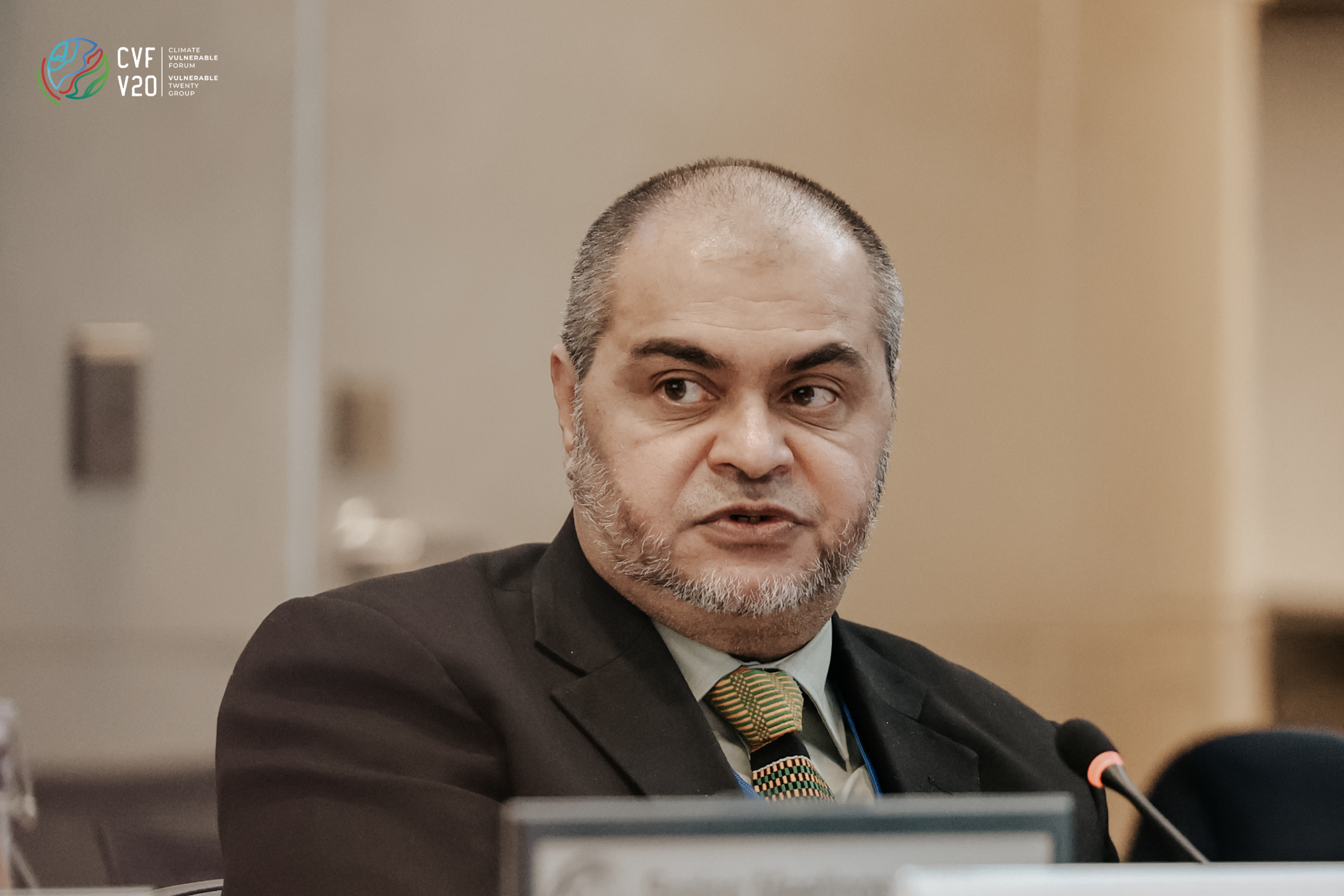
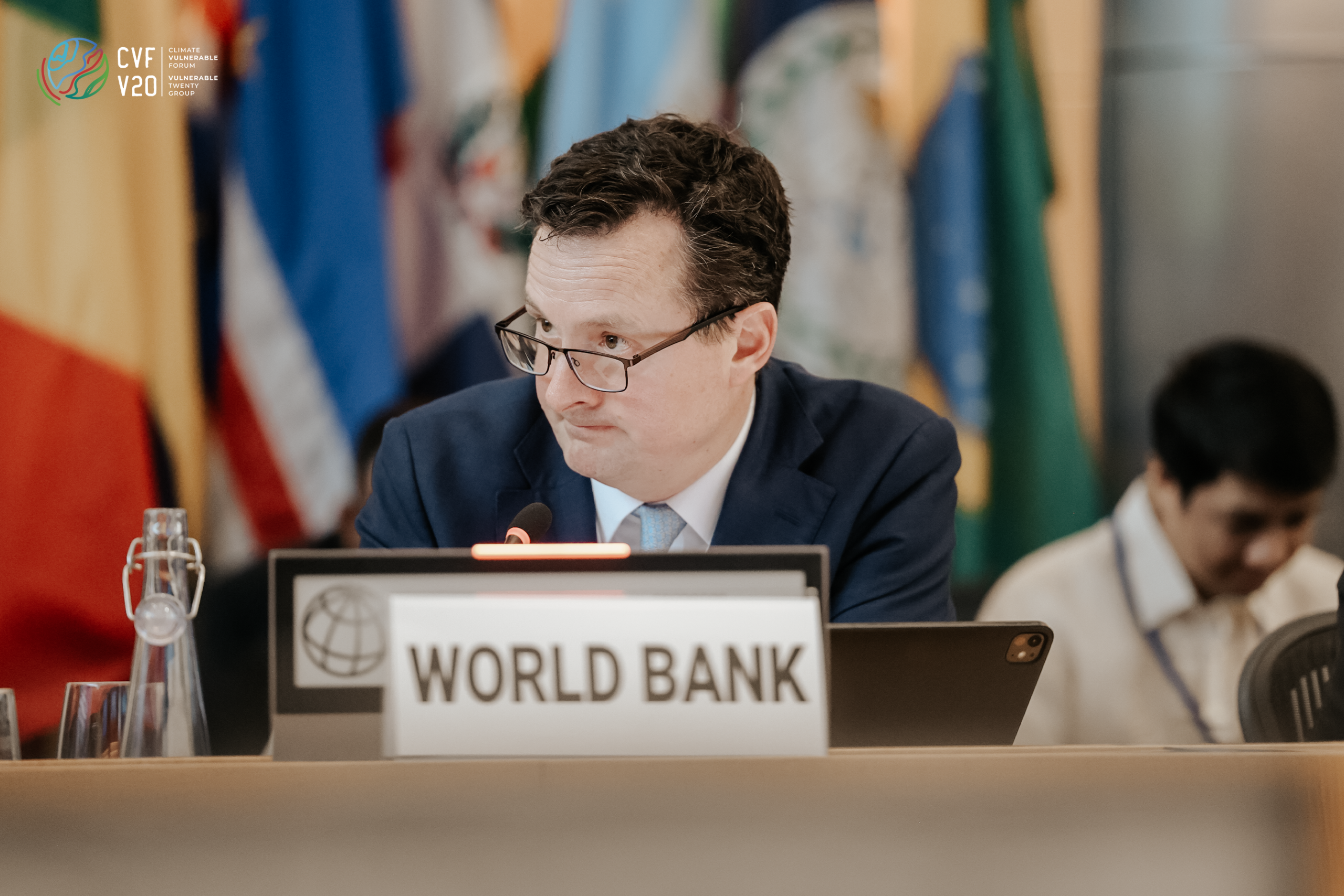
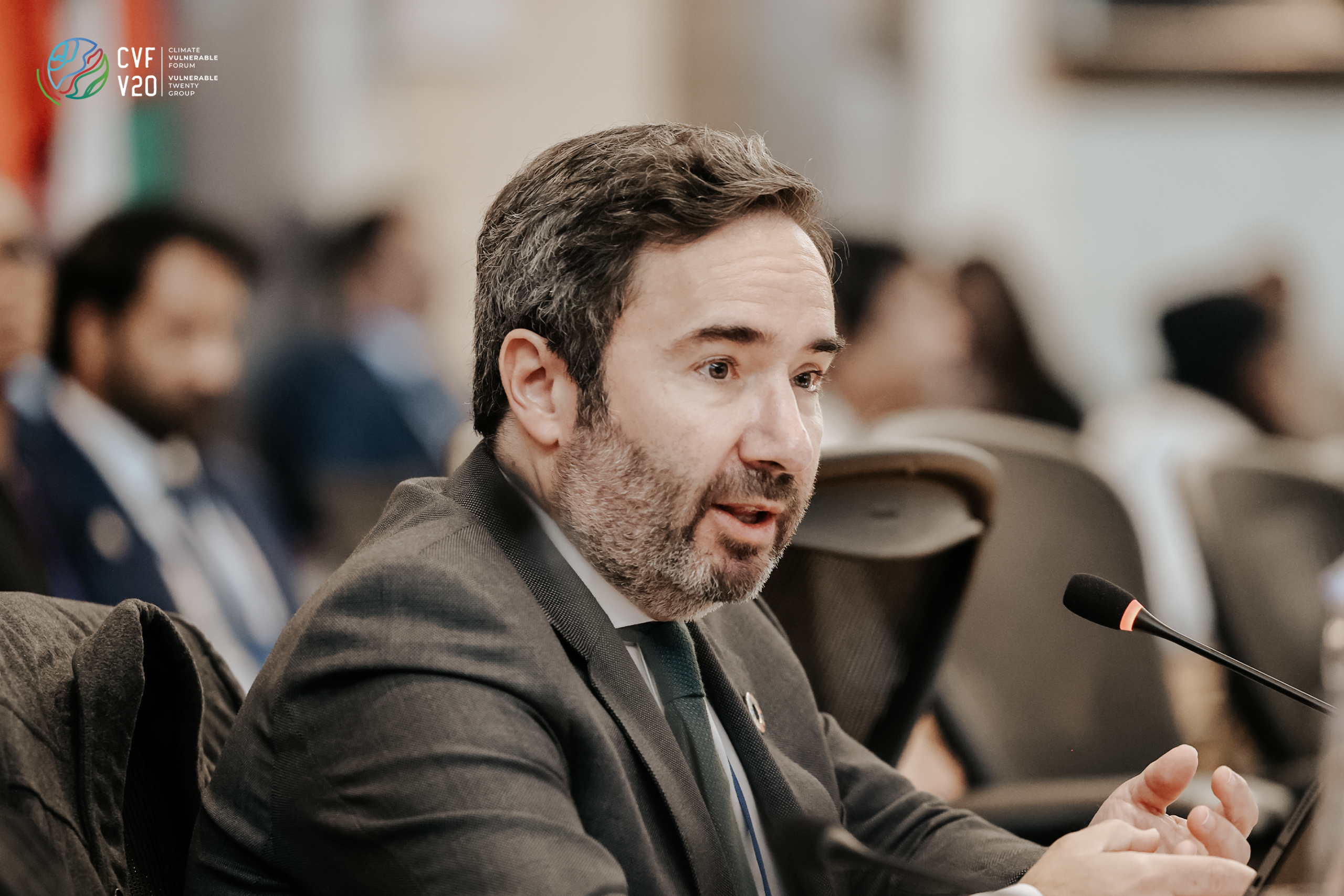
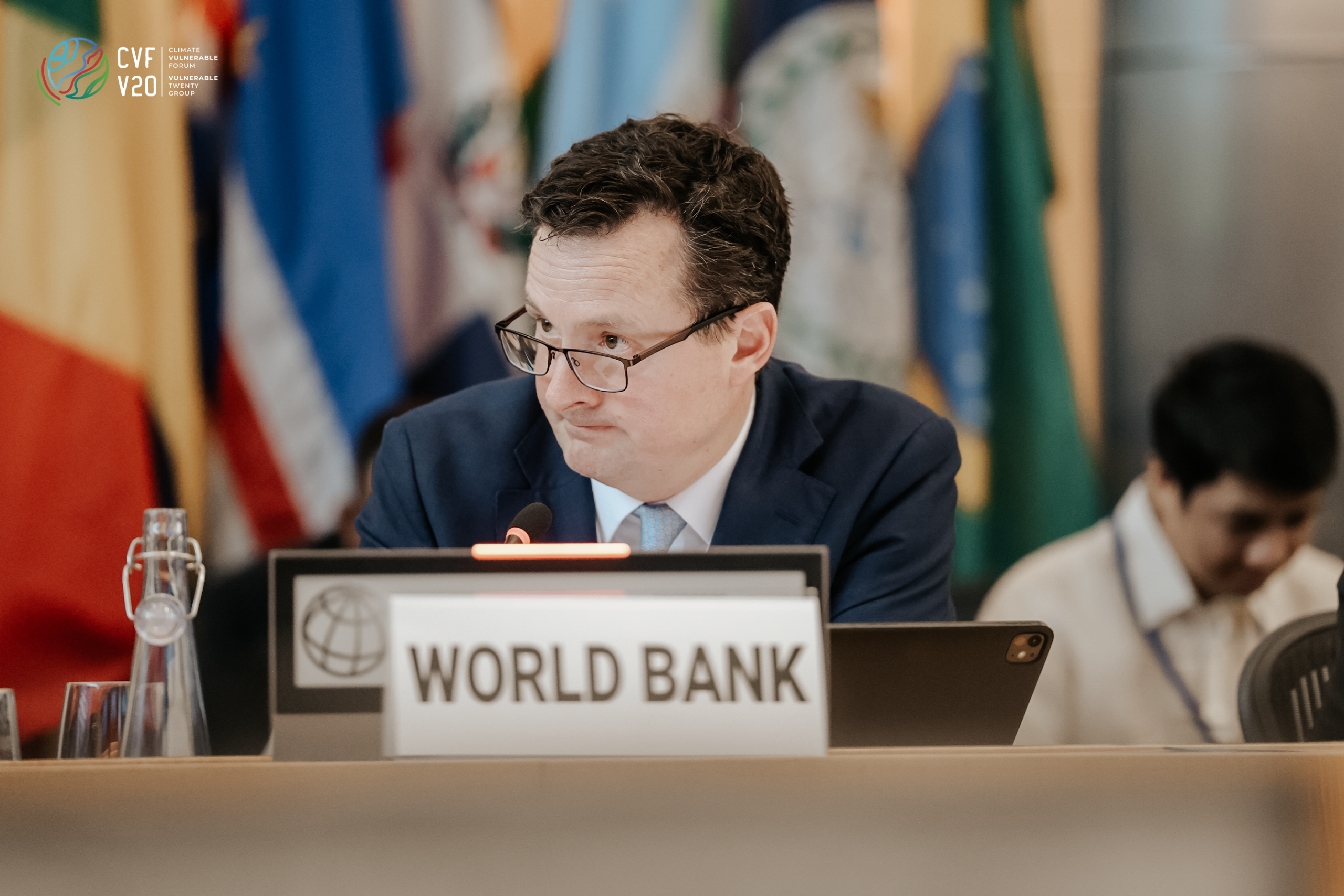
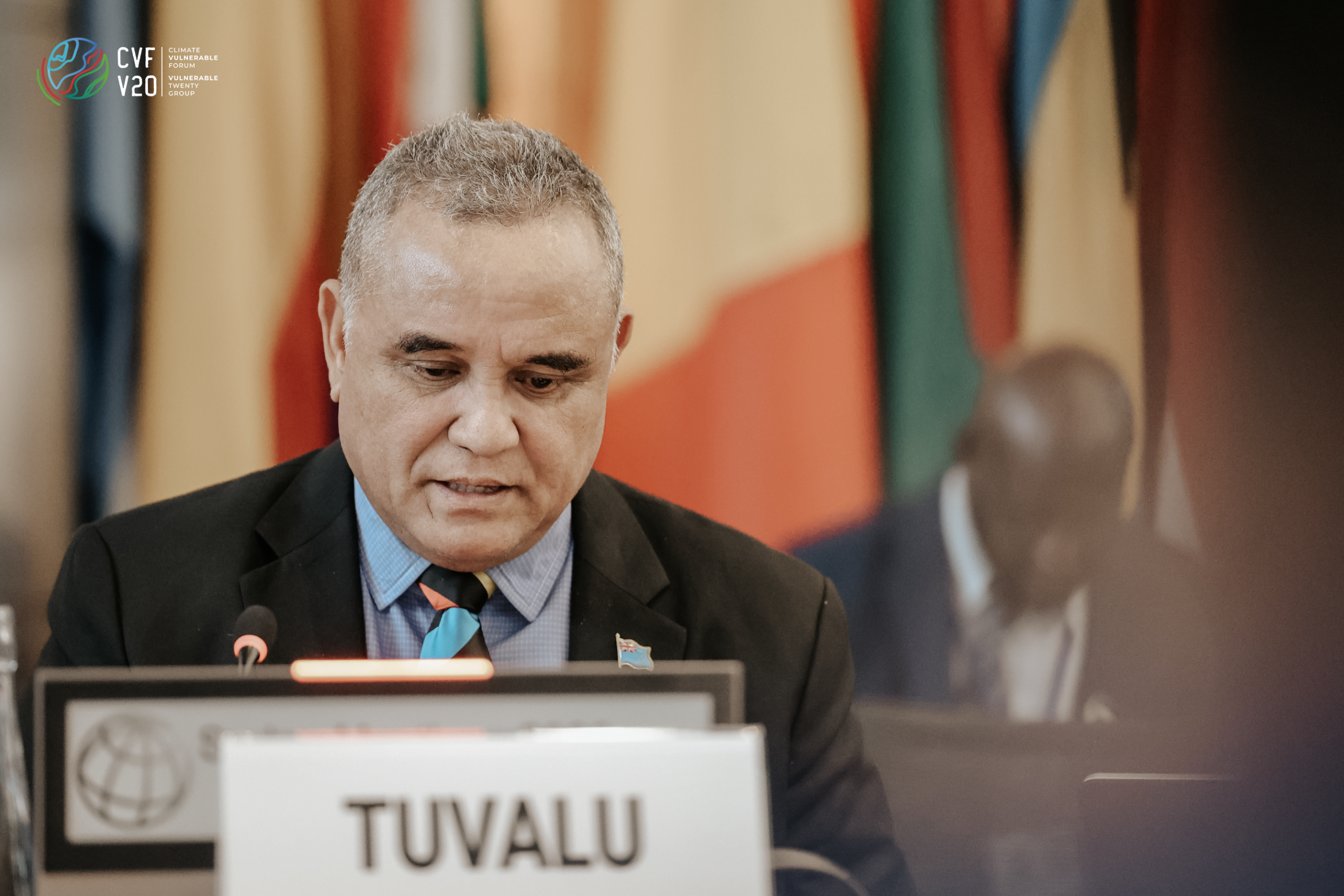
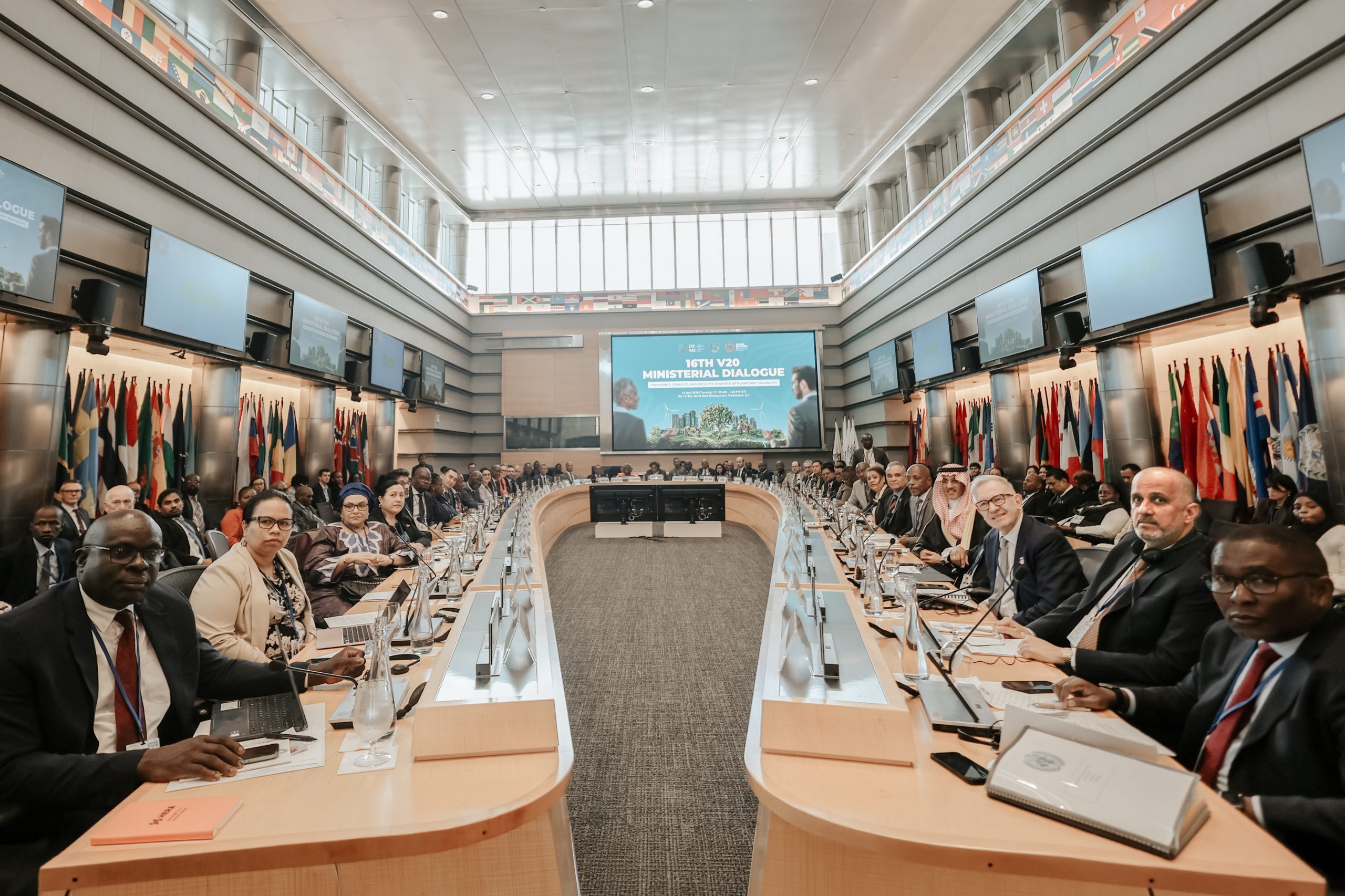
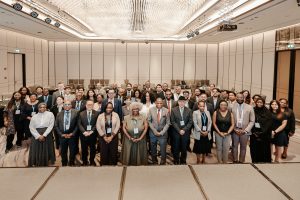

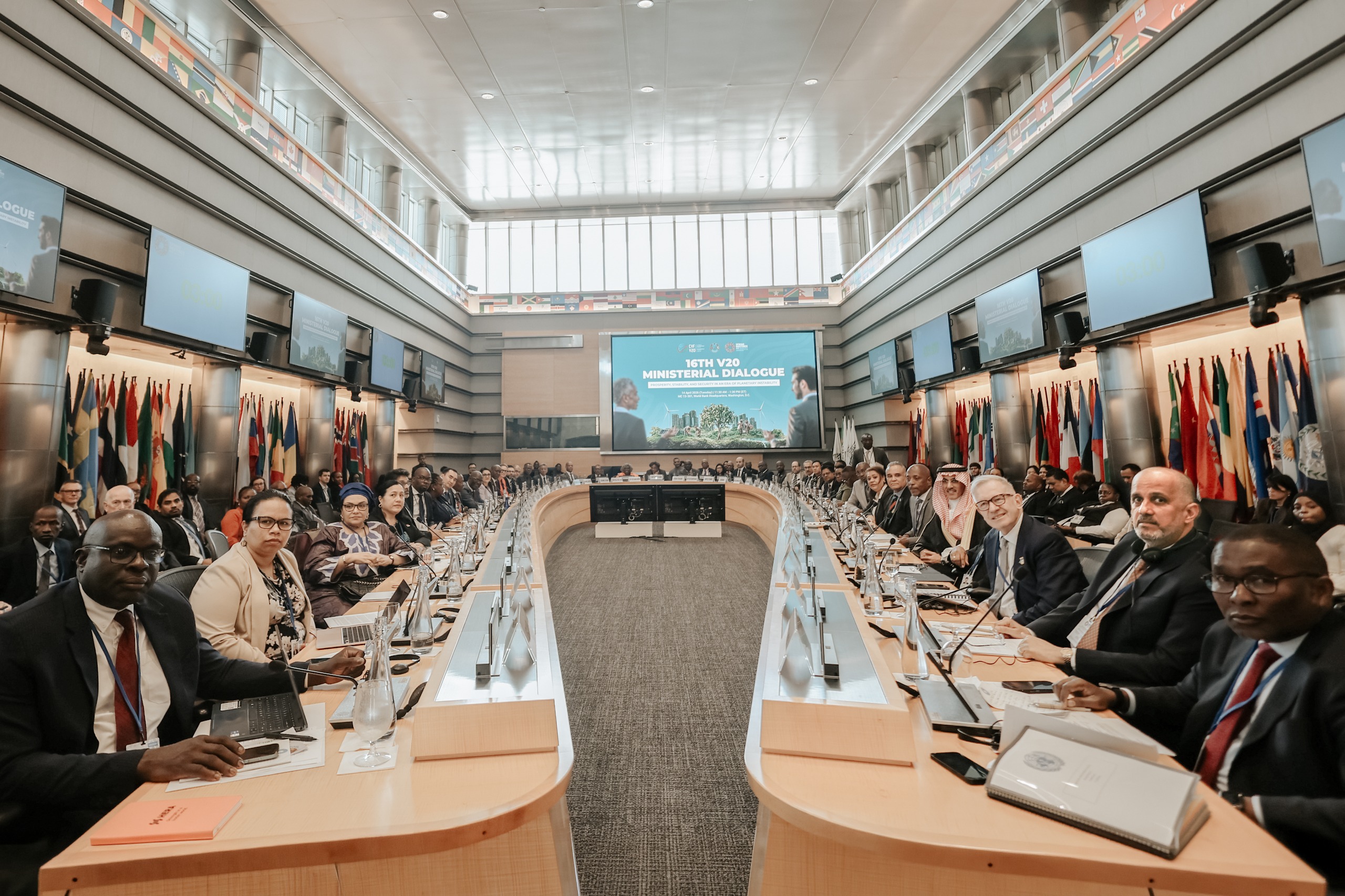
Washington D.C.—Finance ministers from climate-vulnerable countries warned Tuesday that the international system is suffering from severe geopolitical turbulence: eroding rule of law, causing economic fragmentation, and accelerating damaging climate impacts on the world’s poorest people.
The ministers emphasized, however, that any sense of despair must be countered with action, as they endorsed a landmark new partnership with major development finance institutions (DFIs) designed to improve climate finance opportunities in emerging markets.
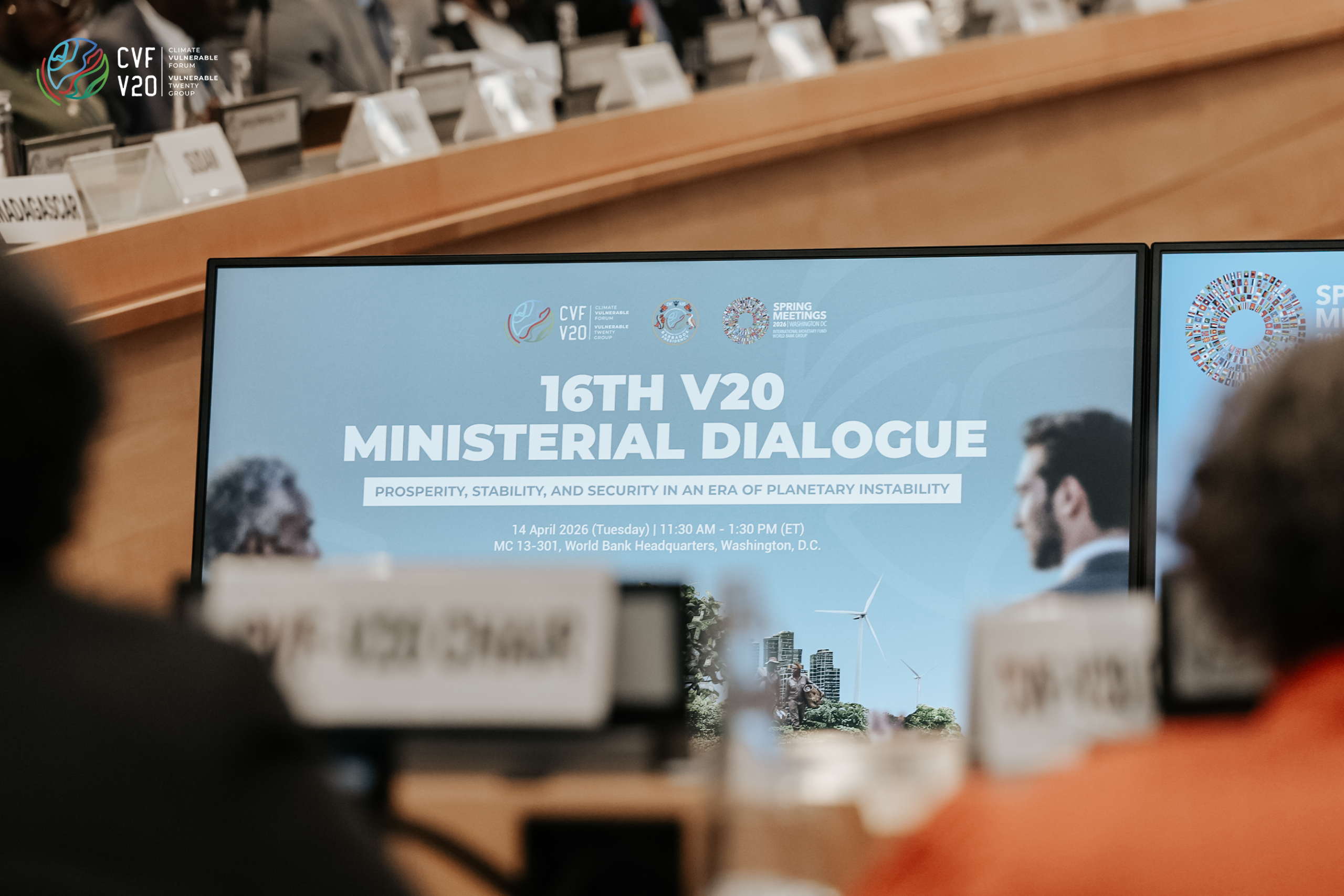
“We recognize that from rupture comes new cooperation opportunities, and the objective is not to substitute one partner for another, but to build mutually beneficial and enduring partnerships,” the ministers said in a communiqué adopted during the 16th V20 Ministerial Dialogue held today on the margins of the Spring Meetings of the World Bank Group and the International Monetary Fund.
The proposed V20-DFI Compact reflects coordinated moves by finance ministers to scale up concessional finance, mobilize private and philanthropic capital, align investment with country-led Climate Prosperity Plans (CPPs), and expand shock-responsive debt and financing instruments.
New Architecture for Climate-Resilient Investment
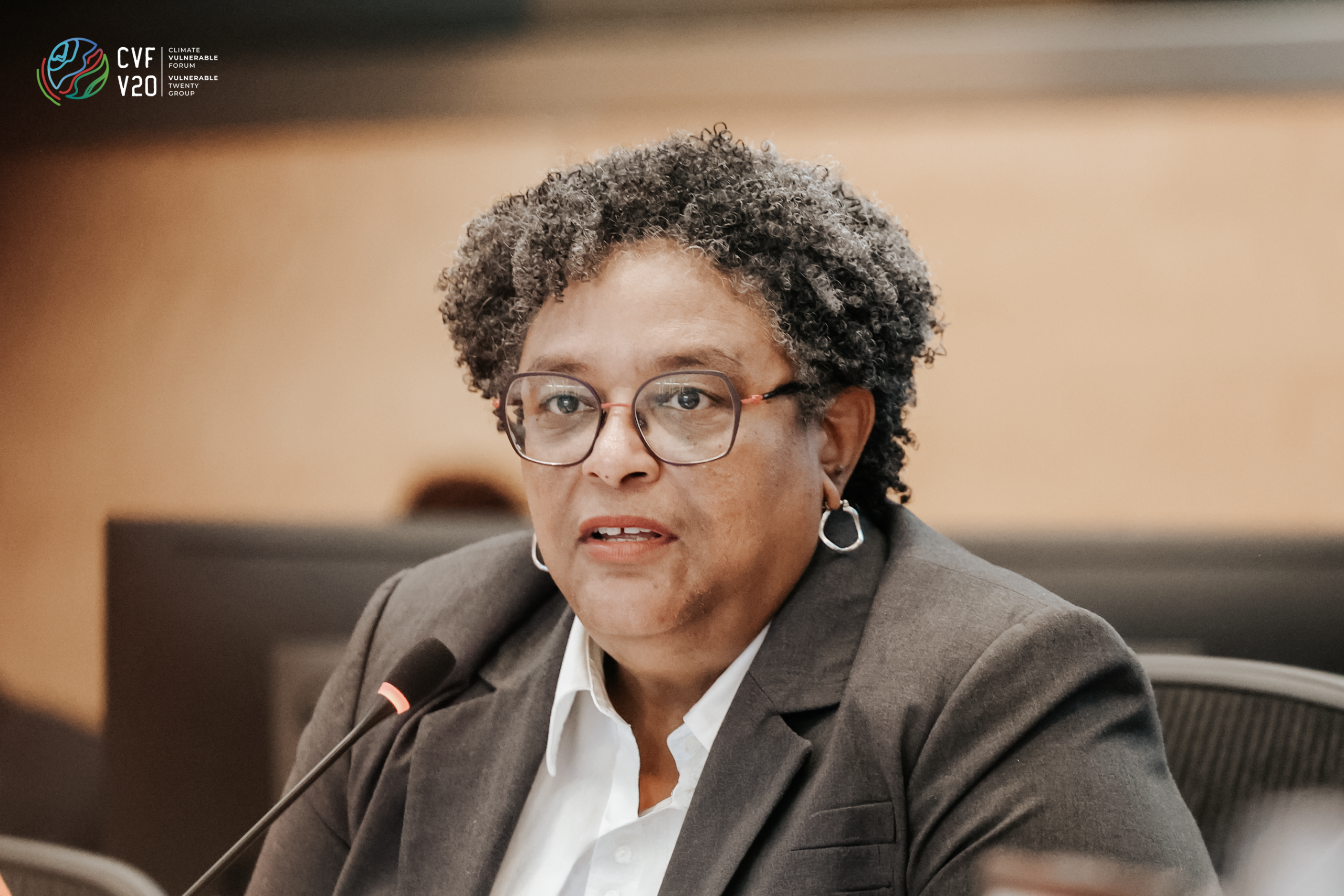
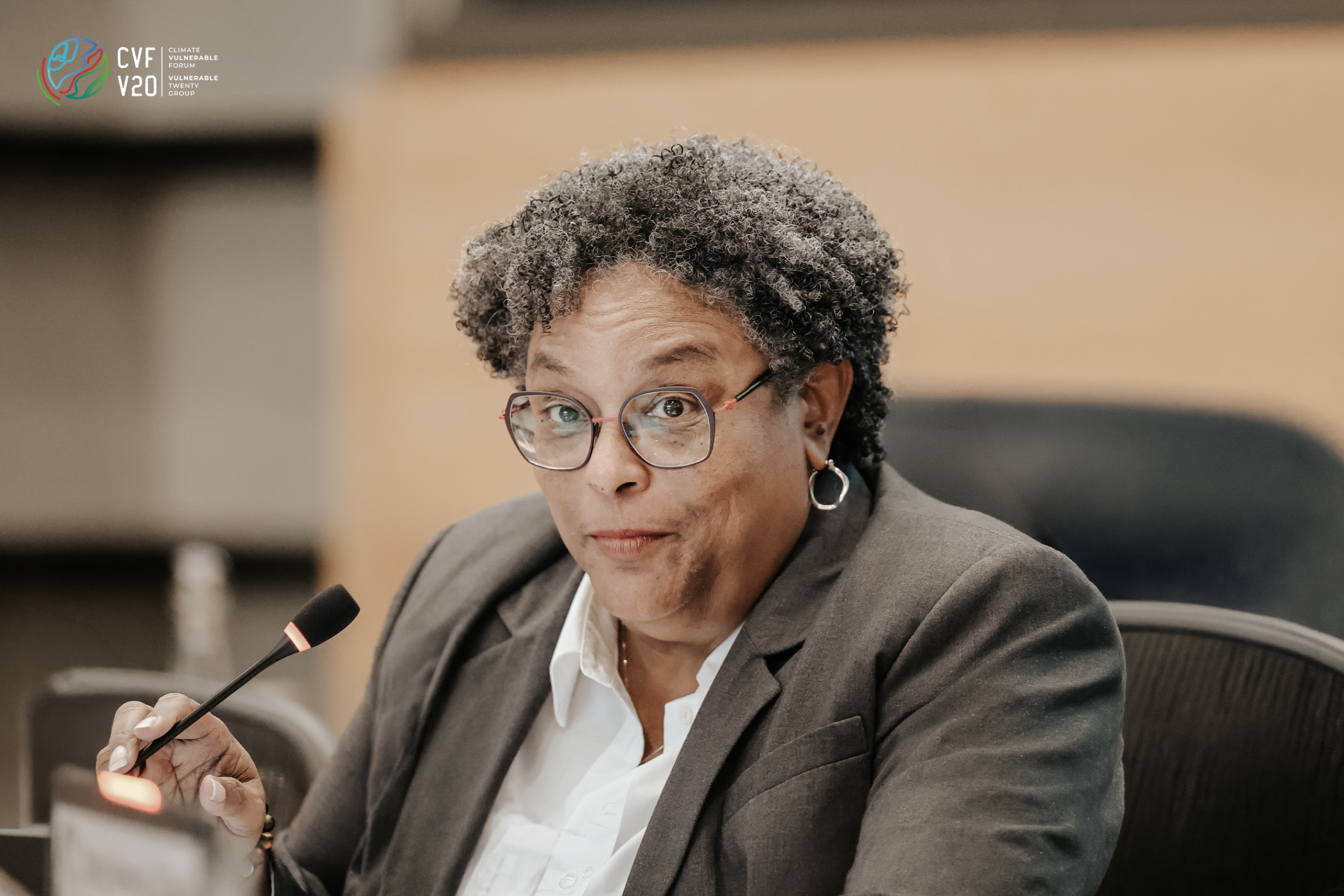
Speaking at the dialogue, Prime Minister Mia Amor Mottley of Barbados, Chair of the CVF-V20, emphasized that CPPs are advancing a new development paradigm anchored in climate-resilient growth.
“Across the CVF-V20, we are advancing CPPs that place energy transition and resilience building at the center of national economic transformation,” she said. “But even the strongest strategies cannot move forward without financing that is available, affordable, and aligned with country-specific realities,” she added.
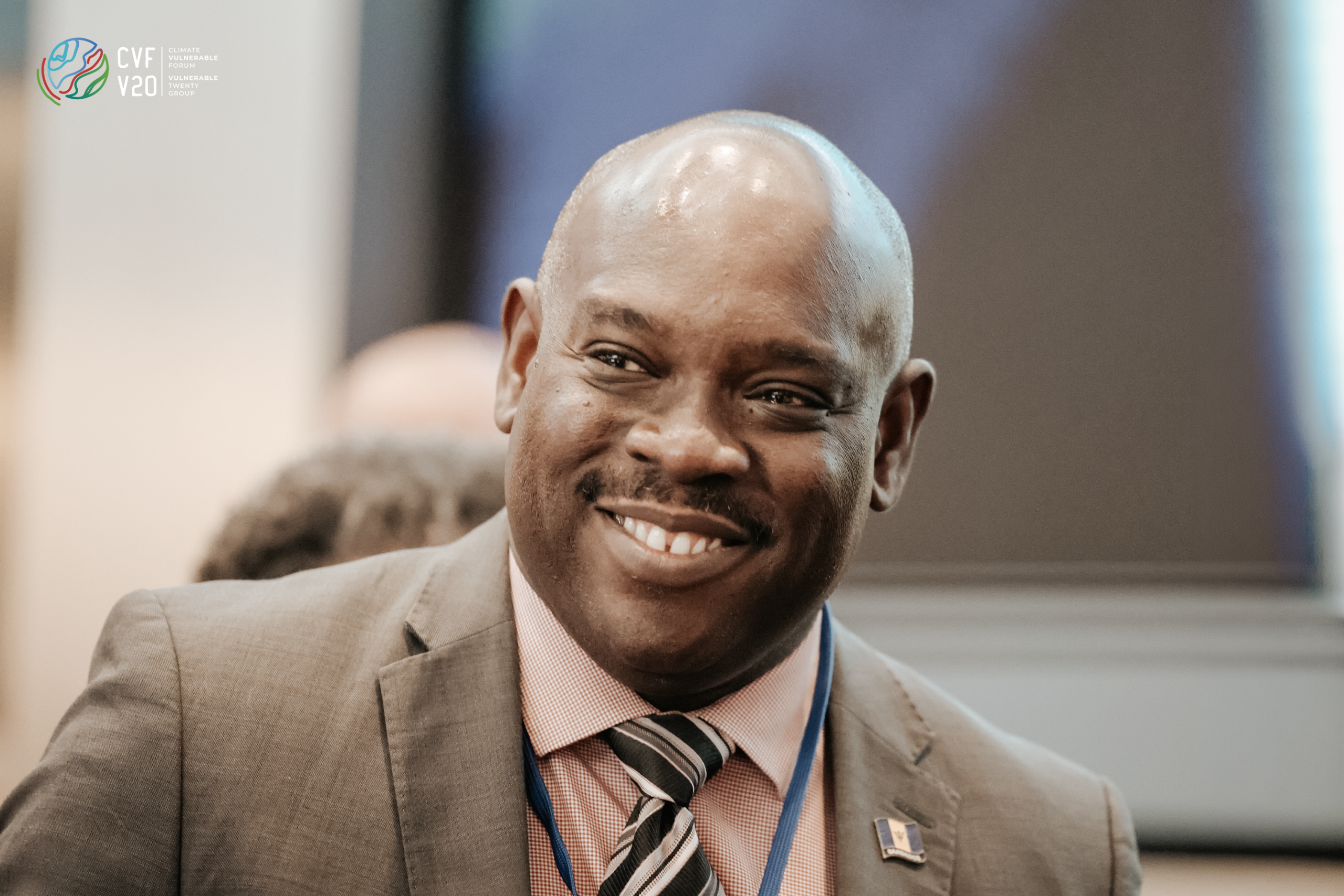
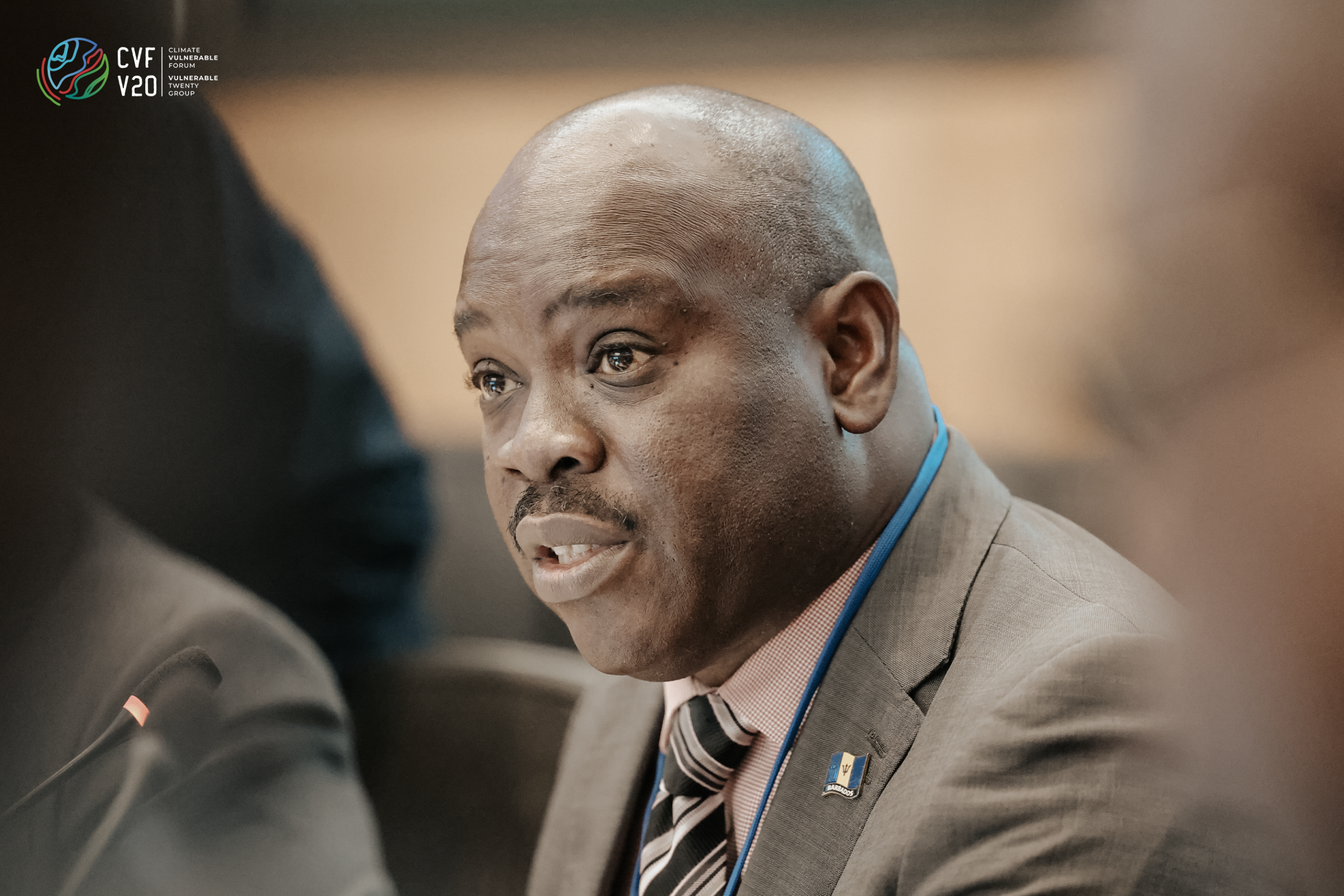
Ryan Straughn, Barbados’ Minister of Finance and Chair of the V20 Finance Ministers, set the tone for the compact’s ambition: “In an increasingly multipolar world with a fragmented global financial architecture, CVF-V20 countries seek to shape reform, not merely absorb shocks.”
Country Ownership and Affordable Finance
The dialogue demanded the reversal of what ministers described as a structural outsourcing of value creation and decision-making away from developing countries. Three-quarters of climate finance still flows through intermediaries rather than national institutions.
Ministers called on multilateral climate funds, including the Green Climate Fund (GCF), the Adaptation Fund, the Global Environment Facility, and the Fund for responding to Loss and Damage, to immediately adopt direct access as the default delivery modality. They called on the GCF specifically to double the number of accredited V20 direct access entities and the direct access project portfolio by 2027, up from the current 46 national direct access entities across 30 countries.
“Delivery, capacity, and accountability cannot be outsourced indefinitely,” the communiqué states.
Another focus of the CVF-V20’s reform agenda is the fundamental reframing of how debt is understood, structured, and deployed in climate-vulnerable economies. “Debt should be an instrument of development, not a constraint on it,” Prime Minister Mottley said to finance ministers and partners. “Our task now is to ensure that vulnerable countries can invest, grow, and stabilize through financing that is timely, sufficient, and affordable.”
Ministers urged expanded use of climate-resilient debt clauses, continent credit lines, and debt-for-climate swaps, and called on the IMF and MDBs to help close the gap between real and perceived sovereign risk. They called for reforms to debt sustainability analyses and greater use of long-tenor concessional finance, priced below countries’ medium-term growth rates, particularly for adaptation, infrastructure resilience, health, and food security.
Voice and Representation
Ministers reiterated longstanding calls for structural reforms to international financial institution governance, calling for CVF-V20 observer status at the United Nations and formal recognition by the World Bank and IMF for the CVF-V20 as an intergovernmental group.
In the context of the IMF’s 17th General Review of Quotas, they urged an increase in basic votes, an expanded Executive Board, and a new quota formula giving greater weight to purchasing power parity GDP and the compression factor. Similar calls were directed at the World Bank’s ongoing Shareholding Review.
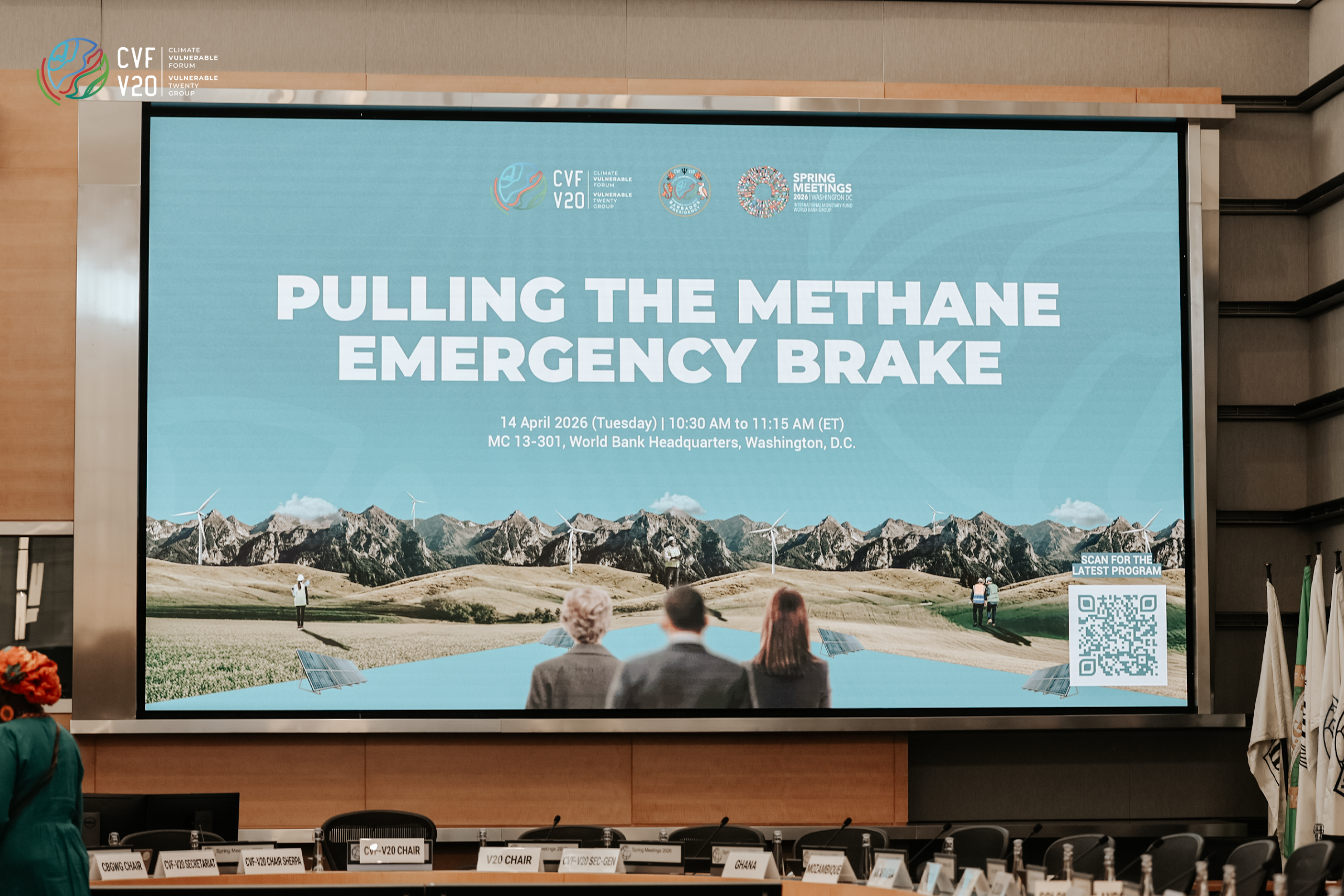
Pulling the Methane Emergency Brake
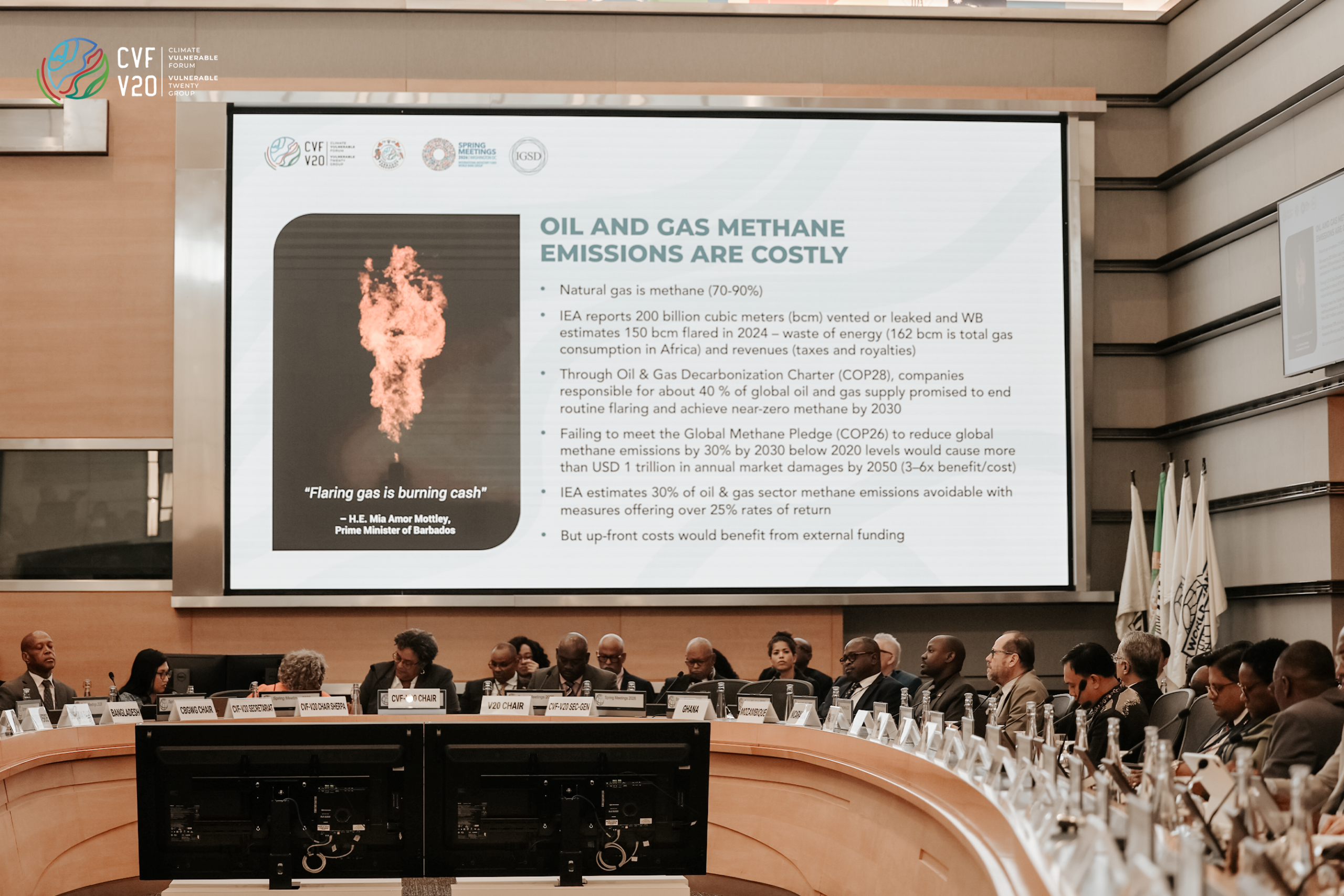
Ministers highlighted methane abatement as a critical near-term ‘climate emergency brake’ capable of delivering immediate global warming impact and helping keep the 1.5 °C Paris limit in sight while unlocking significant fiscal and commercial value from currently wasted energy resources.
With 64 CVF-V20 member states (86 percent of the group) now part of the Global Methane Pledge, they emphasized the opportunity to scale implementation through the integration of methane reduction initiatives into CPPs with targeted support from DFIs and MDBs.
***
The CVF-V20 represents 74 member countries from small island developing states (SIDS), least developed countries (LDCs), low to middle-income countries (LMICs), landlocked developing countries (LLDCs), and fragile and conflict-affected states (FCS). Working together, the CVF-V20 aims to achieve climate justice through the realization of Climate Prosperity Plans, which contain ambitious economic and financial resilience strategies designed to attract investment and resources that advance the attainment of the Sustainable Development Goals (SDGs), 30×30 Global Biodiversity, and help keep the average global temperatures to the Paris Agreement’s 1.5°C safety threshold.
Africa: Benin, Burkina Faso, Cabo Verde, Chad, Comoros, Côte d’Ivoire, Democratic Republic of the Congo, Eswatini, Ethiopia, Gabon, The Gambia, Ghana (Troika), Guinea, Kenya, Liberia, Madagascar, Malawi, Morocco, Mozambique, Namibia, Niger, Rwanda, Senegal, Sierra Leone, Somalia, South Sudan, Sudan, Tanzania, Togo, Tunisia, Uganda
Asia: Afghanistan, Bangladesh (Troika), Bhutan, Cambodia, Jordan, Kyrgyzstan, Lebanon, Maldives, Mongolia, Nepal, Pakistan, Palestine, Philippines, Sri Lanka, Timor-Leste, Vietnam, Yemen
Caribbean: Barbados (Chair/Troika), Dominica, Dominican Republic, Grenada, Guyana, Haiti, Saint Lucia, Suriname, Trinidad and Tobago
Latin America: Colombia, Costa Rica, Guatemala, Honduras, Nicaragua, Paraguay
Pacific: Fiji, Kiribati, Marshall Islands, Nauru, Palau, Papua New Guinea, Samoa, Solomon Islands, Tonga, Tuvalu, Vanuatu
For media enquiries, please contact [email protected].
For the latest updates, please follow us on: