
A benchmarking visit gave Gambian lawmakers a frank look at how Kenya embedded climate finance, carbon markets, and devolved climate planning into national law
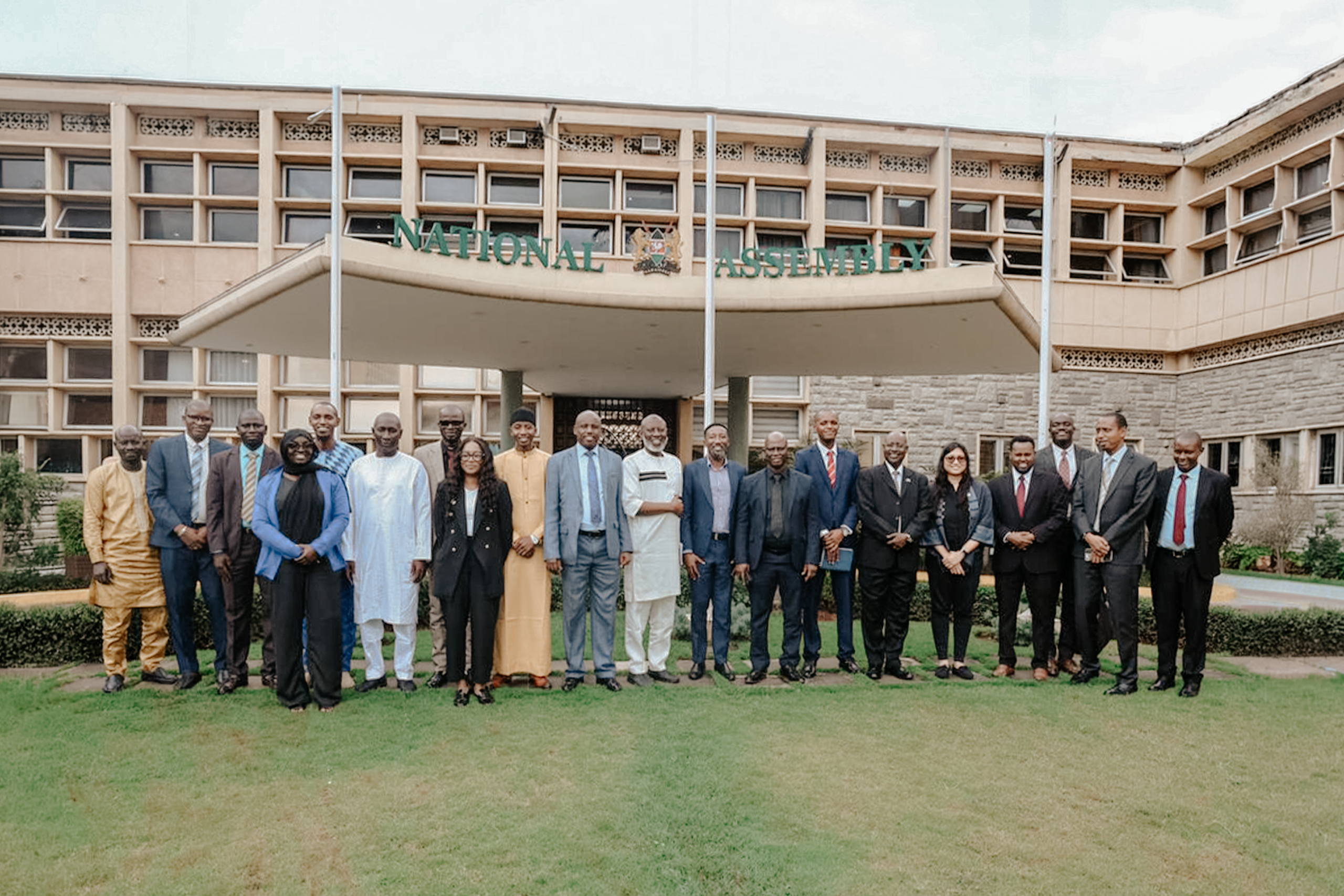
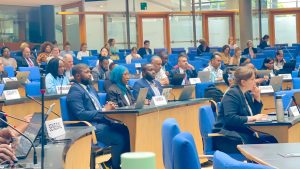
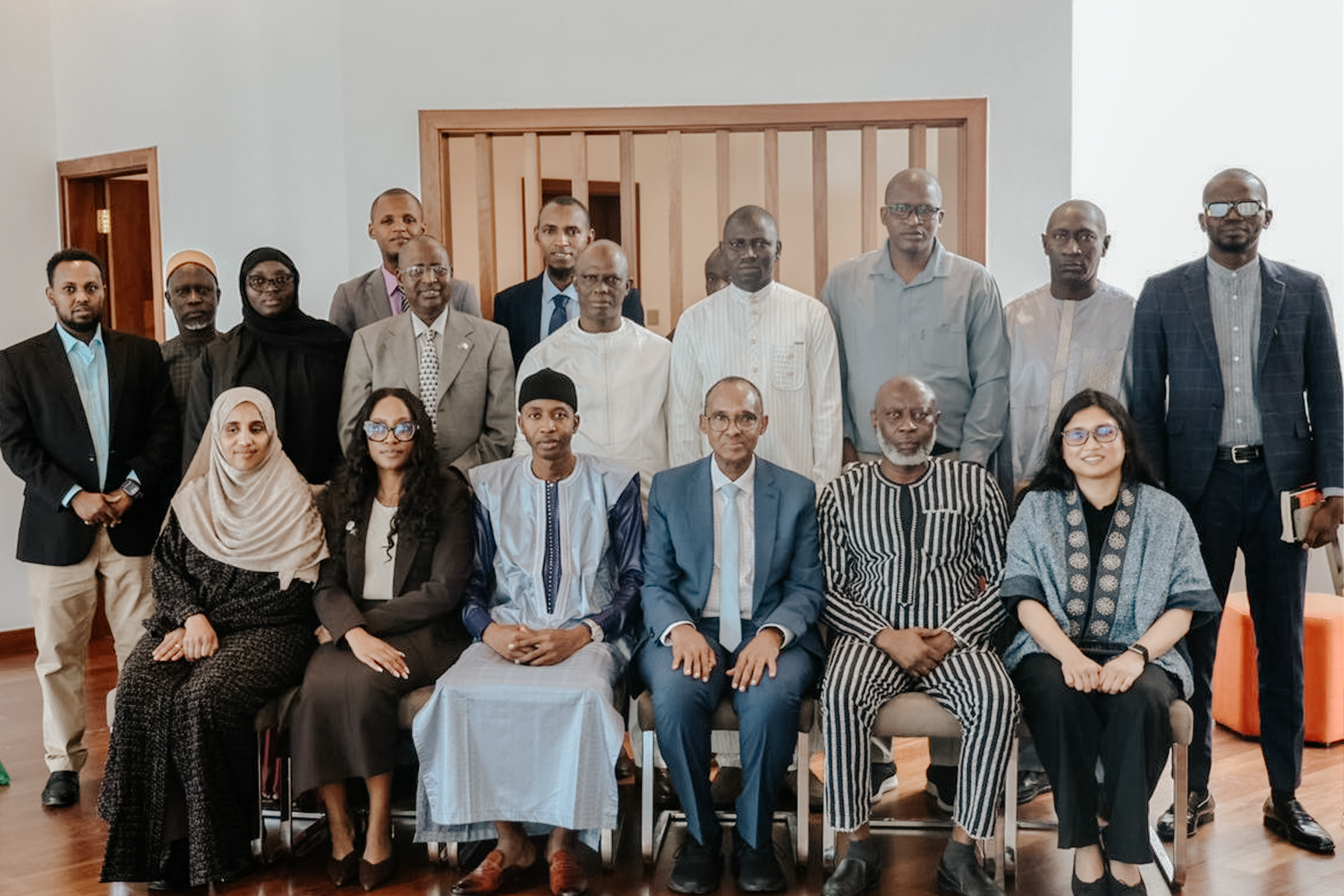
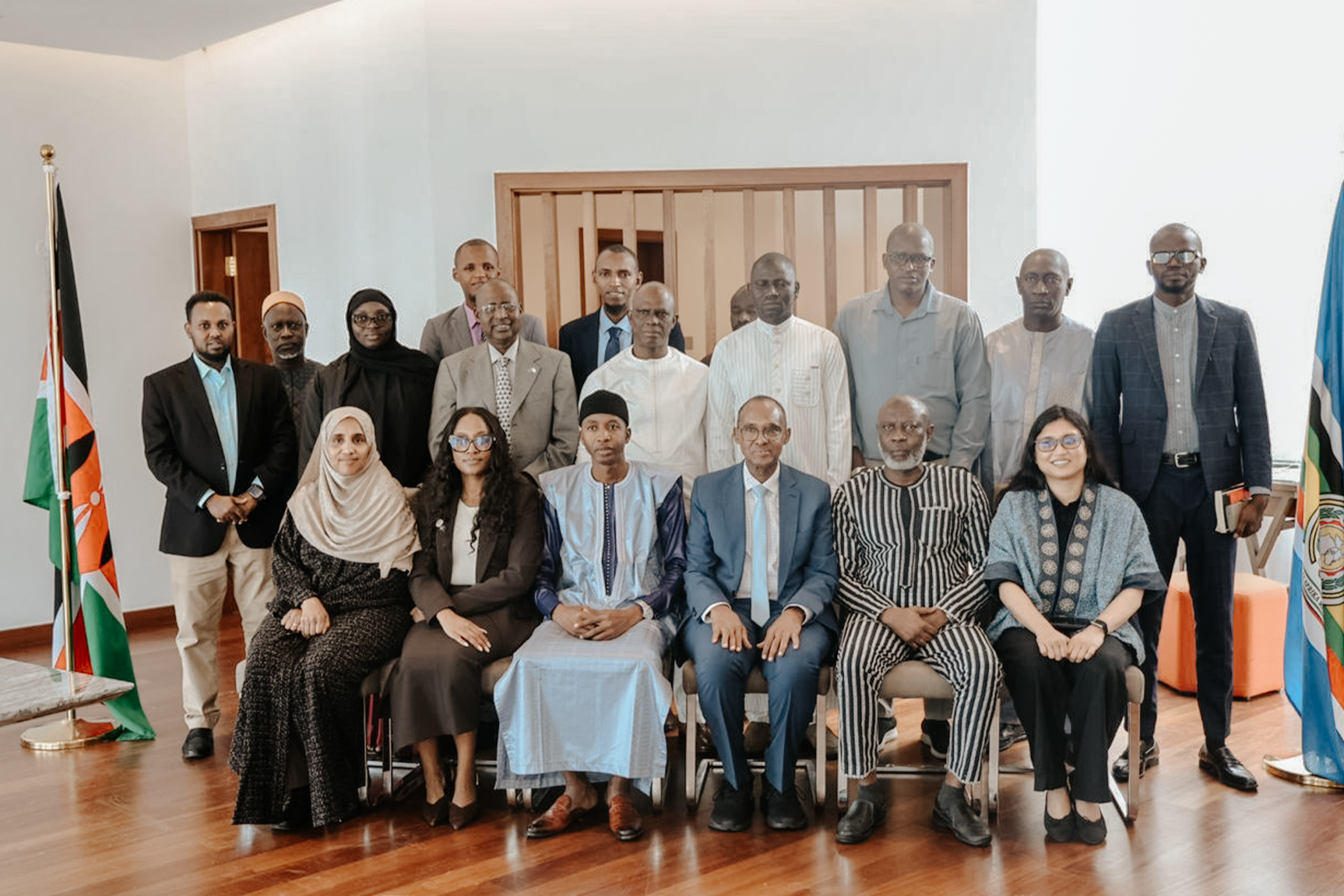
Nairobi, Kenya—A delegation of Gambian lawmakers traveled to Nairobi this week to study how Kenya built one of Africa’s most advanced climate governance systems, as The Gambia moves closer to passing its own climate change law.
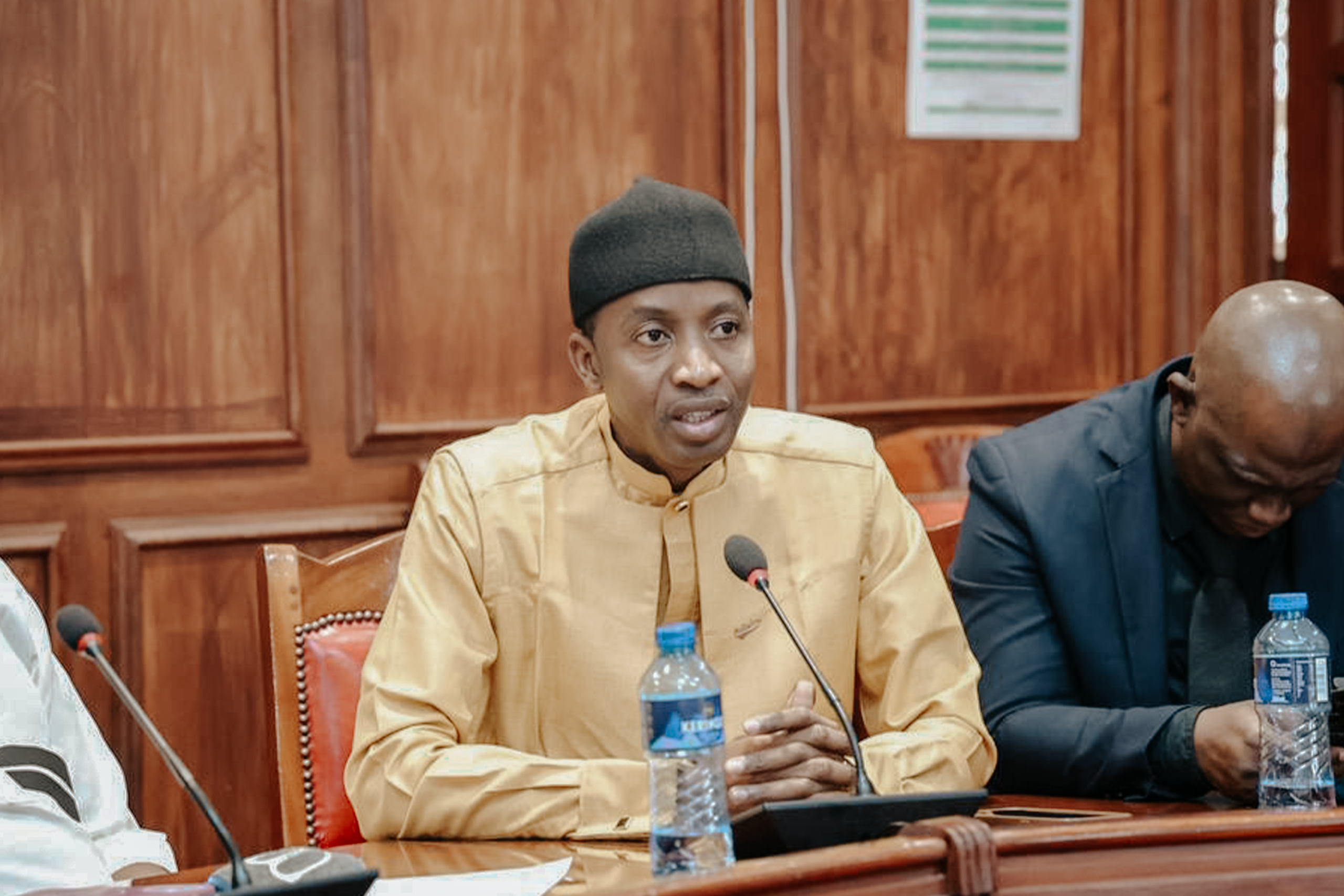
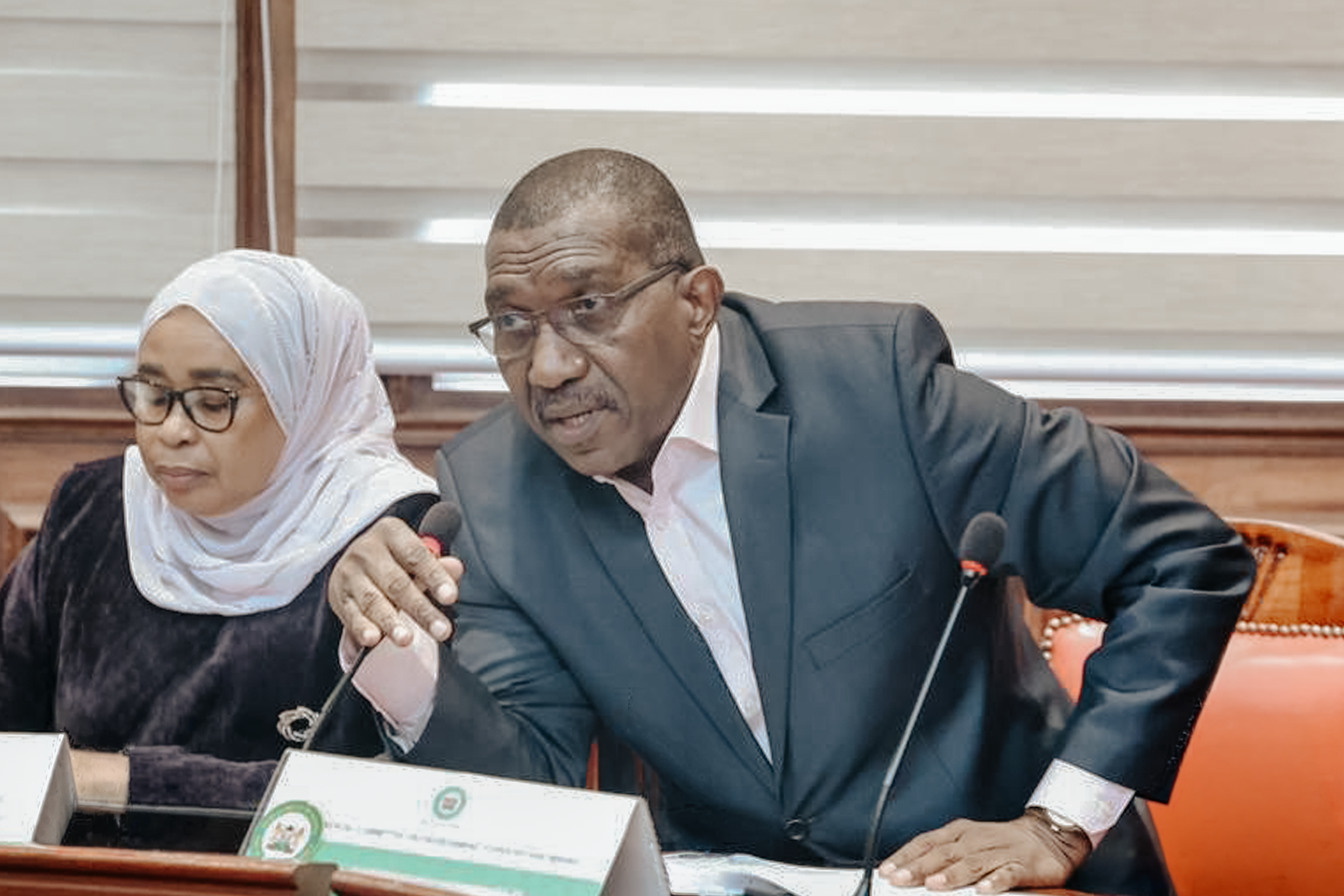
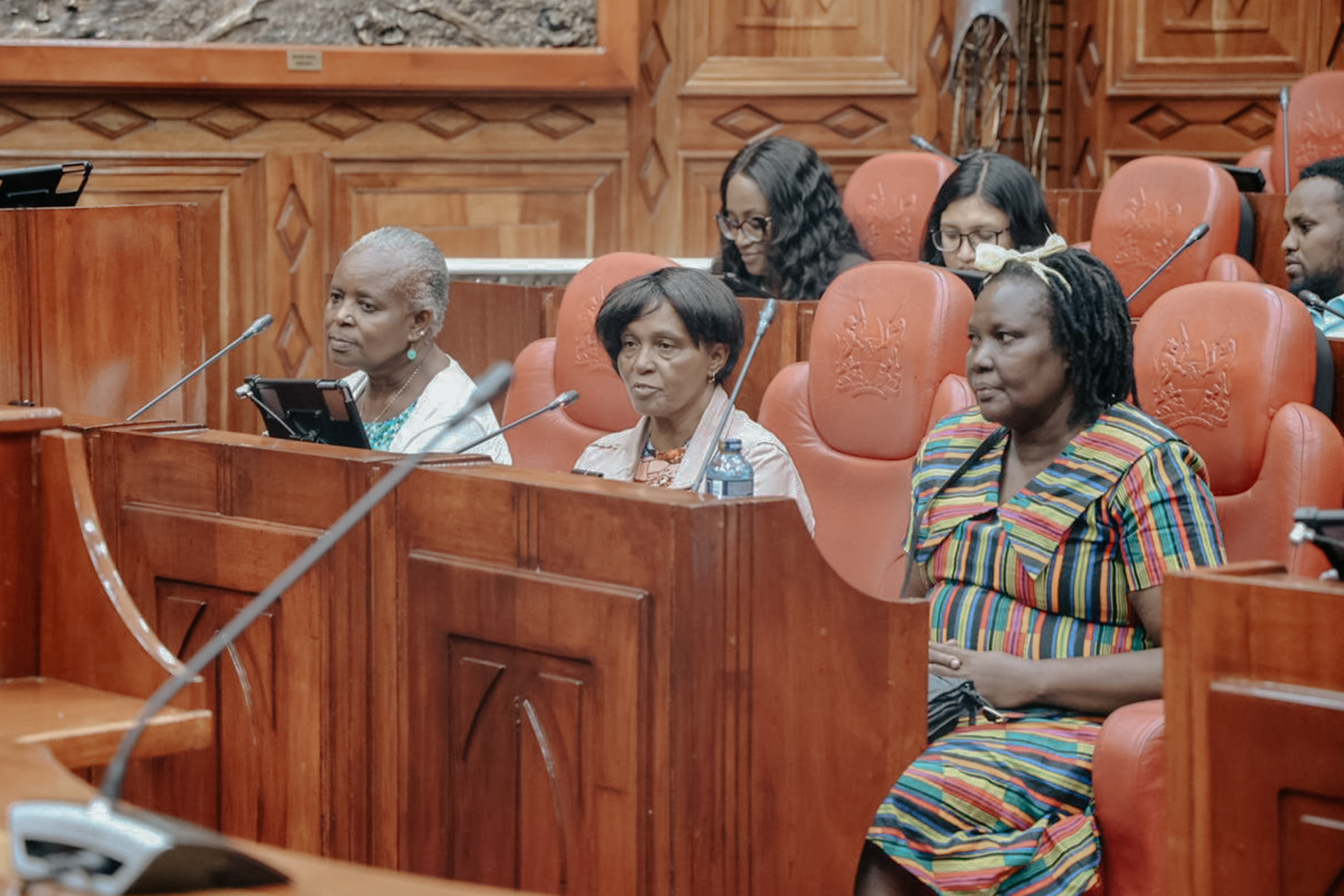
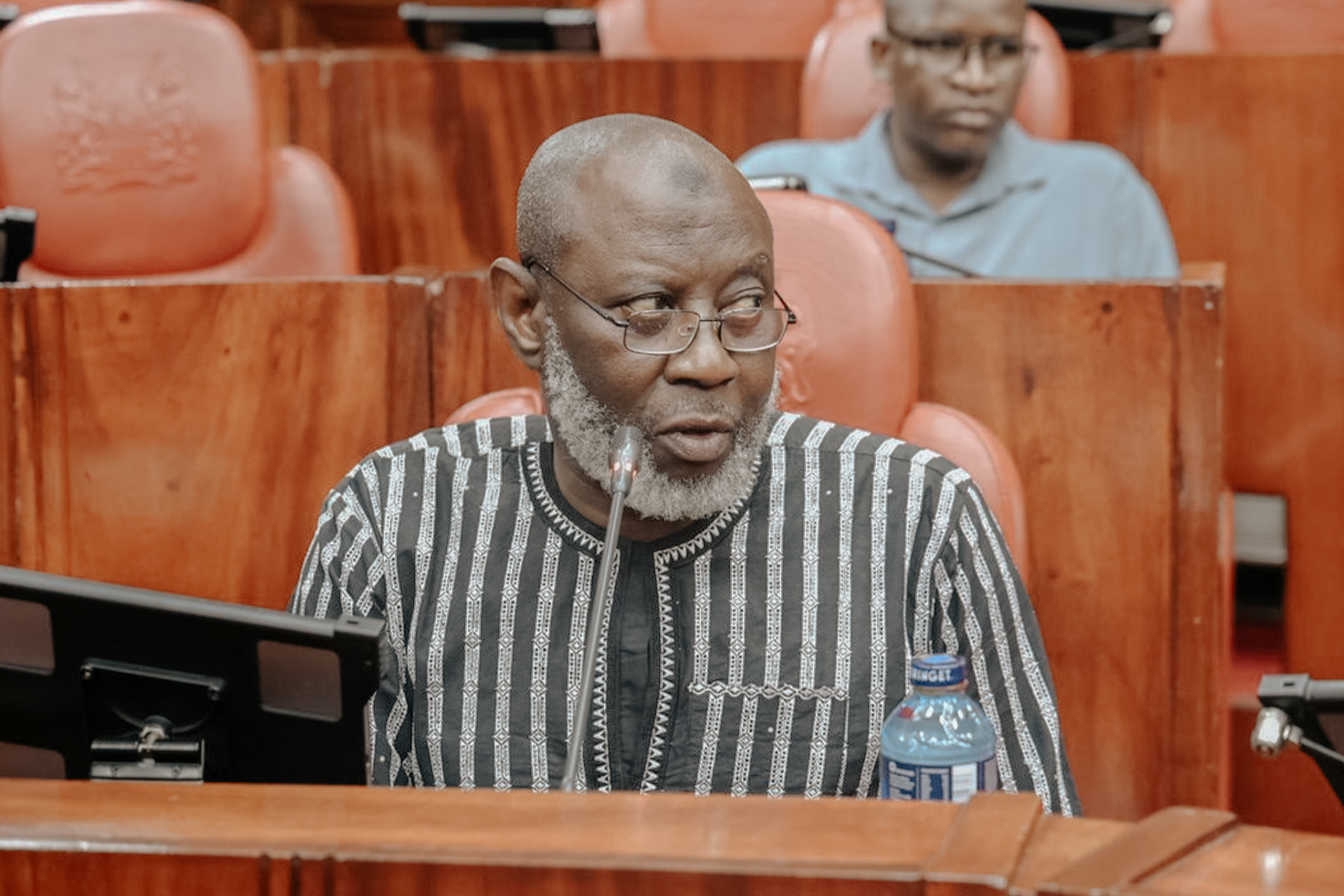
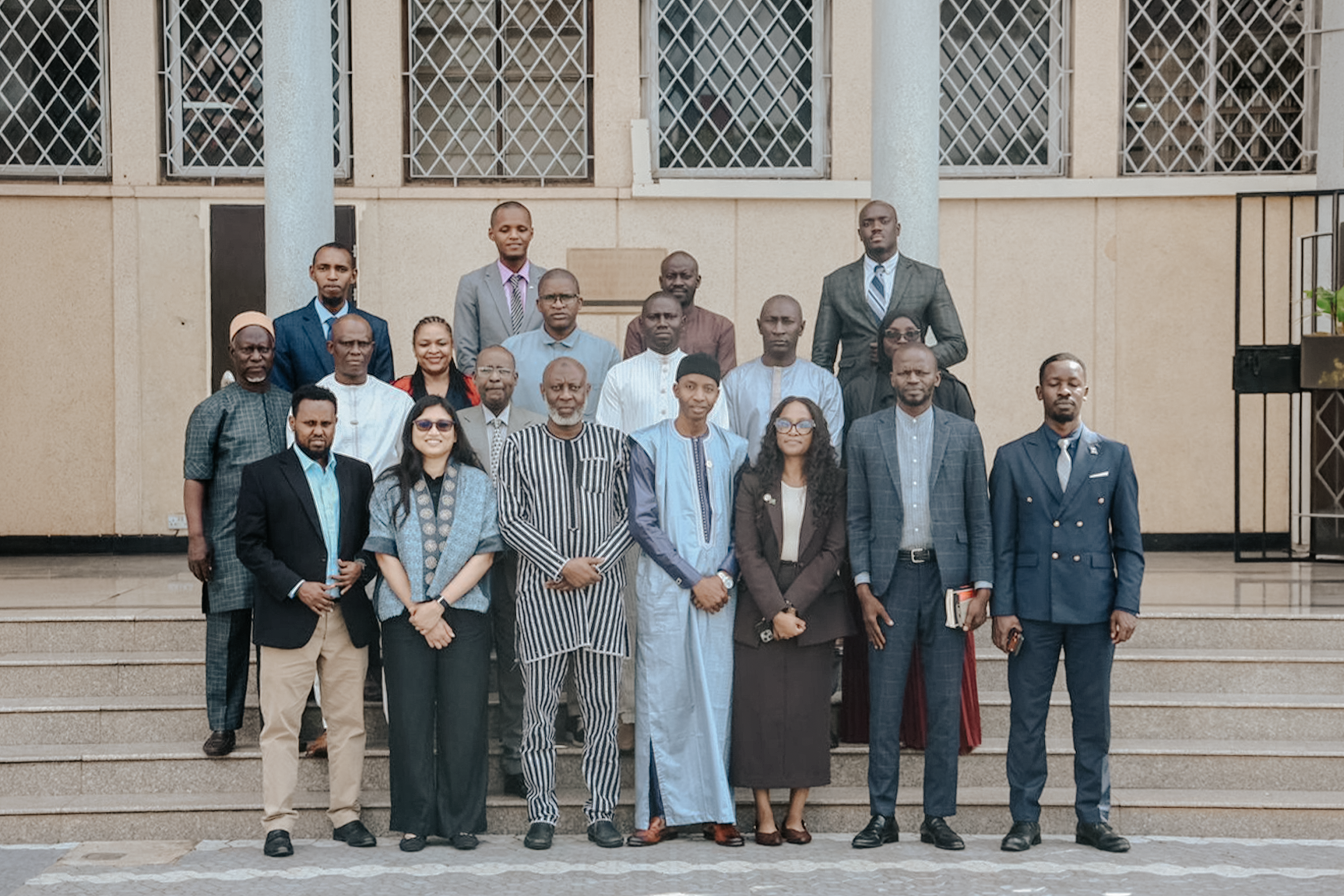
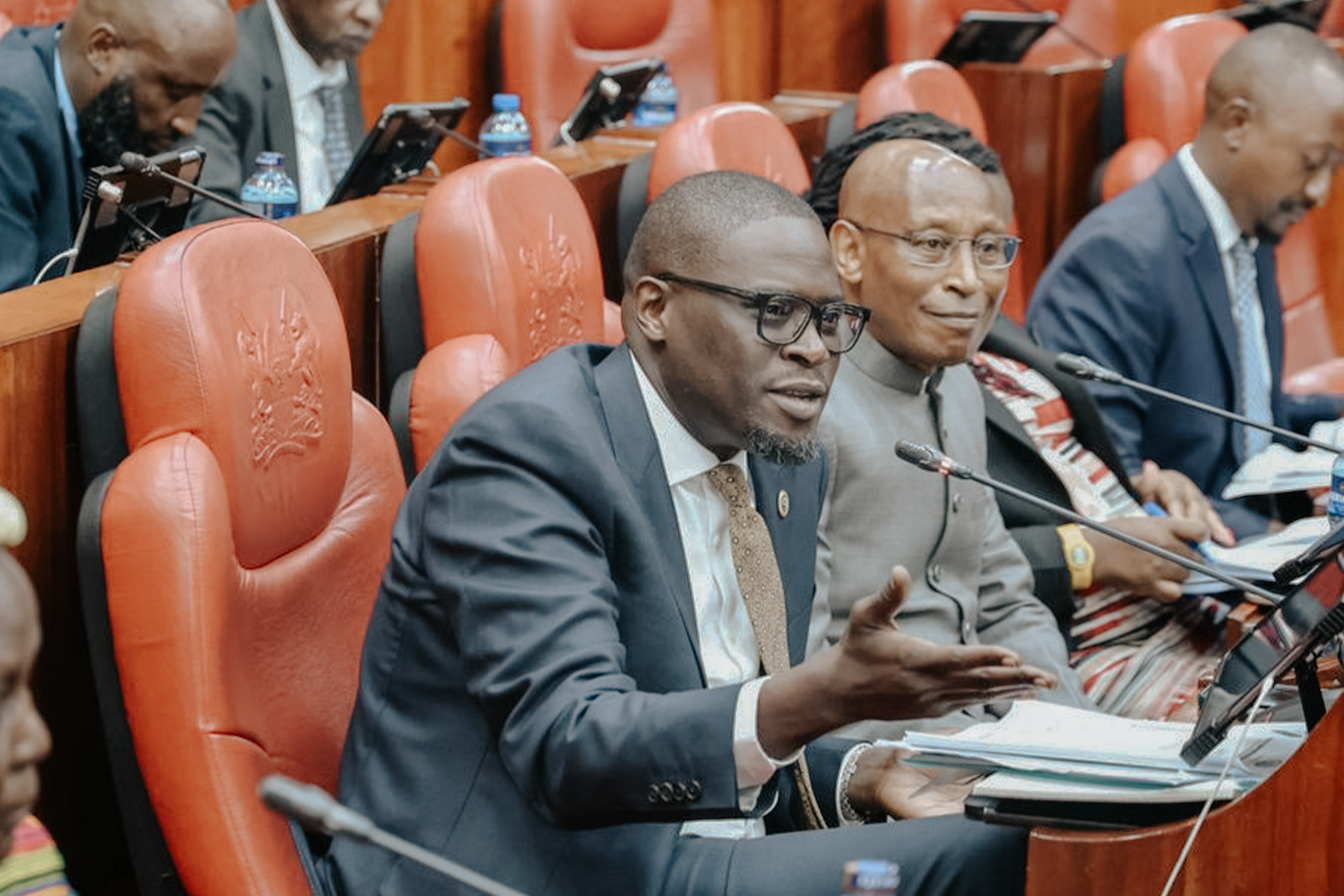
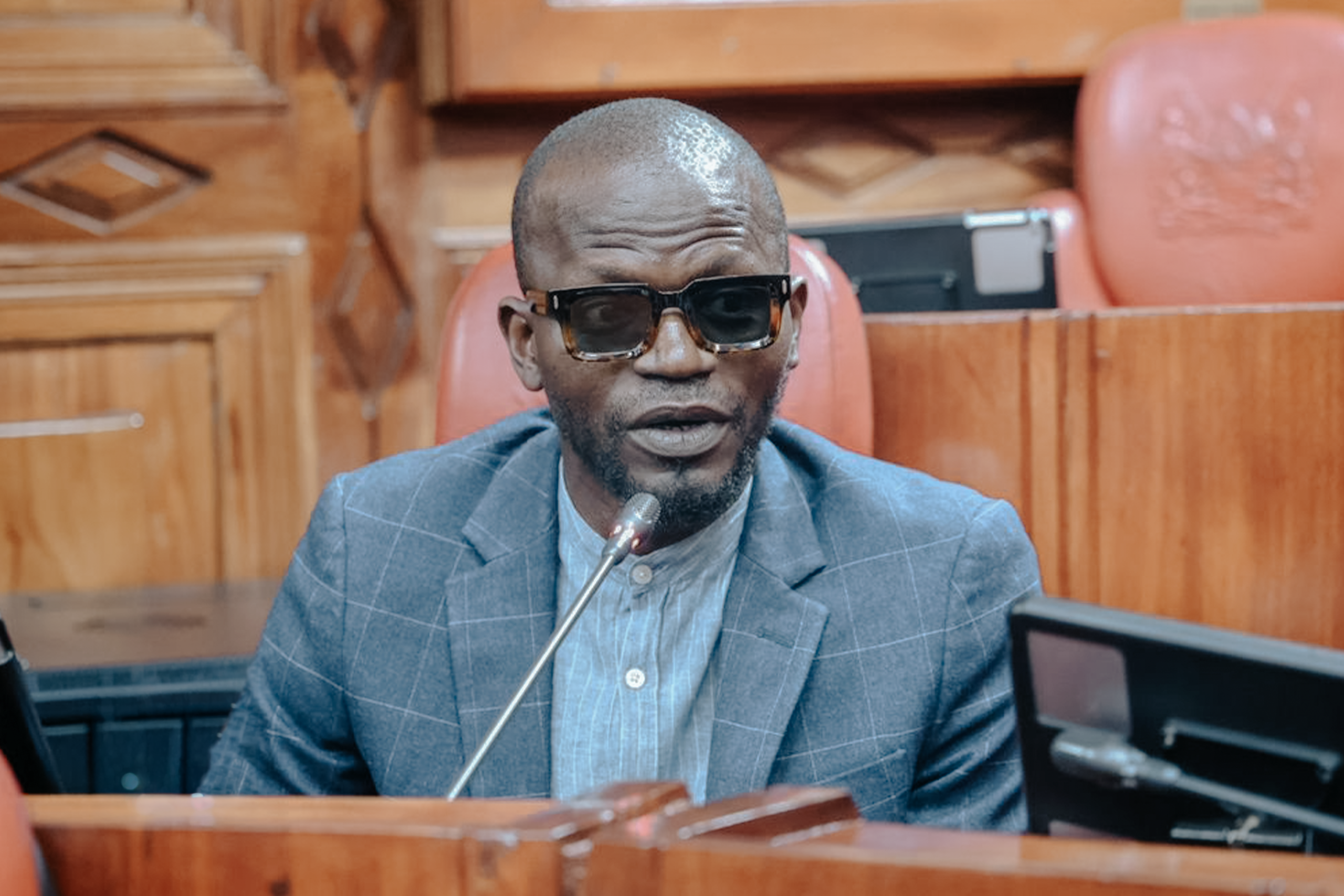
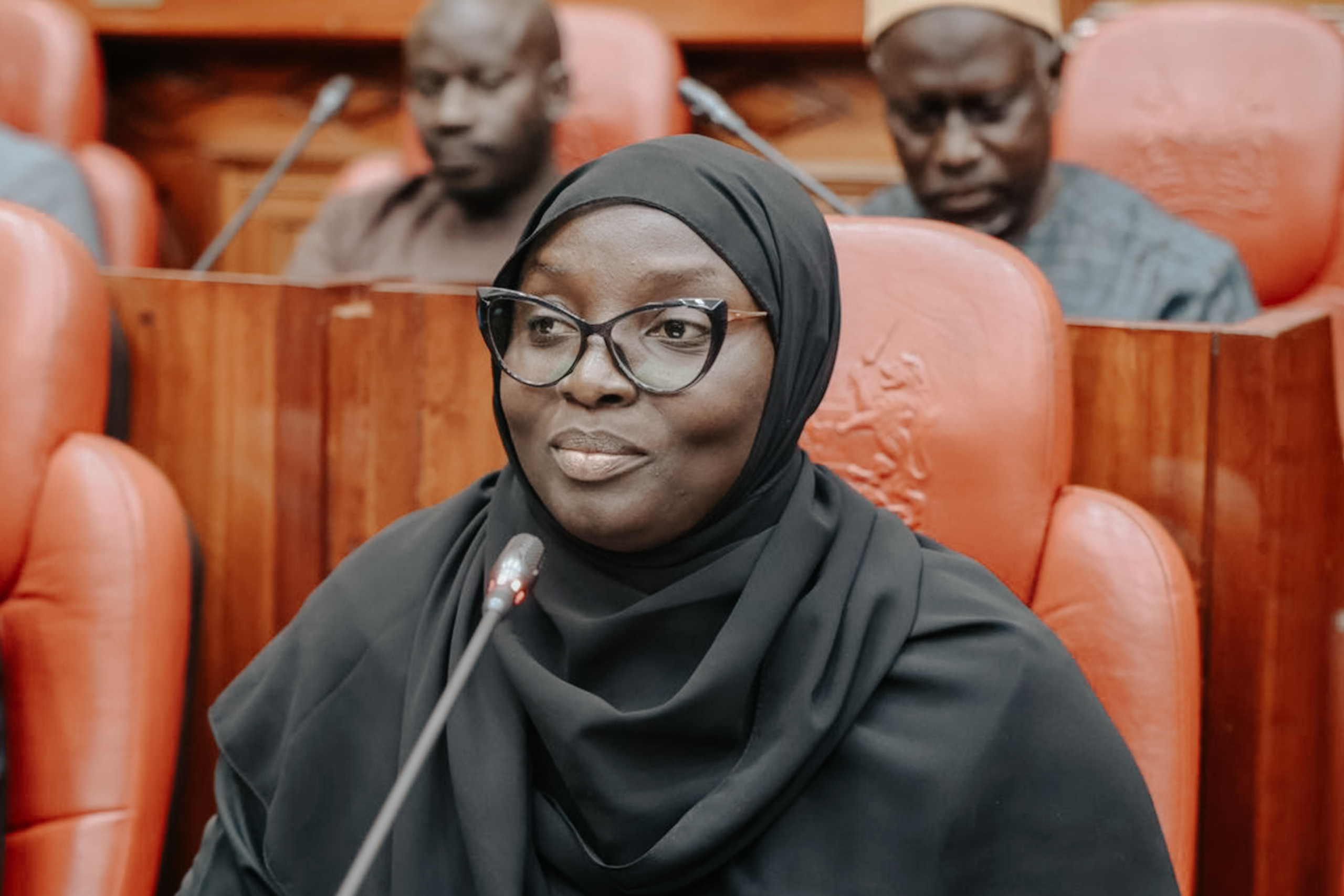
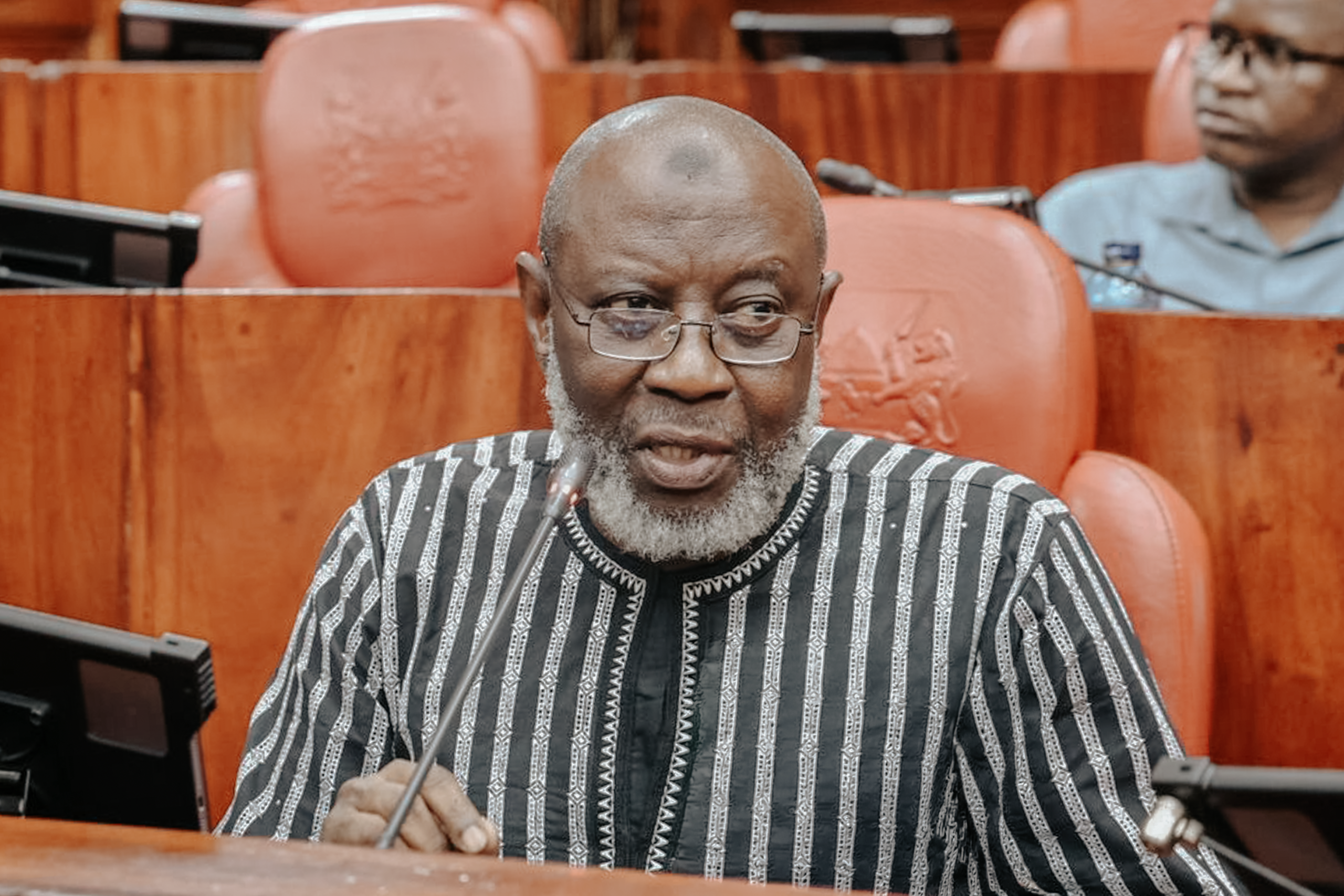
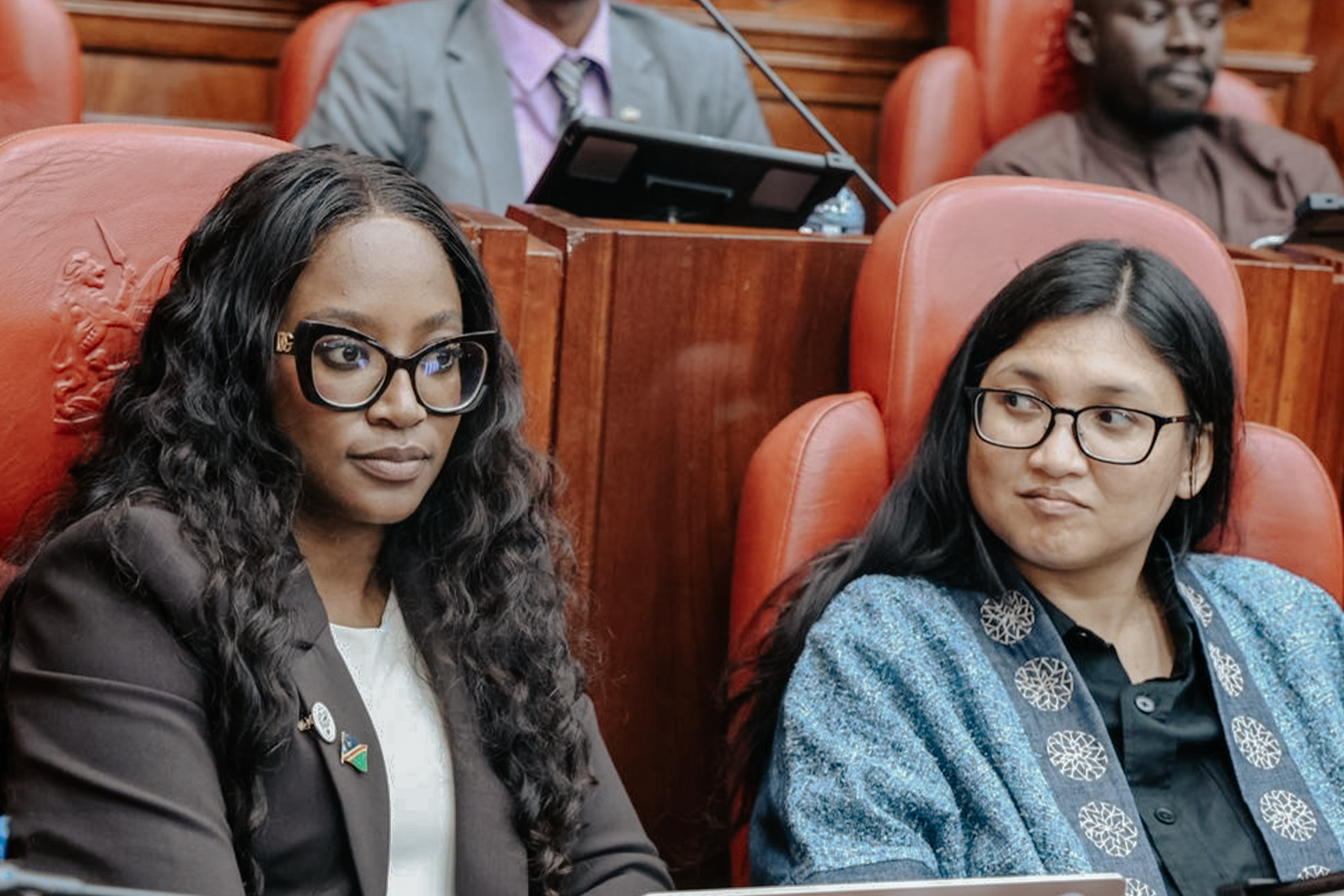
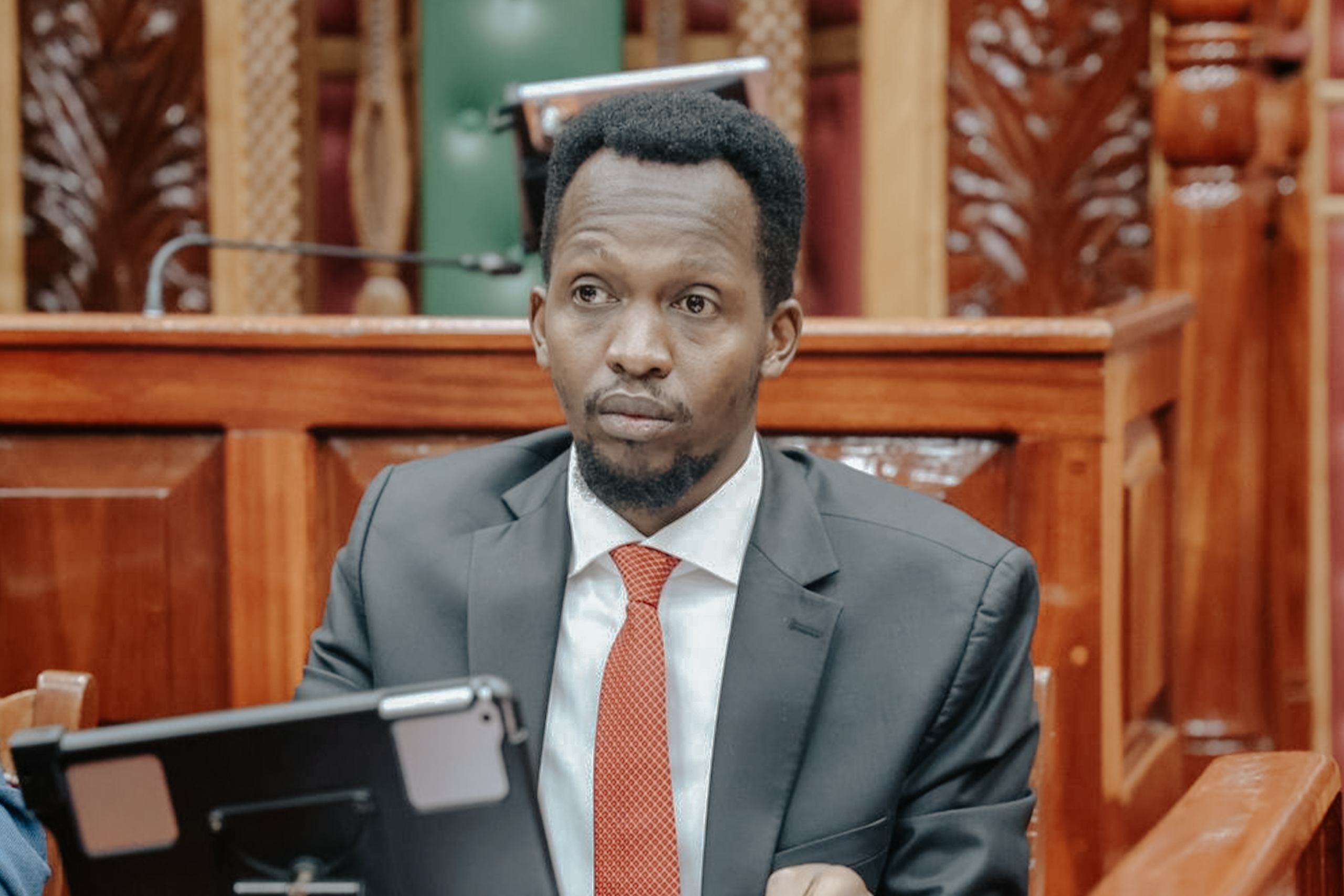
Led by Hon. Yaya Gassama, Chairperson of The Gambia’s National Assembly Select Committee on Environment, Sustainable Development, and NGO Affairs, the delegation held two days of meetings with Kenyan parliamentary committees, the Ministry of Environment, the National Treasury, and Kenya’s Special Envoy for Climate Change, Ambassador Ali Mohamed. The visit was organized by the Global Parliamentary Group (GPG) of the Climate Vulnerable Forum and V20 Finance Ministers (CVF-V20), in partnership with the Konrad Adenauer Foundation, as part of broader CVF-V20 support for The Gambia’s Climate Prosperity Investment and Financing Strategy.
The Select Committee has already completed its review of the Climate Change Bill 2025 and submitted recommendations to Parliament. The focus now shifts to refinement, operational readiness, and implementation planning.
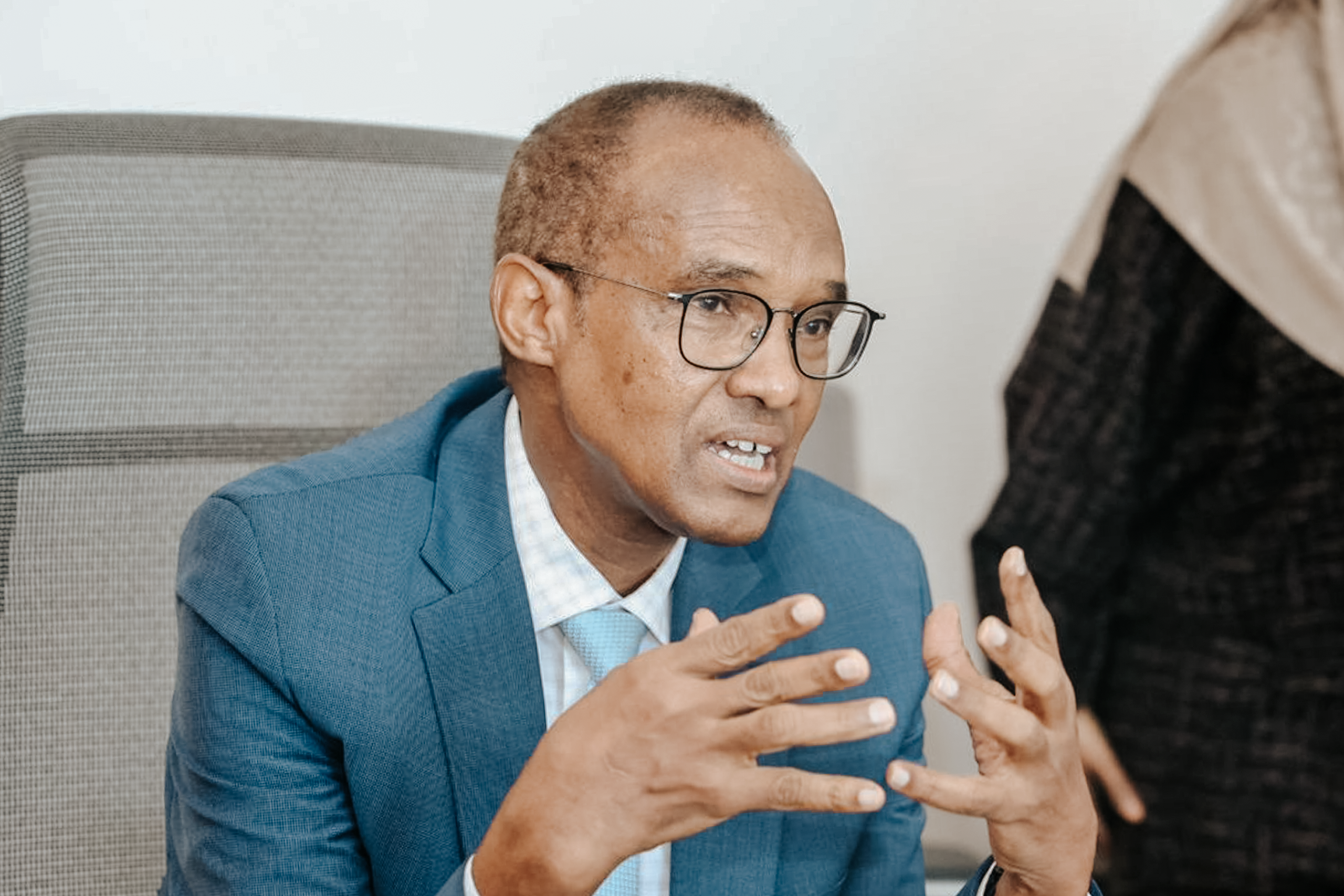
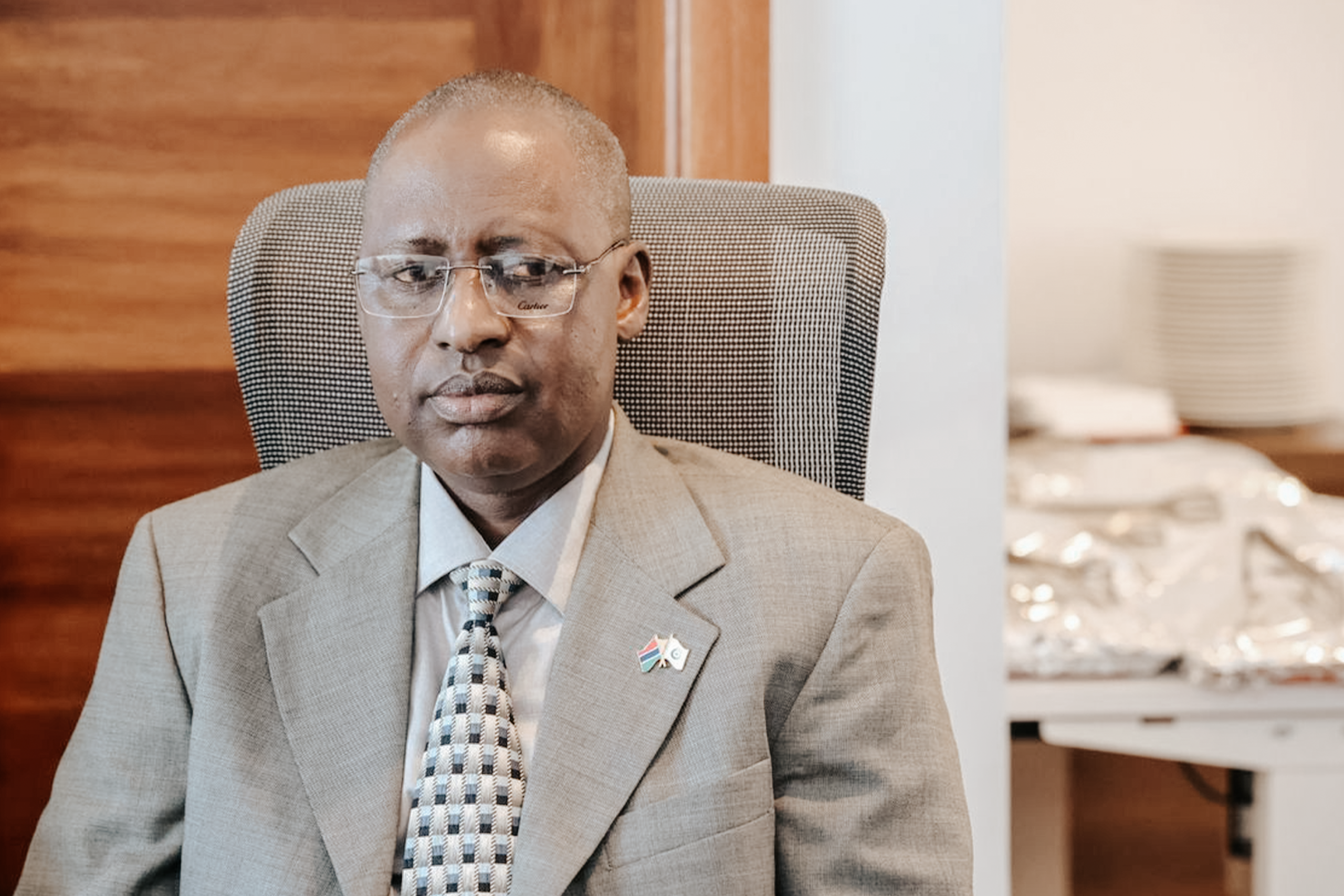
Hon. Yaya Gassama said the visit reflected a growing recognition among African countries that climate governance challenges require collective solutions rooted in shared experience. “Africa is in an unfortunate situation where we contribute least to climate change compared to other countries, but at the same time, we bear the brunt of its impacts. This is a common problem that we have in Africa. We cannot try to solve these issues in isolation.”
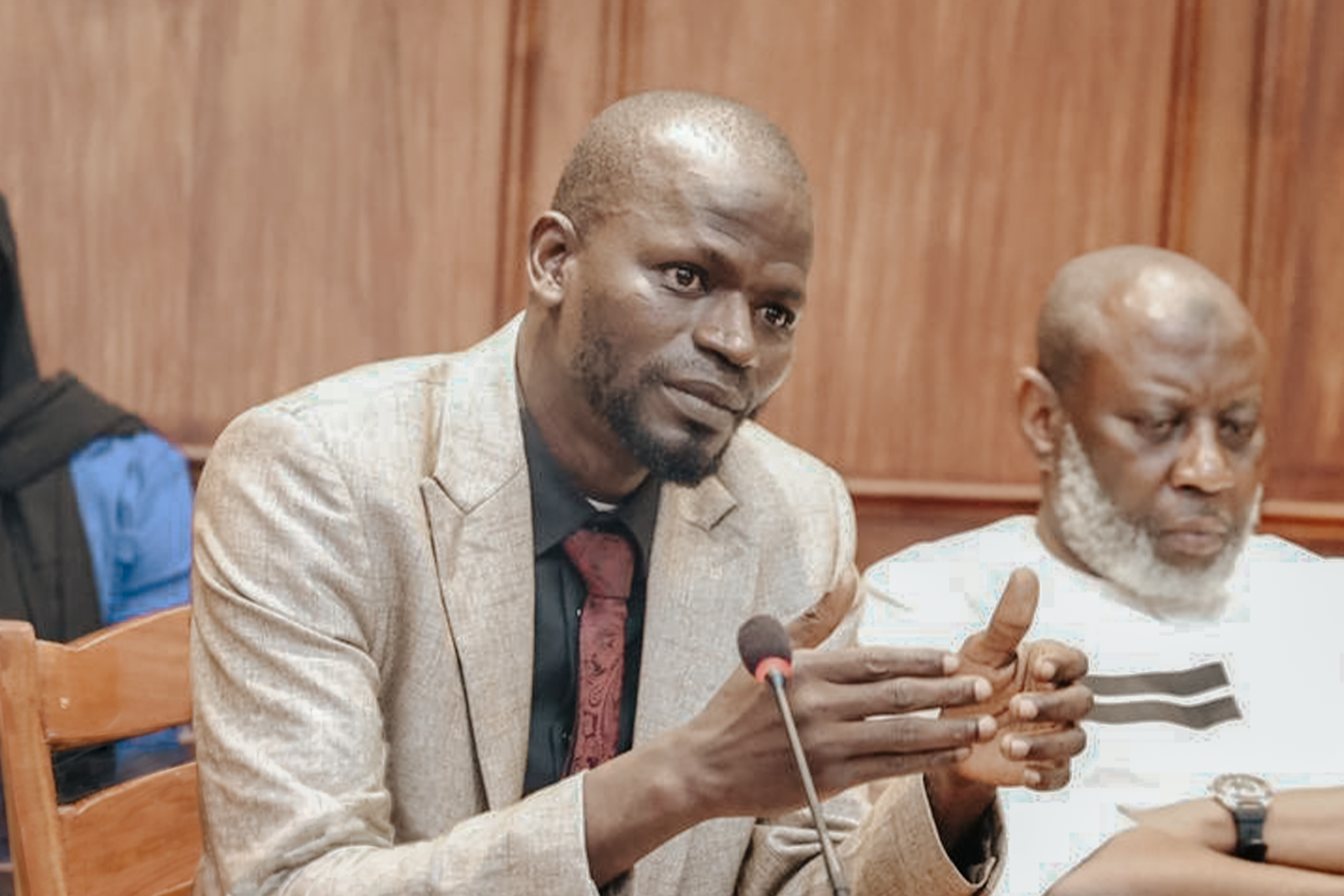
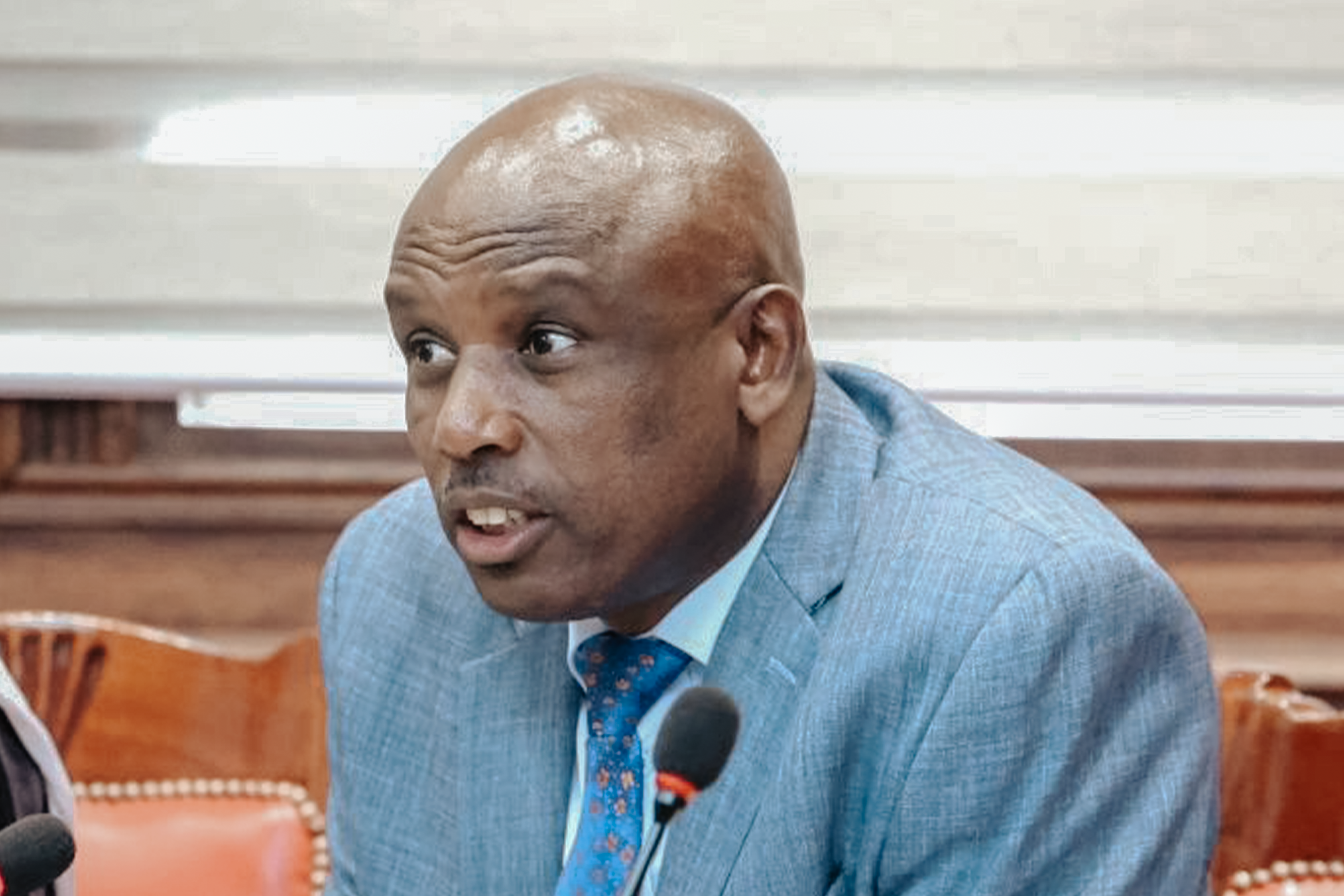
Ambassador Ali Mohamed echoed this: “Sitting back and expecting people somewhere called developed countries to come to our aid will never happen. Nobody owes us our development. We must stand up and help ourselves.”
The benchmarking visit reflects a deliberate shift in how climate-vulnerable countries approach governance reform, drawing on peer exchange and practical institutional lessons from across the Global South rather than relying solely on prescriptions from elsewhere.
Ambassador Mohamed pointed to Africa’s 2023 Climate Summit as a turning point: “We changed the narrative of climate change from the victimhood that we as Africans have been labeled with, to being ready and willing to participate and able to make a difference. Africa is not just a victim. Africa is the world’s potential. Africa provides all the opportunities.”
This shift is made necessary by structural realities. Financial flows from developed to developing countries remain a legal obligation under the Paris Agreement, the Ambassador noted, yet “the reality on the ground with regard to financial flows from north to the south, it’s not there.” With donor countries cutting official development assistance budgets, he argued, Africa must turn to development finance institutions and innovative financing mechanisms, including carbon markets.
Kenya’s Climate Change Act is widely viewed as one of the continent’s most advanced climate governance frameworks. The law integrates climate finance tracking into the country’s public financial management system, establishes climate budget tagging across ministries, creates a National Climate Fund, and sets rules for carbon market governance and revenue sharing.
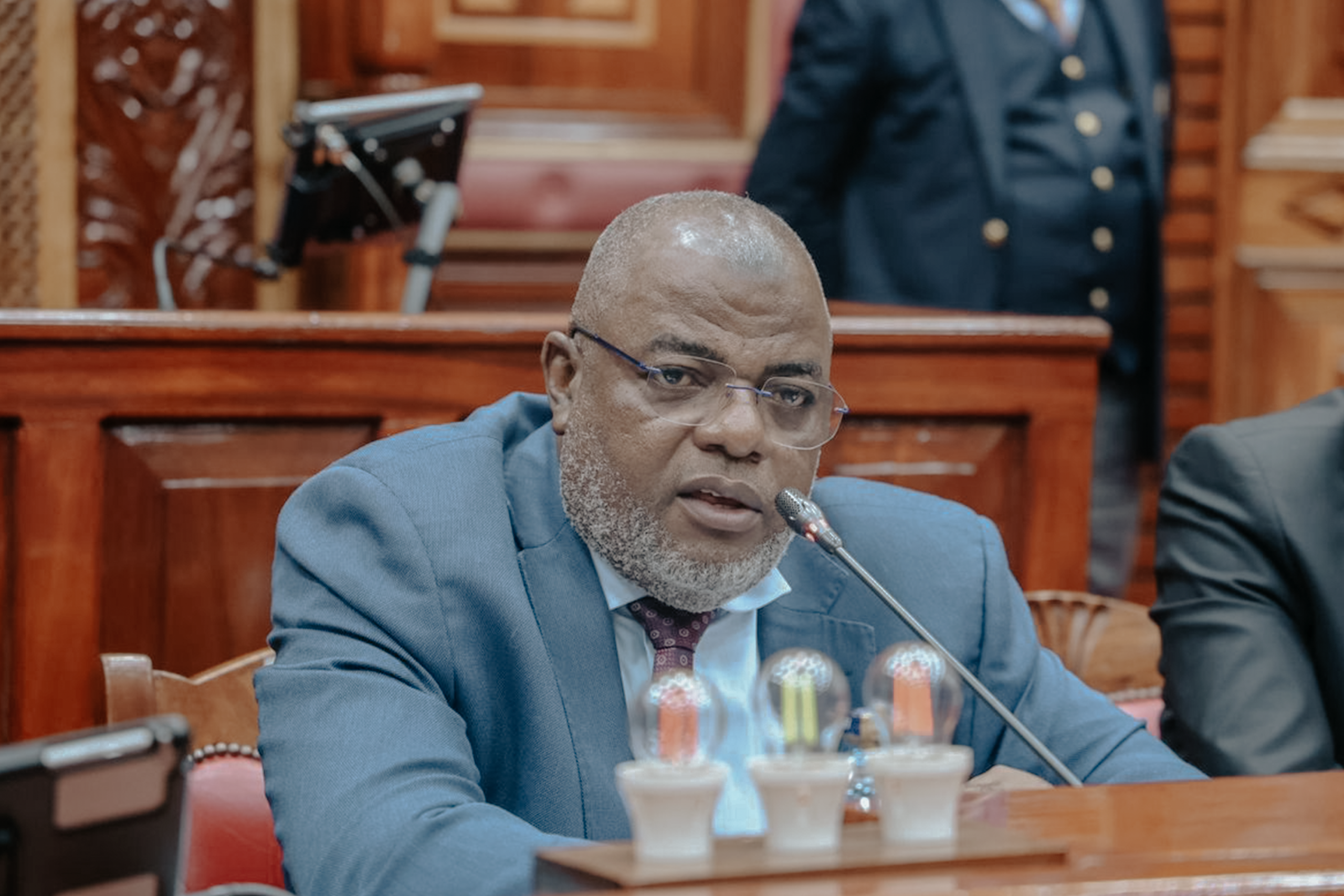
During the session with the Ministry of Environment’s National Environment Management Authority, Kenya’s Designated National Authority (DNA) to the Paris Agreement, Kenyan officials explained how the 2023 amendment to the Climate Change Act brought carbon markets explicitly within the scope of national law for the first time, incorporating Article 6 provisions from the Glasgow and Sharm el-Sheikh COP decisions.
The amendment was driven by scale. Kenya accounts for roughly 25 percent of carbon credit projects across Africa, a volume of activity that made the absence of a governance framework untenable. Before legislation was in place, transactions were taking place entirely outside government systems, and tax revenues could not be collected.
“Kenya already had a Climate Change Act that was a good instrument since 2016. It did not explicitly mention carbon markets. So we amended it in 2023 to provide for carbon markets governance and put provisions that were already in the Conference of Parties positions on carbon markets,” an official from the Ministry of Environment said.
The stakes are significant: global mandatory demand for carbon credits is projected to reach 800 million tonnes by 2033, according to the CVF-V20.
At the National Treasury, discussions centered on integrating climate finance into the core government budgeting system. One question cut to the heart of an institutional tension: should the National Climate Change Fund sit with Finance or Environment? The Kenyan answer was unambiguous—under the Public Finance Management Act, Treasury leads on climate finance and resource mobilization, Environment leads on the science, and the two co-chair program governance as equals, on shared programs.
Legislative mandate was also central to Kenya’s approach to devolved climate action. The Climate Change Act required every ministry, department, and agency to establish its own climate change unit, embedding climate responsibility across government rather than siloing it in a single institution. At the county level, each of Kenya’s 47 counties followed suit with their own climate change legislation, dedicated units, and action plans integrated into development budgets.
Kenya’s Climate Change Act embedded that logic across government, requiring every ministry, department, and agency to establish its own climate change unit rather than siloing responsibility in a single institution. All 47 counties followed suit, each with its own legislation, dedicated units, and action plans integrated into development budgets. This architecture is backed by the Financing Locally-Led Climate Action (FLLoCA) program, which directs 90 percent of its USD 295 million to county and community level spending. Disbursements are performance-based, and counties must contribute 1.5 percent of their own development funds, making local commitment measurable and auditable.
On the question of whether climate finance was genuinely integrated into national budget performance frameworks or treated as a parallel stream, the Kenyan officials answered honestly, acknowledging that full integration of the Integrated Financial Management Information System (IFMIS) remains a work in progress. This exchange itself illustrated what South-South peer learning offers: not polished success stories, but transferable institutional lessons, including the difficulties.
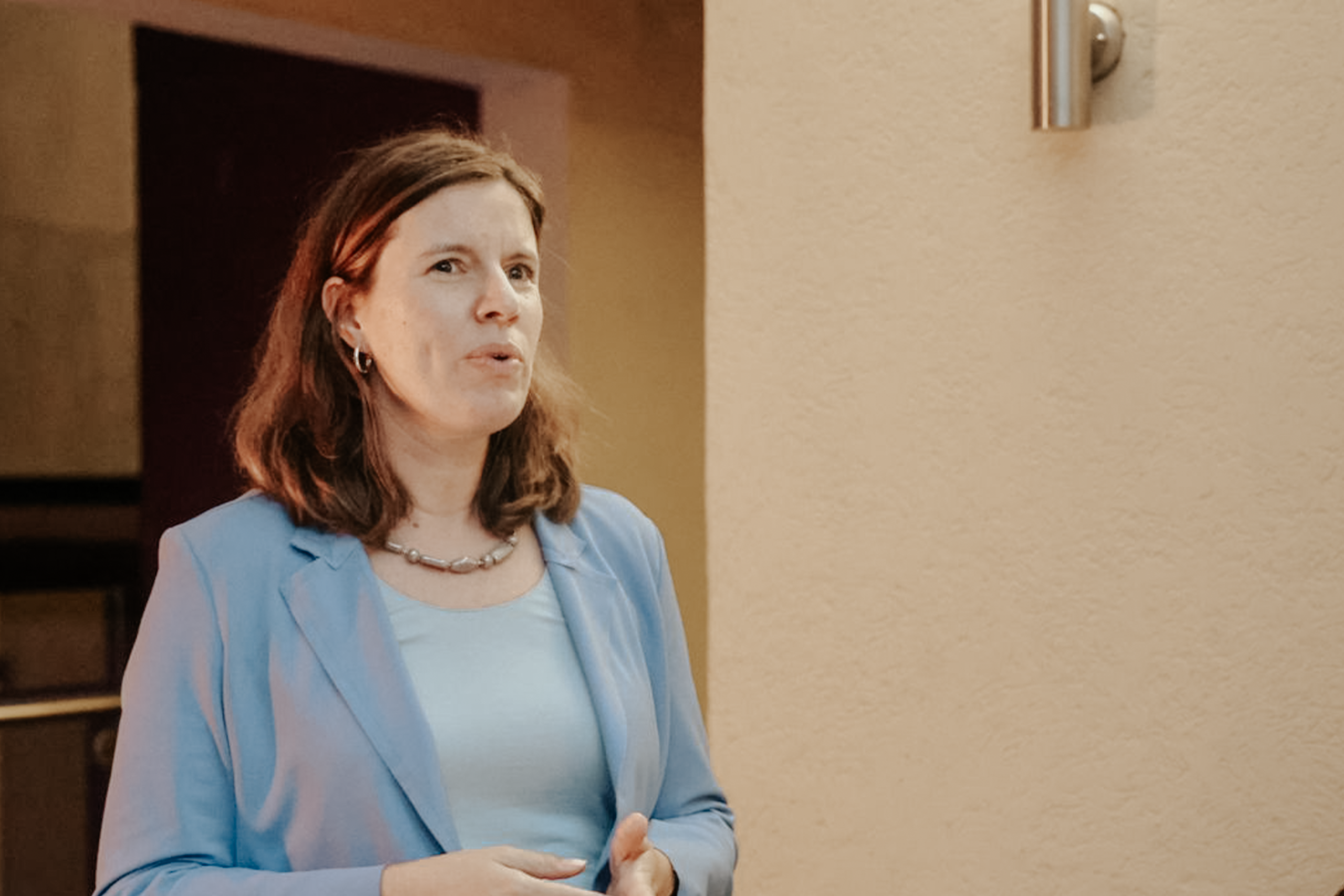
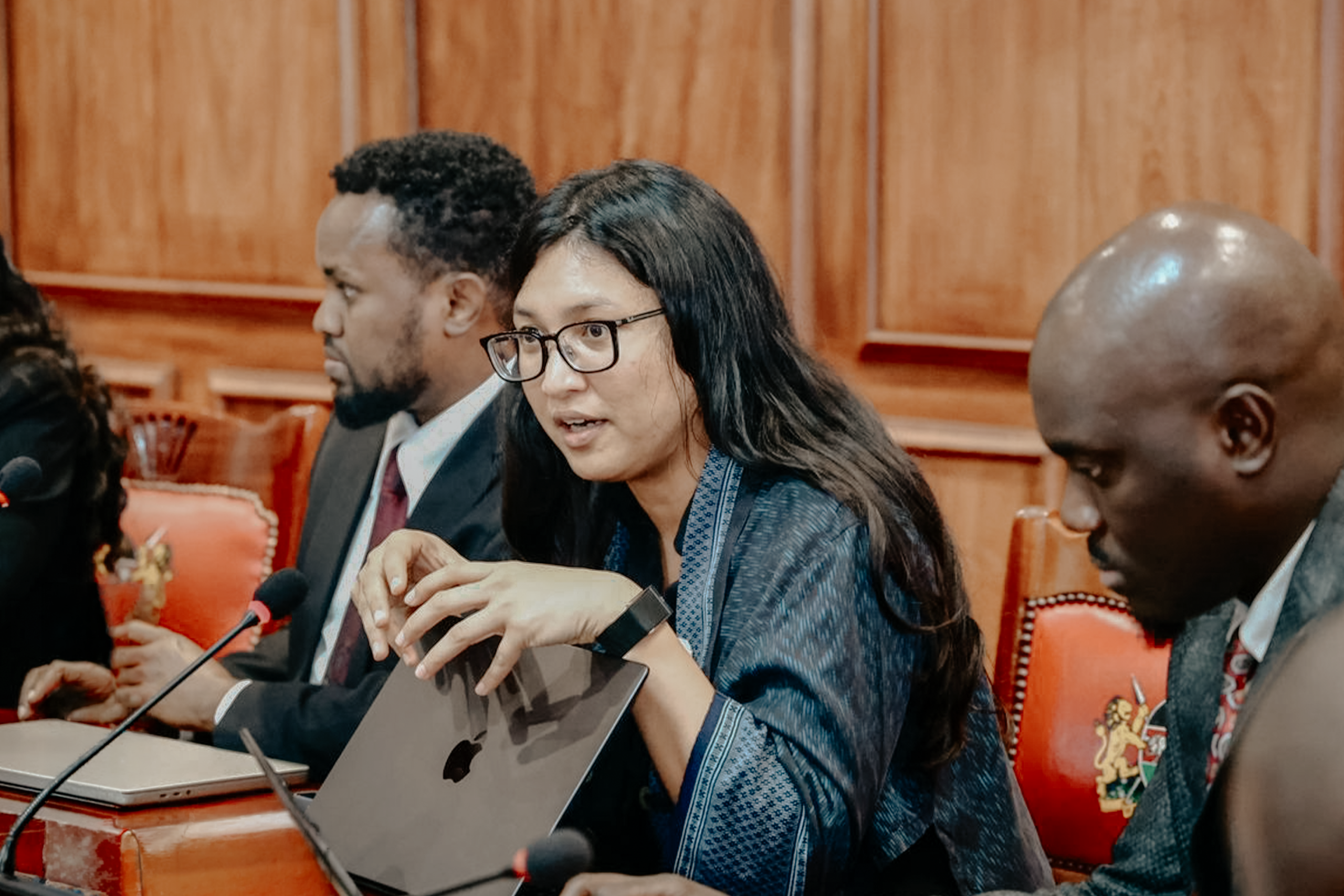
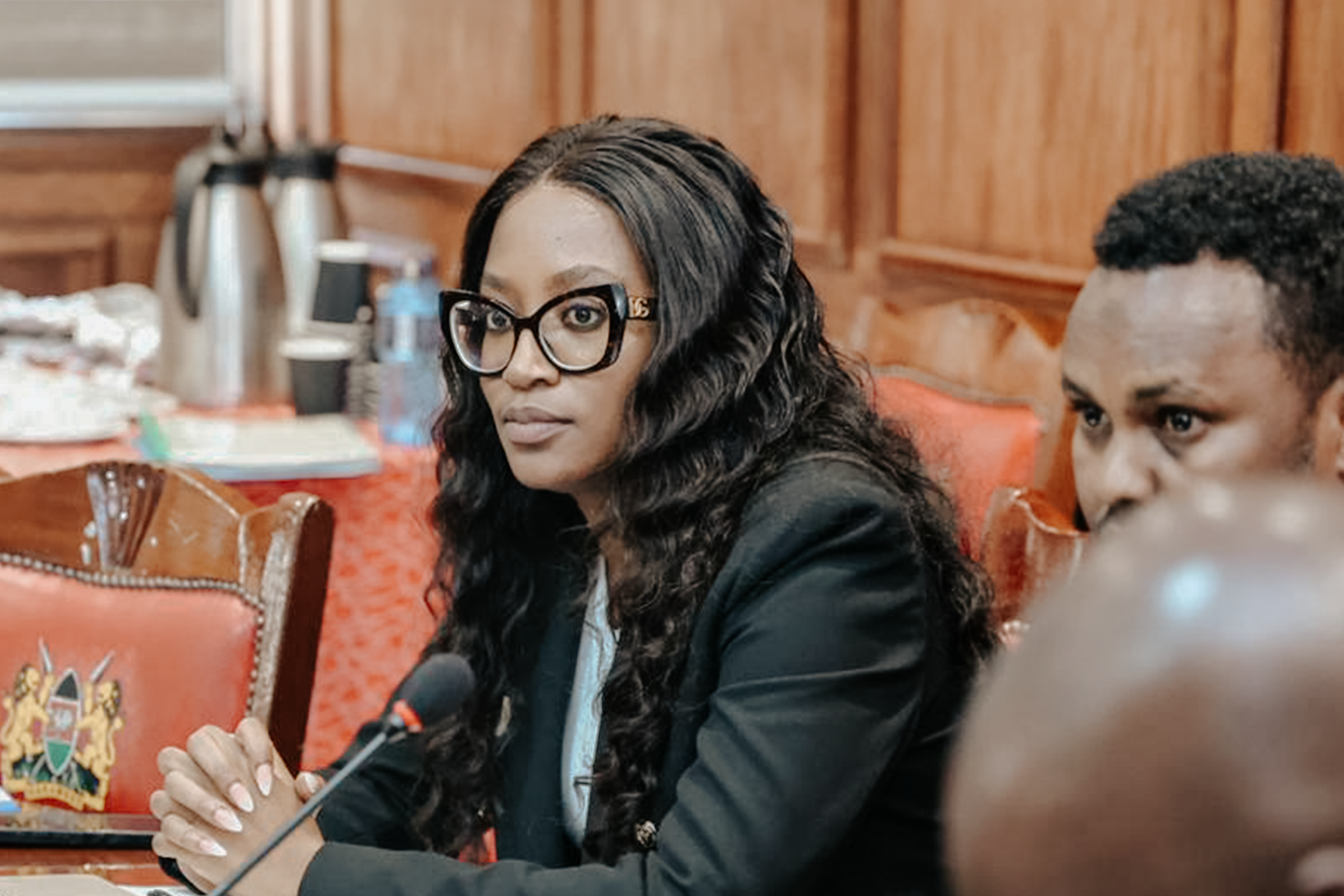
Sara Jane Ahmed, Managing Director and Finance Advisor of the CVF-V20, highlighted several tools under development for CVF-V20 countries. These included a partnership with development finance institutions (DFIs) and the V20-DFI Compact, with a focus on water, health, education, and value addition. The OPEC Fund for International Development is the lead DFI in a coalition that includes the Arab Coordination Group of DFIs, the World Bank, and the Asian Development Bank. She also presented the Lifeline Fund, led by the V20 Central Bank Governors Working Group, a multi-regional financial arrangement to address climate shocks. Lifeline is capitalized through pooled resources from member countries, using a small fraction of their US dollar reserves to create a shared facility valued between USD 500 million and USD 800 million, enabling short- and medium-term financing.
Following the benchmarking program, the Gambian delegation will produce a committee report with specific recommendations for tabling in the National Assembly. The delegation is also participating in a regional parliamentary conference on methane reduction convened by the Parliament of Kenya and the Inter-Parliamentary Union.
***
The CVF-V20 represents 74 member countries from small island developing states (SIDS), least developed countries (LDCs), low to middle-income countries (LMICs), landlocked developing countries (LLDCs), and fragile and conflict-affected states (FCS). Working together, the CVF-V20 aims to achieve climate justice through the realization of Climate Prosperity Plans, which contain ambitious economic and financial resilience strategies designed to attract investment and resources that advance the attainment of the Sustainable Development Goals (SDGs), 30×30 Global Biodiversity, and help keep the average global temperatures to the Paris Agreement’s 1.5°C safety threshold.
Africa: Benin, Burkina Faso, Cabo Verde, Chad, Comoros, Côte d’Ivoire, Democratic Republic of the Congo, Eswatini, Ethiopia, Gabon, The Gambia, Ghana (Troika), Guinea, Kenya, Liberia, Madagascar, Malawi, Morocco, Mozambique, Namibia, Niger, Rwanda, Senegal, Sierra Leone, Somalia, South Sudan, Sudan, Tanzania, Togo, Tunisia, Uganda
Asia: Afghanistan, Bangladesh (Troika), Bhutan, Cambodia, Kyrgyzstan, Maldives, Mongolia, Nepal, Pakistan, Philippines, Sri Lanka, Timor-Leste, Vietnam
Caribbean: Barbados (Chair/Troika), Dominica, Dominican Republic, Grenada, Guyana, Haiti, Saint Lucia, Suriname, Trinidad and Tobago
Latin America: Colombia, Costa Rica, Guatemala, Honduras, Nicaragua, Paraguay
Middle East: Jordan, Lebanon, Palestine, Yemen
Pacific: Fiji, Kiribati, Marshall Islands, Nauru, Palau, Papua New Guinea, Samoa, Solomon Islands, Tonga, Tuvalu, Vanuatu
For media enquiries, please contact [email protected].
For the latest updates, please follow us on: