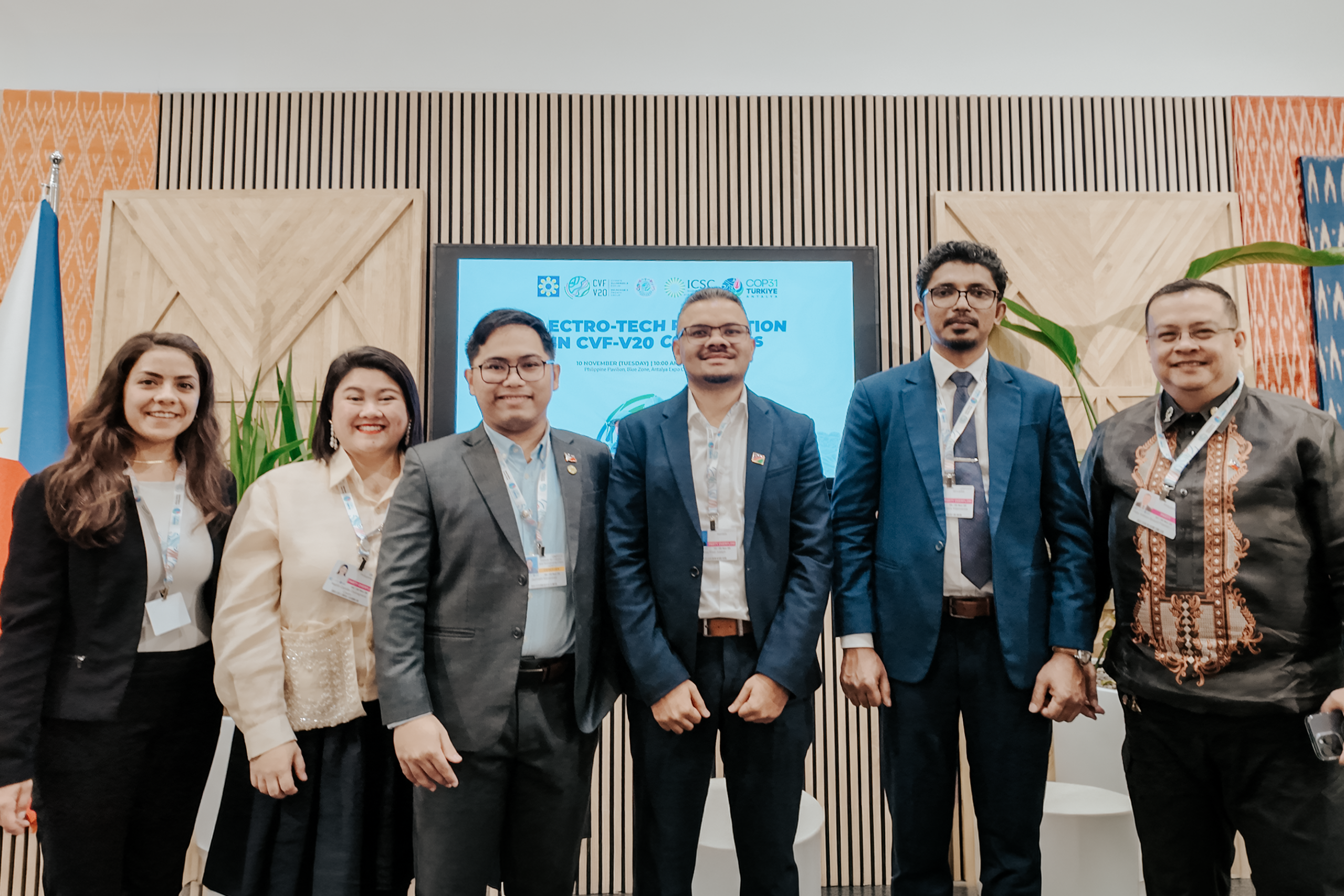
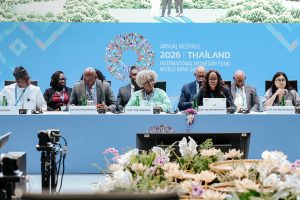
With electrification advancing simultaneously across CVF-V20 economies, shifting to clean electric technologies can save climate-vulnerable nations US$155 billion on fossil fuel imports while bringing power to more than 700 million people who still lack access to electricity. This was central to the technical briefing session on electrotech at the Philippine Pavilion during the Energy and Transport Day of the 31st Conference of the Parties to the United Nations Framework Convention on Climate Change (COP31) in Antalya.
Discussions of the technical briefing stems from “The Electric Fast-Track for Emerging Markets,” a study commissioned by the CVF-V20 with Ember. Report findings showed how clean electric technologies can serve the billion people left behind by the fossil system and open up a faster path to prosperity. It has profoundly accelerated developments on supply, connection, and demand, making energy more accessible and affordable for the world’s most climate-vulnerable nations.
“Clean technologies such as solar power, battery storage, and electric mobility are practical solutions to reduce fossil fuel dependence, strengthen energy security, and advance climate action. Consistent with our Philippine Energy Plan, Philippine Development Plan, and 2026 Nationally Determined Contribution, our priority is to translate these technologies into affordable energy, reliable and resilient services, lower emissions, and sustainable livelihoods. Ultimately, the measure of success is not technology deployed, but meaningful benefits delivered to people and communities through a just, orderly, and people-centered energy transition,” said Undersecretary Felix William Fuentebella of the Philippine Department of Energy.
Solar technology has gained a competitive edge in the market as renewable energy prices drop over the decades.Increasingly, the cost of capital reflects the lower risk of renewables and the rising risk of fossil fuel assets. Morocco witnessed how the cost of capital for gas had risen from 8.2 percent to 9.6 percent in the span of ten years, while the cost of capital for solar has been steady at 8.7 percent in that same ten year period. The shift was even sharper in Viet Nam, where the cost of capital for solar fell from 12 percent to 10 percent, while gas stood at around 11 percent.
Ember’s study has shown that 46 percent of CVF-V20 nations have leapfrogged the United States in solar uptake, evidenced by the fact that solar panel imports among these nations are at least three times higher than official statistics suggest.
New tools from civil society are emerging with these developments in the market. One is the ICSC’s Solar Power Estimation of Capacities and Tracking Using Machine Learning, also known as SPECTRUM, a proprietary model and web platform that visualizes rooftop solar installations and estimates potential solar capacity across the Philippines.
Falling battery storage costs have also shaped how power reaches off-grid areas. Undersecretary Fuentabella cited the importance of decentralized energy solutions through rooftop solar and battery storage for the remote communities, particularly island communities and indigenous people areas. “These technologies can improve energy access while reducing dependence on imported fuels and diesel generation,” he said.
The commissioned report has also found that prices of electric end-use technologies have fallen by 30 percent to 95 percent in emerging economies. This includes lighting, cooking, transport, space cooling, refrigeration, and electronics.
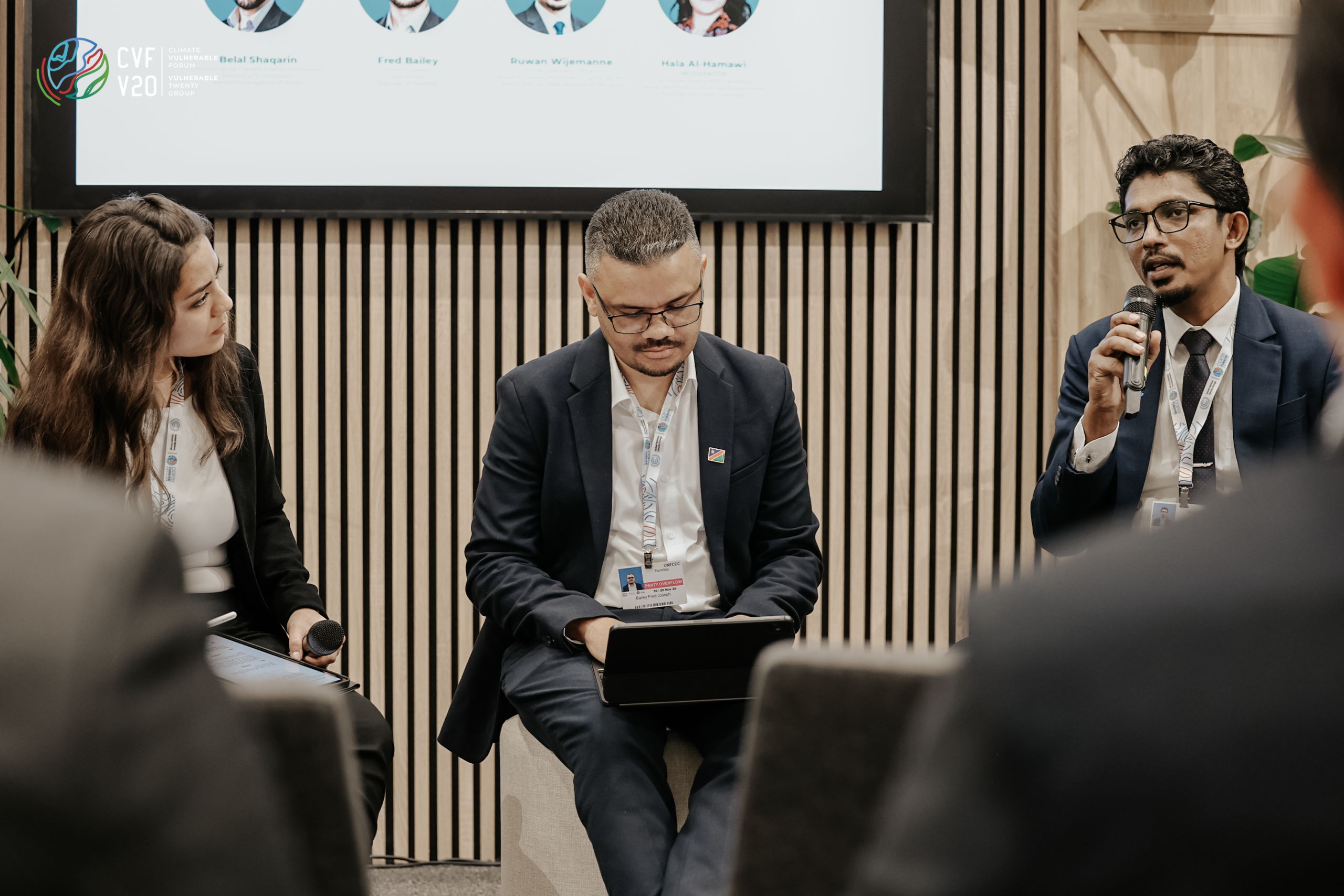
Joining the panel discussion are representatives from Namibia and Sri Lanka: Fred Bailey, the Senior Engineer at Namibia Power Corporation (Pty) Ltd; and Ruwan Wijemanne, the Chief Operating Officer at Sri Lanka’s National Cleaner Production Centre.
Engineer Bailey shared that Namibia began investing in solar photovoltaic and grid-scale battery energy storage to enhance its 55 percent connection capacity. In addition, the country also ventures on wind renewable energy with a 1,500 MW project on the pipeline.
“We’re looking at what we can do to unlock wind potential we have in our country because we do have significant wind resources. We have a hydropower station in the North of our country, which is run-of-the-river,” Engr. Bailey added.
He outlined several policy infrastructures that advance electrotech uptake in the country, including the National Integrated Resource Plan (NIRP) and Modified Single Buyer. The NIRP, according to Engr. Bailey, is a master plan designed to meet energy self-sufficiency targets of the country; while the latter enables private sector and utility-scale customers to transact 30 percent of their supply.
For Sri Lanka, the electrotech revolution meant procuring more battery energy storages, moving into pump hydro energy storage, and transitioning to electric vehicles. Wijemanne emphasized a critical element in deploying these technologies—finance: “To connect solar with the system, we need a grid and storage. For grid and storage, we need a huge finance support that might be public-private partnership or blended finance.”
The country is also working on tariffs and renewable energy certification to attract additional investments and revenue streams for clean electric technologies and renewable energy systems. Furthermore, Sri Lanka envisions exploring floating solar technology, offshore wind capacity, waste-to-energy generation, and cross-border electrification.
Electrotech represents a huge opportunity to leapfrog from energy scarcity to energy abundance as a driver of clean growth and prosperity in climate-vulnerable countries. It offers a narrative that could break dependence with conventional energy and address energy poverty gaps.

***