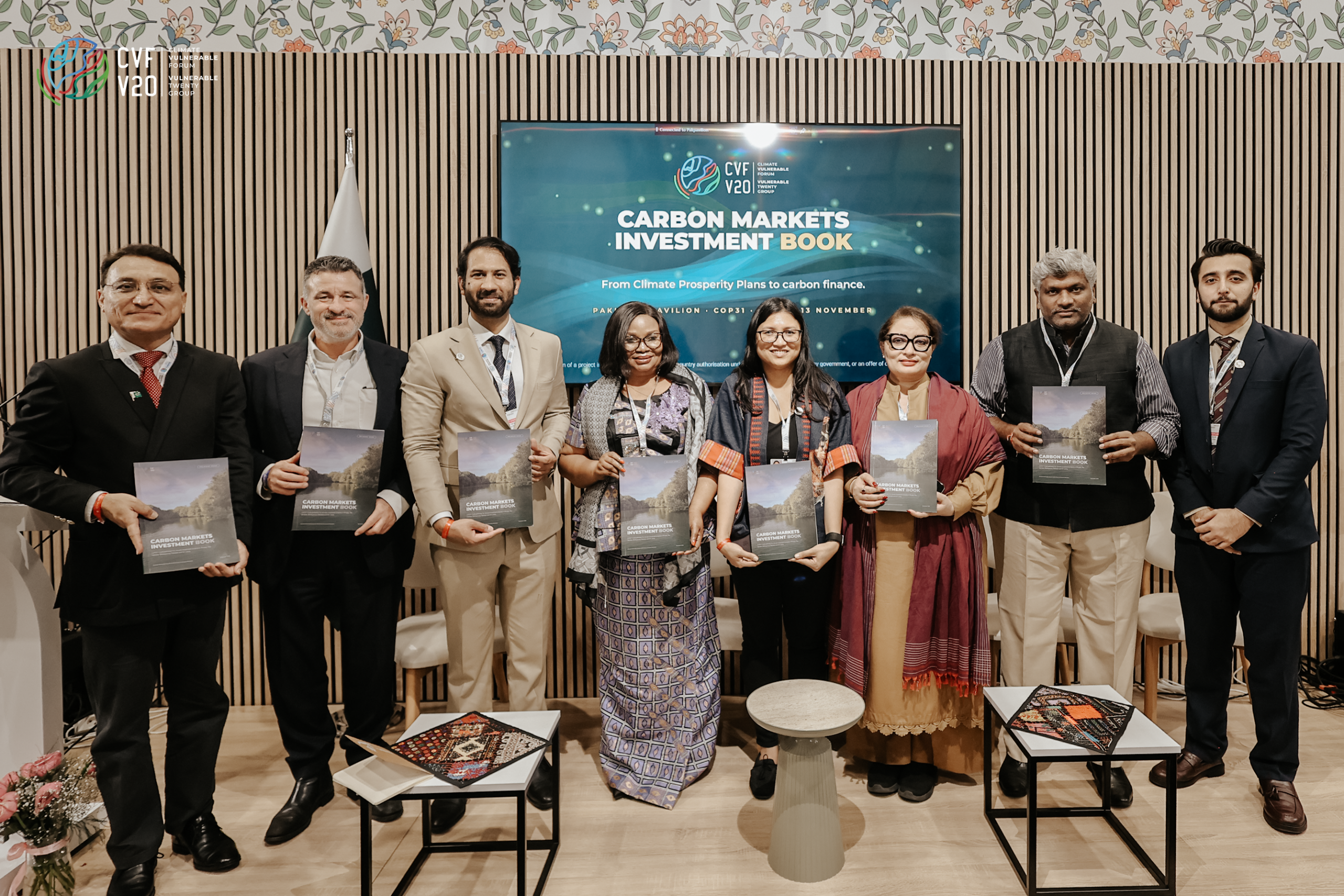
Host country Pakistan leads with 14 projects, nine of which have already reached feasibility stage
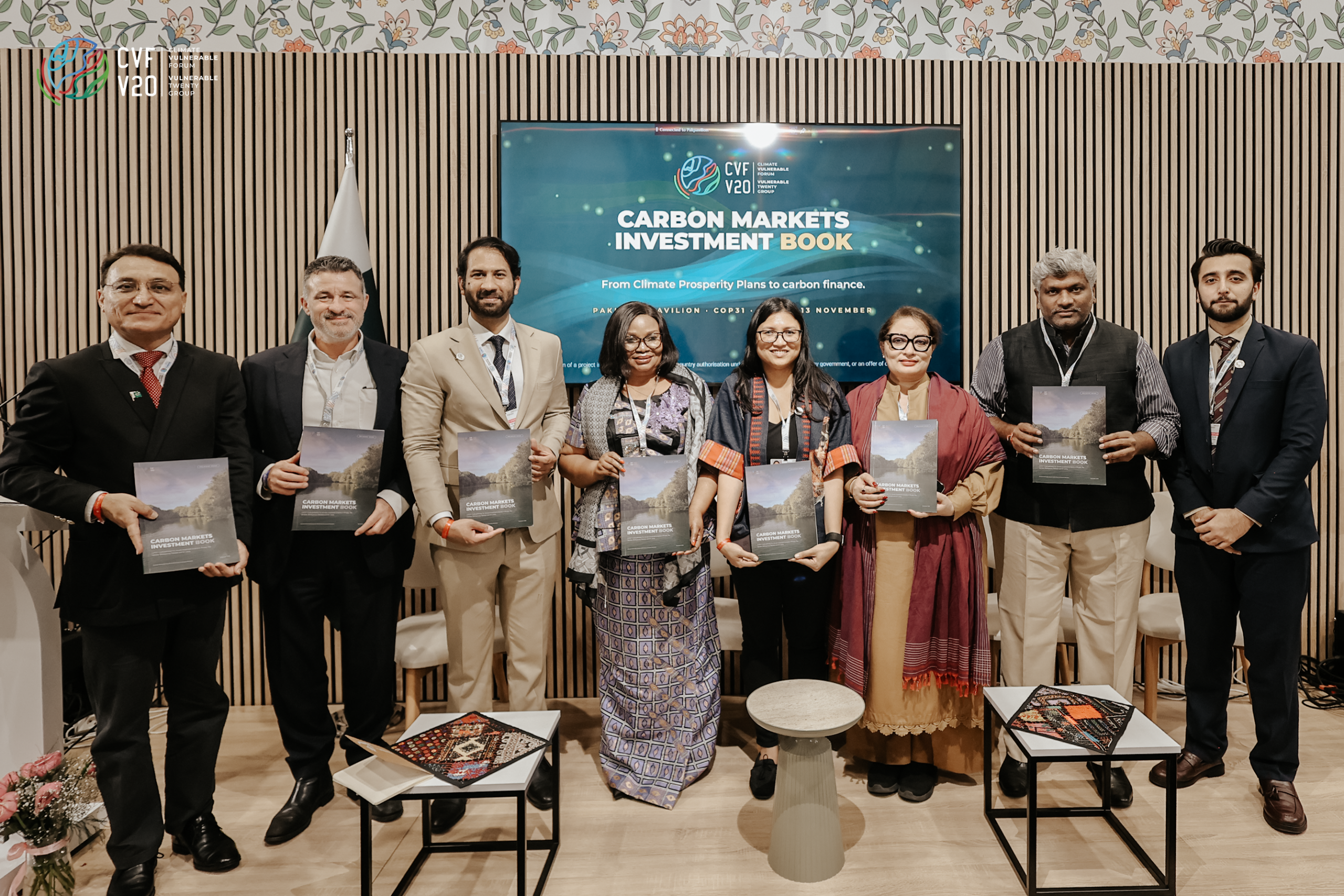
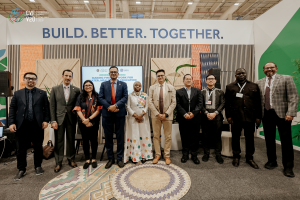
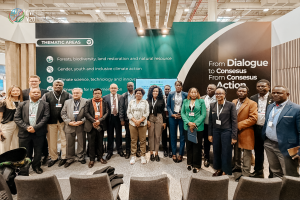
ANTALYA—Climate-vulnerable countries brought 46 carbon-finance projects to COP31 today, as the Climate Vulnerable Forum and V20 Finance Ministers (CVF-V20) Secretariat launched the inaugural V20 Carbon Markets Investment Book. Featuring projects from Bhutan, The Gambia, Madagascar, Pakistan, and Sri Lanka, the publication brings the opportunities together in one portfolio for the standard-setters, buyers and investors needed to turn them into viable investments.
Of the 46 projects, the 25 quantified so far could reduce or remove an estimated 6.7 million tonnes of carbon dioxide equivalent each year, and 11 have already reached the feasibility stage. The portfolio spans energy, waste, land use and industry.
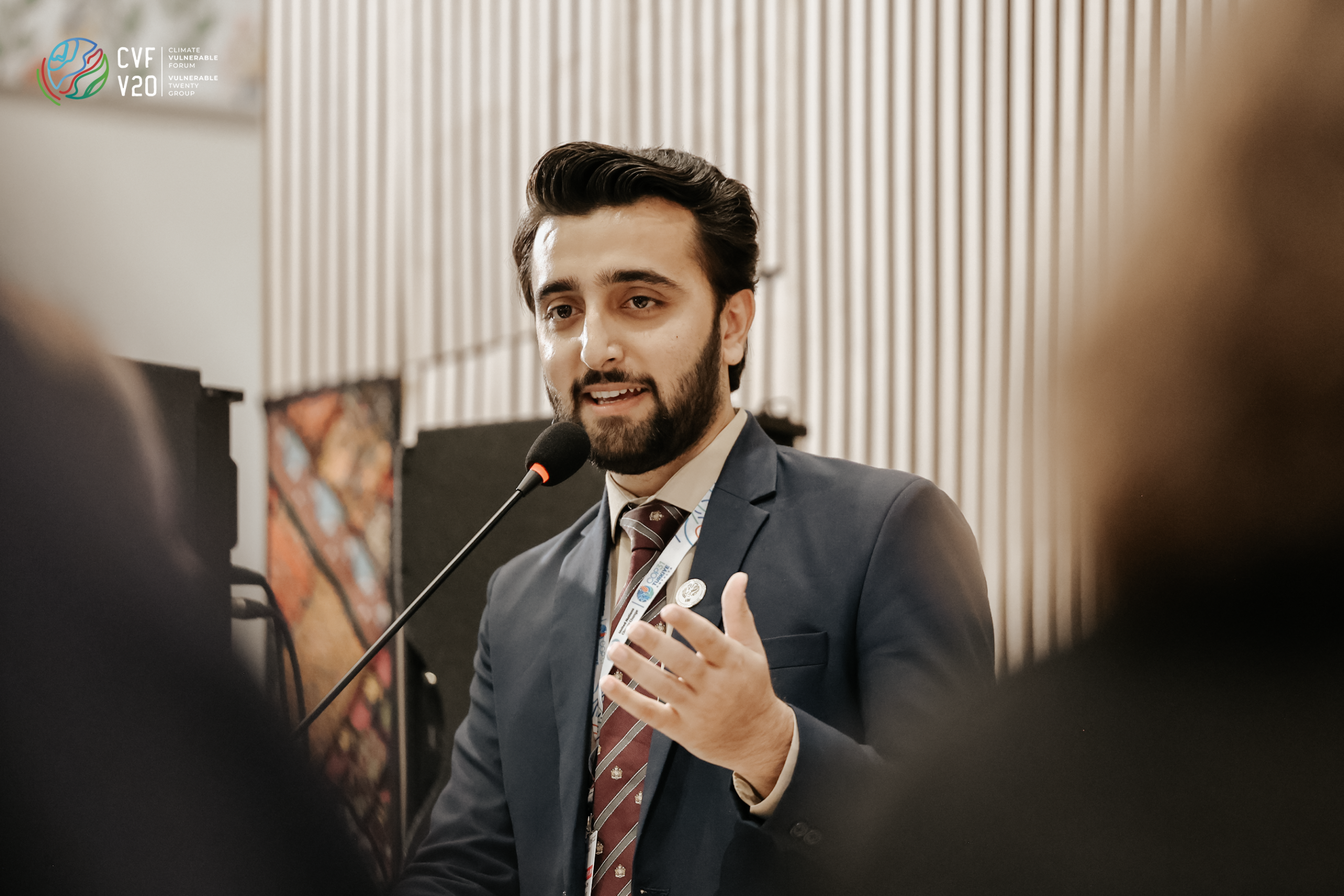
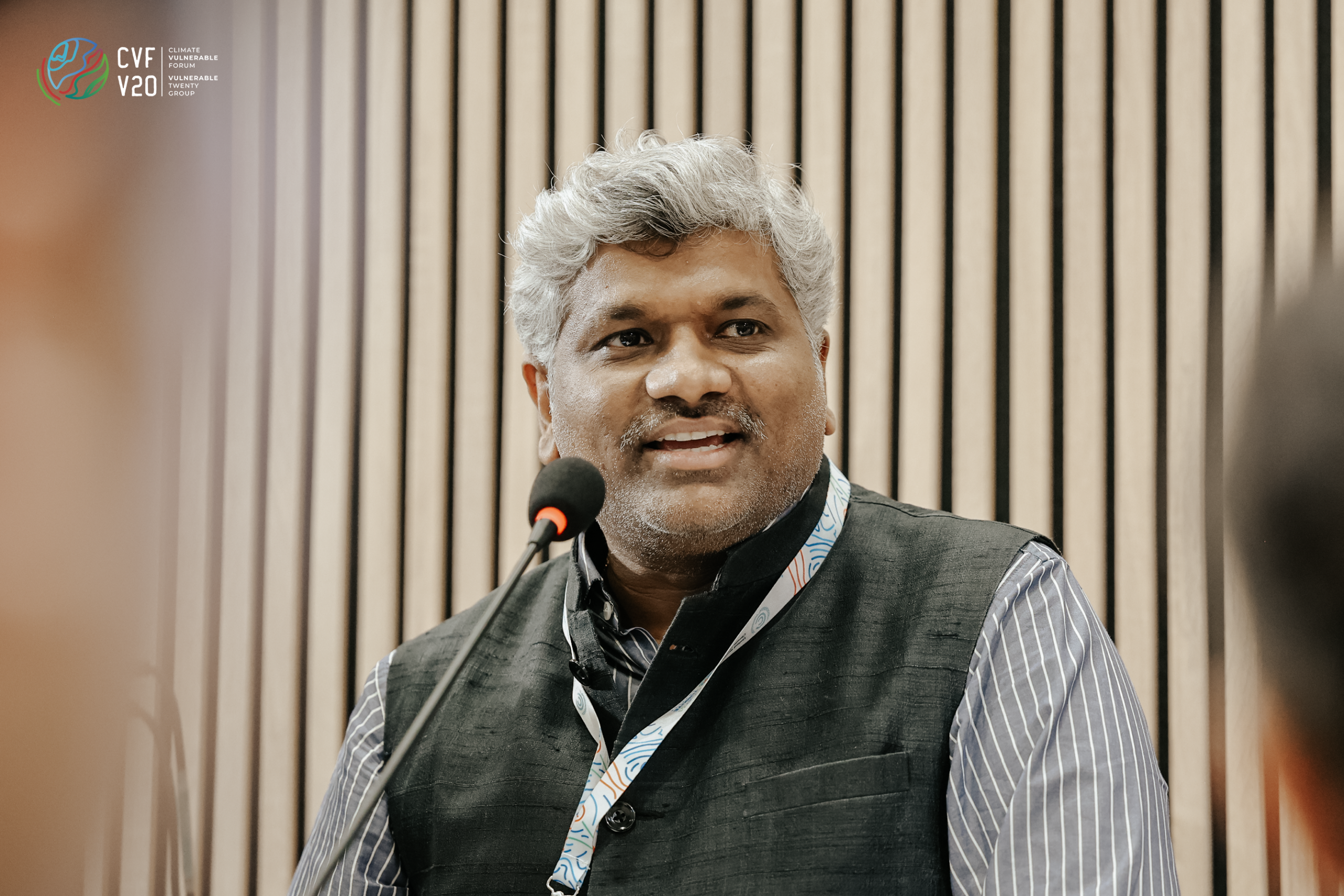
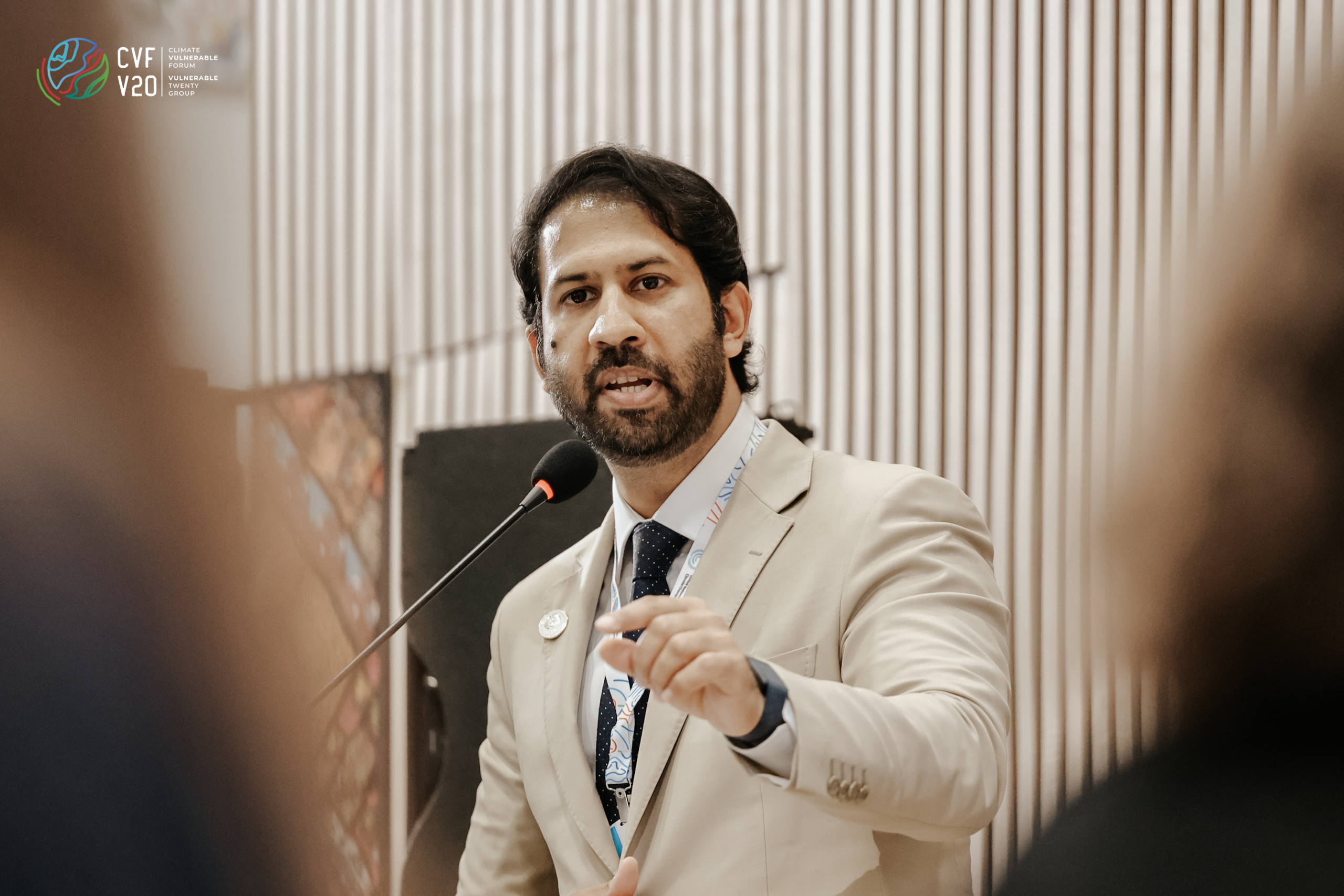
Presenting the Book, Umamaheswaran Krishnan, Director for Carbon Market Access at the CVF-V20 Secretariat, said good policies and regulations are not enough on their own.
“Our main aim is to move the policy to the actionlist,” Krishnan said. He noted that senior officials in Bhutan already use that term for their country’s portfolio. He also explained the selection methodology for the investment projects in the book
He said: “The Book will become a dynamic online platform, updated as new projects are added. It is not, however, a substitute for climate action elsewhere. High-integrity carbon finance can complement, but never replace, ambitious emission cuts and the public and concessional finance that climate-vulnerable economies need.”
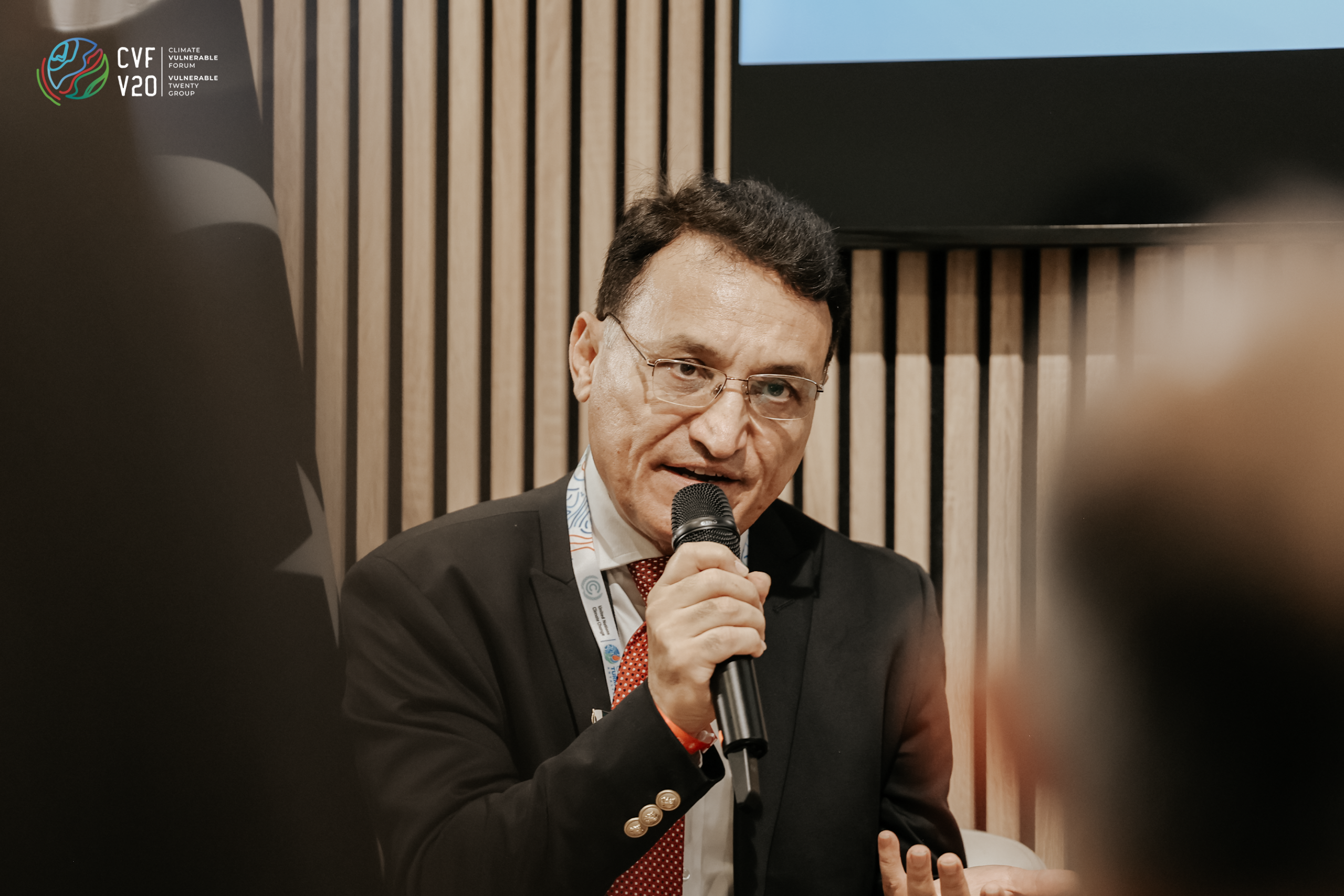
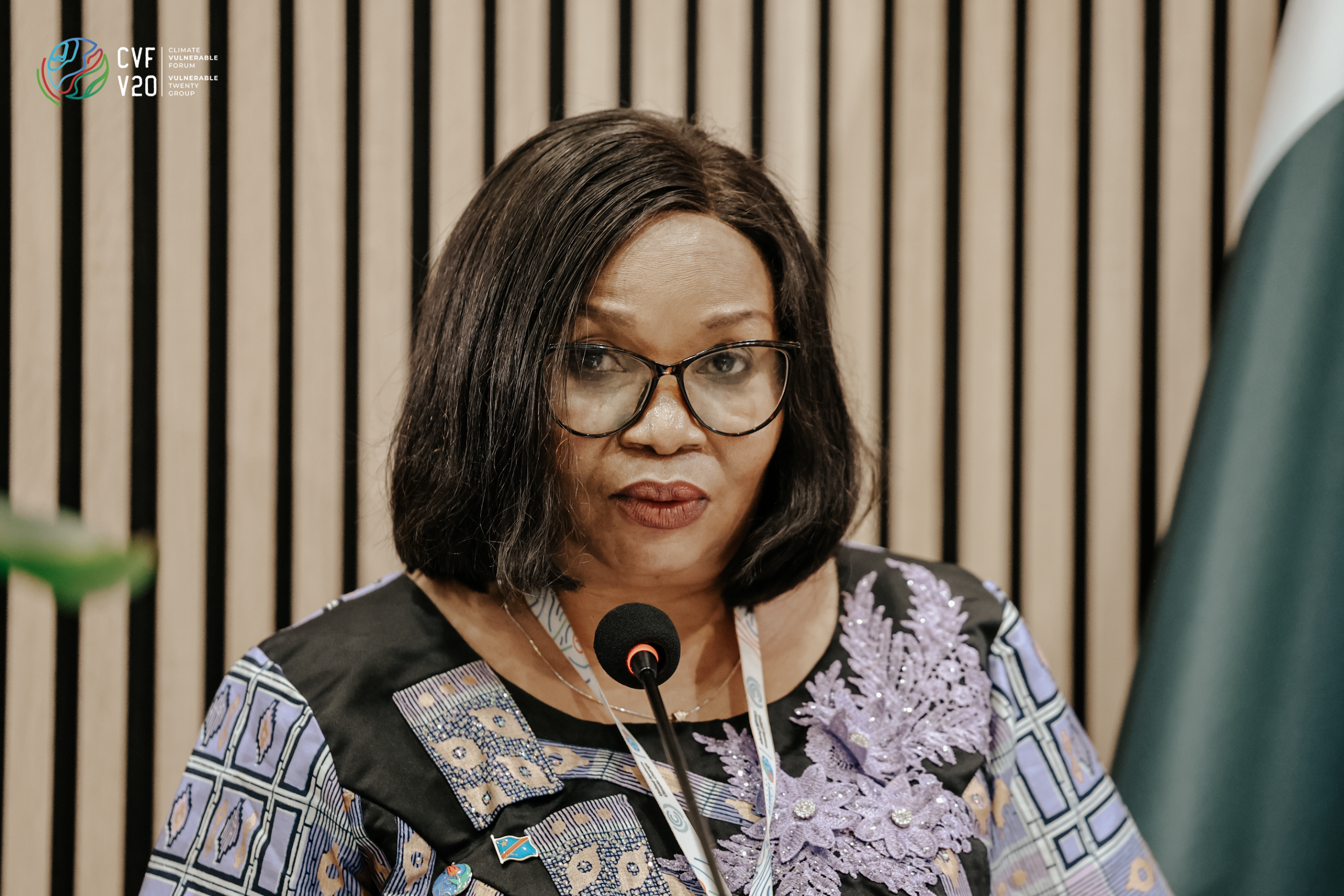
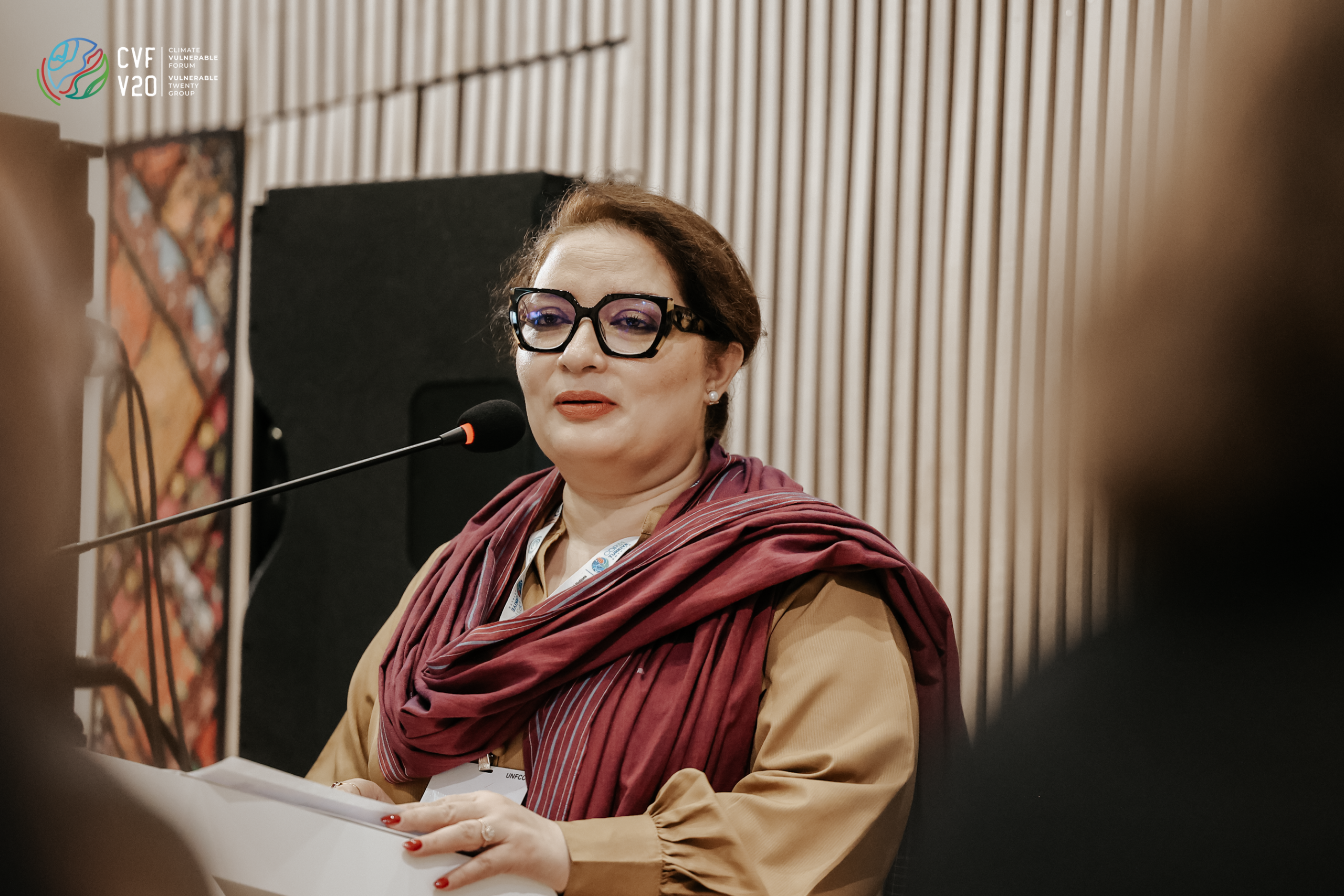
Pakistan, which hosted the launch in COP 31, introduced its Policy Guidelines for Trading in Carbon Markets at COP29 in Baku. It issued its first Article 6 approvals in April 2025, “Policy is only meaningful when it leads to implementation, because without implementation, nothing can work,” said Romina Khurshid Alam, Coordinator to the Prime Minister on Climate Change and Environmental Coordination.
She said every international transfer of a mitigation outcome has implications for national climate commitments, so it requires careful government leadership. She called for identifying, project by project, what is holding strong projects back. She described limited capacity to prepare projects as the core problem for vulnerable countries, and called the Book “the greatest support in this time.”
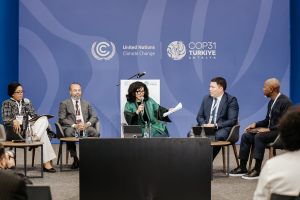
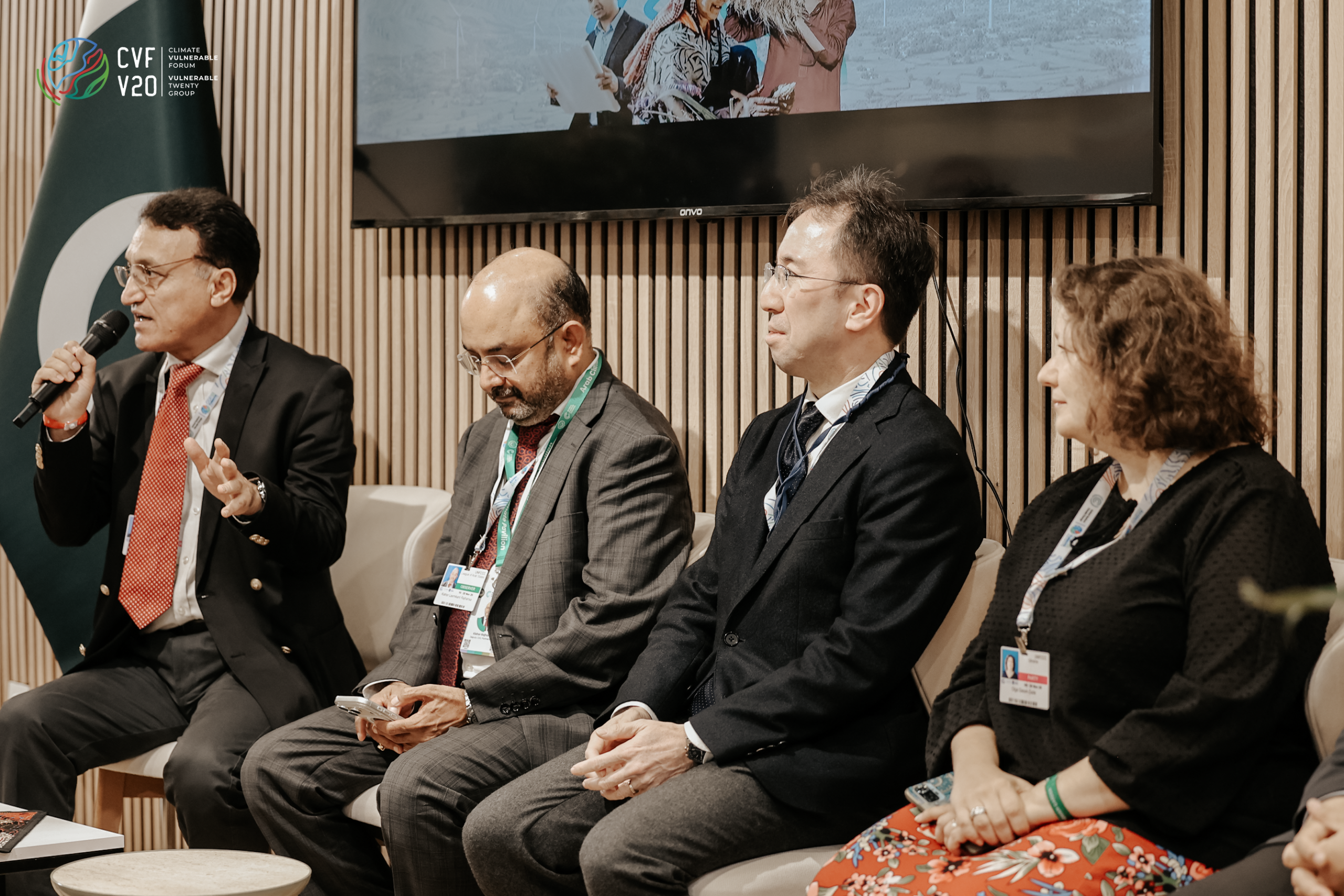
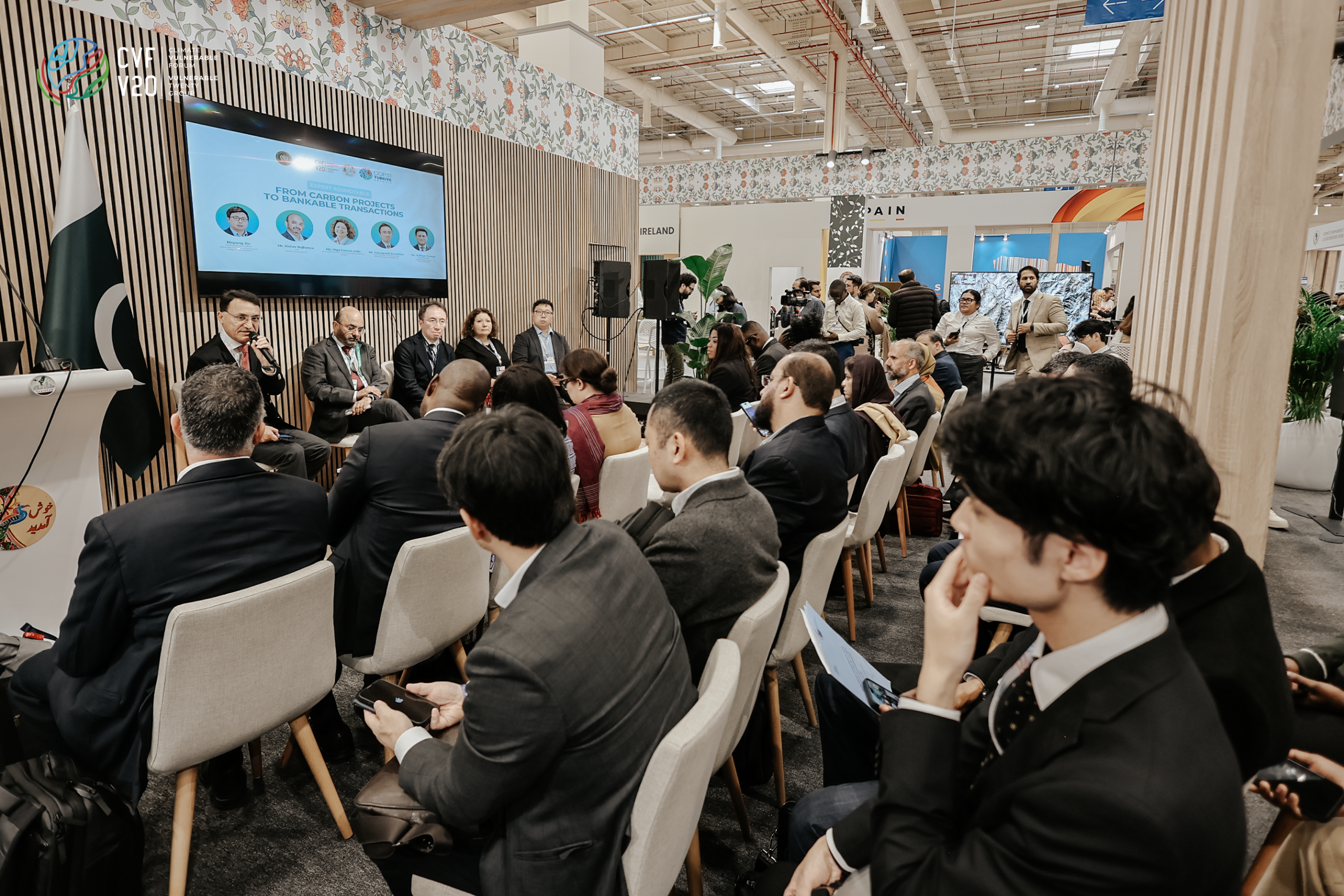
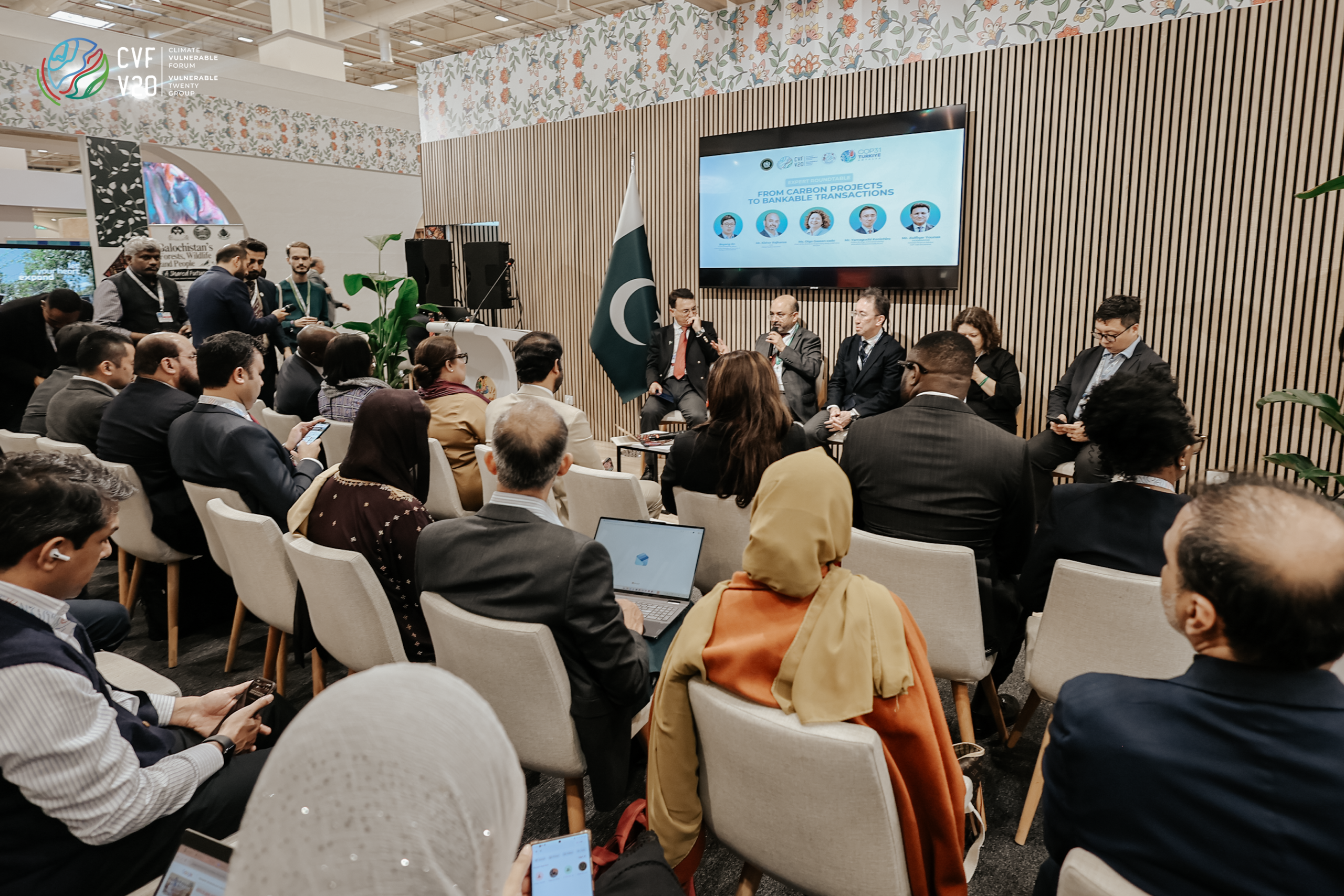
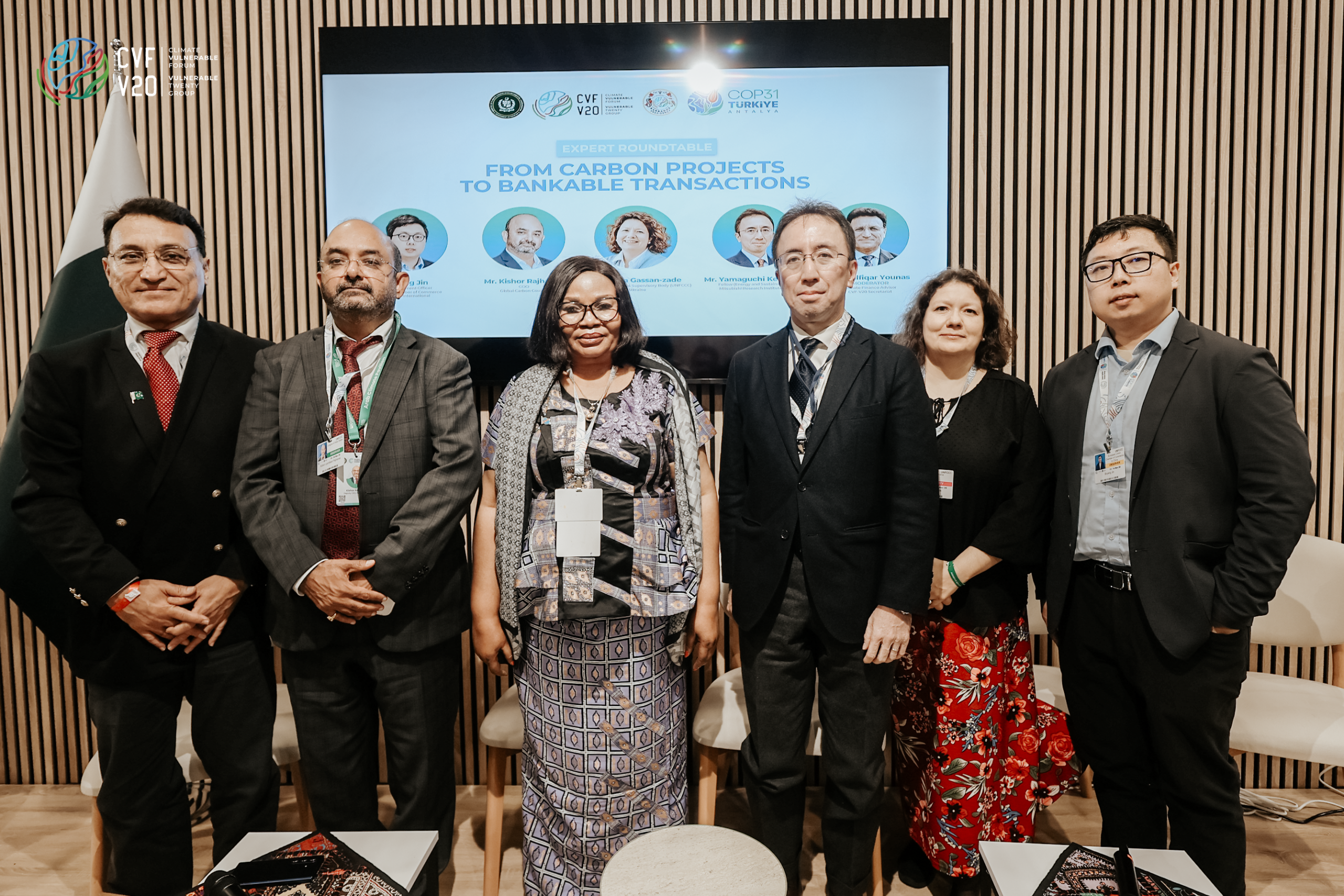
An expert roundtable during the launch, moderated by Mr. Zulfiqar Younas, Senior Advisor, Climate Finance at the CVF-V20 Secretariat, examined how projects move from mitigation potential to registration, issuance and finance. He elaborated that given the theme of the COP31 as Implementation COP, CVF has also enhanced its focus on implementation and theme of the Panel discussion is to facilitate CVF member countries to develop high integrity projects by attracting investments for the climate vulnerable countries and emphasis is on delivery i.e. translating policy frameworks into credible projects, investment partnerships and verified emissions reductions. The objective is to move promising projects through preparation, due diligence and financing, and ultimately towards credible credit issuance and sales.
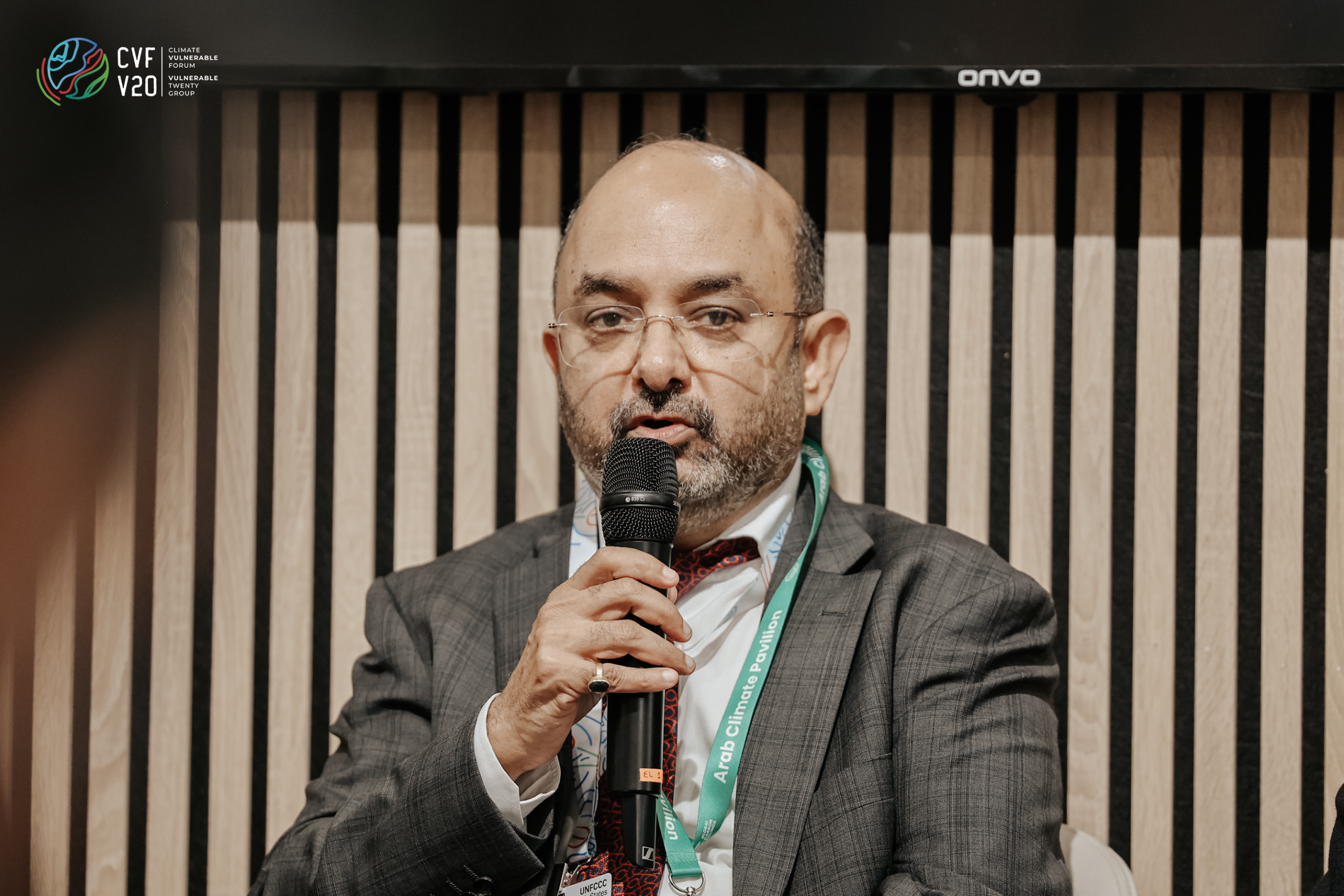
Mr. Kishor Rajhansa, Deputy CEO of the Global Carbon Council (GCC), said host-country authorization is now required for compliance credits and increasingly sought by voluntary buyers. He added that authorization strengthens integrity, because the host government commits to a corresponding adjustment. He proposed extending to CVF-V20 countries a new World Bank-backed Global Carbon Council (GCC) program for Eastern and Southern Africa that uses digital monitoring, reporting, and verification to cut transaction costs subject to mutual consent of the World Bank and CVF-V20.
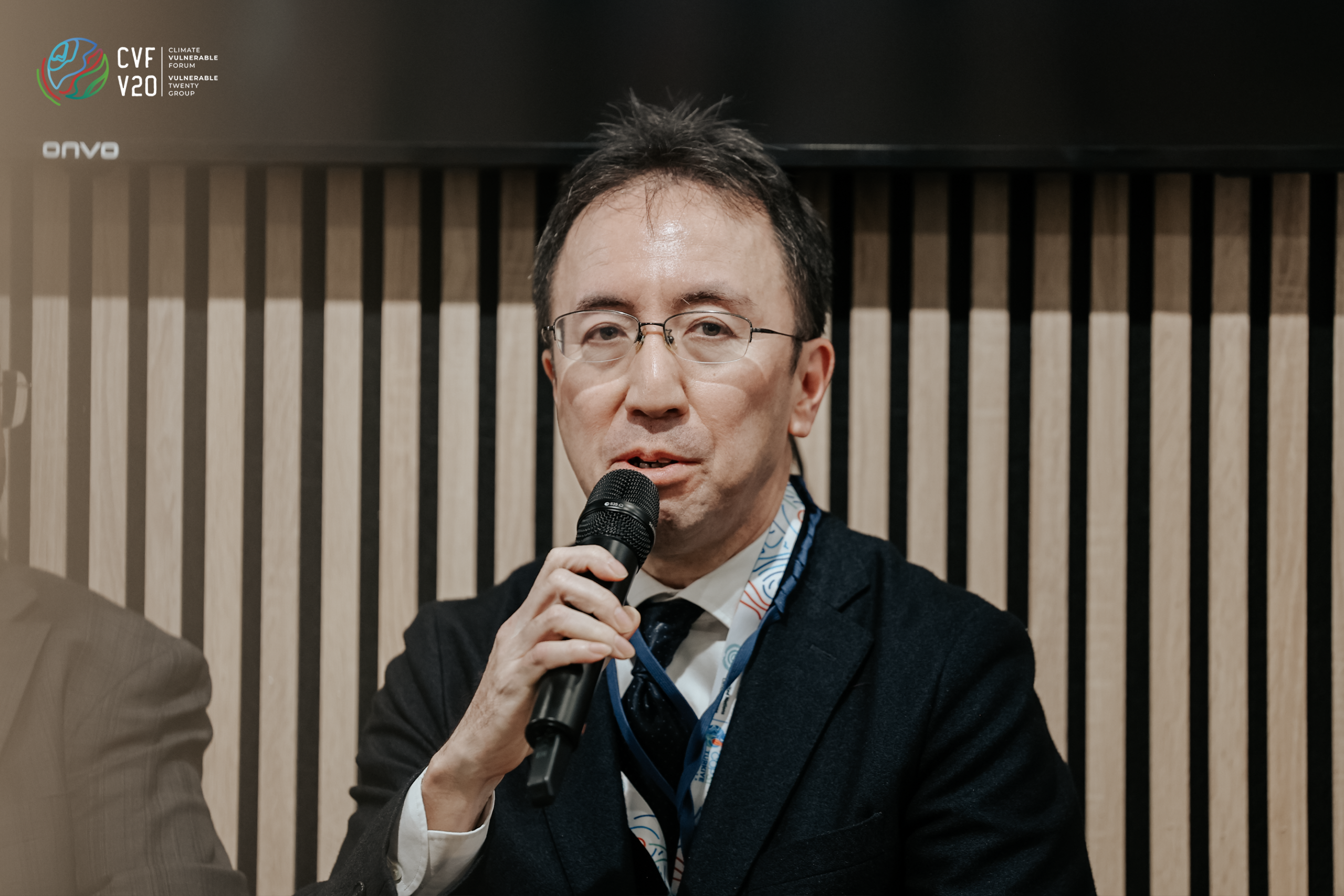
Mr. Yamaguchi Kenichiro, Fellow at Mitsubishi Research Institute, pointed to the interlinkages between bankability and additionality. “With a carbon credit project you go to the bank and say, sorry, this is not profitable. This is like an inverted world,” he said. He mentioned that getting carbon credits under Article 6.4 is becoming challenging due to complexity of processes and there is a need to develop capacity among the vulnerable countries.
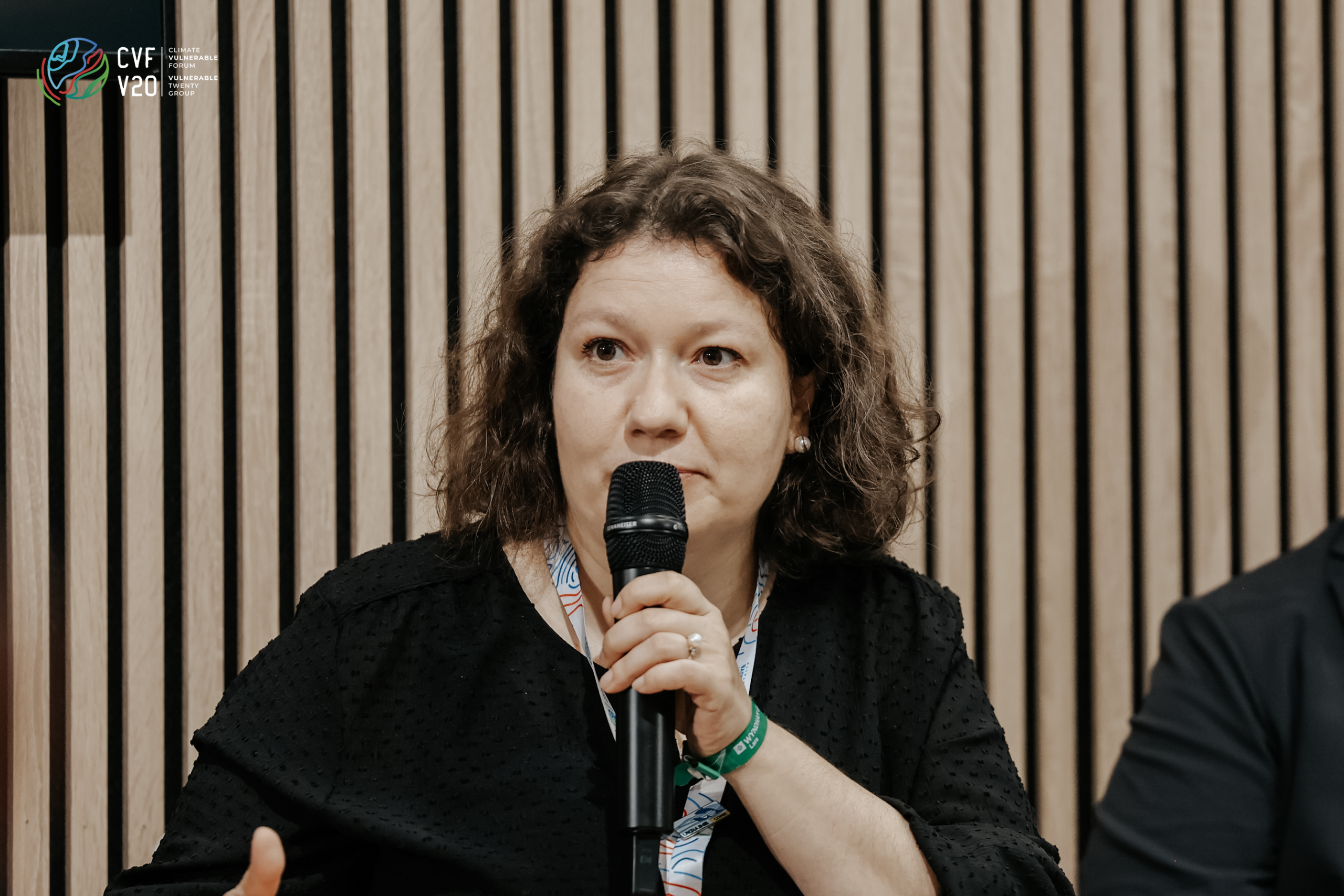
Ms. Olga Gassan-zade, Member and Former Chair of the UNFCCC Article 6.4 Supervisory Body, urged countries to build their own expertise and take seats on UNFCCC expert panels. “If you don’t have a voice, somebody else has a voice, and they might not represent your best interests,” she said. She also encouraged vulnerable countries to develop/encourage local DoEs for A6.4 to facilitate national credit pipeline.
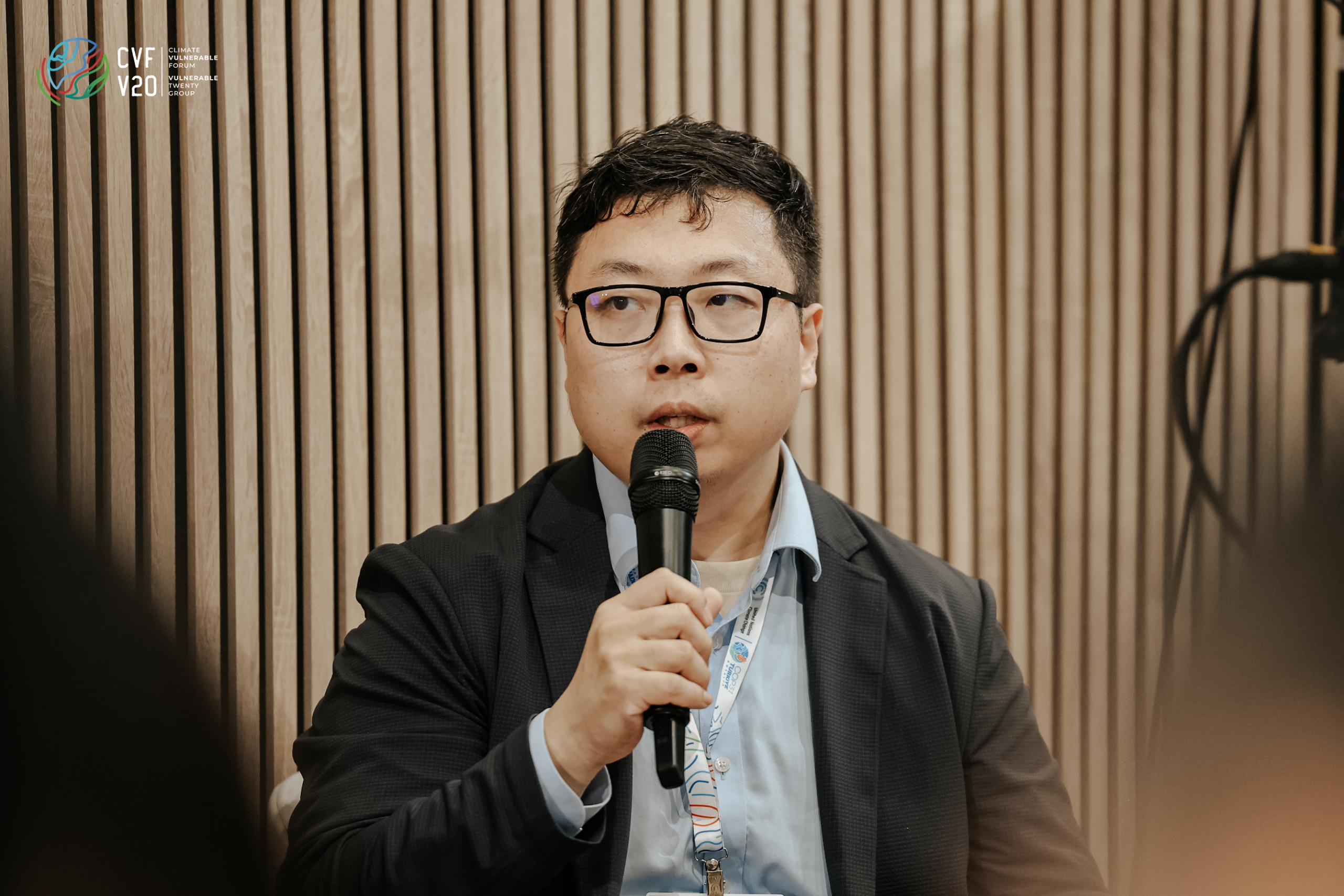
Mr. Boyang Jin, National Chair of the Carbon Market Working Group of the EU Chamber of Commerce in China, pointed to China’s expanding carbon market as a growing source of demand. He advised developers to seek certification from a recognized standard and said authorized Article 6 credits are likely to command the highest value. He also praised CVF-V20 efforts to engage Chinese Carbon Markets for the benefit of vulnerable countries and showed confidence that it will be a mutually beneficial collaboration.
Summing up the panel discussion, Younas thanked the distinguished panelists for their valuable insights. He mentioned that the priority is clear: turn policy readiness into credible projects, trusted credits and investment partnerships. He hoped that dialogue would augur well for the carbon finance landscape of vulnerable countries—unlocking technology, capital and fair market access while safeguarding environmental integrity and national climate ambitions.
The CVF-V20 now represents 77 member countries from small island developing states (SIDS), least developed countries (LDCs), low to middle-income countries (LMICs), landlocked developing countries (LLDCs), and fragile and conflict-affected states (FCS). Working together, the CVF-V20 aims to achieve climate justice through the realization of Climate Prosperity Plans, which contain ambitious economic and financial resilience strategies designed to attract investment and resources that advance the attainment of the Sustainable Development Goals (SDGs), 30×30 Global Biodiversity, and help keep the average global temperature within the Paris Agreement’s 1.5°C safety threshold.
Africa: Benin, Burkina Faso, Cabo Verde, Central African Republic, Chad, Comoros, Côte d’Ivoire, Democratic Republic of the Congo, Eswatini, Ethiopia, Gabon, The Gambia, Ghana (Troika), Guinea, Kenya, Liberia, Madagascar, Malawi, Morocco, Mozambique, Namibia, Niger, Rwanda, Senegal, Sierra Leone, Somalia, South Sudan, Sudan, Tanzania, Togo, Tunisia, Uganda, Zambia
Asia: Afghanistan, Bangladesh (Troika), Bhutan, Cambodia, Jordan, Kyrgyzstan, Lebanon, Maldives, Mongolia, Nepal, Pakistan, Palestine, Philippines, Sri Lanka, Timor-Leste, Vietnam, Yemen
Caribbean: Barbados (Chair/Troika), Dominica, Dominican Republic, Grenada, Guyana, Haiti, Saint Lucia, Saint Vincent and the Grenadines, Suriname, Trinidad and Tobago
Latin America: Colombia, Costa Rica, Guatemala, Honduras, Nicaragua, Paraguay
Pacific: Fiji, Kiribati, Marshall Islands, Nauru, Palau, Papua New Guinea, Samoa, Solomon Islands, Tonga, Tuvalu, Vanuatu
For media enquiries, please contact [email protected].
For the latest updates, please follow us on: