IRS-CVF Dialogue Pitches $4.85 Billion Climate Investment Pipeline to China Ahead of Beijing Trade Fair
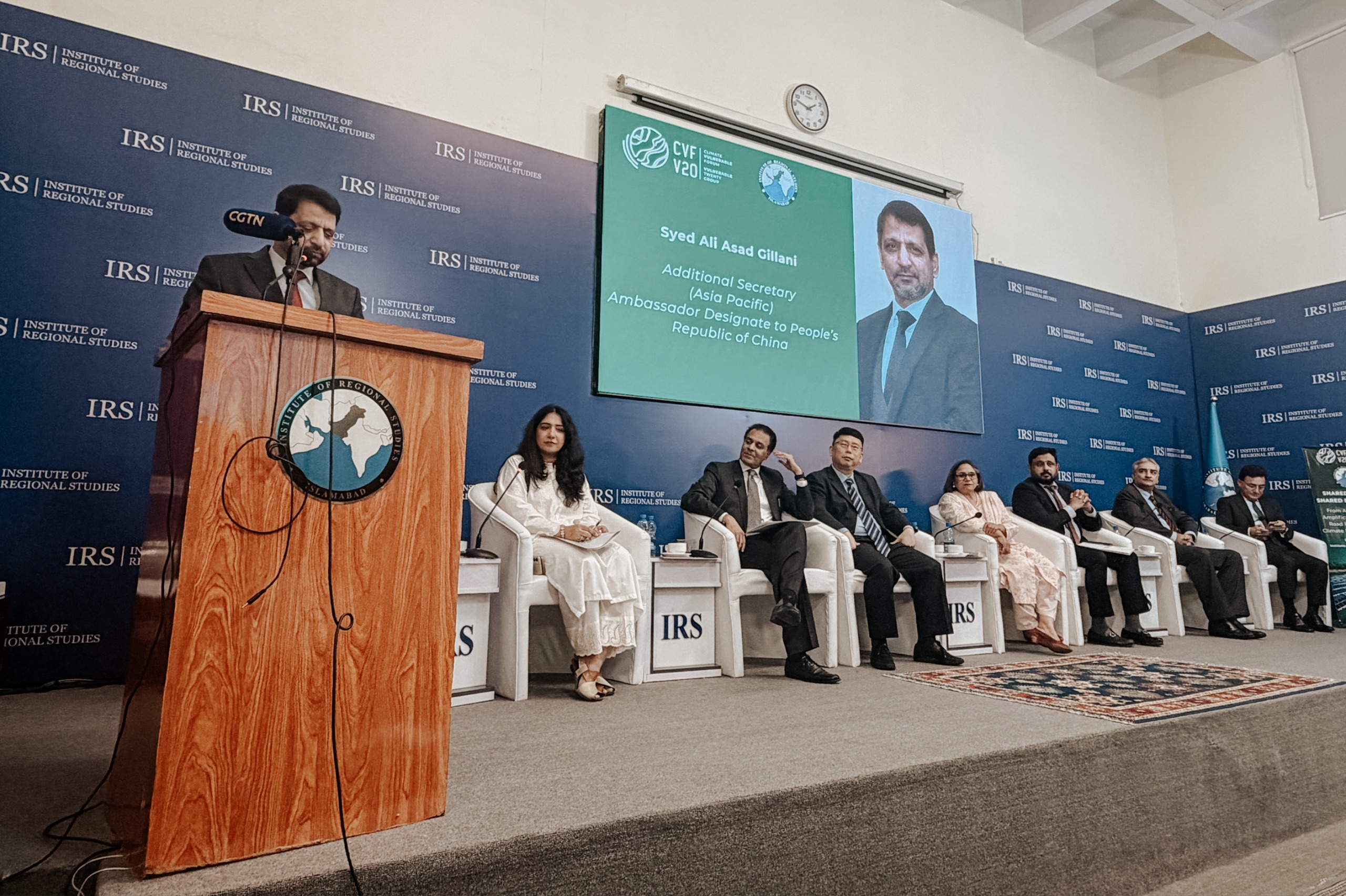
The Climate Vulnerable Forum and V20 Finance Ministers (CVF-V20) Secretariat and the Institute of Regional Studies (IRS), Islamabad, convened a high-level dialogue today to explore how Belt and Road Initiative (BRI) financing, Chinese technology, and business partnerships can support climate-resilient development in climate-vulnerable countries. Pakistan presented an investable pipeline of 69 projects worth USD 4.85 billion to Chinese officials and business leaders.
From Concept to Implementation: Lifeline Fund Enters Operationalisation Phase
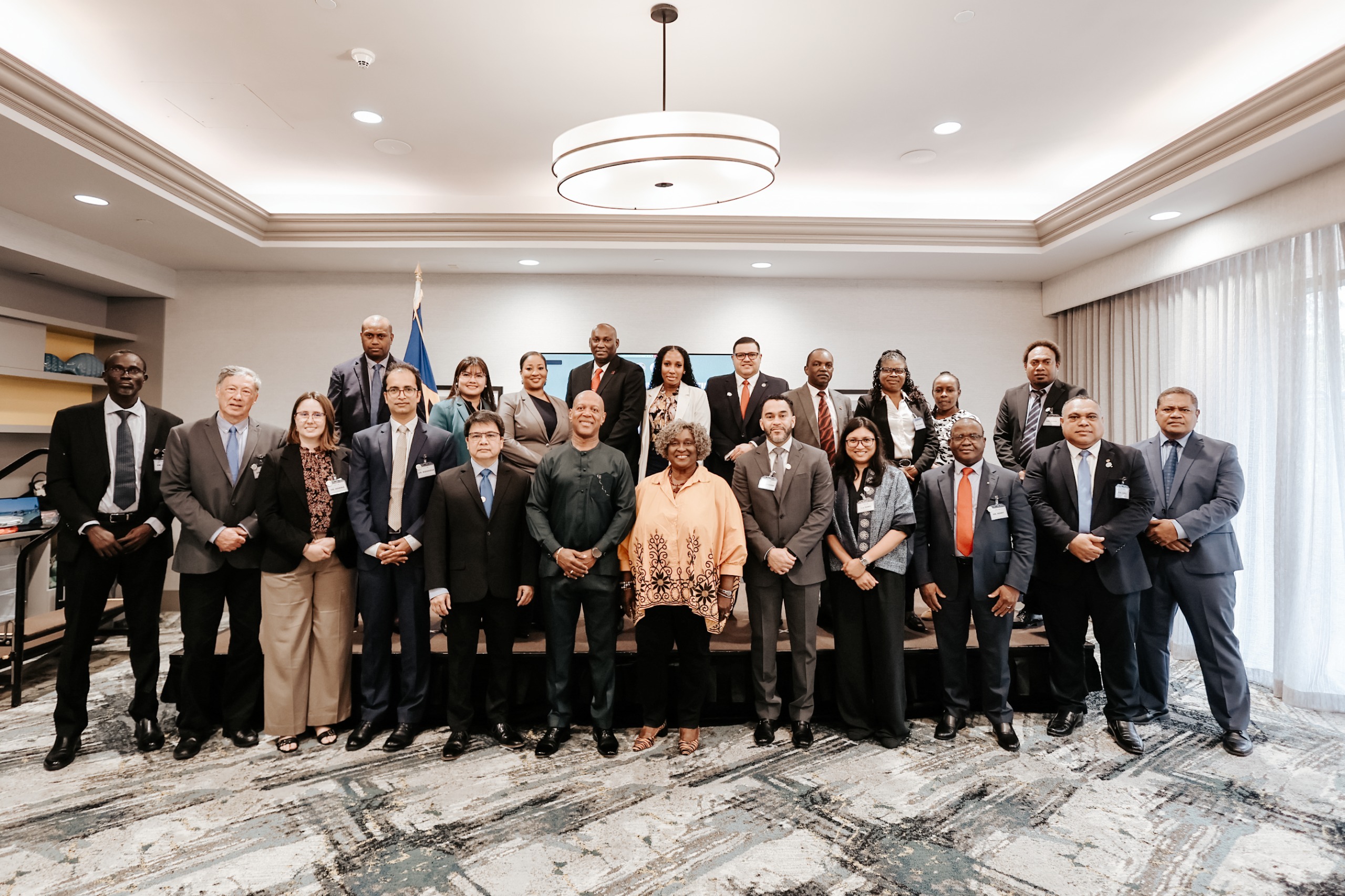
Following the political launch of the Lifeline Fund on the margins of the 2026 Spring Meetings of the World Bank Group and International Monetary Fund, the Central Bank Governors Working Group convened a high-level technical meeting on 9-10 July 2026 in Bridgetown, Barbados to undertake detailed deliberations on principal design parameters of the Fund’s operational framework. The two-day meeting culminated the virtual consultation sessions on the Lifeline Fund conducted in May and June with V20 central banks.
Call for Applications: The V20 Climate Prosperity Fellowship Program (2026-2027)
The V20 Climate Prosperity Fellowship Program is designed to provide mid-career officials with opportunities for peer-learning, building cutting-edge technical skills to integrate climate change into their work, and supporting their leadership in advancing innovative solutions. The CVF-V20 has consistently emphasized the need to reform the international financial architecture to unlock opportunities on the ground to promote climate prosperity. Through weekly webinars, interactions with experts, residencies, and immersive exercises, V20 Climate Prosperity Fellows will have a unique opportunity to work together in advancing a fit for purpose international financial architecture.
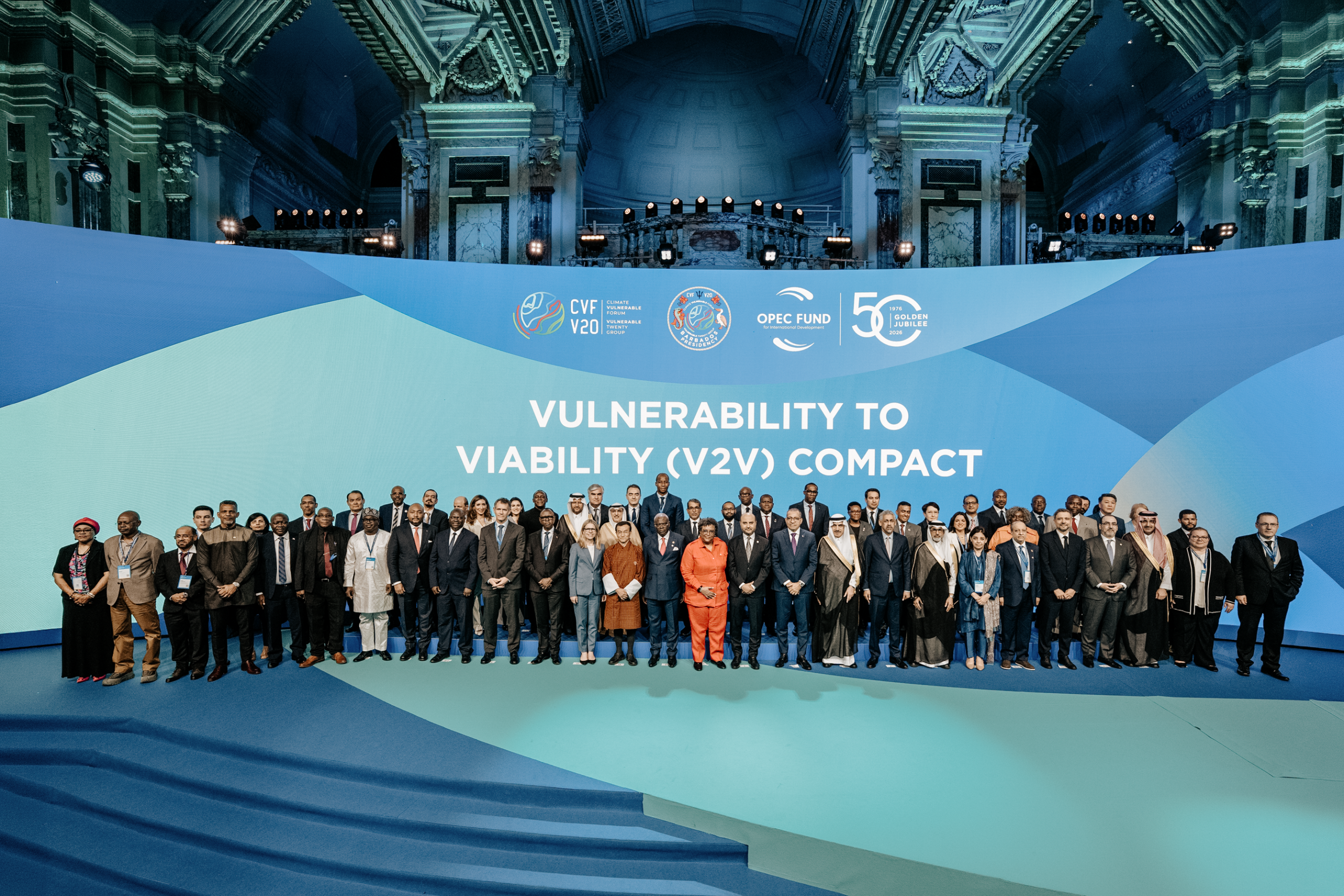
Vulnerability to Viability: New compact will unlock affordable finance for climate-vulnerable countries
The world’s most climate-vulnerable countries are positioning themselves to access more affordable capital with longer repayment rates under a new Vulnerability to Viability (V2V) Compact, in partnerships with development finance institutions, led by the OPEC Fund for International Development (OPEC Fund). The V2V Compact was launched at the OPEC Fund Development Forum in Vienna today.
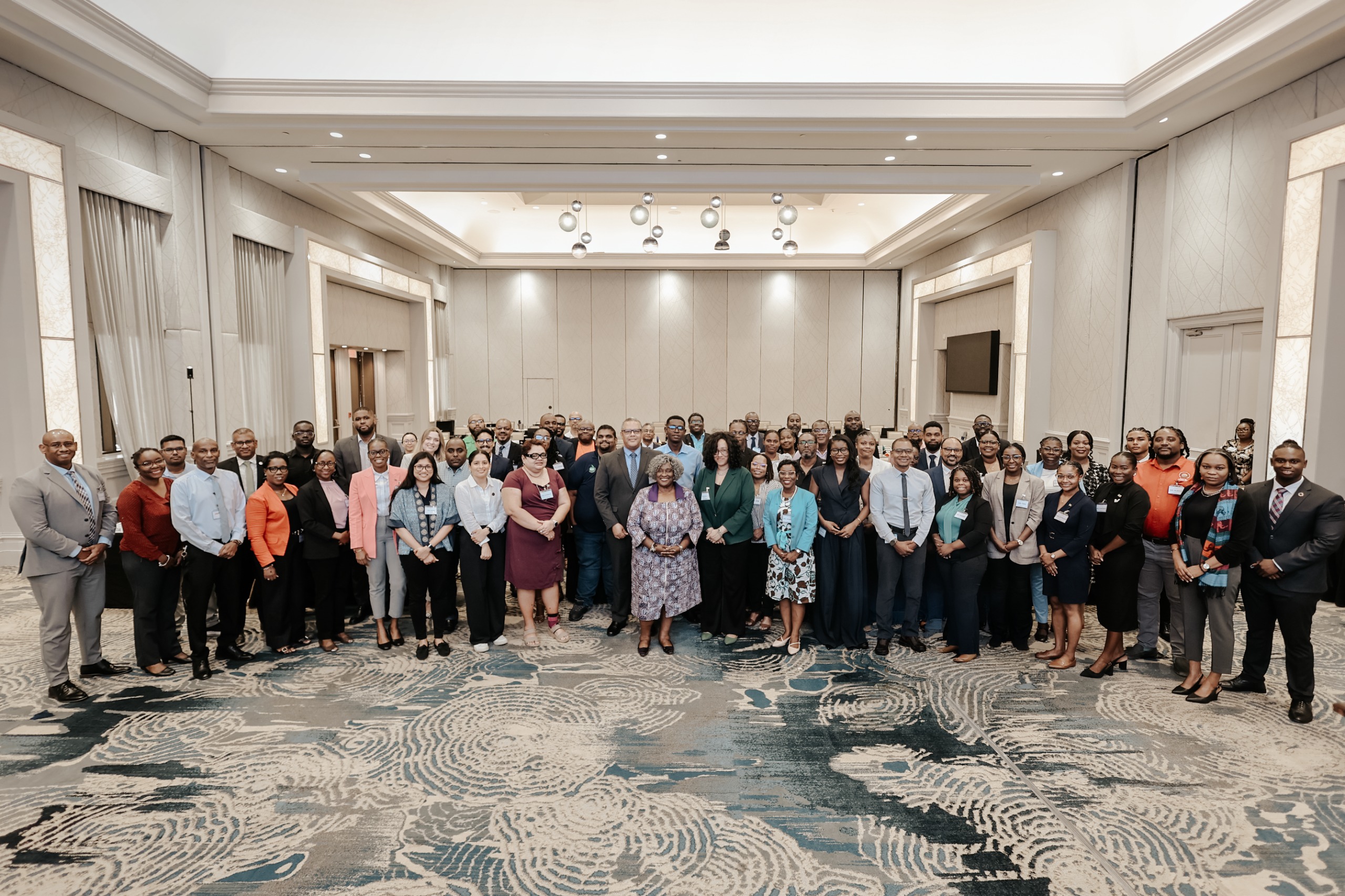
Caribbean Unites Around Climate Prosperity Agenda, Calls for Strengthening Climate and Disaster Risk Financing
Caribbean nations gathered in Bridgetown, Barbados on May 28 and 29 to advance solutions for closing climate financing and protection gaps, as the region faces escalating climate risks, mounting economic losses, and limited access to affordable finance.
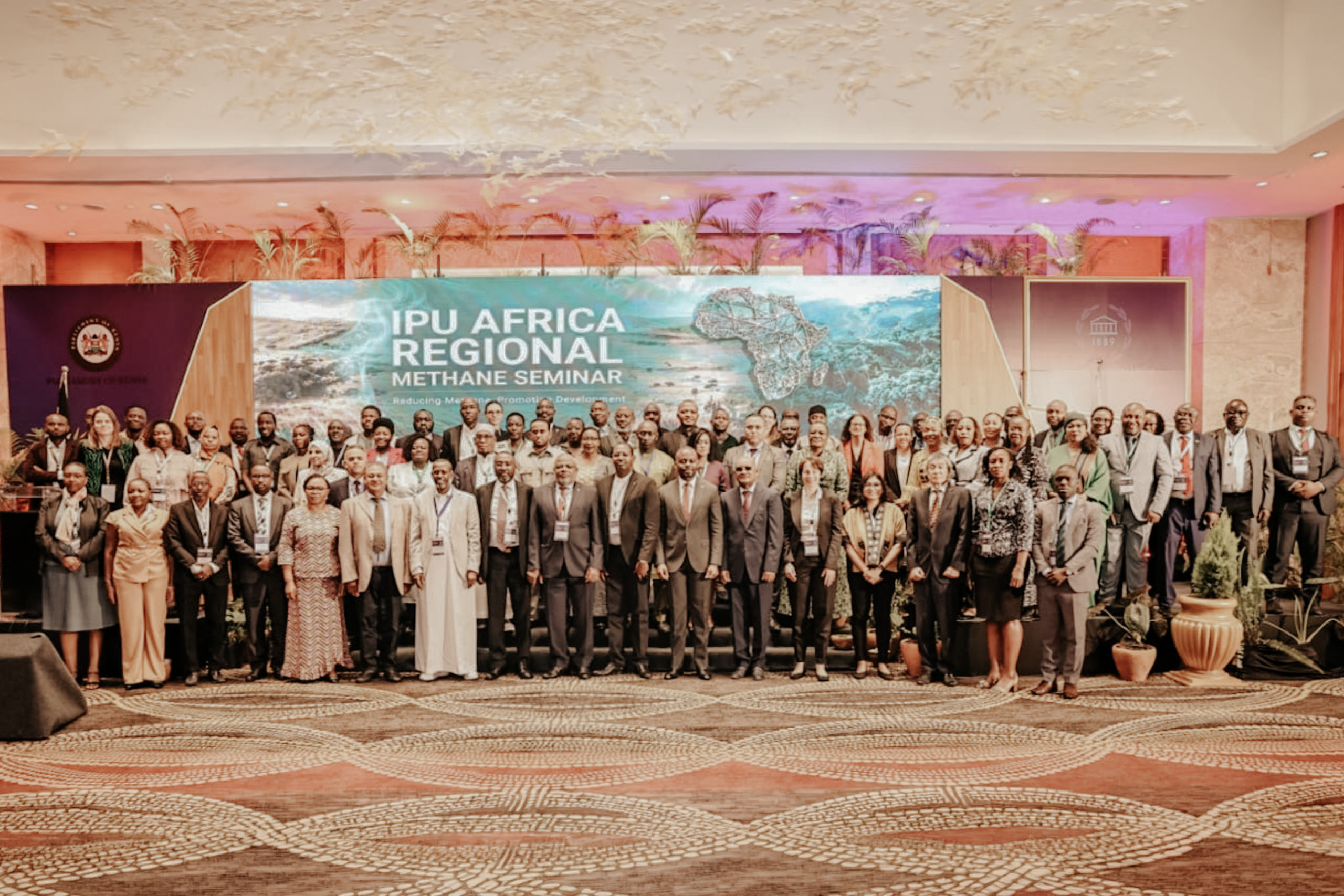
African Parliaments Urged: Pull the Methane Emergency Brake
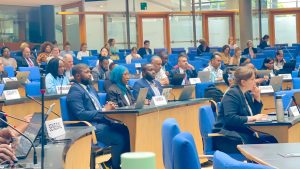
Methane reduction has emerged as one of the few climate interventions that can deliver measurable results this decade, and for vulnerable nations absorbing the costs of extreme weather, speed matters. In Nairobi in Ma, the CVF-V20 urged African lawmakers to turn that opportunity into policy.
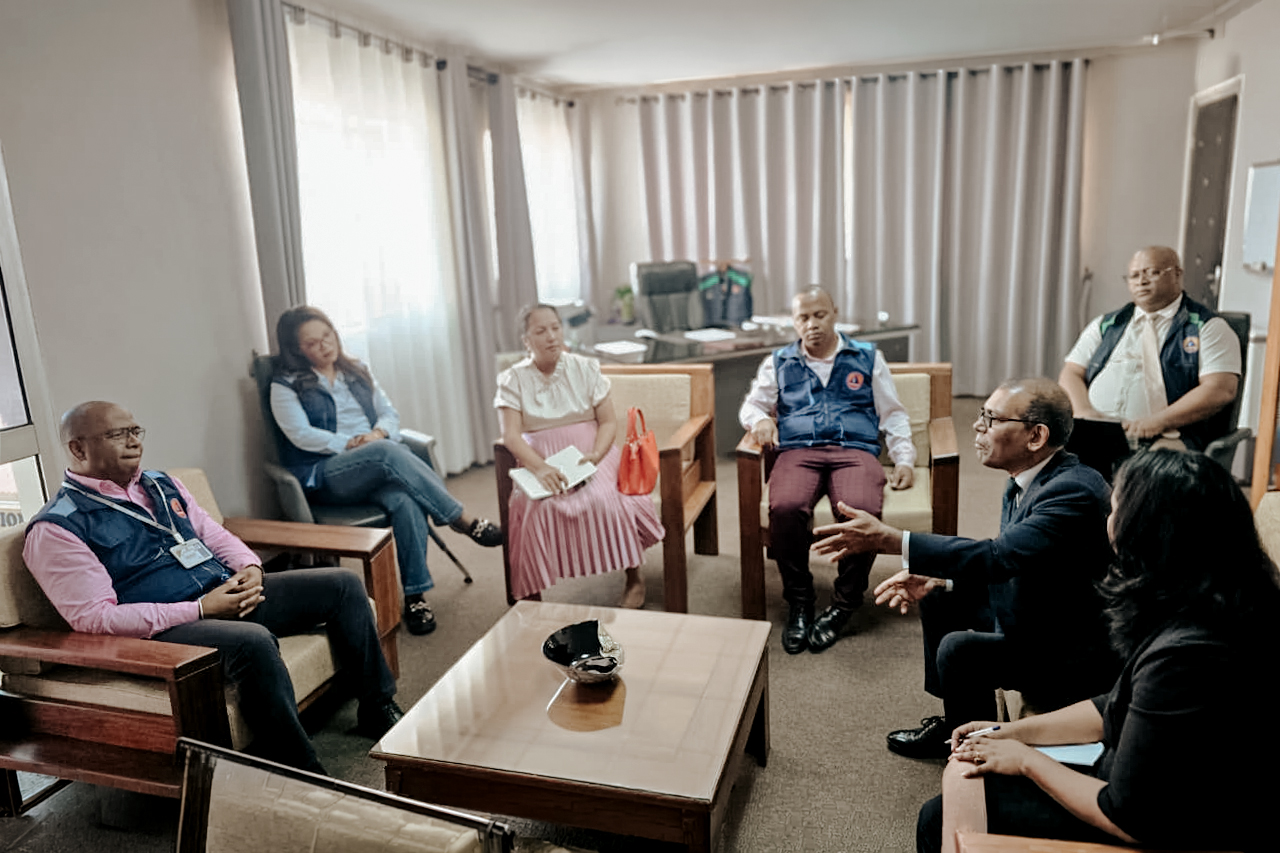
When Climate Reality Hits Home: CVF-V20 Secretariat in Madagascar as a Category 4 Cyclone Makes Landfall
As a Category 4 cyclone slams into Madagascar’s coastline, the force of climate change is no longer abstract, it is immediate, physical, and deeply human. The CVF Secretariat team on the ground is witnessing firsthand how climate vulnerability translates into real-time emergency response, institutional coordination, and community resilience under pressure.
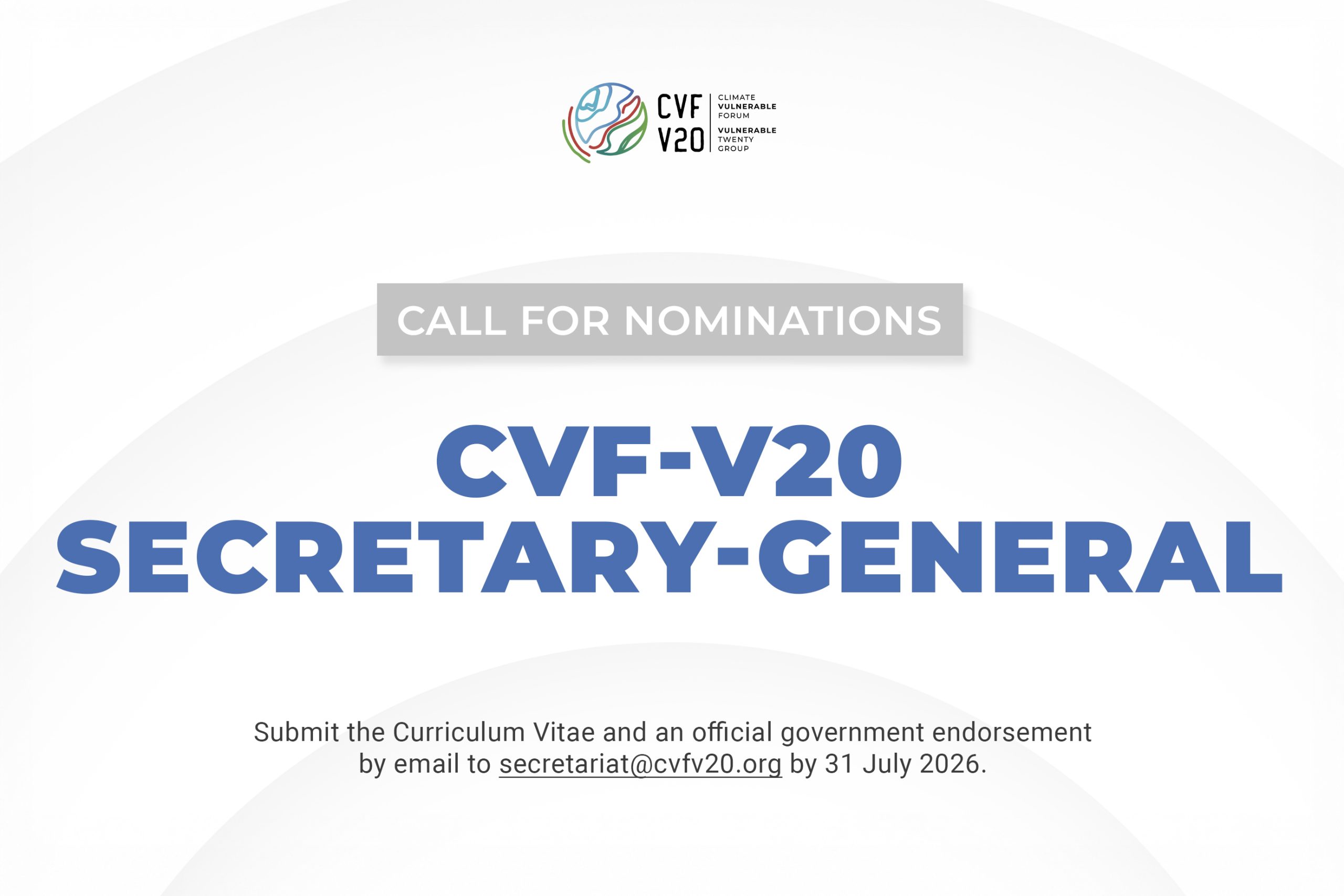
Call for Nominations: Secretary-General of the CVF-V20
The Secretary-General is the head of the Secretariat, responsible for overall leadership and cooperation, with a primary focus on coordination and engagement with CVF-V20 Heads of State, Heads of Government, Parliamentarians, and Ministers.
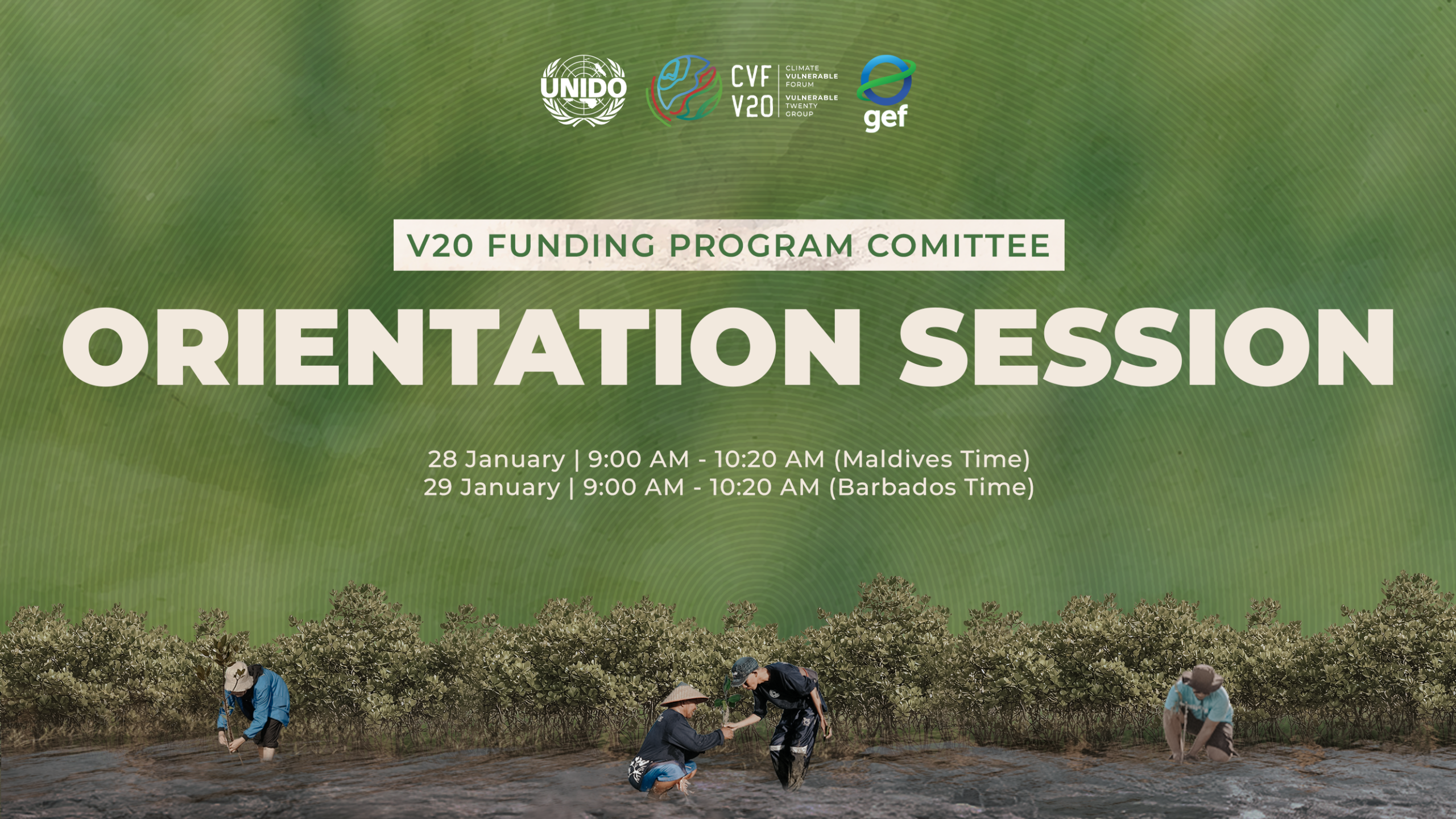
VFP Committee Begins Oversight of Five-Year Climate Adaptation Initiative
The CVF-V20 Secretariat recently welcomed the newly appointed members of the V20 Funding Program (VFP) Committee during a two-day orientation session, officially launching their work to oversee a five-year initiative supporting innovative climate change adaptation across CVF-V20 member countries.
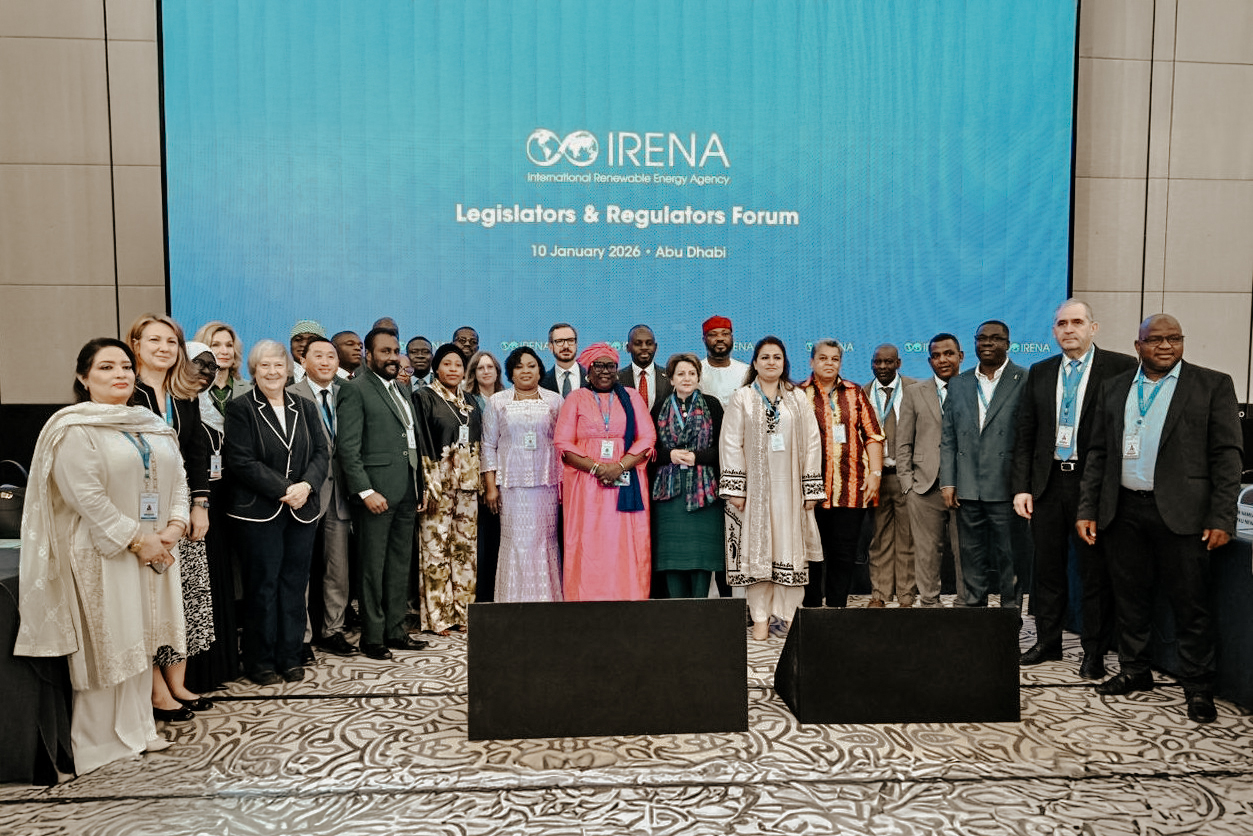
CVF-V20 Parliamentarians Urge Enabling Frameworks to Turn Climate Ambition Into Renewable Energy Investments
Legislators and energy regulators from CVF-V20 countries joined global counterparts at the IRENA Legislators and Regulators Forum, held during the 16th IRENA Assembly on January 10, to advance legislative and regulatory solutions designed to accelerate renewable energy deployment while delivering inclusive, resilient development.
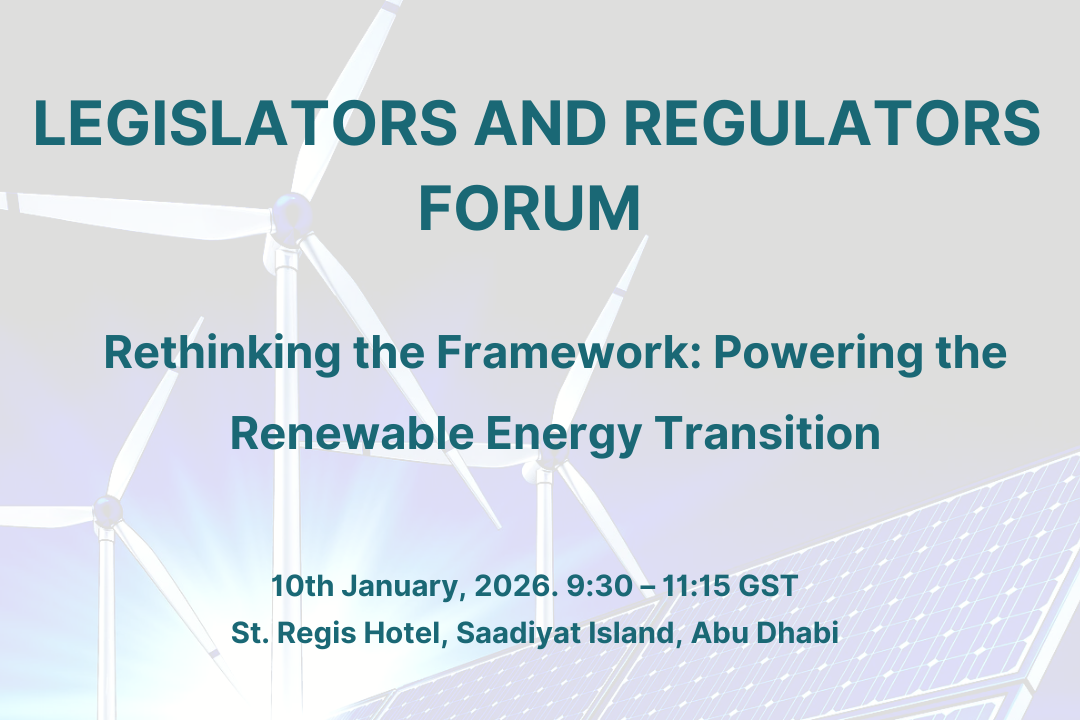
Advancing Renewable Energy Leadership at the 16th IRENA Assembly
The Climate Vulnerable Forum (CVF), the World Future
Council (WFC), and the Global Renewables Congress (GRC) are proud to participate in and
support the International Renewable Energy Agency (IRENA) at the 16th IRENA Assembly in Abu Dhabi, taking place from 10 to 12 January 2026.
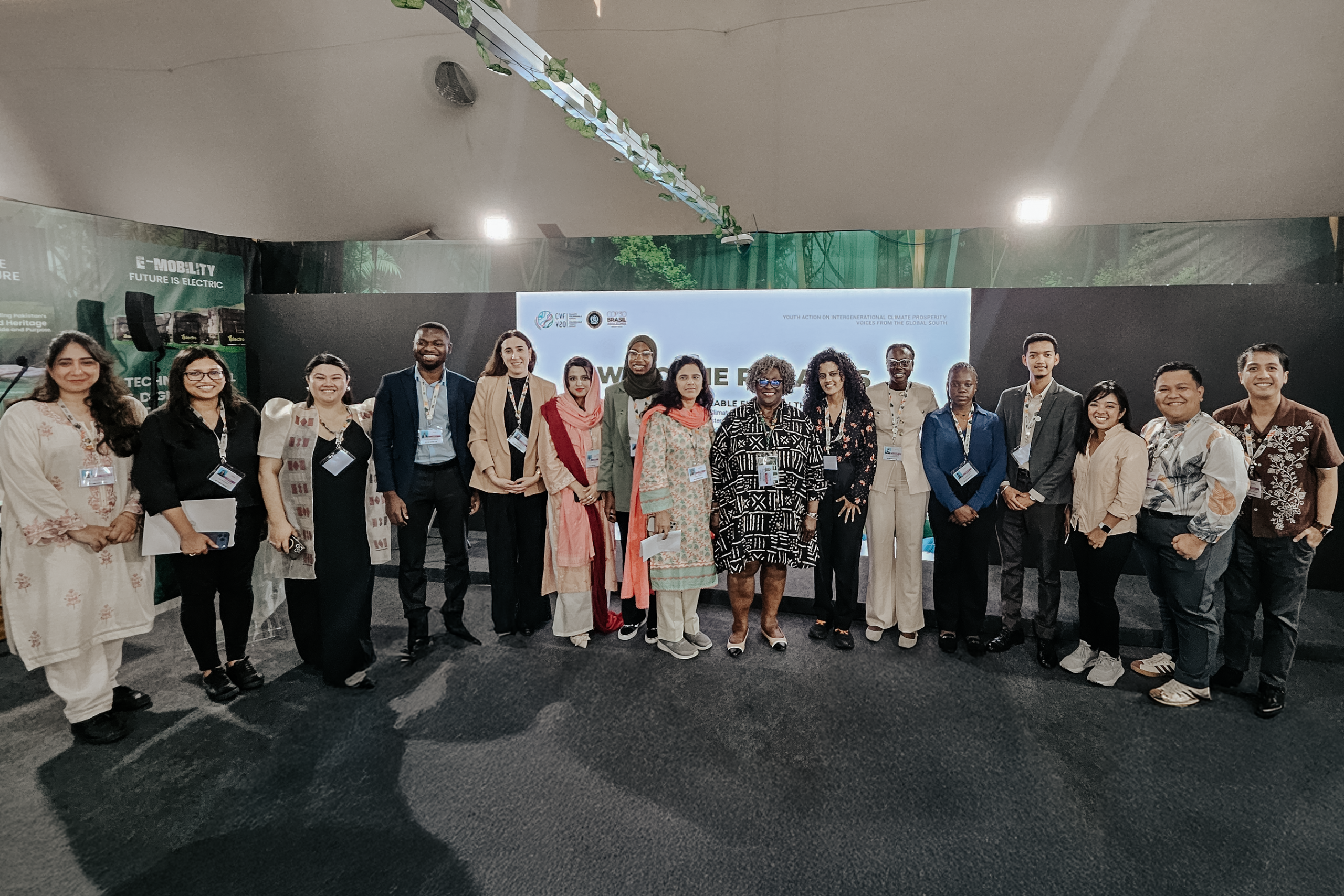
CVF Youth Fellows Call for Urgency, Ambition, and Accountability at COP30
Youth and climate justice advocates from the Global South demanded greater ambition, faster timelines, and stronger accountability on the sidelines of COP30 in Belem.