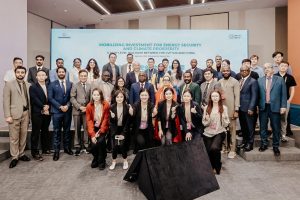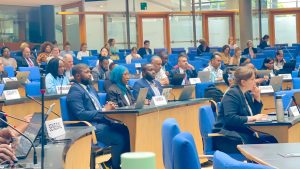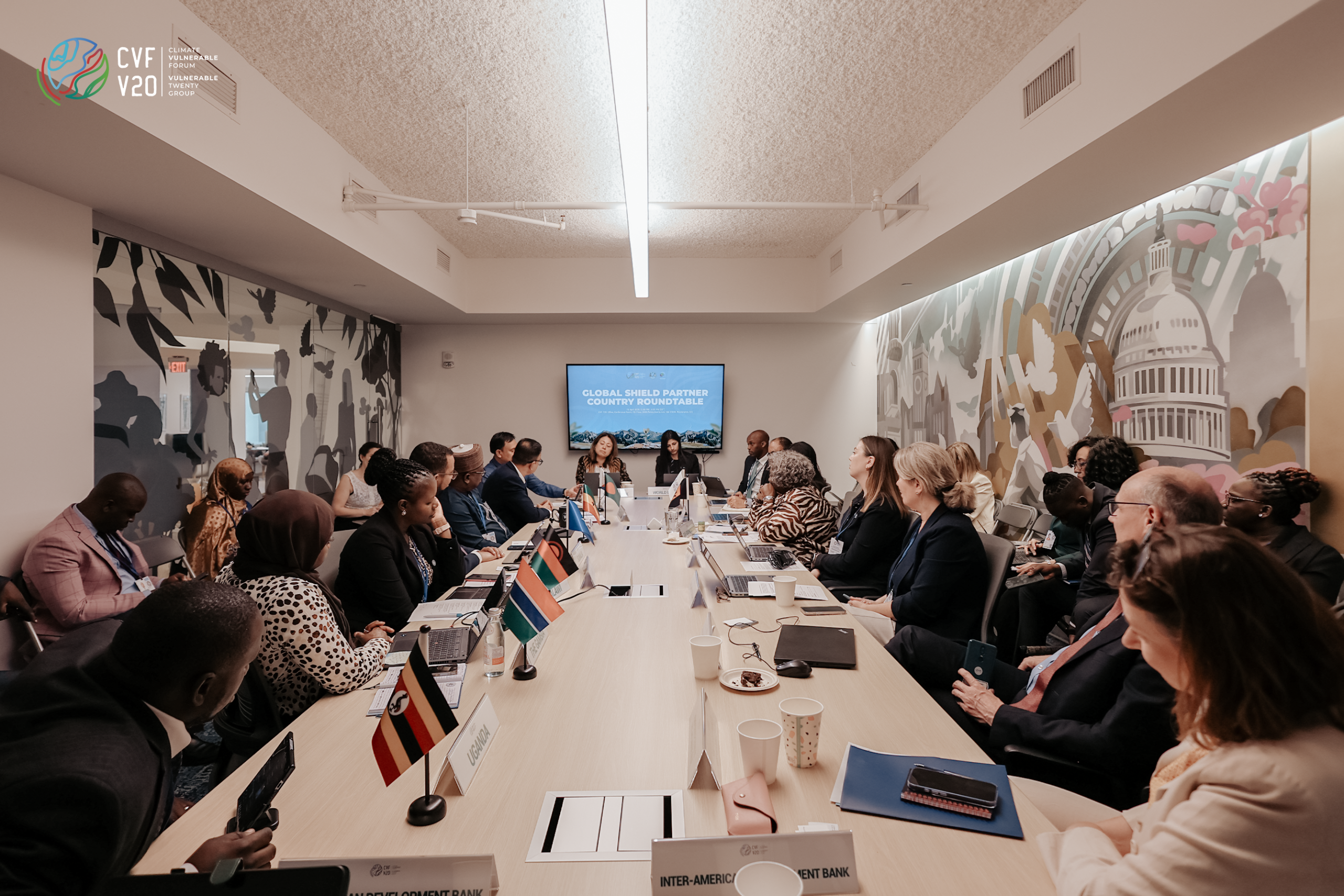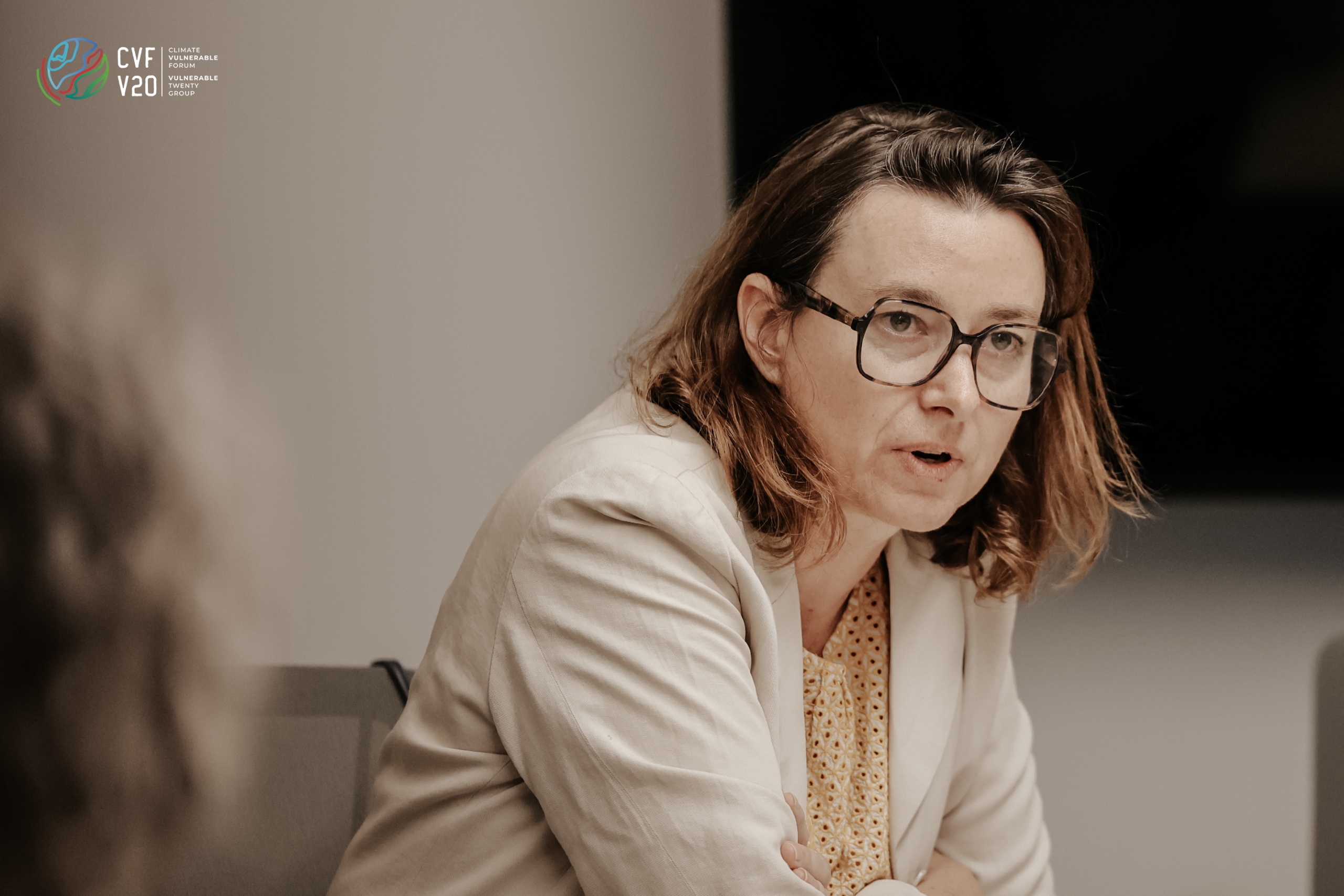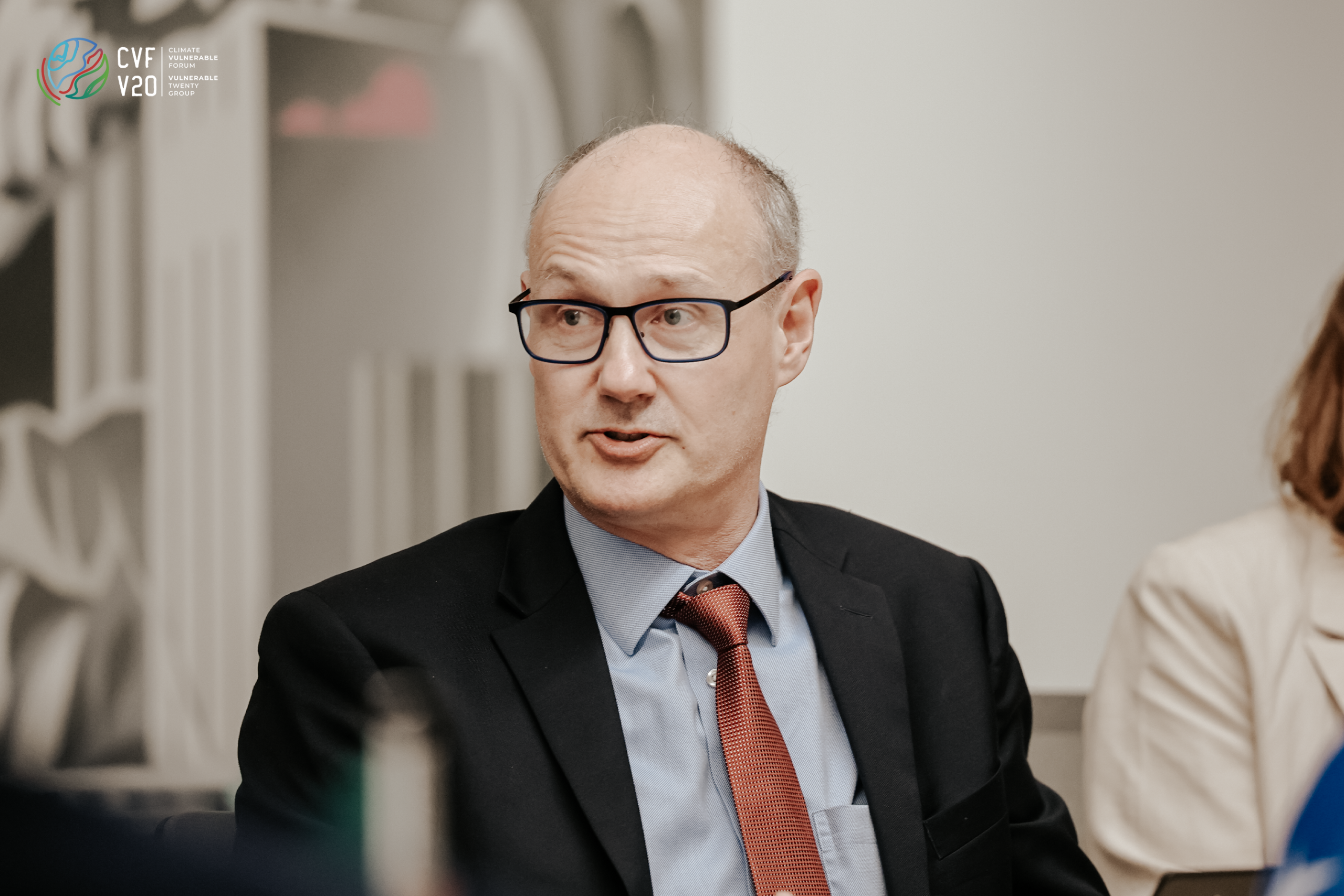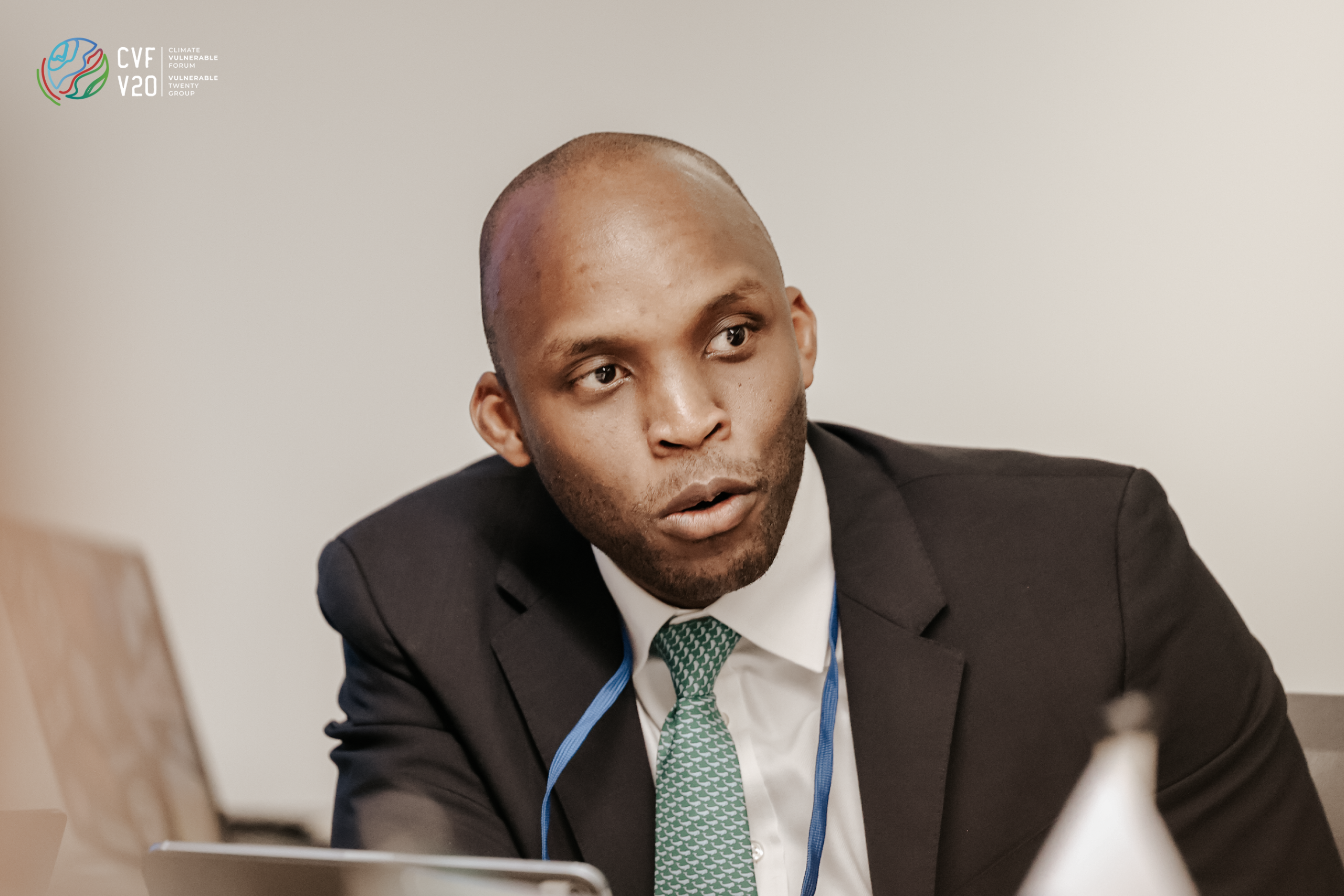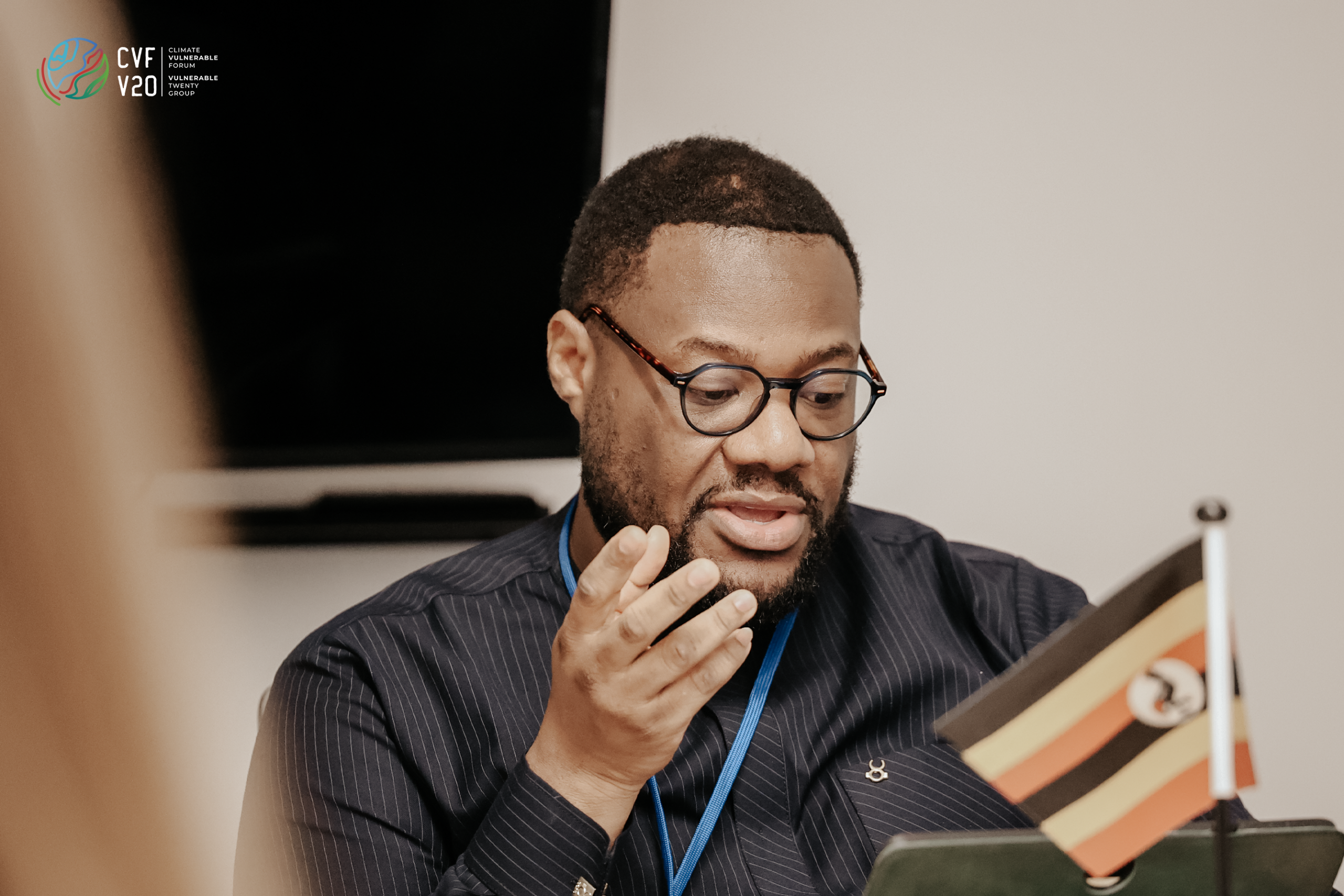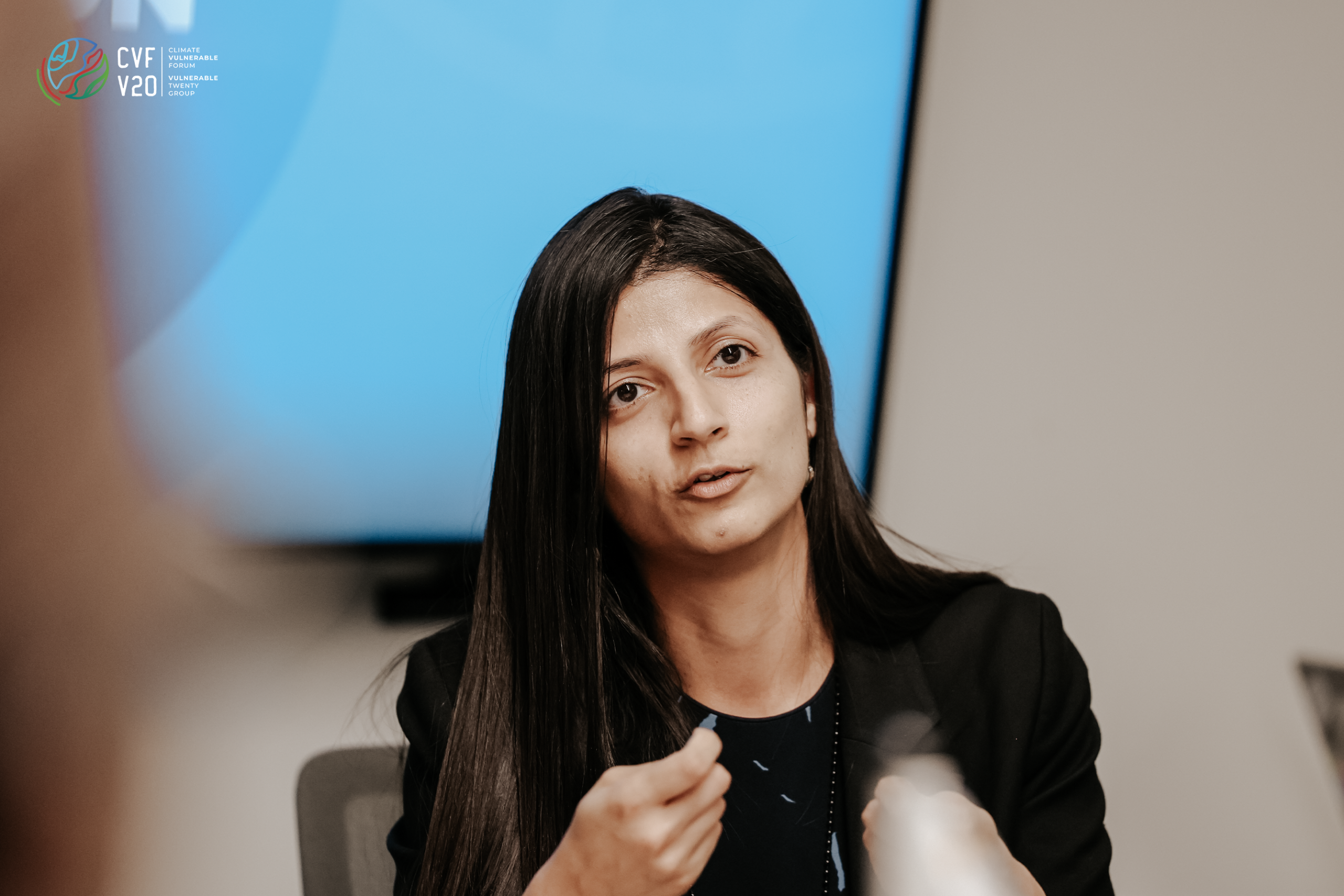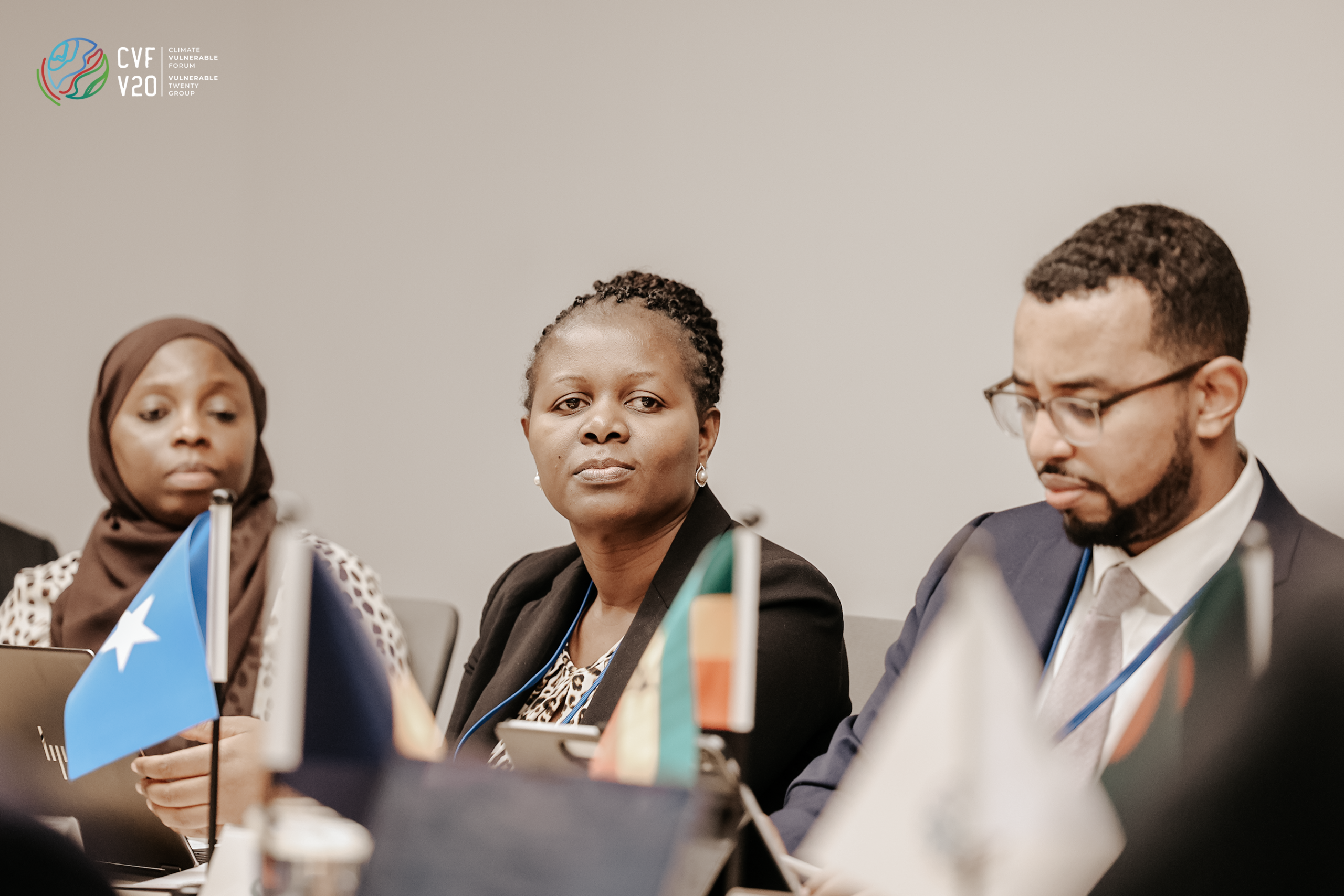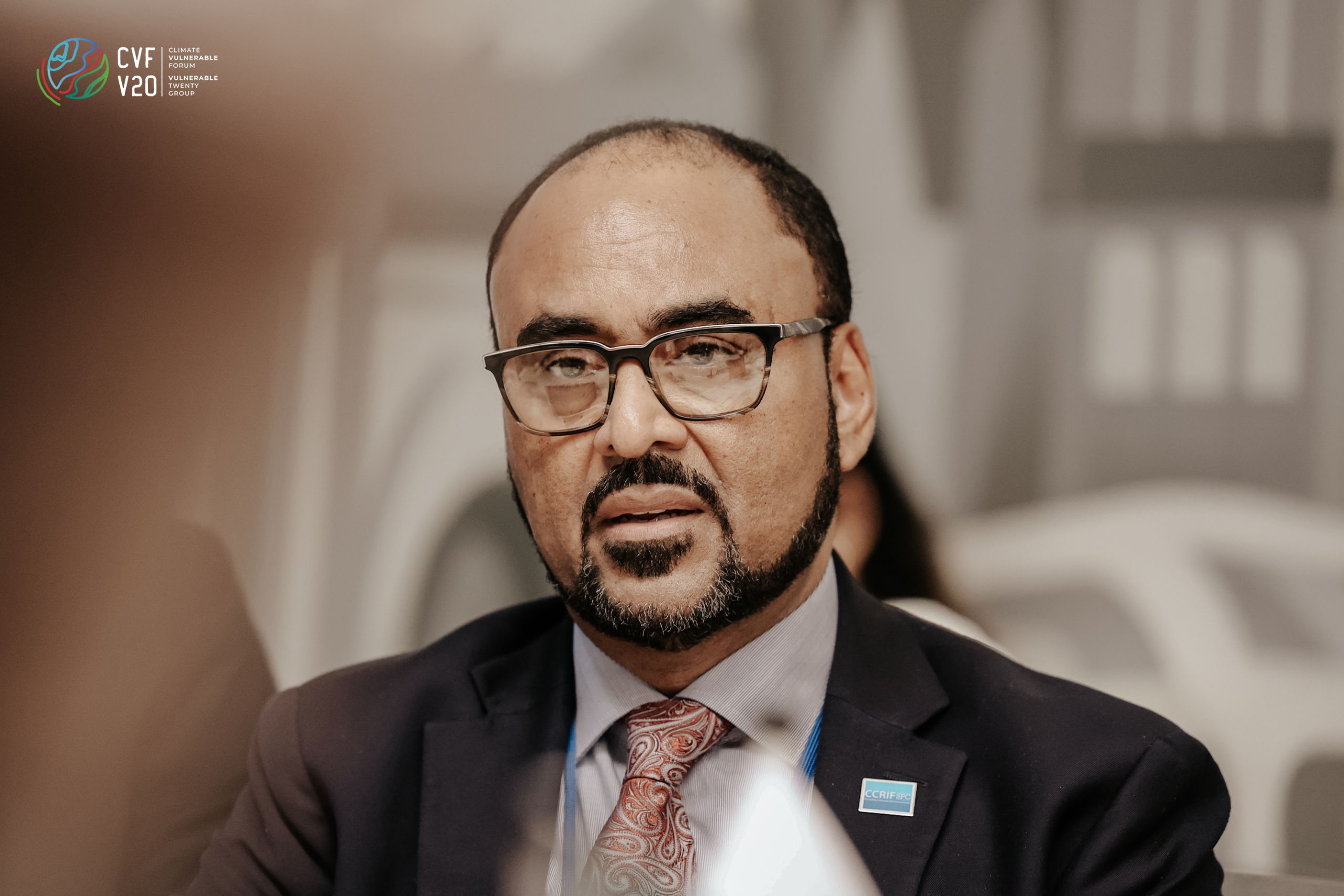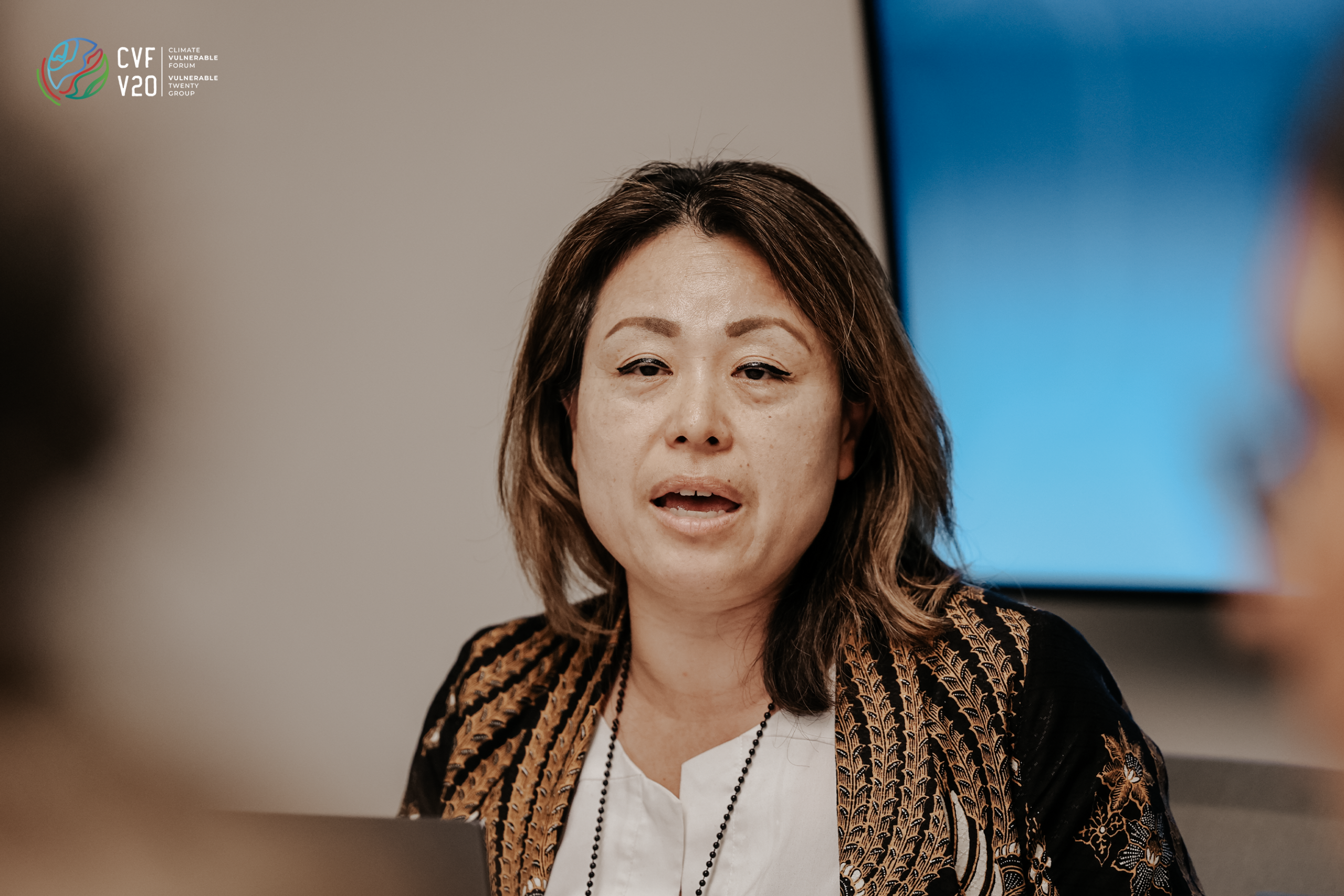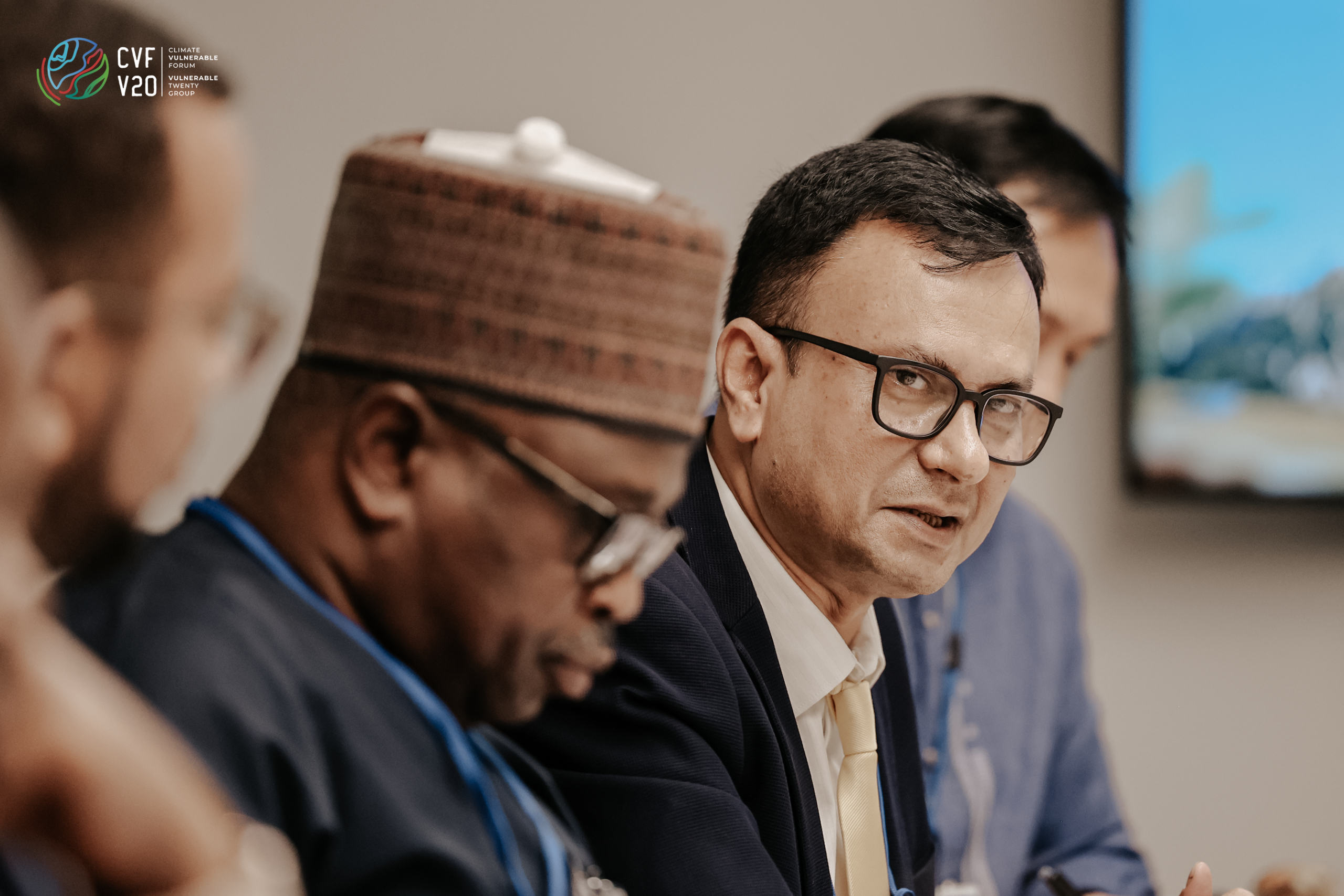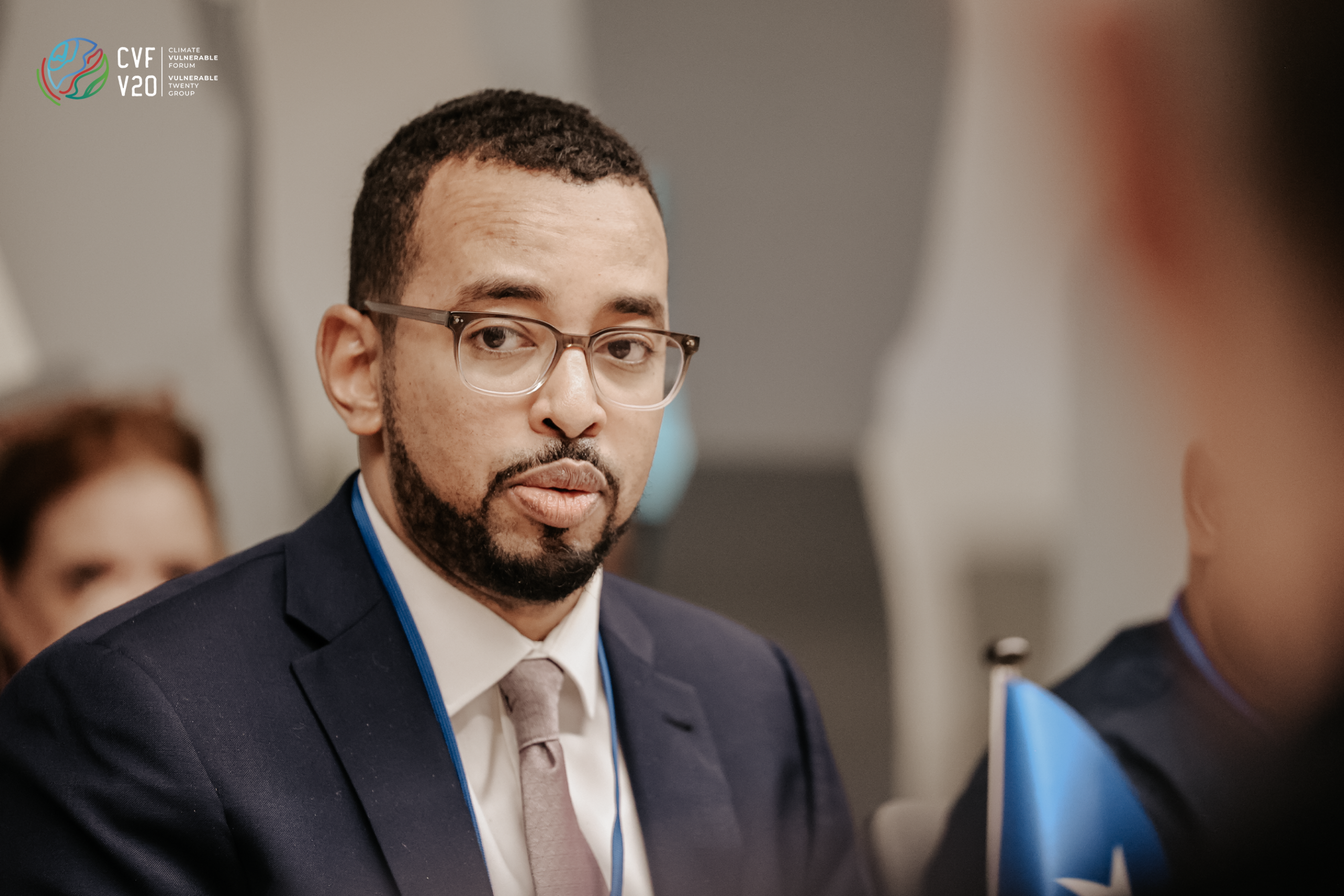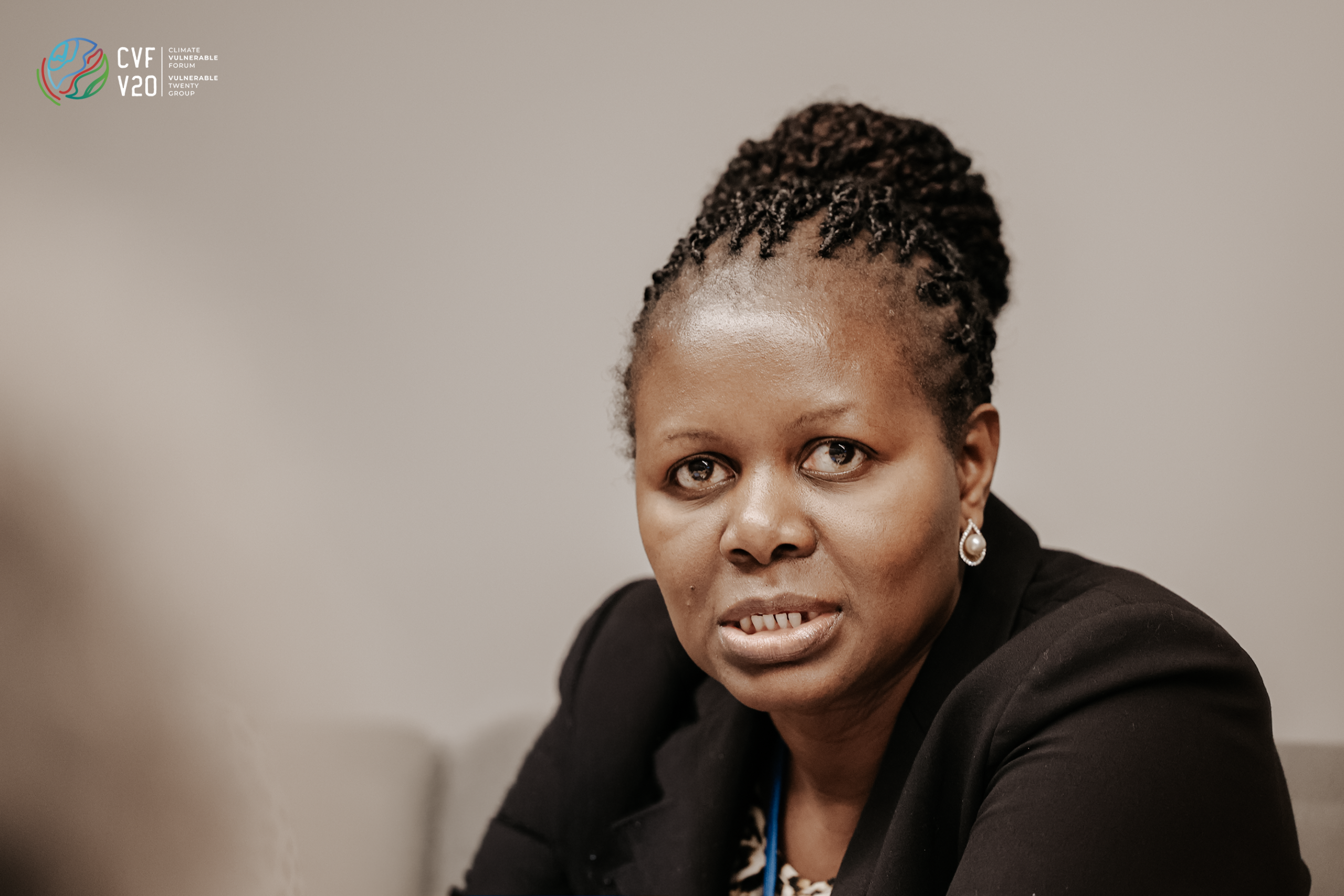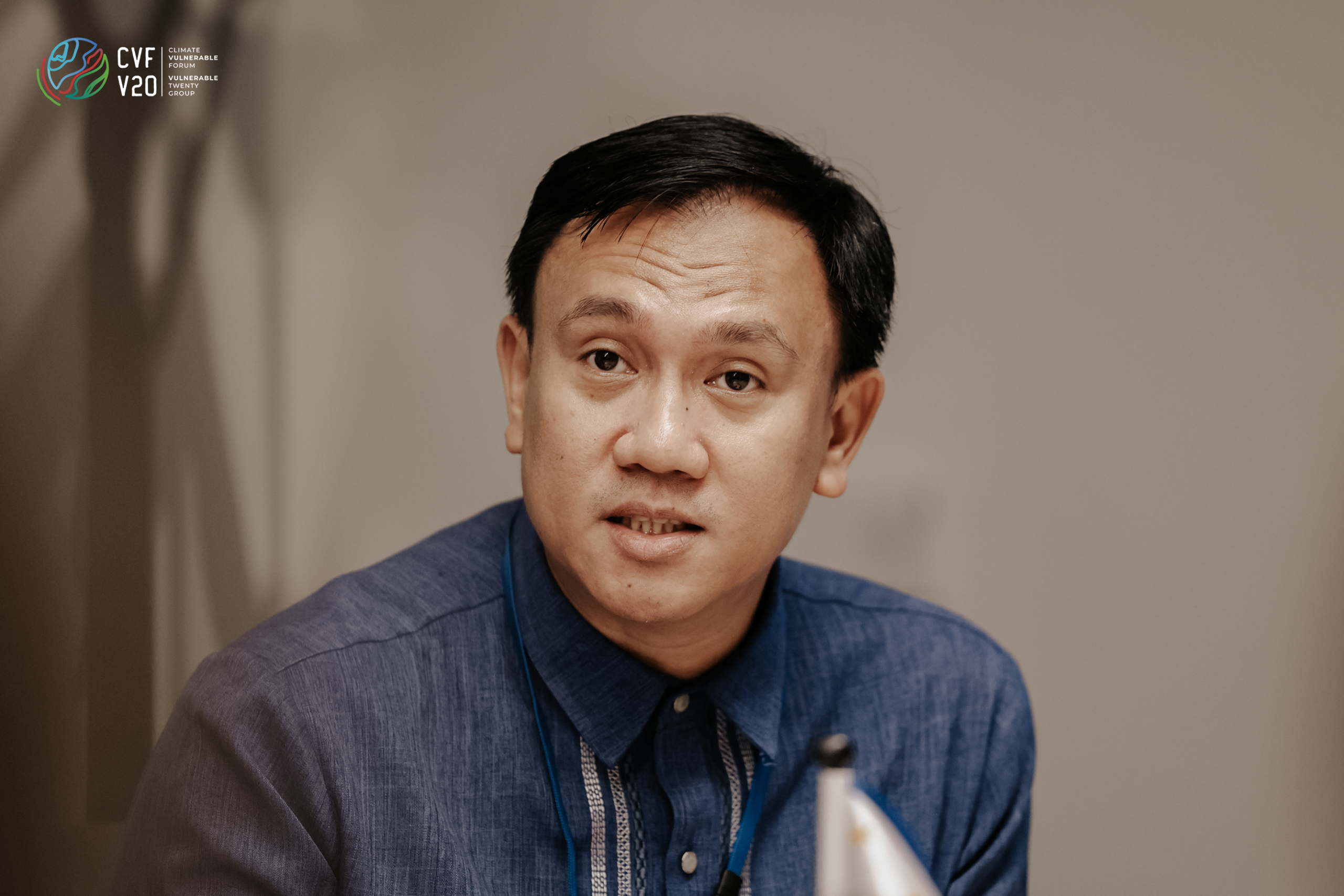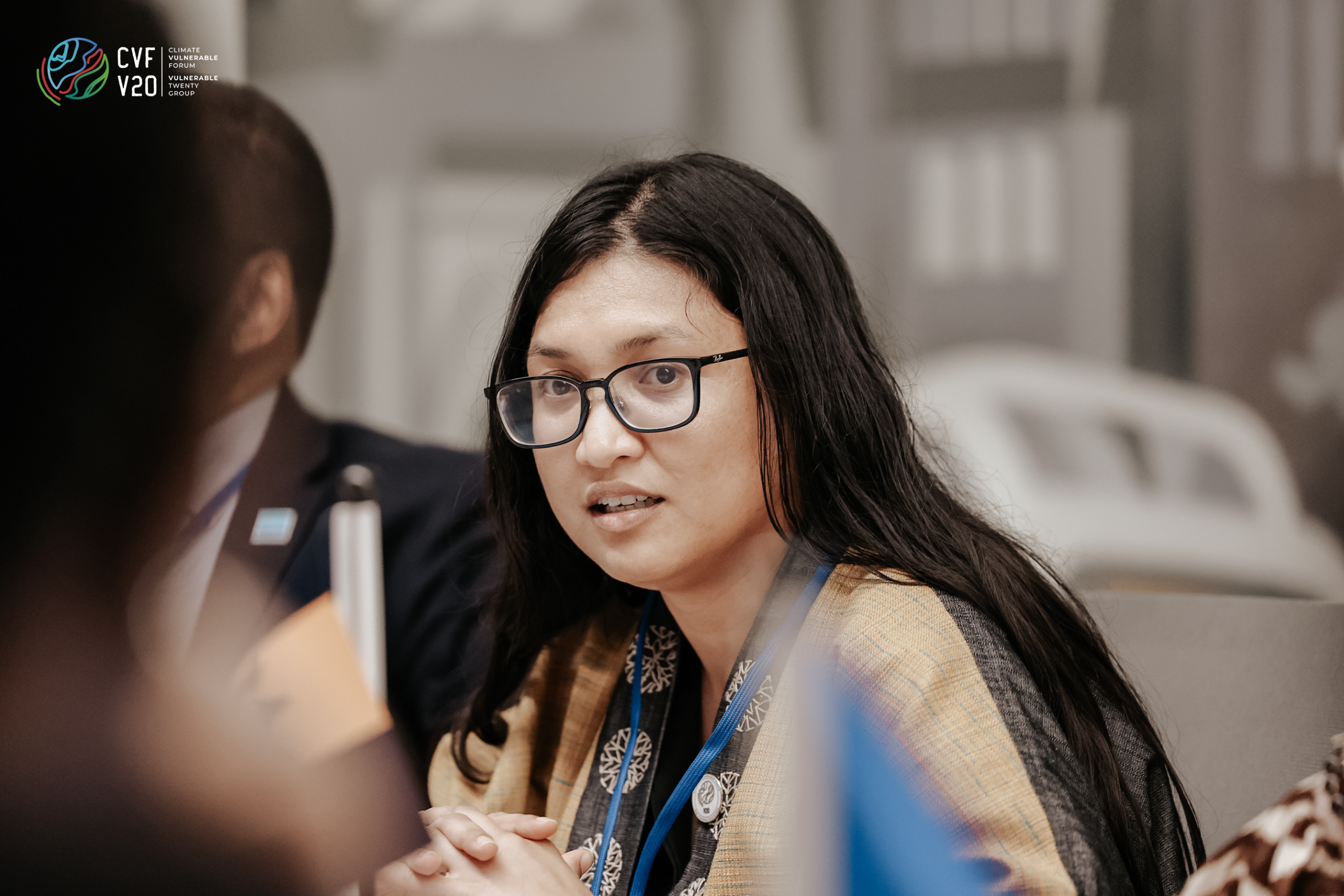

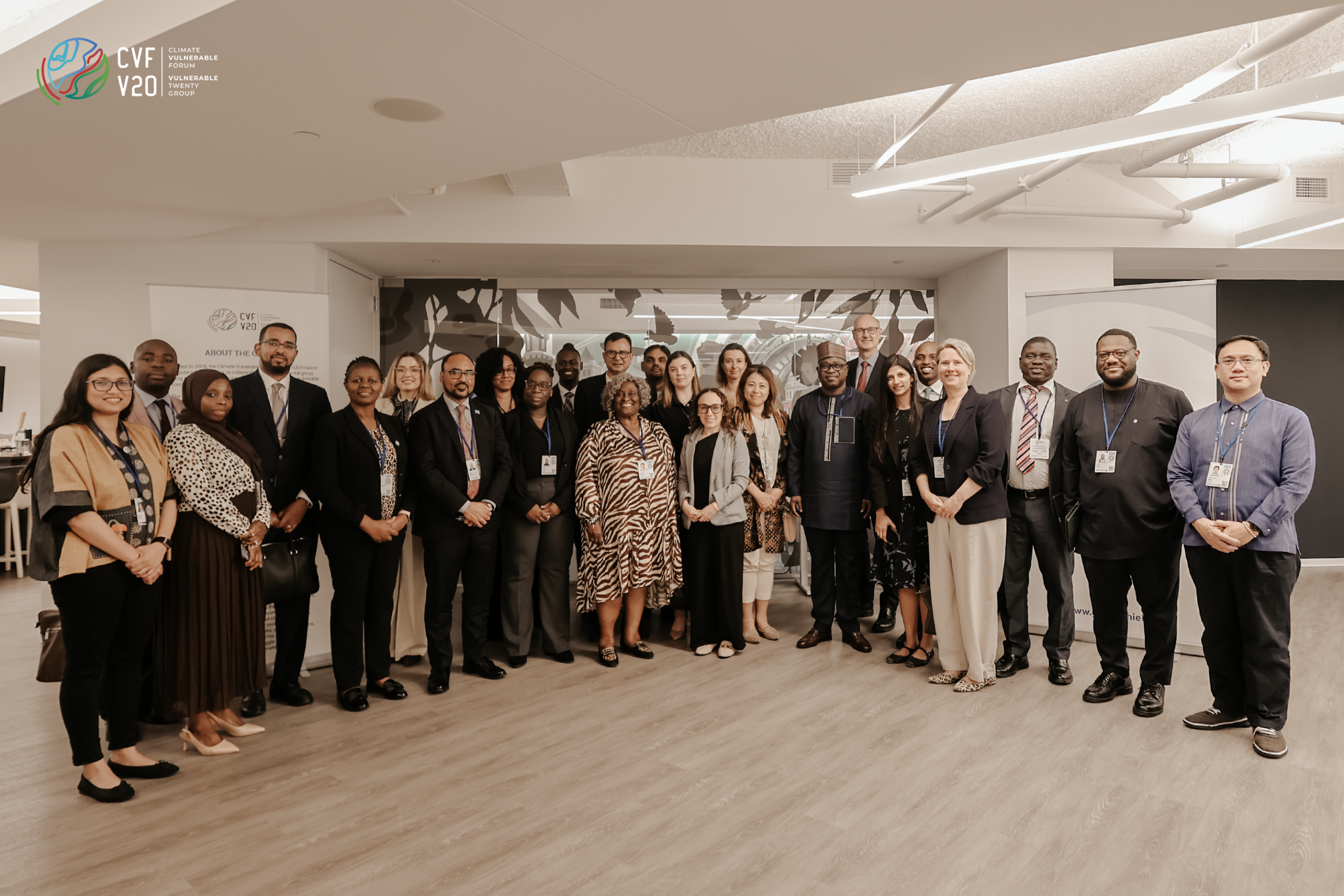
Washington D.C.—The Global Shield against Climate Risks, together with its partner countries and financing vehicles, convened a roundtable at the premises of the Climate Vulnerable Forum and V20 Finance Ministers (CVF-V20) in Washington D.C. on the margins of the World Bank and International Monetary Fund Spring Meetings. Bringing together climate-vulnerable countries, development banks, donors, regional risk pools, and private sector leaders, the discussion focused on how multilateral financing can strengthen fiscal resilience and scale pre-arranged Climate and Disaster Risk Financing and Insurance (CDRFI) solutions.
As climate-related disasters become more frequent and severe, participants highlighted the growing strain on public finances in vulnerable countries, where shocks often force governments to divert resources, cut budgets, or rely on costly emergency borrowing. Against this backdrop, the roundtable underscored the urgent need to move beyond reactive responses and accelerate the deployment of timely and reliable financing – helping countries manage residual risks while safeguarding financial stability and long-term development.
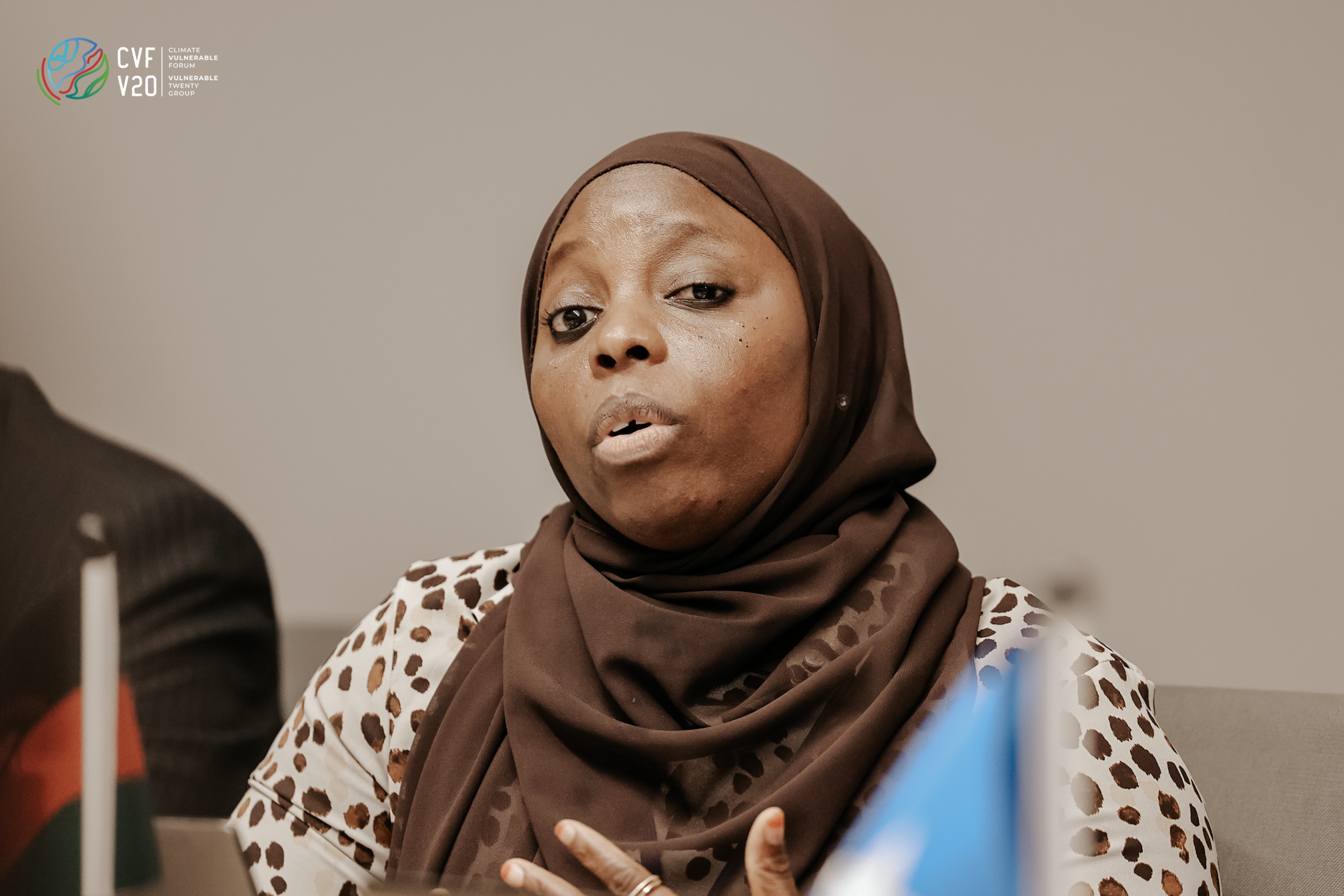
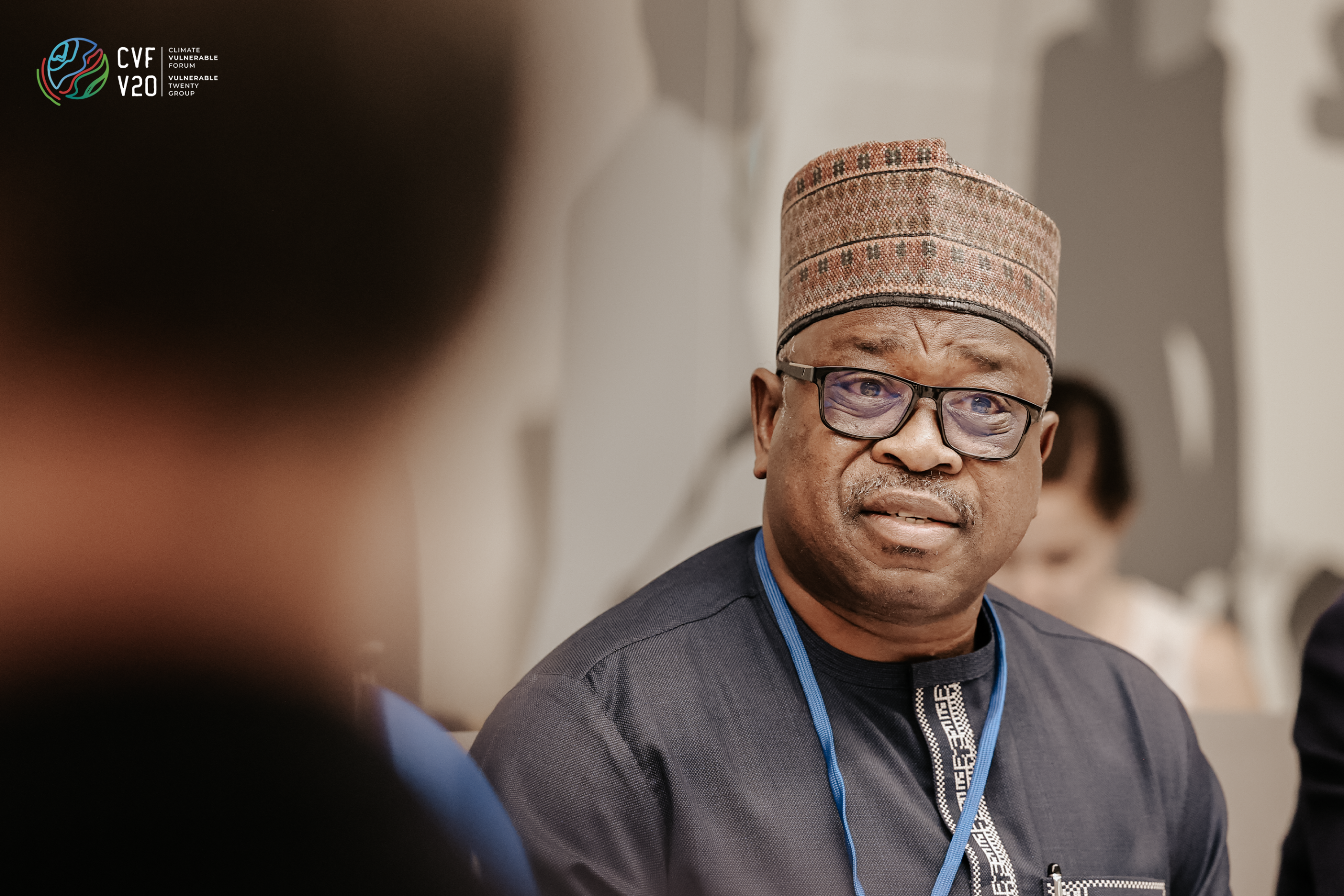
The roundtable created a space for partners to share their experience of engaging with the Global Shield and the results achieved to date. Ghana’s Minister of State for Climate Change and Sustainability, the Honorable Issifu Seidu shared that Global Shield’s In-Country Process had helped Ghana identify and prioritize critical financial protection gaps to address the country’s most pressing climate needs. Mohamed Qamar, Economist and Economic Advisor to Somalia’s Minister of Finance, spoke to the need for comprehensive, adaptive and proactive responses to climate shocks, particularly in fragile nations, and articulated his pride in Somalia’s recently submitted request for support to the Global Shield.
The roundtable explored:
Participants emphasised that scaling pre-arranged finance requires greater international collaboration—bringing together governments, development banks, climate funds, and private sector actors to align efforts and deliver solutions at scale. Strengthening collaboration is essential to closing remaining financial protection gaps and ensuring that financing supports immediate response and long-term climate-resilient growth.
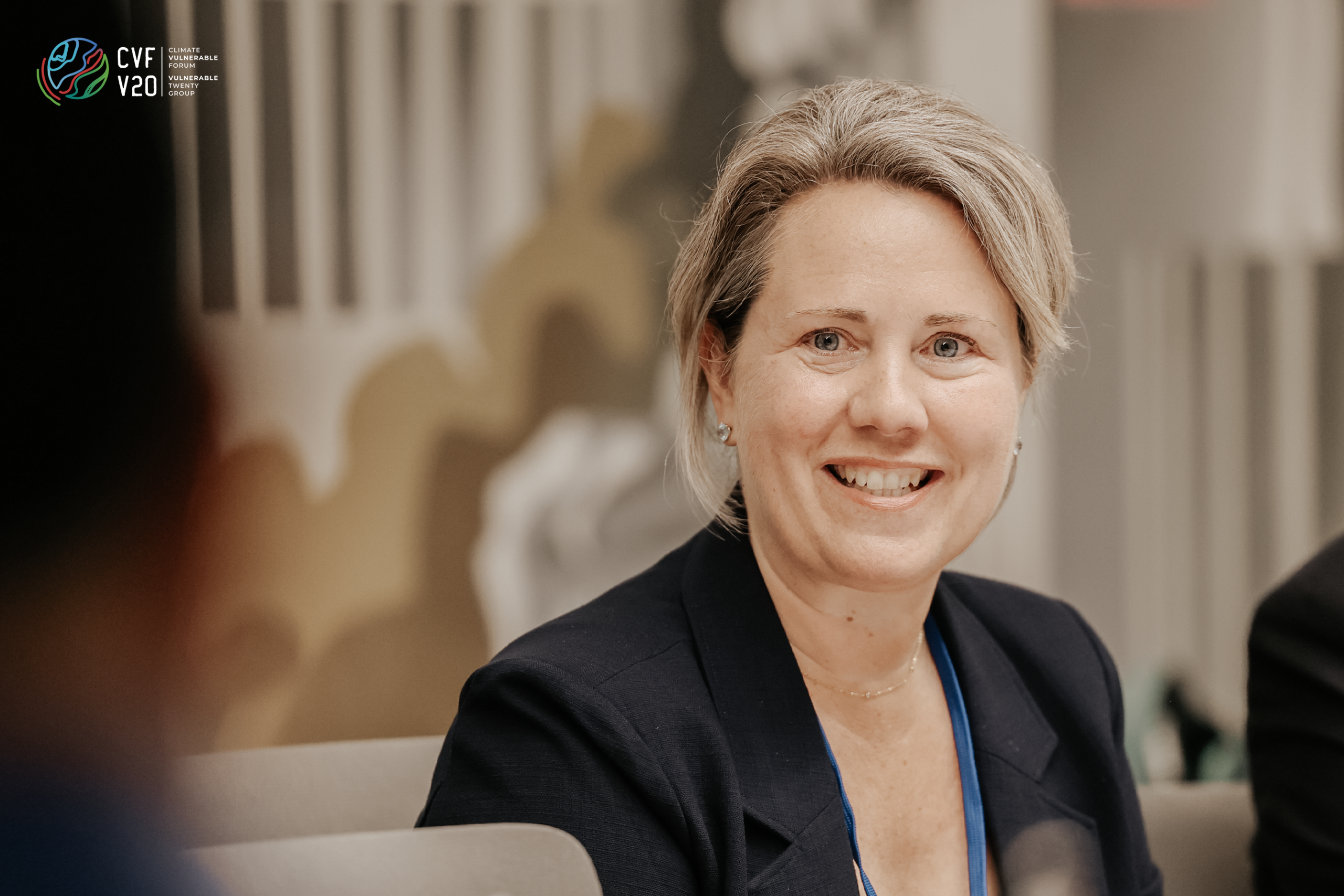
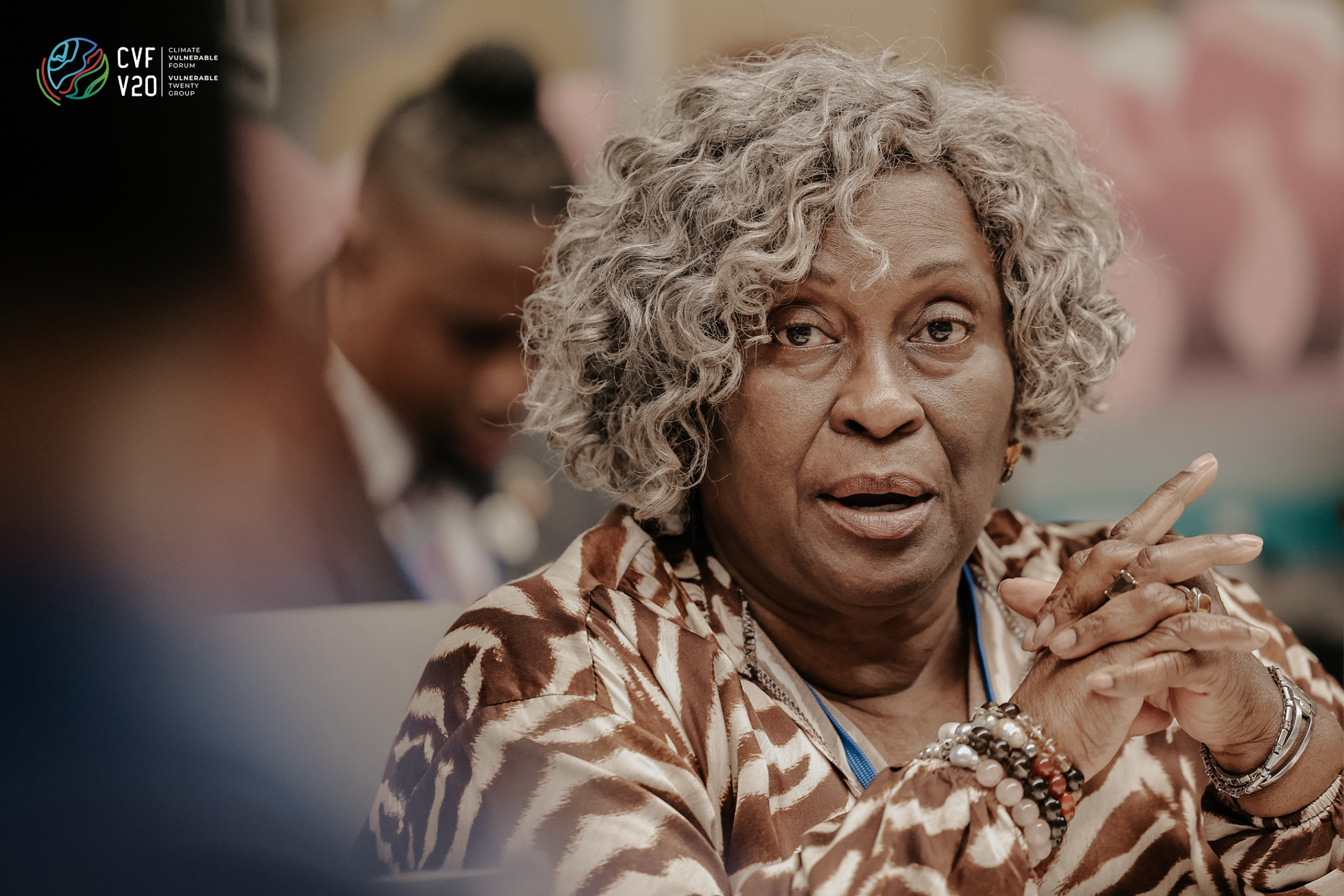
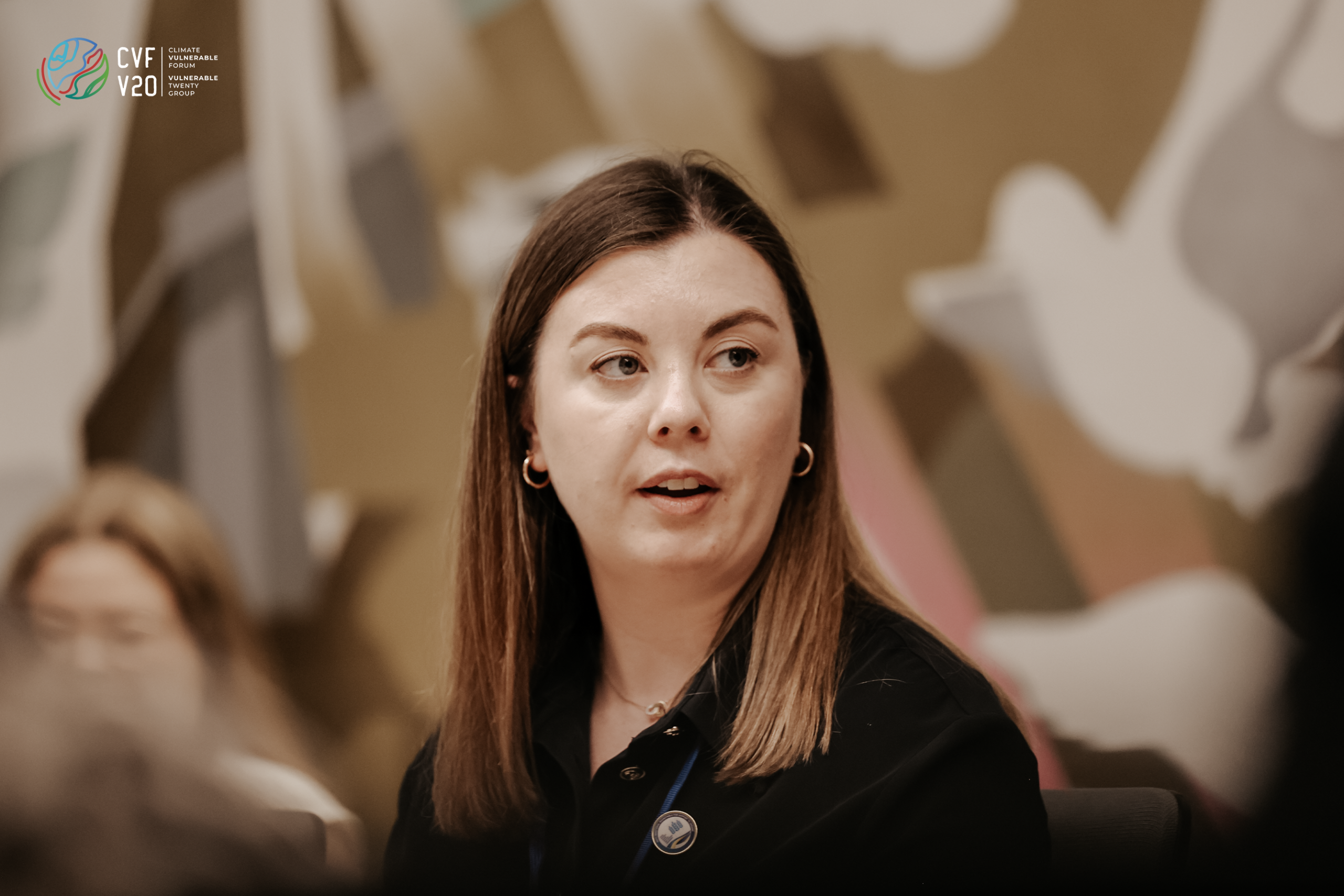
The discussion also highlighted the Global Shield’s role in providing a continuum of support—from identifying financial protection needs, through mobilising and structuring finance, to supporting implementation and capacity development—helping countries embed CDRFI solutions systematically within national systems. Chairing the session, Ambassador Elizabeth Thompson highlighted ways that the Global Shield has helped nations move from abstract commitments to practical action while noting that closer collaboration is needed to scale impact. Chloë Horne, Ireland’s Deputy Director of the Multilateral Unit at the Department of Foreign Affairs and Trade spoke to her conviction that the country-led approach that defines the Global Shield builds ownership and strengthens the vital institutions and frameworks needed for international cooperation.
The event reaffirmed the Global Shield’s role as a collaborative platform that enables vulnerable countries to take the lead in shaping the solutions they need—while strengthening coordination across partners, mobilising finance more effectively, and accelerating delivery at country level.
***
Launched at COP27 by the G7 and V20, the Global Shield against Climate Risks represents a structural shift in disaster risk finance. It supports partner countries in embedding pre-arranged finance within national public financial management systems—strengthening financial architecture, enabling innovation, and ensuring that protection is automatic, accountable, and country-led. By securing funding before disaster strikes, the Global Shield helps prevent climate shocks from escalating into fiscal crises.
The CVF-V20 represents 74 member countries from small island developing states (SIDS), least developed countries (LDCs), low to middle-income countries (LMICs), landlocked developing countries (LLDCs), and fragile and conflict-affected states (FCS). Working together, the CVF-V20 aims to achieve climate justice through the realization of Climate Prosperity Plans, which contain ambitious economic and financial resilience strategies designed to attract investment and resources that advance the attainment of the Sustainable Development Goals (SDGs), 30×30 Global Biodiversity, and help keep the average global temperatures to the Paris Agreement’s 1.5°C safety threshold.
Africa: Benin, Burkina Faso, Cabo Verde, Chad, Comoros, Côte d’Ivoire, Democratic Republic of the Congo, Eswatini, Ethiopia, Gabon, The Gambia, Ghana (Troika), Guinea, Kenya, Liberia, Madagascar, Malawi, Morocco, Mozambique, Namibia, Niger, Rwanda, Senegal, Sierra Leone, Somalia, South Sudan, Sudan, Tanzania, Togo, Tunisia, Uganda
Asia: Afghanistan, Bangladesh (Troika), Bhutan, Cambodia, Jordan, Kyrgyzstan, Lebanon, Maldives, Mongolia, Nepal, Pakistan, Palestine, Philippines, Sri Lanka, Timor-Leste, Vietnam, Yemen
Caribbean: Barbados (Chair/Troika), Dominica, Dominican Republic, Grenada, Guyana, Haiti, Saint Lucia, Suriname, Trinidad and Tobago
Latin America: Colombia, Costa Rica, Guatemala, Honduras, Nicaragua, Paraguay
Pacific: Fiji, Kiribati, Marshall Islands, Nauru, Palau, Papua New Guinea, Samoa, Solomon Islands, Tonga, Tuvalu, Vanuatu
For media enquiries, please contact [email protected].
For the latest updates, please follow us on: