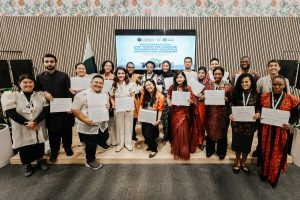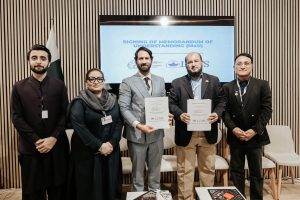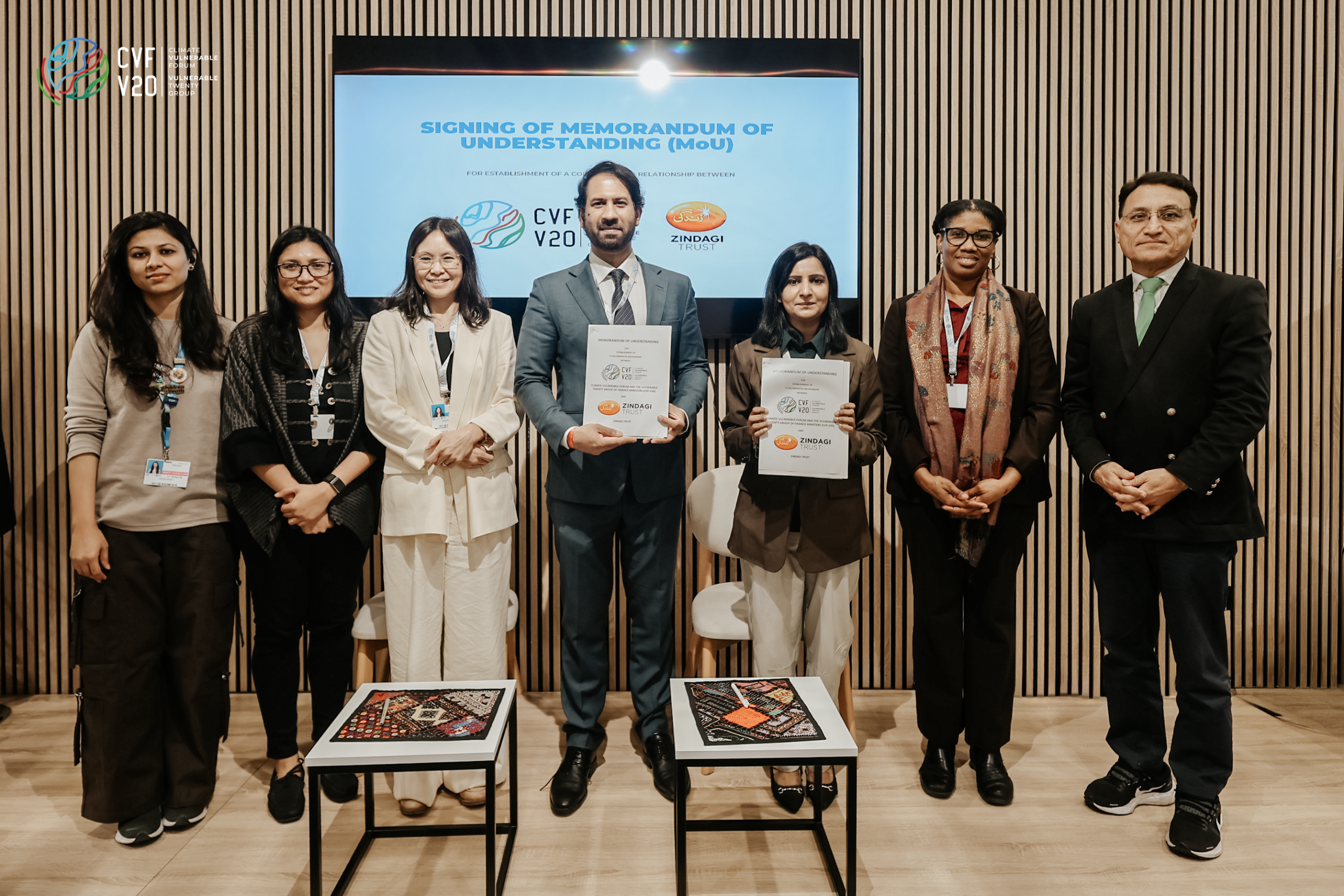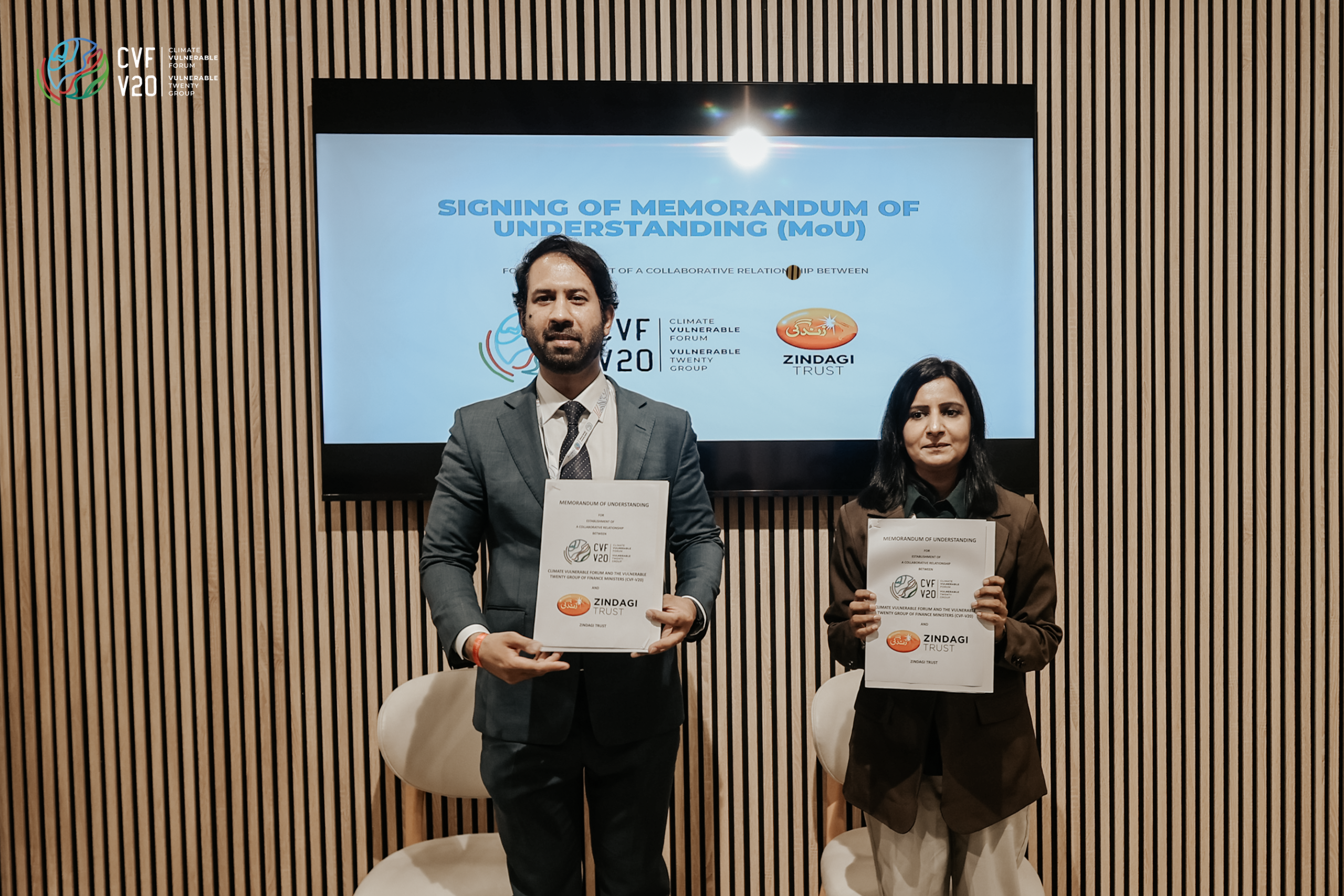
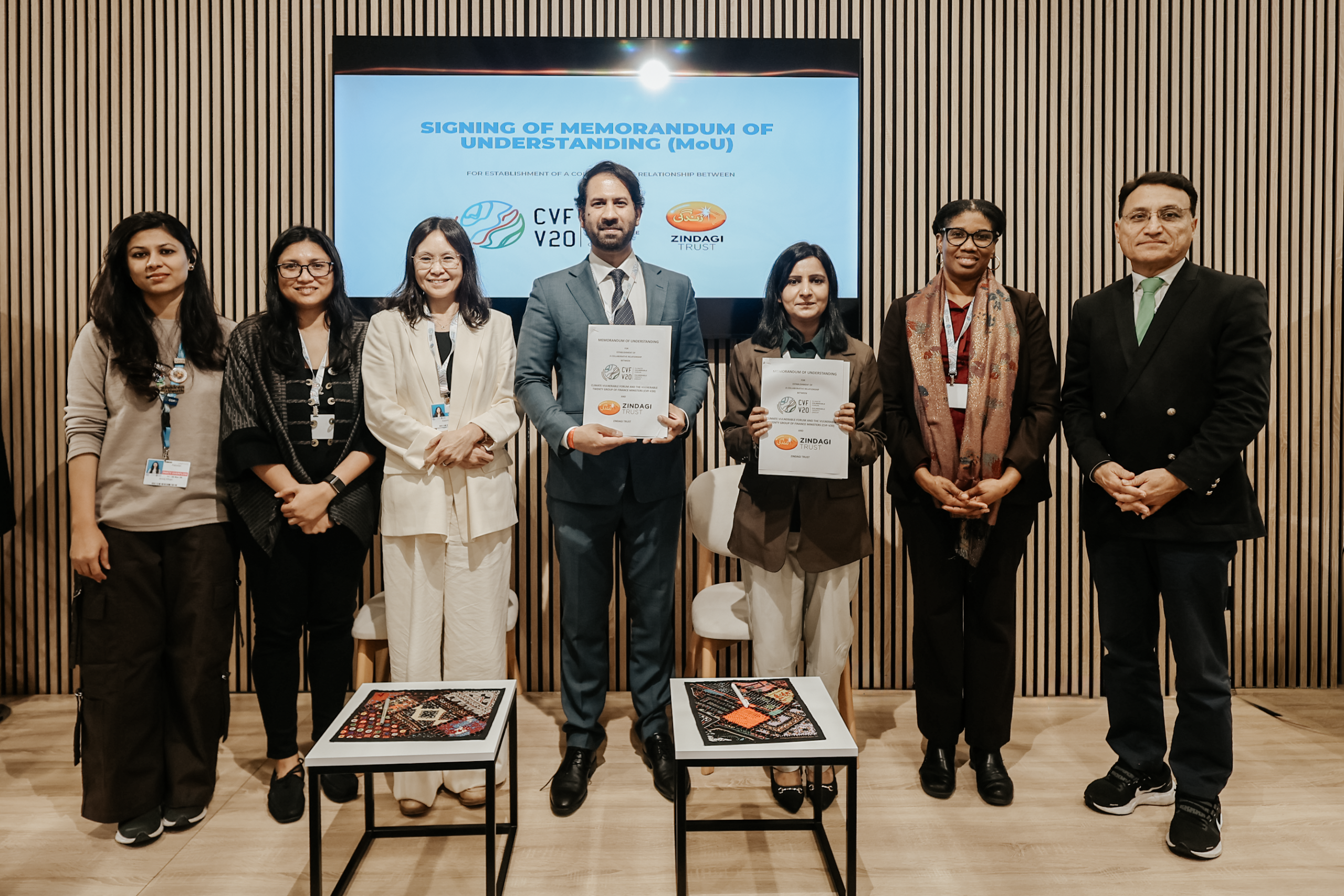
The Climate Vulnerable Forum and V20 Finance Ministers (CVF-V20) Secretariat and Zindagi Trust signed a one-year Memorandum of Understanding (MoU) at COP31 to advance climate-resilient education and protect children’s right to safe, quality, and uninterrupted learning across vulnerable communities in Pakistan. The partnership will support the development and expansion of climate-resilient solutions in public schools, while strengthening research and policy advocacy. Resilience in school meant cooler classrooms, greener school environments, clean drinking water, improved sanitation, disaster preparedness, and measures to ensure continued learning during climate-related emergencies.
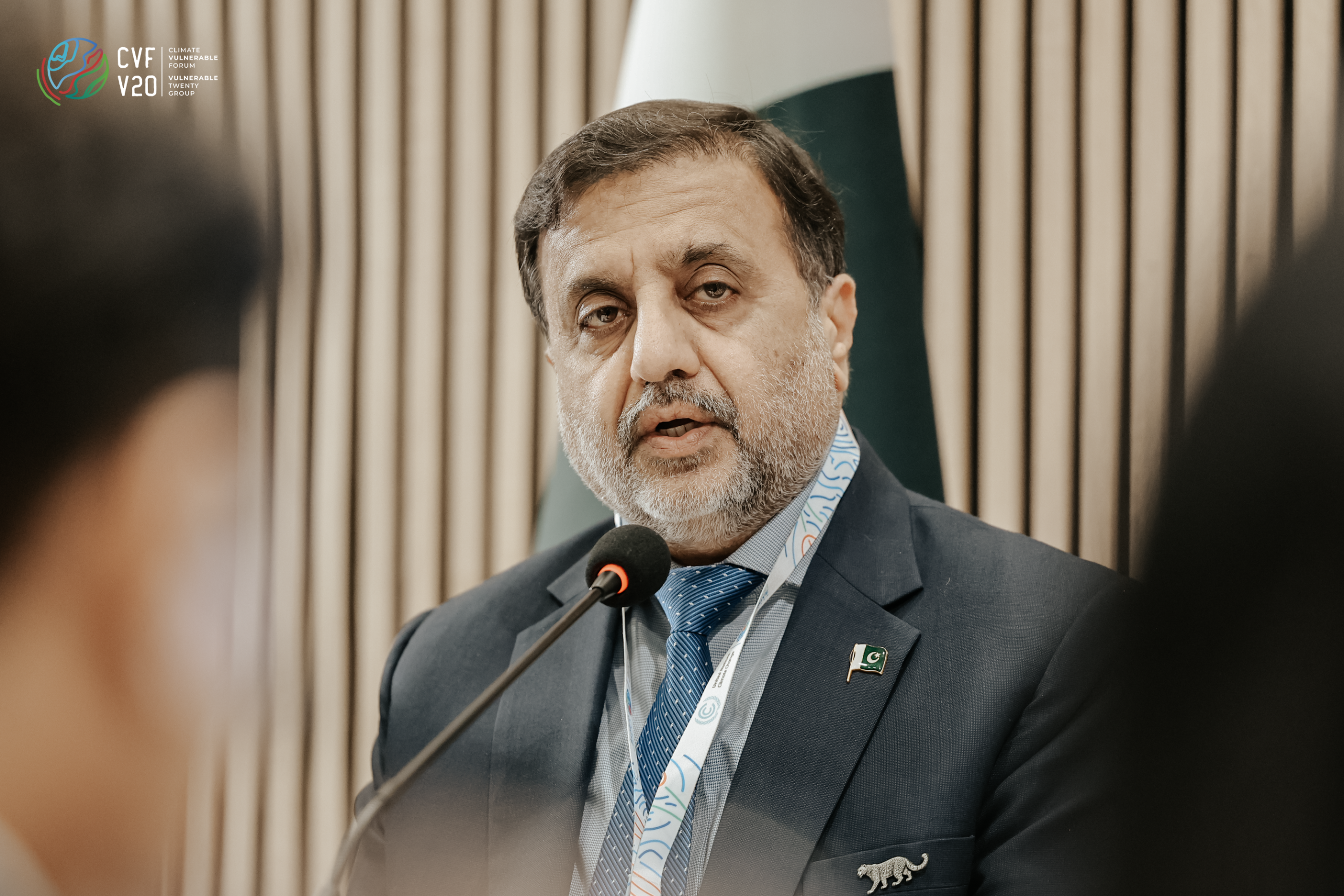
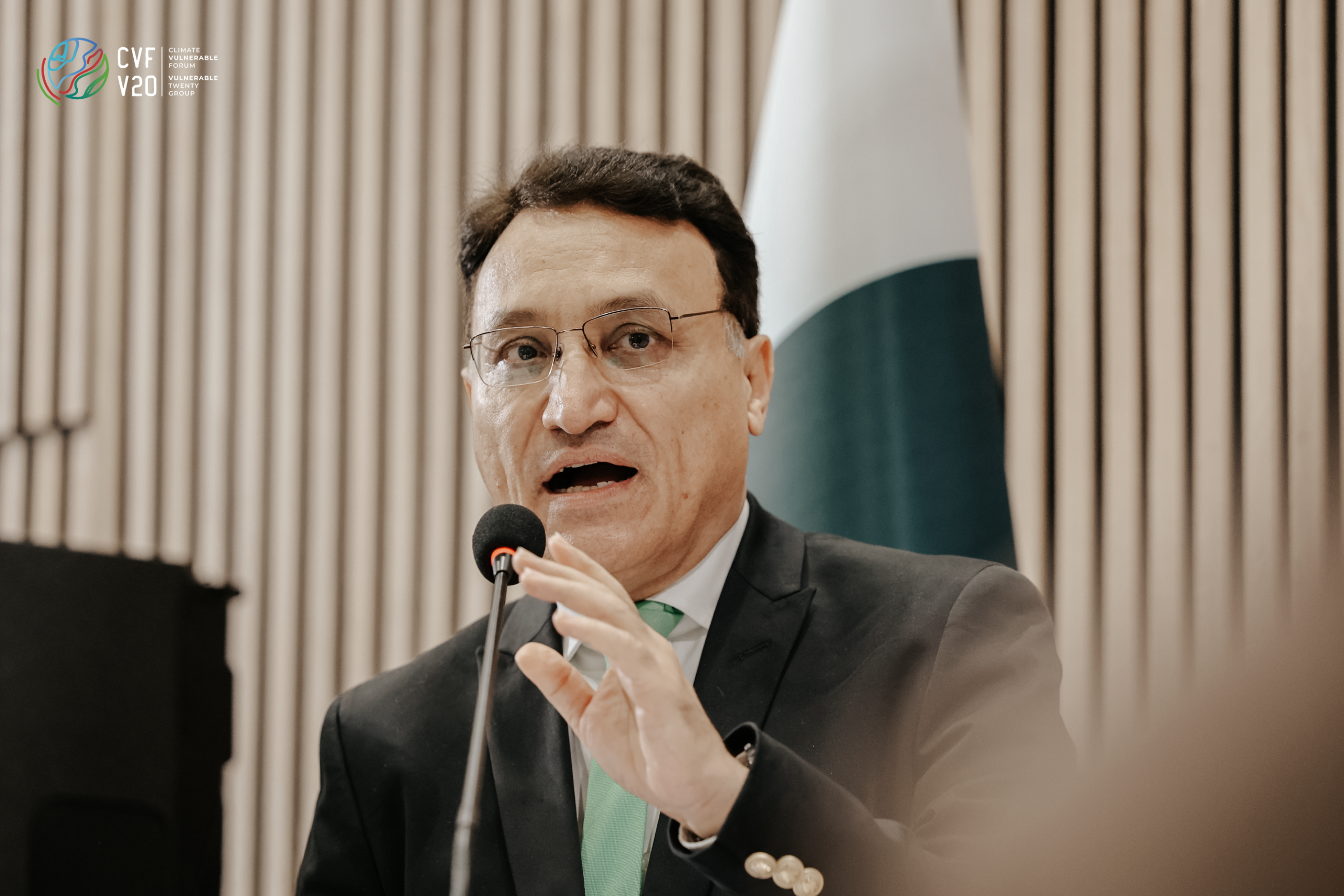
Mr. Amir Mohiyuddin, the Additional Secretary at Pakistan’s Ministry of Climate Change and Environmental Coordination, made an appeal ahead of the signing: “Help us treat climate-ready schools as investable infrastructure, not as a charity. Help us prepare these projects so that finance can flow to them, and help us scale what works first across Pakistan’s public school system, and then across the many vulnerable economies that face the same heat, the same floods, and the same impossible choices.”
This partnership builds directly on the work of Zindagi Trust, a non-governmental non-profit organization dedicated to transforming the education system in Pakistan through comprehensive public school reform. The organization champions the educational rights of underprivileged children by pioneering holistic school adoption models and successfully lobbying for systemic policy modifications, including state-level teacher evaluation frameworks and child protection initiatives. Zindagi Trust has worked within Pakistan’s public school system since 2007, and its adopted schools serve more than 3,500 students.
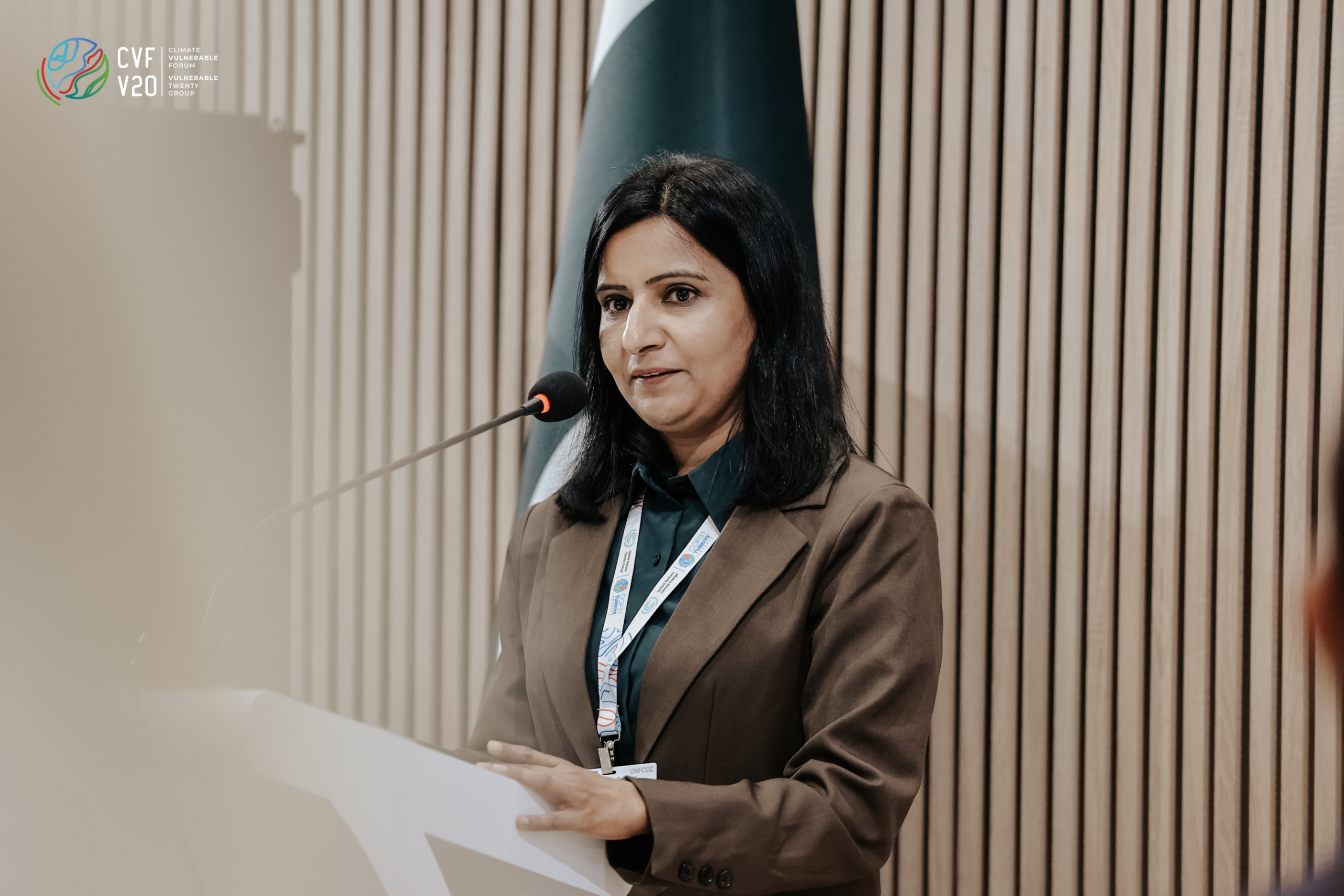
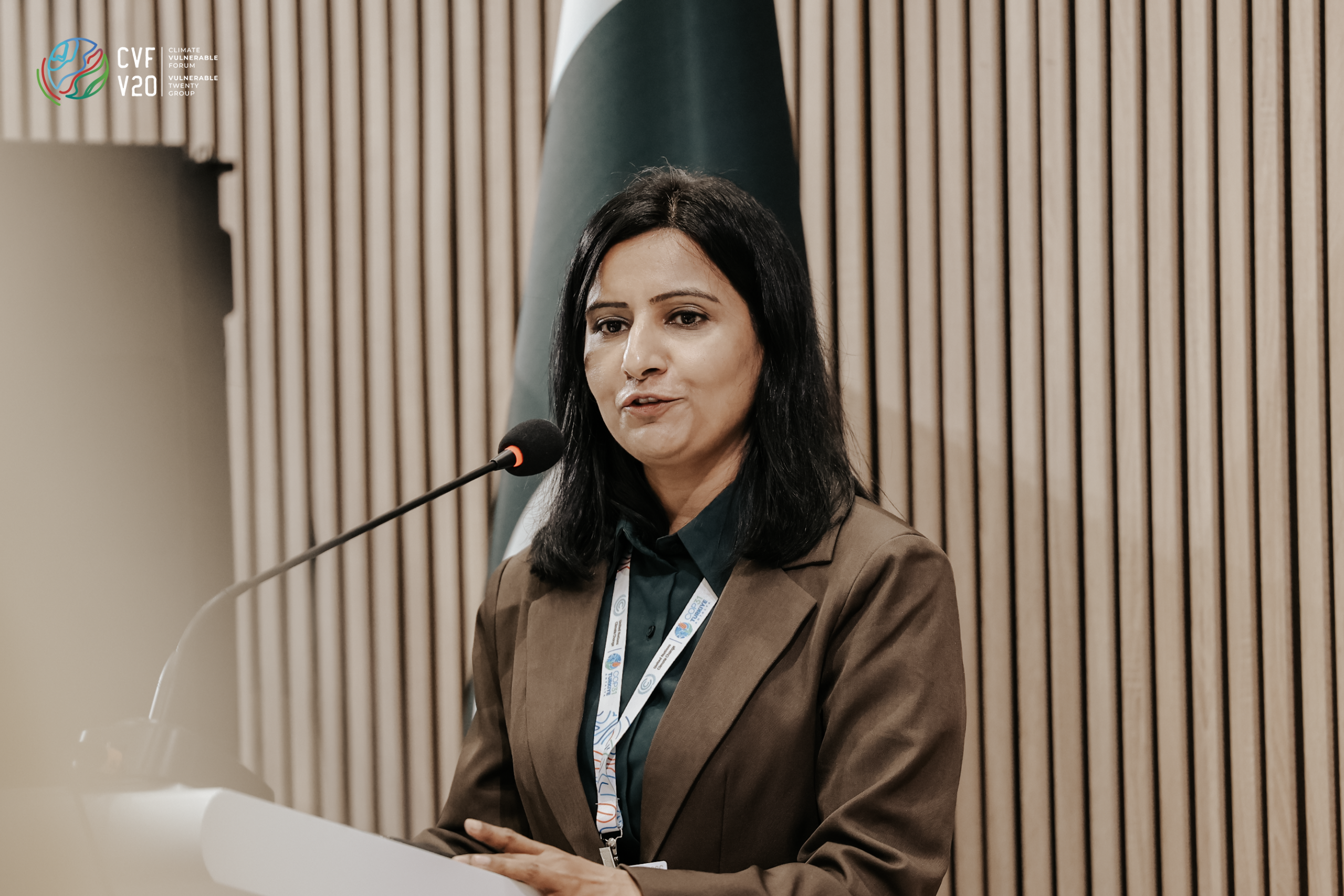
Reflecting on this long-standing mission, their Chief Operating Officer, Ms. Noureen Lakhani, noted that the MoU marks a critical milestone for the organization: “Climate-resilient schools have always been our goal, and we have taken the first step.”
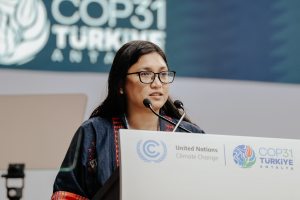
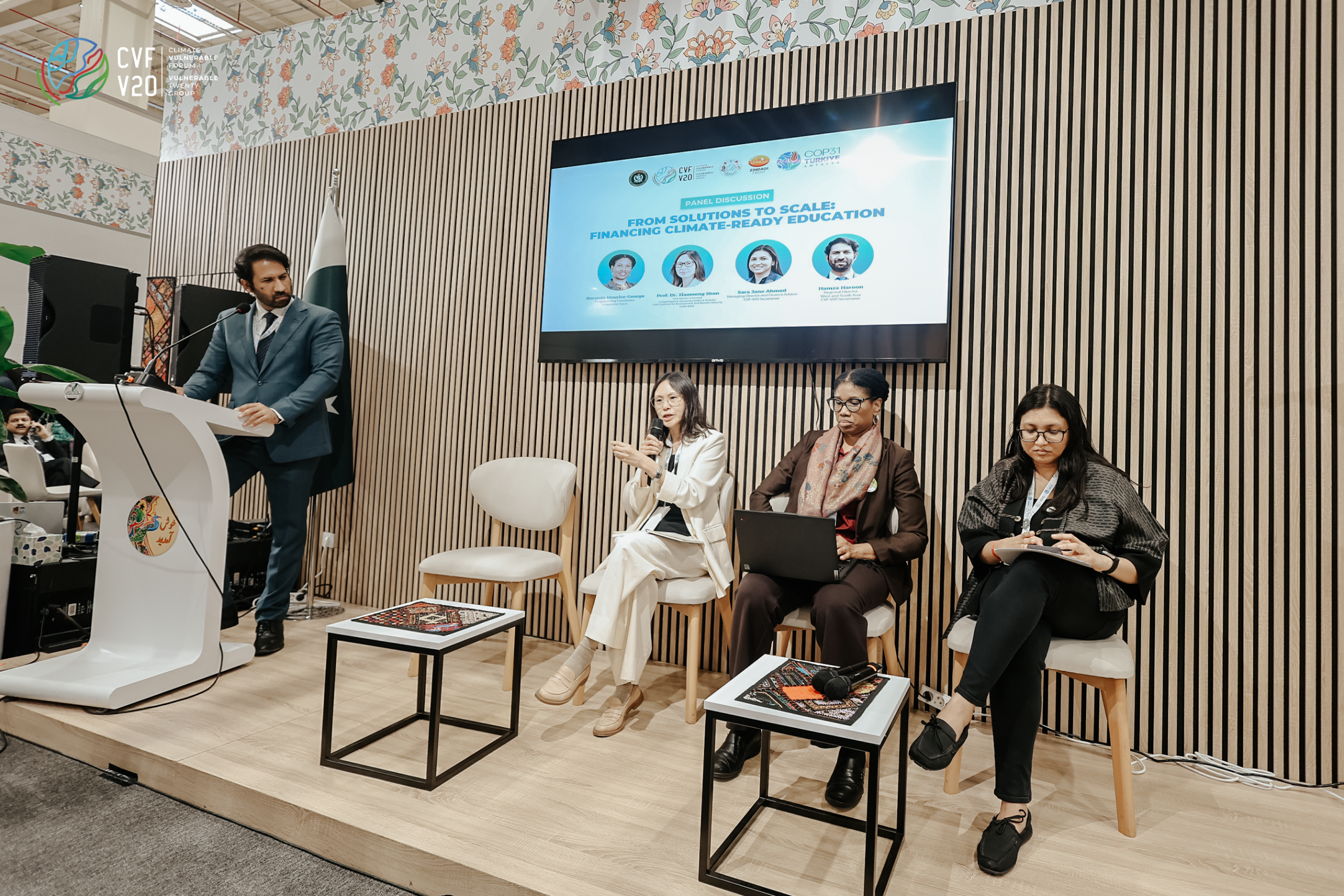
The MoU concluded one of the dialogues hosted by the CVF-V20 Secretariat on 16 November 2026, which highlighted how climate change is affecting children, learning, and public schools, particularly through heat, water stress, and other climate risks.
Climate shocks disrupted the schooling of 242 million children across 85 countries, with extreme heat recorded as the main cause, according to UNICEF data. South Asia was the hardest-hit region, accounting for 128 million of those students. Pakistan bore the brunt of this crisis, when more than 26,000 schools were damaged in the 2022 flood, interrupting the education of over 3.5 million children in the country.
“We do not treat schools as passive victims of the climate crisis. We treat them as frontline infrastructure for resilience. A school that stays cool through a heat wave, that has clean water and sanitation, and that keeps its doors open through a shock, protects learning, health, and the whole community at the same time,” Mr. Mohiyuddin explained.
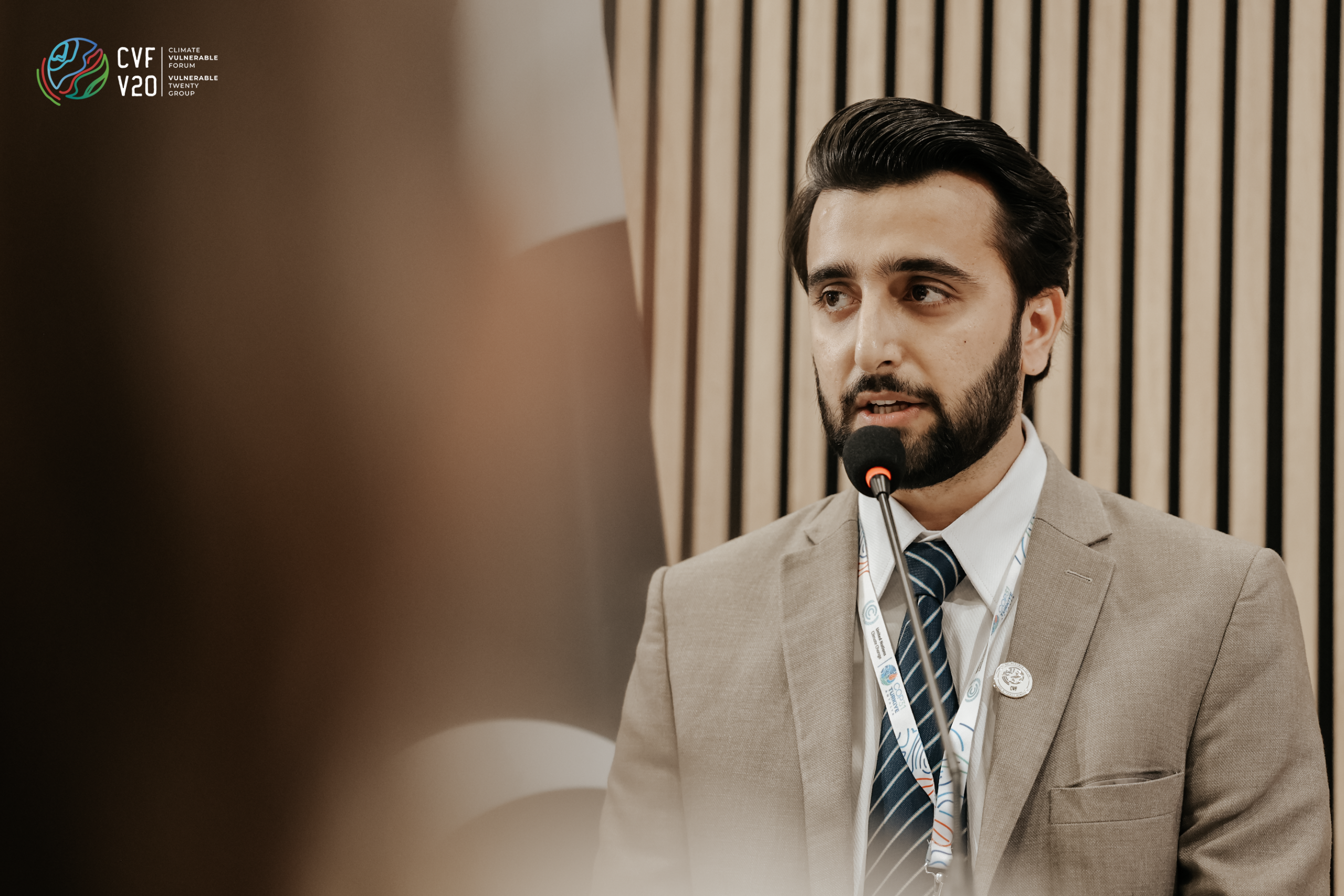
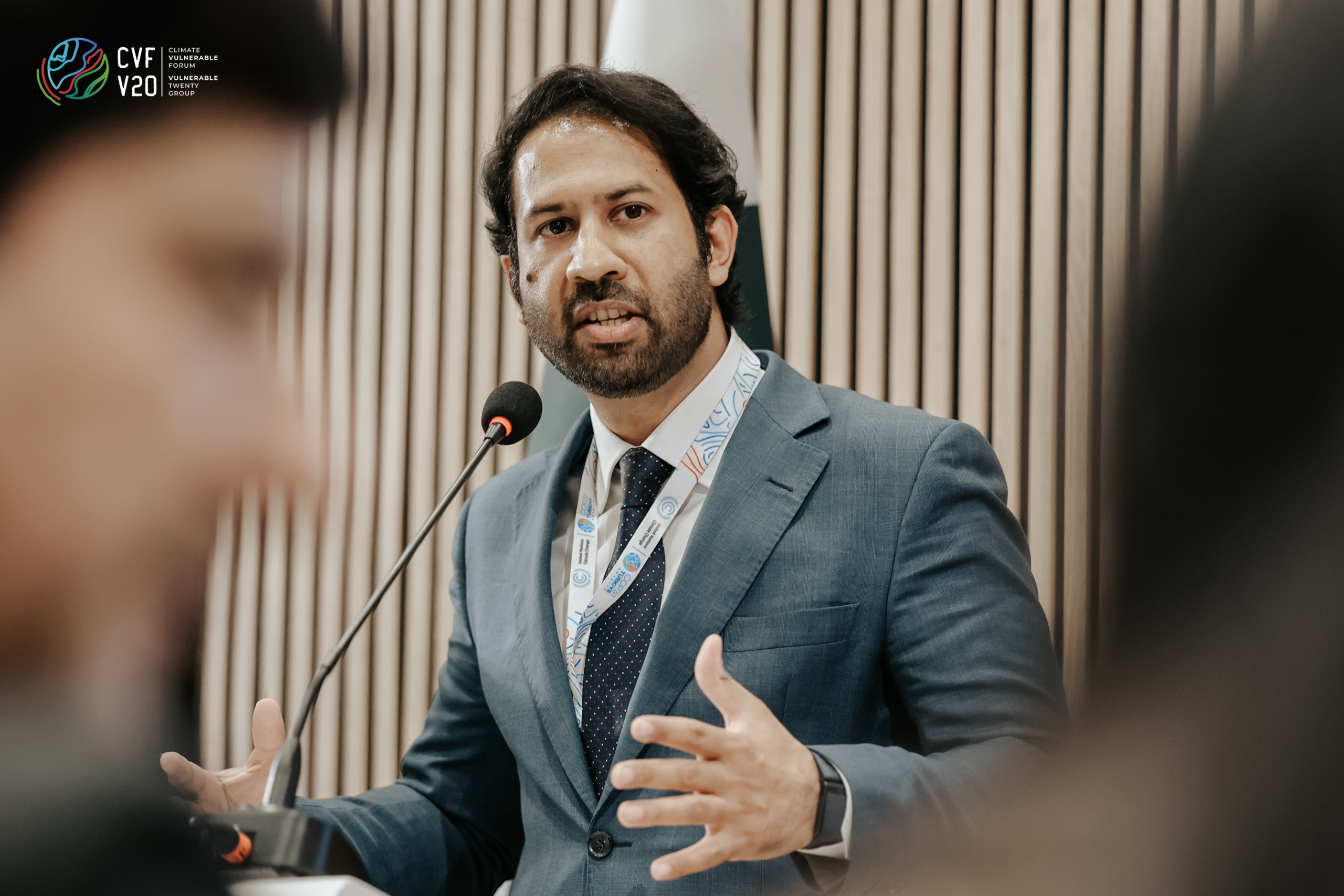
Moderating the panel, Hamza Haroon, Regional Director for West and South Asia at the CVF-V20 Secretariat, noted that “education is often the first service to be cut when debt payments rise, and fiscal space constricts.” He added that the partnership is meant to bring school resilience into Pakistan’s Climate Prosperity Pipeline and to share the model with other V20 members.
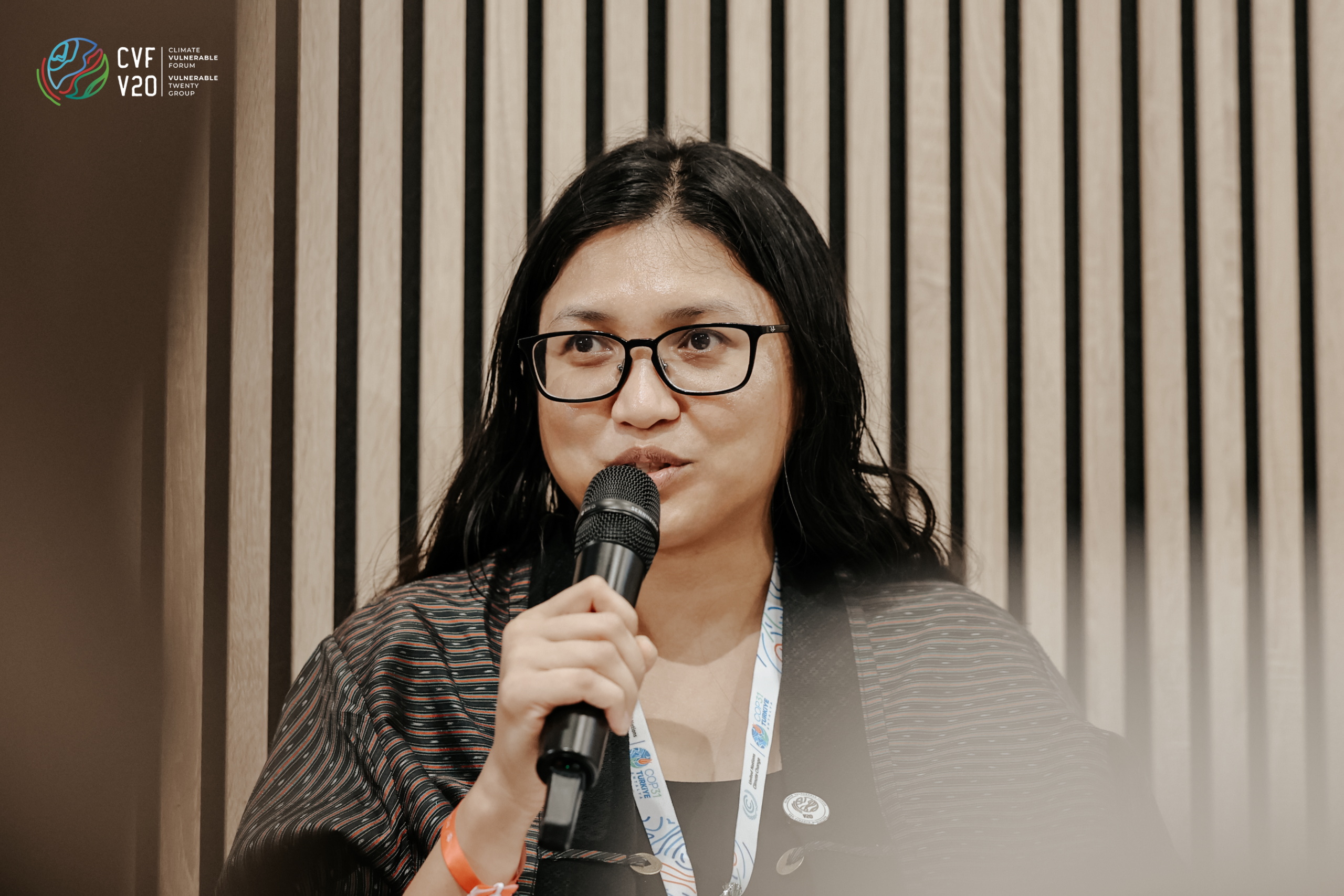
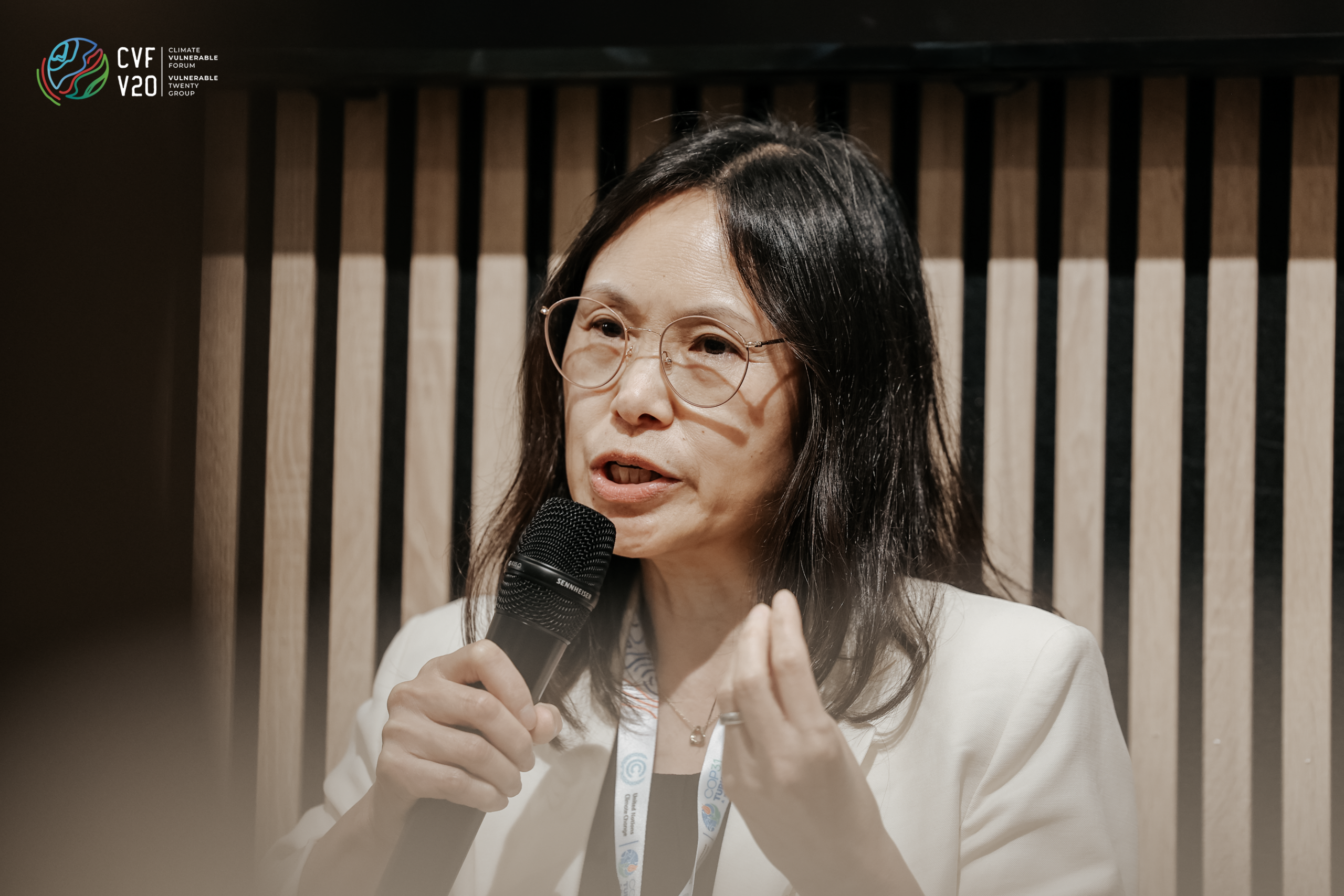
Prof. Dr. Xiaomeng Shen, the Vice-Rector in Europe of the United Nations University (UNU) and Director at UNU Institute for Environment and Human Security, referred to schools as hubs where community resilience and stability begins. “If you lose that hub, it’s a big loss for the community itself as well, and also increases psychological stress for children, too. That’s a loss and damage which is very difficult to measure or quantify,” she added.
Education is not a residual category of development spending; it is among the foundations of socio-economic viability. Education sustains the human capital without which no national strategy can be delivered.
The partnership will explore joint advocacy and international cooperation, including through Pakistan’s Climate Prosperity Plan (CPP) and the Vulnerability to Viability (V2V) Compact
The V2V Compact brings CVF-V20 member states and 16 development finance institutions together to change how finance is structured, priced, and delivered to climate-vulnerable economies, enabling critical investments in sectors central to long-term resilience and human security: water, education, and health.
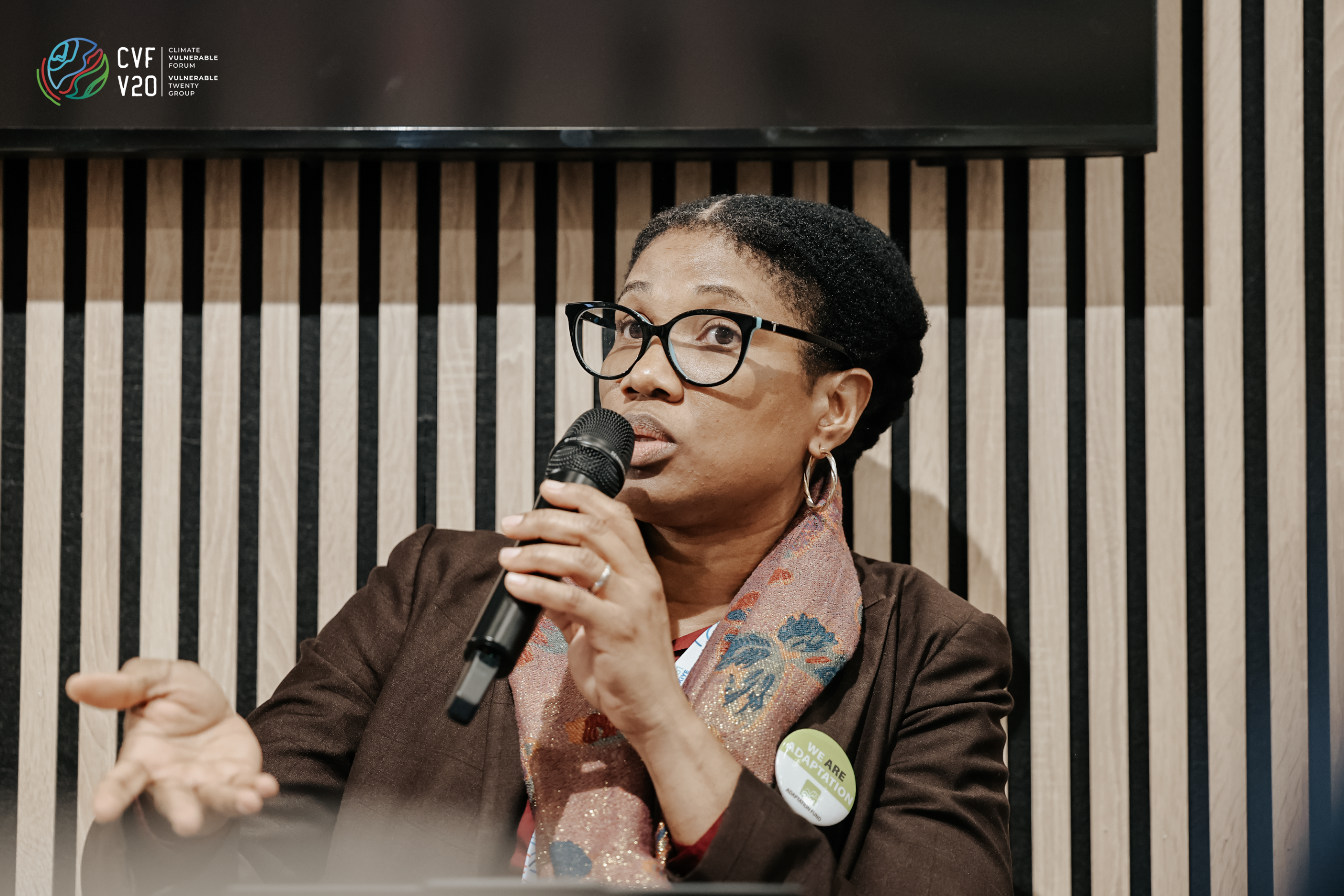
In a panel discussion during the November 16 dialogue, CVF-V20 Secretariat’s Managing Director and Finance Advisor, Sara Jane Ahmed, identified that education often receives the lowest priority in national investment because its returns are not immediate. “The aim of this Compact is to ensure that we have the right type of long-term financing, 40- to 50-year loans and grant financing, as well as ensuring that we work with our national and local institutions,” she explained.
The conversation also pointed to Pakistan’s CPP as the foundation of the one-year partnership that will focus on developing and presenting climate-resilient education projects and connecting them with relevant government institutions, development partners, and financial institutions.
“We are building the national frameworks to act through our National Adaptation Plan and through Pakistan’s Climate Prosperity Plan. We are working to turn adaptation, from a long list of needs, into a pipeline of projects that finance can actually reach schools. This is where our partners become essential, because Pakistan is not alone in this, and the solution is not Pakistan’s alone,” Mr. Mohiyuddin said.
The partnership between CVF-V20 and Zindagi Trust brought the voices of children and teachers into the halls of COP31 in Antalya, Türkiye. It is a leap to move from isolated school-level solutions to financed and scalable models that position education as among the foundations of resilience.
***