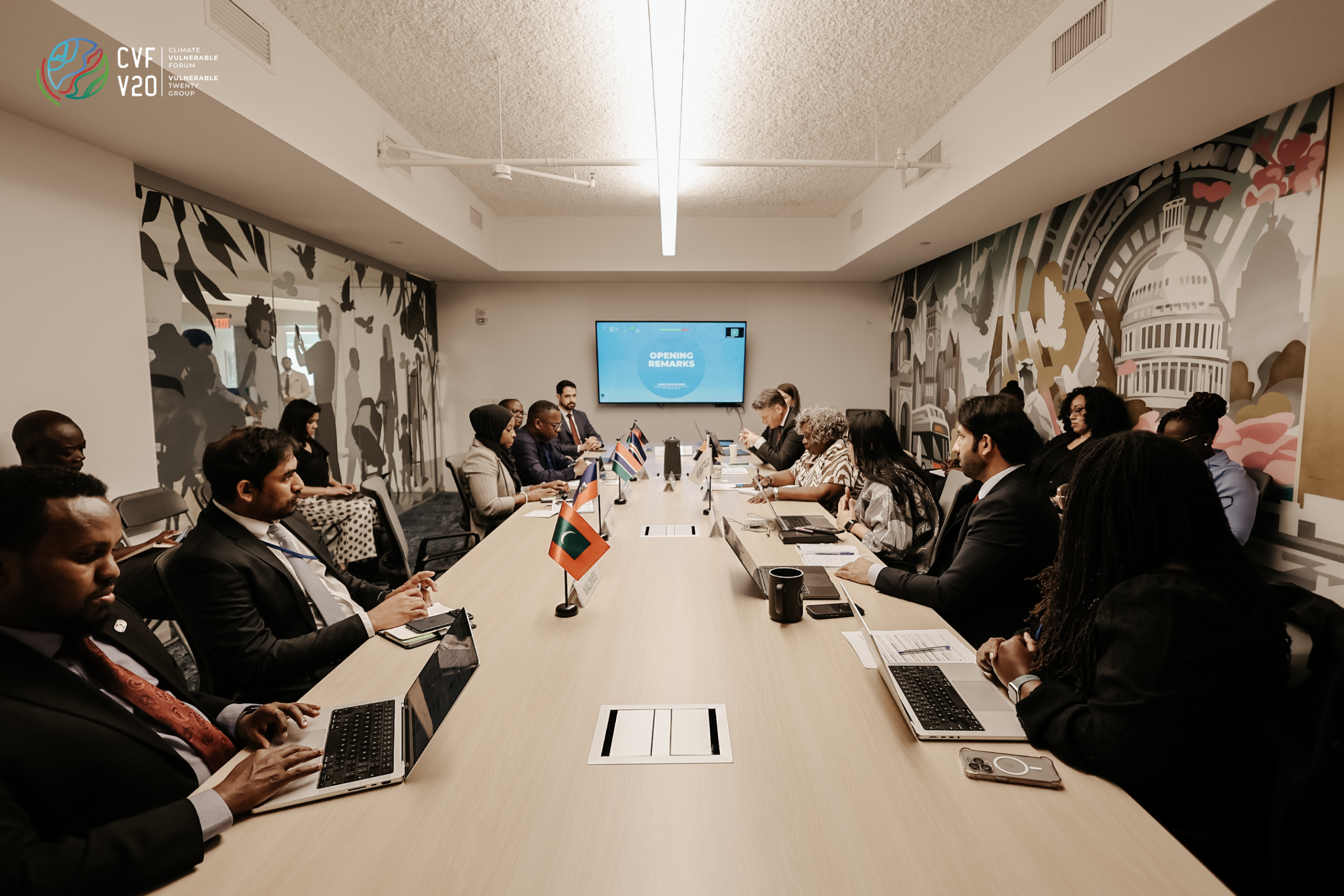
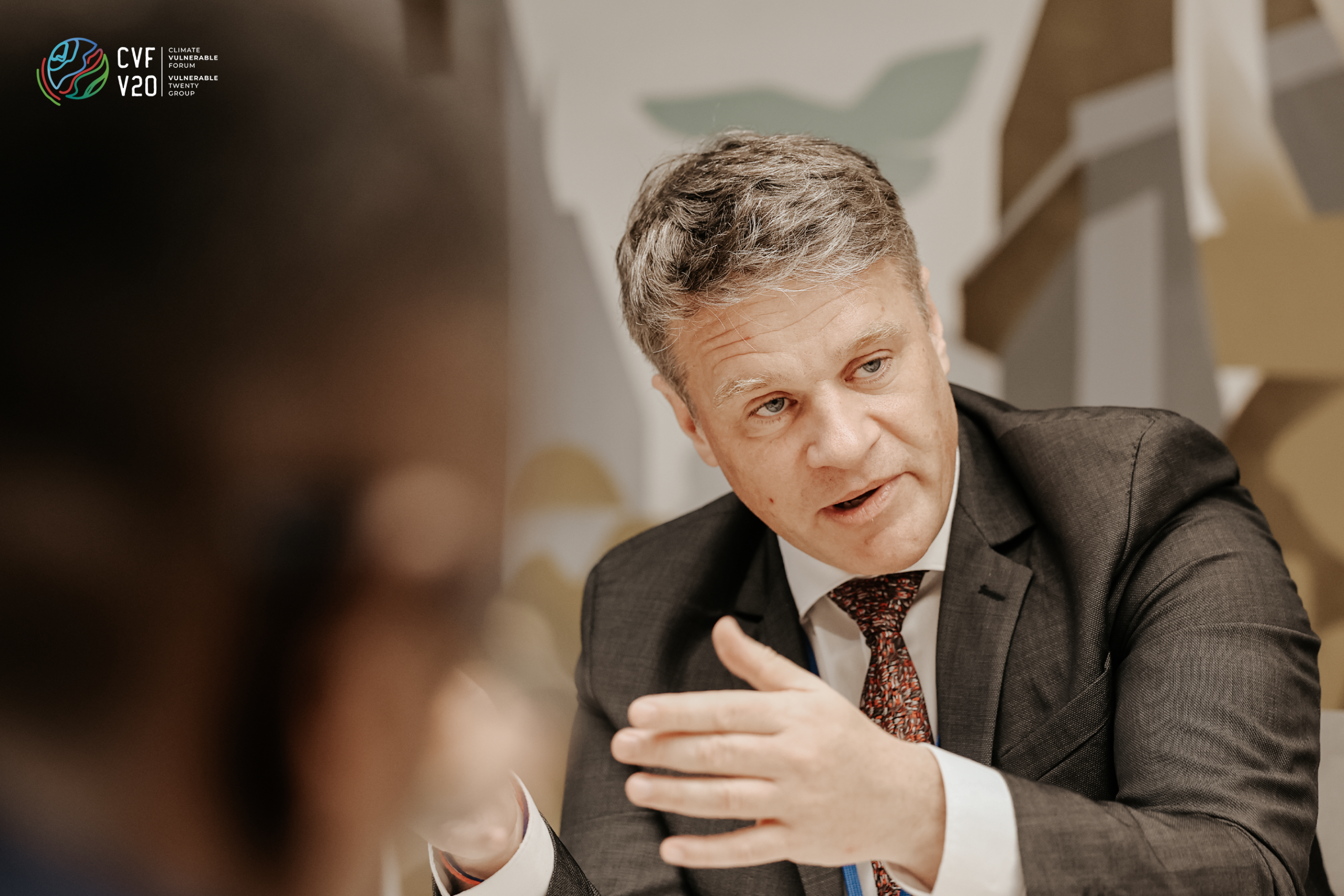
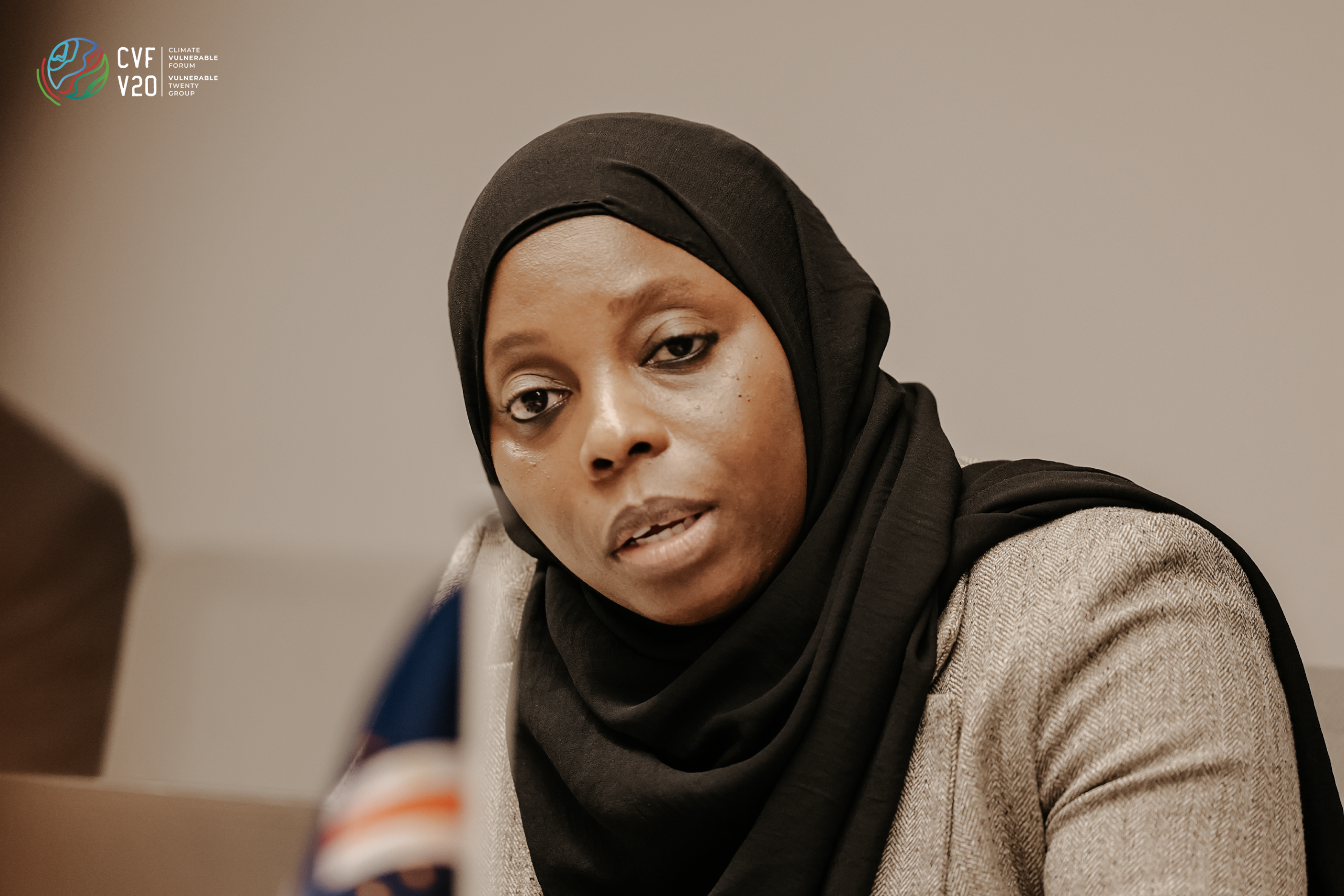
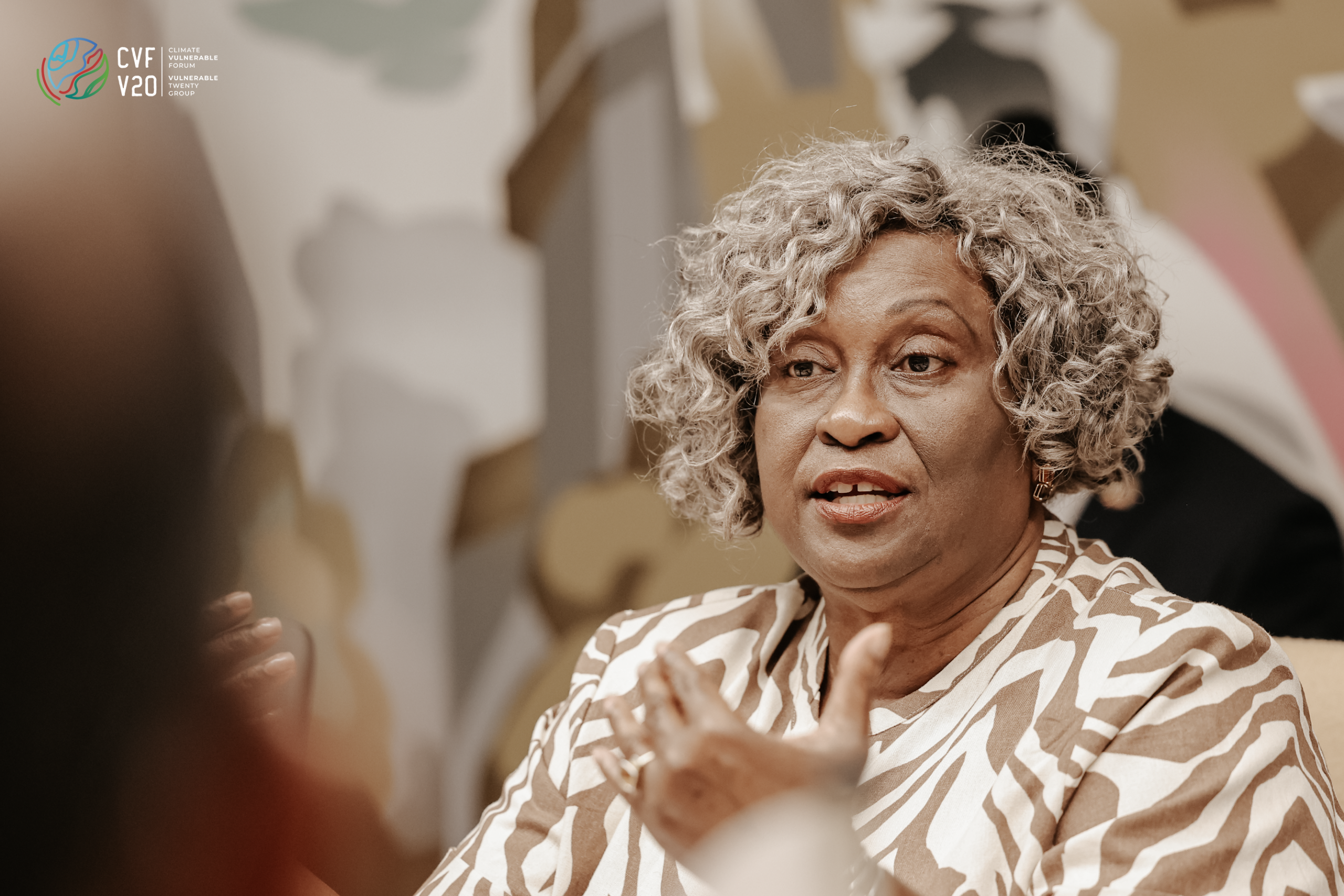
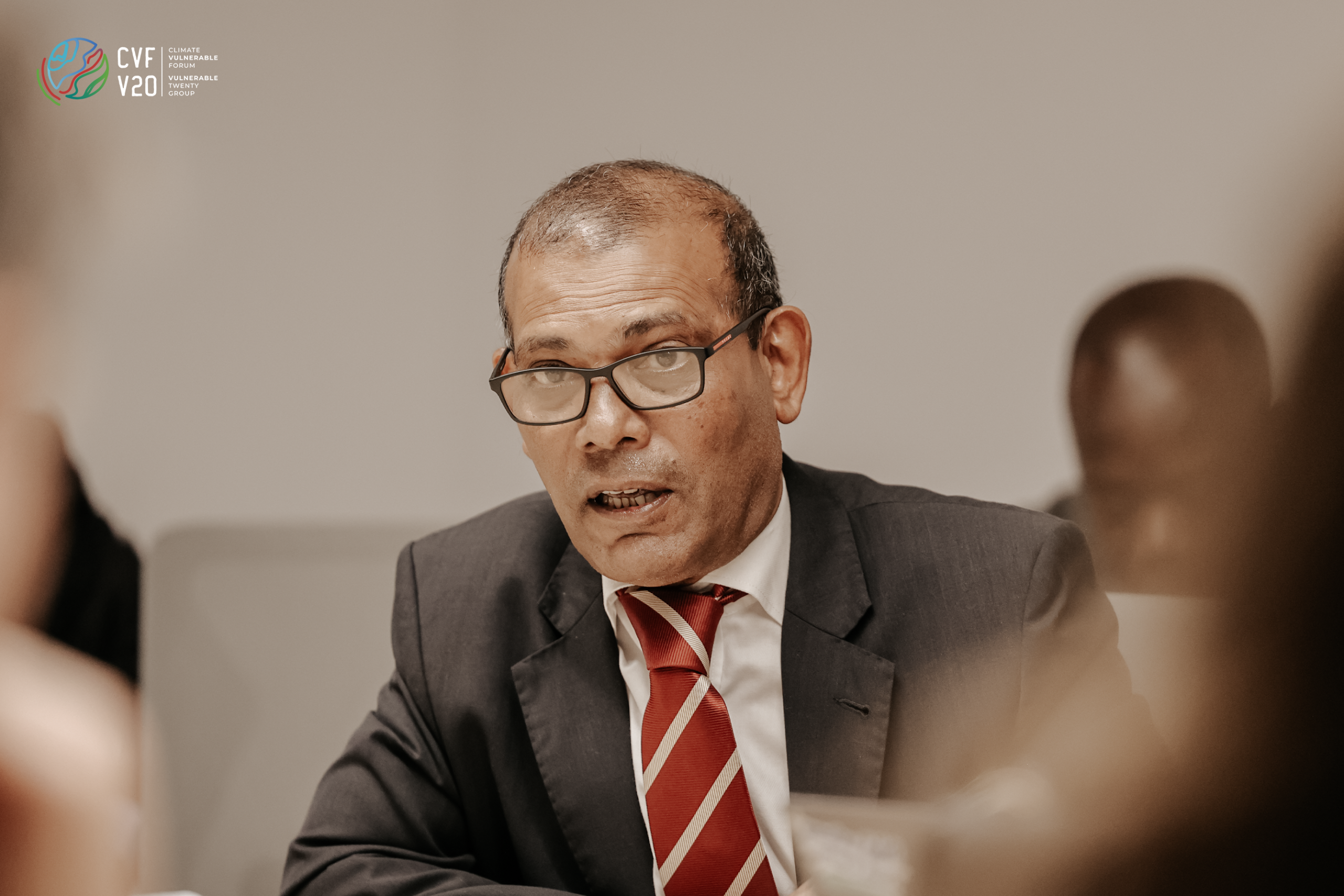
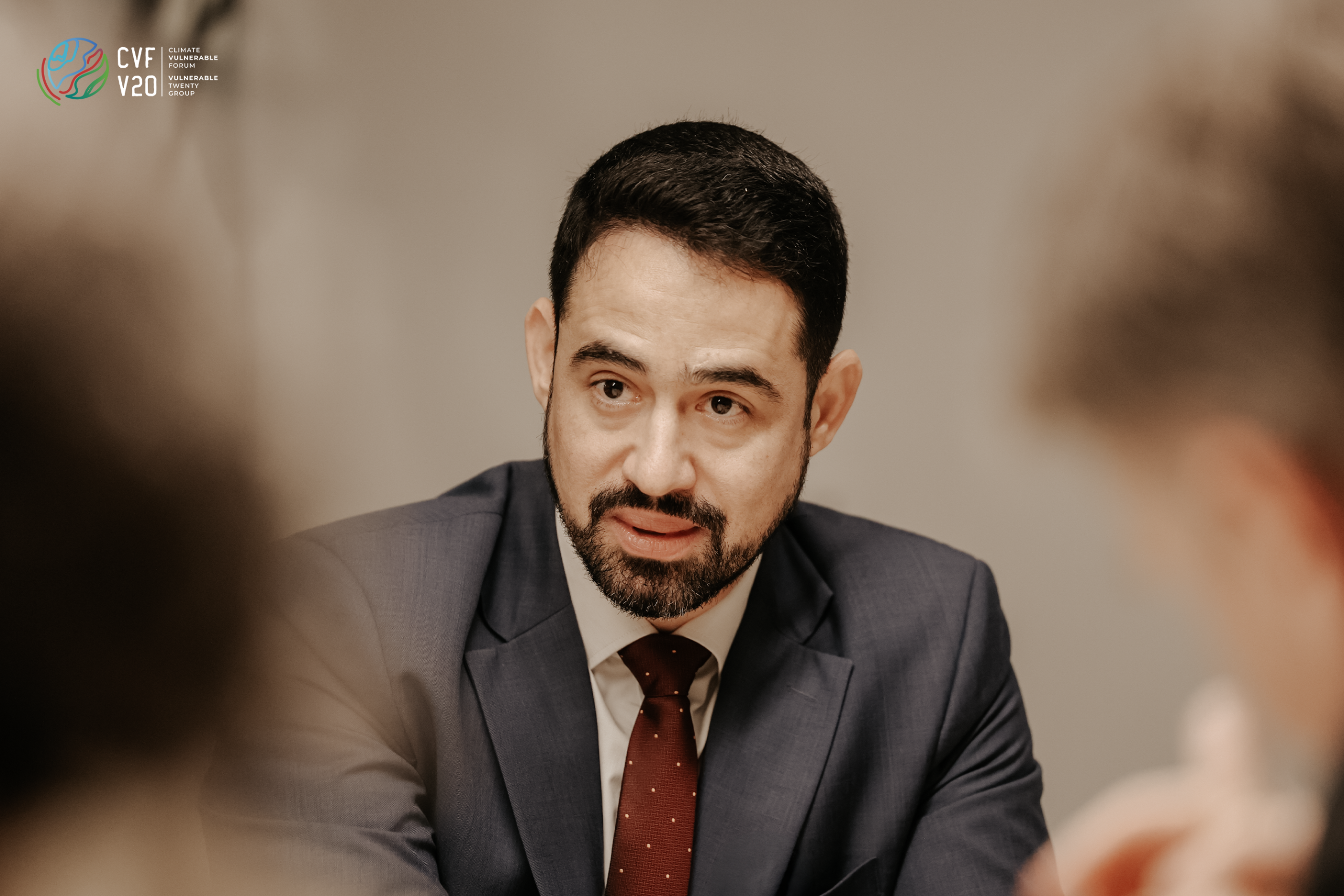
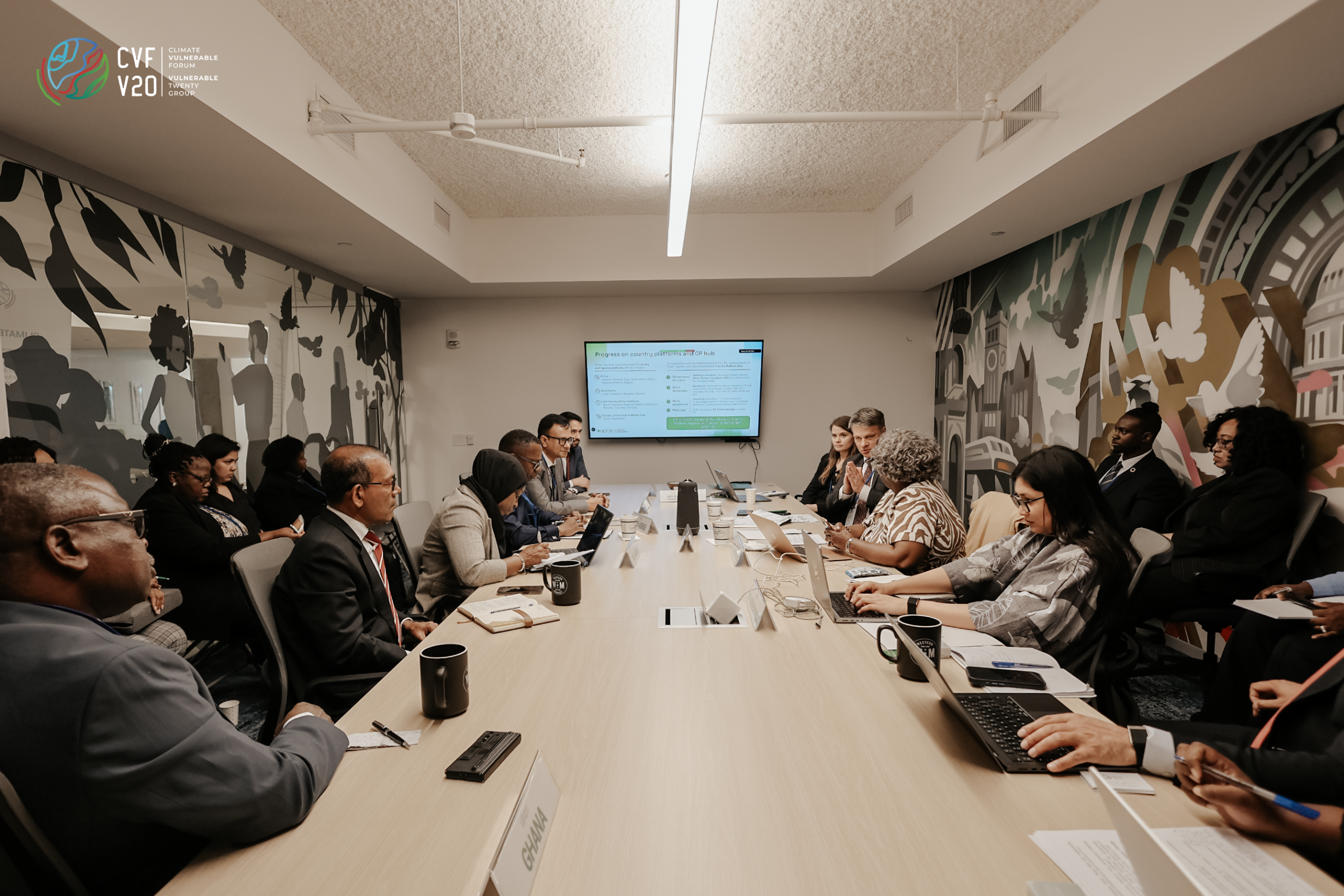
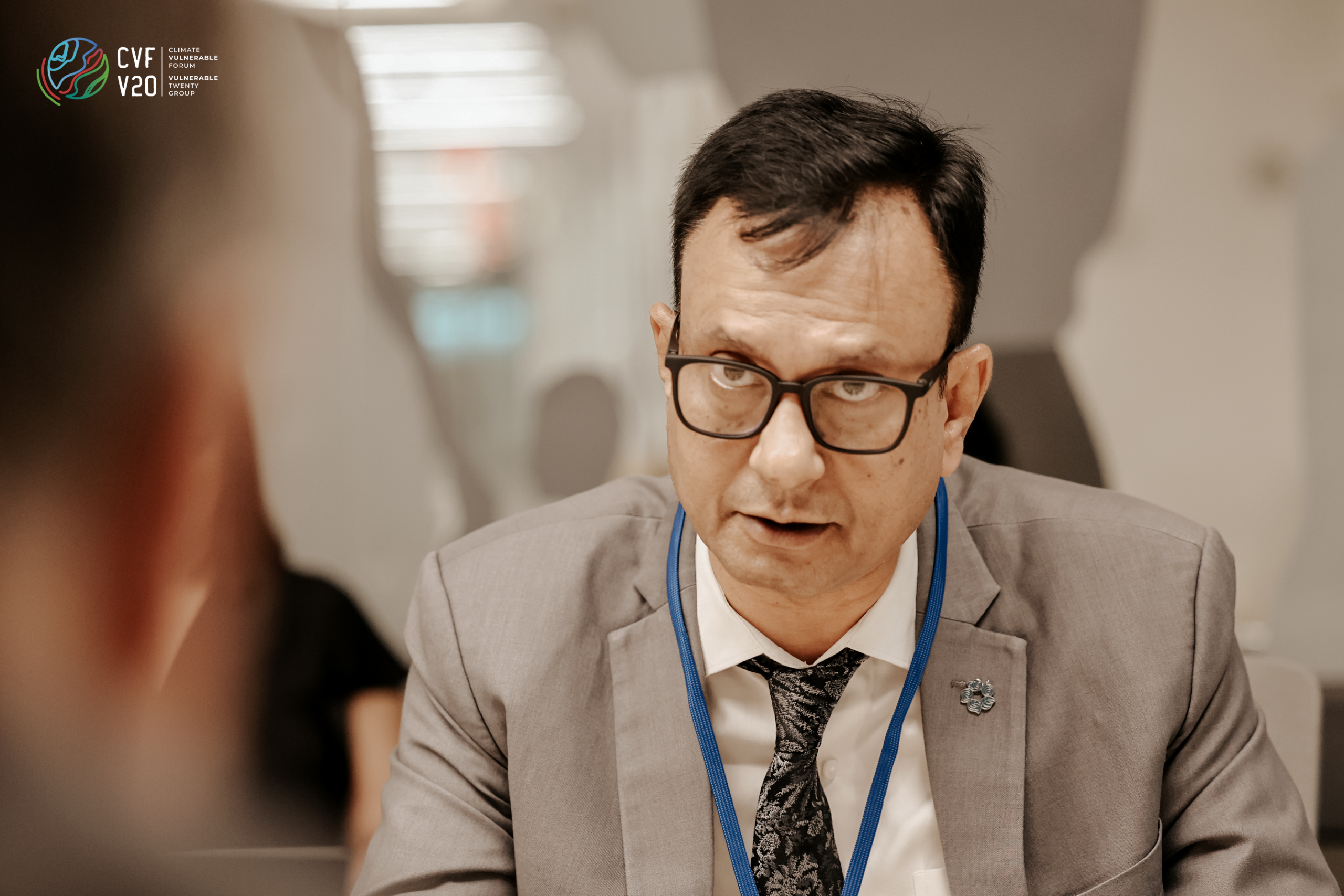
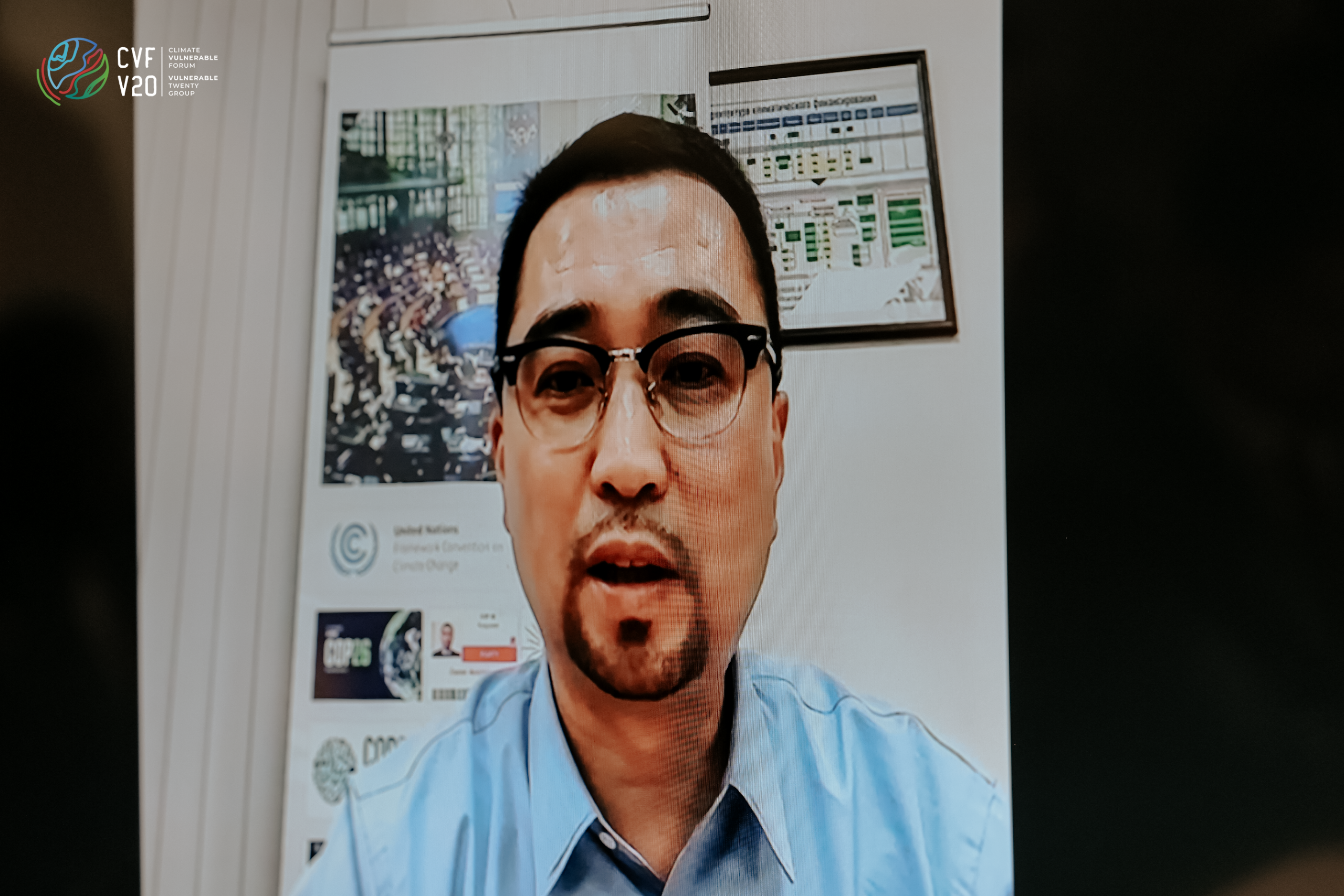
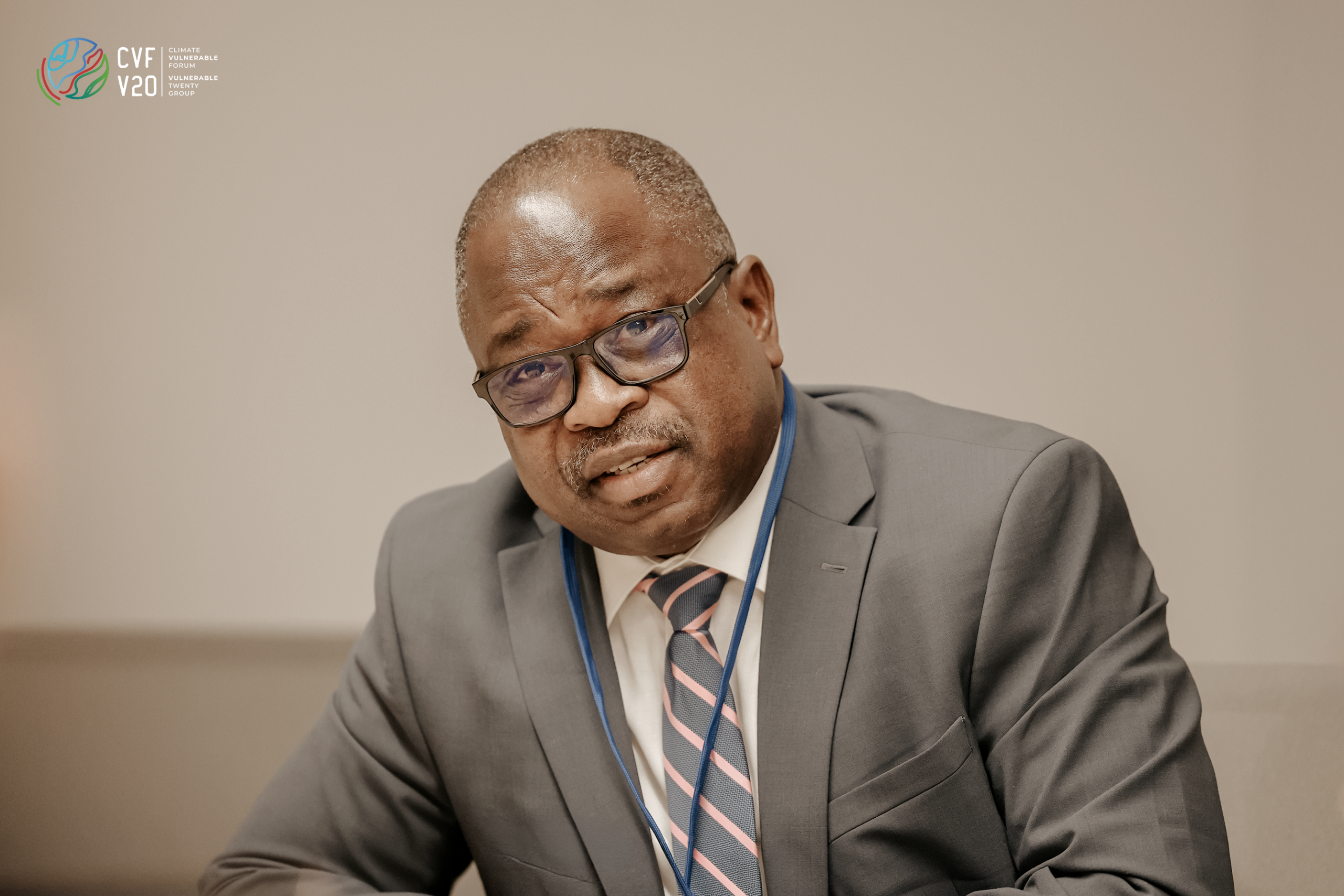
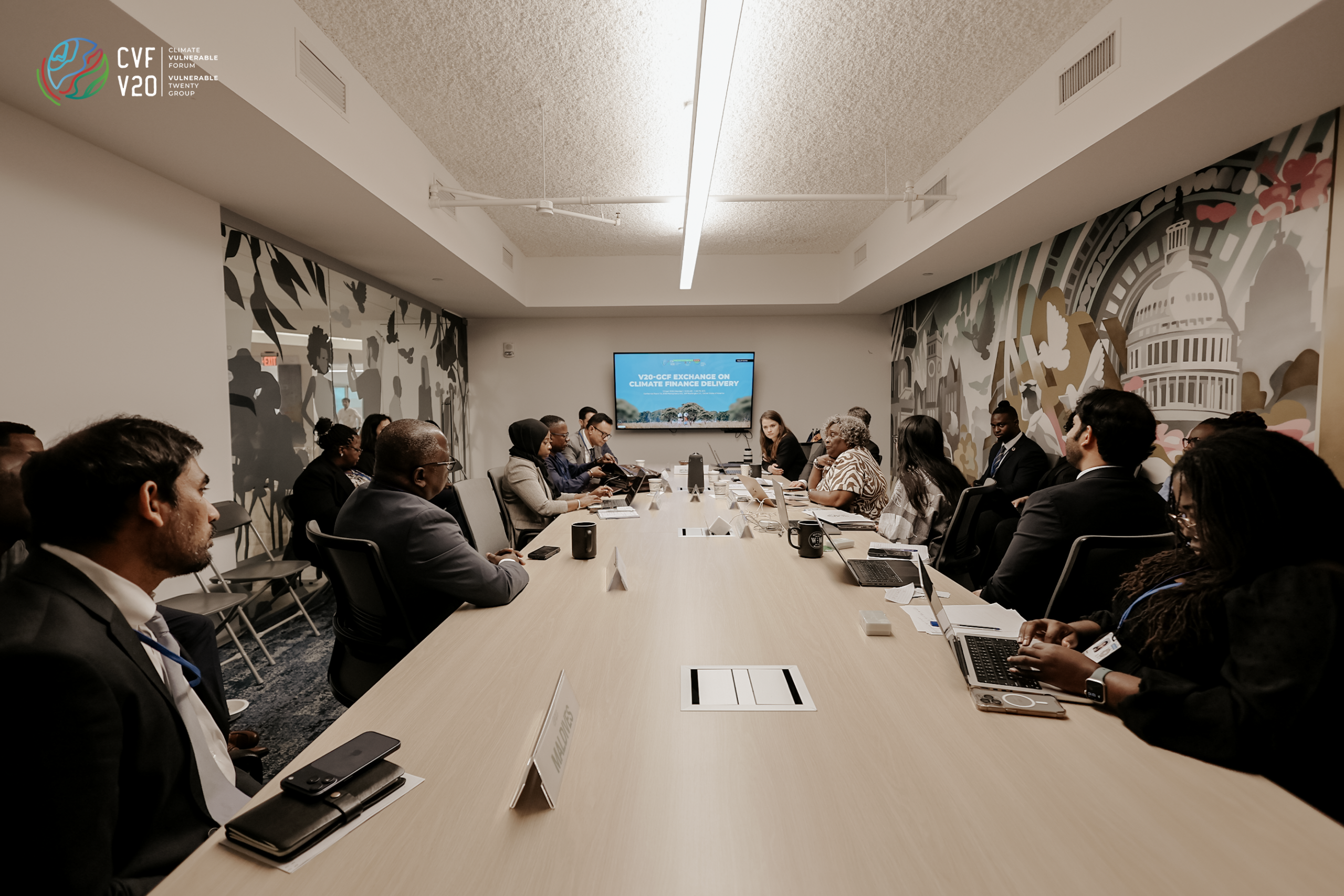
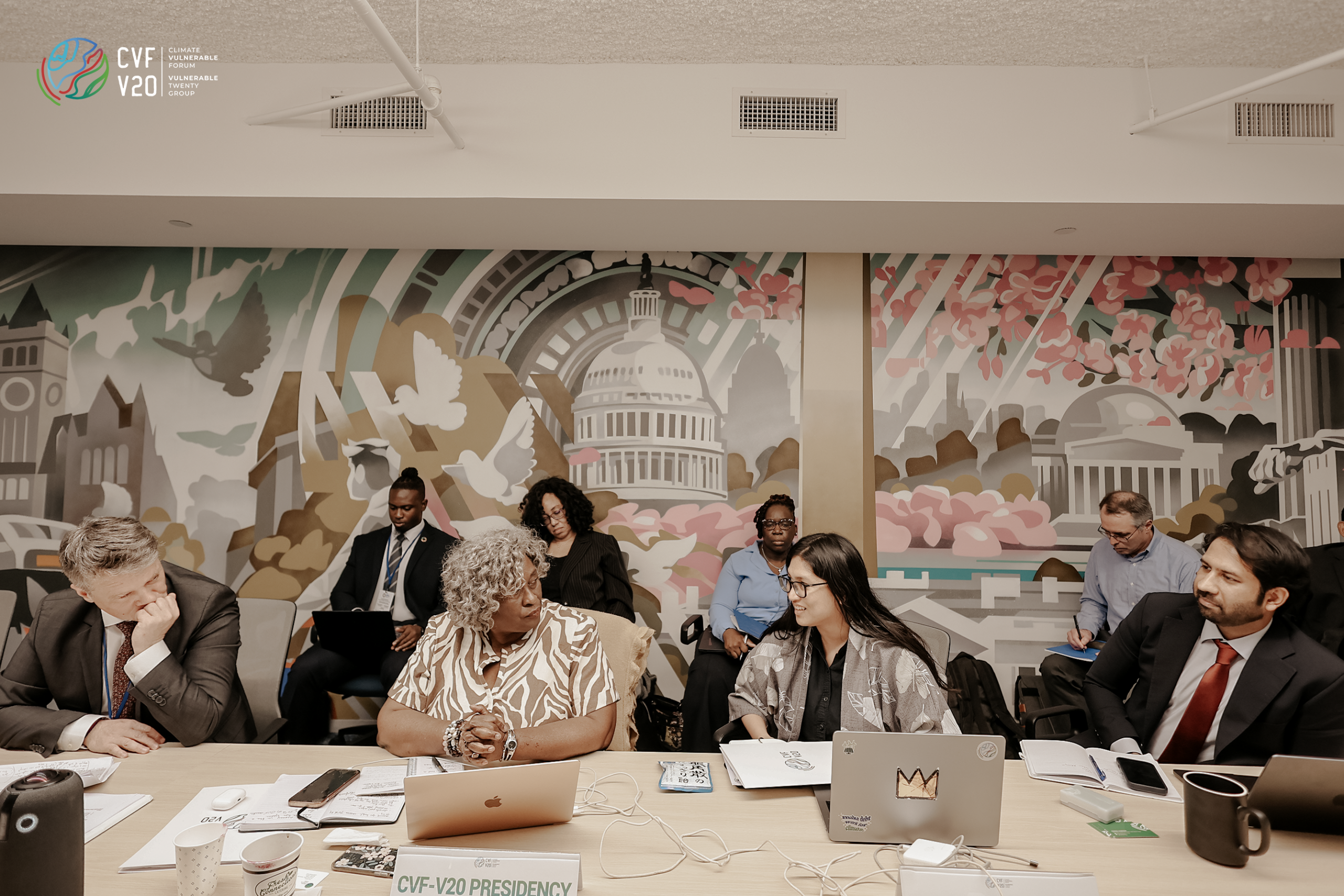
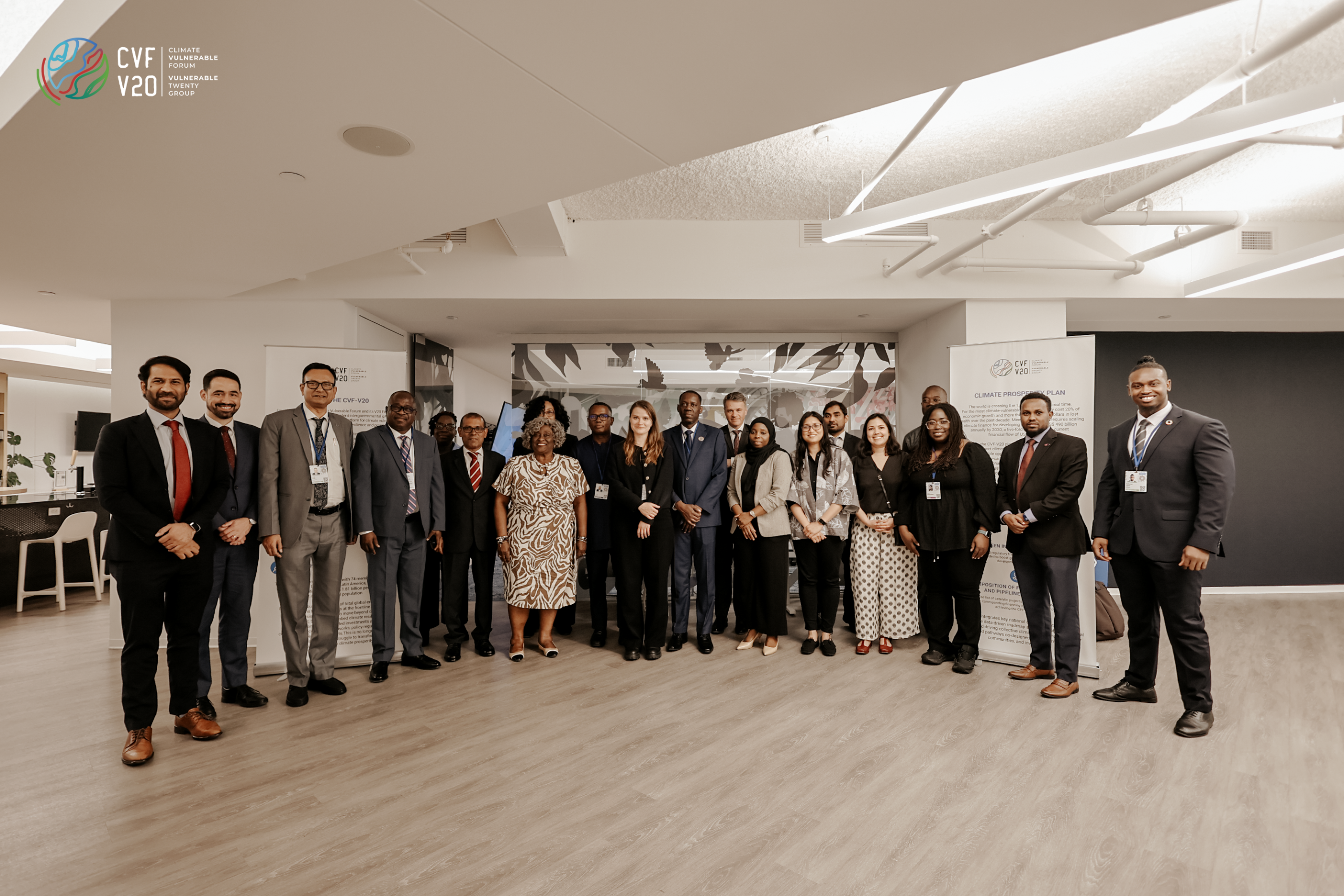
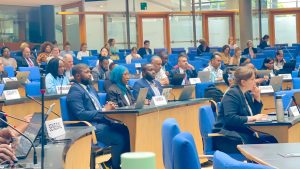
Washington, D.C., USA—Senior officials and technical staff from Climate Vulnerable Forum and V20 Finance Ministers (CVF-V20) member countries joined Green Climate Fund (GCF) officials on Monday for a candid exchange focused on how climate finance commitments can translate into capital deployed on the ground.
The session marked the first formal collaboration between the two (2) organizations since the CVF-V20 was granted observer status to the GCF early this year. The timing was deliberate: the GCF is in the early stages of developing its Third Updated Strategic Plan (USP-3) for 2028-2031, and the voices of climate-vulnerable economies have never been more critical to bring in early to shape strategic direction, operational modalities, and resource allocation.
The knowledge session was attended by 19 CVF-V20 member countries, participating in person and online: Bangladesh, Barbados, Benin, Bhutan, Cabo Verde, Democratic Republic of Congo, Fiji, The Gambia, Ghana, Haiti, Kyrgyzstan, Madagascar, Malawi, Maldives, Marshall Islands, Namibia, Pakistan, Philippines, and Sri Lanka.
CPPs as Investment Platforms
For CVF-V20 economies, the climate crisis is fundamentally a financing challenge. These economies stand on the frontline of climate impacts while navigating some of the highest capital costs globally, constrained fiscal space, and fragmented access to international finance. The problem is not the absence of national ambition but the persistent mismatch between country investment opportunities and the structure of available financing.
Climate Prosperity Plans (CPPs) are one of the CVF-V20’s flagship responses to this challenge.
CPPs are built around bankable pipelines of investment opportunities, grounded in macroeconomic realities and implemented through delivery structures known as Country Platforms, typically anchored in Ministries of Finance. These platforms coordinate line ministries, development banks, and capital mobilization institutions under a single architecture with the objective of accelerating climate-resilient growth and inclusive prosperity.
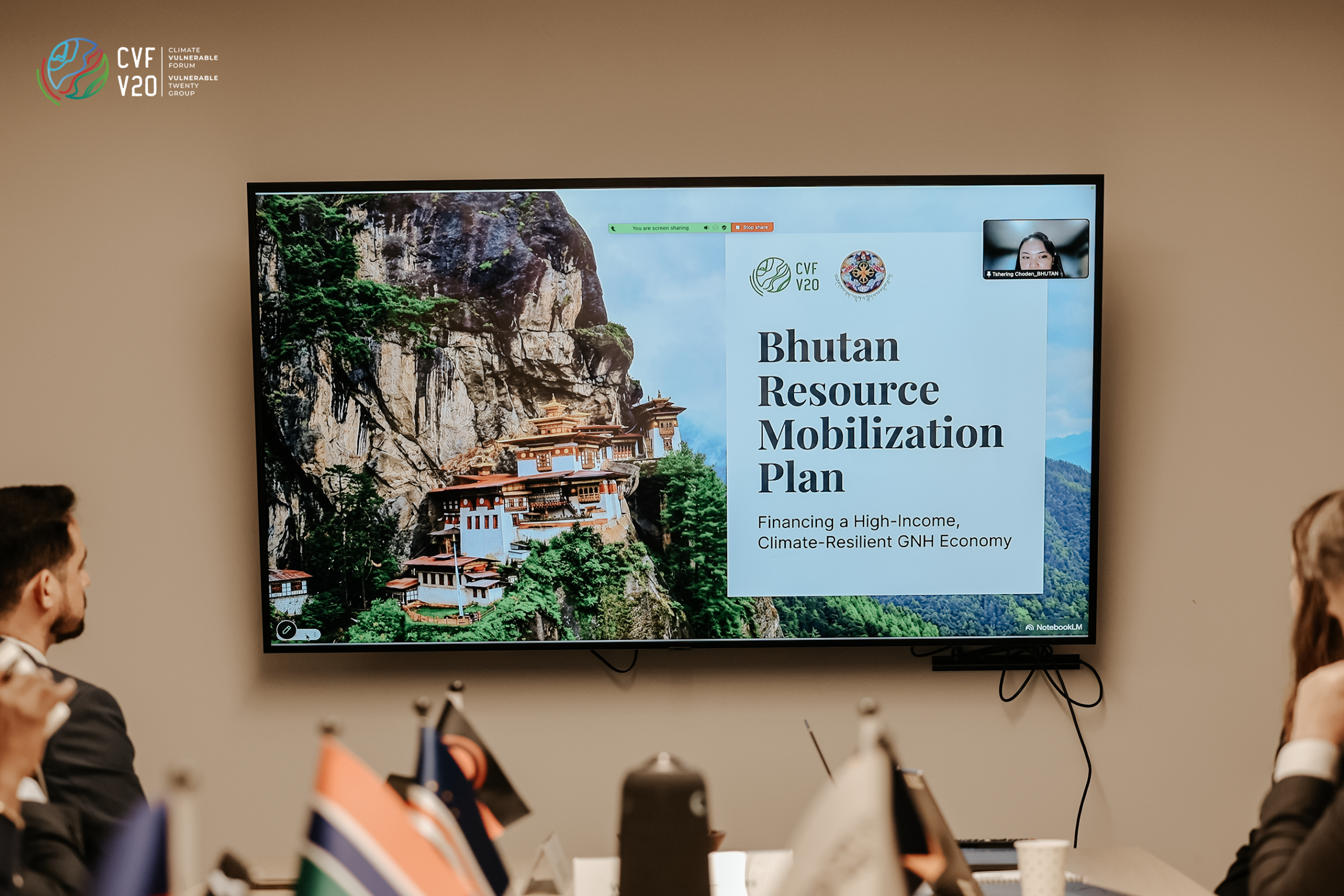
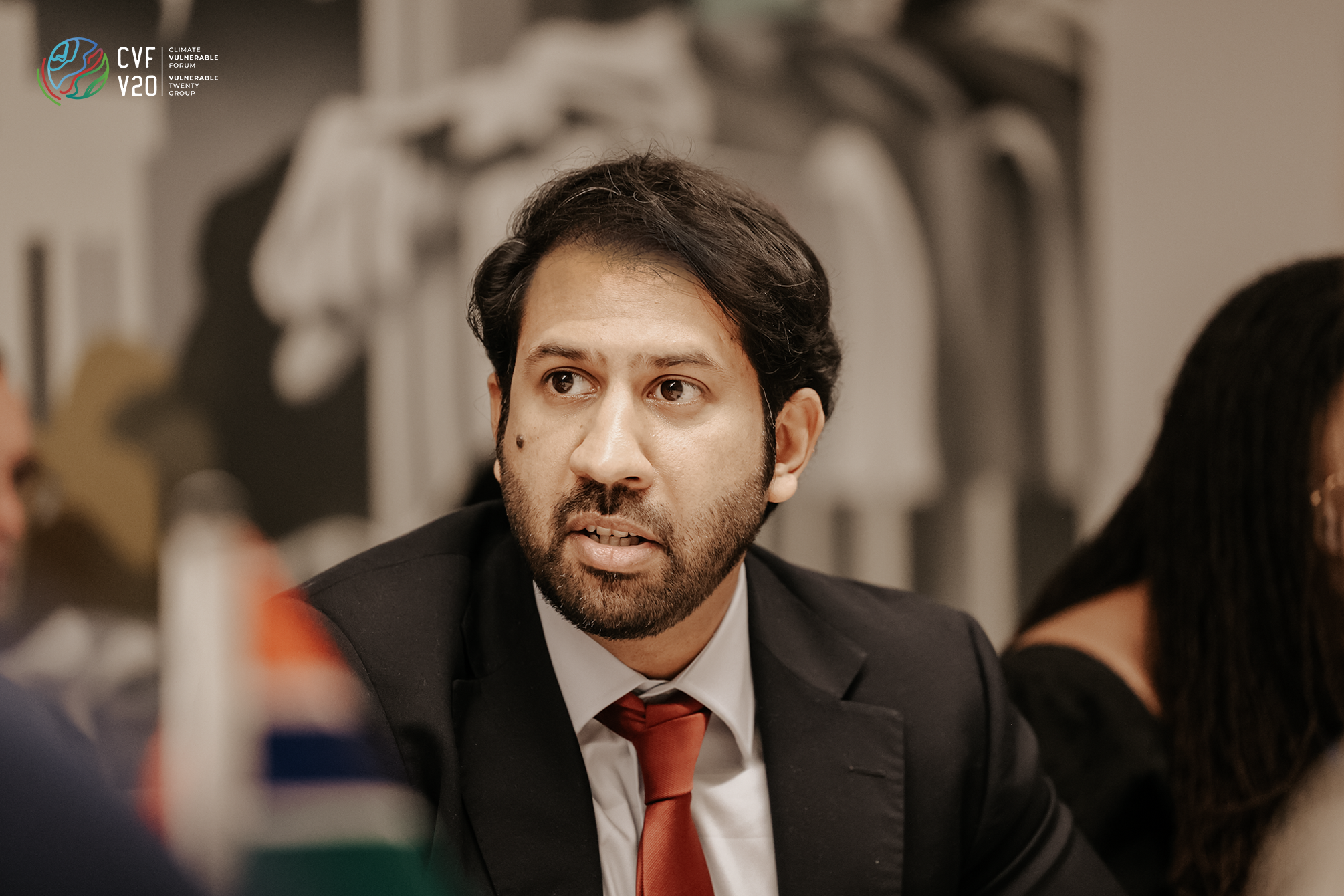
During the session, representatives from The Gambia and Bhutan shared their experiences in developing their respective CPPs and Country Platforms, which were launched early this year. Both underscored the importance of national ownership, alongside well-structured strategic partnerships designed to catalyze delivery. Country Platforms, which are national delivery units, work best when governments remain firmly in the driver’s seat, developing bankable project pipelines, mobilizing resources through country-led and regionally driven partnerships rather than externally imposed agendas.
Strengthening Country Platforms as Delivery Units
There is an opportunity for the GCF to be a key partner in building this climate prosperity ecosystem in CVF-V20 countries.
The GCF Readiness and Preparatory Support Programme provides upstream institutional and capacity support. GCF announced, at COP30, support for 17 Country and Regional Platforms, seven (7) of which are CVF-V20 member countries (Cambodia, Colombia, Dominican Republic, Mongolia, Pakistan, Rwanda, and Togo).
Examining what it takes for Country Platforms to graduate from coordination mechanisms to genuine delivery units, officials from the CVF-V20 member countries identified the following as priority areas: faster readiness funding, stronger project preparation linked to investment pipelines, and more responsive private sector engagement.
The Country Platform Hub, a specialized coordination mechanism launched by the COP30 Presidency last year, was welcomed as a vehicle for South-South peer learning to address gaps in platform design and implementation, provided it complements rather than duplicates existing coordination efforts.
Priorities for the Next GCF Strategic Cycle
Considering their experiences from USP-2, CVF-V20 countries called for stronger support across the full project cycle and for processes that reduce transaction costs on already-stretched public finance and delivery systems.
Priorities for the next strategic cycle include concessional, non-debt-creating financing for adaptation; risk-sharing and early-stage financing, blended finance structures that crowd in private capital; and trigger-based instruments, such as climate-resilient debt clauses and parametric insurance, to accelerate response to climate shocks.
Participants urged that the USP-3 process be shaped from the outset through sustained engagement with vulnerable countries. This is to ensure that country experiences inform the Fund’s strategic priorities, design, and operational modalities before the updated strategic plan is finalized. The overarching message from the session was clear: the resources needed exist within the global system. The challenge is building the delivery infrastructure to capture and deploy them effectively.
***
ABOUT CVF-V20
The CVF-V20 represents 74 member countries from small island developing states (SIDS), least developed countries (LDCs), low to middle-income countries (LMICs), landlocked developing countries (LLDCs), and fragile and conflict-affected states (FCS). Working together, the CVF-V20 aims to achieve climate justice through the realization of Climate Prosperity Plans, which contain ambitious economic and financial resilience strategies designed to attract investment and resources that advance the attainment of the Sustainable Development Goals (SDGs), 30×30 Global Biodiversity, and help keep the average global temperatures to the Paris Agreement’s 1.5°C safety threshold.
CVF-V20 MEMBERSHIP
Africa: Benin, Burkina Faso, Cabo Verde, Chad, Comoros, Côte d’Ivoire, Democratic Republic of the Congo, Eswatini, Ethiopia, Gabon, The Gambia, Ghana (Troika), Guinea, Kenya, Liberia, Madagascar, Malawi, Morocco, Mozambique, Namibia, Niger, Rwanda, Senegal, Sierra Leone, Somalia, South Sudan, Sudan, Tanzania, Togo, Tunisia, Uganda
Asia: Afghanistan, Bangladesh (Troika), Bhutan, Cambodia, Kyrgyzstan, Maldives, Mongolia, Nepal, Pakistan, Philippines, Sri Lanka, Timor-Leste, Vietnam
Caribbean: Barbados (Chair/Troika), Dominica, Dominican Republic, Grenada, Guyana, Haiti, Saint Lucia, Suriname, Trinidad and Tobago
Latin America: Colombia, Costa Rica, Guatemala, Honduras, Nicaragua, Paraguay
Middle East: Jordan, Lebanon, Palestine, Yemen
Pacific: Fiji, Kiribati, Marshall Islands, Nauru, Palau, Papua New Guinea, Samoa, Solomon Islands, Tonga, Tuvalu, Vanuatu
CONTACT
For media enquiries, please contact [email protected].
For the latest updates, please follow us on: