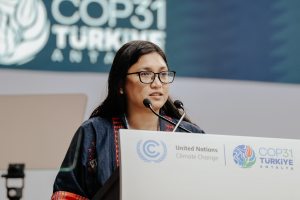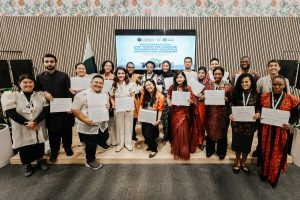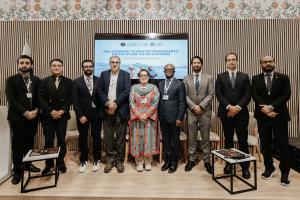
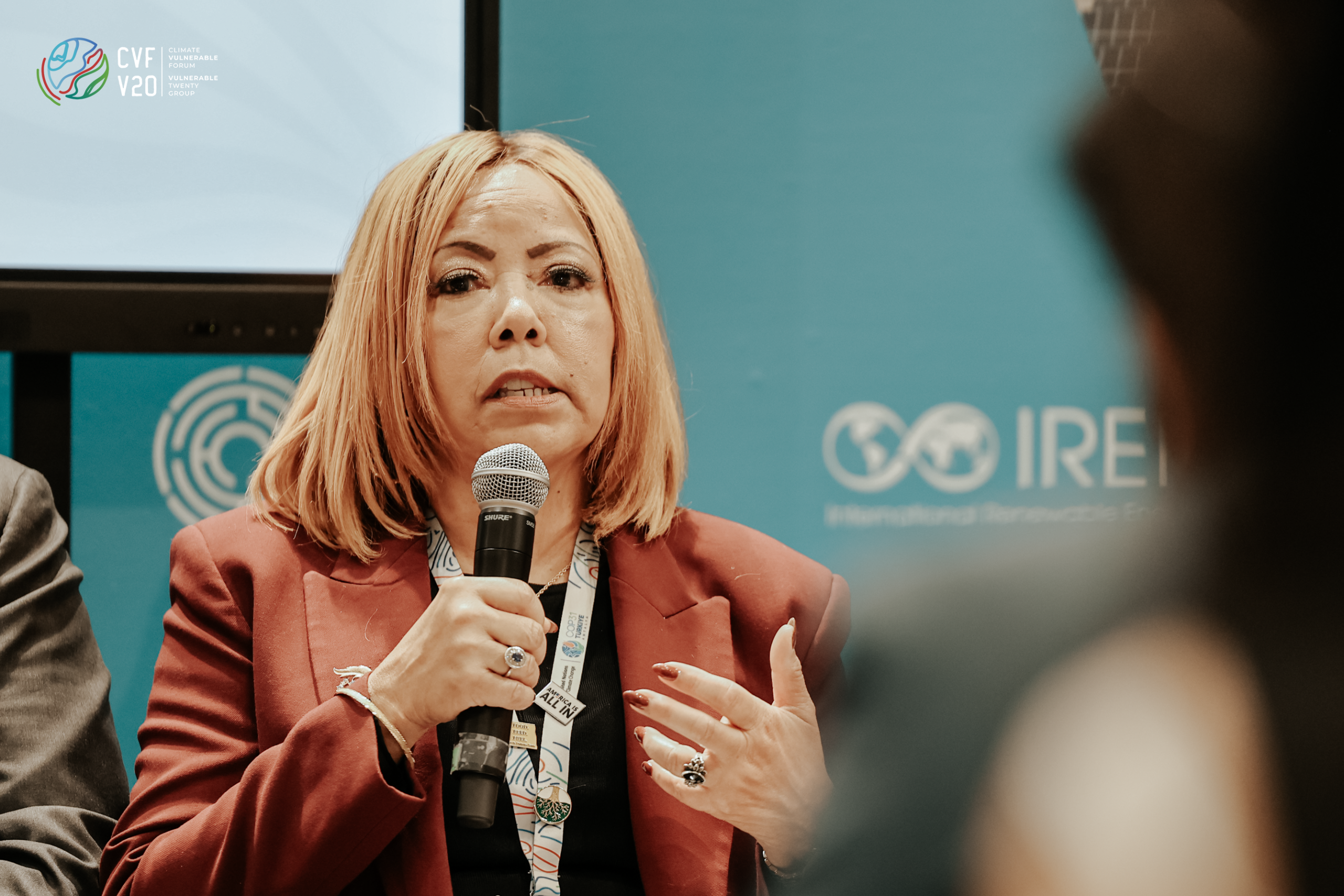
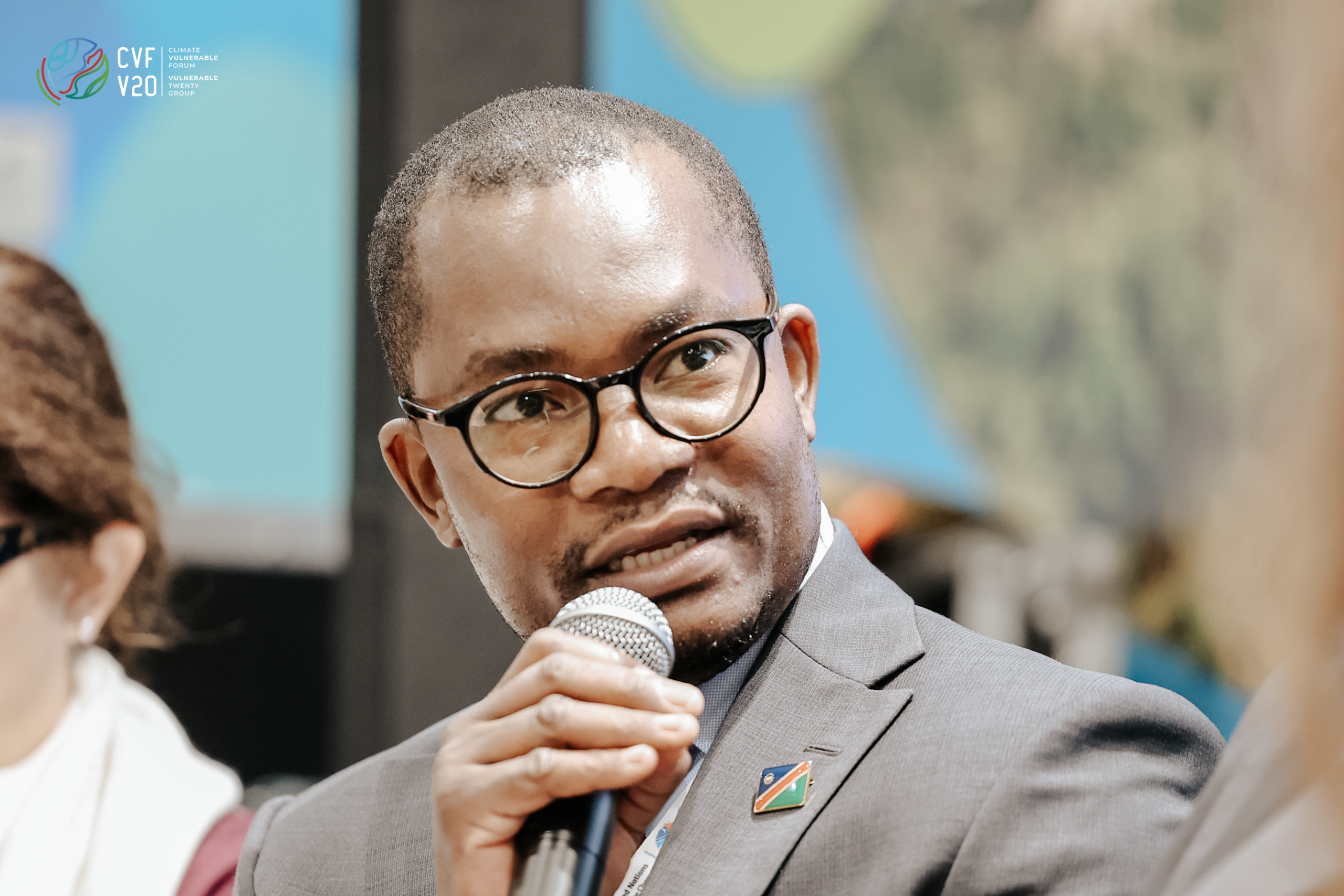
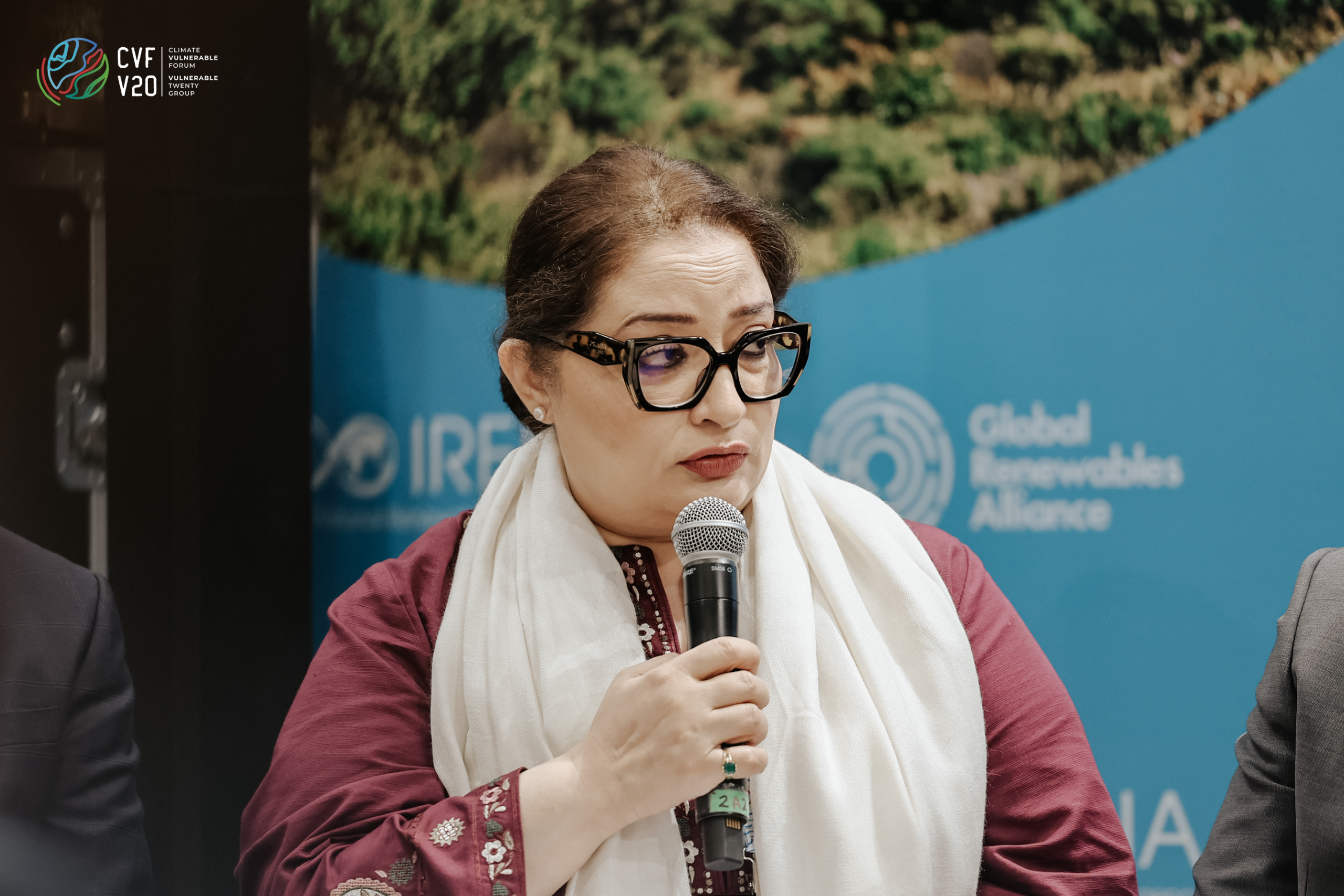
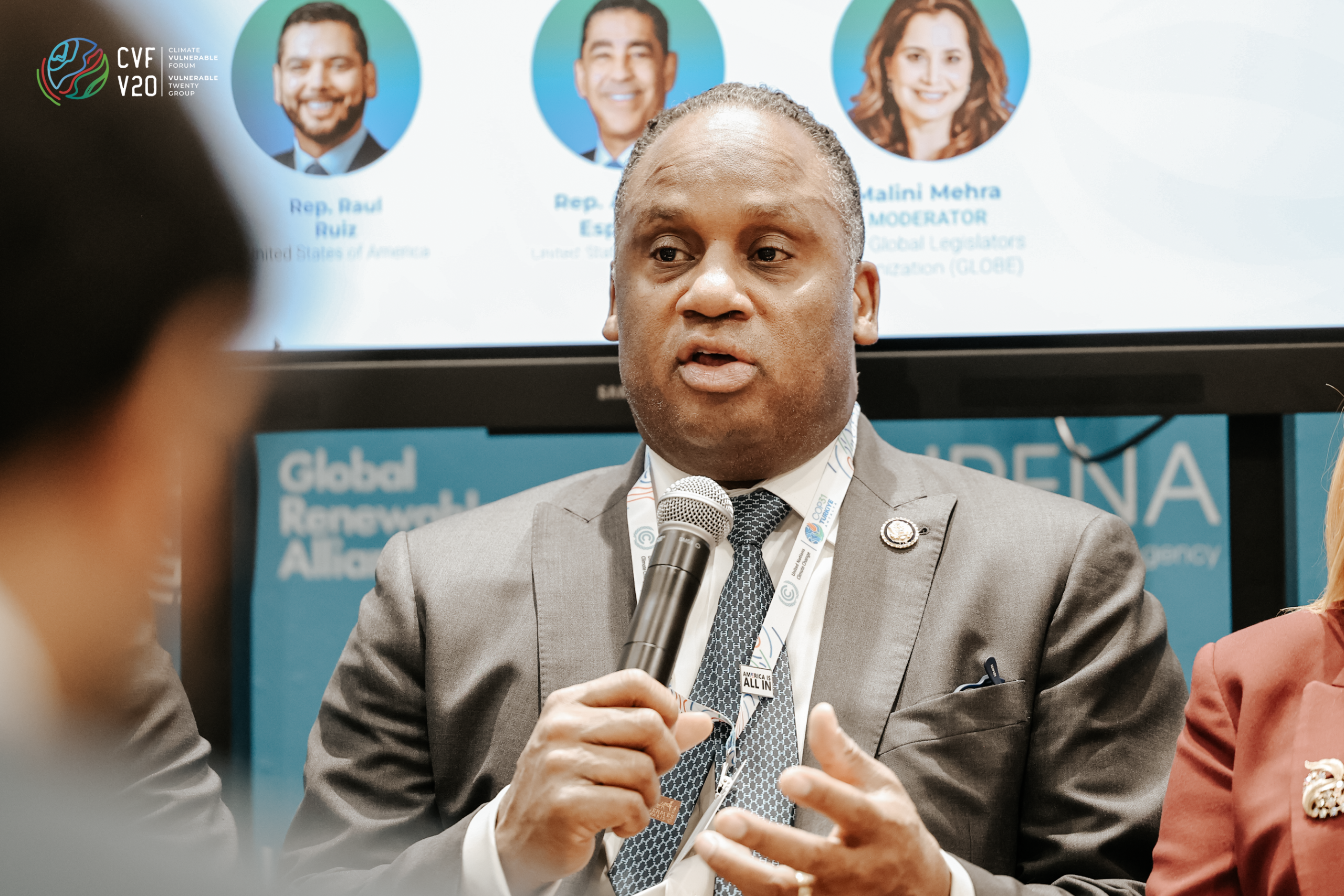
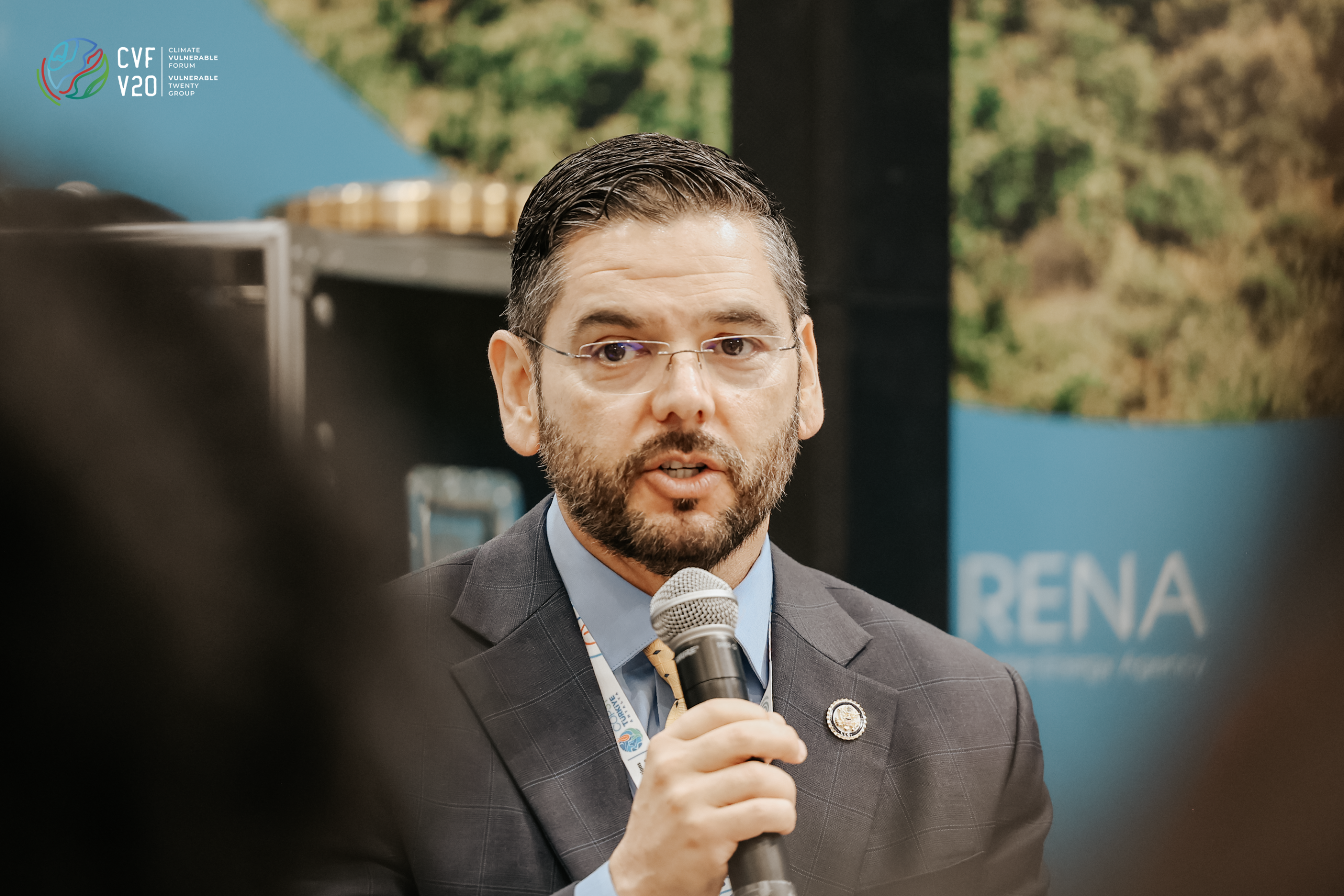
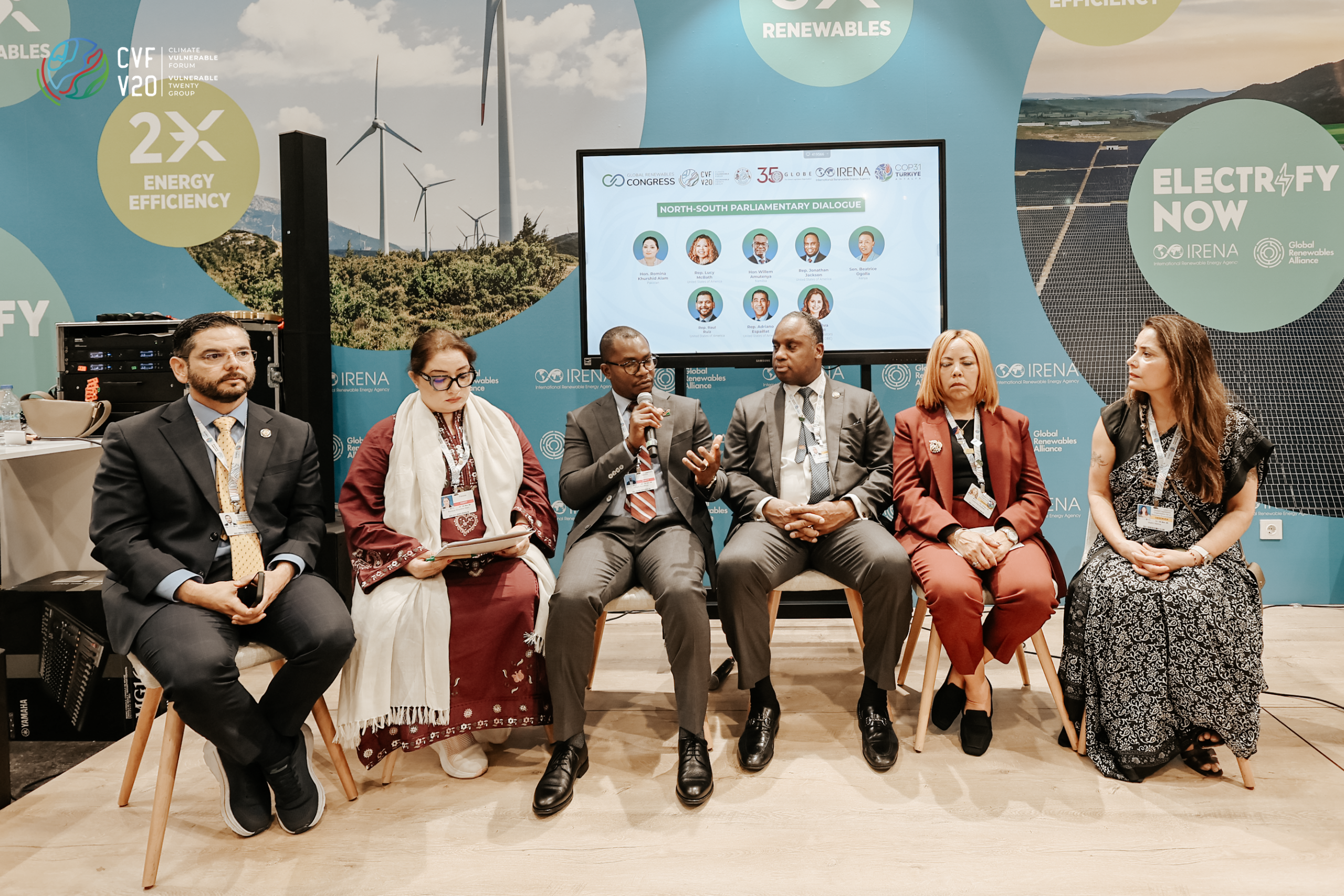
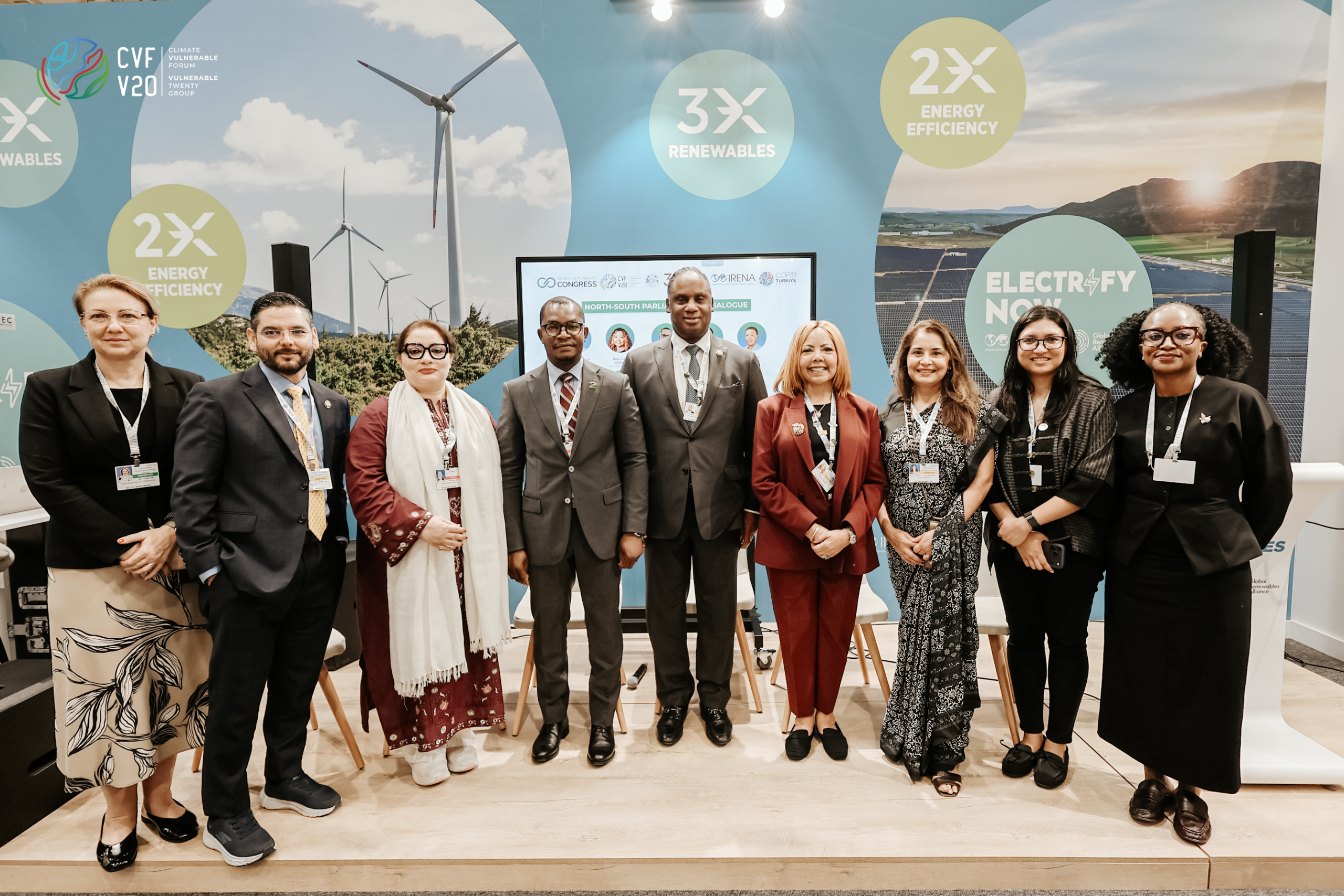
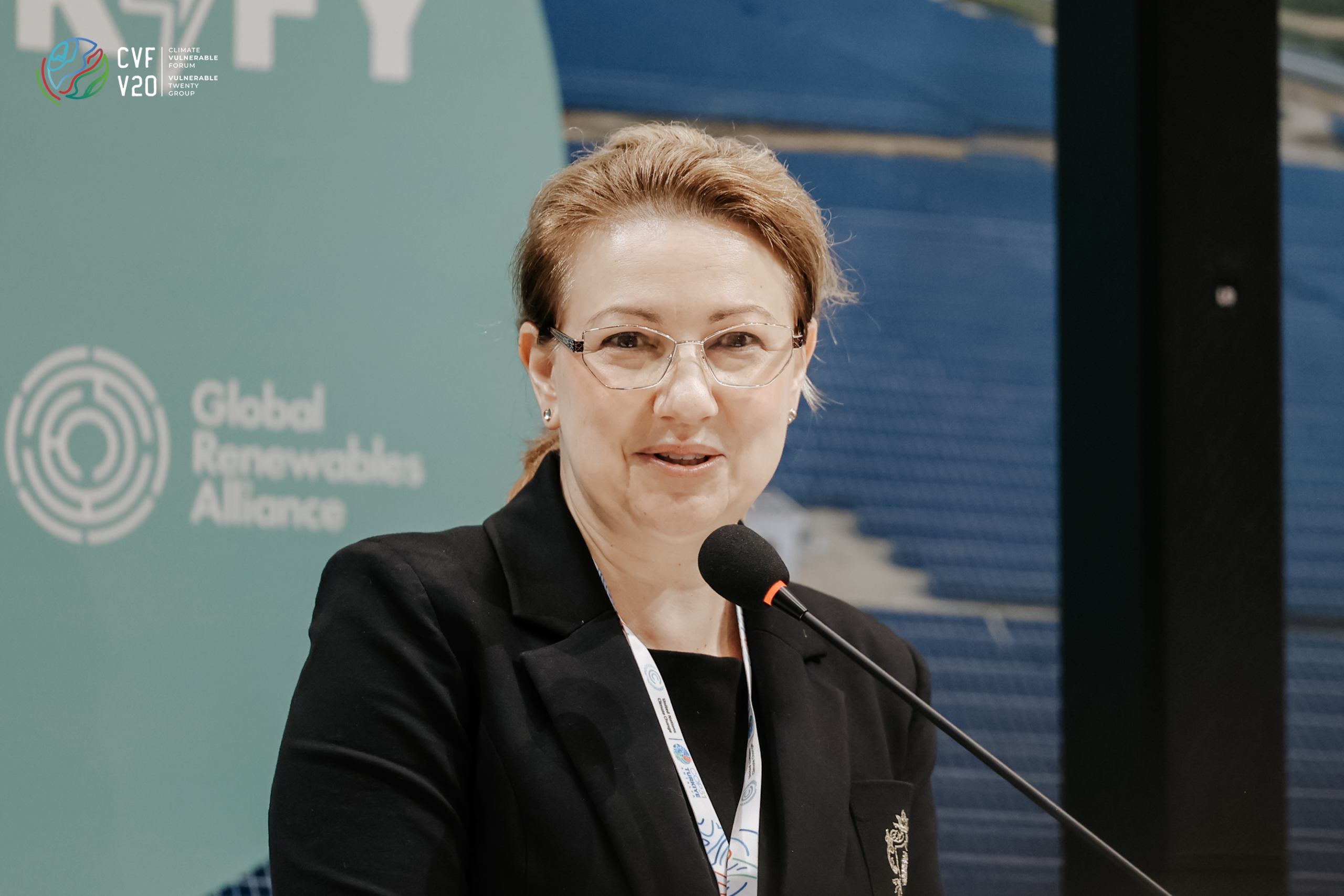
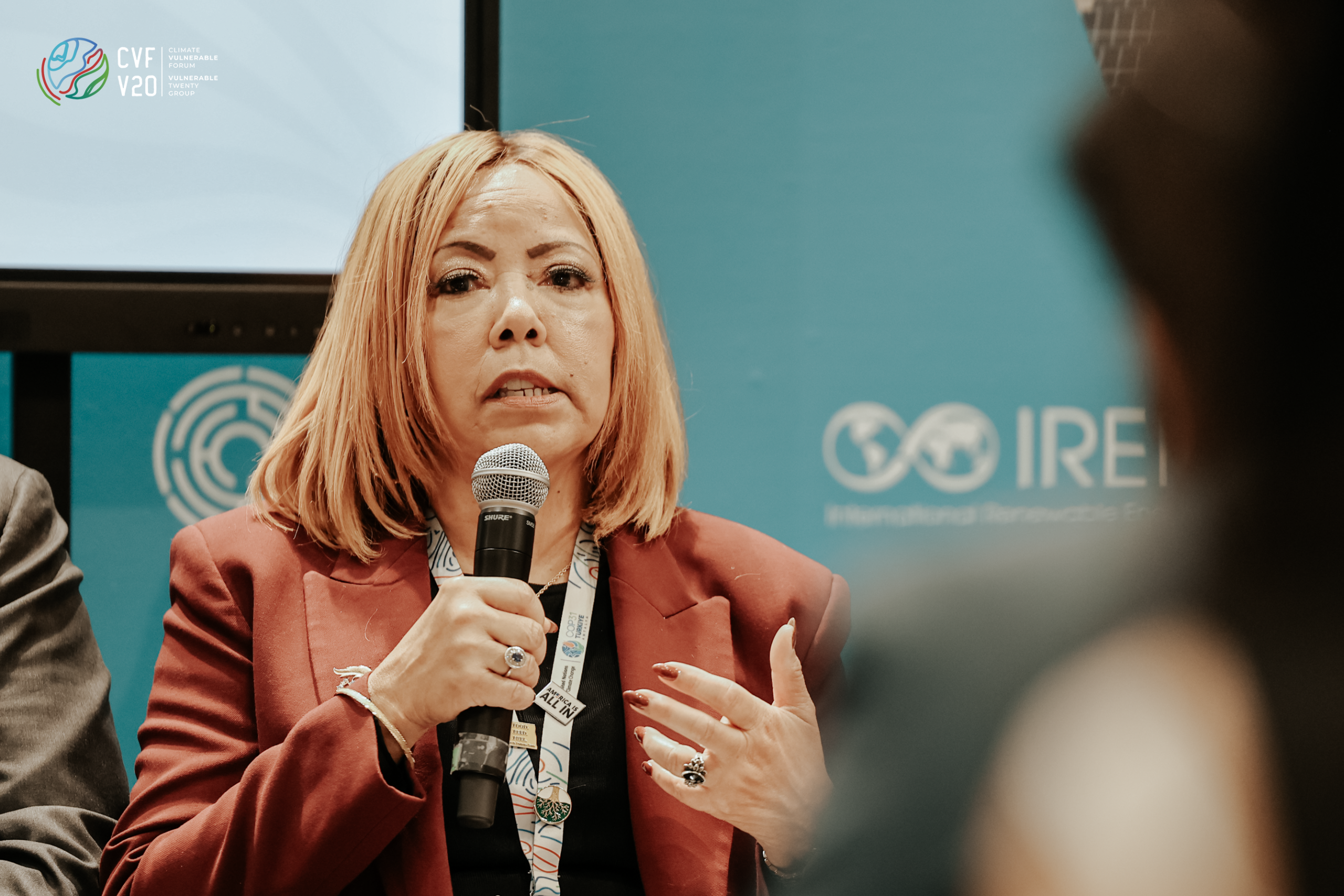
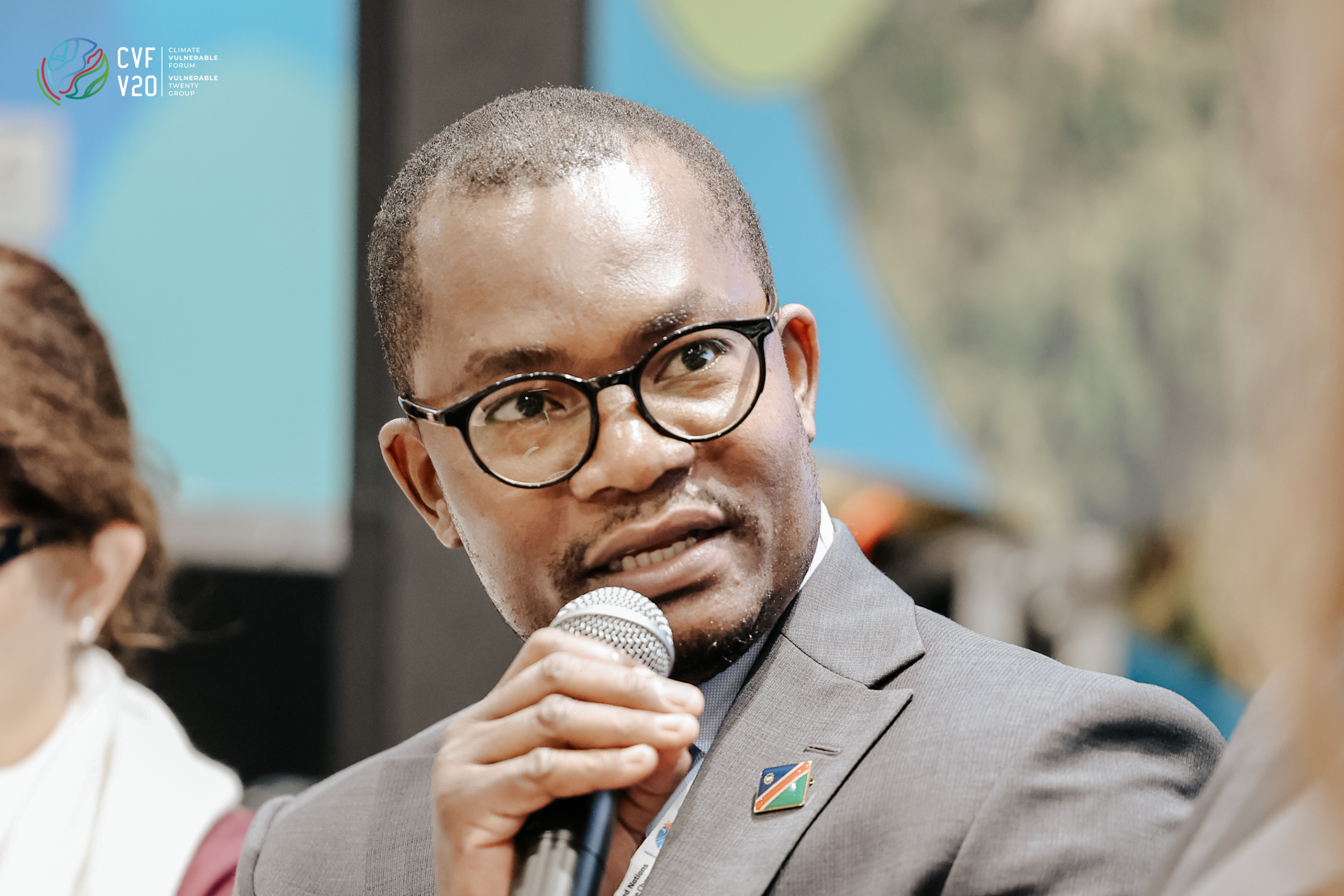
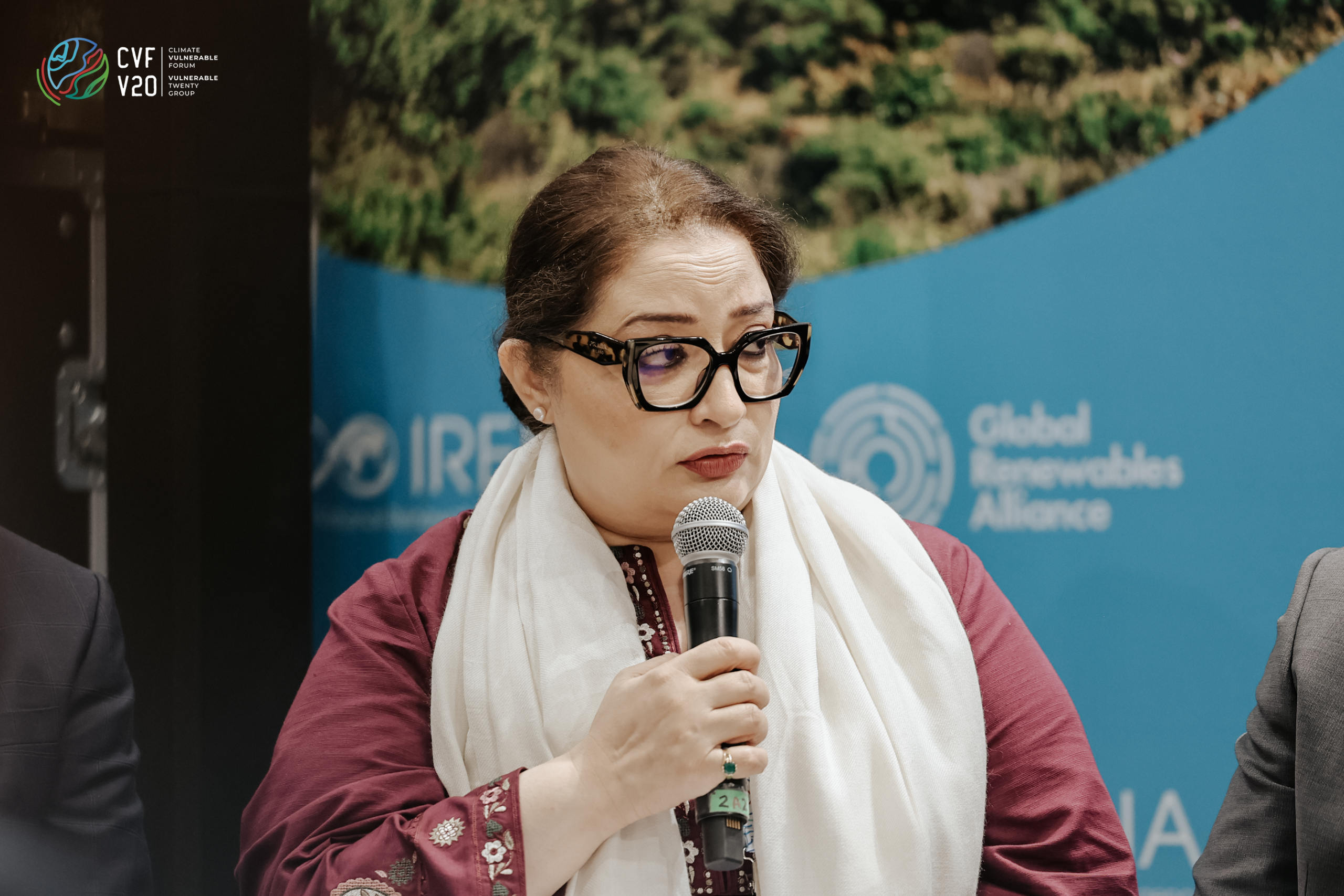
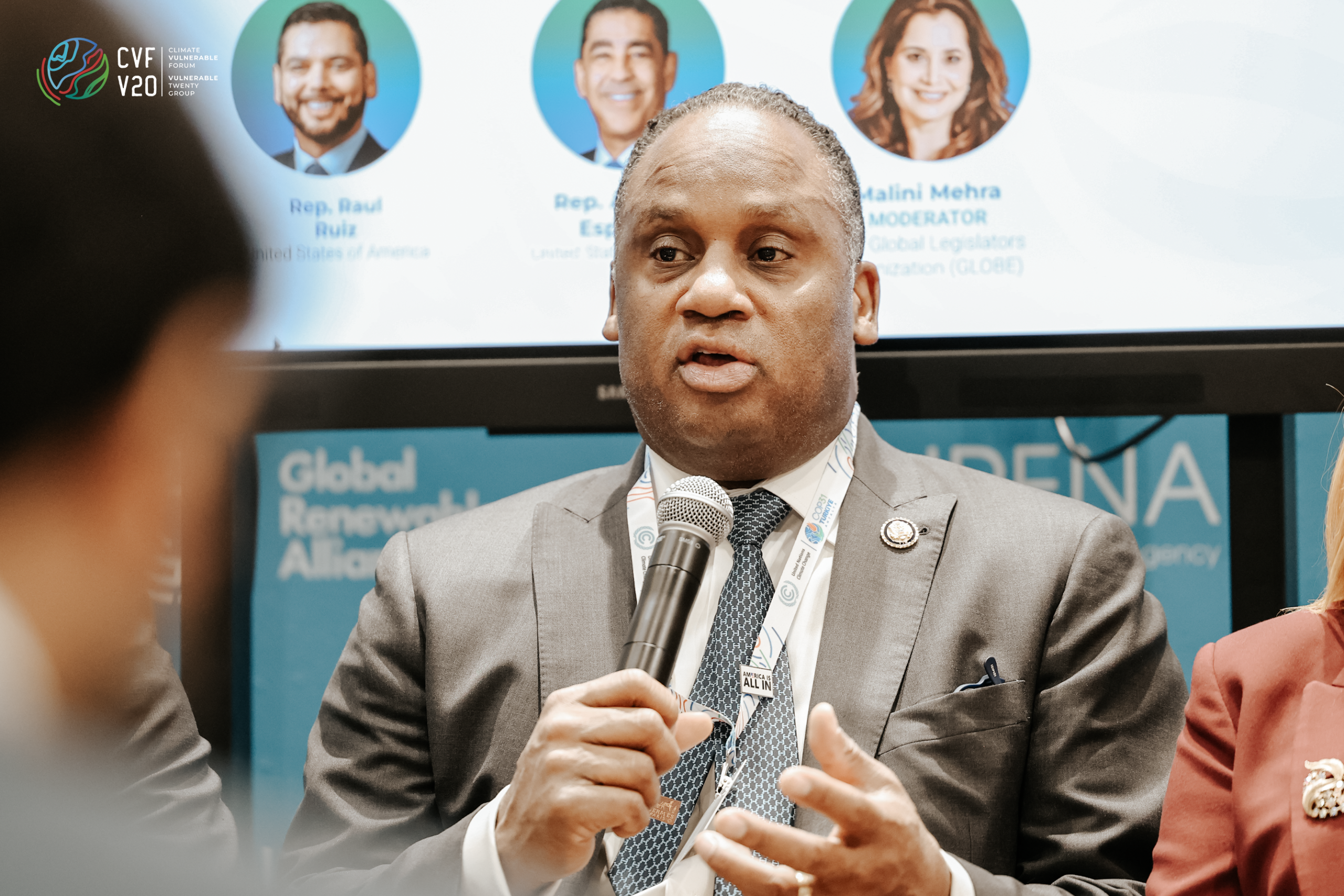
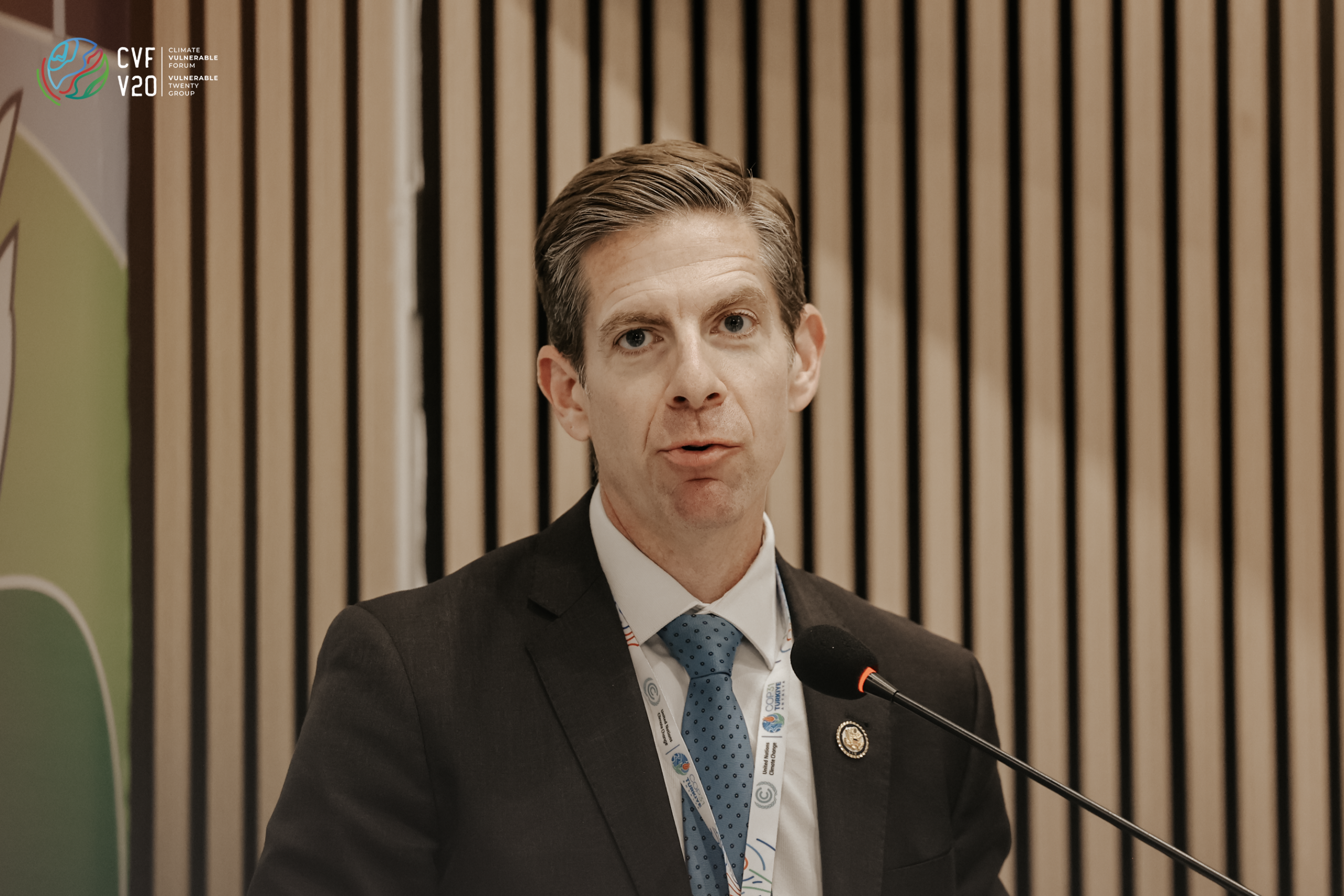
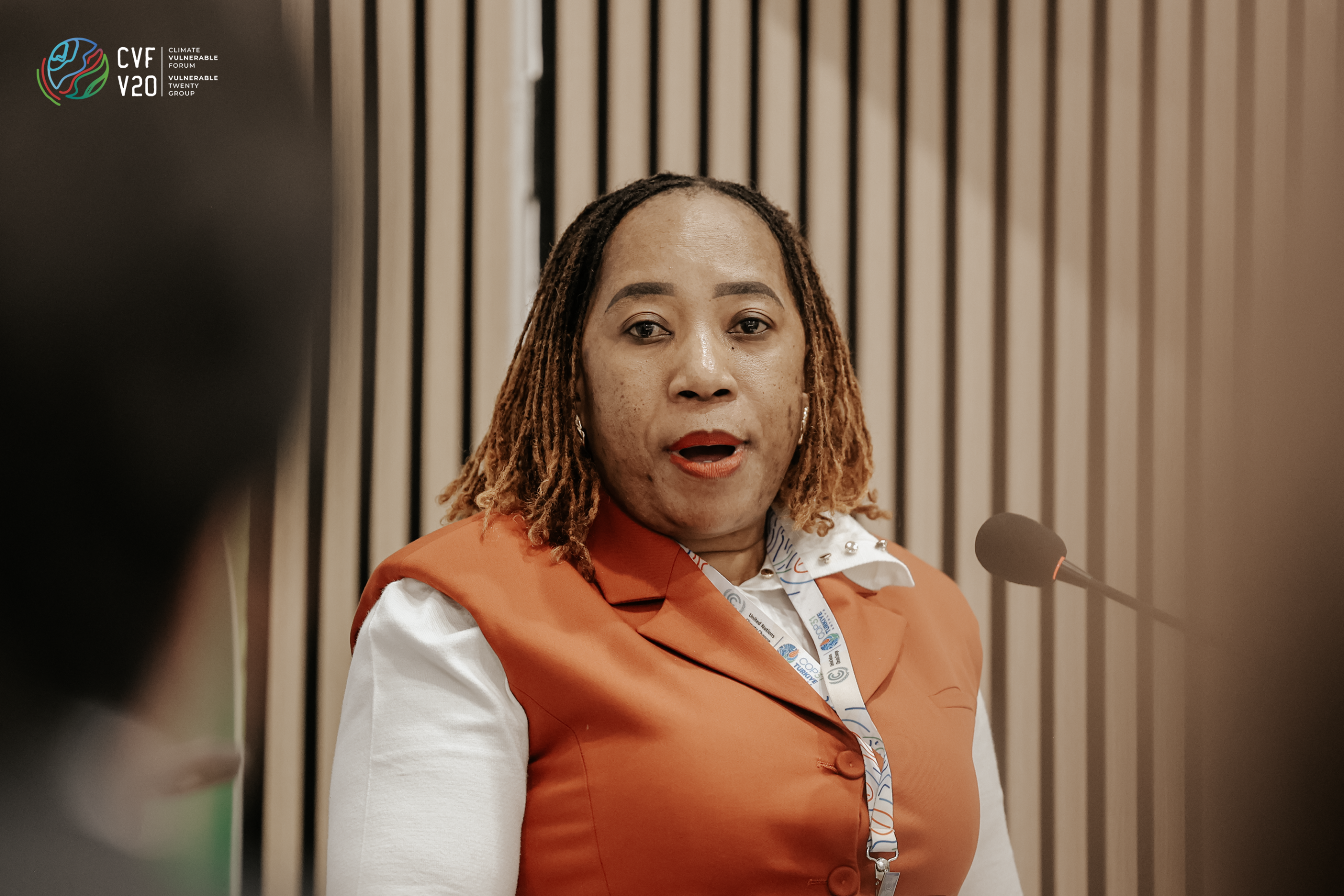
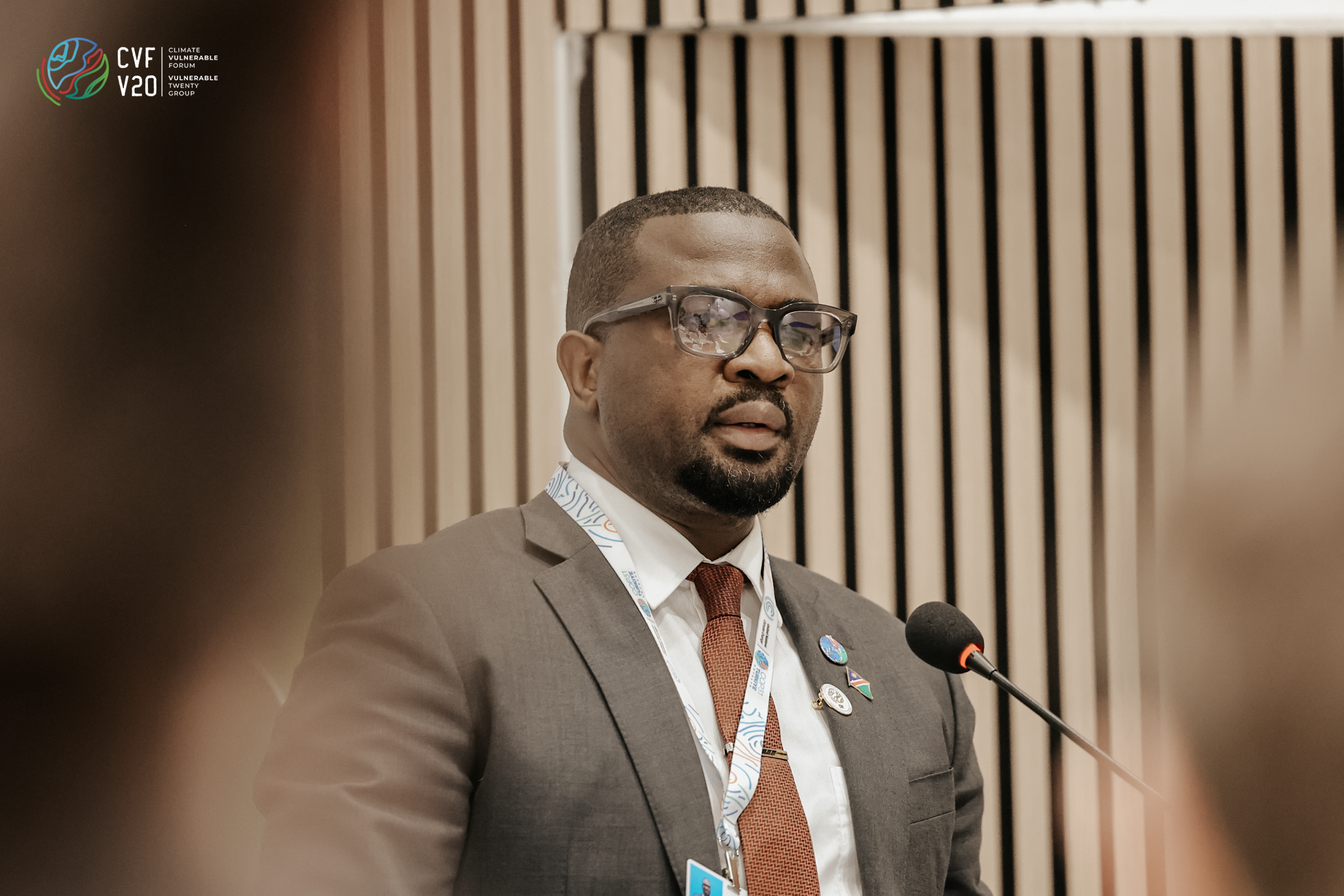
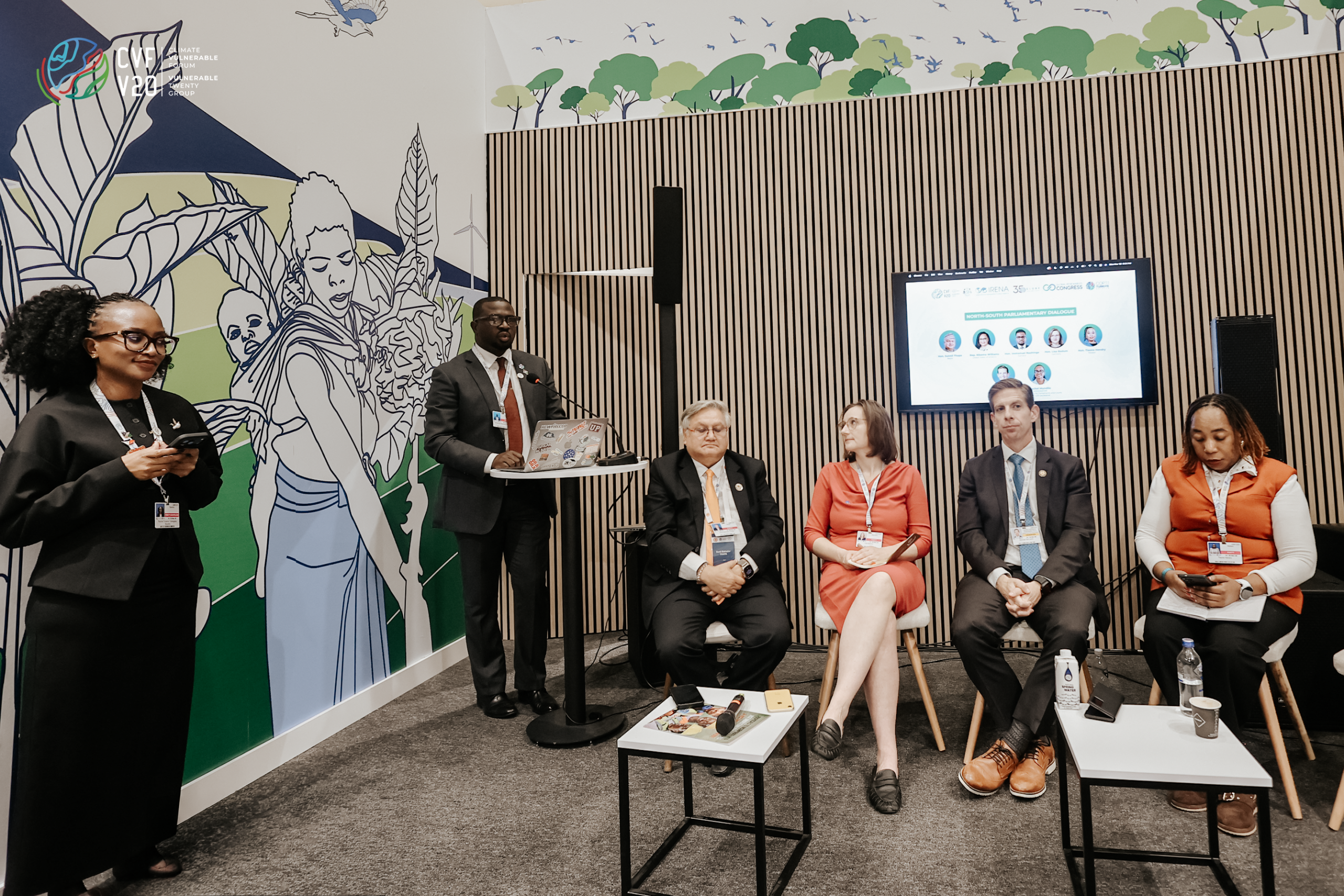


Communities across the Global North and South are both facing energy pressures, but countries don’t have the same financial capacity to respond. That was the central message emerging from two North-South parliamentary dialogues held at COP31 in Antalya.
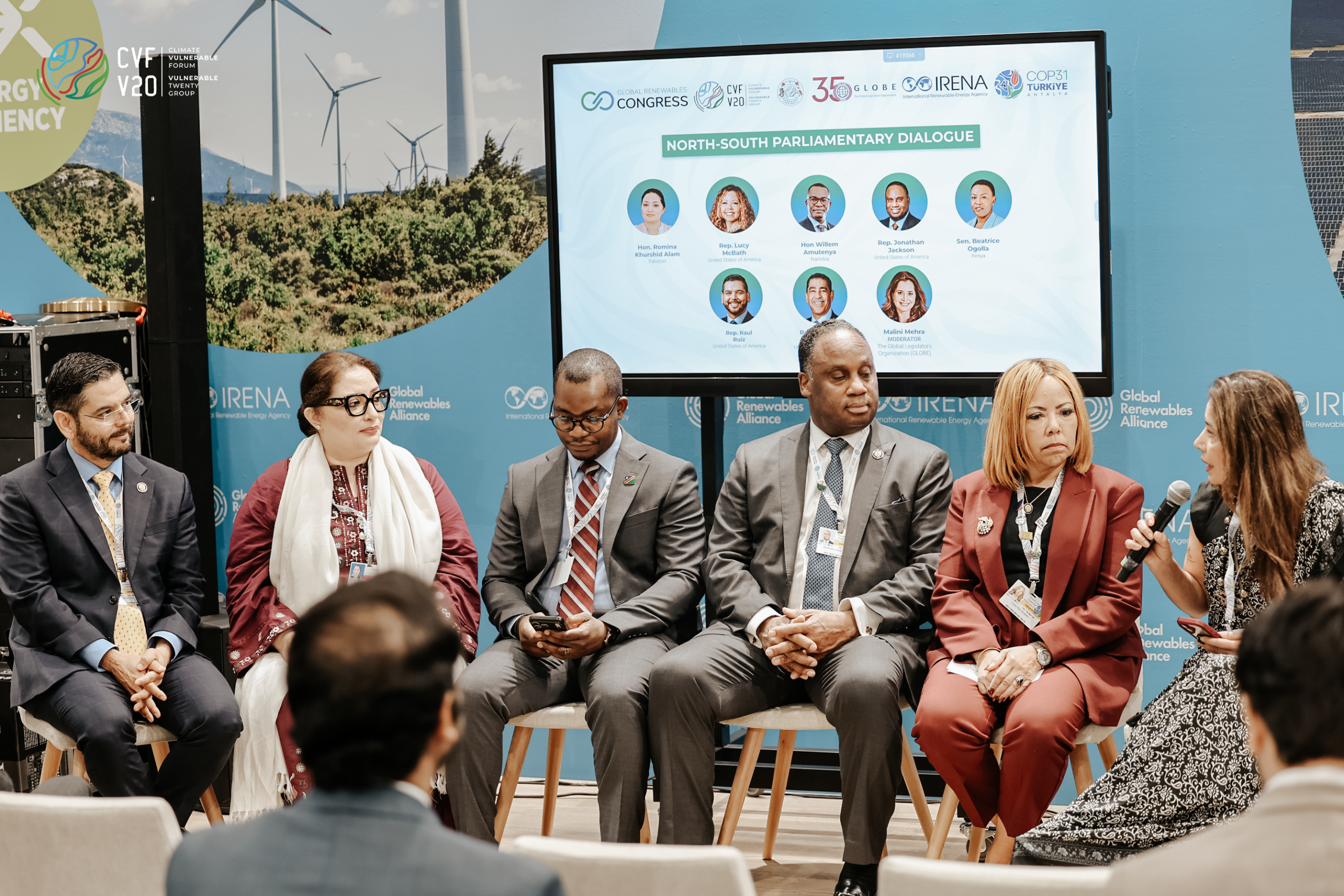
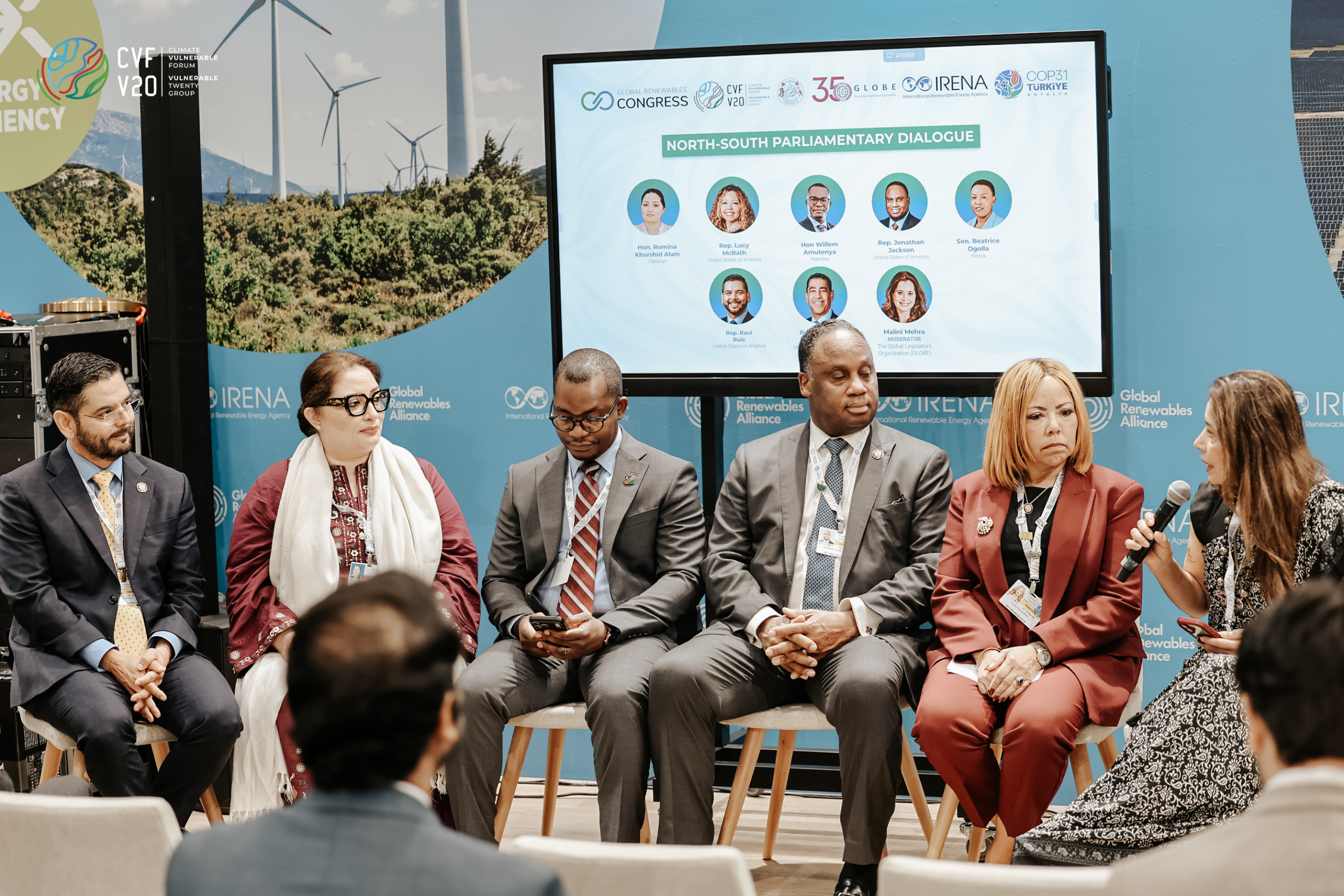
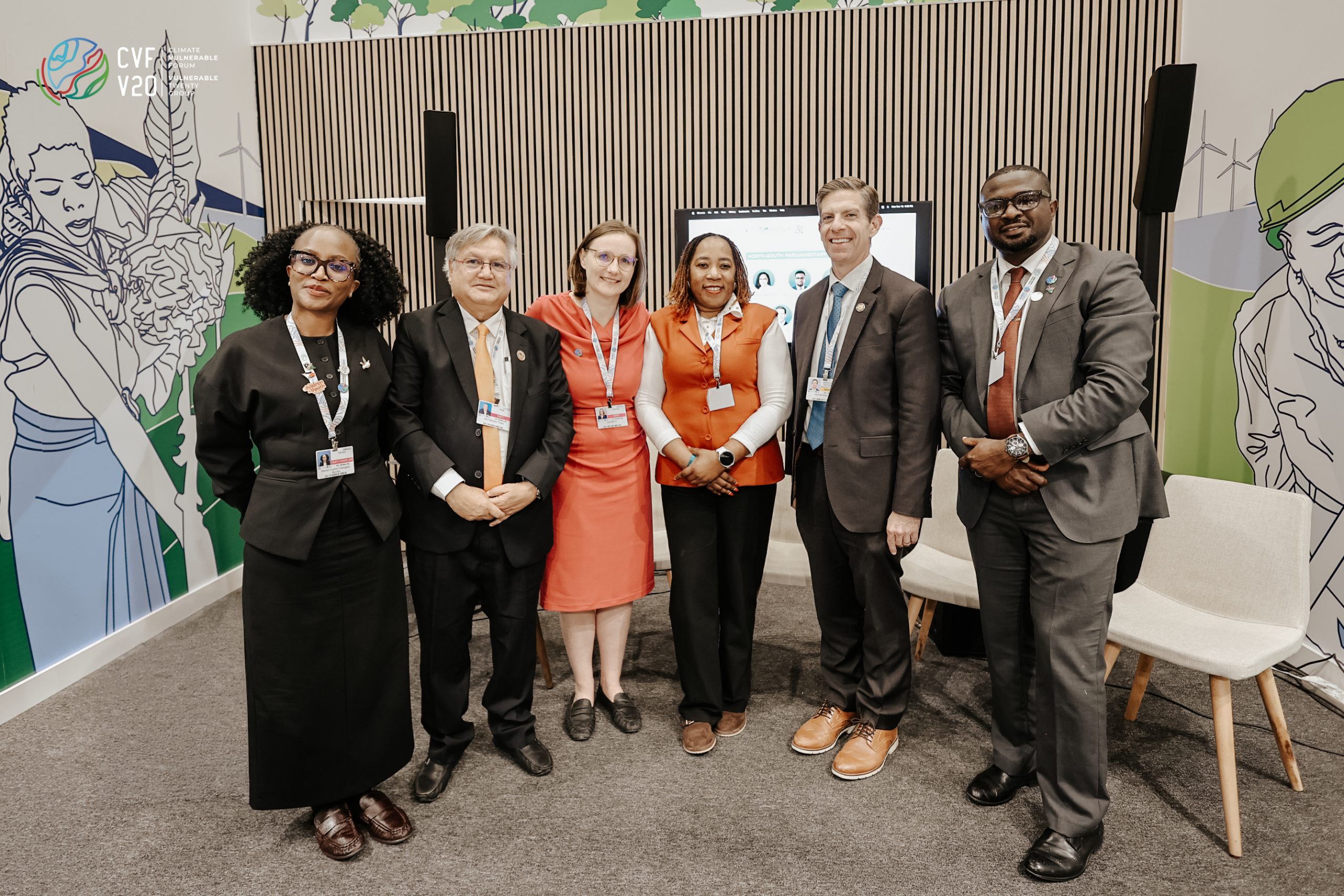
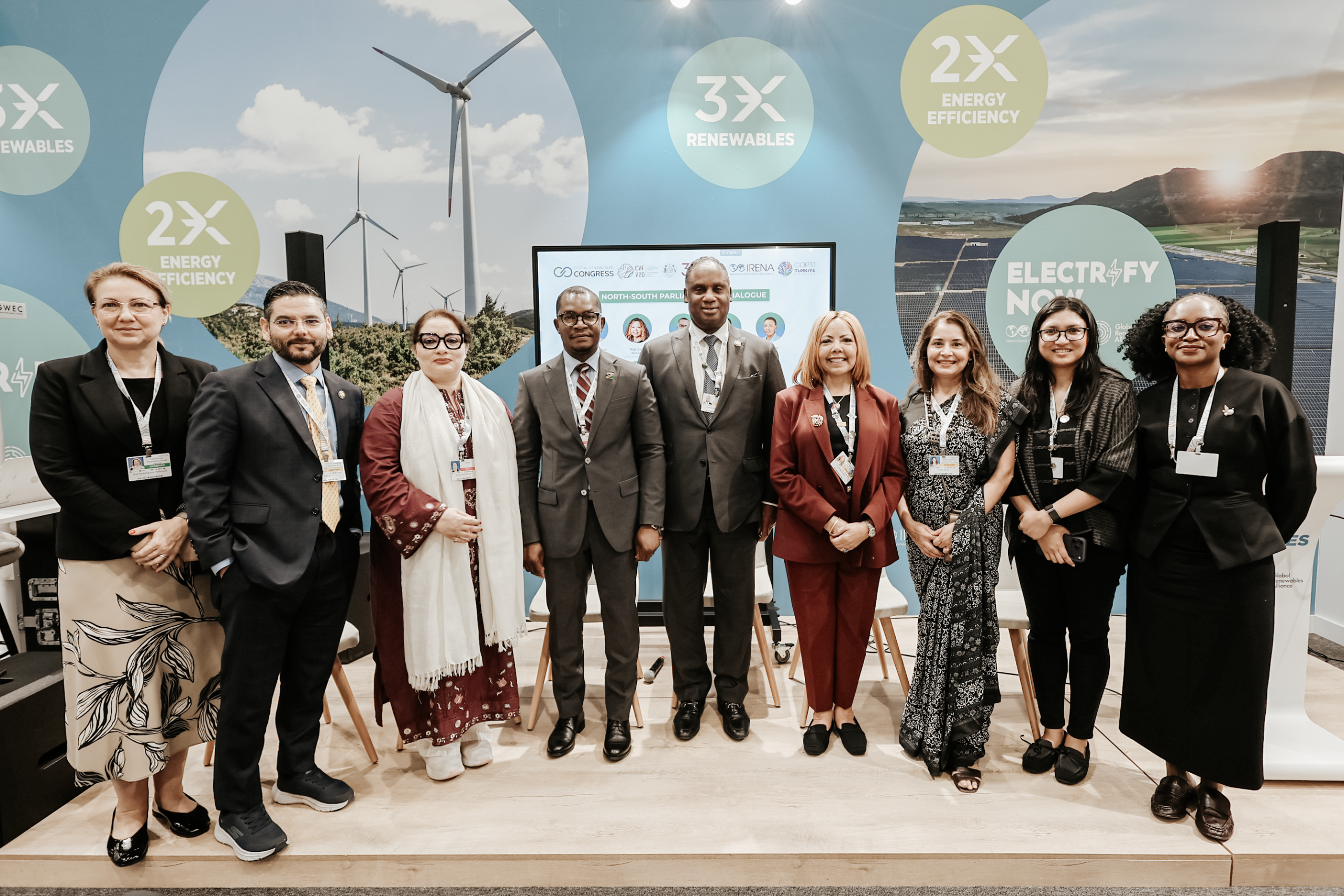
On 16 November, the Climate Vulnerable Forum’s (CVF) Global Parliamentary Group convened lawmakers from Pakistan, Namibia, Nepal, Malawi, Germany and the United States for two dialogues, co-organized with IRENA, GLOBE Legislators, the SEEC Institute and the Global Renewables Congress.
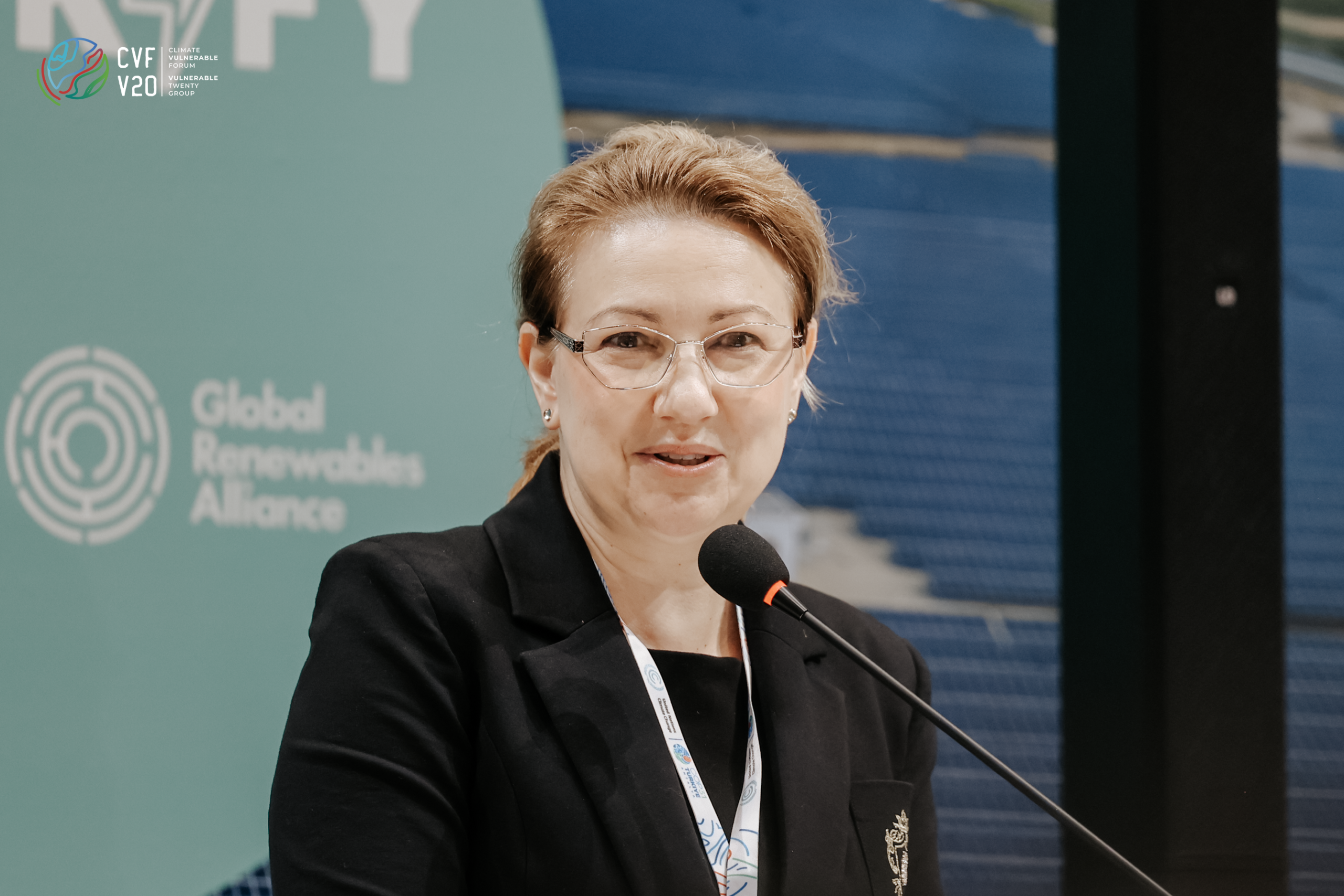
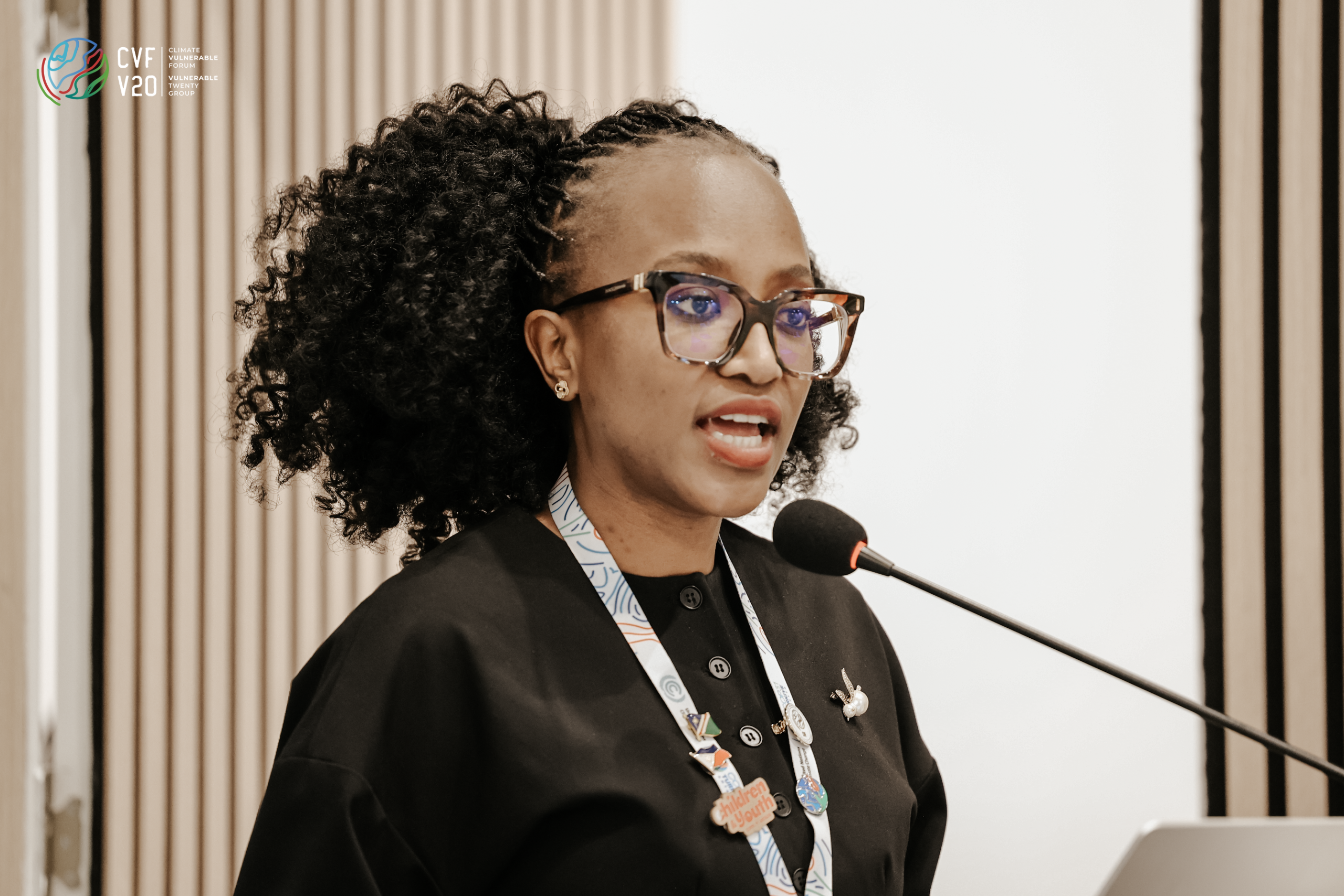
Lawmakers from both regions described the growing impacts of extreme heat, pressure on electricity grids, and rising energy costs that are increasingly difficult for households and businesses to afford. Yet while the need to accelerate the energy transition is shared, the capacity to finance it is not. “Many climate-vulnerable countries face the additional burden of expensive borrowing: our analysis finds that 21 of the 48 countries assessed are already in debt distress or at high risk of it.” said Rachel Mundilo, Deputy Director, Parliaments at the CVF-V20 Secretariat.
The morning dialogue, Powering Prosperity: A North–South Parliamentary Dialogue on the Energy Transition, at the Global Renewables Hub featured a presentation on The Electric Fast-Track for Emerging Markets, an analysis by Ember in partnership with the CVF-V20 that found that solar now competes with fossil power on upfront cost, while CVF countries that import fossil fuels spent $155 billion on those imports in 2024. The findings point to an opportunity to strengthen energy security and retain more resources for domestic investment.
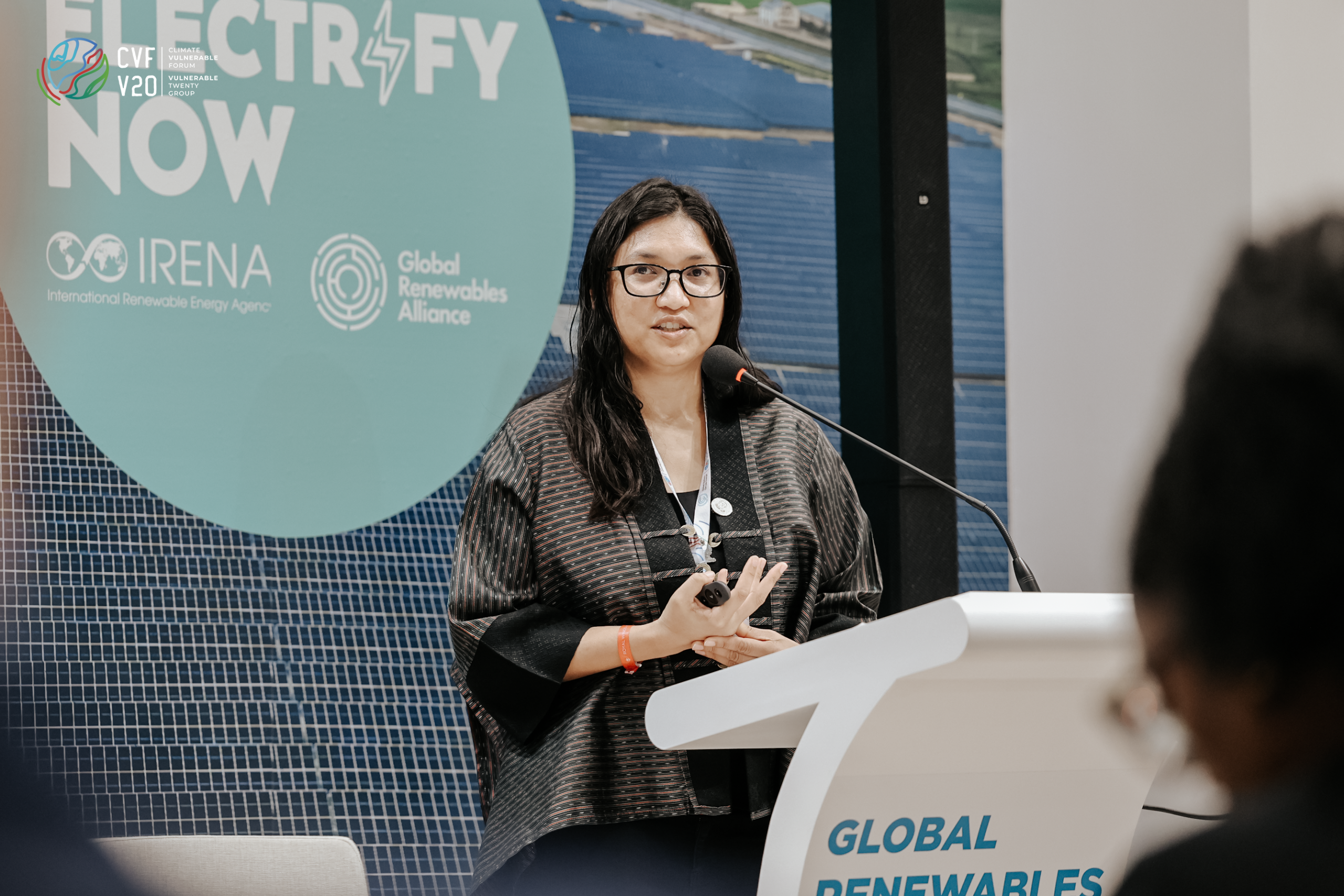
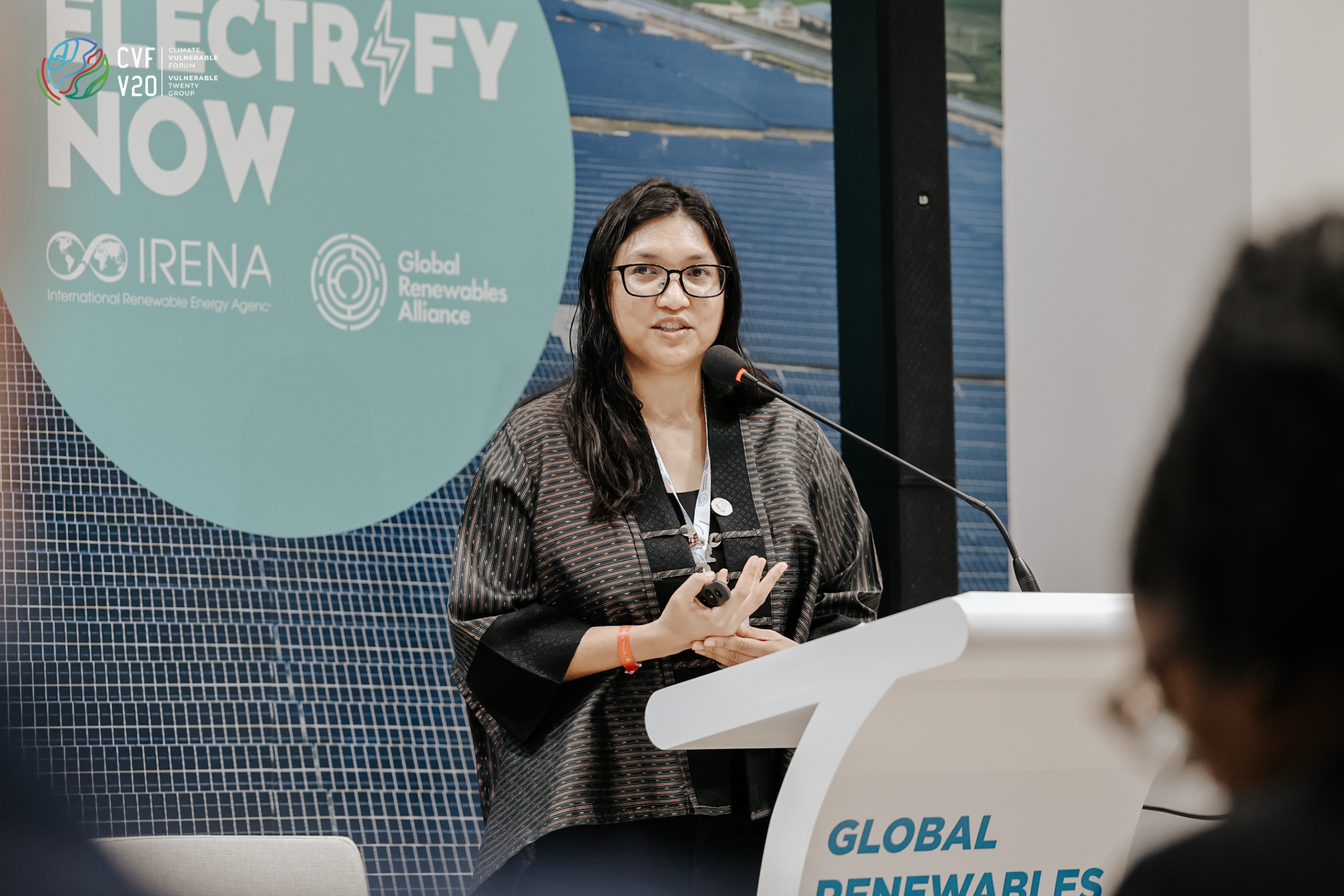
Sara Jane Ahmed, Managing Director of the CVF-V20 Secretariat, set out ways forward. With the upfront capital cost of solar becoming more competitive, the challenge increasingly lies in financing and delivering the wider systems needed to make electrification work: stronger grids, viable business models and institutions able to support adoption and maintenance . Electrification needs viable business models, local institutions and local maintenance jobs, not grant funding alone, and projects should be judged by the value they create, including jobs, not only by lowest cost. She asked parliamentarians to provide the “carrot and stick” to speed up the transition. “The unjust transition is actually a slow one,” she said, warning that households unable to afford solar upfront are being left on the grid.
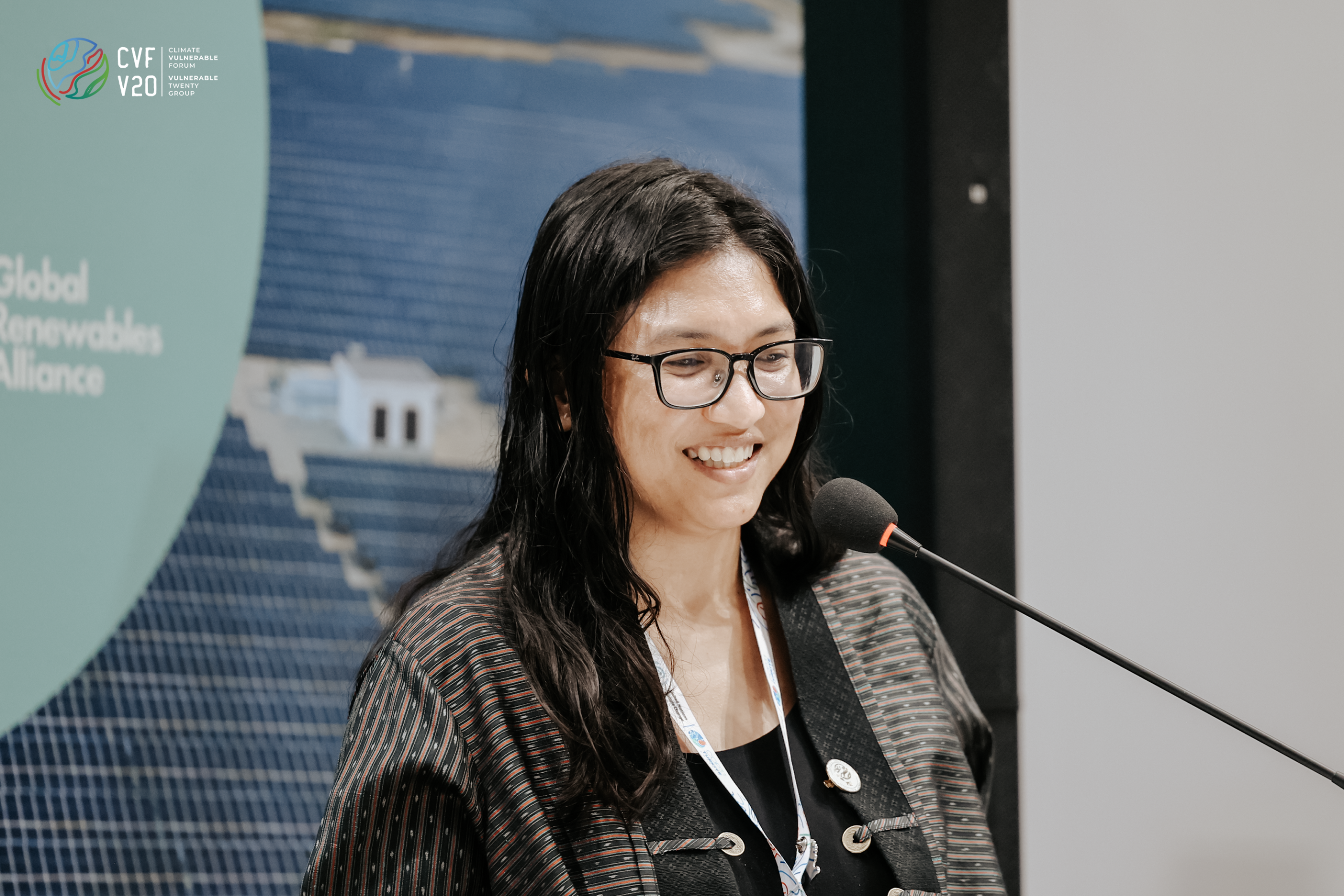
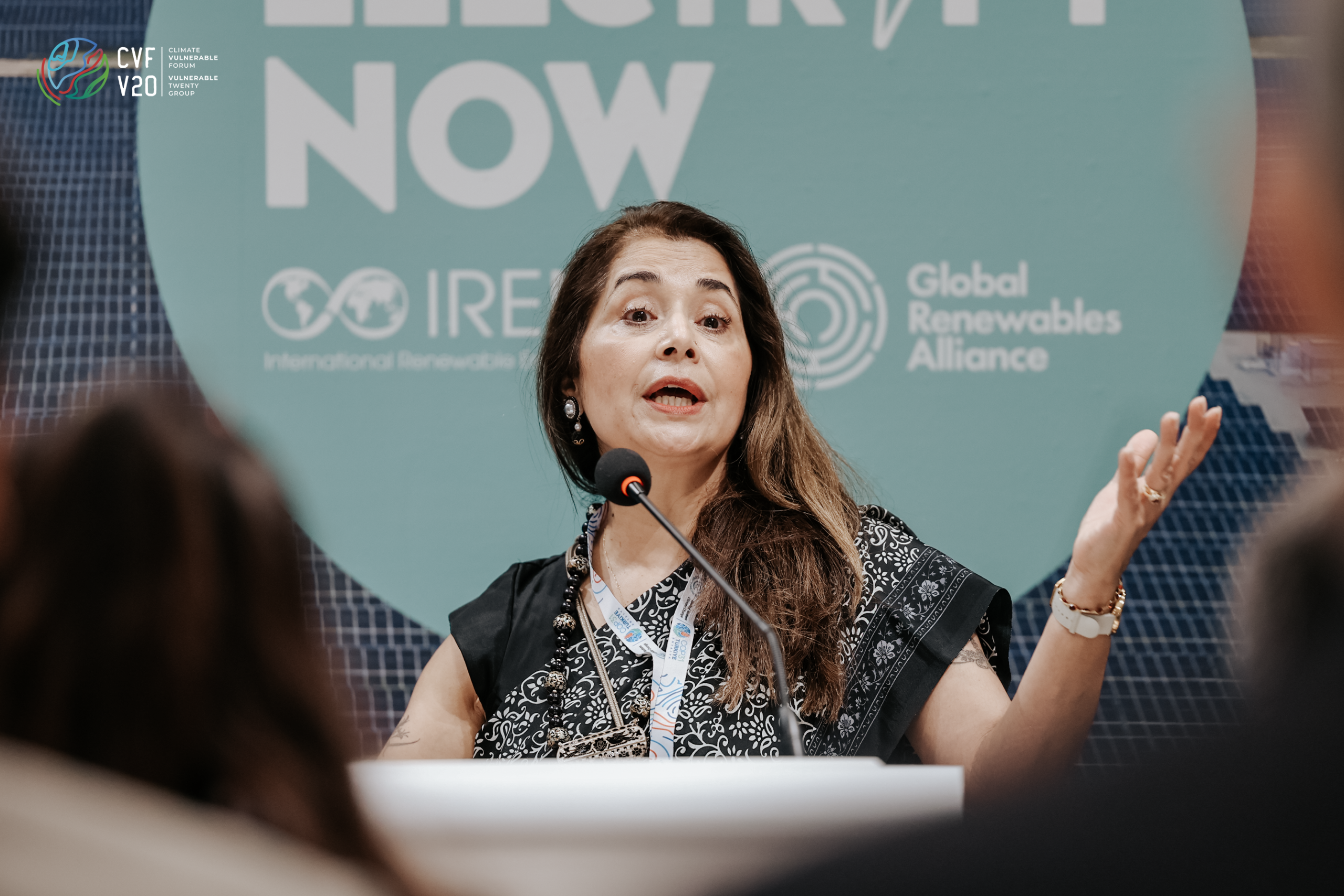
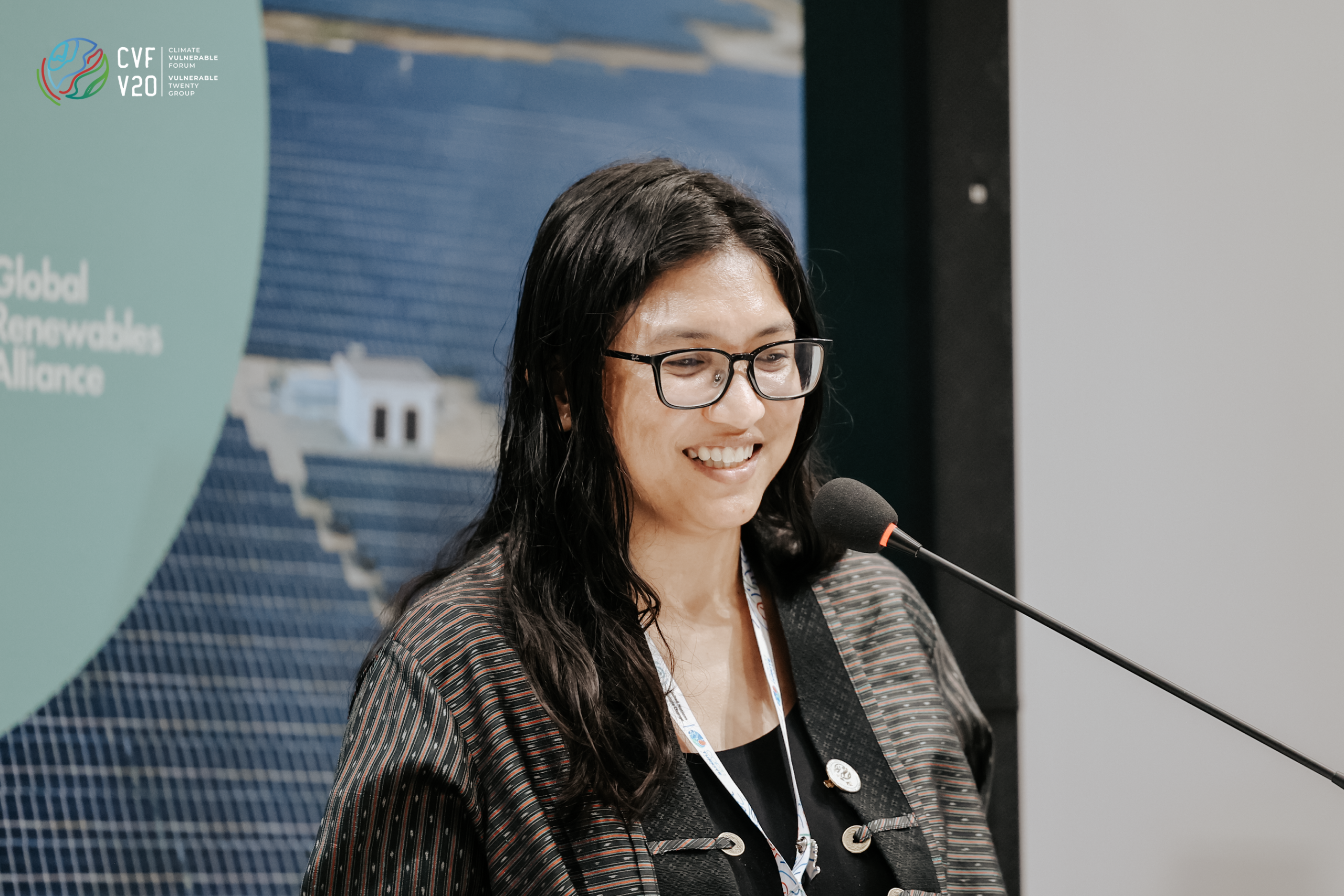
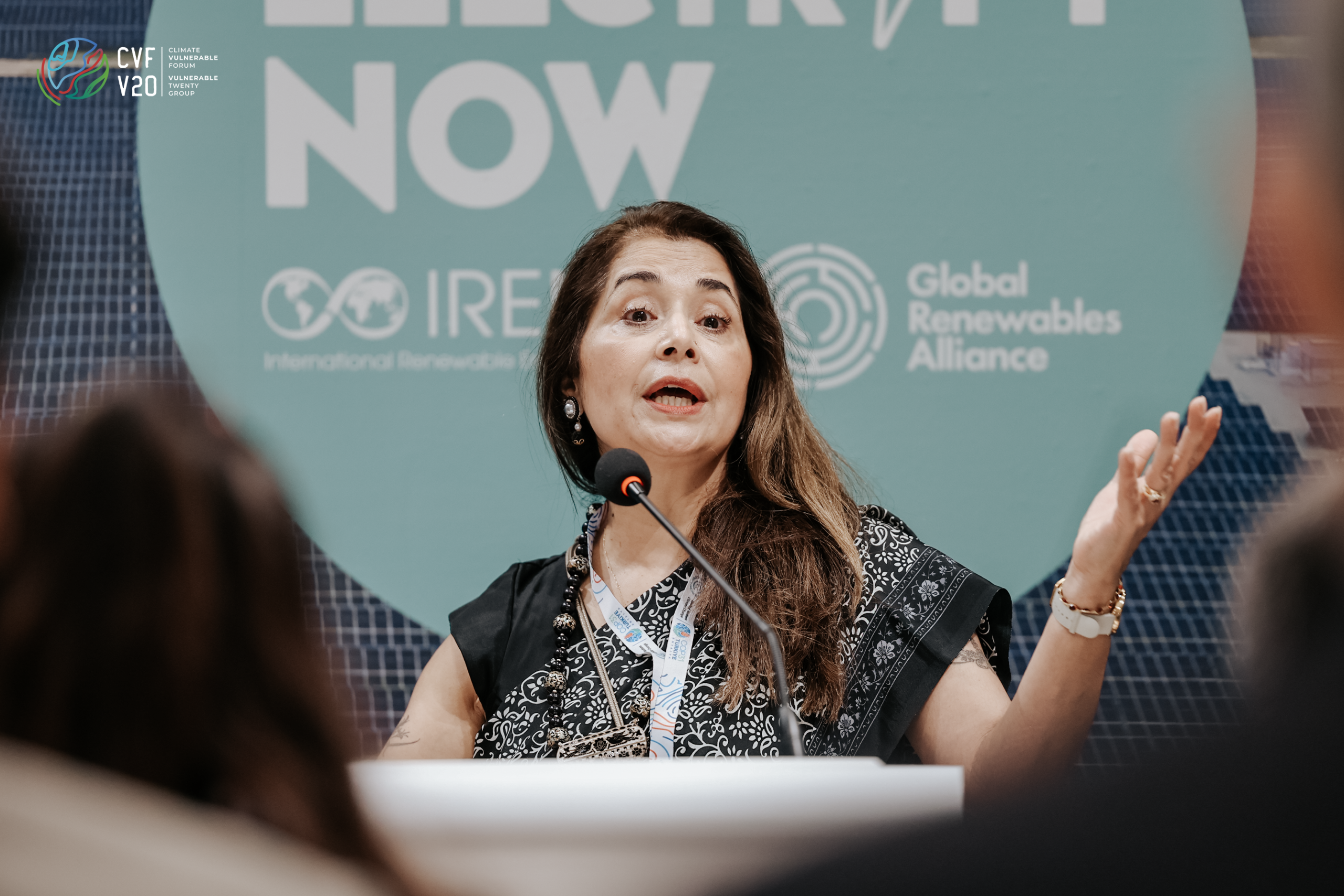
In the panel moderated by Malini Mehra, CEO of GLOBE Legislators, lawmakers from both sides described a transition being driven from the ground up. Hon. Romina Khurshid Alam said households, farmers, and small businesses in Pakistan imported around 17 gigawatts of solar panels in two years. “This was not driven by the government plan or a subsidy,” she said. “It was driven from below by households, farmers and small businesses escaping high electricity prices.” Lawmakers, she said, now need fair, stable net-metering rules and consumer protections so the grid can absorb it.
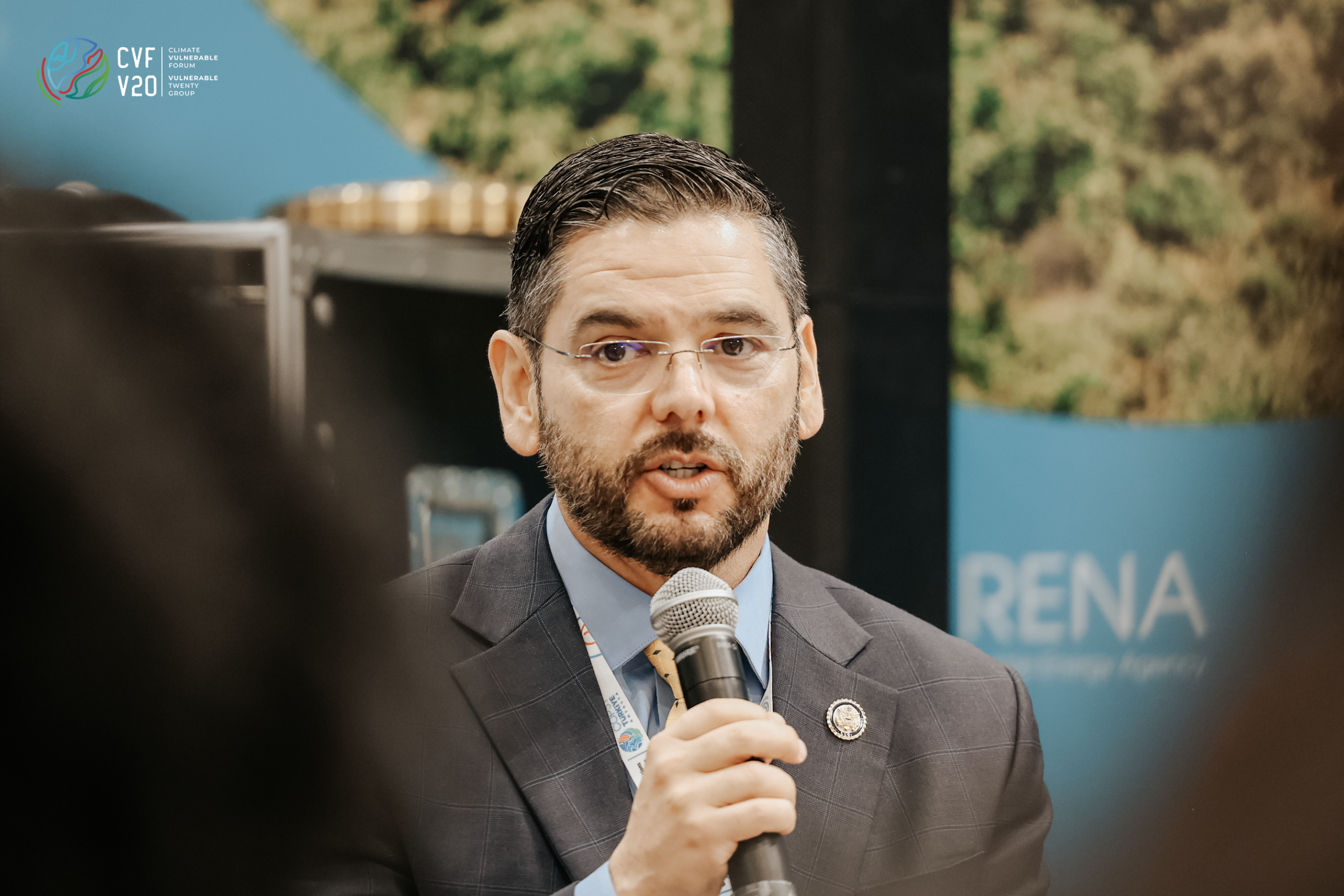
Rep. Raul Ruiz described a similar bottleneck in California, where his district lacks the grid capacity to bring its renewable power online, and backed community-owned microgrids, as one response to local energy needs.
Rep. Lucy McBath pointed to solar cell manufacturing creating skilled, well-paid work in Georgia. Hon. Willem Amutenya said Namibia’s solar potential could do the same, but that access to capital is the biggest barrier, and called for more concessional finance.
Rep. Jonathan Jackson argued that risk in many developing economies has been mispriced, and that private capital backed by government guarantees could help correct it. The cost of capital is too high for the African continent,” he said.
The contributions demonstrated that falling technology prices, on their own, will not deliver an equitable energy transition. Lawmakers have a role in shaping grid investment, electricity market rules, access to finance and industrial policies that enable local communities to benefit from clean energy growth.
The evening dialogue, Financing a Just Energy Transition, at the Just Energy Transition Pavilion, turned to money: how to pay for a transition that is not only environmentally necessary but economically viable and socially just. Rachel Mundilo, Deputy Director for Parliaments and Courts at the CVF-V20 Secretariat, explained why that is harder for vulnerable countries. High borrowing costs, debt payments, and climate disaster losses leave their governments choosing between climate investment, social protection and other development needs. The terms of finance, she said, matter as much as the amount, and lawmakers can shape them: in countries that provide finance, by scrutinizing commitments; in countries that receive it, by aligning budgets with national priorities and overseeing how investment reaches workers and communities.
Hon. Tiaone Hendry said Malawi can generate only about 370 of the 451 megawatts it needs, and many families have no alternative to firewood and charcoal. We tell people, let’s get away from using charcoal and firewood,” he said. “But then you ask yourself: what’s the alternative?” Hon. Immanuel Nashinge said fuel in Namibia has risen from around N$12 to nearly N$40 a liter. “Imagine a person who’s earning 1,500 per month as a salary,” he said. “You just can’t breathe.”
Rep. Mike Levin from the US committed to ensuring that funds Congress has appropriated for international climate finance are spent. Hon. Lisa Badum from Germany called for climate finance as grants rather than loans.
Lawmakers also stressed that the transition must benefit the communities that host it. Hon. Sunnil Thapa called for fair compensation for land, benefit-sharing with host communities, and grants so that Nepal’s recovery from recent disasters doesn’t become a debt trap.
Across both dialogues, the technology was not the question. Solar is competitive, and in Pakistan, households and small businesses are already installing it at scale. What lawmakers can shape is the rest: grid rules, financing terms, and guarantees that benefits reach the communities that need them.
***