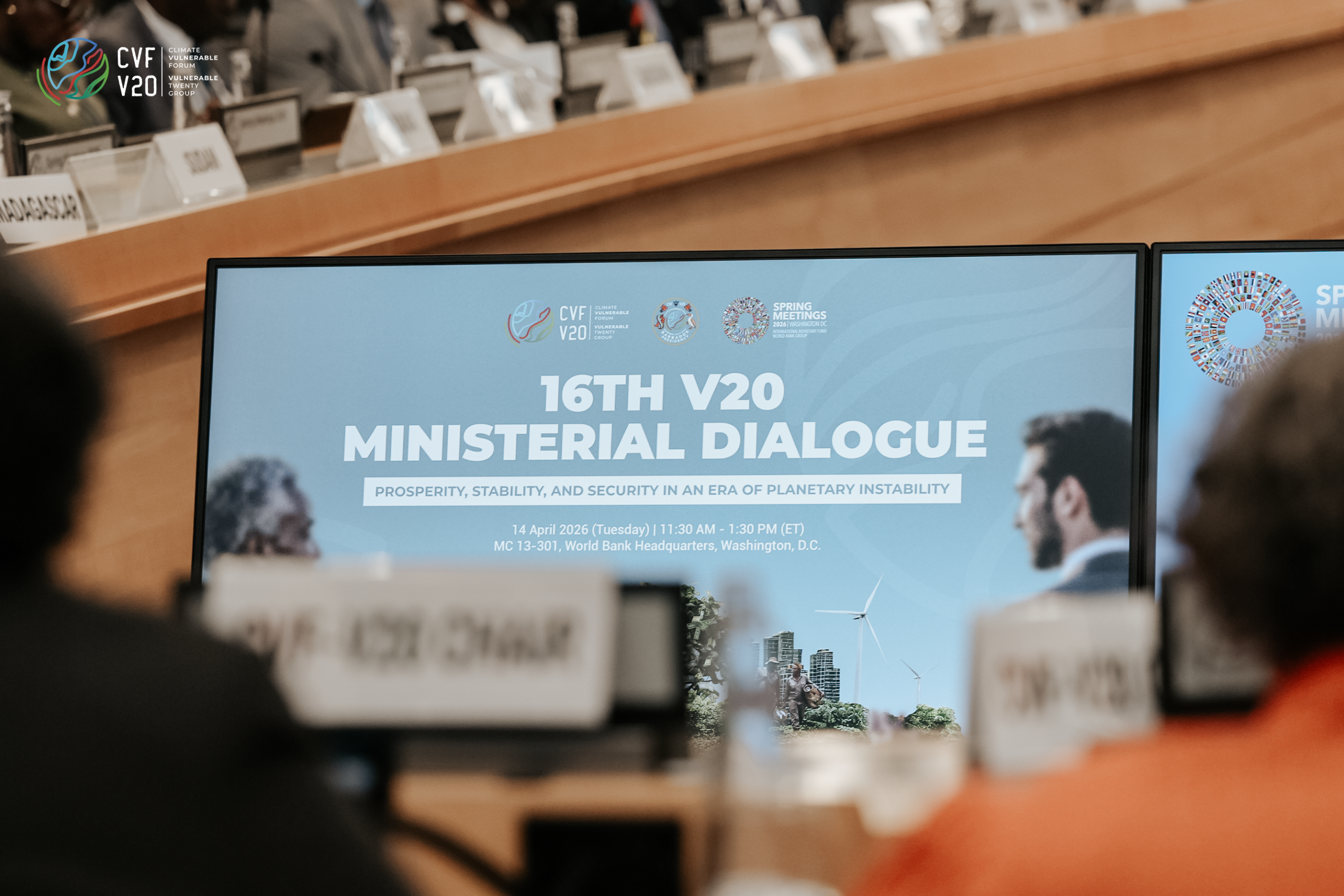

16th V20 Ministerial Dialogue

Prosperity, Stability, and Security in an Era of Planetary Instability

World Bank Headquarters, Washington D.C., United States of America

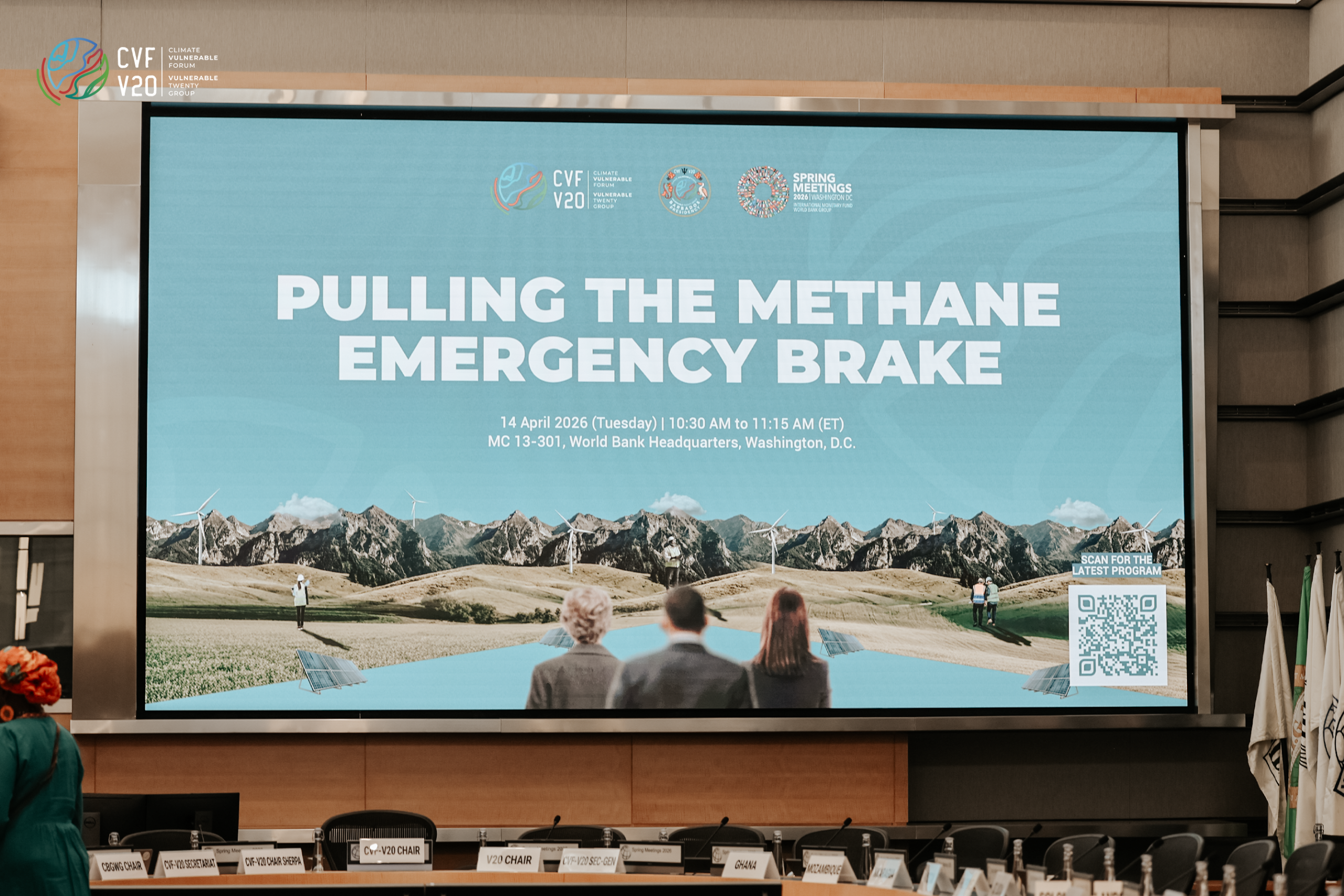
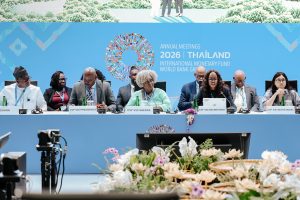
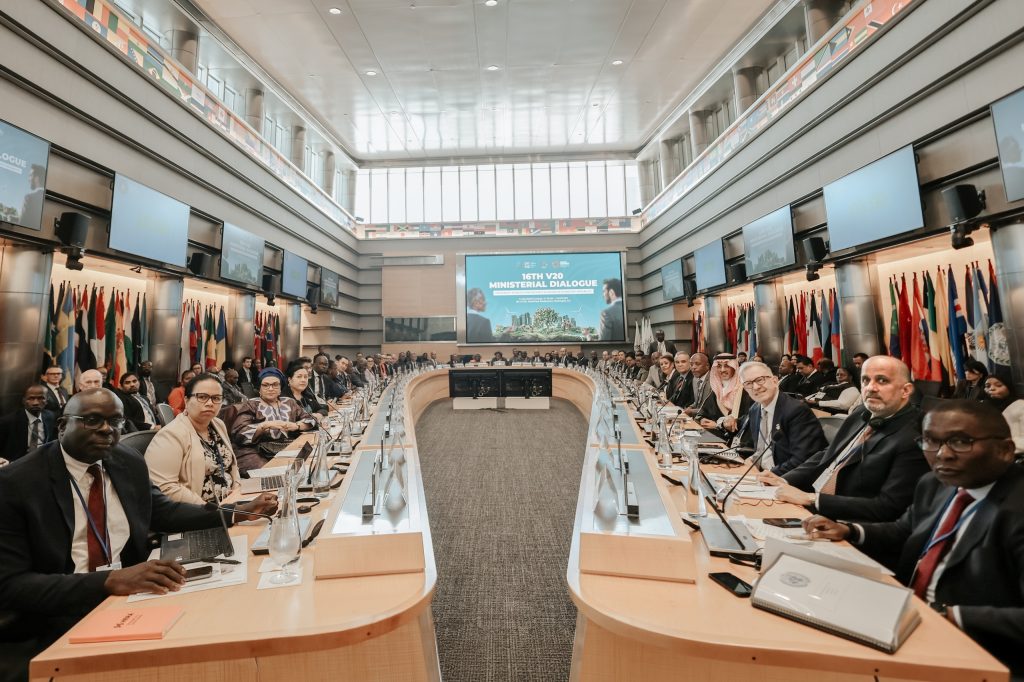
Against the backdrop of deepening global instability, the V20 Finance Ministers convened for the 16th V20 Ministerial Dialogue at the 2026 Spring Meetings of the World Bank and the International Monetary Fund.

Member countries and global partners welcomed a landmark new partnership between the CVF-V20 and the OPEC Fund for International Development, which is anticipated to yield the V20-DFI Compact. The Compact establishes a coordinated platform between V20 countries and development finance institutions to expand concessionality, mobilize private capital, advance country ownership through Climate Prosperity Plans, and develop shock-responsive debt instruments and pre-arranged financing. 

For CVF-V20, this is far more than an addition to its network of partners. This is a decisive step toward transforming vulnerability into viability and austerity into prosperity.

HIGHLIGHTS

“The reality is that we want to see a scaling of concessionality with, in particular, the establishment of a ‘grant floor,’ and I hope that will be somewhere in the vicinity of 25%. We want to see a different treatment to how we approach it by ensuring that we also look for blended capital, private capital, local capital, not just international.”

H.E. MIA AMOR MOTTLEY
Prime Minister of Barbados
Chair of the Barbados Presidency of CVF-V20

“Debt must be structured at the right volume, timing, and cost, so that it enables countries to invest in productive capacity and resilient growth. This requires advancing crisis-responsive debt instruments and strengthening concessional financing frameworks that support long-term development rather than prolonged adjustment.”

H.E. RYAN STRAUGHN
Minister of Finance, Barbados
CVF-V20 Presidency

“For most V20 members, there is still very little padding between a severe climate shock and a full-blown macro-financial squeeze. The Lifeline Fund will provide a climate-responsive liquidity layer within the global financial safety net, designed to complement existing instruments, not replace them. It focuses on speed, predictability, and financial stability, while other mechanisms continue to address reconstruction, insurance, or longer-term resilience.”

DR., H.E. THE MOST HONORABLE KEVIN GREENIDGE, F.B.
Governor of the Central Bank of Barbados
Chair of the V20 Central Bank Governors Working Group

“Increasing planetary instability, geopolitical tension, and even armed conflicts threaten prosperity, social stability, and security across the global economy. In particular, 1.7 billion people in the V20 economies, which represent 3.93% of the global Gross Domestic Product are the worst affected.”

H.E. AMIR KHASRU MAHMUD CHOWDHURY
Minister of Finance and Economic Planning of the People’s Republic of Bangladesh
V20 Troika

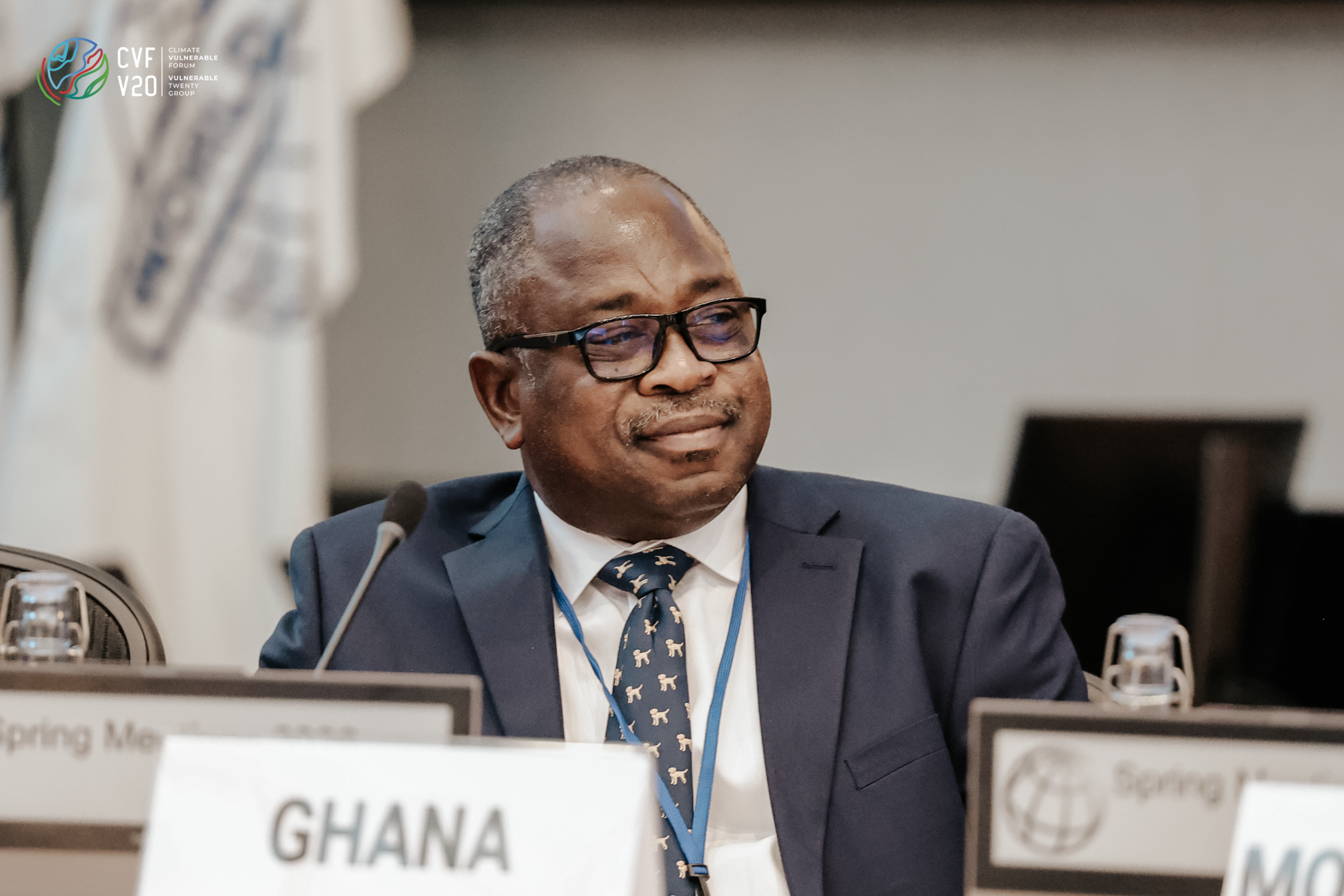
“We must prioritize climate justice, equity, and people-centered solutions. As V20 Troika, Ghana emphasizes the need for concessional financing for climate adaptation and mitigation. Debt relief for vulnerable countries, technology transfer, capacity building, and support for climate resilient infrastructure and green industrialization.”

H.E. ISSIFU SEIDU
Minister of State for Climate Change and Sustainability, Republic of Ghana
V20 Troika

“Country-led strategies and direct access to capital are essential to shift from vulnerability to prosperity. Debt terms must support medium- to long-term investment, not just short-term stabilization, and the system must close the gap between real and perceived risks, expand concessional finance, and deliver affordable long-term capital.”

H.E. MOHAMED NASHEED
Secretary-General of the CVF-V20 Secretariat
Former President of the Maldives

“Concessionality isn't a privilege. It is a condition of survival. Highly vulnerable countries, vulnerable to climate shocks, cannot access funding under commercial rates and conditions. We are faced with droughts and storms and external shocks that we have not caused. We need a concessionality, a floor to achieve sustainable development and climate funding. And this floor must take into account vulnerability and not just income per capita. Funding for resilience otherwise will just exacerbate our fragility.”

H.E. OLAVO AVELINO GARCIA CORREIA
Deputy Prime Minister and Minister
Ministry of Finance and Business Development
Republic of Cabo Verde

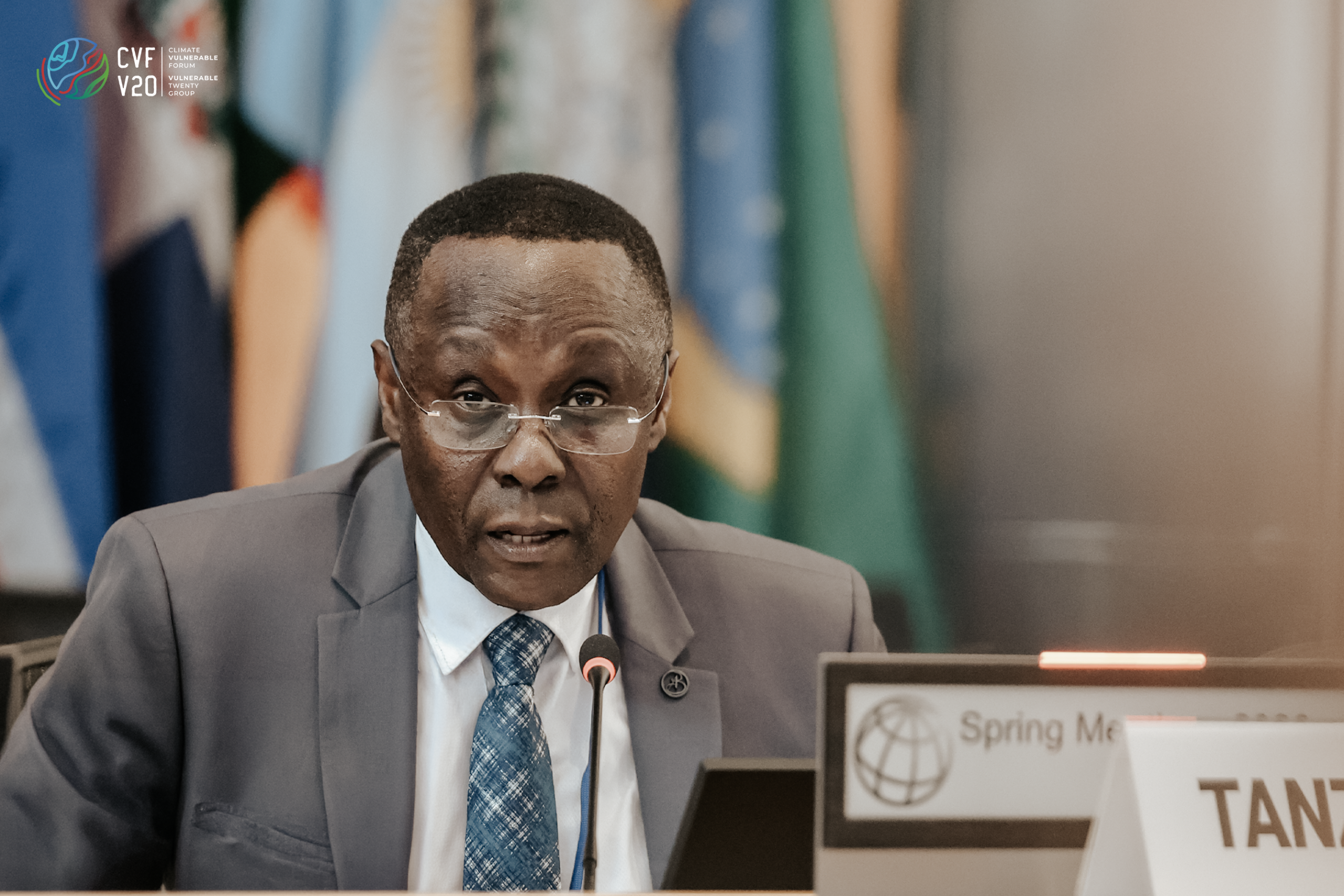
“Climate shocks continue to test our fiscal resilience, even as we are confronting rising debt vulnerability, shrinking fiscal space, floods, drought, and storms disrupting the food system, energy supply and livelihood. In face of these growth challenges, debt has become both a necessity, and a vulnerability for many of our countries.”

H.E. JUMA MALIK AKIL
Minister for Finance and Planning
United Republic of Tanzania

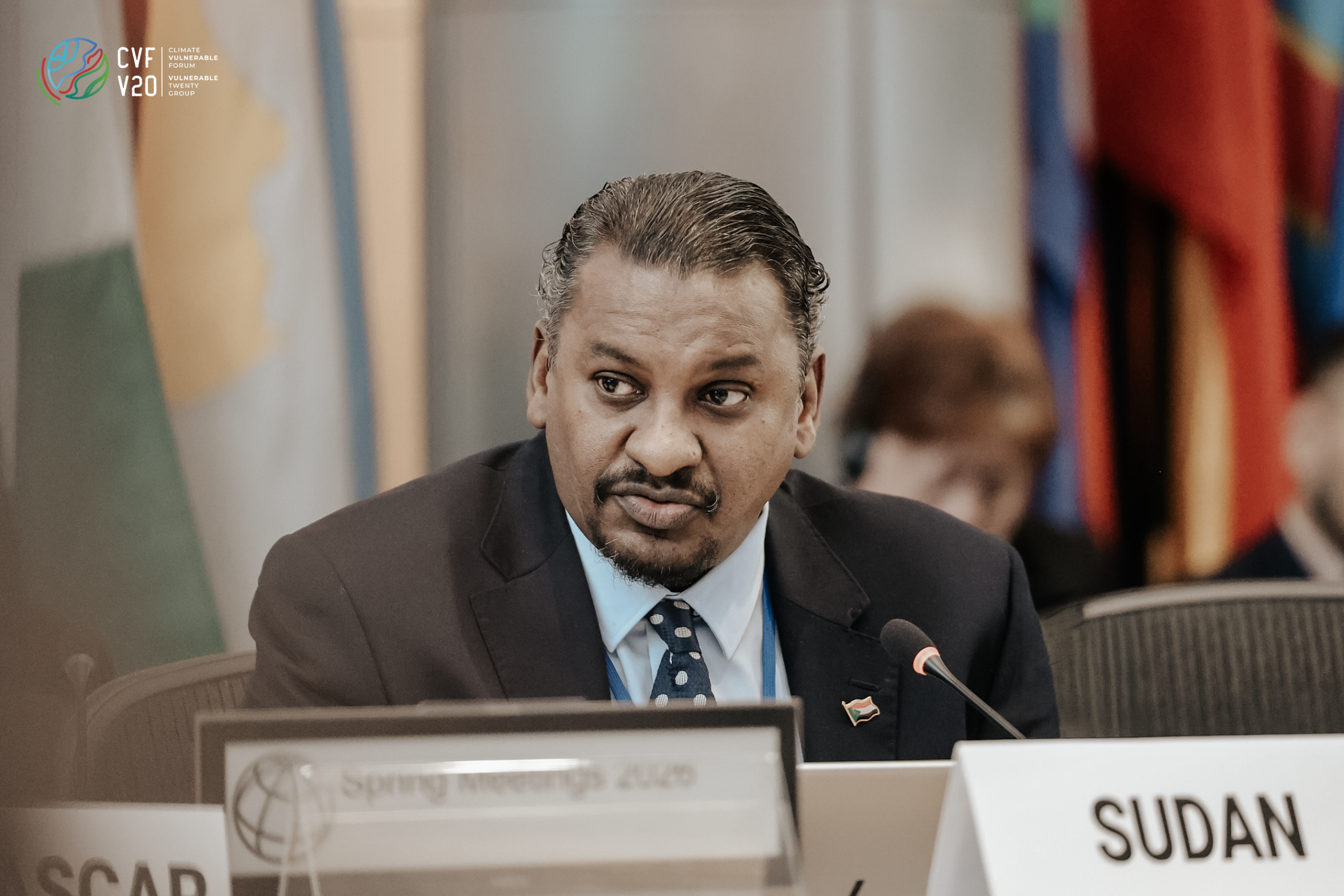
“We seek international support, mainly in terms of the international community, including the IMF, World Bank, and AFDB, providing policy advice, financing, and capacity development to support Sudan reform efforts. Debt must be restructured through vulnerability-adjusted relief that preserves fiscal space for climate resilience investment, not just restore ratios.”

MR. MOHAMED NOUR ABDELDAIM
State Minister
Ministry of Finance Republic of the Sudan

“We look forward to developing the mechanisms to guarantee the unlocking of concessional financing with long grace periods and at zero interest rates or low interest rates that are tied to the repayment abilities. And we also look forward to linking the debt service to the efforts that allow us to combat the challenges collectively or individually, pre- and post-climate shocks.”

H.E. MARWAN FARAJ SAEED BIN GHANEM
Minister of Finance
Republic of Yemen

“Pakistan acknowledges that climate change is now a defining macroeconomic challenge and not only an environmental concern. The 2022 floods, which affected 33 million people, and caused an estimated loss and damage of more than US$30 billion, reduced Pakistan's GDP by approximately 2%-2.5%. These impacts illustrate how climate shocks are translated into fiscal stress, external account pressures, increased poverty, and vulnerability.”

DR. KAZIM NIAZ
Alternative Executive Director
Islamic Republic of Pakistan

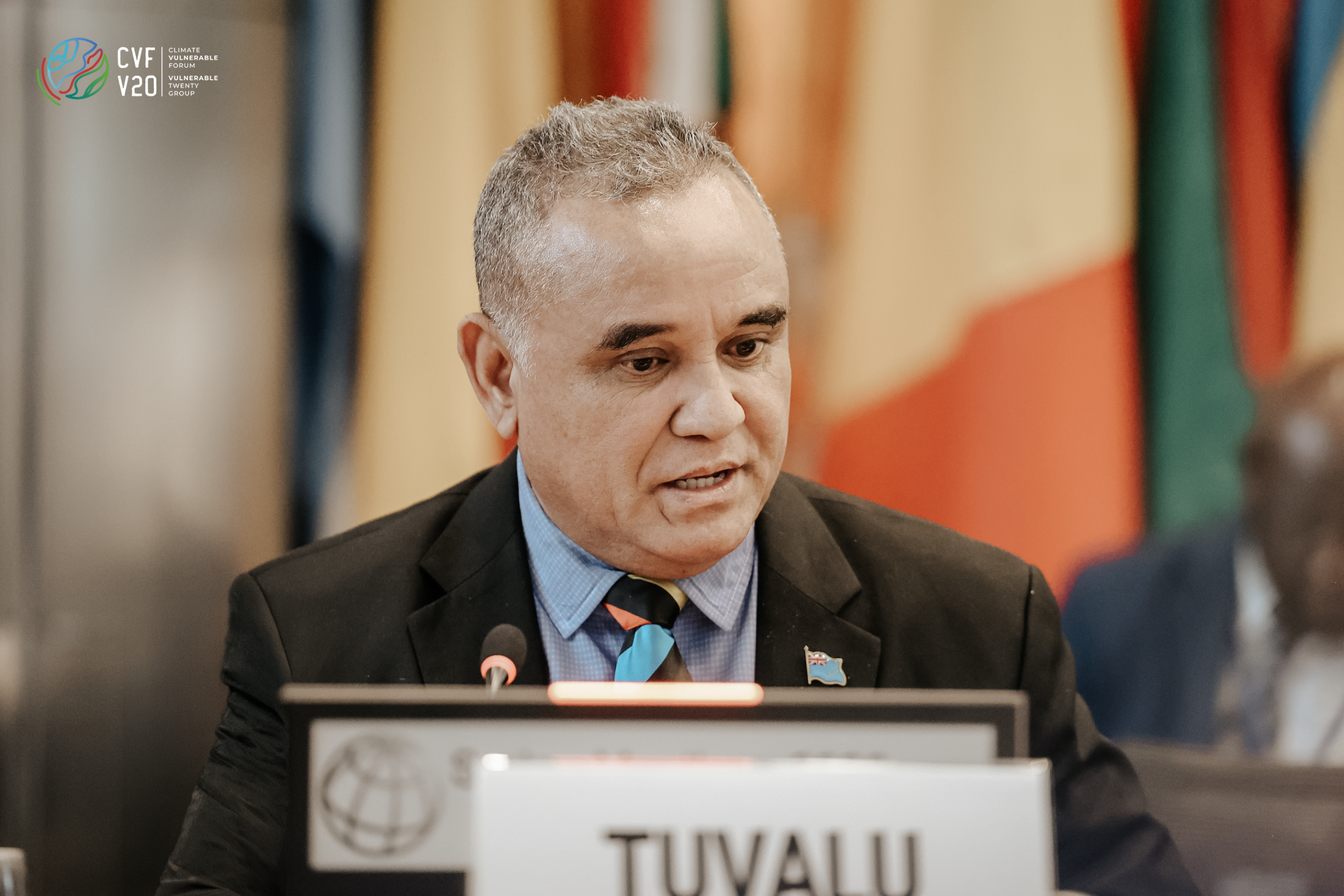
“Methane reductions can deliver measurable temperature benefits within years, reducing the frequency, and severity of disasters that strain public finance, and accelerate debt accumulation. We support integrating methane abatement into Climate Prosperity Plans, and call for concessional finance, and target MDB facilities to help V20 members meet global methane pledges.”

AMBASSADOR TAPUGAO FALEFOU
Permanent Representative of Tuvalu
to the United Nations

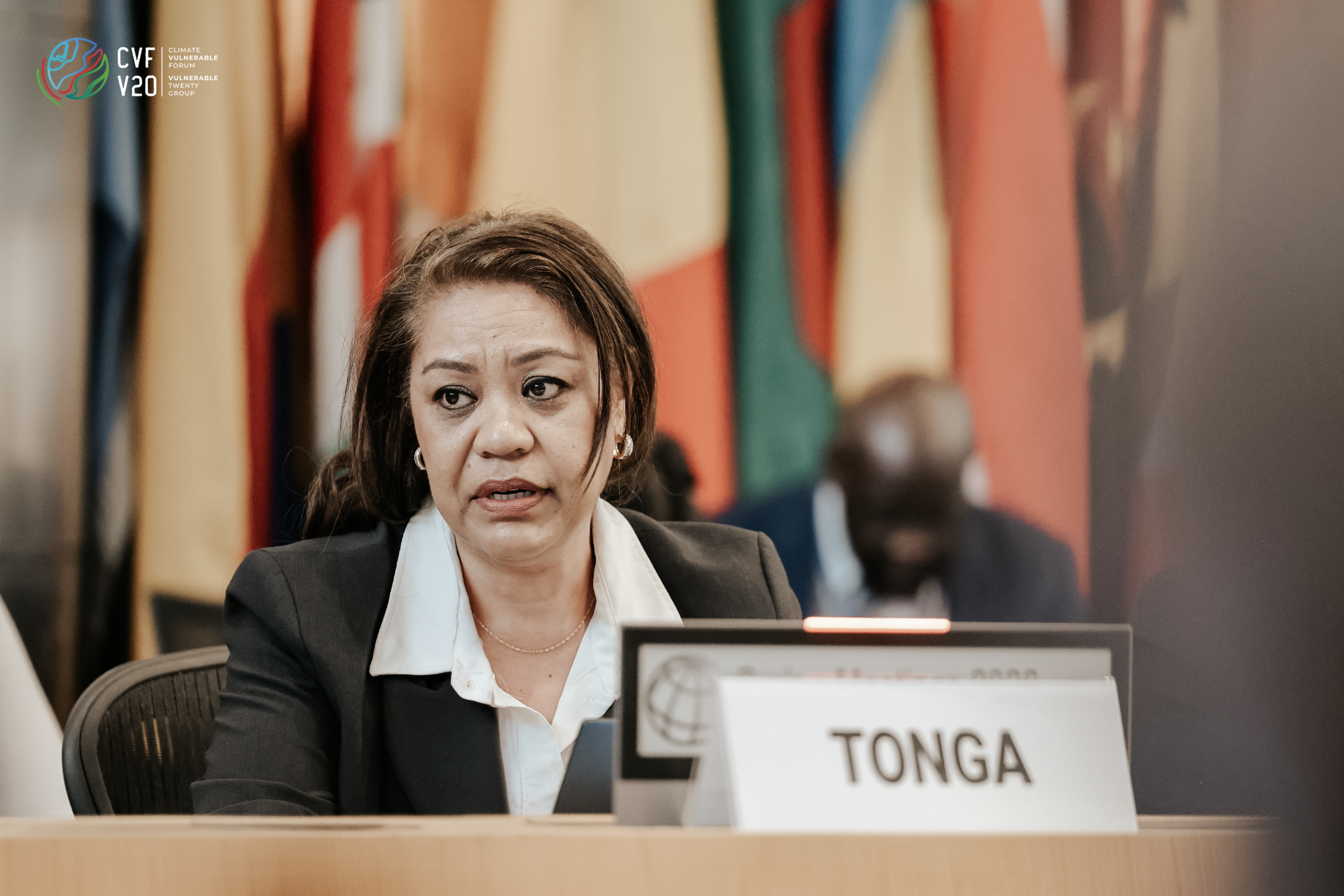
“Tonga is pleased to note the proposed V20-DFI Compact, which will provide a solid window to access concessional financing as well as support the financing needs of the private sector. We look forward to the operationalization of the Compact, and receiving more information on how to access support.”

MS. ILAISAANE LOLO
Deputy Chief Executive Officer
Ministry of Finance
Kingdom of Tonga

"Strengthening the international financial architecture must include improved representation and voice. Vulnerable developing countries, including small island developing states, must be meaningfully reflected in decision-making processes within international financial institutions and multilateral development banks."

MS. JOSIE-ANN JACOB DONGOBIR
First Secretary
Permanent Mission of the Republic of Nauru to the United Nations

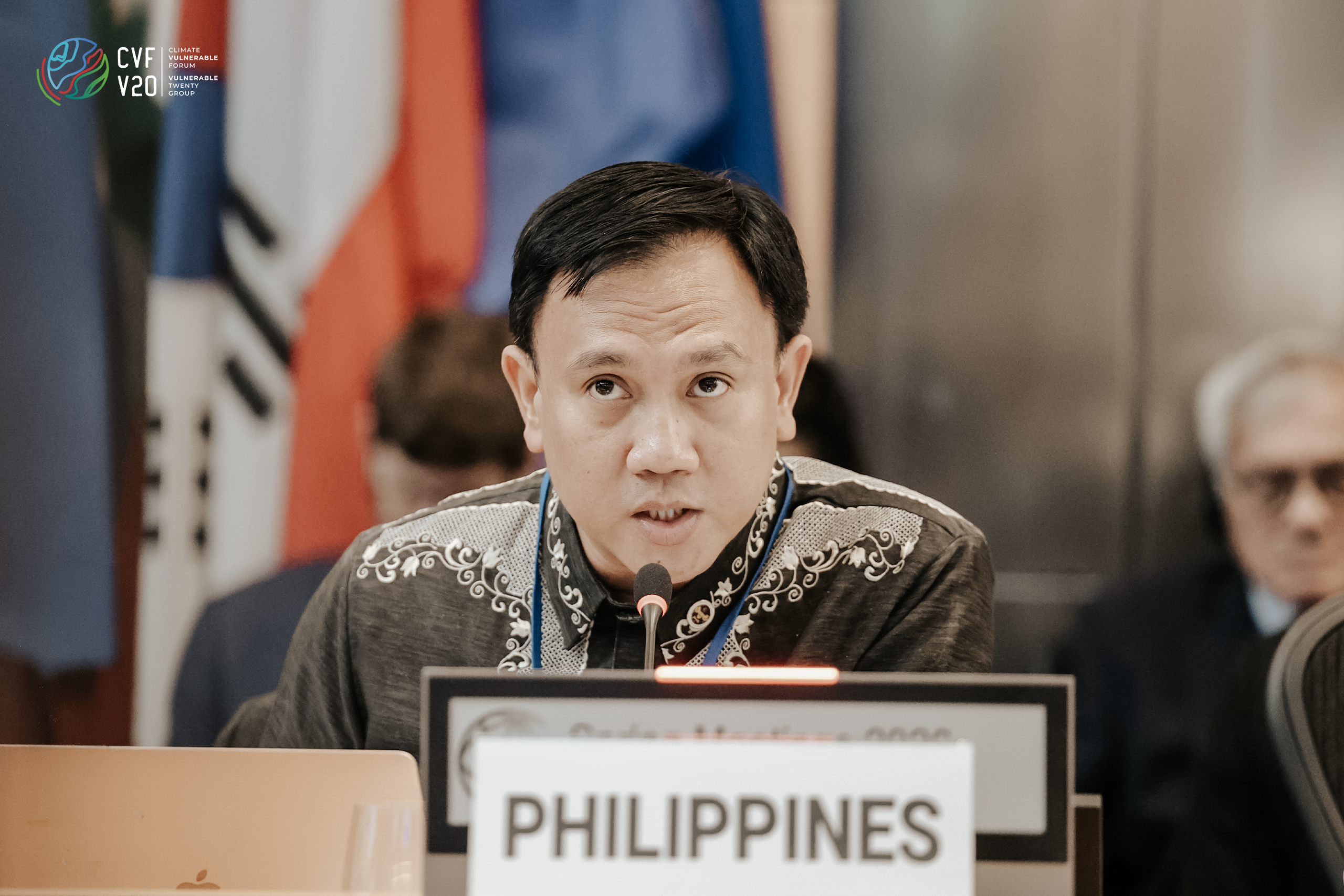
“The Philippines stands ready to support the V20 DFI Compact and strengthen the financial engine that will create clear paths to a low-carbon economy and climate resilience. This will unlock new opportunities to turn climate action to an investment driver. It will bring in more resources, support inclusive, sustainable growth.”

MR. JOHN NARAG
Director, Climate Finance Policy Group
Department of Finance
Republic of the Philippines

“We stand ready to work together, alongside CVF-V20 and its members, to turn Climate Prosperity Plans into action through resilience infrastructure, stronger procurement systems, and technical expertise on energy, health, food systems, and local implementation of projects.”

JORGE MOREIRA DA SILVA
United Nations Under-Secretary General
UNOPS Executive Director

“Financing must be aligned with country-led strategies, including Climate Prosperity Plans. For development finance institutions, this means moving beyond fragmented interventions and supporting coherent national investment priorities. It means helping countries translate strategy into implementable plans, linking resilience with economic transformation, and supporting value chains that can generate jobs, strengthen energy security, and build resilience.”

DR. AREEF SULEMAN
Group Chief Economist
Islamic Development Bank

“Well-structured financing draws in private co-financing from the outset. Mangroves and wetlands reduce disaster costs and protect budgets. In our view, they need to be treated as infrastructure, not as afterthoughts. And on country-led strategies, the goal must be alignment. The most effective financing follows a country's own plan. Climate Prosperity Plans offer exactly this.”

SIR SHERARD COWPER-COLES
Vice President and Corporate Secretary
Asian Infrastructure Investment Bank

“As we move toward the COP, including the spotlight on the most vulnerable countries—SIDS and the Pacific—we look forward to deepening collaboration with the V20, MDBs, our partners, through the Climate Prosperity Plans, together for a shared pathway to stability, and shared prosperity.”

MS. TARIYE GBADEGESIN
Chief Executive Officer
Climate Investment Funds

“Ultimately, fiscal and debt sustainability is not achieved by managing decline, but by financing growth. With the right mix of restructuring, concessional capital, and strong multilateral partnerships, we can help countries move decisively from adjustment to resilience, and from vulnerability to stability.”

MR. DANIEL BEST
President
Caribbean Development Bank

“We actually welcome the voluntary pledges we've made so far. So our priority is to convert this pledge into actual funding. But the real work starts now in making sure we actually mobilize longer-term resources so we can support the countries, so that no one is left behind because there is a human face to the climate crisis.”

MR. IBRAHIMA CHEIKH DIONG
Executive Director
Fund for responding to Loss and Damage

“We must mobilize and realign finance at scale, not only by increasing adaptation finance, but by shifting how it is deployed. This means expanding grant and concessional finance, using the climate funds as catalytic first loss capital, leveraging private investment through blended finance, and exploring tools such as debt-for-climate resilience swaps.

Critically, all providers of finance must strengthen their adaptation targets to reflect the realities of climate overshoot. Colleagues, you can be assured that the United Nations will stand with the V20 and ensure that your priorities shape the global response to the climate crisis.”

MR. SELWIN CHARLES HART
Assistant Secretary General
Special Adviser to the Secretary-General on Climate Action and Just Transition

“This Compact is a way to bring our shared values as V20 countries and DFIs around the table into more concerted action: to bring a message of hope and solidarity, demonstrating that cooperation works, coordination is possible, and vulnerability can be turned into viability when we act together.”

DR. ABDULHAMID ALKHALIFA
President
OPEC Fund for International Development

“The international financial architecture must continue to evolve from reactive grant-making towards a far more proactive risk-sharing approach to mobilize private capital at scale. This is how we can make a realistic, positive change in the lives of people facing climate challenges.”

DR. PAUL RYAN
Head of the International Finance Division
Department of Finance
Ireland

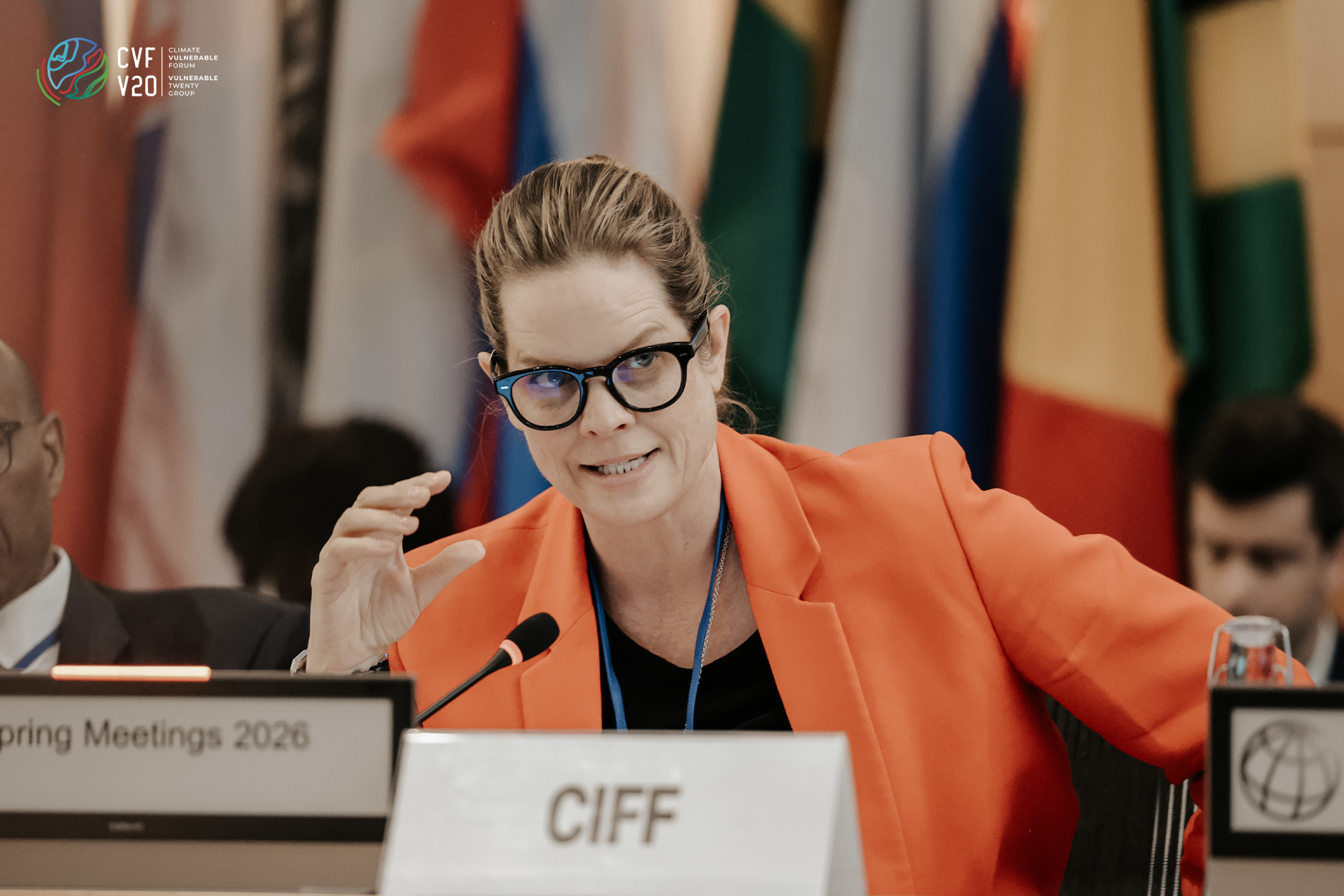
“We need MDBs to accelerate their efforts to collaborate with innovative DFIs, such as the OPEC Fund for Development, as well as public development banks through the FiCS Network, and ensure that financing reaches country-led development priorities as defined by Climate Prosperity Plans and country platforms. Otherwise, debt restructuring is not going to catalyze development. It's just going to mandate austerity.”

MS. KATE HAMPTON
Chief Executive Officer
Children's Investment Fund Foundation

“The challenges facing vulnerable countries today, particularly in climate resilience, health, and education, require coordinated action and innovative financing solutions. This [V20-DFI Compact] initiative represents a significant step in that direction. By strengthening collaboration between development finance institutions and mobilizing both public and private capital, it has the potential to accelerate impact where it's needed most.”

ENG. FAISAL AL-KAHTANI
Deputy Chief Executive Officer
Saudi Fund for Development

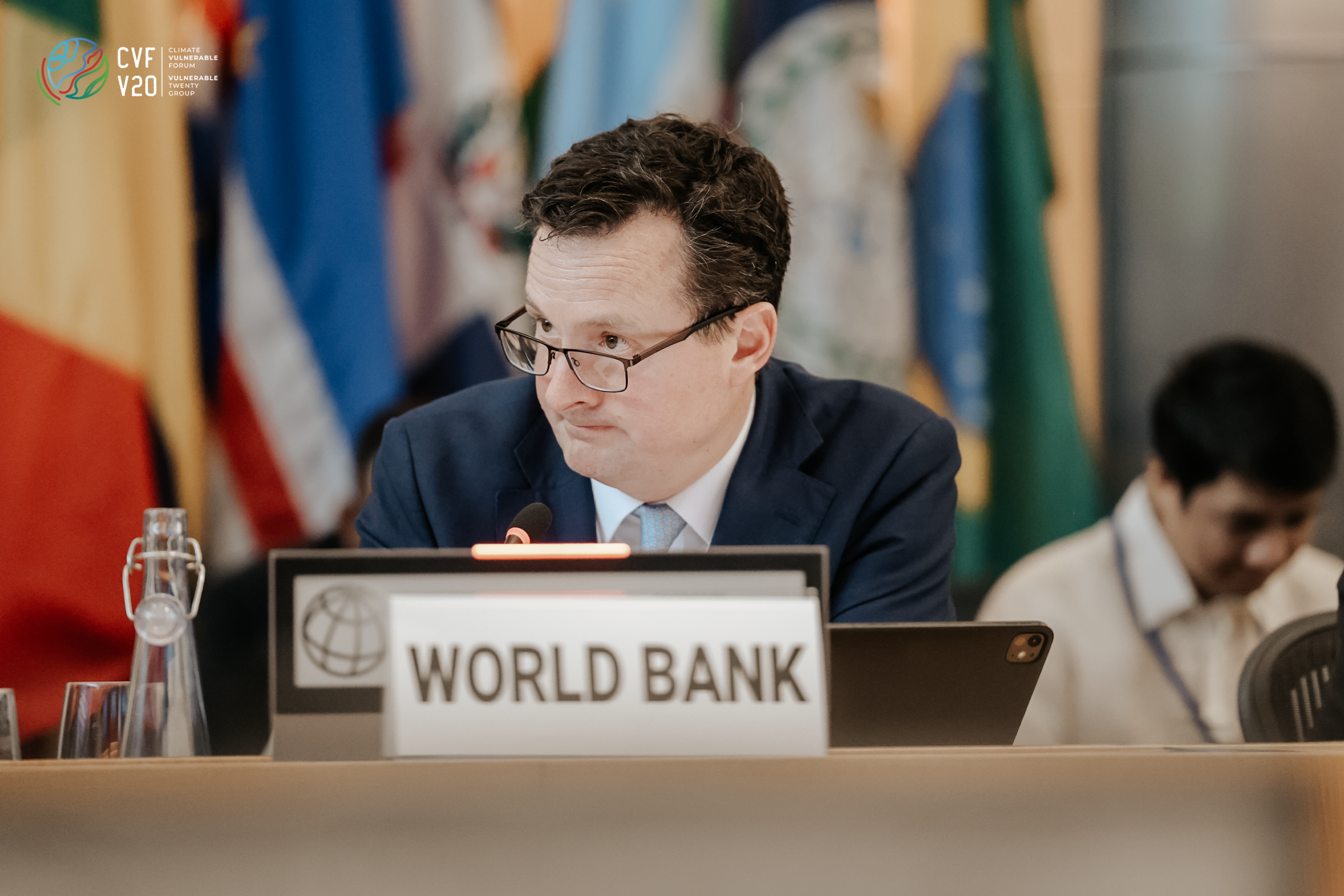
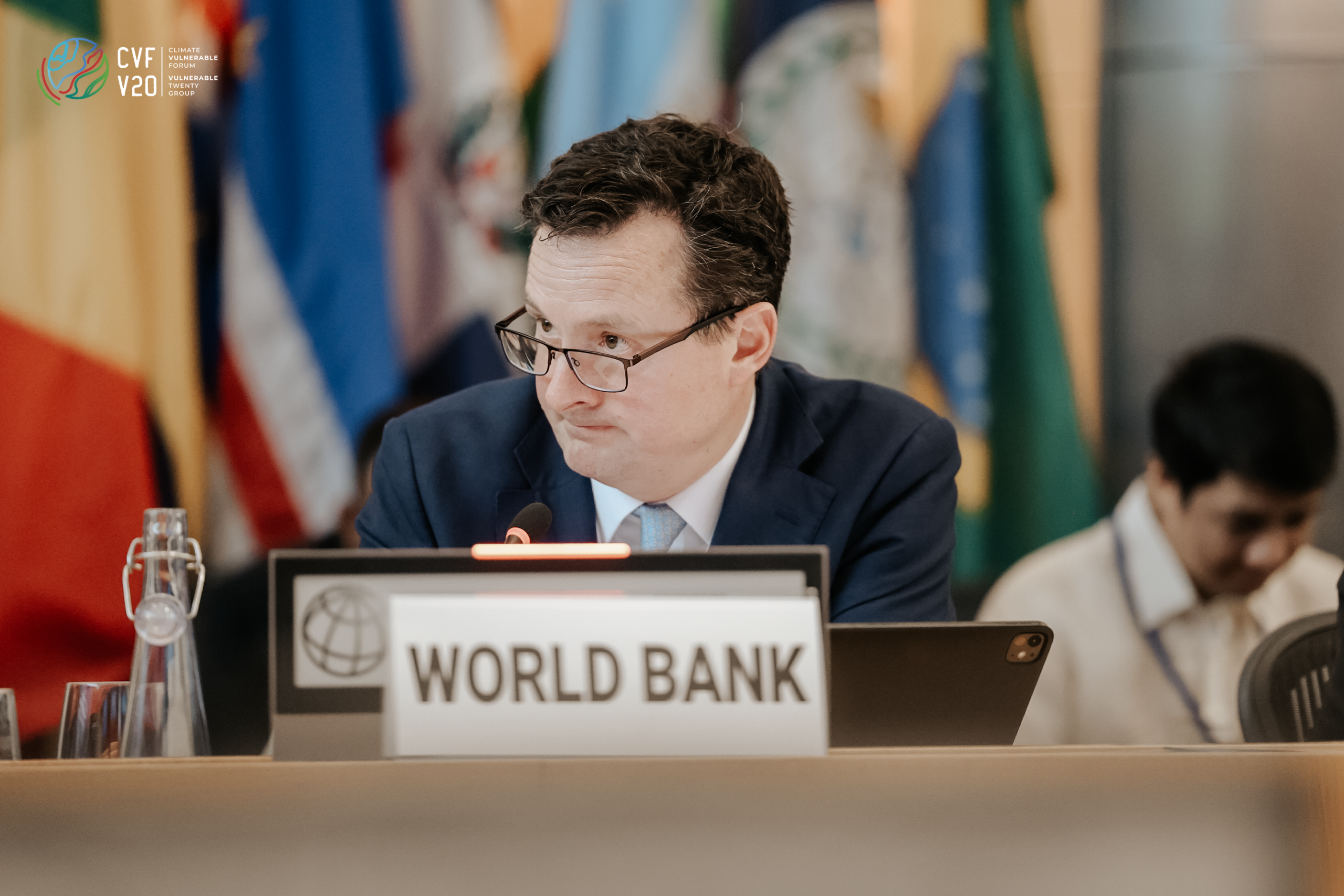
“Countries need tools to anticipate shocks, respond fast, and keep investing for the long term. The World Bank Group is scaling up support, convening partners and the private sector, and moving with urgency. We are not only financiers. We are a partner for delivery, and impact in long-term prosperity, and short-term response.”

MR. JAMIE FERGUSSON
Director for Climate
World Bank Group

***