When Climate Vulnerability Becomes Personal
Damage to infrastructure and agriculture, disruptions to transport and services, and the costs of emergency response ripple across the economy. When such shocks recur year after year, recovery becomes partial and fragile. Each rebuilding effort begins before the last has fully ended.
From the outside, climate impacts are often described as temporary setbacks. On the ground, they feel structural. Resources that could support education, healthcare, industrial development, or job creation are repeatedly redirected toward response and repair. Public debt grows not through poor decisions, but because climate shocks leave governments with few alternatives.
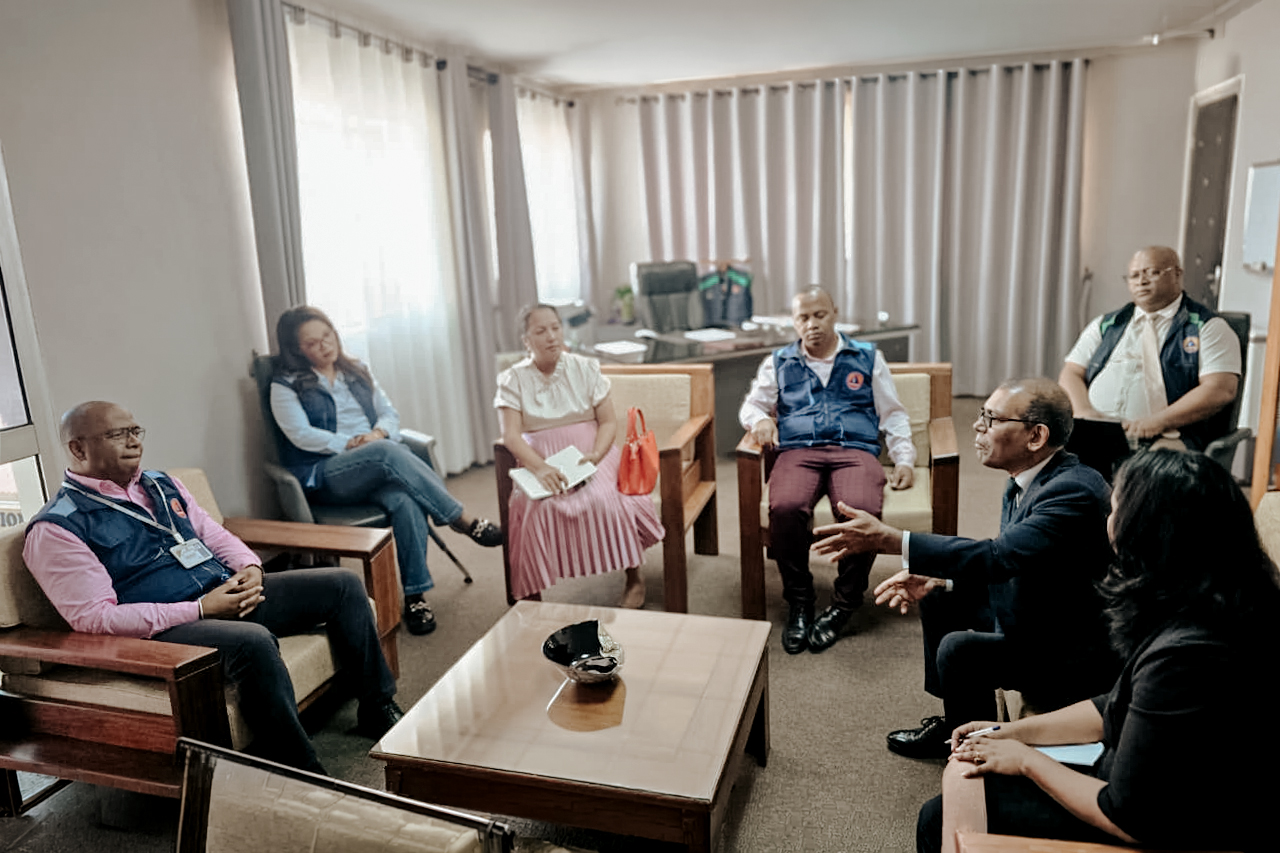
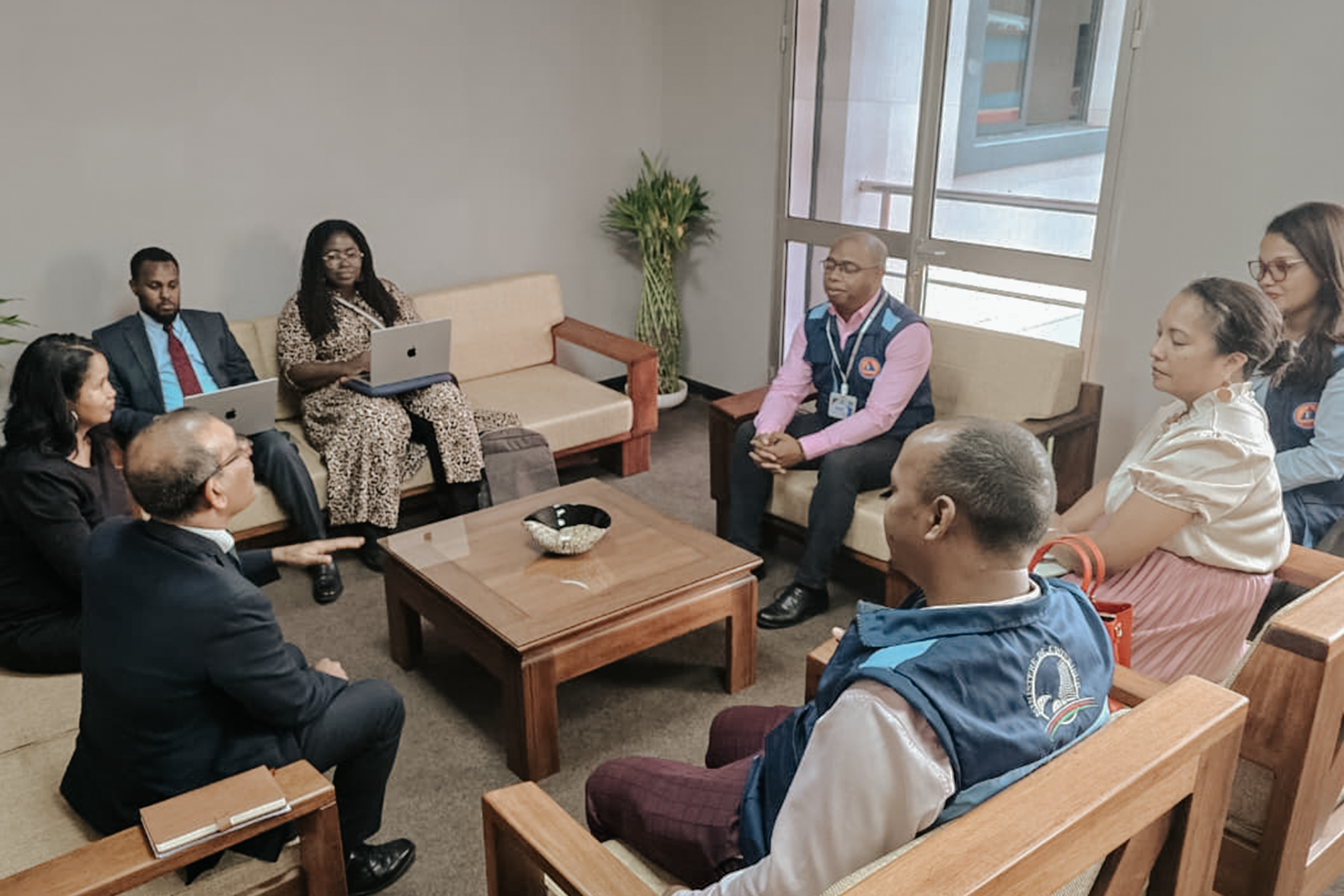
When Climate Reality Hits Home: CVF-V20 Secretariat in Madagascar as a Category 4 Cyclone Makes Landfall
As a Category 4 cyclone slams into Madagascar’s coastline, the force of climate change is no longer abstract, it is immediate, physical, and deeply human. The CVF Secretariat team on the ground is witnessing firsthand how climate vulnerability translates into real-time emergency response, institutional coordination, and community resilience under pressure.

High Seas Treaty Enters Into Force
The first legally binding ocean instrument to provide for inclusive ocean governance, known as the Biodiversity Beyond National Jurisdiction (BBNJ) Agreement, entered into force on January 17, 120 days after at least 60 countries have ratified the treaty.
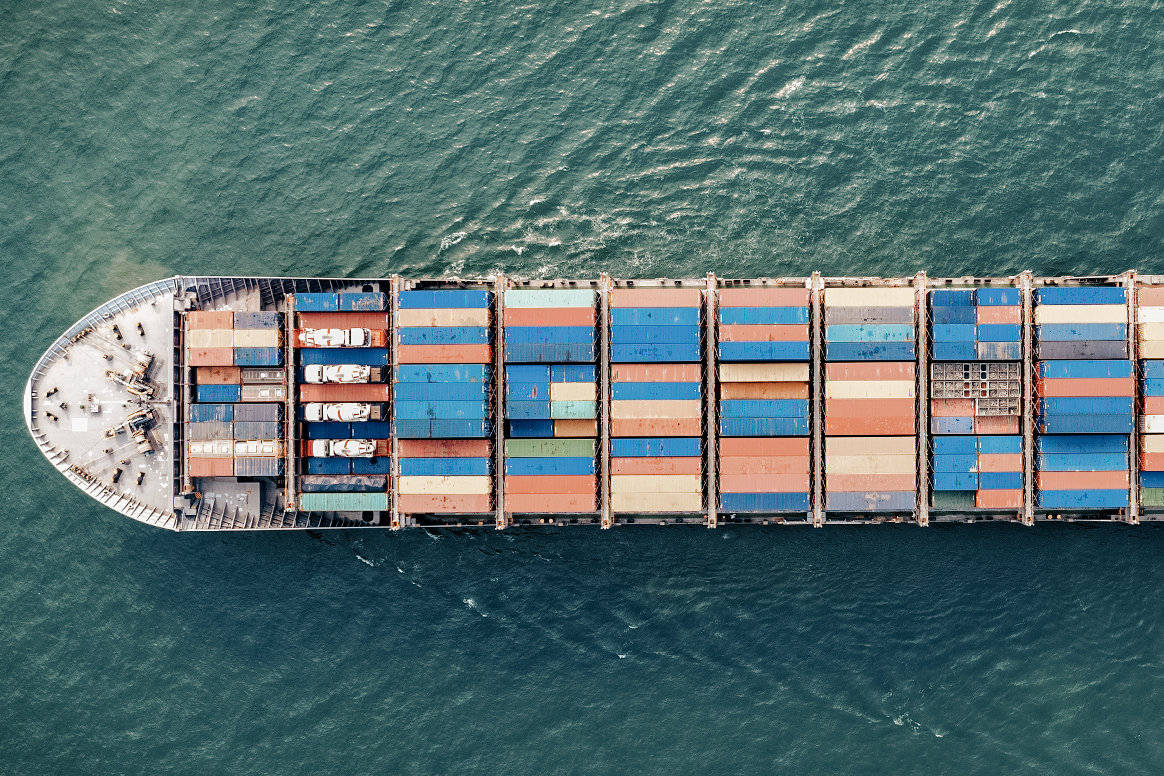
Liberia to Implement Carbon Levy on Maritime Shipping
The Republic of Liberia becomes the third African country to introduce a carbon levy on maritime shipping, after Djibouti’s and Gabon’s domestic implementation. Starting on March 1 this year, the country will impose a USD 25 per tonne fee on CO2 emitted by ships entering and leaving its ports.
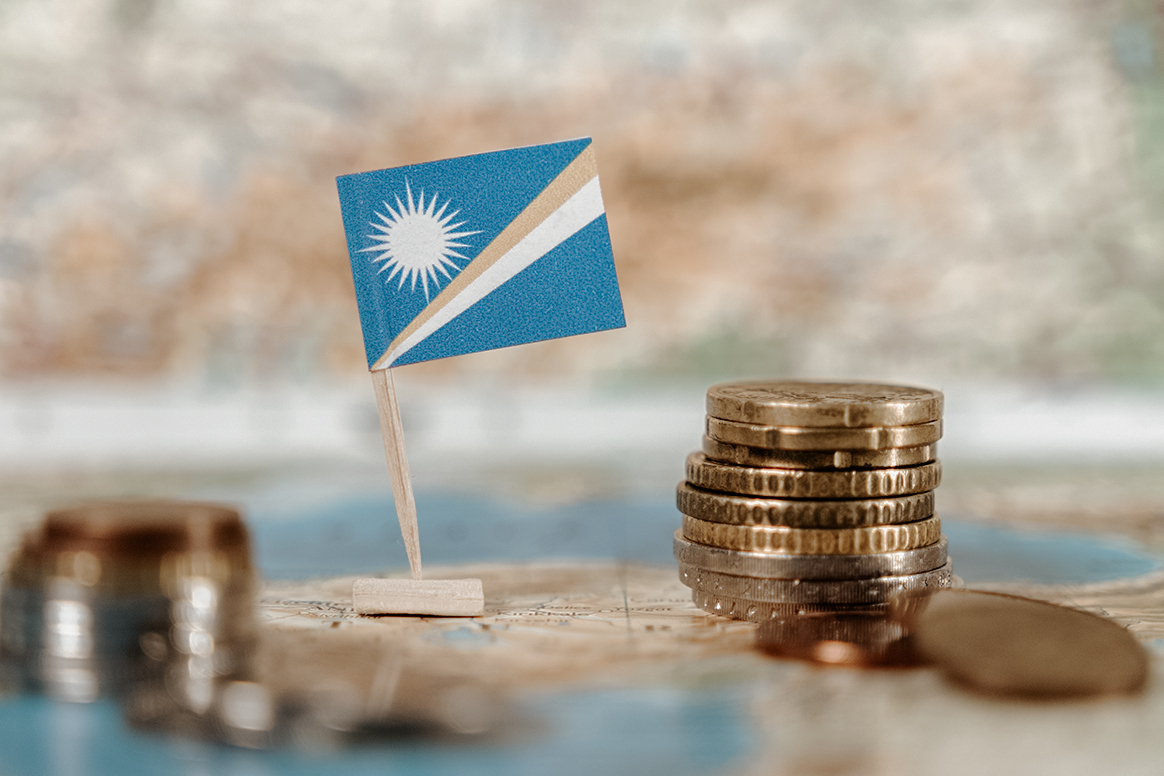
Marshall Islands Pioneers Climate Resilience Strategy for Atoll Nations
The Blue-Green Atolls Project by the Republic of Marshall Islands begins its preparation phase after securing approval from the Global Environment Facility (GEF) Trust Fund and the Special Climate Change Fund. Initial stages include technical assessments, stakeholder engagement, and the mobilization of complementary public and private finance. With the United Nations Development Programme as the implementing agency, the project receives USD 38.5 million from co-financing and USD 8.537 million from the GEF Project Grant.
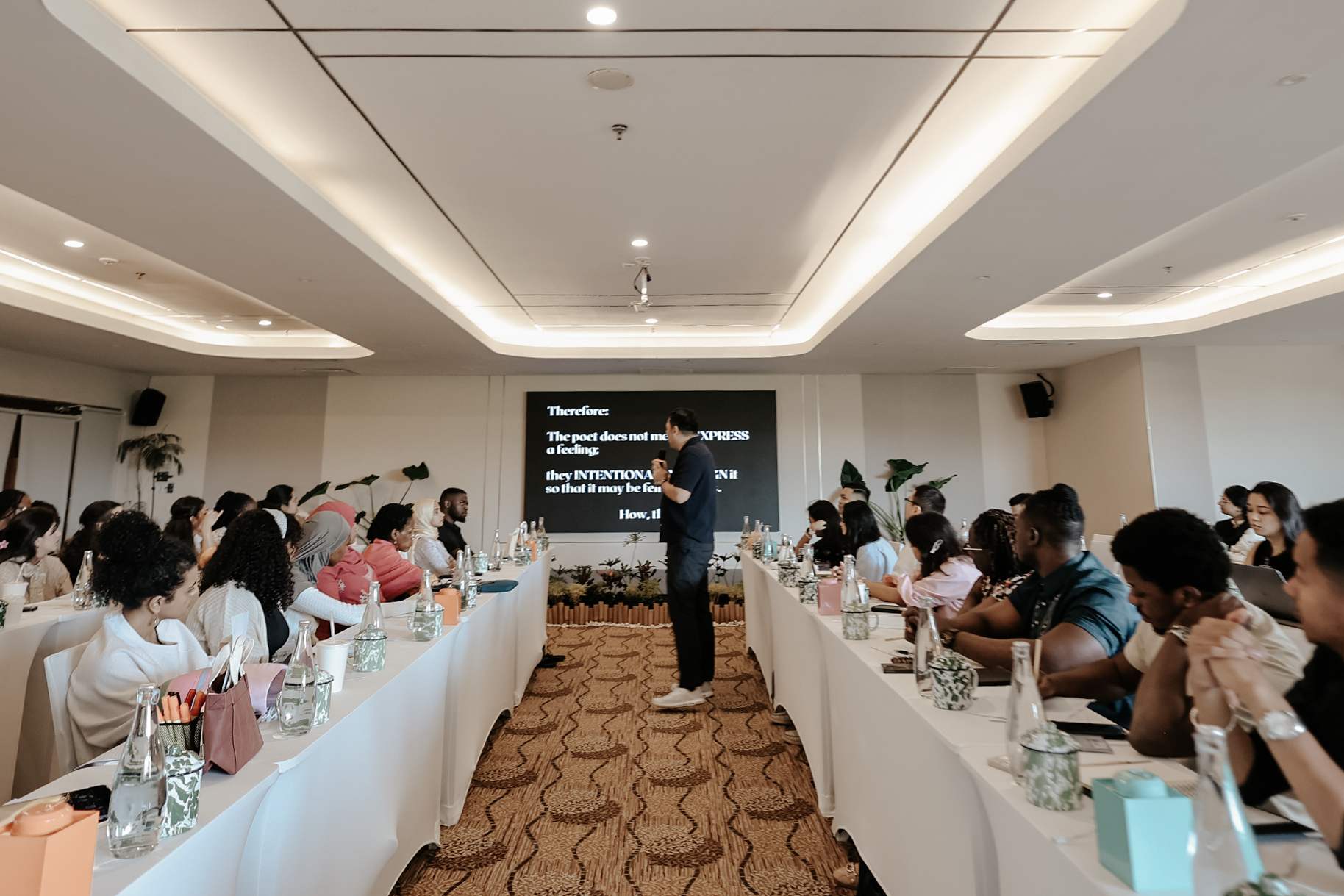
Fellowship Sessions Empower Climate Leaders to Drive Bold Action
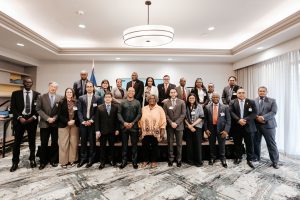
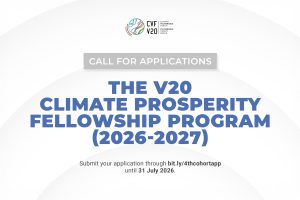
January 2026 witnessed a transformative gathering of climate champions as the CVF-V20 Secretariat hosted a series of fellowship retreats and a residency to equip youth and mid-to-senior-level officials from the world’s most climate-vulnerable nations with co-learning and networking opportunities necessary to advance ambitious development-positive climate action.
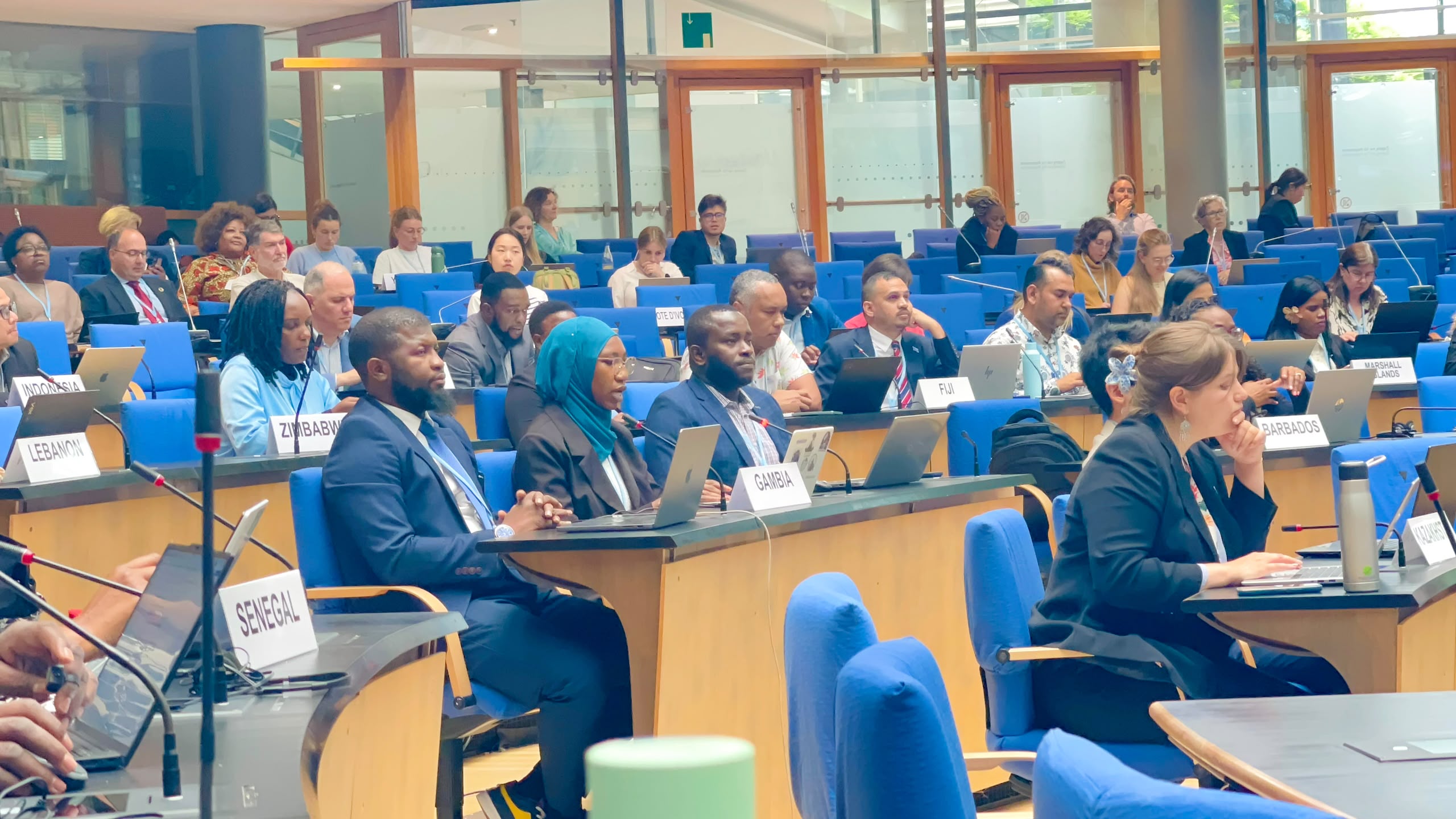
From Negotiation to Implementation: What SB64 Means for Adaptation and Youth Leadership
The 64th Sessions of the United Nations Framework Convention on Climate Change (UNFCCC) Subsidiary Bodies (SB64) in Bonn marked an important milestone on the road to COP31. For CVF Youth Fellow Haddijatou Ceesay, it was also a transformative experience.
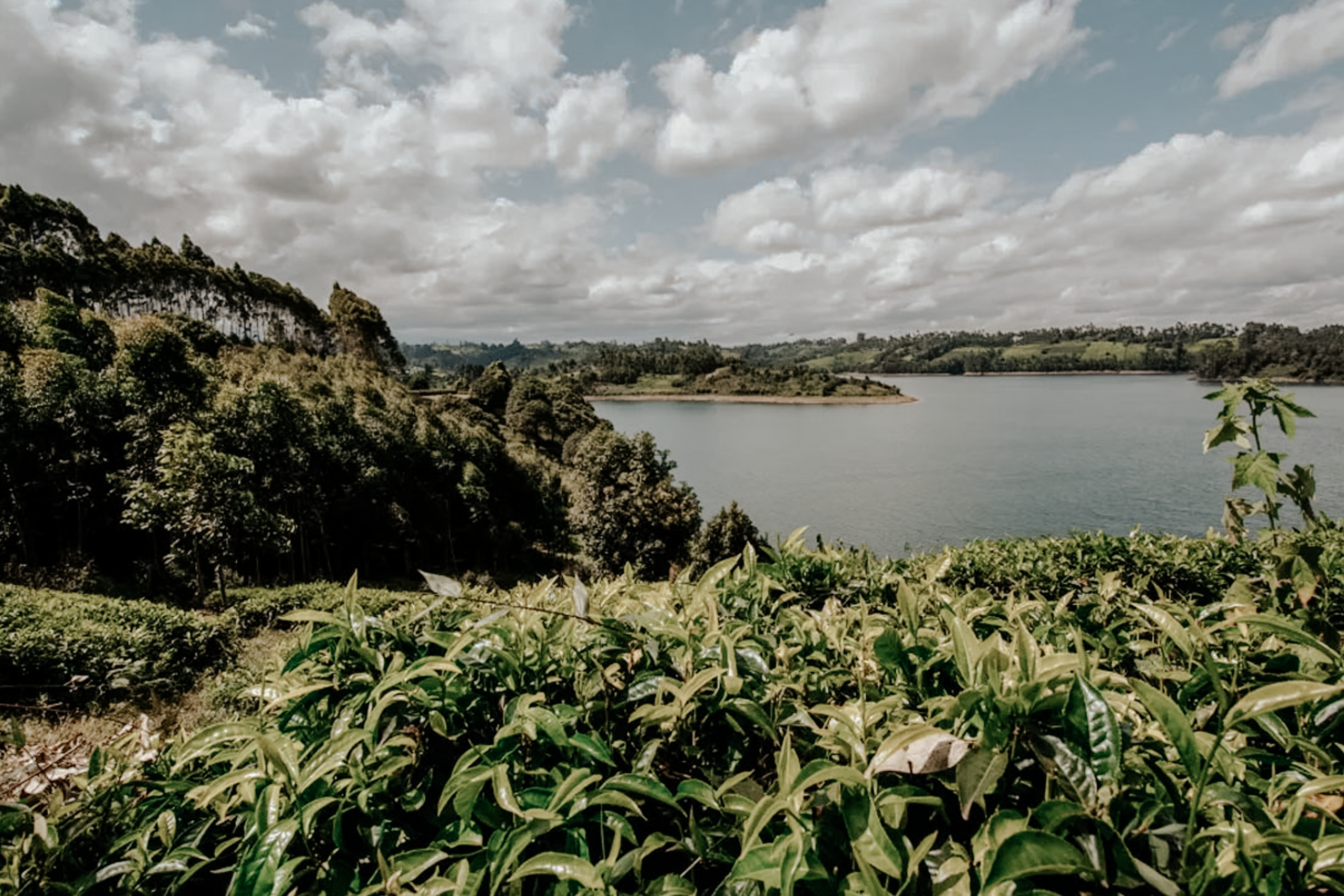
Jordan Retires Siloed Governance for Integrated Water-Energy-Food-Environment Strategy
The Hashemite Kingdom of Jordan is reshaping how it governs its most critical natural resources, moving away from fragmented sector-by-sector management toward a unified Water-Energy-Food-Environment (WEFE) nexus framework. Led by the Ministry of Planning and International Cooperation, the shift marks one of the most significant structural changes in the kingdom’s domestic policy in recent years, one driven by the compounding pressures of climate change, resource scarcity, and regional instability.
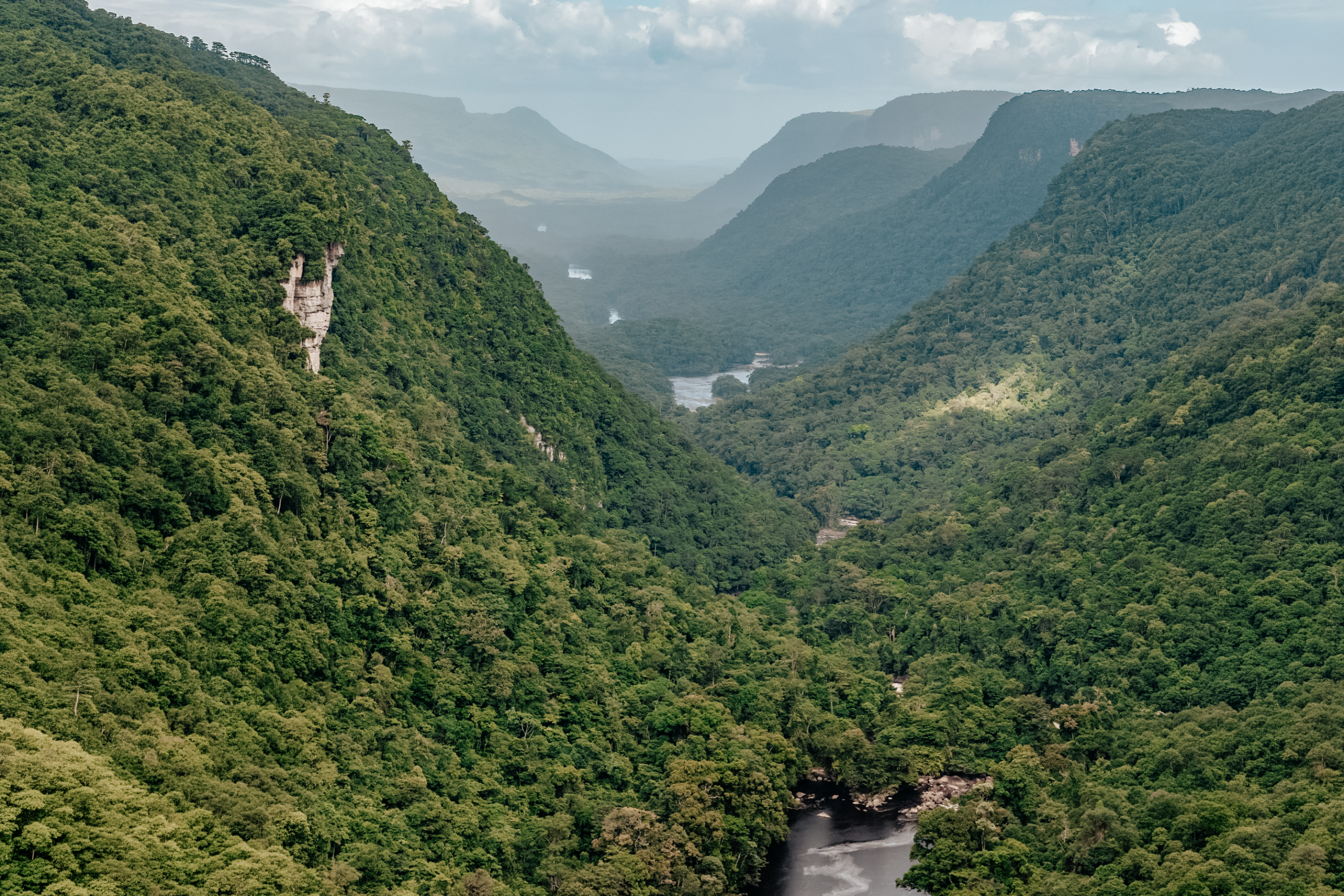
Guyana’s Forests Drive A New Era of Low-Carbon Development
On the northern coast of South America, along the borders of the Atlantic Ocean, Guyana is pursuing a development model that few countries have attempted: generating economic growth while preserving one of the world’s most intact tropical forests.

The Caribbean’s Push to Link Climate and Health
Over the years, the conversation on planetary instability has expanded in ways few could have anticipated. What began as a scientific concern focused on environmental damage has grown into a defining global conversation that reaches almost every part of humanity. In the Caribbean, that expansion is acutely felt. Climate change is no longer discussed solely as an environmental issue; it is increasingly recognized as a public health crisis. Empirical studies have demonstrated that countries in the region are highly susceptible to drought hazards and significantly affected by extreme heat.
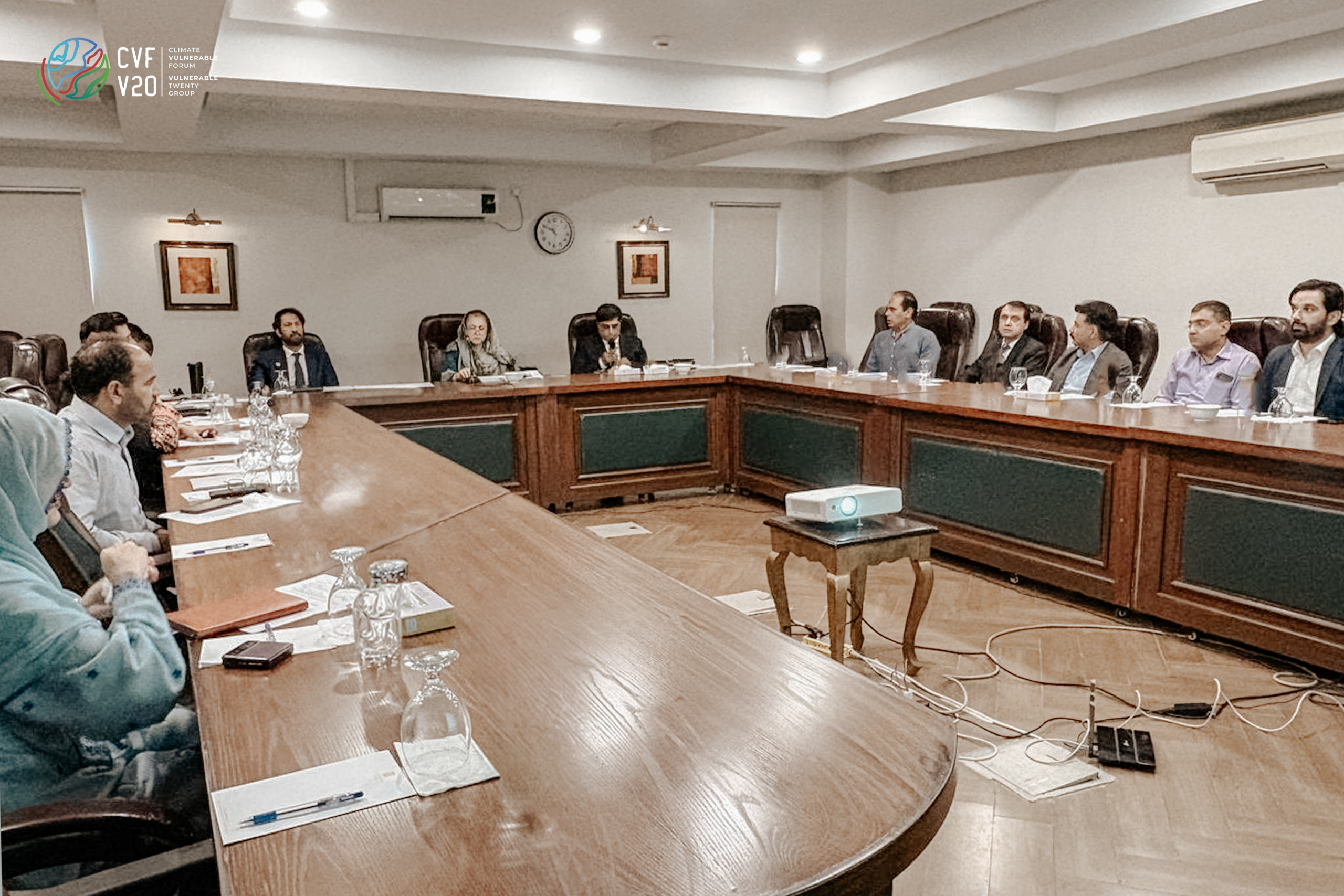
Pakistan Climate Prosperity Plan Gains Federal and Provincial Backing as Primary Delivery Vehicle for NDC 3.0
Pakistan’s Ministry of Climate Change & Environmental Coordination (MoCC&EC) convened federal and provincial governments on 14 May 2026 to align the country behind a single delivery agenda, positioning the country’s Climate Prosperity Plan (CPP) as the vehicle for turning its climate commitments into investable projects and bankable financing partnerships.
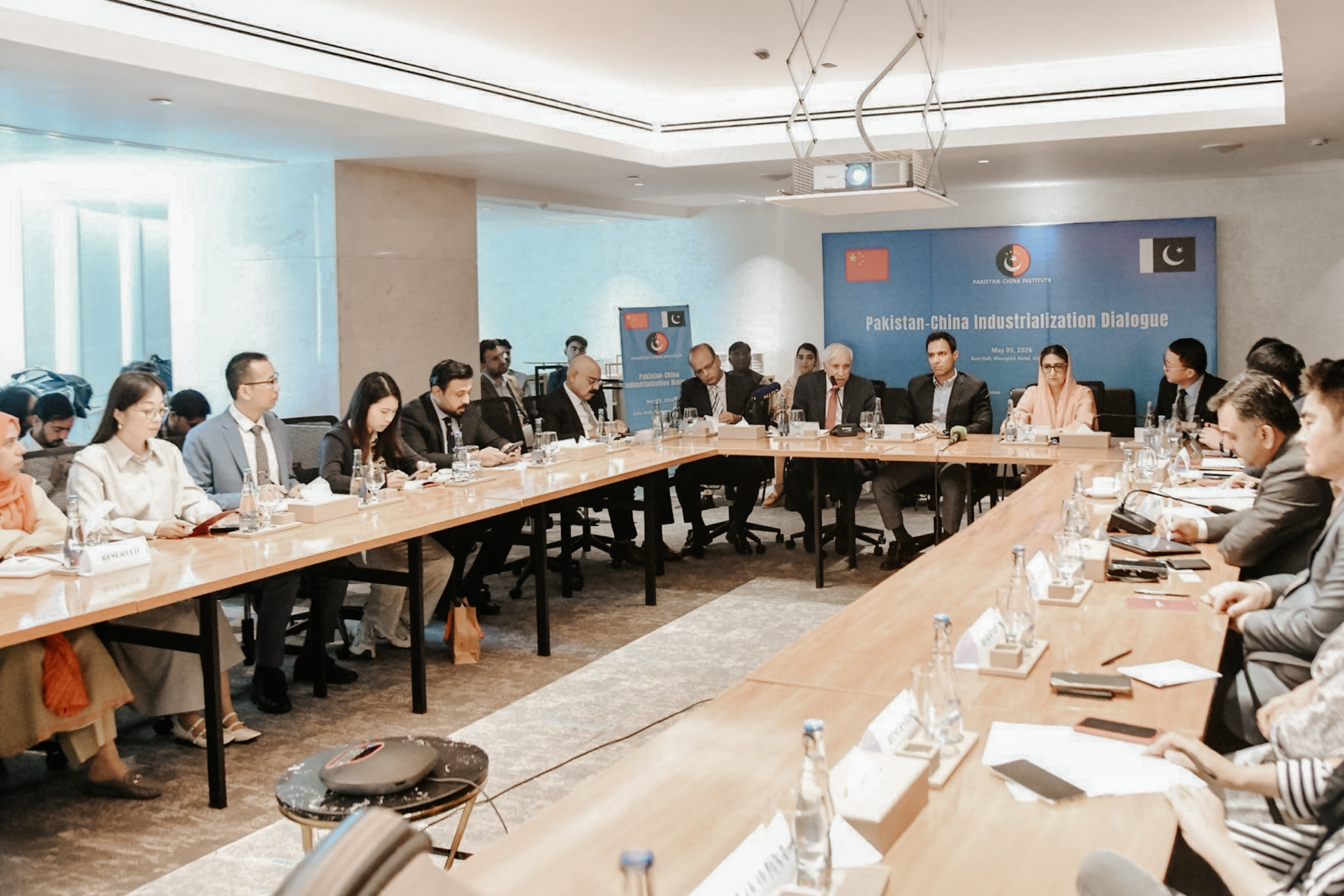
CVF-V20 Makes the Case for Green Industrialization at Pakistan-China Dialogue
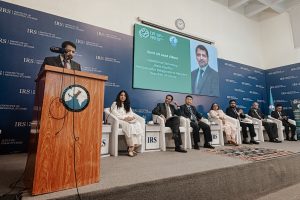
The CVF-V20 participated in the Pakistan-China Industrialization Dialogue, hosted by the Pakistan-China Institute on 5 May 2026, bringing the perspective of climate-vulnerable economies into discussions on industrial transformation, strategic finance, and resilient development. The dialogue brought together policymakers, business leaders, Chinese and Pakistani enterprises, financial institutions, and experts to explore how Pakistan-China cooperation can move from connectivity toward joint production, technology transfer, export competitiveness, and climate-smart industrialization.