
Costa Rica’s “Más Mujer, Más Natura”
Costa Rica’s Más Mujer, Más Natura (More Women, More Nature) program is rewriting the script for rural empowerment. Launched in 2020 as a collaborative effort between the Ministry of Environment and Energy (MINAE), the United Nations Development Programme (UNDP), and the Office of the First Vice President, the program addresses a long-standing paradox: while women are often the primary stewards of local biodiversity, they frequently lack the land titles and capital to access traditional conservation incentives.
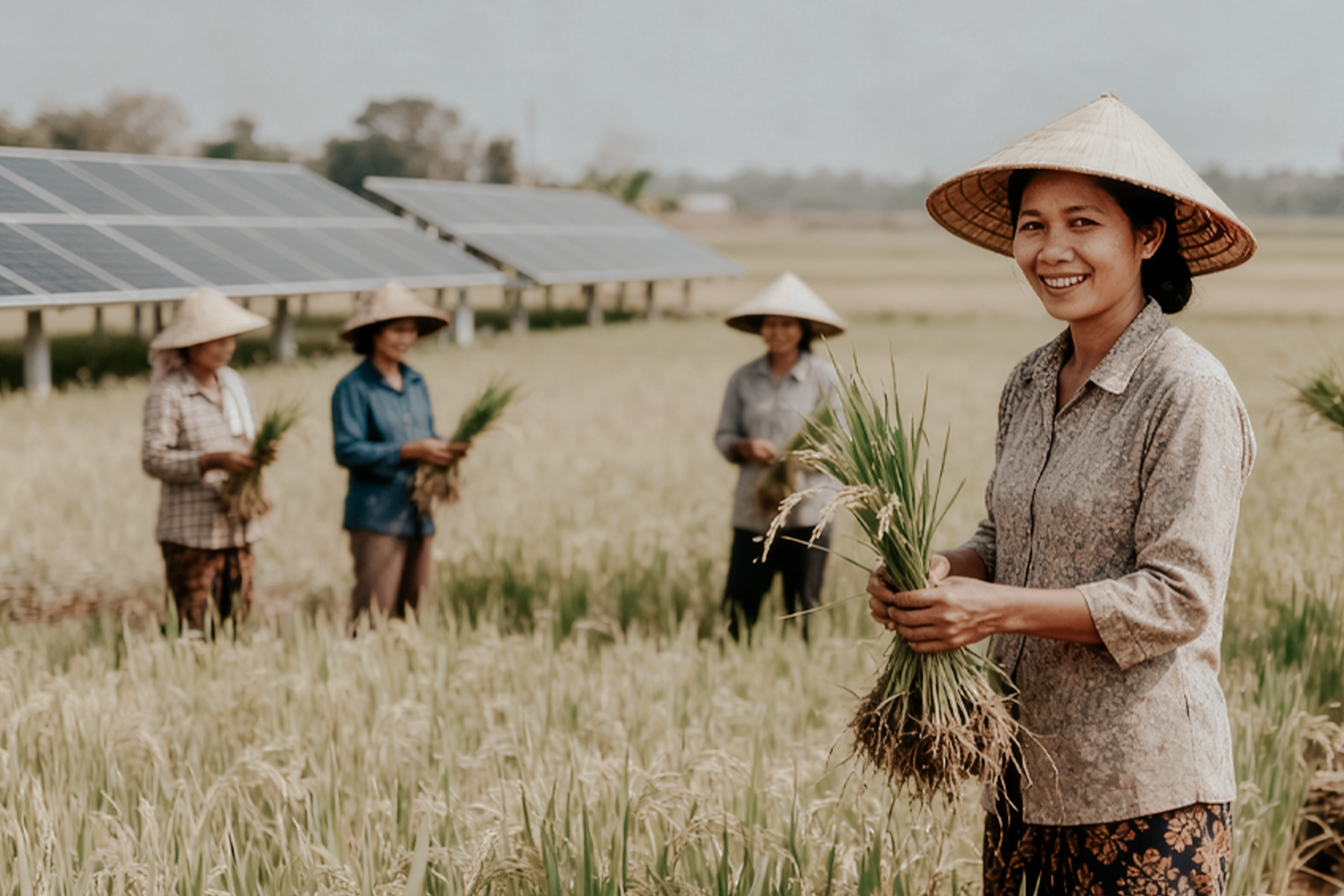
Women at the Core of Cambodia’s Green Economy Revolution
Cambodia recognizes women’s leadership as a robust accelerator of green economic development as the country approaches graduation from Least Developed Country status in 2029, seeking higher productivity, diversified growth, and greater uptake of green digitalization. Women are rising beyond perceptions of vulnerability, positioning themselves as champions of climate prosperity and sustainable development.
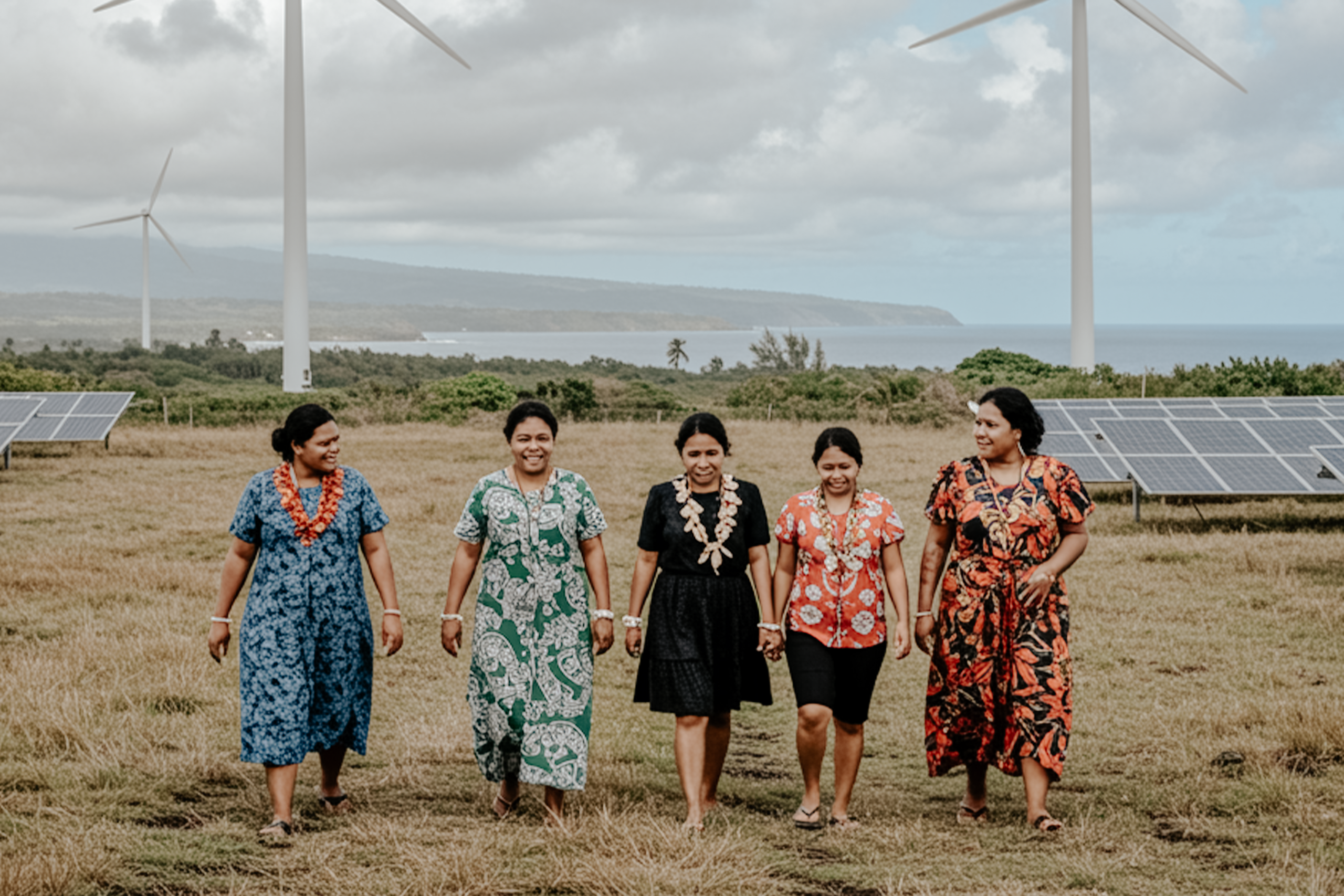
Pacific Women and the Call for Climate Justice
When island nations and regional allies presented their case before the International Court of Justice, women leaders, lawyers, and youth advocates were instrumental in building arguments that led to a landmark 2025 Advisory Opinion affirming states’ obligations to protect the climate and human rights.
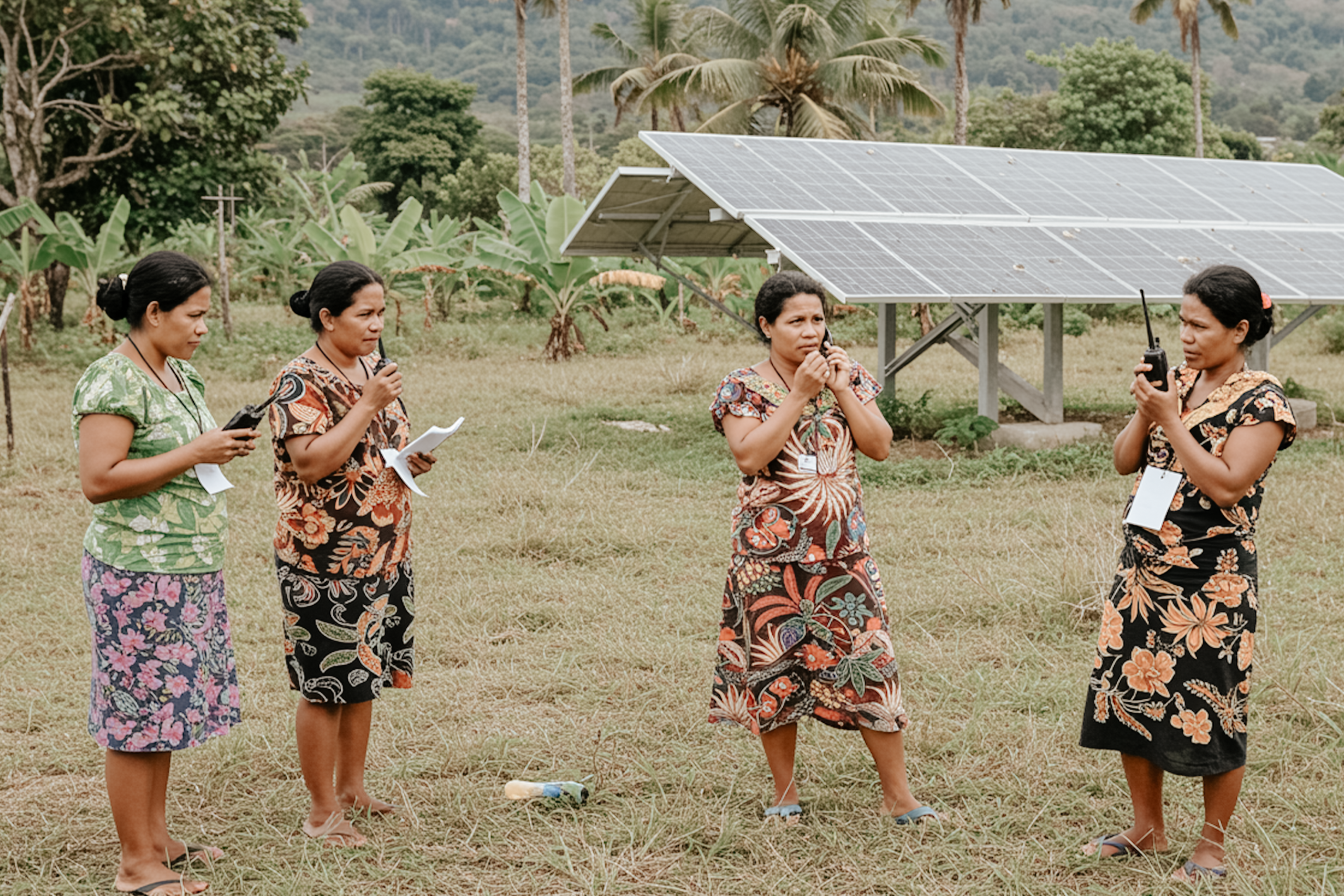
Ni-Vanuatu Women Lead Disaster Response and Climate Action
Vanuatu is among the nations most vulnerable to the climate crisis. These environmental shifts often worsen existing socioeconomic gaps, disproportionately pushing women toward poverty and marginalization. Despite these challenges, Ni-Vanuatu women have emerged as resilient leaders, transforming how their communities prepare for and recover from disasters.
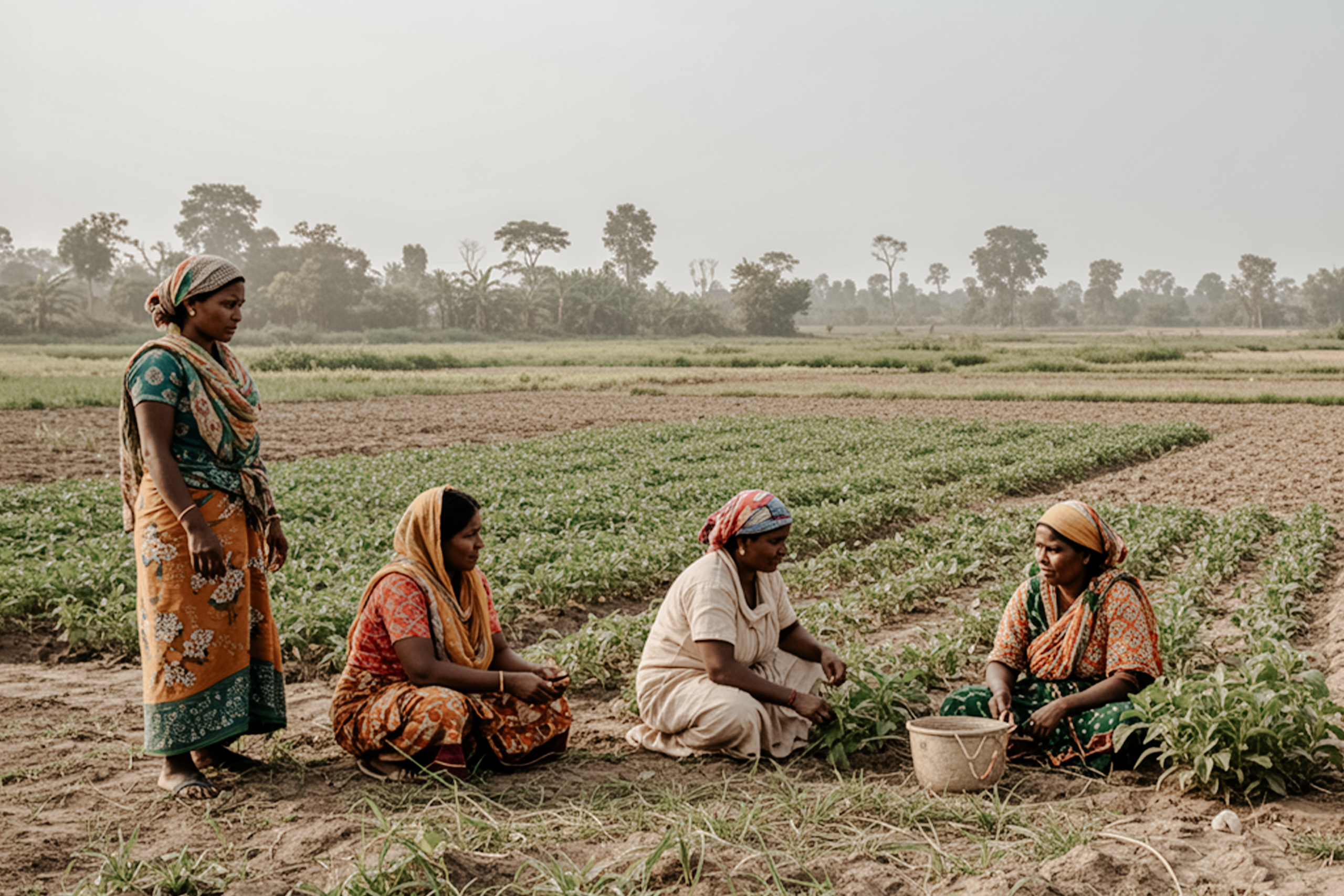
Gender-Responsive Climate Action in Bangladesh and Kenya
The worsening impacts of climate change are exposing gaps in financial and social systems while reshaping societies, with women often on the frontlines—managing households, securing resources, and caring for families under growing stress. The crisis exacerbates existing gender inequalities, yet women’s voices are largely missing from the policies meant to protect them. Without a gender-focused approach, millions of women and girls risk being pushed into extreme poverty, amplifying social and economic disparities worldwide.
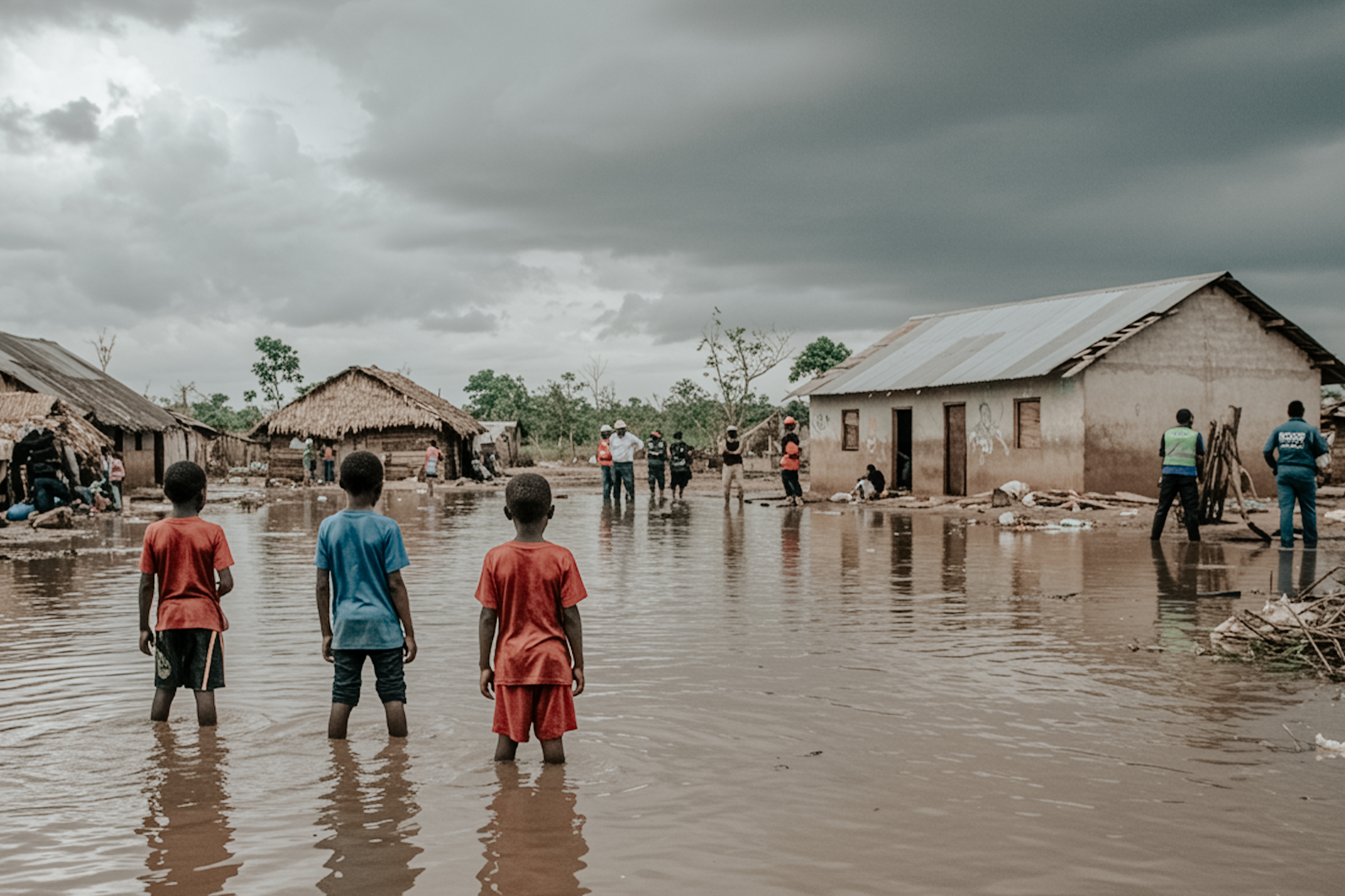
Climate Shocks Are Rising, Our Financial Response Isn’t
Recent floods and cyclones have displaced more than 720,000 people, destroyed schools and health facilities, and disrupted access to food and clean water, overwhelmingly affecting children and families already struggling with poverty and climate risk in Mozambique. These weather extremes are not isolated events: they reflect a relentless rise in climate-driven shocks.
When Climate Vulnerability Becomes Personal
Damage to infrastructure and agriculture, disruptions to transport and services, and the costs of emergency response ripple across the economy. When such shocks recur year after year, recovery becomes partial and fragile. Each rebuilding effort begins before the last has fully ended.
From the outside, climate impacts are often described as temporary setbacks. On the ground, they feel structural. Resources that could support education, healthcare, industrial development, or job creation are repeatedly redirected toward response and repair. Public debt grows not through poor decisions, but because climate shocks leave governments with few alternatives.
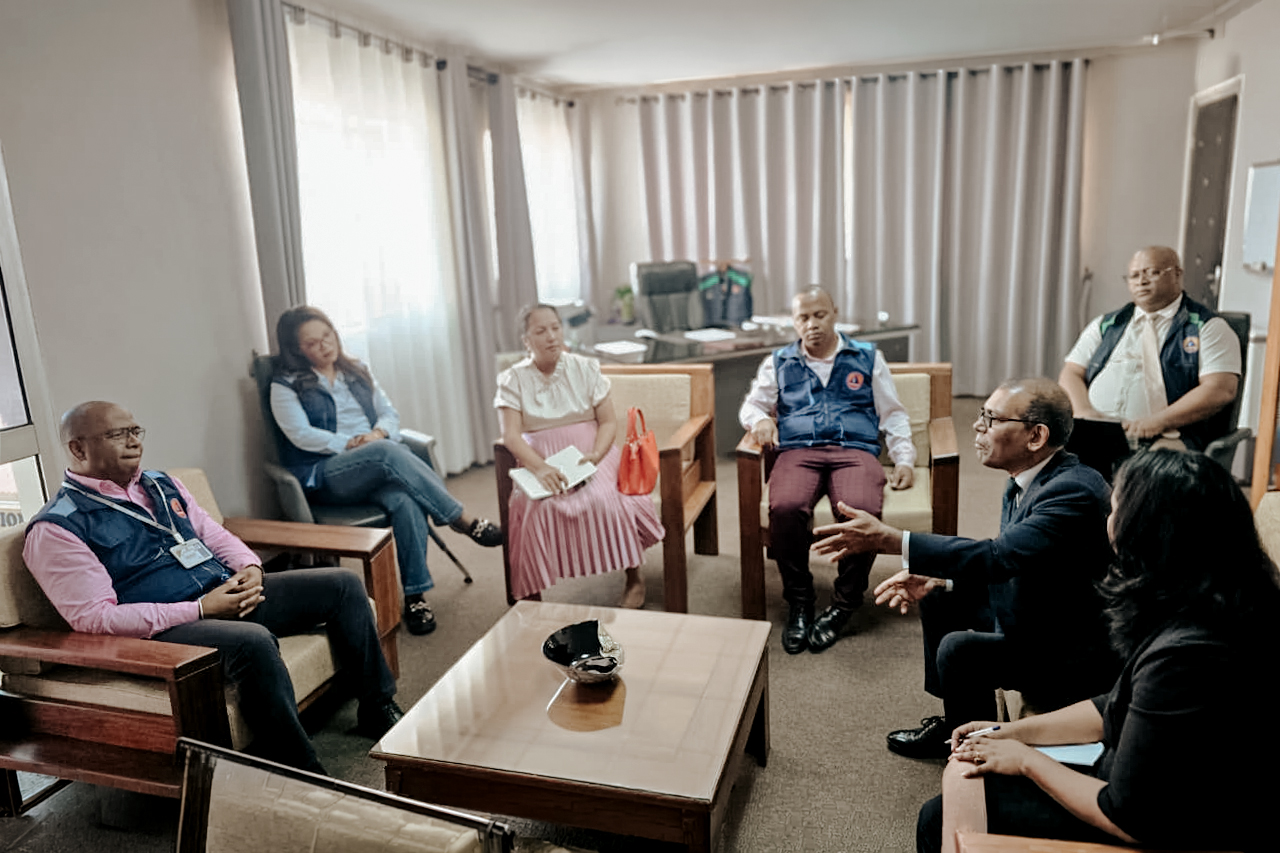
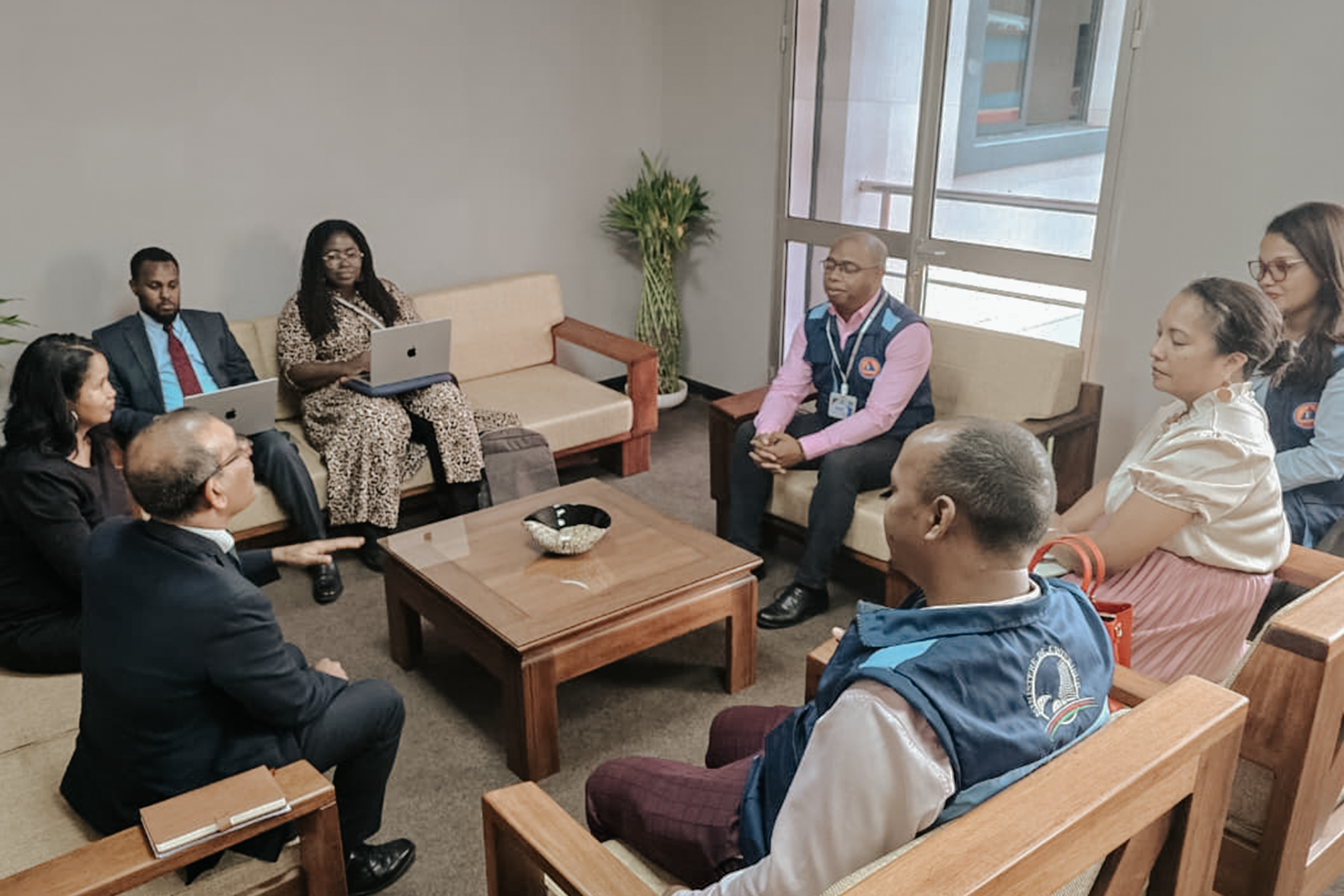
When Climate Reality Hits Home: CVF-V20 Secretariat in Madagascar as a Category 4 Cyclone Makes Landfall
As a Category 4 cyclone slams into Madagascar’s coastline, the force of climate change is no longer abstract, it is immediate, physical, and deeply human. The CVF Secretariat team on the ground is witnessing firsthand how climate vulnerability translates into real-time emergency response, institutional coordination, and community resilience under pressure.
High Seas Treaty Enters Into Force
The first legally binding ocean instrument to provide for inclusive ocean governance, known as the Biodiversity Beyond National Jurisdiction (BBNJ) Agreement, entered into force on January 17, 120 days after at least 60 countries have ratified the treaty.
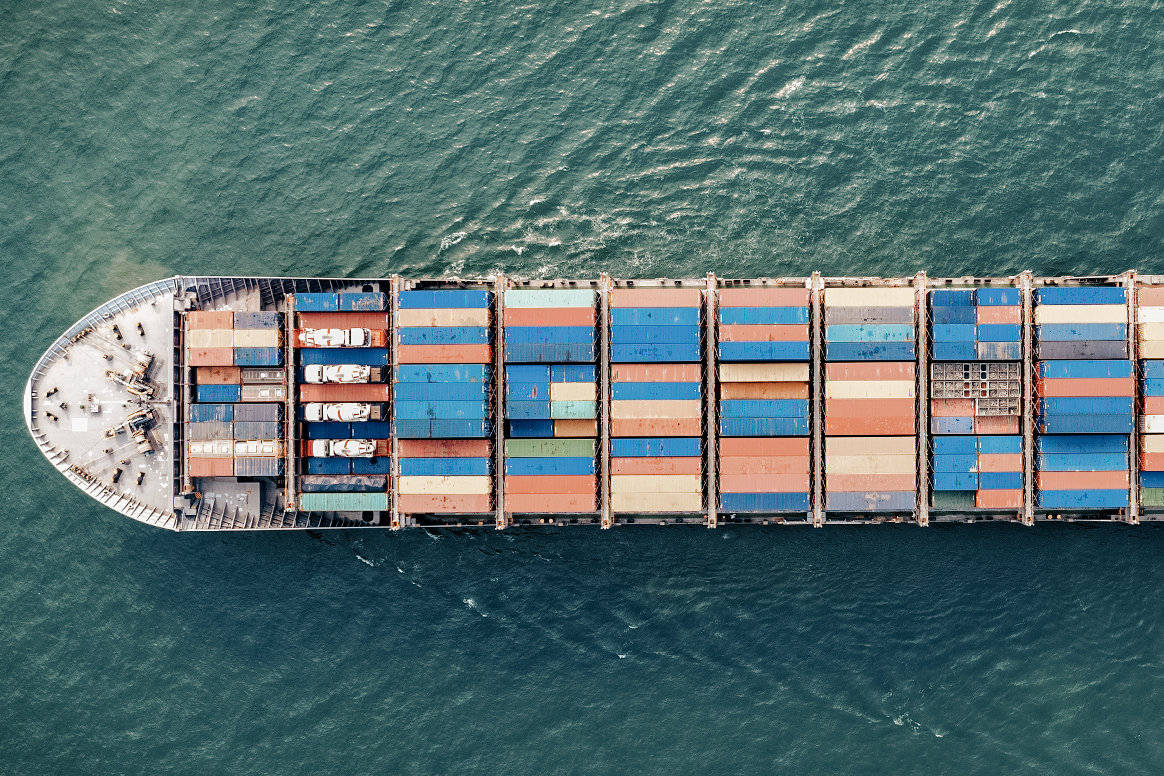
Liberia to Implement Carbon Levy on Maritime Shipping
The Republic of Liberia becomes the third African country to introduce a carbon levy on maritime shipping, after Djibouti’s and Gabon’s domestic implementation. Starting on March 1 this year, the country will impose a USD 25 per tonne fee on CO2 emitted by ships entering and leaving its ports.
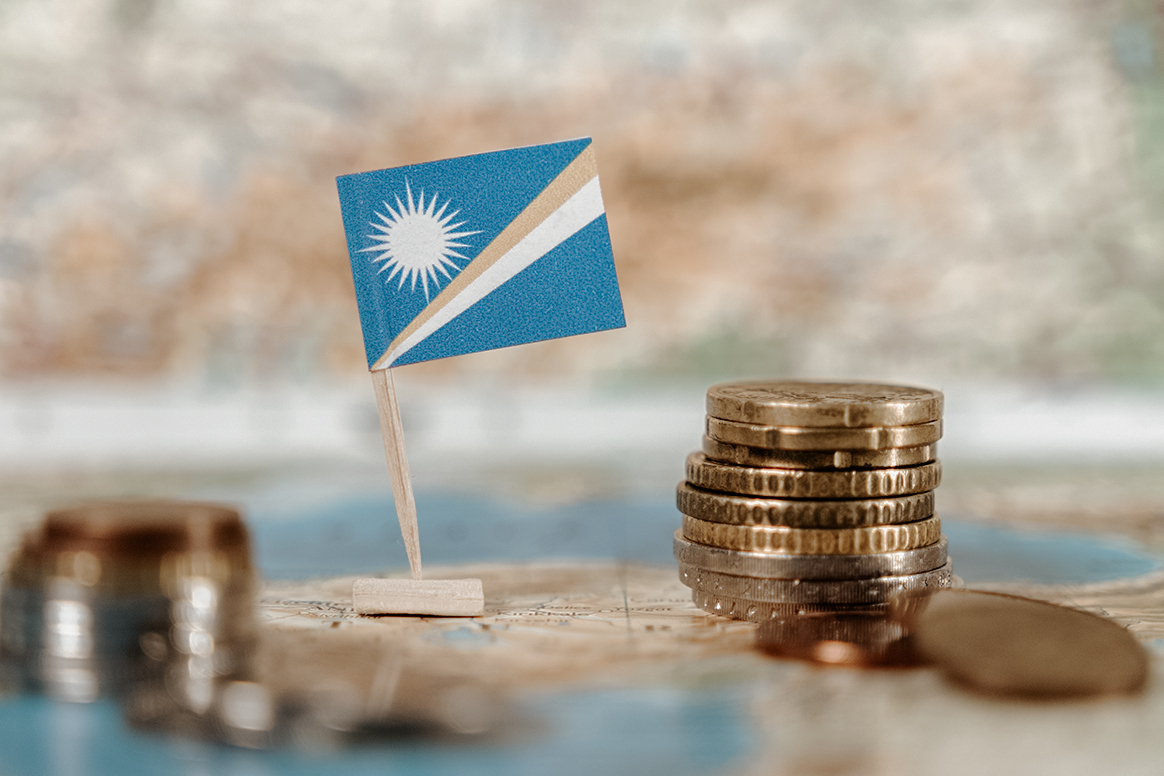
Marshall Islands Pioneers Climate Resilience Strategy for Atoll Nations
The Blue-Green Atolls Project by the Republic of Marshall Islands begins its preparation phase after securing approval from the Global Environment Facility (GEF) Trust Fund and the Special Climate Change Fund. Initial stages include technical assessments, stakeholder engagement, and the mobilization of complementary public and private finance. With the United Nations Development Programme as the implementing agency, the project receives USD 38.5 million from co-financing and USD 8.537 million from the GEF Project Grant.
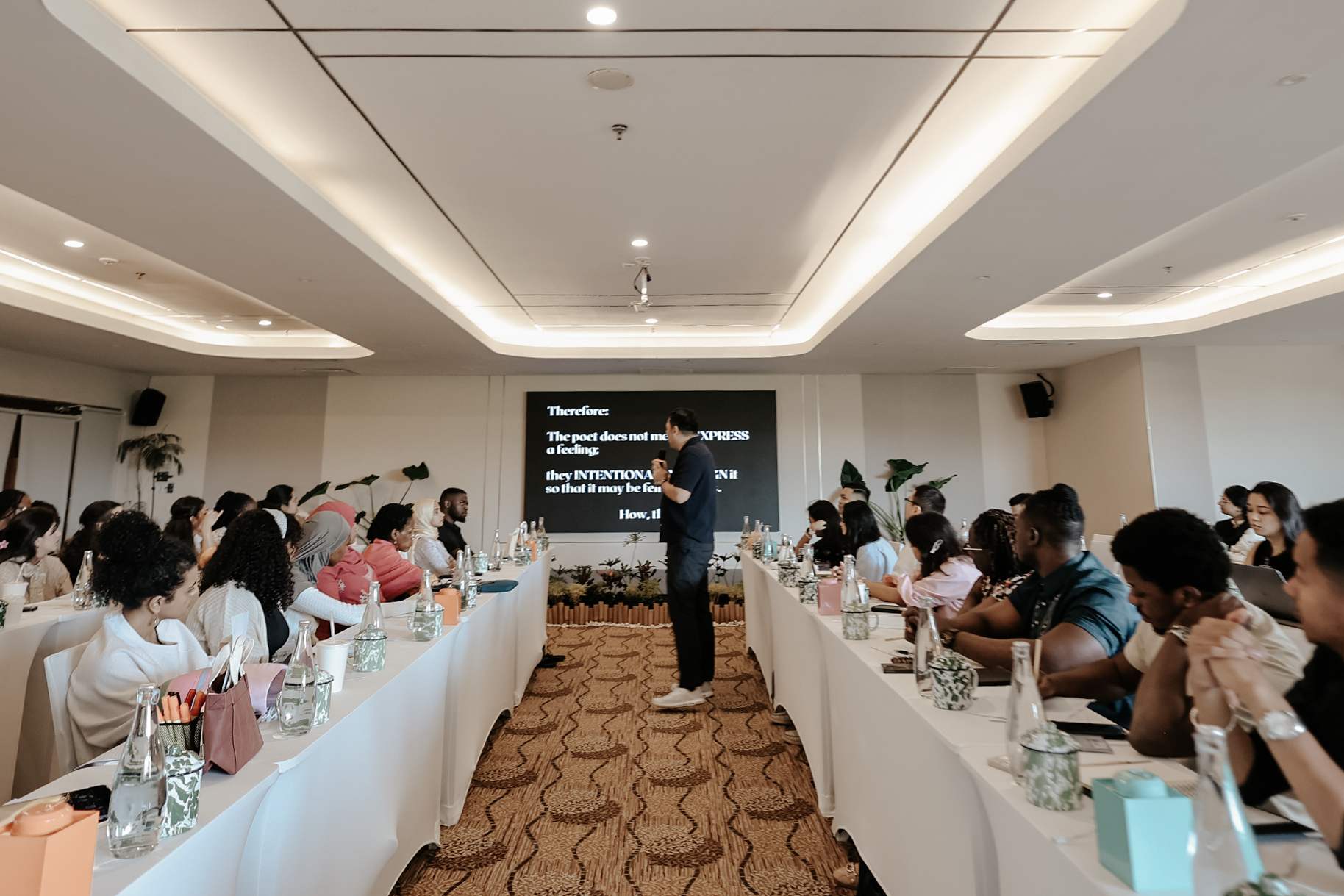
Fellowship Sessions Empower Climate Leaders to Drive Bold Action
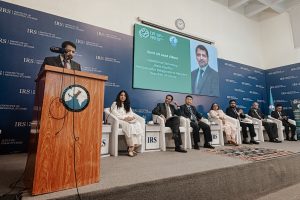
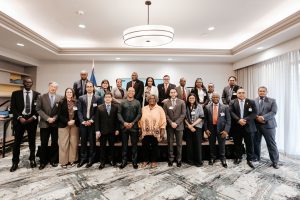
January 2026 witnessed a transformative gathering of climate champions as the CVF-V20 Secretariat hosted a series of fellowship retreats and a residency to equip youth and mid-to-senior-level officials from the world’s most climate-vulnerable nations with co-learning and networking opportunities necessary to advance ambitious development-positive climate action.