
Costa Rica’s “Más Mujer, Más Natura”
Costa Rica’s Más Mujer, Más Natura (More Women, More Nature) program is rewriting the script for rural empowerment. Launched in 2020 as a collaborative effort between the Ministry of Environment and Energy (MINAE), the United Nations Development Programme (UNDP), and the Office of the First Vice President, the program addresses a long-standing paradox: while women are often the primary stewards of local biodiversity, they frequently lack the land titles and capital to access traditional conservation incentives.
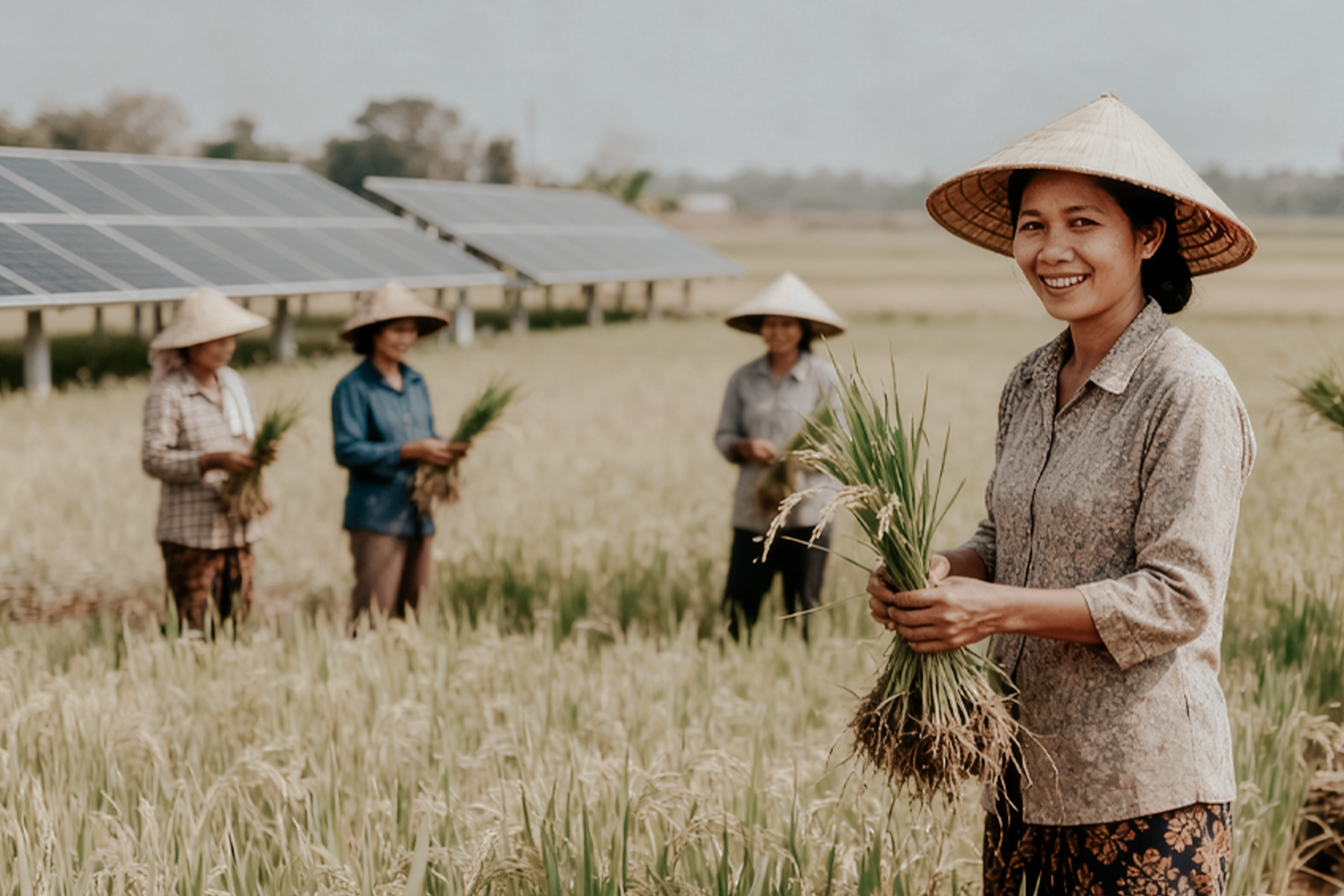
Women at the Core of Cambodia’s Green Economy Revolution
Cambodia recognizes women’s leadership as a robust accelerator of green economic development as the country approaches graduation from Least Developed Country status in 2029, seeking higher productivity, diversified growth, and greater uptake of green digitalization. Women are rising beyond perceptions of vulnerability, positioning themselves as champions of climate prosperity and sustainable development.
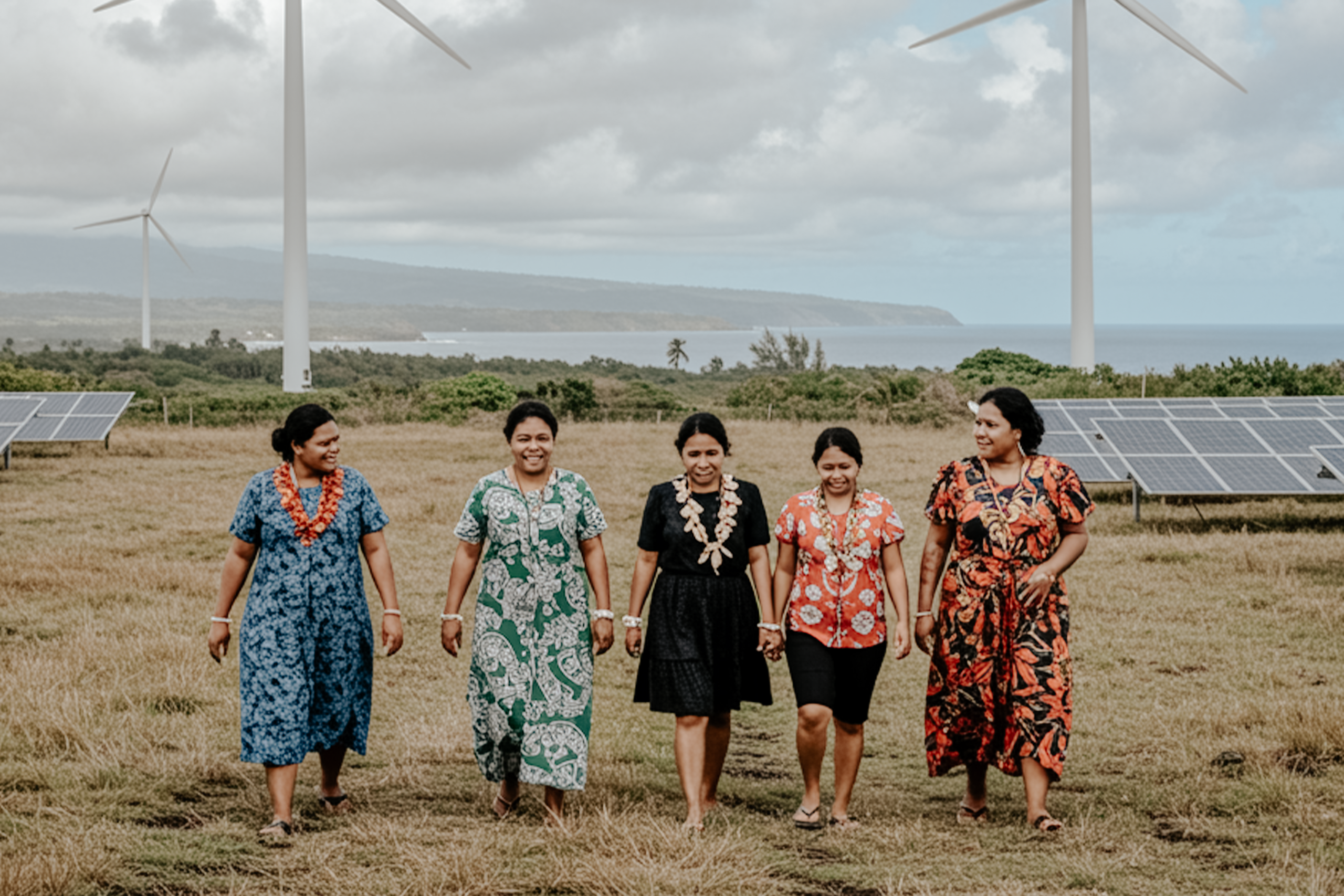
Pacific Women and the Call for Climate Justice
When island nations and regional allies presented their case before the International Court of Justice, women leaders, lawyers, and youth advocates were instrumental in building arguments that led to a landmark 2025 Advisory Opinion affirming states’ obligations to protect the climate and human rights.
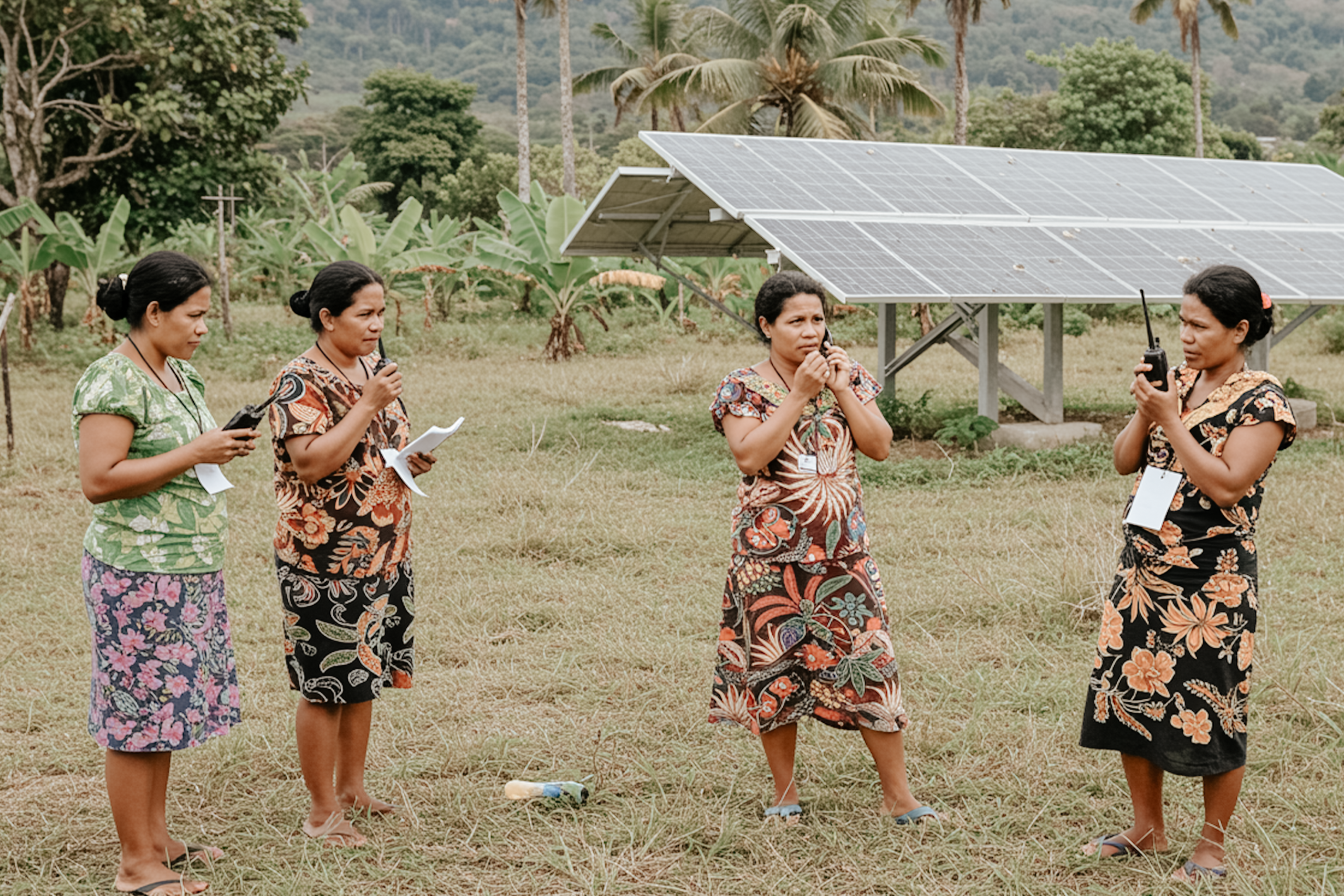
Ni-Vanuatu Women Lead Disaster Response and Climate Action
Vanuatu is among the nations most vulnerable to the climate crisis. These environmental shifts often worsen existing socioeconomic gaps, disproportionately pushing women toward poverty and marginalization. Despite these challenges, Ni-Vanuatu women have emerged as resilient leaders, transforming how their communities prepare for and recover from disasters.
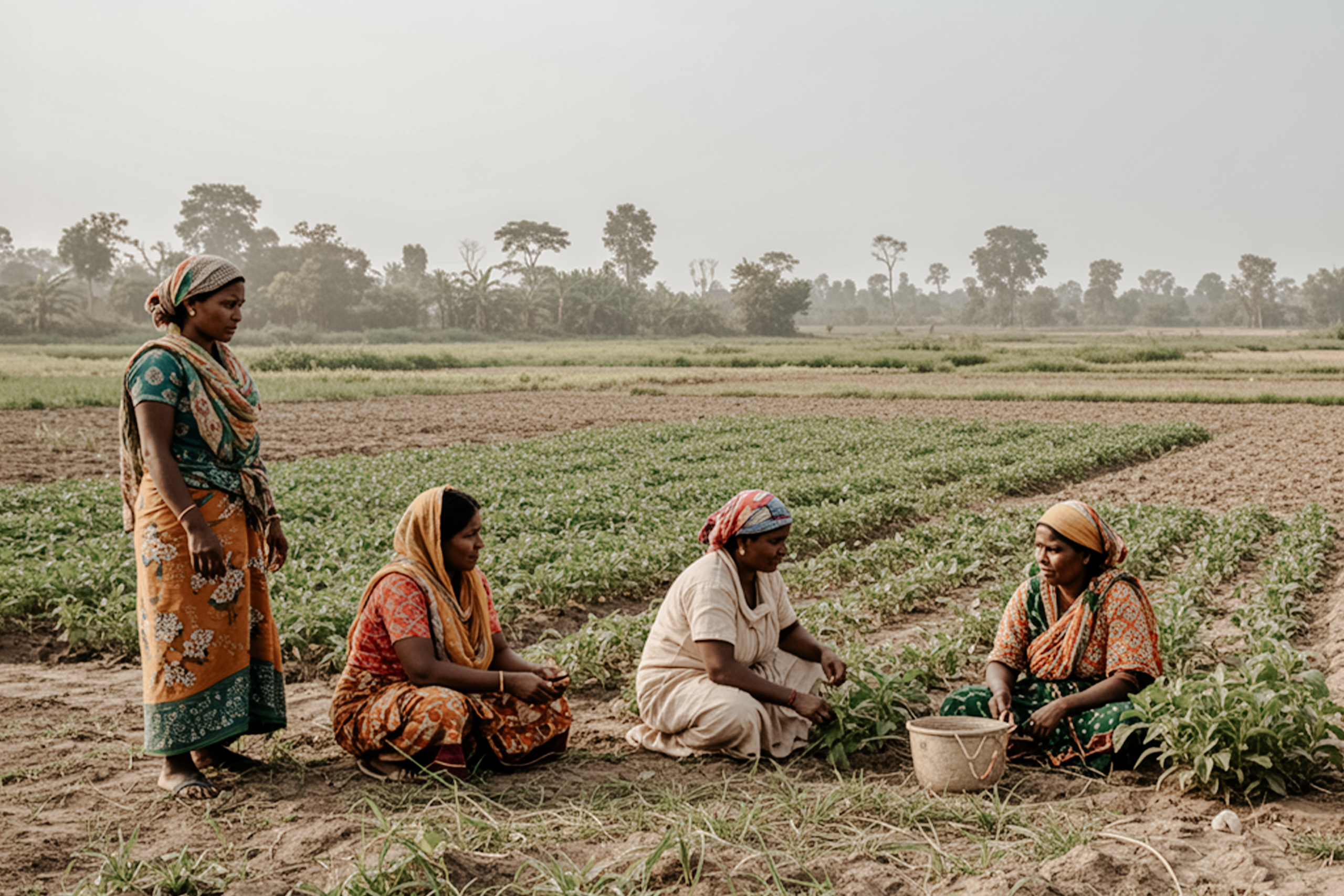
Gender-Responsive Climate Action in Bangladesh and Kenya
The worsening impacts of climate change are exposing gaps in financial and social systems while reshaping societies, with women often on the frontlines—managing households, securing resources, and caring for families under growing stress. The crisis exacerbates existing gender inequalities, yet women’s voices are largely missing from the policies meant to protect them. Without a gender-focused approach, millions of women and girls risk being pushed into extreme poverty, amplifying social and economic disparities worldwide.
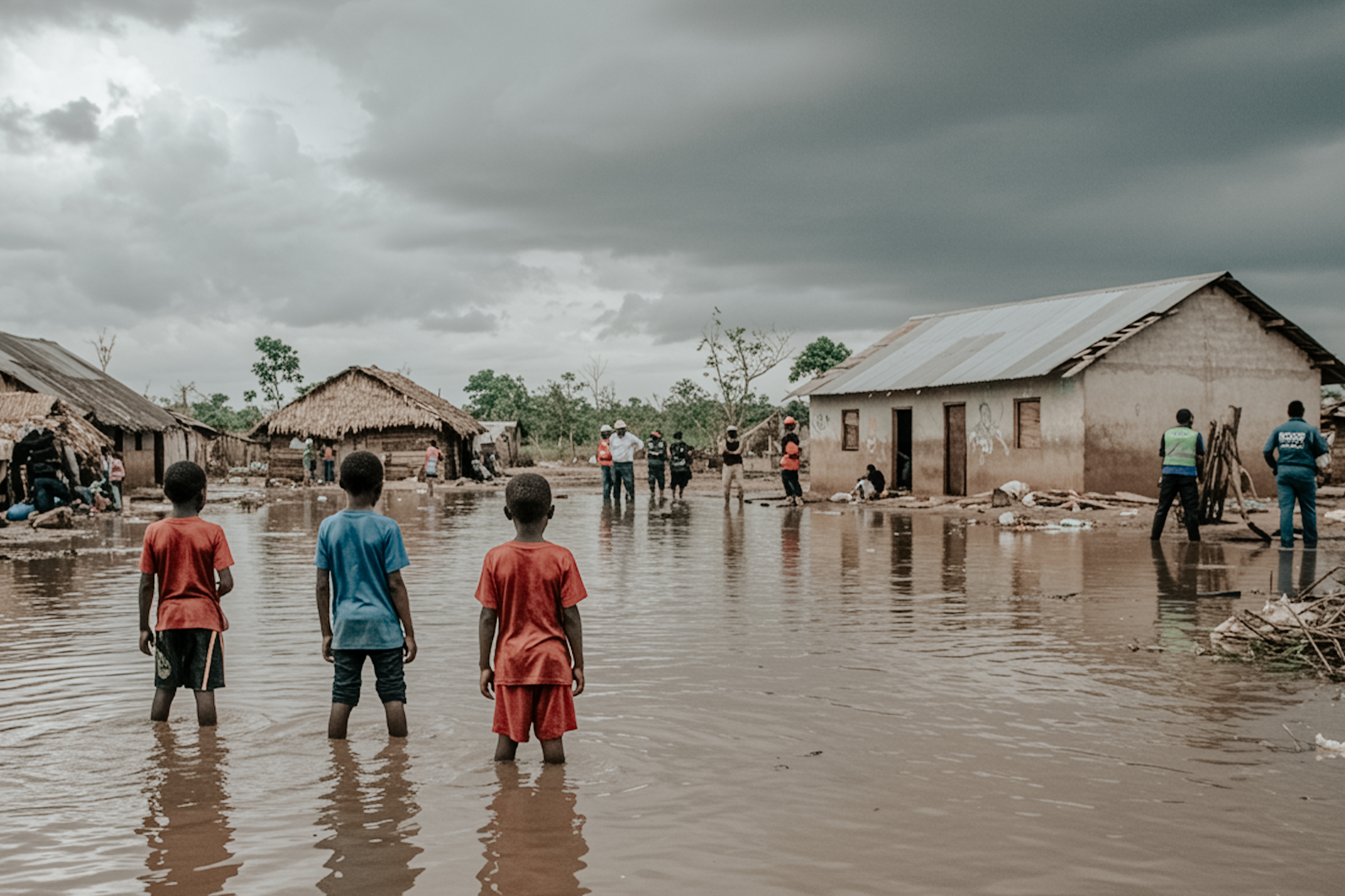
Climate Shocks Are Rising, Our Financial Response Isn’t
Recent floods and cyclones have displaced more than 720,000 people, destroyed schools and health facilities, and disrupted access to food and clean water, overwhelmingly affecting children and families already struggling with poverty and climate risk in Mozambique. These weather extremes are not isolated events: they reflect a relentless rise in climate-driven shocks.
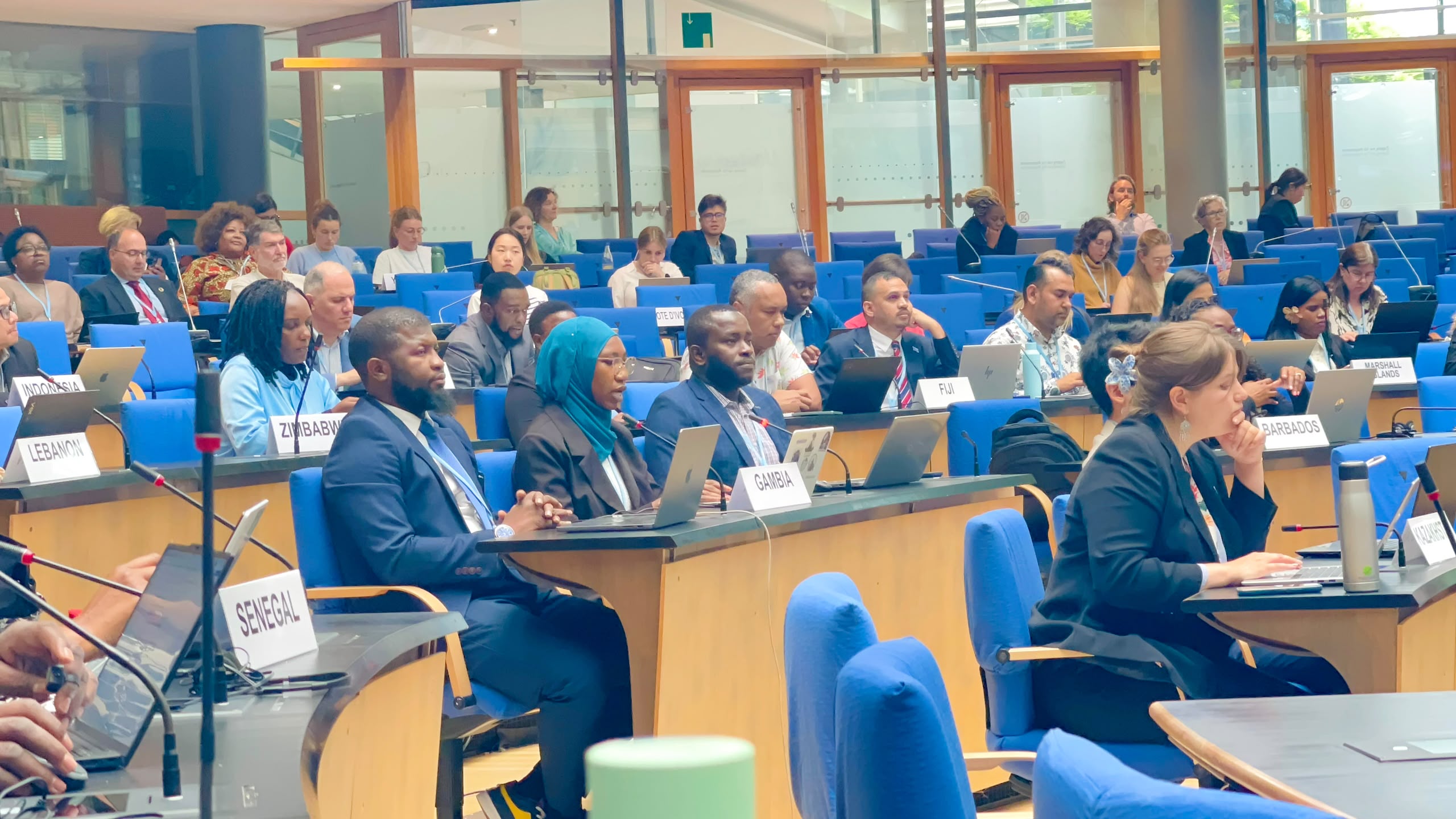
From Negotiation to Implementation: What SB64 Means for Adaptation and Youth Leadership
The 64th Sessions of the United Nations Framework Convention on Climate Change (UNFCCC) Subsidiary Bodies (SB64) in Bonn marked an important milestone on the road to COP31. For CVF Youth Fellow Haddijatou Ceesay, it was also a transformative experience.
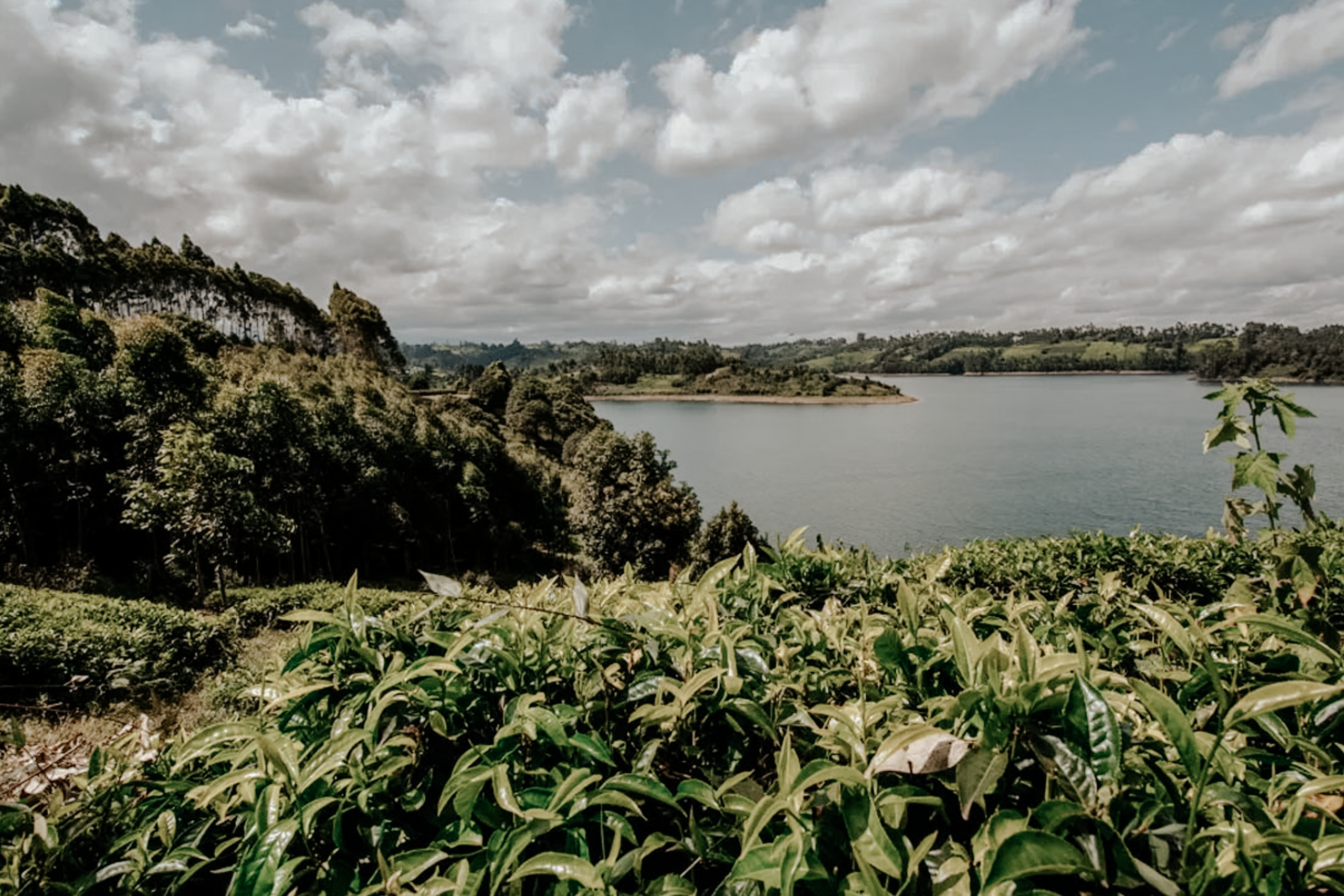
Jordan Retires Siloed Governance for Integrated Water-Energy-Food-Environment Strategy
The Hashemite Kingdom of Jordan is reshaping how it governs its most critical natural resources, moving away from fragmented sector-by-sector management toward a unified Water-Energy-Food-Environment (WEFE) nexus framework. Led by the Ministry of Planning and International Cooperation, the shift marks one of the most significant structural changes in the kingdom’s domestic policy in recent years, one driven by the compounding pressures of climate change, resource scarcity, and regional instability.
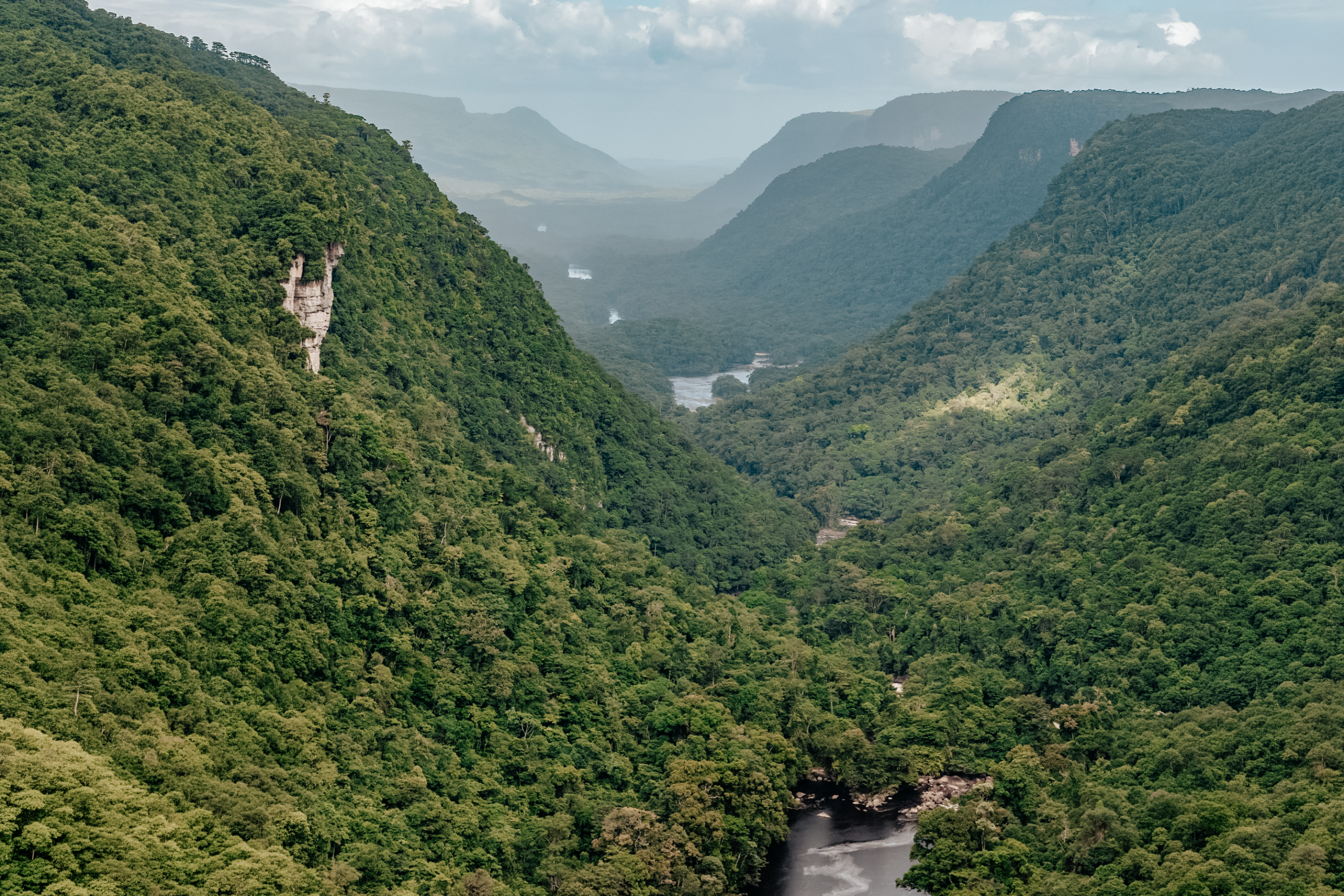
Guyana’s Forests Drive A New Era of Low-Carbon Development
On the northern coast of South America, along the borders of the Atlantic Ocean, Guyana is pursuing a development model that few countries have attempted: generating economic growth while preserving one of the world’s most intact tropical forests.

The Caribbean’s Push to Link Climate and Health
Over the years, the conversation on planetary instability has expanded in ways few could have anticipated. What began as a scientific concern focused on environmental damage has grown into a defining global conversation that reaches almost every part of humanity. In the Caribbean, that expansion is acutely felt. Climate change is no longer discussed solely as an environmental issue; it is increasingly recognized as a public health crisis. Empirical studies have demonstrated that countries in the region are highly susceptible to drought hazards and significantly affected by extreme heat.
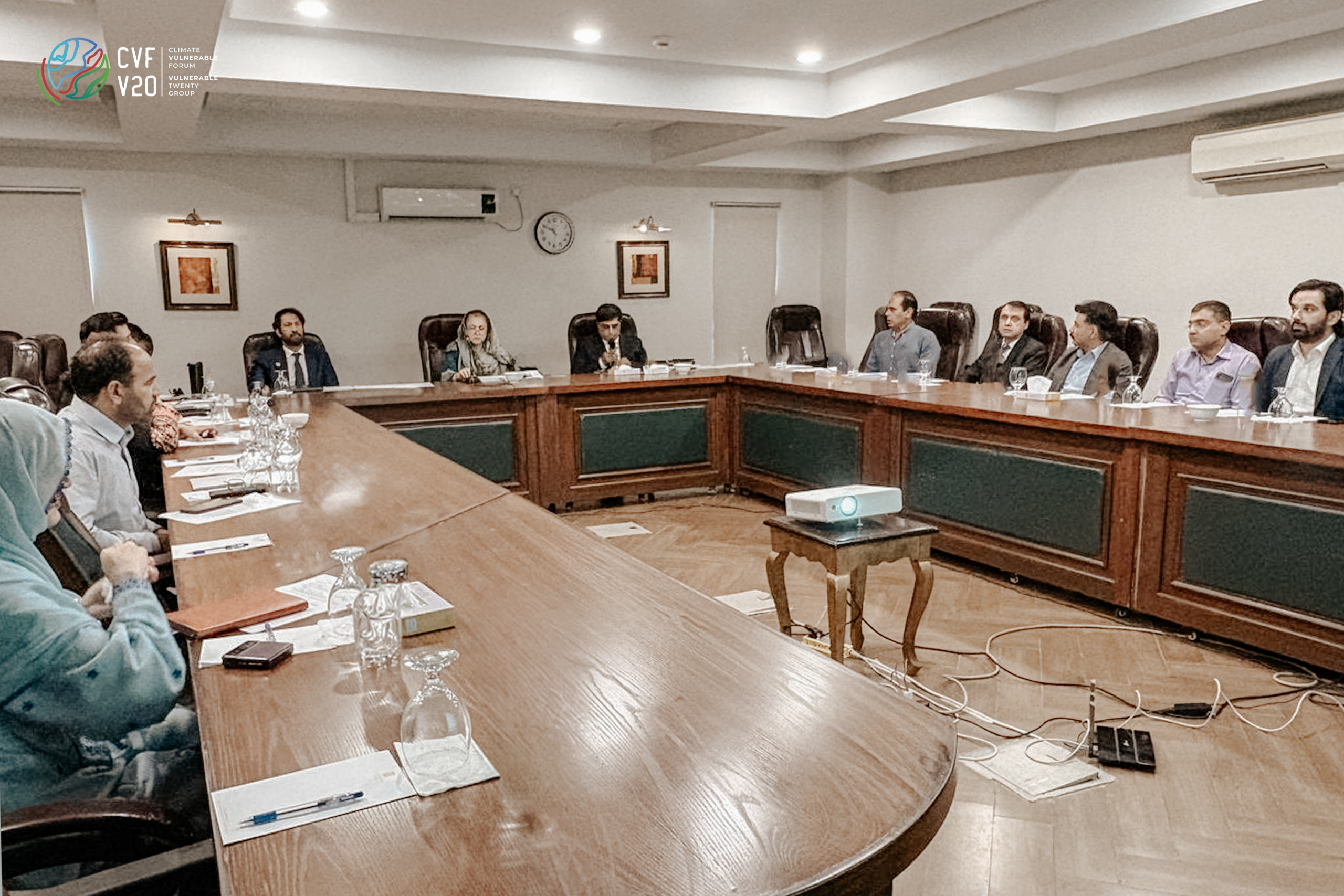
Pakistan Climate Prosperity Plan Gains Federal and Provincial Backing as Primary Delivery Vehicle for NDC 3.0
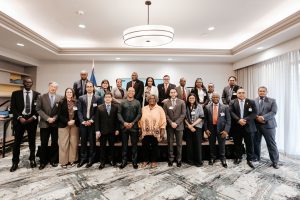
Pakistan’s Ministry of Climate Change & Environmental Coordination (MoCC&EC) convened federal and provincial governments on 14 May 2026 to align the country behind a single delivery agenda, positioning the country’s Climate Prosperity Plan (CPP) as the vehicle for turning its climate commitments into investable projects and bankable financing partnerships.
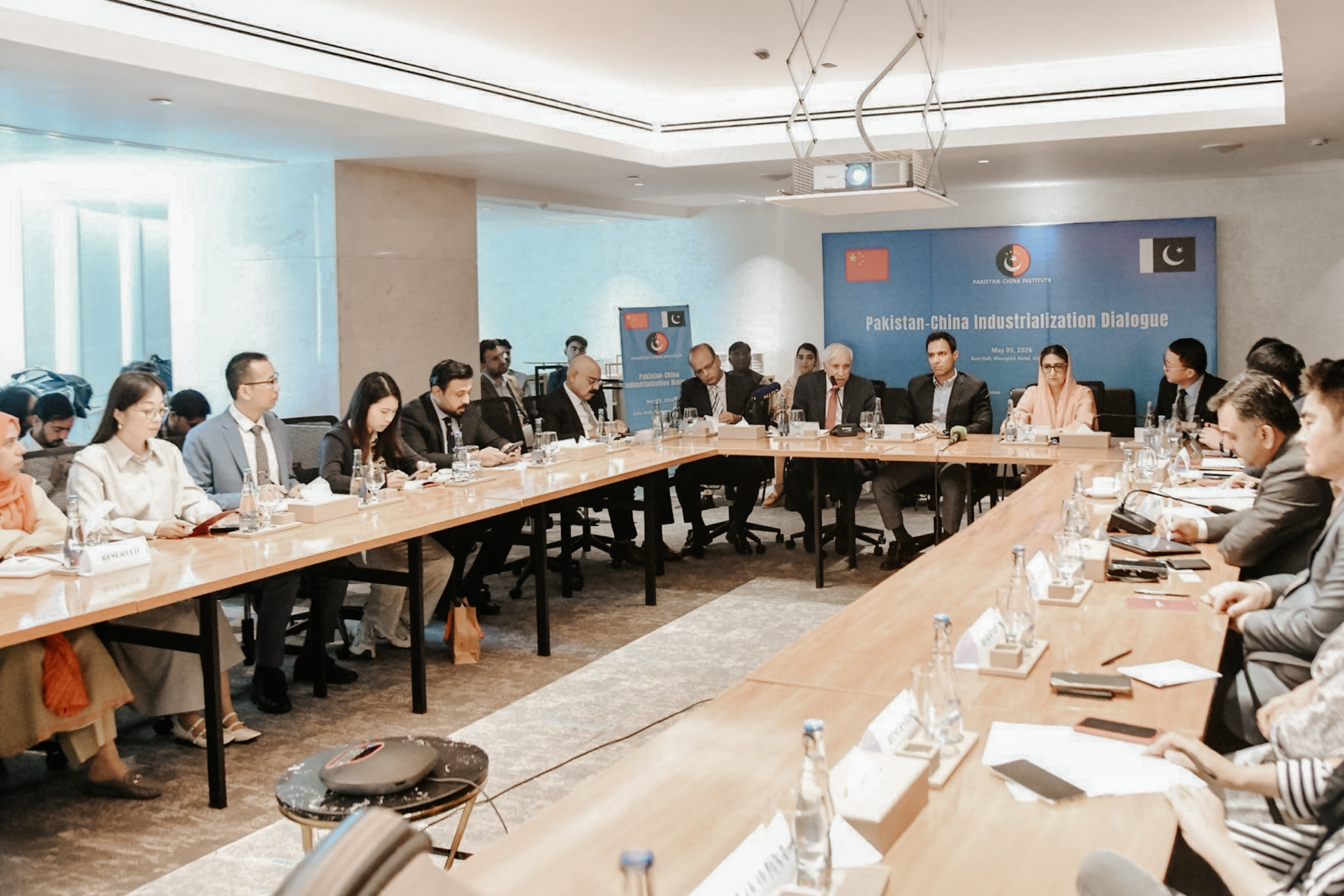
CVF-V20 Makes the Case for Green Industrialization at Pakistan-China Dialogue
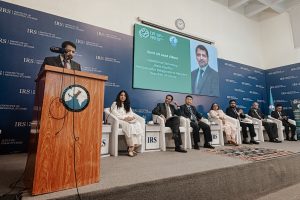
The CVF-V20 participated in the Pakistan-China Industrialization Dialogue, hosted by the Pakistan-China Institute on 5 May 2026, bringing the perspective of climate-vulnerable economies into discussions on industrial transformation, strategic finance, and resilient development. The dialogue brought together policymakers, business leaders, Chinese and Pakistani enterprises, financial institutions, and experts to explore how Pakistan-China cooperation can move from connectivity toward joint production, technology transfer, export competitiveness, and climate-smart industrialization.