
CVF-V20 Backs Evidence-Based Climate and Economic Decisions in Pakistan
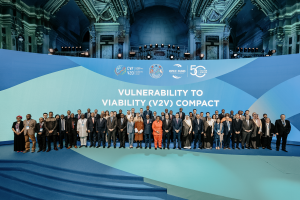
The CVF-V20 Secretariat met with Pakistan’s Minister for Climate Change, H.E. Dr. Musadik Malik, on January 8 to align on how CVF-V20 tools and approaches can support national decision-making and delivery on climate and economic priorities. The discussion focused on positioning the Green Economy Model–Prosperity (GEM-P) as a practical, evidence-based tool for the Prime Minister’s Task Force, alongside advancing the launch and implementation of Pakistan’s Climate Prosperity Plan (CPP).
Viet Nam Calls for Stronger Global Commitments and Climate Finance at COP30
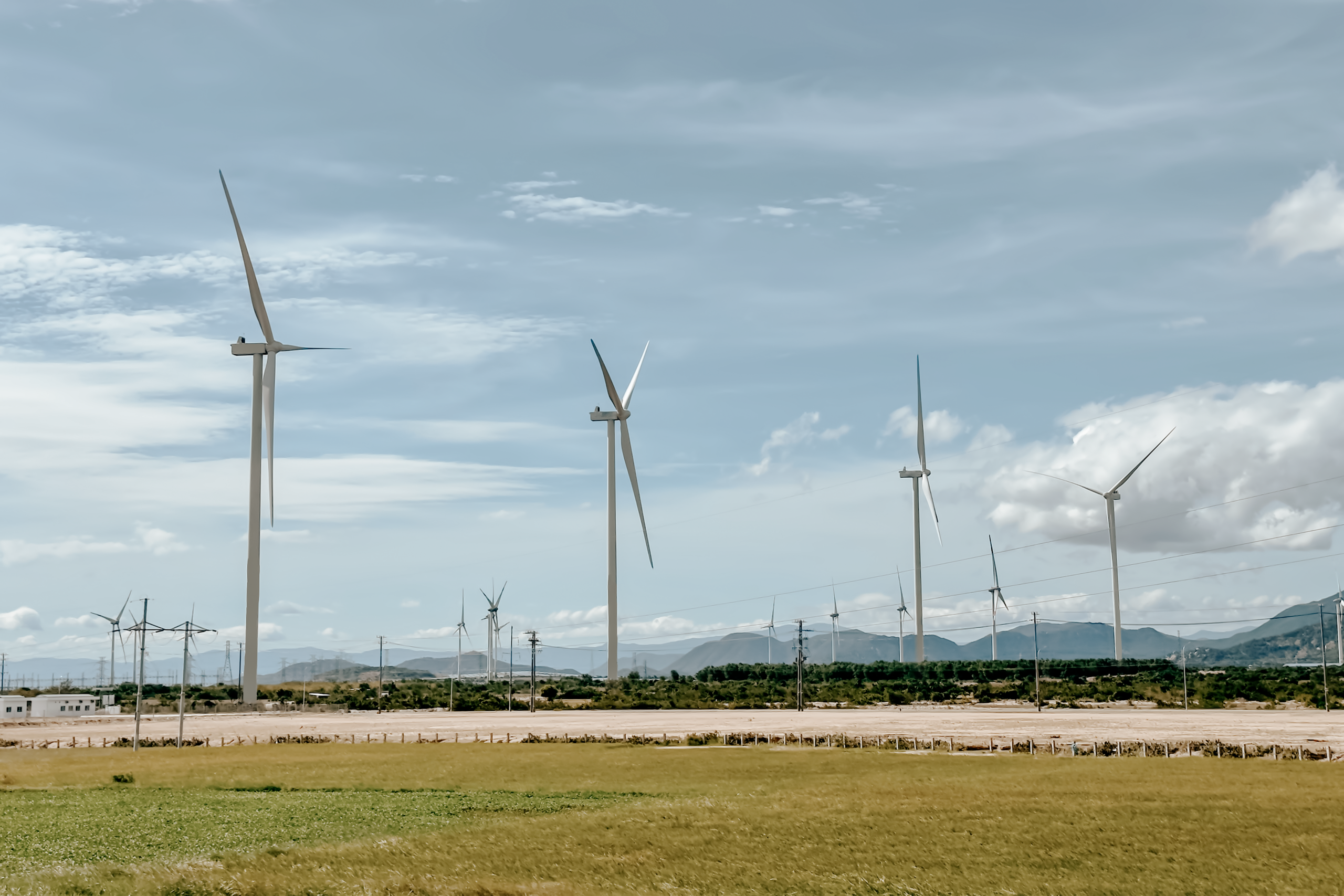
At the High-Level Segment of the COP30 in Belém, Brazil, the Socialist Republic of Viet Nam’s delegation, led by Deputy Minister Le Cong Thanh, recalled the principle of Common but Differentiated Responsibility and Respective Capabilities (CBRD-RC), demanding stronger action and financial commitment from the developed world.

Honduras and Suriname Pilot Sovereign Article 6.2 Carbon Credits for Rainforest Conservation
The Republics of Honduras and Suriname have signed a Letter of Intent (LoI) with Deutsche Bank, Bayer, Siemens, Symrise, and the Coalition for Rainforest Nations (CfRN) to pilot the issuance of high-integrity, rainforest-based carbon credits under Article 6.2 of the Paris Agreement.
Cambodia Unlocks USD 9.8 Million GCF Funding to Enhance Climate Resilience
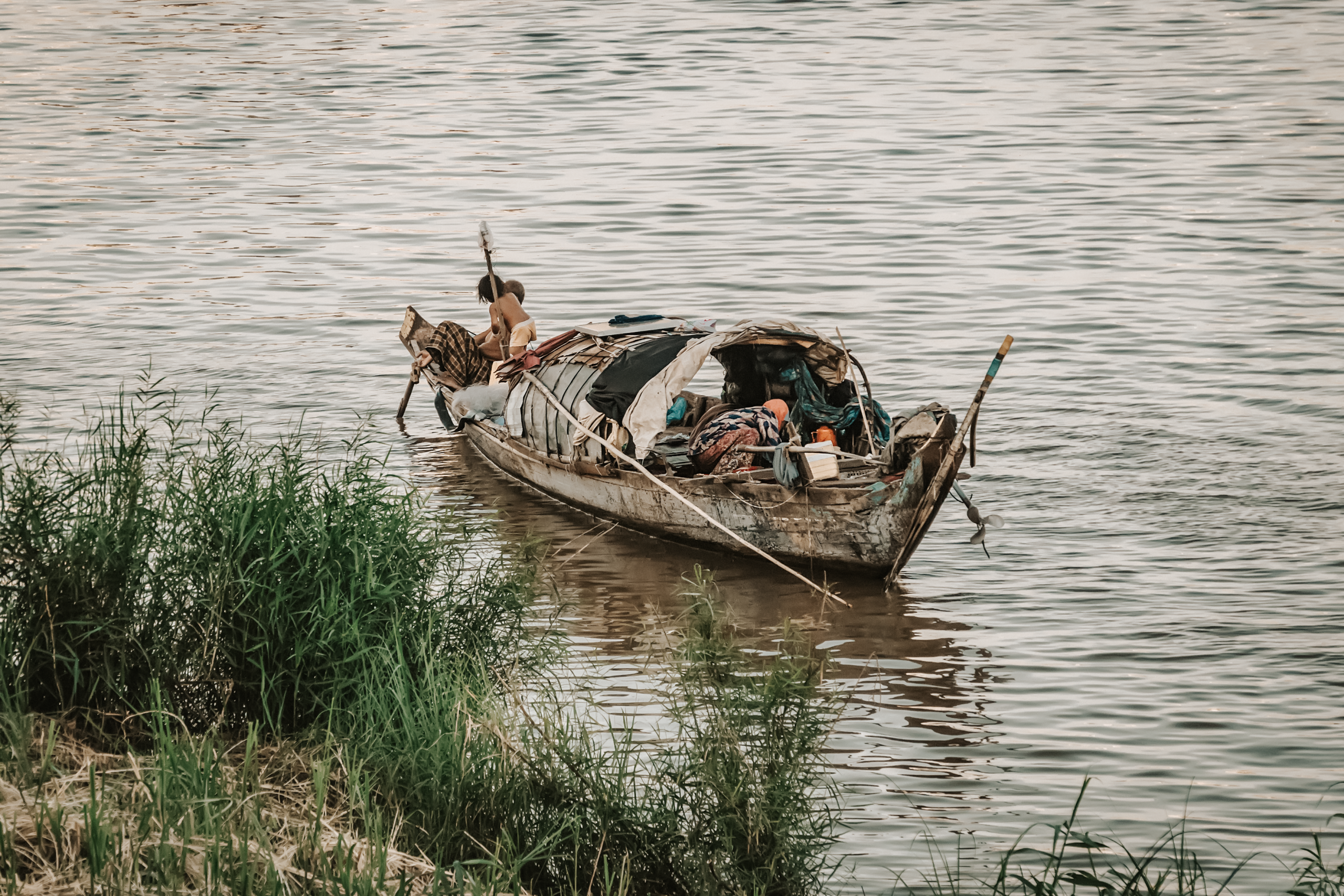
Fifteen climate-vulnerable districts located in Battambang, Preah Vihear, and Pursat Provinces of Cambodia will receive adequate capacity and funding to better implement local climate resiliency plans, after the government secured USD 9.8 million for the Third Phase of Local Governments and Climate Change (LGCC-III).
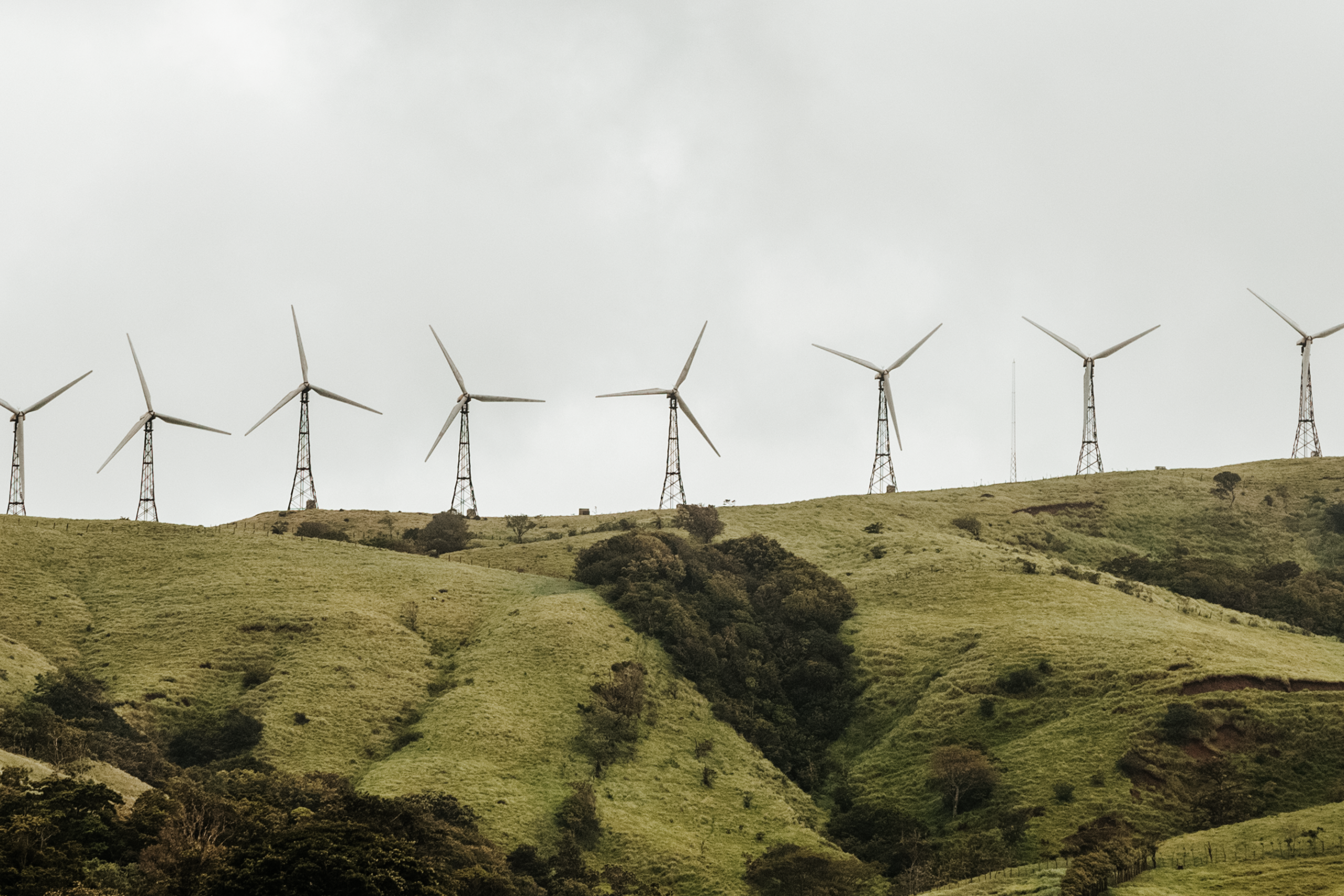
Costa Rica Runs on Renewable Energy, Leaves Fossil Fuel Behind
Almost 100% renewable energy powers Costa Rica’s energy mix, with electricity harnessed from hydroelectric, geothermal, solar, and wind energy. Successful with its green transition that peaked a decade ago, the country now gears toward carbon neutrality by 2050.
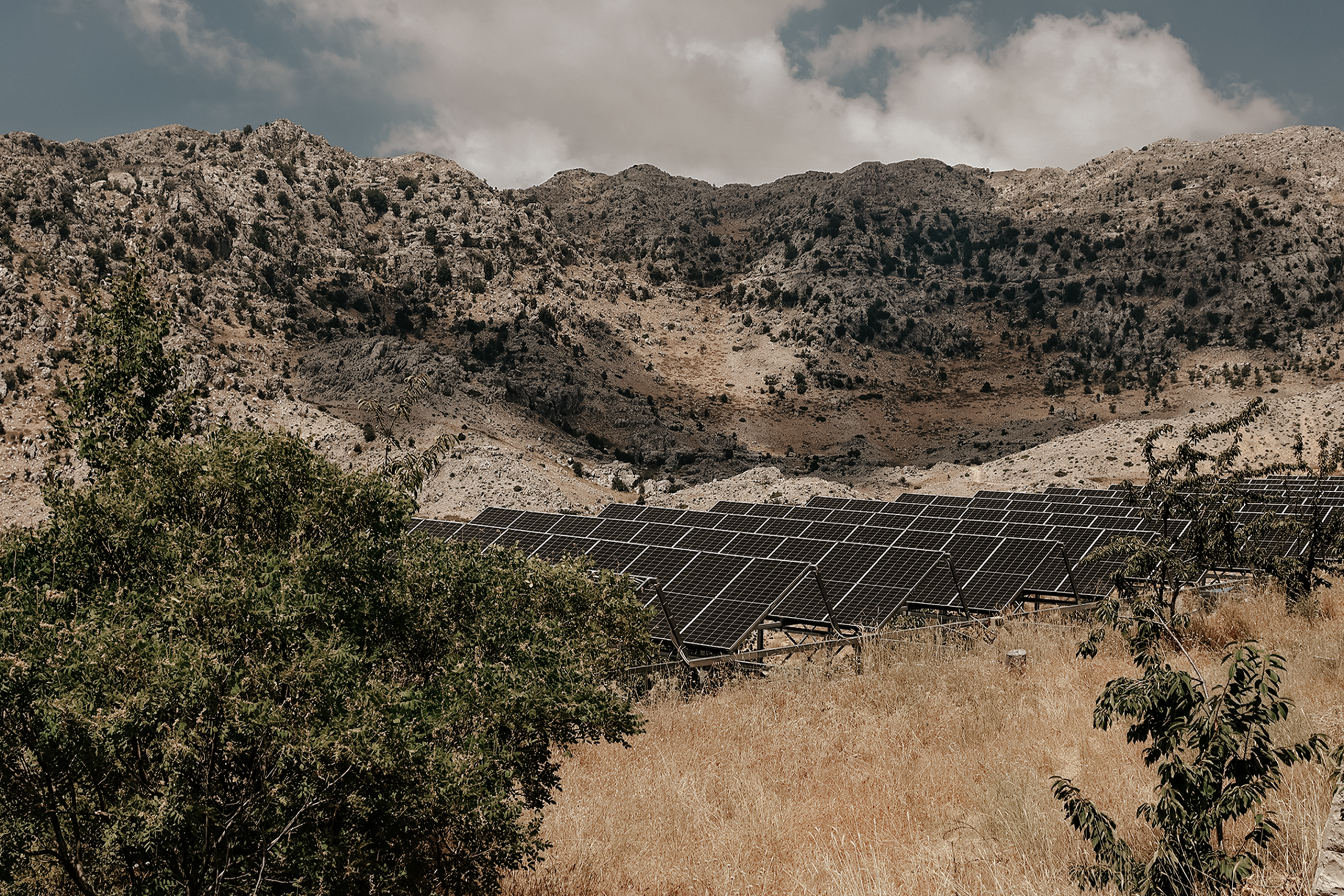
Lebanon Accelerates Climate Action, Launches Climate Policy Package
Risks of breaching the 1.5 °C Paris Agreement goal urged the Lebanese Republic to develop a climate policy package that brings together three key climate roadmaps—National Adaptation Plan (NAP 2025–2035), the updated Nationally Determined Contribution (NDC 3.0), and the Long-Term Low Emission Development Strategy (LT-LEDS).
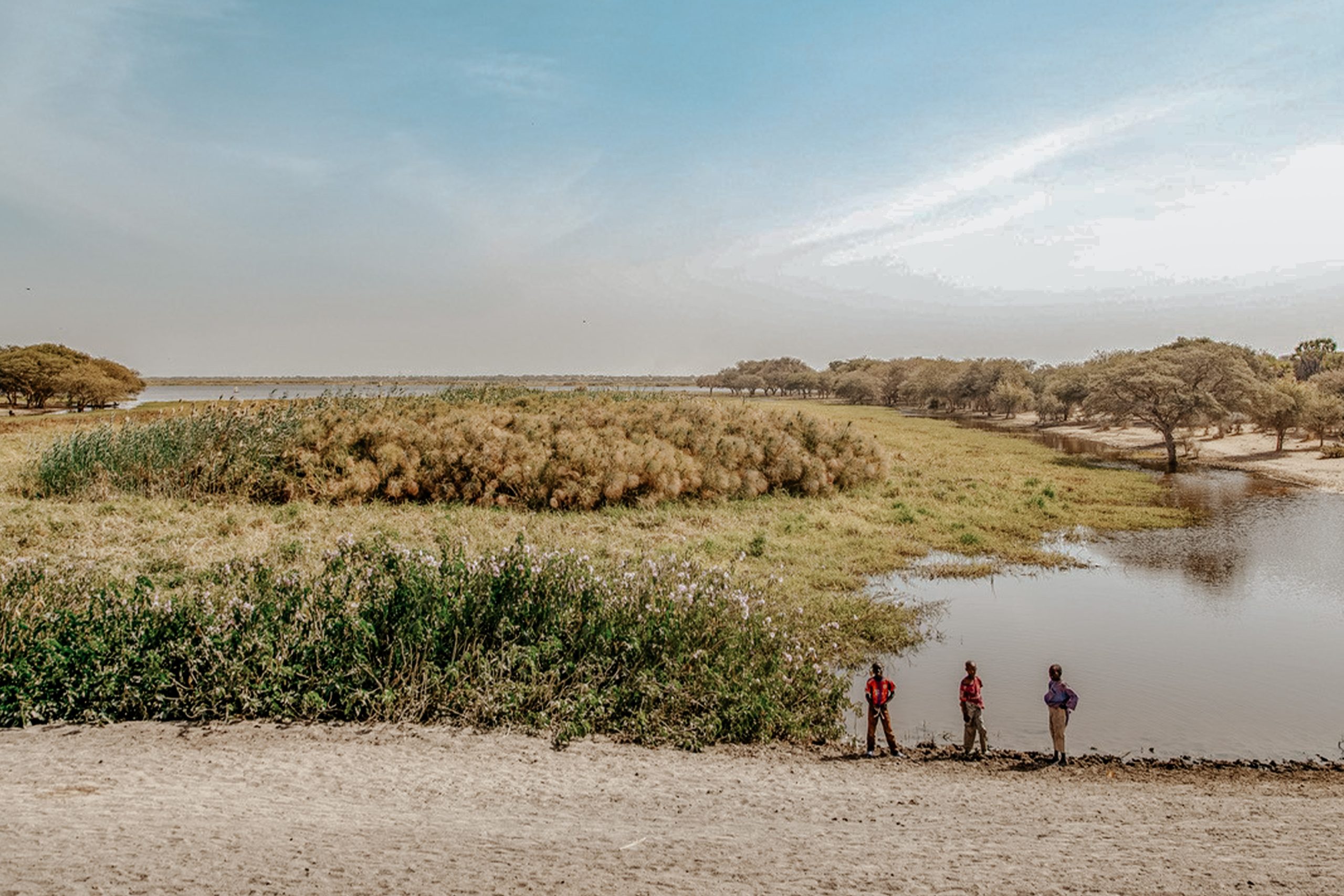
Community Vow: Chad Rolls Out Nationwide Drive for Environmental Responsibility
Strengthening environmental stewardship in Chad has reached a pivotal milestone with the launch of a nationwide campaign to implement Law No. 023. This legislative framework, bolstered by international partnerships and localized outreach, represents a shift from abstract policy to community-led conservation.
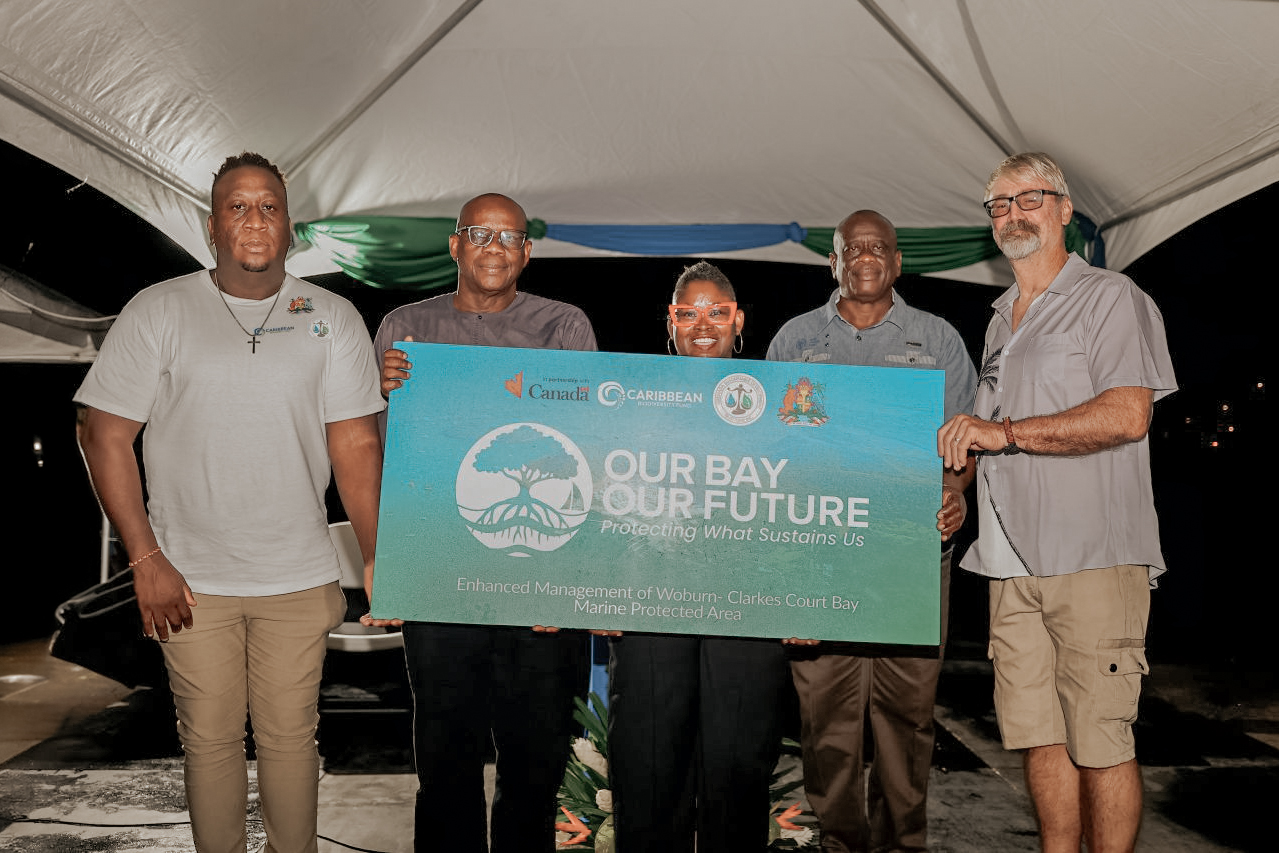
Protect What You Love: Grenada’s Community-Driven Marine Conservation
Our Bay, Our Future takes center stage as Grenada seeks to advance its marine protection initiatives. The project was officially launched last month at the Woburn Bay Jetty by the Caribbean Biodiversity Fund in collaboration with the Grenada Sustainable Development Trust Fund and with the financial support of Global Affairs Canada.
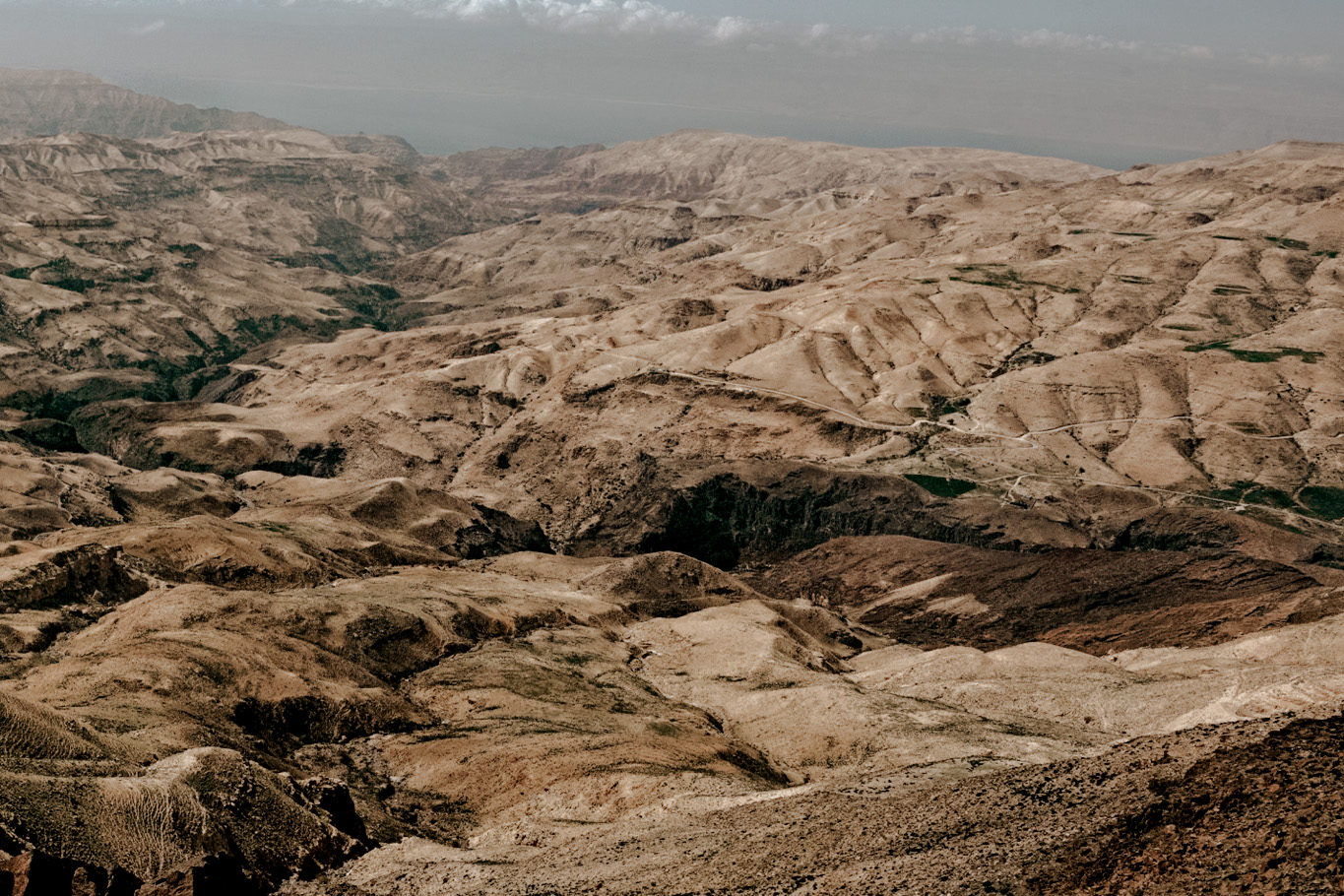
Ecosystems at the Heart of Jordan’s Adaptation Agenda
Jordan’s National Adaptation Plan (NAP) 2025 reflects a strategic shift toward embedding environmental resilience and nature‑based solutions at the heart of national climate adaptation planning.

Embracing Bamboo as a Pathway to Resilience in the Philippines
The Philippines is turning to one of its oldest natural resources to help secure a more resilient future, placing nature at the heart of climate action through a renewed national push for bamboo development. This month, the Climate Change Commission (CCC) launched the campaign “Kawayan: Kabalikat ng Klima at Komunidad,” highlighting bamboo as a powerful nature-based solution that supports environmental protection, community resilience, and sustainable livelihoods.

Sri Lanka’s Love Letter to the High Seas
Sri Lanka is taking steps to strengthen national stewardship of marine biodiversity in response to the entry into force of the Biodiversity Beyond National Jurisdiction (BBNJ) Agreement. This landmark international treaty, which entered into force in January 2026, establishes a global framework for conserving and sustainably using marine life in the high seas.
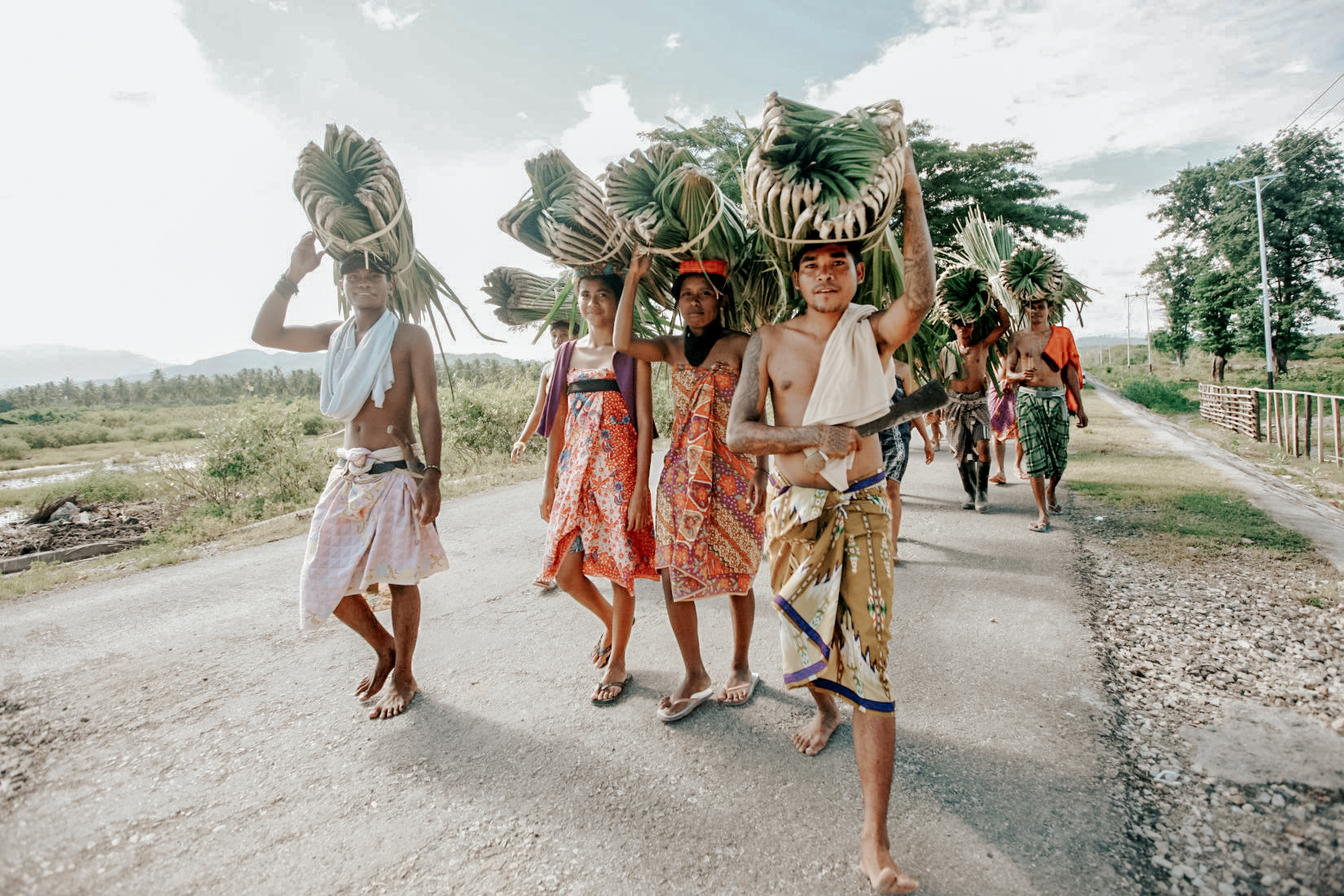
Loving Nature through Restoration, Strengthening Communities in Timor-Leste
In Timor-Leste, a new climate initiative is working to restore ecosystems while strengthening rural resilience. The project, led by the United Nations Environment Programme (UNEP) with national partners, aims to help communities adapt to climate change by rebuilding the natural systems they depend on.