Community Vow: Chad Rolls Out Nationwide Drive for Environmental Responsibility
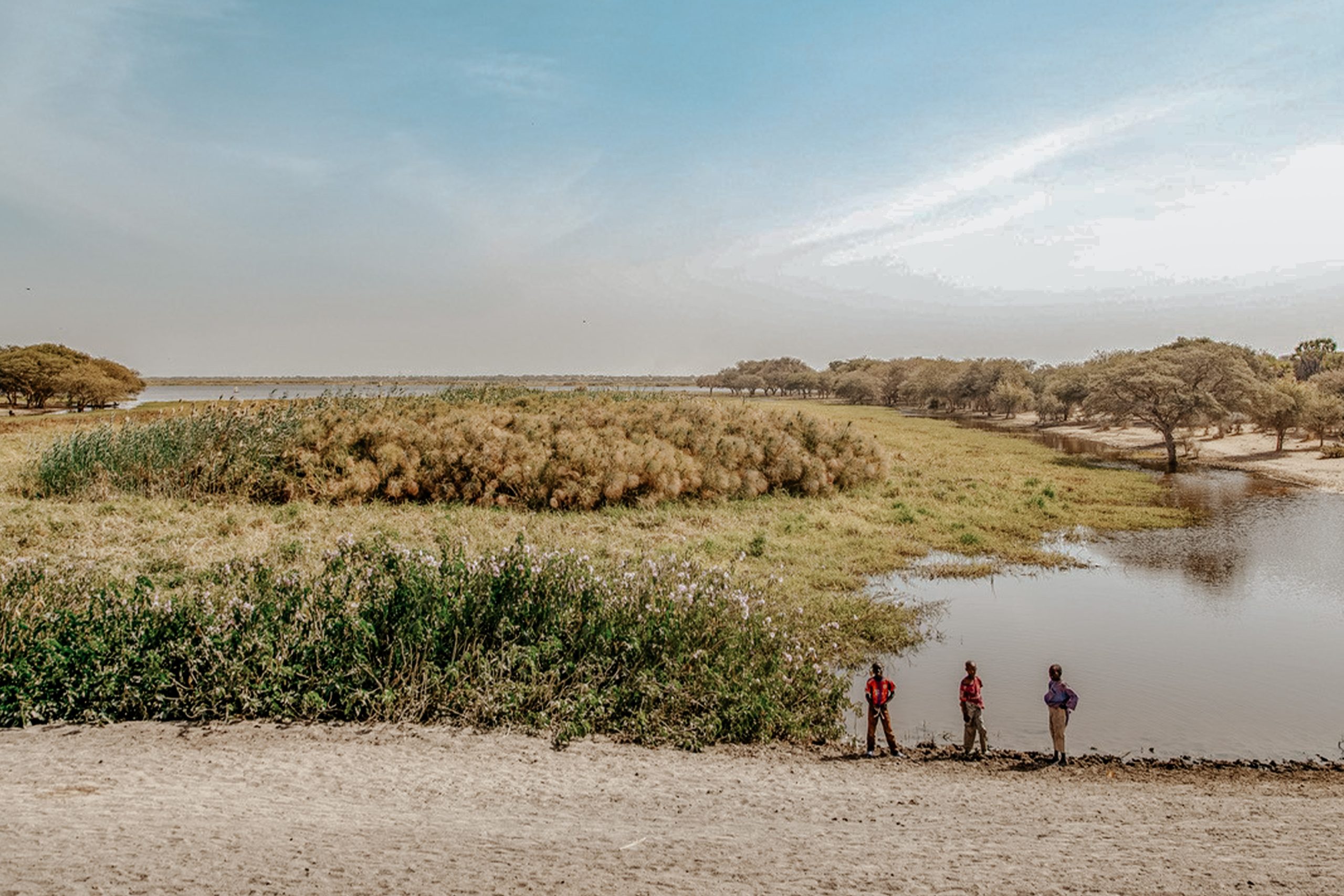
Strengthening environmental stewardship in Chad has reached a pivotal milestone with the launch of a nationwide campaign to implement Law No. 023. This legislative framework, bolstered by international partnerships and localized outreach, represents a shift from abstract policy to community-led conservation.
Protect What You Love: Grenada’s Community-Driven Marine Conservation
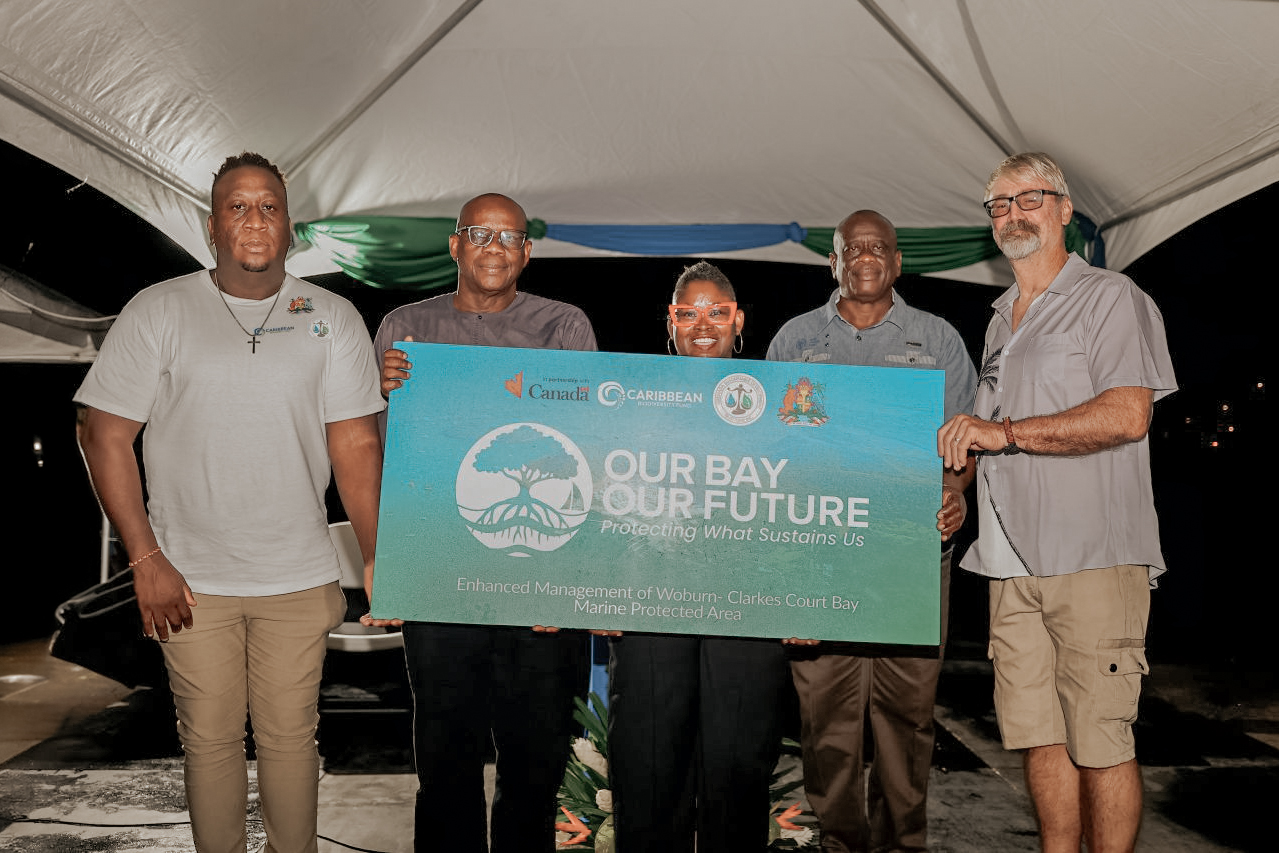
Our Bay, Our Future takes center stage as Grenada seeks to advance its marine protection initiatives. The project was officially launched last month at the Woburn Bay Jetty by the Caribbean Biodiversity Fund in collaboration with the Grenada Sustainable Development Trust Fund and with the financial support of Global Affairs Canada.

Ecosystems at the Heart of Jordan’s Adaptation Agenda
Jordan’s National Adaptation Plan (NAP) 2025 reflects a strategic shift toward embedding environmental resilience and nature‑based solutions at the heart of national climate adaptation planning.

Embracing Bamboo as a Pathway to Resilience in the Philippines
The Philippines is turning to one of its oldest natural resources to help secure a more resilient future, placing nature at the heart of climate action through a renewed national push for bamboo development. This month, the Climate Change Commission (CCC) launched the campaign “Kawayan: Kabalikat ng Klima at Komunidad,” highlighting bamboo as a powerful nature-based solution that supports environmental protection, community resilience, and sustainable livelihoods.
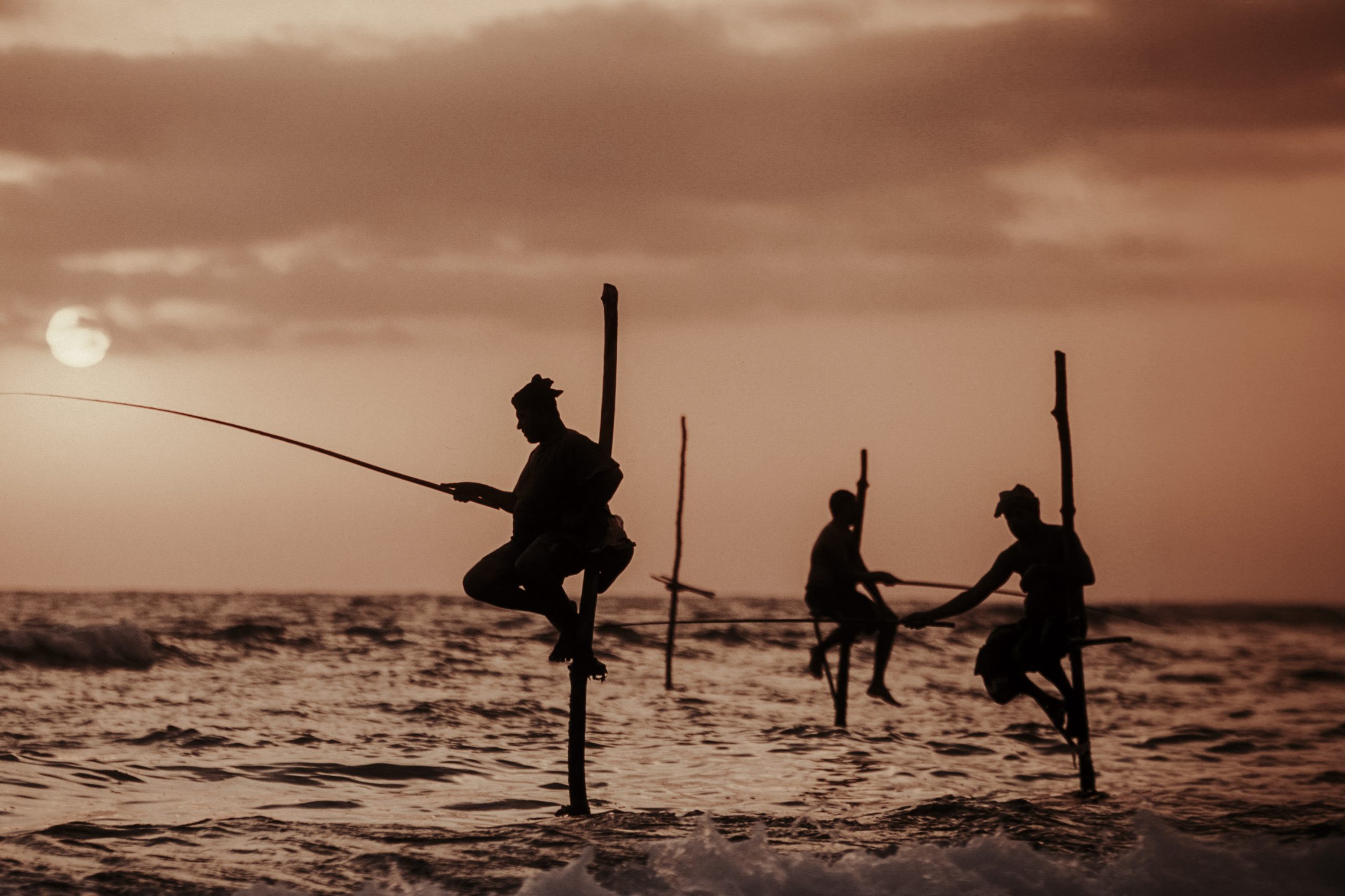
Sri Lanka’s Love Letter to the High Seas
Sri Lanka is taking steps to strengthen national stewardship of marine biodiversity in response to the entry into force of the Biodiversity Beyond National Jurisdiction (BBNJ) Agreement. This landmark international treaty, which entered into force in January 2026, establishes a global framework for conserving and sustainably using marine life in the high seas.
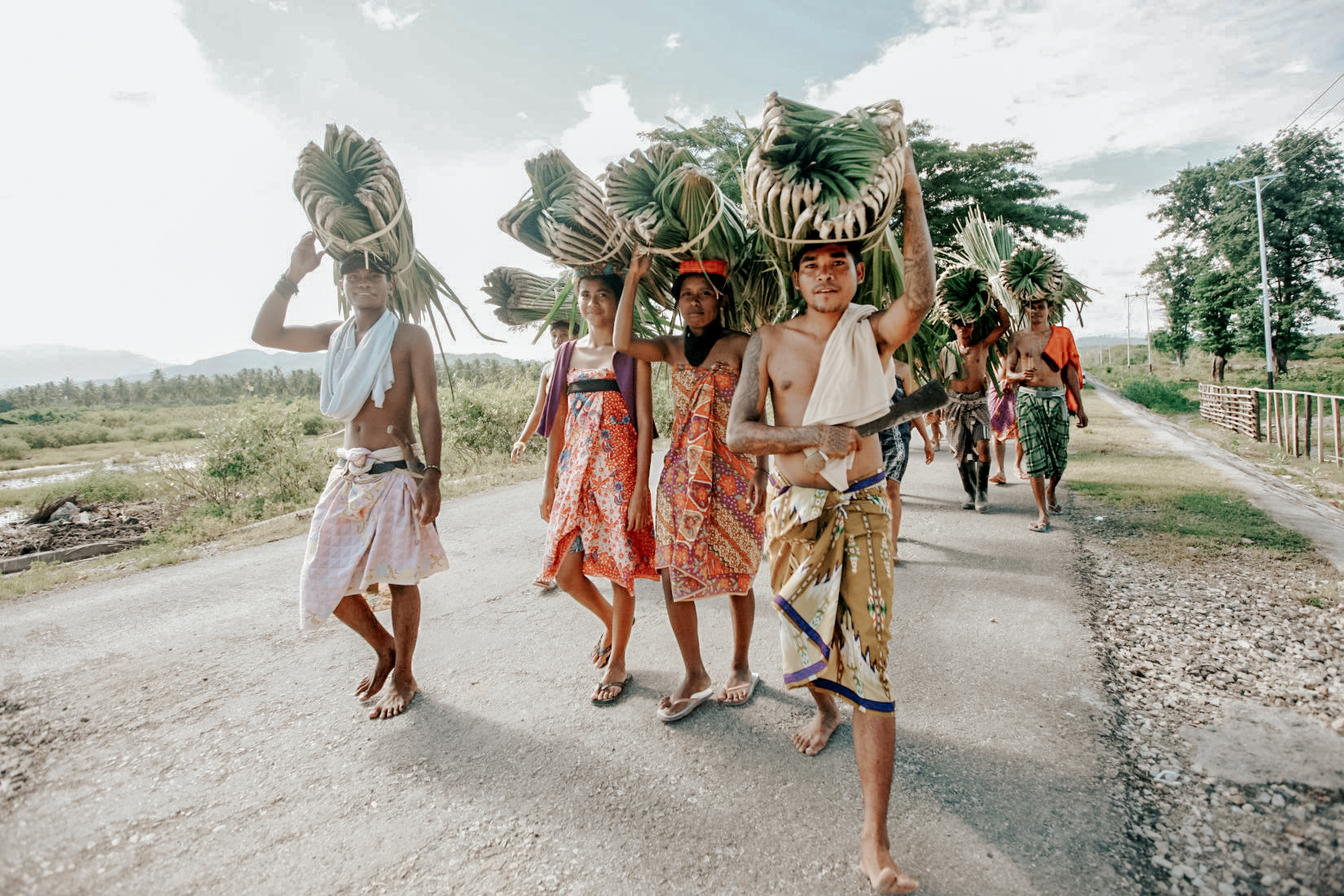
Loving Nature through Restoration, Strengthening Communities in Timor-Leste
In Timor-Leste, a new climate initiative is working to restore ecosystems while strengthening rural resilience. The project, led by the United Nations Environment Programme (UNEP) with national partners, aims to help communities adapt to climate change by rebuilding the natural systems they depend on.
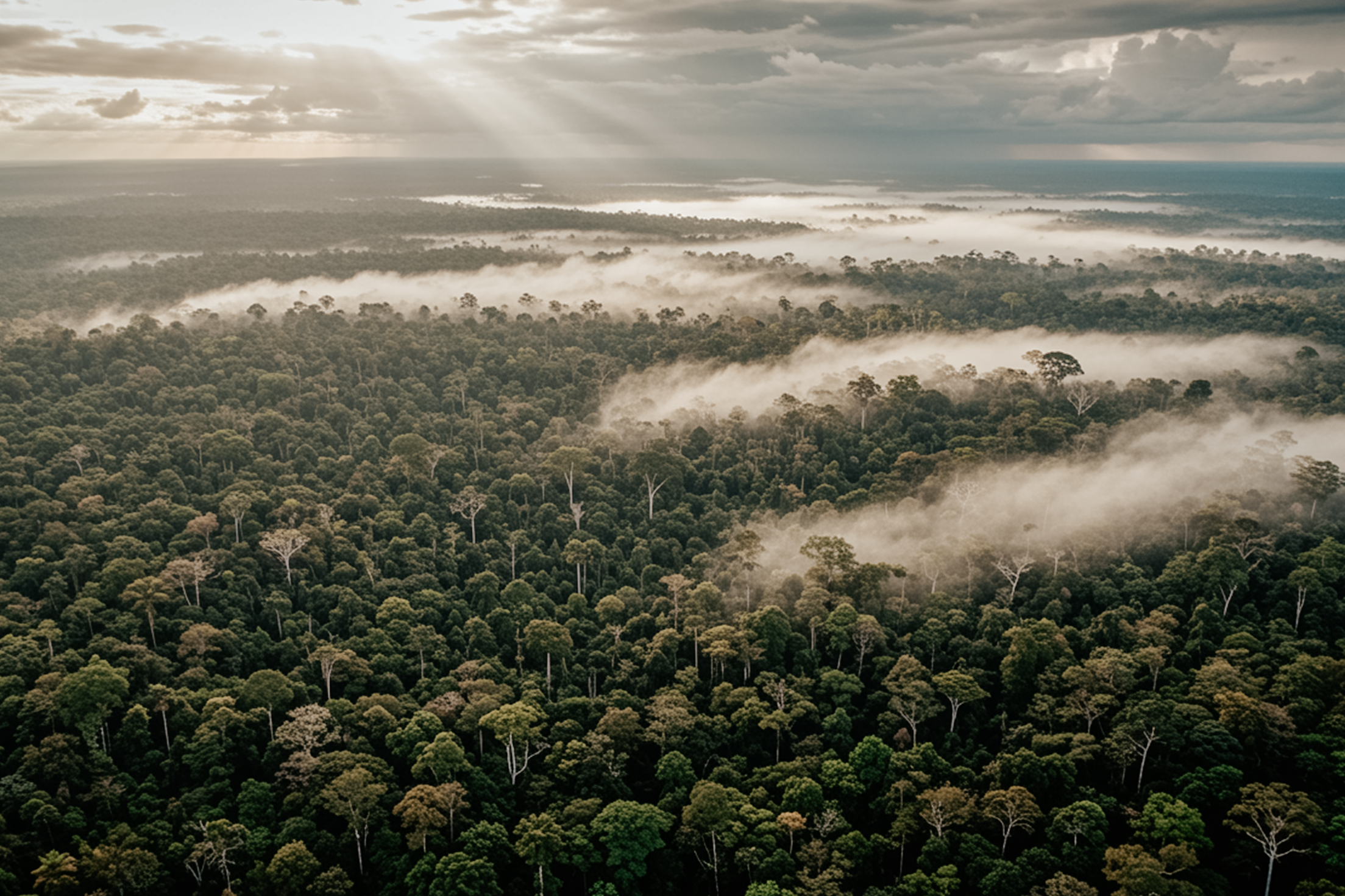
Colombia Frees Its Amazon Region from Large-Scale Mining
The Republic of Colombia vows to protect its share in the Amazon by declaring its entire biome off-limits to new large-scale mining and hydrocarbon projects, ensuring the conservation of ecological systems and the preservation of engraved ethical identity across the jungle. The declaration was made at a ministerial meeting of the Amazon Cooperation Treaty Organization (ACTO) ministers during COP30 in November 2015.
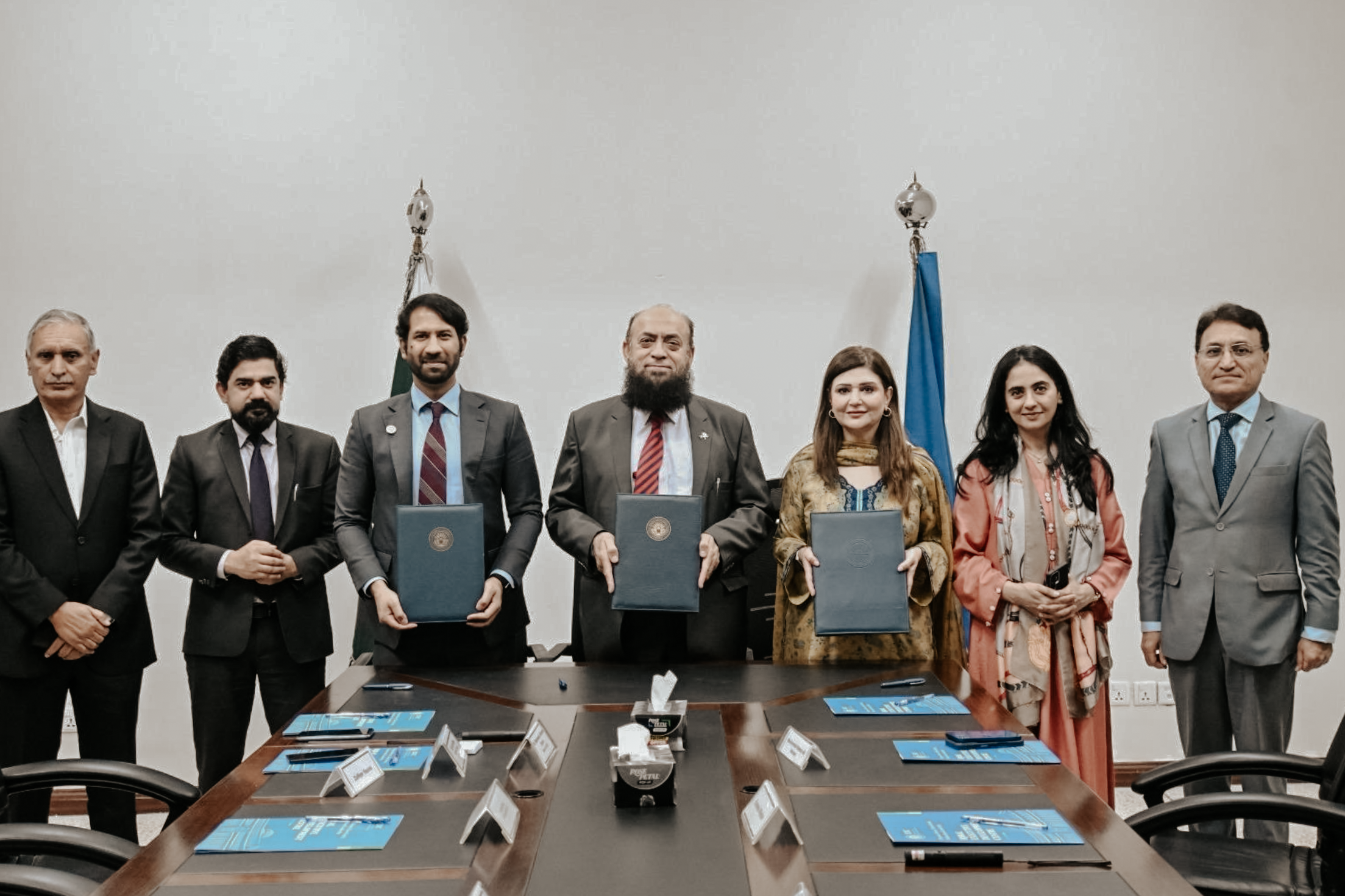
New Partnerships Forged in Pakistan to Accelerate Climate Action
The CVF-V20 Secretariat has forged new partnerships with leading financial, academic, and media institutions in Pakistan in March, marking a significant step toward advancing climate finance, building national capacity, and strengthening implementation of the Pakistan Climate Prosperity Plan (CPP).
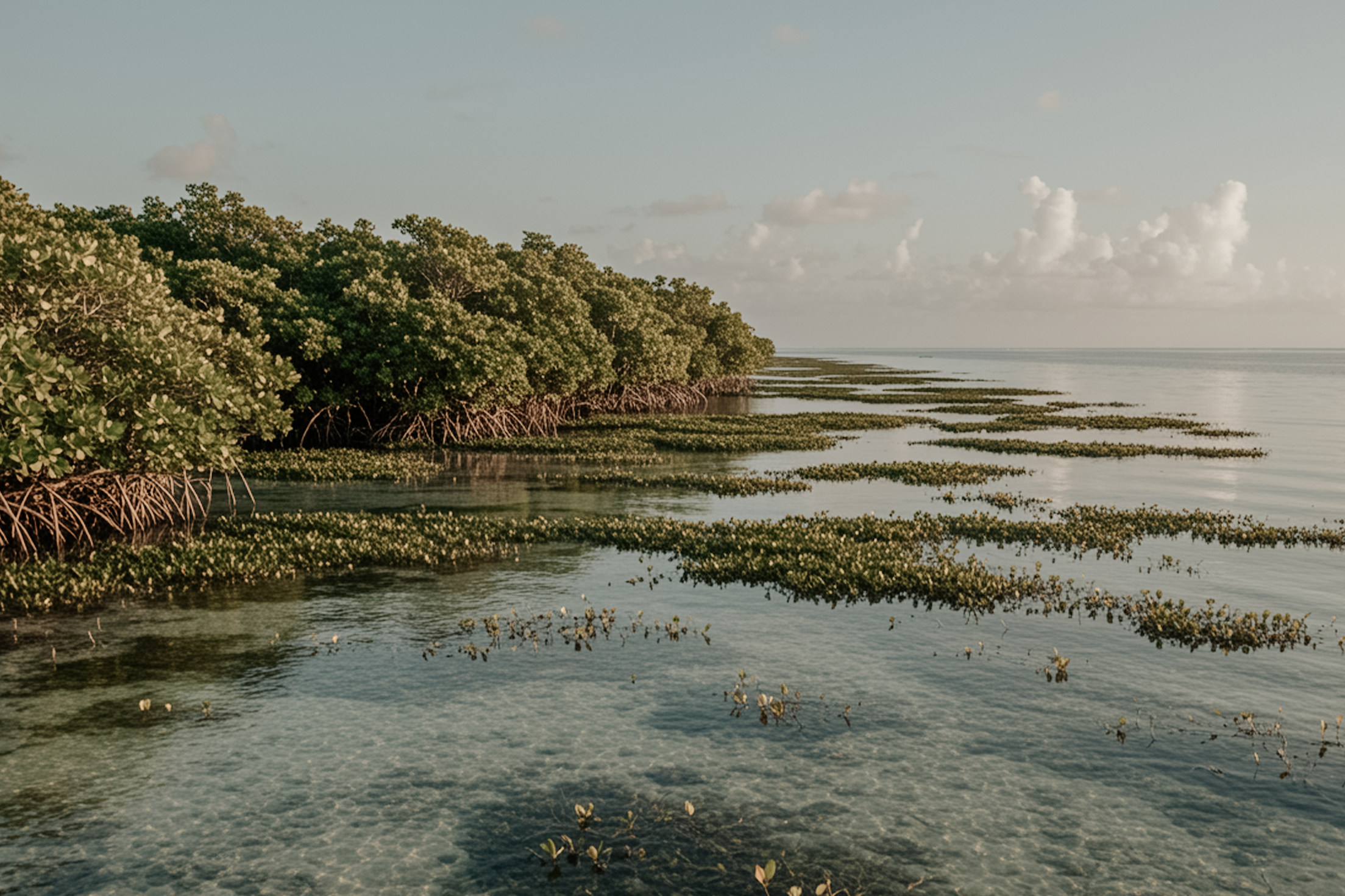
Nature-Based Solutions Drive Honduras’ NDC 3.0
Ten years after its first climate commitments under the Paris Agreement, Honduras is turning to the strength of its coastlines. In its third Nationally Determined Contribution (NDC), the country is prioritizing mangrove and seagrass conservation as a cornerstone of its climate action.

Levant Region Leverages Subnational Governance to Access Climate Finance
Ten municipalities from Lebanon, Palestine, and Jordan engaged with development banks and bilateral and multilateral donors at the Climate Finance Pathways Forum to mobilize resources for their subnational climate project proposals spanning water security and flood-risk reduction, nature-based solutions, climate-resilient infrastructure, urban cooling, solid waste management, and climate-smart agriculture.
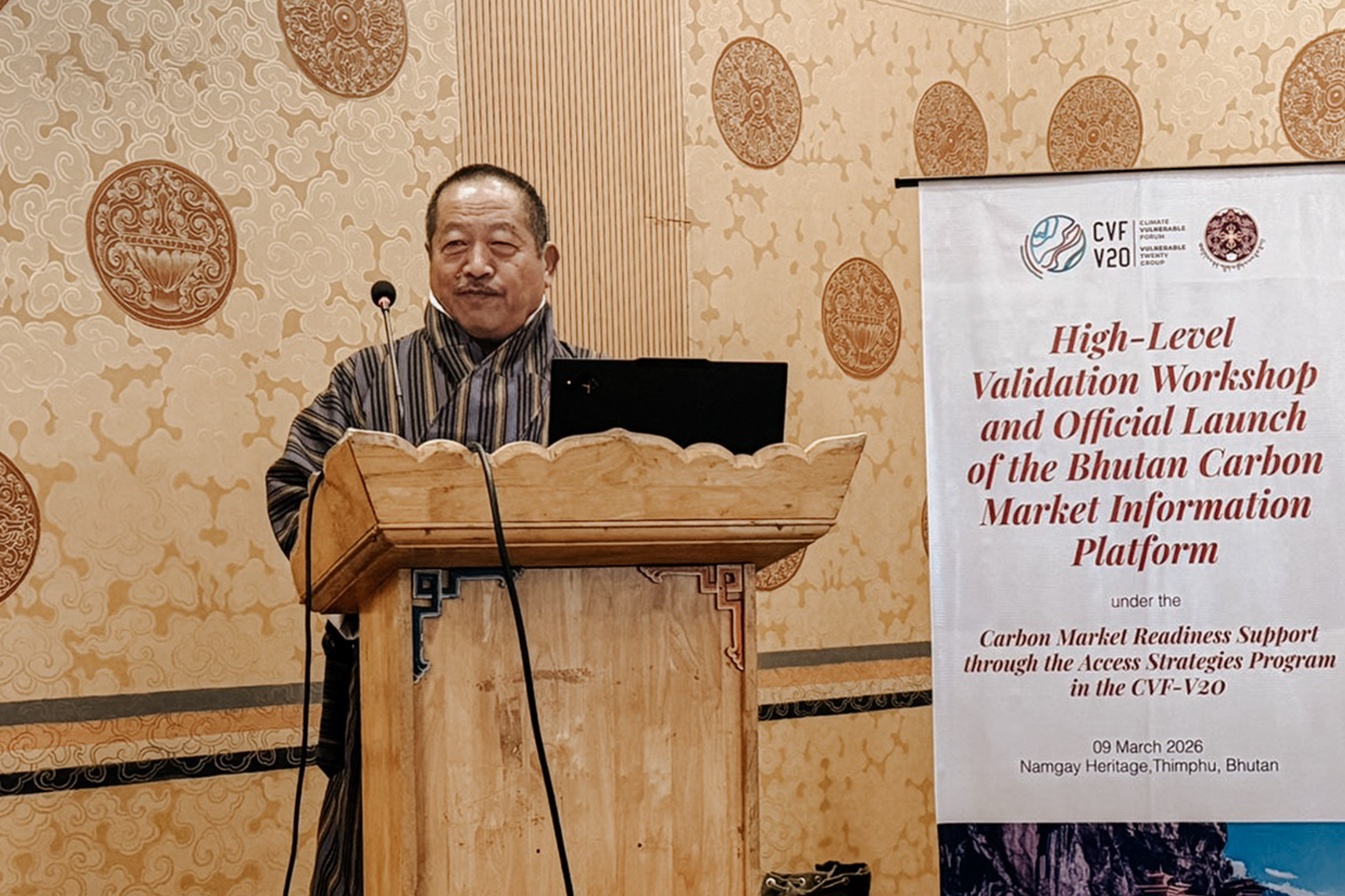
From Policy Ambition to Investment Readiness: Bhutan’s Progress with the V20–VCMI Carbon Finance Program
Through the Carbon Finance Program, Bhutan has accelerated the development of policy frameworks and strengthened the institutional foundations needed to advance the country’s participation in carbon markets, including the launch of a centralized carbon information platform.
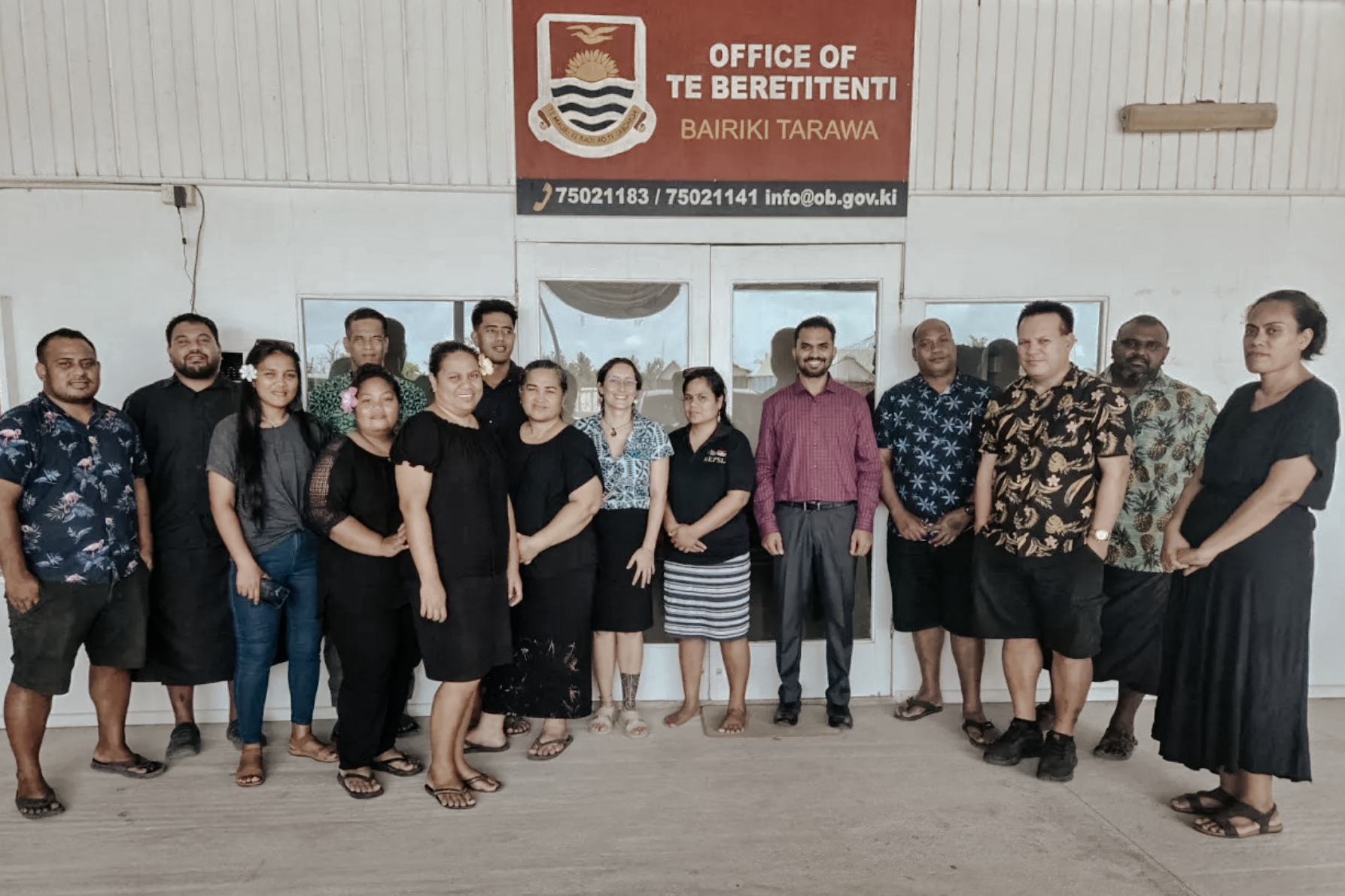
From Ambition to Implementation: Kiribati’s Climate Investment Pathway
Efforts are now underway to update Kiribati’s Nationally Determined Contribution (NDC) Investment Plan, with the support of the Regional Pacific NDC Hub. First developed in 2021. the investment plan provides a structured roadmap for translating national climate targets into concrete investment opportunities.