
Costa Rica’s “Más Mujer, Más Natura”
Costa Rica’s Más Mujer, Más Natura (More Women, More Nature) program is rewriting the script for rural empowerment. Launched in 2020 as a collaborative effort between the Ministry of Environment and Energy (MINAE), the United Nations Development Programme (UNDP), and the Office of the First Vice President, the program addresses a long-standing paradox: while women are often the primary stewards of local biodiversity, they frequently lack the land titles and capital to access traditional conservation incentives.
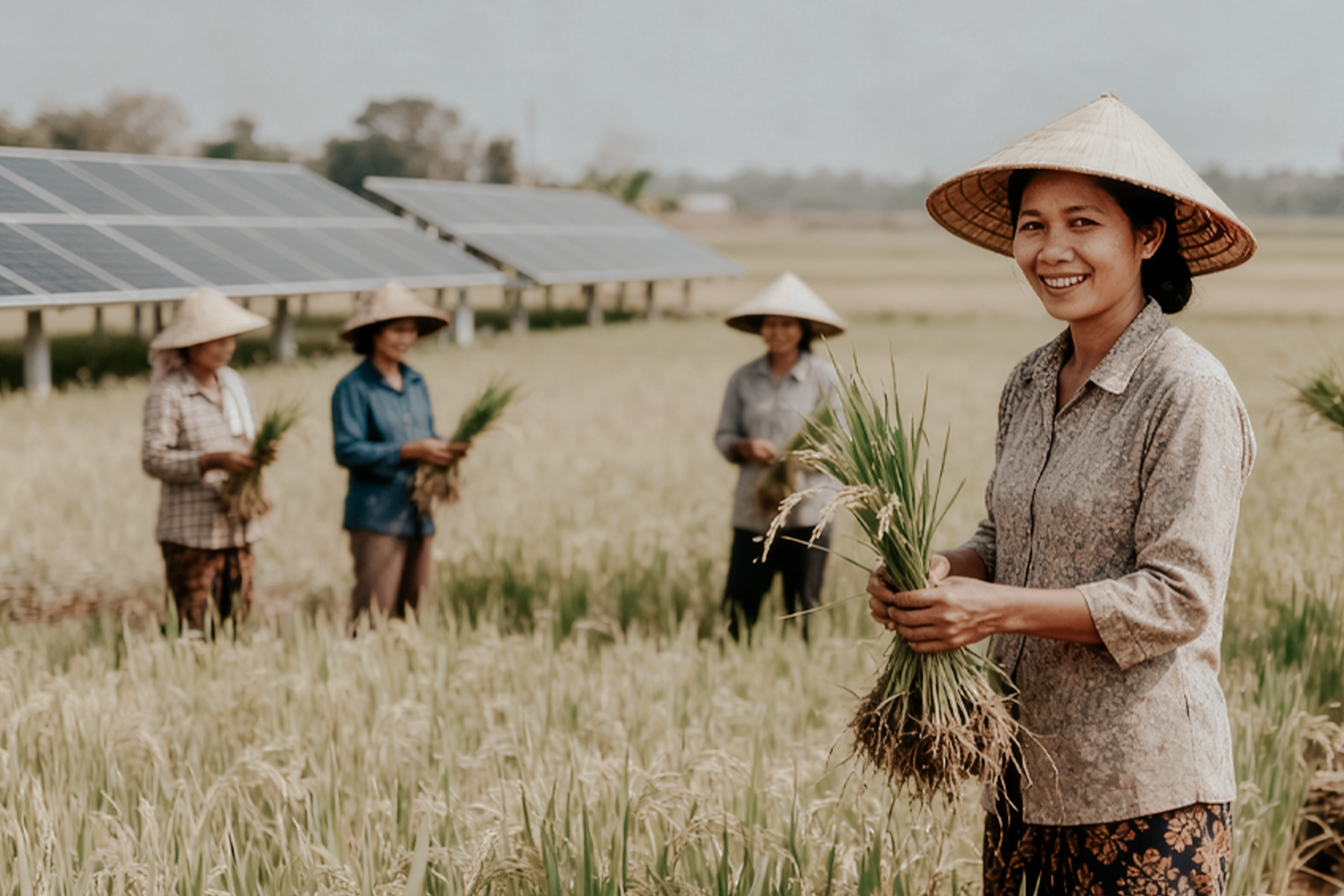
Women at the Core of Cambodia’s Green Economy Revolution
Cambodia recognizes women’s leadership as a robust accelerator of green economic development as the country approaches graduation from Least Developed Country status in 2029, seeking higher productivity, diversified growth, and greater uptake of green digitalization. Women are rising beyond perceptions of vulnerability, positioning themselves as champions of climate prosperity and sustainable development.
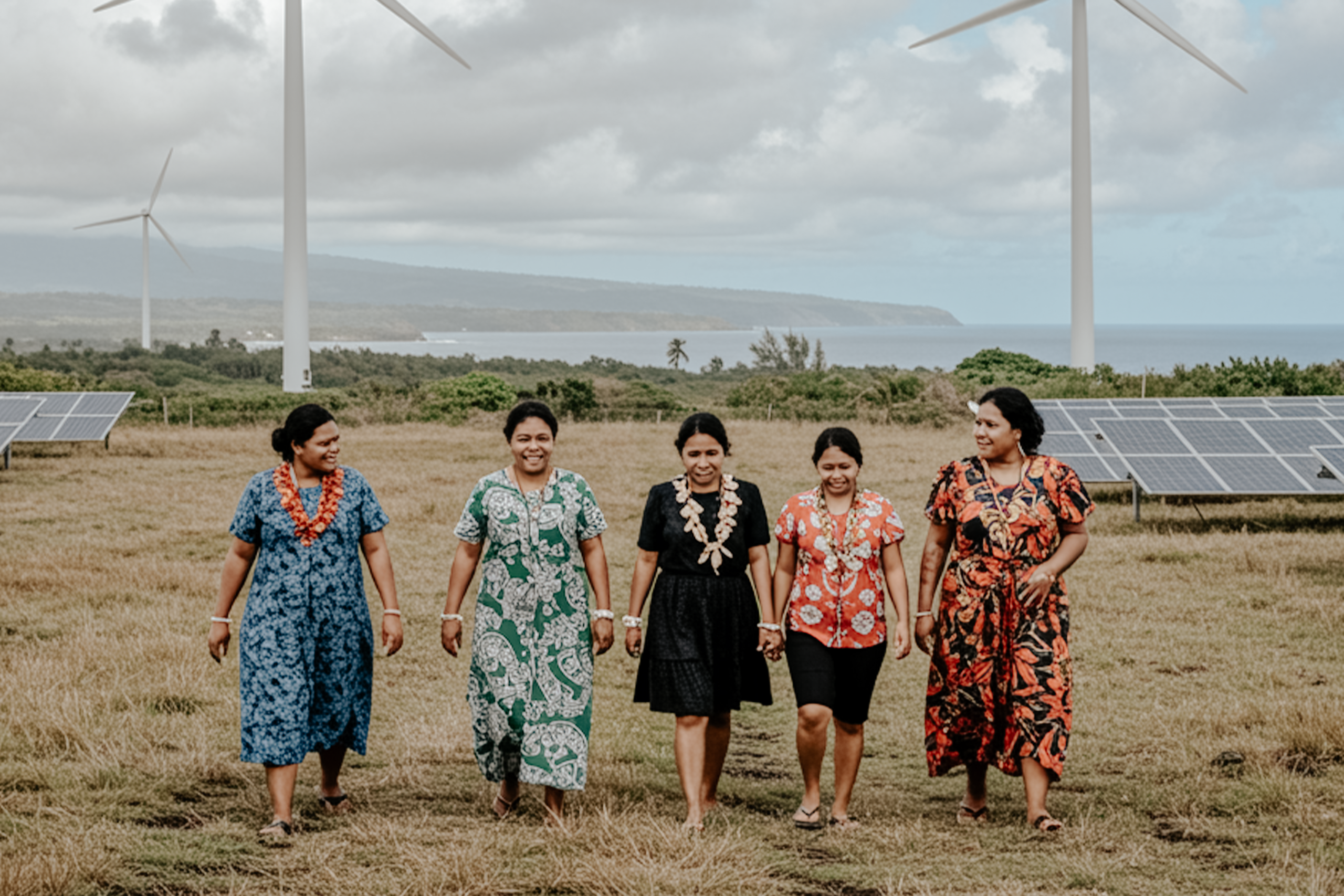
Pacific Women and the Call for Climate Justice
When island nations and regional allies presented their case before the International Court of Justice, women leaders, lawyers, and youth advocates were instrumental in building arguments that led to a landmark 2025 Advisory Opinion affirming states’ obligations to protect the climate and human rights.
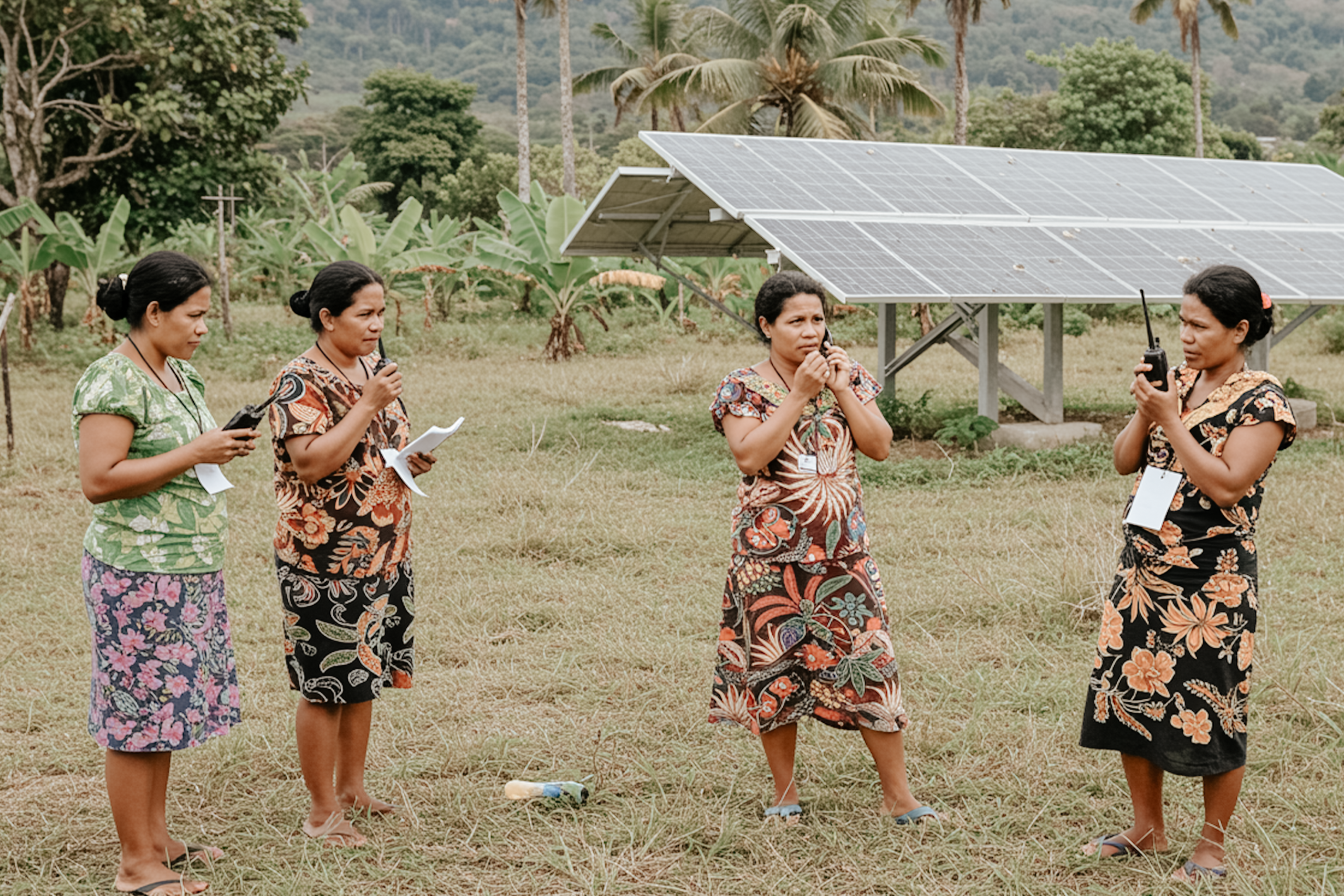
Ni-Vanuatu Women Lead Disaster Response and Climate Action
Vanuatu is among the nations most vulnerable to the climate crisis. These environmental shifts often worsen existing socioeconomic gaps, disproportionately pushing women toward poverty and marginalization. Despite these challenges, Ni-Vanuatu women have emerged as resilient leaders, transforming how their communities prepare for and recover from disasters.
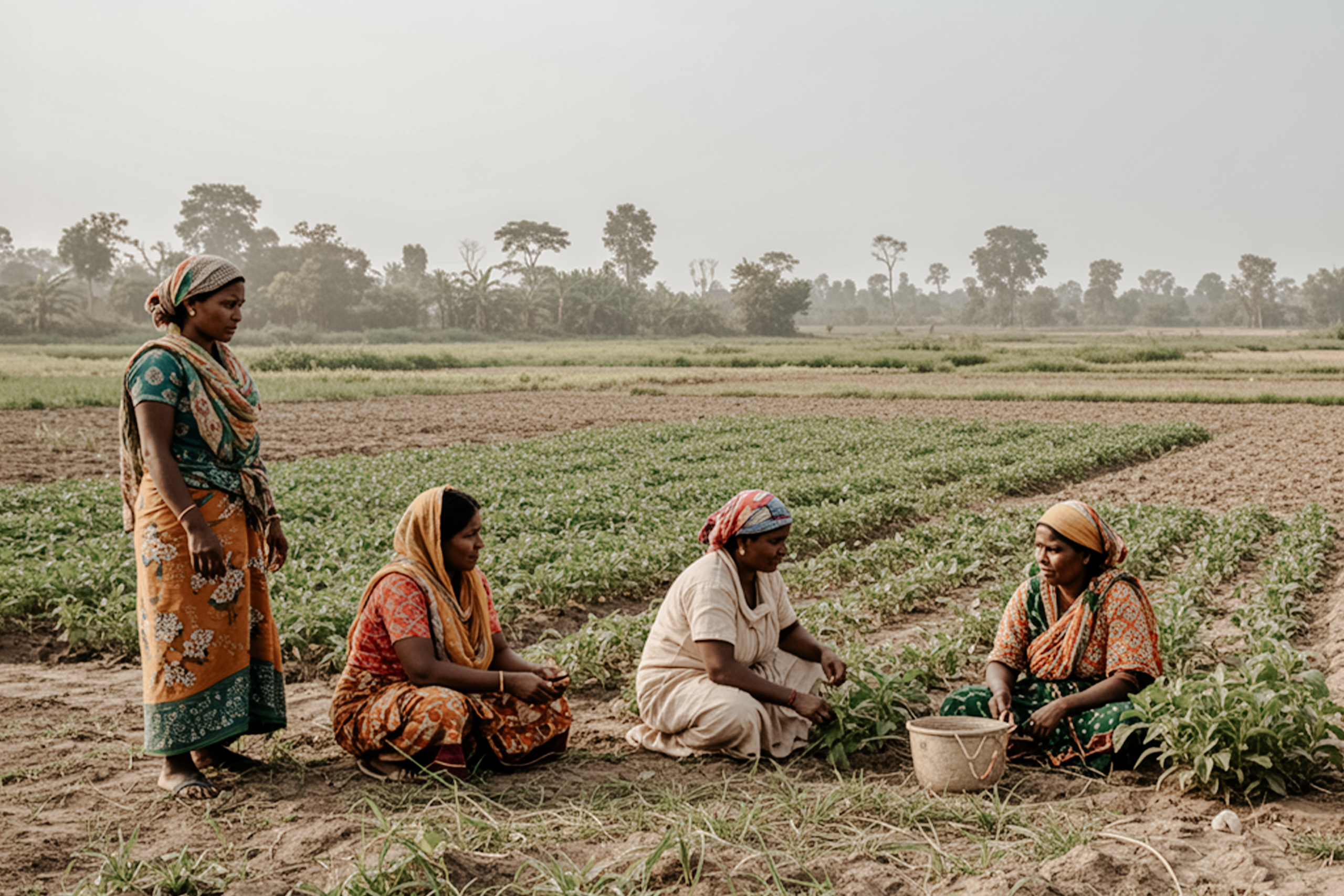
Gender-Responsive Climate Action in Bangladesh and Kenya
The worsening impacts of climate change are exposing gaps in financial and social systems while reshaping societies, with women often on the frontlines—managing households, securing resources, and caring for families under growing stress. The crisis exacerbates existing gender inequalities, yet women’s voices are largely missing from the policies meant to protect them. Without a gender-focused approach, millions of women and girls risk being pushed into extreme poverty, amplifying social and economic disparities worldwide.
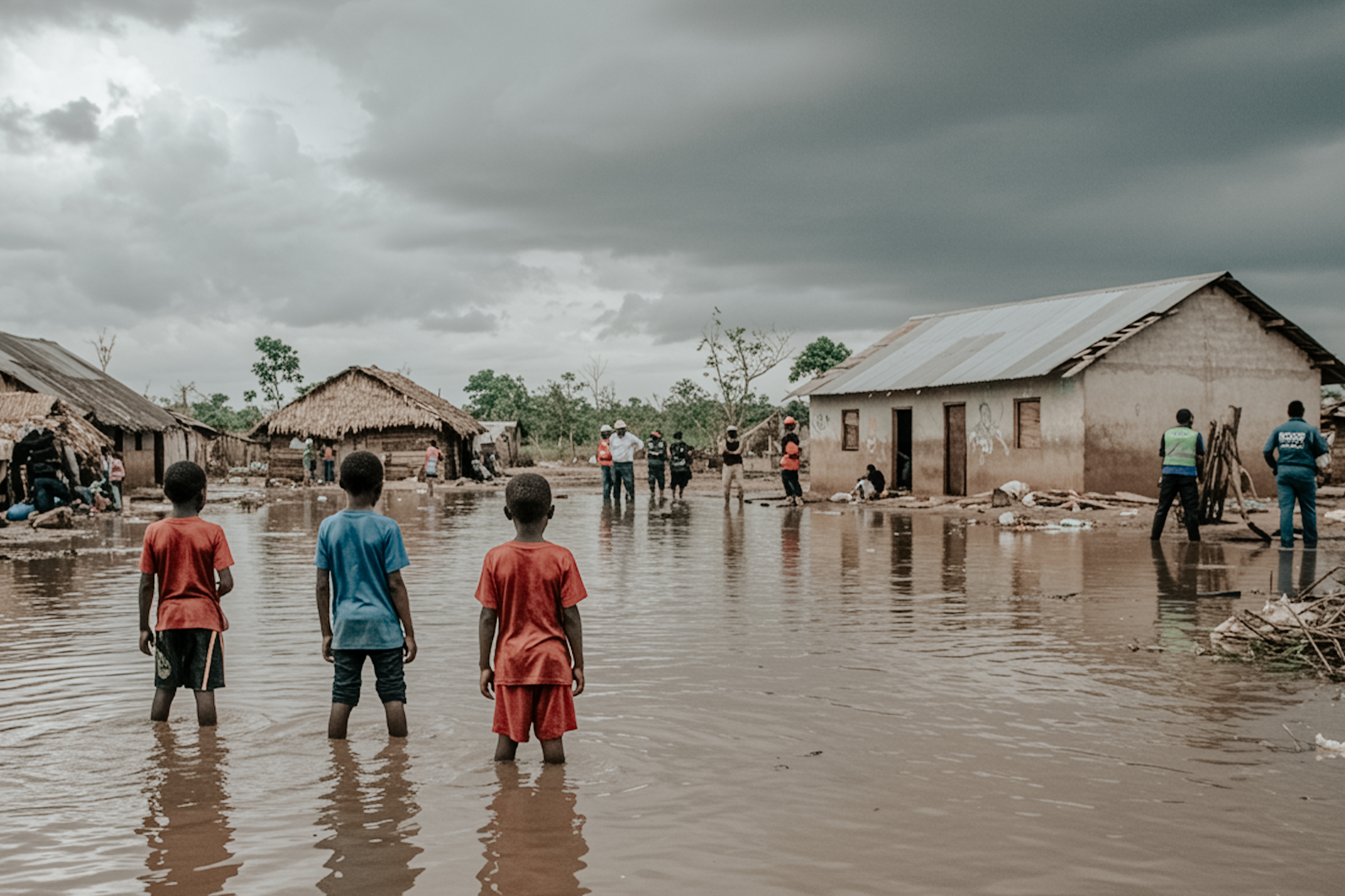
Climate Shocks Are Rising, Our Financial Response Isn’t
Recent floods and cyclones have displaced more than 720,000 people, destroyed schools and health facilities, and disrupted access to food and clean water, overwhelmingly affecting children and families already struggling with poverty and climate risk in Mozambique. These weather extremes are not isolated events: they reflect a relentless rise in climate-driven shocks.
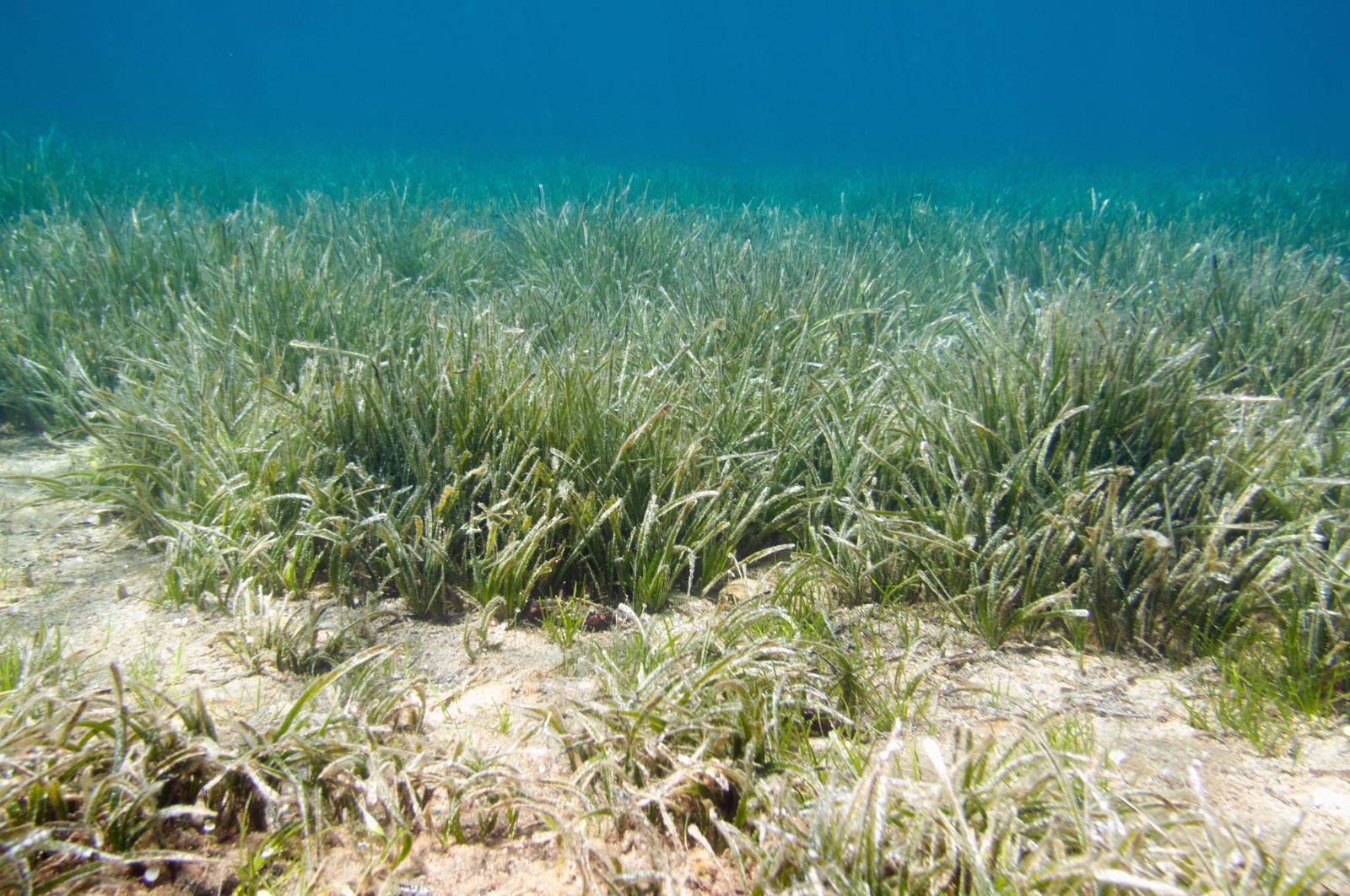
World’s First Blue-Carbon Sovereign Carbon Securities Launched in the Bahamas
The Bahamas has undertaken a ground-breaking initiative to use “Sovereign Carbon Securities” to generate revenue from their seagrass beds. Seagrass beds are underwater vegetation that
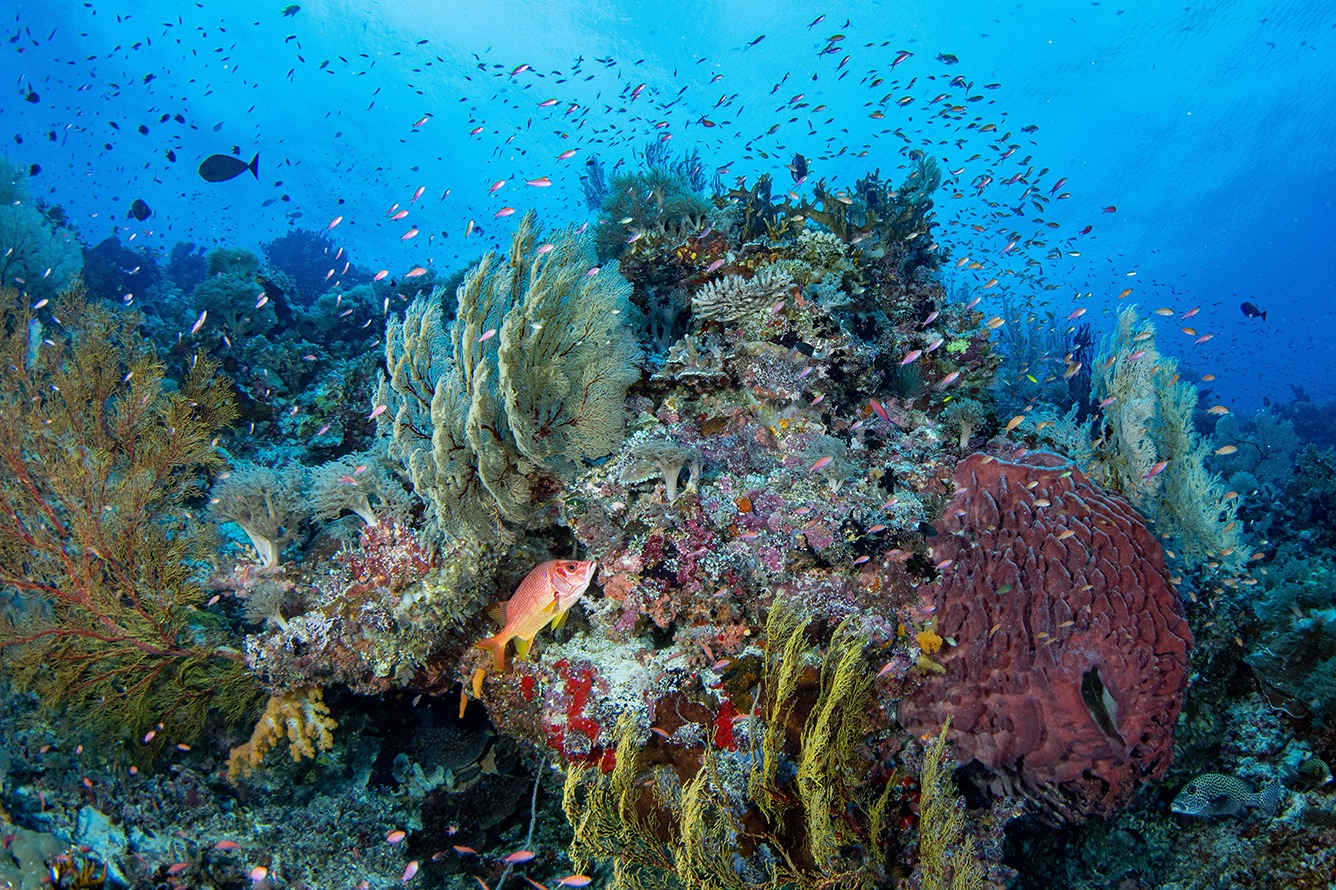
Elevating Oceans to Stand Beside Forests in the COP30 Agenda
By His Excellency Dr. James Fletcher, CARICOM Climate Envoy As the CARICOM Climate Envoy, I join colleagues in the wider community of Small Island Developing

WHO Approves Climate Change and Health Action Plan
On 27 May, the World Health Assembly (WHA) – the decision making body of the World Health Organization (WHO), attended by delegates from member states
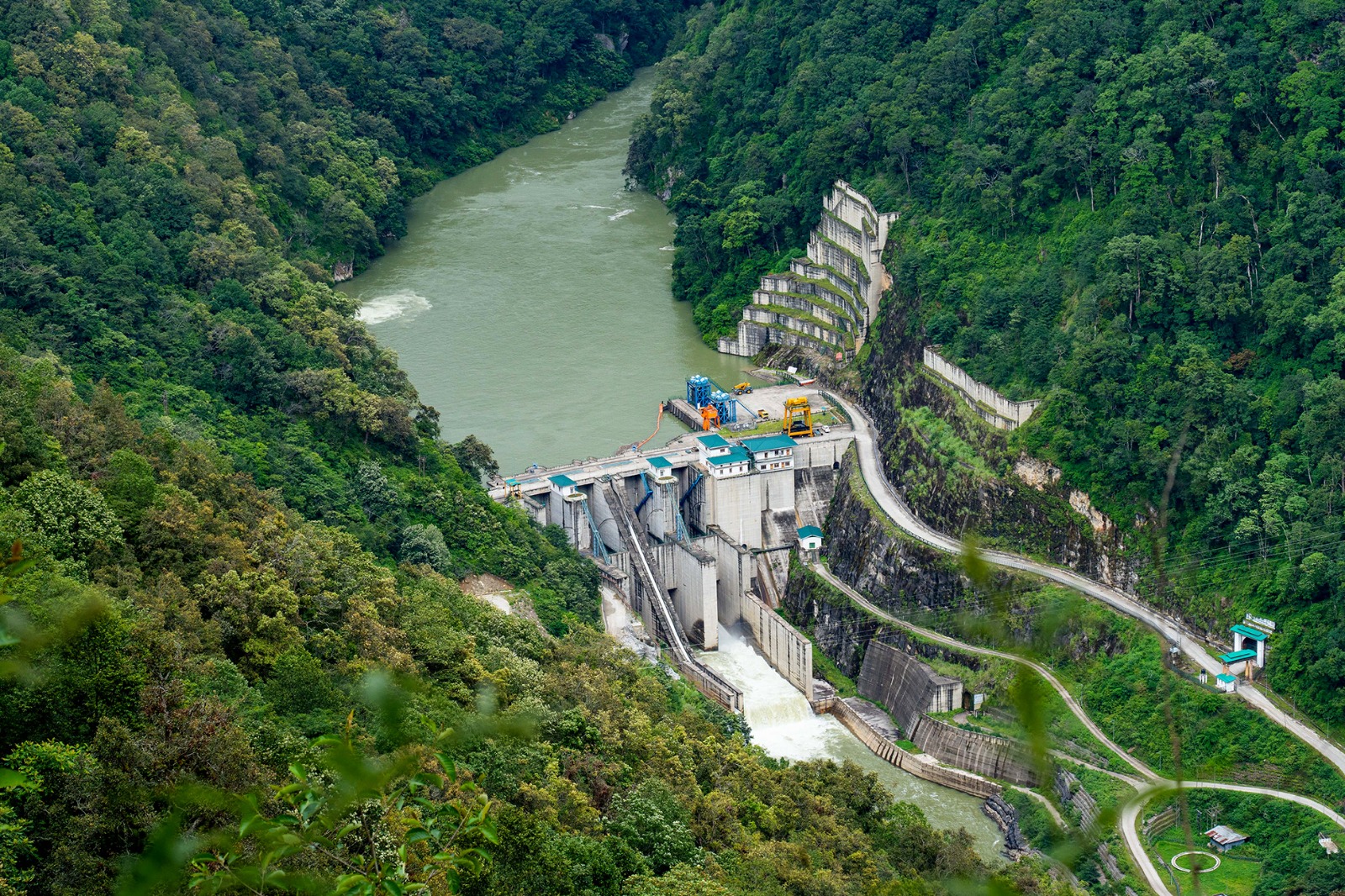
Bhutan’s Green Leap: 5000 MW Hydropower Deal with Adani
Bhutan | May 8, 2025—Bhutan is poised to dramatically expand its renewable energy capacity and deepen regional energy ties, having recently sealed a landmark partnership
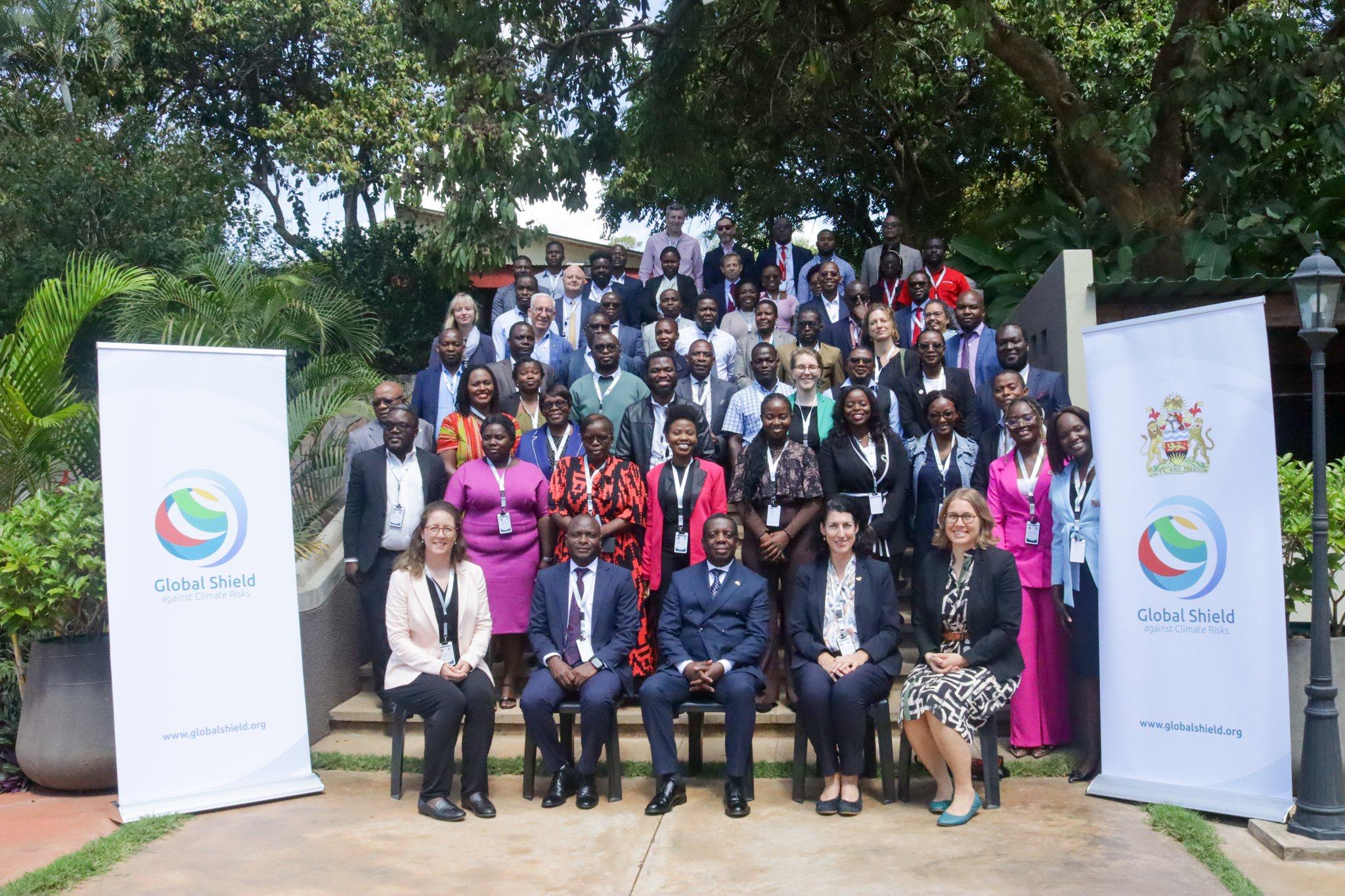
Malawi gears up to unlock access to Global Shield
Lilongwe, Malawi | April 30, 2025—The Republic of Malawi continues its groundwork to develop an evidence-based Climate and Disaster Risk Finance and Insurance (CDRFI) support
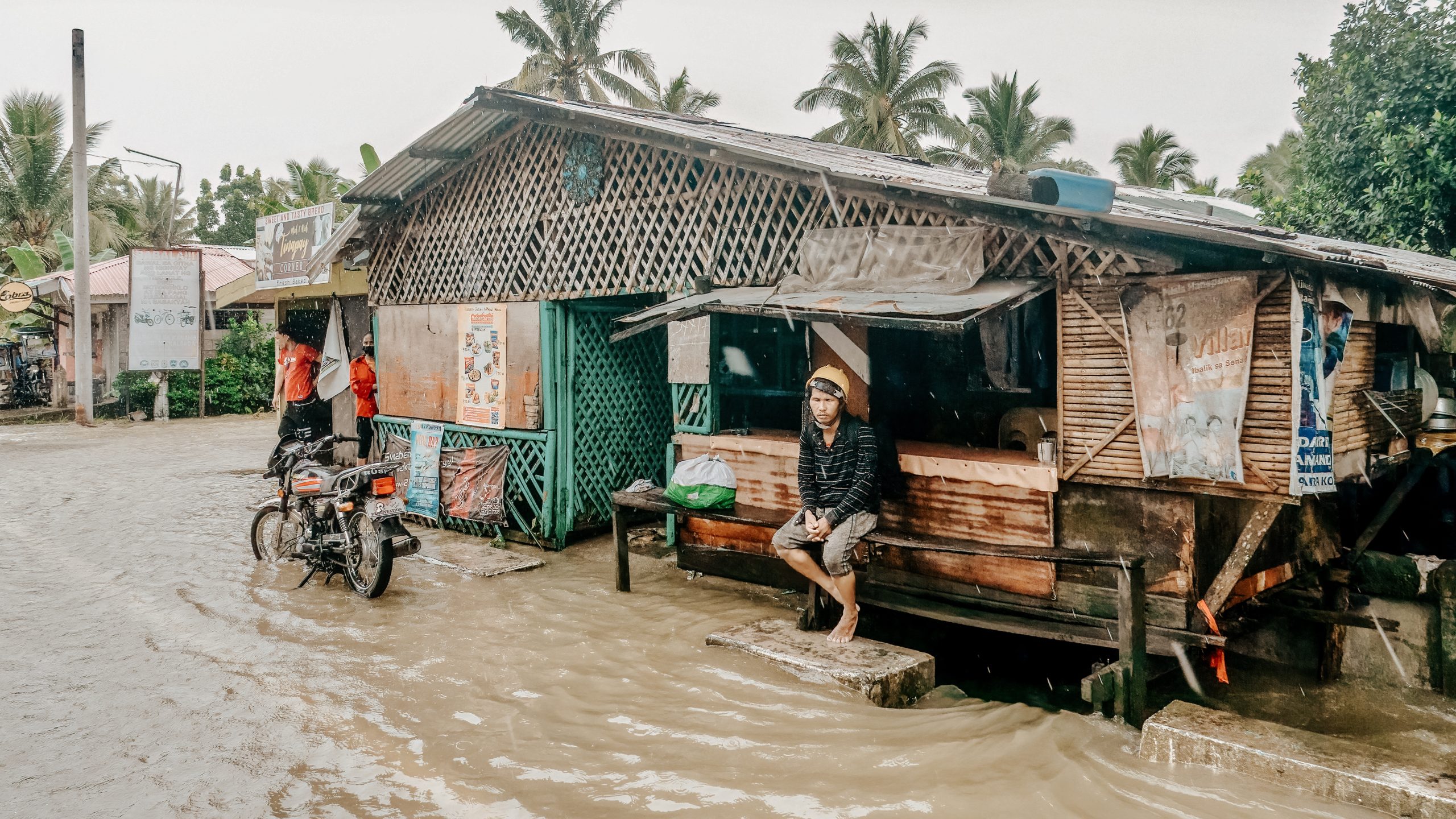
Roundtable on Climate Resilient Debt Pause Clauses
June 3, 2025—The Climate Vulnerable Forum and V20 Finance Ministers (CVF-V20) Secretariat participated in the Roundtable on Climate Resilient Debt Pause Clauses (CRDC), organised by