Community Vow: Chad Rolls Out Nationwide Drive for Environmental Responsibility
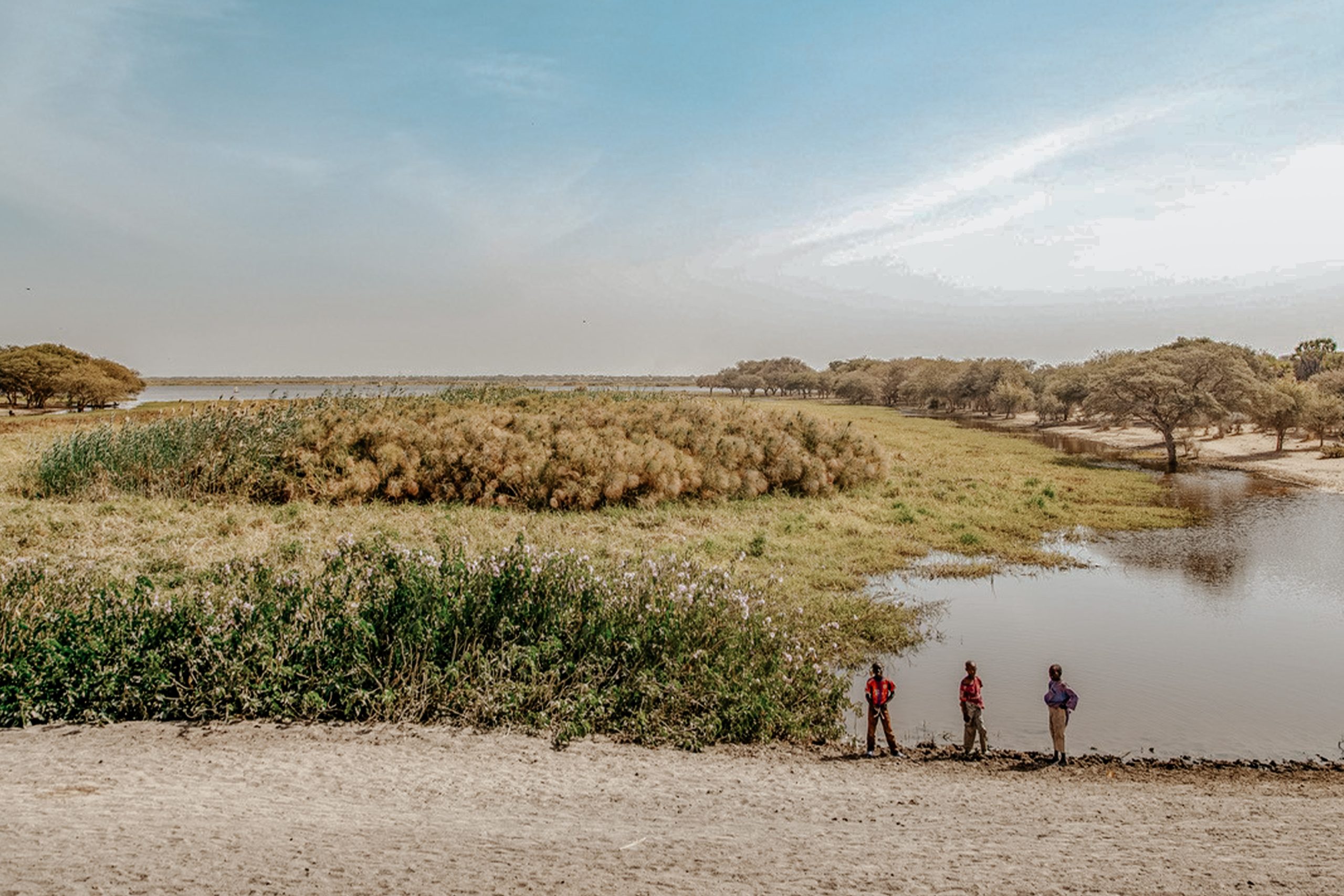
Strengthening environmental stewardship in Chad has reached a pivotal milestone with the launch of a nationwide campaign to implement Law No. 023. This legislative framework, bolstered by international partnerships and localized outreach, represents a shift from abstract policy to community-led conservation.
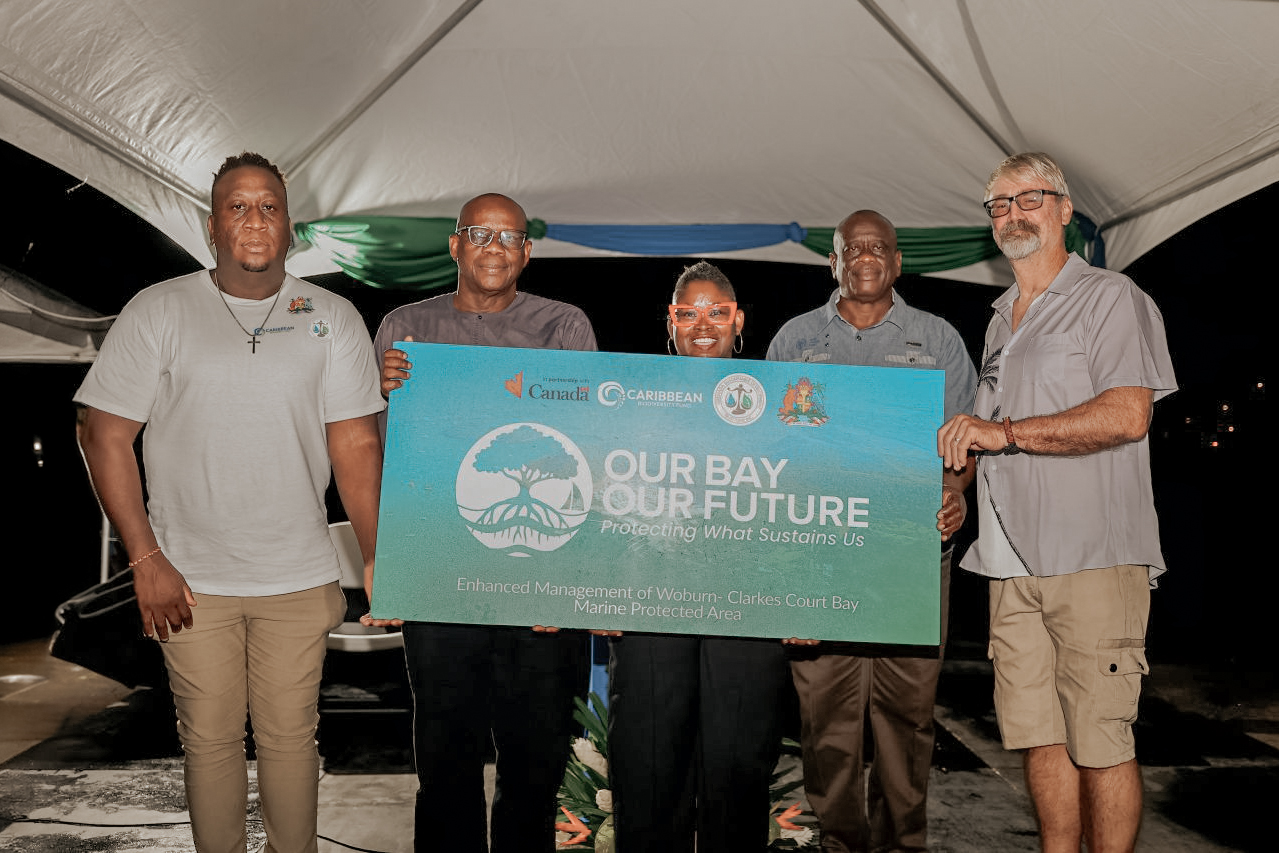
Protect What You Love: Grenada’s Community-Driven Marine Conservation
Our Bay, Our Future takes center stage as Grenada seeks to advance its marine protection initiatives. The project was officially launched last month at the Woburn Bay Jetty by the Caribbean Biodiversity Fund in collaboration with the Grenada Sustainable Development Trust Fund and with the financial support of Global Affairs Canada.
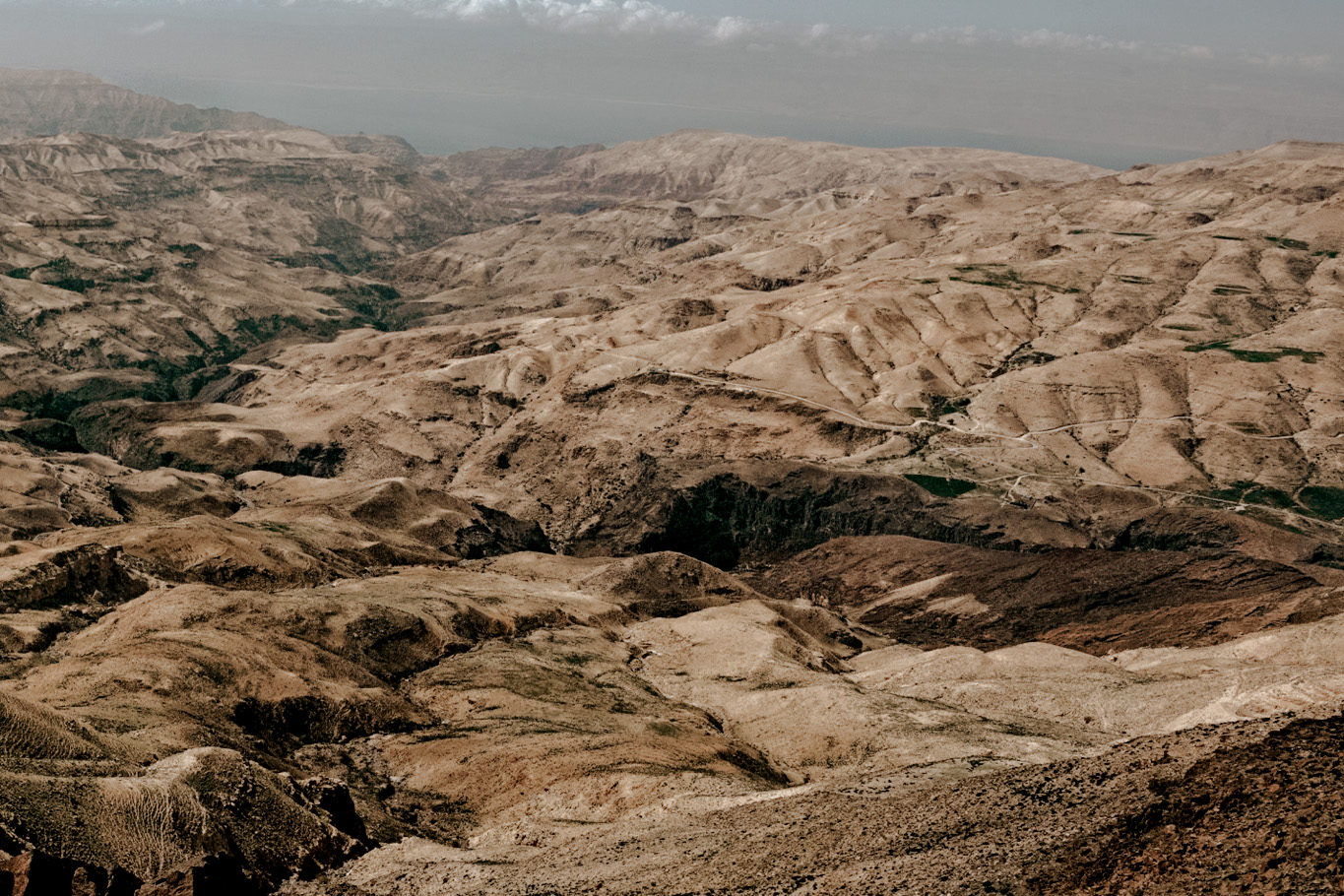
Ecosystems at the Heart of Jordan’s Adaptation Agenda
Jordan’s National Adaptation Plan (NAP) 2025 reflects a strategic shift toward embedding environmental resilience and nature‑based solutions at the heart of national climate adaptation planning.

Embracing Bamboo as a Pathway to Resilience in the Philippines
The Philippines is turning to one of its oldest natural resources to help secure a more resilient future, placing nature at the heart of climate action through a renewed national push for bamboo development. This month, the Climate Change Commission (CCC) launched the campaign “Kawayan: Kabalikat ng Klima at Komunidad,” highlighting bamboo as a powerful nature-based solution that supports environmental protection, community resilience, and sustainable livelihoods.
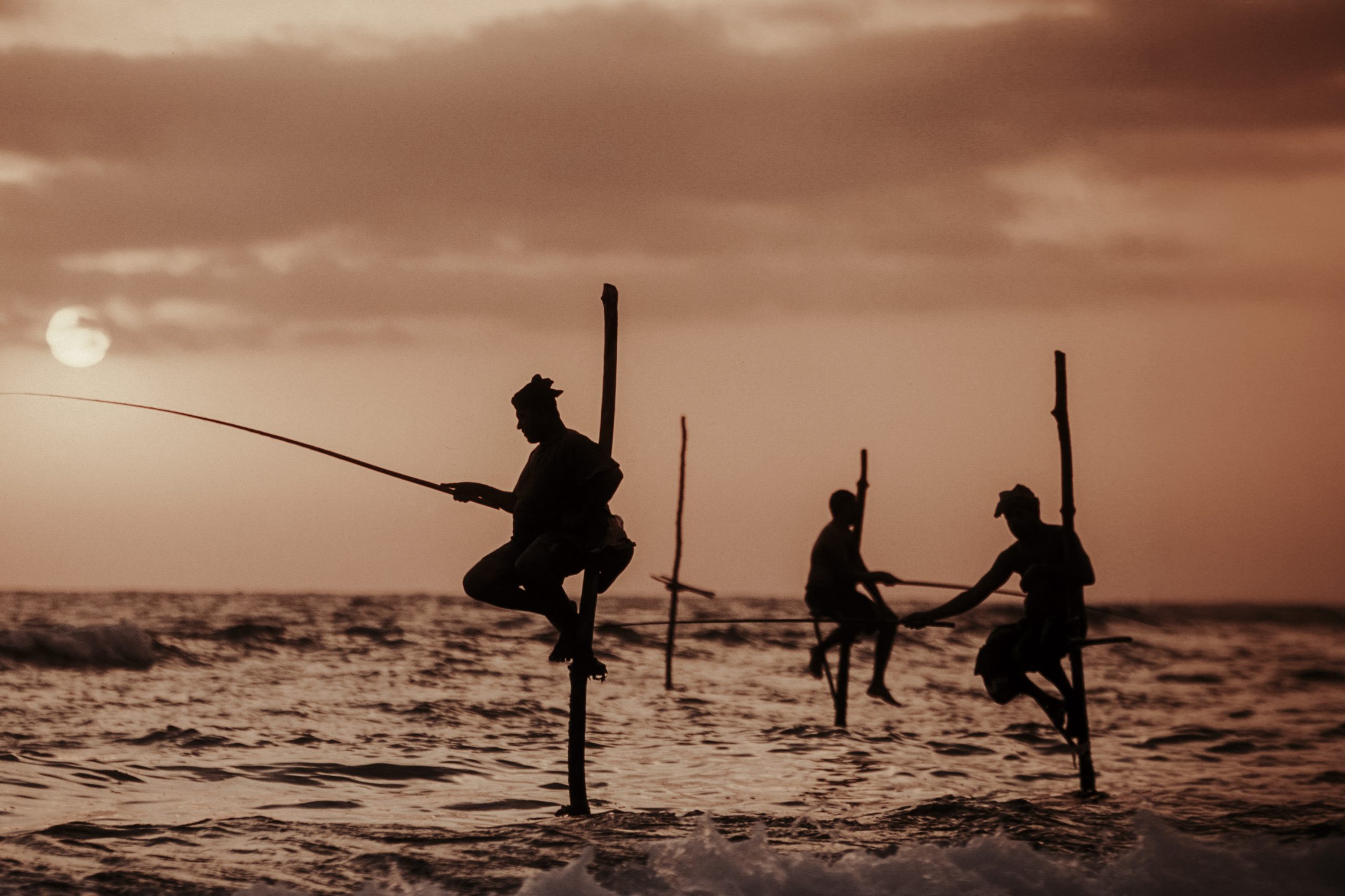
Sri Lanka’s Love Letter to the High Seas
Sri Lanka is taking steps to strengthen national stewardship of marine biodiversity in response to the entry into force of the Biodiversity Beyond National Jurisdiction (BBNJ) Agreement. This landmark international treaty, which entered into force in January 2026, establishes a global framework for conserving and sustainably using marine life in the high seas.
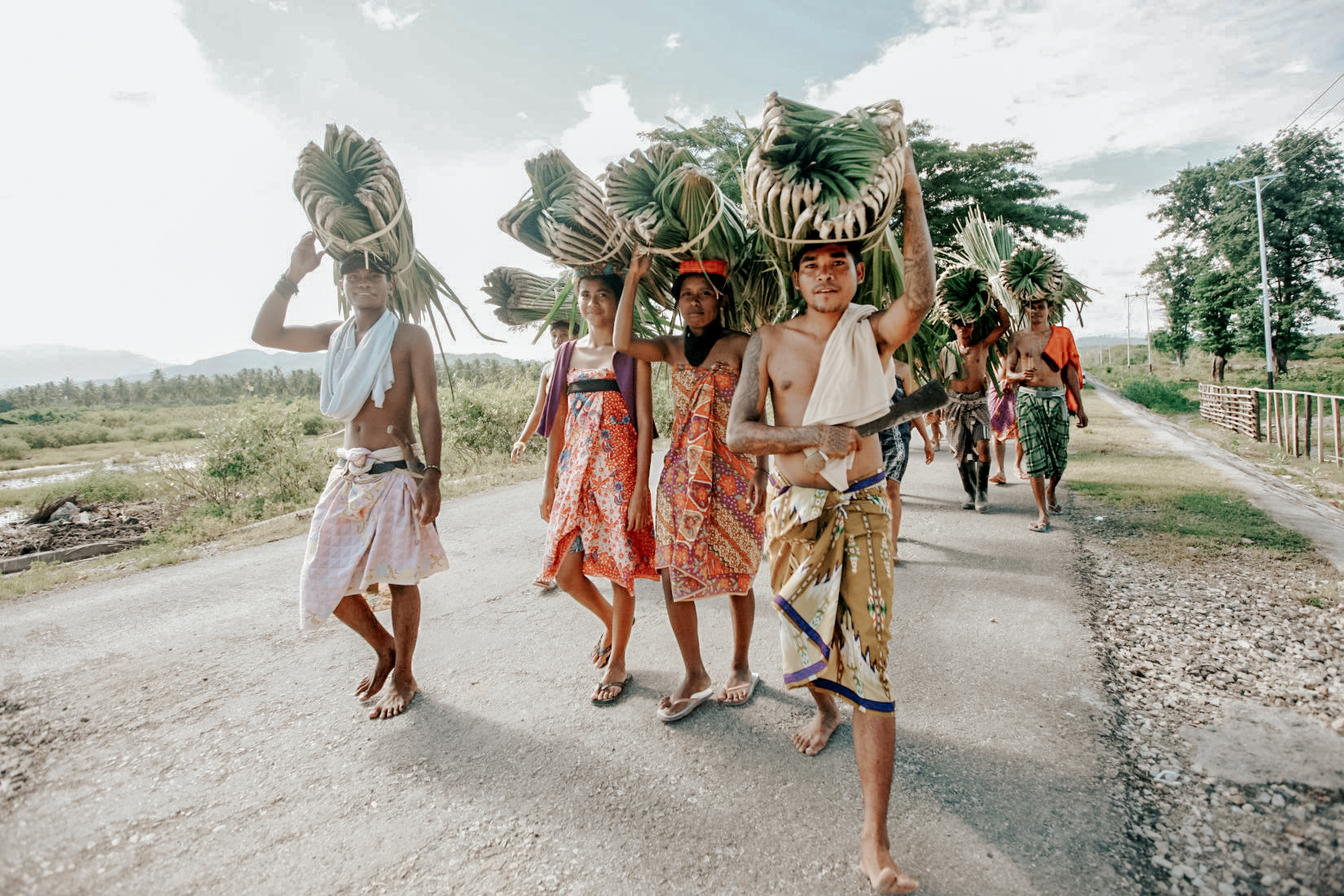
Loving Nature through Restoration, Strengthening Communities in Timor-Leste
In Timor-Leste, a new climate initiative is working to restore ecosystems while strengthening rural resilience. The project, led by the United Nations Environment Programme (UNEP) with national partners, aims to help communities adapt to climate change by rebuilding the natural systems they depend on.
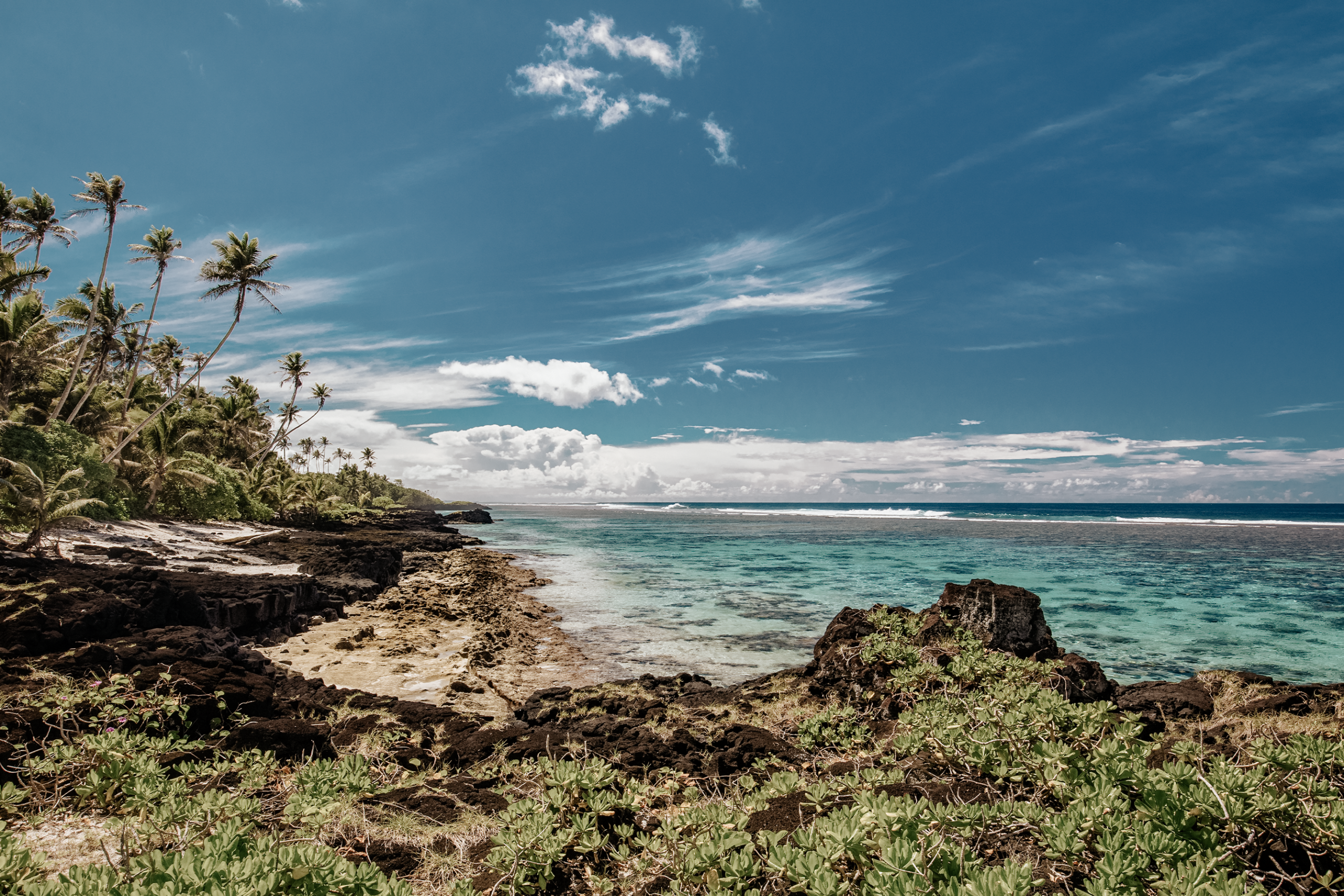
Samoa Shows Leadership in Early Warning System and Disaster Risk Management
Early warning and early action are among Samoa’s national strategic priorities, embedding multi-hazard early warning systems and disaster risk financing frameworks into the country’s governance landscape.
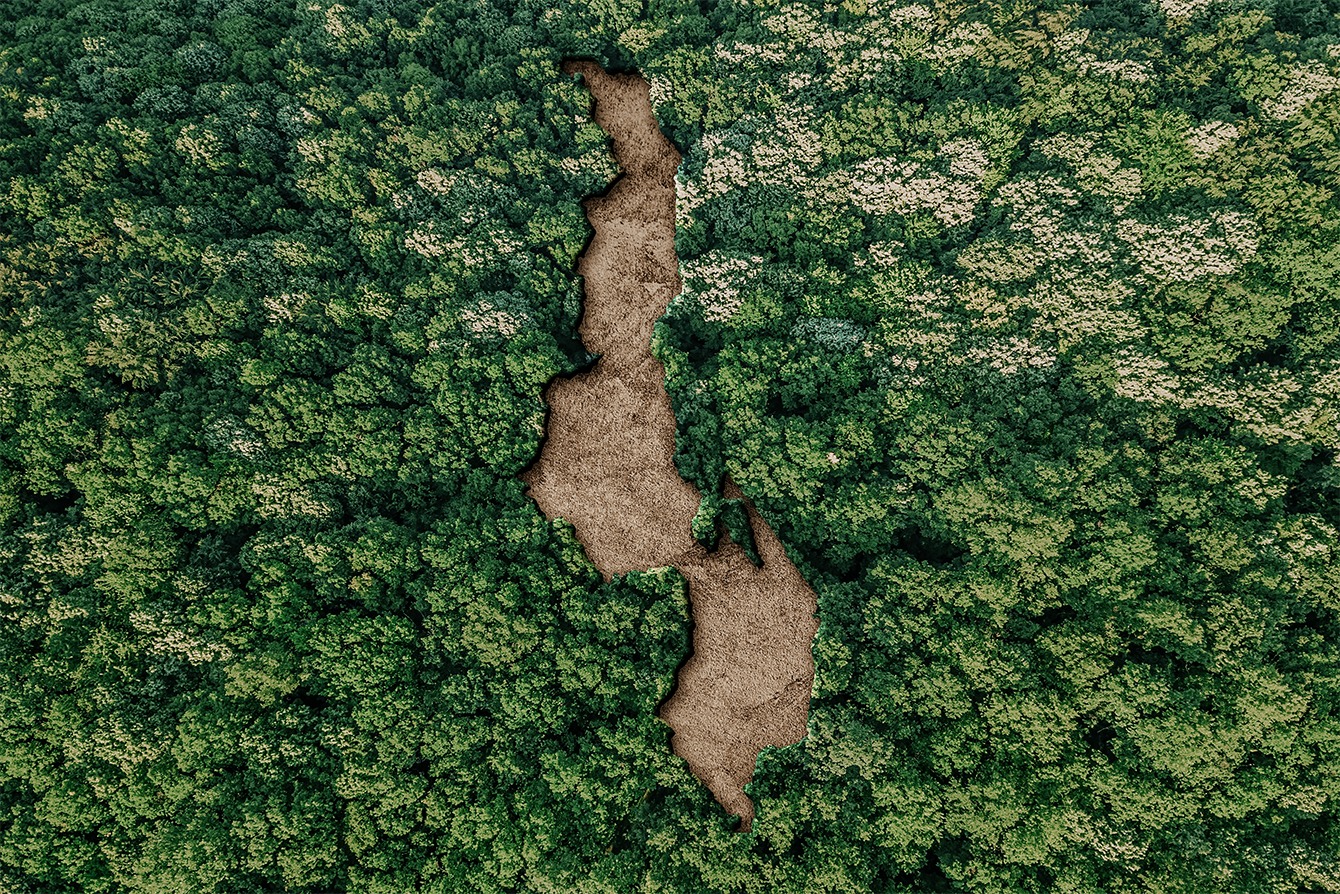
Malawi’s NDC Implementation: Lessons From the Past and Youth Priorities for NDC 3.0
Malawi, like many climate-vulnerable nations, has taken steady strides toward implementing its Nationally Determined Contribution (NDC) under the Paris Agreement. It has reaffirmed its commitment to reducing emissions, enhancing adaptation, and building climate resilience through its First Biennial Transparency Report (BTR1) and National Communication submitted to the United Nations Framework Convention on Climate Change (UNFCCC). Despite the commitment, there are efficient gains to be made in its next round of NDC 3.0, as revealed by the NDC 2.0 stocktake.

Khyber Pakhtunkhwa Charts Path for Climate-Linked Investments
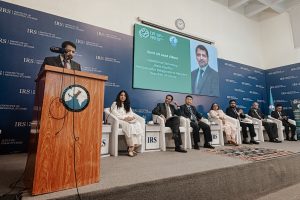
As part of the ongoing in-country consultations for the Pakistan Climate Prosperity Plan (CPP), the CVF-V20 delegation held a high-level roundtable with the Planning and Development Department (P&DD) of the Province of Khyber Pakhtunkhwa (KP) on October 9 in Peshawar. The session brought together key provincial departments, including forestry, environment, wildlife, transport, energy, and infrastructure, to align KP’s climate priorities with the CPP framework and explore financing pathways for sustainable development.
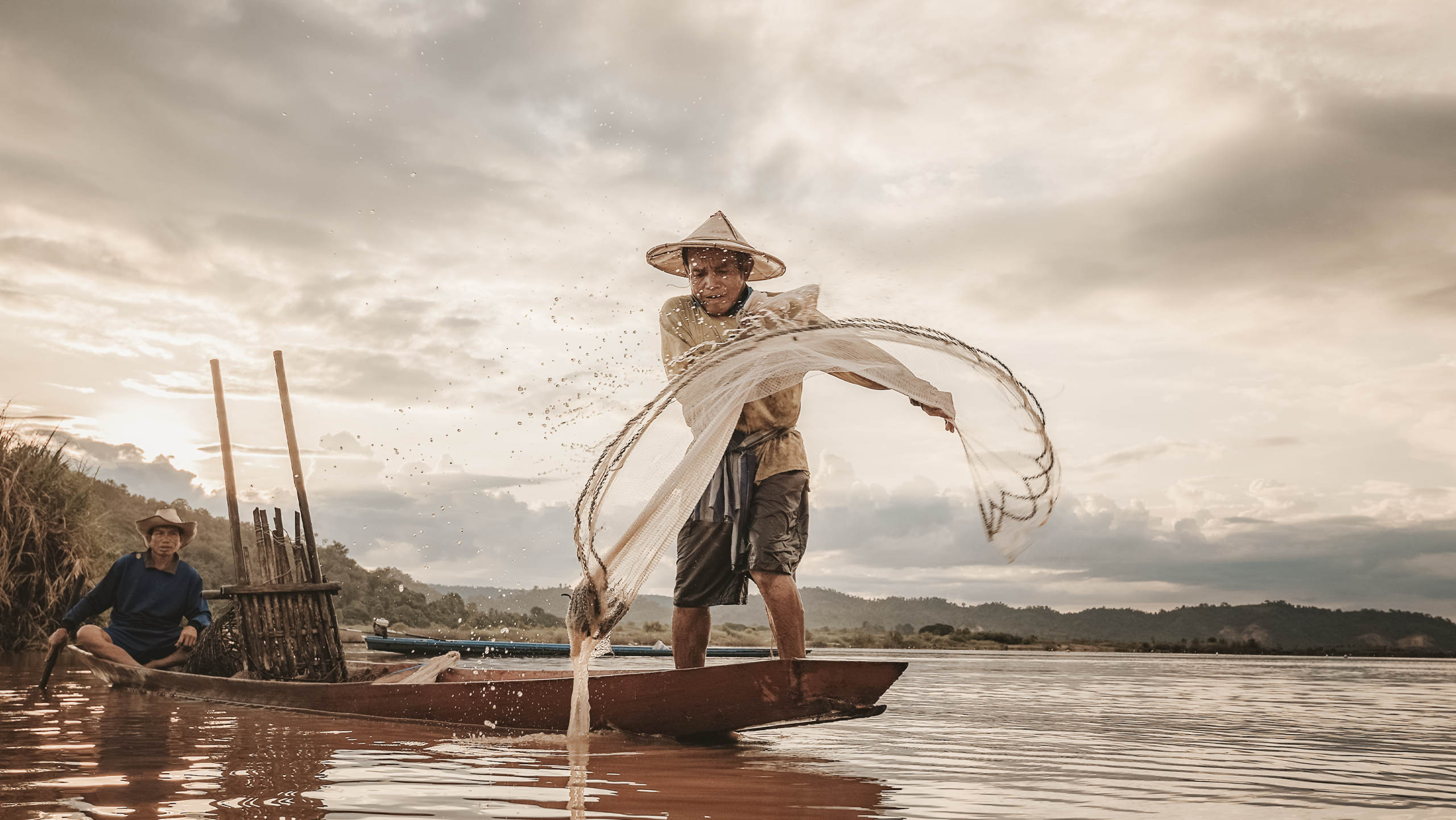
Bringing Climate Adaptation Finance Closer to Filipino Communities
The Philippines’ Department of Finance (DOF) is leading the charge to enhance local government access to the People’s Survival Fund (PSF), the country’s flagship climate adaptation financing mechanism.
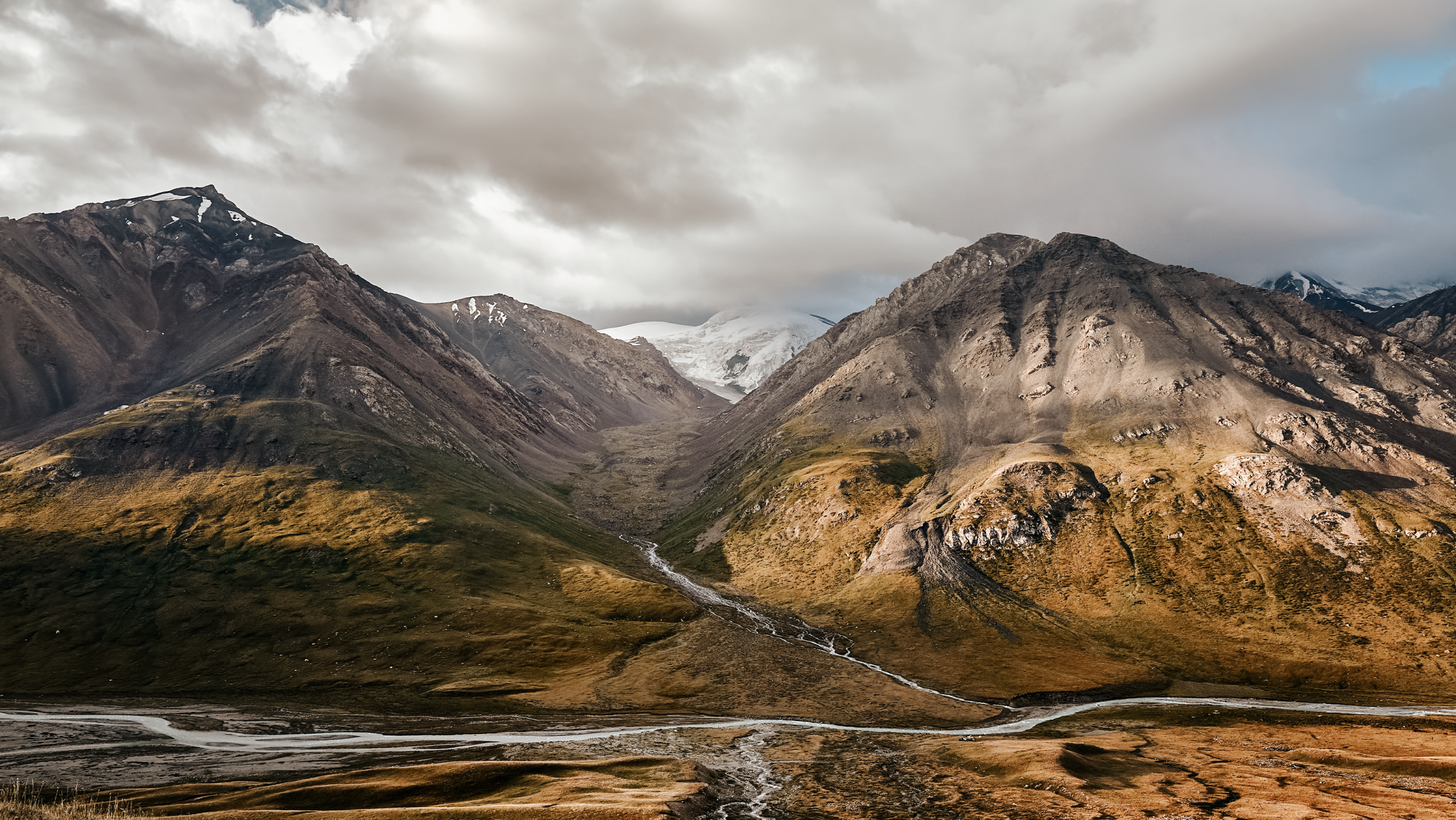
Kyrgyz Leads Global Efforts in Mountain Ecosystem Conservation
At UNGA 80, The Kyrgyz Republic’s President, H.E. Sadyr Japarov, issued a powerful call to the international community: to support and endorse the Declaration of COP-29 on Climate, Mountains, and Glaciers as a decisive step in mobilizing ambitious initiatives to protect the mountain ecosystems across the globe.
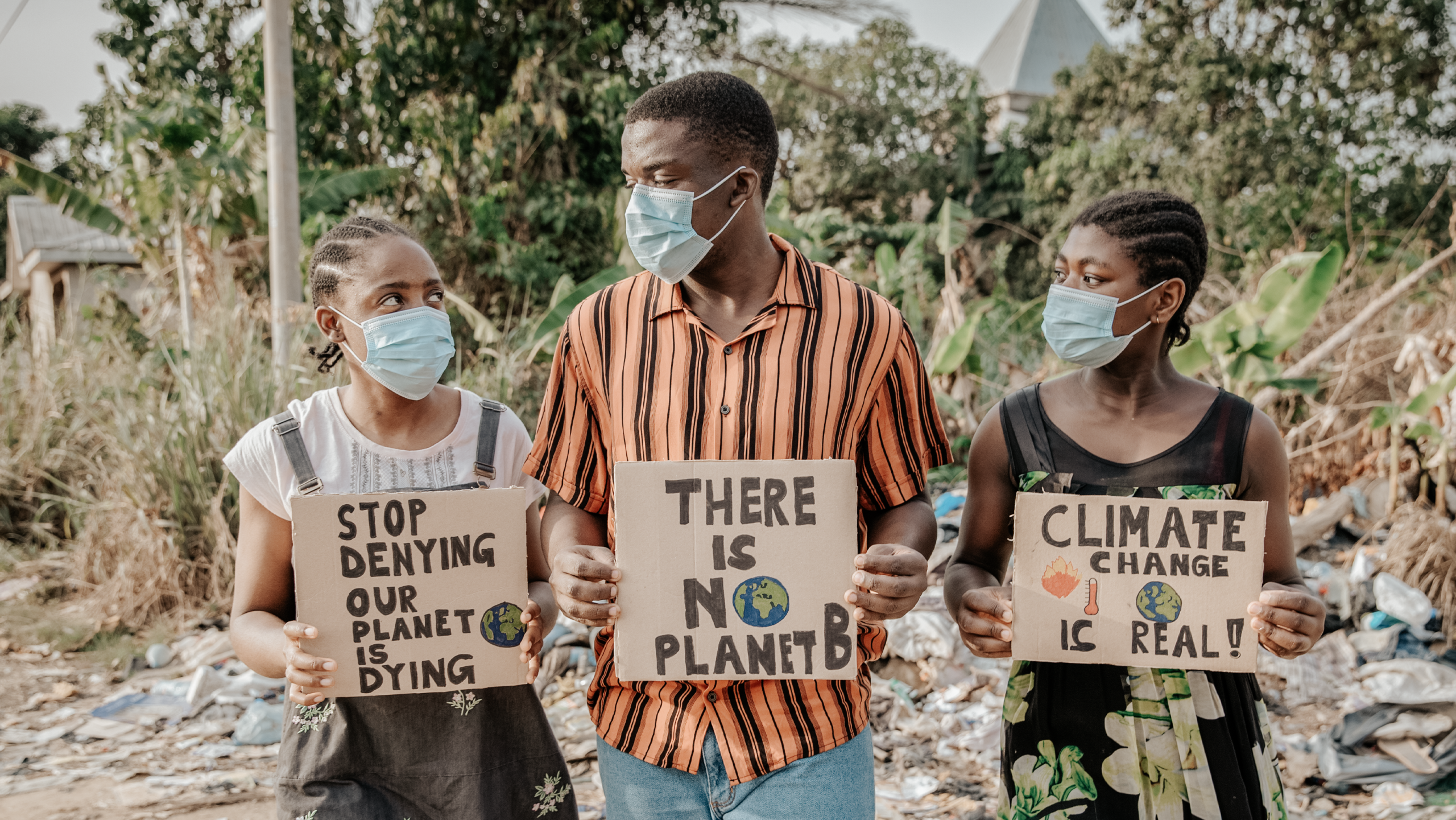
Africa’s Youth Don’t Need a Seat at the Table; They’re Building a New One
Africa’s youth don’t need saving. They need space, trust, and investment that matches their pace. They’re already powering homes, restoring forests, building apps, and running circular businesses that keep waste out of the environment. Every solar panel, reforested hill, and electric motor is a quiet rejection of the idea that Africa must wait to be helped.