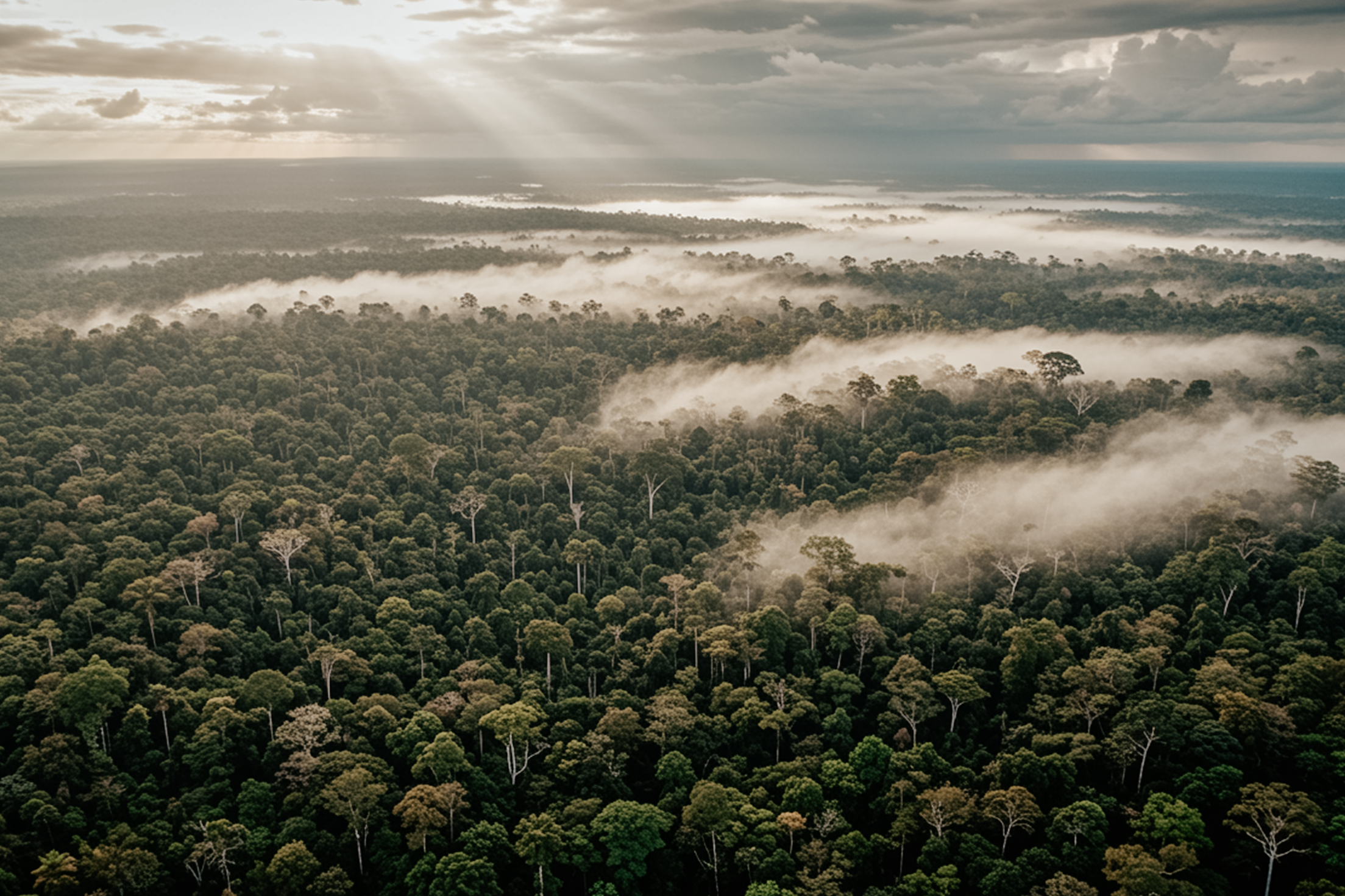
Colombia Frees Its Amazon Region from Large-Scale Mining
The Republic of Colombia vows to protect its share in the Amazon by declaring its entire biome off-limits to new large-scale mining and hydrocarbon projects, ensuring the conservation of ecological systems and the preservation of engraved ethical identity across the jungle. The declaration was made at a ministerial meeting of the Amazon Cooperation Treaty Organization (ACTO) ministers during COP30 in November 2015.
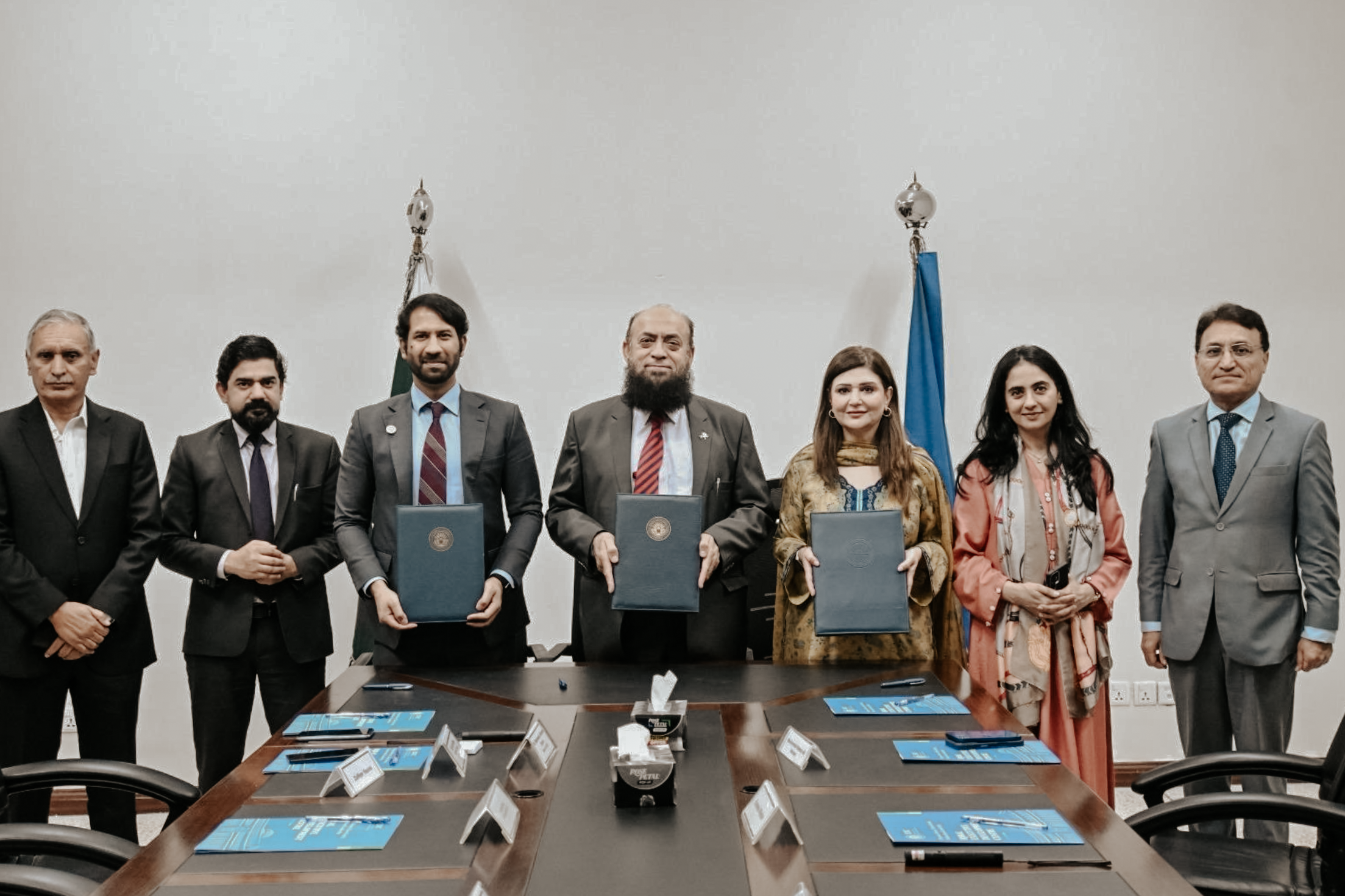
New Partnerships Forged in Pakistan to Accelerate Climate Action
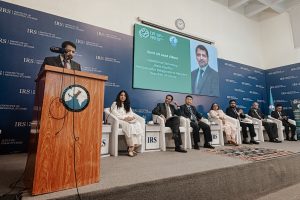
The CVF-V20 Secretariat has forged new partnerships with leading financial, academic, and media institutions in Pakistan in March, marking a significant step toward advancing climate finance, building national capacity, and strengthening implementation of the Pakistan Climate Prosperity Plan (CPP).
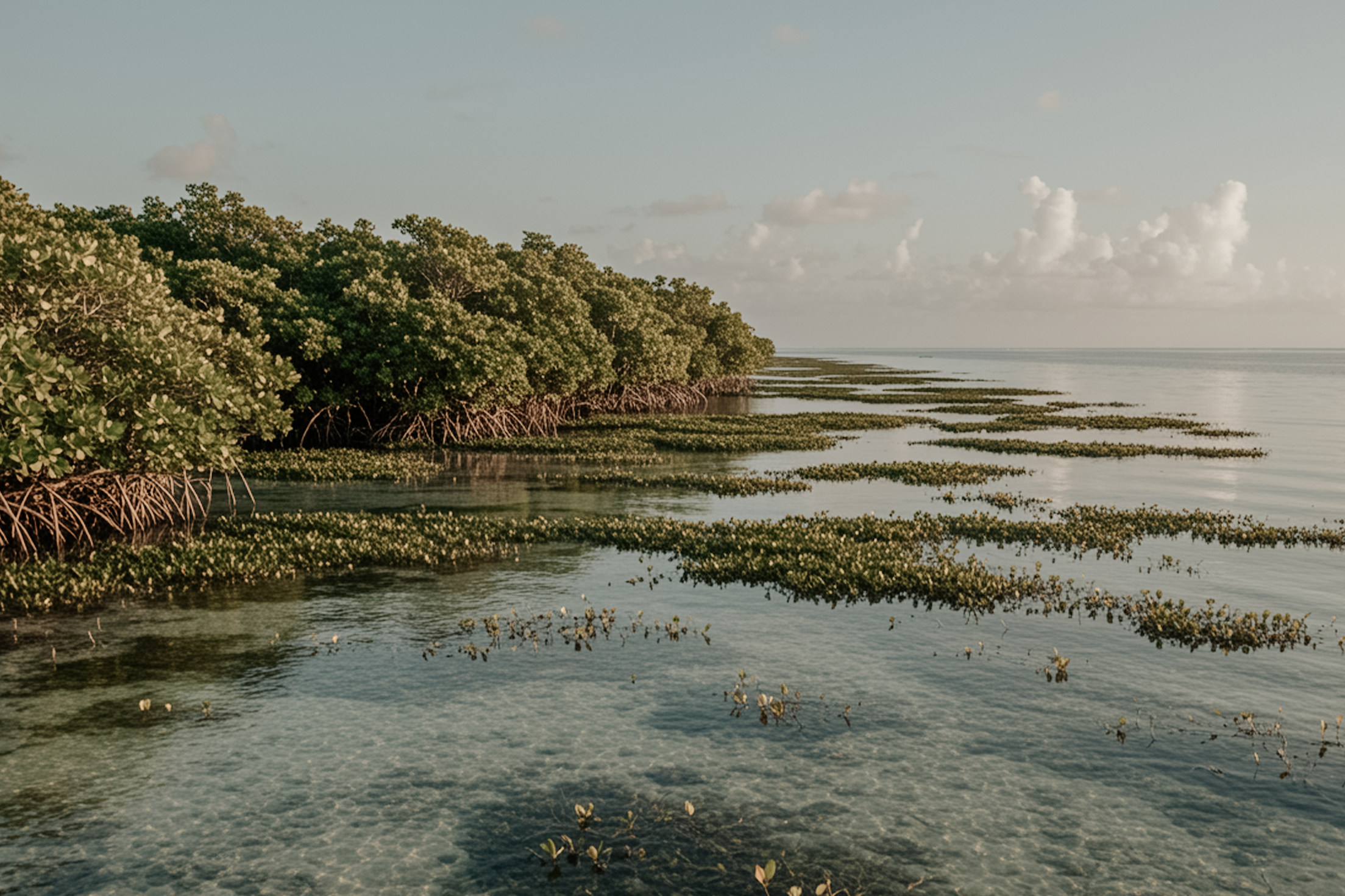
Nature-Based Solutions Drive Honduras’ NDC 3.0
Ten years after its first climate commitments under the Paris Agreement, Honduras is turning to the strength of its coastlines. In its third Nationally Determined Contribution (NDC), the country is prioritizing mangrove and seagrass conservation as a cornerstone of its climate action.

Levant Region Leverages Subnational Governance to Access Climate Finance
Ten municipalities from Lebanon, Palestine, and Jordan engaged with development banks and bilateral and multilateral donors at the Climate Finance Pathways Forum to mobilize resources for their subnational climate project proposals spanning water security and flood-risk reduction, nature-based solutions, climate-resilient infrastructure, urban cooling, solid waste management, and climate-smart agriculture.
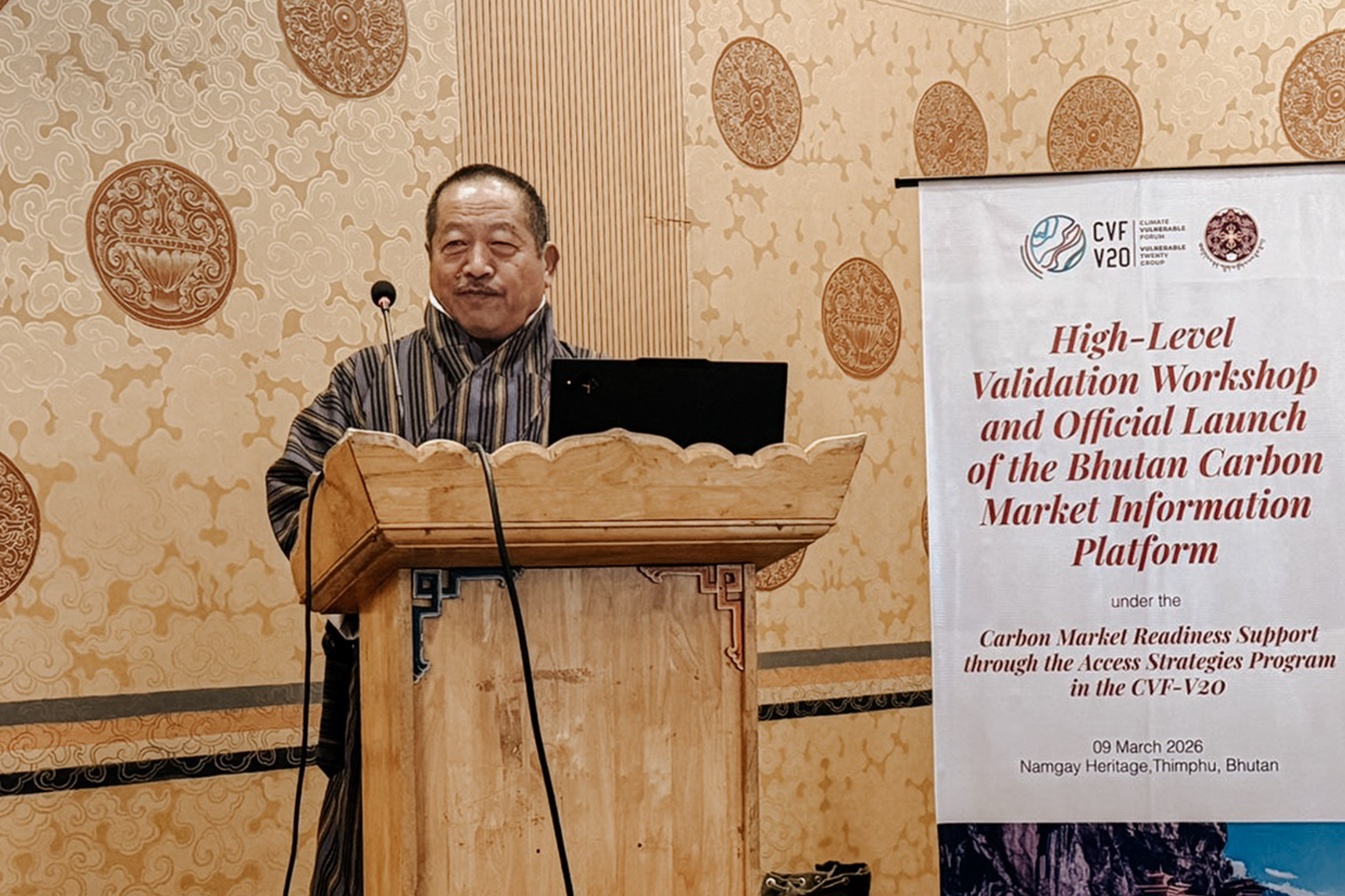
From Policy Ambition to Investment Readiness: Bhutan’s Progress with the V20–VCMI Carbon Finance Program
Through the Carbon Finance Program, Bhutan has accelerated the development of policy frameworks and strengthened the institutional foundations needed to advance the country’s participation in carbon markets, including the launch of a centralized carbon information platform.
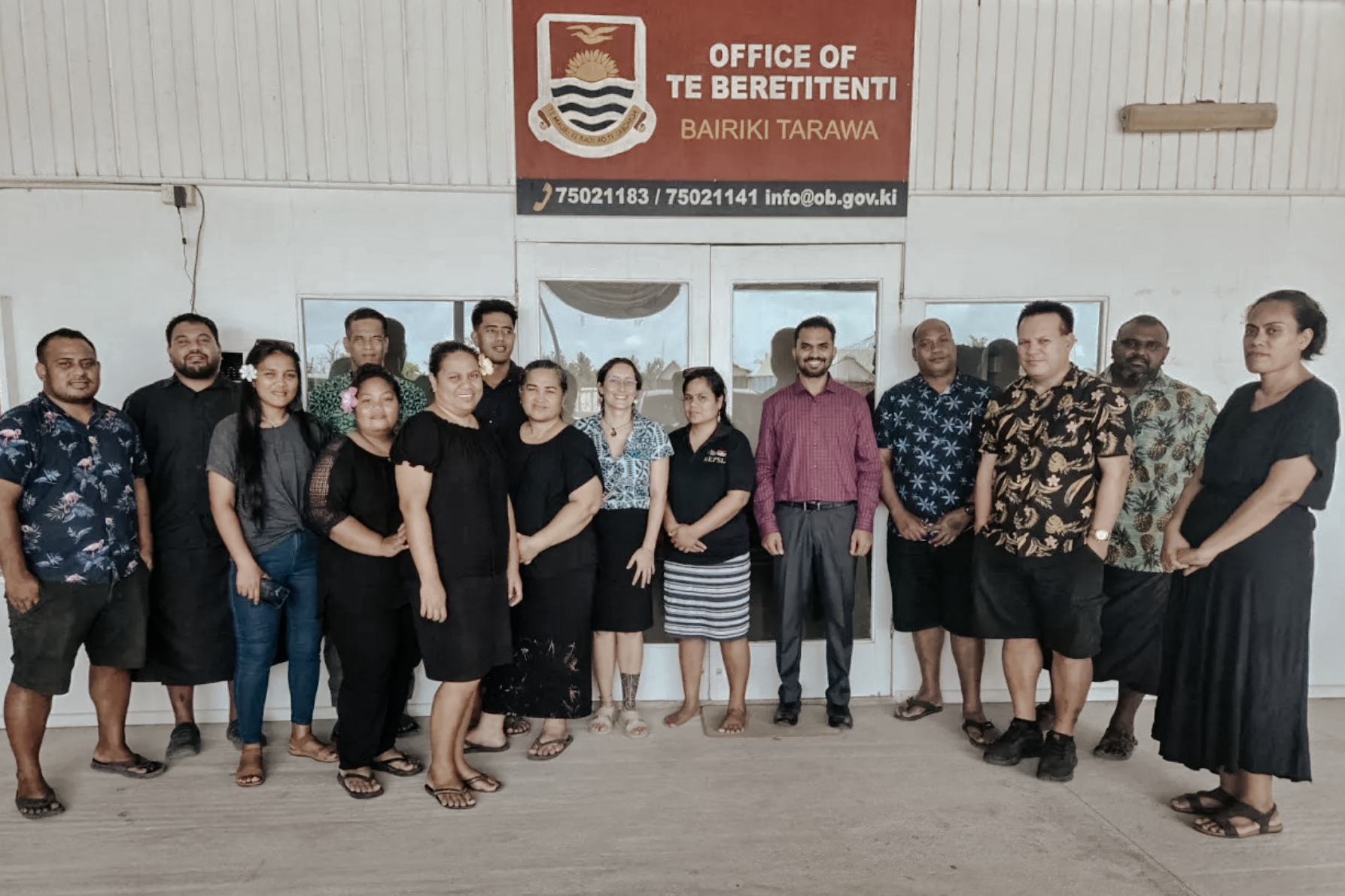
From Ambition to Implementation: Kiribati’s Climate Investment Pathway
Efforts are now underway to update Kiribati’s Nationally Determined Contribution (NDC) Investment Plan, with the support of the Regional Pacific NDC Hub. First developed in 2021. the investment plan provides a structured roadmap for translating national climate targets into concrete investment opportunities.
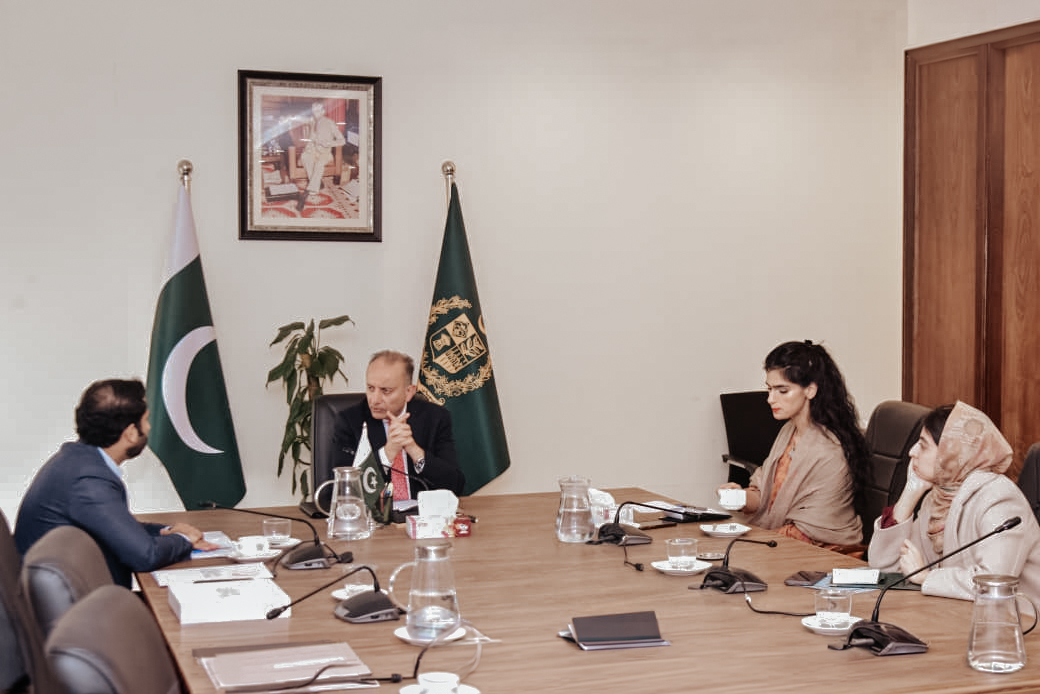
CVF-V20 Backs Evidence-Based Climate and Economic Decisions in Pakistan
The CVF-V20 Secretariat met with Pakistan’s Minister for Climate Change, H.E. Dr. Musadik Malik, on January 8 to align on how CVF-V20 tools and approaches can support national decision-making and delivery on climate and economic priorities. The discussion focused on positioning the Green Economy Model–Prosperity (GEM-P) as a practical, evidence-based tool for the Prime Minister’s Task Force, alongside advancing the launch and implementation of Pakistan’s Climate Prosperity Plan (CPP).
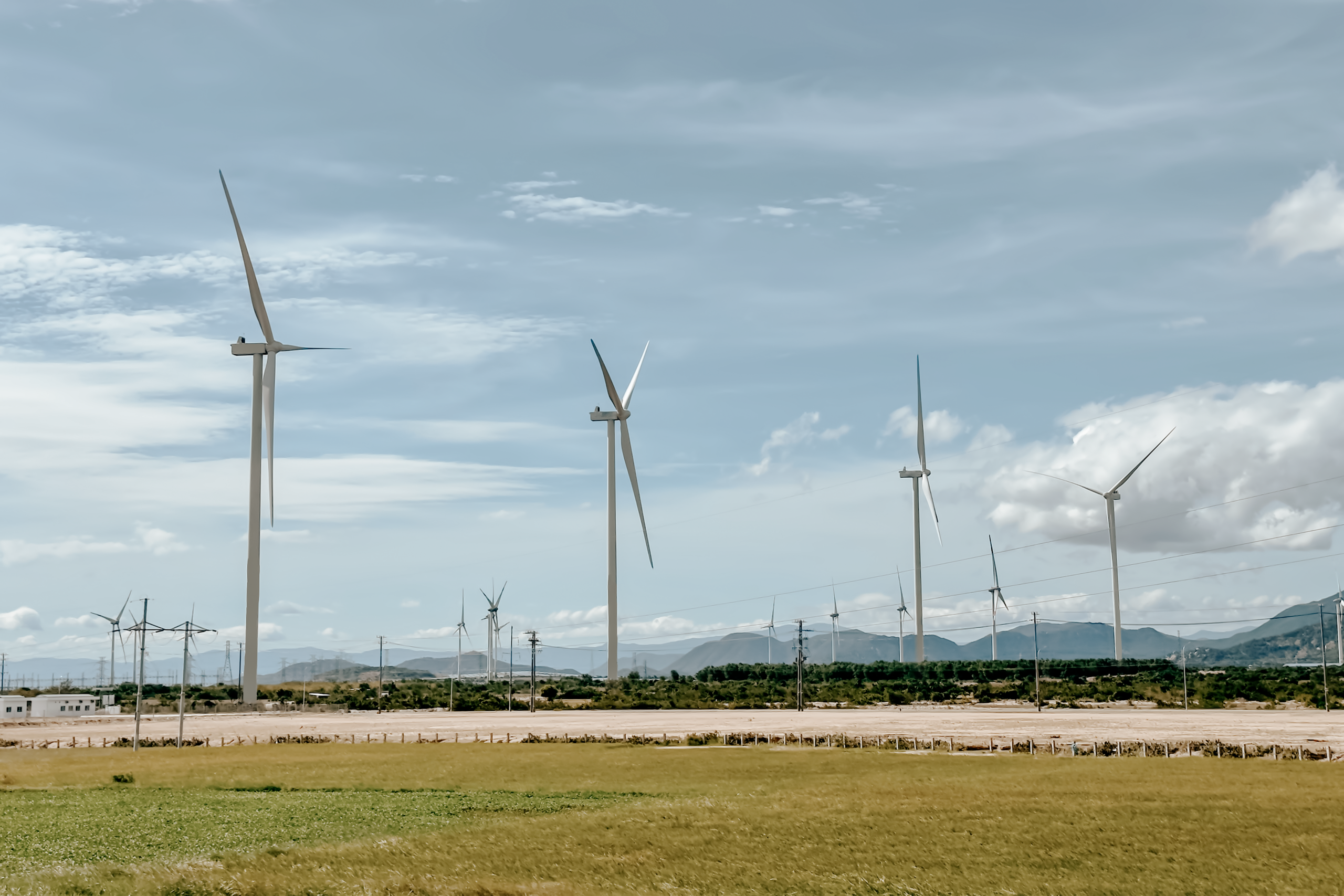
Viet Nam Calls for Stronger Global Commitments and Climate Finance at COP30
At the High-Level Segment of the COP30 in Belém, Brazil, the Socialist Republic of Viet Nam’s delegation, led by Deputy Minister Le Cong Thanh, recalled the principle of Common but Differentiated Responsibility and Respective Capabilities (CBRD-RC), demanding stronger action and financial commitment from the developed world.

Honduras and Suriname Pilot Sovereign Article 6.2 Carbon Credits for Rainforest Conservation
The Republics of Honduras and Suriname have signed a Letter of Intent (LoI) with Deutsche Bank, Bayer, Siemens, Symrise, and the Coalition for Rainforest Nations (CfRN) to pilot the issuance of high-integrity, rainforest-based carbon credits under Article 6.2 of the Paris Agreement.
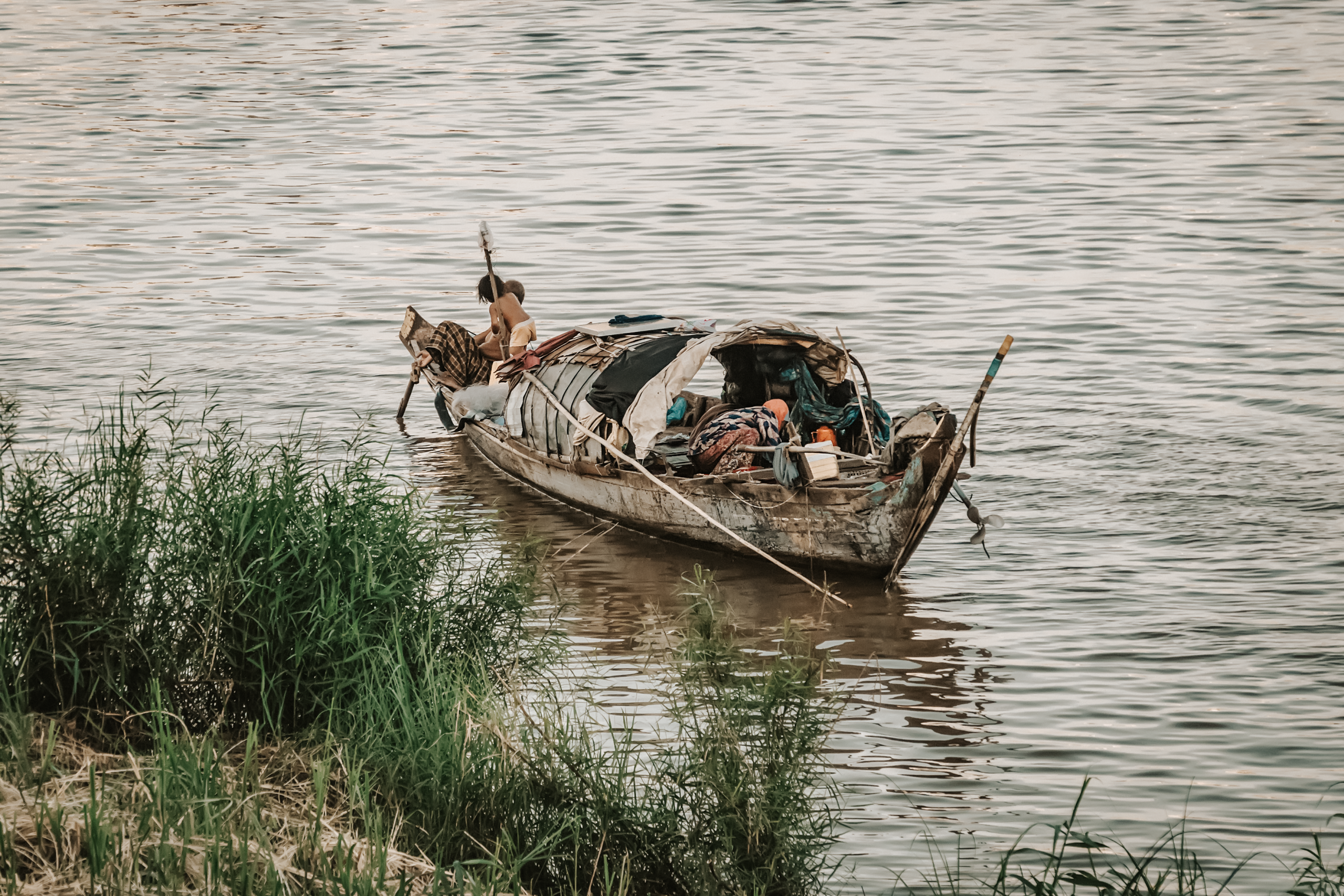
Cambodia Unlocks USD 9.8 Million GCF Funding to Enhance Climate Resilience
Fifteen climate-vulnerable districts located in Battambang, Preah Vihear, and Pursat Provinces of Cambodia will receive adequate capacity and funding to better implement local climate resiliency plans, after the government secured USD 9.8 million for the Third Phase of Local Governments and Climate Change (LGCC-III).
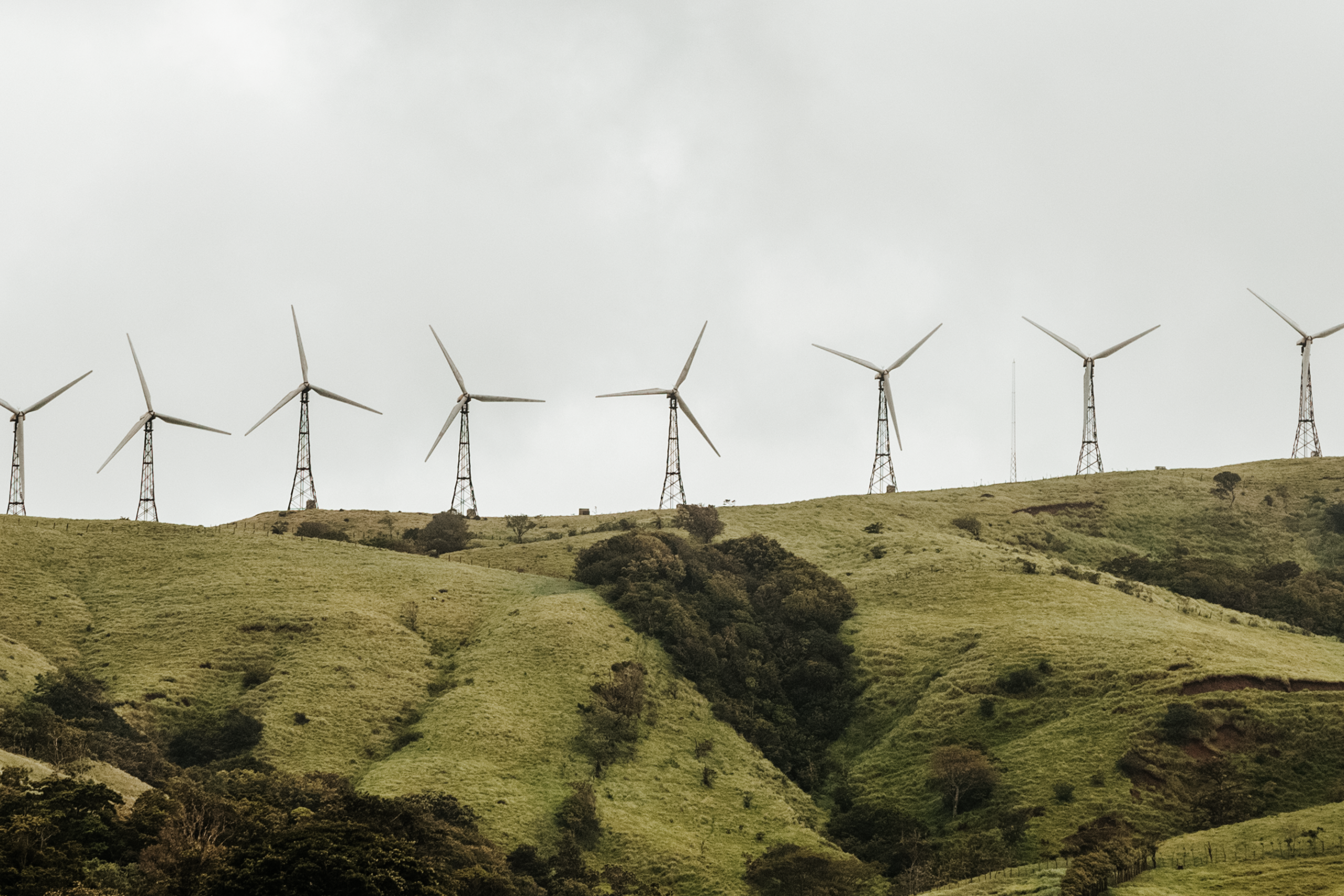
Costa Rica Runs on Renewable Energy, Leaves Fossil Fuel Behind
Almost 100% renewable energy powers Costa Rica’s energy mix, with electricity harnessed from hydroelectric, geothermal, solar, and wind energy. Successful with its green transition that peaked a decade ago, the country now gears toward carbon neutrality by 2050.
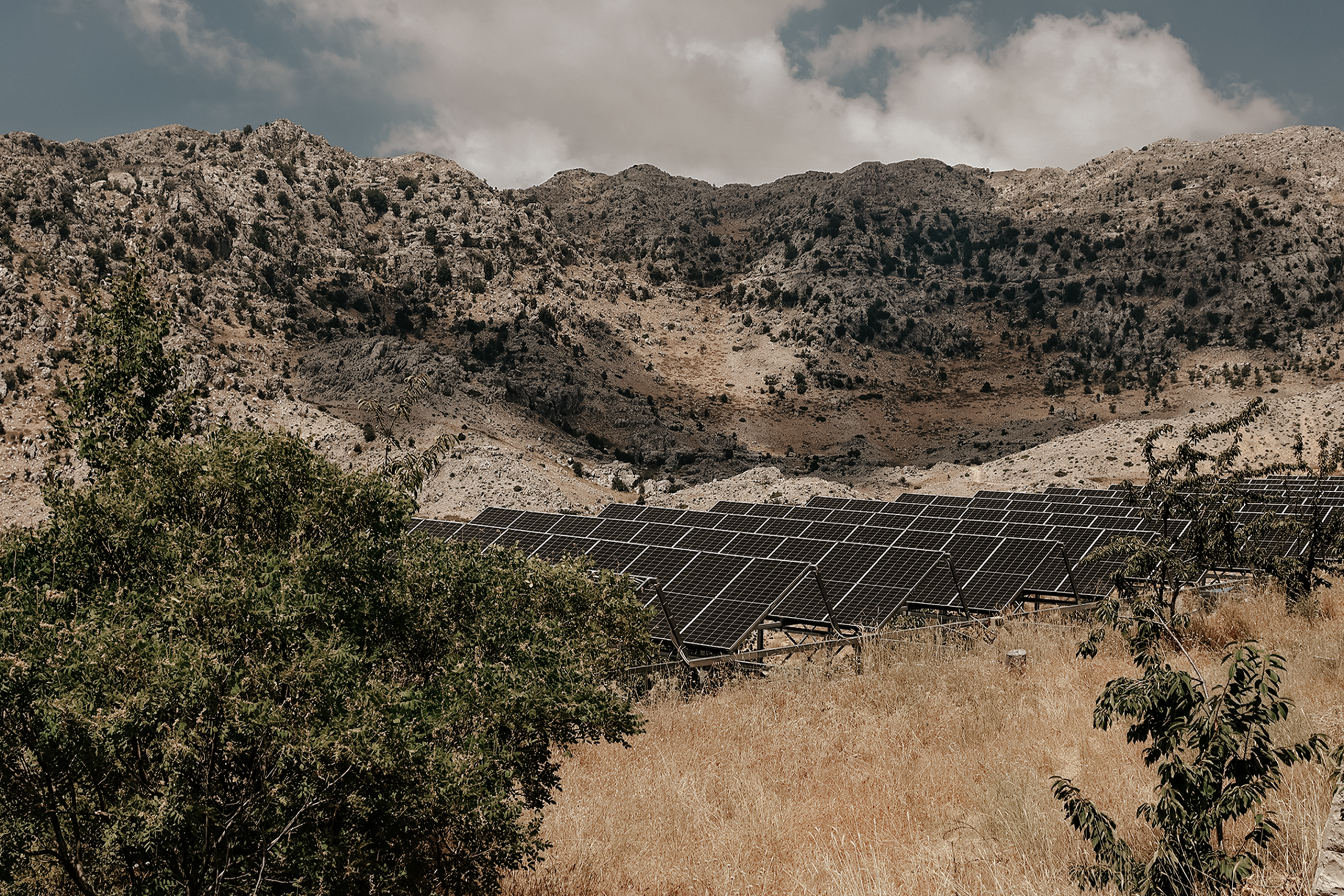
Lebanon Accelerates Climate Action, Launches Climate Policy Package
Risks of breaching the 1.5 °C Paris Agreement goal urged the Lebanese Republic to develop a climate policy package that brings together three key climate roadmaps—National Adaptation Plan (NAP 2025–2035), the updated Nationally Determined Contribution (NDC 3.0), and the Long-Term Low Emission Development Strategy (LT-LEDS).