Advancing Climate Investment Pathways in Pakistan
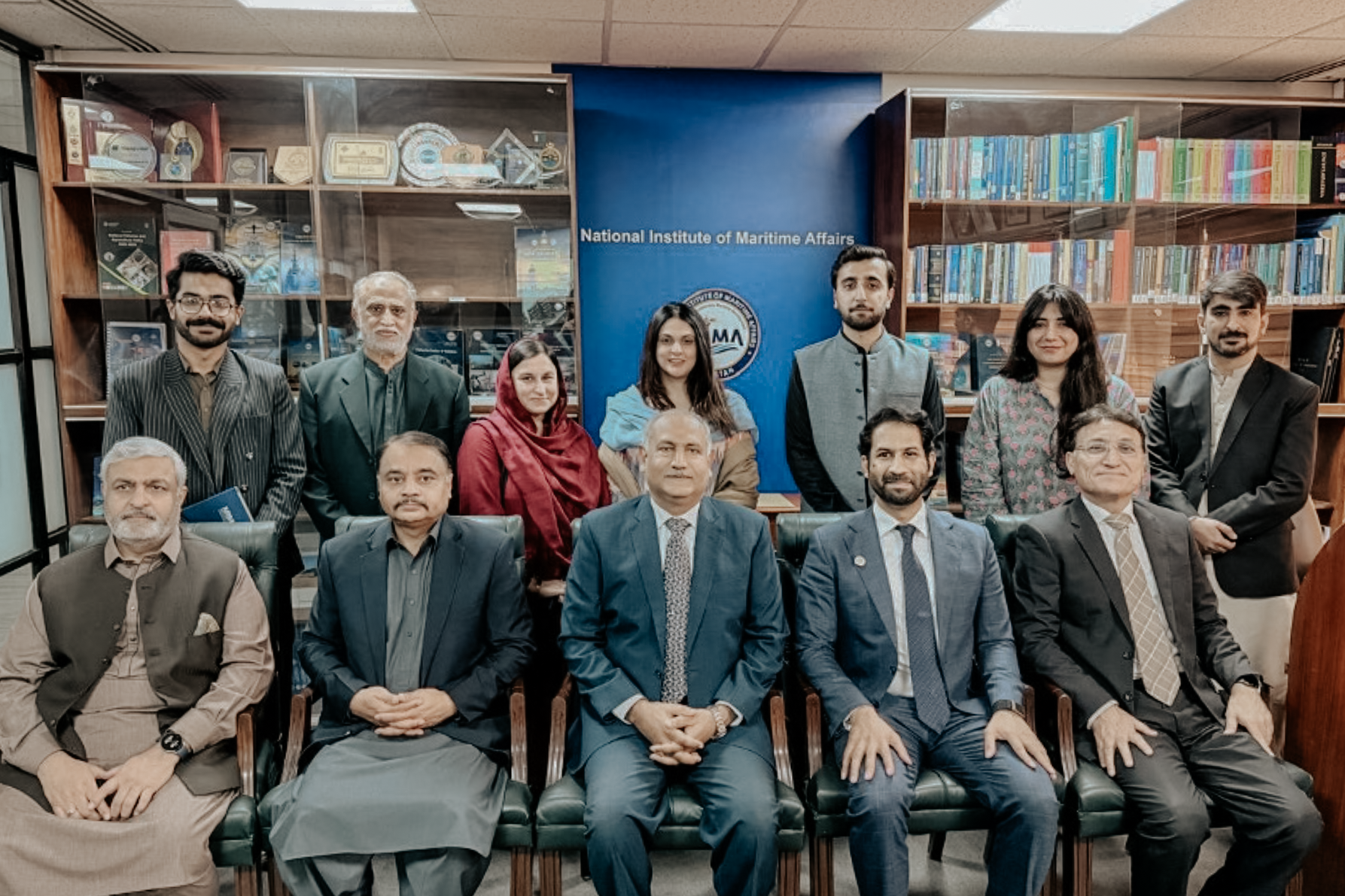
In February, a series of engagements with key institutions across Pakistan explored ways to strengthen the investment pipeline under the country’s Climate Prosperity Plan (CPP). The CVF-V20 South Asia team met with a range of stakeholders to discuss how sector reforms, research initiatives, and large-scale programs can be translated into bankable projects that attract international investment across infrastructure, renewable energy, agriculture, and the blue economy.

Fiji Strengthens Ocean Governance with 30×30 Targets
Fiji is taking its ocean governance to new heights with a revitalized commitment to protect 30% of its water by 2030. At the heart of this conservation initiative lies a rigorous, evidence-based, data-driven discussion among experts and government officials. With the Ministry of Fisheries at the forefront of this movement, Fiji is ensuring that its country-wide efforts align with the global 30×30 Initiative and international obligations under the Western and Central Pacific Fisheries Commission.
Empowering Communities: Accelerating Local Renewable Energy Transition in the Philippines
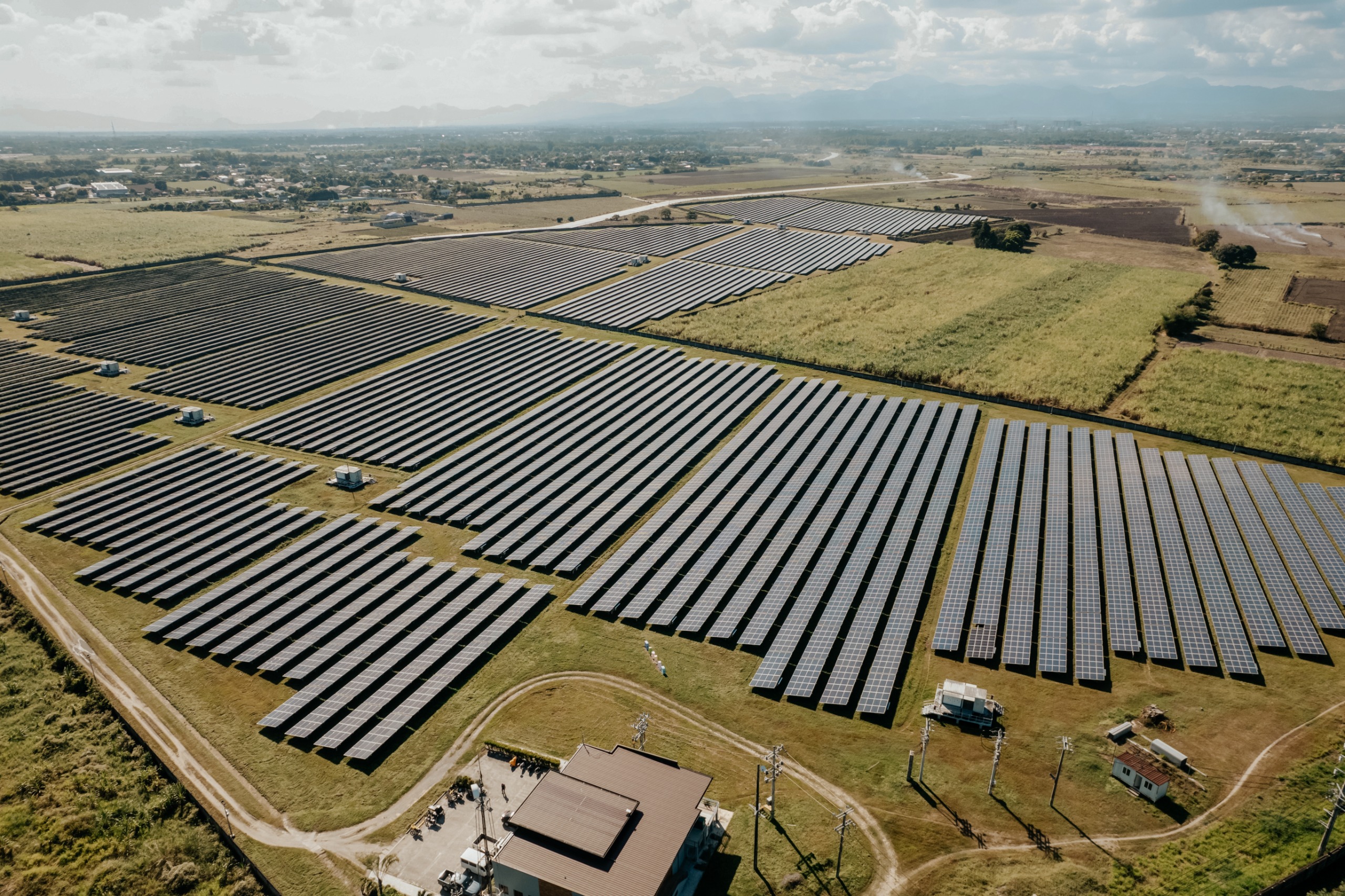
Subnational governance and local community participation emerges vital in realizing the ambitious renewable energy targets of the Philippines—achieving a 35% renewable energy share in the power generation mix by 2030, 50% by 2040, and more than 50% by 2050.

Care for the Blue Economy: Saint Lucia Charts a Sustainable Course
Saint Lucia is championing sustainable ocean governance with comprehensive blue economy strategies designed to strengthen economic resilience and foster inclusive growth.
The Coastal and Marine Spatial Plan, developed under the Caribbean Regional Oceanscape Project, provides a roadmap for the sustainable and equitable use of the coastal and marine spaces, protection of coastal and marine ecosystems, and management of land-water interactions.
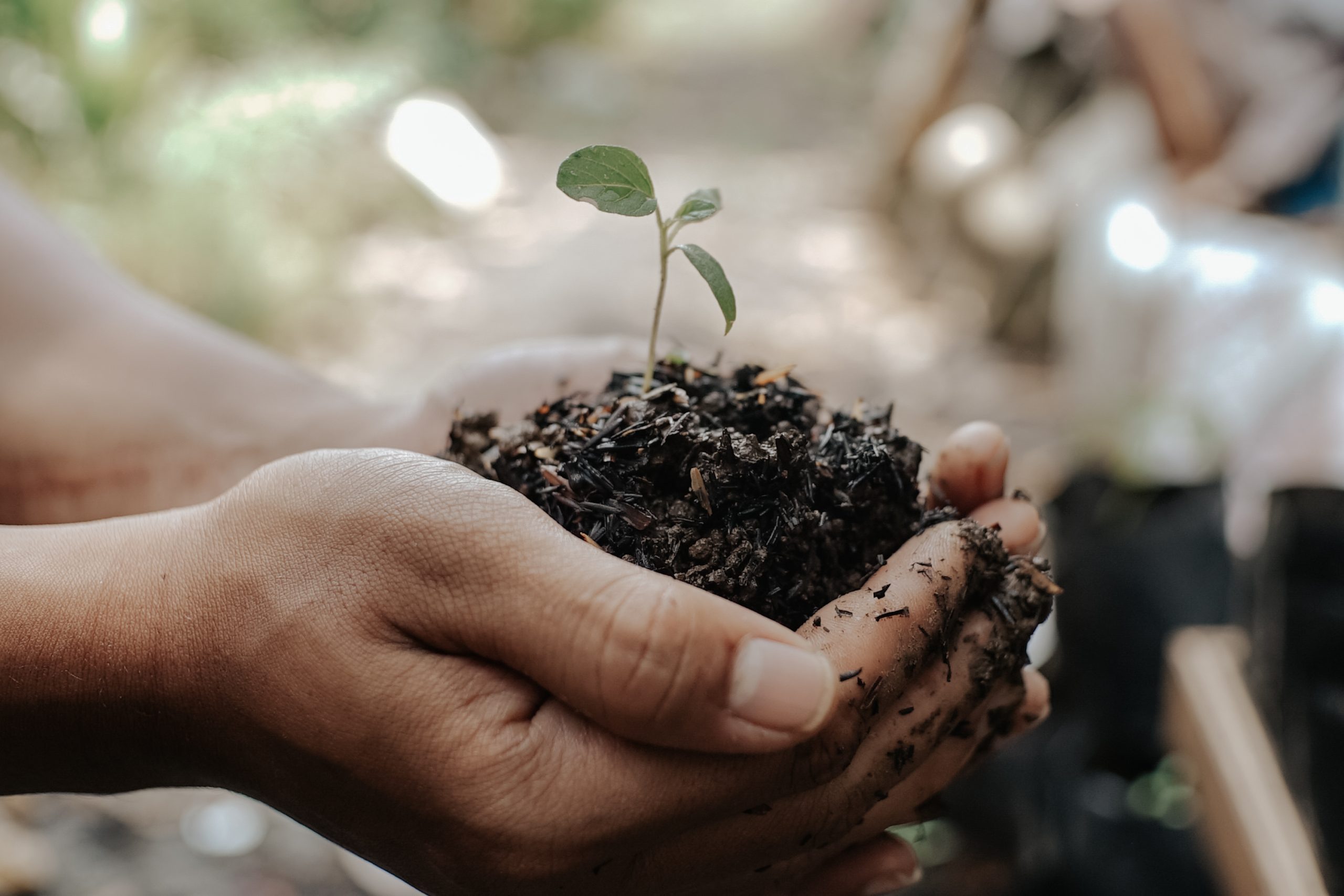
The Right Union: Gabon Proves Conservation and Economic Growth Can Coexist
The Gabonese Republic has been classified as a high-forest low-deforestation country, with a recorded deforestatizgreon rate of just 0.6%. This remarkable outcome highlights the impact of forward-looking national policies and ambitious government commitments amid mounting threats of forest degradation across Africa.
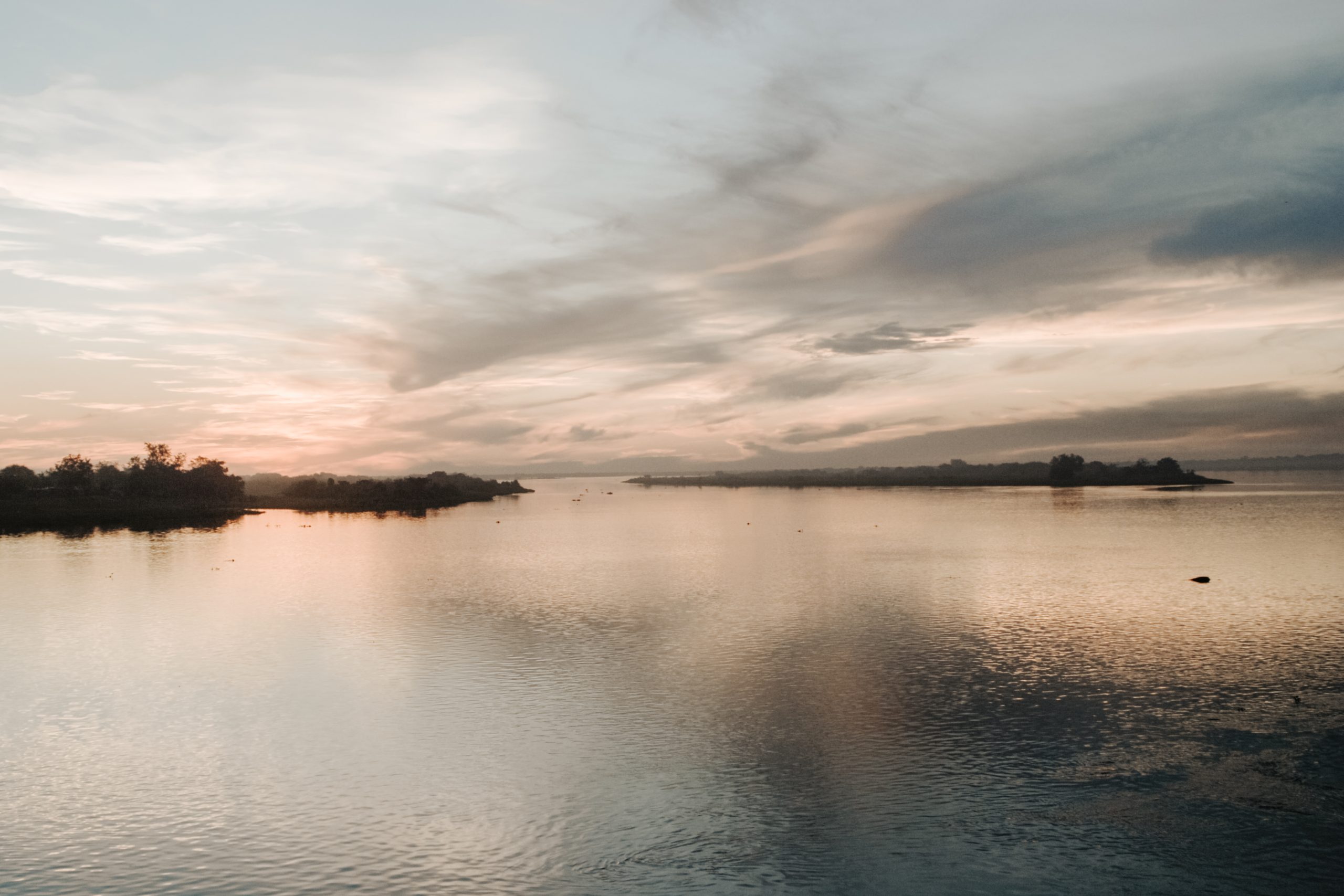
Market Romance: Paraguay’s Carbon Credit Innovation and Climate Investments
With strong legislative enforcement of the Carbon Credit Law, the Republic of Paraguay is advancing environmental protection and conservation in the Chaco region, supporting projects that safeguard ecosystems while attracting over USD 10 million in responsible investment. At the same time, the country is expanding certification processes across more than 400,000 hectares, strengthening long-term stewardship of forests, biodiversity, and natural carbon sinks.
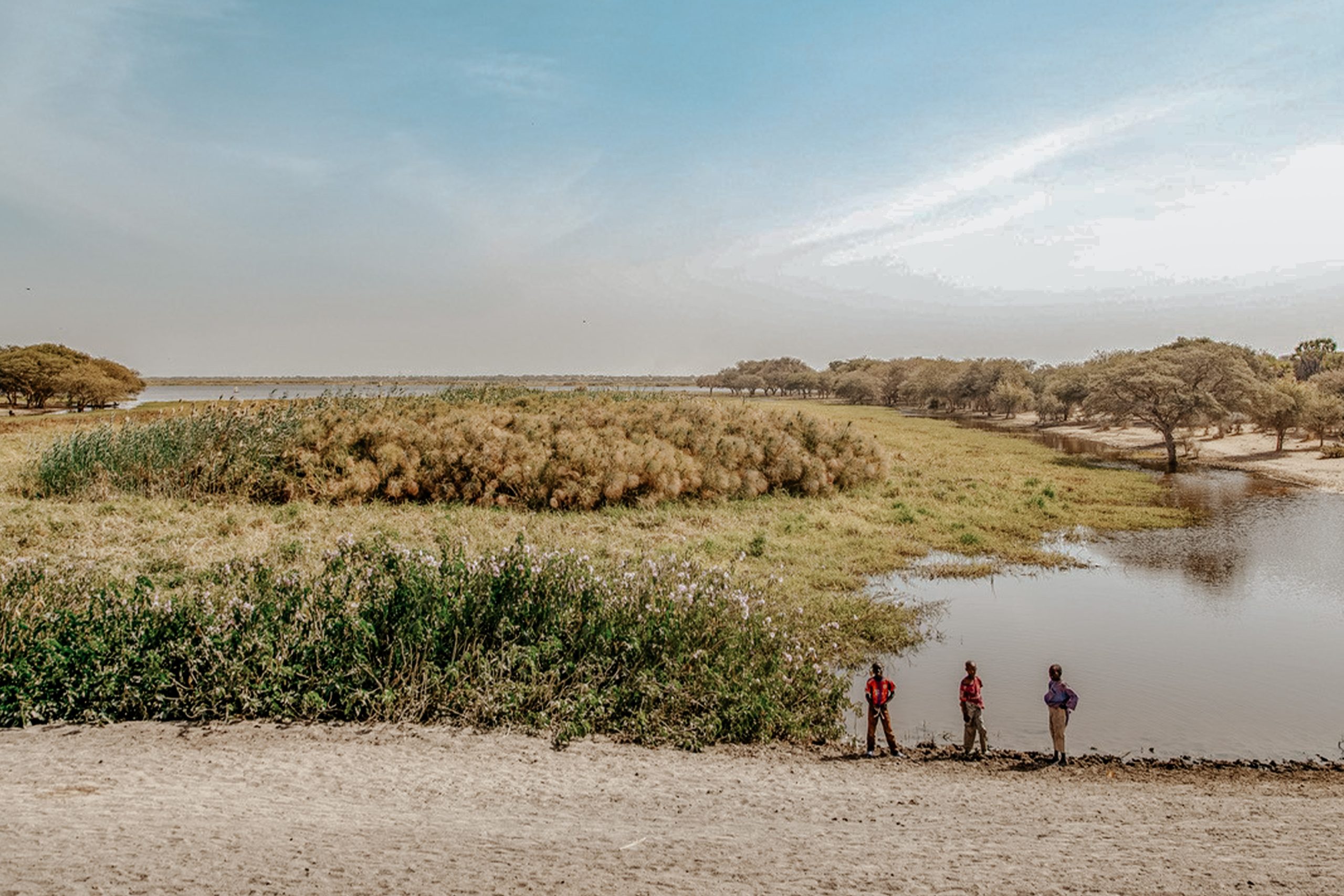
Community Vow: Chad Rolls Out Nationwide Drive for Environmental Responsibility
Strengthening environmental stewardship in Chad has reached a pivotal milestone with the launch of a nationwide campaign to implement Law No. 023. This legislative framework, bolstered by international partnerships and localized outreach, represents a shift from abstract policy to community-led conservation.
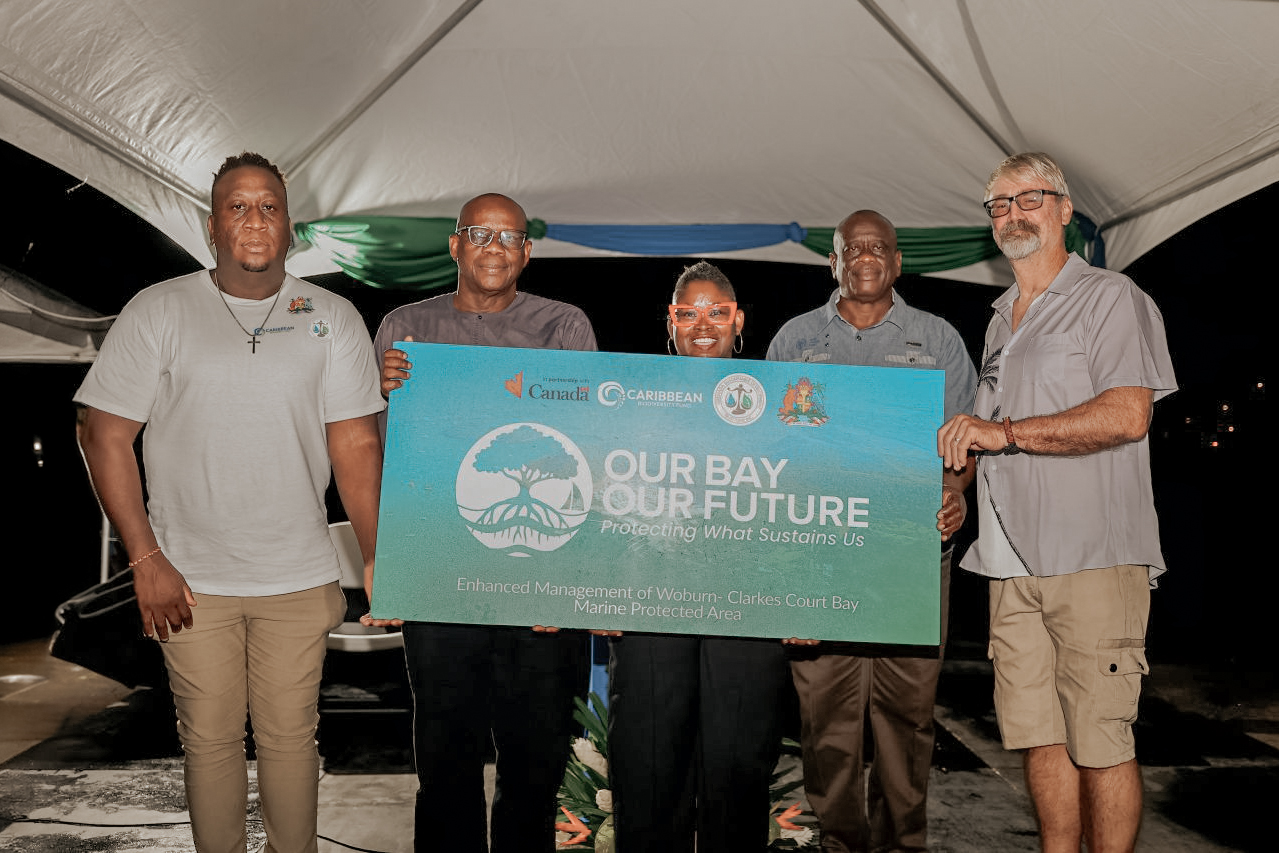
Protect What You Love: Grenada’s Community-Driven Marine Conservation
Our Bay, Our Future takes center stage as Grenada seeks to advance its marine protection initiatives. The project was officially launched last month at the Woburn Bay Jetty by the Caribbean Biodiversity Fund in collaboration with the Grenada Sustainable Development Trust Fund and with the financial support of Global Affairs Canada.
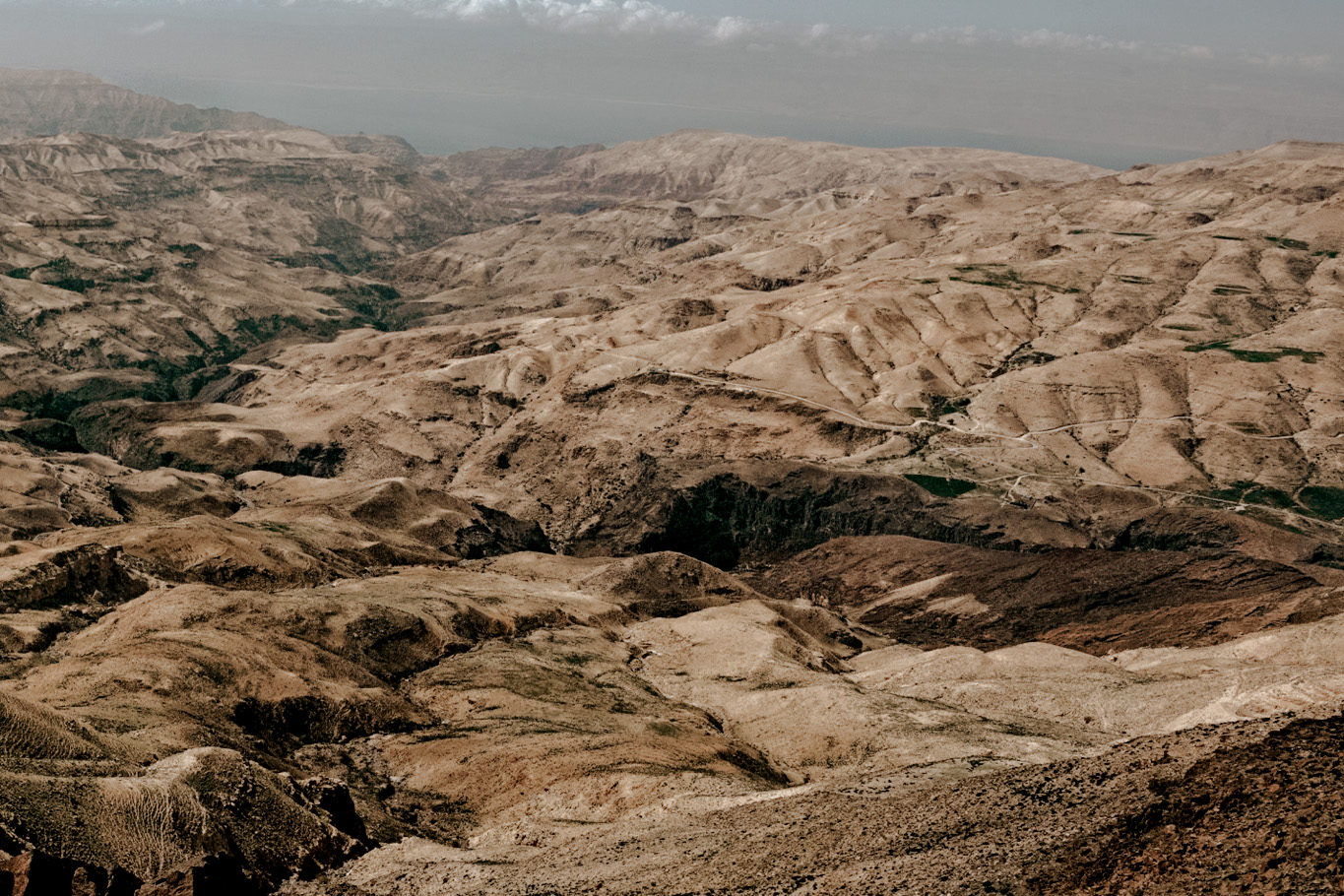
Ecosystems at the Heart of Jordan’s Adaptation Agenda
Jordan’s National Adaptation Plan (NAP) 2025 reflects a strategic shift toward embedding environmental resilience and nature‑based solutions at the heart of national climate adaptation planning.

Embracing Bamboo as a Pathway to Resilience in the Philippines
The Philippines is turning to one of its oldest natural resources to help secure a more resilient future, placing nature at the heart of climate action through a renewed national push for bamboo development. This month, the Climate Change Commission (CCC) launched the campaign “Kawayan: Kabalikat ng Klima at Komunidad,” highlighting bamboo as a powerful nature-based solution that supports environmental protection, community resilience, and sustainable livelihoods.
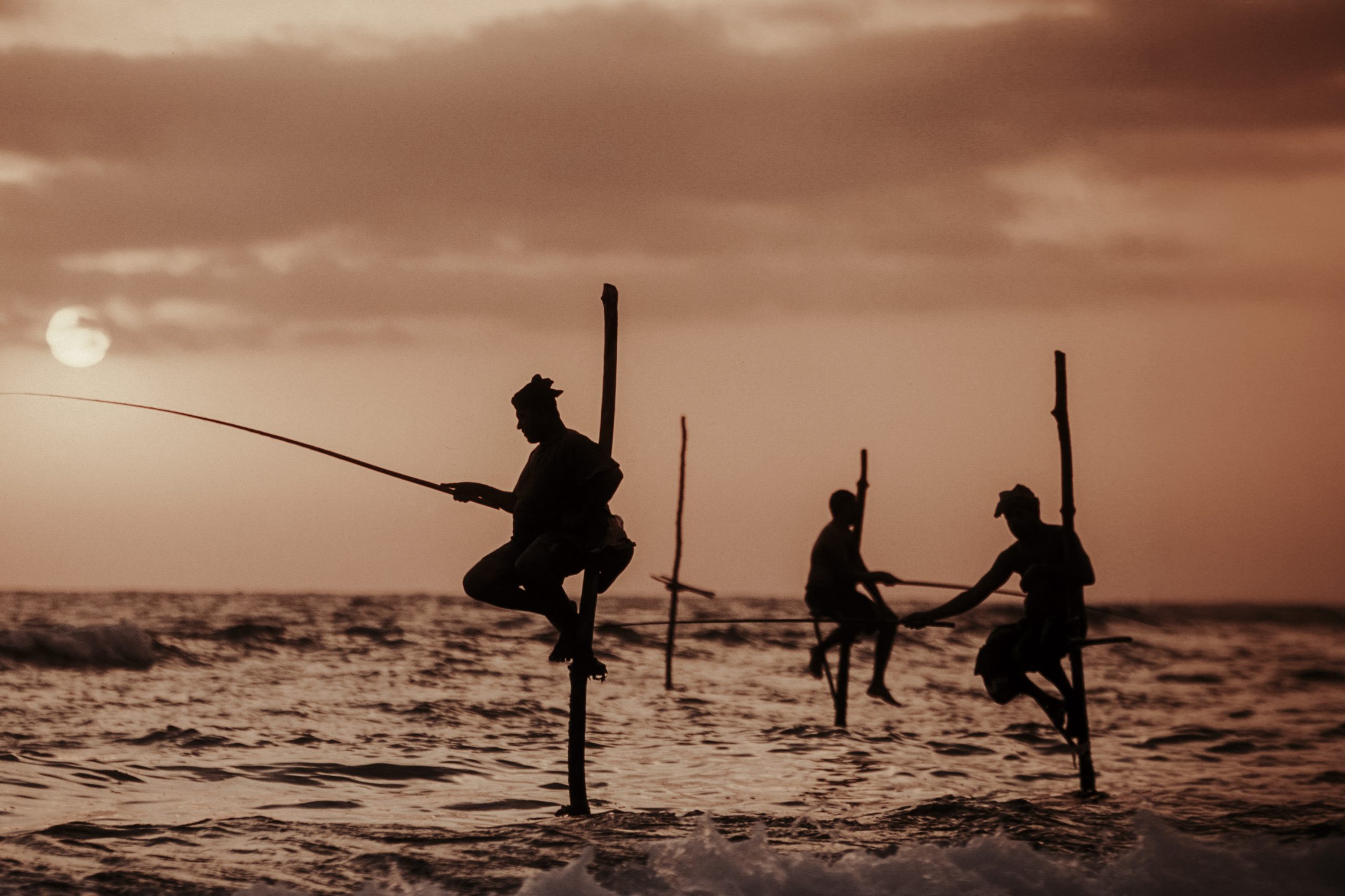
Sri Lanka’s Love Letter to the High Seas
Sri Lanka is taking steps to strengthen national stewardship of marine biodiversity in response to the entry into force of the Biodiversity Beyond National Jurisdiction (BBNJ) Agreement. This landmark international treaty, which entered into force in January 2026, establishes a global framework for conserving and sustainably using marine life in the high seas.
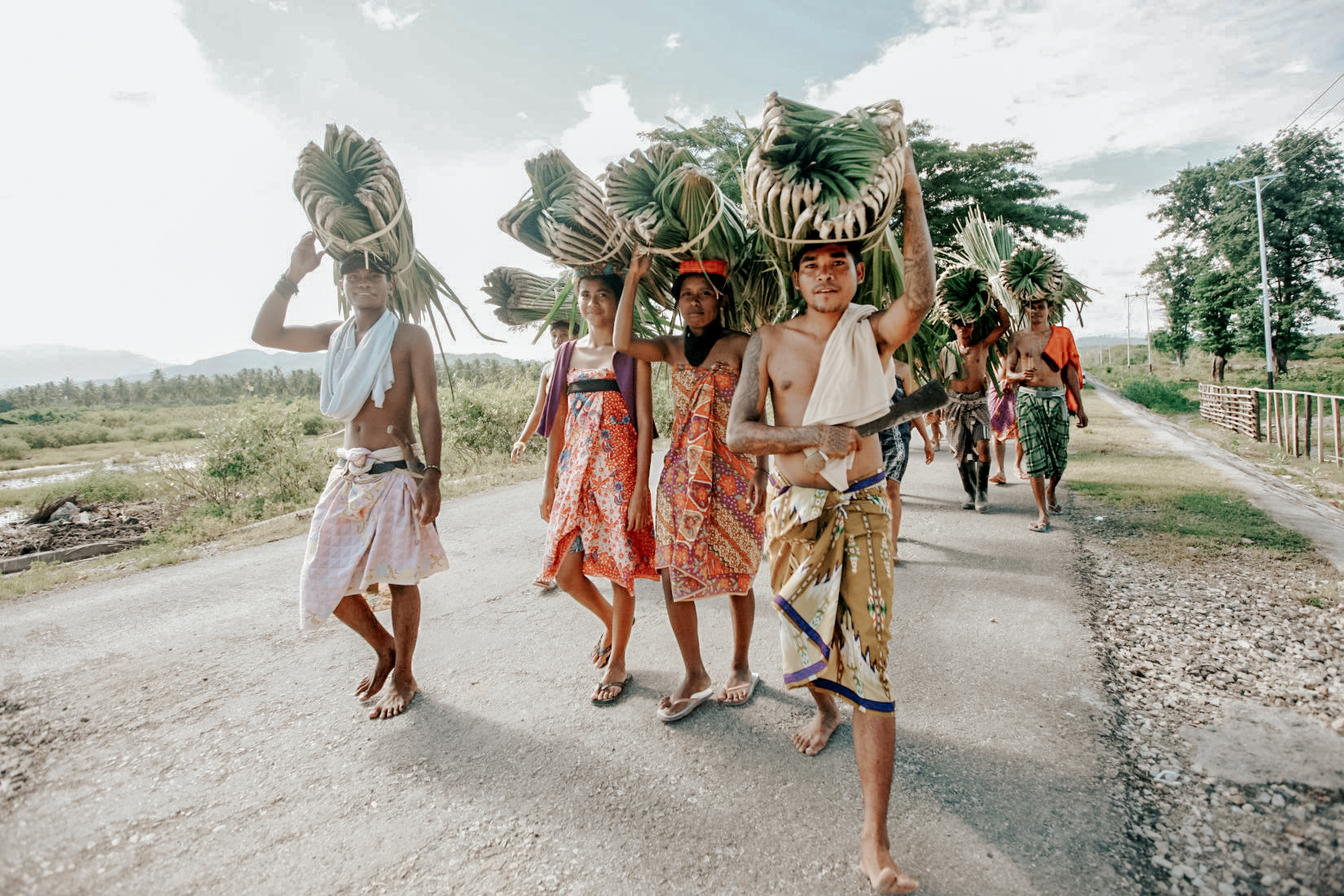
Loving Nature through Restoration, Strengthening Communities in Timor-Leste
In Timor-Leste, a new climate initiative is working to restore ecosystems while strengthening rural resilience. The project, led by the United Nations Environment Programme (UNEP) with national partners, aims to help communities adapt to climate change by rebuilding the natural systems they depend on.