From Ambition to Implementation: Kiribati’s Climate Investment Pathway
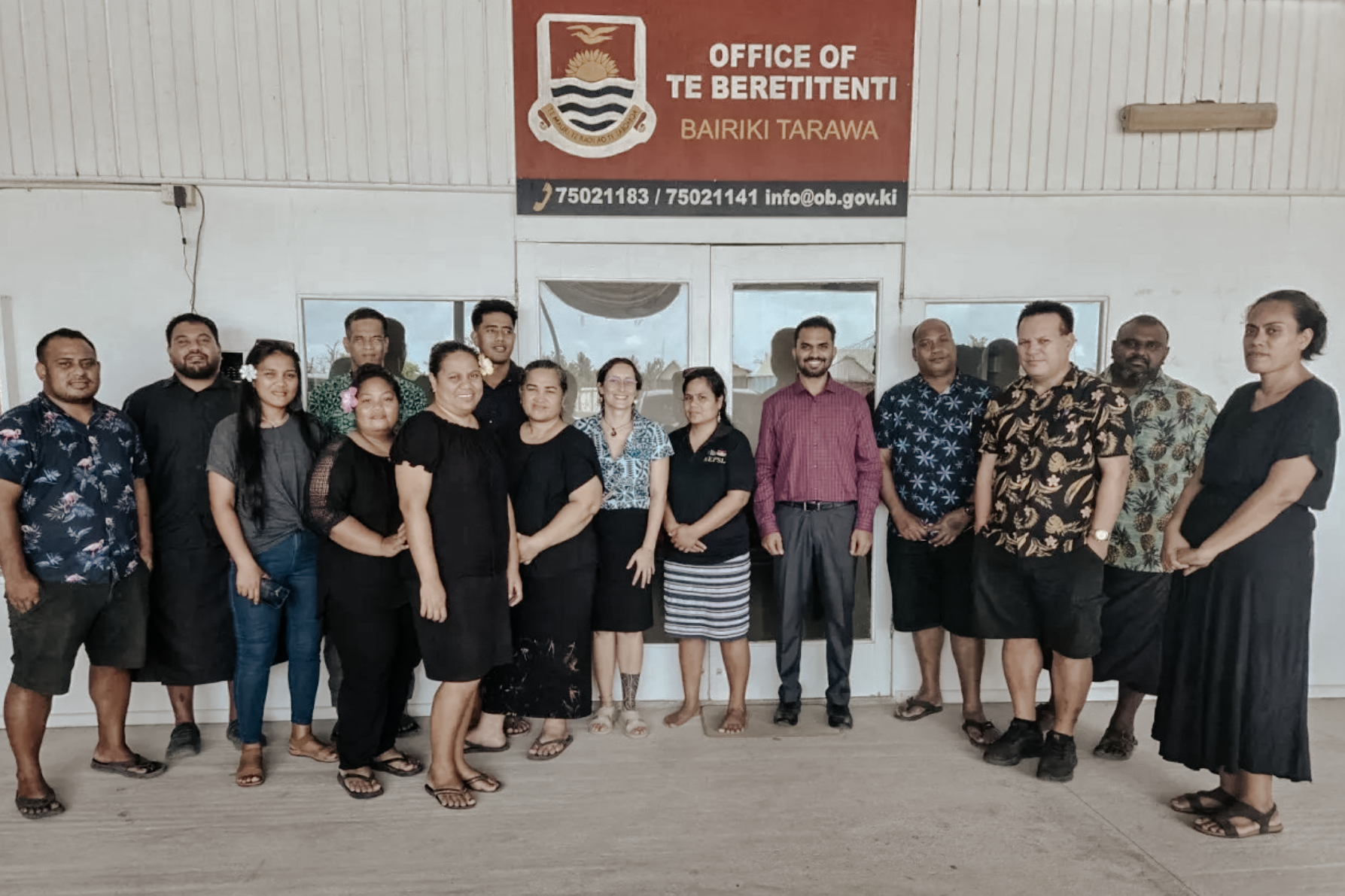
Efforts are now underway to update Kiribati’s Nationally Determined Contribution (NDC) Investment Plan, with the support of the Regional Pacific NDC Hub. First developed in 2021. the investment plan provides a structured roadmap for translating national climate targets into concrete investment opportunities.
Advancing Climate Investment Pathways in Pakistan
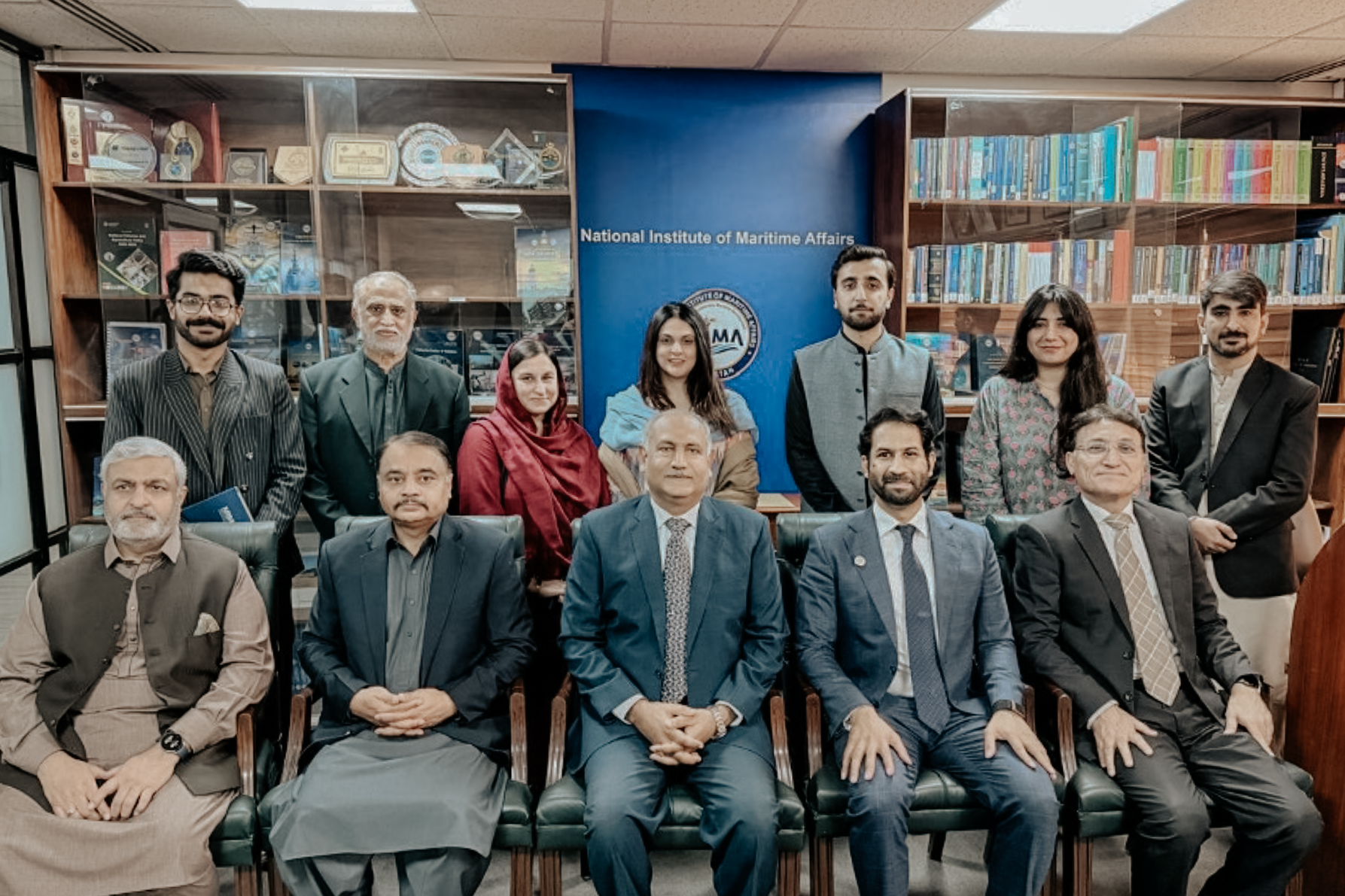
In February, a series of engagements with key institutions across Pakistan explored ways to strengthen the investment pipeline under the country’s Climate Prosperity Plan (CPP). The CVF-V20 South Asia team met with a range of stakeholders to discuss how sector reforms, research initiatives, and large-scale programs can be translated into bankable projects that attract international investment across infrastructure, renewable energy, agriculture, and the blue economy.

Fiji Strengthens Ocean Governance with 30×30 Targets
Fiji is taking its ocean governance to new heights with a revitalized commitment to protect 30% of its water by 2030. At the heart of this conservation initiative lies a rigorous, evidence-based, data-driven discussion among experts and government officials. With the Ministry of Fisheries at the forefront of this movement, Fiji is ensuring that its country-wide efforts align with the global 30×30 Initiative and international obligations under the Western and Central Pacific Fisheries Commission.
Empowering Communities: Accelerating Local Renewable Energy Transition in the Philippines
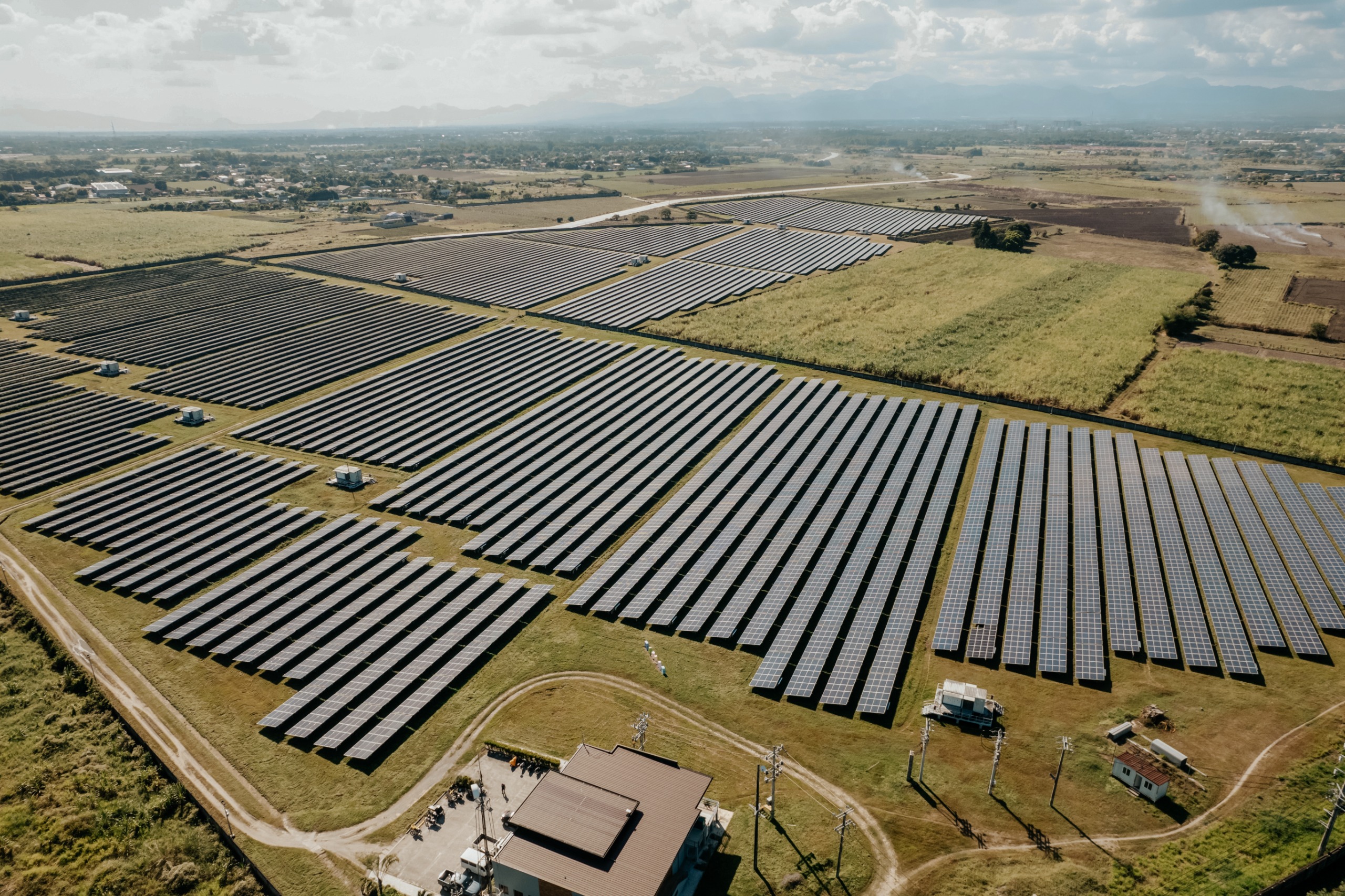
Subnational governance and local community participation emerges vital in realizing the ambitious renewable energy targets of the Philippines—achieving a 35% renewable energy share in the power generation mix by 2030, 50% by 2040, and more than 50% by 2050.
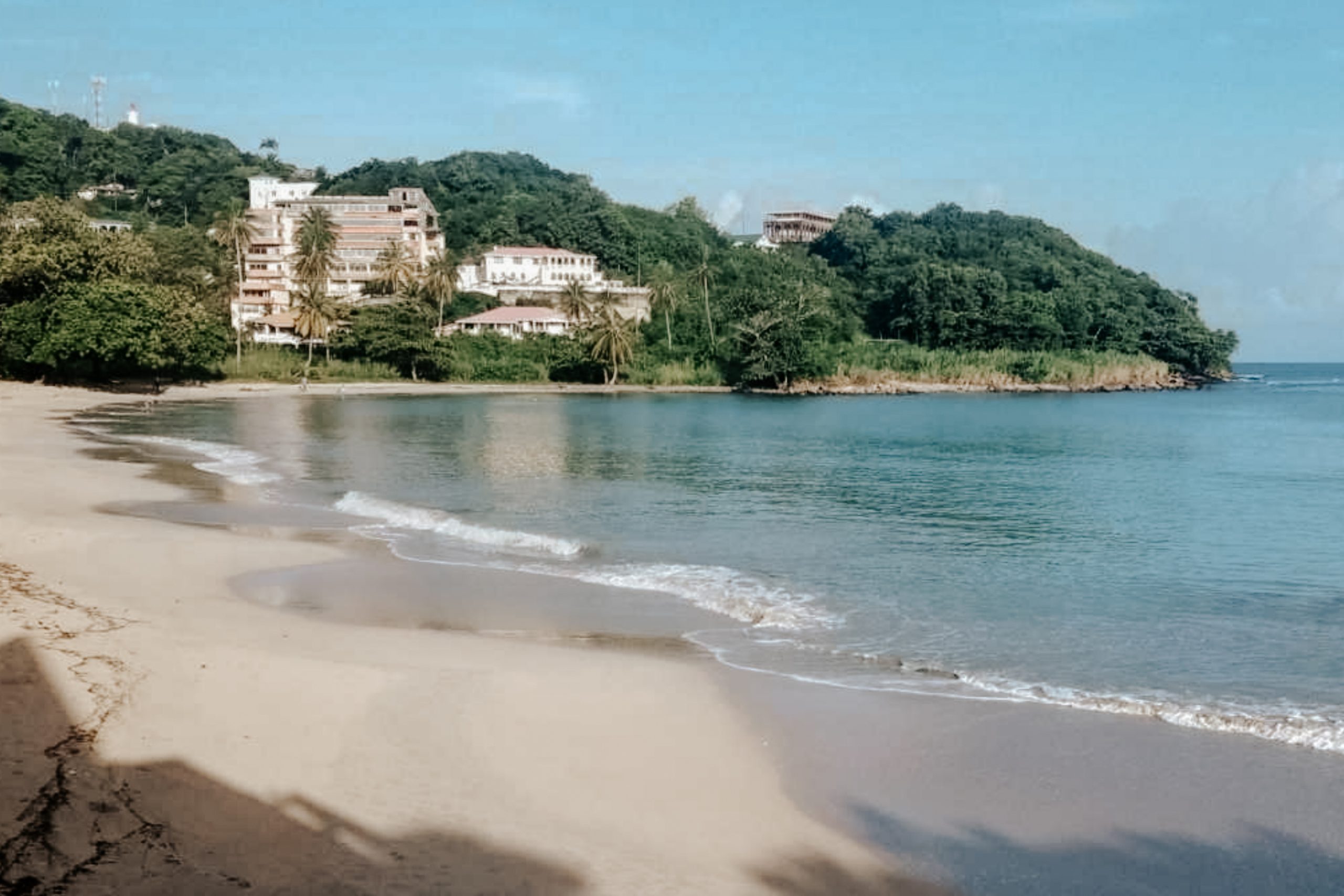
Care for the Blue Economy: Saint Lucia Charts a Sustainable Course
Saint Lucia is championing sustainable ocean governance with comprehensive blue economy strategies designed to strengthen economic resilience and foster inclusive growth.
The Coastal and Marine Spatial Plan, developed under the Caribbean Regional Oceanscape Project, provides a roadmap for the sustainable and equitable use of the coastal and marine spaces, protection of coastal and marine ecosystems, and management of land-water interactions.
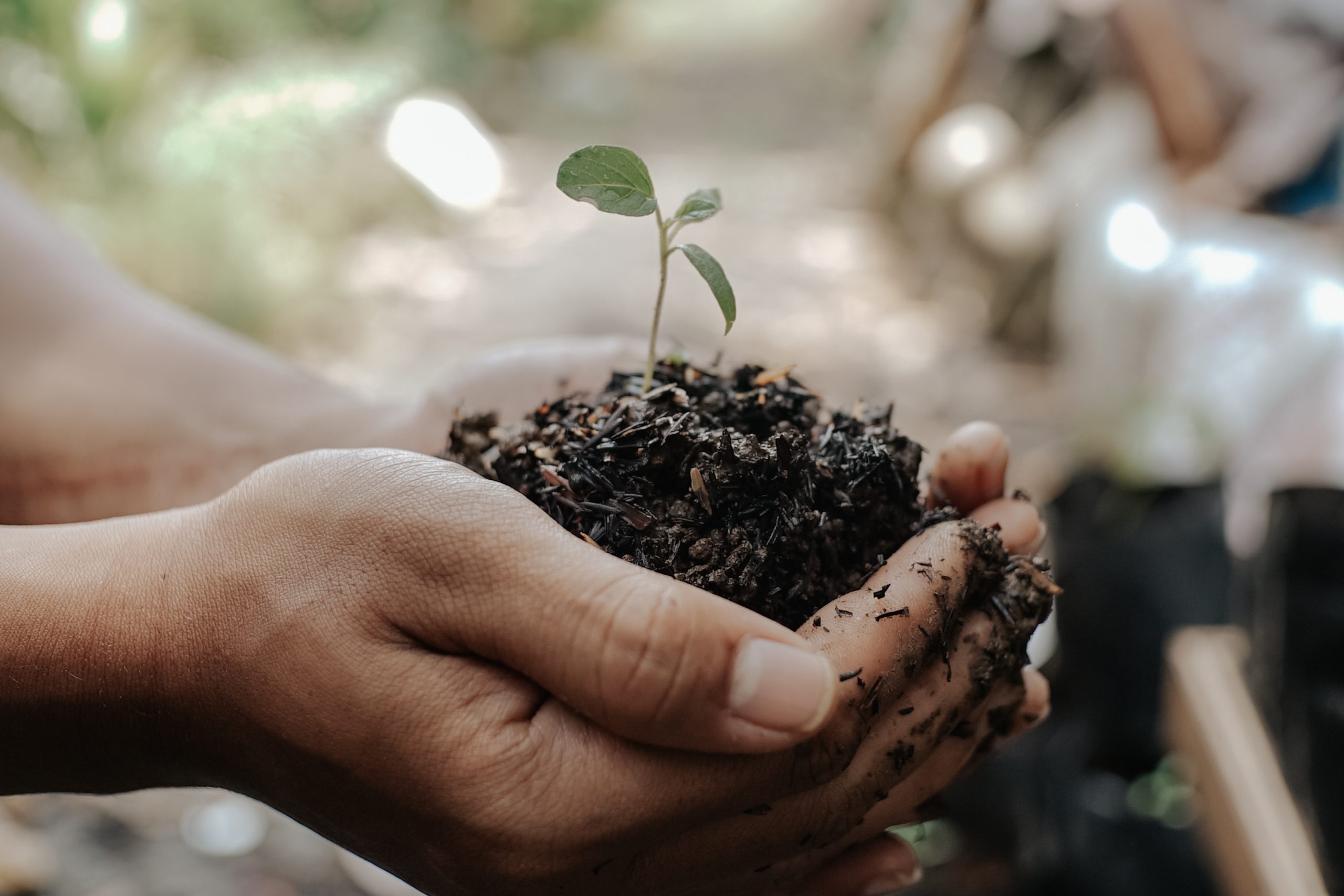
The Right Union: Gabon Proves Conservation and Economic Growth Can Coexist
The Gabonese Republic has been classified as a high-forest low-deforestation country, with a recorded deforestatizgreon rate of just 0.6%. This remarkable outcome highlights the impact of forward-looking national policies and ambitious government commitments amid mounting threats of forest degradation across Africa.

CVF-V20 Makes the Case for Green Industrialization at Pakistan-China Dialogue
The CVF-V20 participated in the Pakistan-China Industrialization Dialogue, hosted by the Pakistan-China Institute on 5 May 2026, bringing the perspective of climate-vulnerable economies into discussions on industrial transformation, strategic finance, and resilient development. The dialogue brought together policymakers, business leaders, Chinese and Pakistani enterprises, financial institutions, and experts to explore how Pakistan-China cooperation can move from connectivity toward joint production, technology transfer, export competitiveness, and climate-smart industrialization.
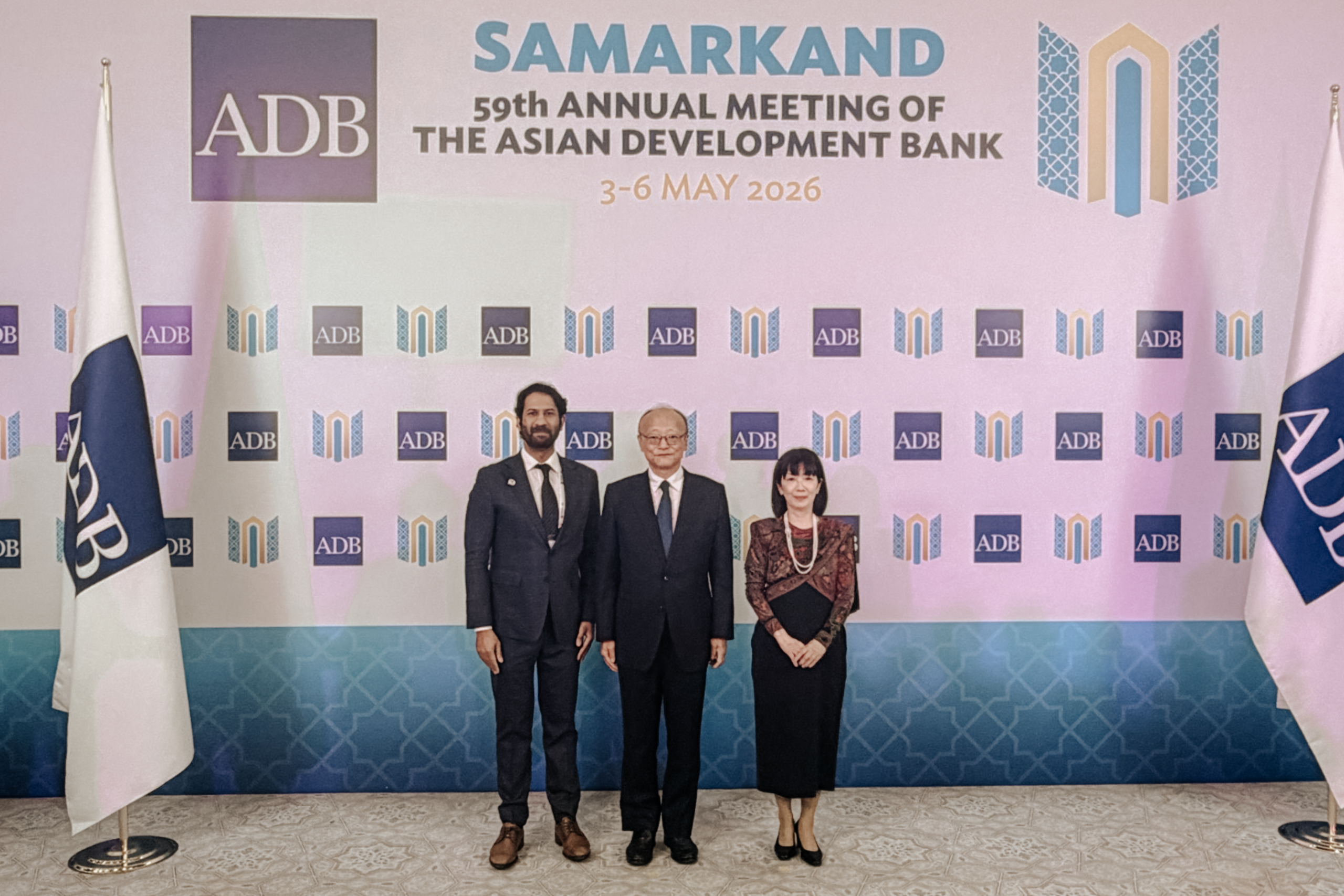
CVF-V20 Advances Climate Prosperity Partnerships at ADB Annual Meeting in Samarkand
The CVF-V20 Secretariat participated in the 59th Asian Development Bank Annual Meeting, held in Samarkand, Uzbekistan, from May 3 to 6, under the theme “Crossroads of Progress: Advancing the Region’s Connected Future.” The delegation represented the interests of climate-vulnerable economies in discussions on regional development, climate finance, and multilateral cooperation.
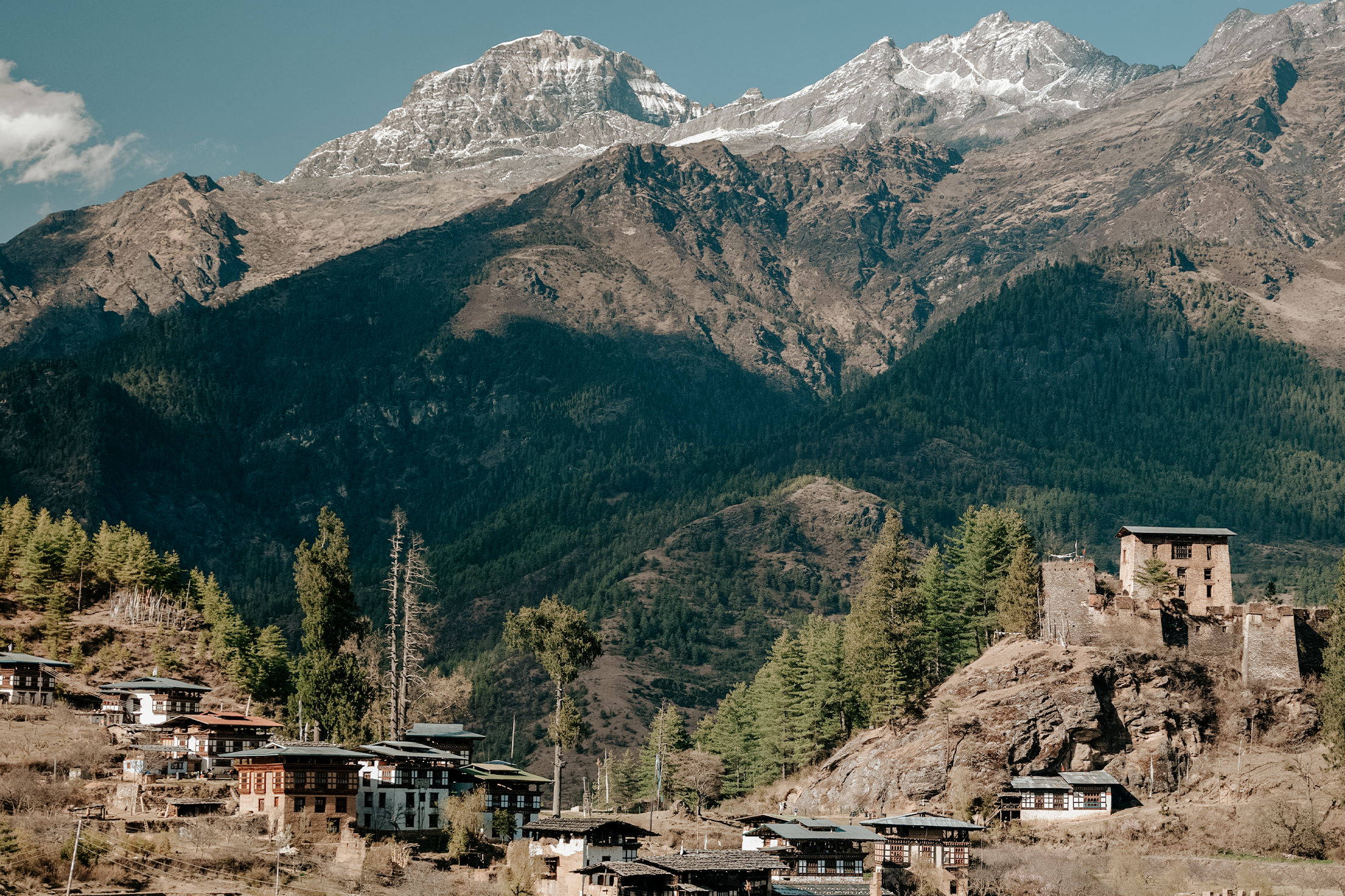
Bhutan’s Journey Toward Prosperity
From my perspective, working in climate finance, the Bhutan Resource Mobilization Plan (BRMP) is not simply about mobilizing more resources; it is about mobilizing the right kind of resources. Bhutan’s comparative advantage lies in its hydropower potential, vast forest cover, and strong environmental stewardship under the philosophy of Gross National Happiness. The plan strategically leverages these assets through energy exports, carbon market participation, and emerging instruments such as green bonds and a national climate fund to generate predictable and sustainable revenue streams.
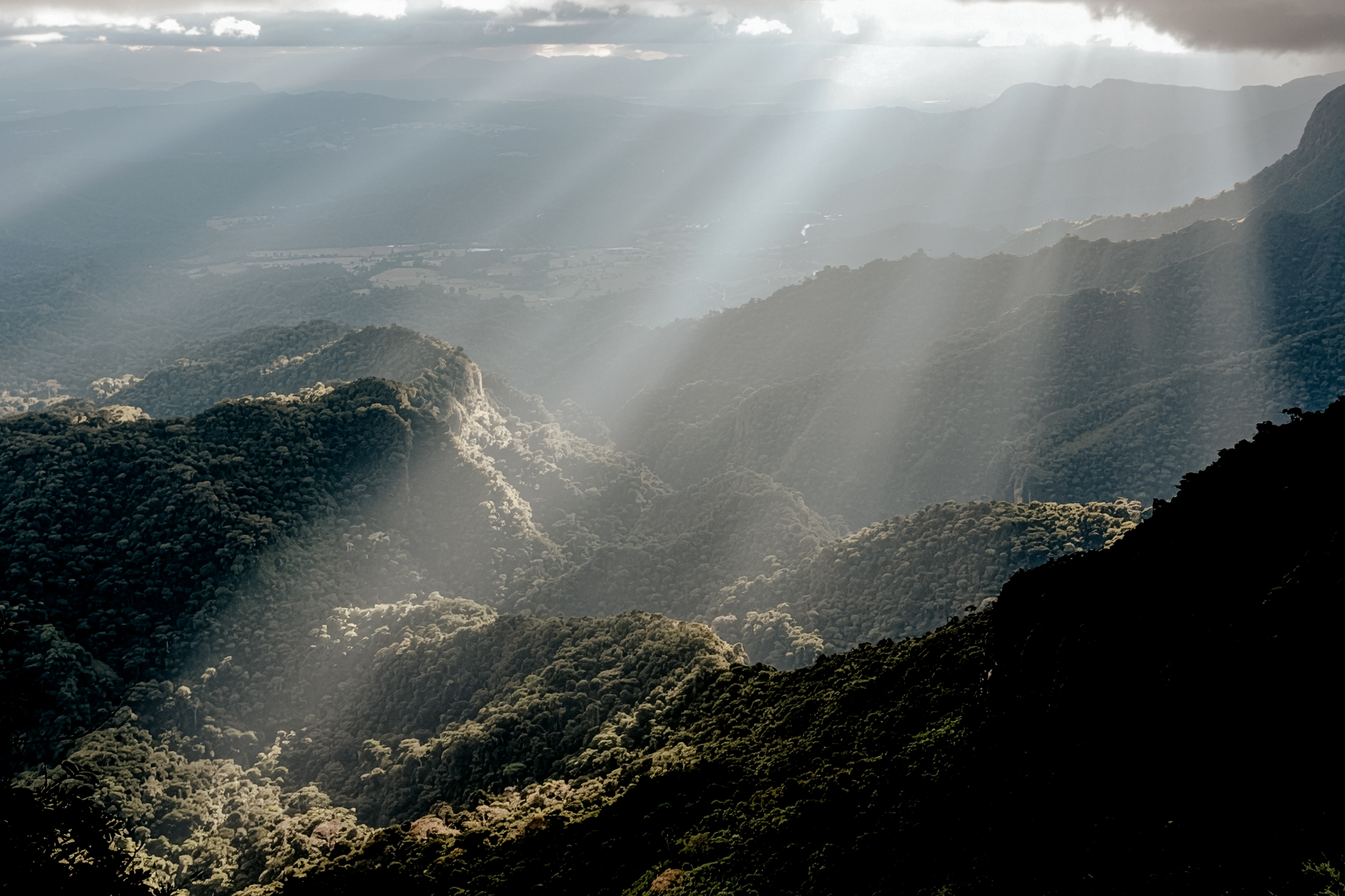
Ghana Scales Carbon Market Leadership to Drive Development
Ghana has established a National Carbon Registry to collect, verify, and track emissions data and carbon market transactions. It has also created a Carbon Market Office to provide administrative and technical support for the implementation of both the international carbon market and non-market approaches.
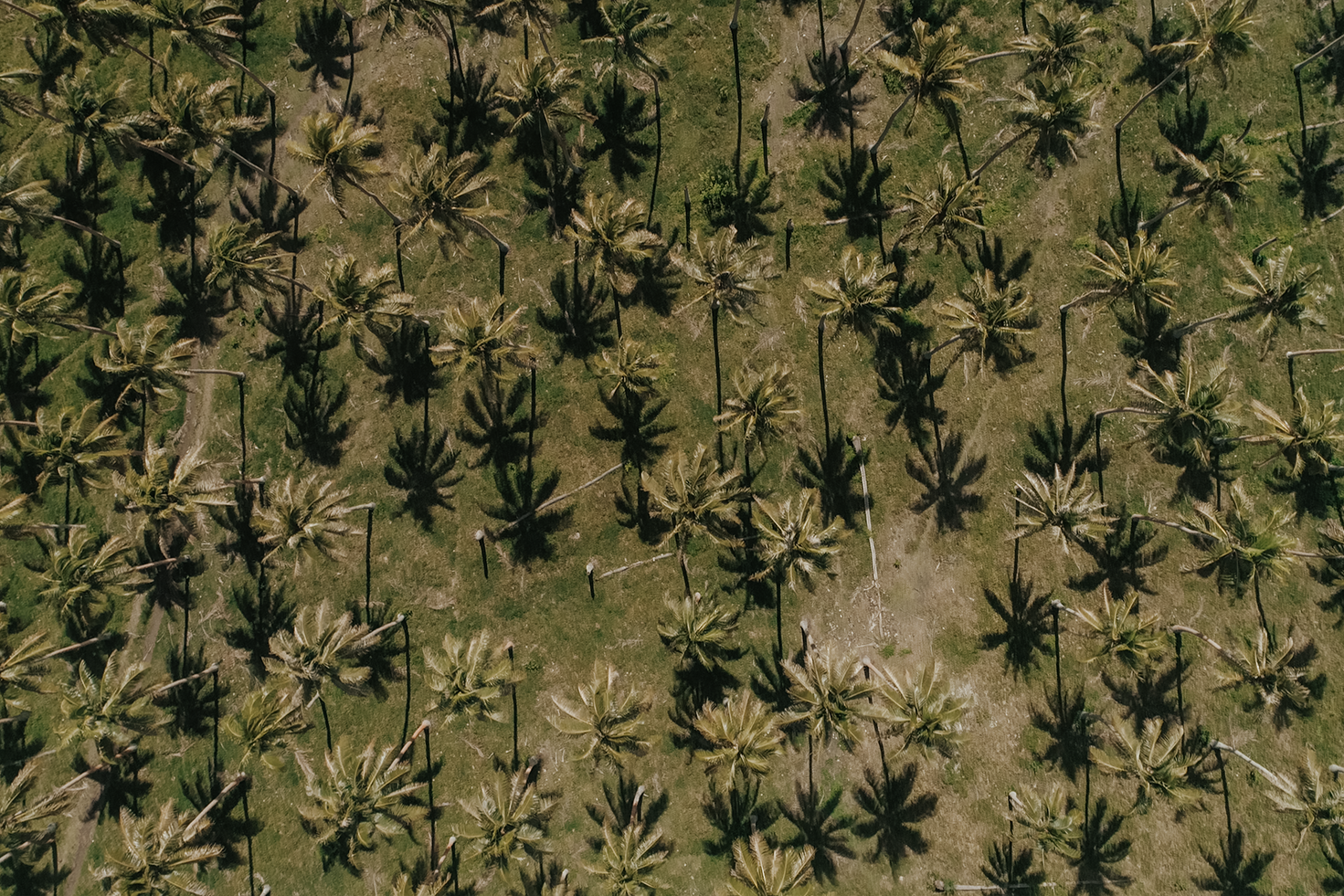
Pacific Nations Embrace Regenerative Farming as Climate Threats Mount
Samoa, Tonga, and Vanuatu have secured a five-year climate adaptation project worth US$43.7 million through the Green Climate Fund (GCF), a critical step toward transforming how Pacific communities grow food in the face of accelerating climate change. The funding will drive large-scale investments across agricultural production systems, unlocking new pathways to long-term food security, improved nutrition, and expanded livelihoods across the three nations.
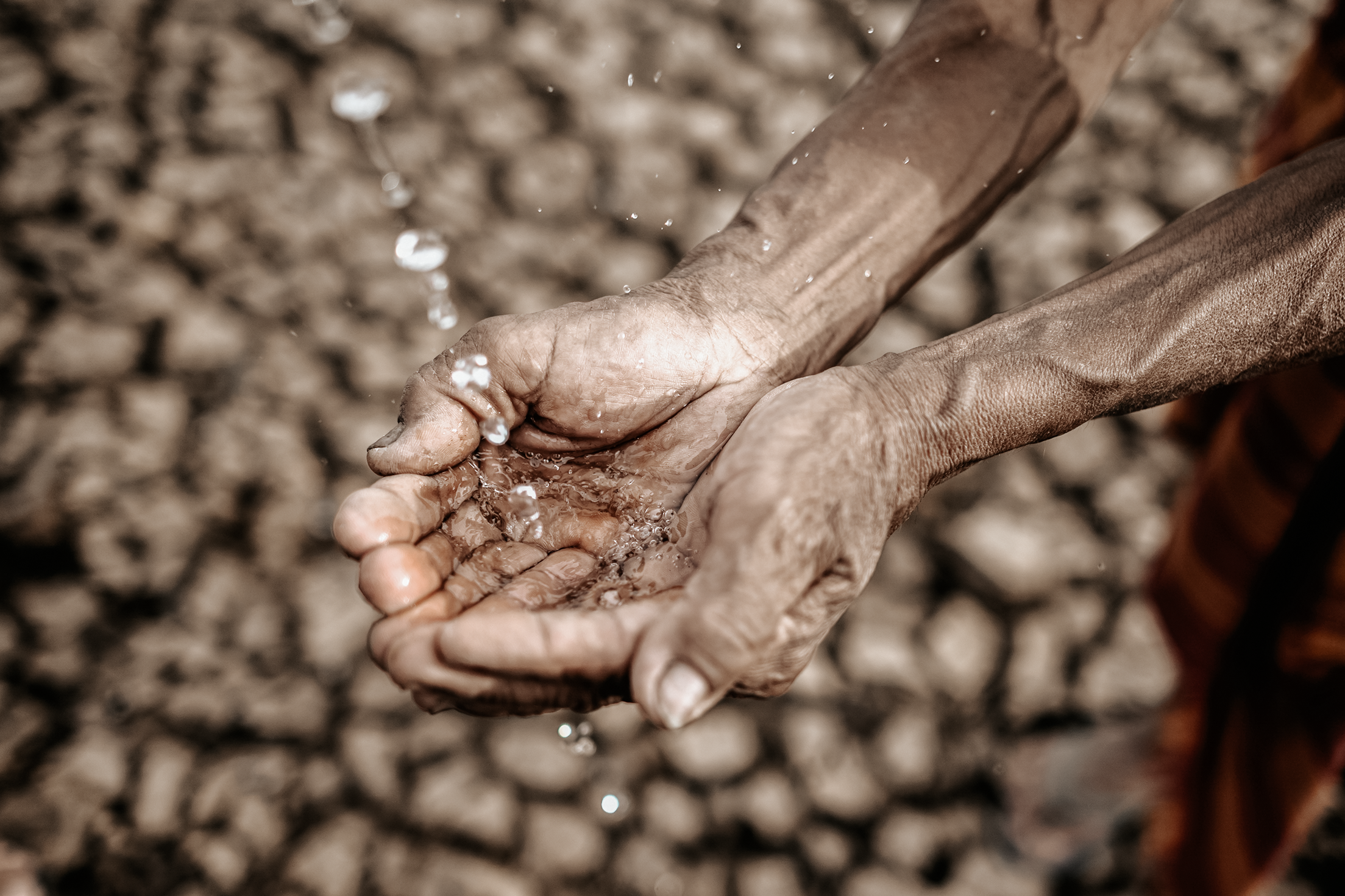
Africa’s Great Vision: Water for All
Africa takes on a greater mission to advance water security and community resiliency through the Africa Water Vision 2063 and Policy, under the leadership of the African Union Commission and the African Ministers’ Council on Water. This blueprint values water as a strategic asset in pursuing continental security and advancing economic power.