Reflections on the “Implementation COP”
By Ms. Isabel Andam, CVF Youth Fellow COP has always been a forum in which countries can come together, in spite of geopolitical conflicts, to
Is the Day of Implementation Coming?
By Mr. Almustafa Mohamed Hussein Abbas, CVF Youth Fellow Sudan is one of the least developed countries in Africa and one of the most vulnerable to
Was COP Really COPing?
By Mr. Jodahi Petros, CVF Youth Fellow The days I spent preparing and packing for COP27 were among the most conflicting I’ve had in quite
Do We Have an Option?
By Mr. Humphrey Mrema, CVF Youth Fellow COP27 was said to be the COP For Implementation. Others called it the COP for Developing Countries. Whatever
COP27: Outcomes and Implications for Ethiopia
By Mr. Eyob Tenkir, CVF Capacity-Building Fellow COP27 – sometimes referred to as the ‘Implementation COP’ – was pivotal for Climate Vulnerable Forum nations such
COP7 Can and Must Deliver for Africa and Other Developing Nations
By Mr. Derek Sarfo-Yiadom, CVF Capacity-Building Fellow Climate change is undoubtedly one of the biggest challenges currently facing Ghana, with the impact of a warming

Costa Rica’s “Más Mujer, Más Natura”
Costa Rica’s Más Mujer, Más Natura (More Women, More Nature) program is rewriting the script for rural empowerment. Launched in 2020 as a collaborative effort between the Ministry of Environment and Energy (MINAE), the United Nations Development Programme (UNDP), and the Office of the First Vice President, the program addresses a long-standing paradox: while women are often the primary stewards of local biodiversity, they frequently lack the land titles and capital to access traditional conservation incentives.
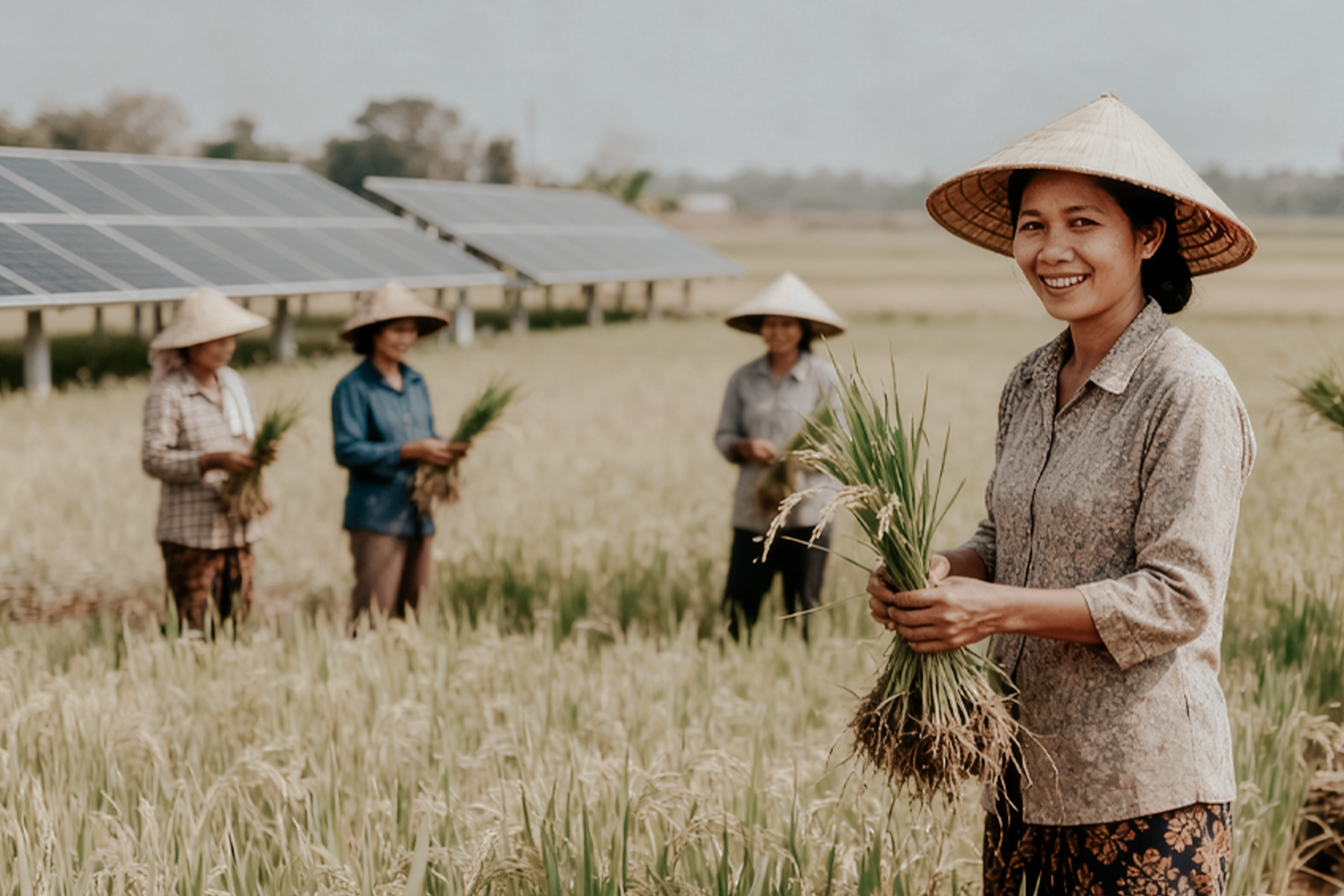
Women at the Core of Cambodia’s Green Economy Revolution
Cambodia recognizes women’s leadership as a robust accelerator of green economic development as the country approaches graduation from Least Developed Country status in 2029, seeking higher productivity, diversified growth, and greater uptake of green digitalization. Women are rising beyond perceptions of vulnerability, positioning themselves as champions of climate prosperity and sustainable development.
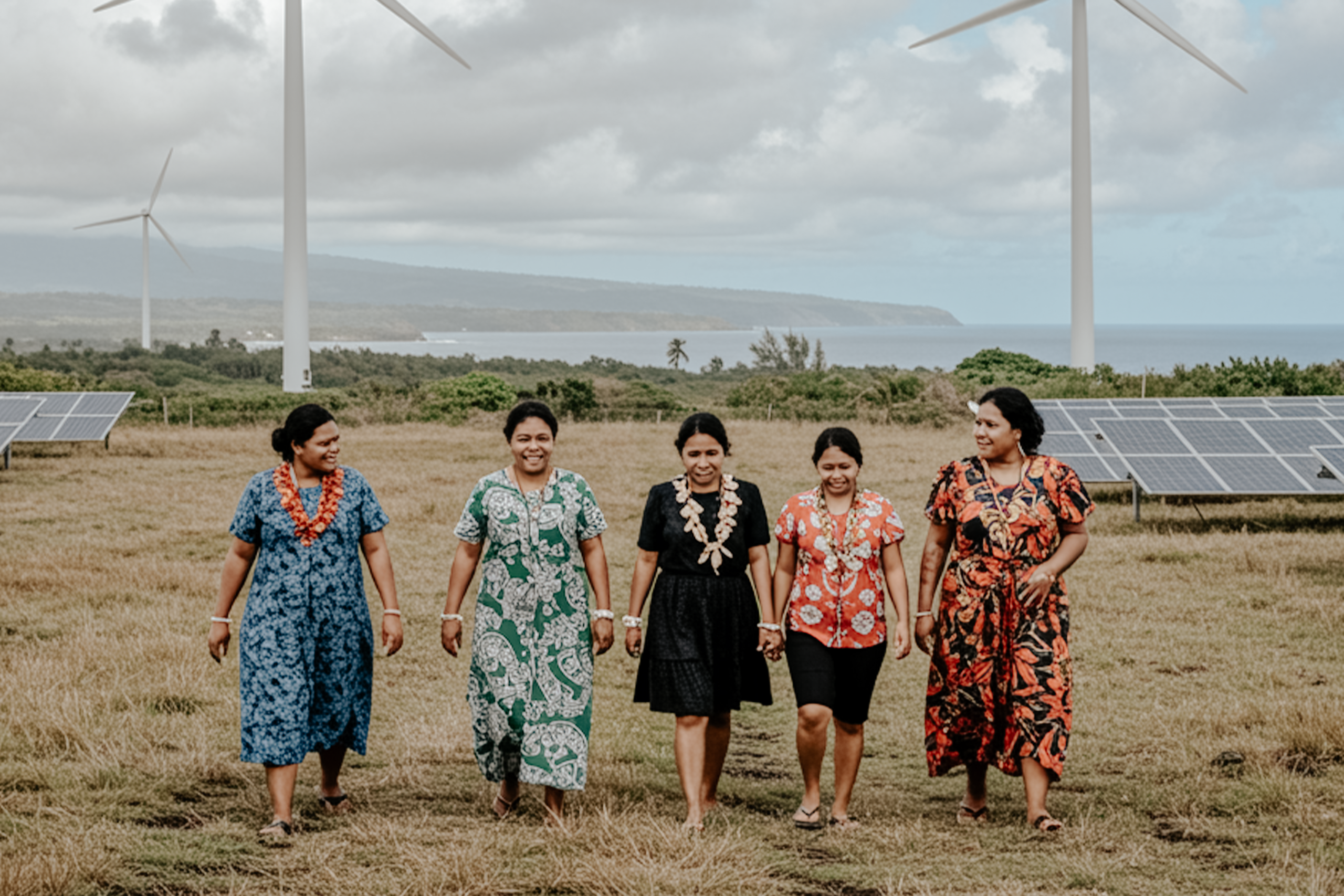
Pacific Women and the Call for Climate Justice
When island nations and regional allies presented their case before the International Court of Justice, women leaders, lawyers, and youth advocates were instrumental in building arguments that led to a landmark 2025 Advisory Opinion affirming states’ obligations to protect the climate and human rights.
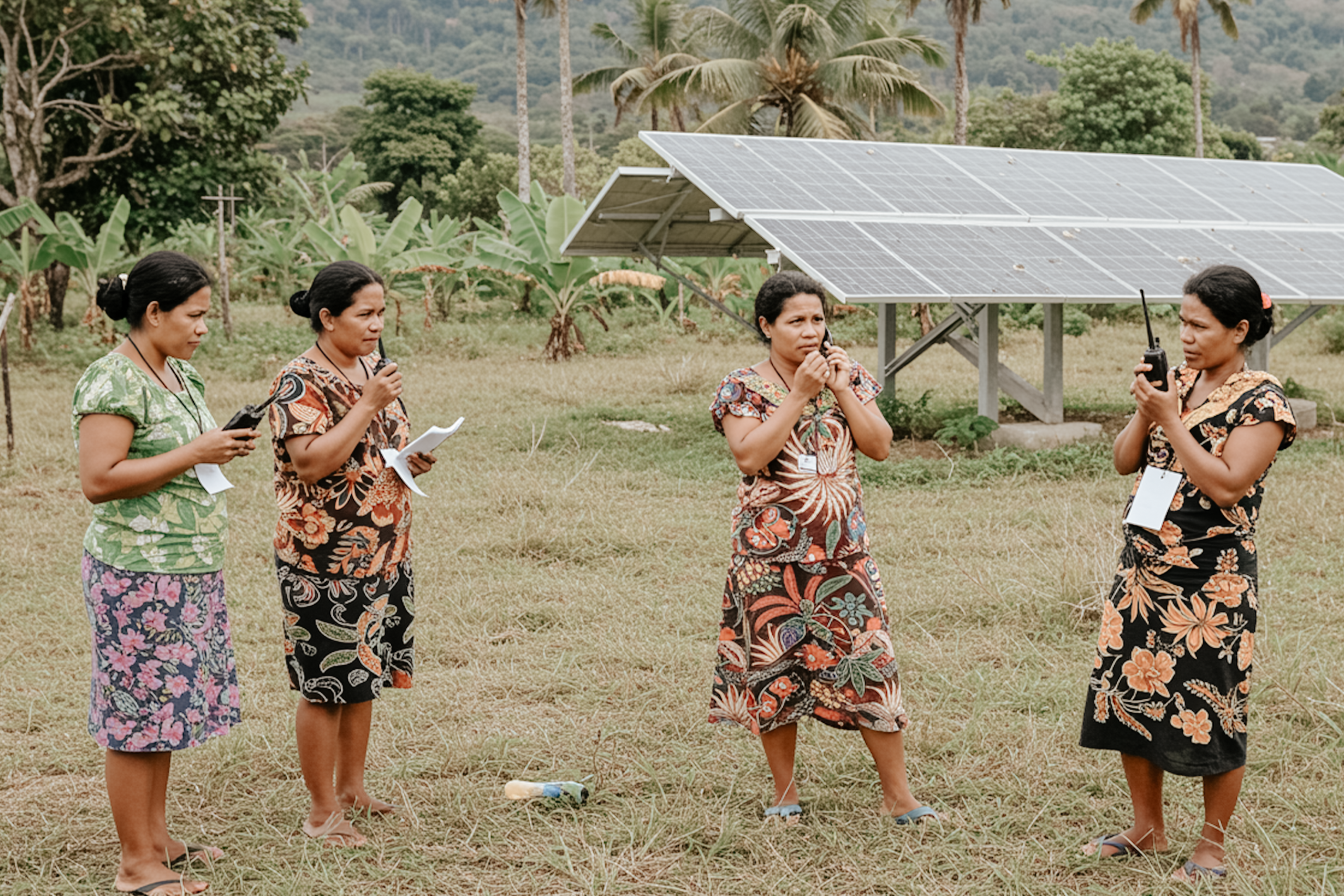
Ni-Vanuatu Women Lead Disaster Response and Climate Action
Vanuatu is among the nations most vulnerable to the climate crisis. These environmental shifts often worsen existing socioeconomic gaps, disproportionately pushing women toward poverty and marginalization. Despite these challenges, Ni-Vanuatu women have emerged as resilient leaders, transforming how their communities prepare for and recover from disasters.
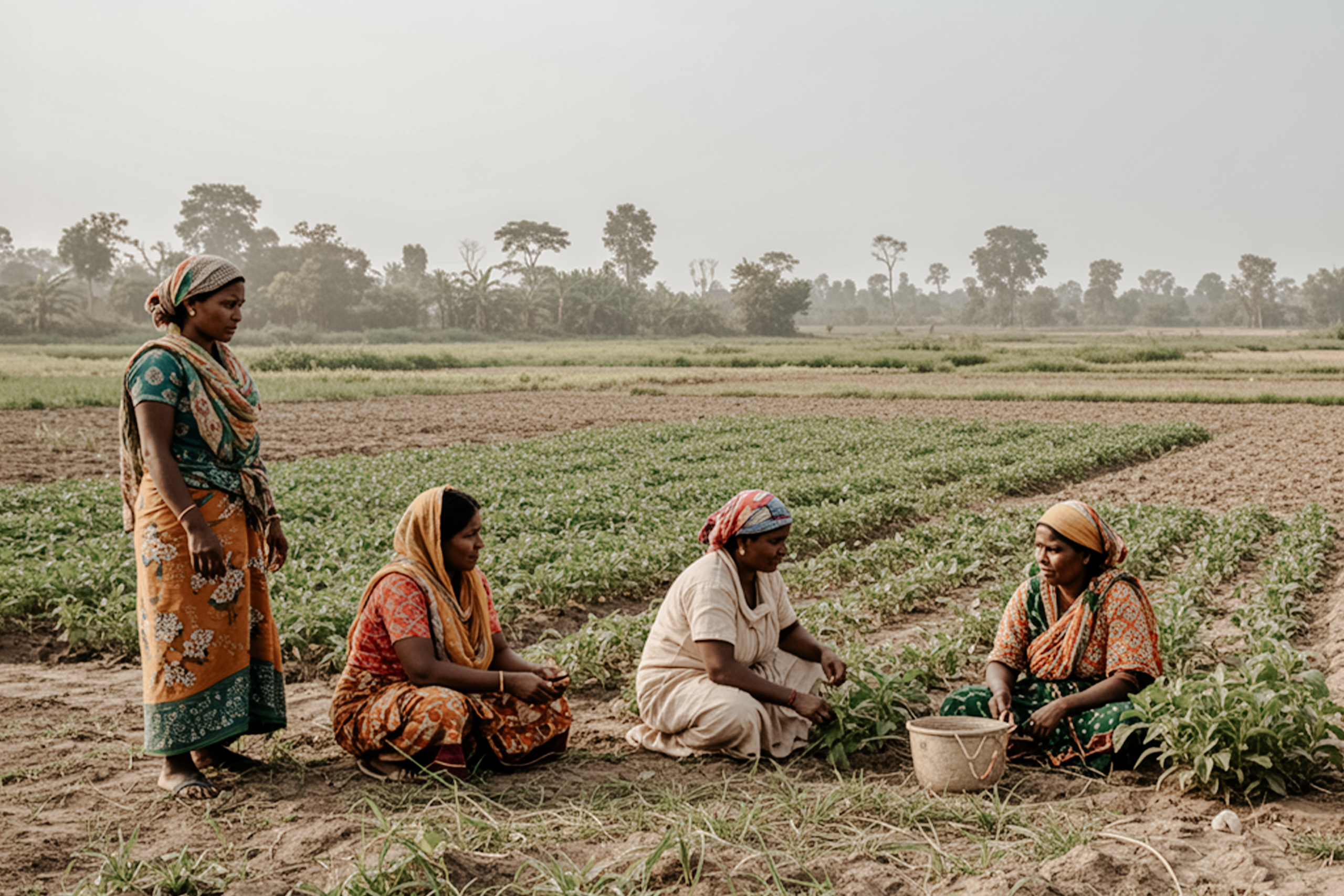
Gender-Responsive Climate Action in Bangladesh and Kenya
The worsening impacts of climate change are exposing gaps in financial and social systems while reshaping societies, with women often on the frontlines—managing households, securing resources, and caring for families under growing stress. The crisis exacerbates existing gender inequalities, yet women’s voices are largely missing from the policies meant to protect them. Without a gender-focused approach, millions of women and girls risk being pushed into extreme poverty, amplifying social and economic disparities worldwide.
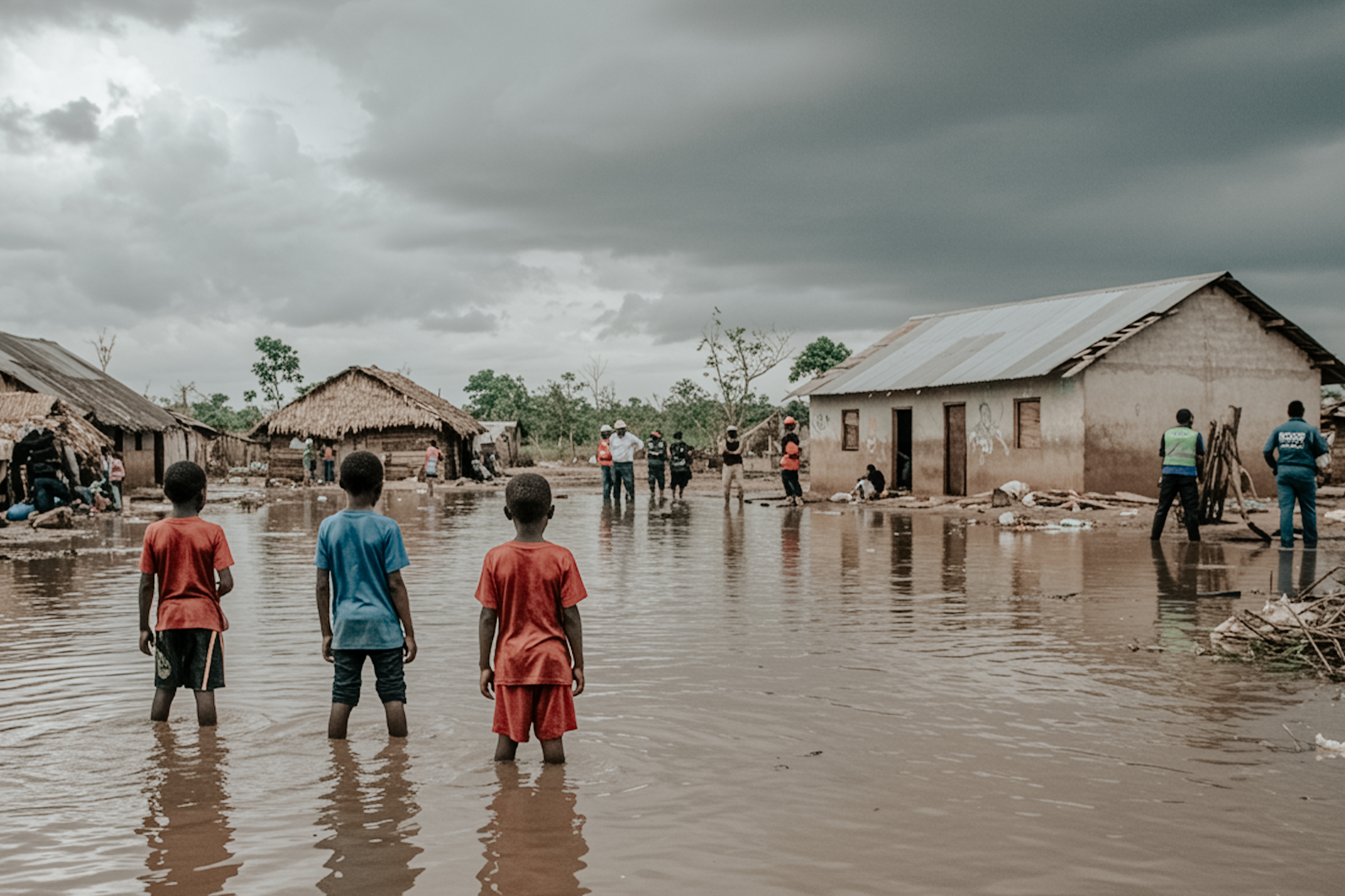
Climate Shocks Are Rising, Our Financial Response Isn’t
Recent floods and cyclones have displaced more than 720,000 people, destroyed schools and health facilities, and disrupted access to food and clean water, overwhelmingly affecting children and families already struggling with poverty and climate risk in Mozambique. These weather extremes are not isolated events: they reflect a relentless rise in climate-driven shocks.