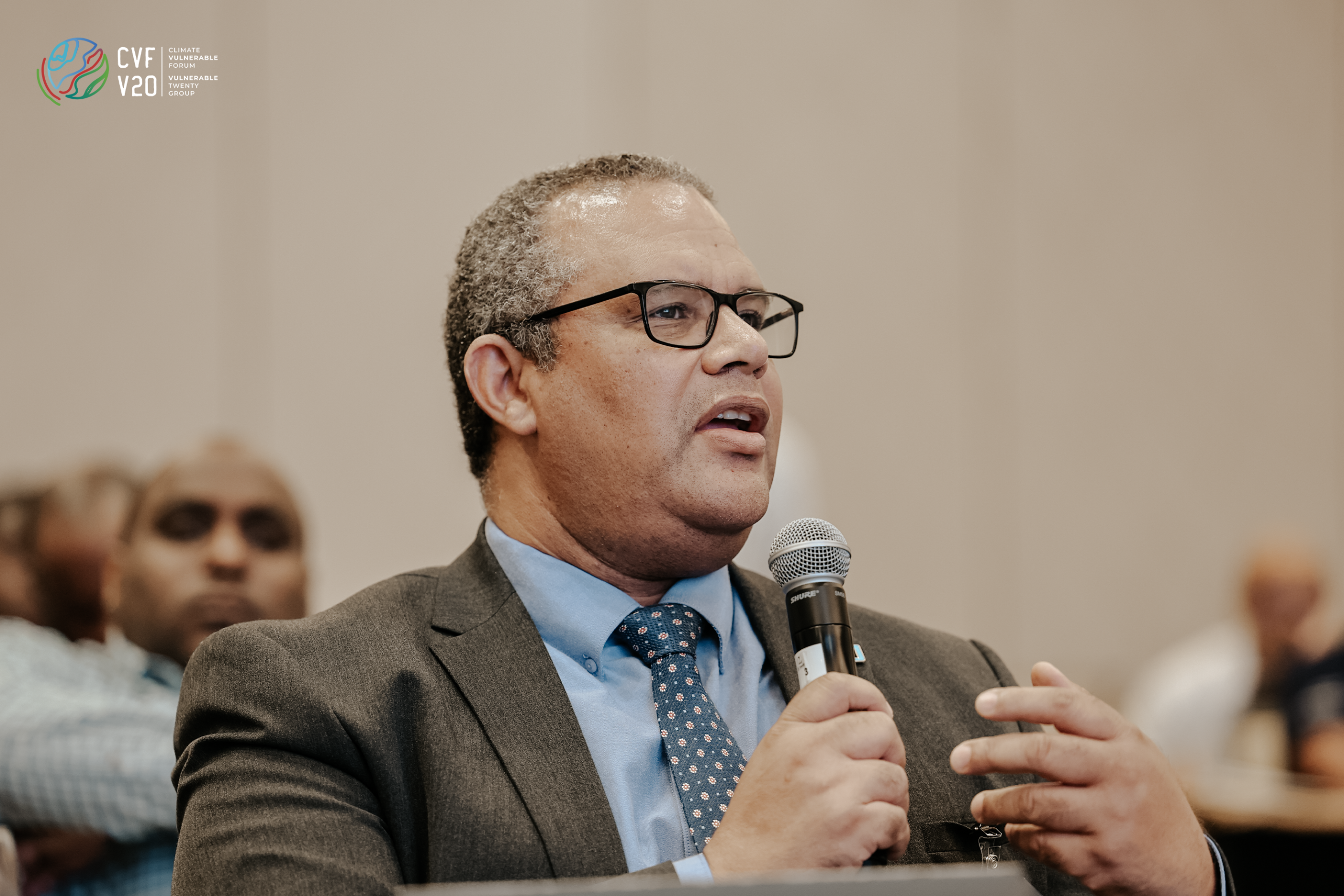
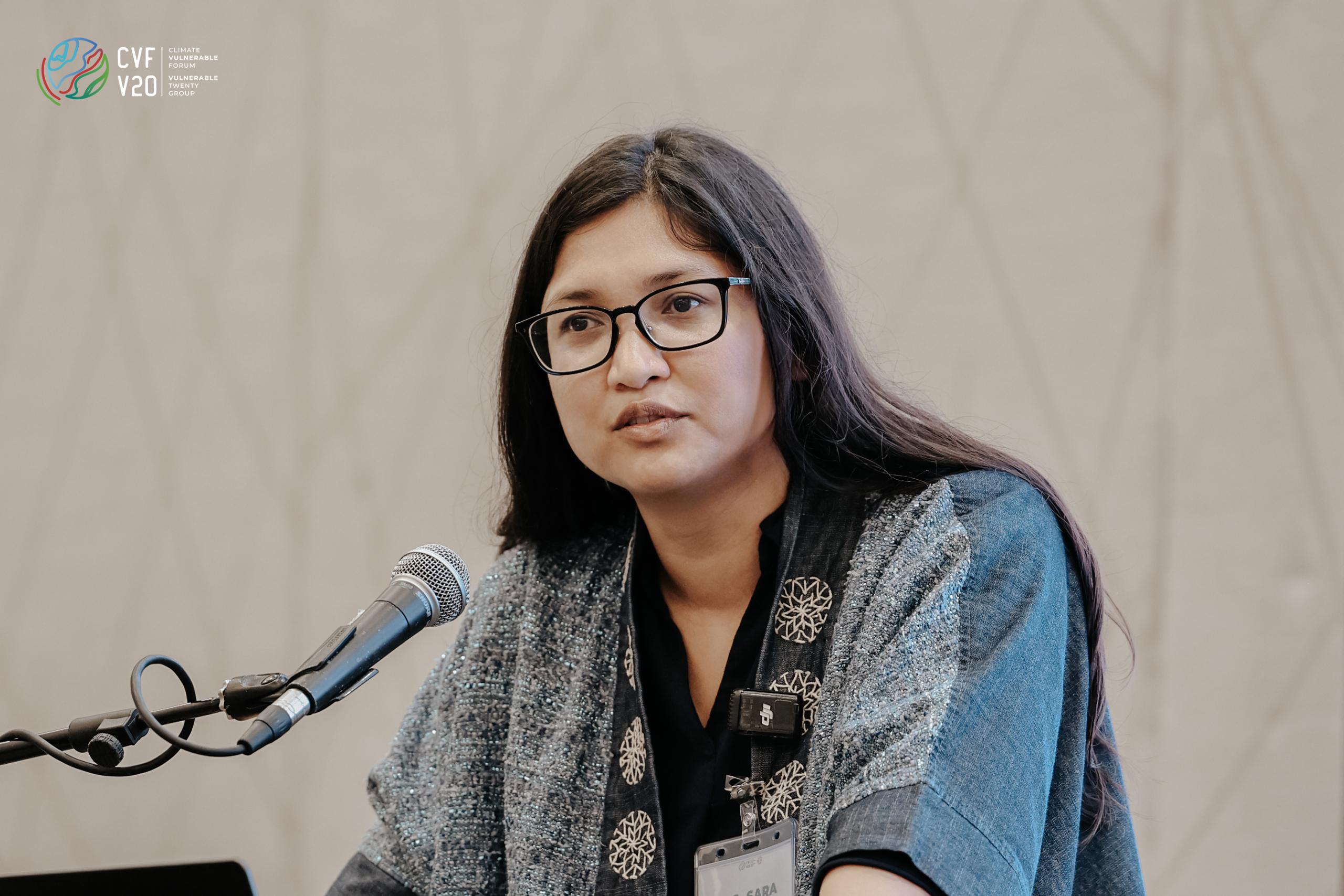
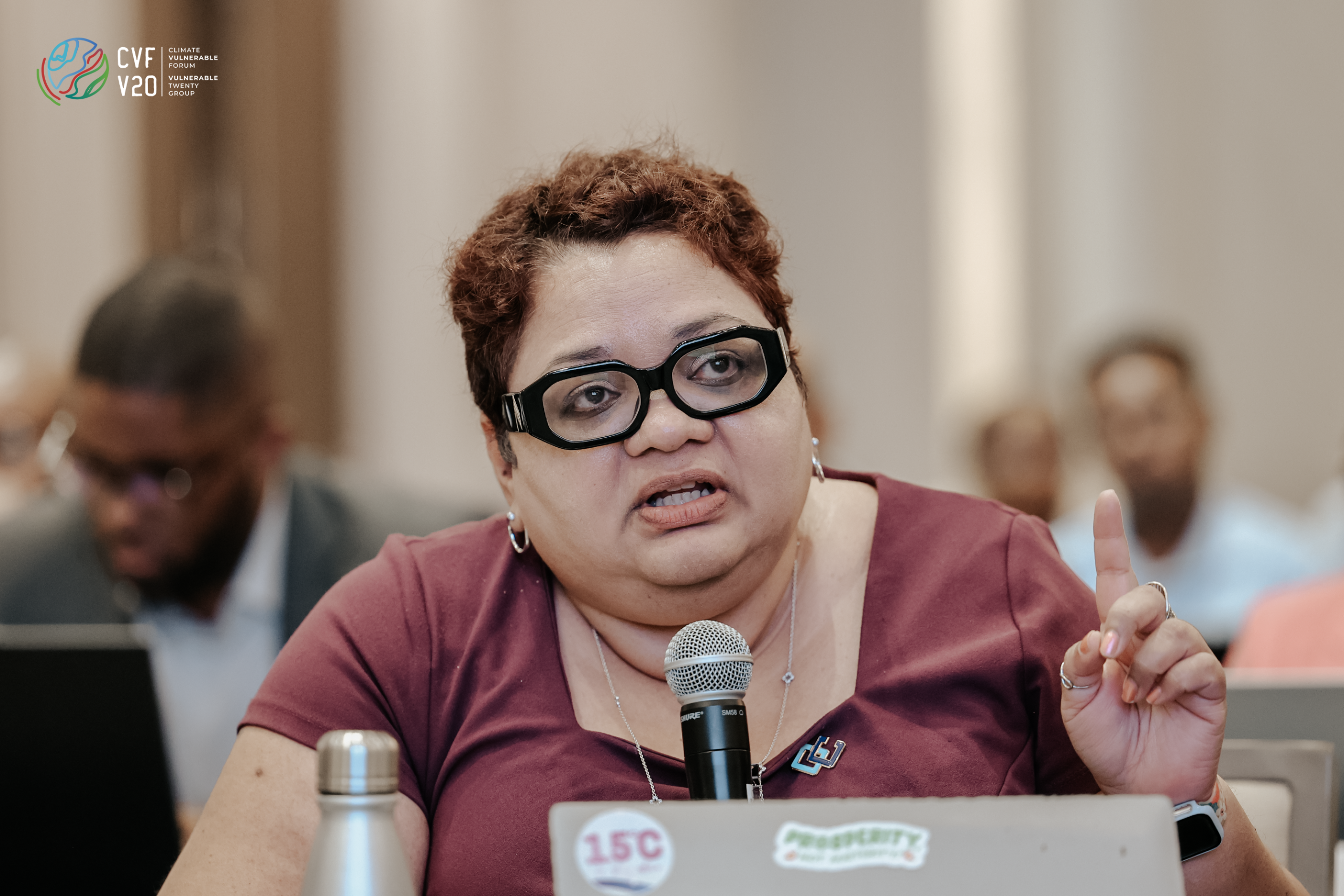
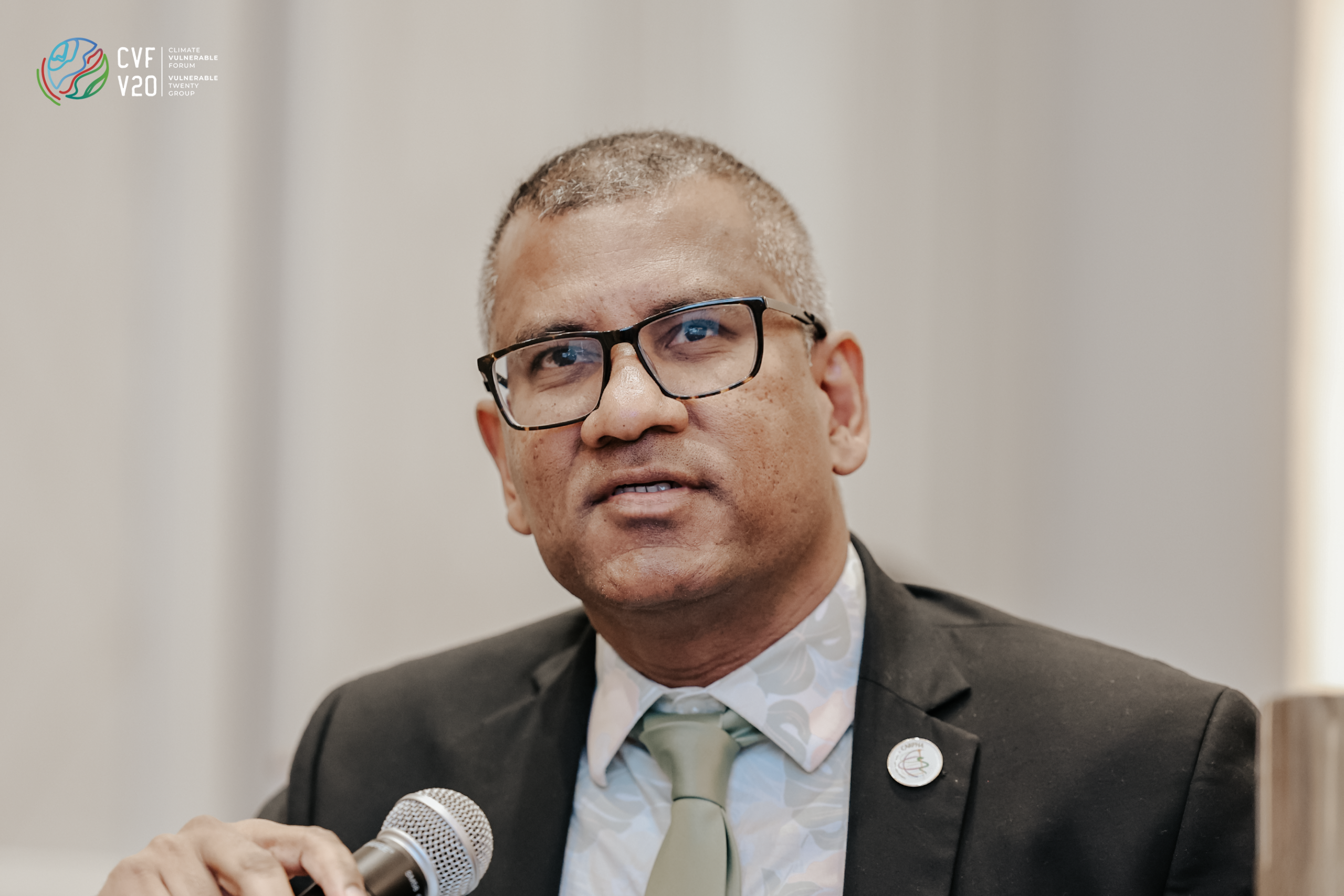
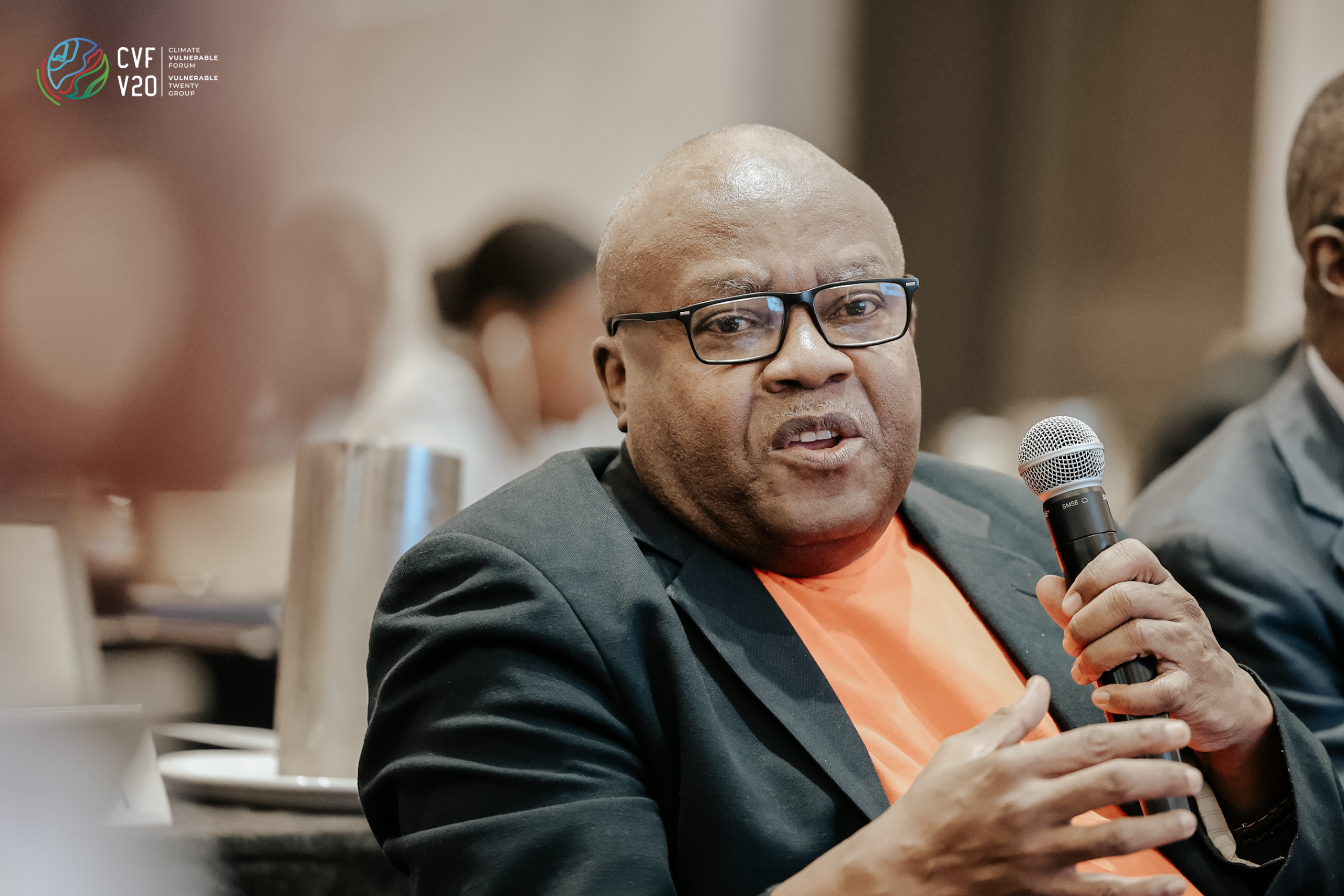
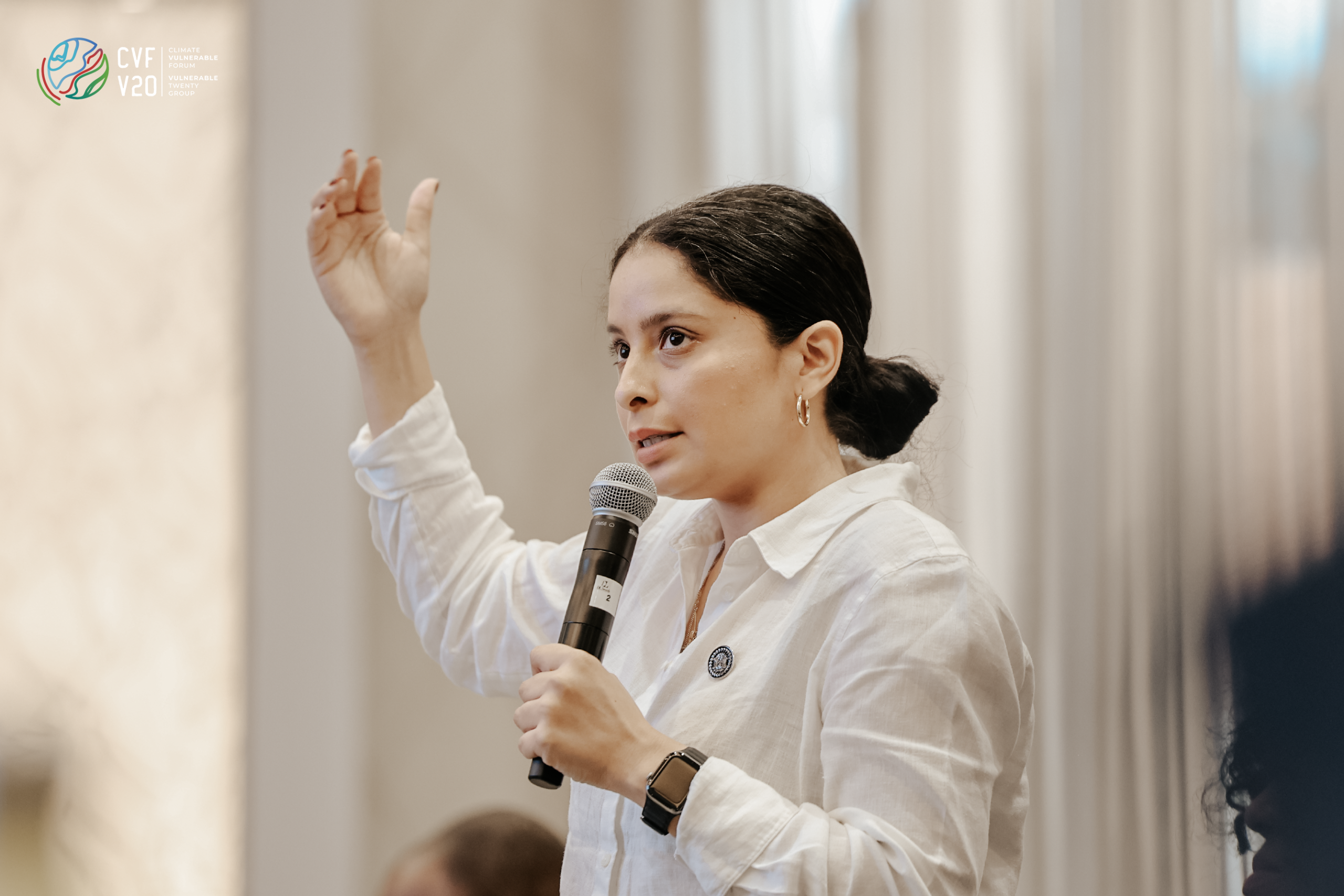
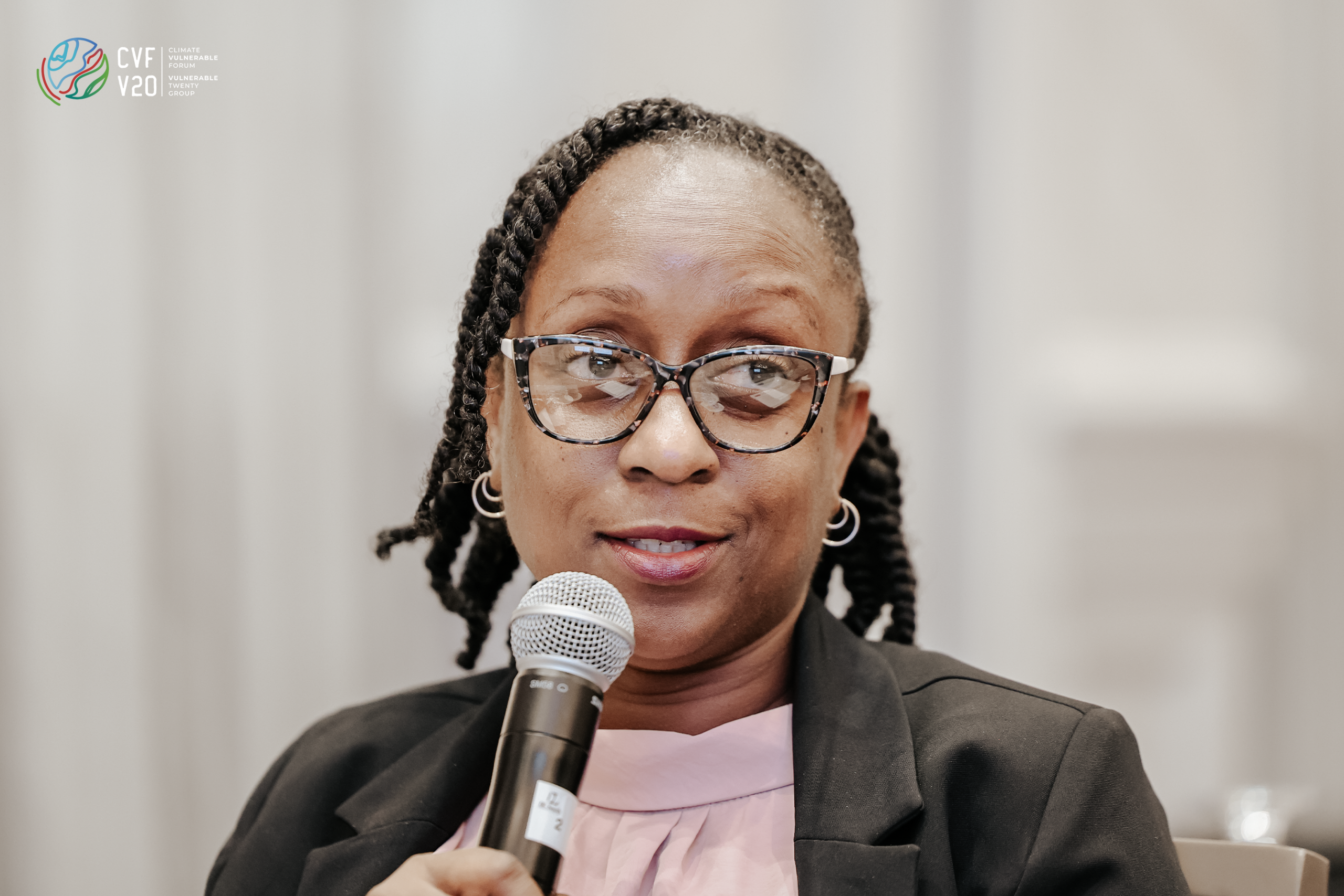
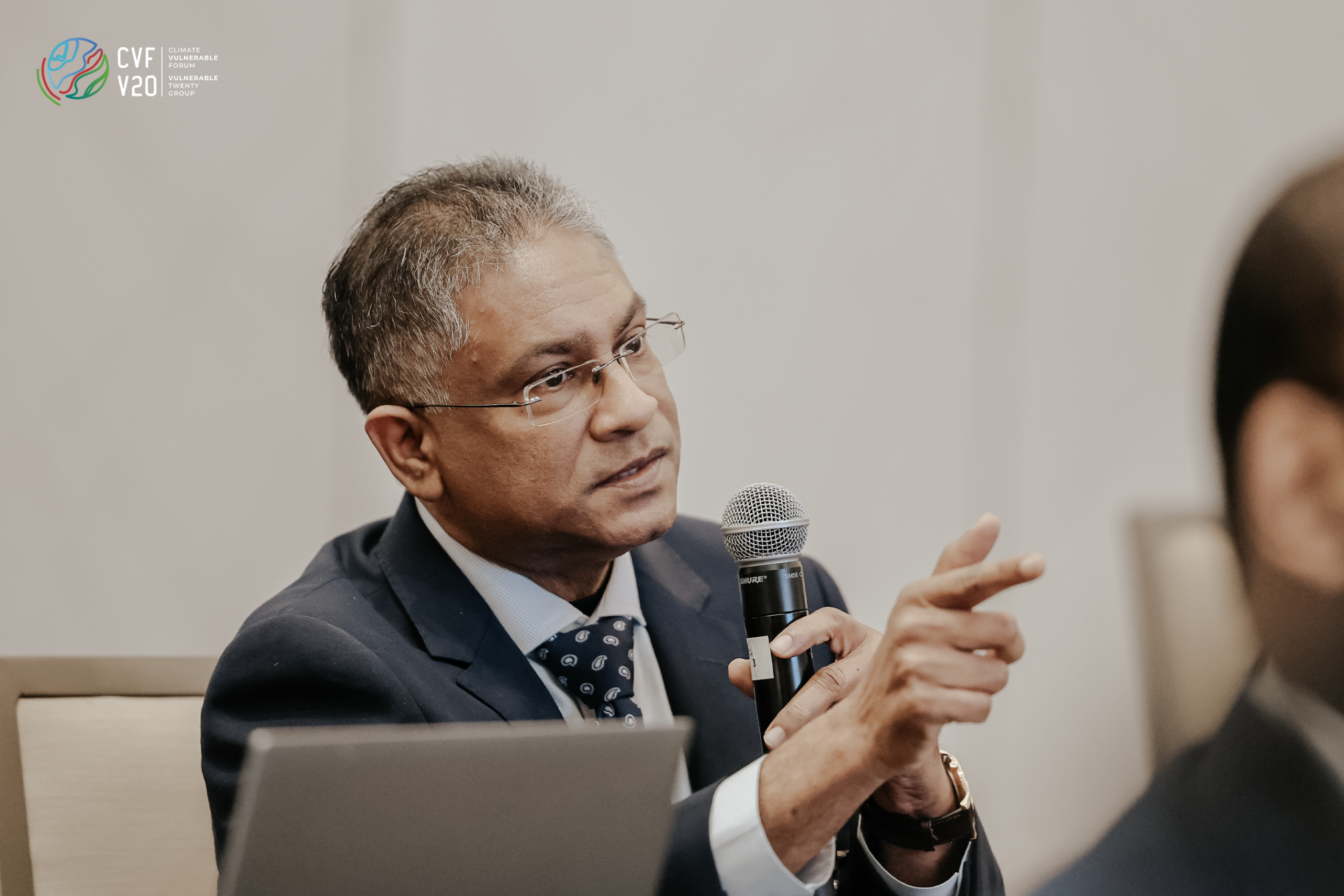
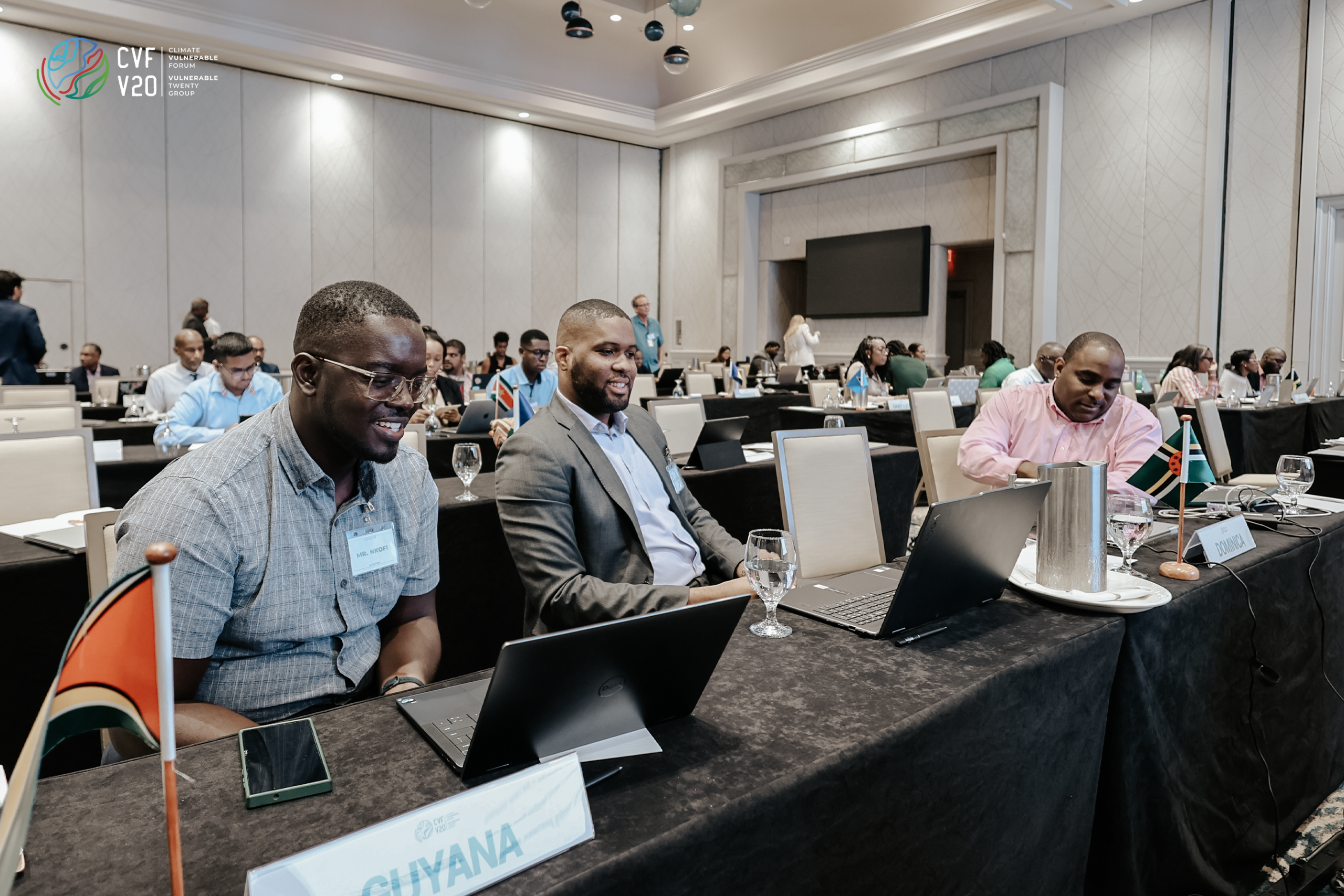
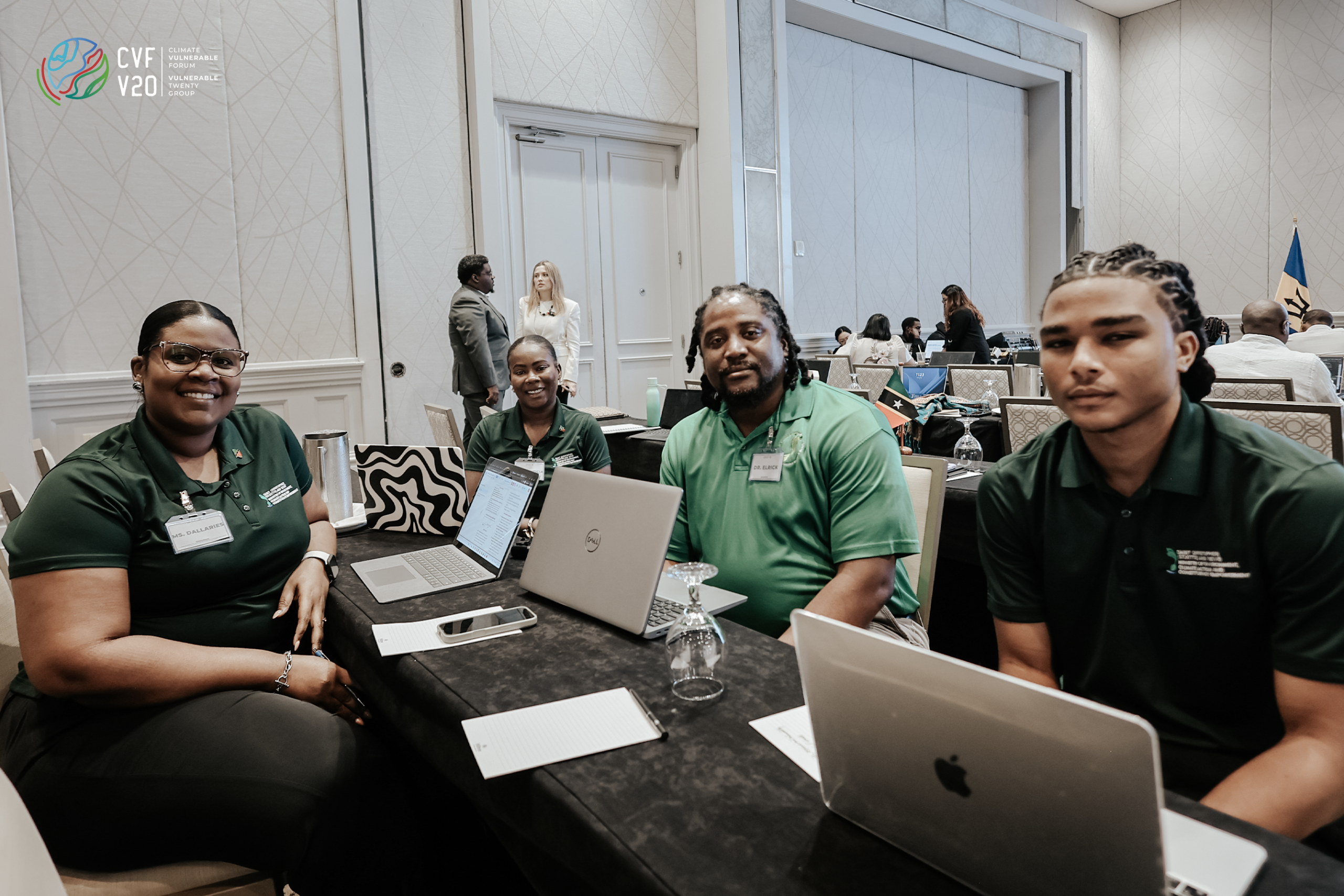
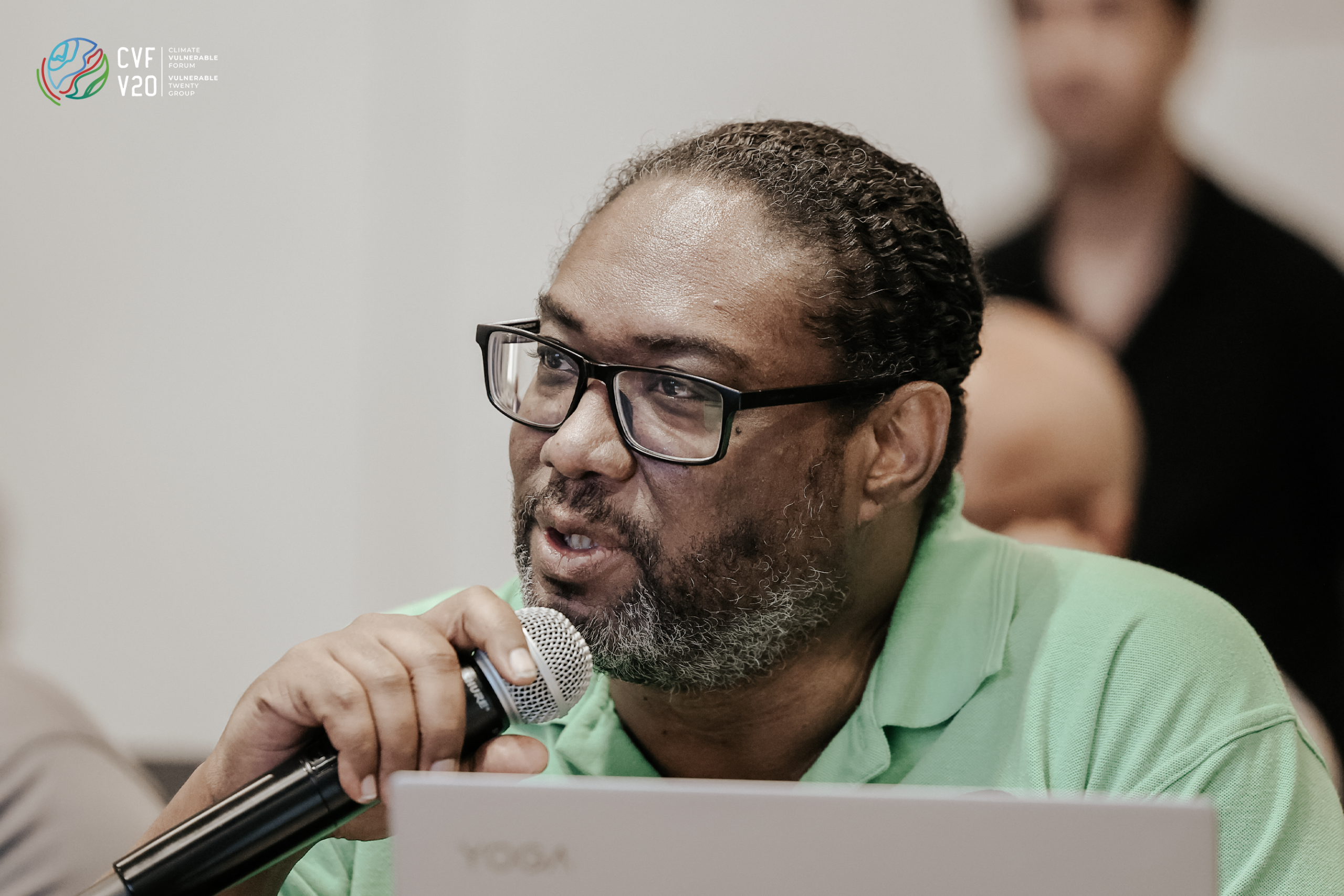
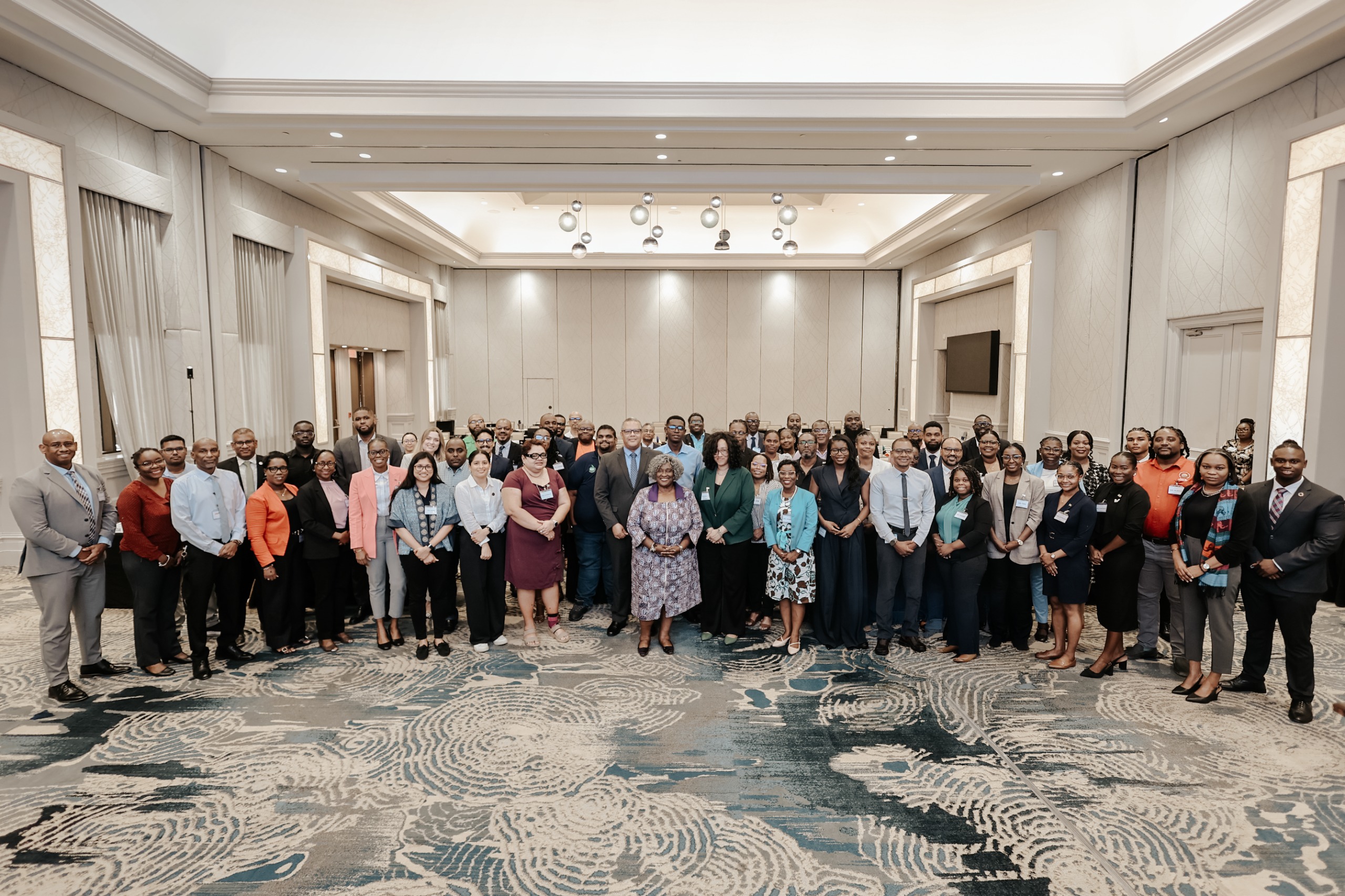
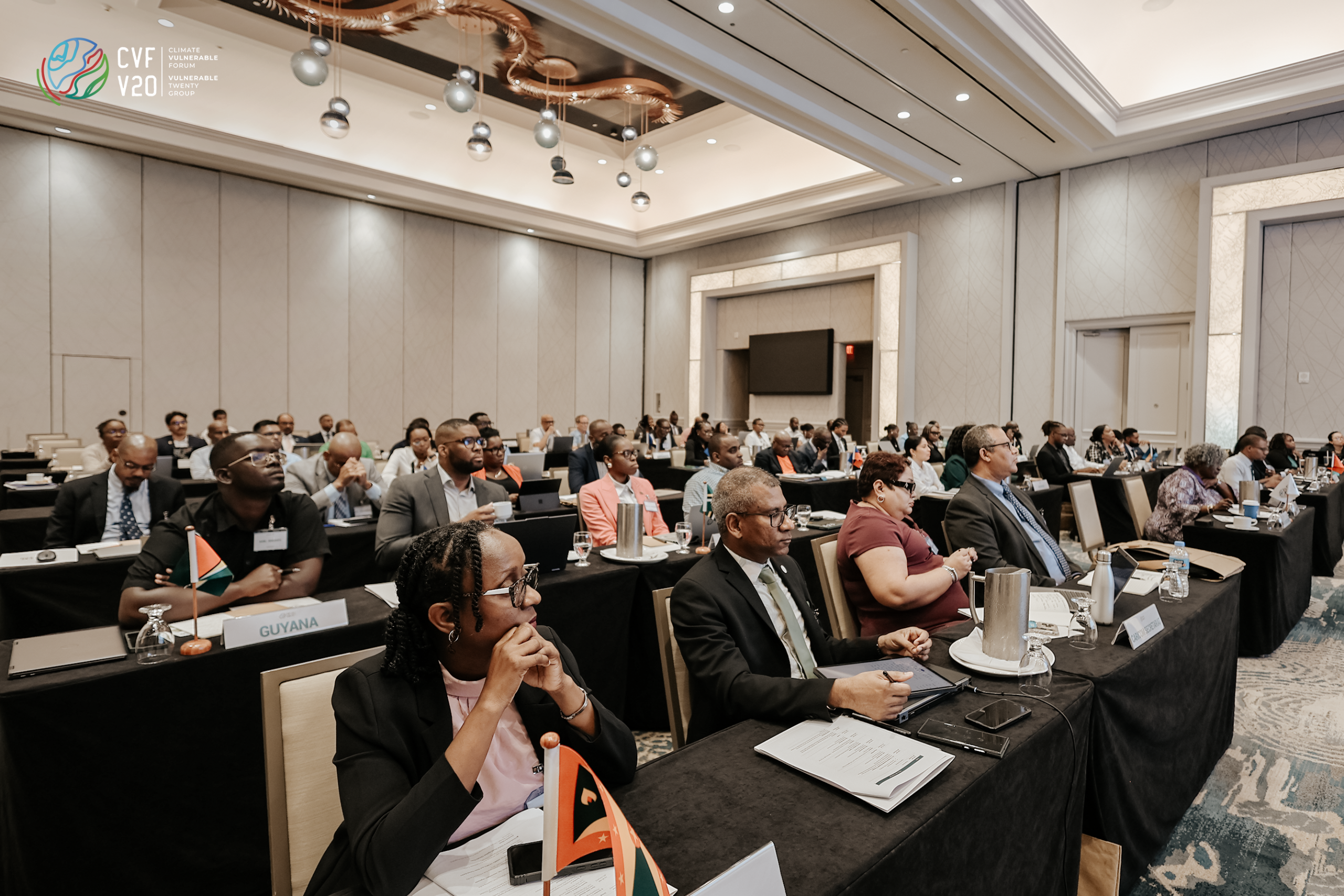
Caribbean nations gathered in Bridgetown, Barbados on May 28 and 29 to advance solutions for closing climate financing and protection gaps, as the region faces escalating climate risks, mounting economic losses, and limited access to affordable finance.
The two-day workshop, organized by the Climate Vulnerable Forum (CVF) and the V20 Finance Ministers, brought together senior officials from 13 Caribbean countries. The event forms part of the CVF-V20’s broader engagement in the Caribbean, extending its outreach beyond its nine member states to the wider region. It aimed to strengthen understanding of available climate finance instruments, including emerging CVF-V20 initiatives, and their access modalities, while fostering regional collaboration to mobilize resources to the region.
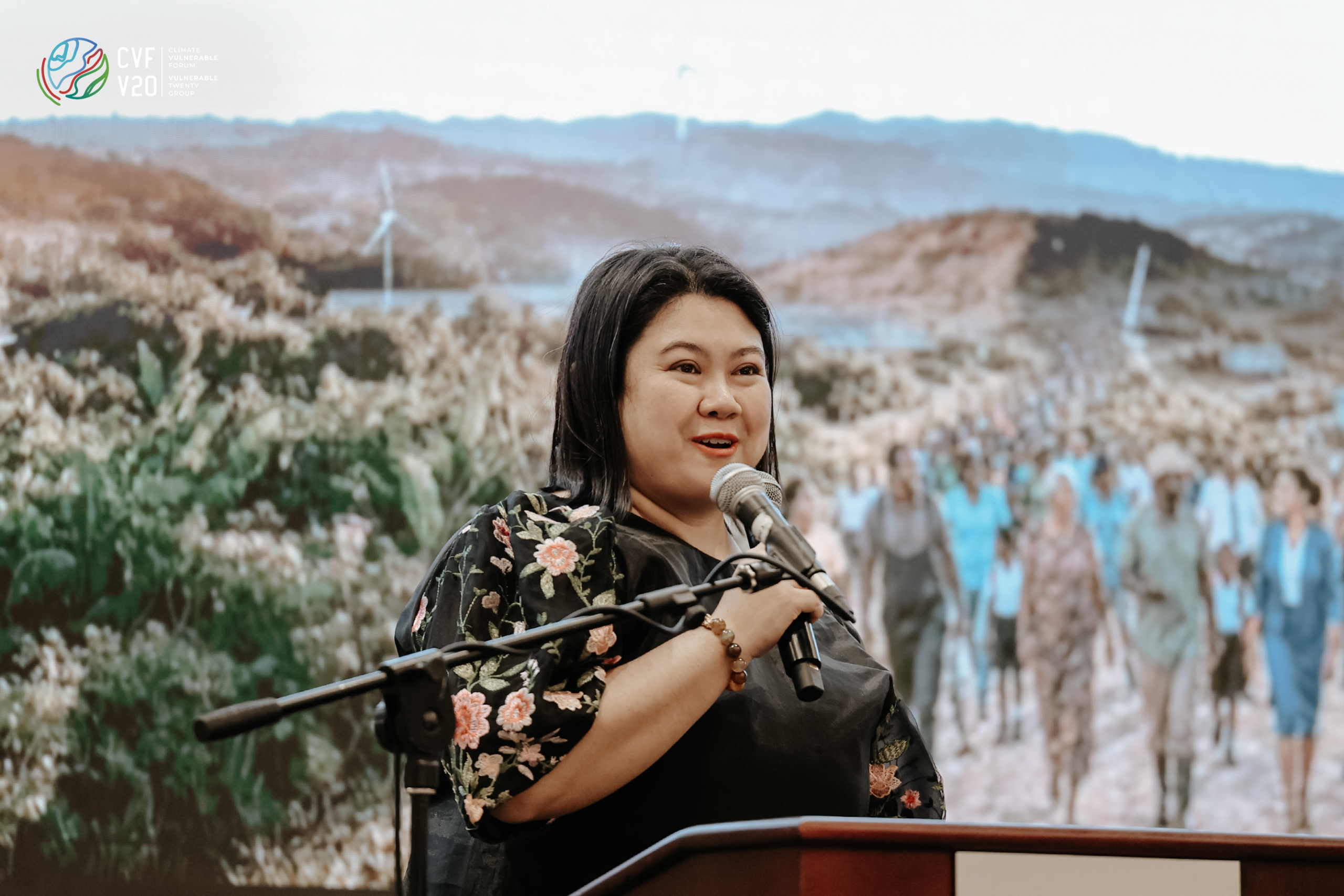
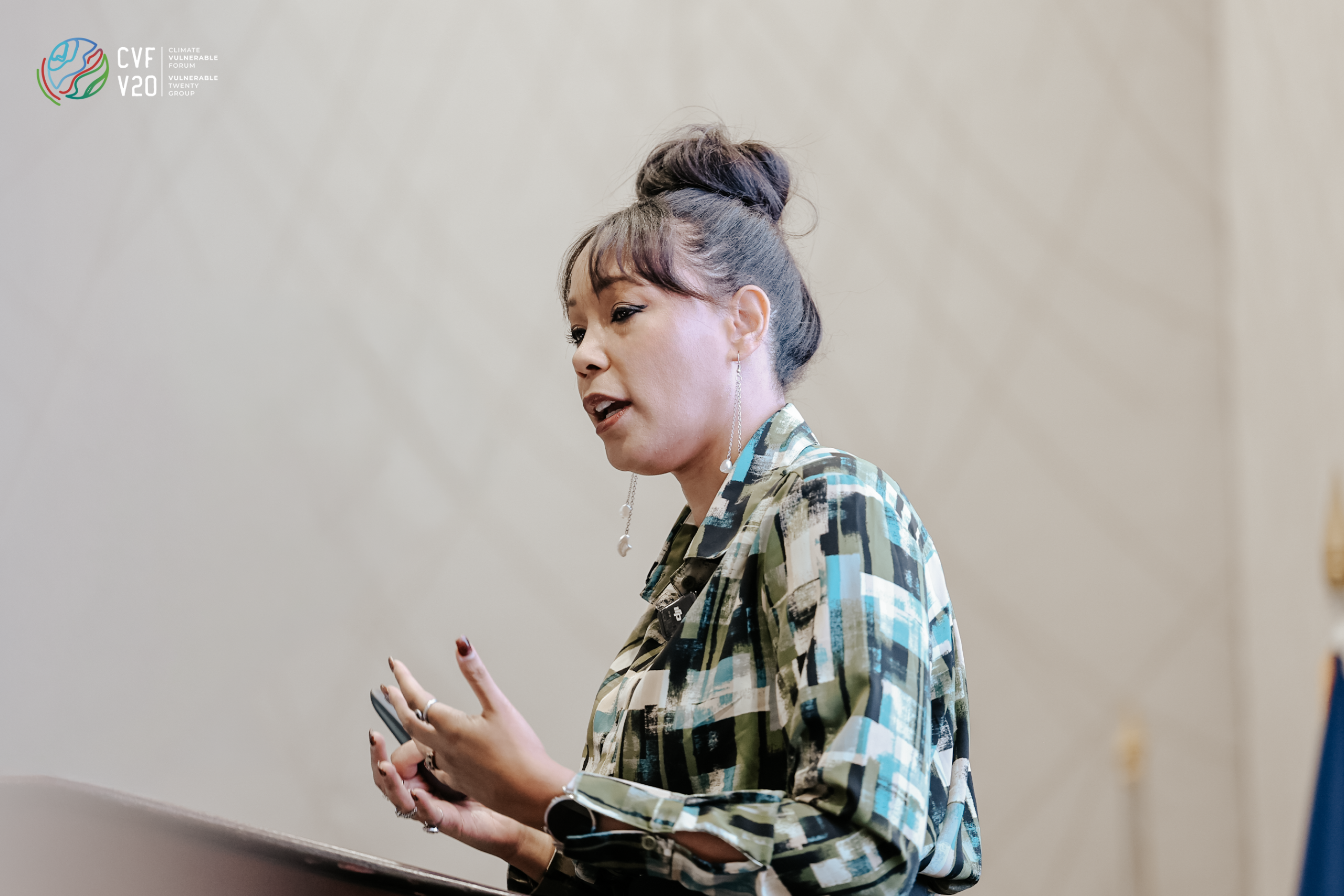
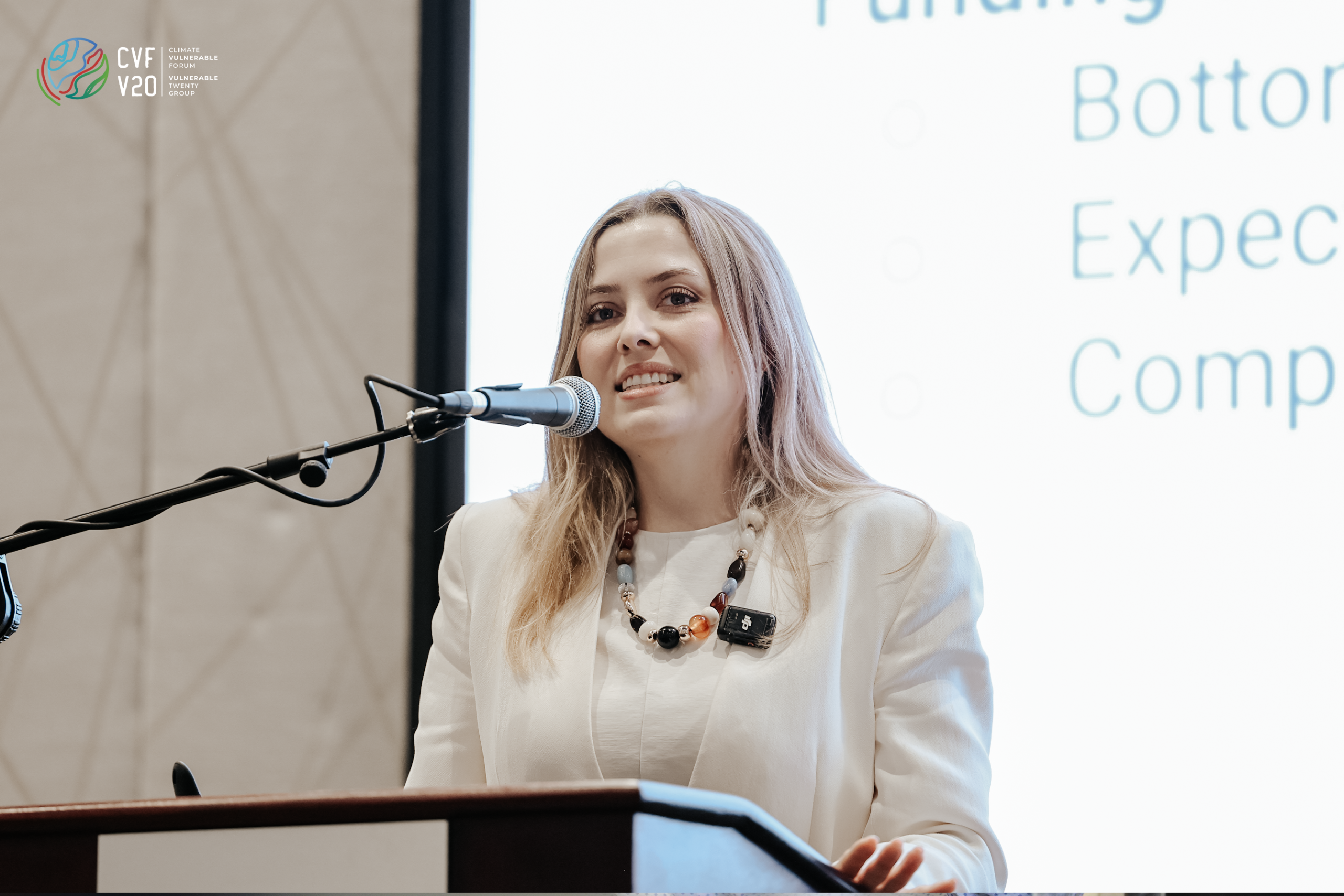
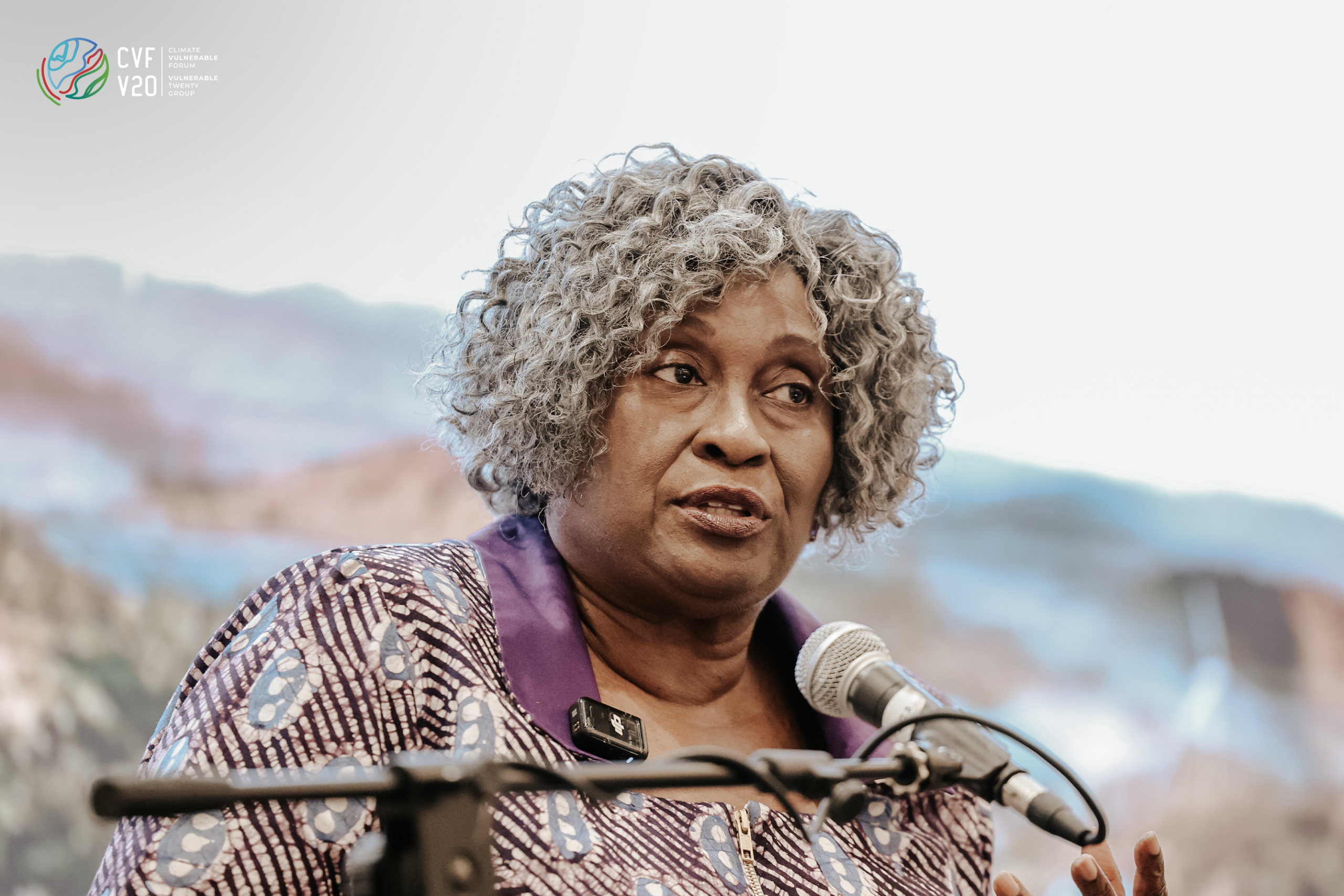
“When we talk about climate, the word is almost sanitized: separated from the reality of the experience of the people of Jamaica; divorced from the reality of the people of Dominica; disconnected from the Eastern Caribbean. We are here to frame a context in which we can access resources, strengthen resilience, build partnerships and forge a way forward to address what is the most significant threat to our lives and livelihoods,” H.E. The Most Honorable Elizabeth Thompson, the Ambassador for Climate Change, Law of the Sea and Small Island Developing States; and Sherpa to Prime Minister Mia Amor Mottley of Barbados, Chair of the CVF-V20, explained.
While many Caribbean countries are classified as middle and high-income economies, the region continues to suffer from structural vulnerabilities such as limited fiscal space, restricted access to concessional development finance, high sovereign borrowing and insurance costs, and debt servicing pressures.
They also reported the escalating socioeconomic impacts of climate change: Grenada suffered losses exceeding 200 percent of its Gross Domestic Product (GDP) during Hurricane Ivan, Dominica lost 226 percent of its 2016 GDP following Hurricane Maria, and Hurricane Melissa caused damage in Jamaica in 2025 amounting to more than 50 percent of the country’s 2024 GDP.
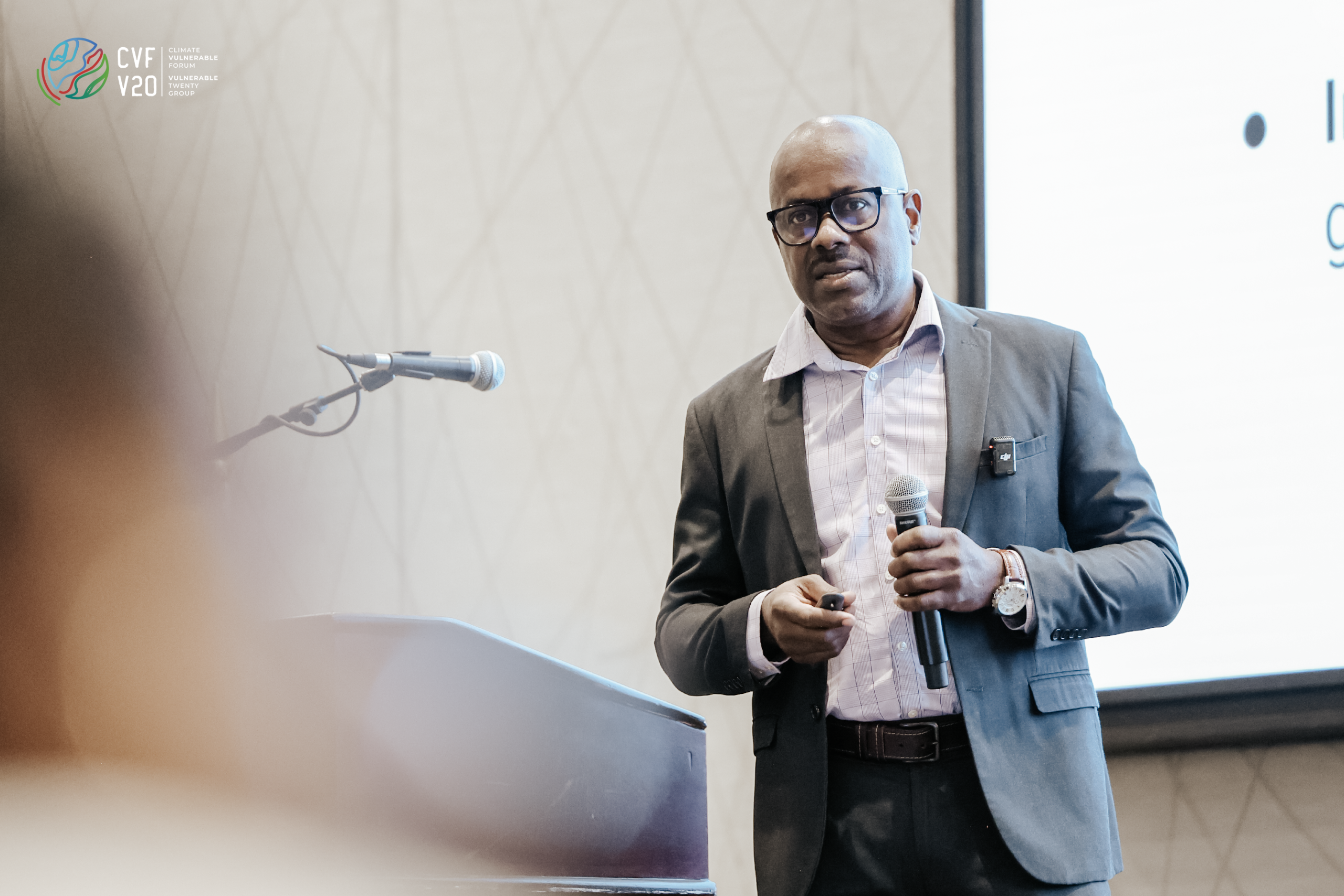
“Developed countries spend many years paying back bonds, which they have, to develop their societies, either post-war or otherwise. Yet, they expect us—the vulnerable, least capacitated, with the least resources—to be able to do it with eight (8) percent and nine (9) percent money in 10 and 15 years,” The Honorable Christopher Sinckler, the Senior Minister at the Ministry of Foreign Affairs and Foreign Trade, elaborated.
Several climate financing opportunities have been identified for the Caribbean region, offering new avenues to support climate prosperity and resilience.
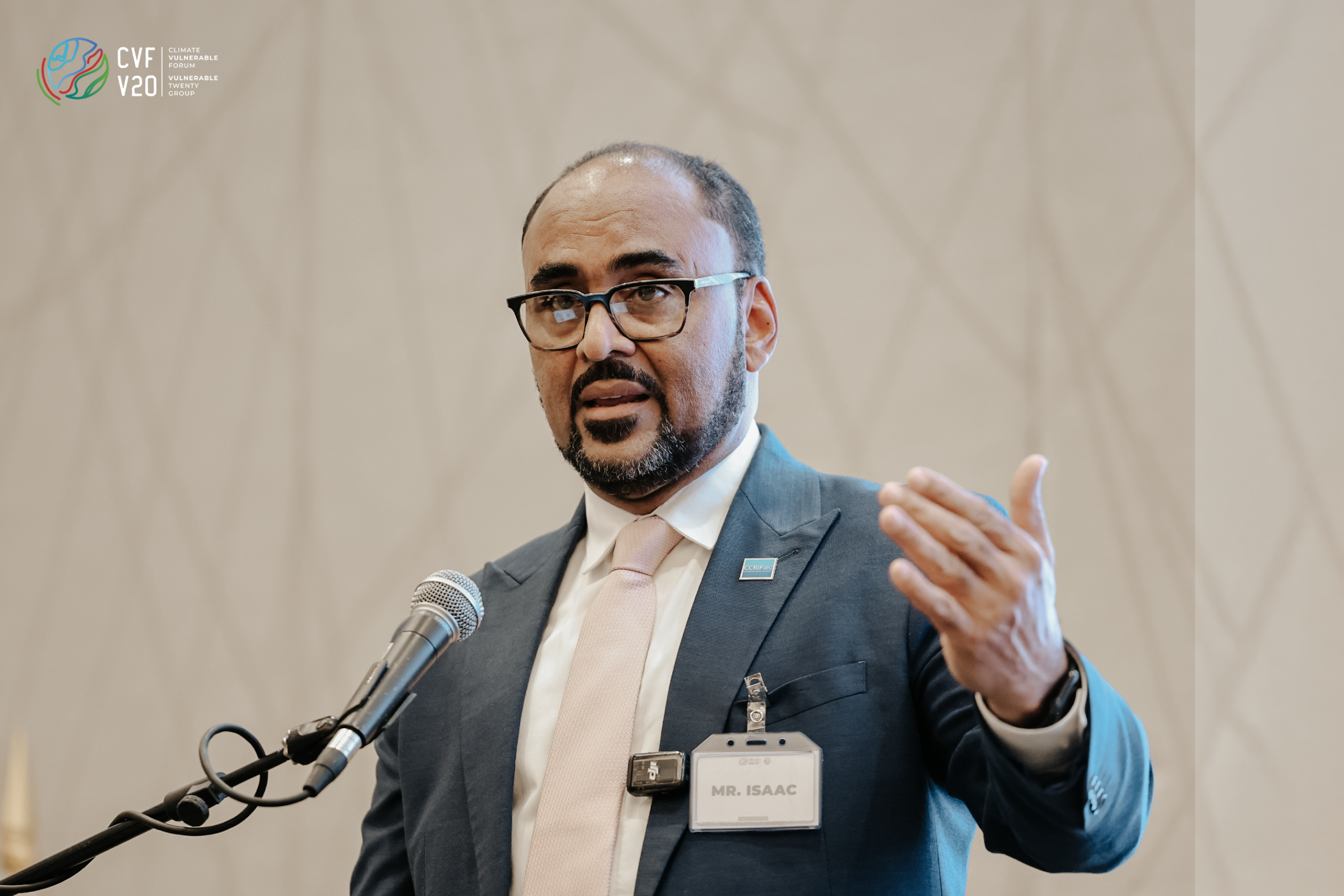
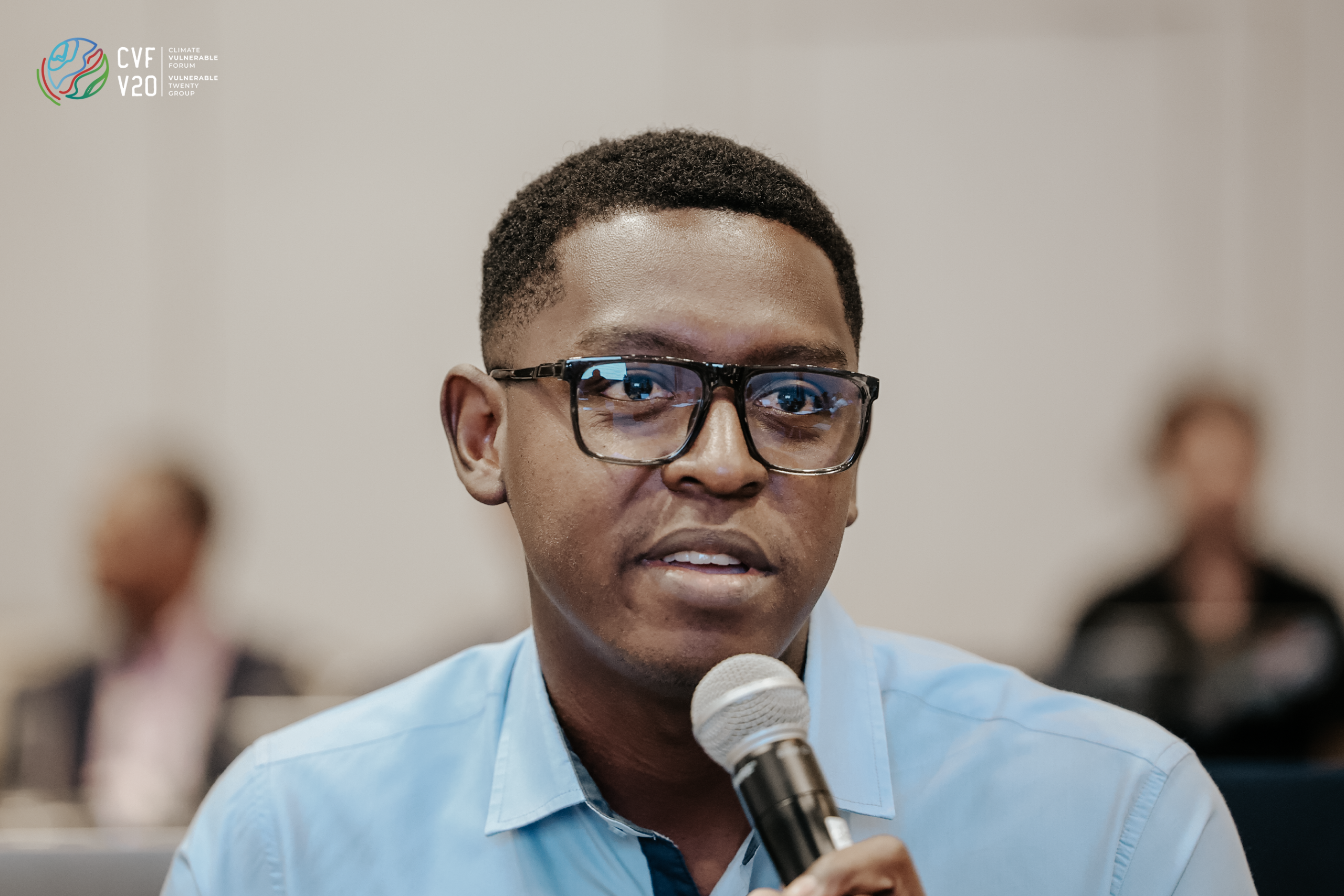
Isaac Anthony, Chief Executive Officer of Caribbean Catastrophe Risk Insurance Facility Segregated Portfolio Company, cited parametric insurance as critical in addressing economic exposure during climate shocks. “It is about how we design the appropriate financial instruments. Whether we talk about CAT bonds, parametric insurance, these must be able to be deployed with speed, they need to be scalable, and they also need to demonstrate equity,” he added.
The Caribbean Development Bank also plays a critical role in helping Caribbean countries access global climate finance aligned with national development priorities. This support is increasingly vital as the region requires an estimated US$14 billion annually for climate action, but currently mobilizes less than 10 percent of that amount.
The Global Shield against Climate Risks complements existing Caribbean initiatives, designed to shift from delayed post-disaster response to pre-arranged, predictable, and country-led financial protection.
“CVF-V20 has our interest as its priority. In a world where small island developing states appear to be on the back burner for so many other entities, here is one that prioritizes us. The benefits are significant,” Ambassador Thompson said.
These include the opportunity to shape climate finance architecture designed to invest in the foundations of resilience and viability—water, health, and education. The Lifeline Fund also proposes a promising regional financing arrangement for the Caribbean to enhance access to the global financial safety net. The V20 Sustainable Insurance Facility presents a strategic opportunity to advance uptake of climate-smart insurance solutions for micro, small, and medium-sized enterprises (MSMEs) across the region. Furthermore, the CVF-V20 is pursuing the establishment of an Adaptation Training Hub for the Caribbean under the V20 Loss and Damage Funding Program. This initiative is expected to fund selected demonstration projects that scale climate change adaptation technologies and solutions led by MSMEs.
By broadening access to its platforms, the CVF-V20 creates opportunities for Caribbean countries to engage with the wider membership and benefit from enhanced access to climate finance and disaster risk financing initiatives.
As these nations grapple with the intensifying risks of climate change, the region has even greater reason to strengthen regional collaboration, contributing meaningfully to broader South-South cooperation.
***
The CVF-V20 represents 74 member countries from small island developing states (SIDS), least developed countries (LDCs), low to middle-income countries (LMICs), landlocked developing countries (LLDCs), and fragile and conflict-affected states (FCS). Working together, the CVF-V20 aims to achieve climate justice through the realization of Climate Prosperity Plans, which contain ambitious economic and financial resilience strategies designed to attract investment and resources that advance the attainment of the Sustainable Development Goals (SDGs), 30×30 Global Biodiversity, and help keep the average global temperatures to the Paris Agreement’s 1.5°C safety threshold.
Africa: Benin, Burkina Faso, Cabo Verde, Chad, Comoros, Côte d’Ivoire, Democratic Republic of the Congo, Eswatini, Ethiopia, Gabon, The Gambia, Ghana (Troika), Guinea, Kenya, Liberia, Madagascar, Malawi, Morocco, Mozambique, Namibia, Niger, Rwanda, Senegal, Sierra Leone, Somalia, South Sudan, Sudan, Tanzania, Togo, Tunisia, Uganda
Asia: Afghanistan, Bangladesh (Troika), Bhutan, Cambodia, Jordan, Kyrgyzstan, Lebanon, Maldives, Mongolia, Nepal, Pakistan, Palestine, Philippines, Sri Lanka, Timor-Leste, Vietnam, Yemen
Caribbean: Barbados (Chair/Troika), Dominica, Dominican Republic, Grenada, Guyana, Haiti, Saint Lucia, Suriname, Trinidad and Tobago
Latin America: Colombia, Costa Rica, Guatemala, Honduras, Nicaragua, Paraguay
Pacific: Fiji, Kiribati, Marshall Islands, Nauru, Palau, Papua New Guinea, Samoa, Solomon Islands, Tonga, Tuvalu, Vanuatu
For media enquiries, please contact [email protected].
For the latest updates, please follow us on: