Colombia Frees Its Amazon Region from Large-Scale Mining
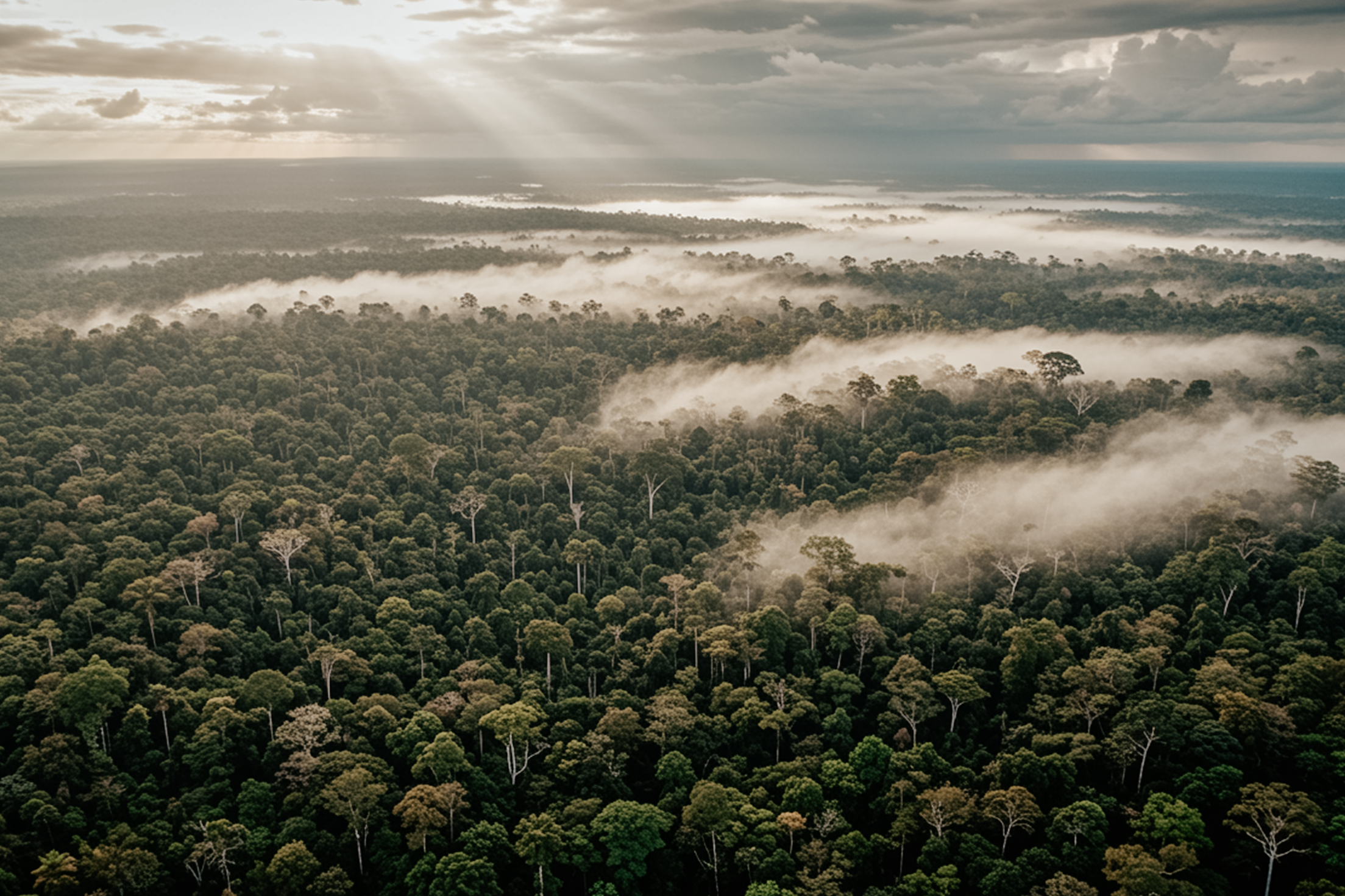
The Republic of Colombia vows to protect its share in the Amazon by declaring its entire biome off-limits to new large-scale mining and hydrocarbon projects, ensuring the conservation of ecological systems and the preservation of engraved ethical identity across the jungle. The declaration was made at a ministerial meeting of the Amazon Cooperation Treaty Organization (ACTO) ministers during COP30 in November 2015.
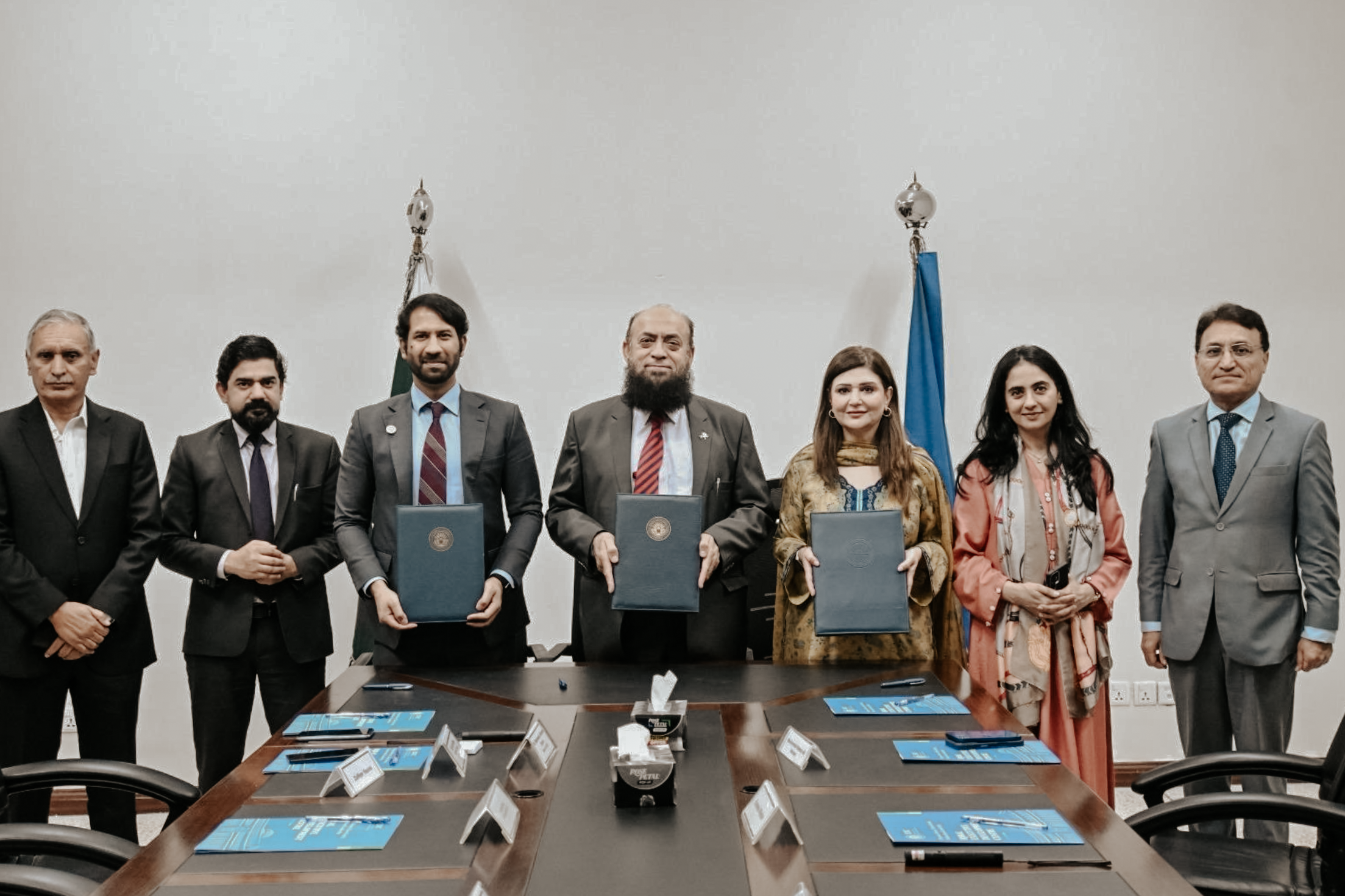
New Partnerships Forged in Pakistan to Accelerate Climate Action
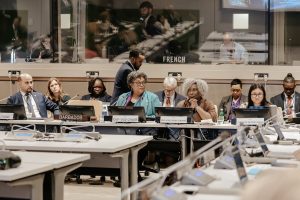
The CVF-V20 Secretariat has forged new partnerships with leading financial, academic, and media institutions in Pakistan in March, marking a significant step toward advancing climate finance, building national capacity, and strengthening implementation of the Pakistan Climate Prosperity Plan (CPP).
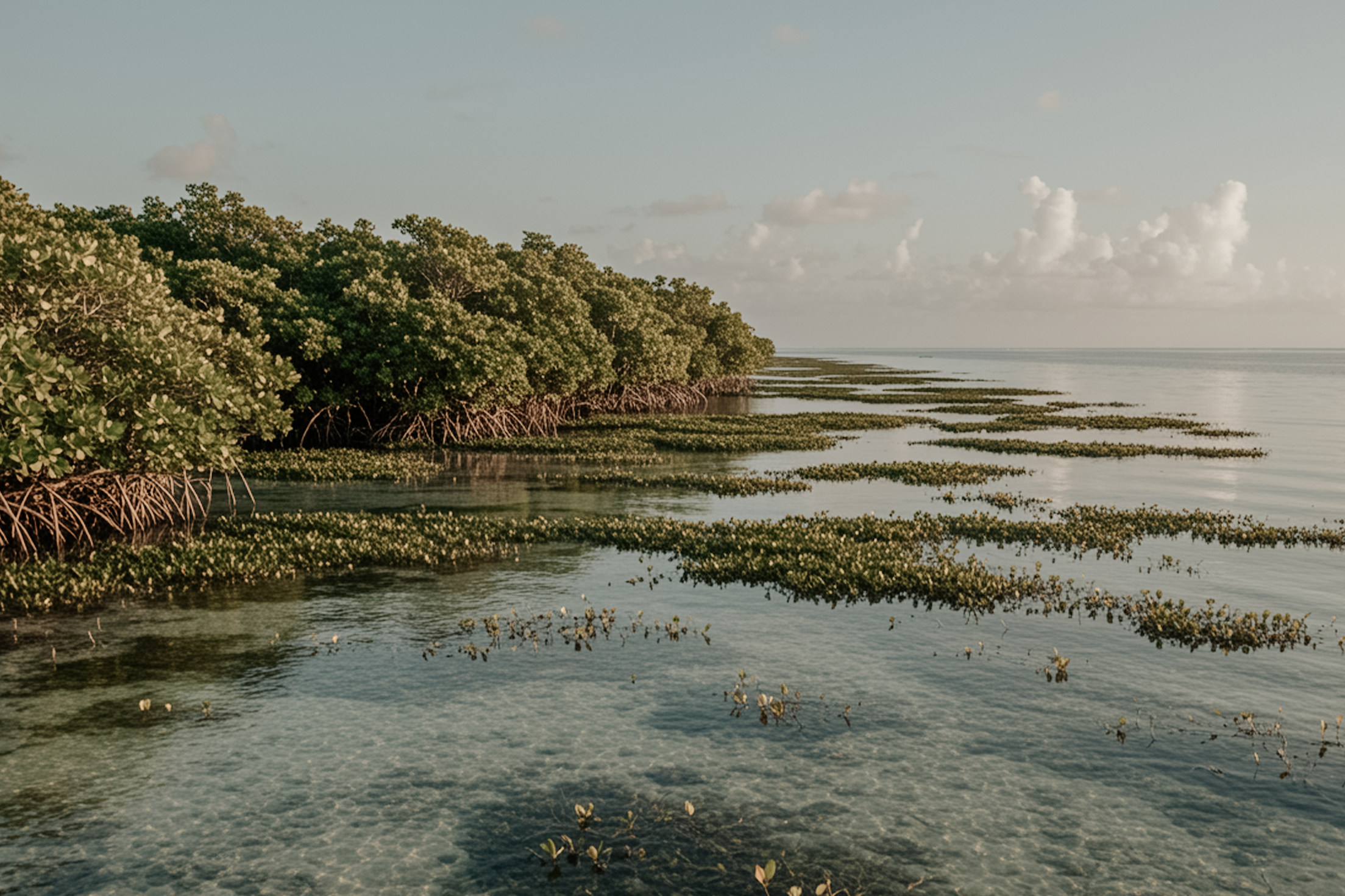
Nature-Based Solutions Drive Honduras’ NDC 3.0
Ten years after its first climate commitments under the Paris Agreement, Honduras is turning to the strength of its coastlines. In its third Nationally Determined Contribution (NDC), the country is prioritizing mangrove and seagrass conservation as a cornerstone of its climate action.
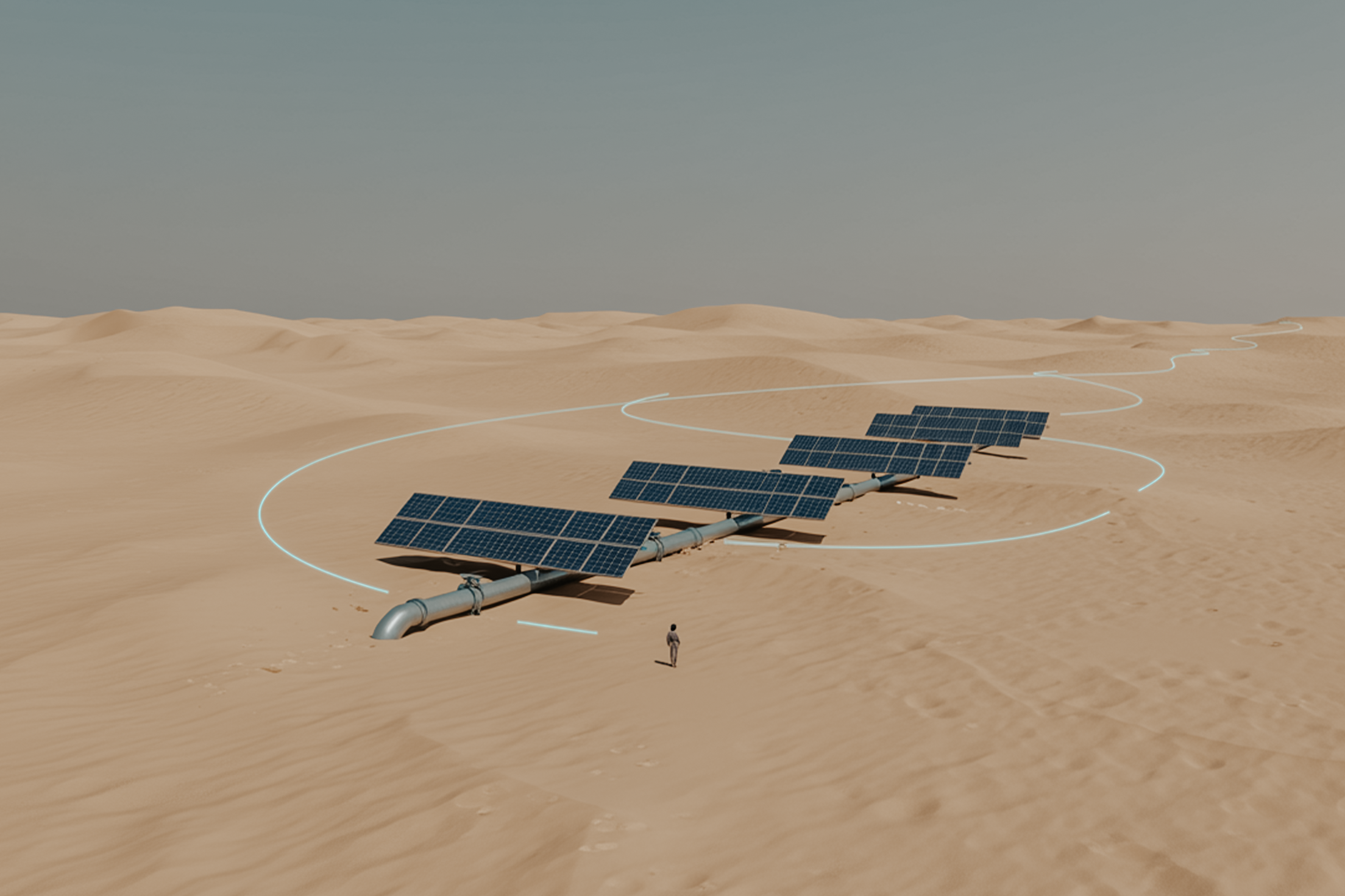
Levant Region Leverages Subnational Governance to Access Climate Finance
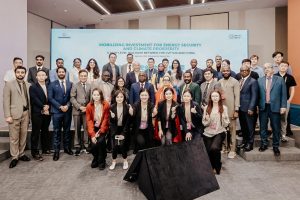
Ten municipalities from Lebanon, Palestine, and Jordan engaged with development banks and bilateral and multilateral donors at the Climate Finance Pathways Forum to mobilize resources for their subnational climate project proposals spanning water security and flood-risk reduction, nature-based solutions, climate-resilient infrastructure, urban cooling, solid waste management, and climate-smart agriculture.
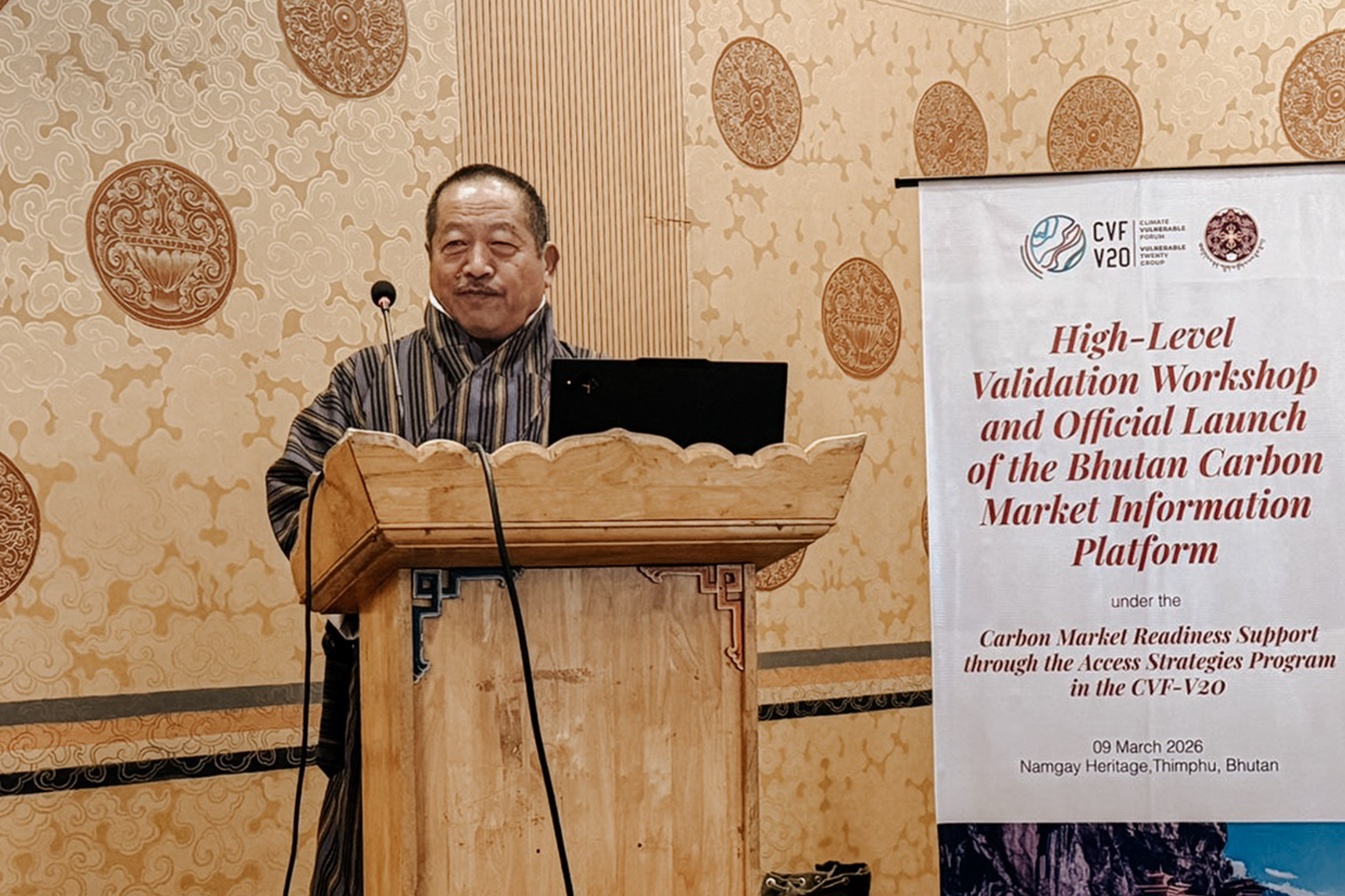
From Policy Ambition to Investment Readiness: Bhutan’s Progress with the V20–VCMI Carbon Finance Program
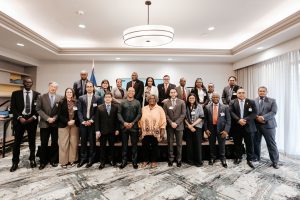
Through the Carbon Finance Program, Bhutan has accelerated the development of policy frameworks and strengthened the institutional foundations needed to advance the country’s participation in carbon markets, including the launch of a centralized carbon information platform.
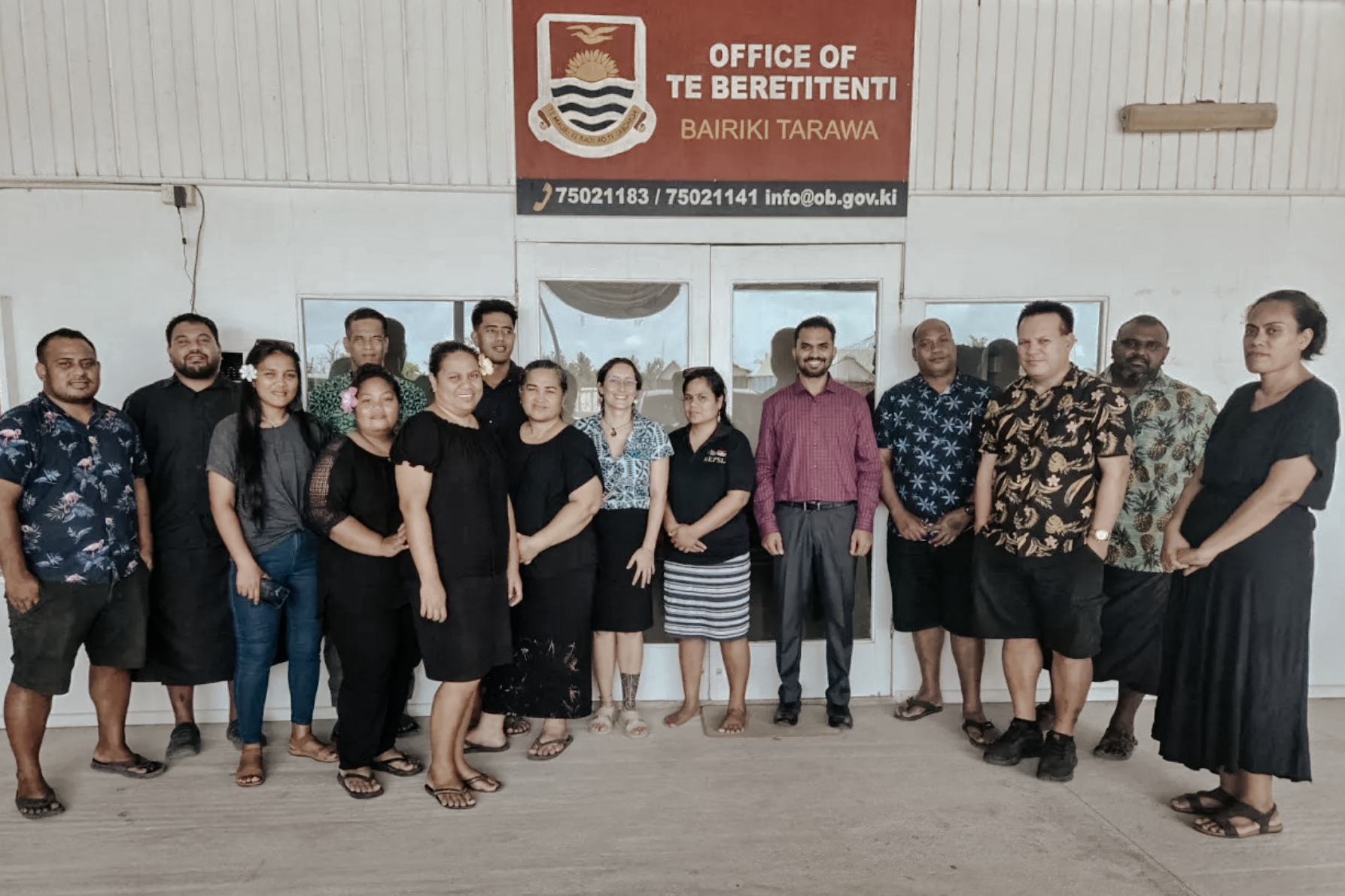
From Ambition to Implementation: Kiribati’s Climate Investment Pathway
Efforts are now underway to update Kiribati’s Nationally Determined Contribution (NDC) Investment Plan, with the support of the Regional Pacific NDC Hub. First developed in 2021. the investment plan provides a structured roadmap for translating national climate targets into concrete investment opportunities.
Now is the time to focus on loss and damage from climate change
The year 2020 will be remembered as not just the year of the pandemic, but also for the experienced human-induced climate change impacts, making loss and damage from those impacts a reality.
The G7 countries need to step up on climate finance
One of the positive outcomes of the Paris Agreement on Climate Change back in 2015 was a pledge from the rich countries to provide USD
Dealing with loss and damage in COP26
Loss and damage from human induced climate change is an issue that has emerged in recent years, as the adverse impacts of climate change are becoming more and more visible around the world, ranging from more severe cyclones to super wildfires and frequent floods, as well as heat waves and droughts […]
Honouring the Paris Agreement Goals: A way forward
Farhana Yamin is an international climate change lawyer, activist and deputy chair of the Expert Advisory Group of the Climate Vulnerable Forum, an international
Climate change ambitions at the end of 2020: Good news and bad
Dr Saleemul Huq is Director of the International Centre for Climate Change and Development at the Independent University Bangladesh. Article Source: https://www.thedailystar.net/opinion/politics-climate-change/news/climate-change-ambitions-the-end-2020-good-news-and-bad-2026697 One of the

“Midnight” – a creation by CVF Ambassador for Culture Kathy Jetñil-Kijiner
This December marks the 5th anniversary of the signing of the Paris Agreement, a crucial global climate treaty. The Pacific played a pivotal role in pushing countries to adopt more robust commitments – and has continued to lobby for necessary climate measures.