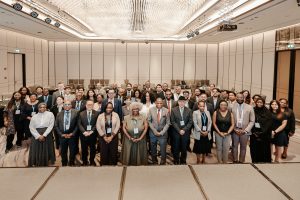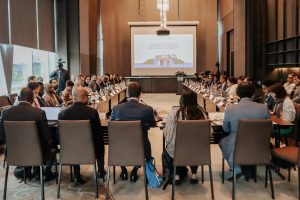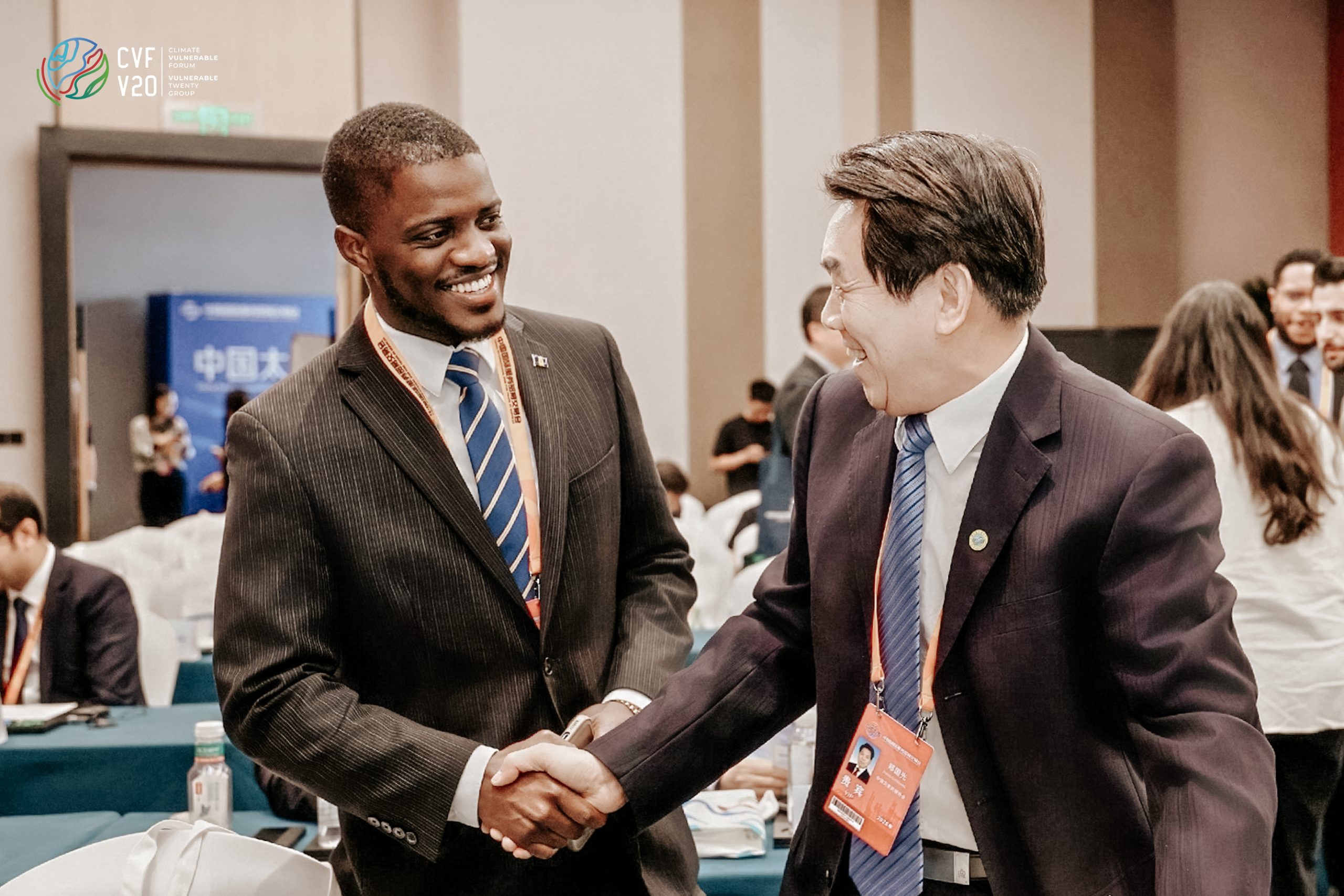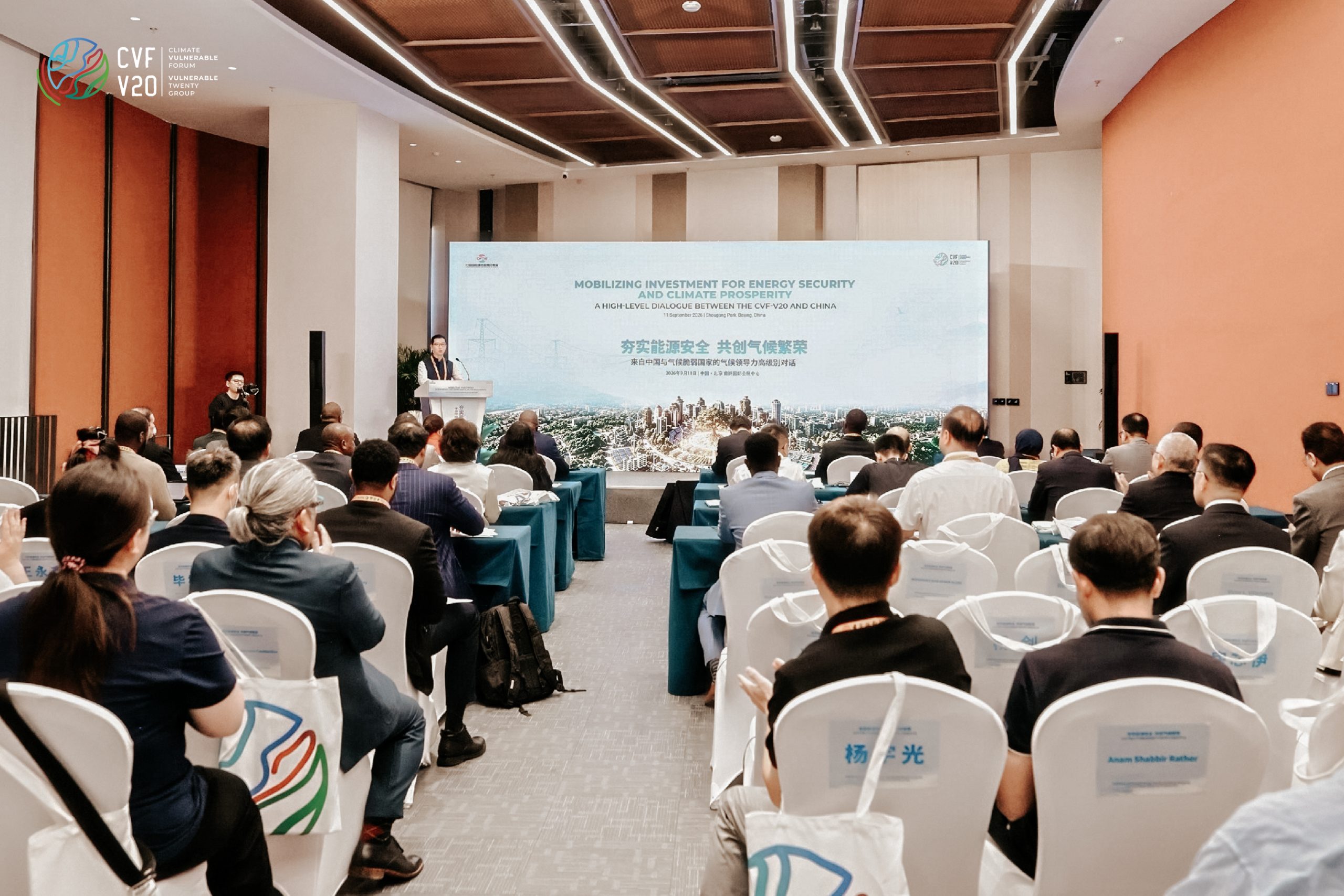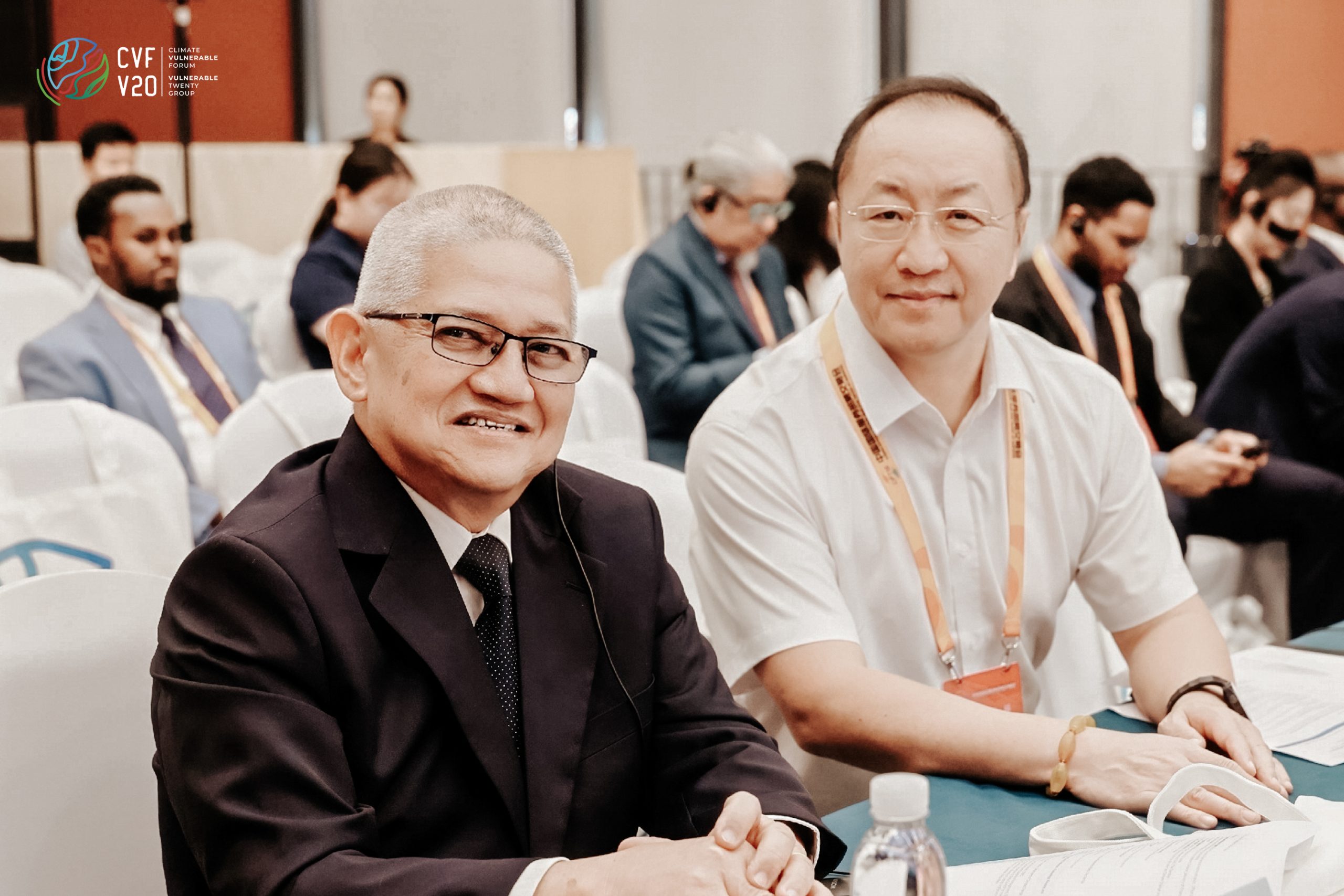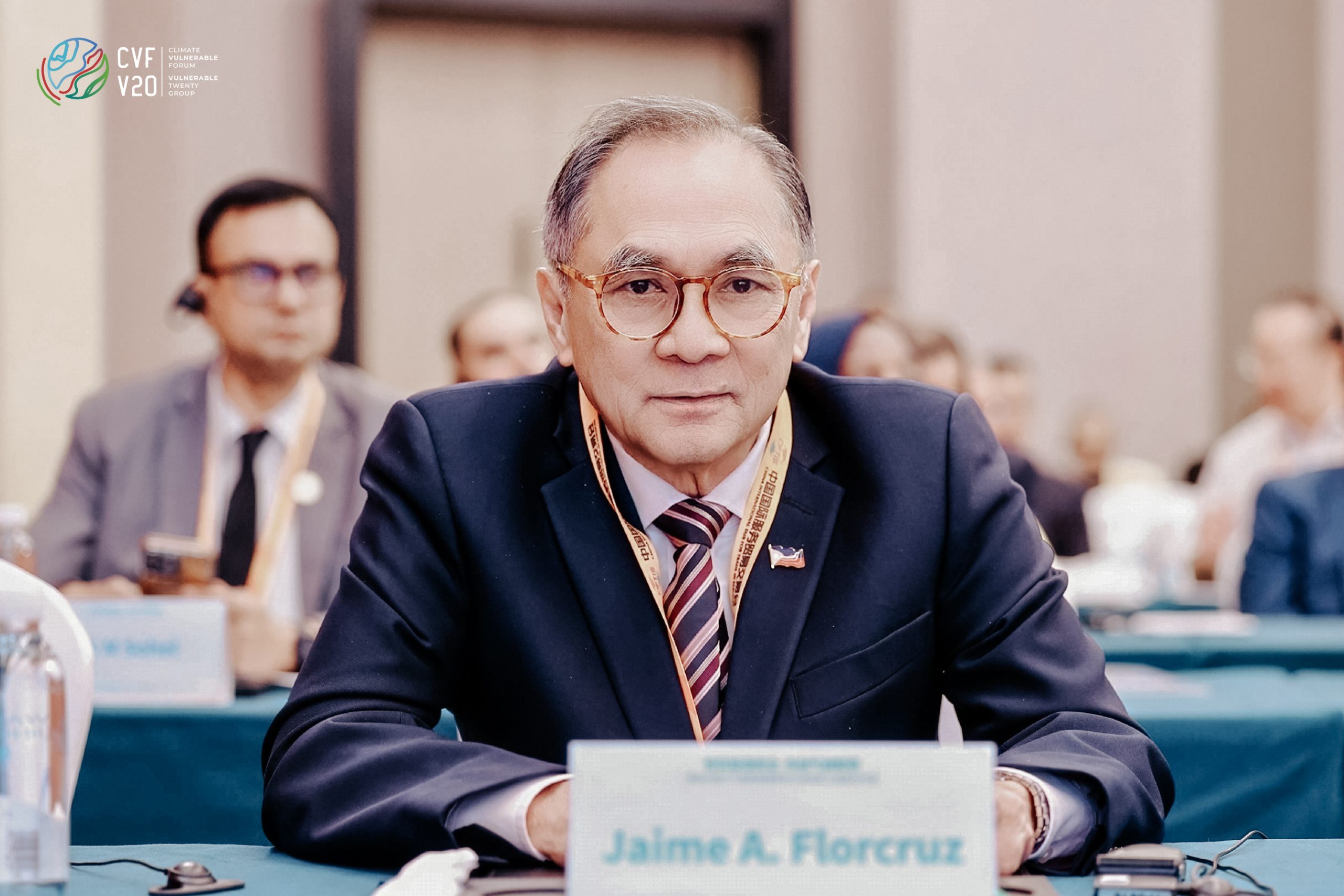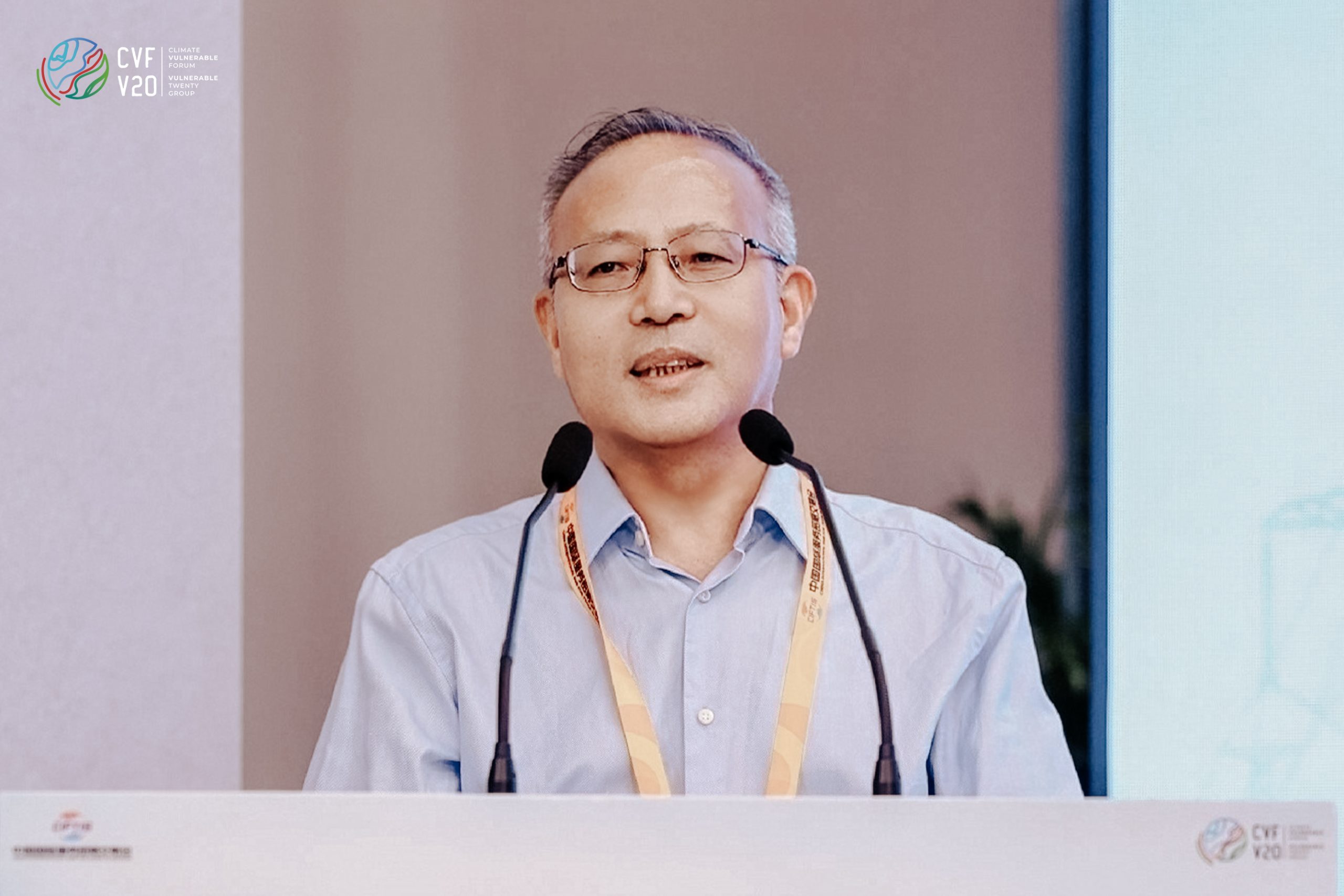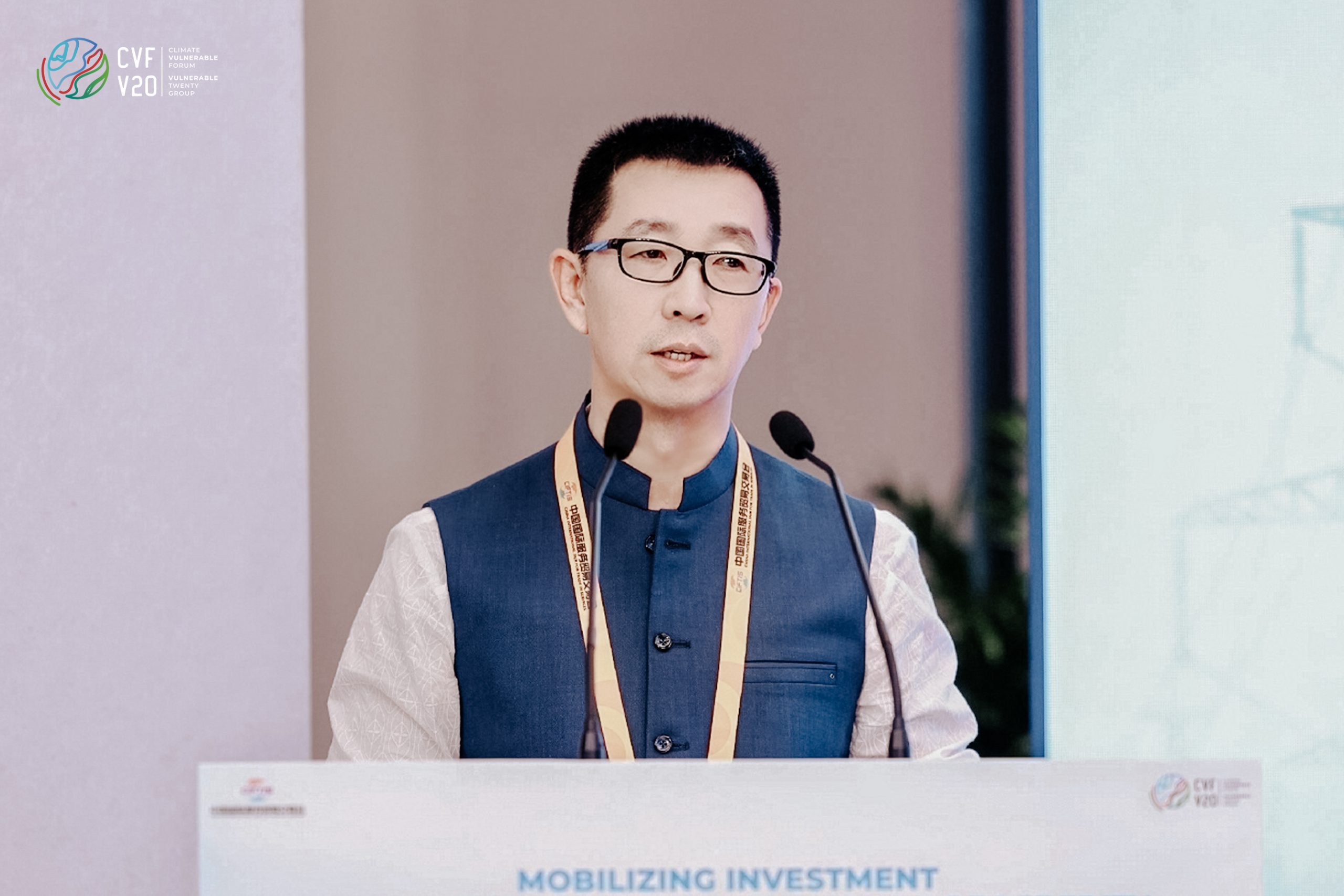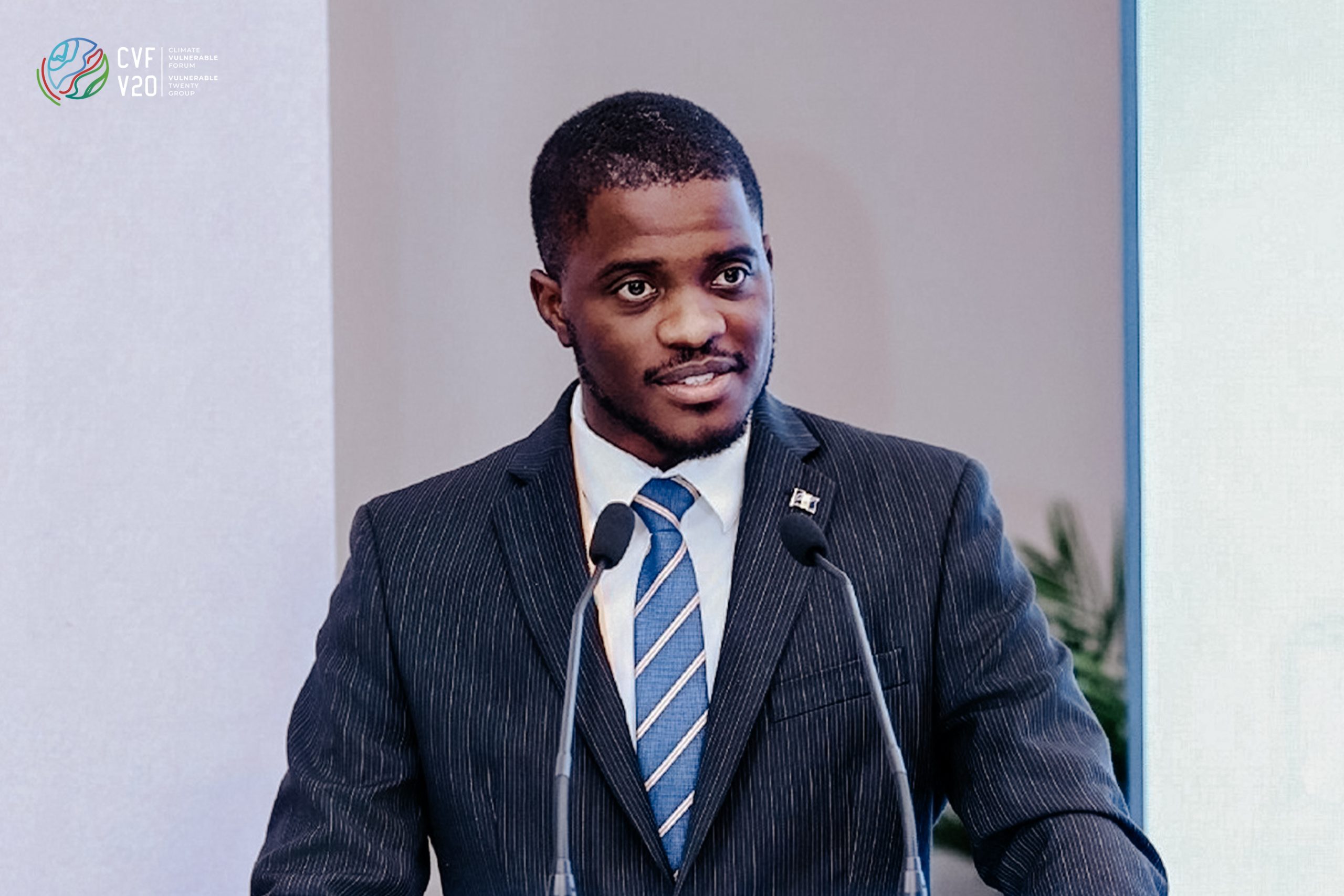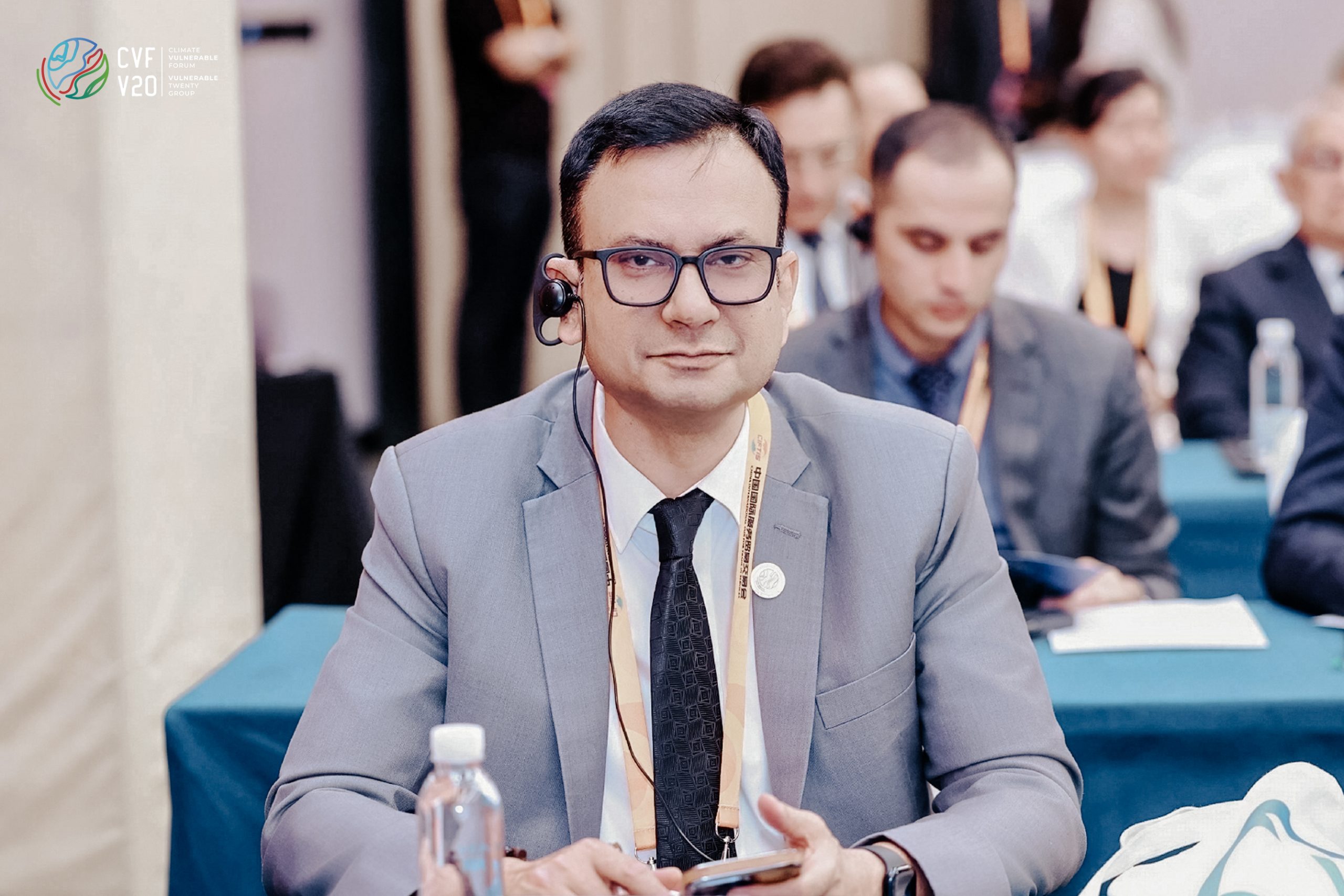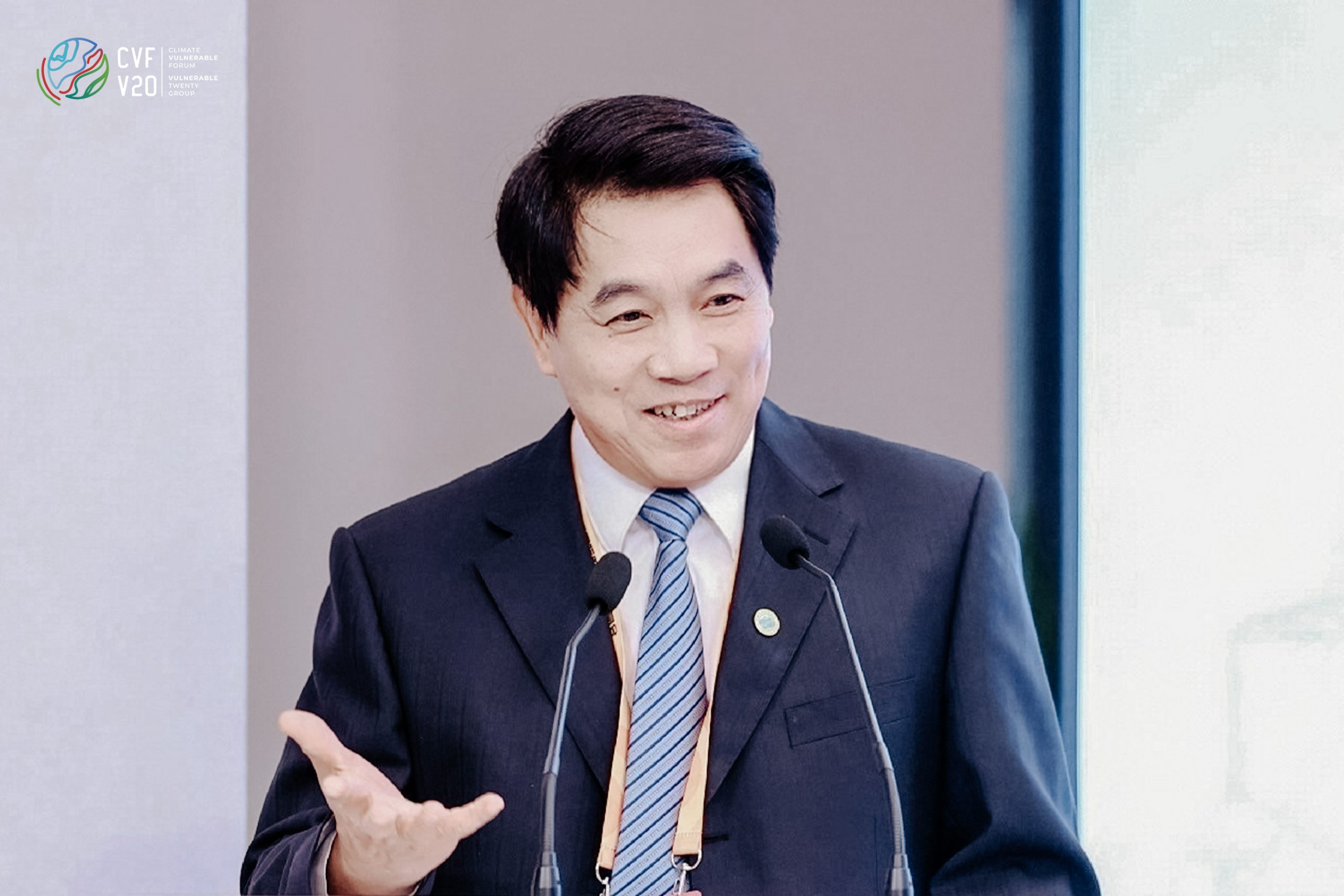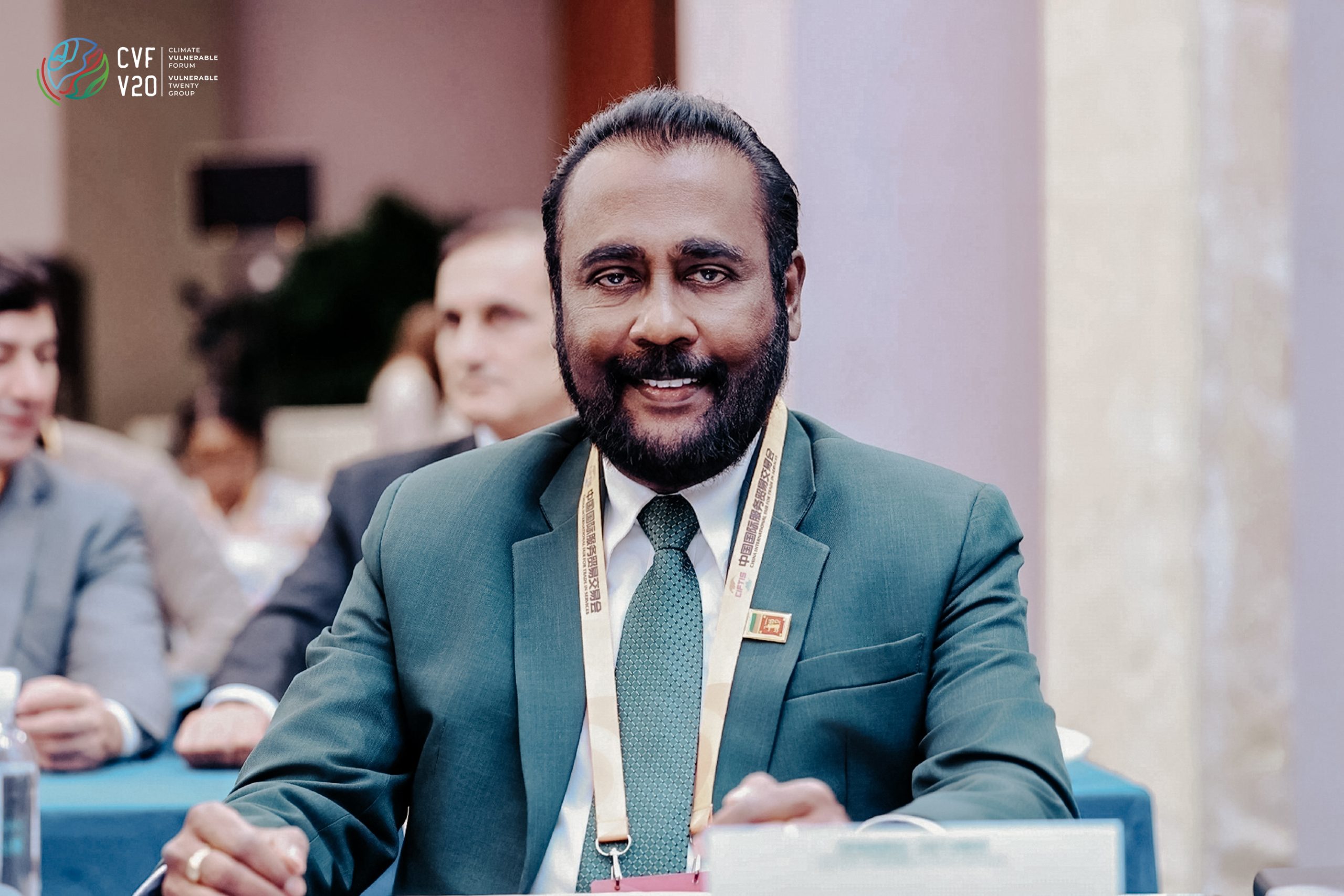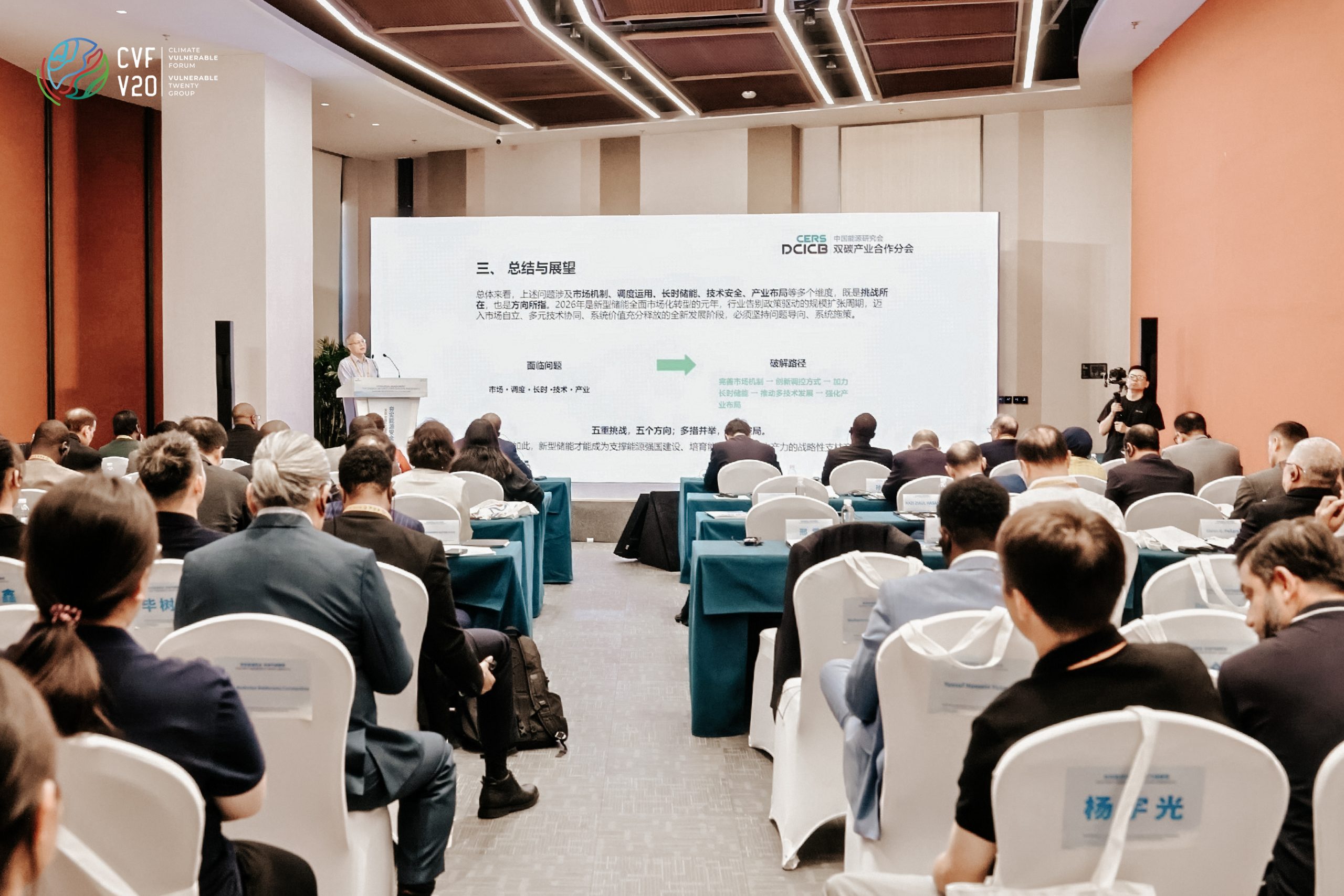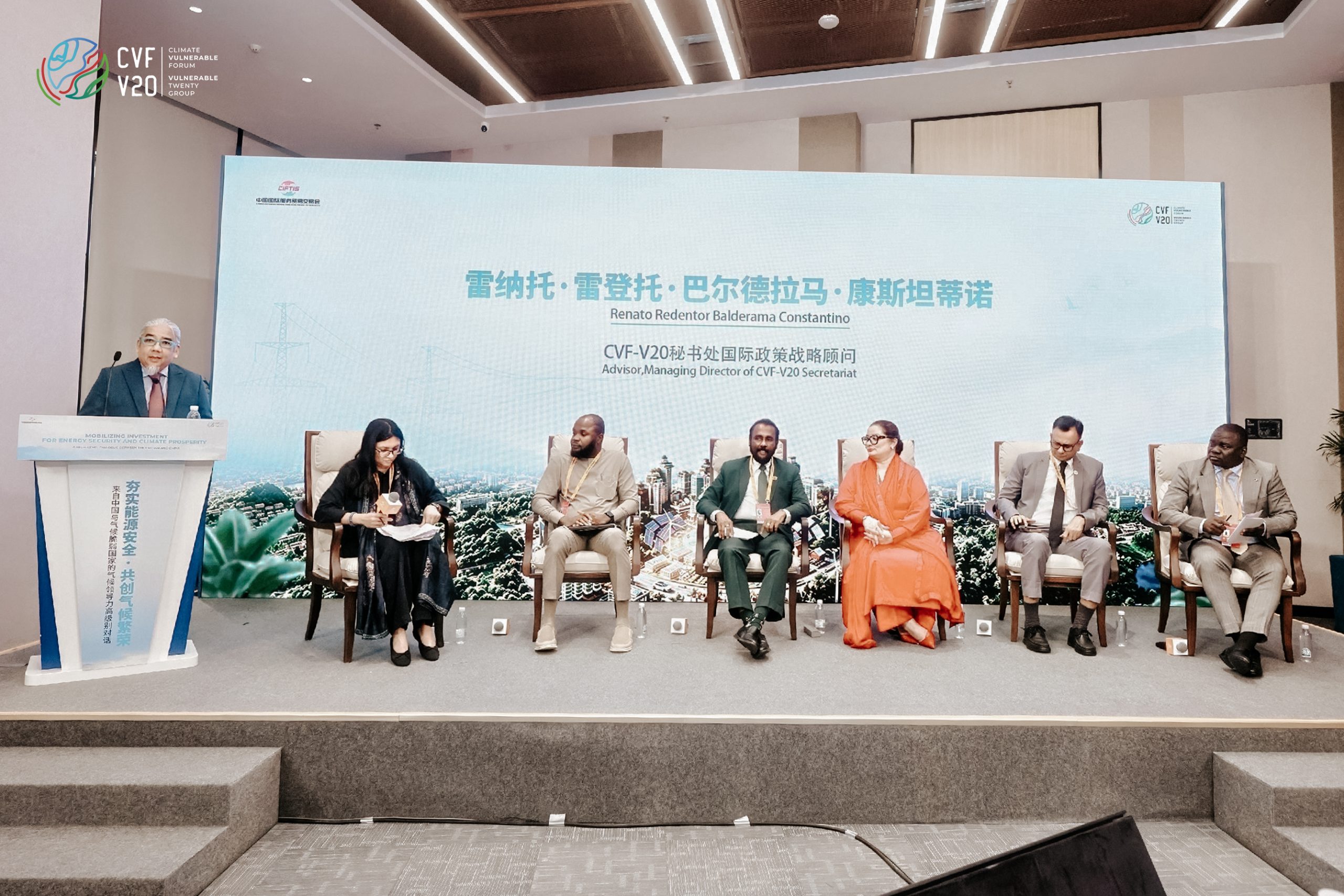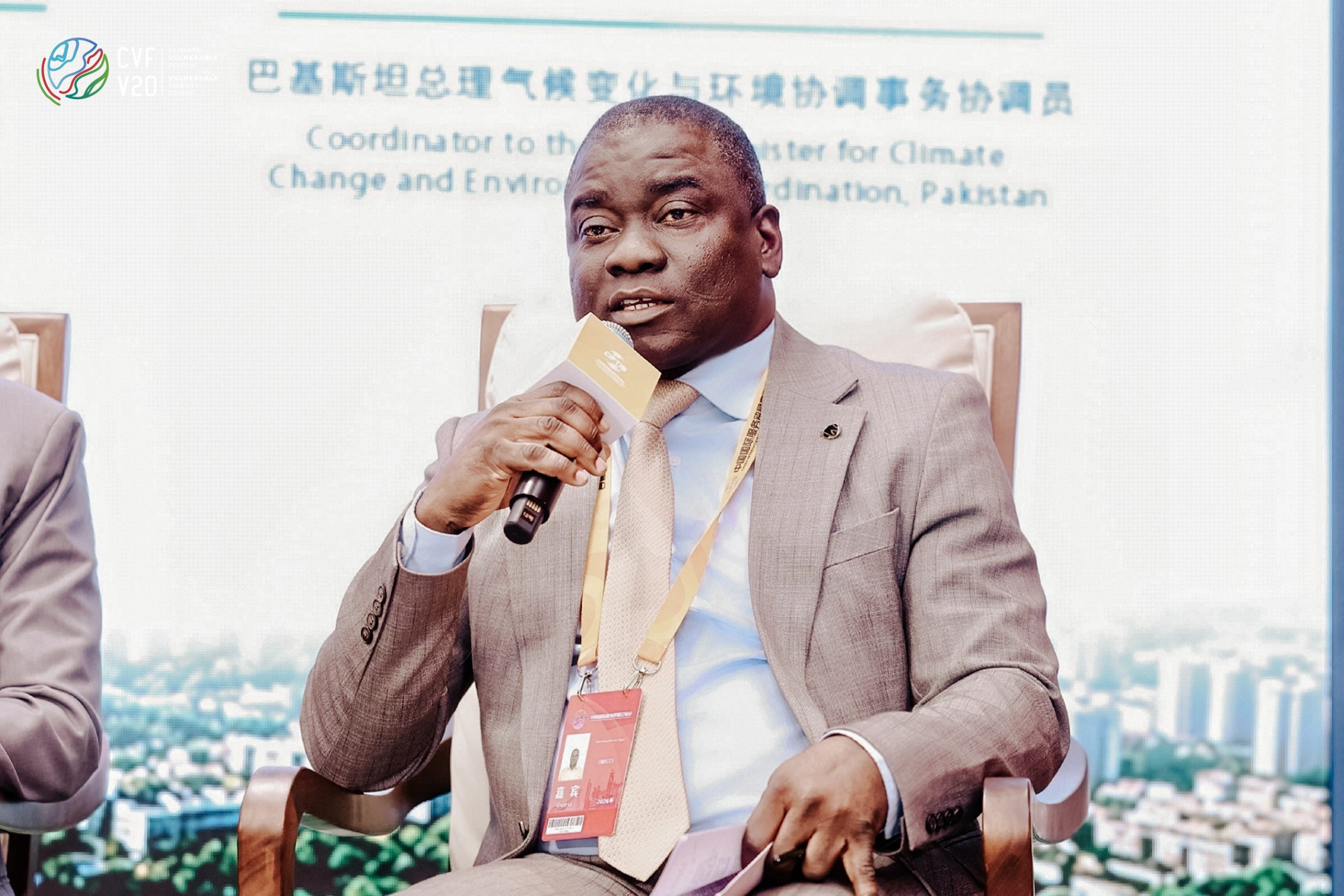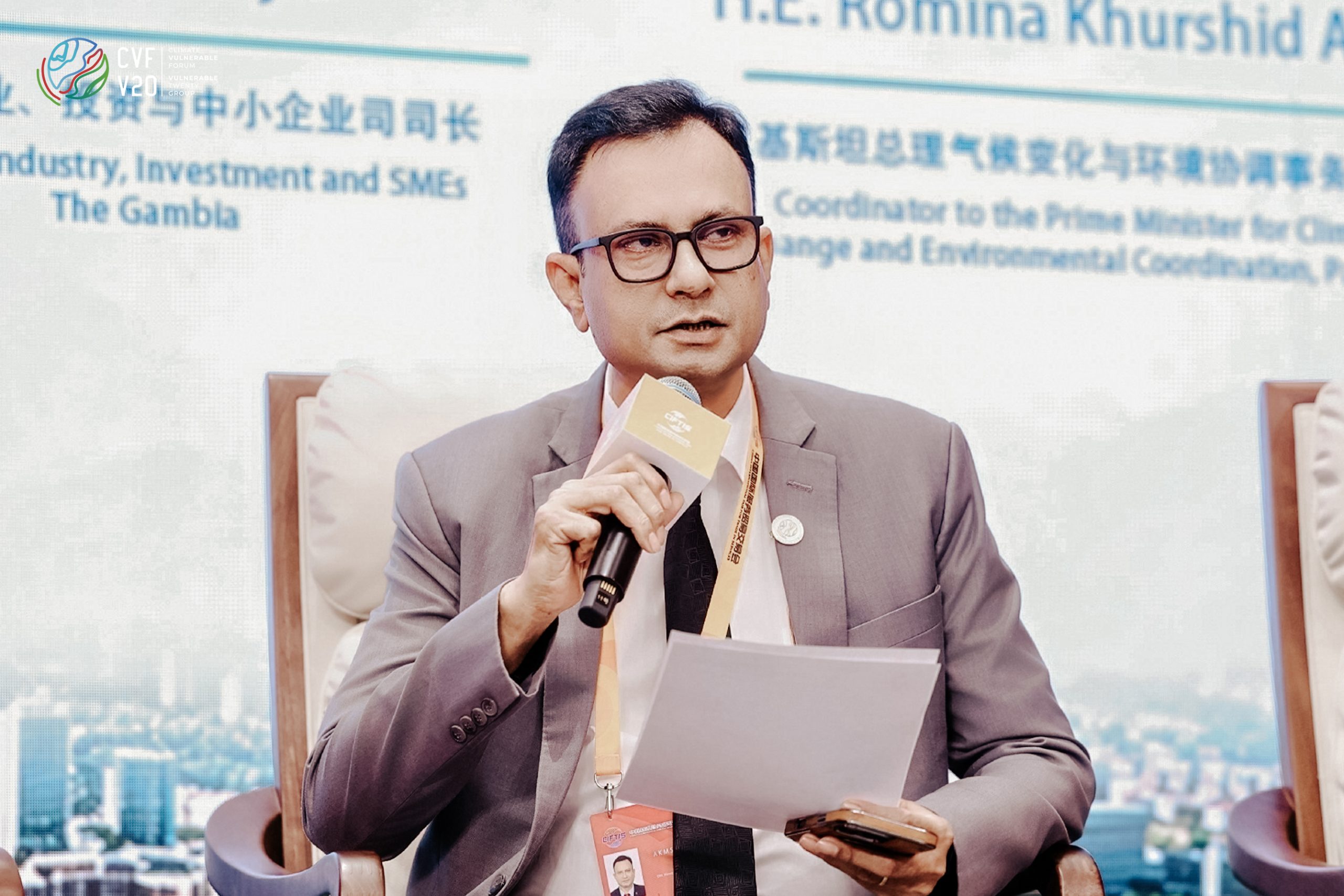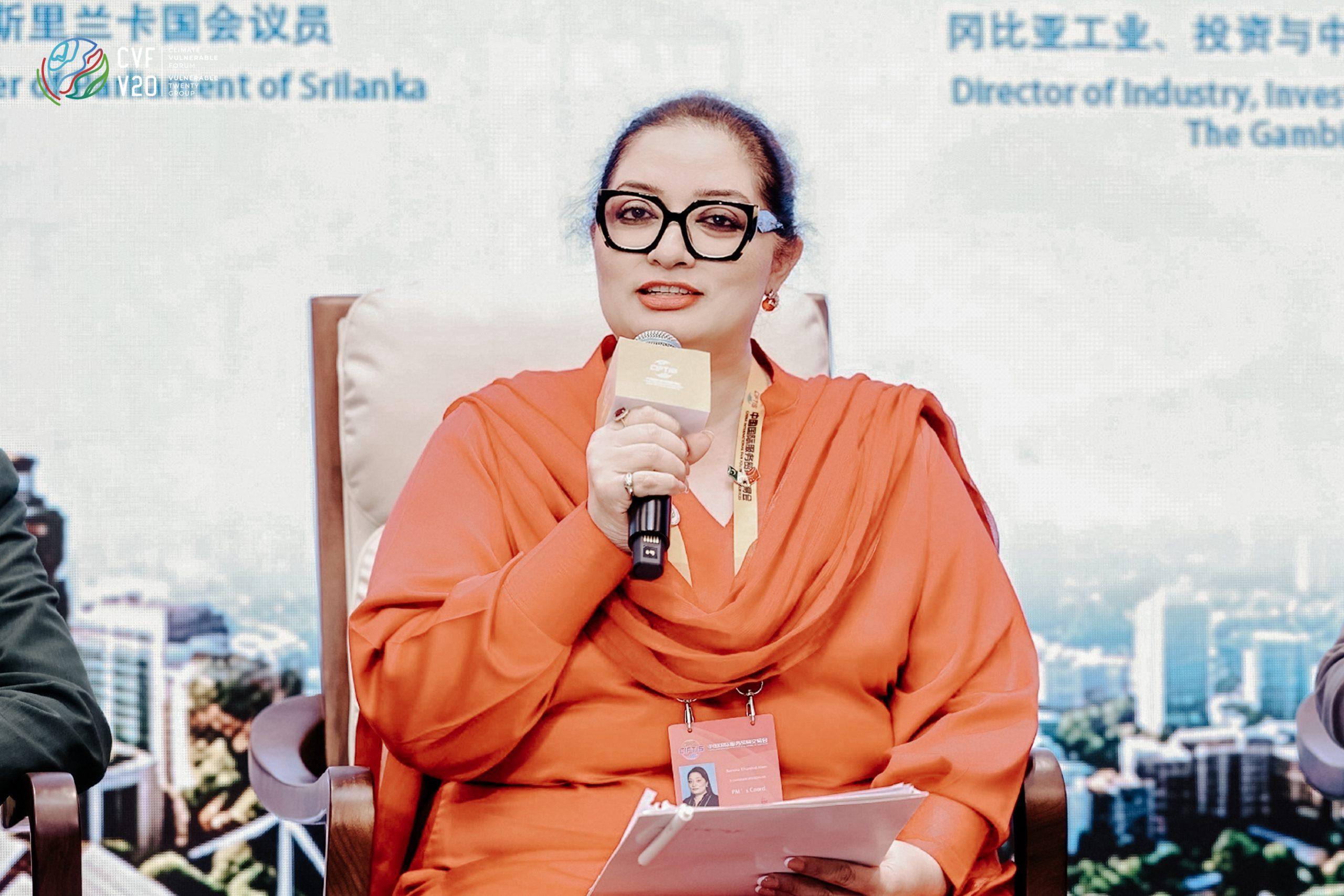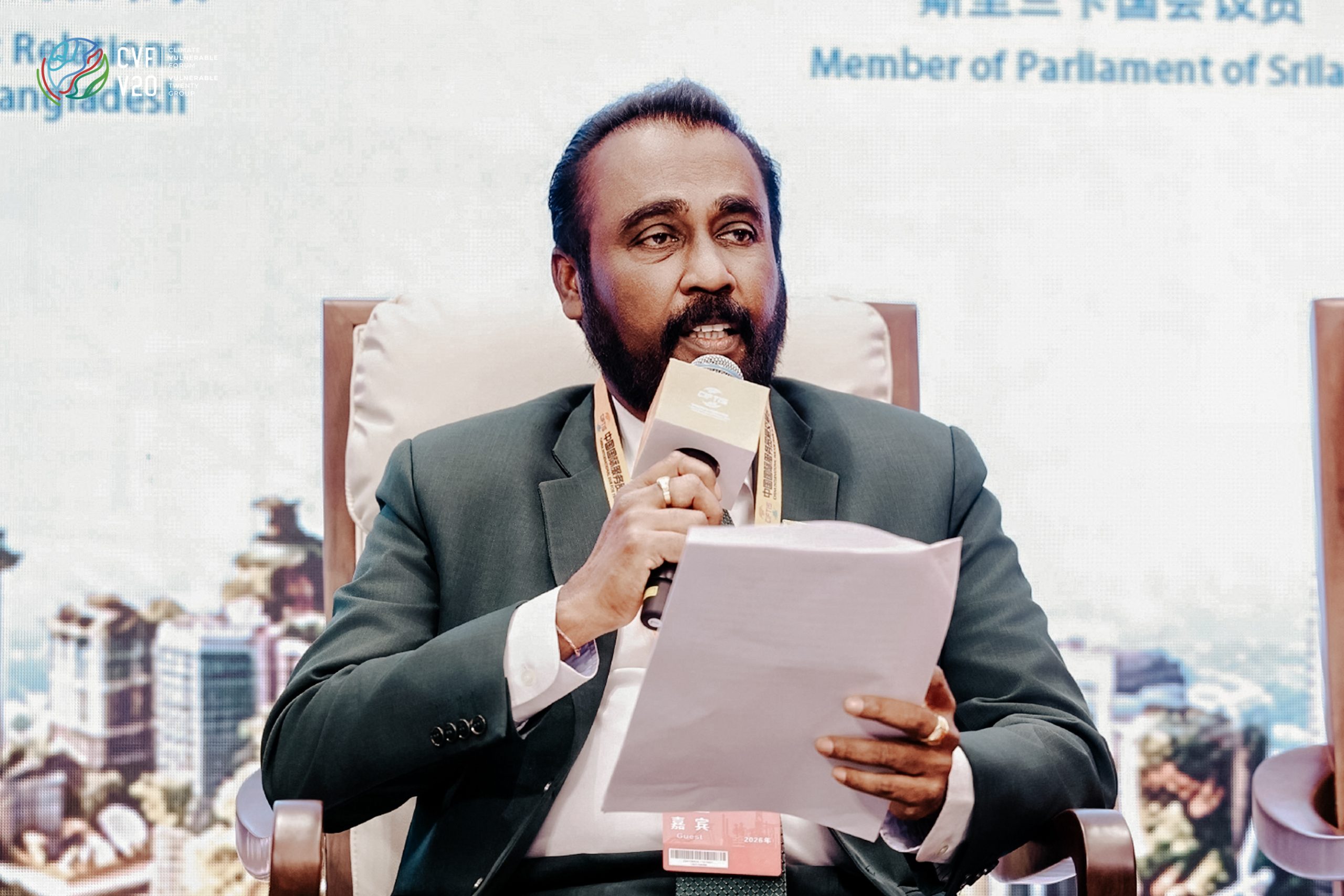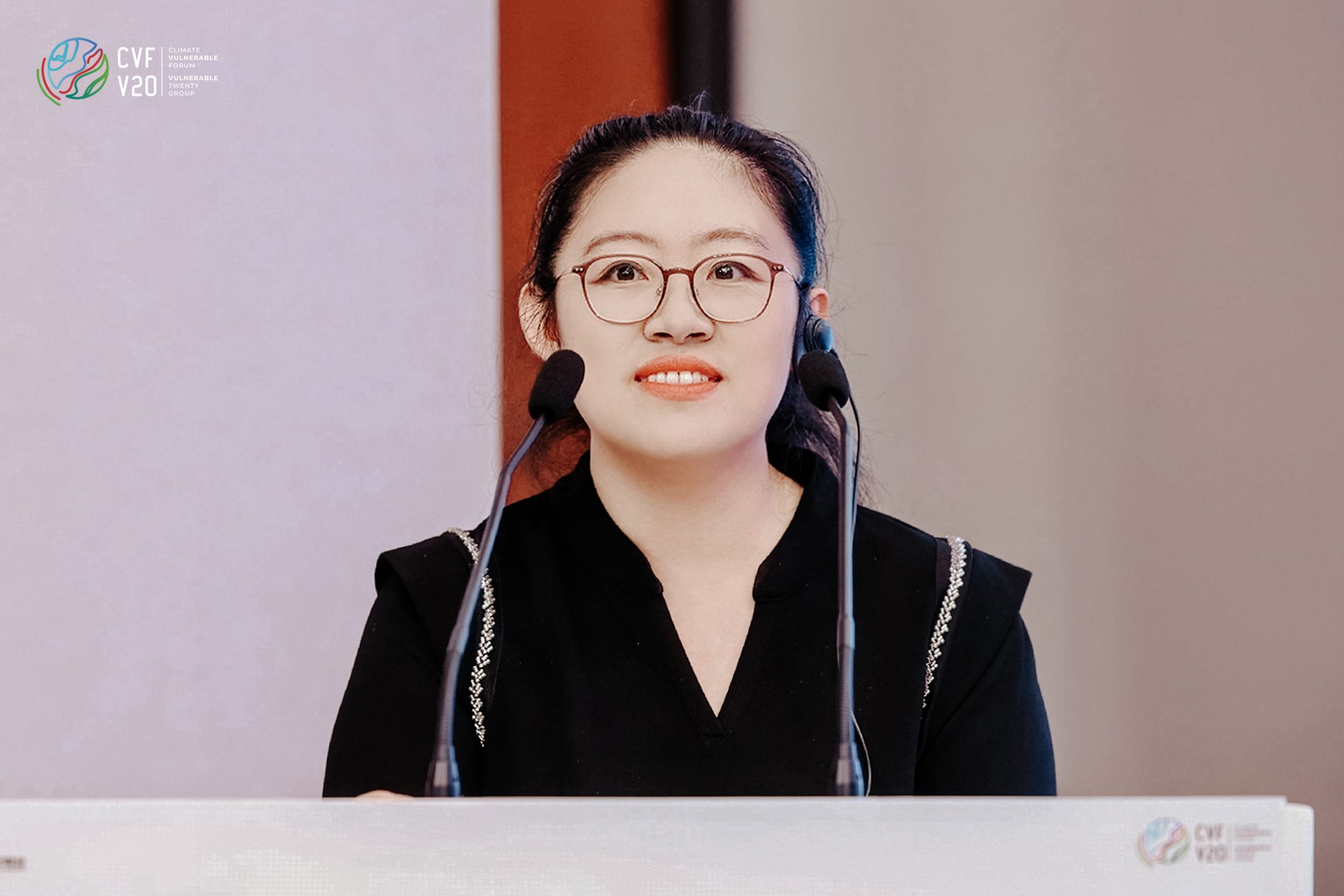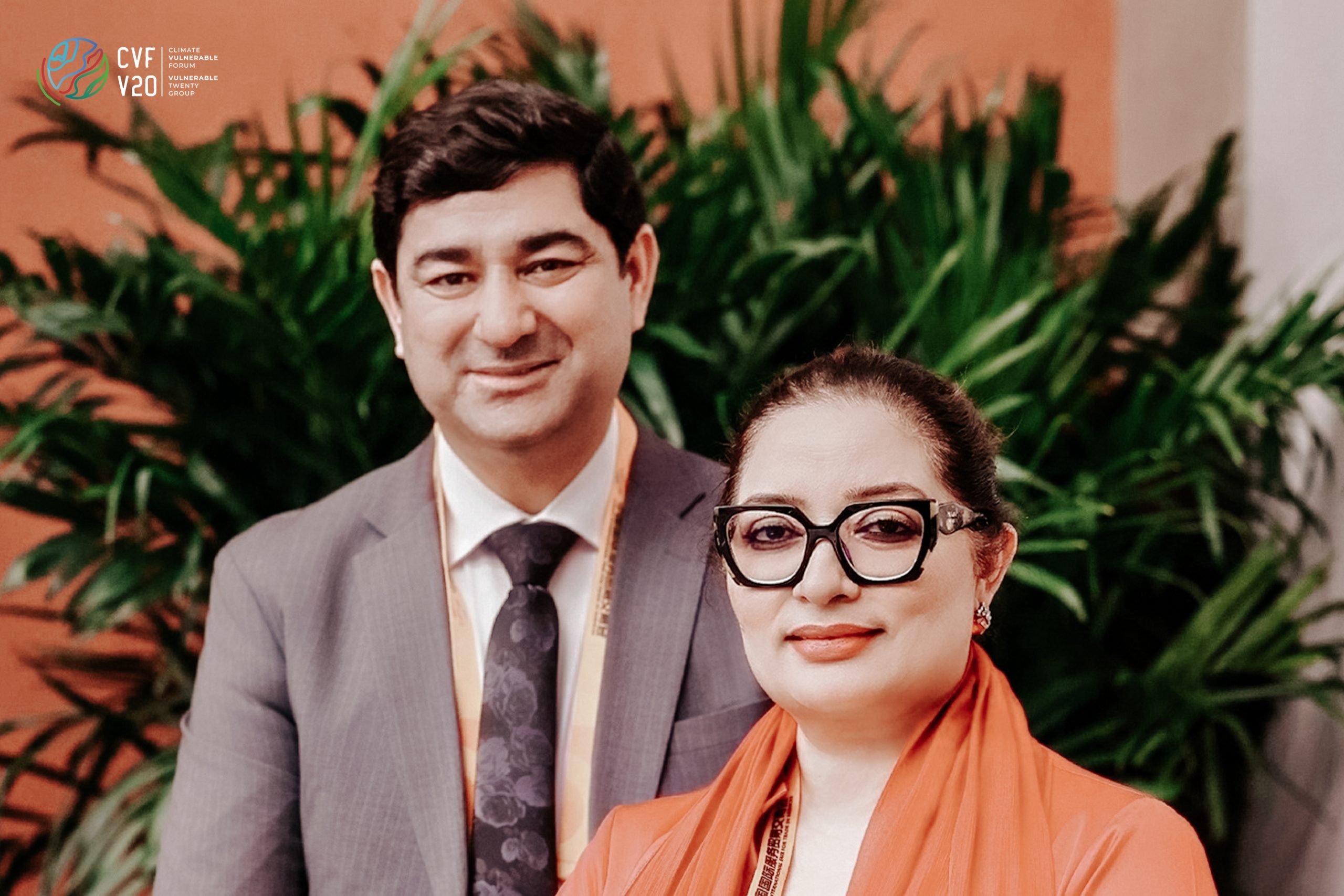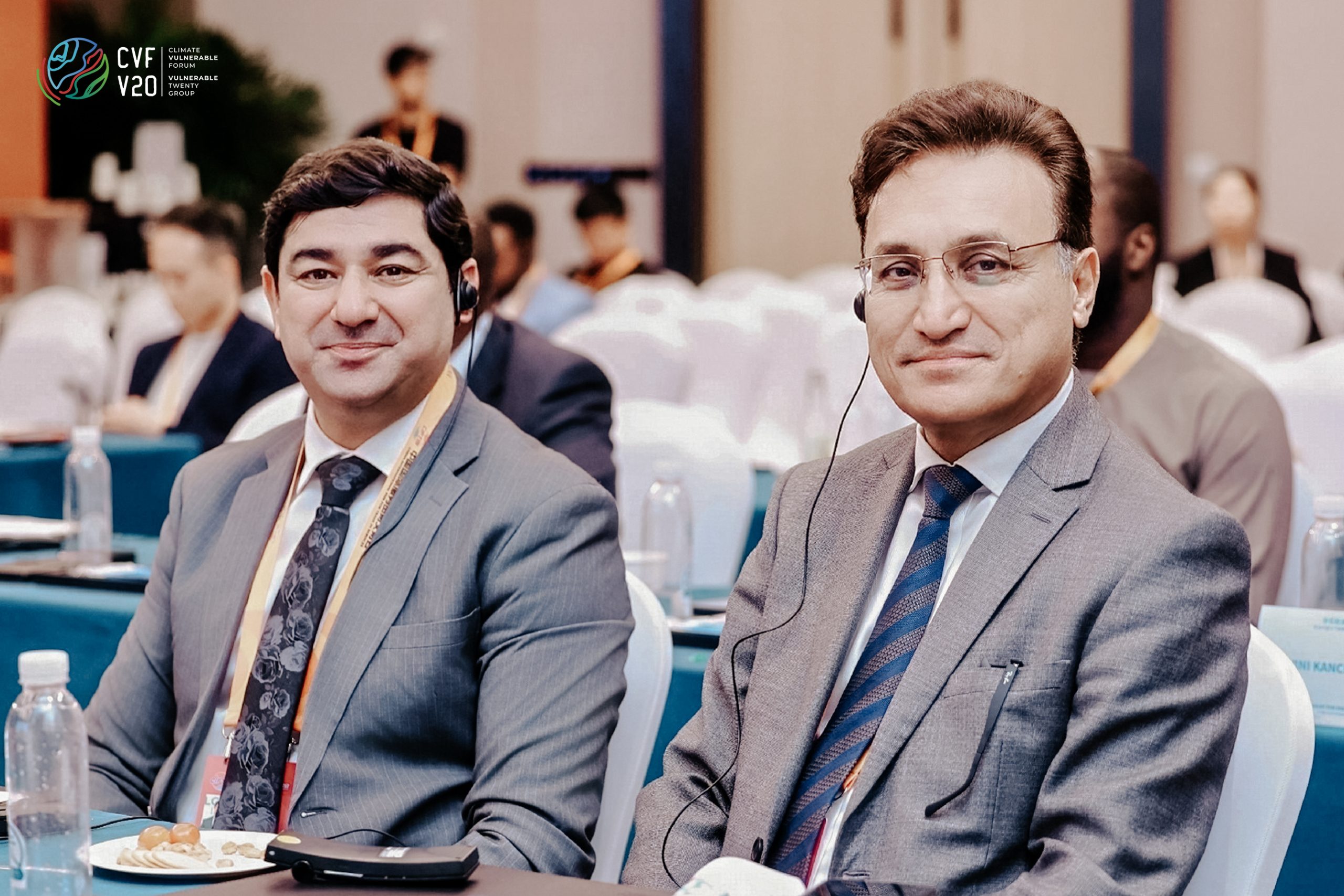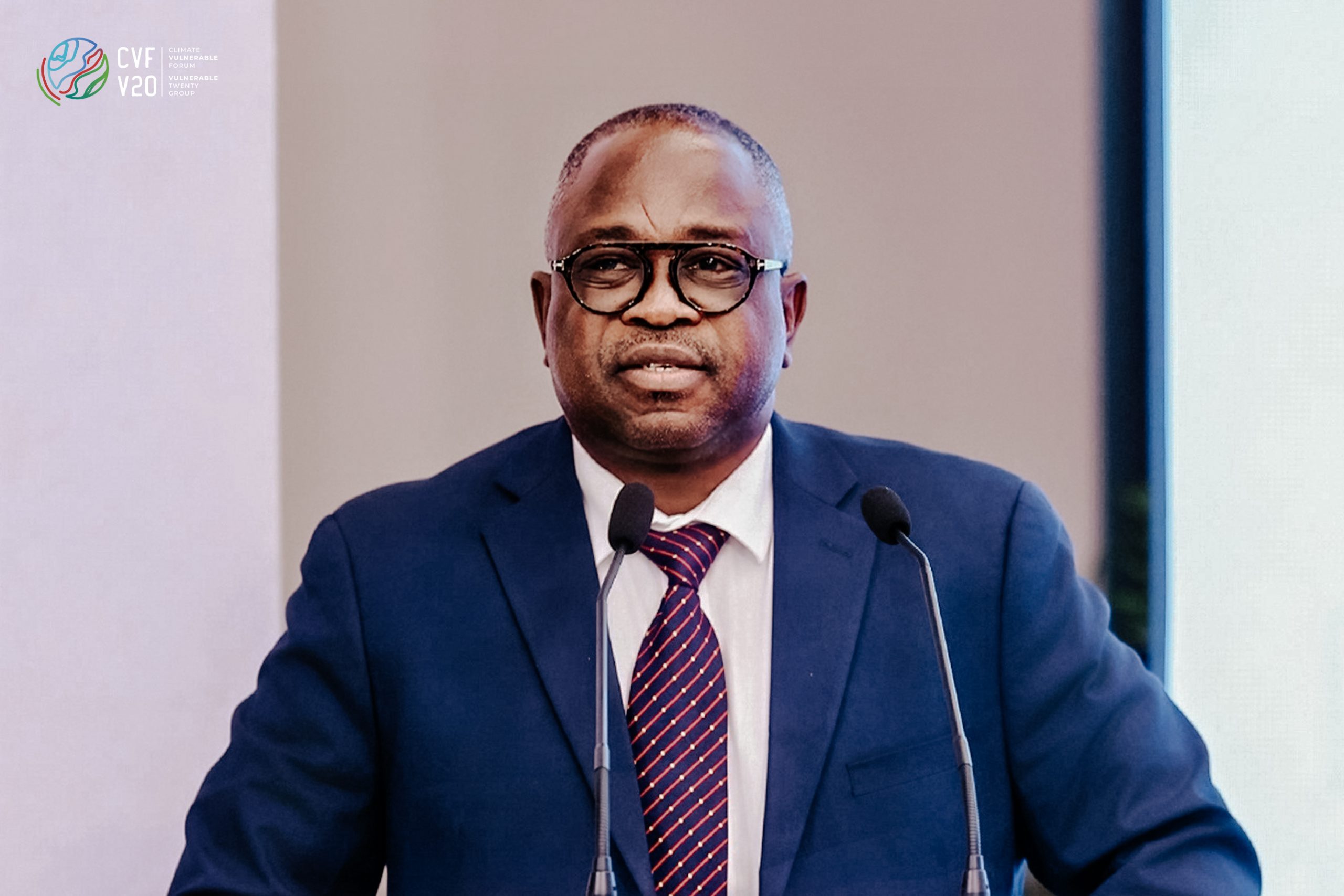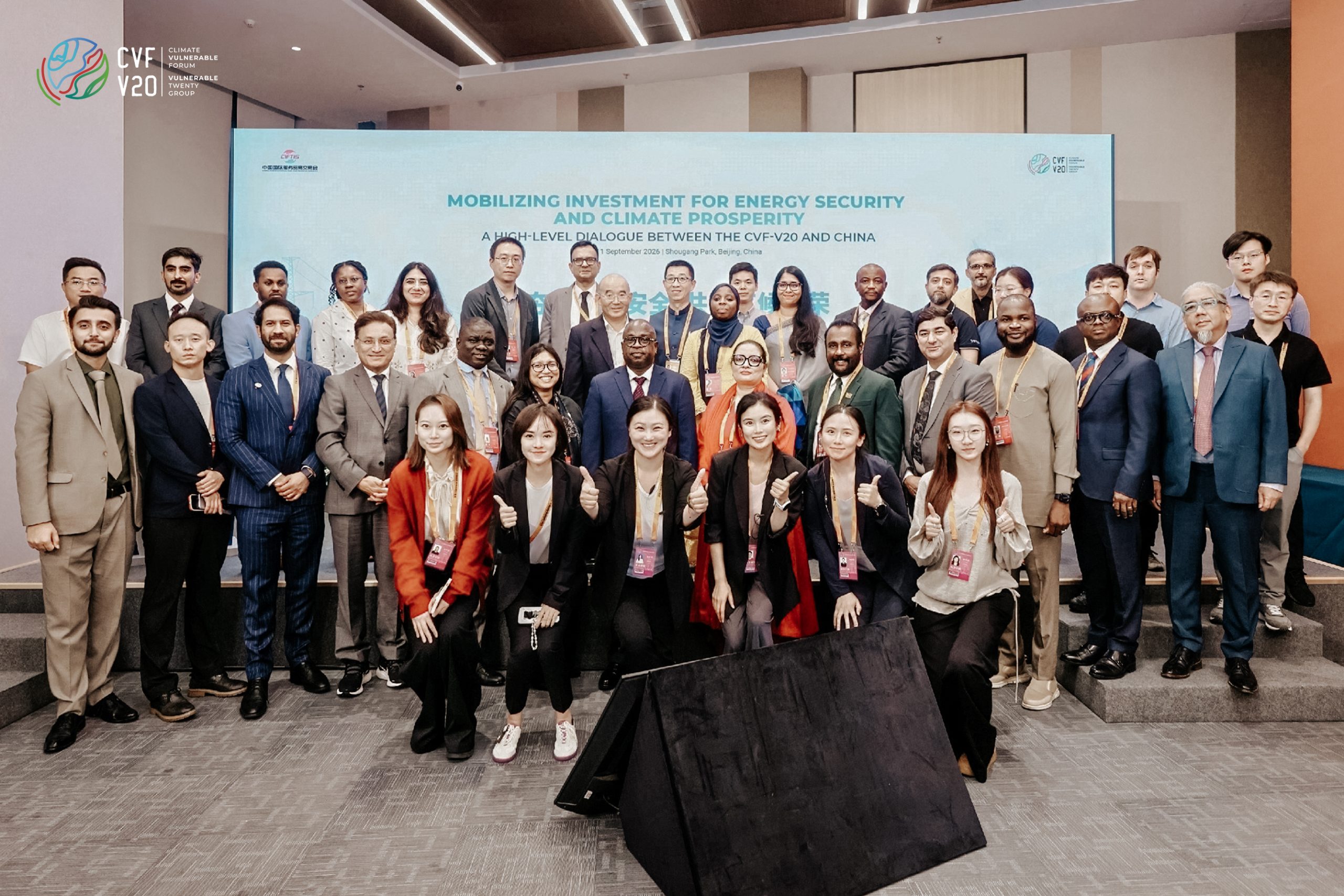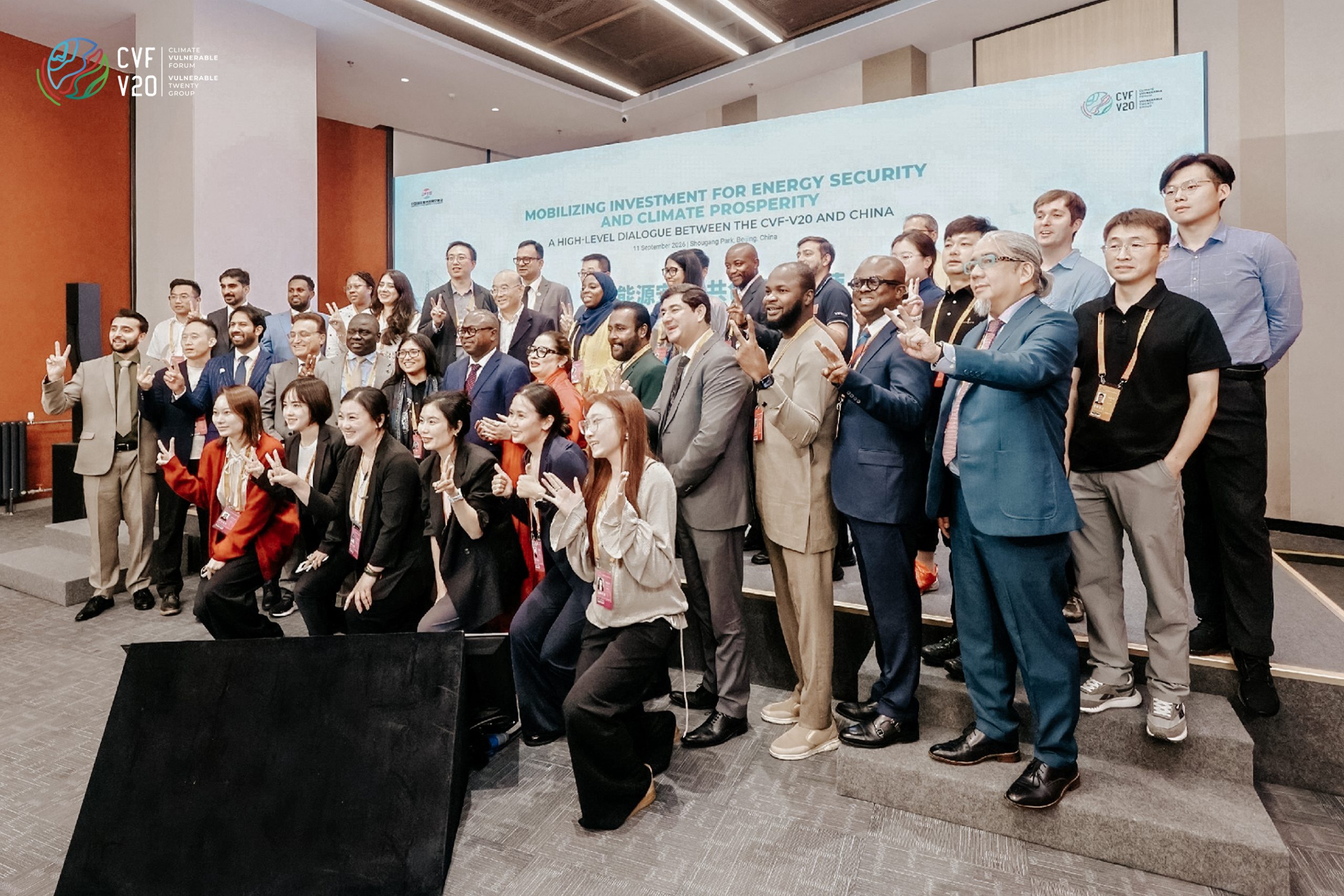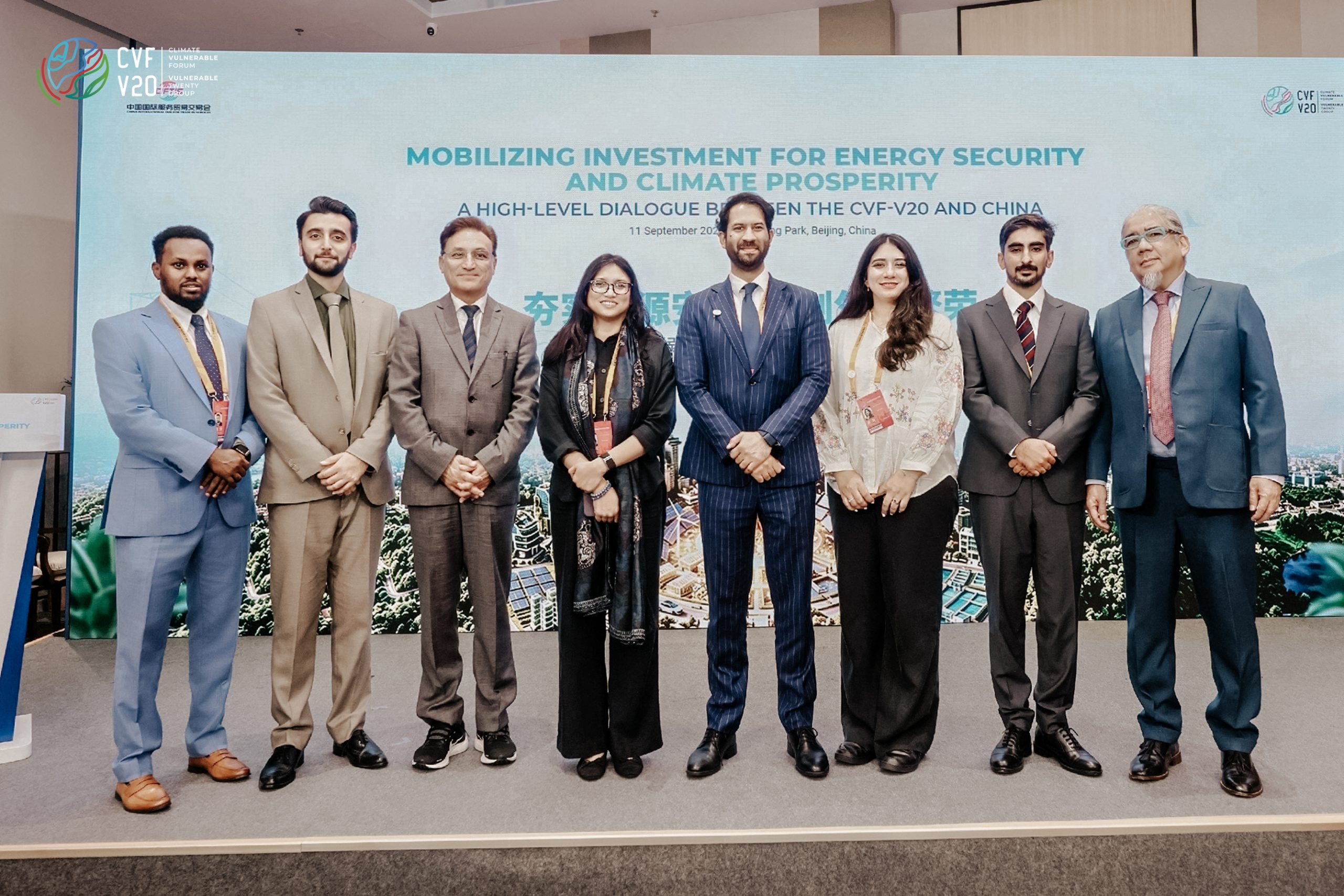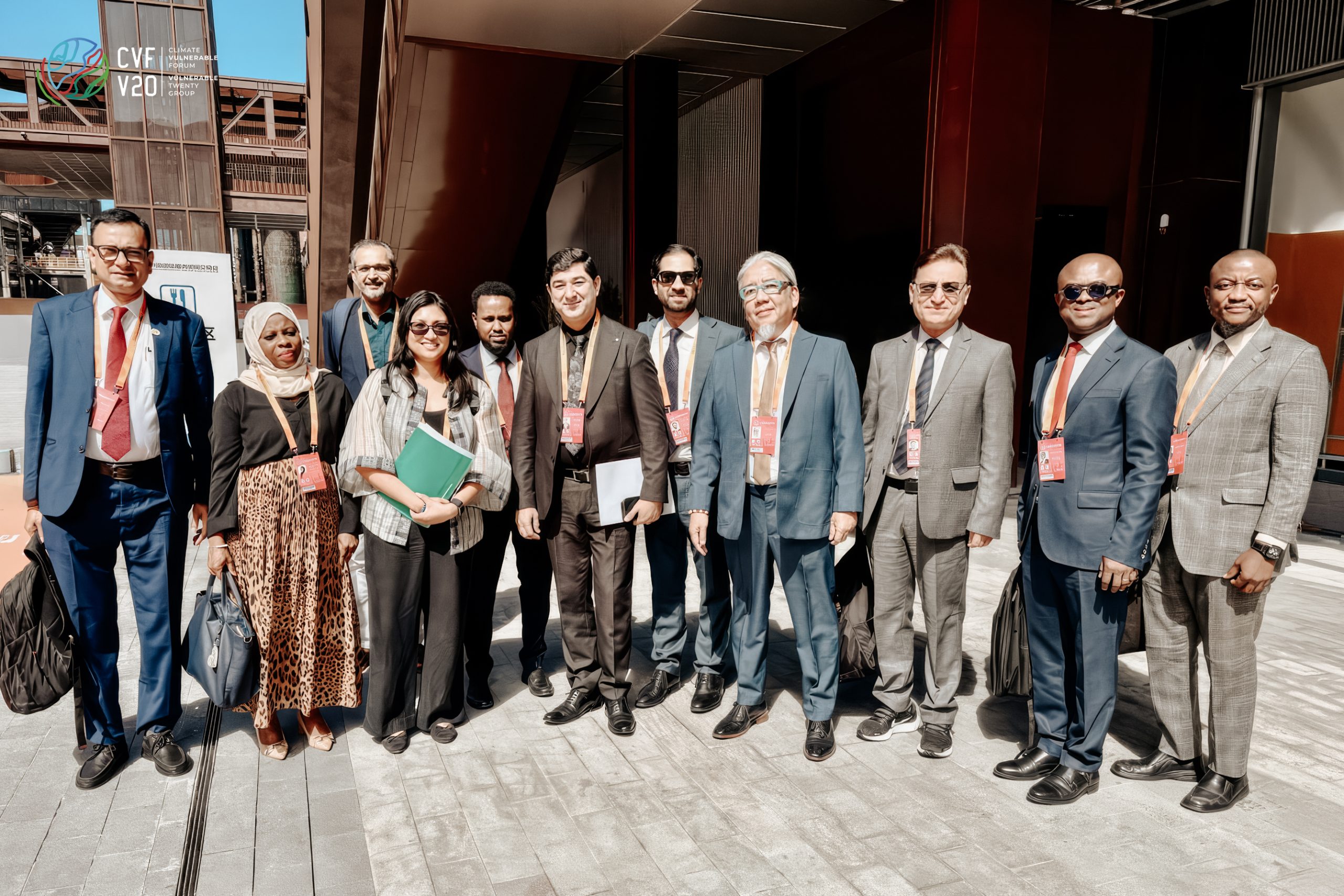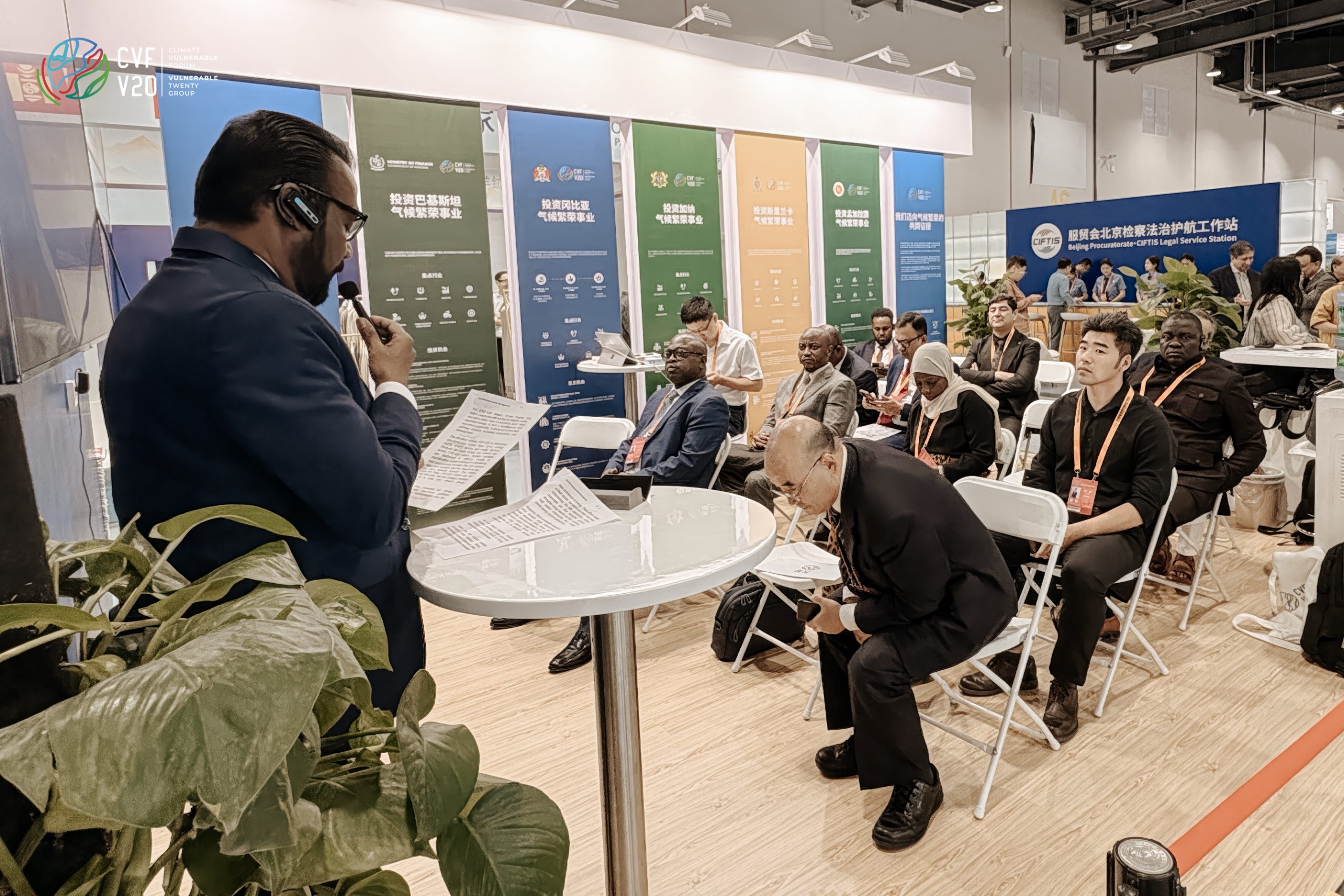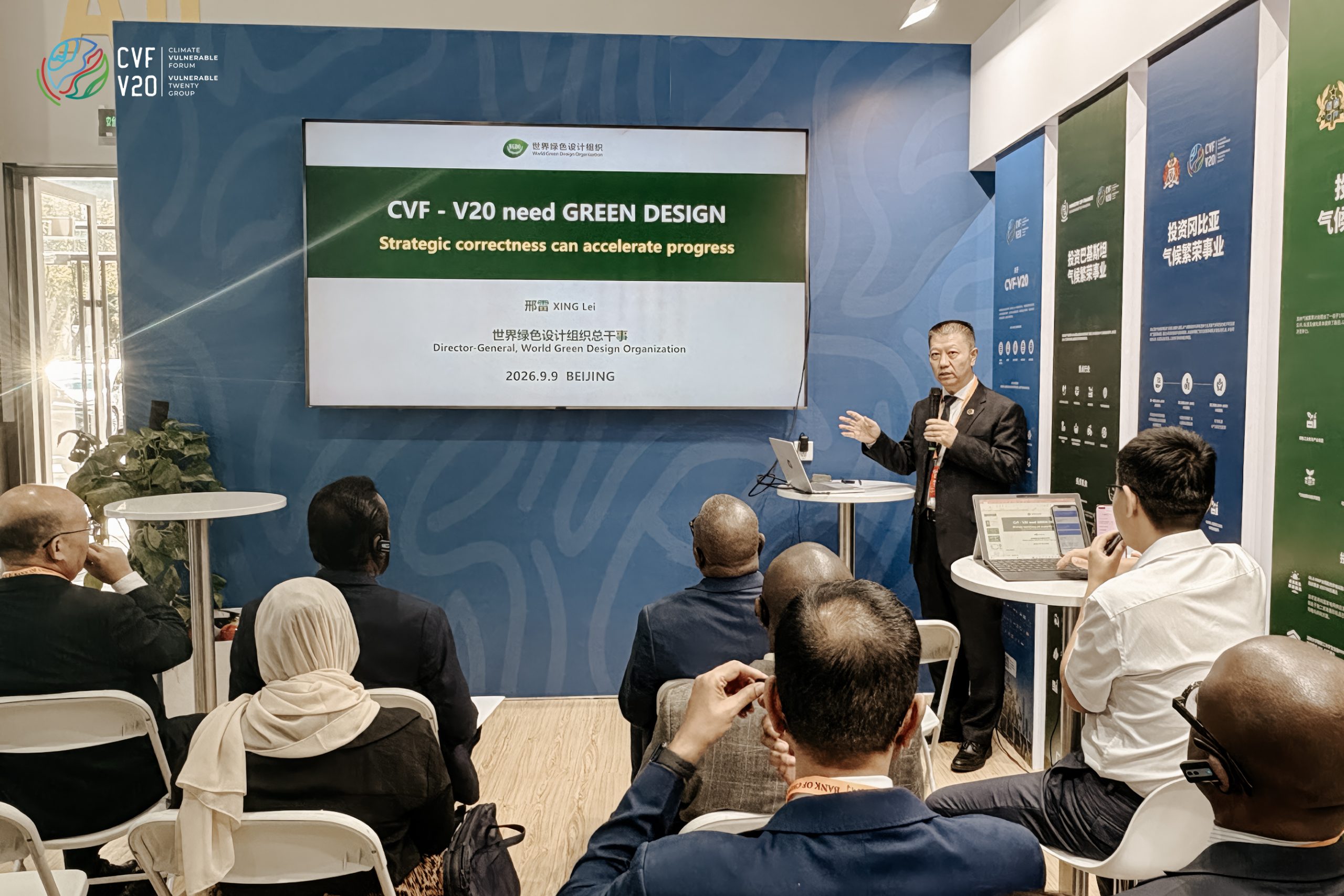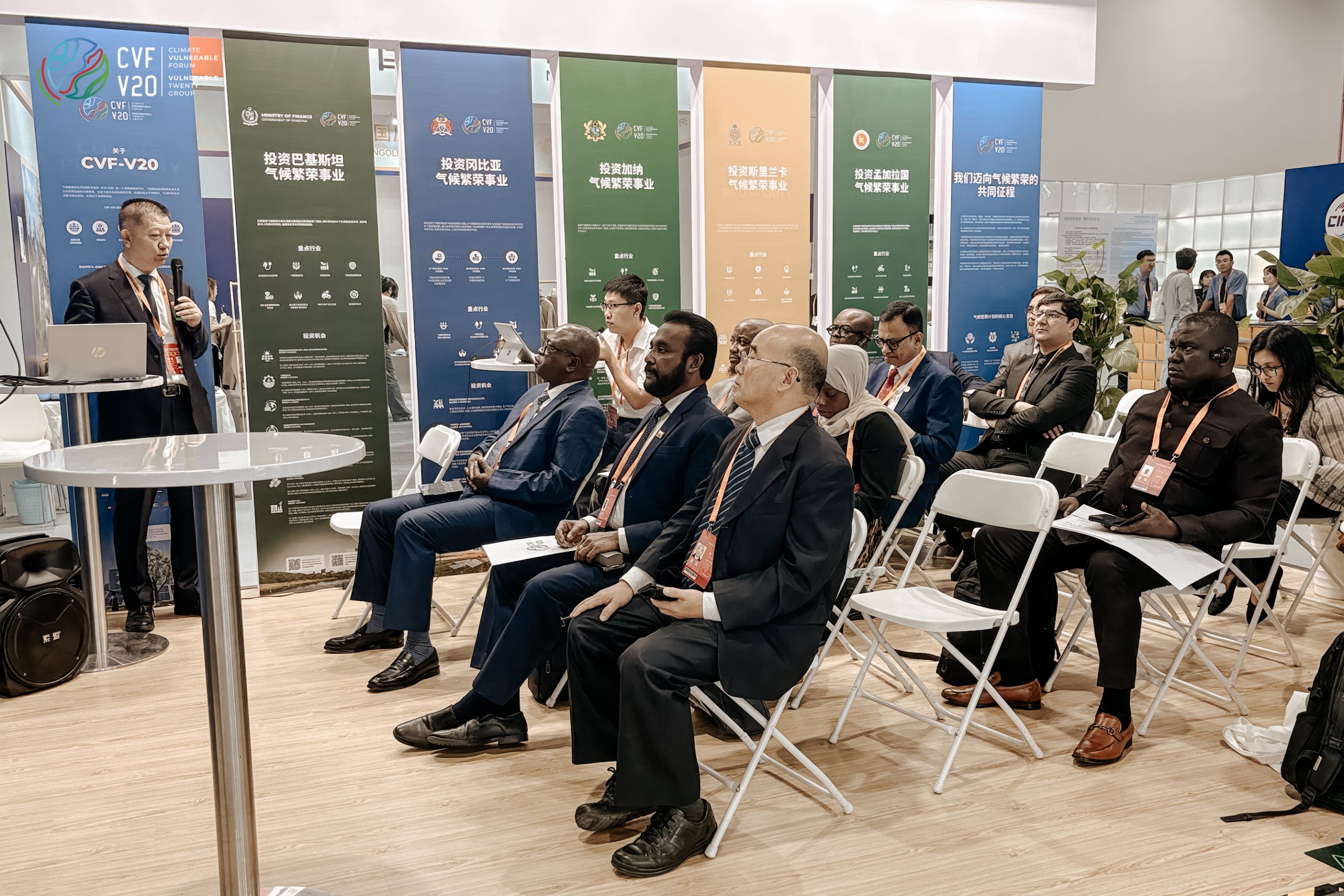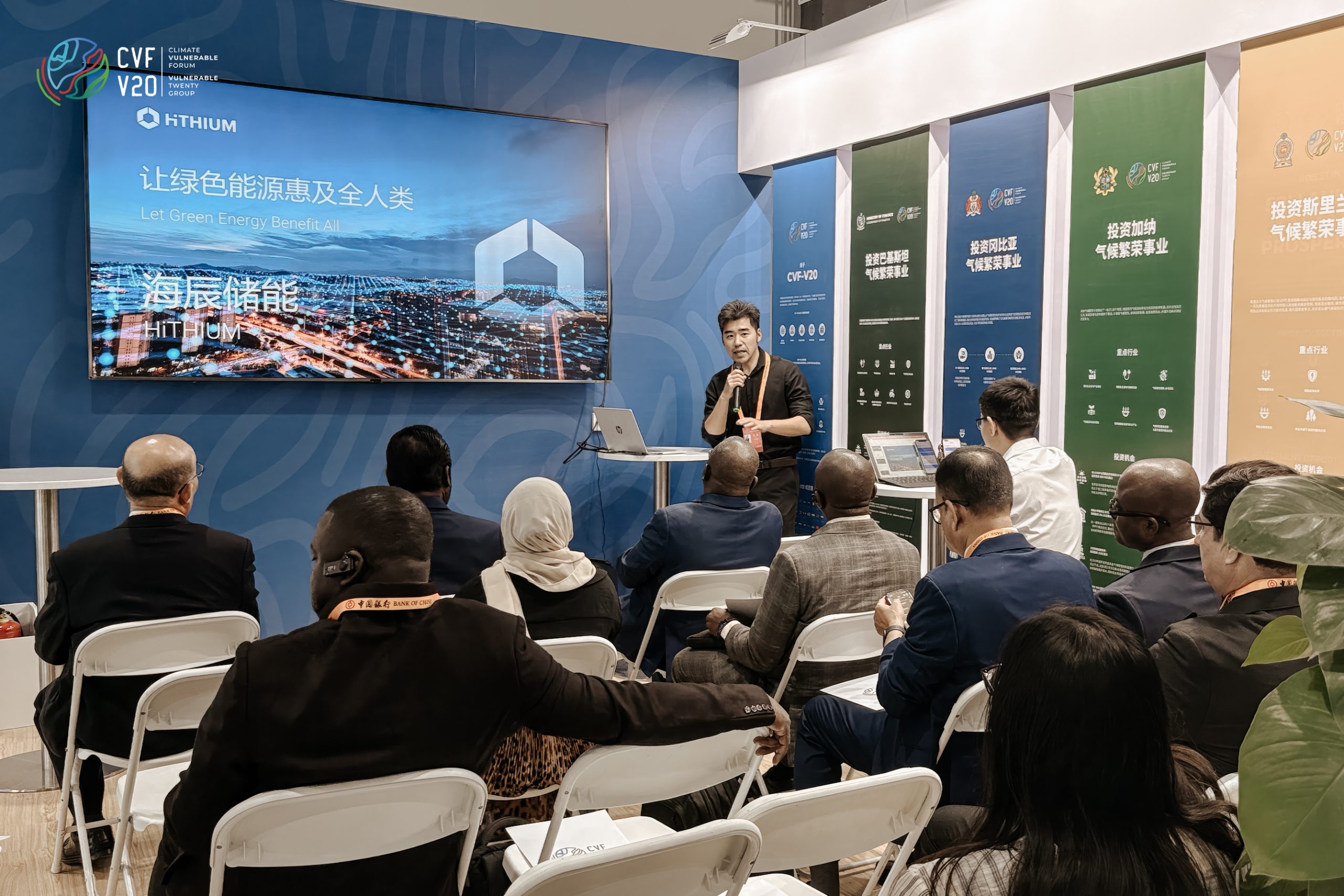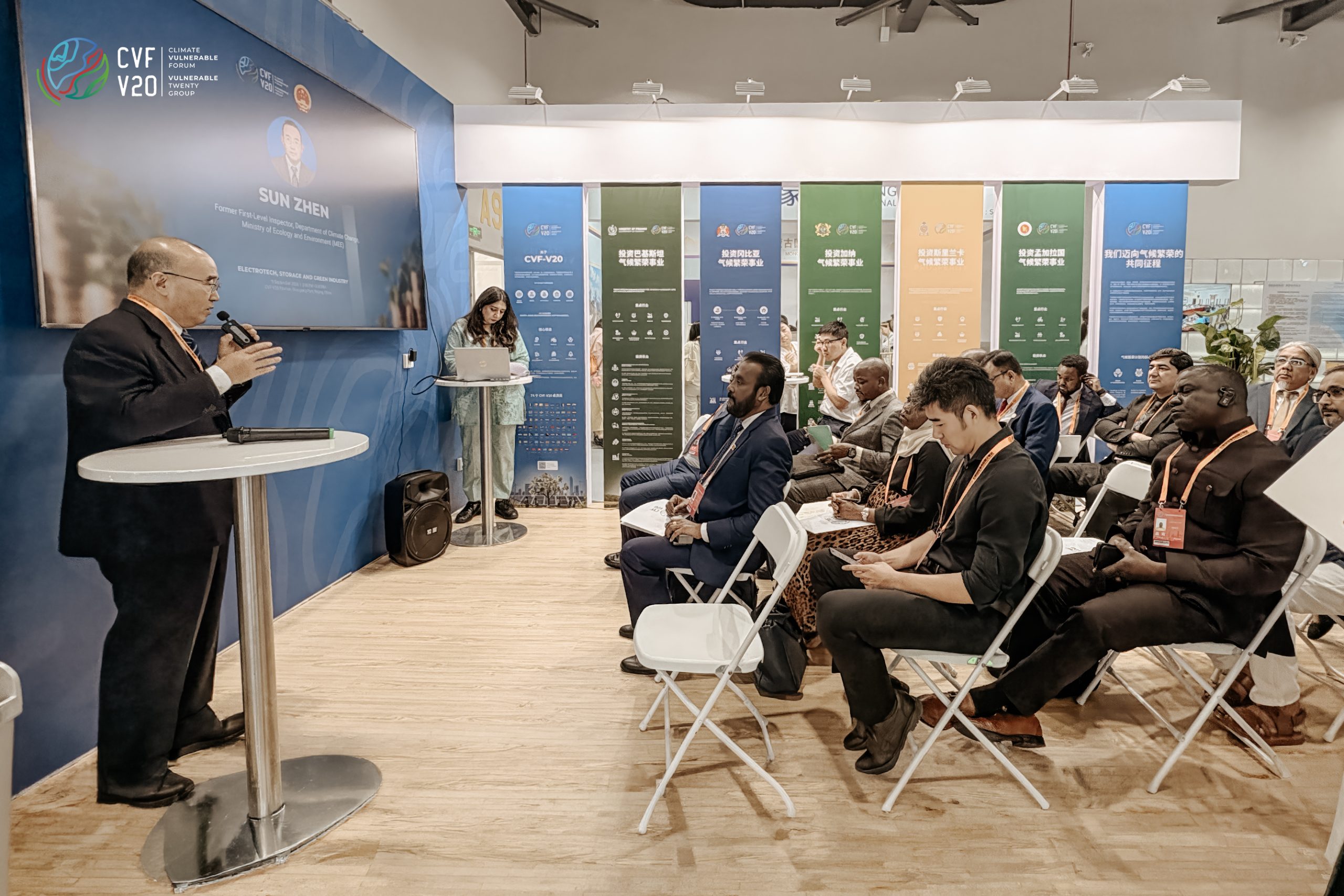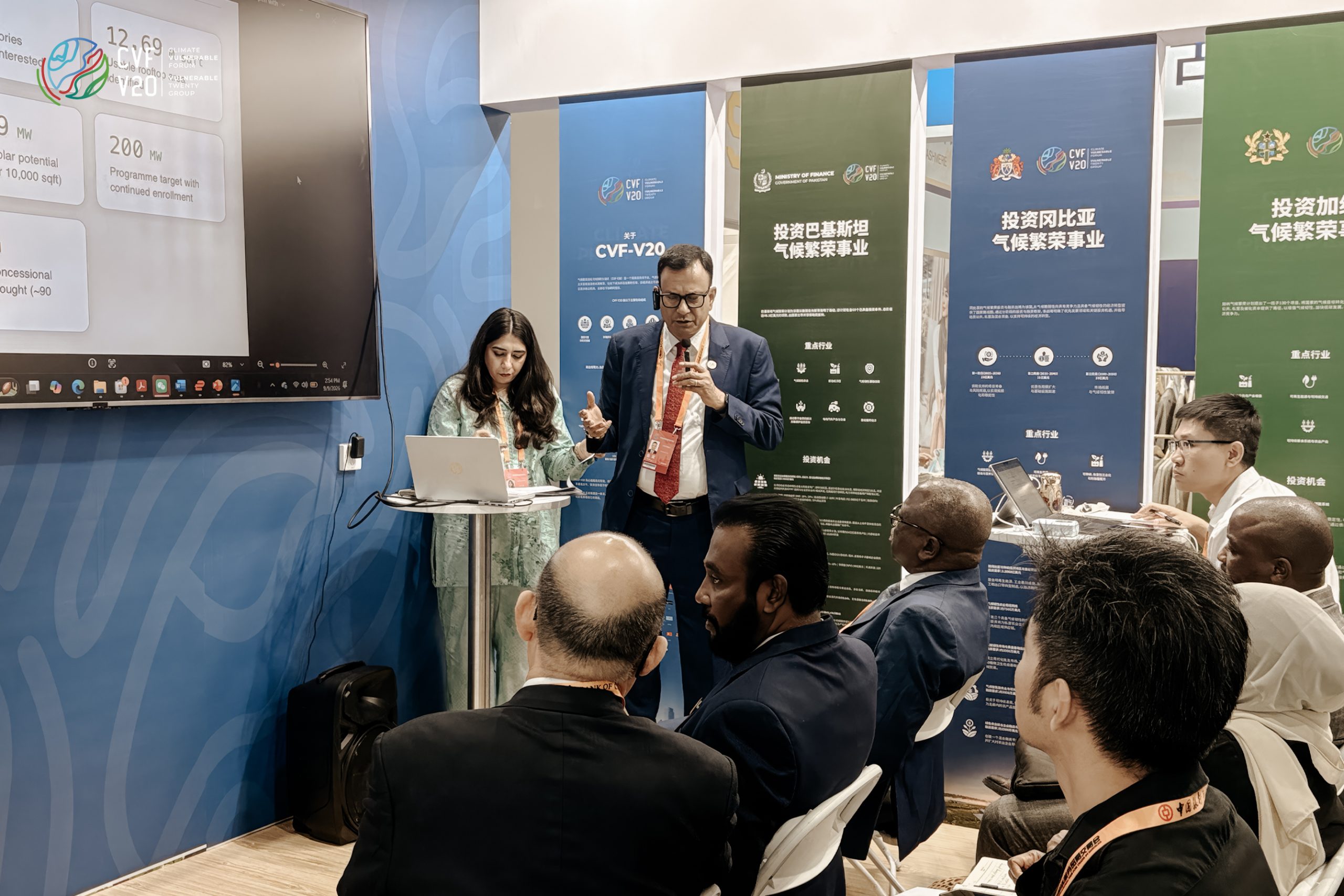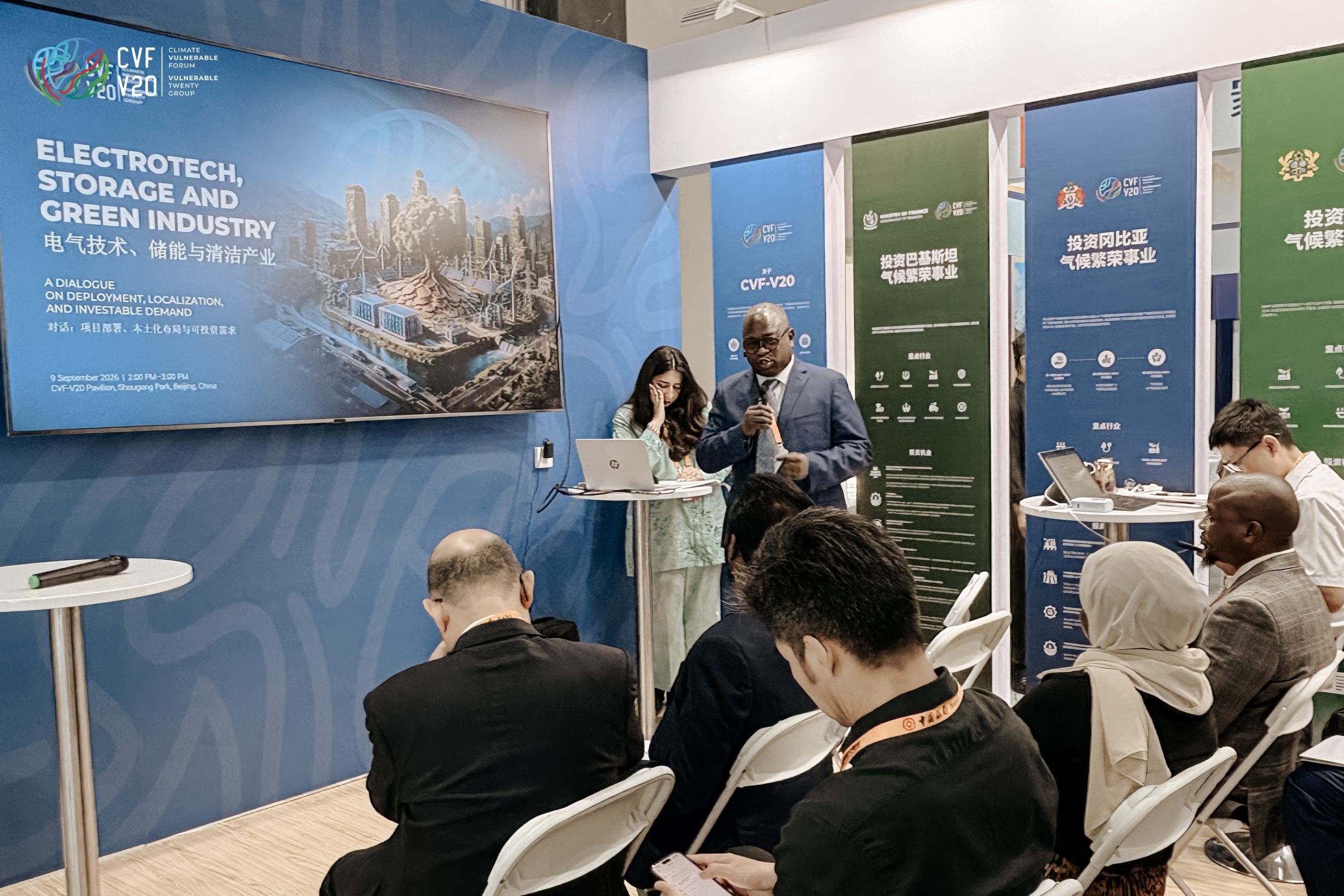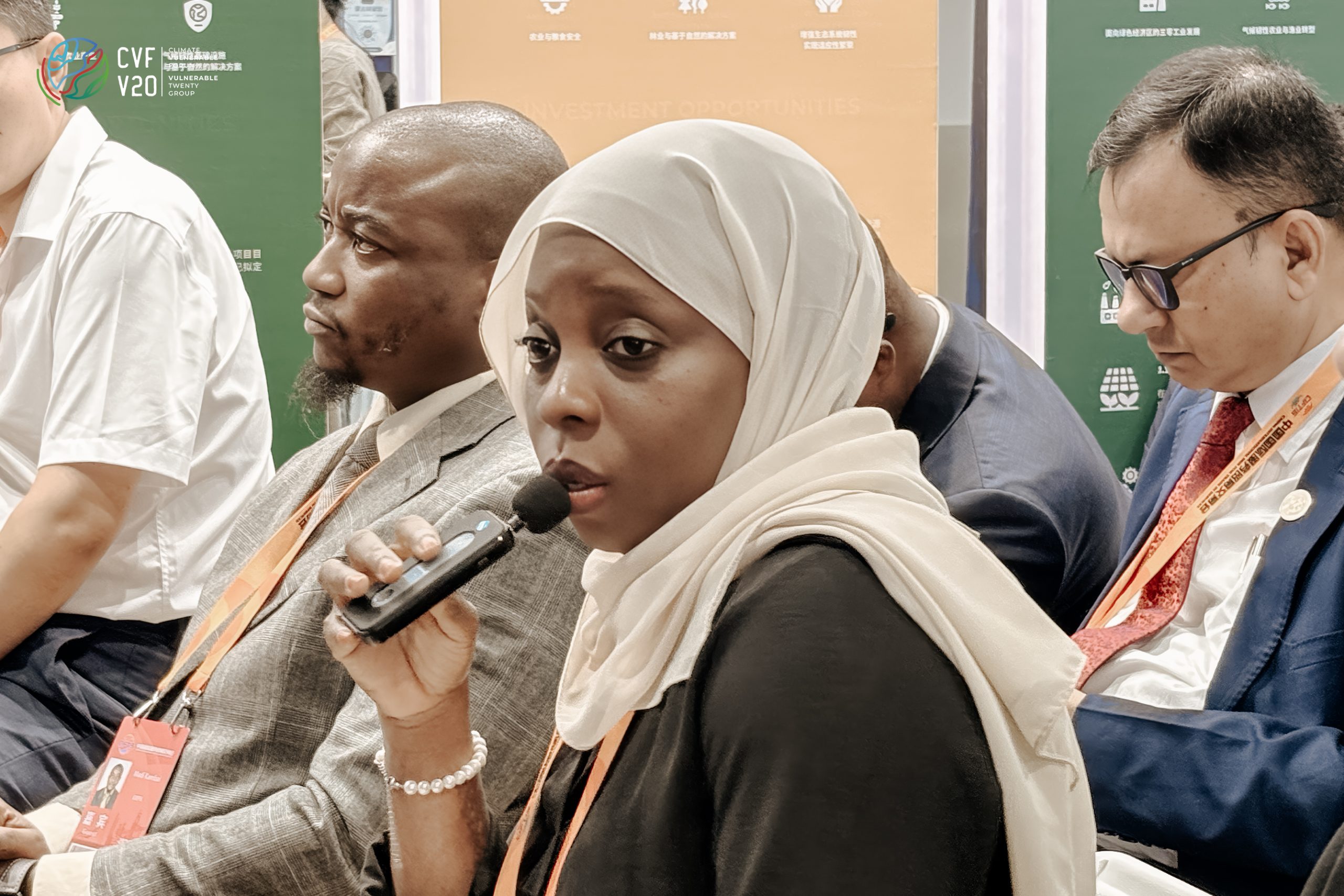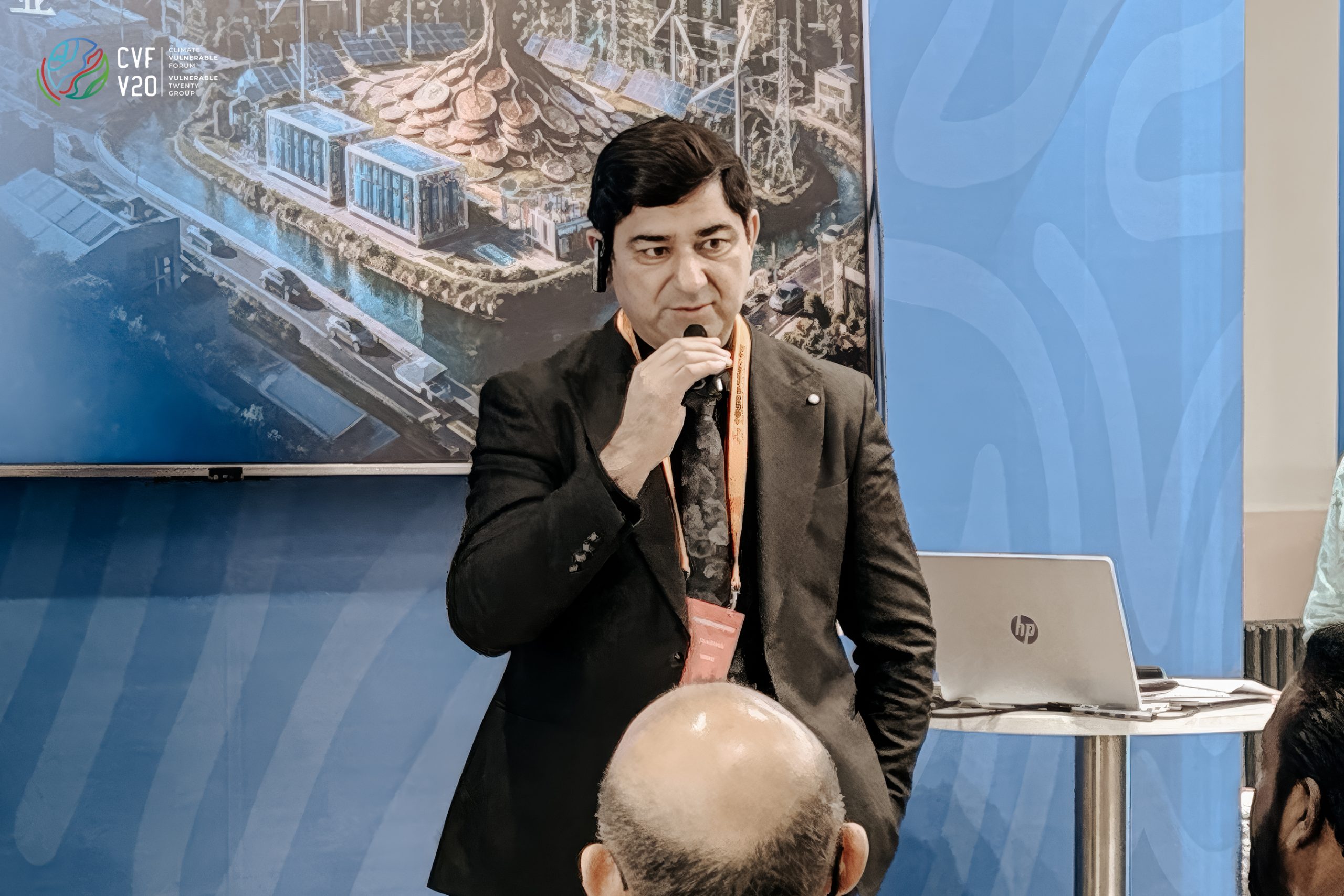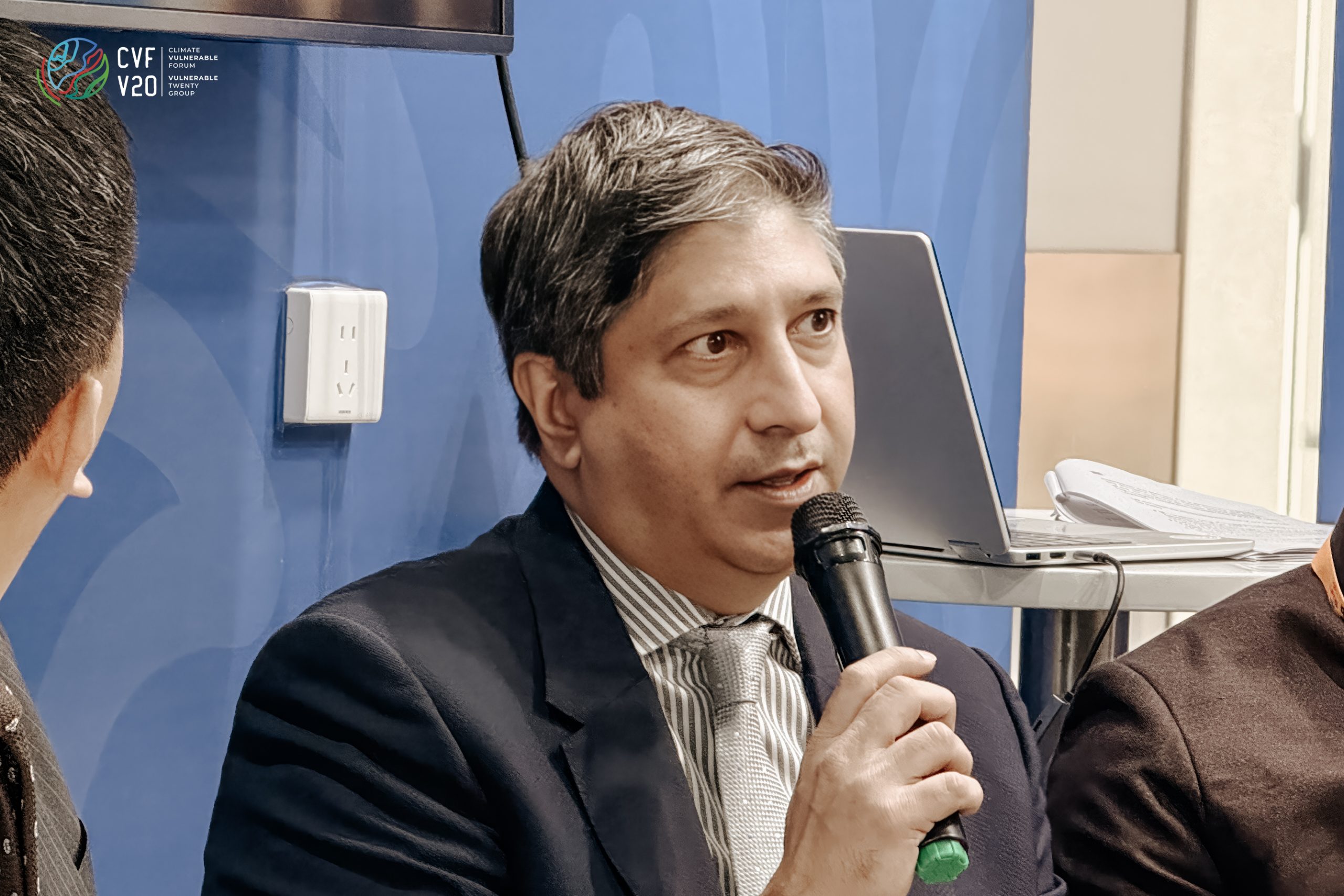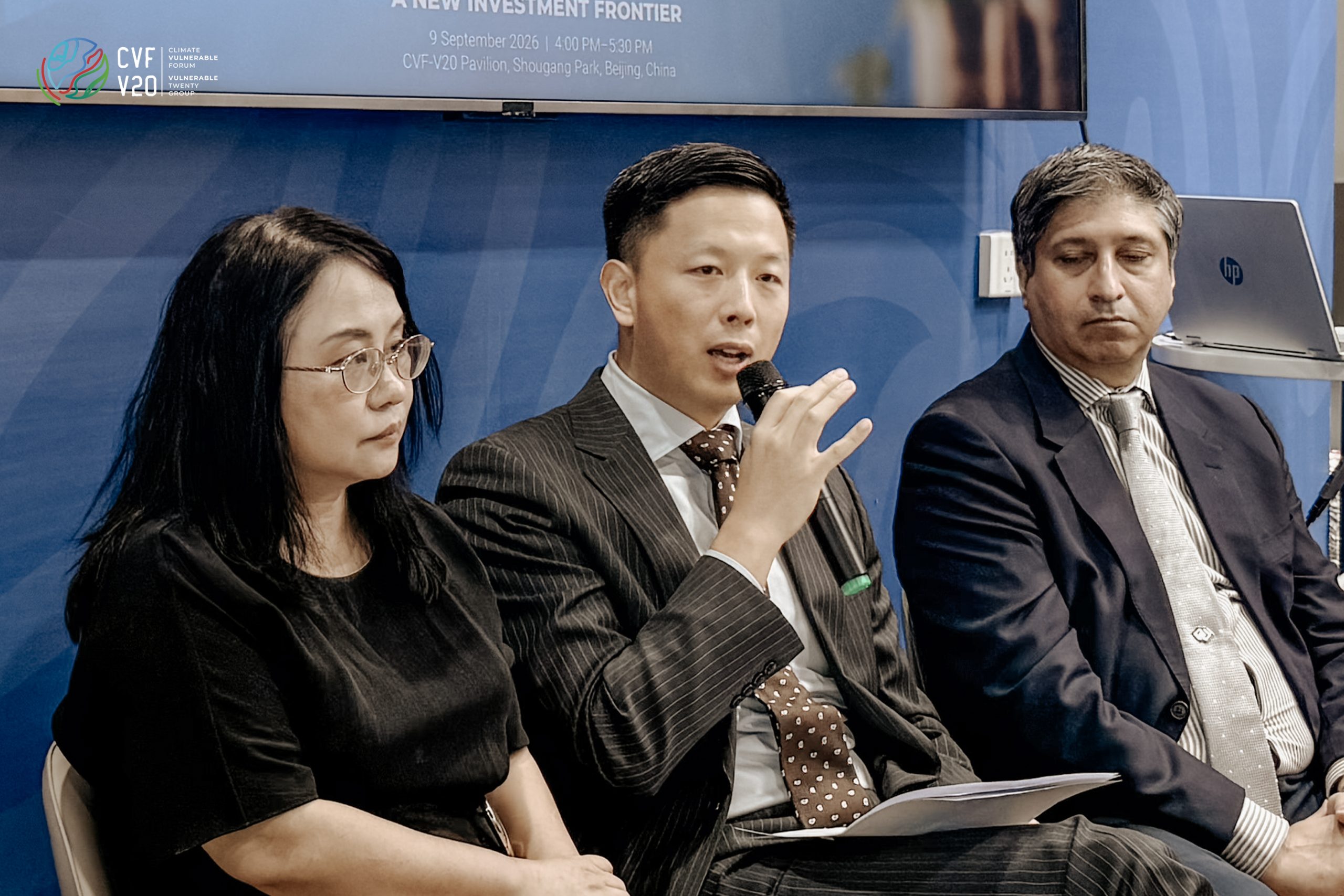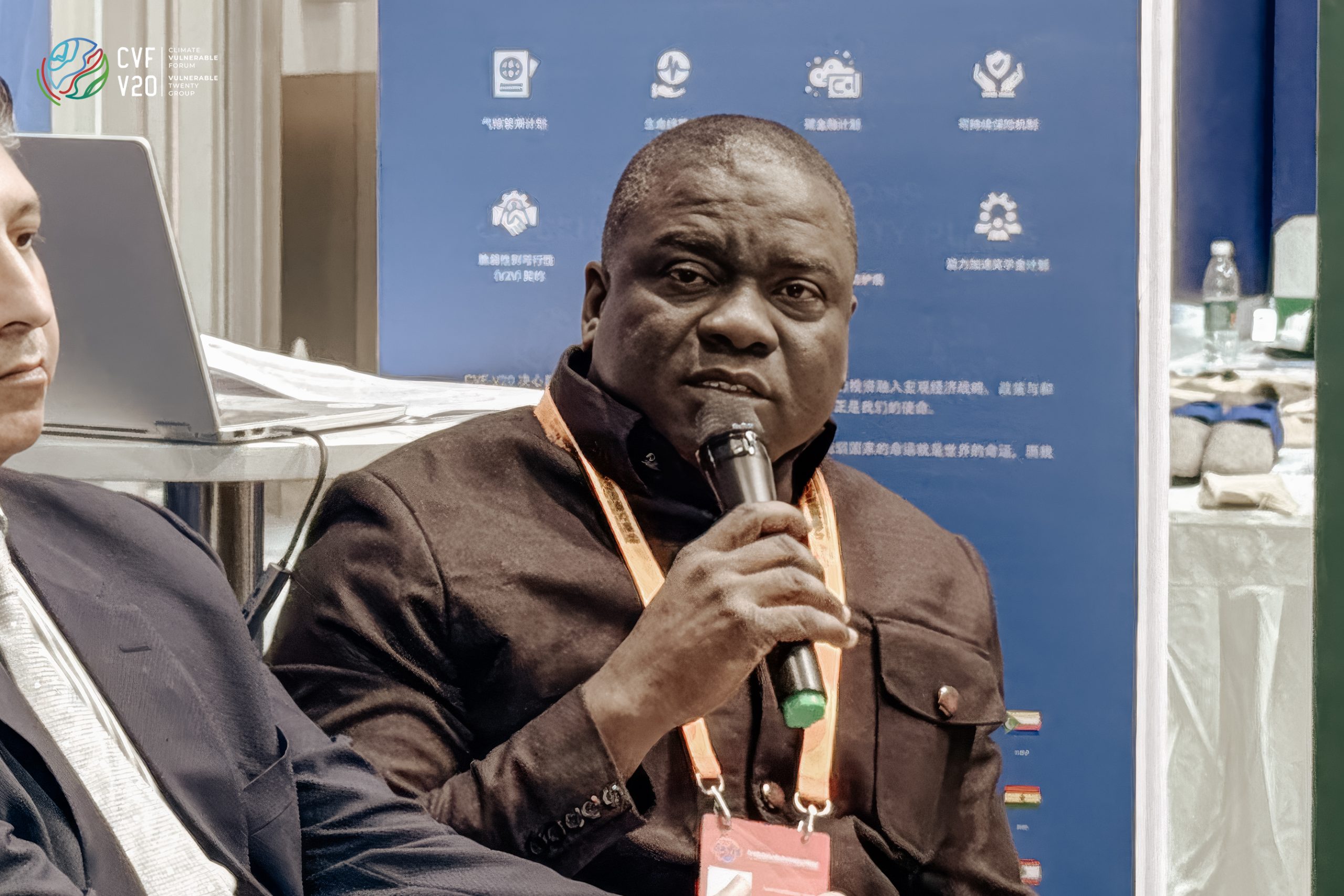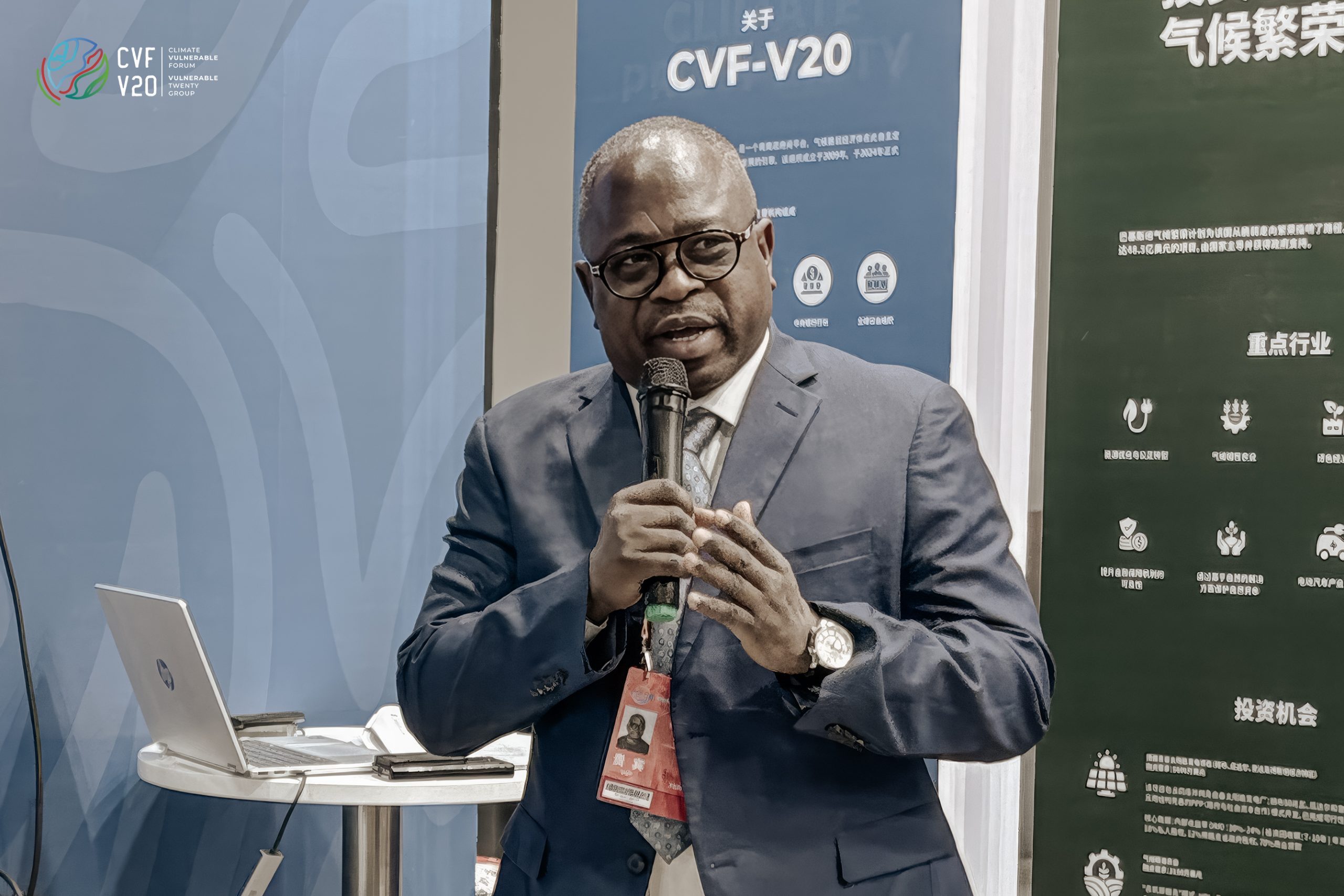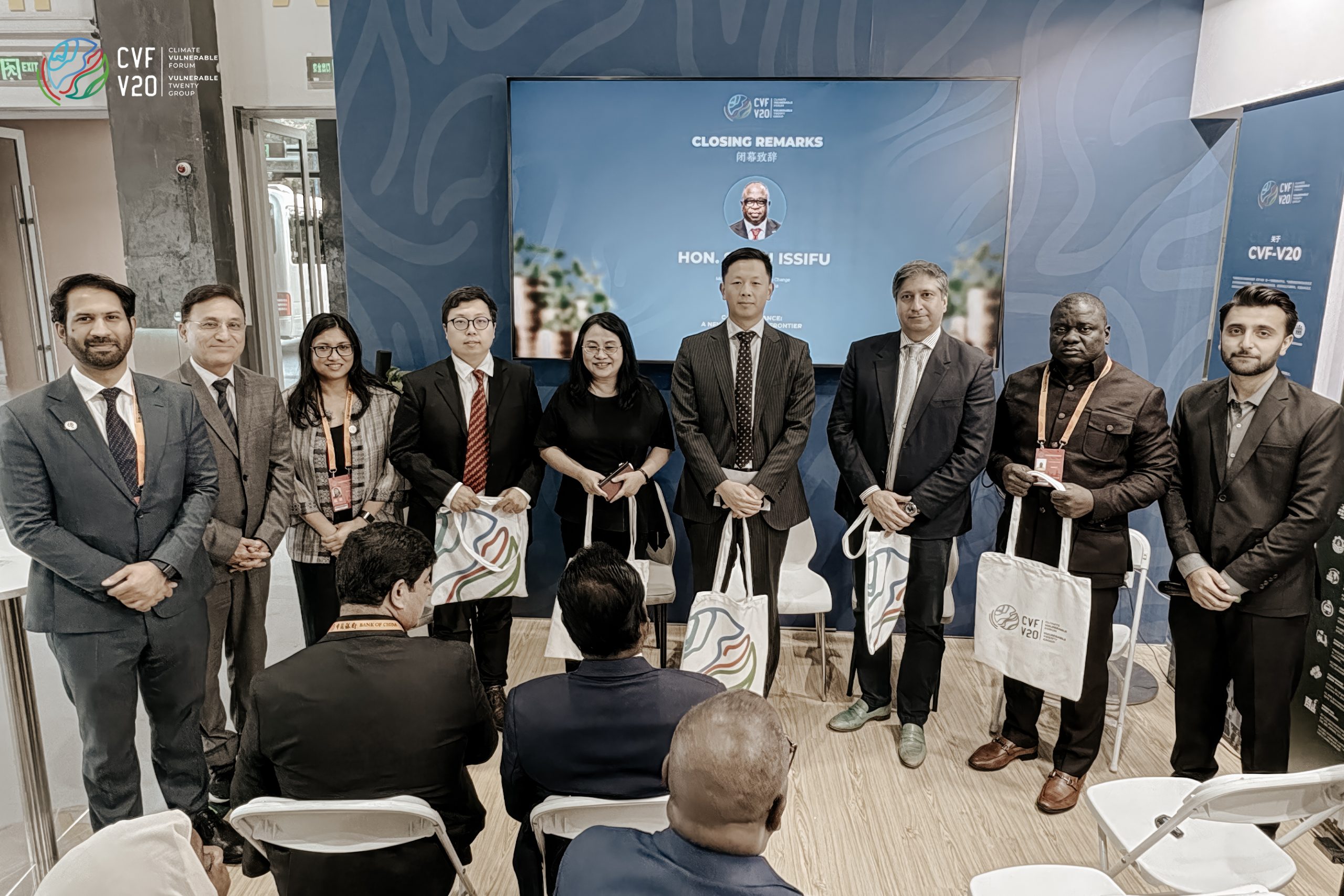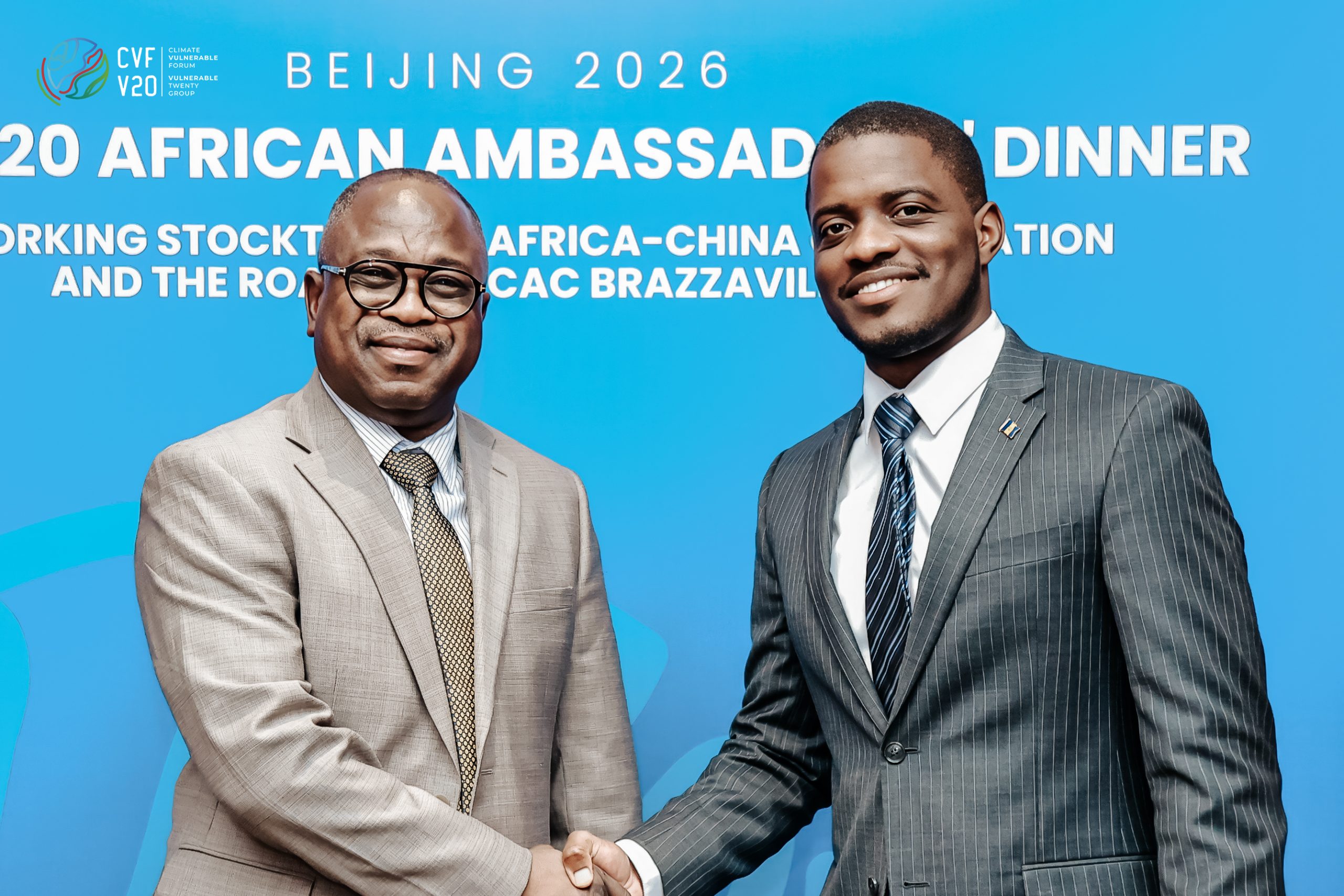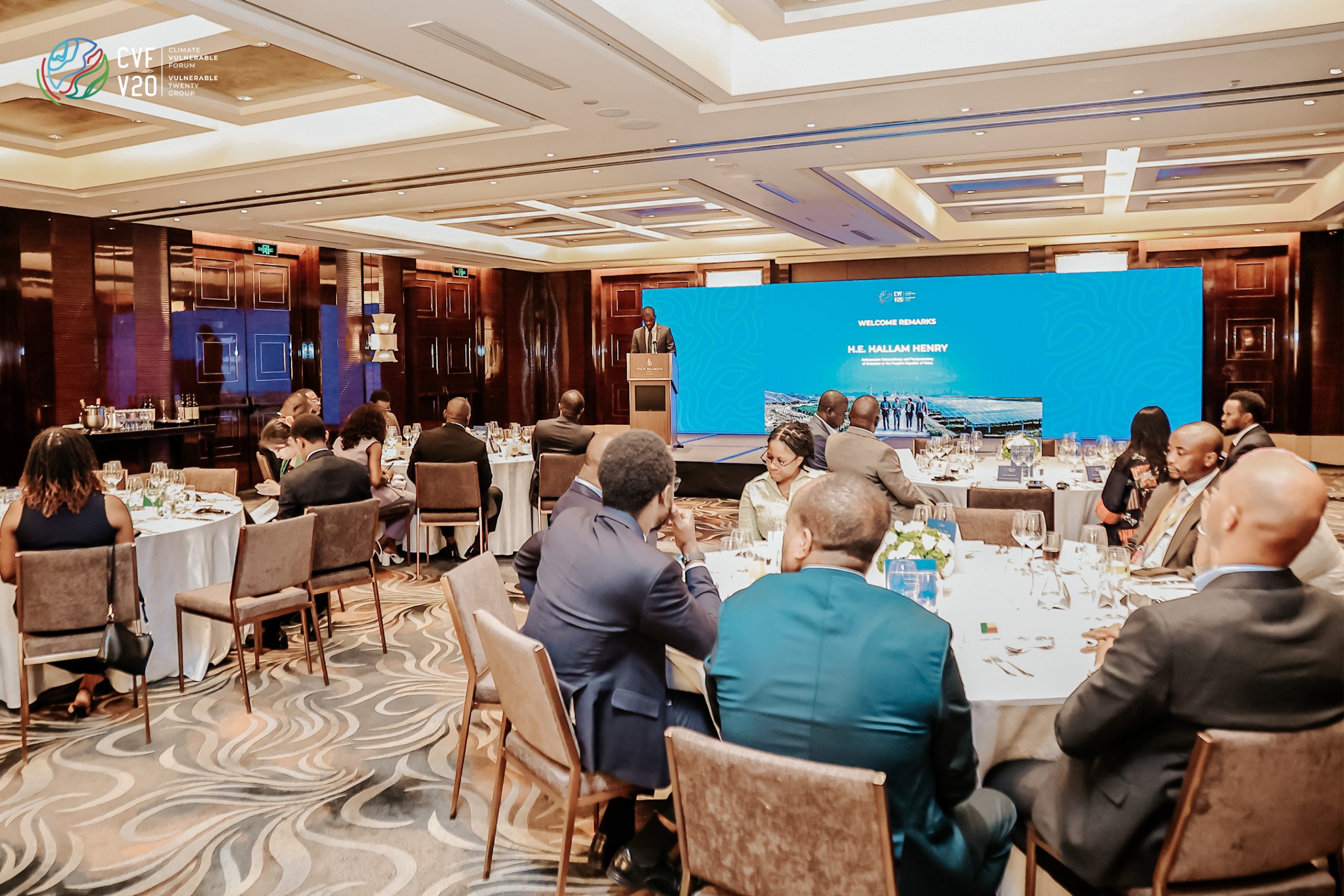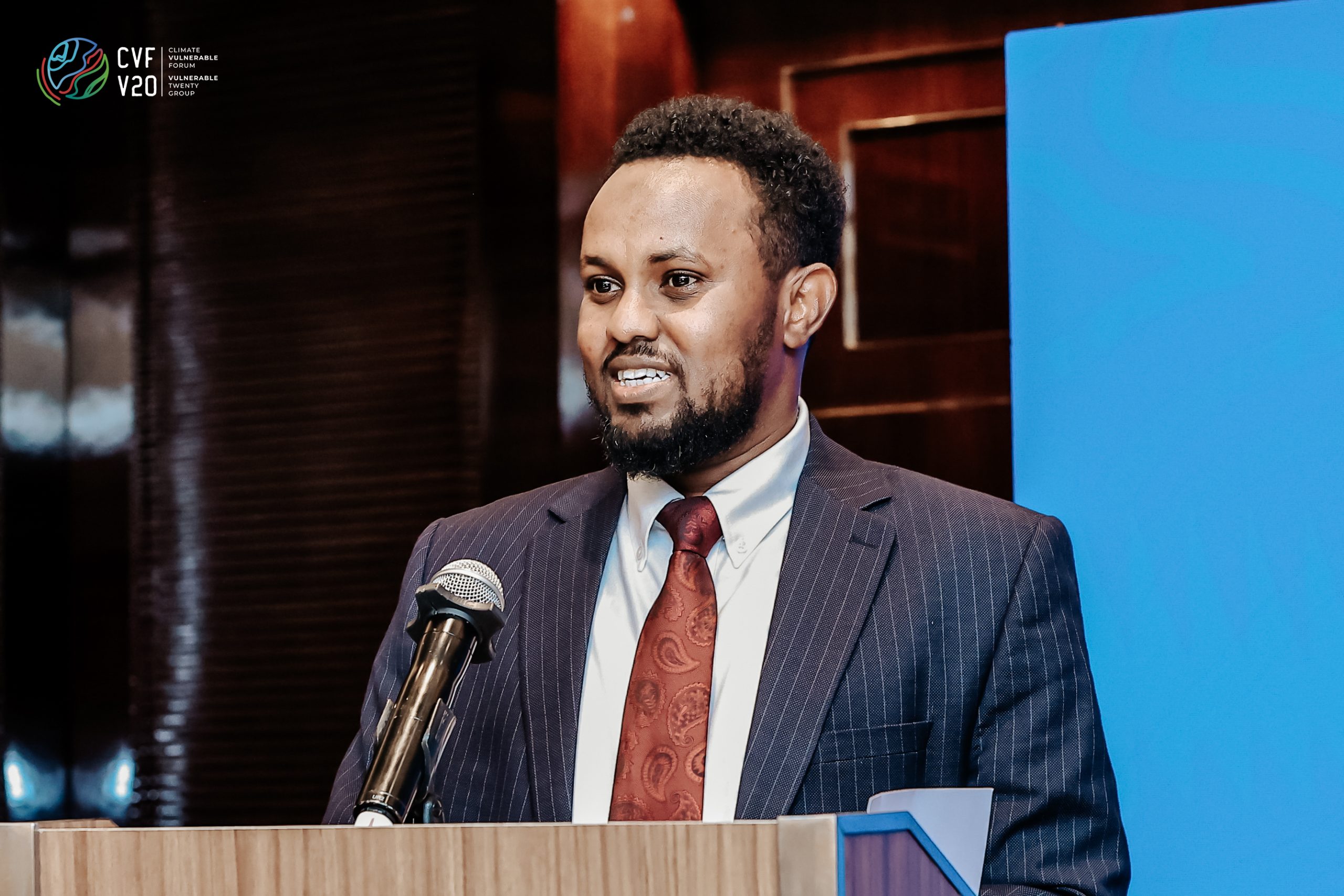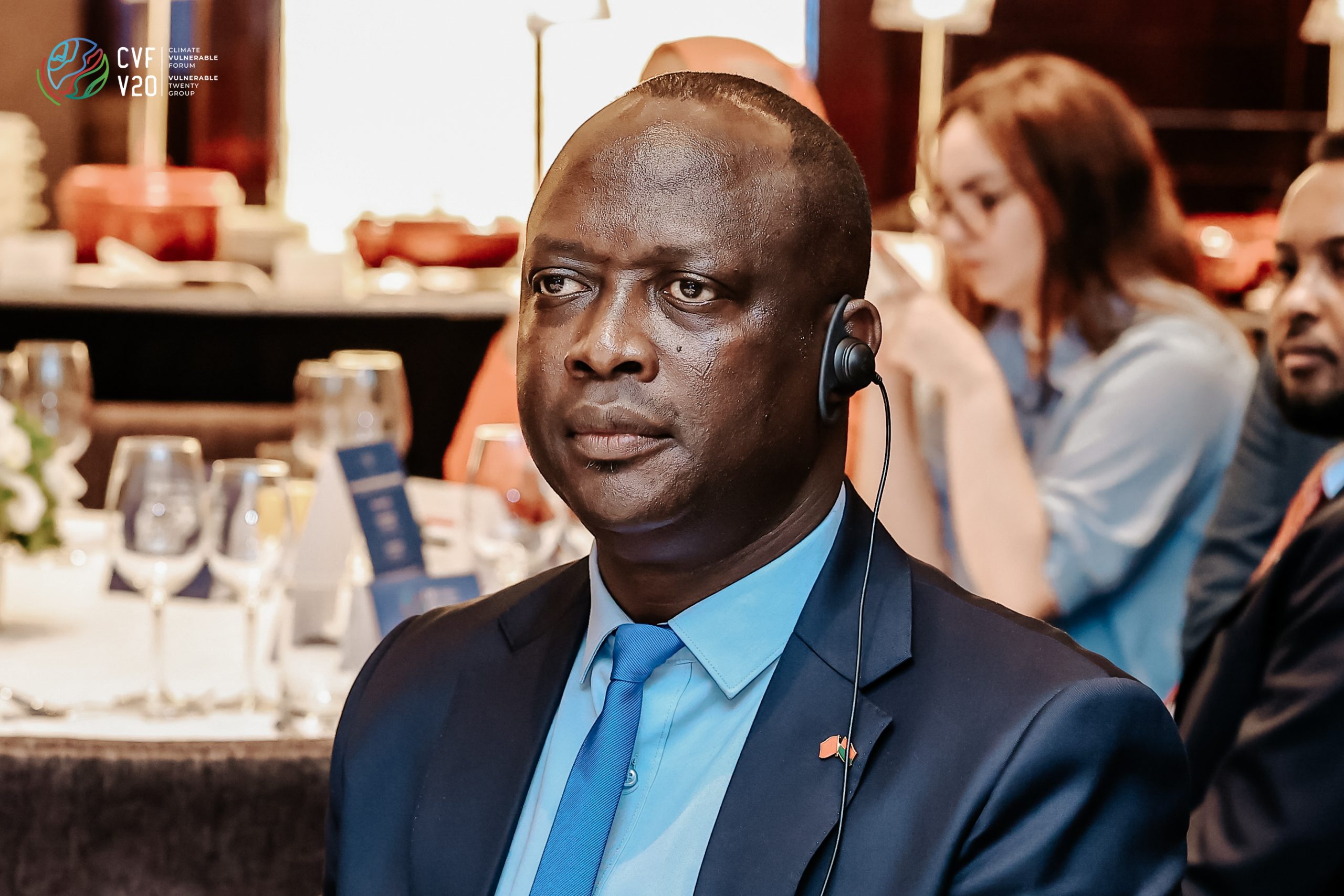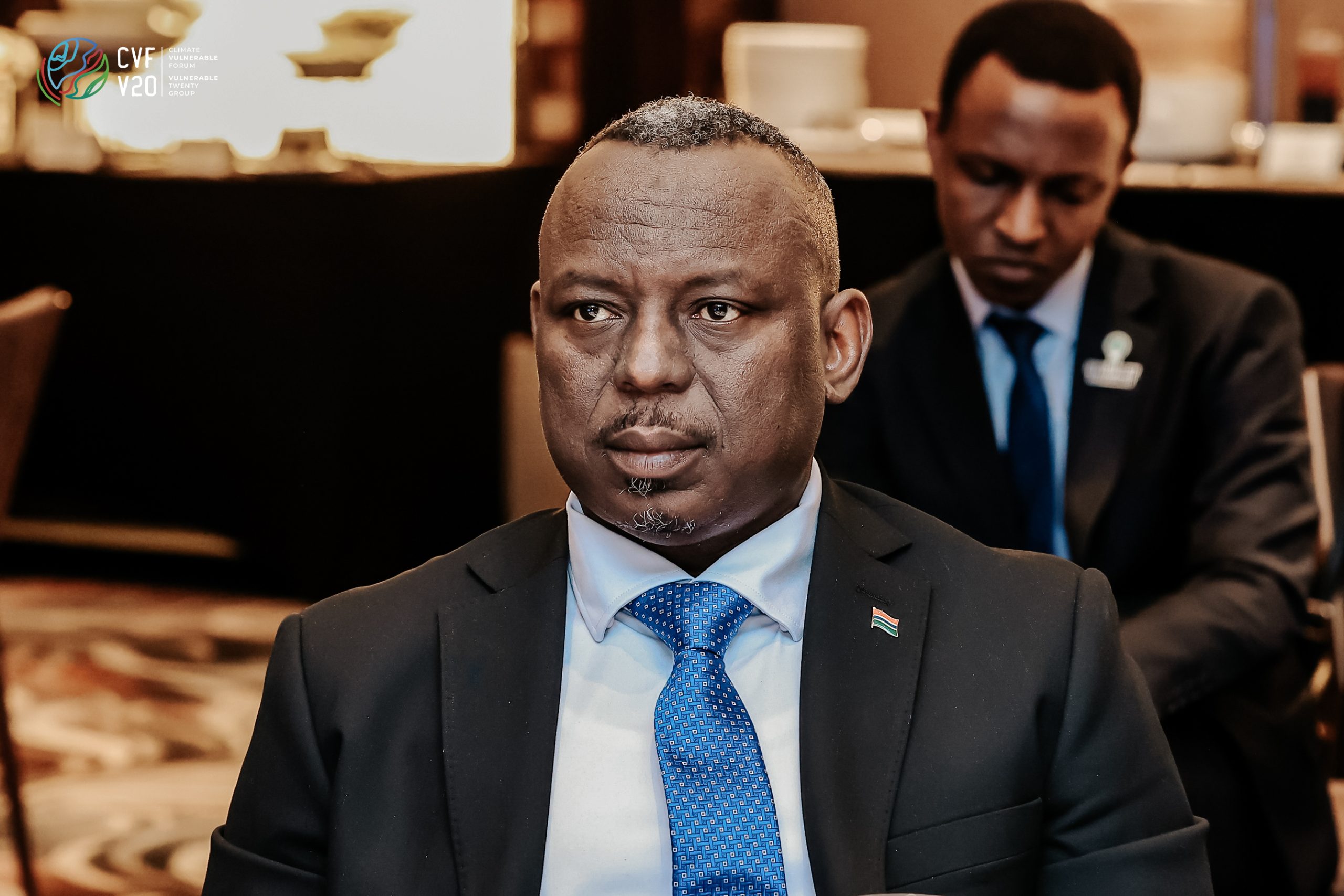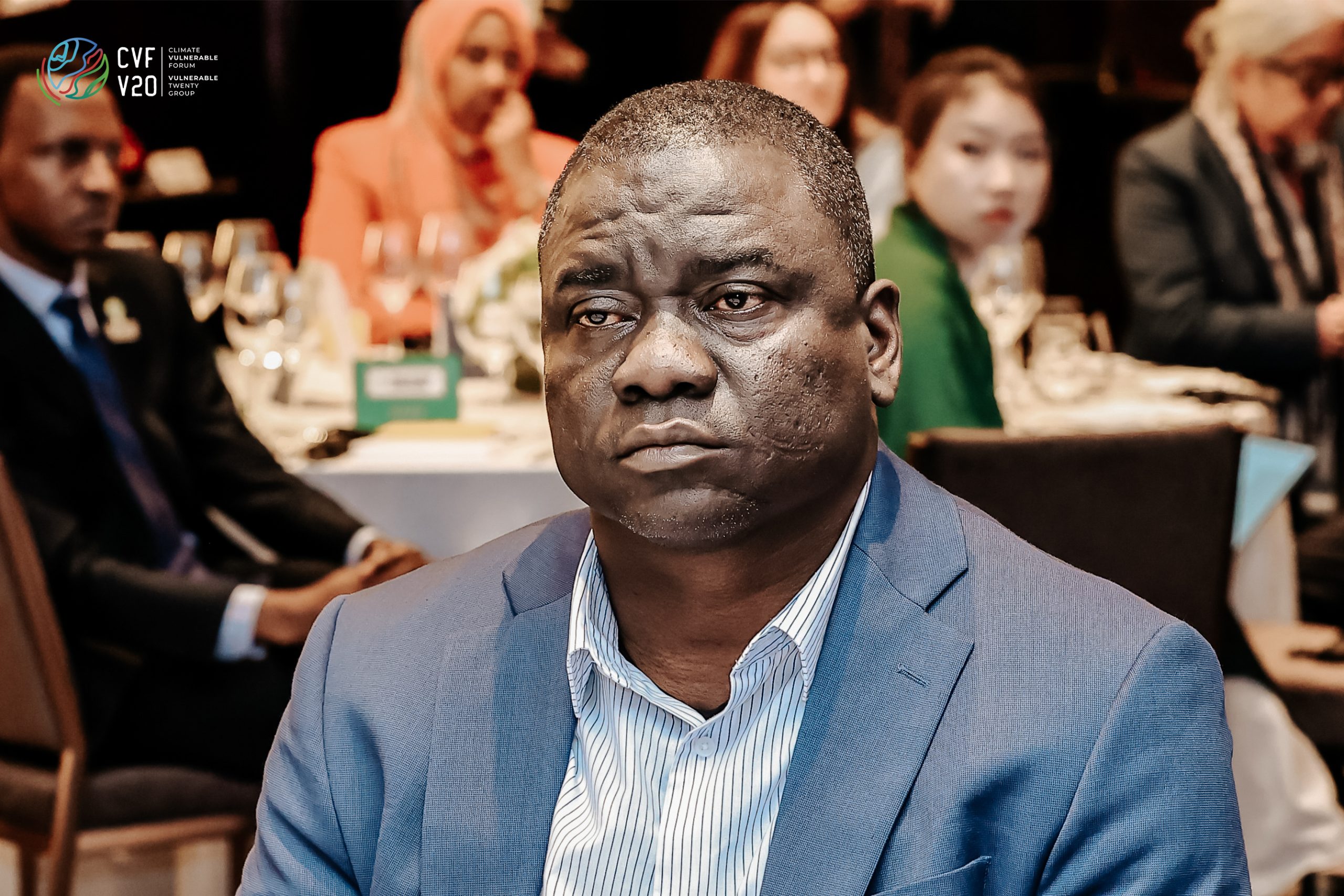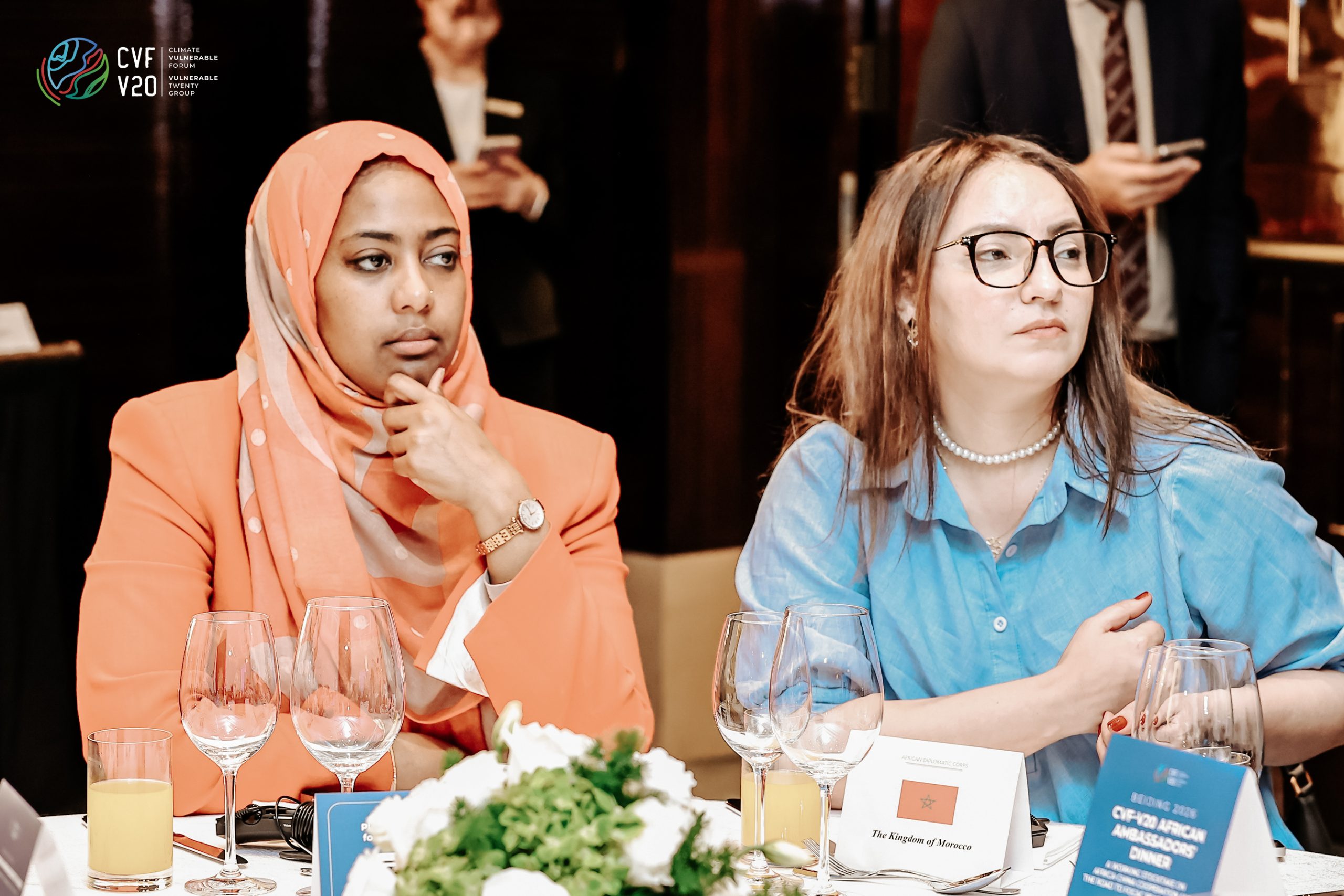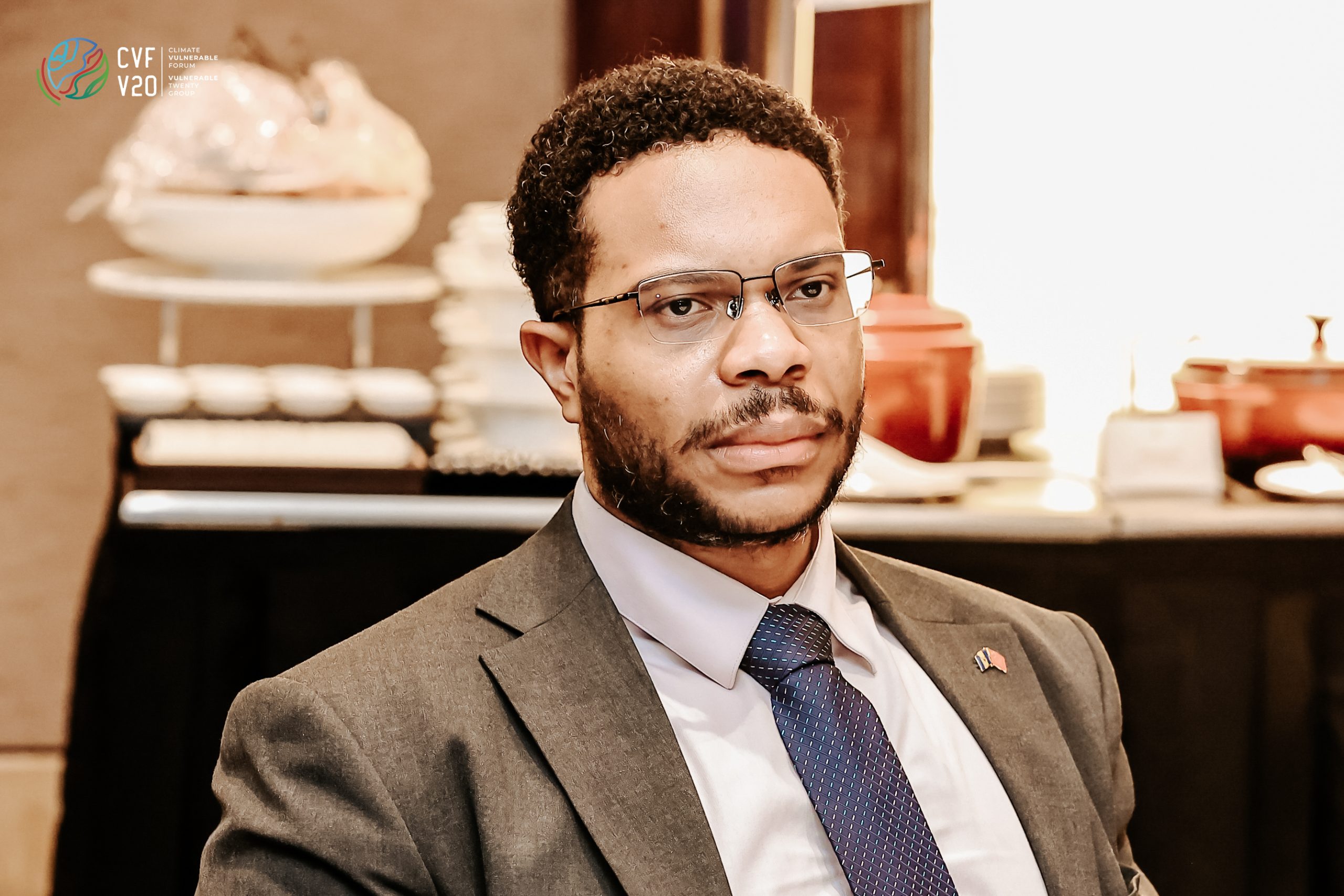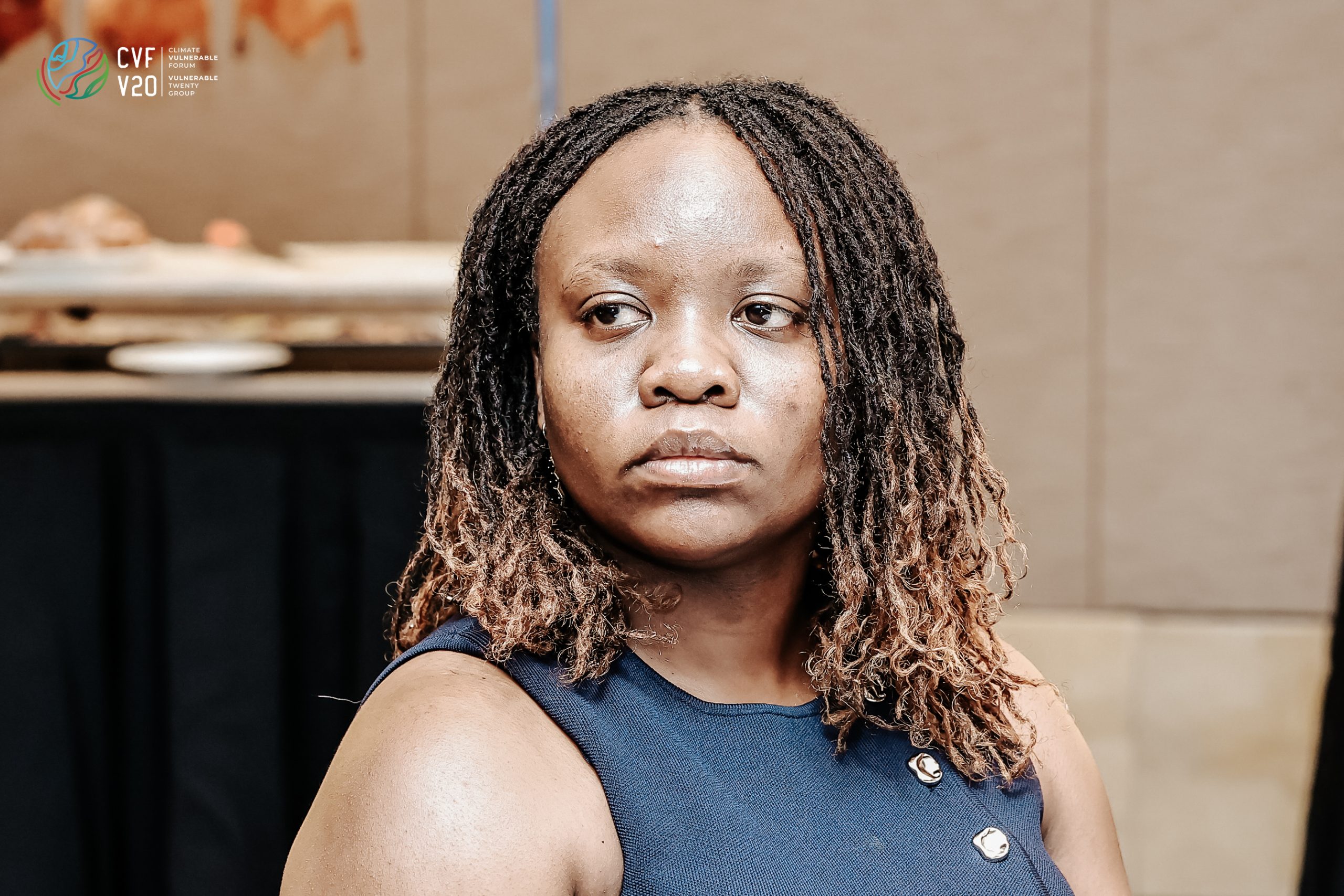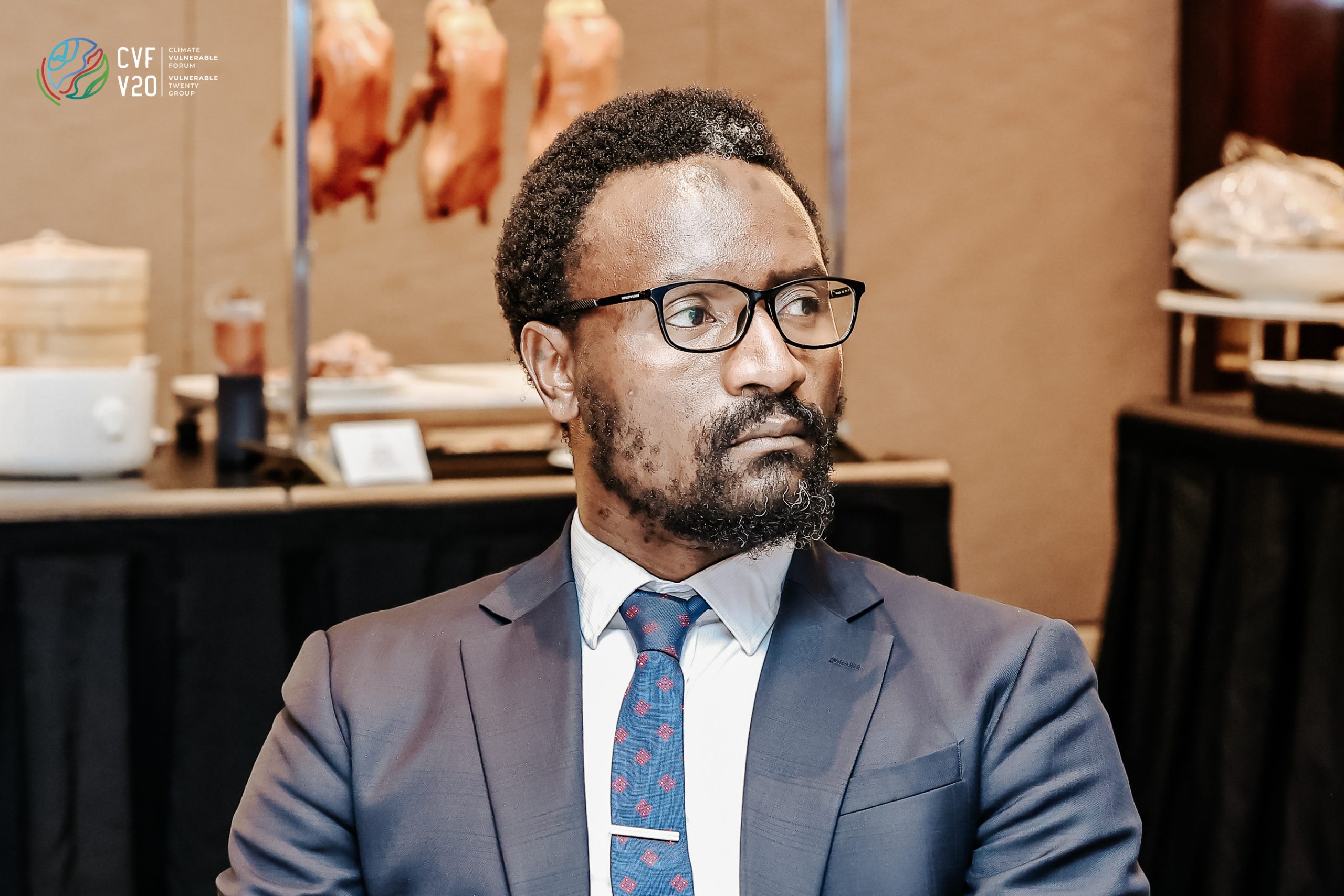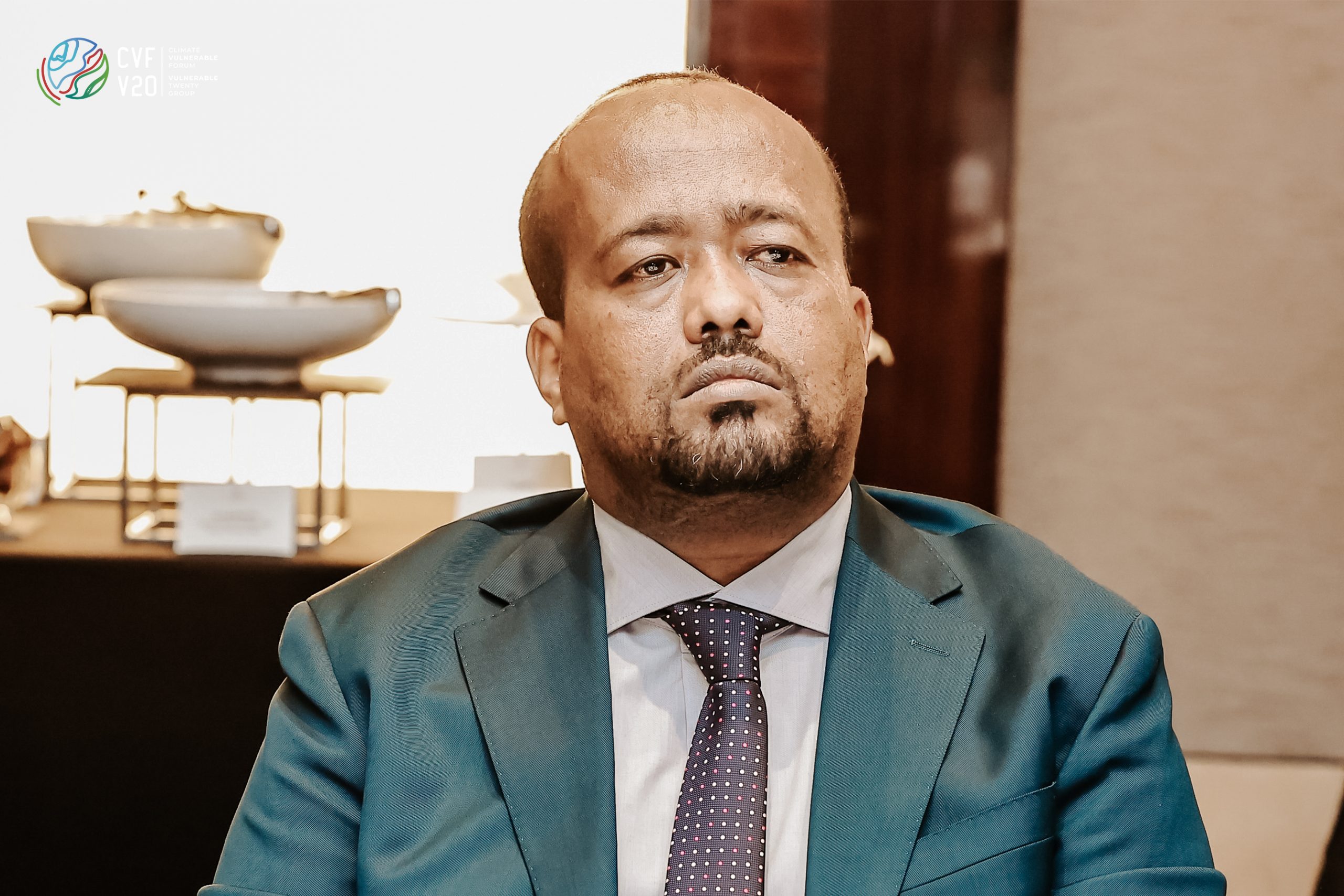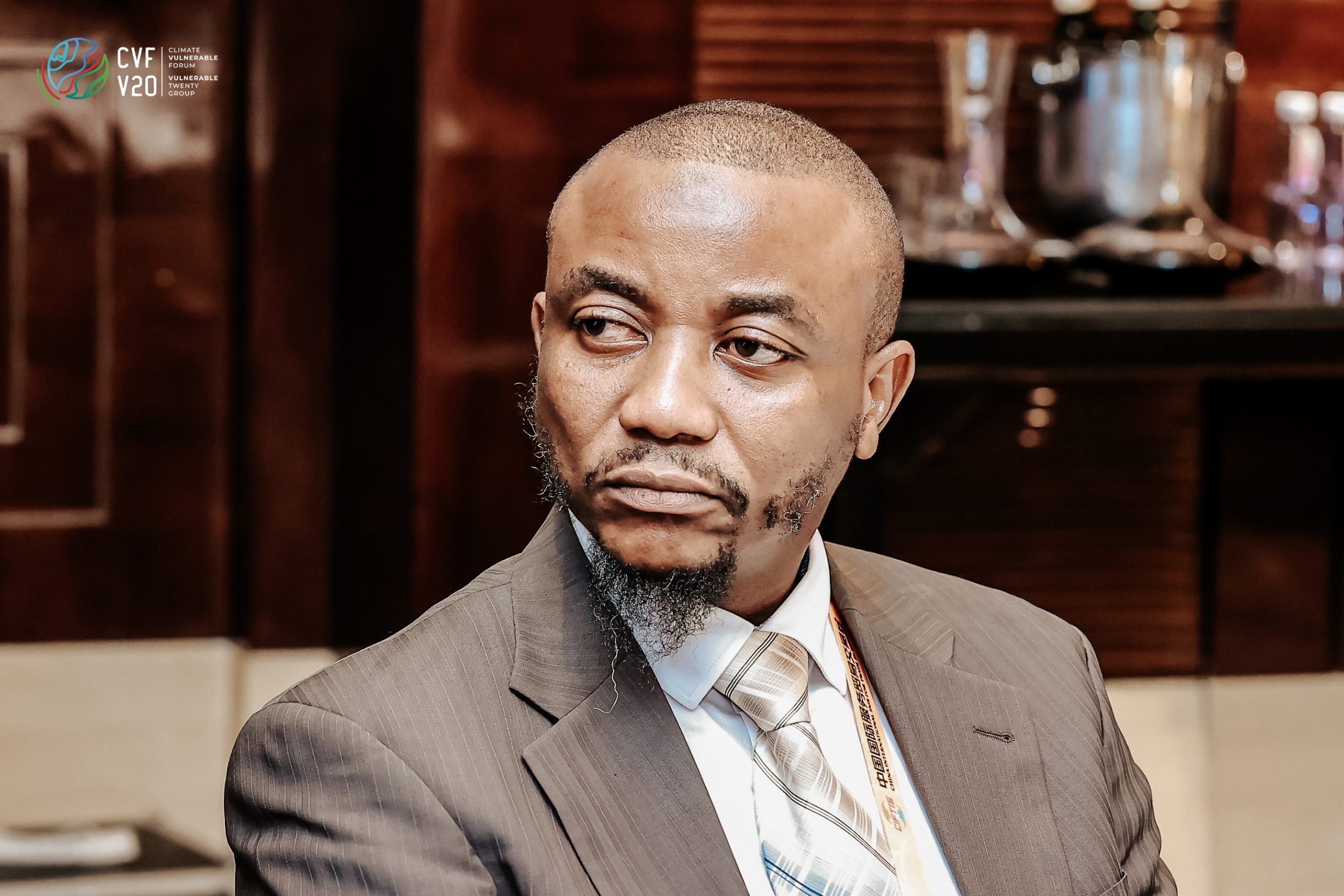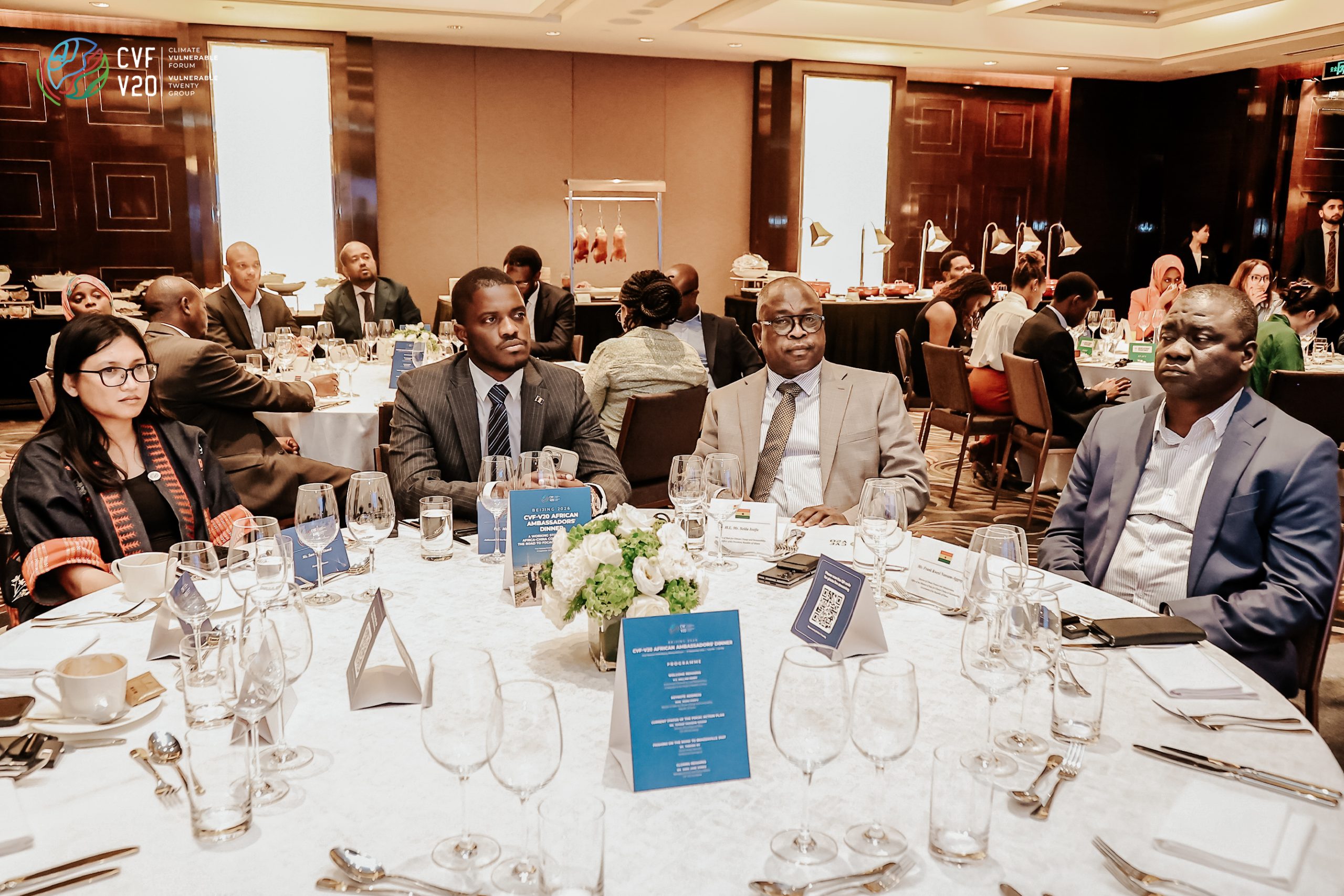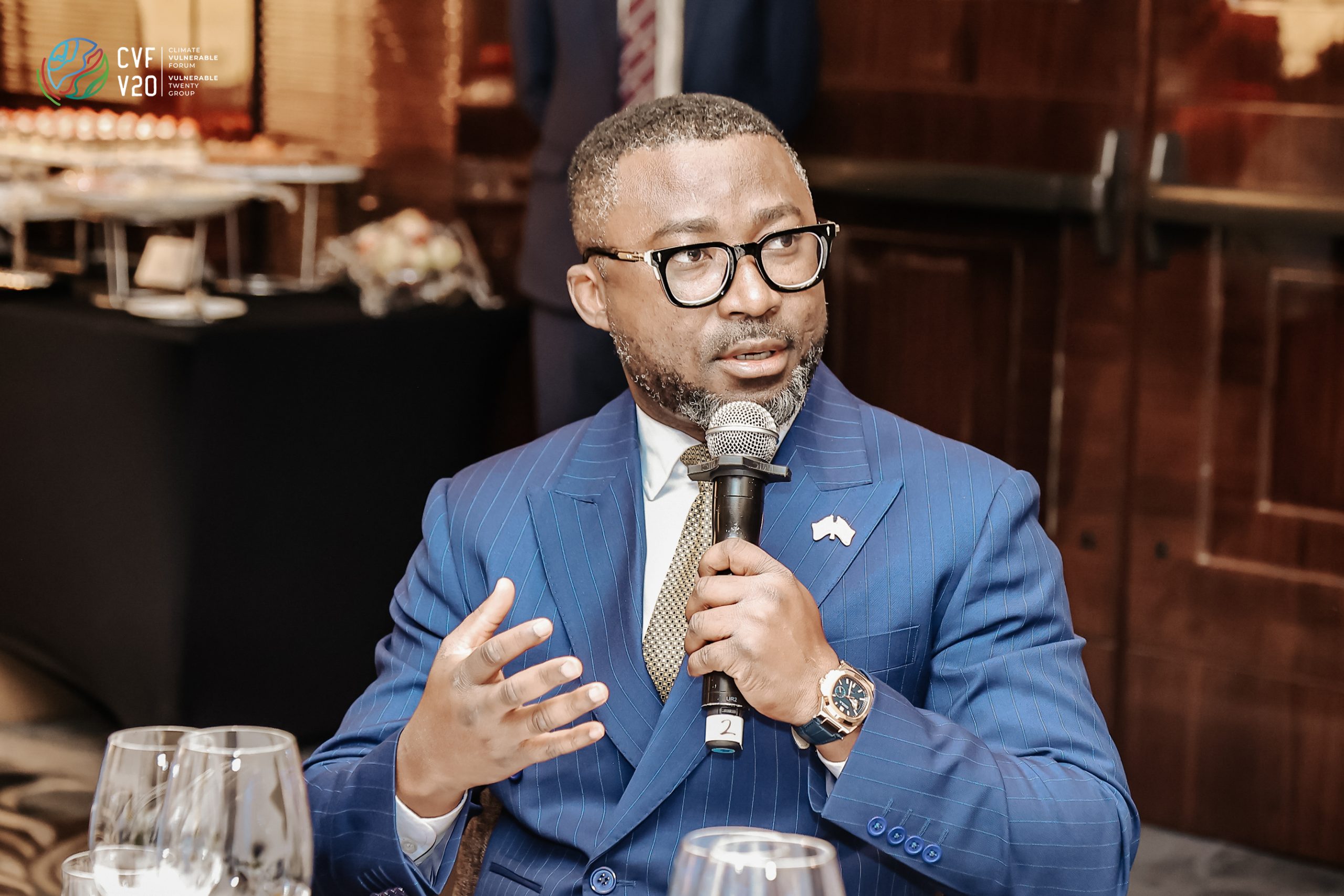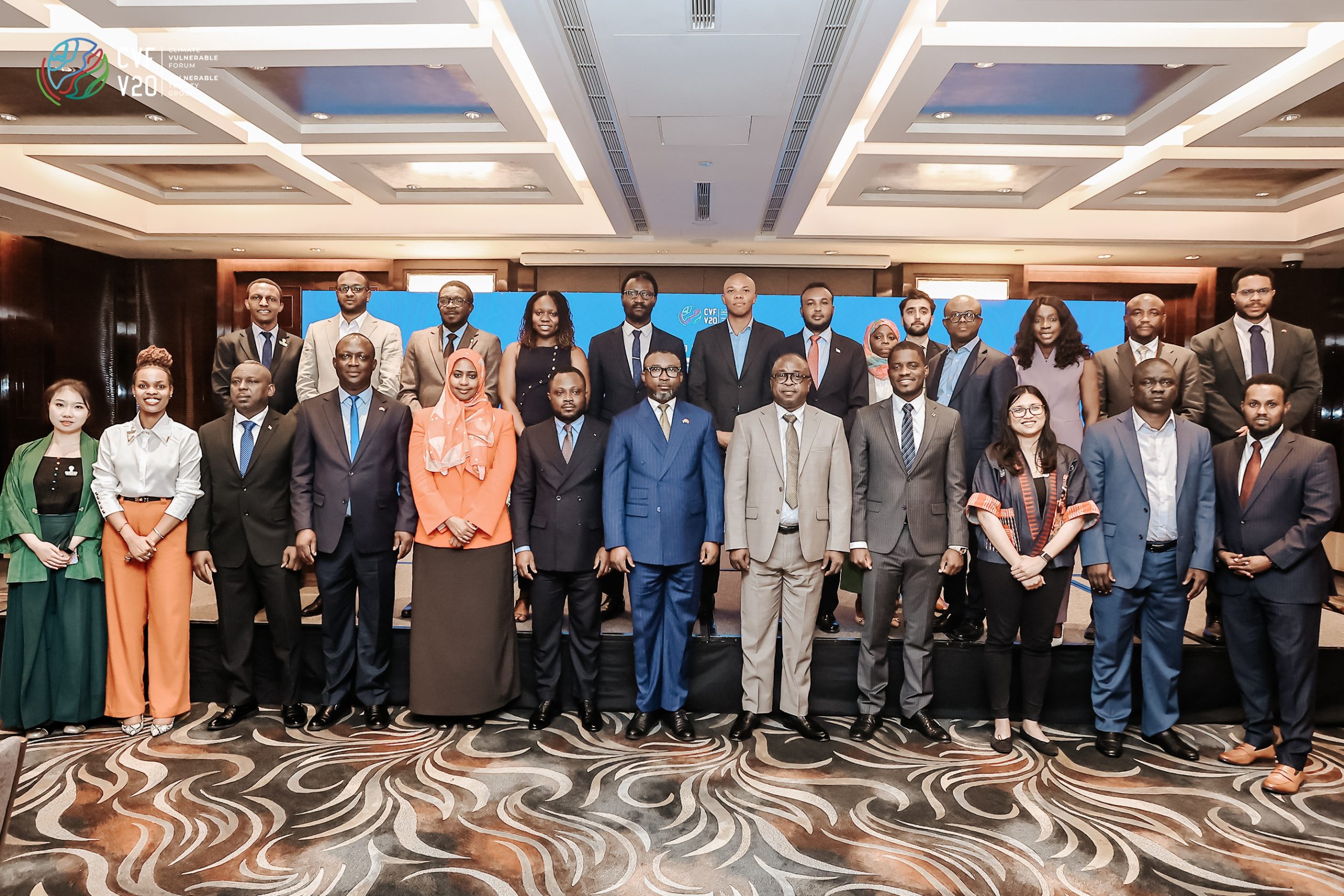

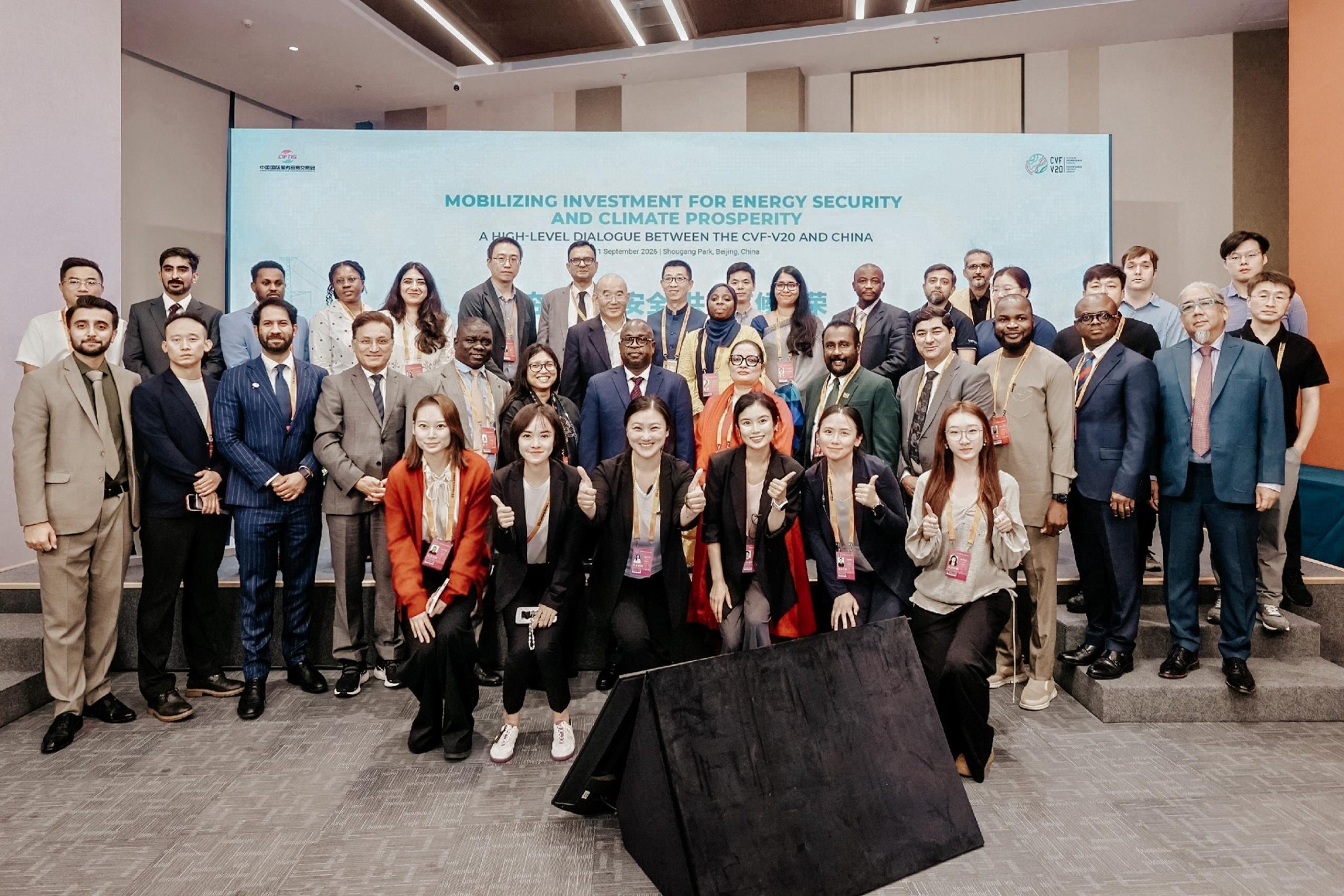
Beijing, China—The Climate Vulnerable Forum and V20 Finance Ministers (CVF-V20) convened a high-level investment dialogue with Chinese government institutions, major energy enterprises, financial and technical partners, and top representatives of climate-vulnerable countries during the 2026 China International Fair for Trade in Services (CIFTIS). Officials and experts focused on translating country-owned climate investment pipelines into concrete partnerships with China. The dialogue also launched a CVF-V20 Investment Compendium featuring 23 projects from five Climate Prosperity Plan countries, representing approximately US$3.2 billion in investment opportunities. Climate Prosperity Plans are multi-phase sector specific programs that bring the convergence of climate and development together towards the delivery of an ecologically sustainable and green industrial future.
On 11 September, the High-Level Dialogue on “Mobilizing Investment for Energy Security and Climate Prosperity” were structured around two linked questions: what investment and technology partnerships climate-vulnerable economies demand, and how Chinese institutions can supply through partnerships in finance, technology and project delivery.
The CVF-V20 represents 74 climate-vulnerable economies and more than 1.7 billion people. While these countries contribute only around 7.3% of global emissions, they continue to face disproportionate climate impacts alongside high financing costs, infrastructure gaps and limited access to technology. At the same time, many V20 members possess significant renewable-energy resources, growing markets and major investment needs in energy, water, infrastructure, agriculture and industry, creating substantial opportunities for cooperation with China.
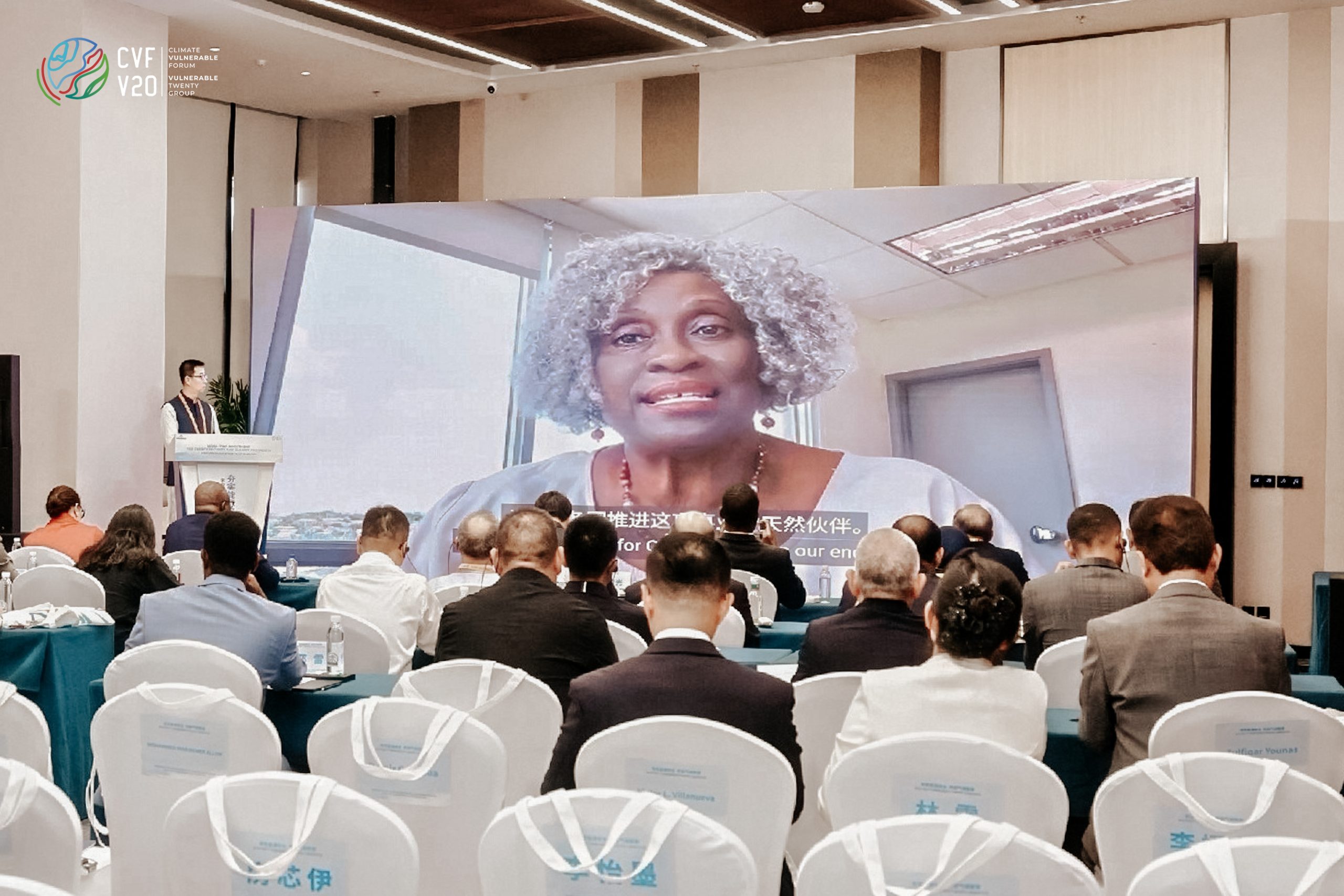
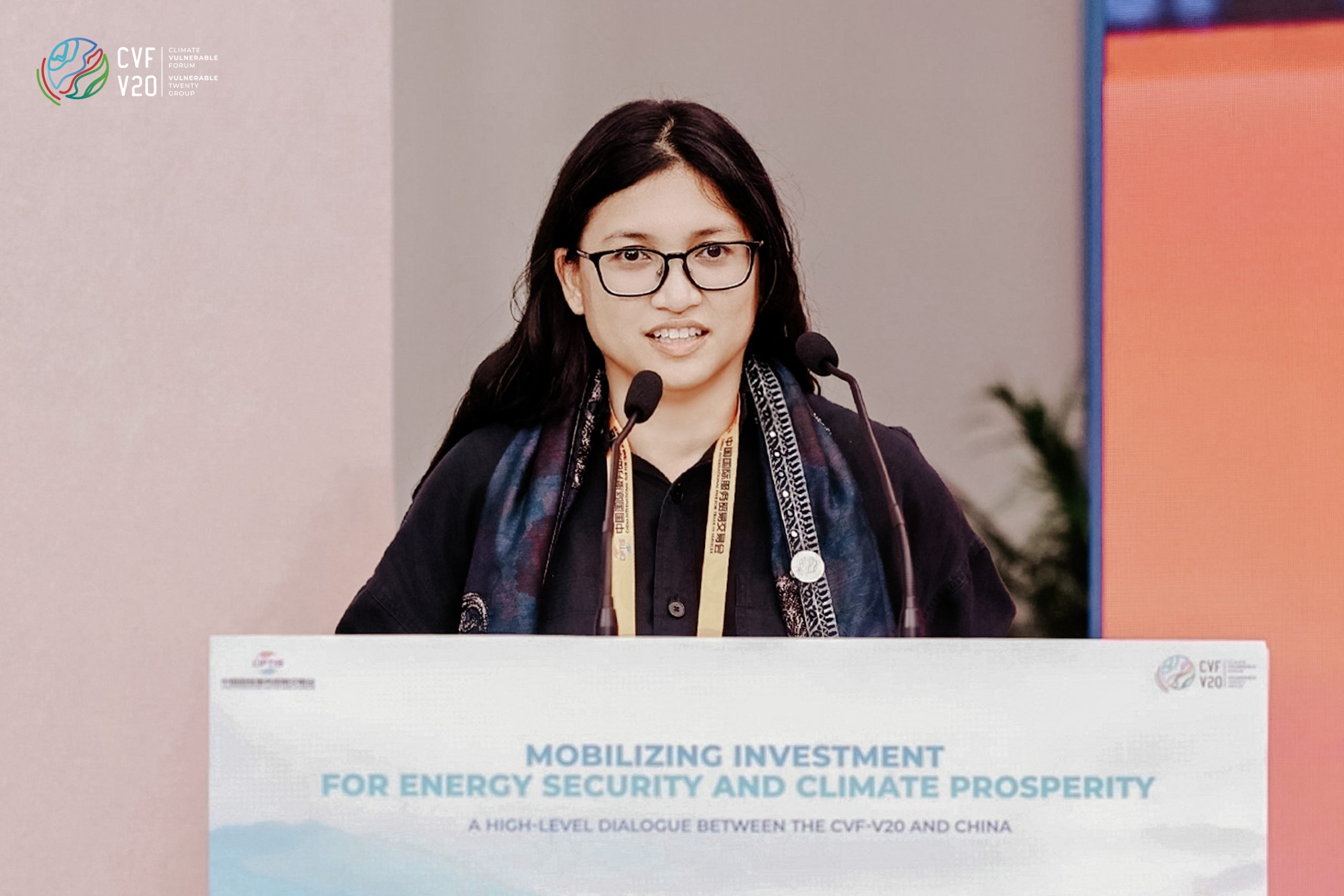
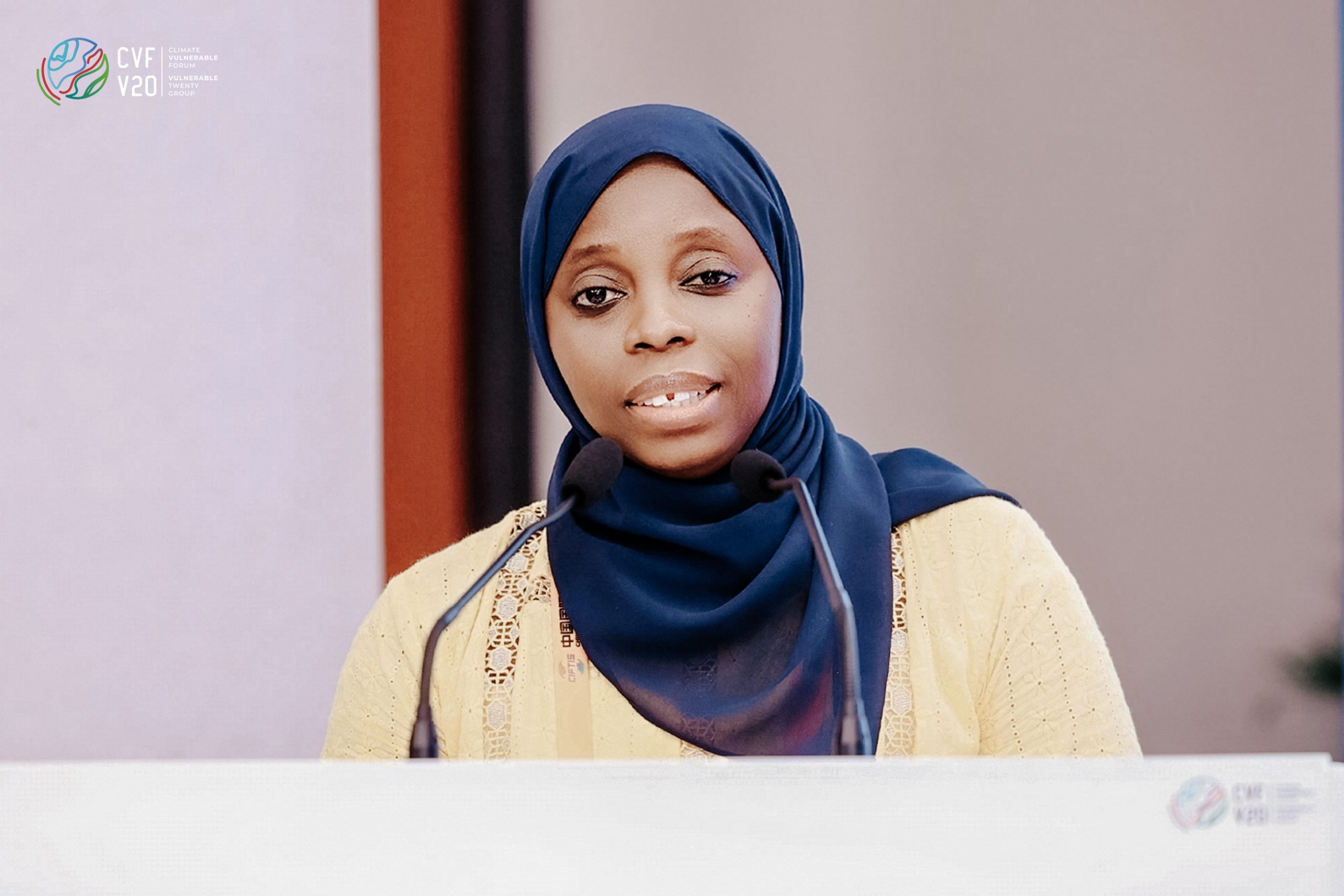
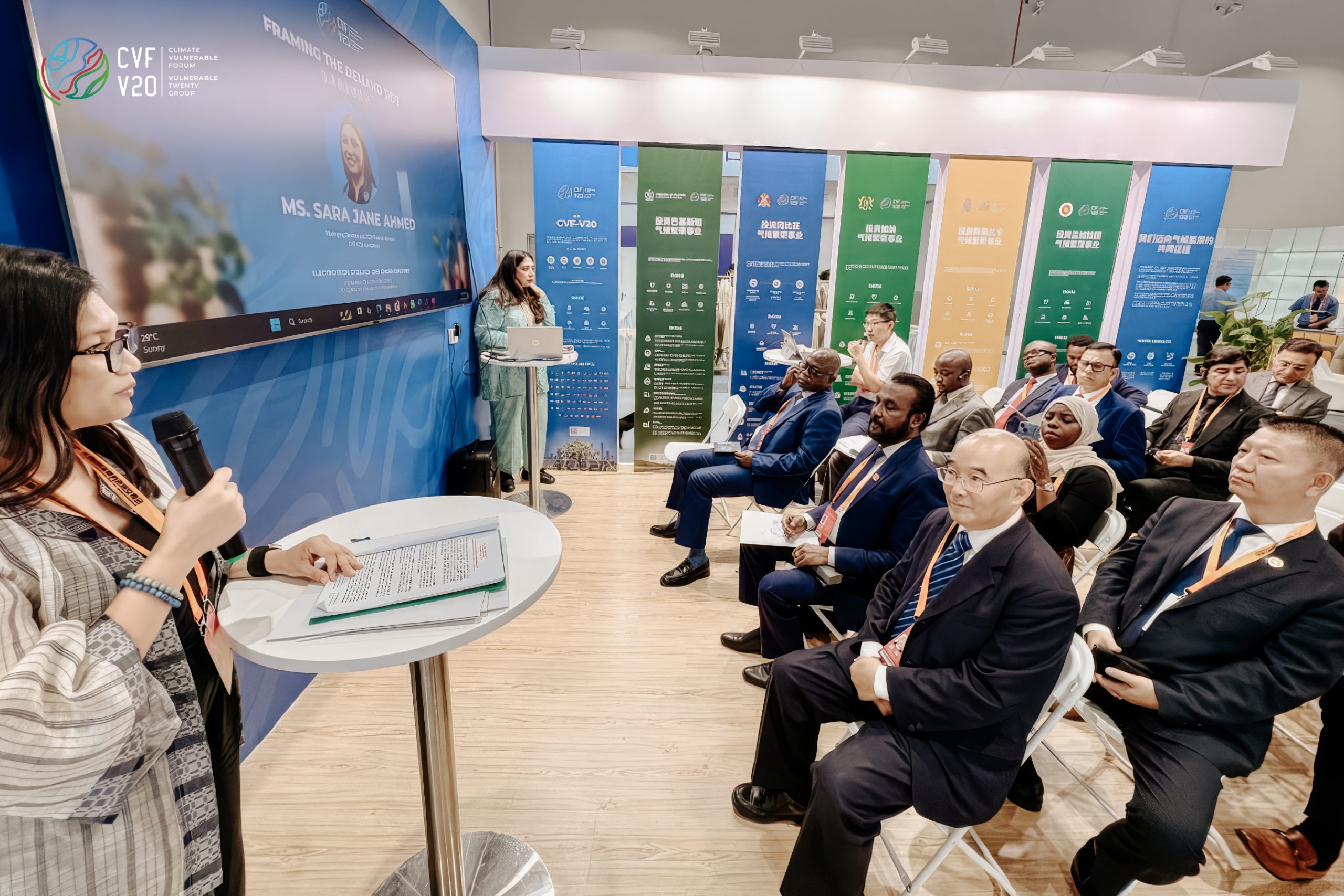
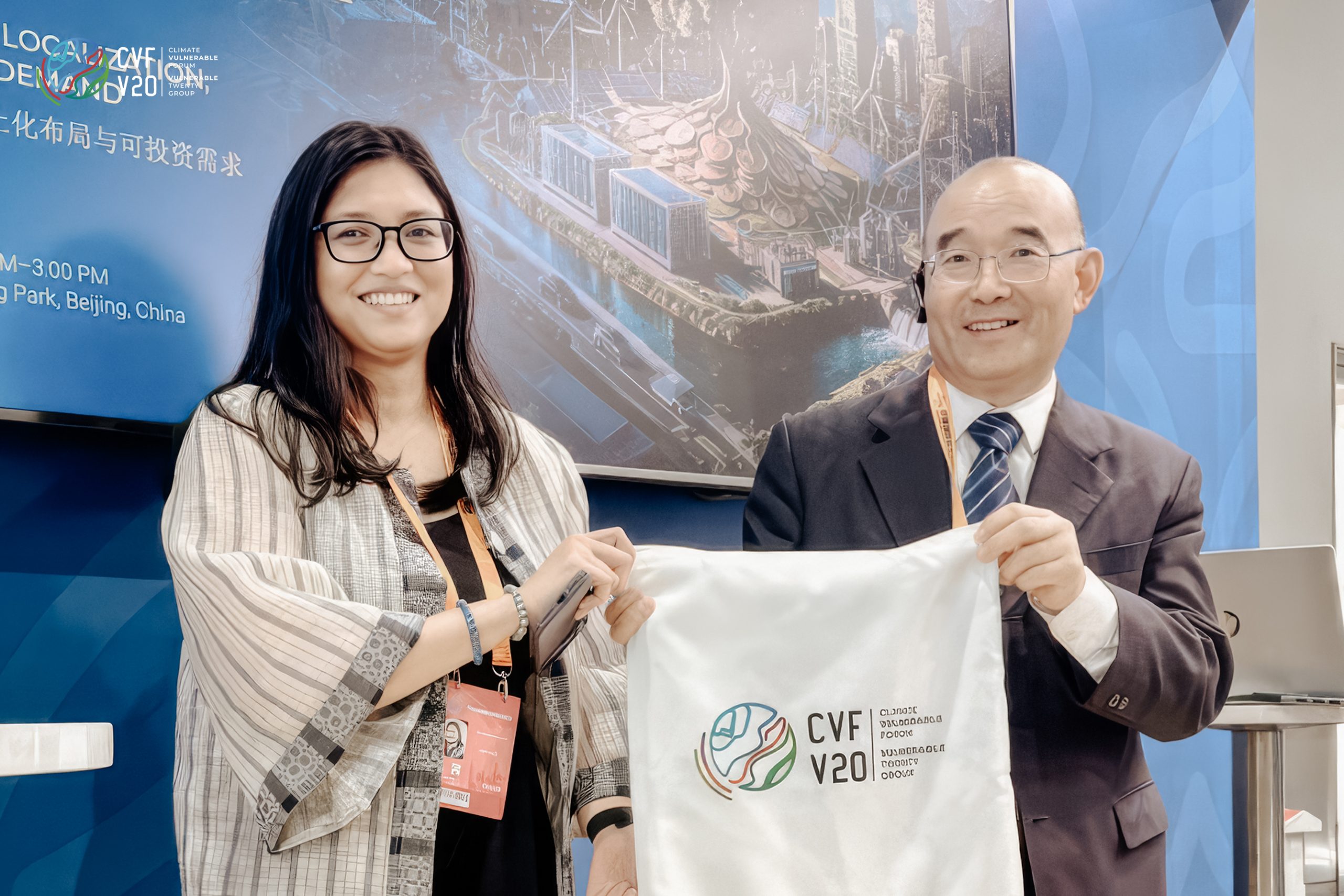
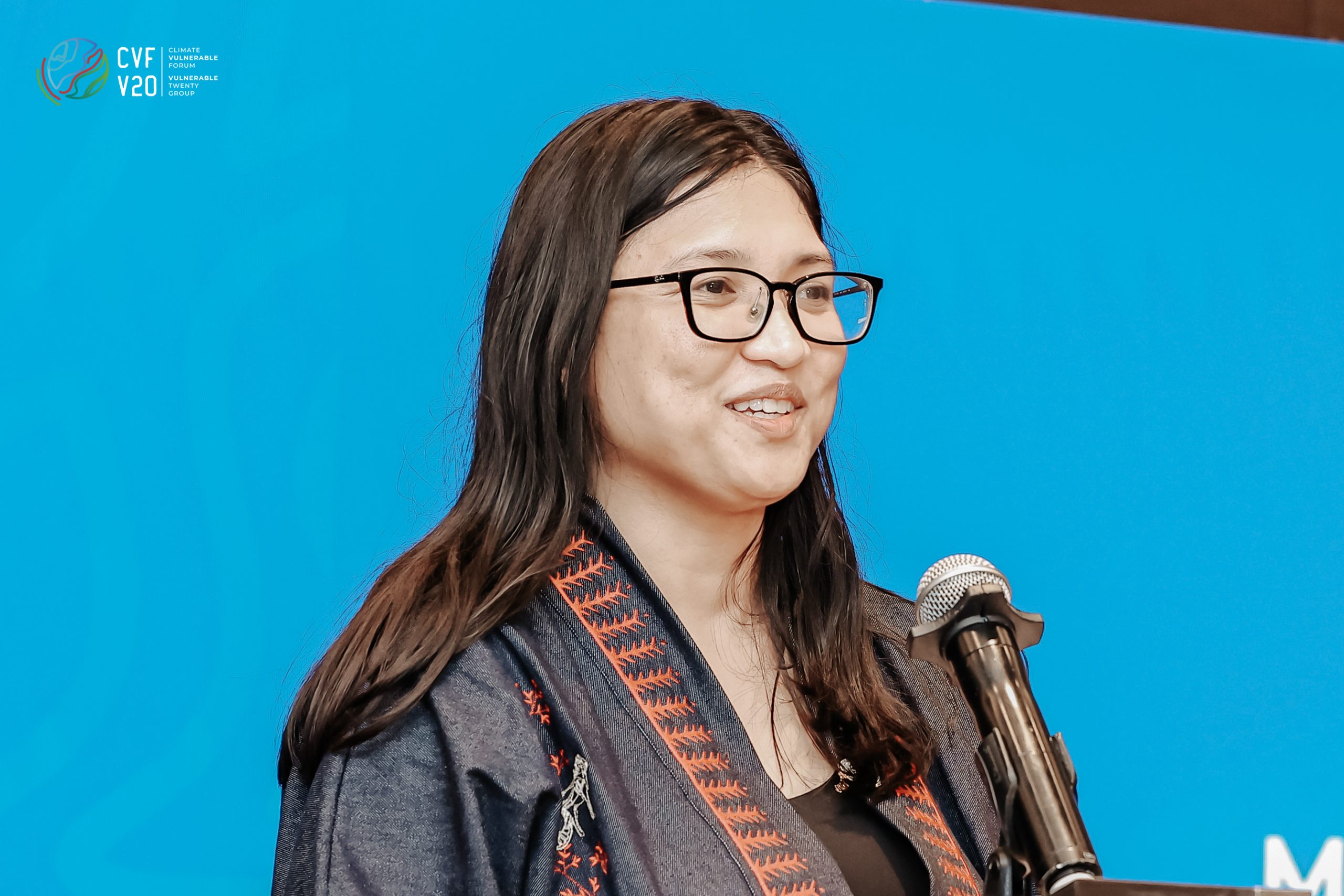
Sara Jane Ahmed, Managing Director and V20 Finance Advisor of the CVF-V20 Secretariat, said the engagement with China should be understood as an investment and delivery partnership rather than simply a technology-supply relationship. “For China, the opportunity extends beyond supplying equipment. It is to build long-term finance, technology and delivery partnerships around nationally owned investment pipelines, across 74 climate-vulnerable economies,” she said. In her keynote, Sara stressed that CVF-V20 countries hold the unmet demand in energy, transportation and logistics, with the opportunity to be able to further leverage the advancements in Chinese technology and sustainable business models to attract commercial capital.
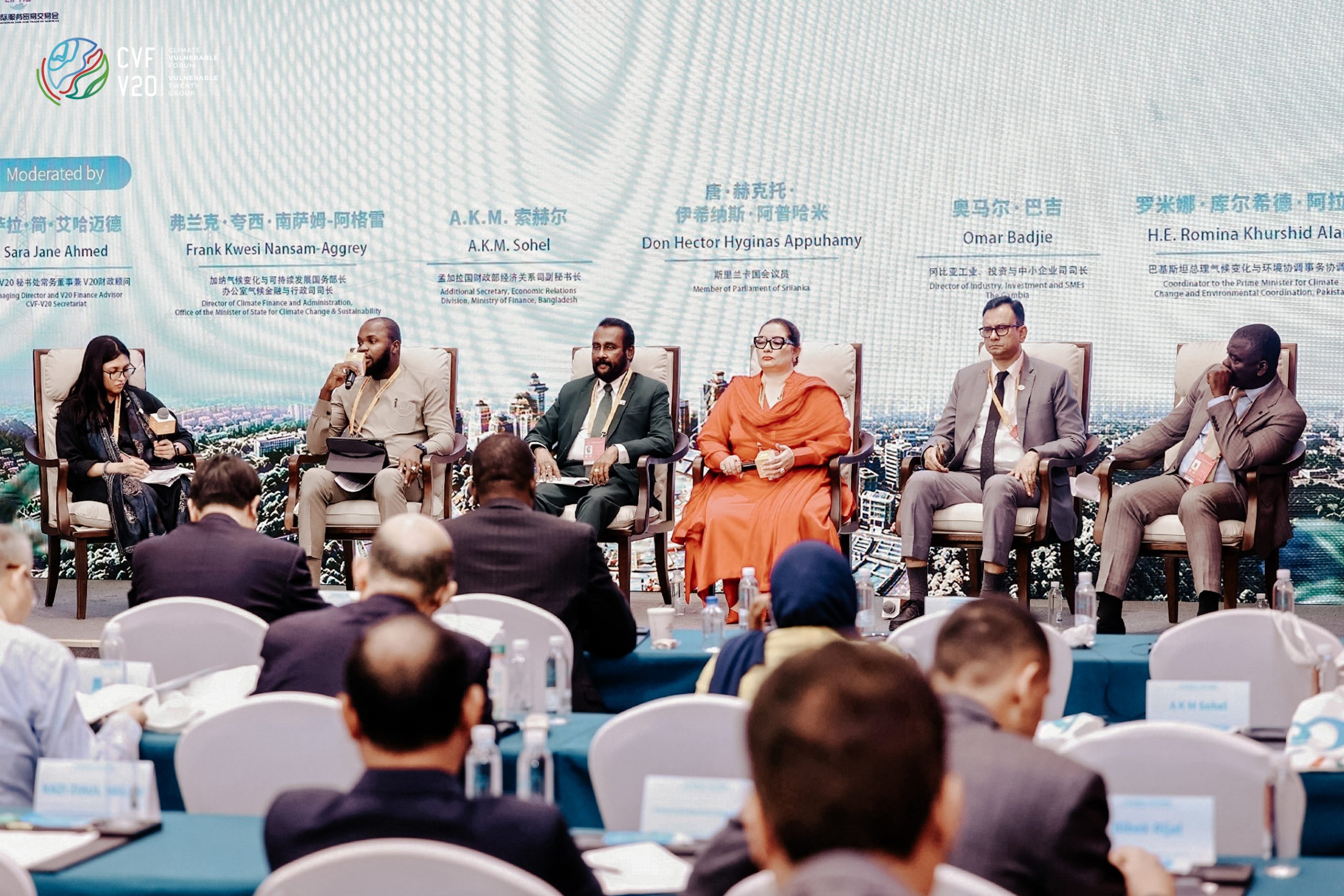
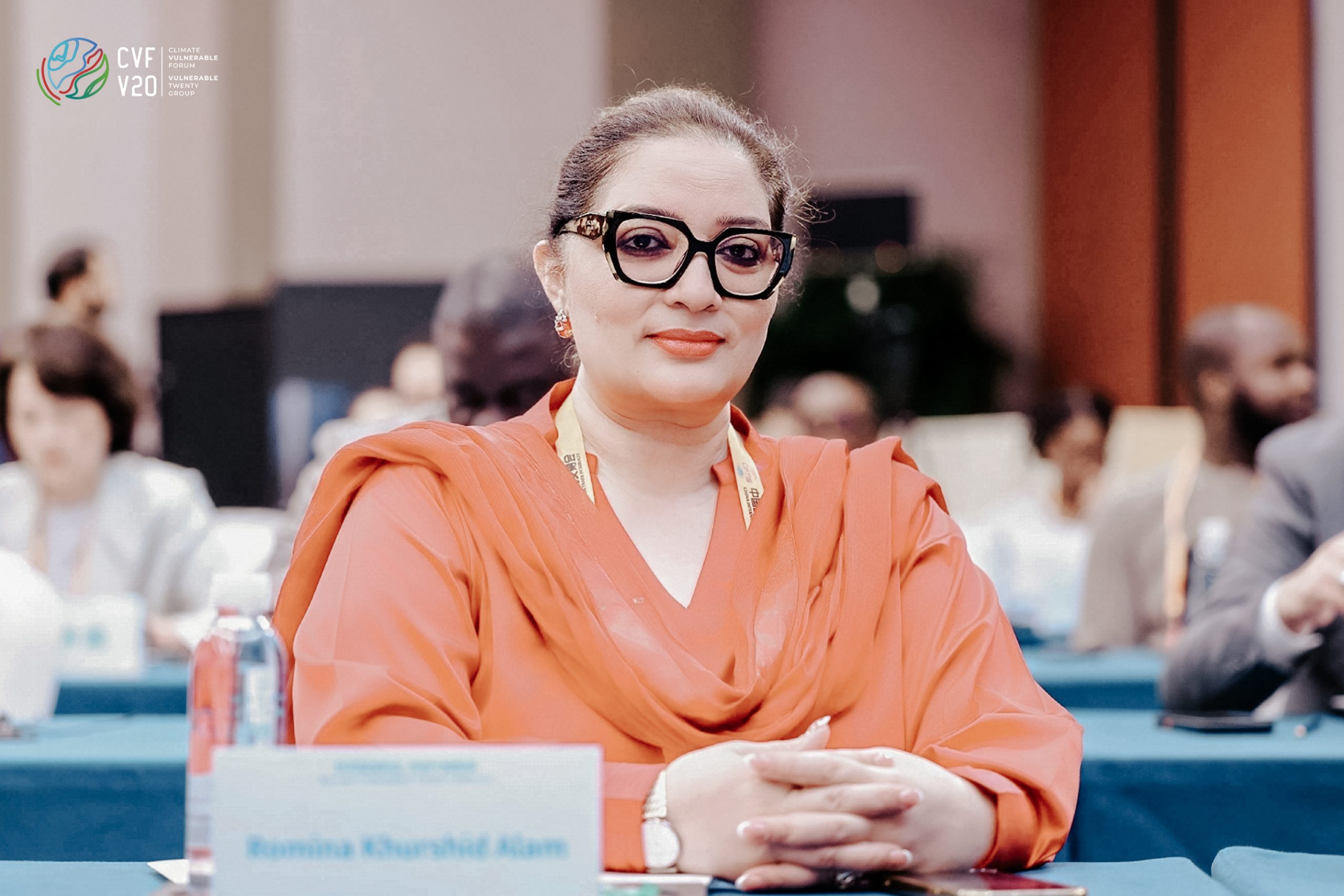
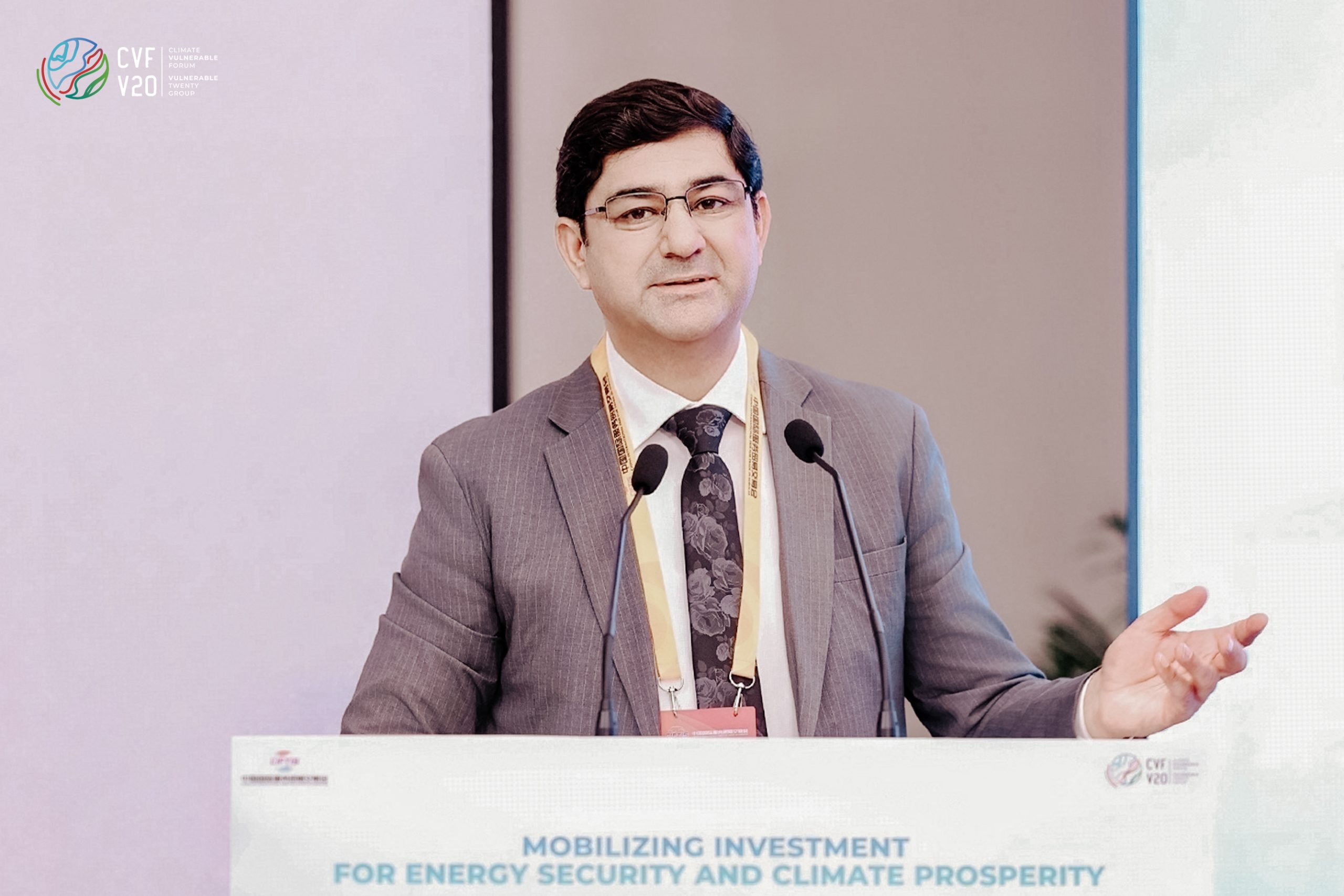
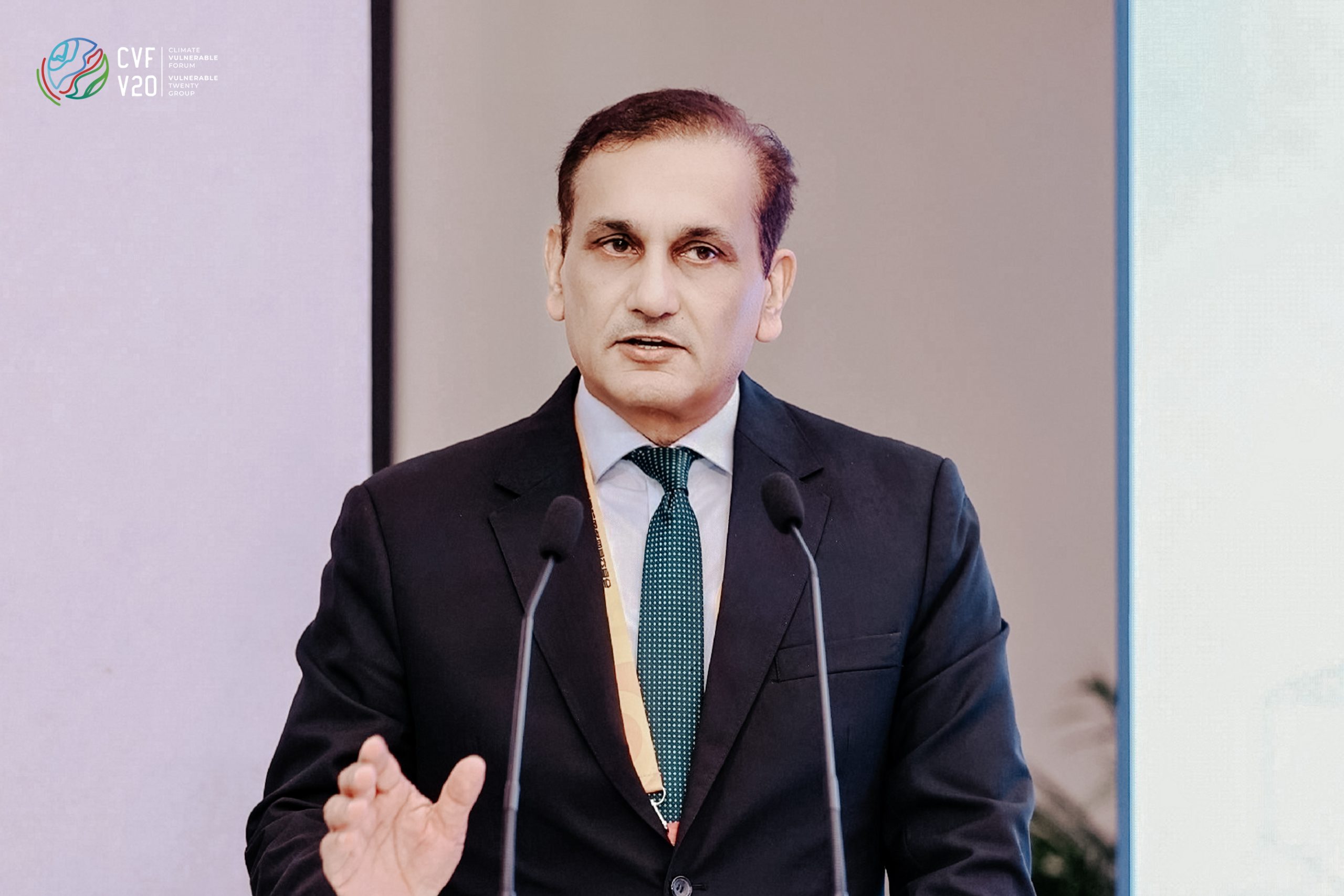
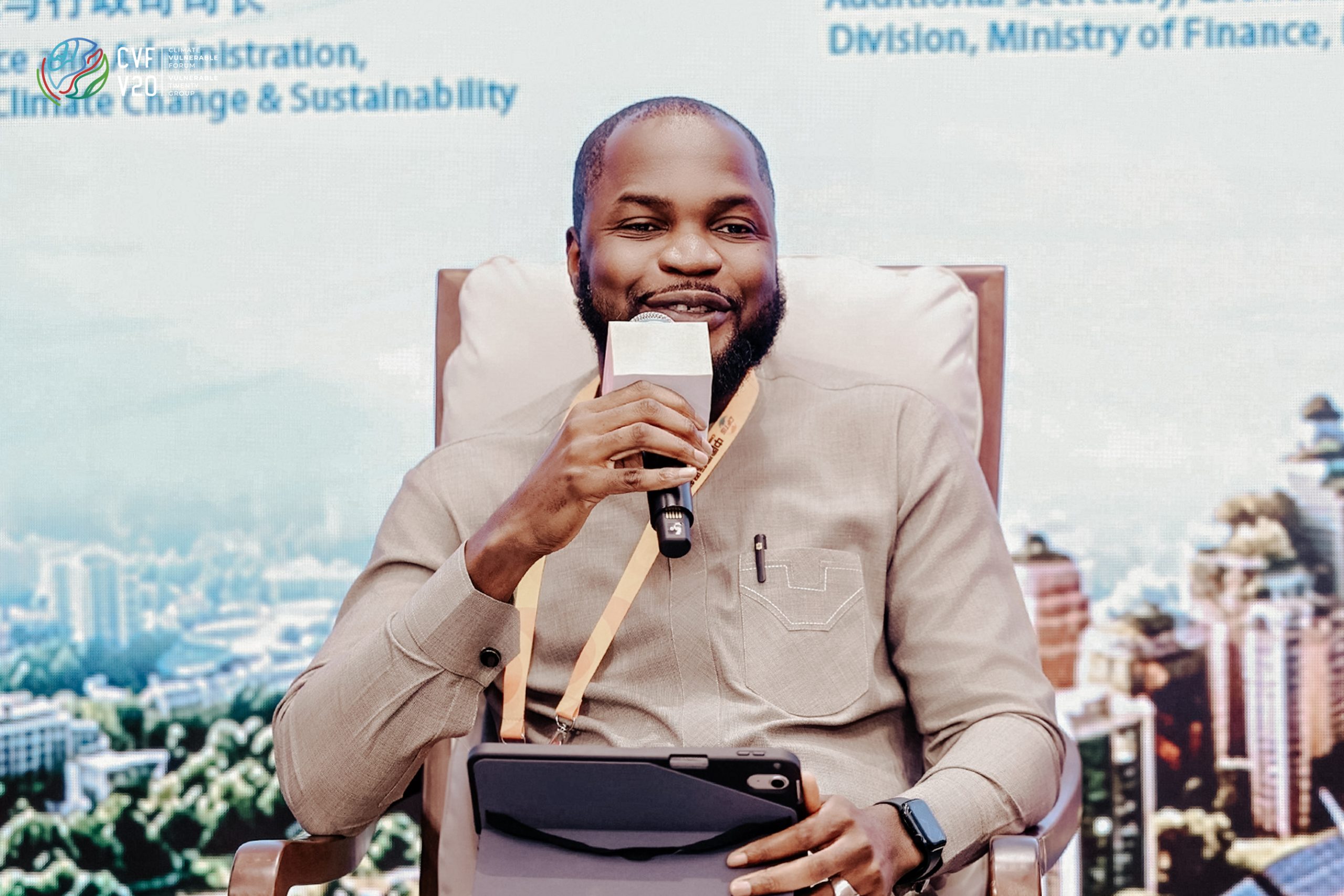
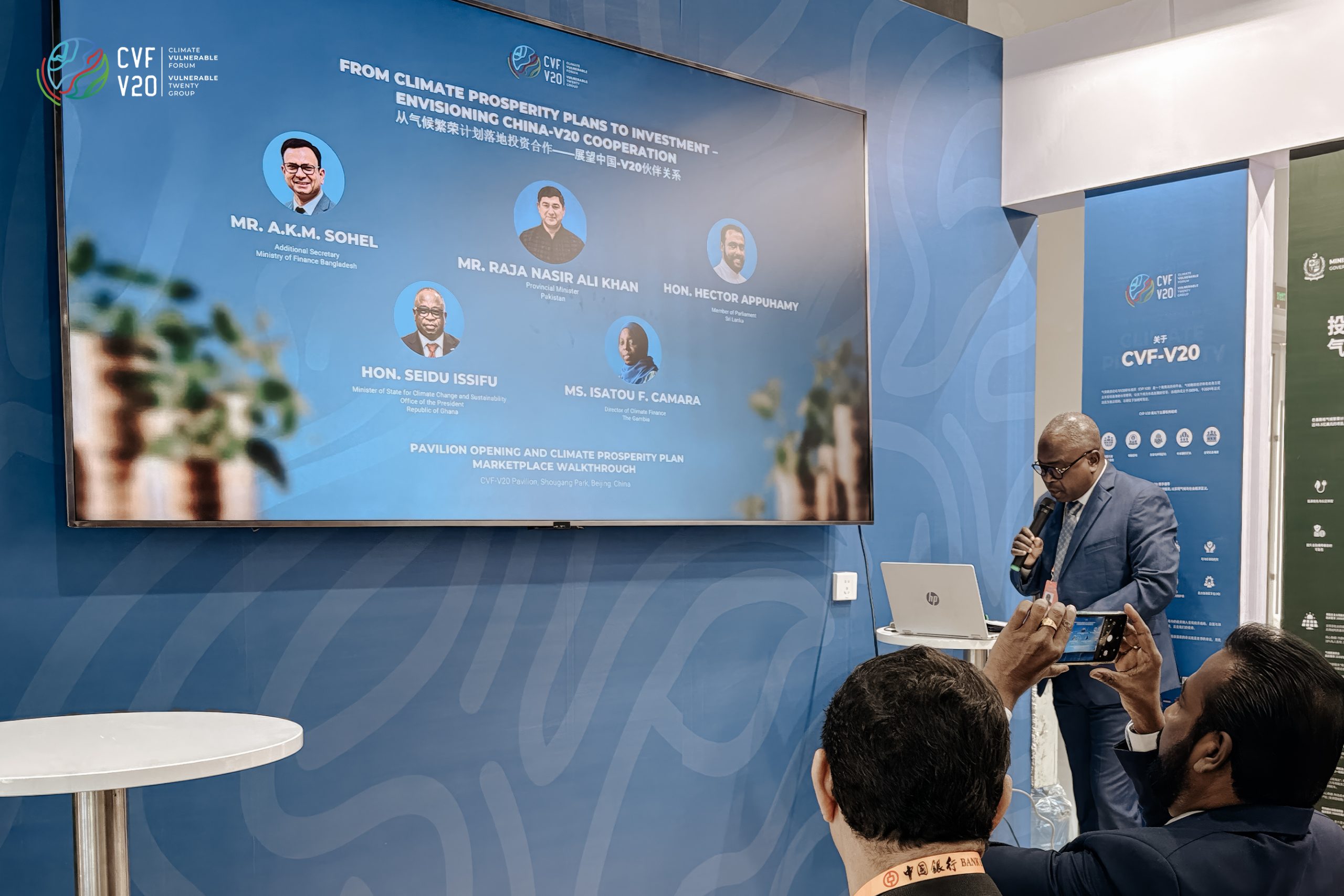
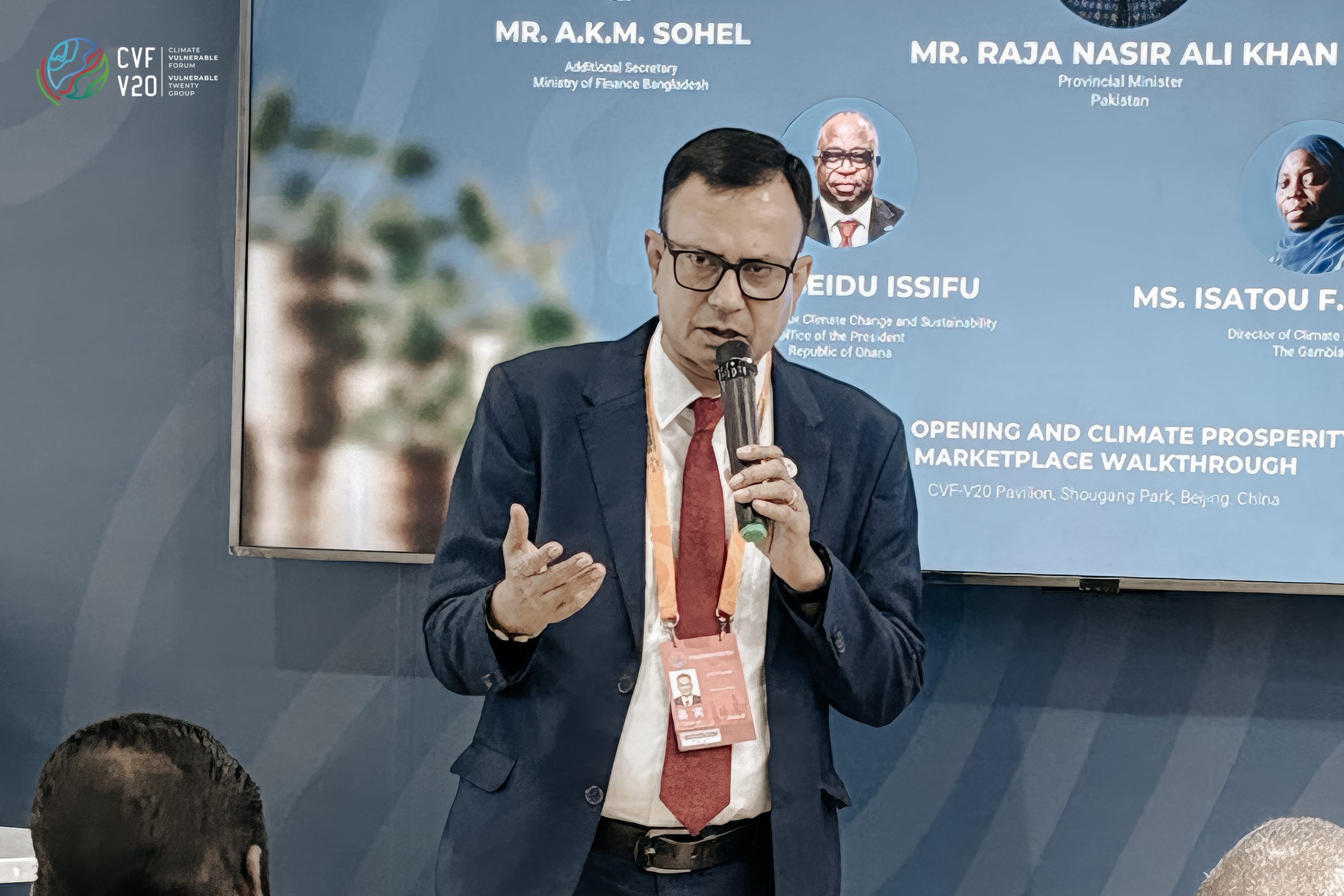
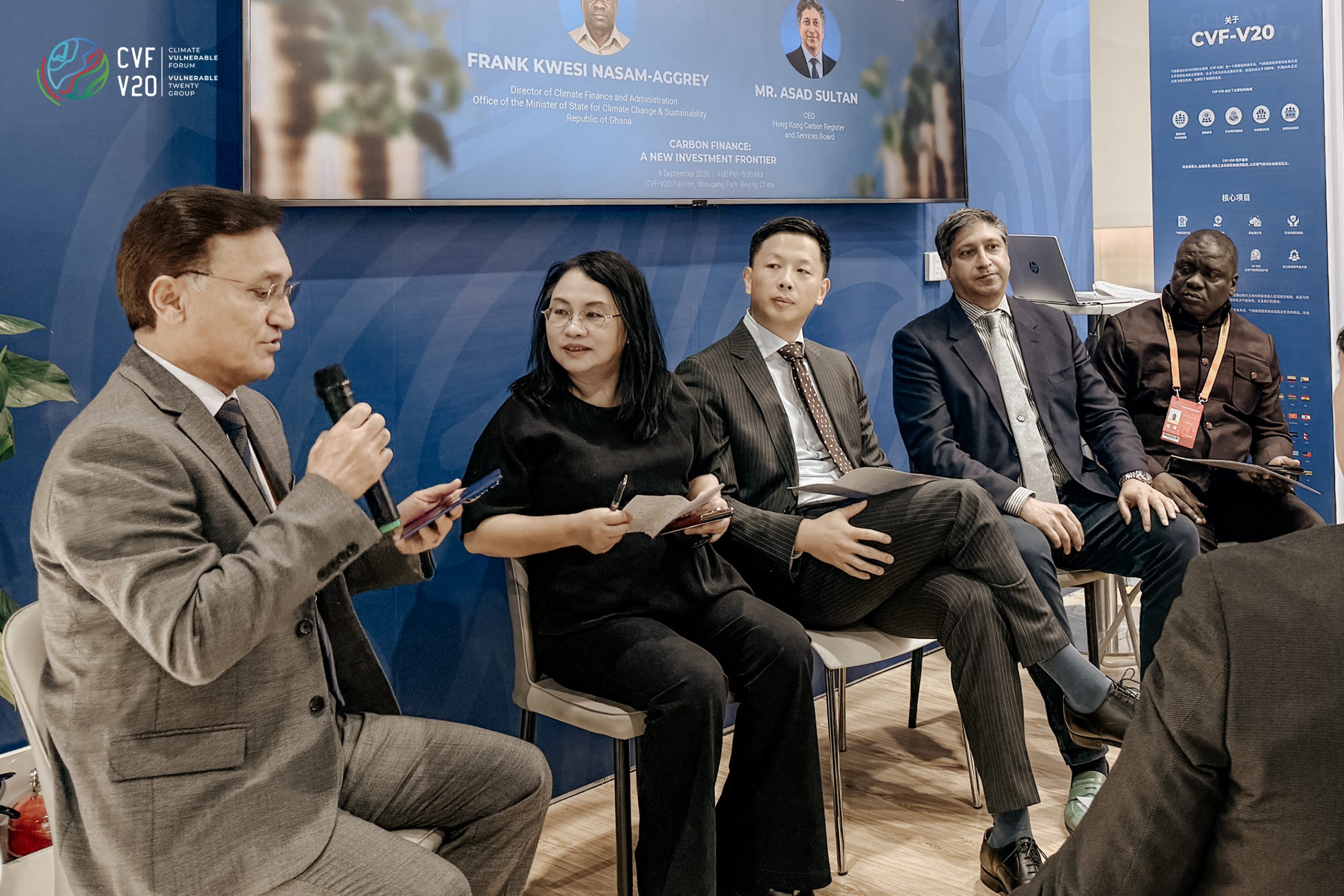
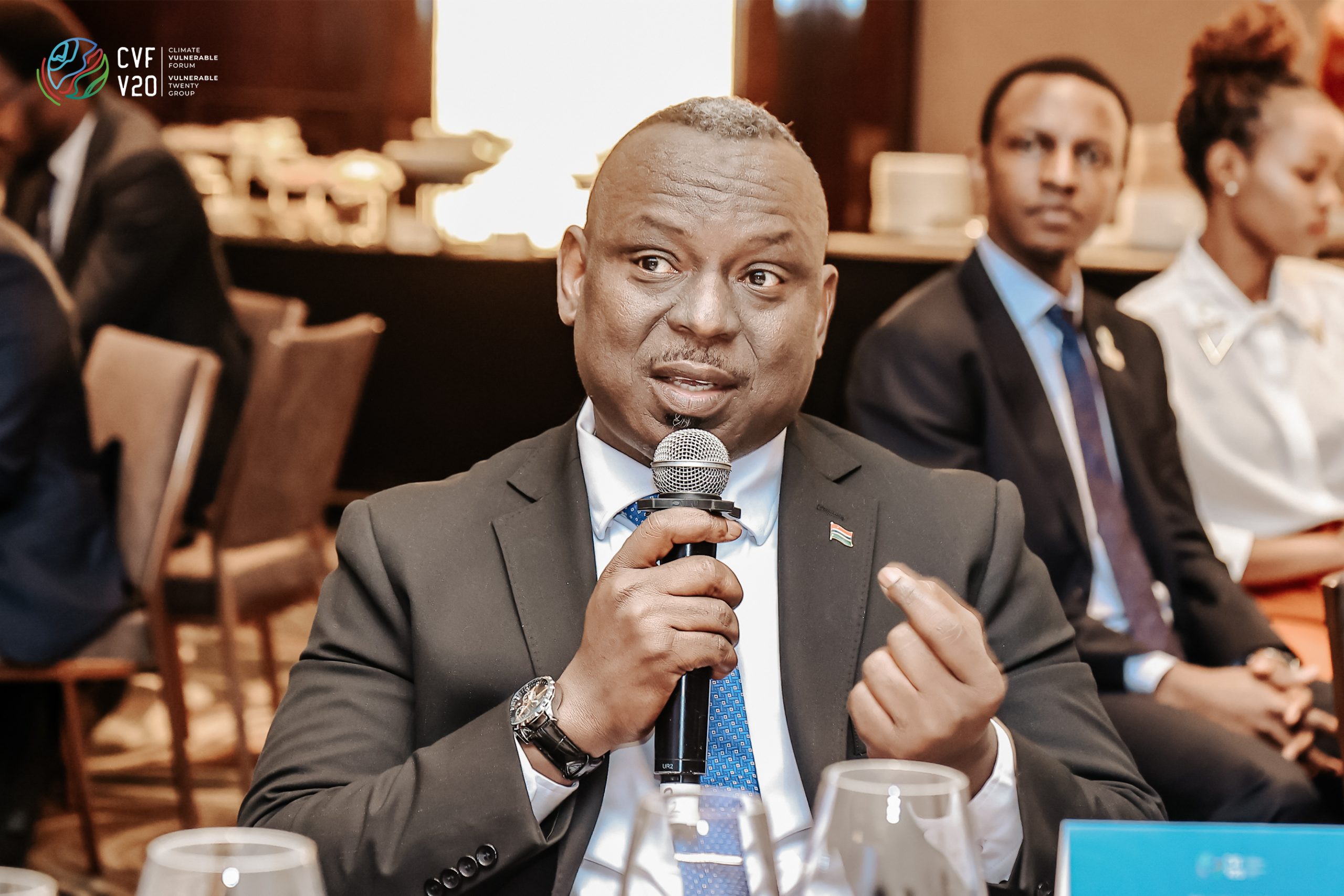
The first panel, “The Global South’s Perspective – Investment Priorities in Electrotech, Water Security, and Climate-Smart Value Chains,” brought together representatives from Ghana, Bangladesh, Pakistan, Sri Lanka and The Gambia to present country-owned investment priorities and identify specific areas where Chinese finance, technology and implementation capacity could accelerate delivery. Mr. Frank Kwesi Nansam-Aggrey, Director of Climate Finance and Administration, Office of the Minister of State for Climate Change & Sustainability, Ghana highlighted opportunities in solar generation and battery storage, green transport and the Volta Economic Corridor, including through the Ghana Infrastructure Investment Fund; Mr. A.K.M. Sohel, Additional Secretary, Economic Relations Division, Ministry of Finance, Bangladesh emphasized renewable energy, water and flood resilience, green industrialisation and export-oriented value chains; H.E. Romina Khurshid Alam, Coordinator to the Prime Minister of Pakistan on Climate Change and Environmental Coordination, highlighted Pakistan’s Climate Prosperity Plan and Investor Book, and opportunities for deeper China-Pakistan cooperation in clean energy, resilient infrastructure, water security, climate-smart agriculture and green industrialisation; Hon. Hector Appuhamy, Member of Parliament, Sri Lanka focused on renewable energy, battery storage, logistics, green industry and digital development, as well as the creation of a national development bank focused on green industrial cooperation; and Mr. Omar Badjie, Director of Industry, Investment and SME, The Gambia identified renewable-powered agripoles, grid reinforcement, green industrial zones and value-added agricultural processing as priority areas for partnership.
Across the country interventions, a common message emerged: CVF-V20 countries are seeking partnerships that go beyond equipment supply or short-term lending. Delegates emphasized the need for blended and concessional finance, equity investment, risk-sharing instruments, technology transfer, local manufacturing and assembly, skills development, and stronger project-preparation support to move priority projects toward financial close.
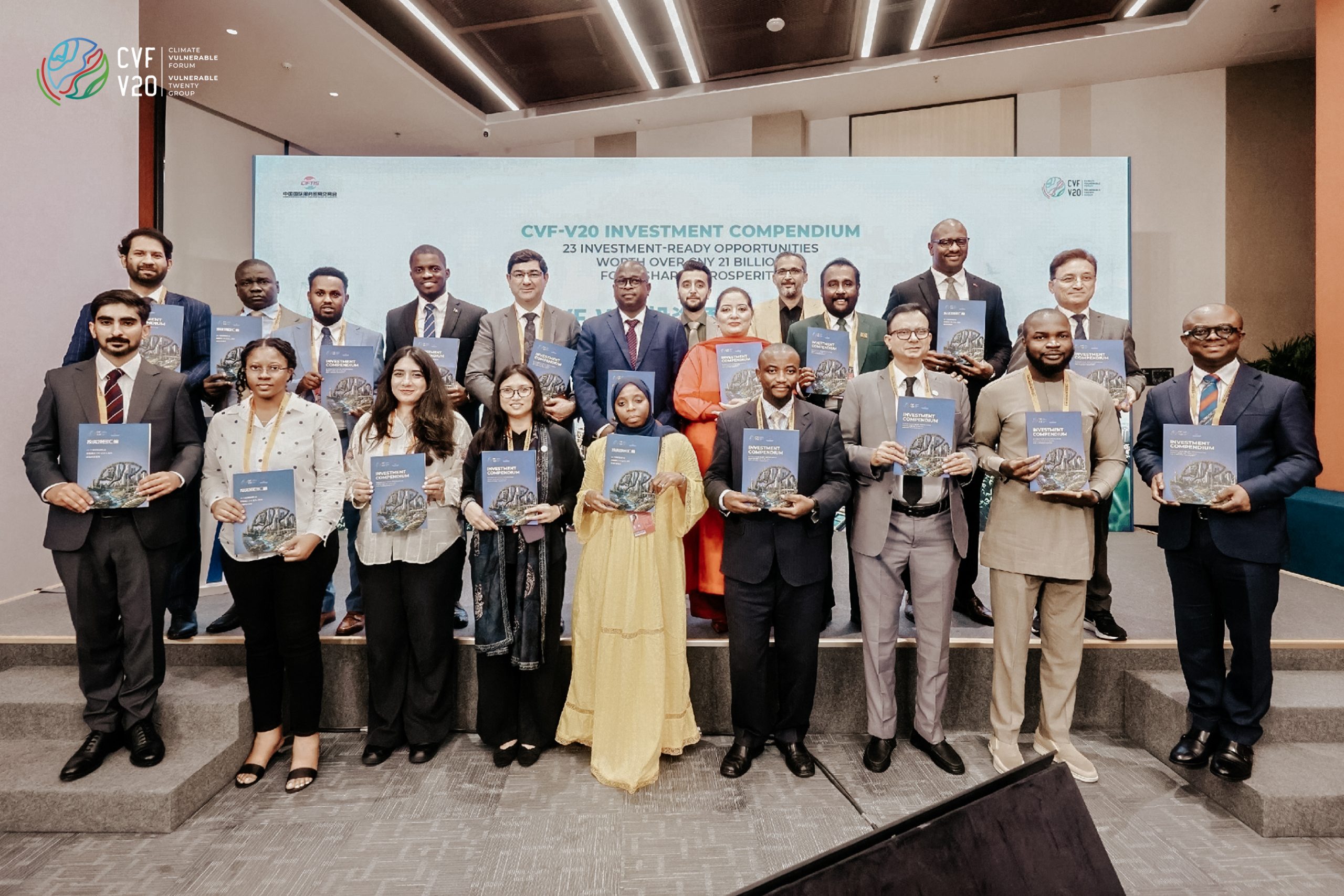
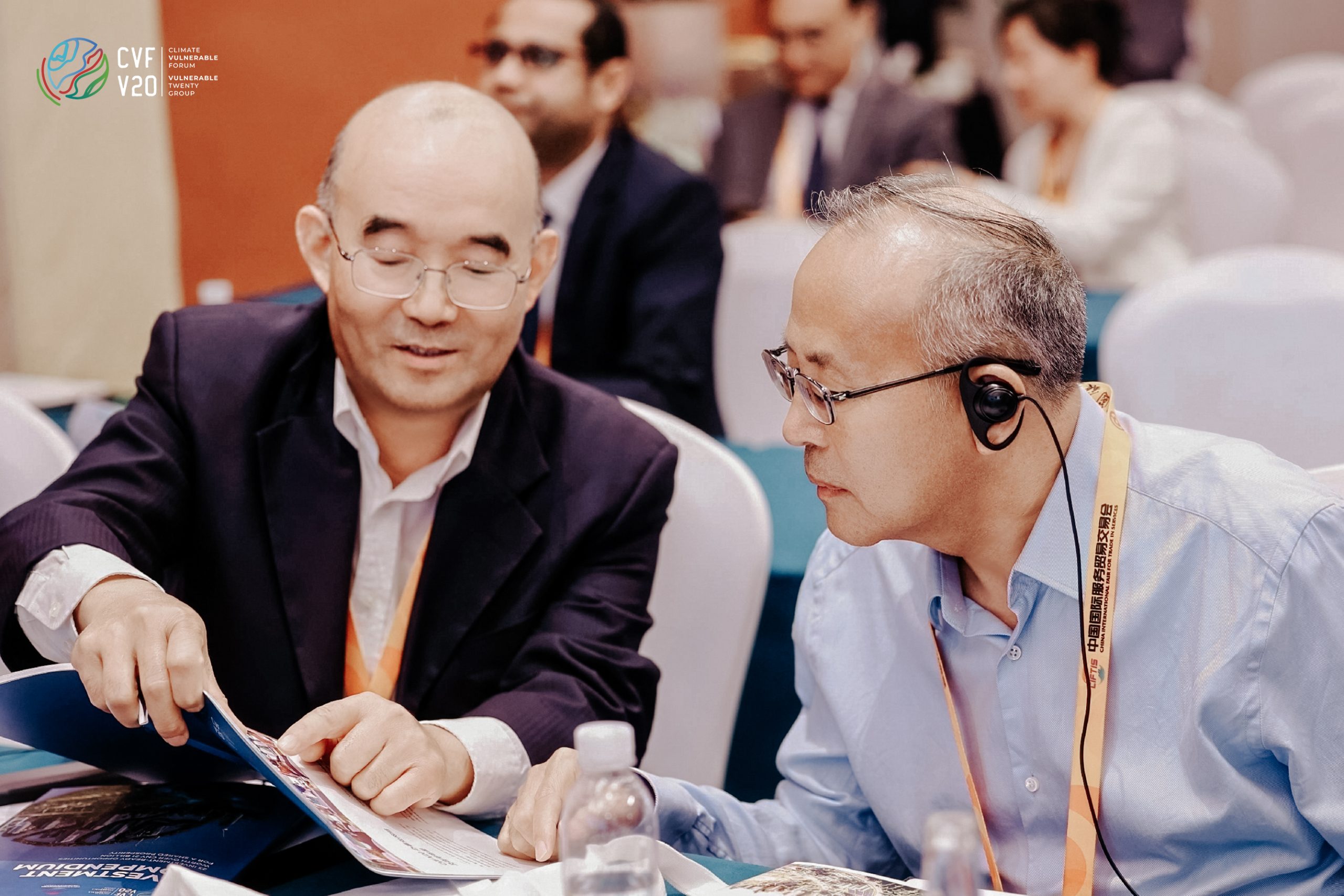
During the dialogue, the CVF-V20 formally launched its Investment Compendium, presenting 23 priority investment opportunities from Bangladesh, The Gambia, Ghana, Pakistan and Sri Lanka, representing approximately US$3.2 billion in projects across renewable energy and green industry, resilient infrastructure and water security, and climate-smart agriculture and value chains. The Compendium is intended to serve as a practical entry point for Chinese investors, financial institutions, technology providers and enterprises seeking country-owned opportunities across CVF-V20 economies.
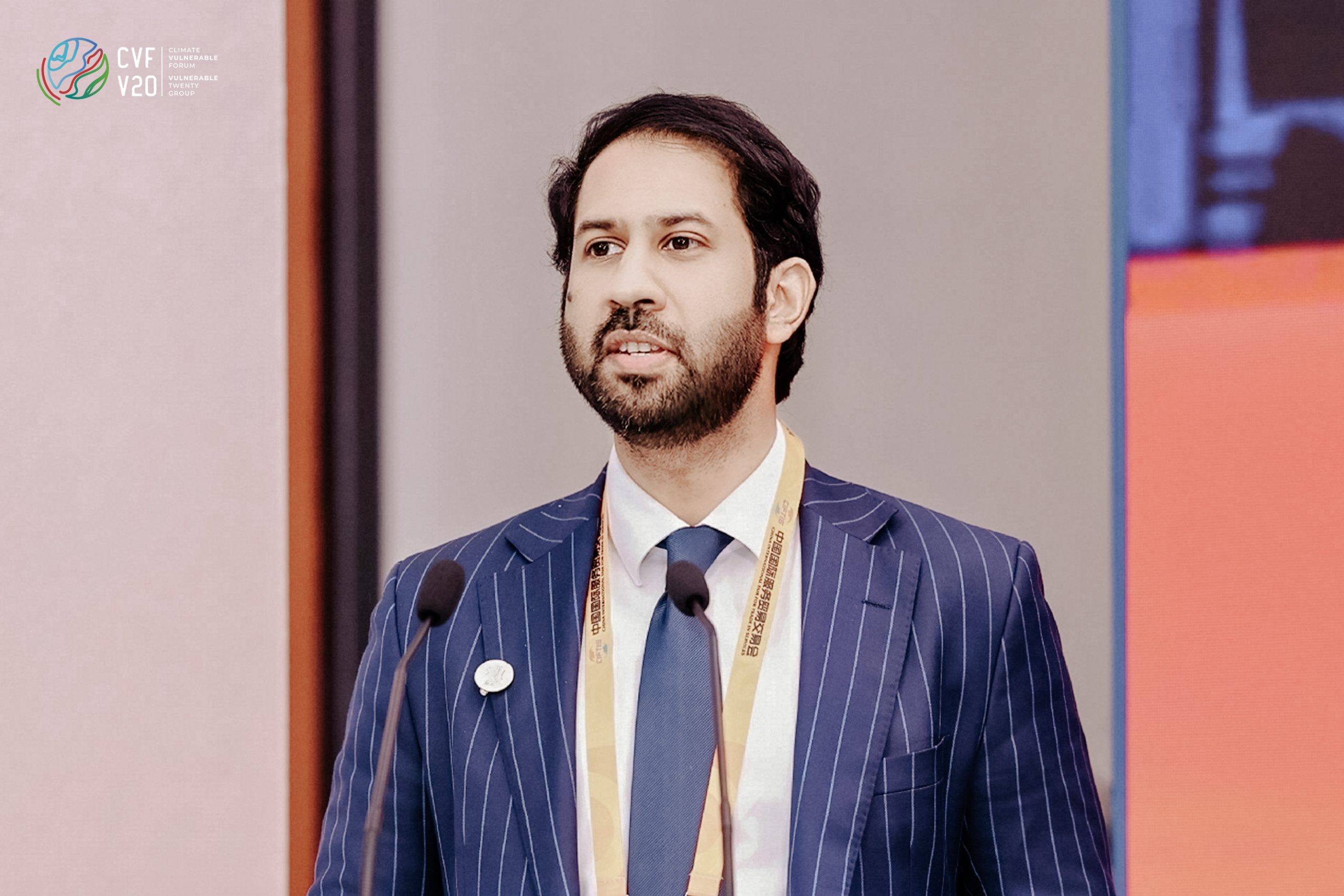
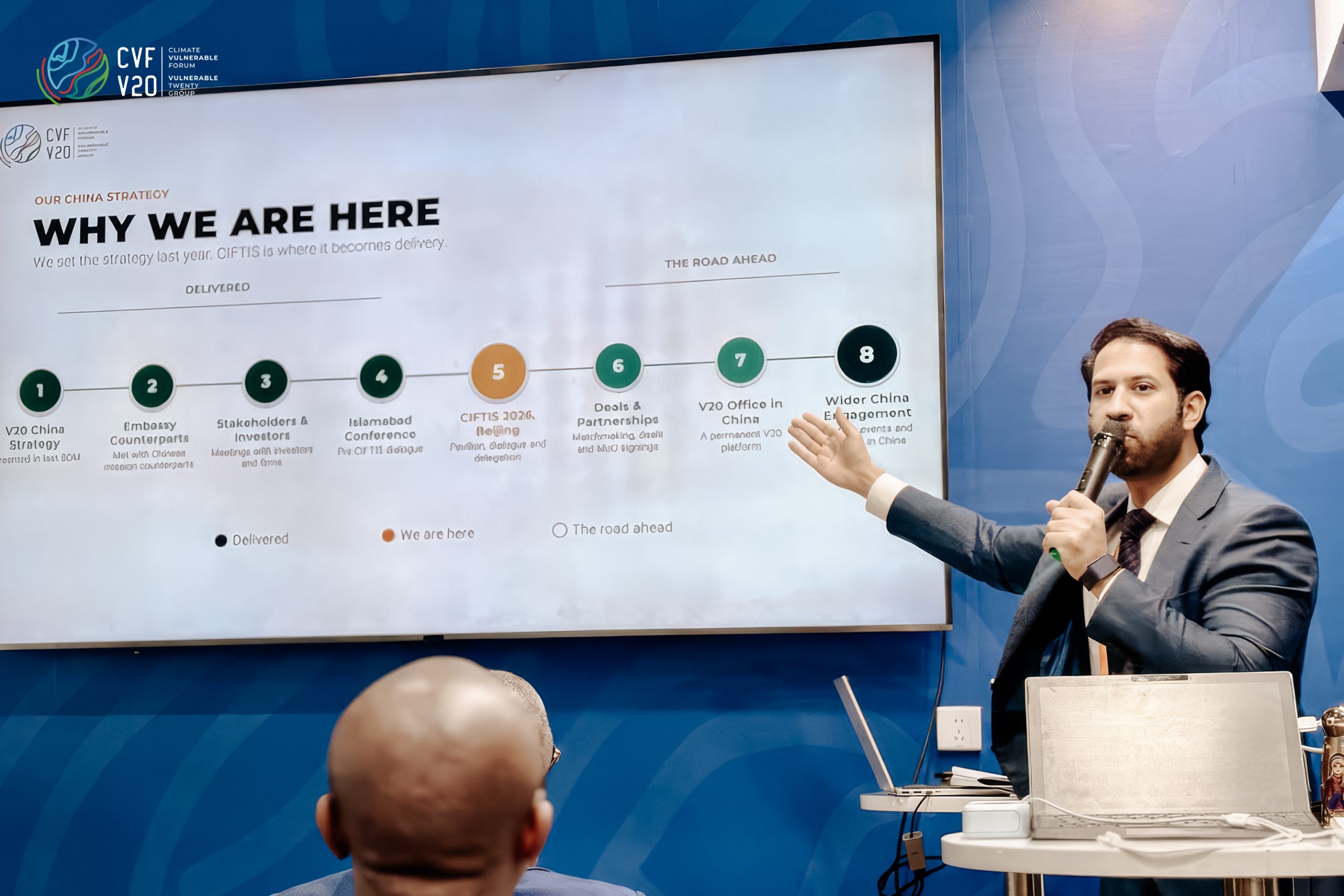
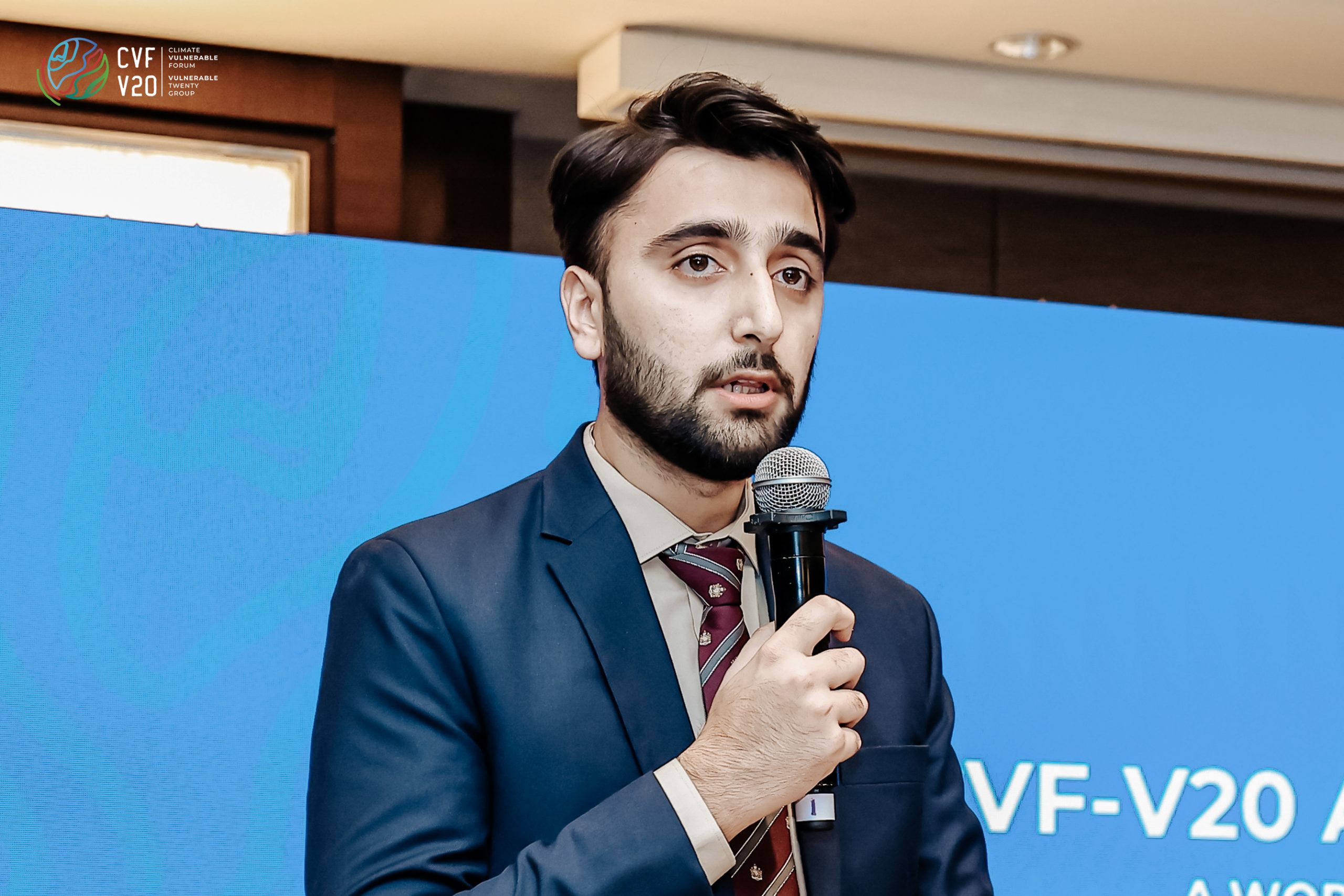
Presenting the CVF-V20’s wider China engagement strategy, Hamza Haroon, Regional Director for West and South Asia at the CVF-V20 Secretariat, said the Compendium was intended to turn country-owned demand into a practical basis for investment engagement. “This week, we did not arrive with words. We arrived with a book. Our Investment Compendium. Twenty-three projects, from five of our nations worth US$3.2 billion of country-owned demand,” he said. Haroon emphasized that the objective is a long-term relationship with China built around South-South cooperation, investment, technology and sustained institutional engagement. “Our partnership does not live in a pavilion. It revolves around a long-term strategy, and around programmes and investments that are mutually beneficial.”
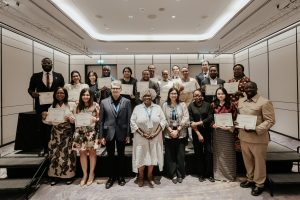
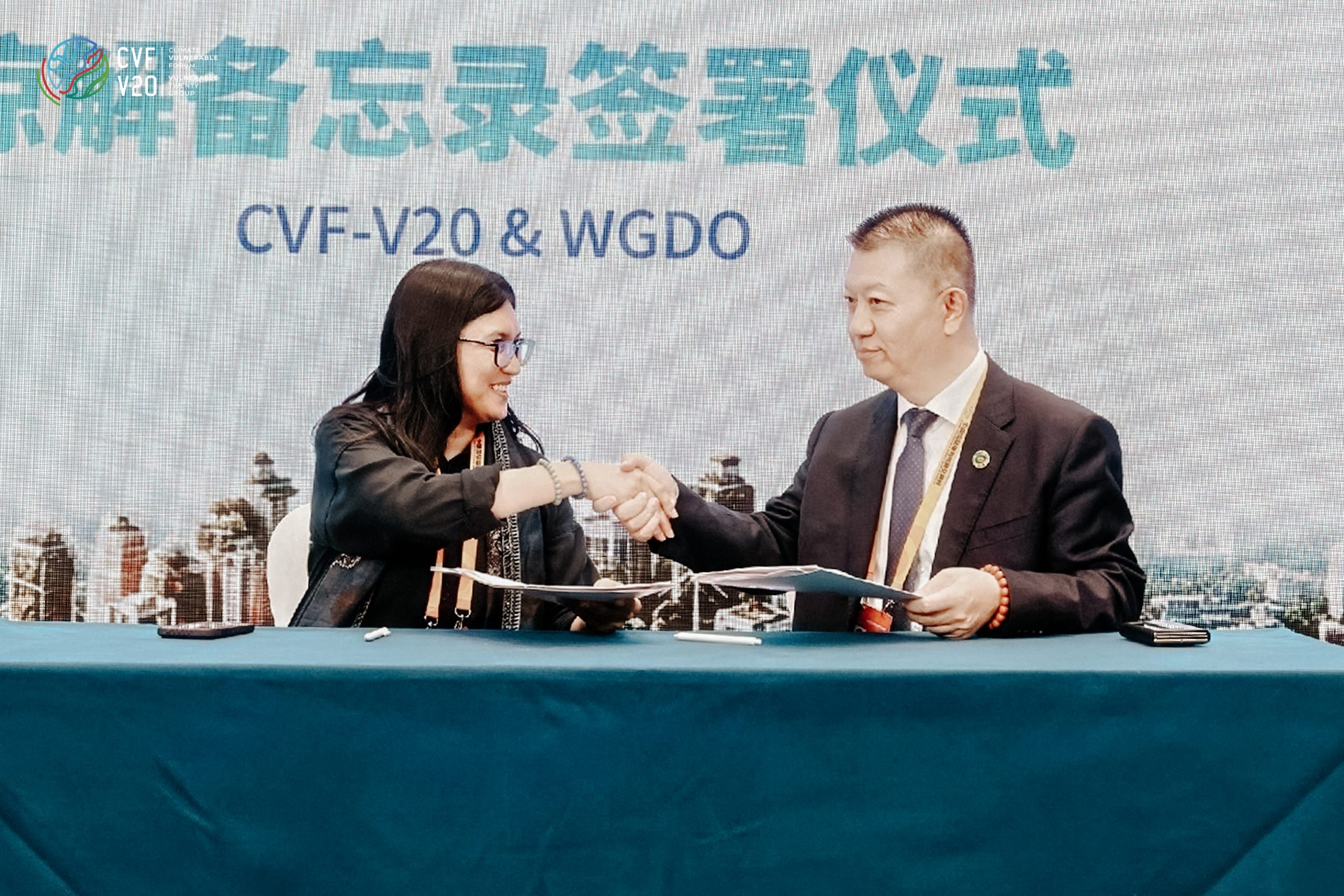
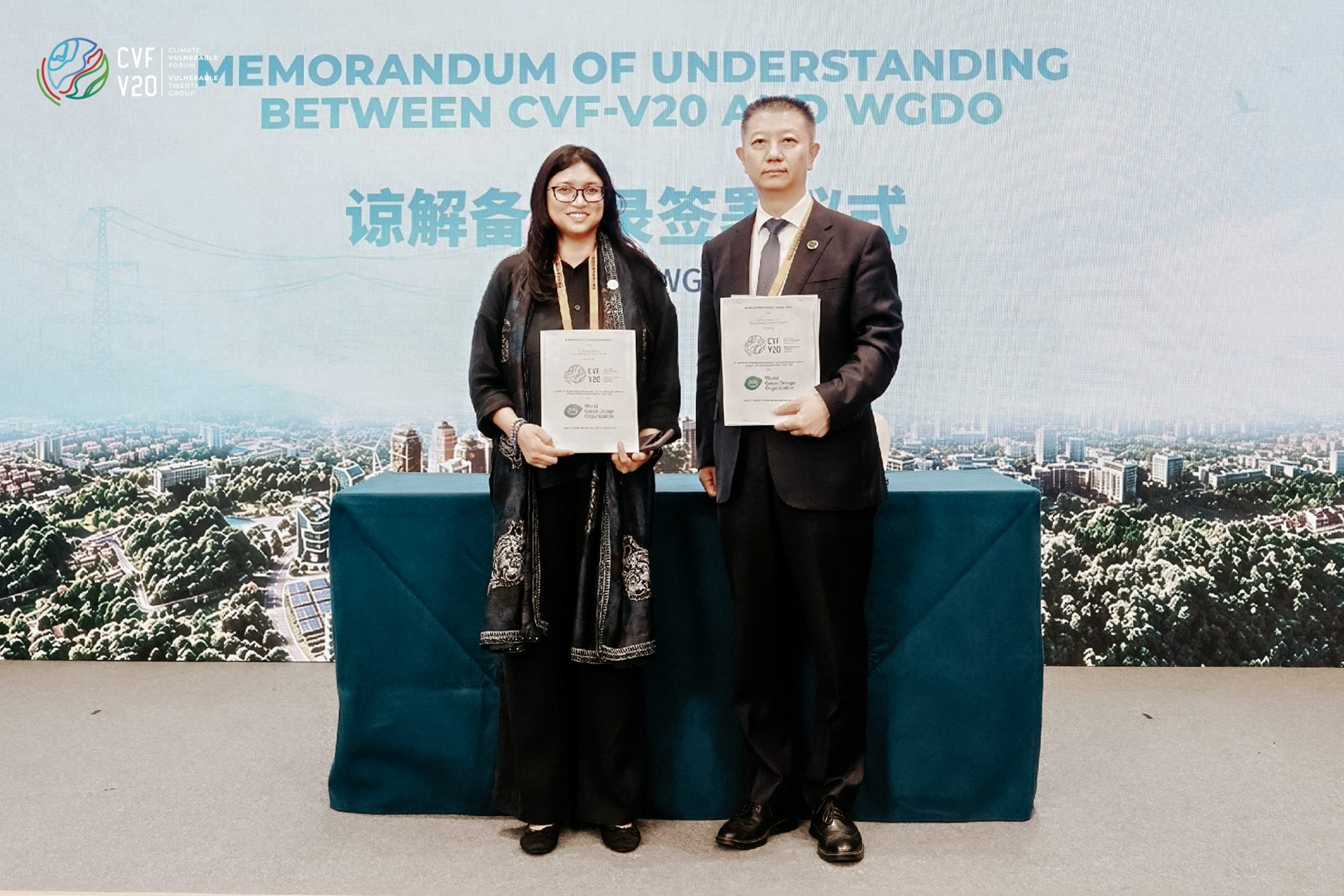
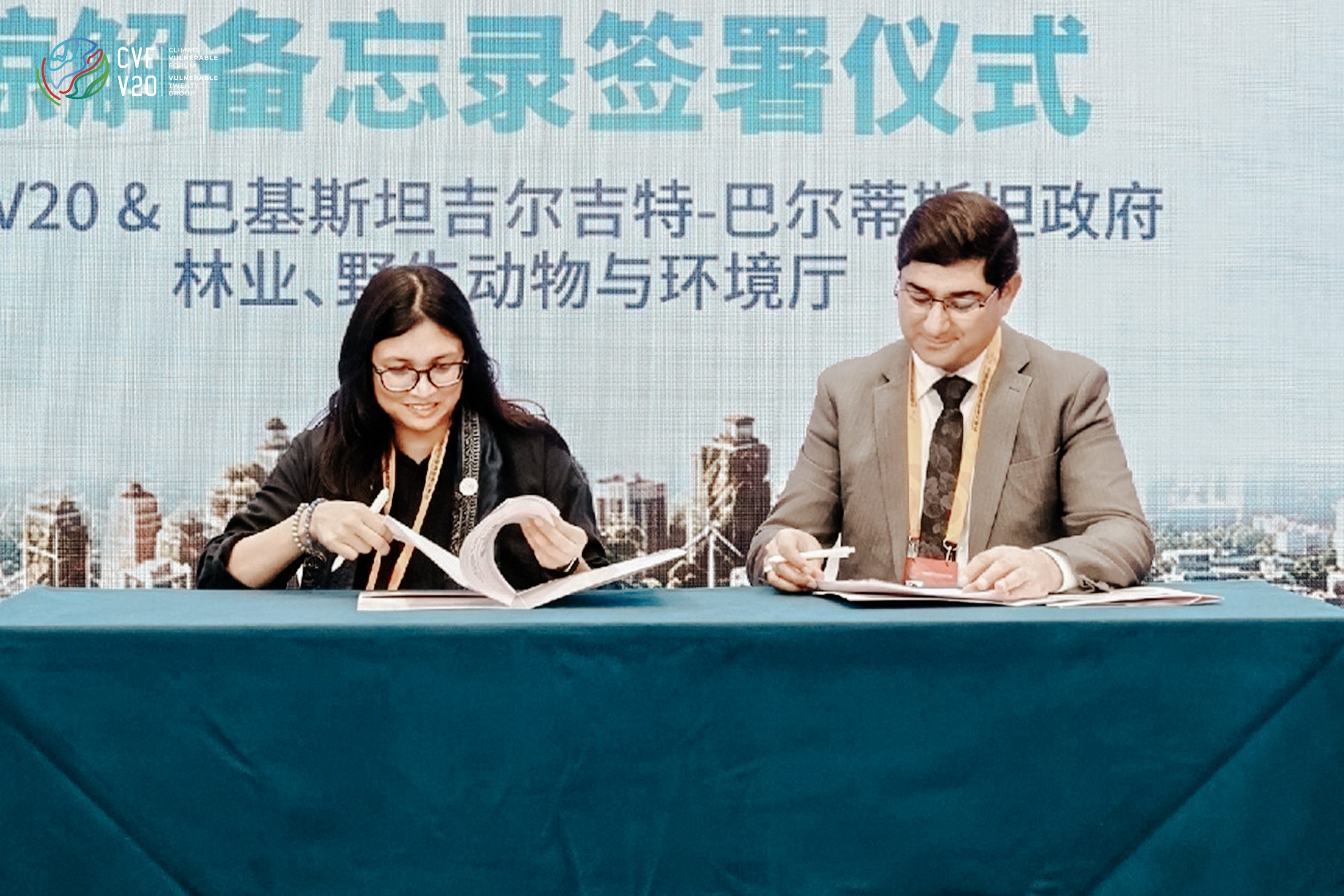
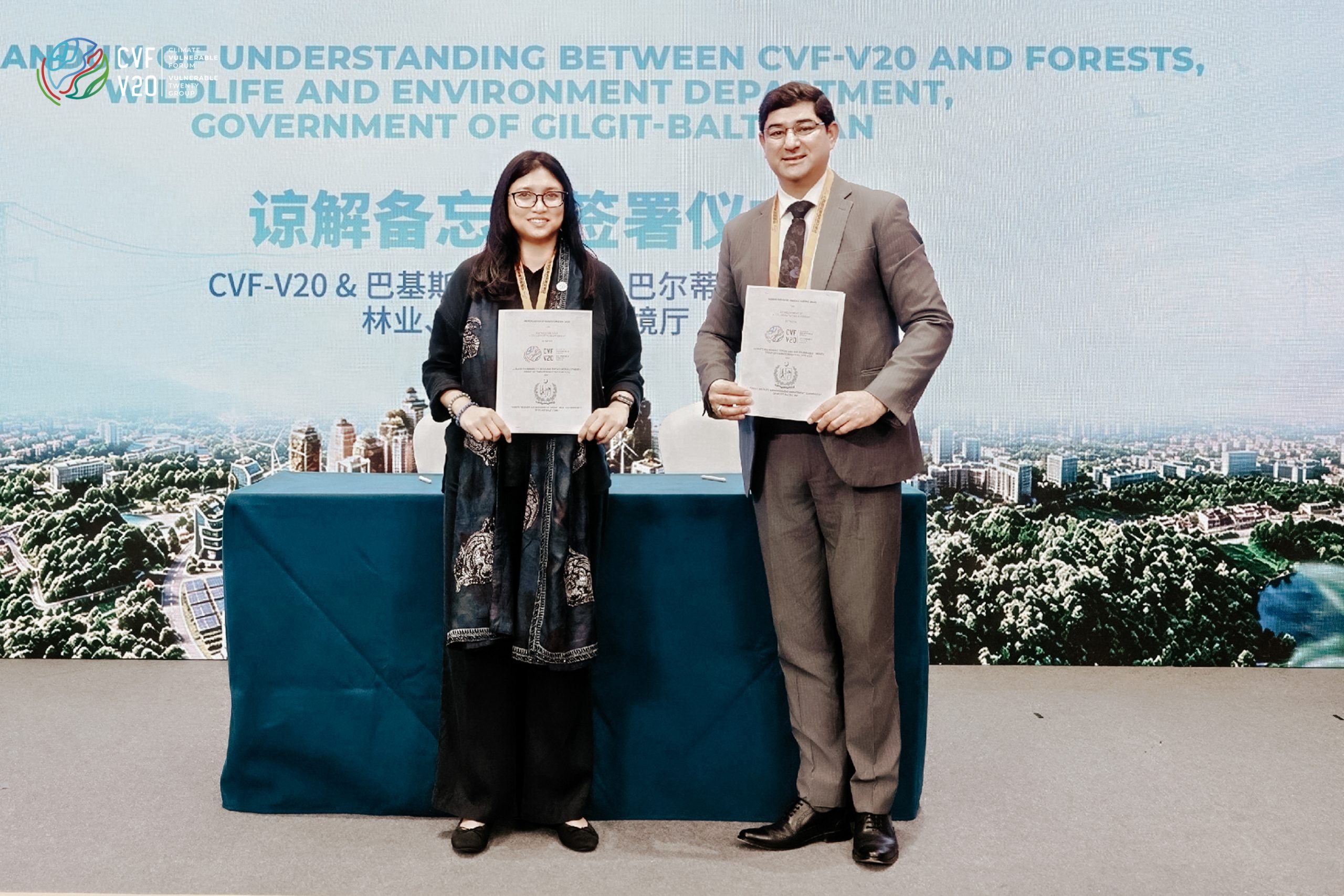
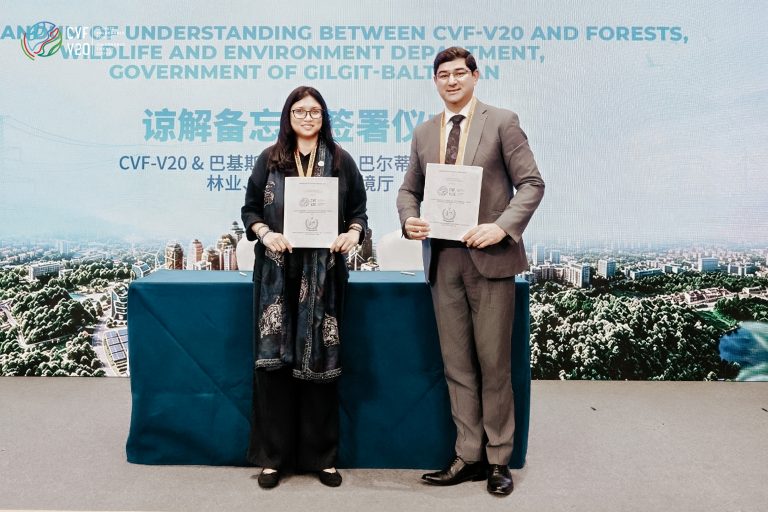
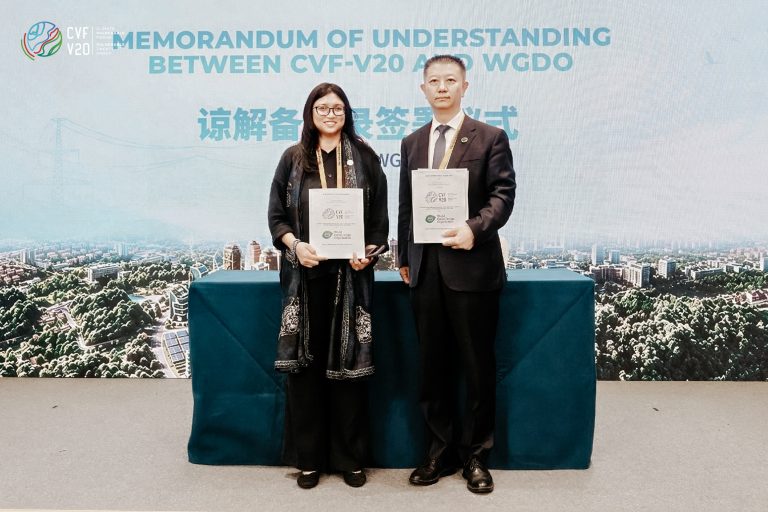
The event also included the signing of Memoranda of Understanding between the CVF-V20 Secretariat and the World Green Design Organization (WGDO), between the Secretariat and the Forest, Wildlife & Environment Department of the Government of Gilgit-Baltistan, Pakistan. The partnerships are intended to support cooperation on green industrialisation, climate and nature finance, project development, technical exchange and the preparation of investment pipelines.
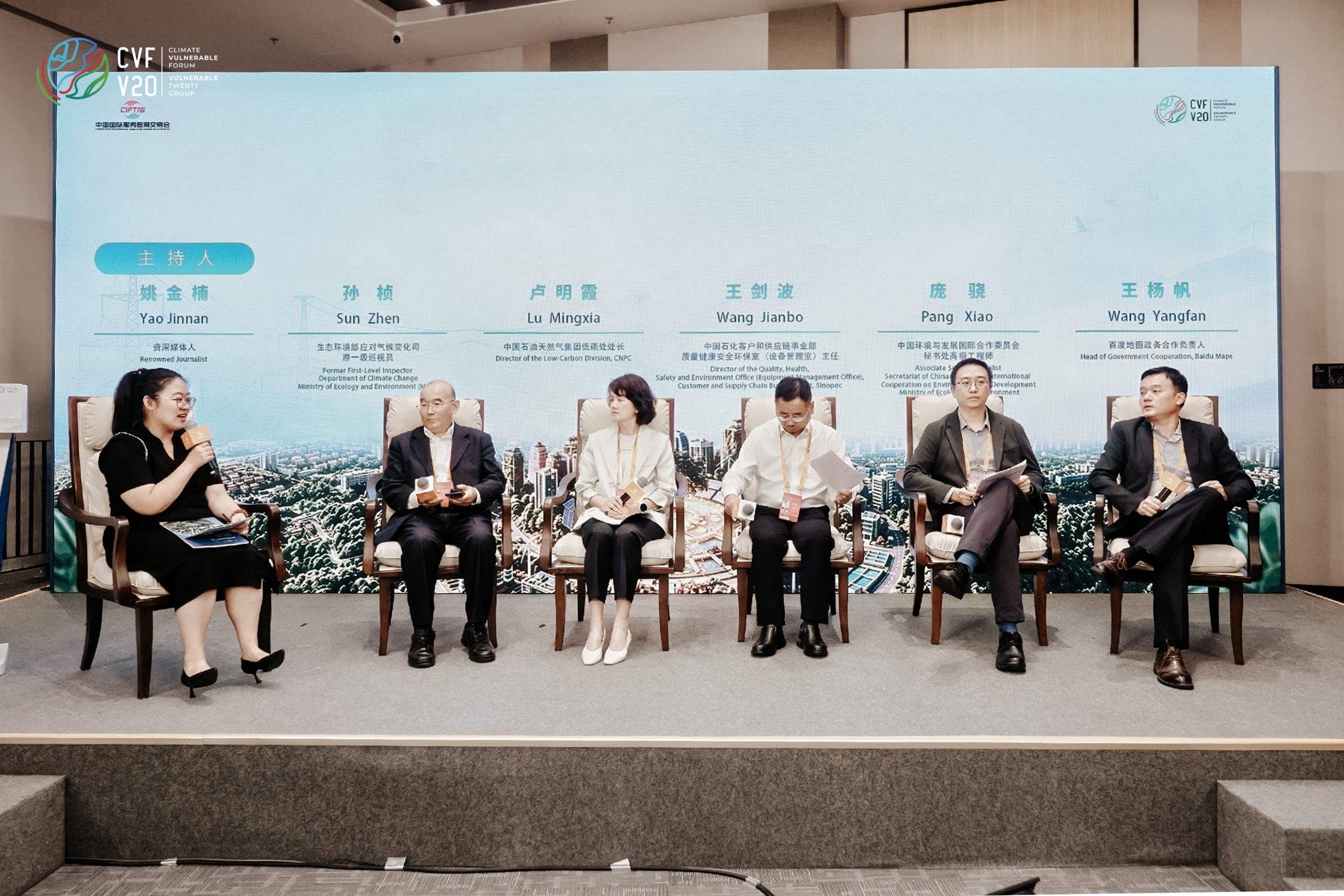
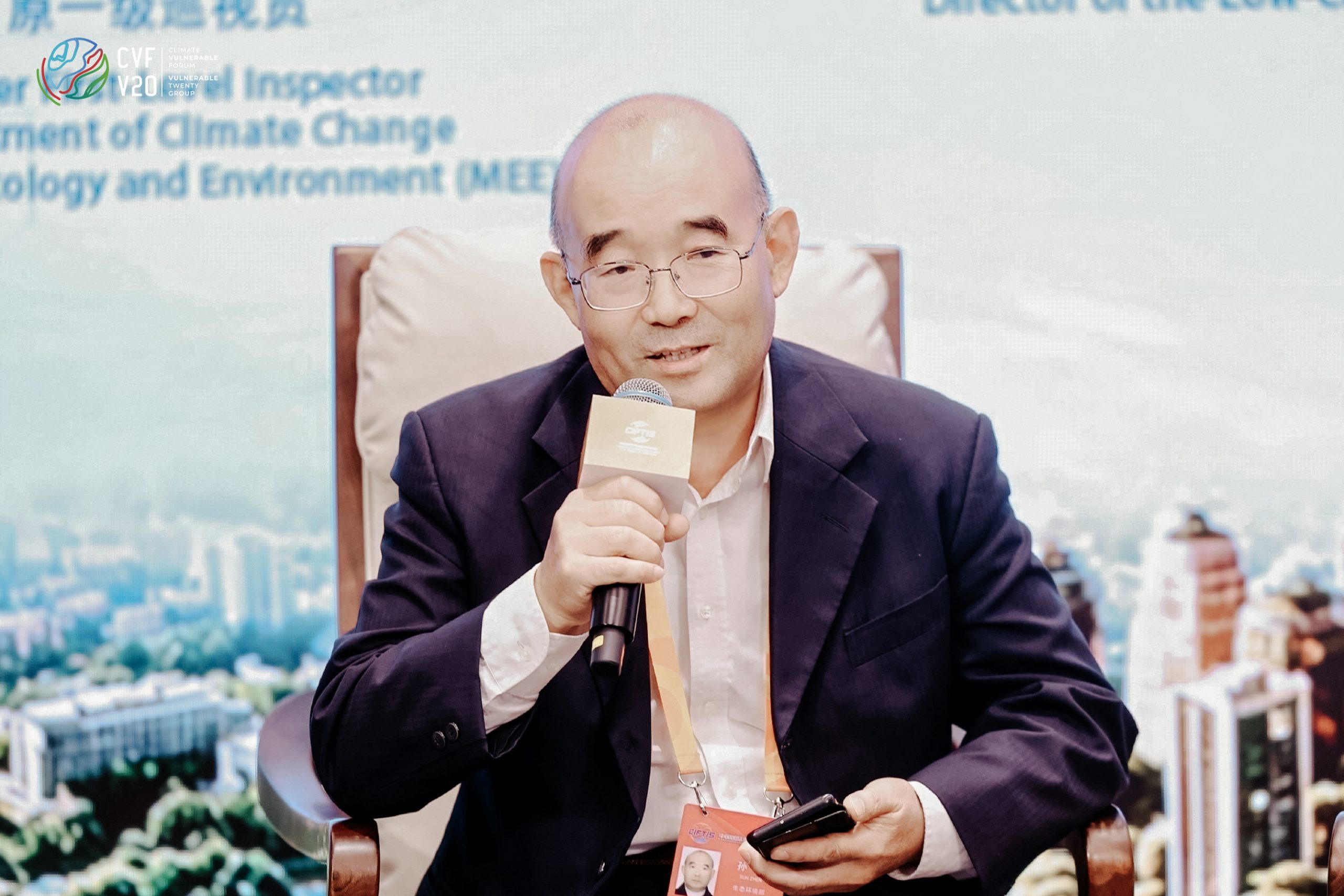
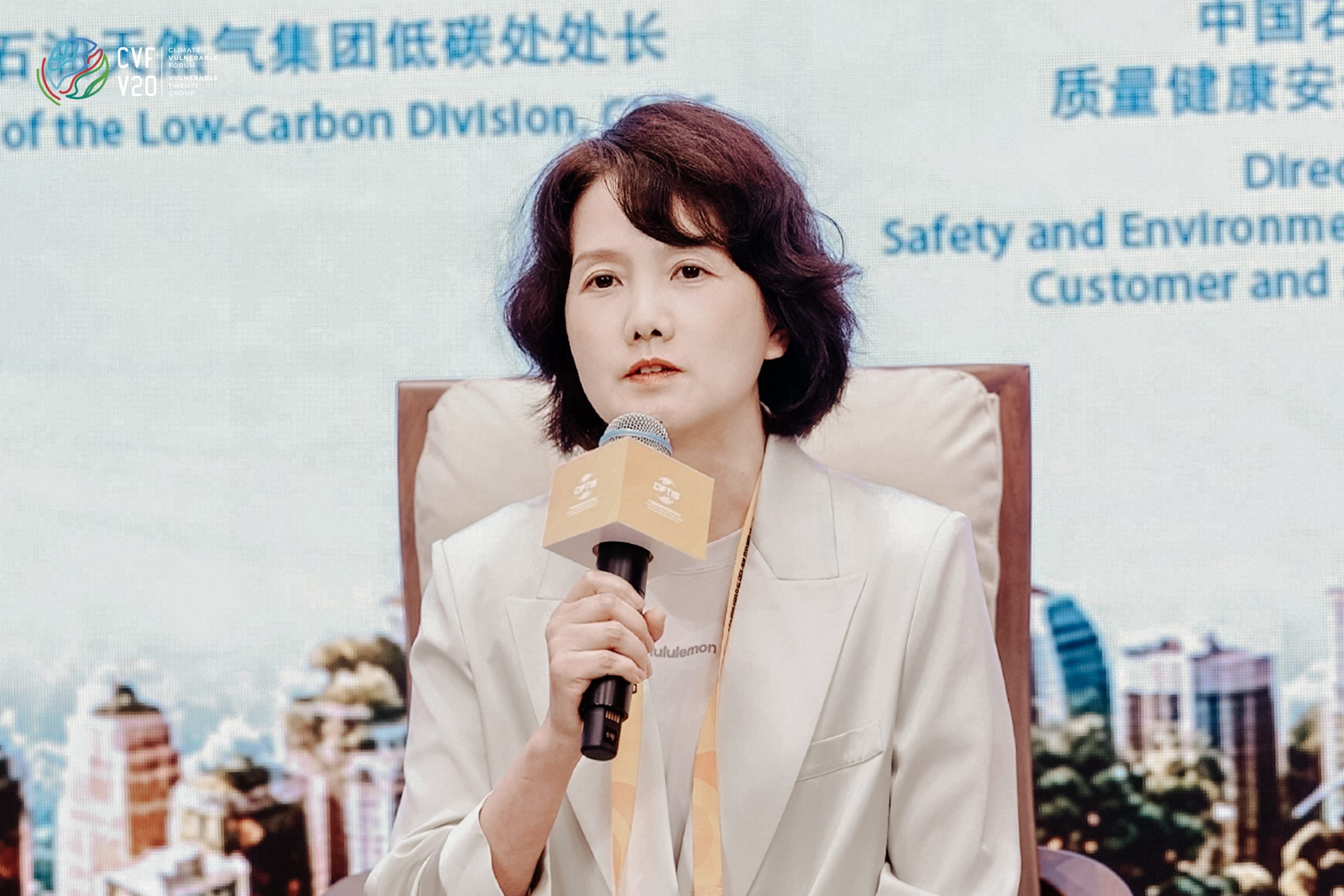
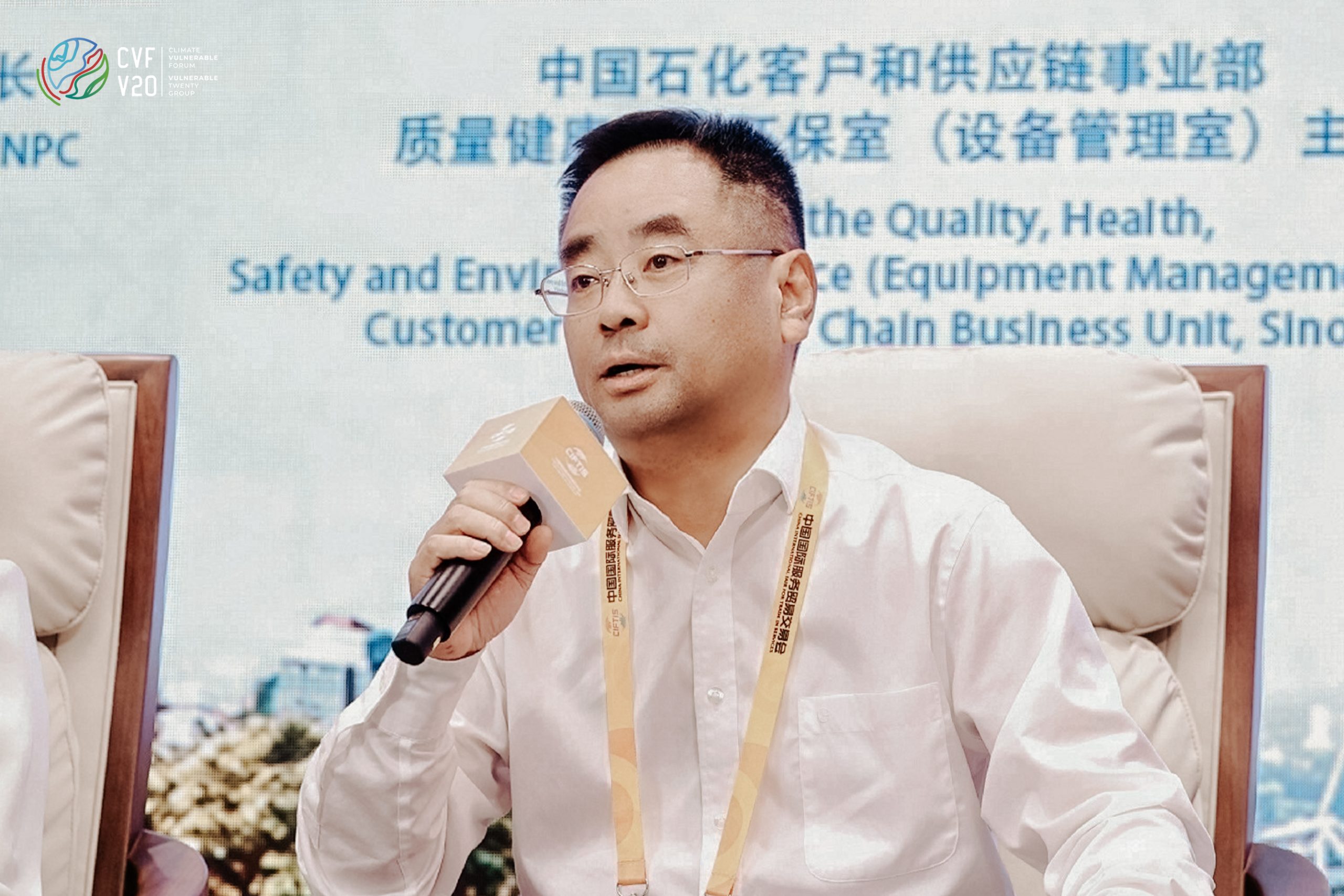
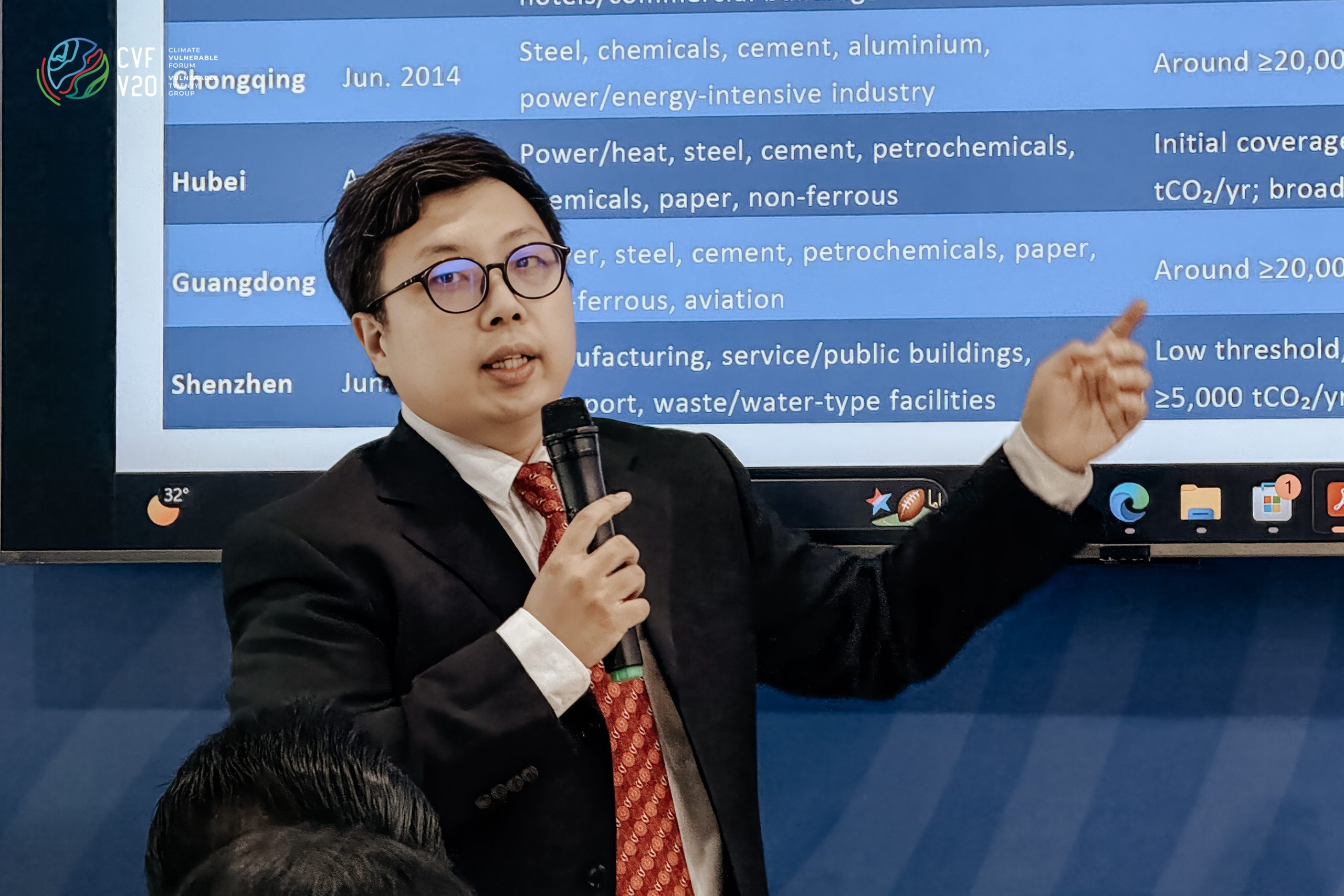
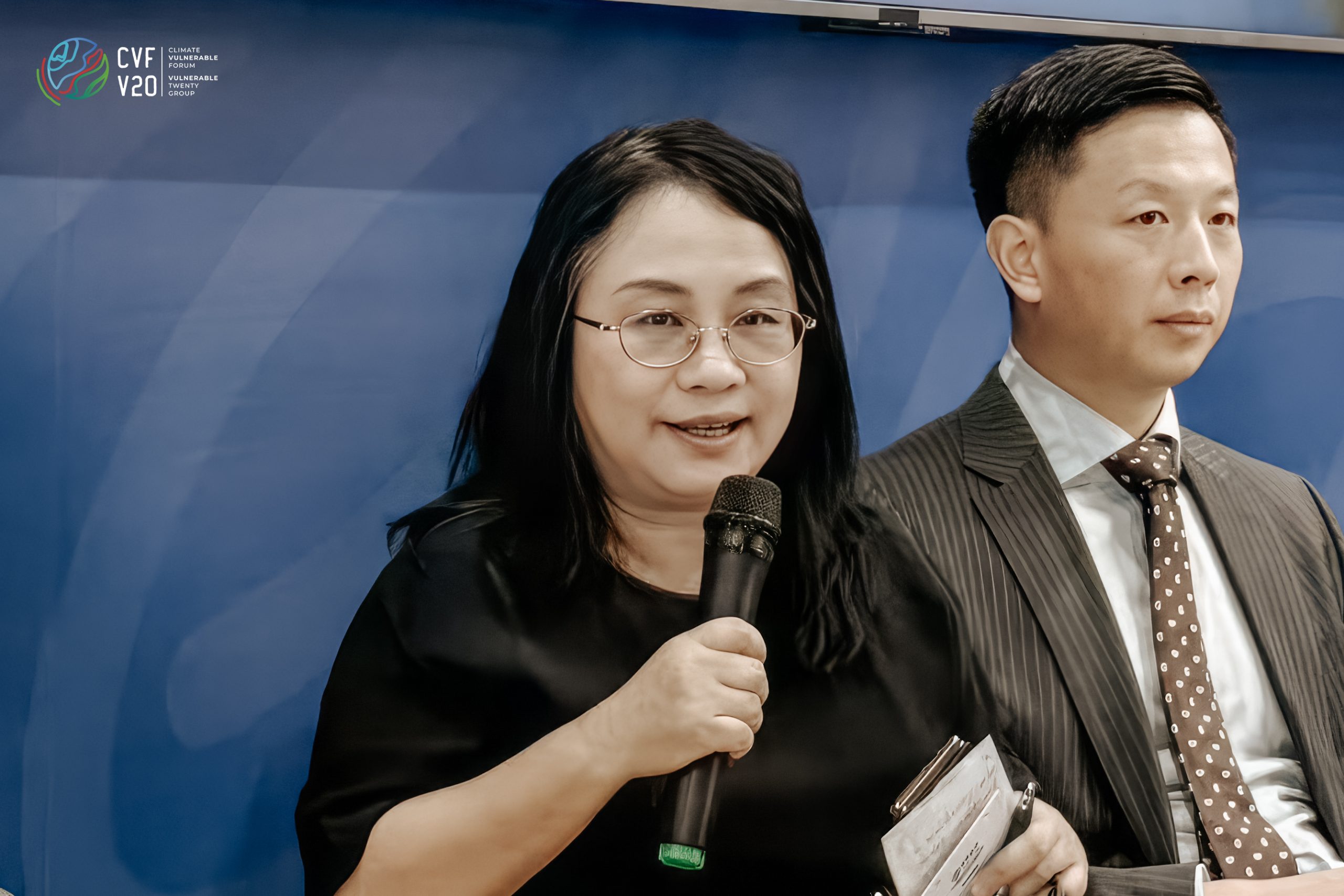
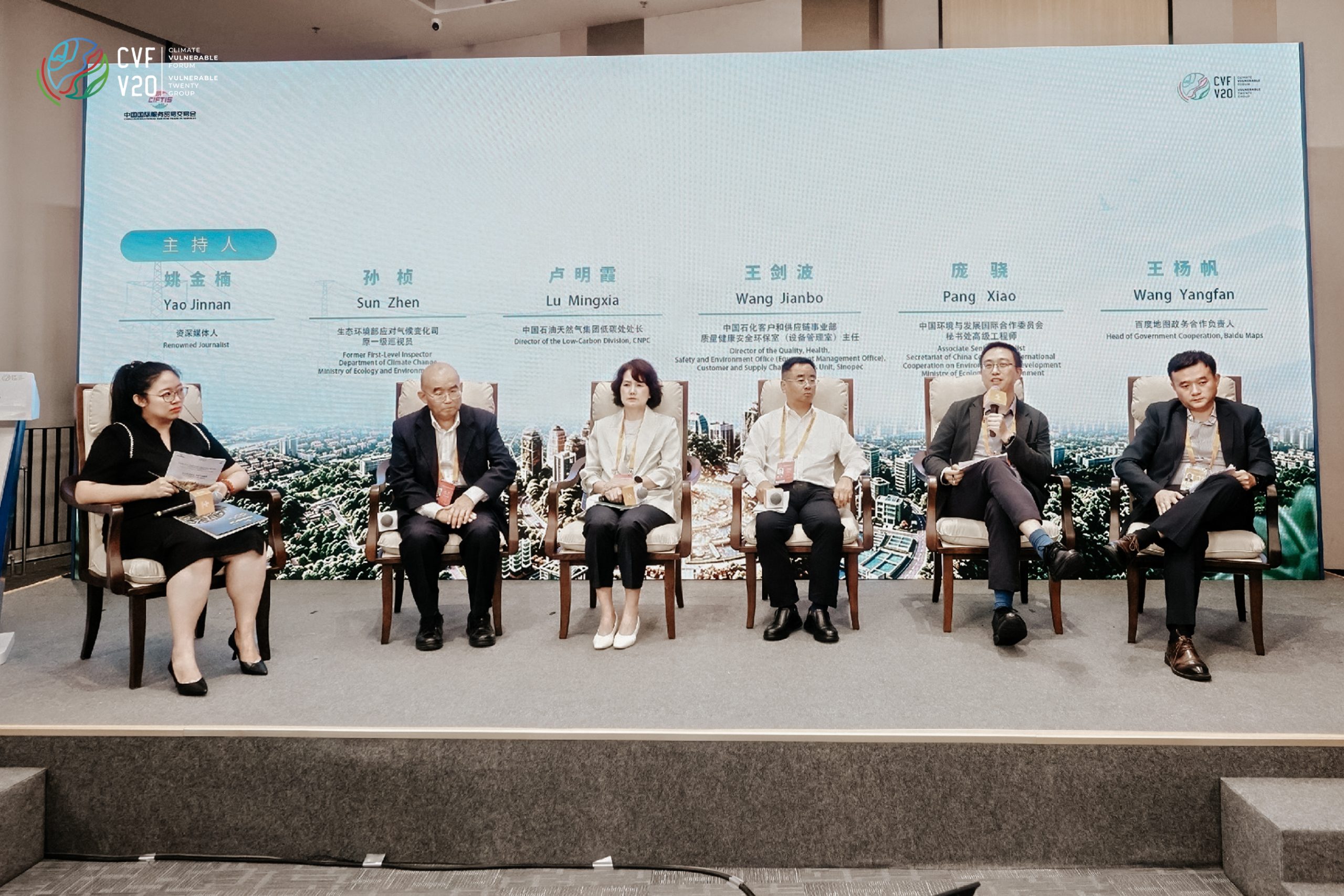
The second panel, “China’s Response to Address Global South Challenges: Technology, Finance and Partnerships for Climate Prosperity,” brought together representatives from Chinese government institutions, major energy enterprises and cooperation platforms to respond directly to the priorities raised by CVF-V20 countries. Speakers included Director Sun Zhen, Former First-Level Inspector, Department of Climate Change, Ministry of Ecology and Environment of China; Mr. Wang Jianbo, Manager of QHSSE Department (Equipment Management), Sinopec; Ms. Lu Mingxia, Director of the Low-Carbon Division, China National Petroleum Corporation (CNPC); Mr. Wang Yangfan, Head of Government Cooperation, Baidu Maps; and Mr. Pang Xiao, Associate Senior Specialist, Secretariat of the China Council for International Cooperation on Environment and Development (CCICED), Ministry of Ecology and Environment. Speakers discussed the policy and institutional conditions needed to attract investment, opportunities in renewable energy, lower-carbon energy systems, digital mapping and AI, project-delivery capabilities, and mechanisms for connecting CVF-V20 projects with Chinese investors and technology partners.
Speakers also considered how priorities under China’s 15th Five-Year Plan could shape future China–CVF-V20 cooperation in energy, technology, industry and green development. Participants stressed that cooperation must be grounded in each country’s actual needs and guided by the principles of practical implementation and sustainability.
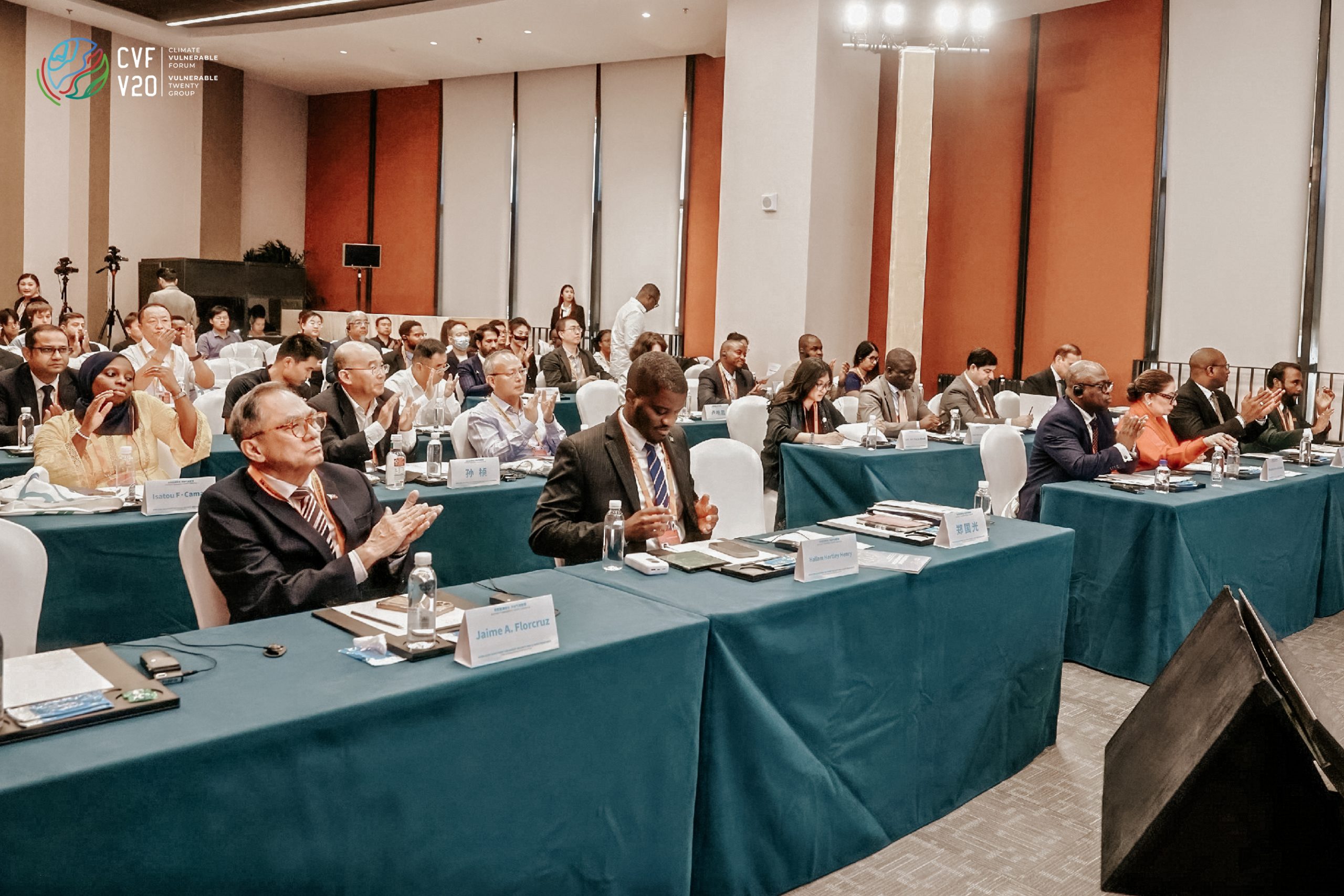
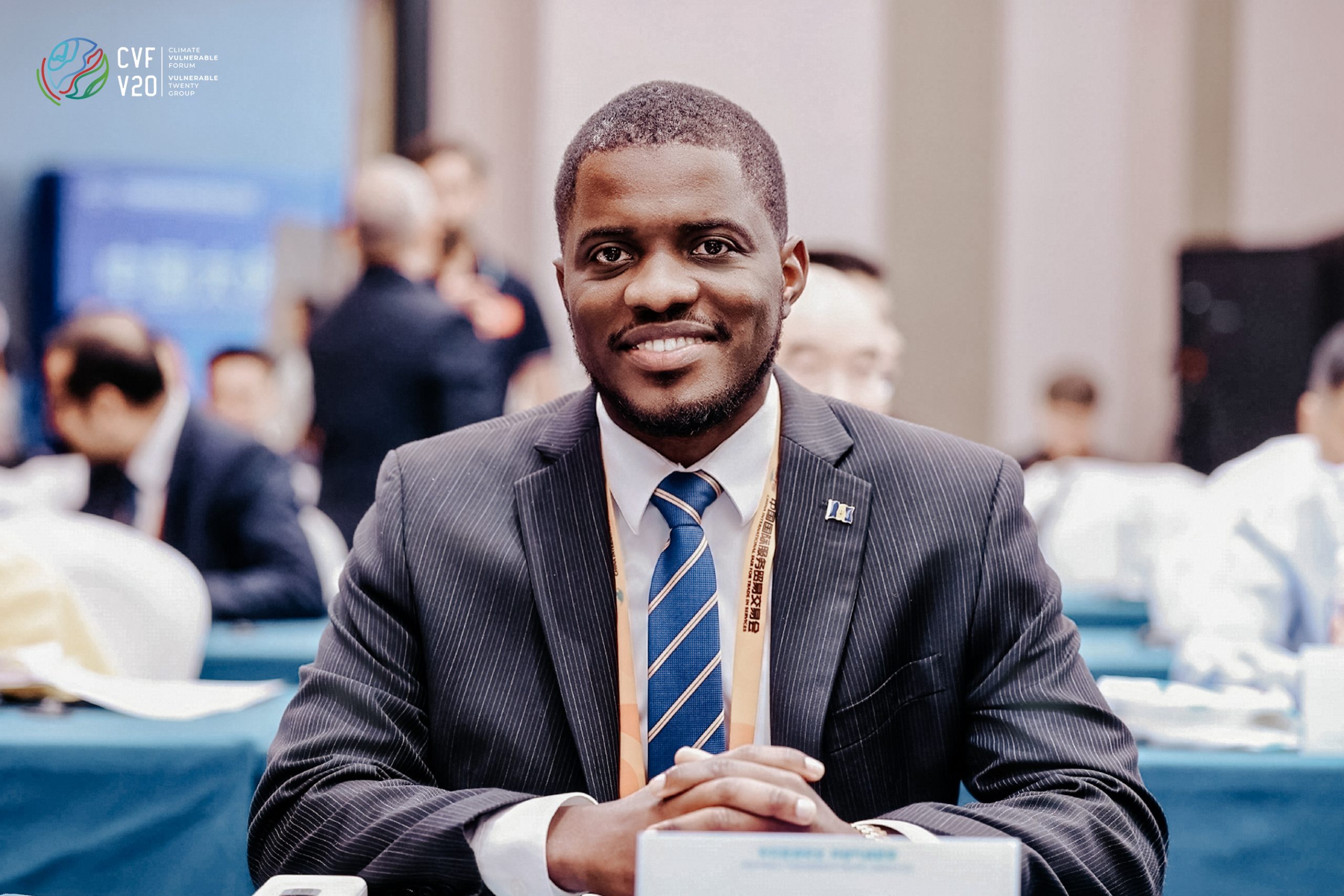
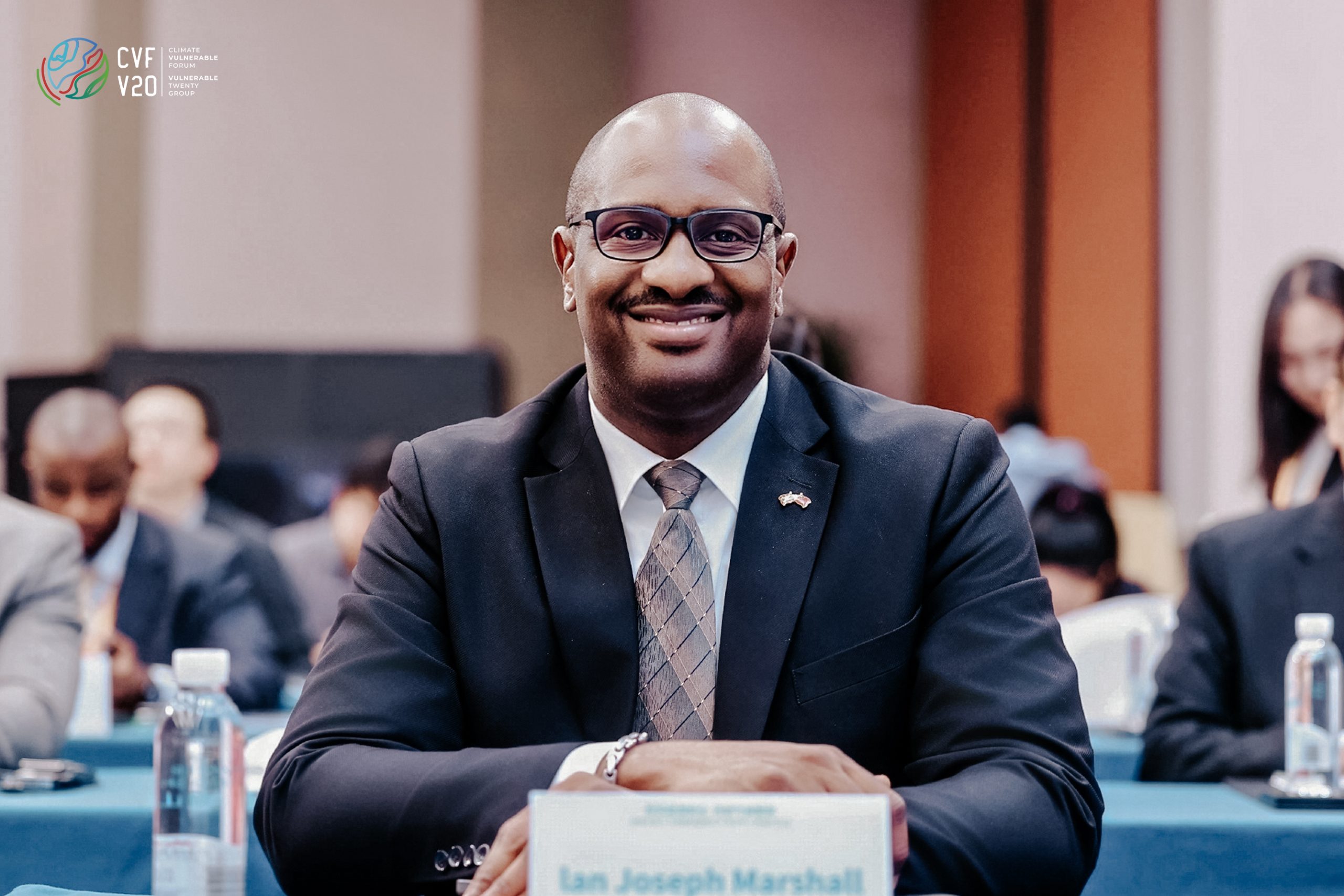
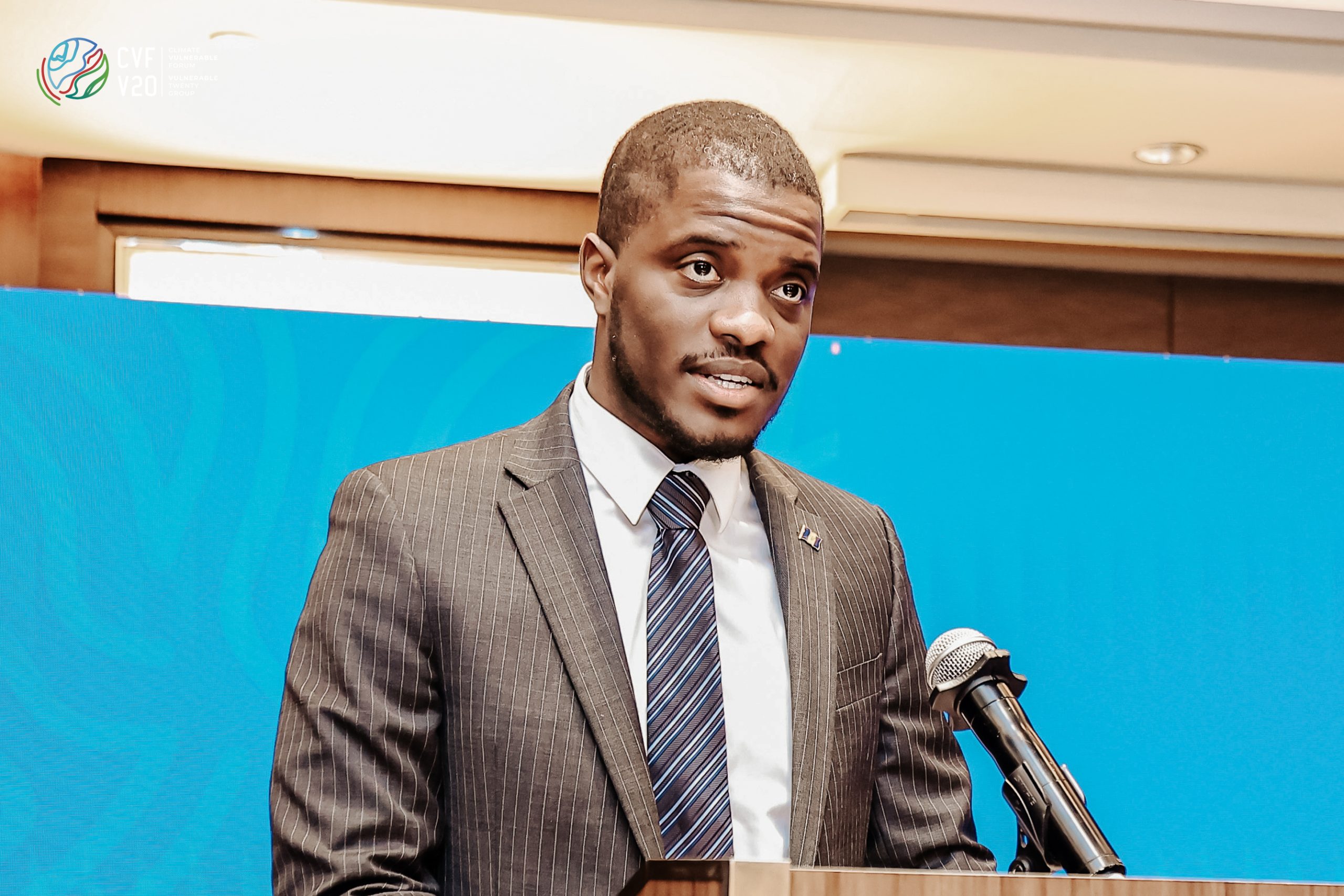
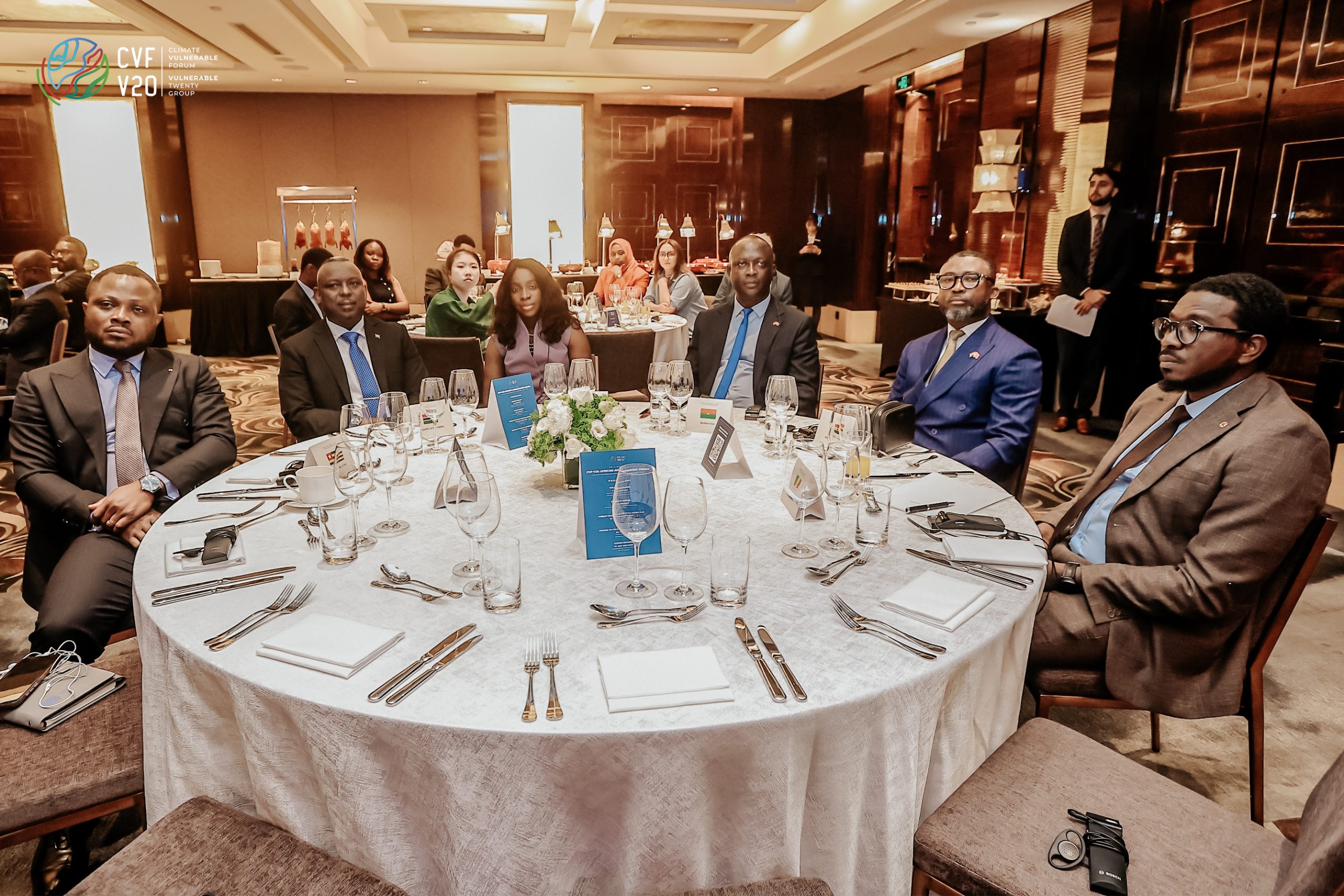
Representatives of CVF-V20 member countries and diplomatic missions, including Barbados, Pakistan, Ghana, Grenada, Sri Lanka, Bangladesh, The Gambia, and Nepal participated in the dialogue, highlighting national priorities for green investment, technology cooperation and project delivery.
Financial and investment participants emphasized that CVF-V20 markets offer significant green investment opportunities, but that stronger project preparation, transparent pipelines, appropriate risk-sharing mechanisms and clearer financing structures will be essential to move projects from concept to transaction. Participants stressed that South-South cooperation should be built around mutual economic value: China brings technology, manufacturing, engineering and financial capabilities, while CVF-V20 countries bring growing markets, renewable and natural resources, sovereign ownership and country-led investment pipelines.
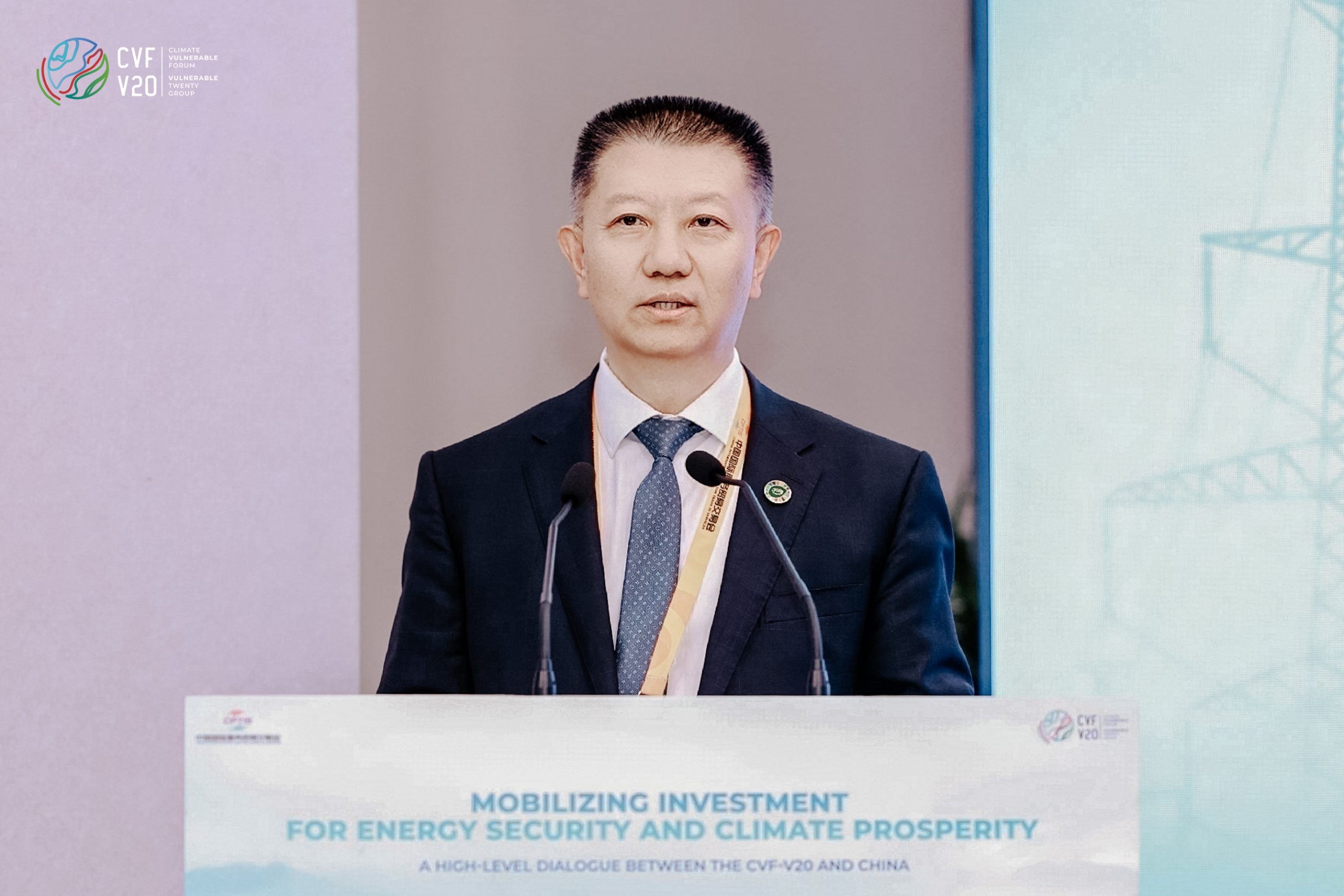
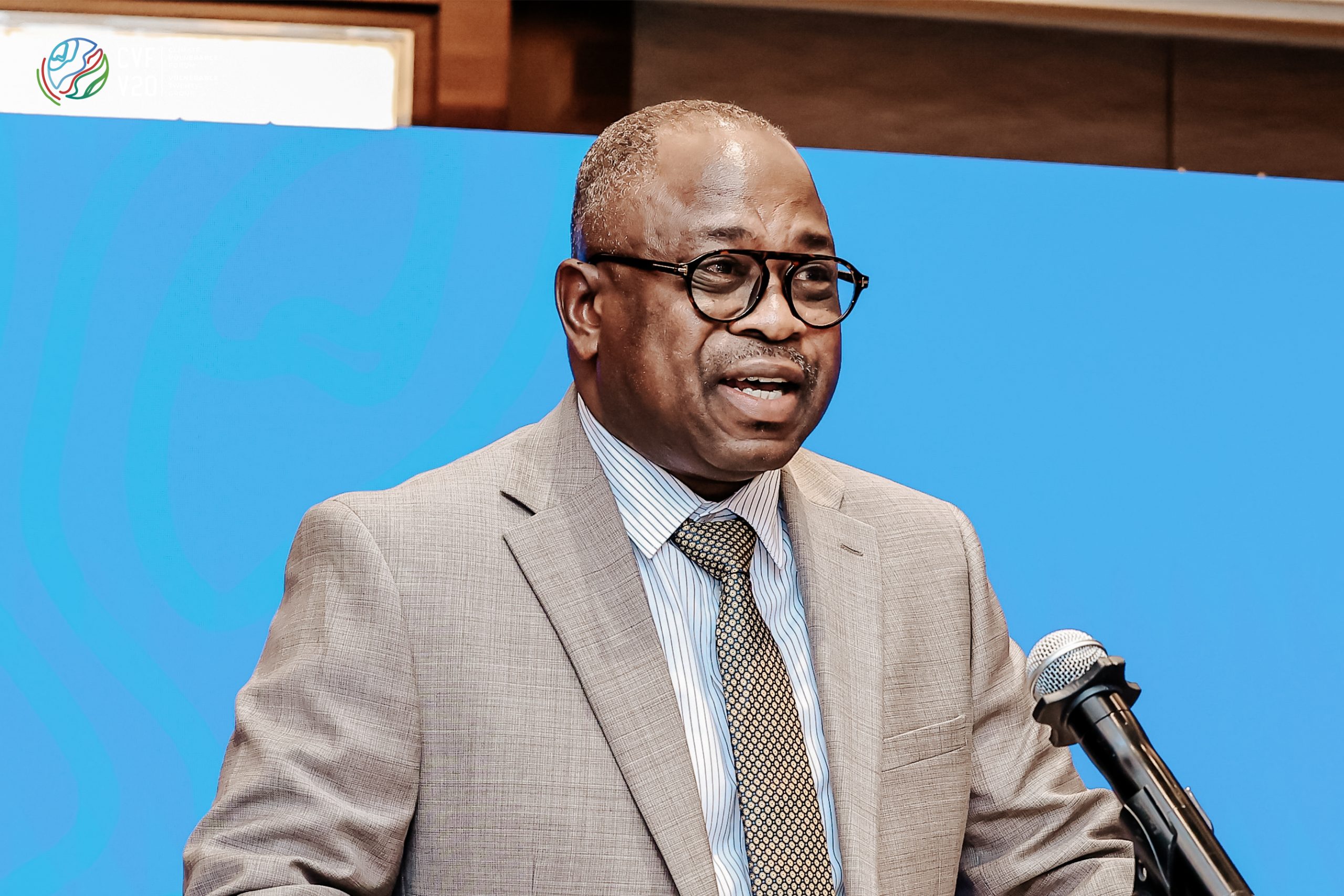
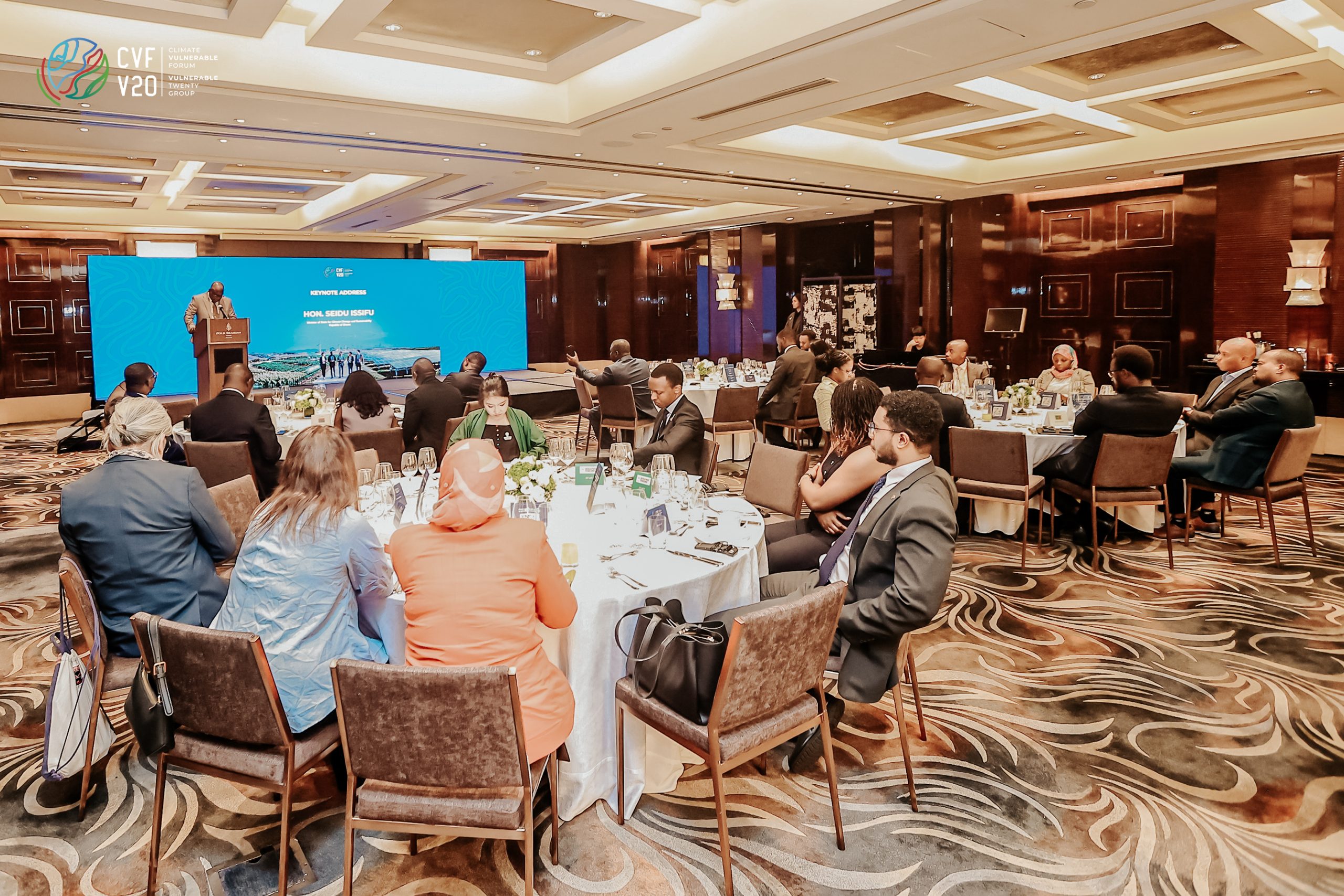
The dialogue concluded with closing remarks from Hon. Seidu Issifu, Minister of State for Climate Change and Sustainability of Ghana who called for a disciplined follow-up process to move from discussion to implementation. He emphasized the need to identify an initial group of priority projects from the Investment Compendium, establish project-specific working groups, determine appropriate financing routes, and ensure that partnerships support local participation, skills development, technology transfer and, where possible, local assembly and manufacturing. “What we now need is sustained engagement with partners who are ready to move from discussion to implementation,” Minister Issifu said. He added that the dialogue should be seen as “the beginning of a working process” to take China–CVF-V20 cooperation from dialogue to delivery.
***
The CVF-V20 now represents 77 member countries from small island developing states (SIDS), least developed countries (LDCs), low to middle-income countries (LMICs), landlocked developing countries (LLDCs), and fragile and conflict-affected states (FCS). Working together, the CVF-V20 aims to achieve climate justice through the realization of Climate Prosperity Plans, which contain ambitious economic and financial resilience strategies designed to attract investment and resources that advance the attainment of the Sustainable Development Goals (SDGs), 30×30 Global Biodiversity, and help keep the average global temperature within the Paris Agreement’s 1.5°C safety threshold.
Africa: Benin, Burkina Faso, Cabo Verde, Central African Republic, Chad, Comoros, Côte d’Ivoire, Democratic Republic of the Congo, Eswatini, Ethiopia, Gabon, The Gambia, Ghana (Troika), Guinea, Kenya, Liberia, Madagascar, Malawi, Morocco, Mozambique, Namibia, Niger, Rwanda, Senegal, Sierra Leone, Somalia, South Sudan, Sudan, Tanzania, Togo, Tunisia, Uganda, Zambia
Asia: Afghanistan, Bangladesh (Troika), Bhutan, Cambodia, Jordan, Kyrgyzstan, Lebanon, Maldives, Mongolia, Nepal, Pakistan, Palestine, Philippines, Sri Lanka, Timor-Leste, Vietnam, Yemen
Caribbean: Barbados (Chair/Troika), Dominica, Dominican Republic, Grenada, Guyana, Haiti, Saint Lucia, Saint Vincent and the Grenadines, Suriname, Trinidad and Tobago
Latin America: Colombia, Costa Rica, Guatemala, Honduras, Nicaragua, Paraguay
Pacific: Fiji, Kiribati, Marshall Islands, Nauru, Palau, Papua New Guinea, Samoa, Solomon Islands, Tonga, Tuvalu, Vanuatu
For media enquiries, please contact [email protected].
For the latest updates, please follow us on: