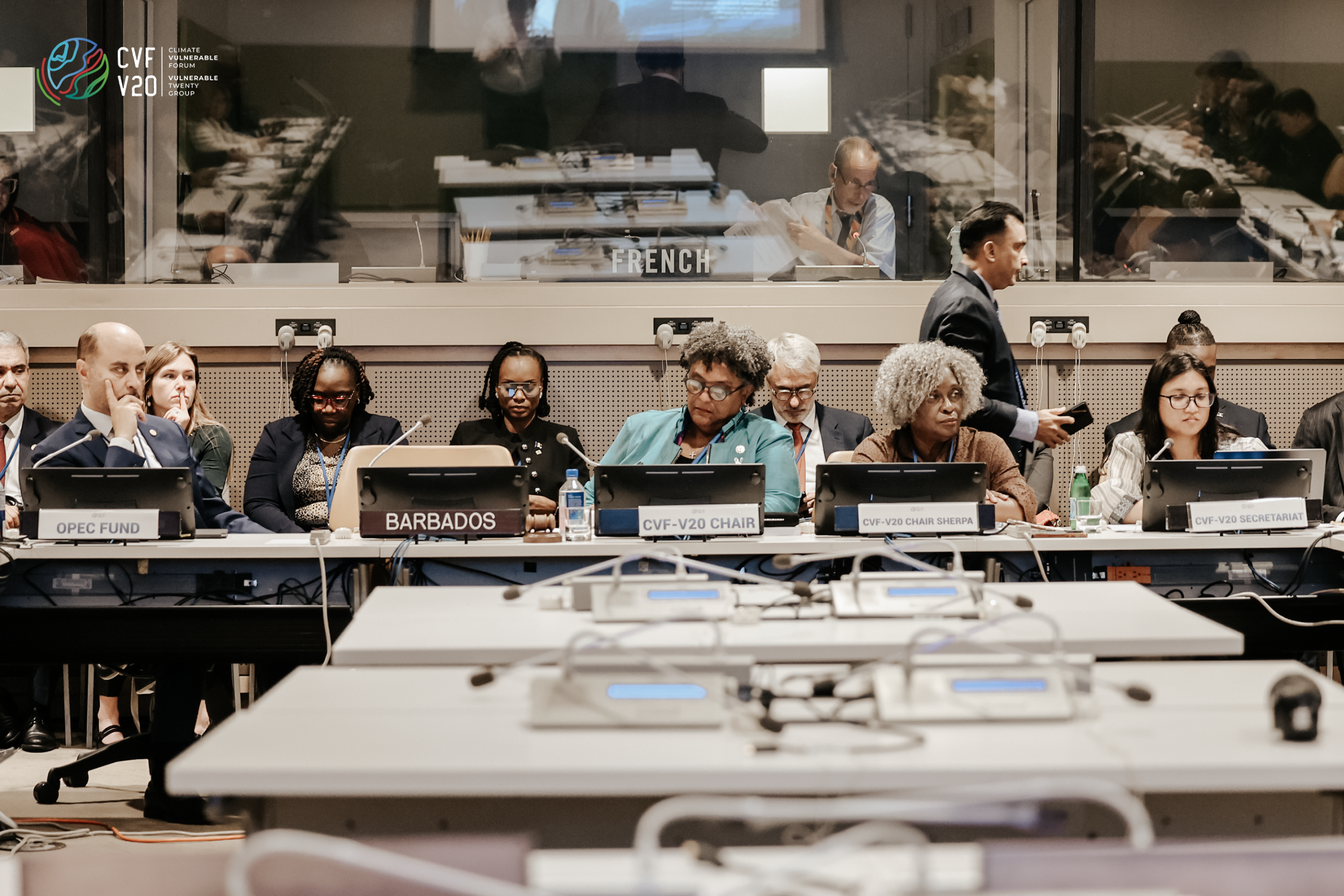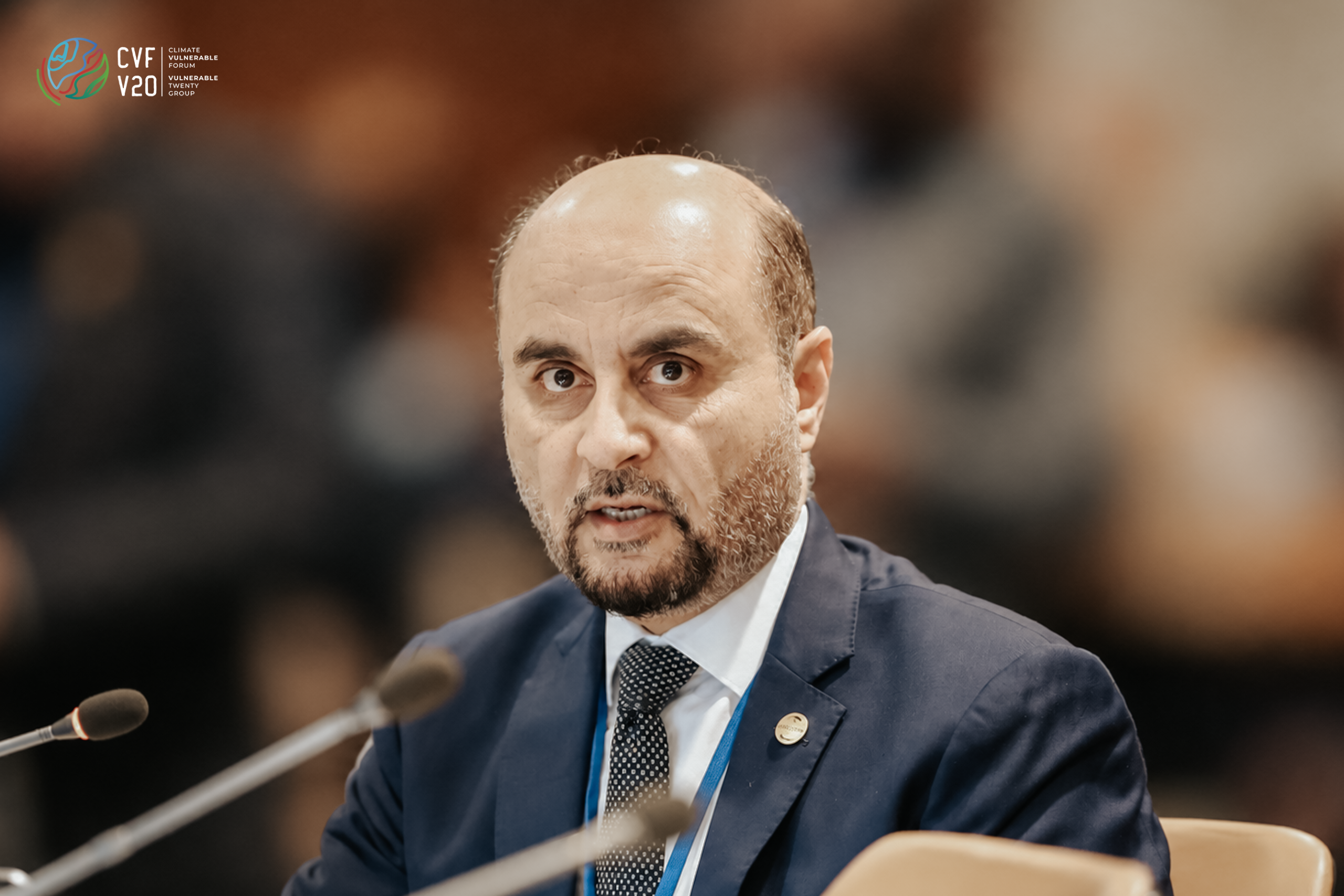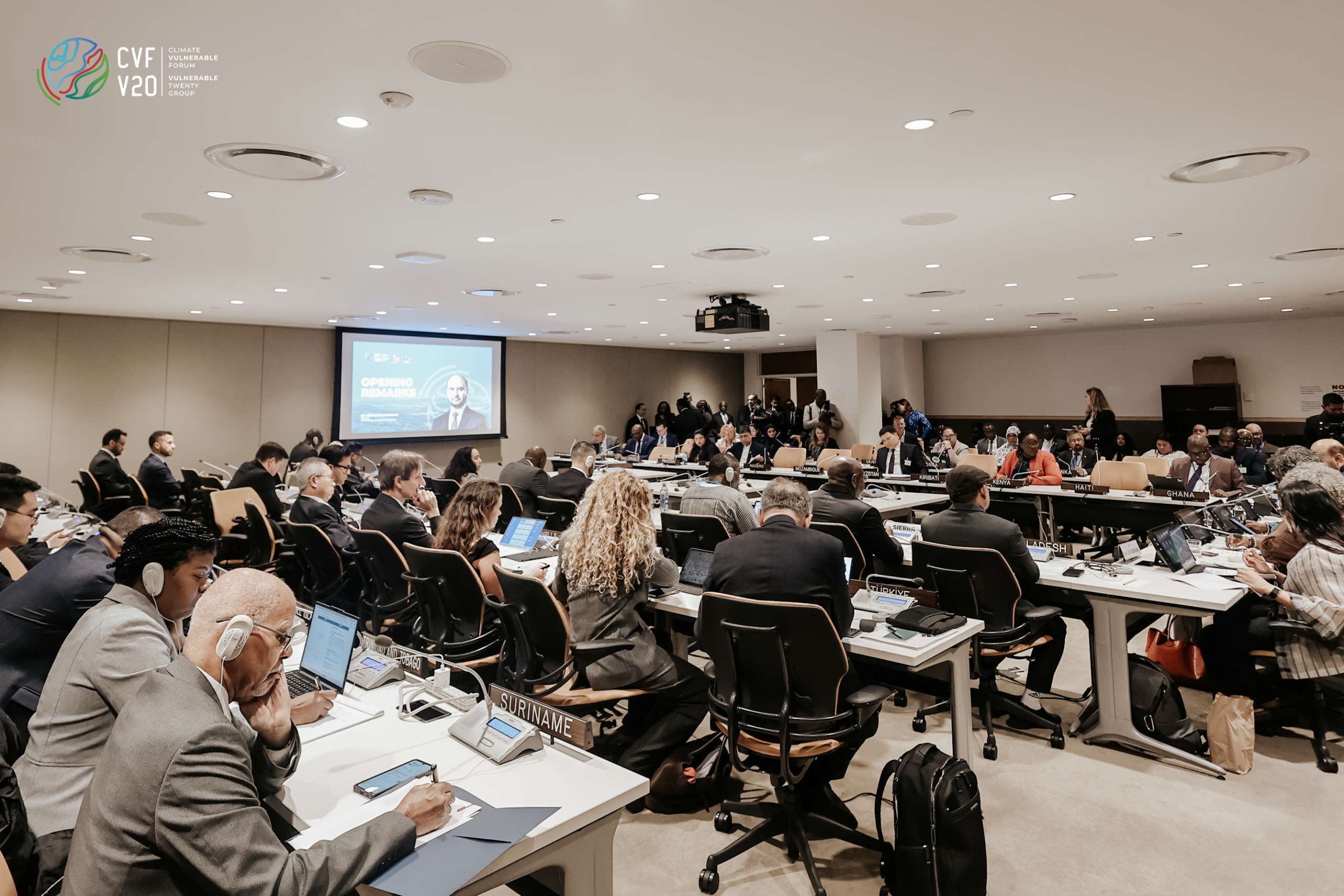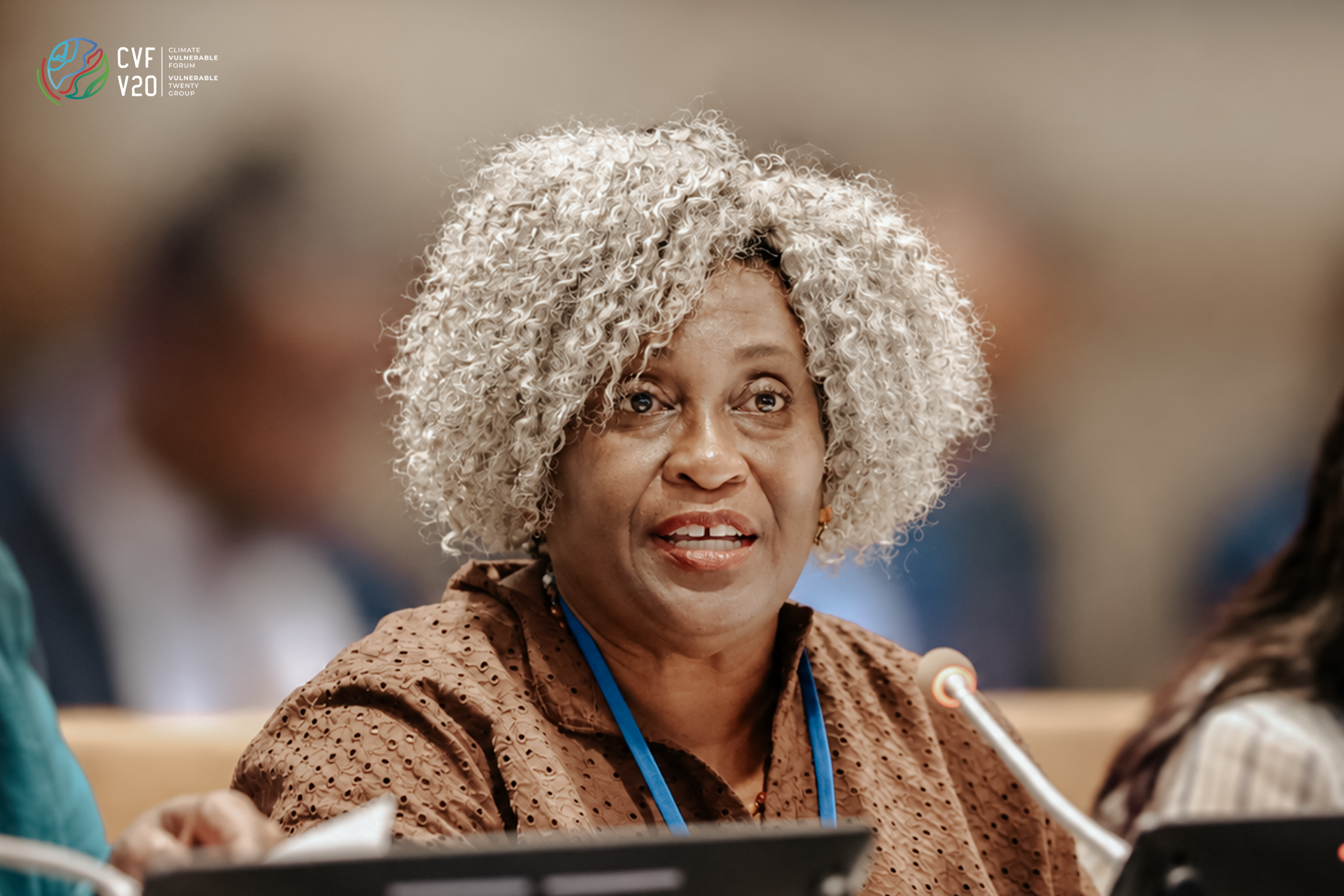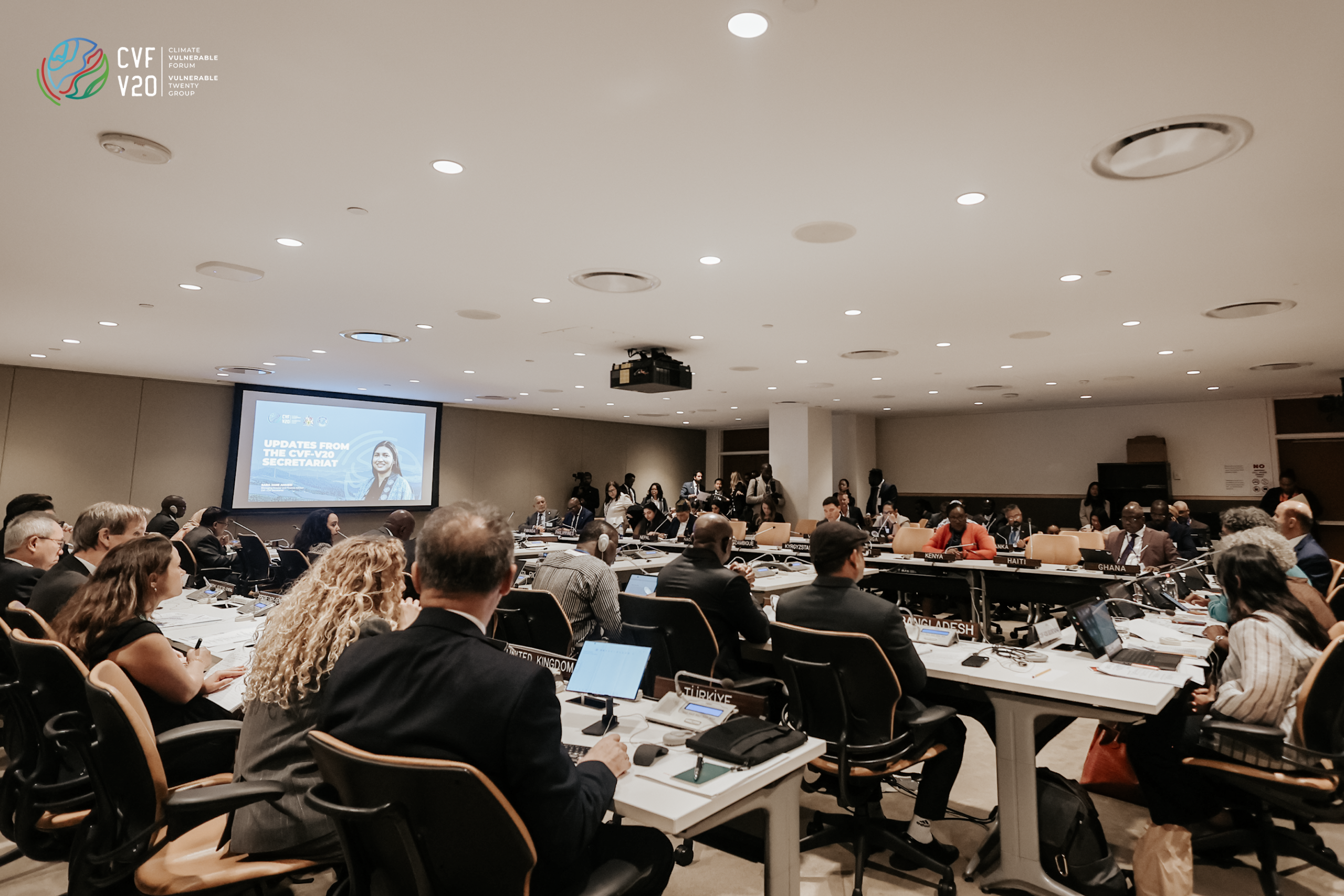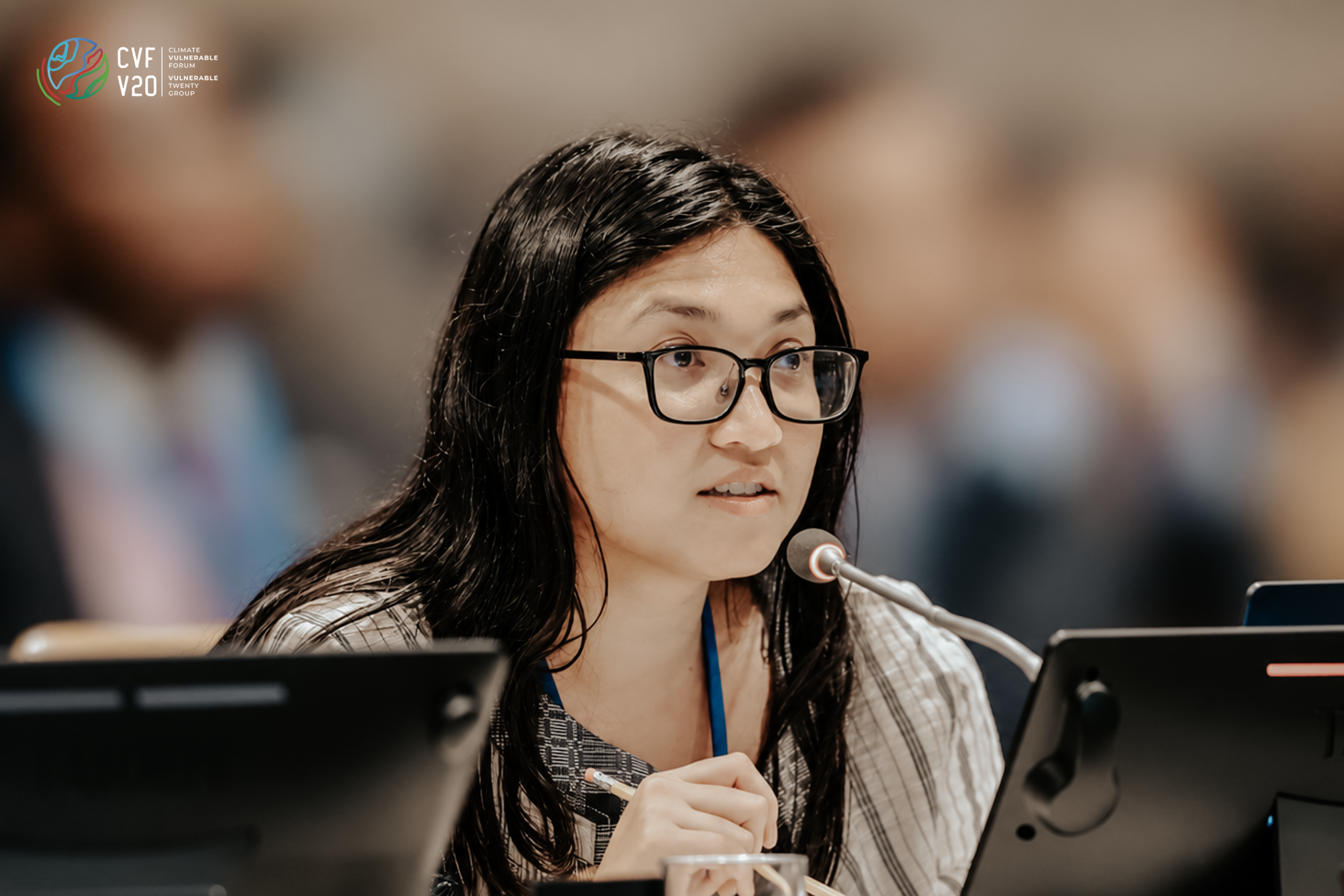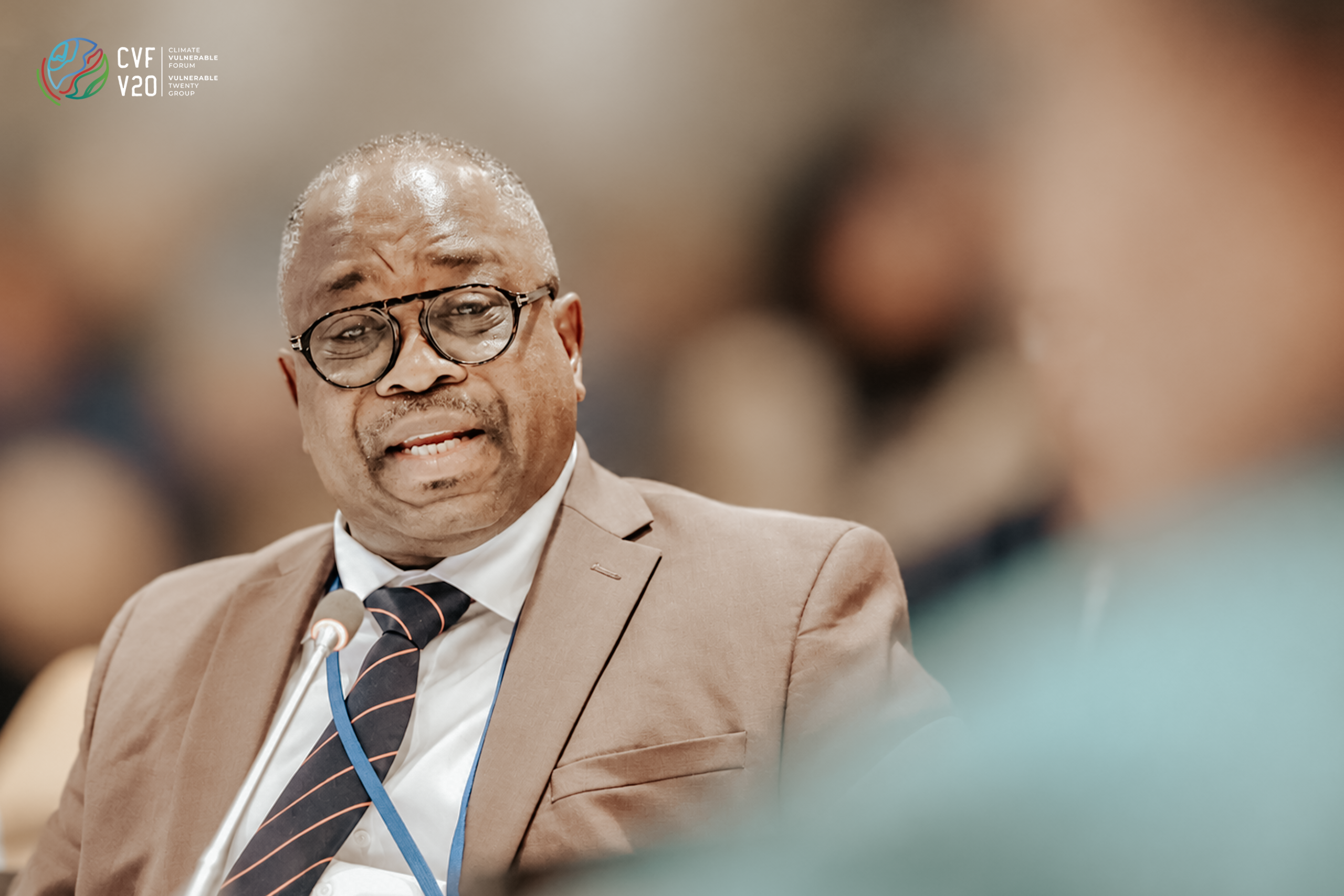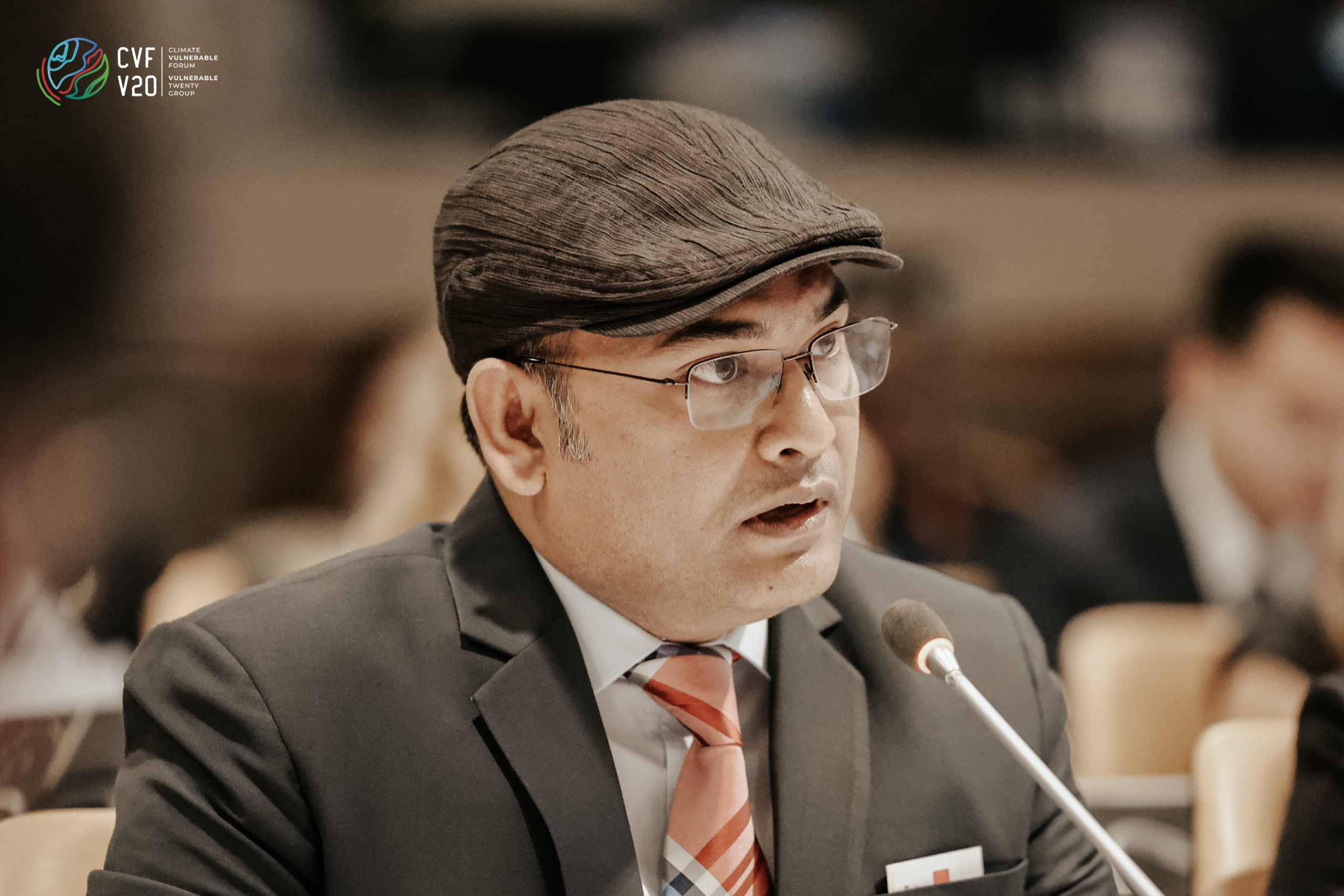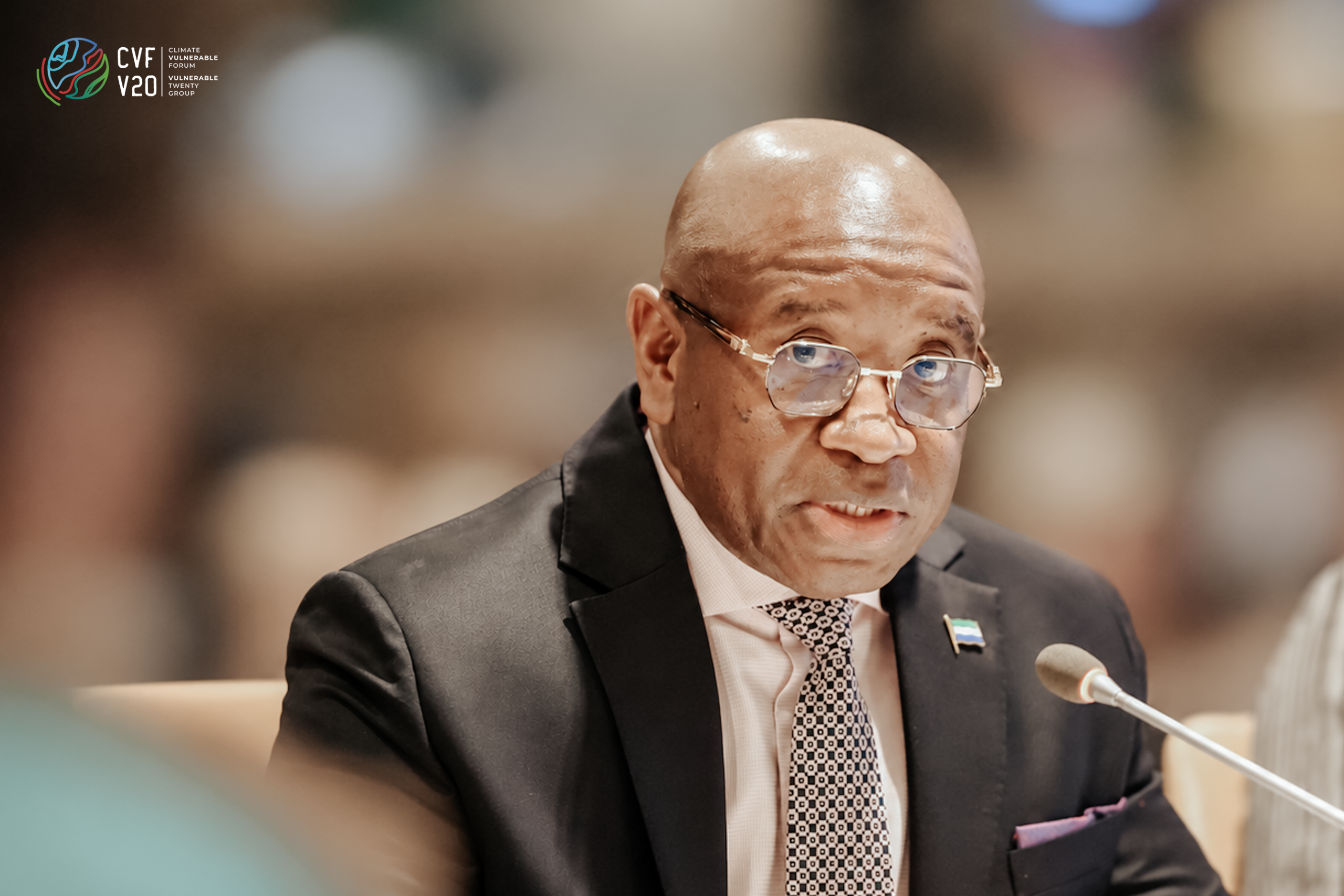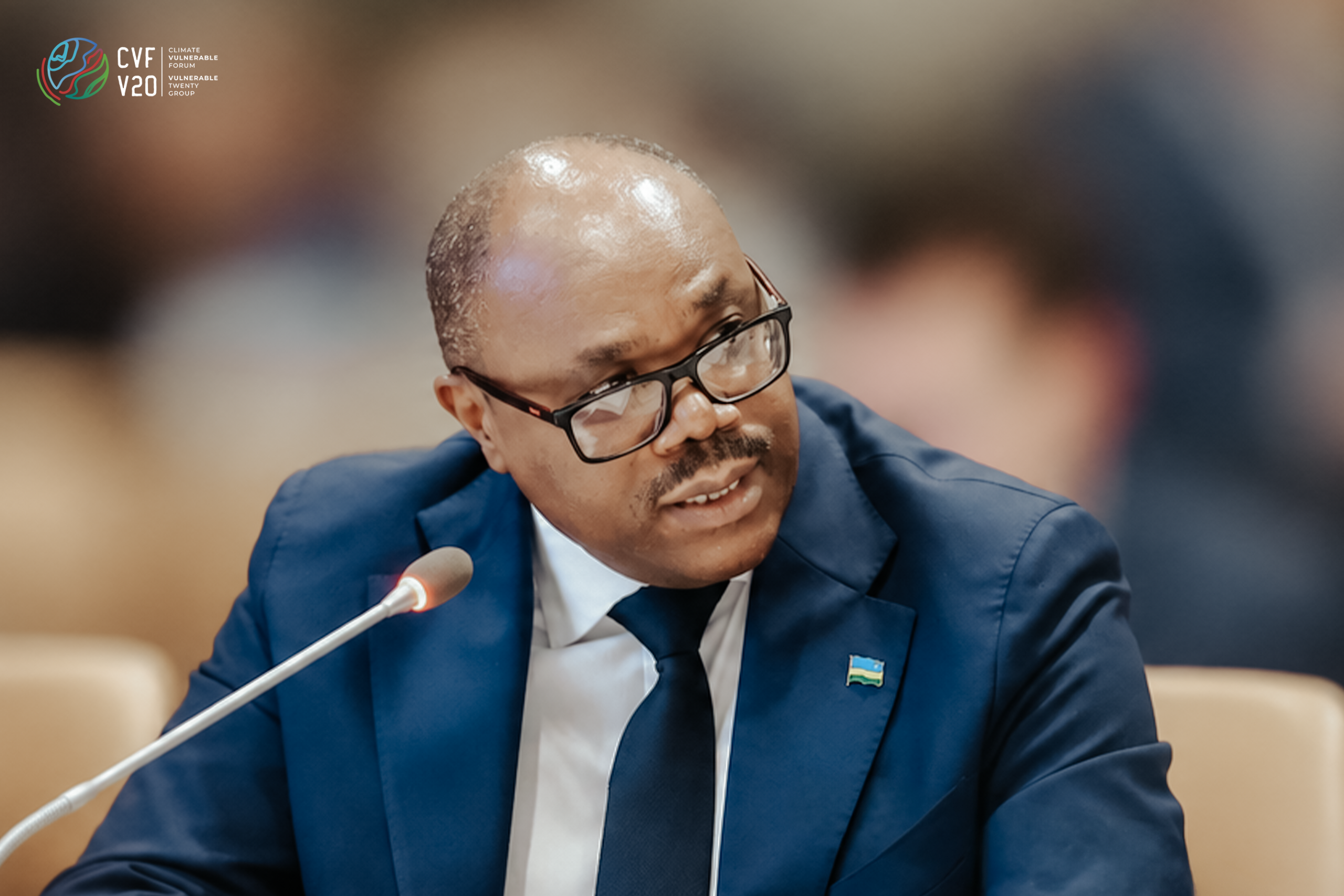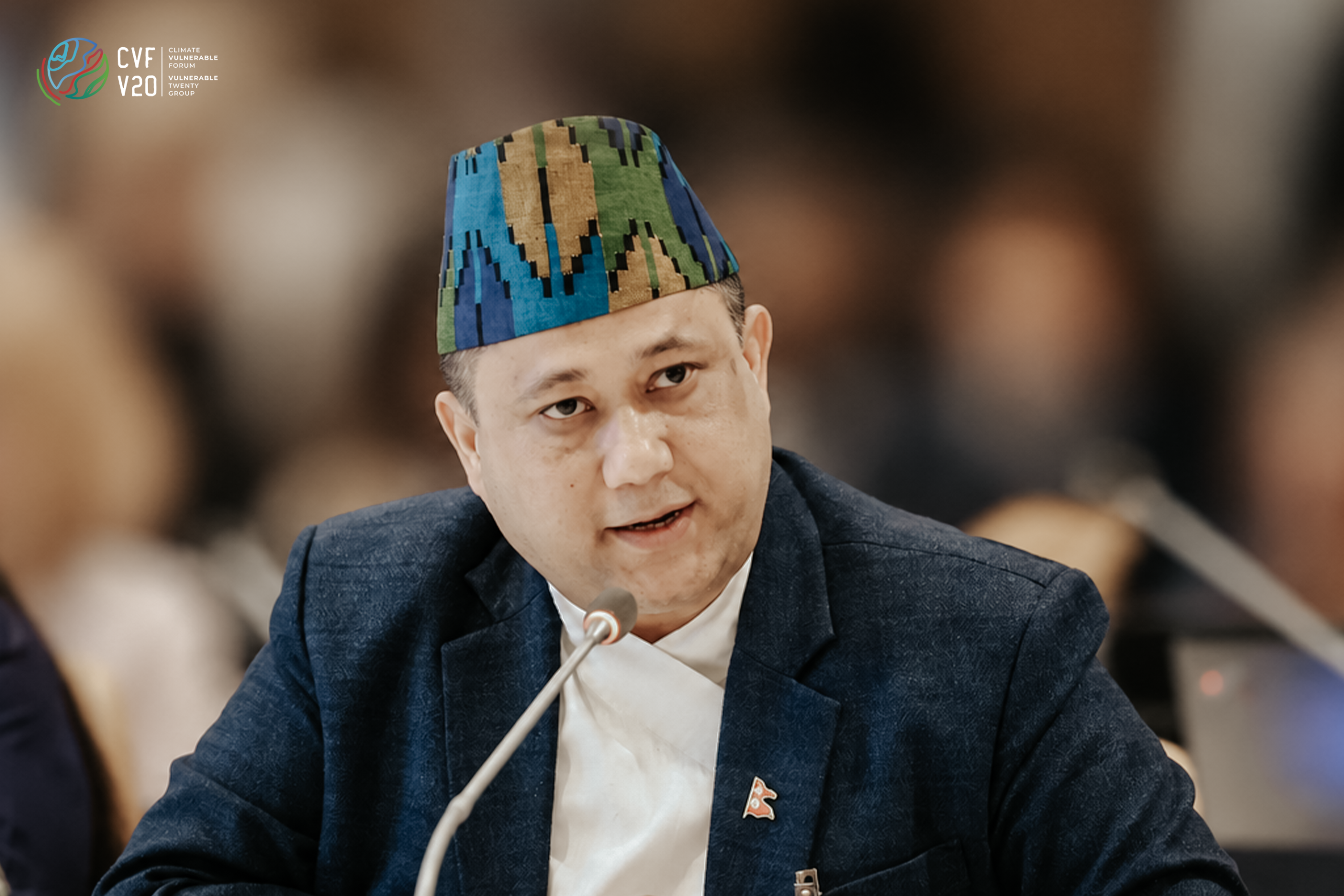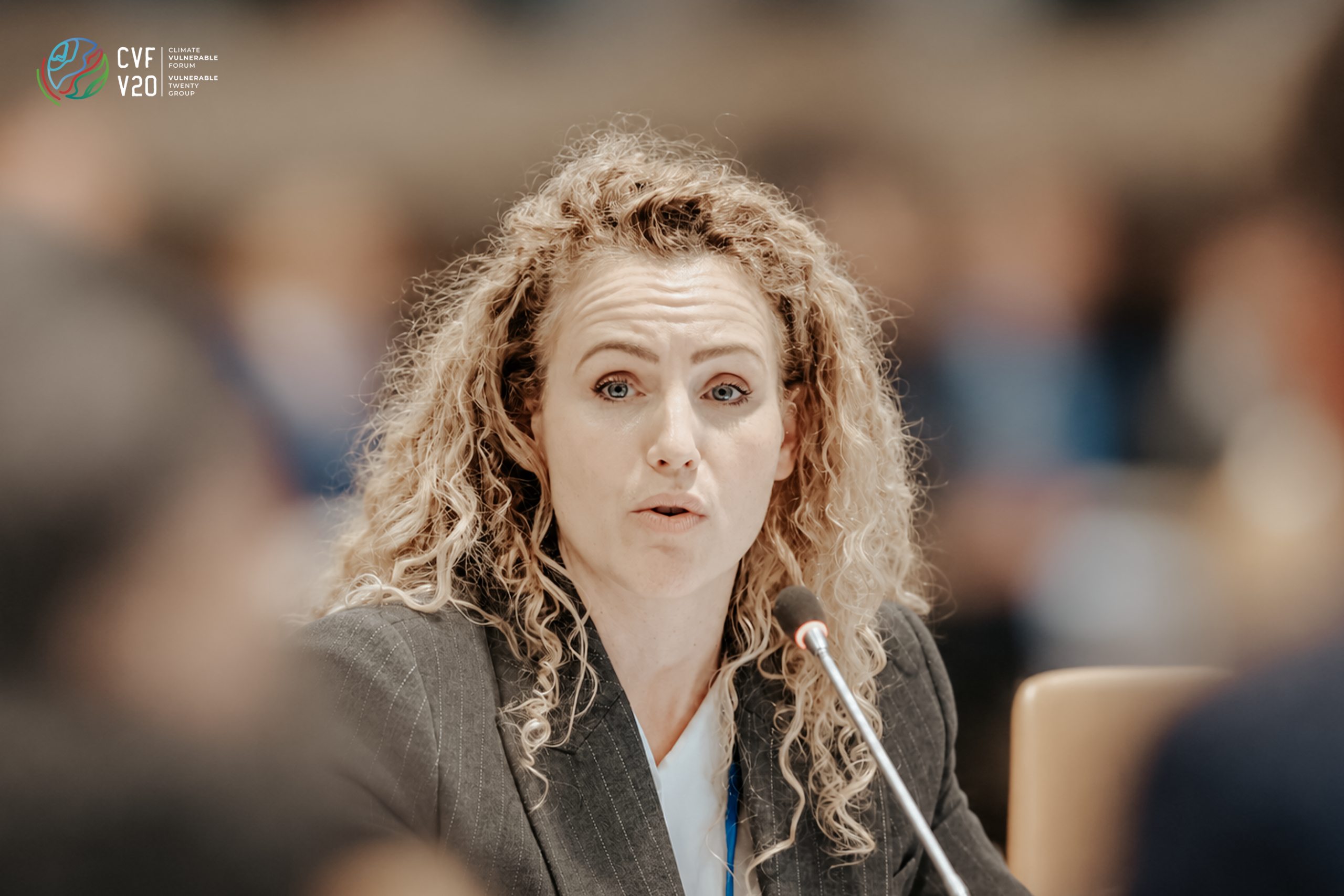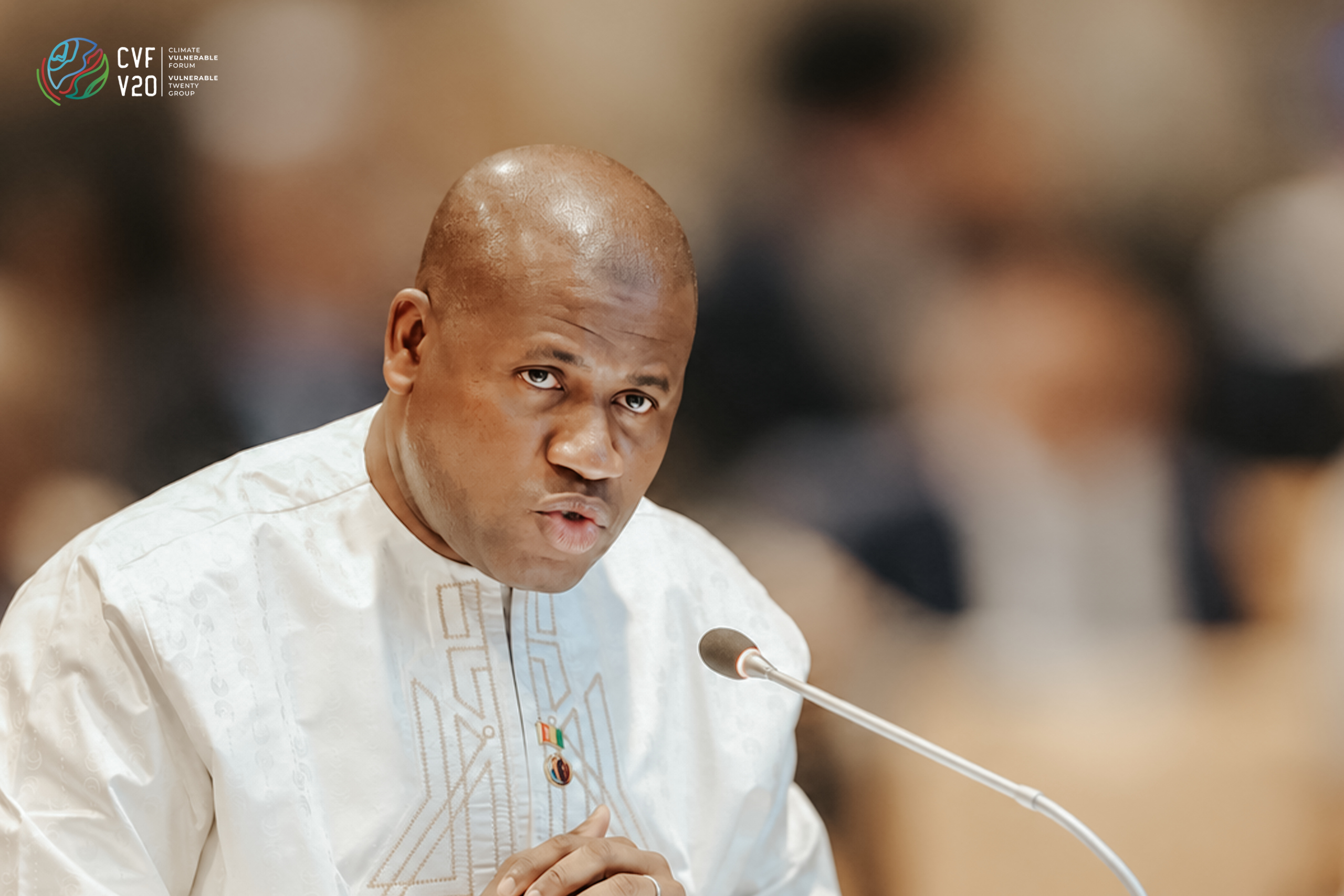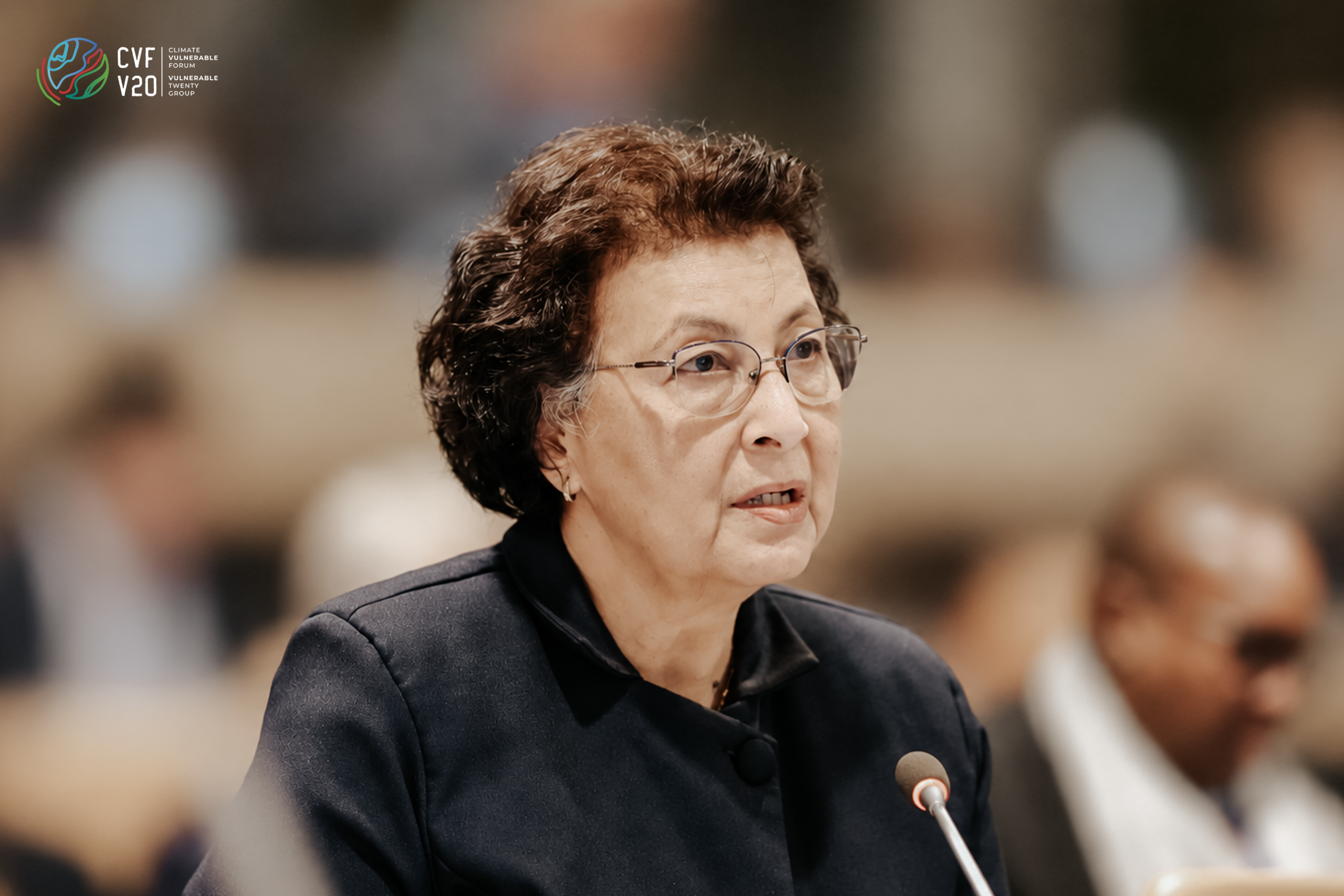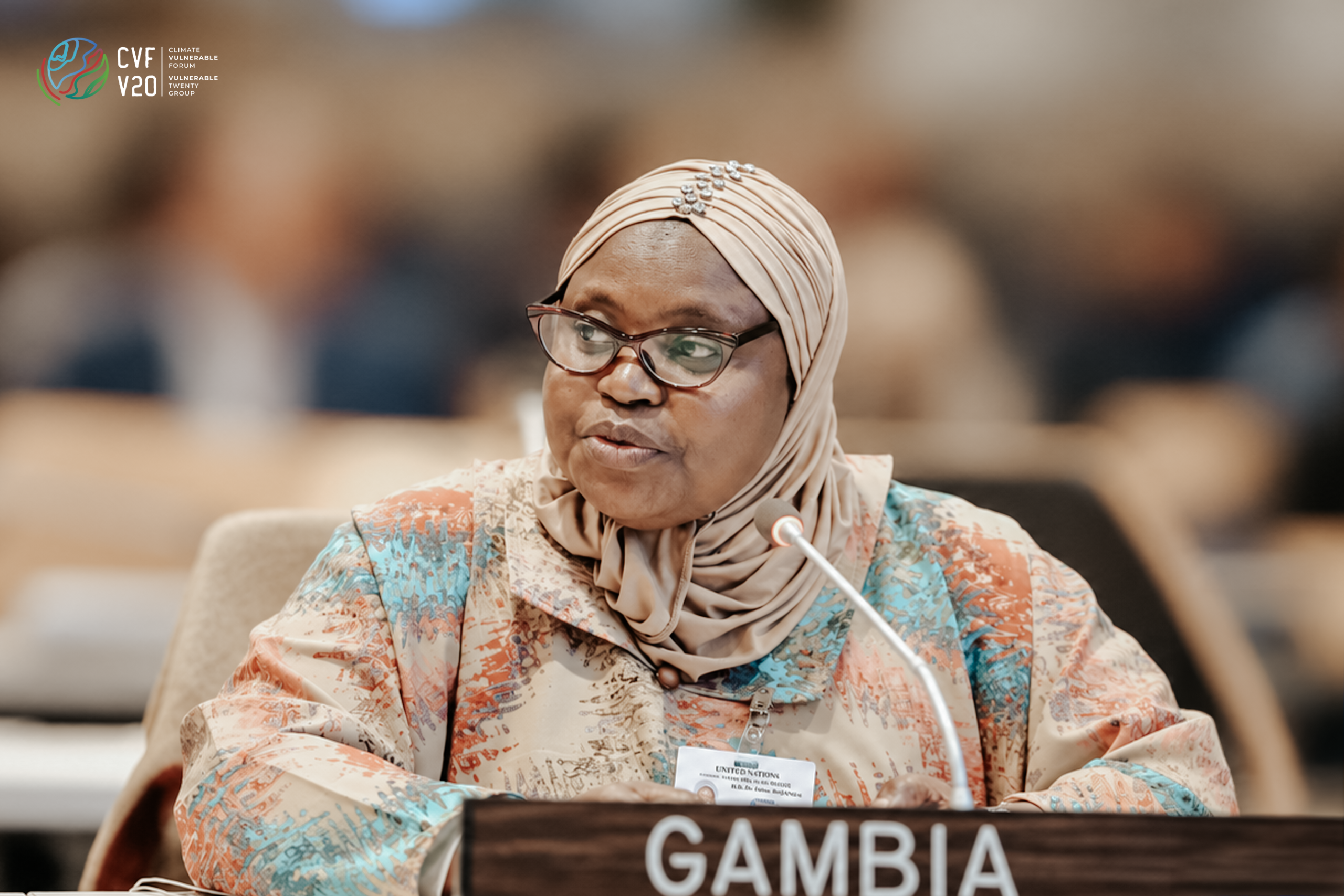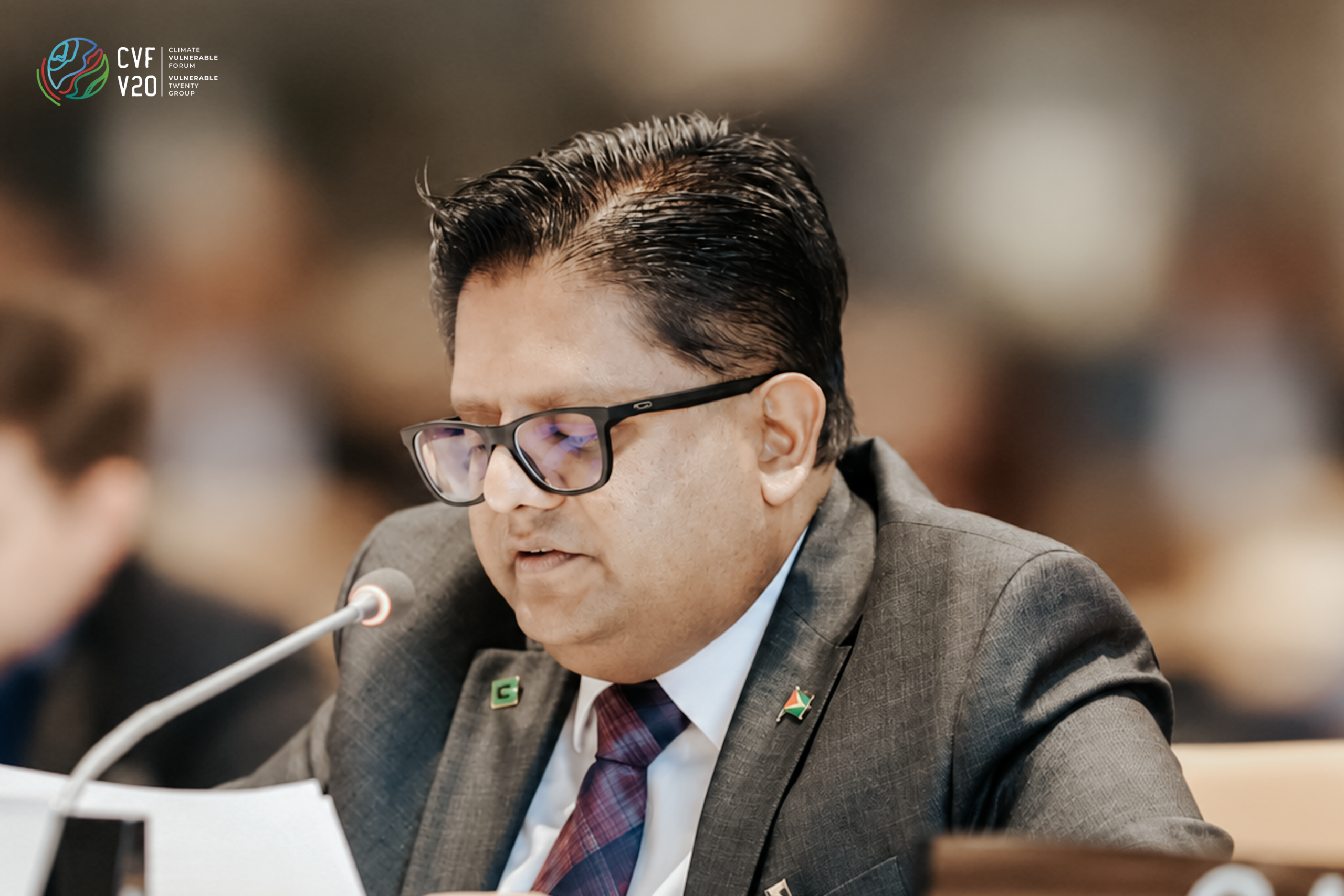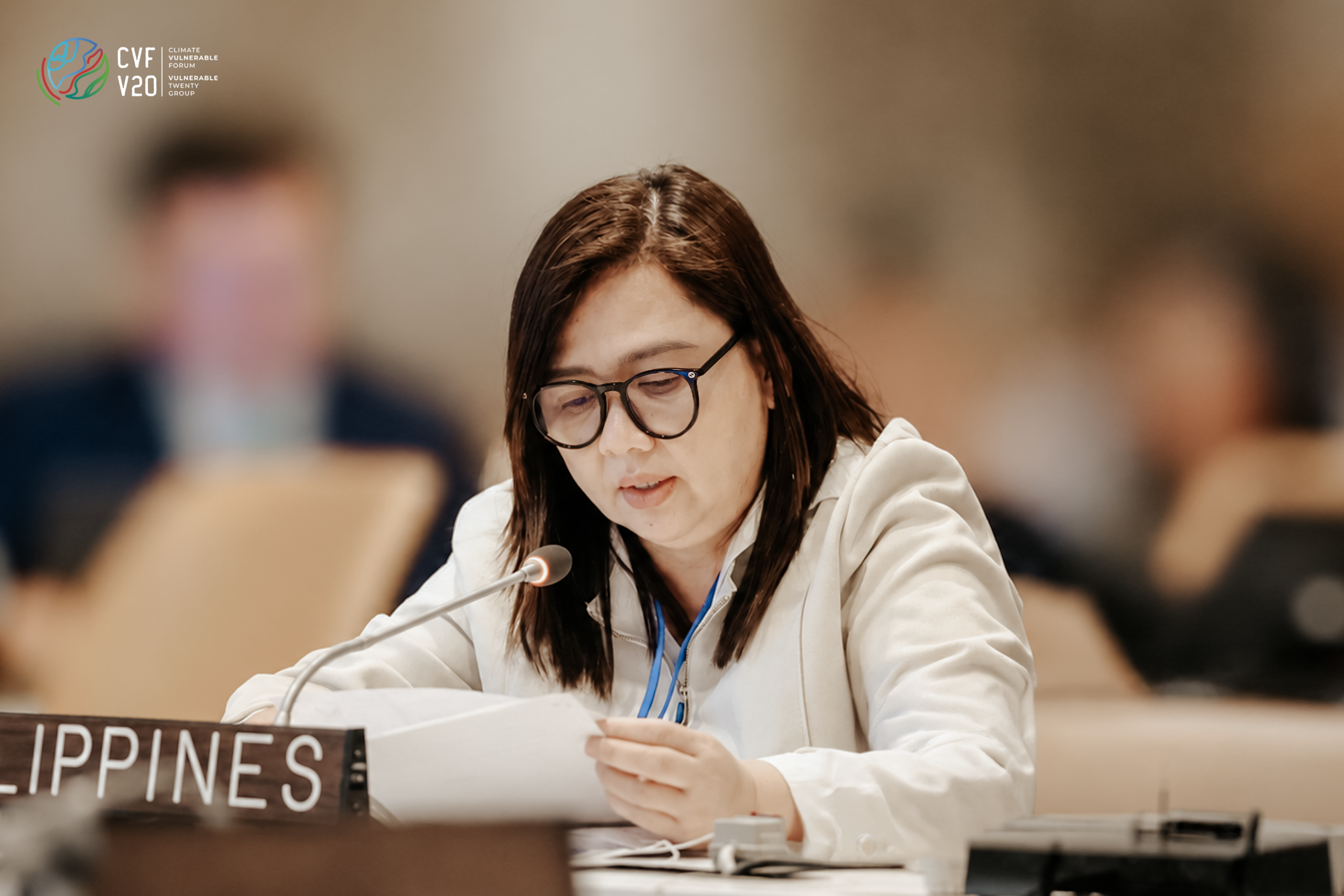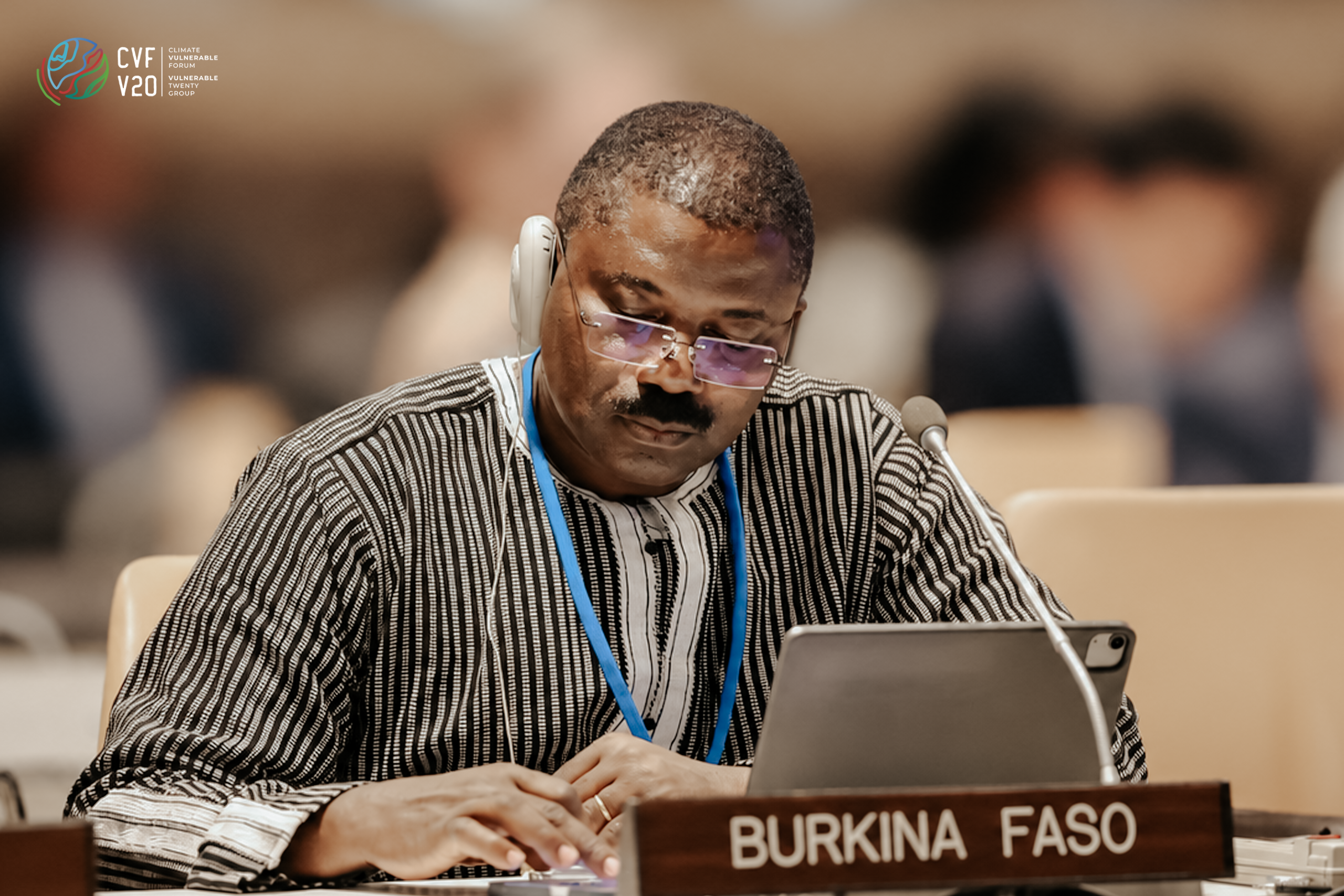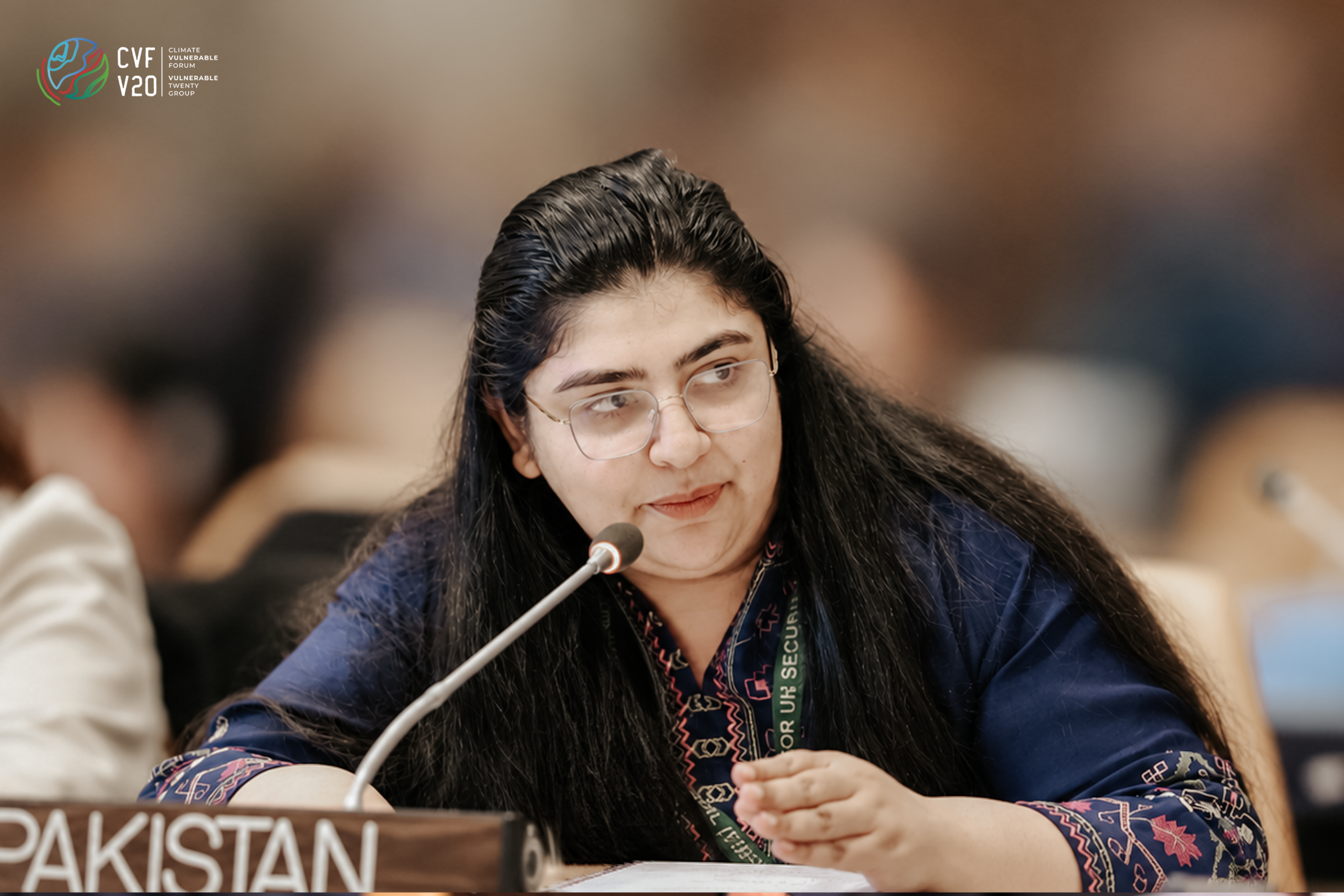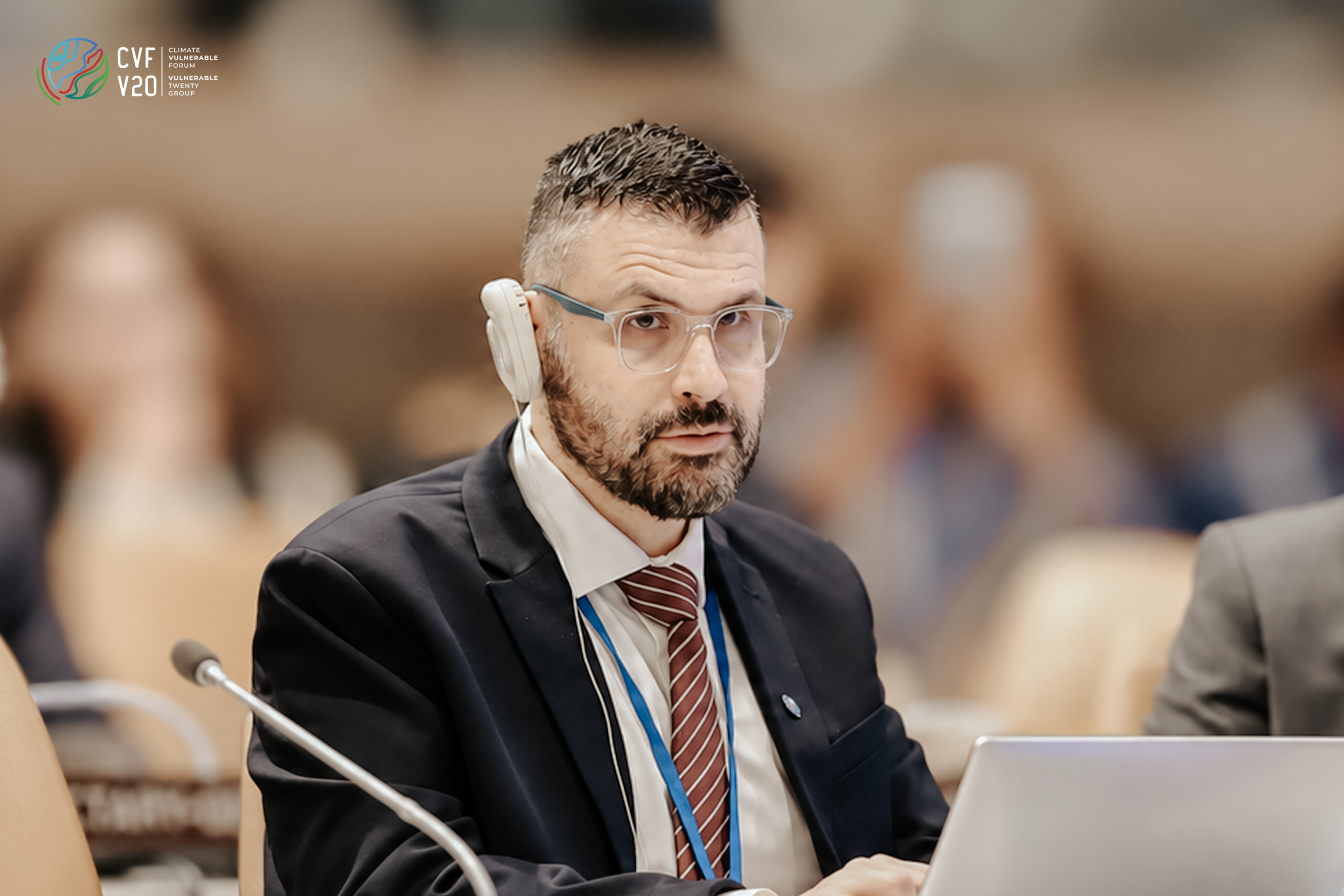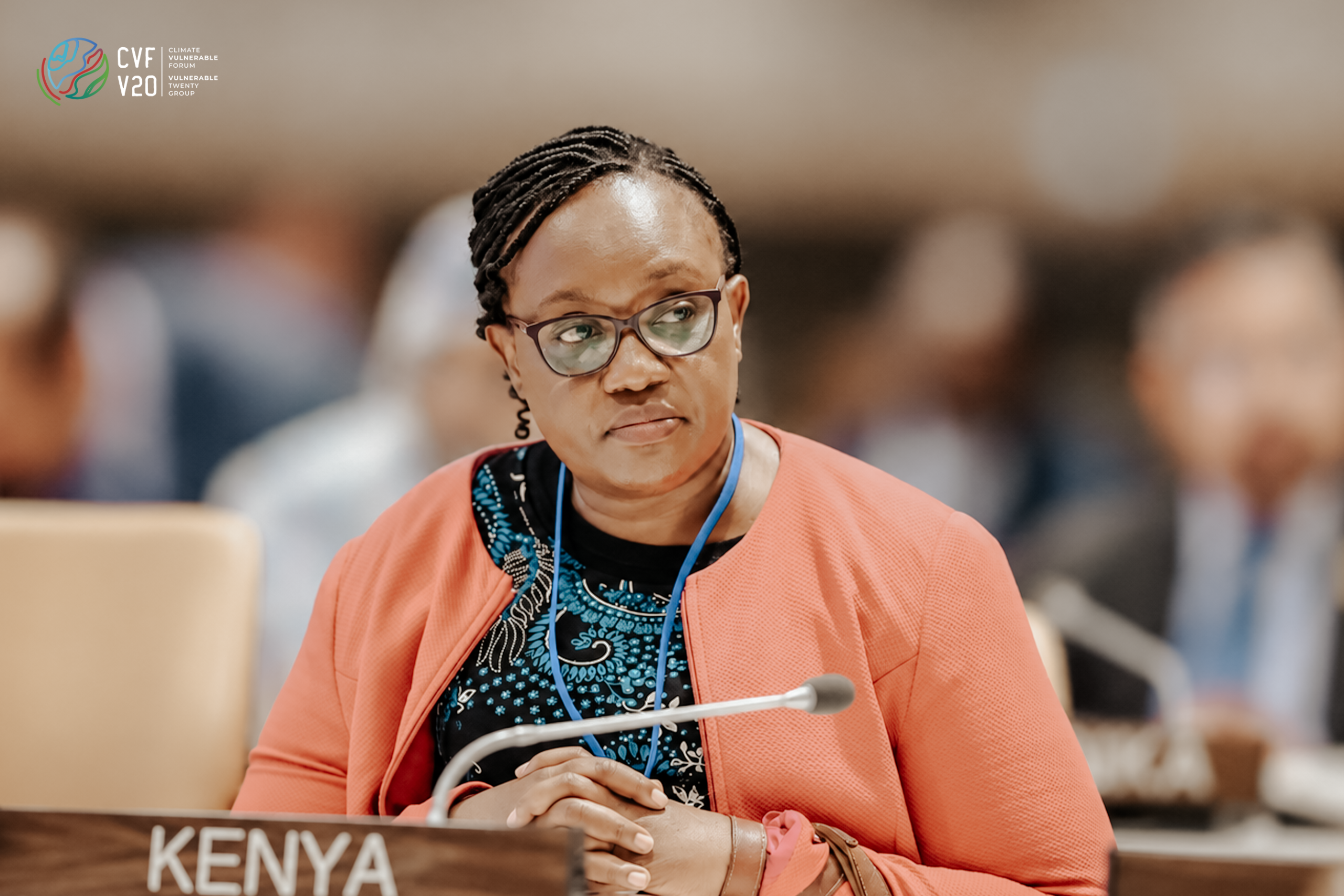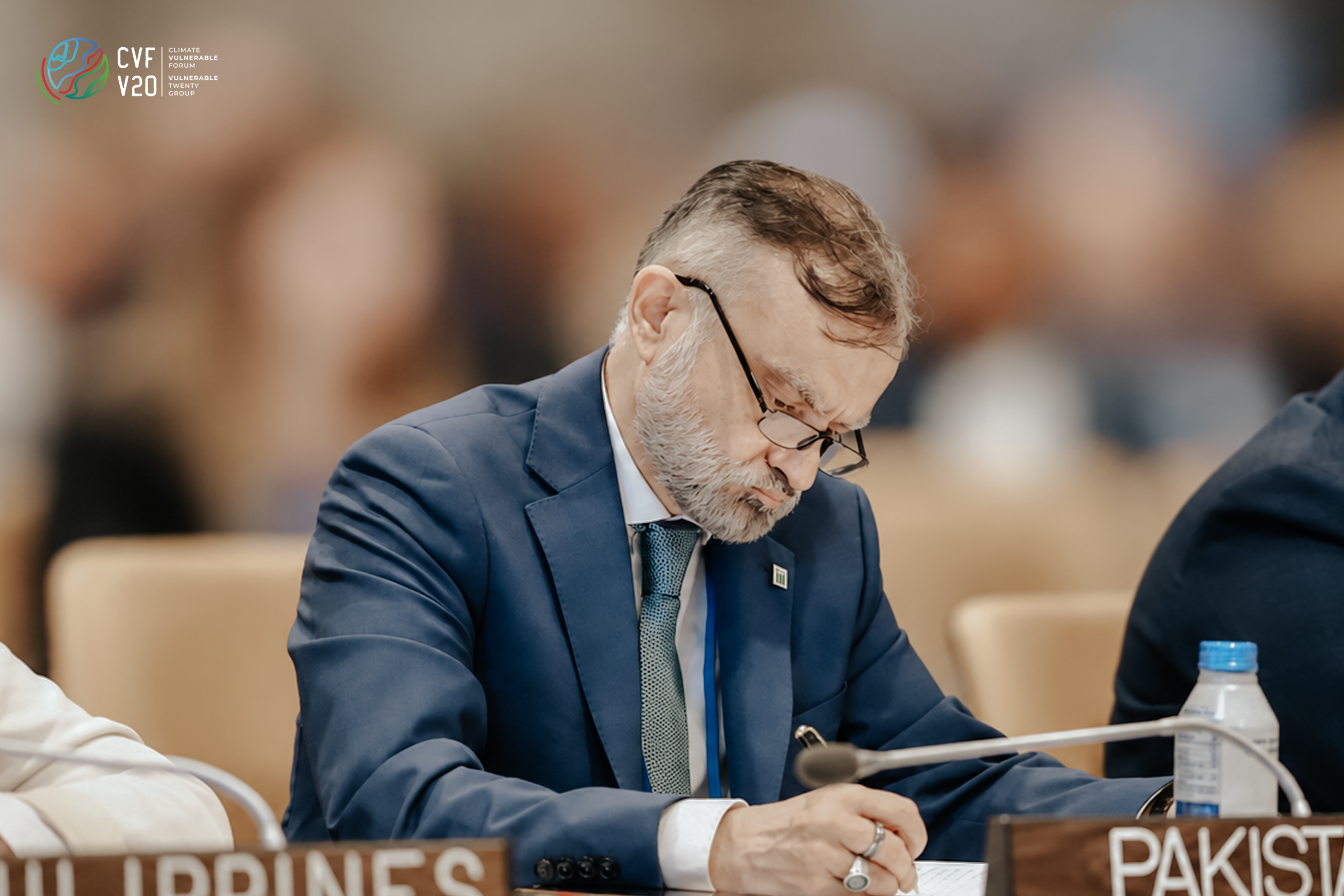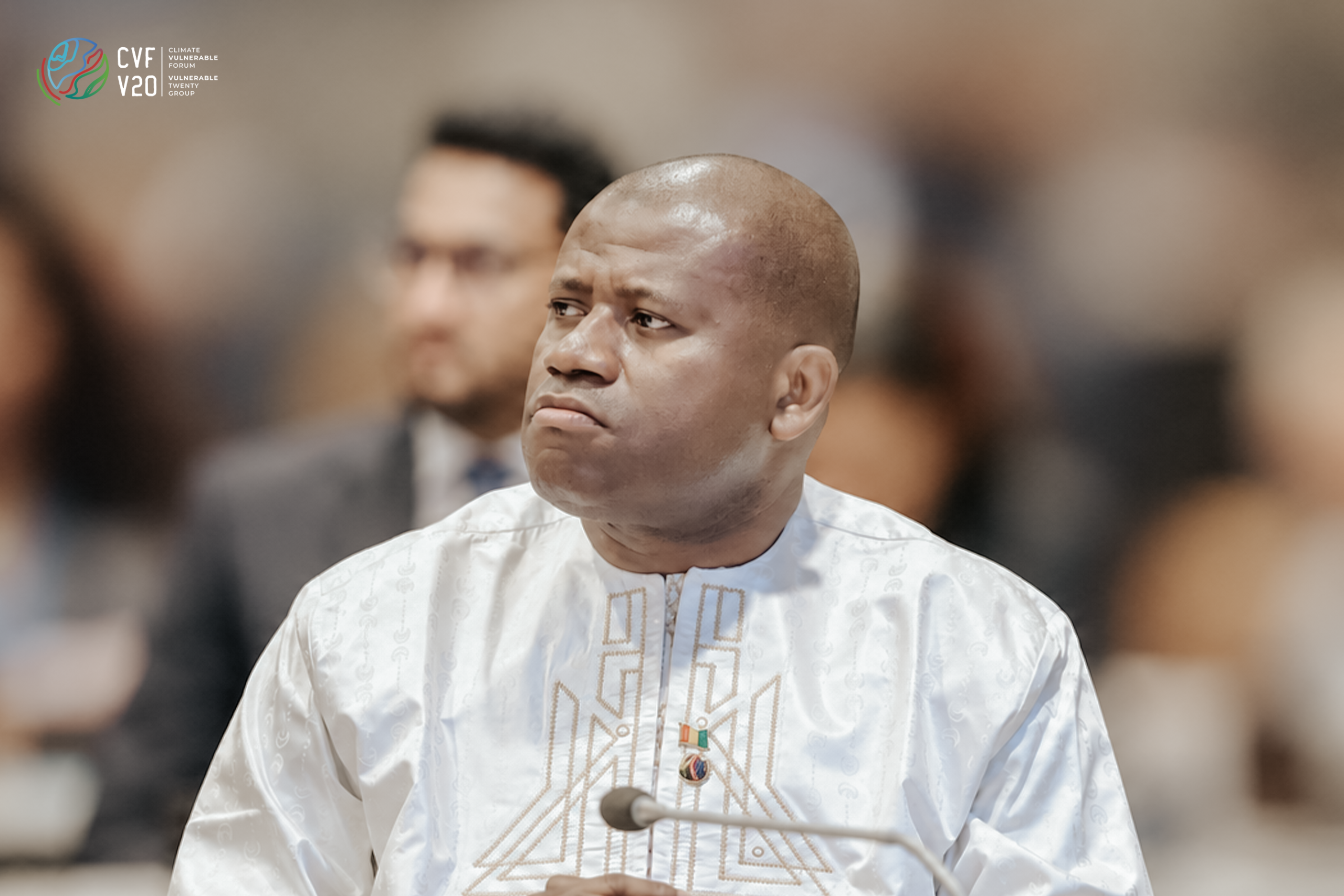

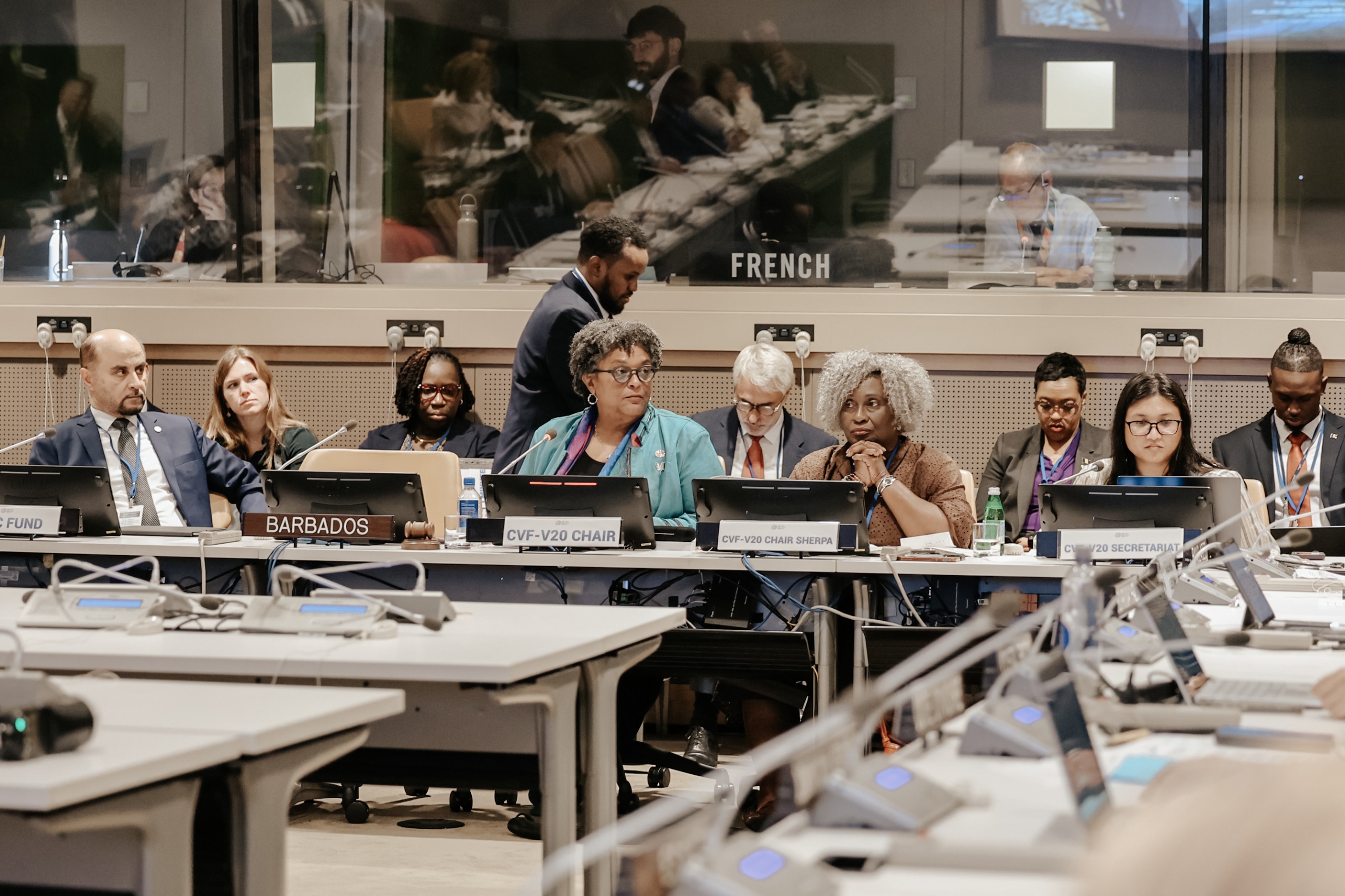
New York City, USA—Heads of State and Ministers from 77 of the world’s most climate-vulnerable developing countries met today in New York, where they pledged their commitment to ambitious new initiatives in South-South cooperation to meet the critical challenges of the climate emergency in the context of stuttering investments in climate action, devastating cuts to aid, and pitifully insufficient funding for loss and damage.
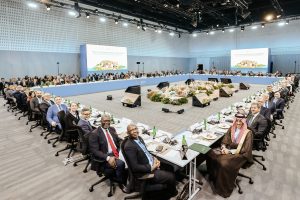
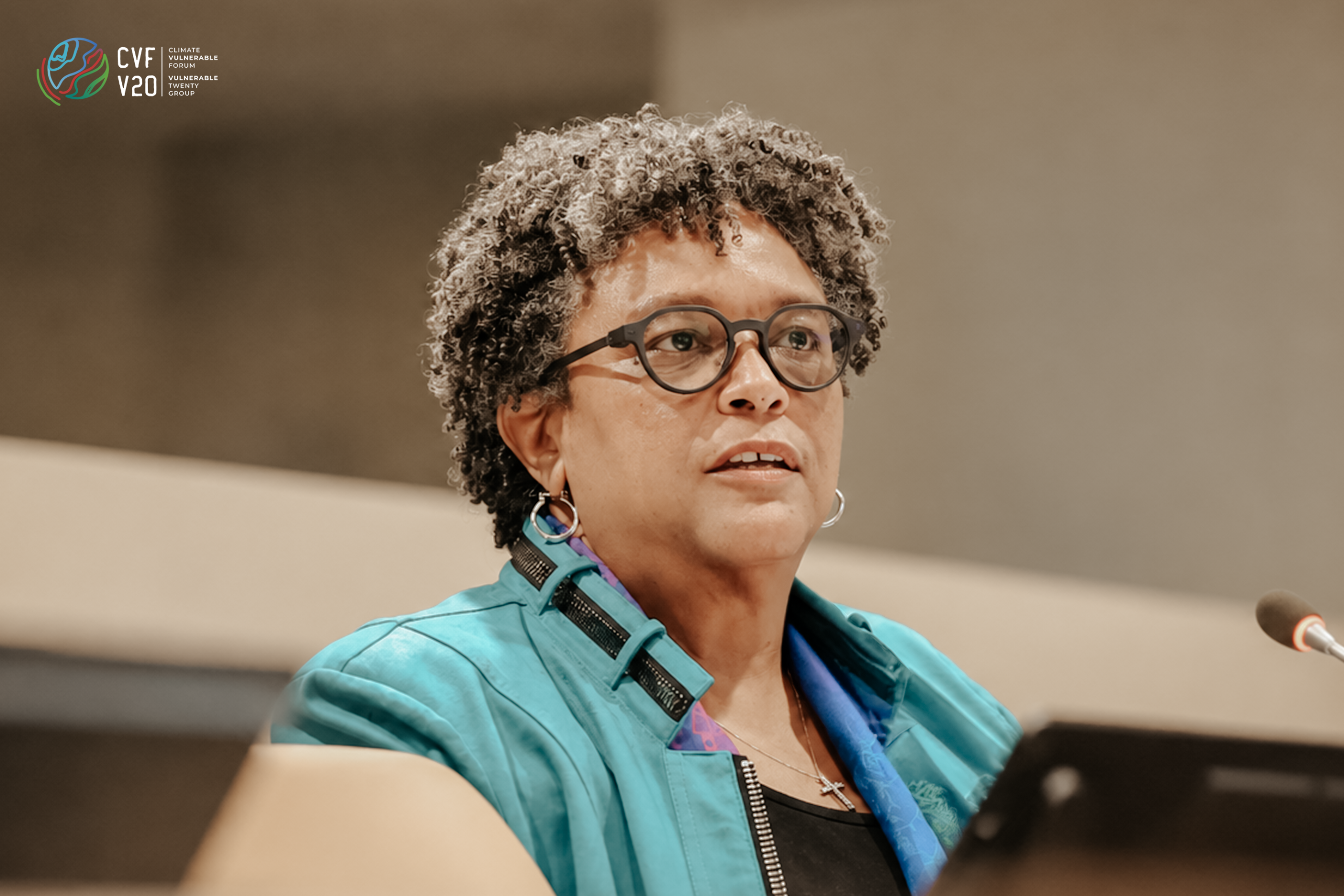
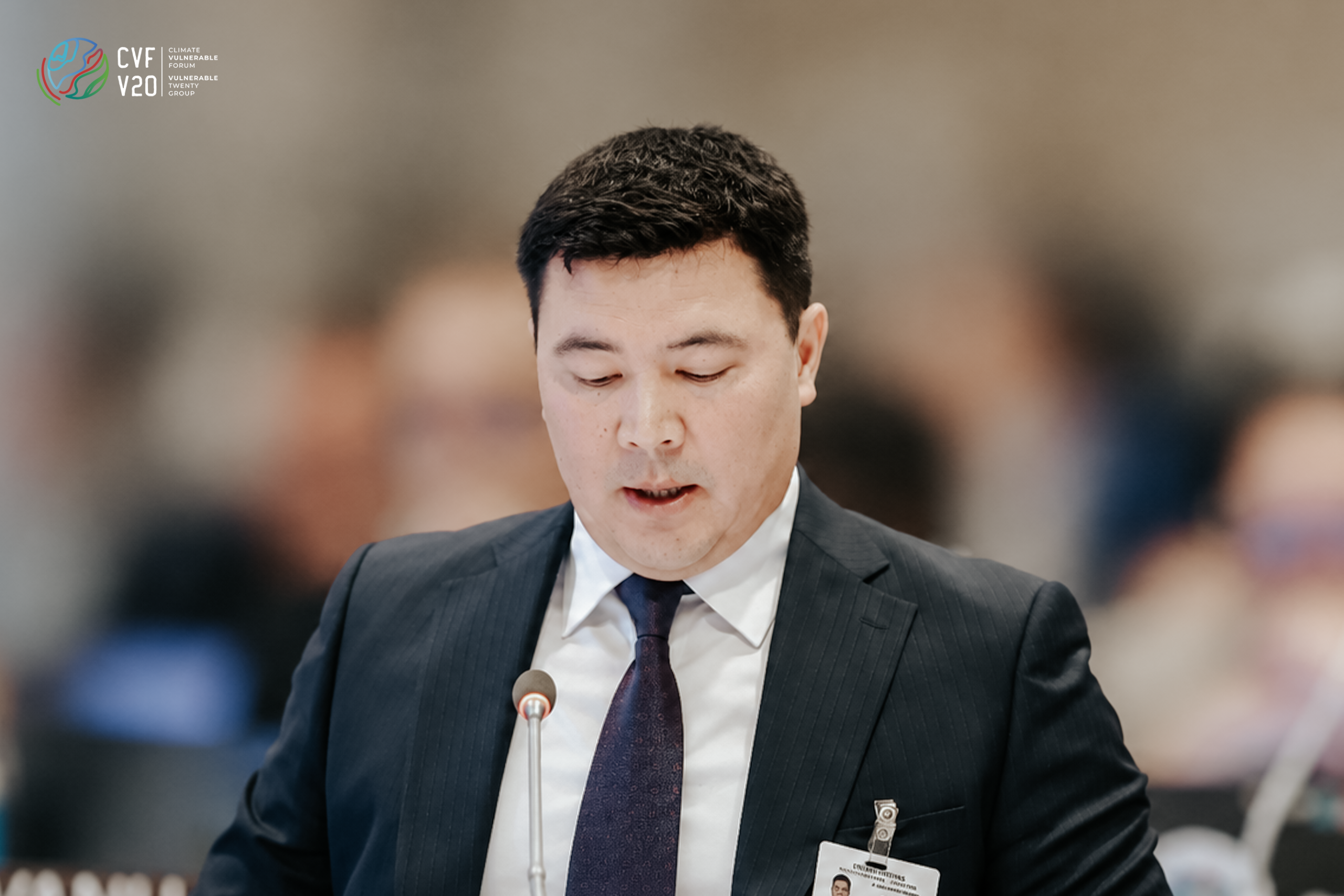
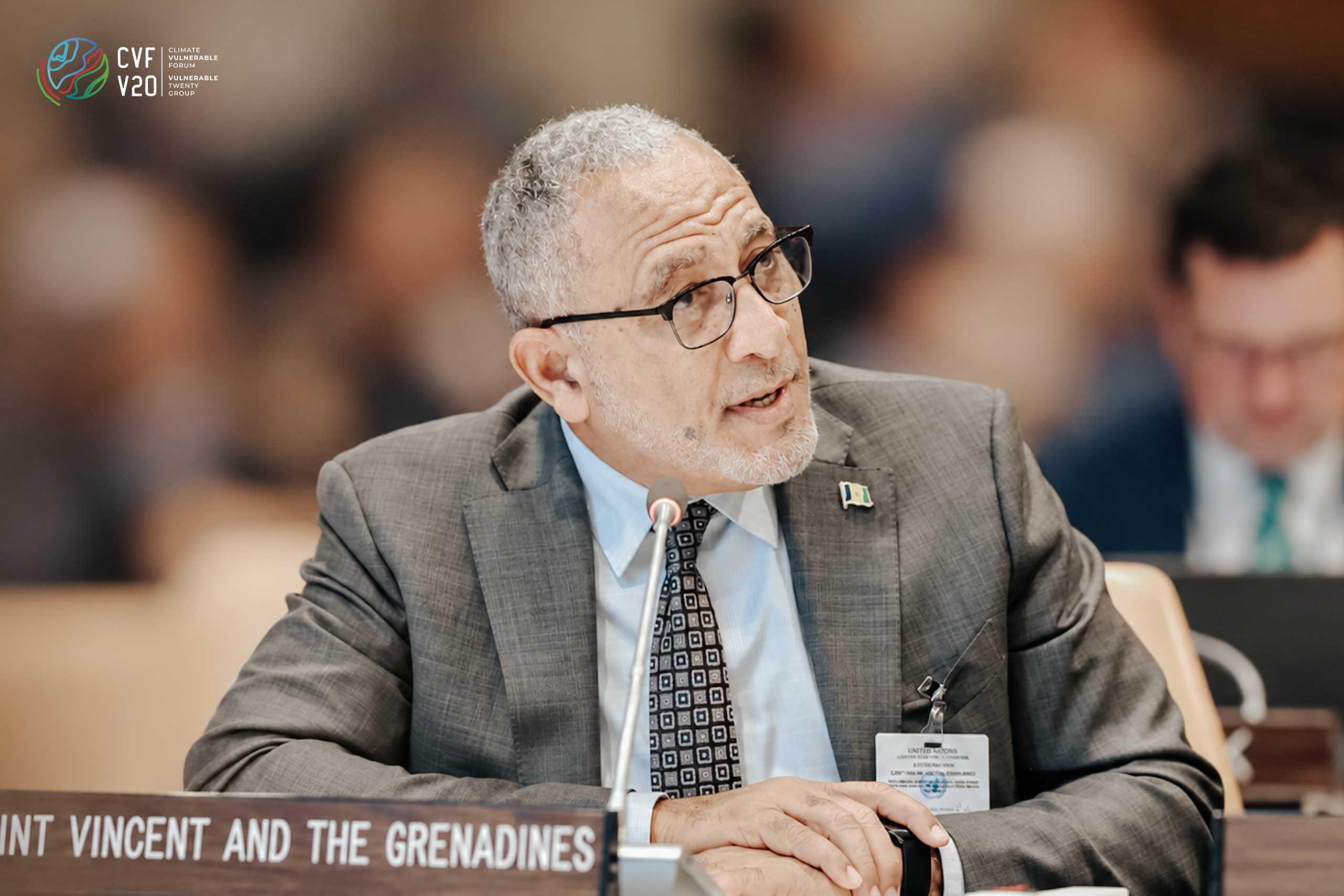
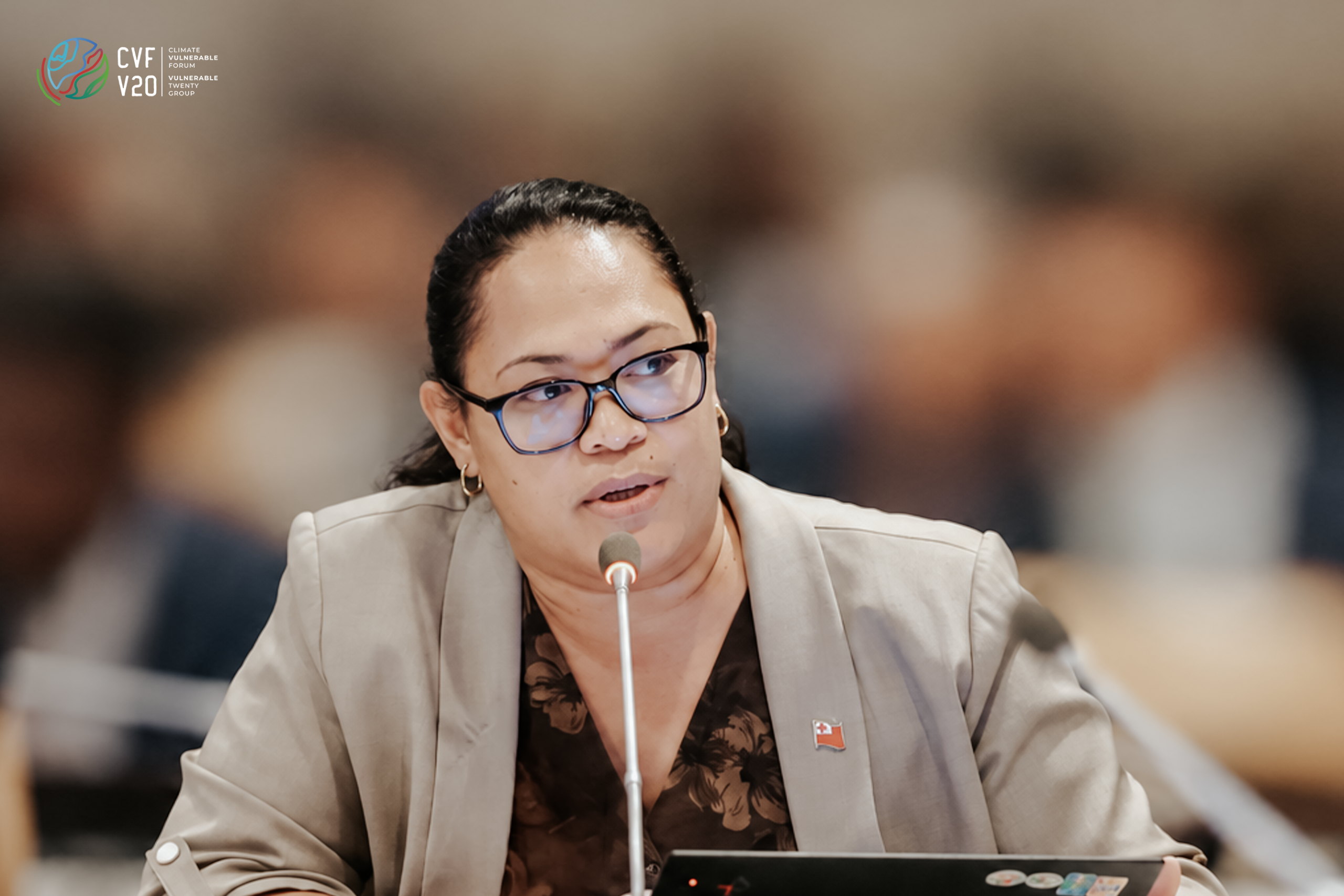
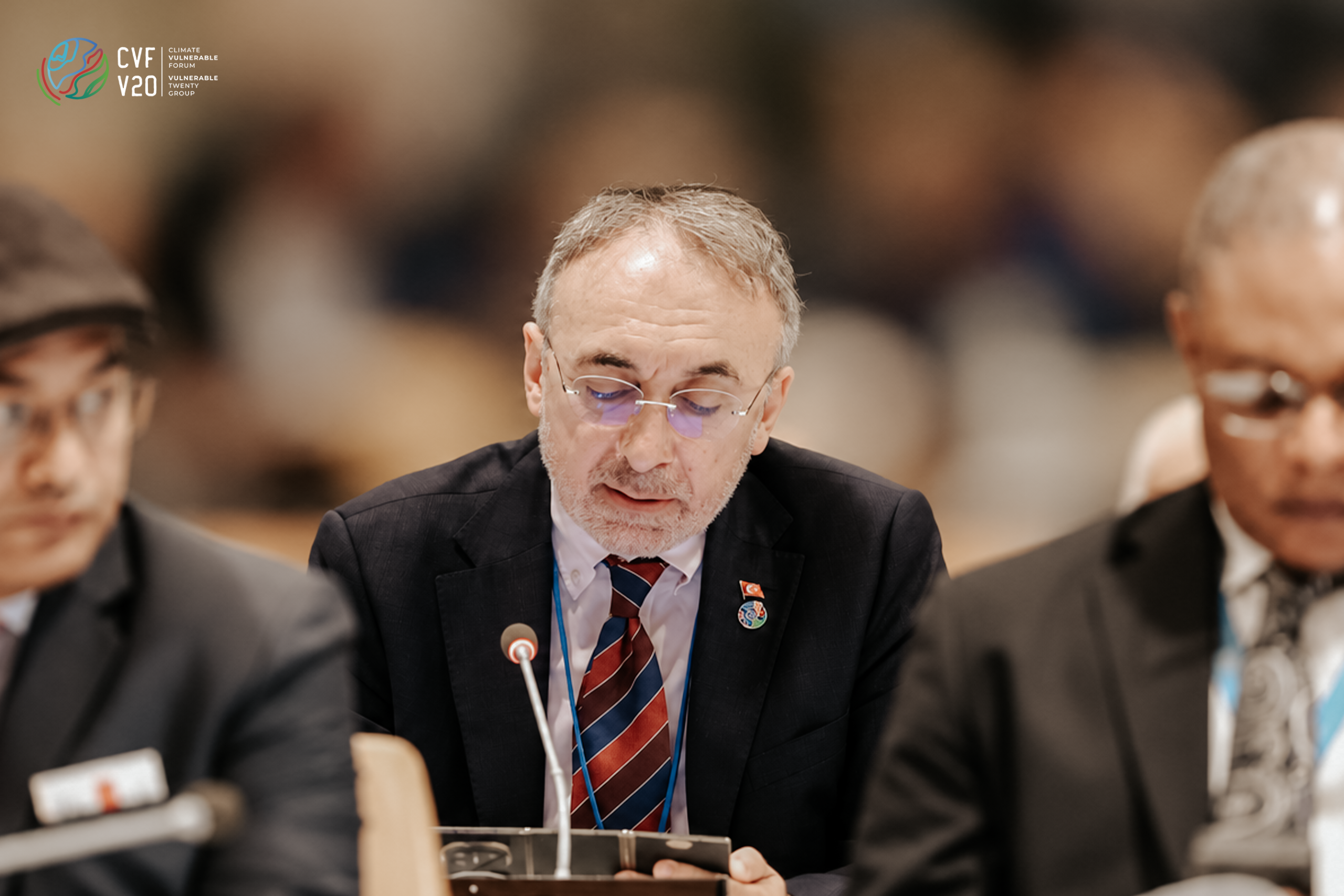
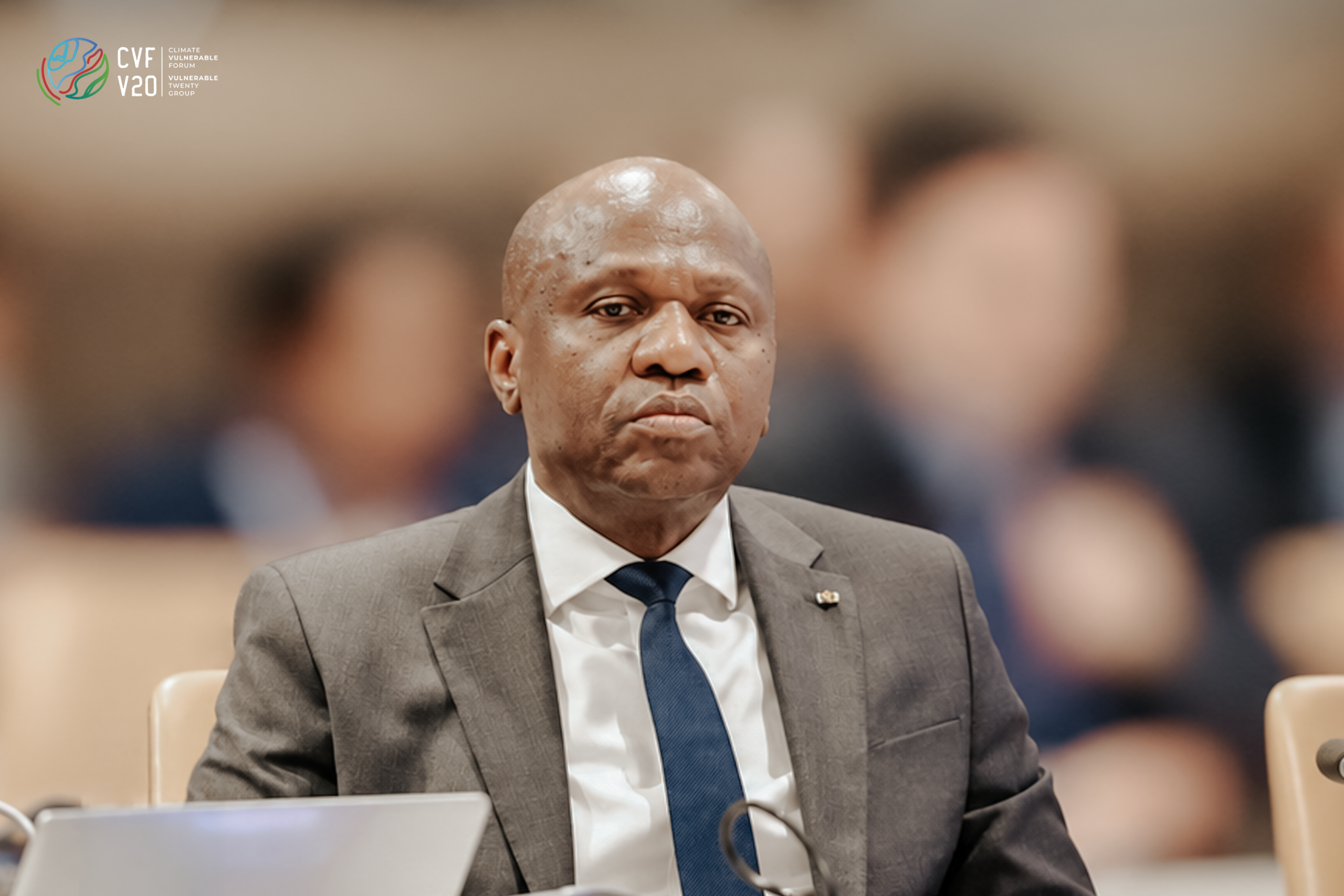
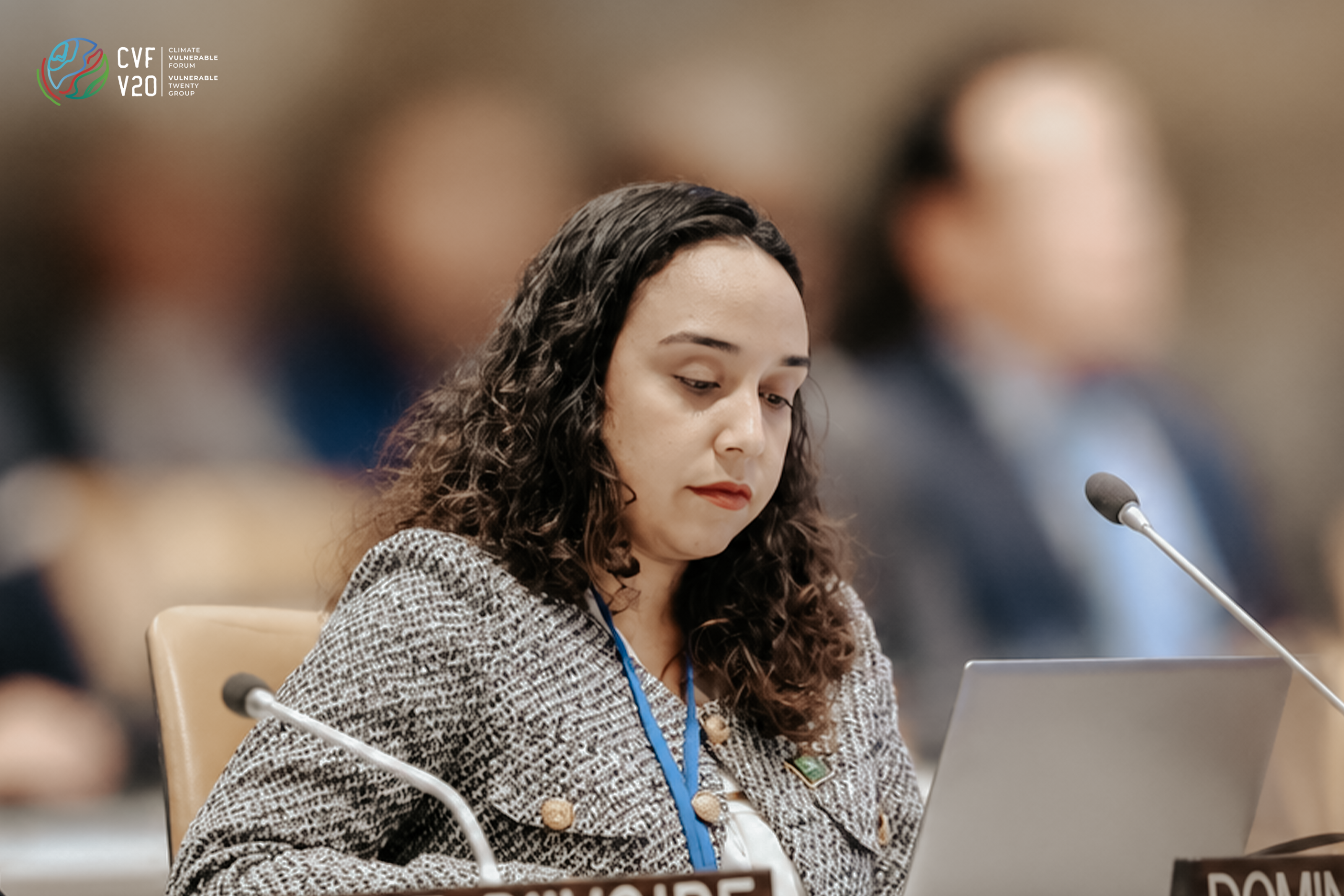
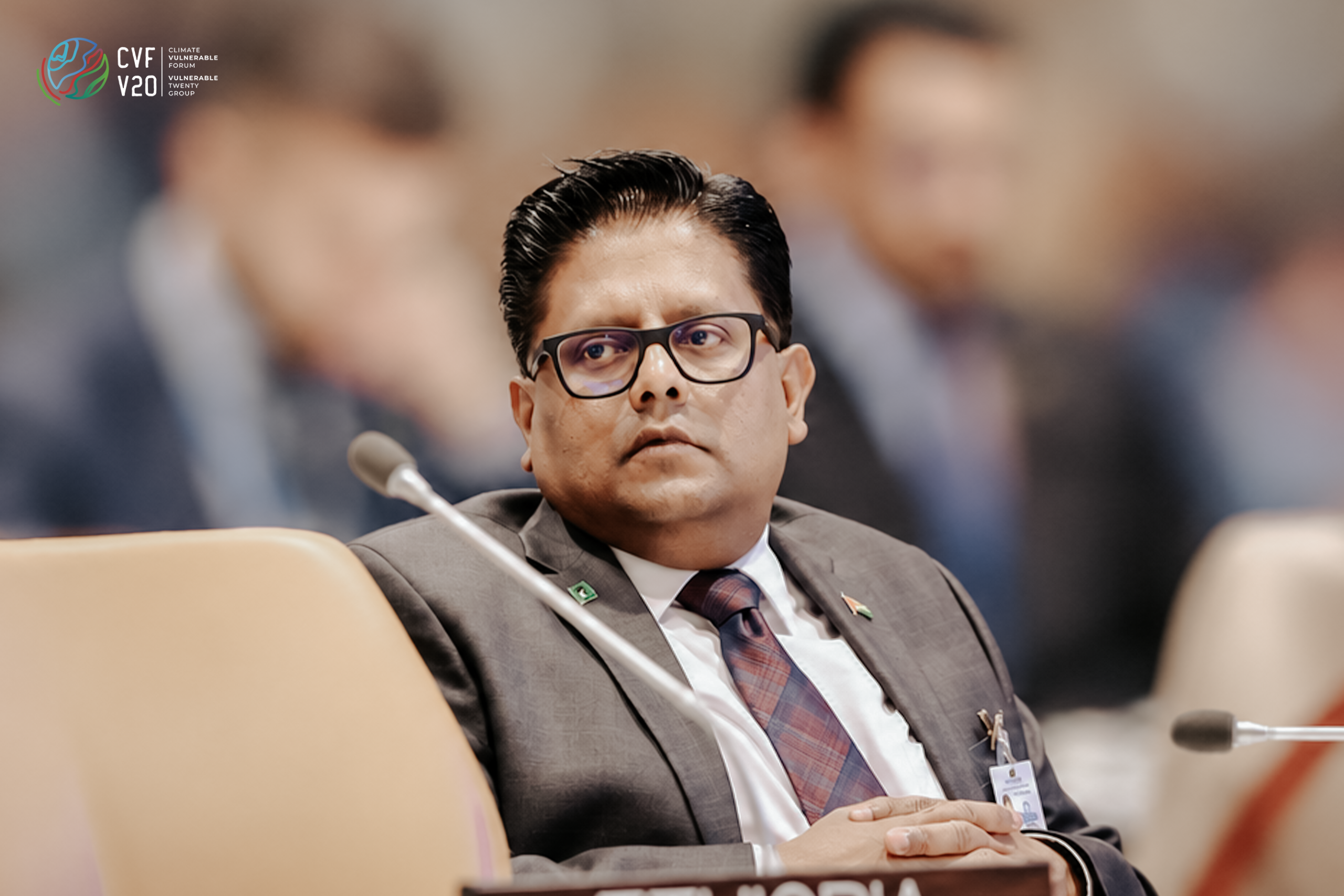
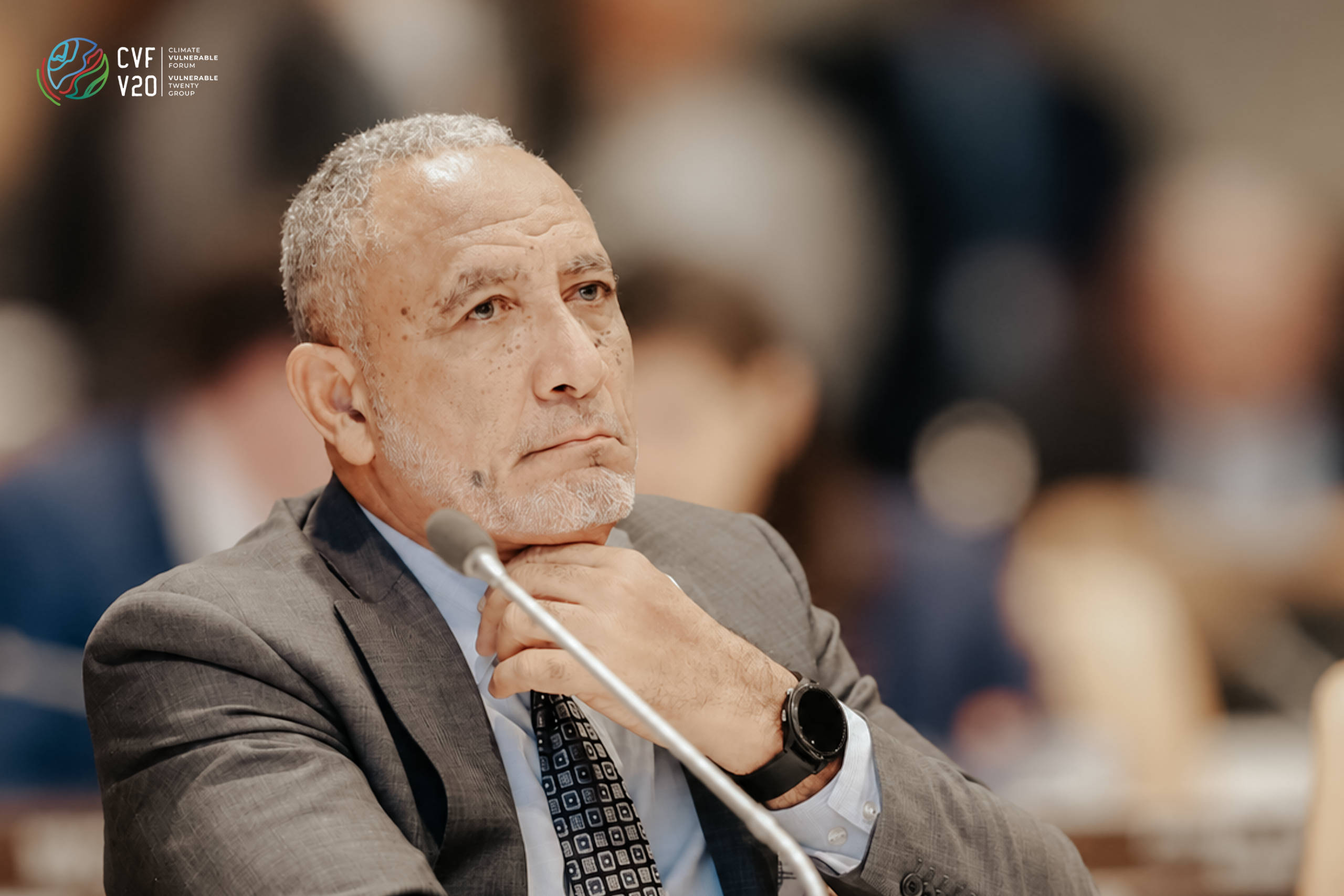
Chaired by Barbados’ Prime Minister and climate champion Mia Mottley, the Fourth Climate Vulnerable Forum (CVF) Leaders Meeting was held at the United Nations Headquarters on the margins of the 81st Session of the UN General Assembly, and brought together CVF leaders alongside representatives of the G7, G20, development finance institutions (DFIs), the United Nations, and partner organisations.
Ministers noted that even as they brace for the impacts of the current Super El Niño, CVF members have suffered yet another year of record climate disasters, from catastrophic glacial flooding in Nepal to successive flooding in Southeast and South Asia, hurricanes in Carribean, typhoons in the Pacific, and drought across Sub-Saharan Africa.
“As the most vulnerable countries, we are in the frontline of deadly climate impacts, from stronger hurricanes in my region, the Caribbean to the terrible glacial flooding disaster in Nepal. Moreover, those countries that did most to cause the crisis are backing away from their pledges and historic responsibilities at just the moment we need renewed urgency to try to save the Paris 1.5C limit from imminent breach,” Prime Minister Mottley said.
She added that it was highly encouraging to see so many CVF members in the forefront of the clean electrotech revolution. “We can wait for the transition to arrive, or we can accelerate its arrival and build the systems, institutions, and markets and thus shape our own transformation early, while making it durable. Electrotech is what gets us to Climate Prosperity,” said Prime Minister Mottley.
CVF nations also pledged to scale up South-South cooperation, beginning implementation of the Vulnerability to Viability compact, which brings in longer-term financing to support water, education and health infrastructure in member countries. Ministers and heads of government also welcomed the new capital mobilisation team to speed up the financing and implementation of Climate Prosperity Plans, of which 9 have been completed already with 16 more underway.
In the meeting, the Prime Minister welcomed the Central African Republic, the Republic of Zambia, and Saint Vincent and the Grenadines as the newest members of the Climate Vulnerable Forum and V20 Finance Ministers (CVF-V20). “Each country that joins this table strengthens our collective voice. It makes our common cause more difficult to dismiss,” she said.
The CVF Leaders Declaration at the close of the meeting set out the following calls:
To carry this agenda forward, in particular the realization of the Lifeline Fund, the CVF Leaders endorsed the extension of the Barbados Presidency for a further year. “Barbados humbly accepts the call to continue its Presidency. Service to the climate-vulnerable is not a term we count, but a duty we carry,” said Prime Minister Mottley.
The CVF Leaders welcomed H.E. Carlos Alvarado Quesada, former President of Costa Rica, who will assume the post of the second Secretary-General of the CVF-V20 by January 2027. In a statement following the meeting, former President Alvarado said: “I am deeply honored to take on the responsibility of serving as the next Secretary-General of the CVF-V20. I will work to mobilize accessible, affordable, and reliable resources and solutions for CVF-V20 countries.”
***
The CVF-V20 now represents 77 member countries from small island developing states (SIDS), least developed countries (LDCs), low to middle-income countries (LMICs), landlocked developing countries (LLDCs), and fragile and conflict-affected states (FCS). Working together, the CVF-V20 aims to achieve climate justice through the realization of Climate Prosperity Plans, which contain ambitious economic and financial resilience strategies designed to attract investment and resources that advance the attainment of the Sustainable Development Goals (SDGs), 30×30 Global Biodiversity, and help keep the average global temperature within the Paris Agreement’s 1.5°C safety threshold.
Africa: Benin, Burkina Faso, Cabo Verde, Central African Republic, Chad, Comoros, Côte d’Ivoire, Democratic Republic of the Congo, Eswatini, Ethiopia, Gabon, The Gambia, Ghana (Troika), Guinea, Kenya, Liberia, Madagascar, Malawi, Morocco, Mozambique, Namibia, Niger, Rwanda, Senegal, Sierra Leone, Somalia, South Sudan, Sudan, Tanzania, Togo, Tunisia, Uganda, Zambia
Asia: Afghanistan, Bangladesh (Troika), Bhutan, Cambodia, Jordan, Kyrgyzstan, Lebanon, Maldives, Mongolia, Nepal, Pakistan, Palestine, Philippines, Sri Lanka, Timor-Leste, Vietnam, Yemen
Caribbean: Barbados (Chair/Troika), Dominica, Dominican Republic, Grenada, Guyana, Haiti, Saint Lucia, Saint Vincent and the Grenadines, Suriname, Trinidad and Tobago
Latin America: Colombia, Costa Rica, Guatemala, Honduras, Nicaragua, Paraguay
Pacific: Fiji, Kiribati, Marshall Islands, Nauru, Palau, Papua New Guinea, Samoa, Solomon Islands, Tonga, Tuvalu, Vanuatu
For media enquiries, please contact [email protected].
For the latest updates, please follow us on: