
Hit Hard by Climate Change, Benin Calls for Global Ambition at COP27
By Mr. Moudjahid Akorédé Wabi, CVF Capacity-Building Fellow Facing the uncertainty of climate change Like many other African countries, Benin is characterised by irregular and reduced
The Time for Climate Action Is Now
By Ms. Isabel Andam, CVF Youth Fellow The beauty of my motherland, Ghana, has changed. The country is sadly dancing to the tune of climate
Climate Glasses
By Mr. Ivan Alonso Delgado Pitti, CVF Fellow Costa Rica is located in one of the world’s most vulnerable areas when it comes to the
A Mountainous Challenge for COP27
By Mr. Humphrey Mrema, CVF Youth Fellow The highest peak in Africa rises in Tanzania. The beautiful Mount Kilimanjaro is a tourist hub, famous for
Ethiopia: Nurturing the Seeds of Change at COP27
By Mr. Eyob Tenkir, CVF Capacity-Building Fellow Like many CVF members, Ethiopia is suffering from the ever-increasing impacts of climate change, despite its minimal contribution
Uniquely Vulnerable to Climate Change, Madagascar Calls for Commitment and Action at COP27
By Mr. Todisoa Manankasina, CVF Capacity-Building Fellow Located in the South-West basin of the Indian Ocean, Madagascar is home to some of the world’s most

CVF-V20 Advances Climate Prosperity Partnerships at ADB Annual Meeting in Samarkand
The CVF-V20 Secretariat participated in the 59th Asian Development Bank Annual Meeting, held in Samarkand, Uzbekistan, from May 3 to 6, under the theme “Crossroads of Progress: Advancing the Region’s Connected Future.” The delegation represented the interests of climate-vulnerable economies in discussions on regional development, climate finance, and multilateral cooperation.

Bhutan’s Journey Toward Prosperity
From my perspective, working in climate finance, the Bhutan Resource Mobilization Plan (BRMP) is not simply about mobilizing more resources; it is about mobilizing the right kind of resources. Bhutan’s comparative advantage lies in its hydropower potential, vast forest cover, and strong environmental stewardship under the philosophy of Gross National Happiness. The plan strategically leverages these assets through energy exports, carbon market participation, and emerging instruments such as green bonds and a national climate fund to generate predictable and sustainable revenue streams.

Ghana Scales Carbon Market Leadership to Drive Development
Ghana has established a National Carbon Registry to collect, verify, and track emissions data and carbon market transactions. It has also created a Carbon Market Office to provide administrative and technical support for the implementation of both the international carbon market and non-market approaches.

Pacific Nations Embrace Regenerative Farming as Climate Threats Mount
Samoa, Tonga, and Vanuatu have secured a five-year climate adaptation project worth US$43.7 million through the Green Climate Fund (GCF), a critical step toward transforming how Pacific communities grow food in the face of accelerating climate change. The funding will drive large-scale investments across agricultural production systems, unlocking new pathways to long-term food security, improved nutrition, and expanded livelihoods across the three nations.
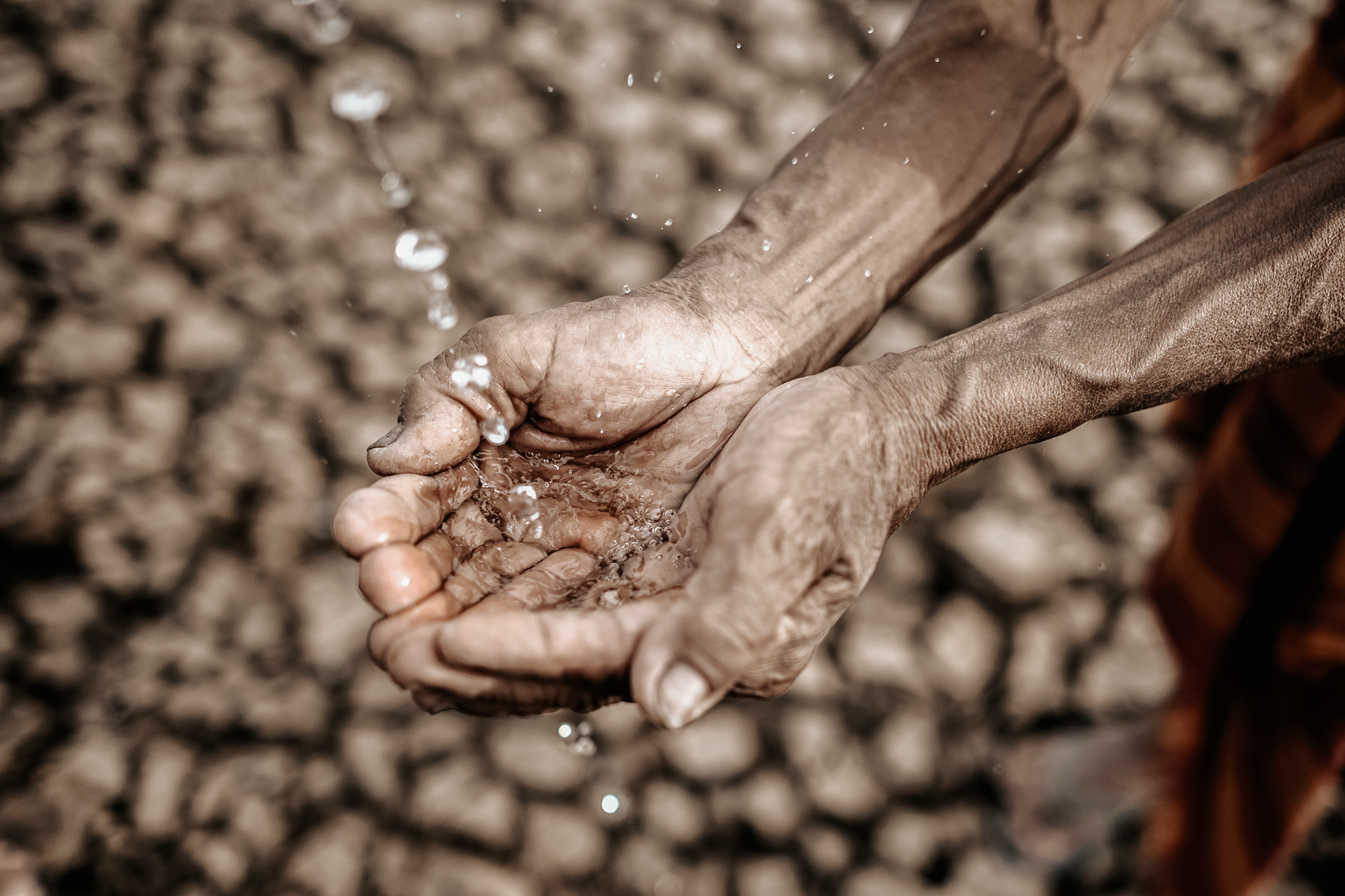
Africa’s Great Vision: Water for All
Africa takes on a greater mission to advance water security and community resiliency through the Africa Water Vision 2063 and Policy, under the leadership of the African Union Commission and the African Ministers’ Council on Water. This blueprint values water as a strategic asset in pursuing continental security and advancing economic power.

From Policy to Practice: Institutionalizing Climate Resilience in Pakistan’s Fiscal Framework
In the corridors of the Ministry of Finance, the conversation around fiscal policy has shifted dramatically. A few years ago, “climate resilience” was often treated as an environmental concern, relegated to line ministries. Today, having managed the USD 1.4 billion Resilience and Sustainability Facility (RSF) over the last two years, I see it differently: climate risk is a macroeconomic risk, and our fiscal sustainability is intrinsically linked to how well we prepare for the climate reality.