Colombia Frees Its Amazon Region from Large-Scale Mining
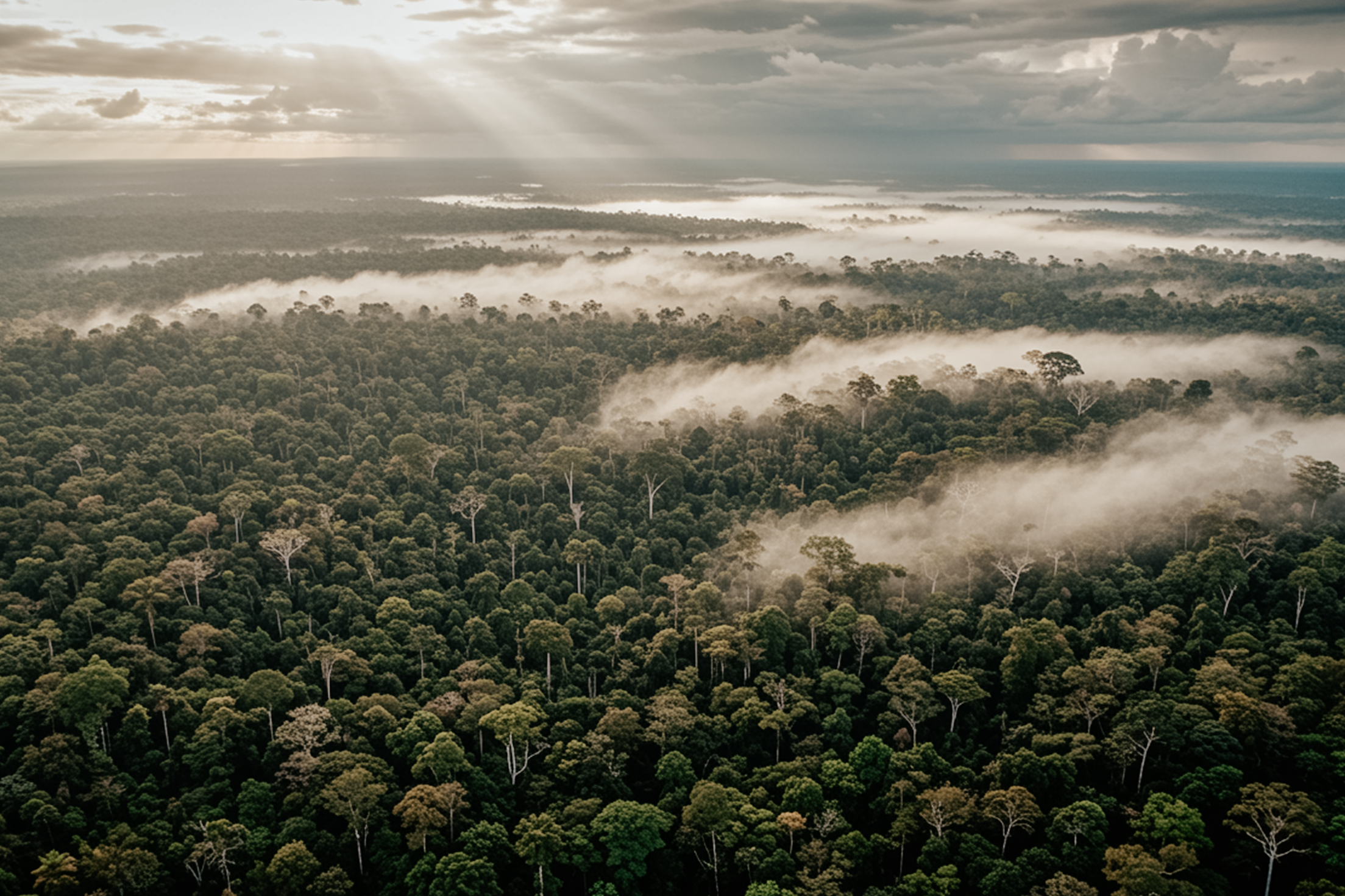
The Republic of Colombia vows to protect its share in the Amazon by declaring its entire biome off-limits to new large-scale mining and hydrocarbon projects, ensuring the conservation of ecological systems and the preservation of engraved ethical identity across the jungle. The declaration was made at a ministerial meeting of the Amazon Cooperation Treaty Organization (ACTO) ministers during COP30 in November 2015.
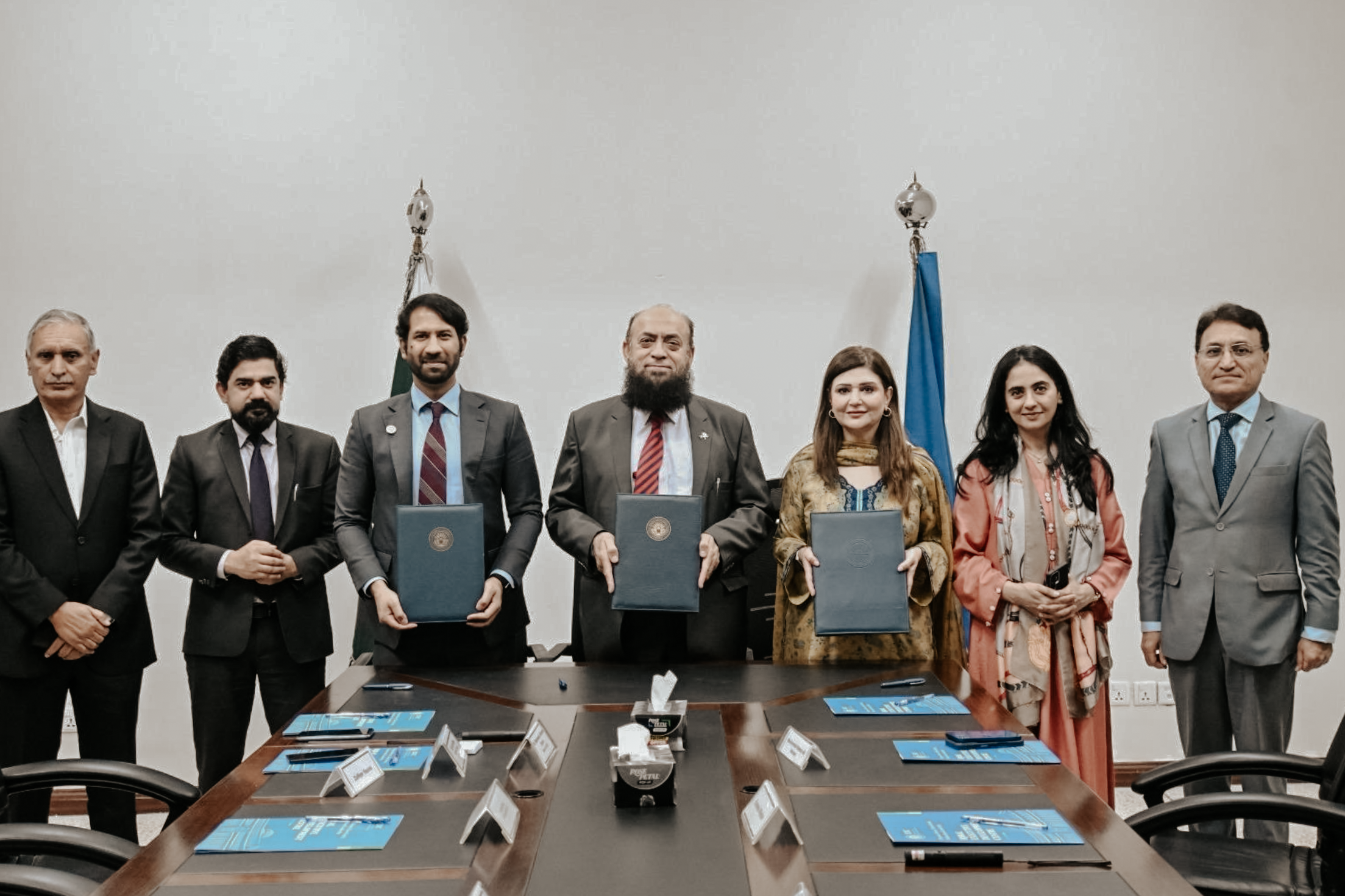
New Partnerships Forged in Pakistan to Accelerate Climate Action
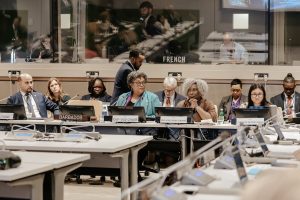
The CVF-V20 Secretariat has forged new partnerships with leading financial, academic, and media institutions in Pakistan in March, marking a significant step toward advancing climate finance, building national capacity, and strengthening implementation of the Pakistan Climate Prosperity Plan (CPP).
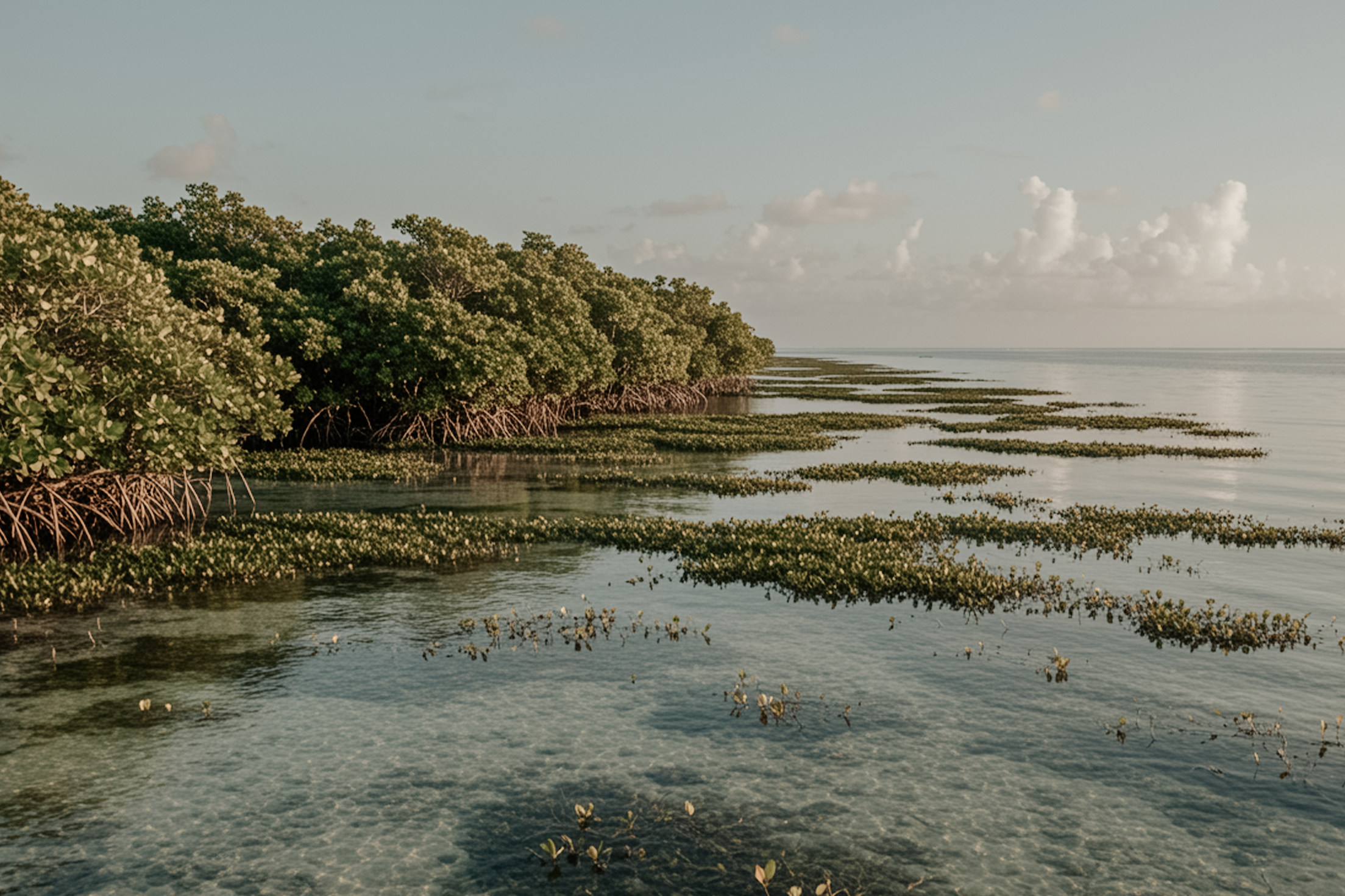
Nature-Based Solutions Drive Honduras’ NDC 3.0
Ten years after its first climate commitments under the Paris Agreement, Honduras is turning to the strength of its coastlines. In its third Nationally Determined Contribution (NDC), the country is prioritizing mangrove and seagrass conservation as a cornerstone of its climate action.
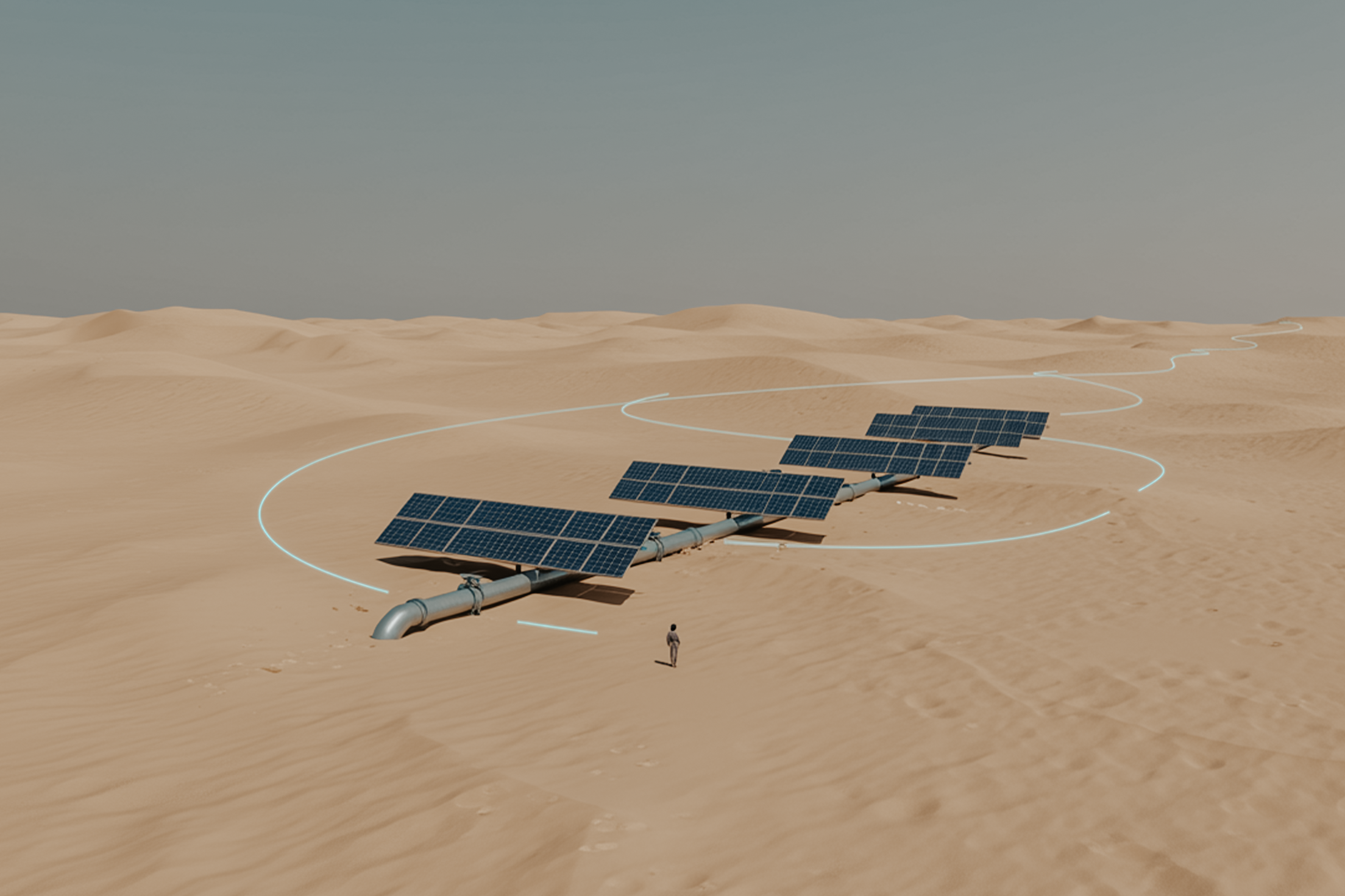
Levant Region Leverages Subnational Governance to Access Climate Finance
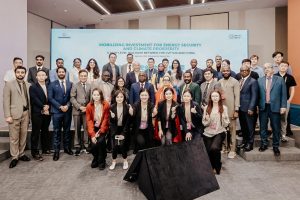
Ten municipalities from Lebanon, Palestine, and Jordan engaged with development banks and bilateral and multilateral donors at the Climate Finance Pathways Forum to mobilize resources for their subnational climate project proposals spanning water security and flood-risk reduction, nature-based solutions, climate-resilient infrastructure, urban cooling, solid waste management, and climate-smart agriculture.
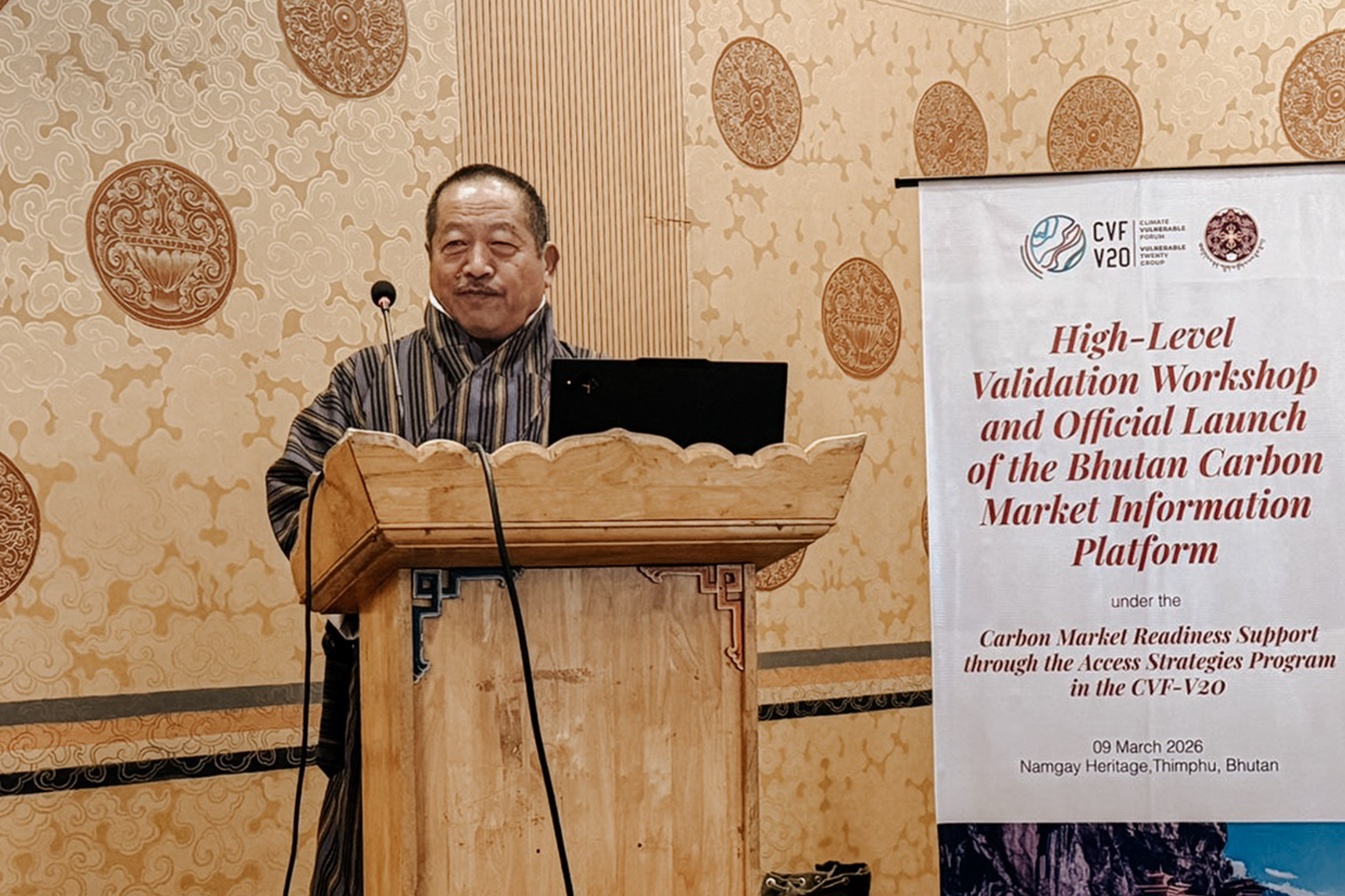
From Policy Ambition to Investment Readiness: Bhutan’s Progress with the V20–VCMI Carbon Finance Program
Through the Carbon Finance Program, Bhutan has accelerated the development of policy frameworks and strengthened the institutional foundations needed to advance the country’s participation in carbon markets, including the launch of a centralized carbon information platform.
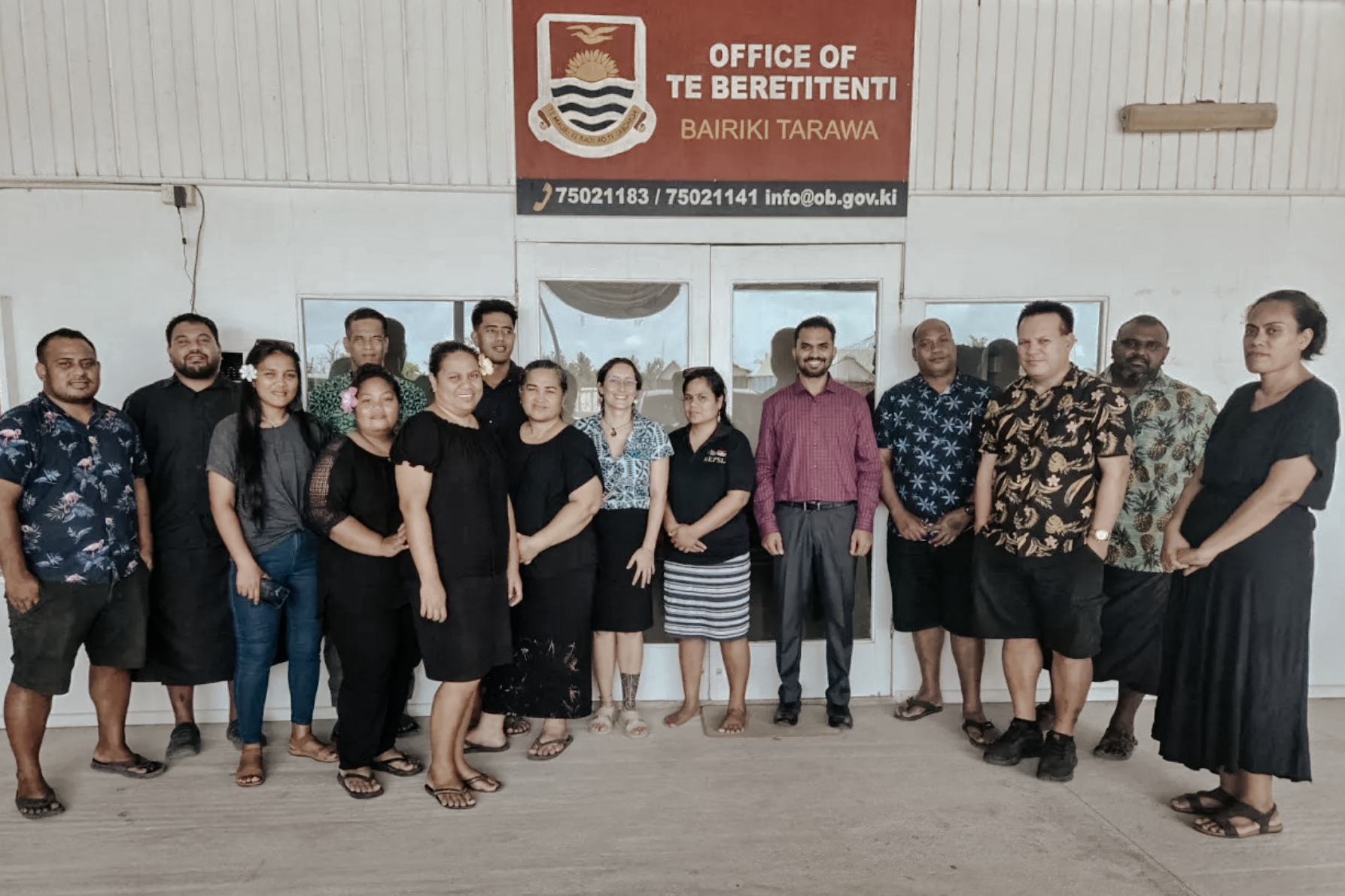
From Ambition to Implementation: Kiribati’s Climate Investment Pathway
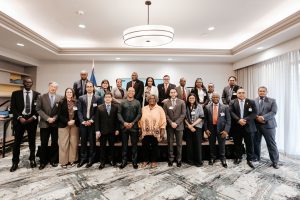
Efforts are now underway to update Kiribati’s Nationally Determined Contribution (NDC) Investment Plan, with the support of the Regional Pacific NDC Hub. First developed in 2021. the investment plan provides a structured roadmap for translating national climate targets into concrete investment opportunities.
Reflections on the “Implementation COP”
By Ms. Isabel Andam, CVF Youth Fellow COP has always been a forum in which countries can come together, in spite of geopolitical conflicts, to
Is the Day of Implementation Coming?
By Mr. Almustafa Mohamed Hussein Abbas, CVF Youth Fellow Sudan is one of the least developed countries in Africa and one of the most vulnerable to
Was COP Really COPing?
By Mr. Jodahi Petros, CVF Youth Fellow The days I spent preparing and packing for COP27 were among the most conflicting I’ve had in quite
Do We Have an Option?
By Mr. Humphrey Mrema, CVF Youth Fellow COP27 was said to be the COP For Implementation. Others called it the COP for Developing Countries. Whatever
COP27: Outcomes and Implications for Ethiopia
By Mr. Eyob Tenkir, CVF Capacity-Building Fellow COP27 – sometimes referred to as the ‘Implementation COP’ – was pivotal for Climate Vulnerable Forum nations such
COP7 Can and Must Deliver for Africa and Other Developing Nations
By Mr. Derek Sarfo-Yiadom, CVF Capacity-Building Fellow Climate change is undoubtedly one of the biggest challenges currently facing Ghana, with the impact of a warming