Community Vow: Chad Rolls Out Nationwide Drive for Environmental Responsibility
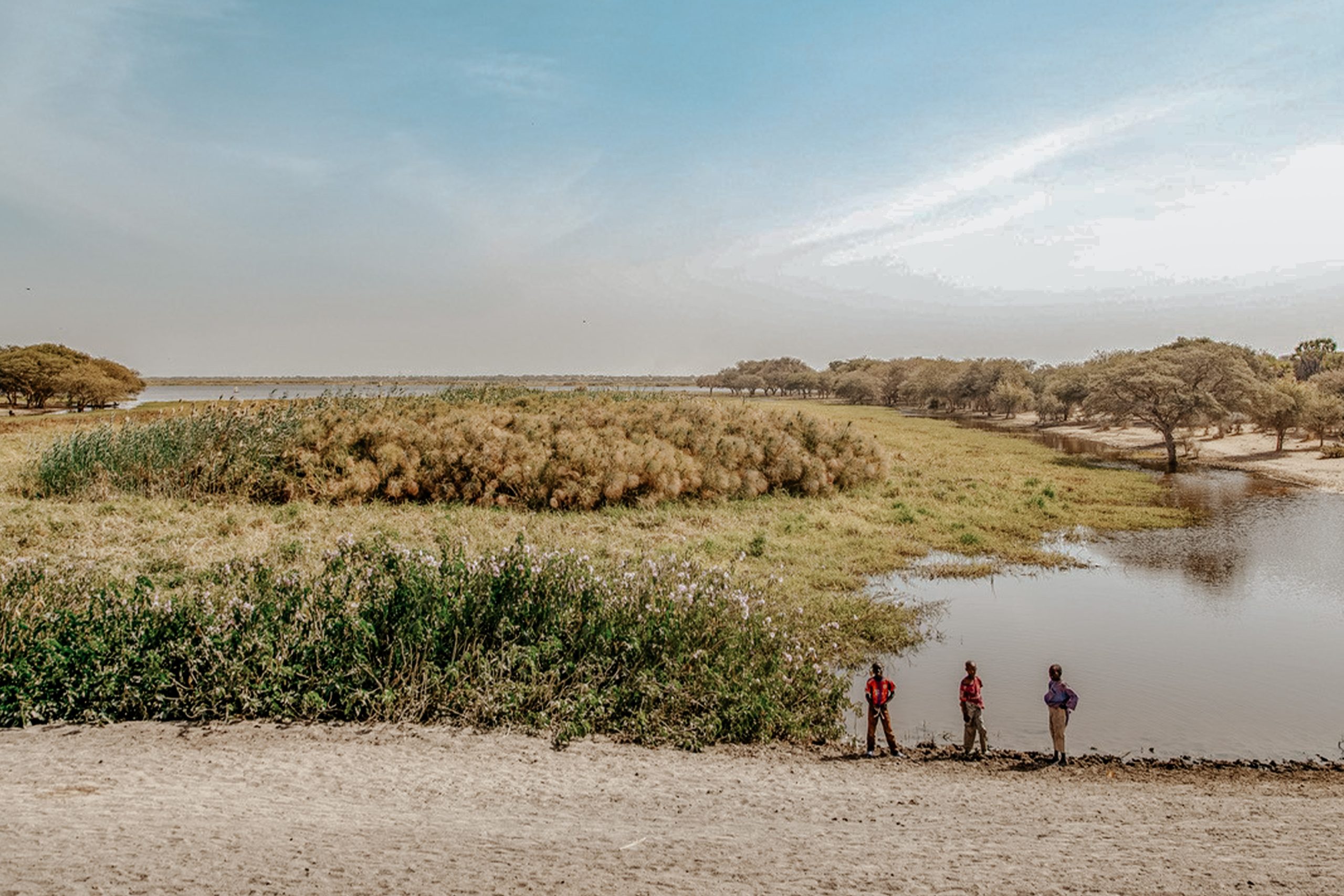
Strengthening environmental stewardship in Chad has reached a pivotal milestone with the launch of a nationwide campaign to implement Law No. 023. This legislative framework, bolstered by international partnerships and localized outreach, represents a shift from abstract policy to community-led conservation.
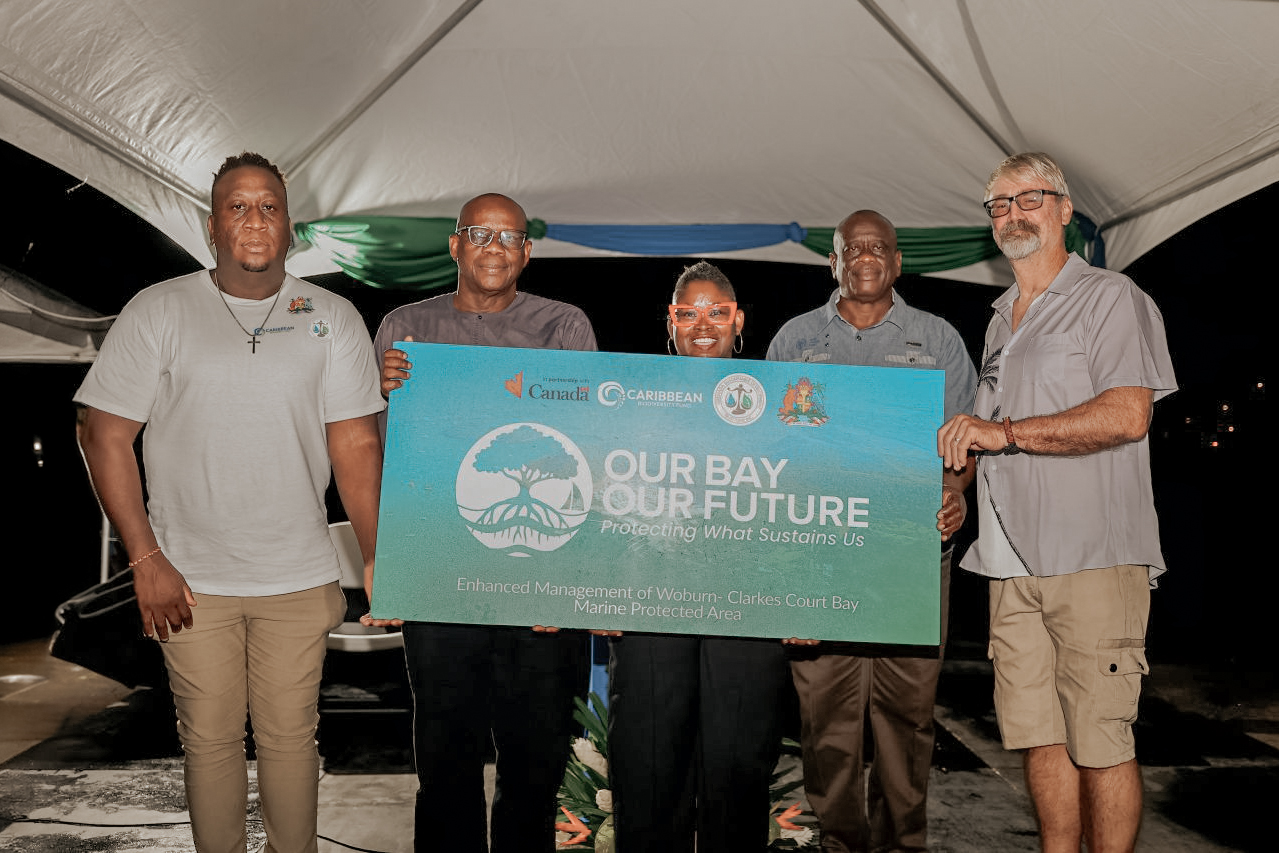
Protect What You Love: Grenada’s Community-Driven Marine Conservation
Our Bay, Our Future takes center stage as Grenada seeks to advance its marine protection initiatives. The project was officially launched last month at the Woburn Bay Jetty by the Caribbean Biodiversity Fund in collaboration with the Grenada Sustainable Development Trust Fund and with the financial support of Global Affairs Canada.
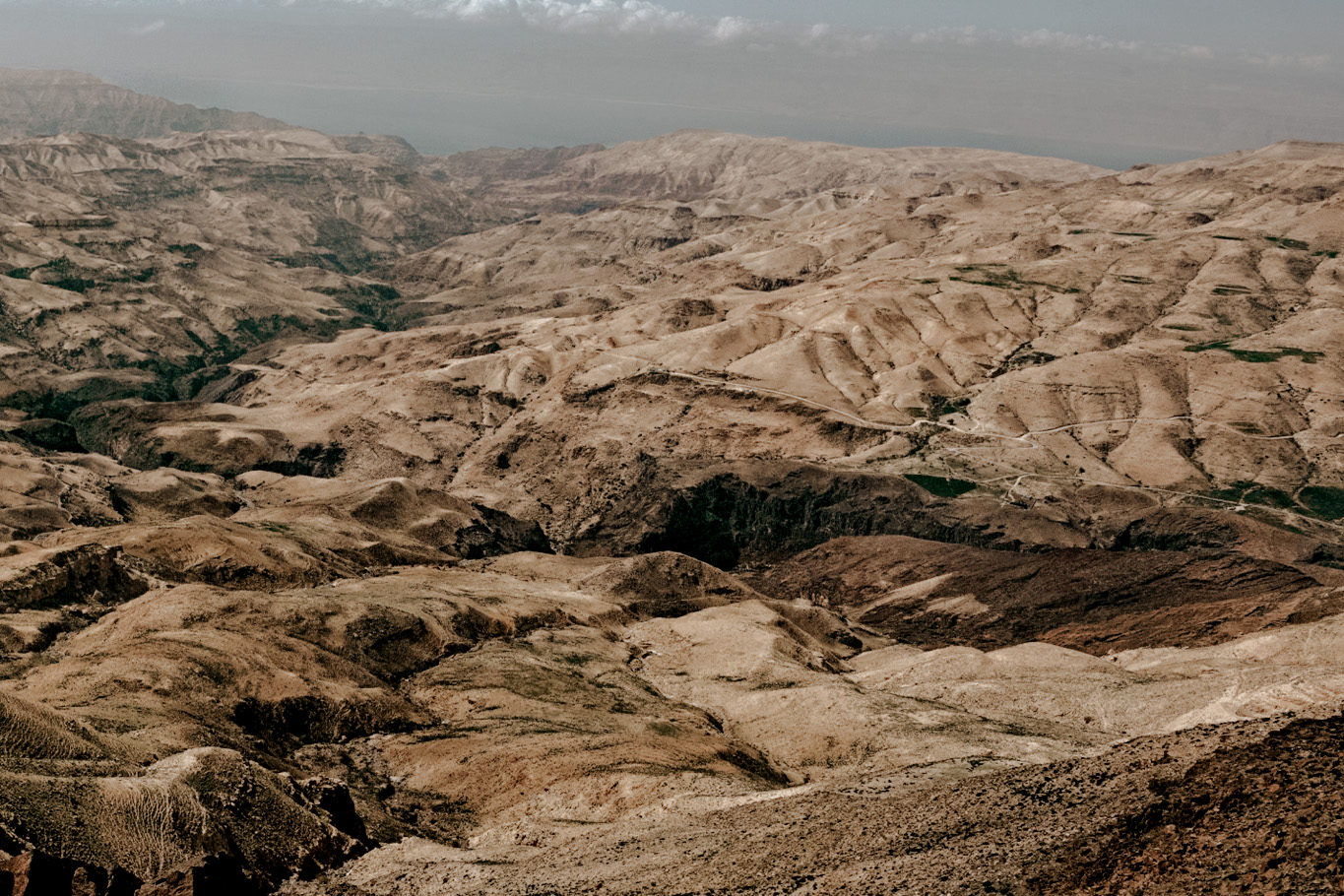
Ecosystems at the Heart of Jordan’s Adaptation Agenda
Jordan’s National Adaptation Plan (NAP) 2025 reflects a strategic shift toward embedding environmental resilience and nature‑based solutions at the heart of national climate adaptation planning.

Embracing Bamboo as a Pathway to Resilience in the Philippines
The Philippines is turning to one of its oldest natural resources to help secure a more resilient future, placing nature at the heart of climate action through a renewed national push for bamboo development. This month, the Climate Change Commission (CCC) launched the campaign “Kawayan: Kabalikat ng Klima at Komunidad,” highlighting bamboo as a powerful nature-based solution that supports environmental protection, community resilience, and sustainable livelihoods.
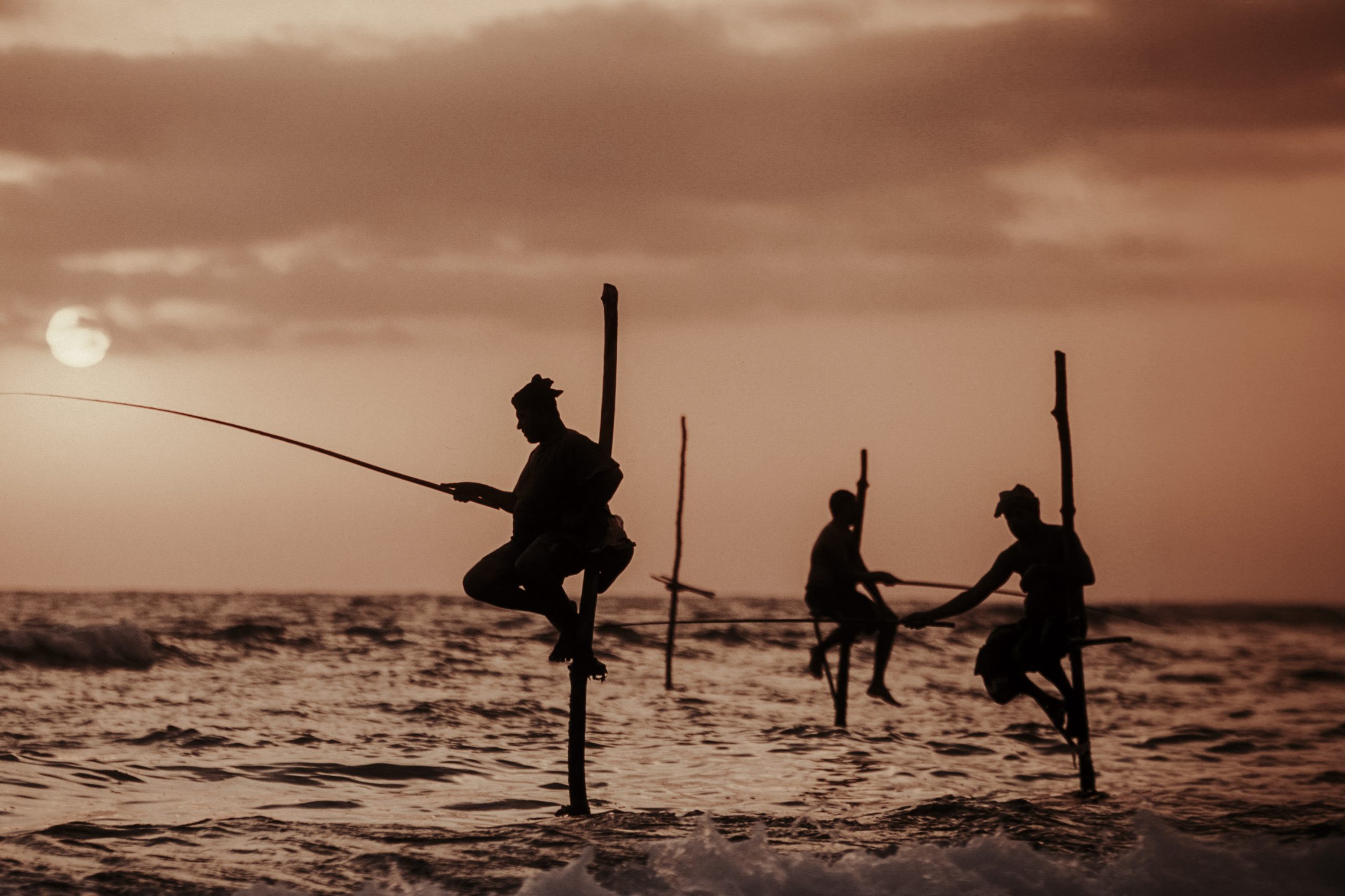
Sri Lanka’s Love Letter to the High Seas
Sri Lanka is taking steps to strengthen national stewardship of marine biodiversity in response to the entry into force of the Biodiversity Beyond National Jurisdiction (BBNJ) Agreement. This landmark international treaty, which entered into force in January 2026, establishes a global framework for conserving and sustainably using marine life in the high seas.
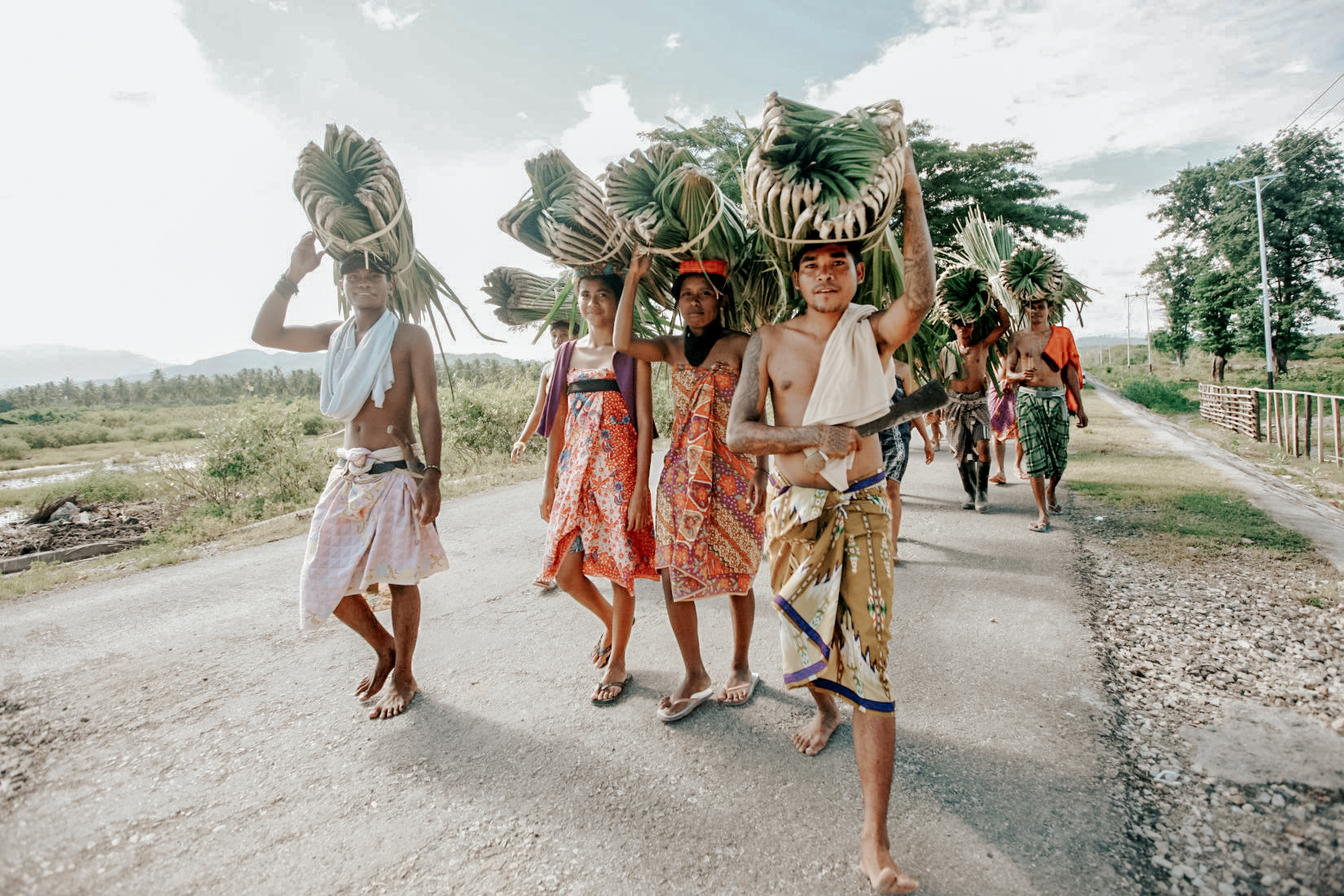
Loving Nature through Restoration, Strengthening Communities in Timor-Leste
In Timor-Leste, a new climate initiative is working to restore ecosystems while strengthening rural resilience. The project, led by the United Nations Environment Programme (UNEP) with national partners, aims to help communities adapt to climate change by rebuilding the natural systems they depend on.
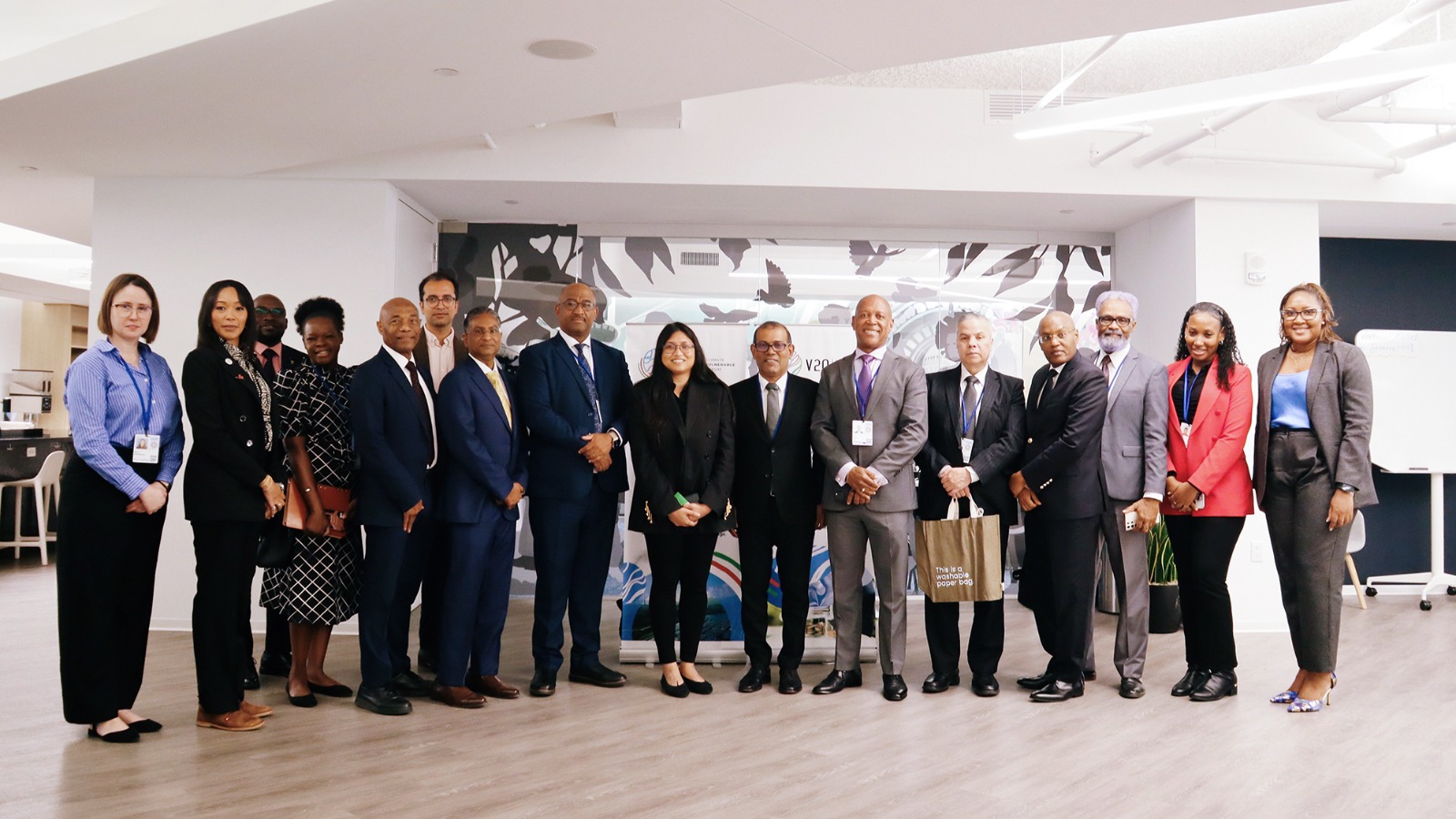
V20 Central Banks lay groundwork for new climate liquidity facility
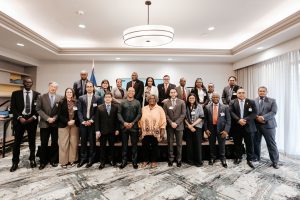
Washington, D.C. | April 23, 2025—Central Bank Governors from the V20 Finance Ministers of the Climate Vulnerable Forum are making significant strides in establishing “Lifeline,”
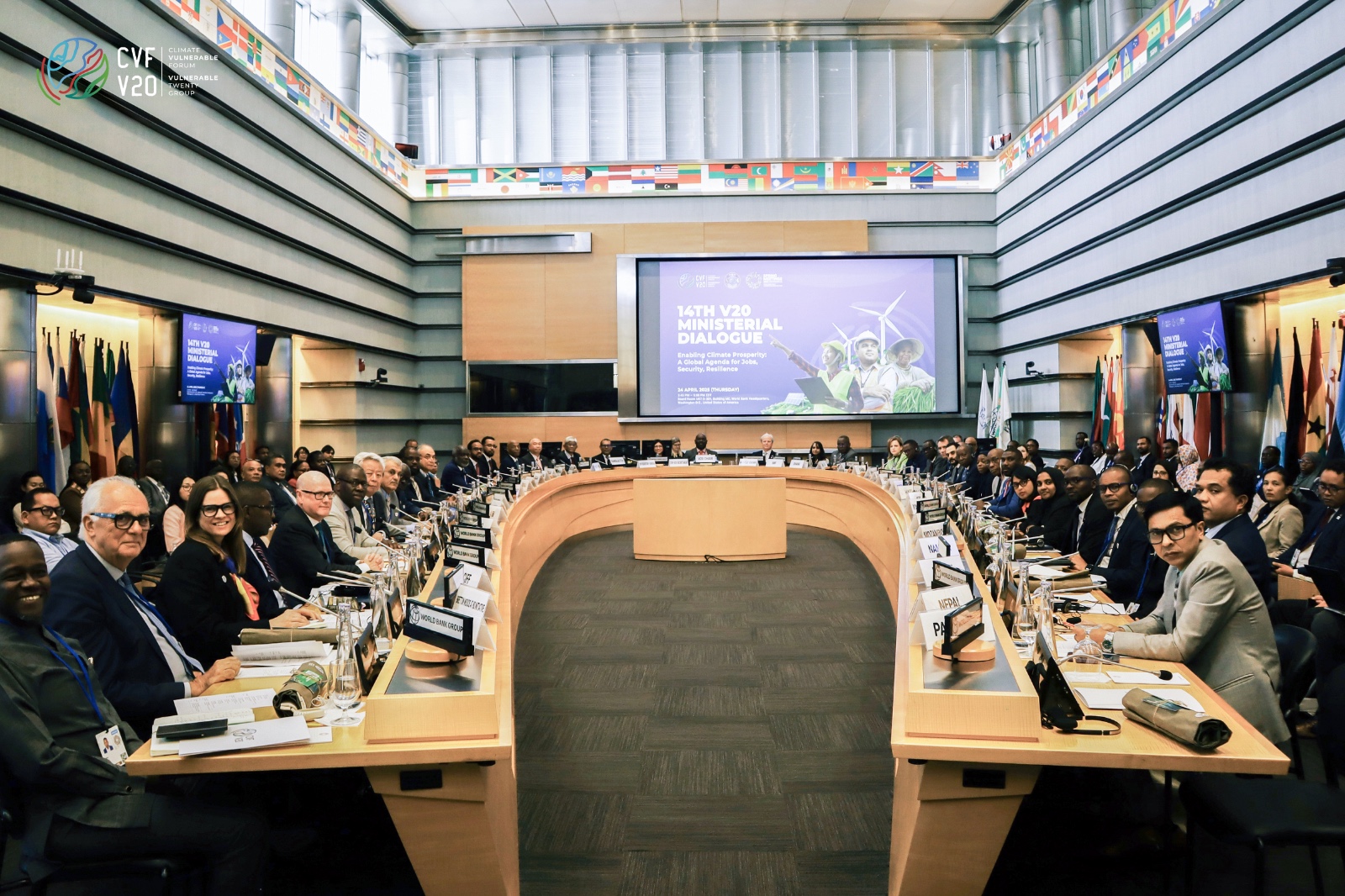
V20 Finance Ministers Call for Fair Representation and Urgent Financial Reforms for Jobs, Security, Resilience
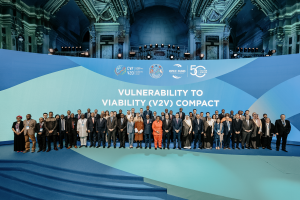
Washington D.C., 24 April 2025 —Vulnerable Twenty (V20) Finance Ministers of the Climate Vulnerable Forum (CVF), representing 74 vulnerable countries, convened today for the 14th
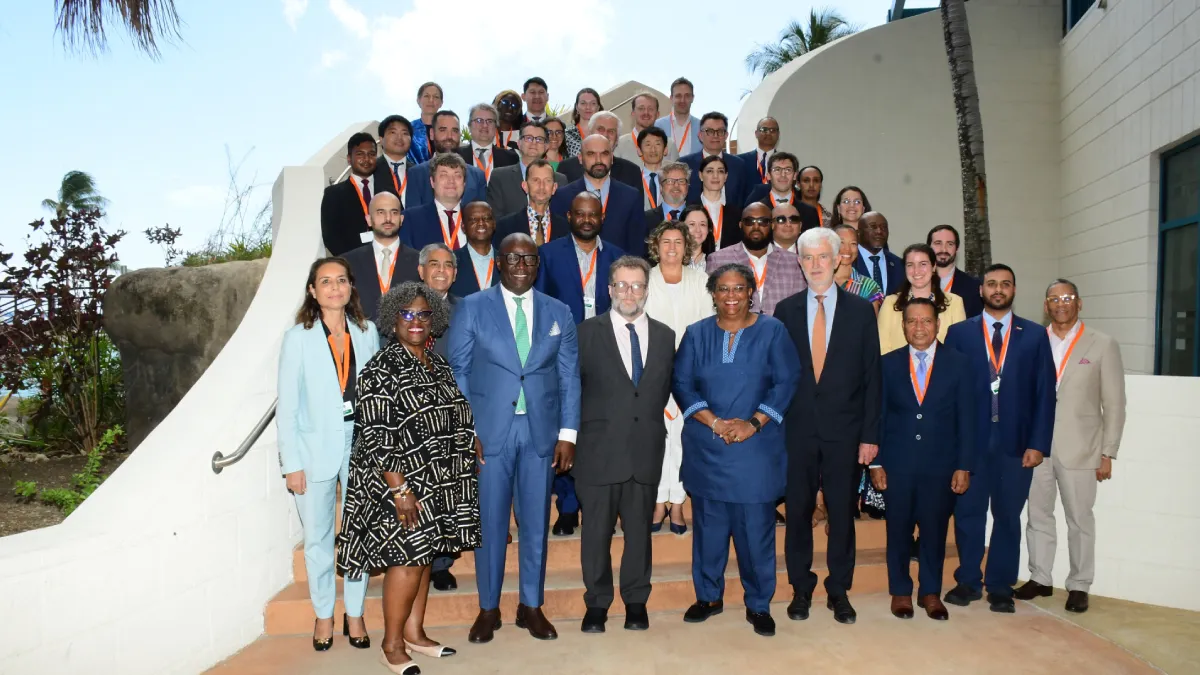
$250 Million Approved for Initial Phase of Loss and Damage Fund
Credit: Barbados Government Information Service “Small funds can’t help you — and regrettably, that is where we find ourselves still today, in a world in
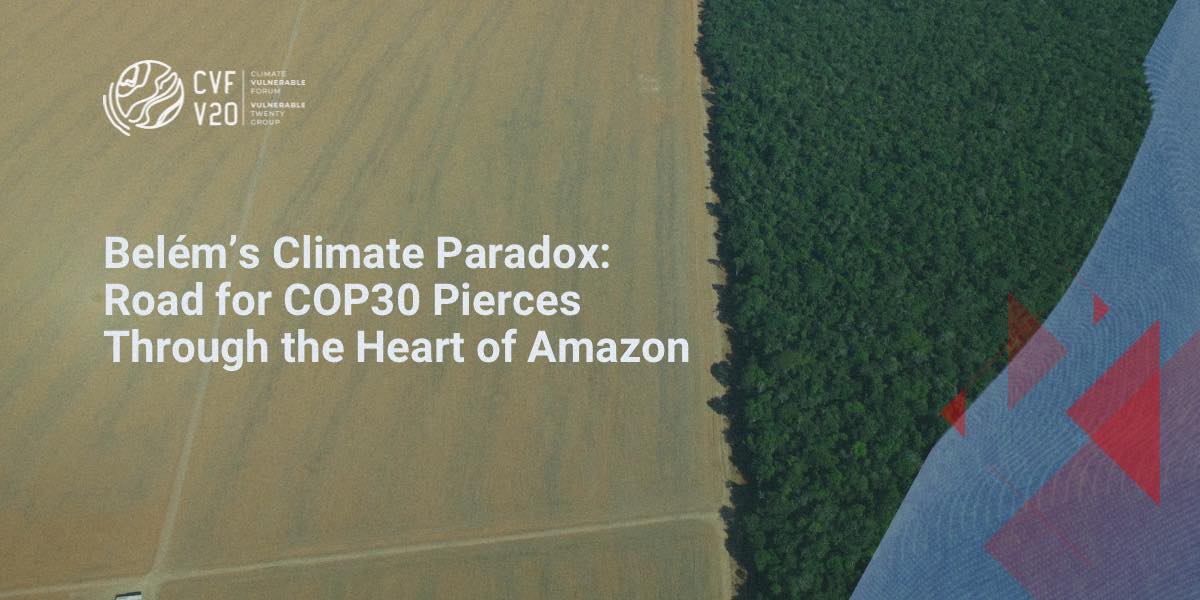
Belém’s Climate Paradox: Road for COP30 Pierces Through the Heart of Amazon
Source: https://media.un.org/photo/en/asset/oun7/oun7565955 The 1992 Earth Summit in Rio de Janeiro, Brazil gave birth to the Rio Conventions, which refer to the three landmark international agreements,

The Journey to COP28: A Road to Disappointment and Hope
The Journey to COP28: A Road to Disappointment and Hope By Jodahi Bezabih Petros, CVF Youth Fellow from Ethiopia Coming into COP28, I carried the
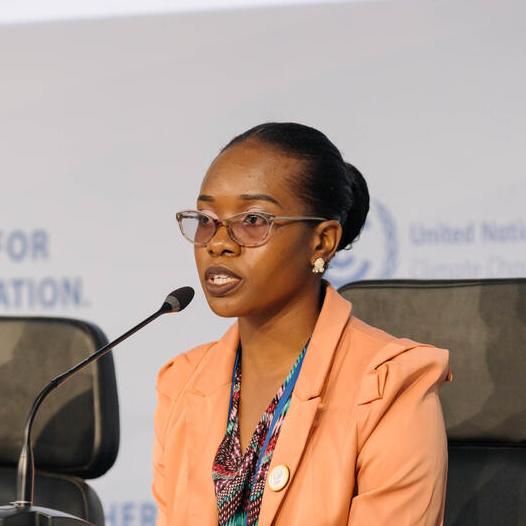
The Loss and Damage Fund: A glimmer of hope or an avenue for more questions?
The Loss and Damage Fund: A glimmer of hope or an avenue for more questions? By Barbra Kangwana, CVF Youth Fellow from Kenya COP28 was