Mountain Nations Demand Finance and a Permanent Place in Climate Talks at COP31
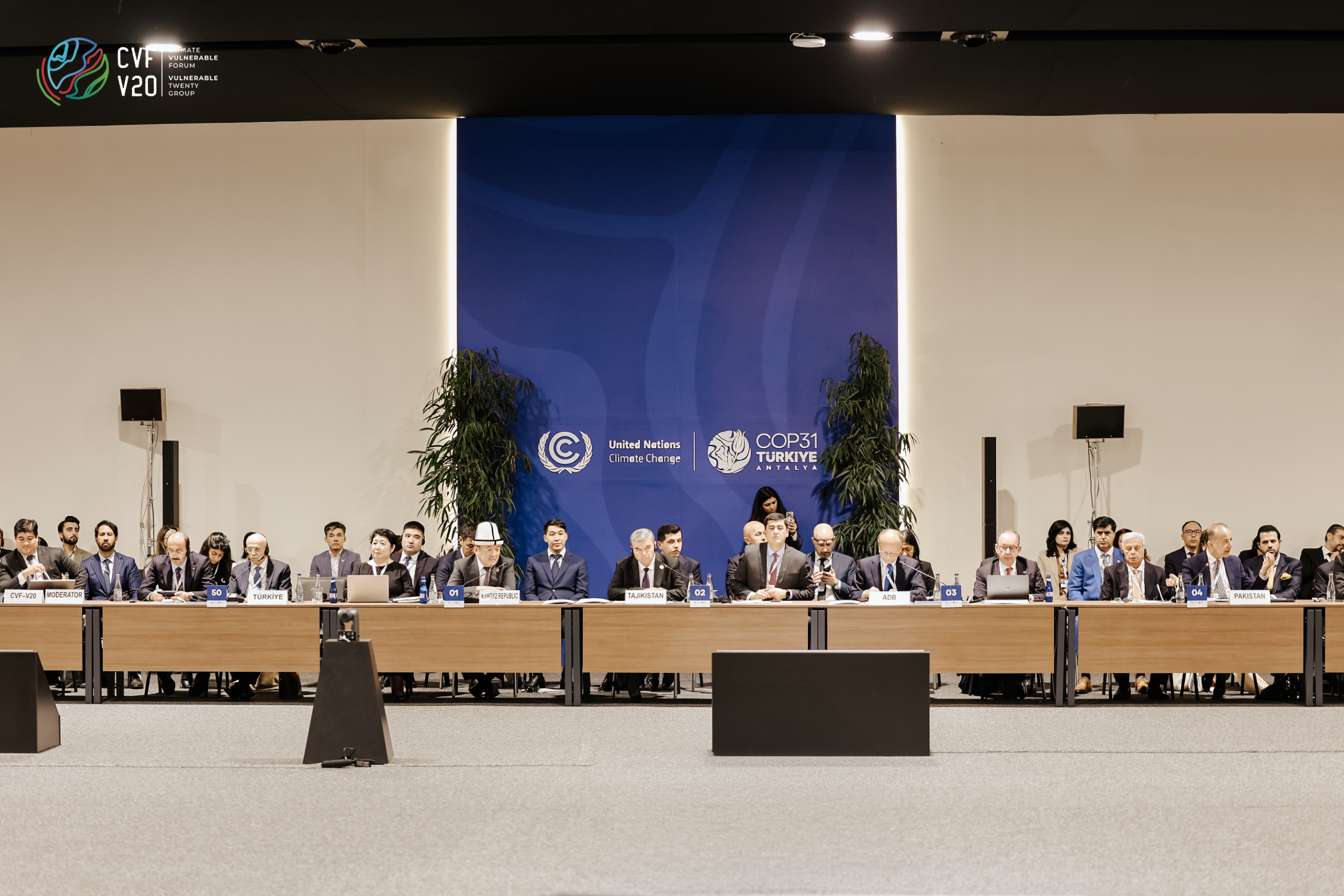
Mountain nations on the frontline of the climate crisis warned today that glacier disasters are outpacing the world’s response. They called for finance that reaches mountain communities, early warning for every mountain valley, and a permanent place for mountains in the United Nations climate negotiations.
#COP31: Electrotech Advances Climate Prosperity, Rewrites Energy Economics Across Supply, Connection, and Demand
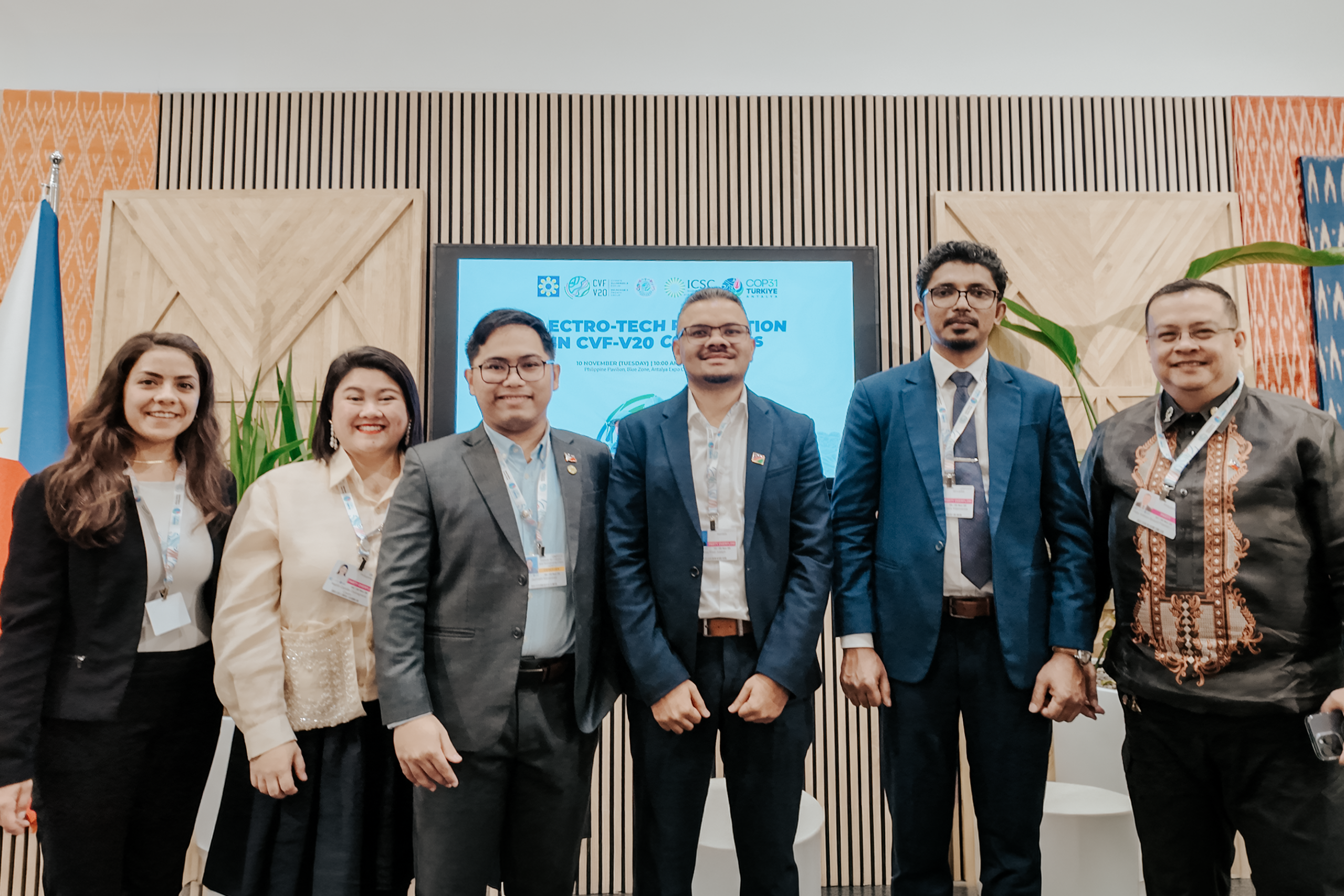
With electrification advancing simultaneously across CVF-V20 economies, shifting to clean electric technologies can save climate-vulnerable nations US$155 billion on fossil fuel imports while bringing power to more than 700 million people who still lack access to electricity. This was central to the technical briefing session on electrotech at the Philippine Pavilion during the Energy and Transport Day of the 31st Conference of the Parties to the United Nations Framework Convention on Climate Change (COP31) in Antalya.
From Belém to Bangkok: How Countries and Partners Are Rethinking Support for Country-Led Implementation
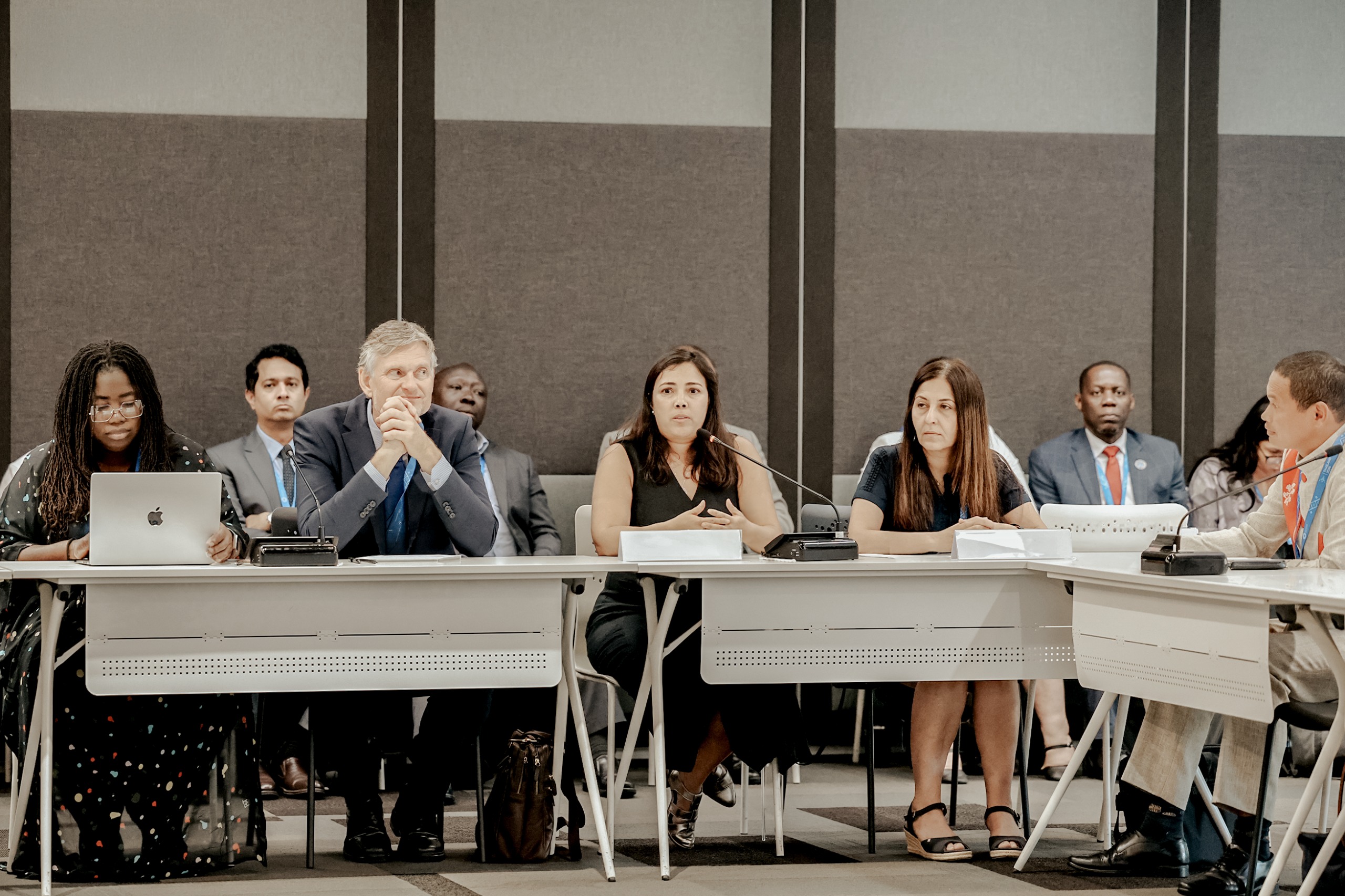
Discussions at the World Bank and IMF Annual Meetings highlighted the need to build on existing plans, strengthen national institutions, rethink how international support is organized, and move beyond measuring plans and financing commitments towards tangible development outcomes.
These are the central discussions to the implementation dialogue co-hosted by CVF-V20 Secretariat and 2050 Pathways Platform, building on an initial roundtable at the 30th Conference of the Parties to the UN Framework Convention on Climate Change (COP30) in Belém, where countries and partners emphasised three principles: international support should work through the national system of recipient countries, including those of CVF-V20 countries, development partners must act with greater coherence, and national institutions must sit at the core of delivery.
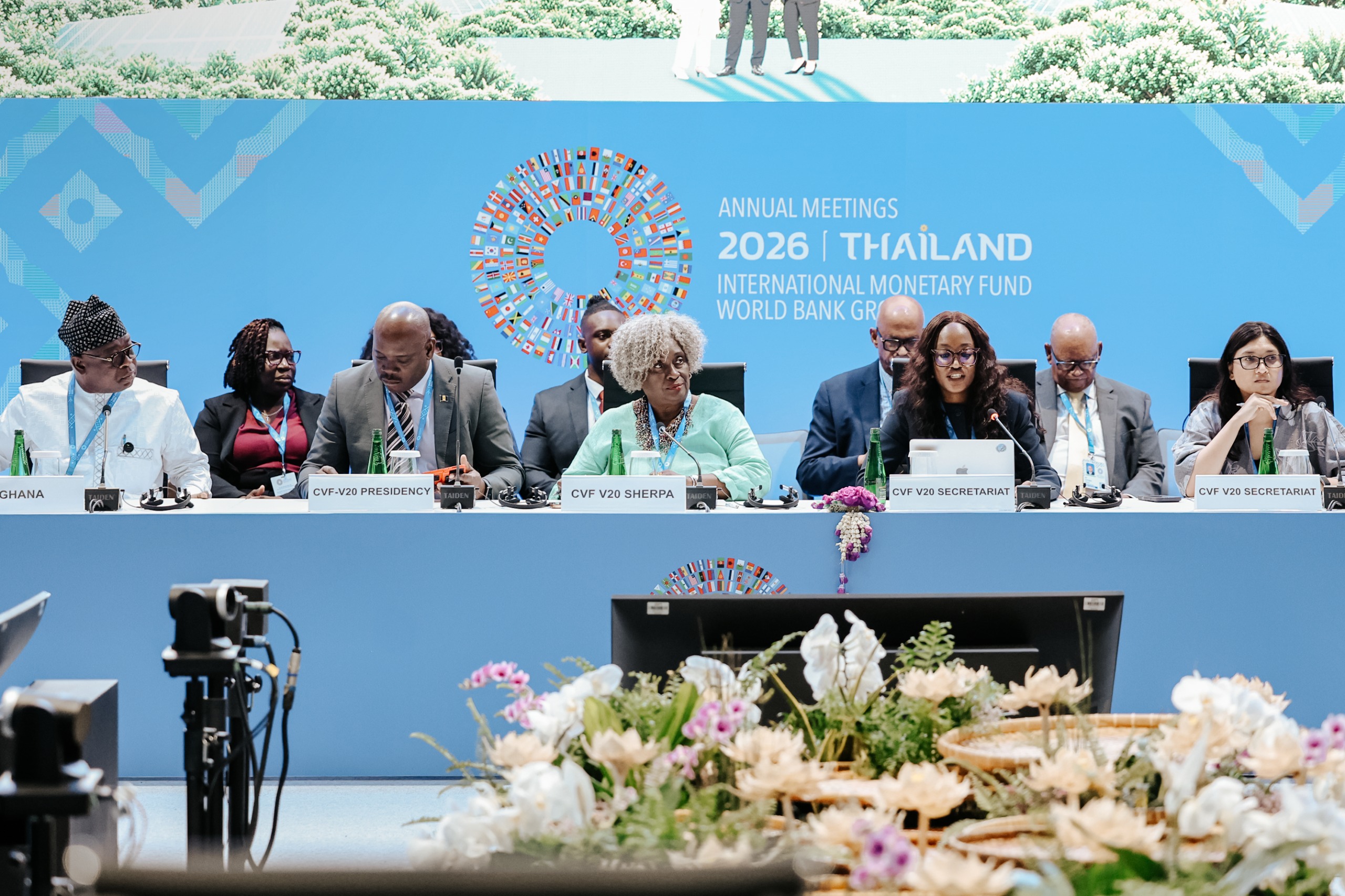
CVF-V20 Parliaments Step Up on Climate Finance and Accountability
On October 15, the CVF-V20 Global Parliamentary Group met on the margins of the International Monetary Fund (IMF) and World Bank Annual Meetings to work out what parliaments would need to deliver on the CVF-V20’s priorities.On October 15, the CVF-V20 Global Parliamentary Group met on the margins of the International Monetary Fund (IMF) and World Bank Annual Meetings to work out what parliaments would need to deliver on the CVF-V20’s priorities.
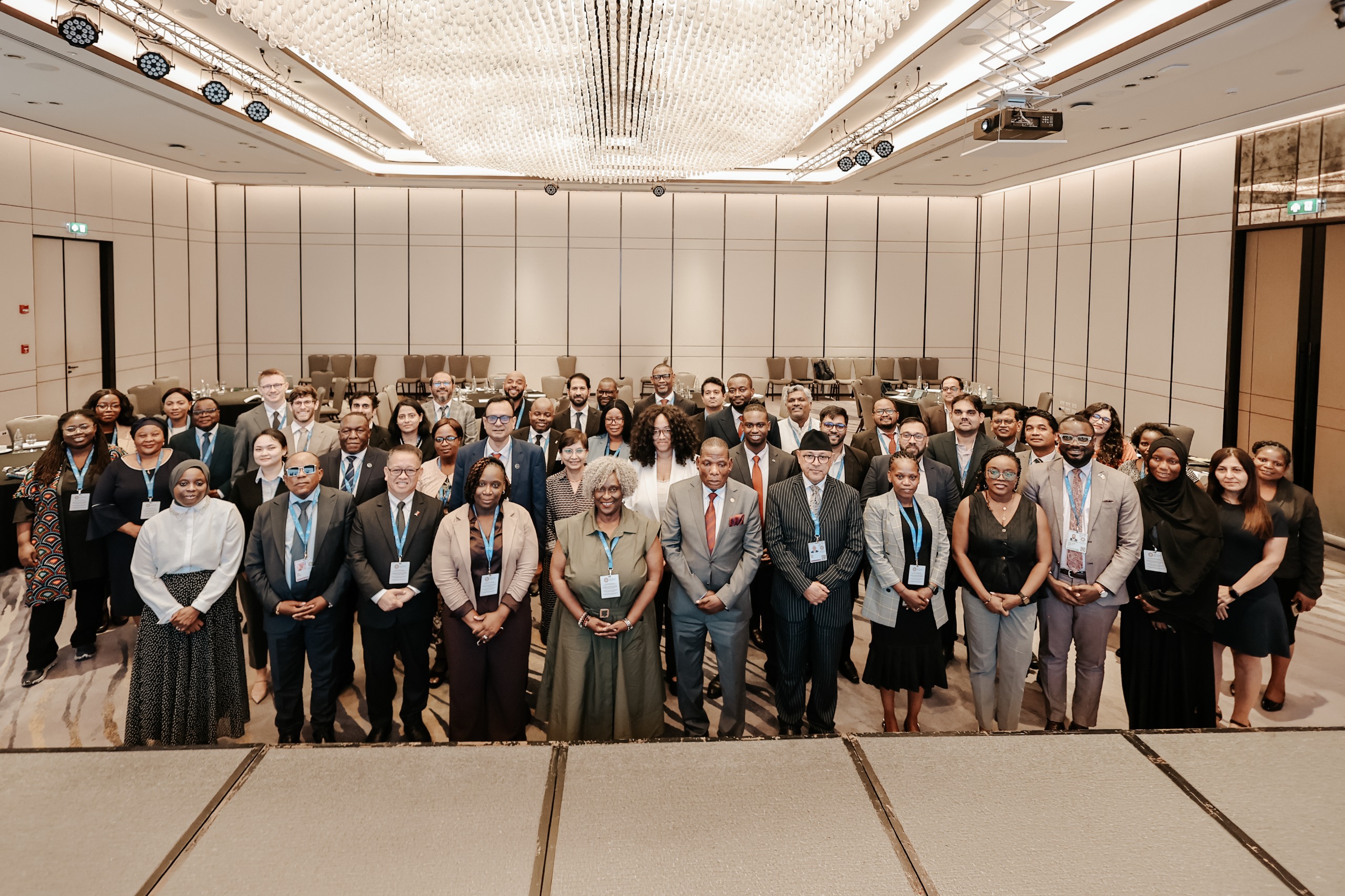
New Handbook Released Ahead of COP31 to Help Climate-Vulnerable Countries Raise Carbon Financing
A new decision-making policy tool, Article 6 Senior Officials’ Handbook, backed by 77 climate-vulnerable countries, will support policymakers accessing international carbon markets under Article 6 of the Paris Agreement. The handbook was jointly released by the Climate Vulnerable Forum and V20 Finance Ministers (CVF-V20) and the Voluntary Carbon Markets Integrity initiative (VCMI), as part of its Carbon Finance Program, designed to help climate-vulnerable countries unlock new forms of capital through carbon market access.
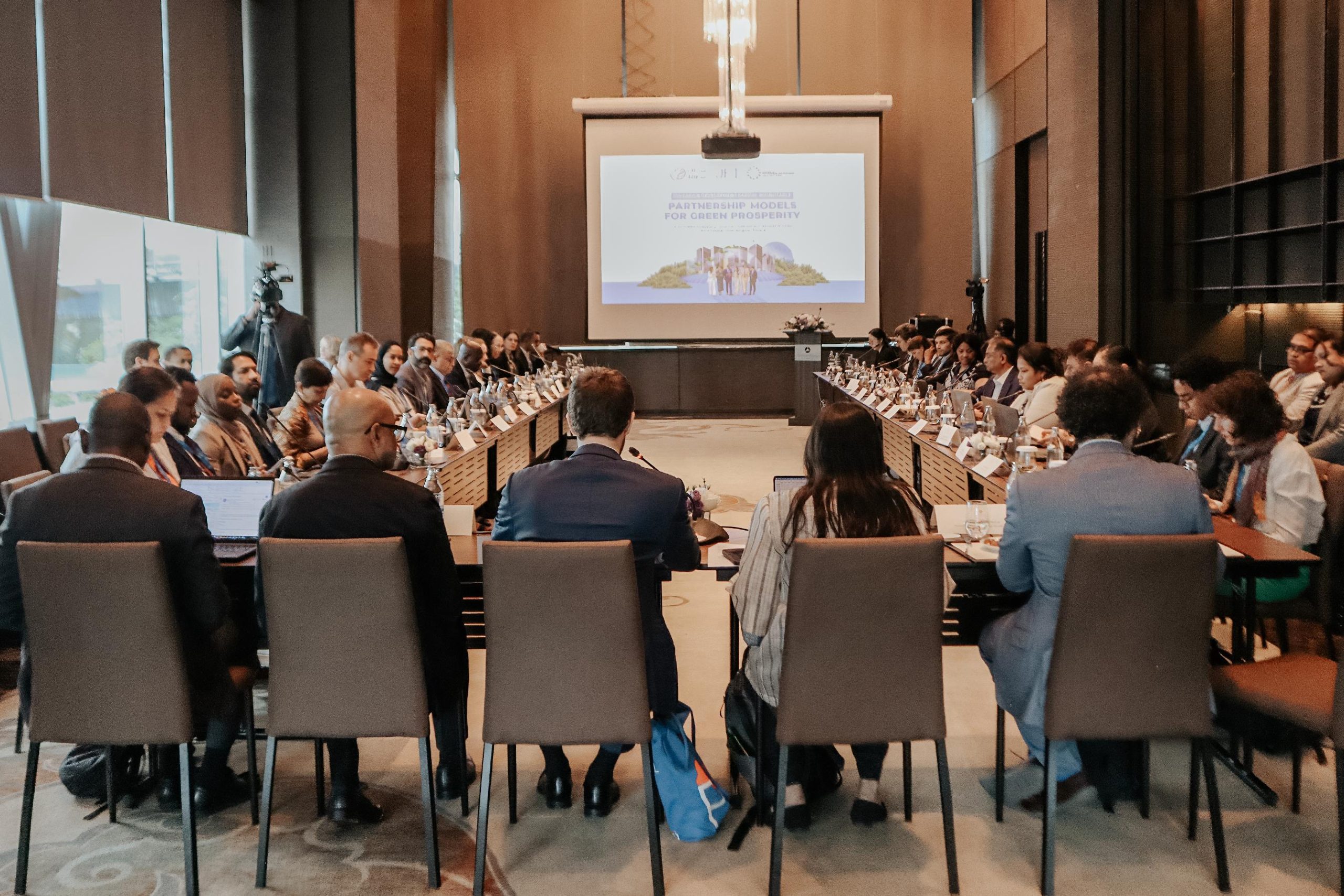
Putting US$3 Trillion to Work: Sovereign Funds and the Search for Green Prosperity
Some US$3 trillion of sovereign capital is now managed under a development mandate. As aid budgets shrink and cross-border sovereign investment concentrates in fewer markets, developing countries are multiplying the arrangements through which they put this capital to work.
How can this capital drive green industrial development? The question shaped Sovereign Development Capital: Partnership Models for Green Prosperity, a roundtable convened by the Climate Vulnerable Forum and V20 Finance Ministers (CVF-V20) and JFI Social Wealth on October 13, alongside the IMF and World Bank Annual Meetings in Bangkok. Held with the Forum of Brazilian Sovereign Wealth Funds and supported by the Open Society Foundations, it brought together more than 50 participants from 36 organizations, including officials from nine countries, development banks, investors, insurers, labor, philanthropy, and research institutes.
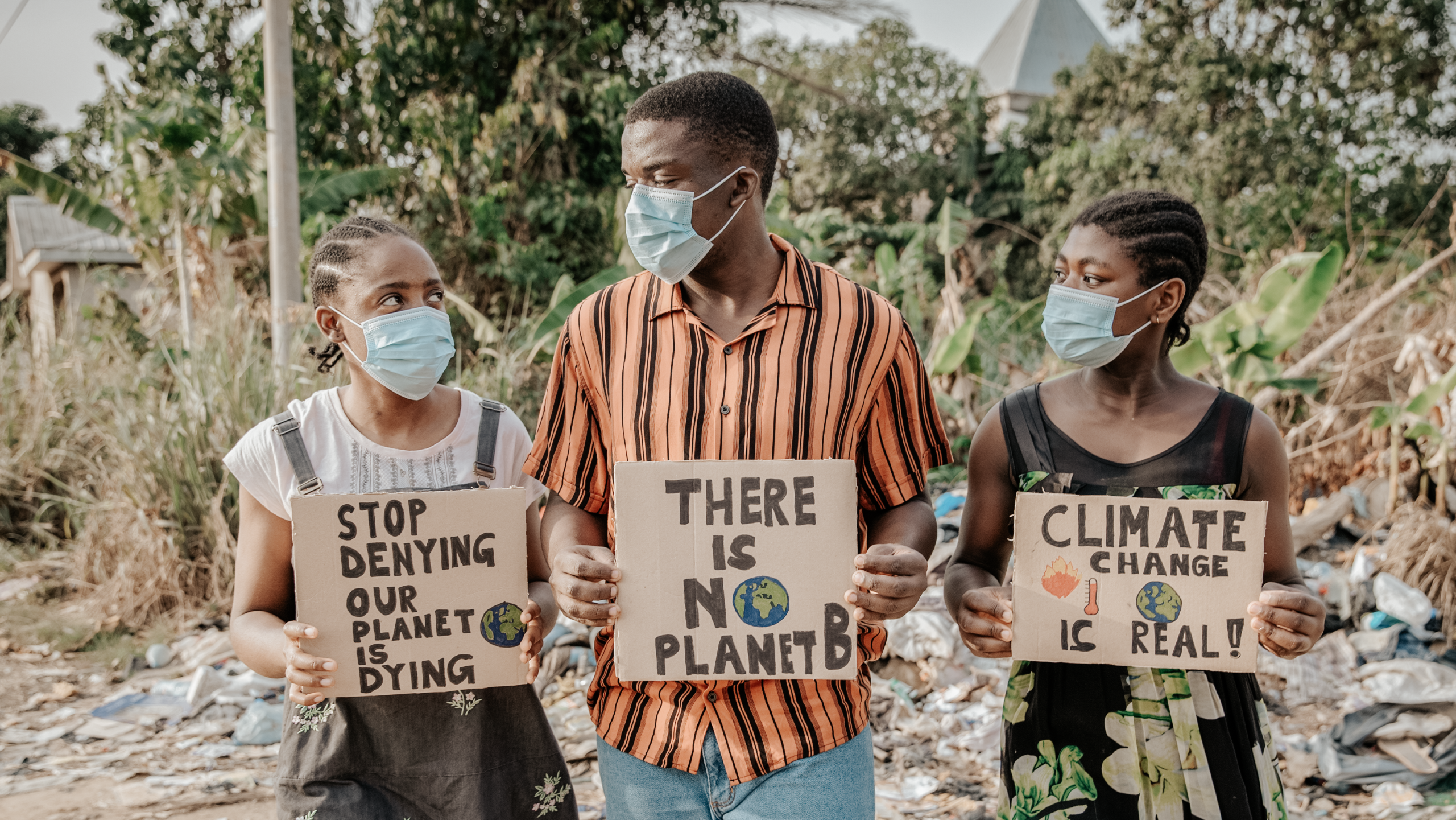
Africa’s Youth Don’t Need a Seat at the Table; They’re Building a New One
Africa’s youth don’t need saving. They need space, trust, and investment that matches their pace. They’re already powering homes, restoring forests, building apps, and running circular businesses that keep waste out of the environment. Every solar panel, reforested hill, and electric motor is a quiet rejection of the idea that Africa must wait to be helped.
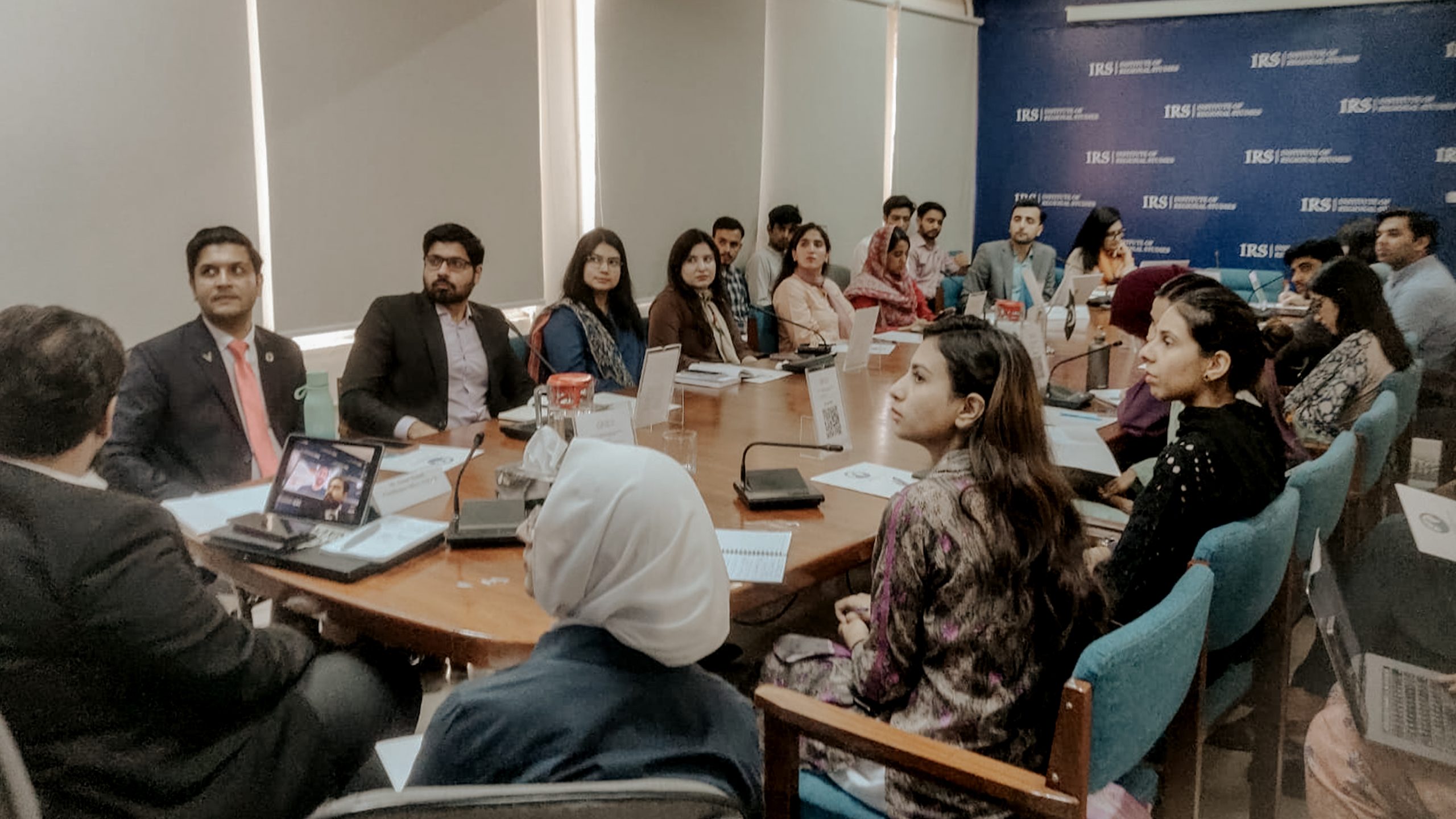
Youth Climate Leadership in Action: Building Pakistan’s Voice for COP30
The CVF-V20 Secretariat convened a Youth Roundtable on Climate Non-Negotiables in Islamabad, Pakistan, on September 17, bringing together youth leaders, climate advocates, and representatives from the Ministry of Climate Change and Environmental Coordination, academia, and civil society. The dialogue, organized in collaboration with the Institute of Regional Studies (IRS), served as a national platform for youth to reflect on Pakistan’s recent climate catastrophes and define priorities for the upcoming COP-30 in Belém, Brazil.
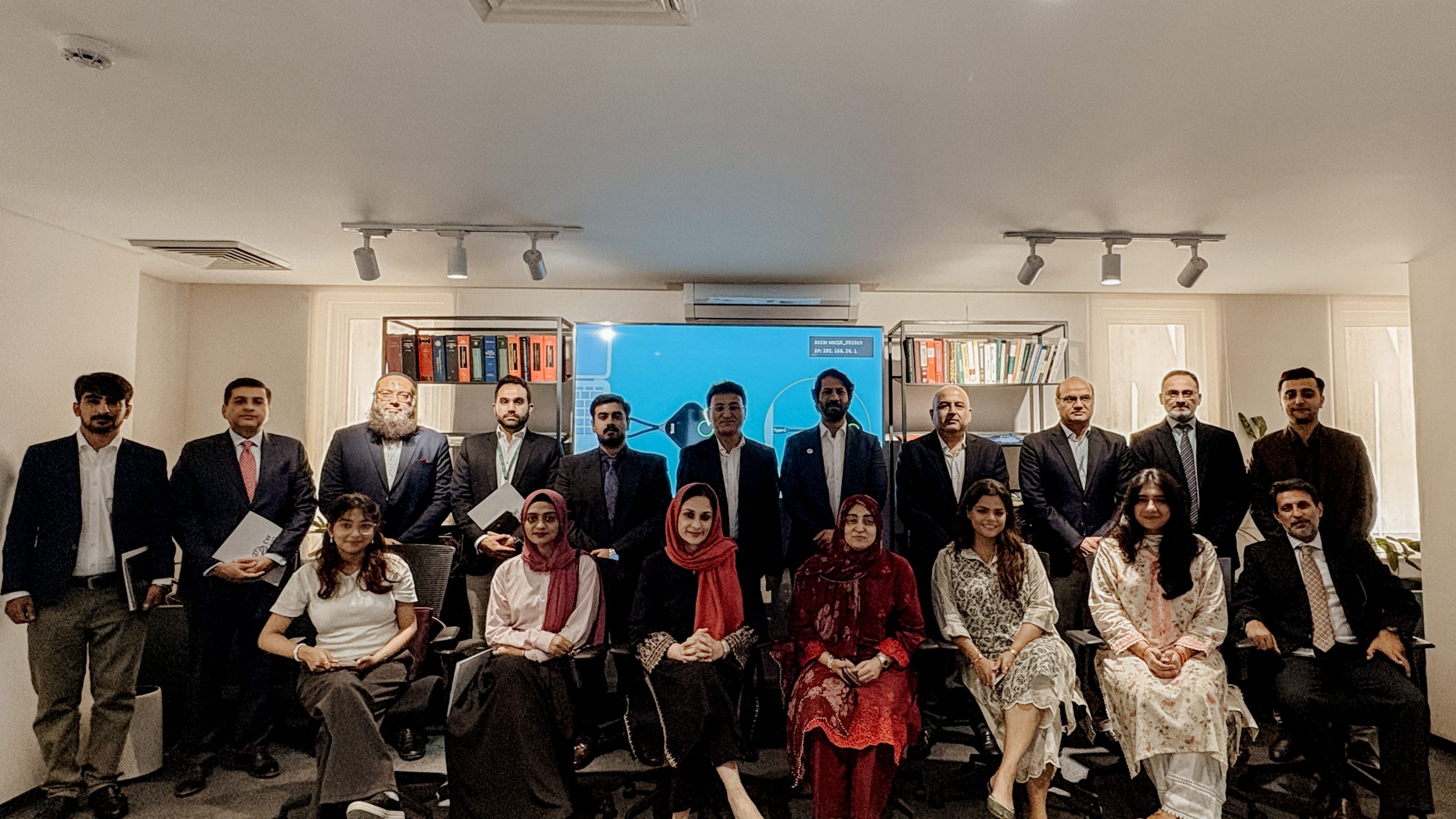
Sindh Consultations Engage Private Sector and Financial Institutions for Climate Prosperity
As part of the ongoing in-country consultations for the Pakistan Climate Prosperity Plan (CPP), the CVF-V20 visited the city of Karachi in Sindh on September 3 to 4 to engage with the province’s public–private ecosystem on climate investment and innovation.
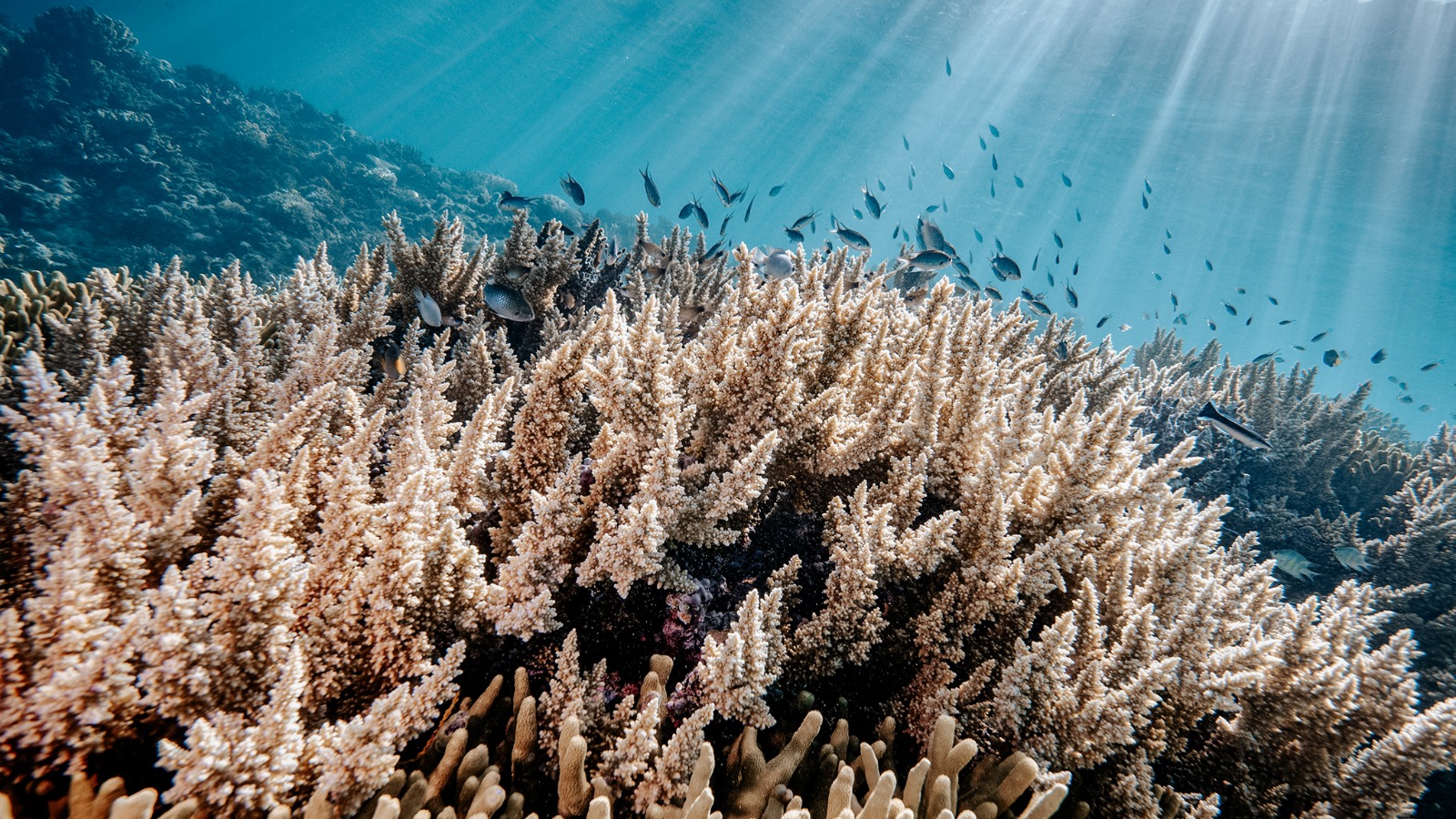
Ancient Corals Confirm: Maldives Sea Level Rise Began Decades Earlier
A significant study recently published in the journal Nature Communications has provided a critical, long-term history of sea-level change, directly impacting the climate outlook for the low-lying Maldives and Lakshadweep archipelagos.
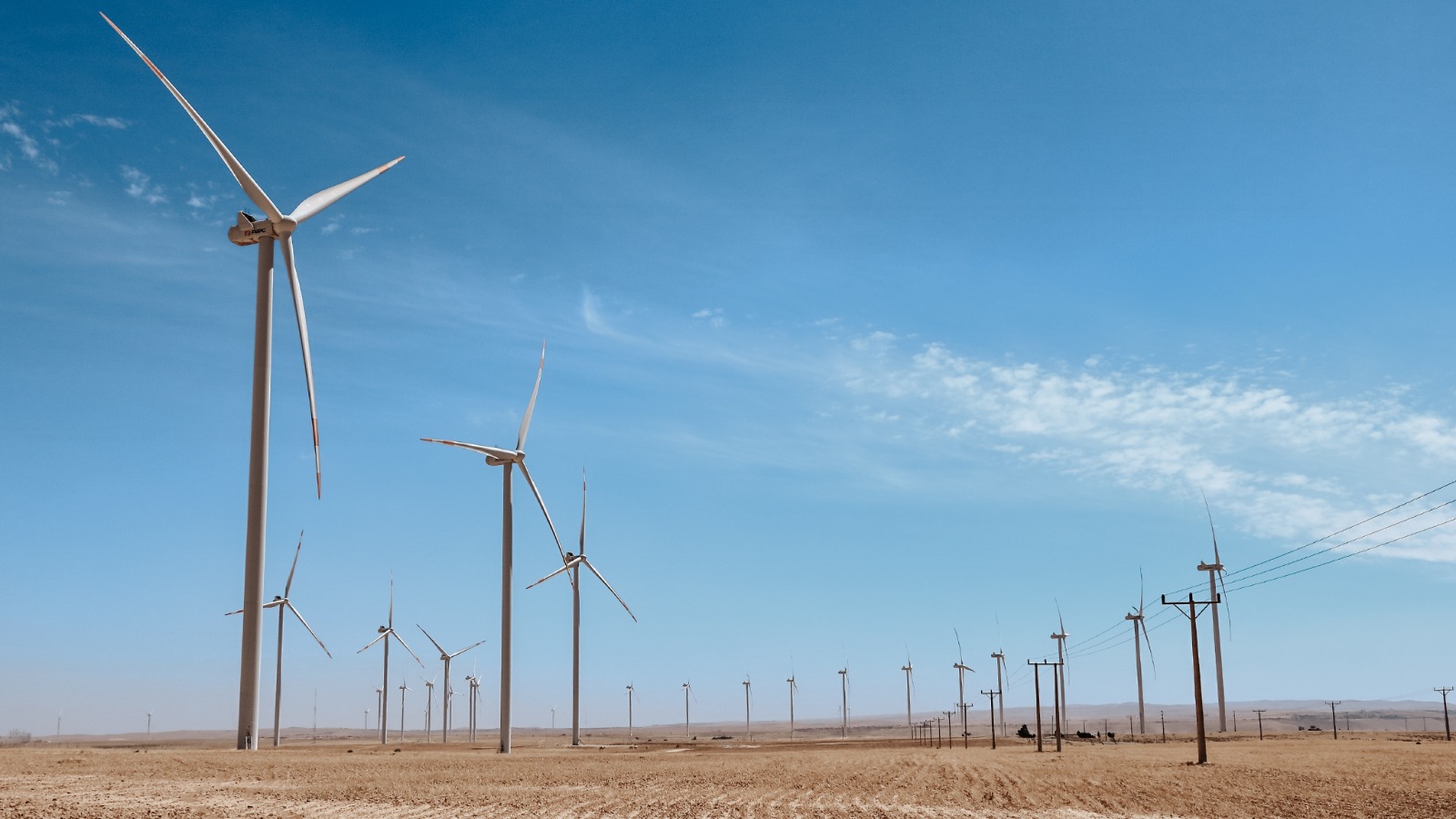
Jordan Unveils Long-Term Climate-Resilient National Health Roadmap
The Hashemite Kingdom of Jordan launched its ten-year National Climate Change Health Adaptation Strategy and Action Plan (HNAP), joining the roster of first countries to climate-proof its health systems. The comprehensive roadmap, spanning from 2024 to 2034, outlines Jordan’s strategic response to climate-related health risks across seven priority areas—airborne and respiratory diseases, water- and food-borne illnesses, vector-borne diseases, nutrition, heatwaves, occupational health, and mental health.
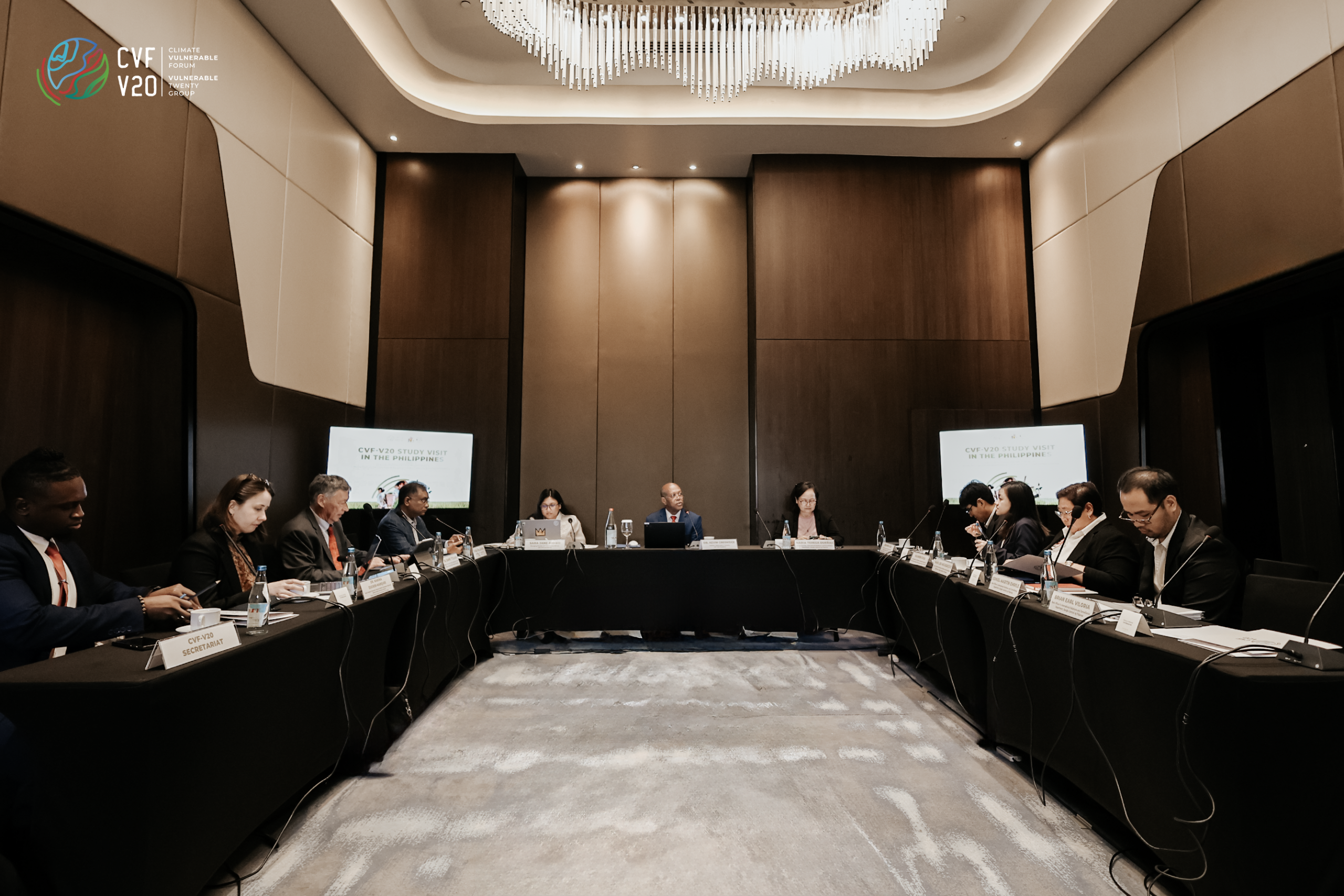
V20 Central Bank Governors Working Group Organizes a Technical Committee on Climate Shocks and Balance of Payments
The Study Visit in Manila on August 26 bore much fruit as members of the V20 Central Bank Governors Working Group agreed to create a Technical Committee on Climate Shocks and Balance of Payments. The Study Visit aimed to strengthen technical collaboration and innovation among CVF-V20 central banks, focused on integrating climate risks into macroeconomic analysis and modeling tools in support of climate prosperity.