Mountain Nations Demand Finance and a Permanent Place in Climate Talks at COP31
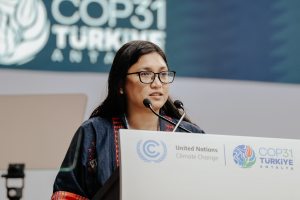
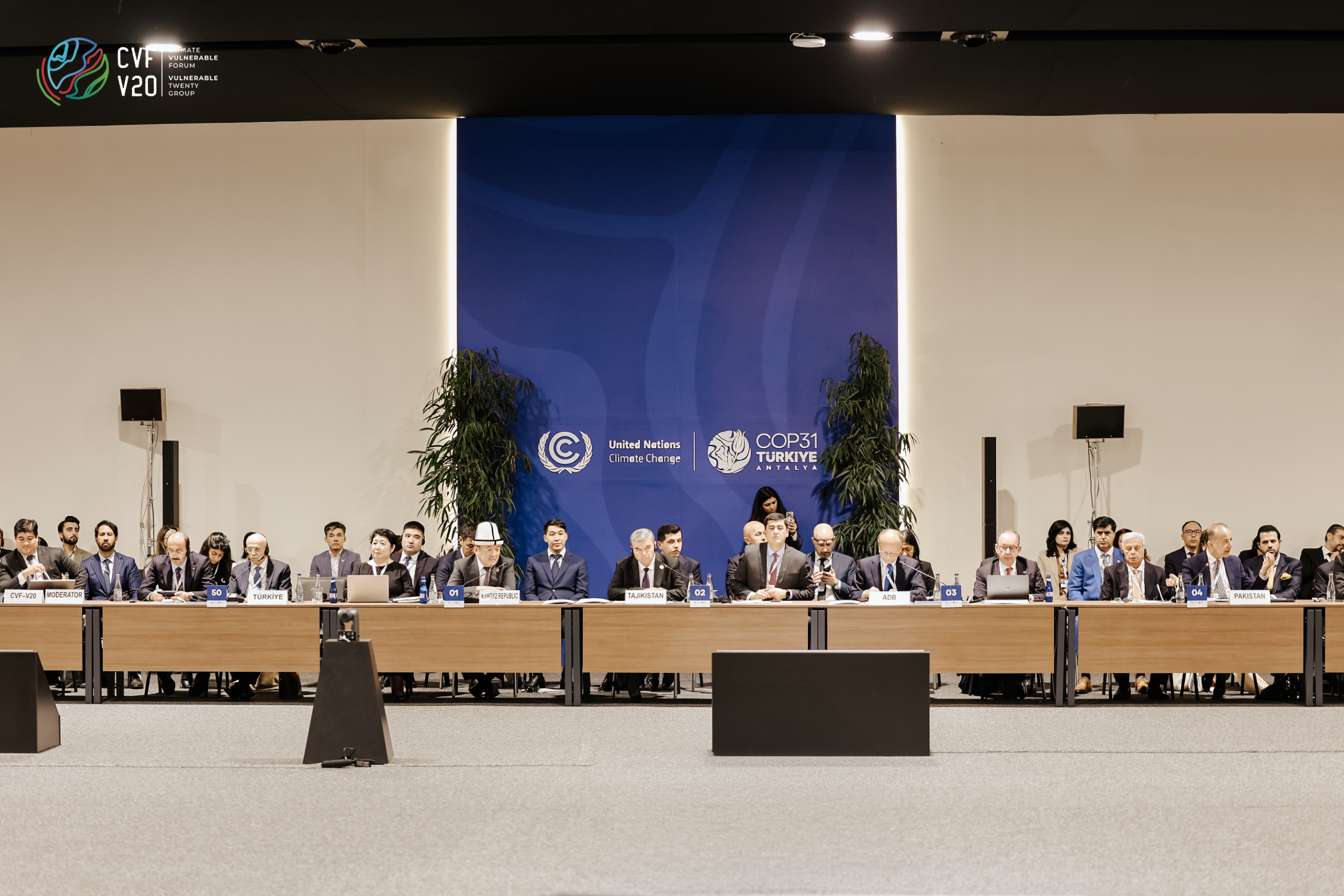
Mountain nations on the frontline of the climate crisis warned today that glacier disasters are outpacing the world’s response. They called for finance that reaches mountain communities, early warning for every mountain valley, and a permanent place for mountains in the United Nations climate negotiations.
#COP31: Electrotech Advances Climate Prosperity, Rewrites Energy Economics Across Supply, Connection, and Demand
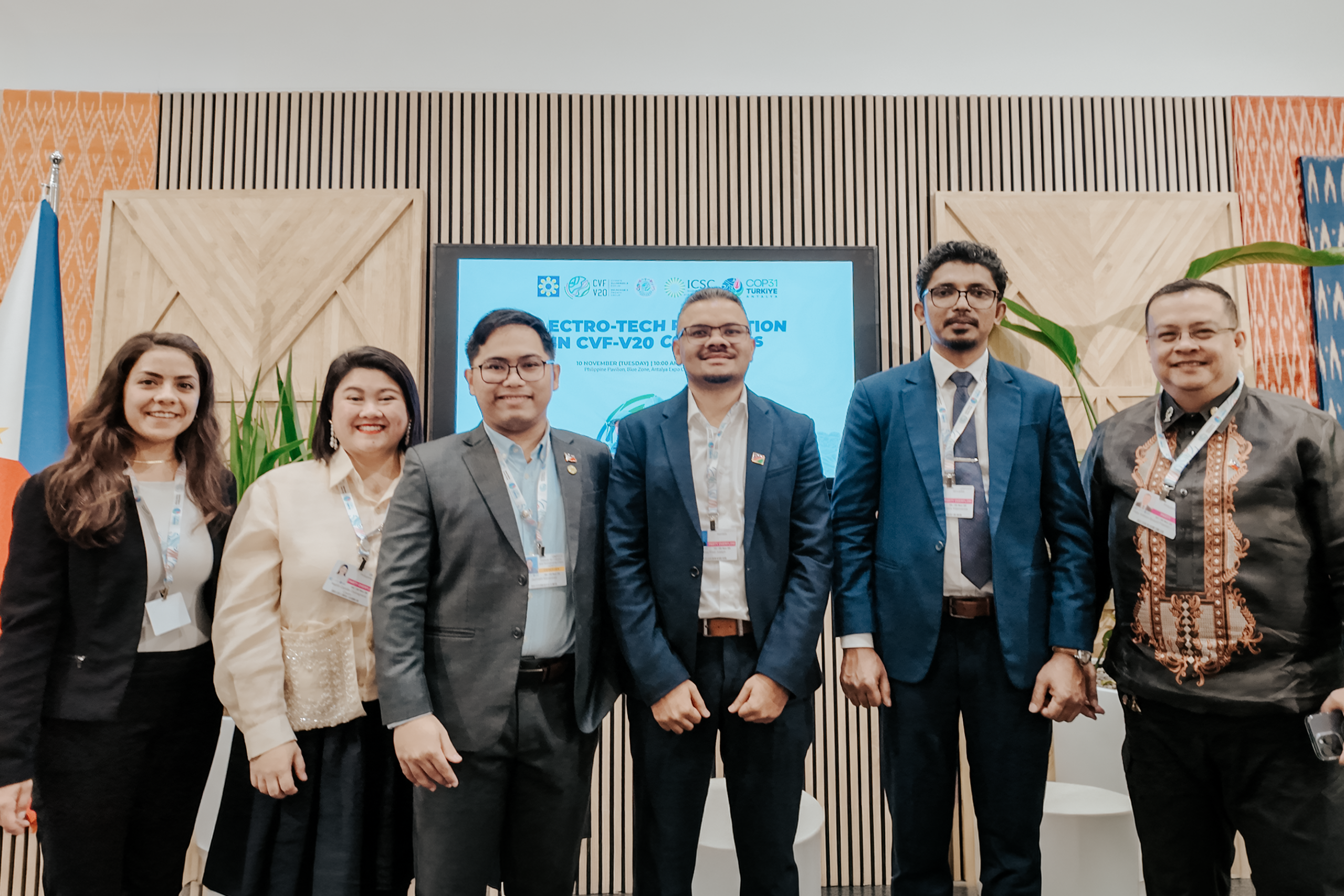
With electrification advancing simultaneously across CVF-V20 economies, shifting to clean electric technologies can save climate-vulnerable nations US$155 billion on fossil fuel imports while bringing power to more than 700 million people who still lack access to electricity. This was central to the technical briefing session on electrotech at the Philippine Pavilion during the Energy and Transport Day of the 31st Conference of the Parties to the United Nations Framework Convention on Climate Change (COP31) in Antalya.
From Belém to Bangkok: How Countries and Partners Are Rethinking Support for Country-Led Implementation
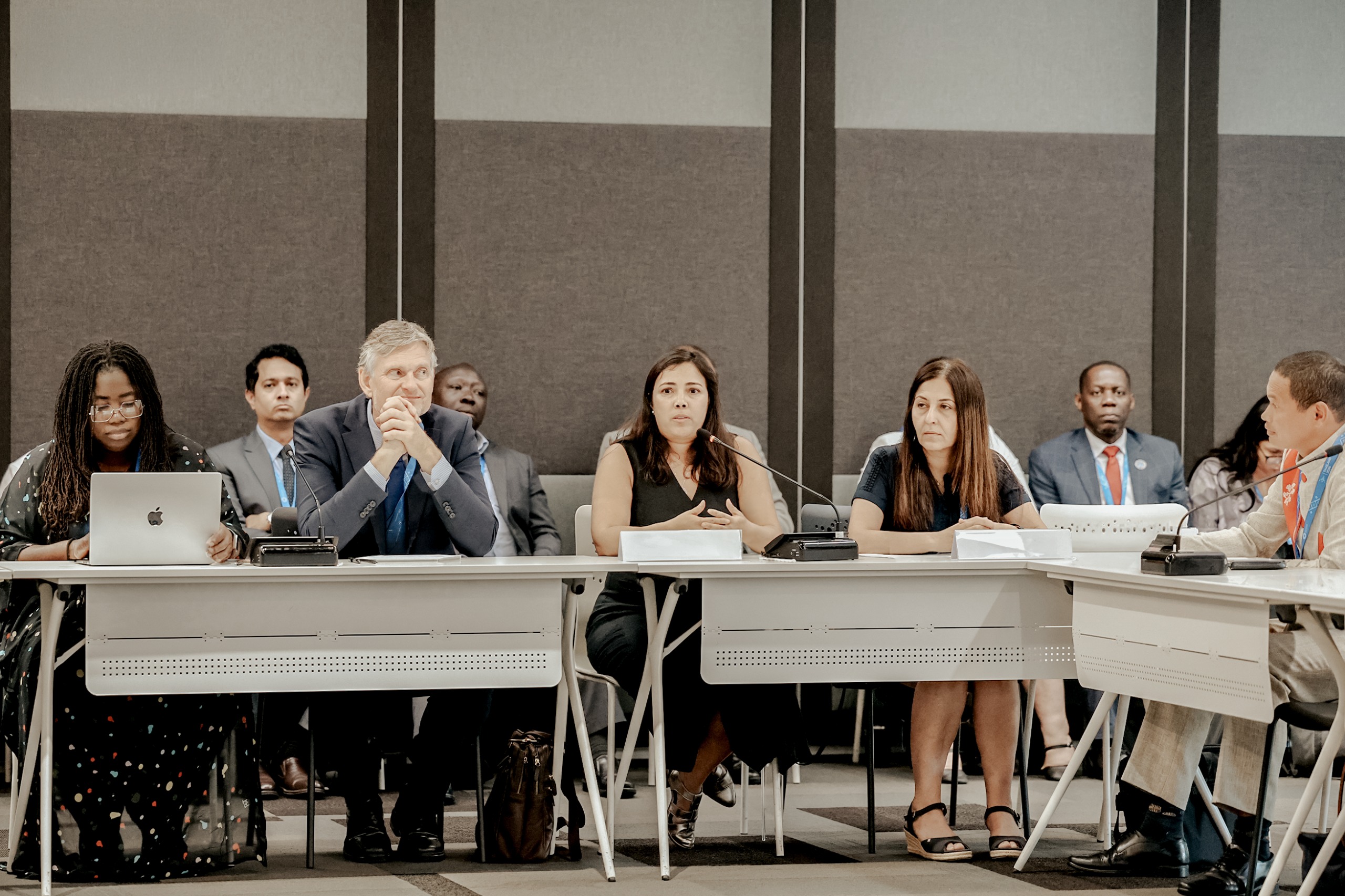
Discussions at the World Bank and IMF Annual Meetings highlighted the need to build on existing plans, strengthen national institutions, rethink how international support is organized, and move beyond measuring plans and financing commitments towards tangible development outcomes.
These are the central discussions to the implementation dialogue co-hosted by CVF-V20 Secretariat and 2050 Pathways Platform, building on an initial roundtable at the 30th Conference of the Parties to the UN Framework Convention on Climate Change (COP30) in Belém, where countries and partners emphasised three principles: international support should work through the national system of recipient countries, including those of CVF-V20 countries, development partners must act with greater coherence, and national institutions must sit at the core of delivery.
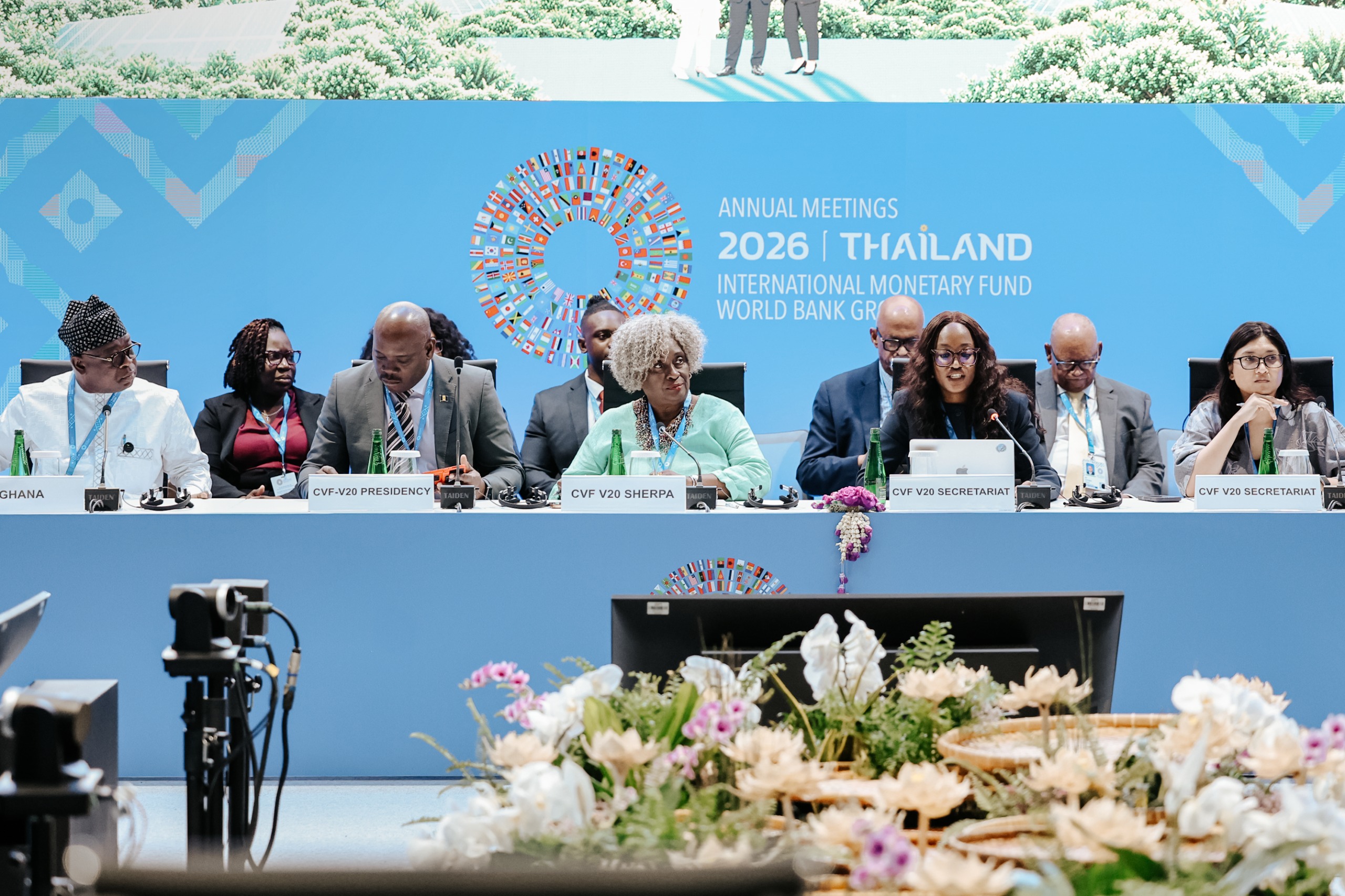
CVF-V20 Parliaments Step Up on Climate Finance and Accountability
On October 15, the CVF-V20 Global Parliamentary Group met on the margins of the International Monetary Fund (IMF) and World Bank Annual Meetings to work out what parliaments would need to deliver on the CVF-V20’s priorities.On October 15, the CVF-V20 Global Parliamentary Group met on the margins of the International Monetary Fund (IMF) and World Bank Annual Meetings to work out what parliaments would need to deliver on the CVF-V20’s priorities.
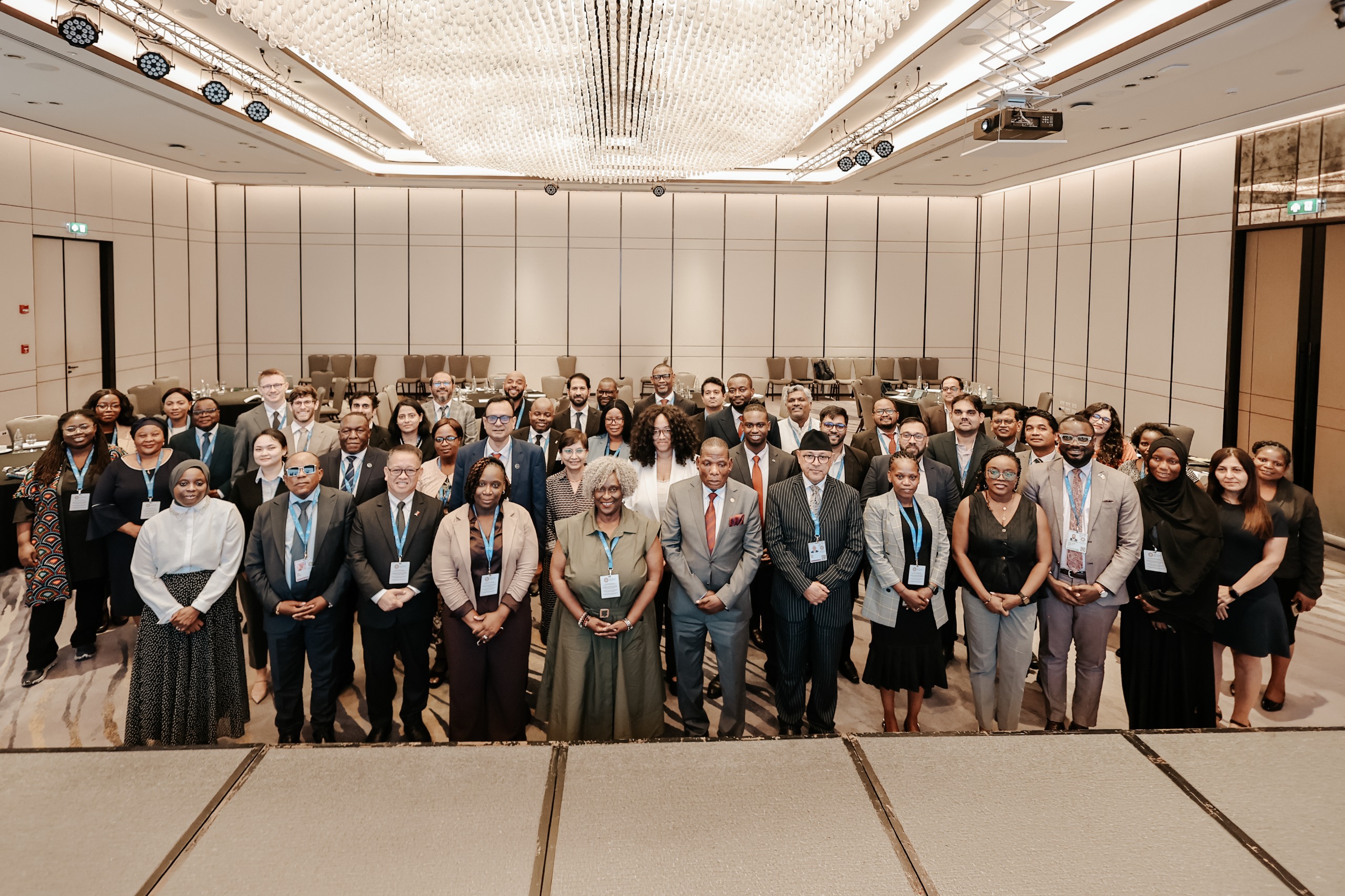
New Handbook Released Ahead of COP31 to Help Climate-Vulnerable Countries Raise Carbon Financing
A new decision-making policy tool, Article 6 Senior Officials’ Handbook, backed by 77 climate-vulnerable countries, will support policymakers accessing international carbon markets under Article 6 of the Paris Agreement. The handbook was jointly released by the Climate Vulnerable Forum and V20 Finance Ministers (CVF-V20) and the Voluntary Carbon Markets Integrity initiative (VCMI), as part of its Carbon Finance Program, designed to help climate-vulnerable countries unlock new forms of capital through carbon market access.
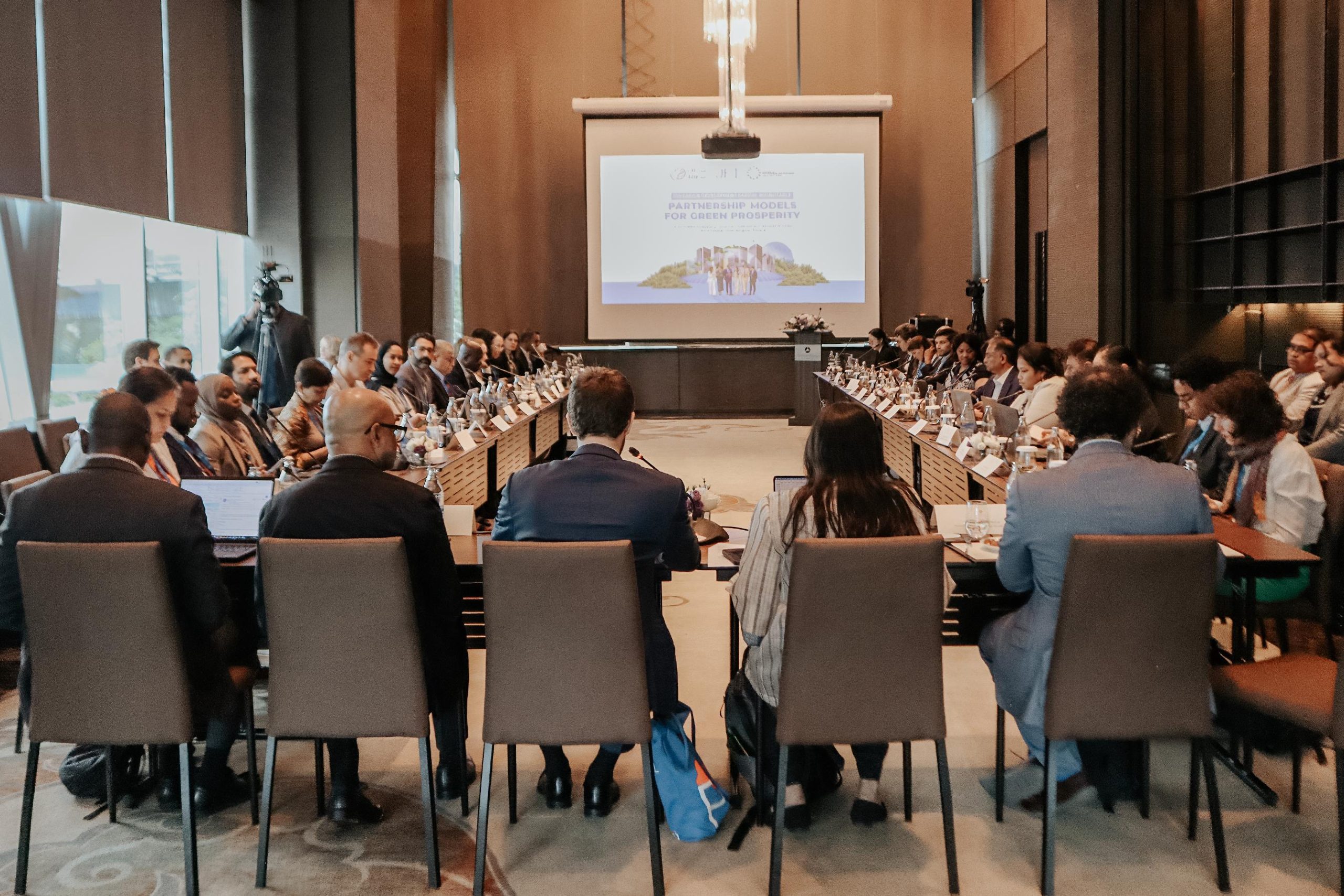
Putting US$3 Trillion to Work: Sovereign Funds and the Search for Green Prosperity
Some US$3 trillion of sovereign capital is now managed under a development mandate. As aid budgets shrink and cross-border sovereign investment concentrates in fewer markets, developing countries are multiplying the arrangements through which they put this capital to work.
How can this capital drive green industrial development? The question shaped Sovereign Development Capital: Partnership Models for Green Prosperity, a roundtable convened by the Climate Vulnerable Forum and V20 Finance Ministers (CVF-V20) and JFI Social Wealth on October 13, alongside the IMF and World Bank Annual Meetings in Bangkok. Held with the Forum of Brazilian Sovereign Wealth Funds and supported by the Open Society Foundations, it brought together more than 50 participants from 36 organizations, including officials from nine countries, development banks, investors, insurers, labor, philanthropy, and research institutes.
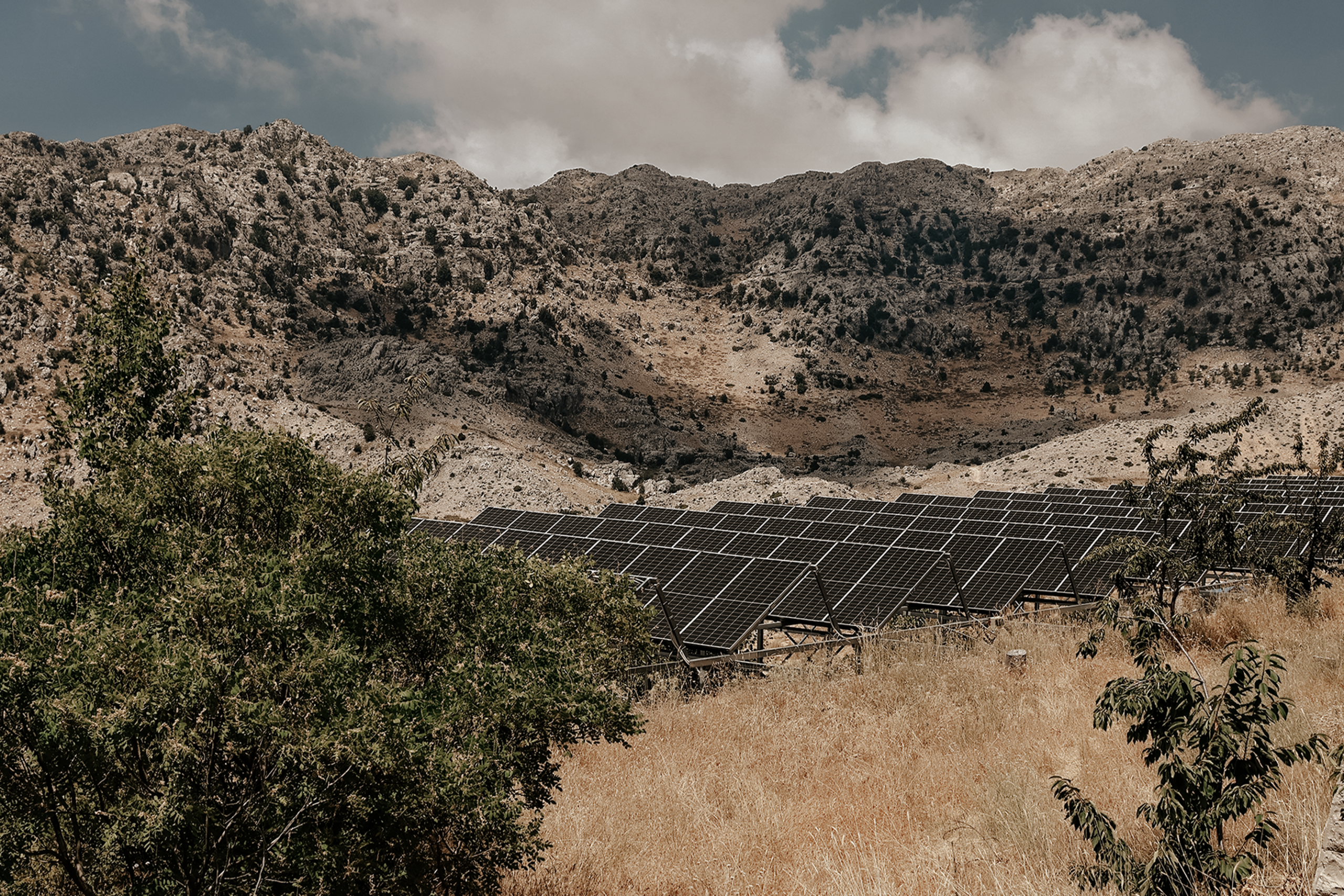
Lebanon Accelerates Climate Action, Launches Climate Policy Package
Risks of breaching the 1.5 °C Paris Agreement goal urged the Lebanese Republic to develop a climate policy package that brings together three key climate roadmaps—National Adaptation Plan (NAP 2025–2035), the updated Nationally Determined Contribution (NDC 3.0), and the Long-Term Low Emission Development Strategy (LT-LEDS).

Samoa Shows Leadership in Early Warning System and Disaster Risk Management
Early warning and early action are among Samoa’s national strategic priorities, embedding multi-hazard early warning systems and disaster risk financing frameworks into the country’s governance landscape.

Malawi’s NDC Implementation: Lessons From the Past and Youth Priorities for NDC 3.0
Malawi, like many climate-vulnerable nations, has taken steady strides toward implementing its Nationally Determined Contribution (NDC) under the Paris Agreement. It has reaffirmed its commitment to reducing emissions, enhancing adaptation, and building climate resilience through its First Biennial Transparency Report (BTR1) and National Communication submitted to the United Nations Framework Convention on Climate Change (UNFCCC). Despite the commitment, there are efficient gains to be made in its next round of NDC 3.0, as revealed by the NDC 2.0 stocktake.

Khyber Pakhtunkhwa Charts Path for Climate-Linked Investments
As part of the ongoing in-country consultations for the Pakistan Climate Prosperity Plan (CPP), the CVF-V20 delegation held a high-level roundtable with the Planning and Development Department (P&DD) of the Province of Khyber Pakhtunkhwa (KP) on October 9 in Peshawar. The session brought together key provincial departments, including forestry, environment, wildlife, transport, energy, and infrastructure, to align KP’s climate priorities with the CPP framework and explore financing pathways for sustainable development.
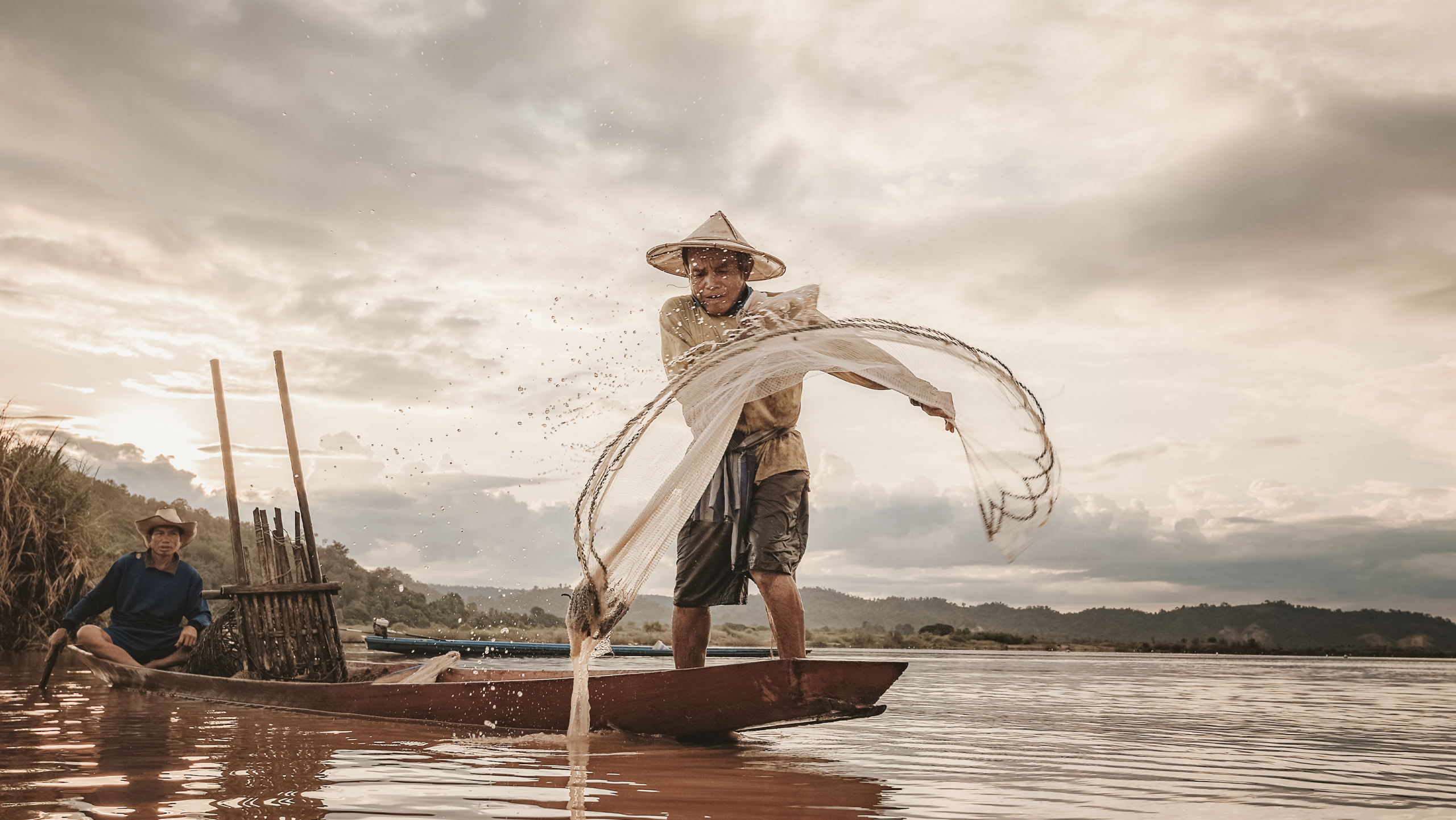
Bringing Climate Adaptation Finance Closer to Filipino Communities
The Philippines’ Department of Finance (DOF) is leading the charge to enhance local government access to the People’s Survival Fund (PSF), the country’s flagship climate adaptation financing mechanism.

Kyrgyz Leads Global Efforts in Mountain Ecosystem Conservation
At UNGA 80, The Kyrgyz Republic’s President, H.E. Sadyr Japarov, issued a powerful call to the international community: to support and endorse the Declaration of COP-29 on Climate, Mountains, and Glaciers as a decisive step in mobilizing ambitious initiatives to protect the mountain ecosystems across the globe.