
ICJ Climate Ruling Empowers Youth-Led Fight for Climate Justice
By CVF Youth Fellows As young leaders from the world’s most climate-vulnerable nations, we see the International Court of Justice’s (ICJ) advisory opinion not only
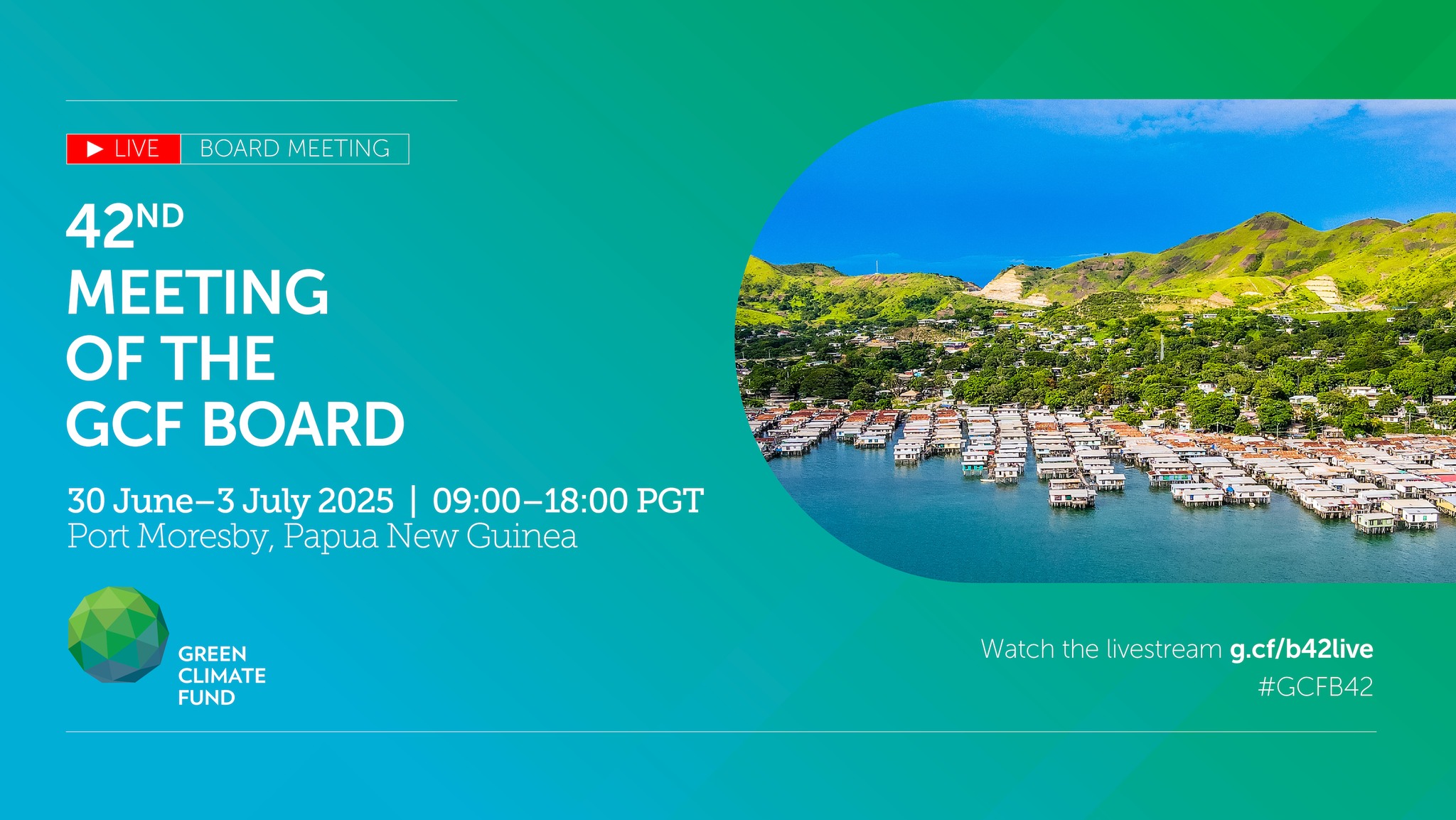
42nd GCF Board Decisions Unlock Critical Support for 26 CVF-V20 Nations
July 30, 2025—Seventeen (17) new climate projects valued at USD1.225 billion are set to benefit low-income developing countries and small islands developing states, including 26
Kenya Unveils Draft Regulations for National Carbon Registry
July 30, 2025—The Republic of Kenya has unveiled its first draft of the Climate Change (Carbon Registry) Regulations, marking a significant milestone in its efforts

Barbados Takes the Lead in Regional Debt Swap Prototype
July 30, 2025—A multibillion-dollar regional “debt-for-resilience” facility, supported by the Inter-American Development Bank (IDB), the World Bank, The Development Bank of Latin America and the
Pakistan CPP Consultations Expand to Gilgit-Baltistan
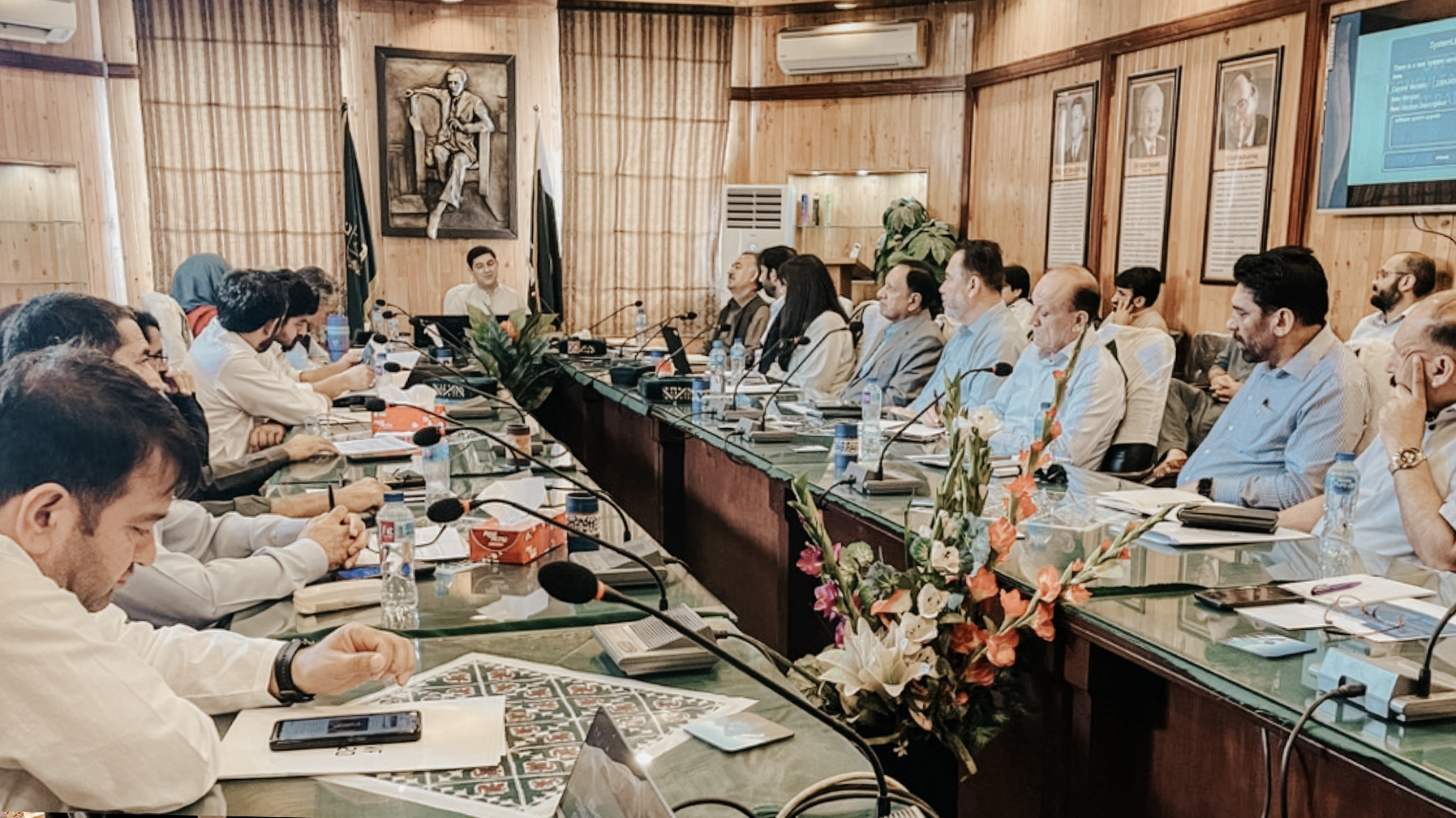
Gilgit-Baltistan, Pakistan | July 18, 2025—As part of its nationwide efforts to develop a robust Climate Prosperity Plan (CPP), Pakistan has expanded consultations to Gilgit-Baltistan,
The Role of Parliaments in Establishing Community Green Zones
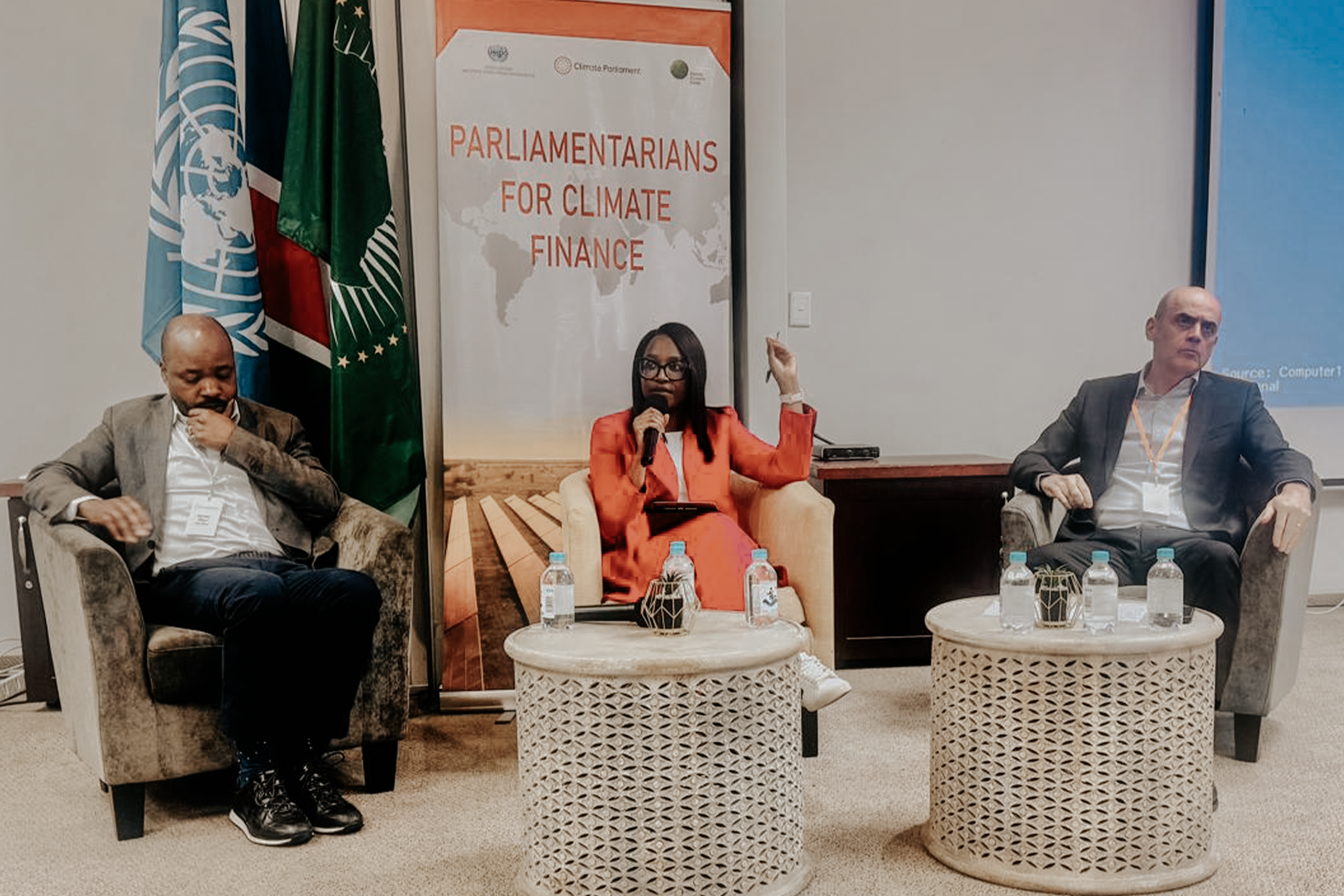
By Rachel Mundilo, Deputy Director for Parliaments and Courts, Membership and Partnership Coordination, CVF-V20 Secretariat July 18, 2025—At the recent Namibia Parliamentary Green Investment Dialogue,
From Negotiation to Implementation: What SB64 Means for Adaptation and Youth Leadership
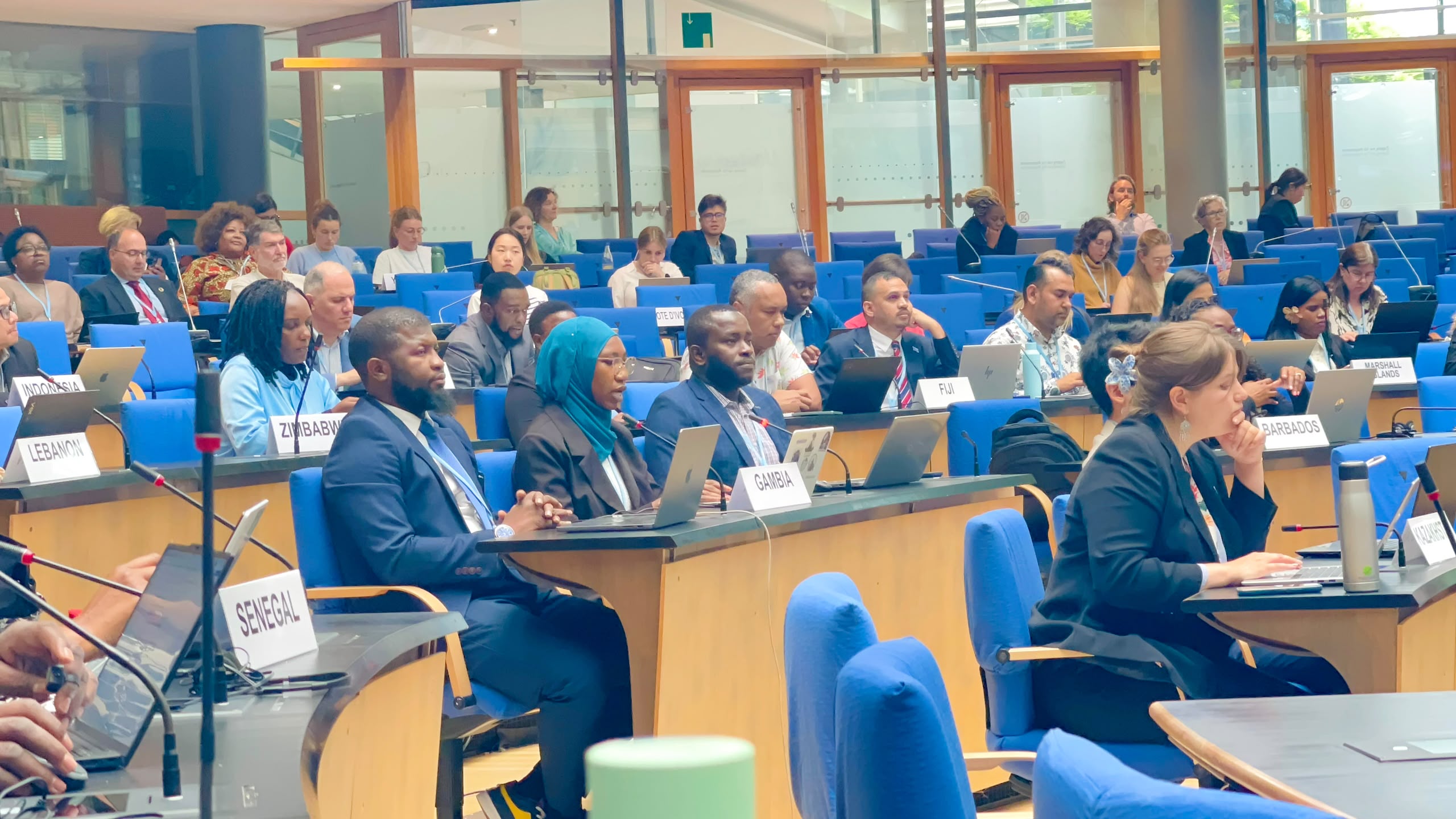
The 64th Sessions of the United Nations Framework Convention on Climate Change (UNFCCC) Subsidiary Bodies (SB64) in Bonn marked an important milestone on the road to COP31. For CVF Youth Fellow Haddijatou Ceesay, it was also a transformative experience.

Jordan Retires Siloed Governance for Integrated Water-Energy-Food-Environment Strategy
The Hashemite Kingdom of Jordan is reshaping how it governs its most critical natural resources, moving away from fragmented sector-by-sector management toward a unified Water-Energy-Food-Environment (WEFE) nexus framework. Led by the Ministry of Planning and International Cooperation, the shift marks one of the most significant structural changes in the kingdom’s domestic policy in recent years, one driven by the compounding pressures of climate change, resource scarcity, and regional instability.
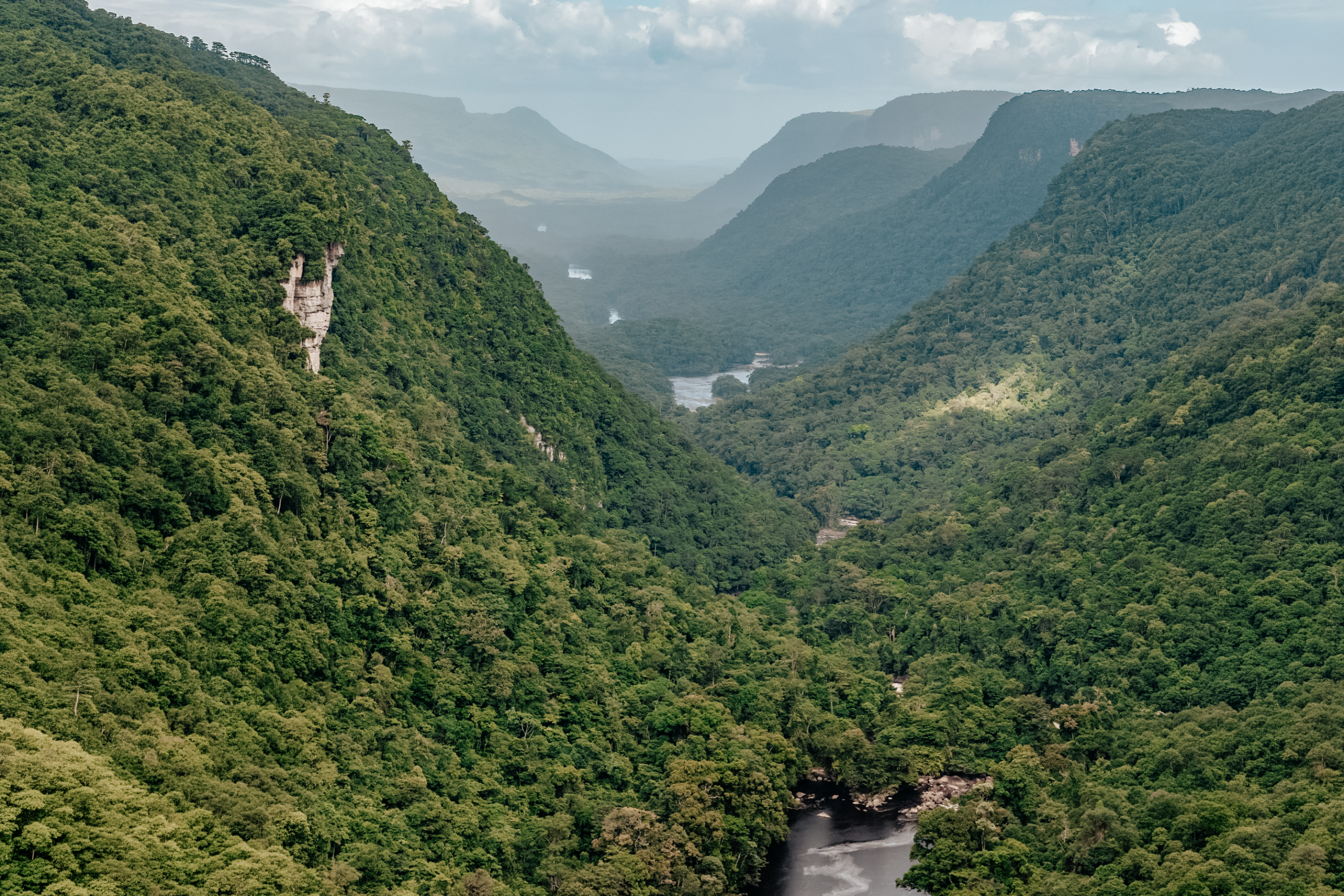
Guyana’s Forests Drive A New Era of Low-Carbon Development
On the northern coast of South America, along the borders of the Atlantic Ocean, Guyana is pursuing a development model that few countries have attempted: generating economic growth while preserving one of the world’s most intact tropical forests.

The Caribbean’s Push to Link Climate and Health
Over the years, the conversation on planetary instability has expanded in ways few could have anticipated. What began as a scientific concern focused on environmental damage has grown into a defining global conversation that reaches almost every part of humanity. In the Caribbean, that expansion is acutely felt. Climate change is no longer discussed solely as an environmental issue; it is increasingly recognized as a public health crisis. Empirical studies have demonstrated that countries in the region are highly susceptible to drought hazards and significantly affected by extreme heat.
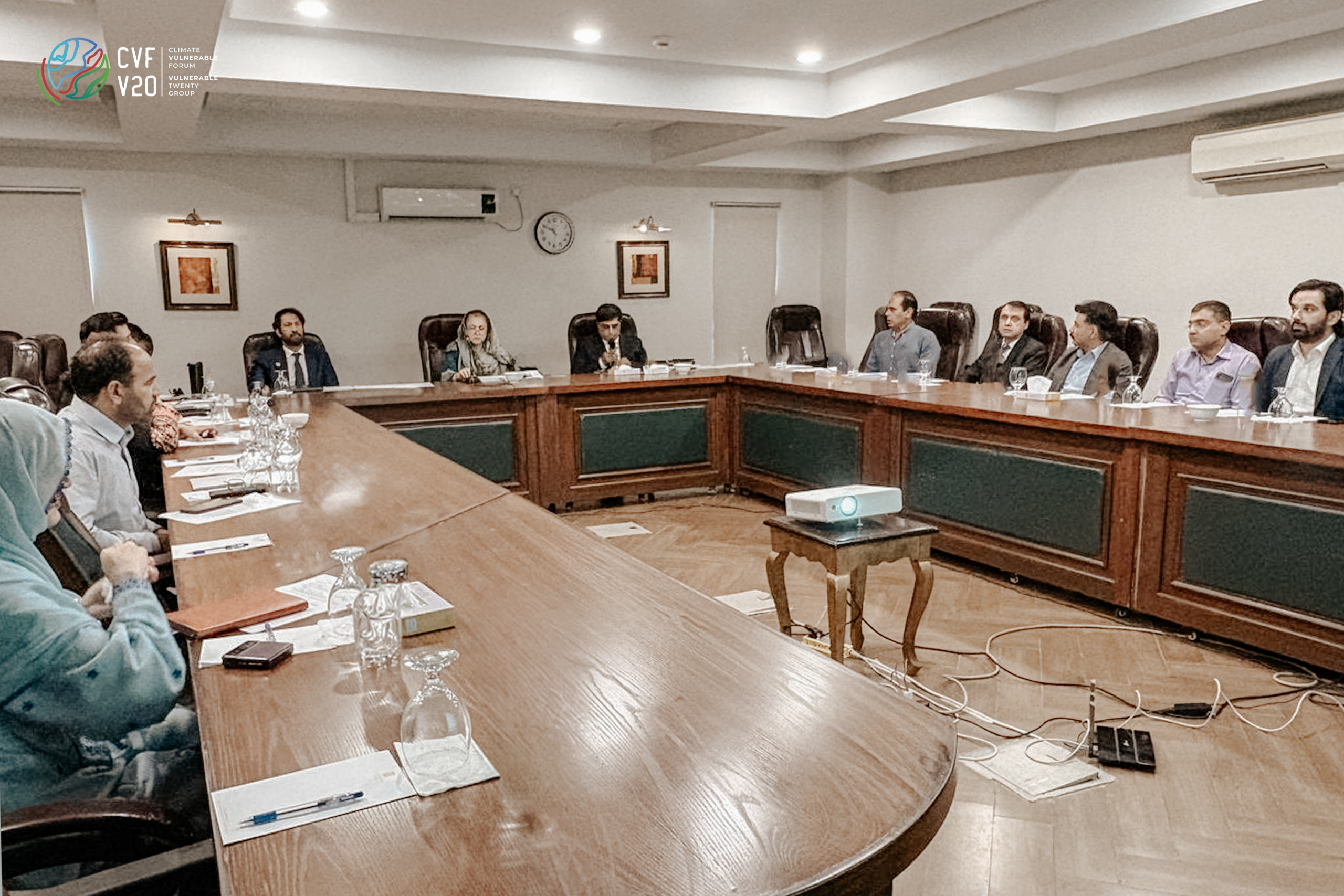
Pakistan Climate Prosperity Plan Gains Federal and Provincial Backing as Primary Delivery Vehicle for NDC 3.0
Pakistan’s Ministry of Climate Change & Environmental Coordination (MoCC&EC) convened federal and provincial governments on 14 May 2026 to align the country behind a single delivery agenda, positioning the country’s Climate Prosperity Plan (CPP) as the vehicle for turning its climate commitments into investable projects and bankable financing partnerships.
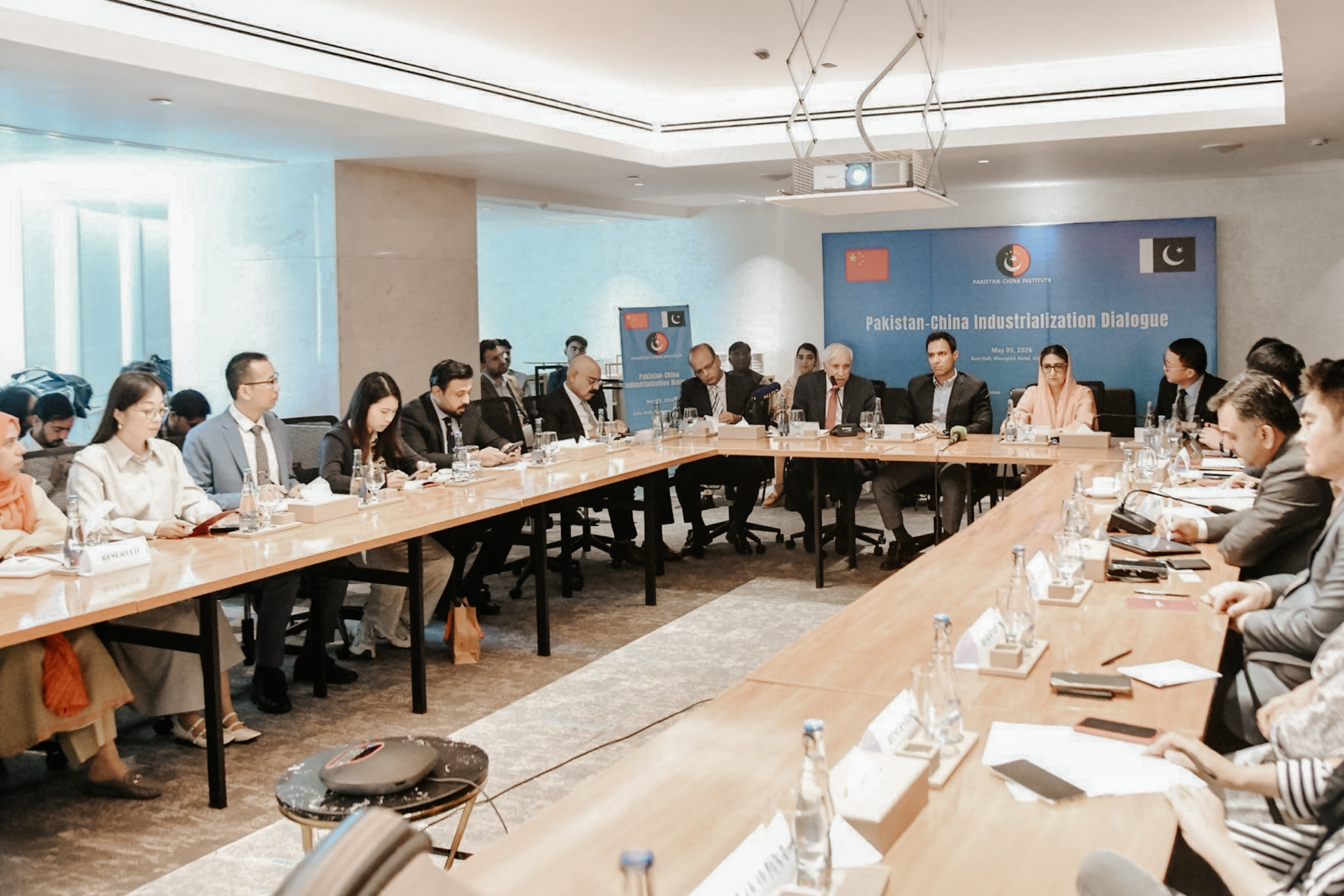
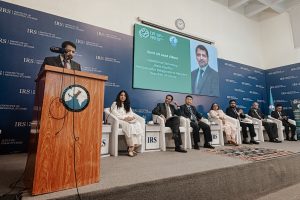
CVF-V20 Makes the Case for Green Industrialization at Pakistan-China Dialogue
The CVF-V20 participated in the Pakistan-China Industrialization Dialogue, hosted by the Pakistan-China Institute on 5 May 2026, bringing the perspective of climate-vulnerable economies into discussions on industrial transformation, strategic finance, and resilient development. The dialogue brought together policymakers, business leaders, Chinese and Pakistani enterprises, financial institutions, and experts to explore how Pakistan-China cooperation can move from connectivity toward joint production, technology transfer, export competitiveness, and climate-smart industrialization.