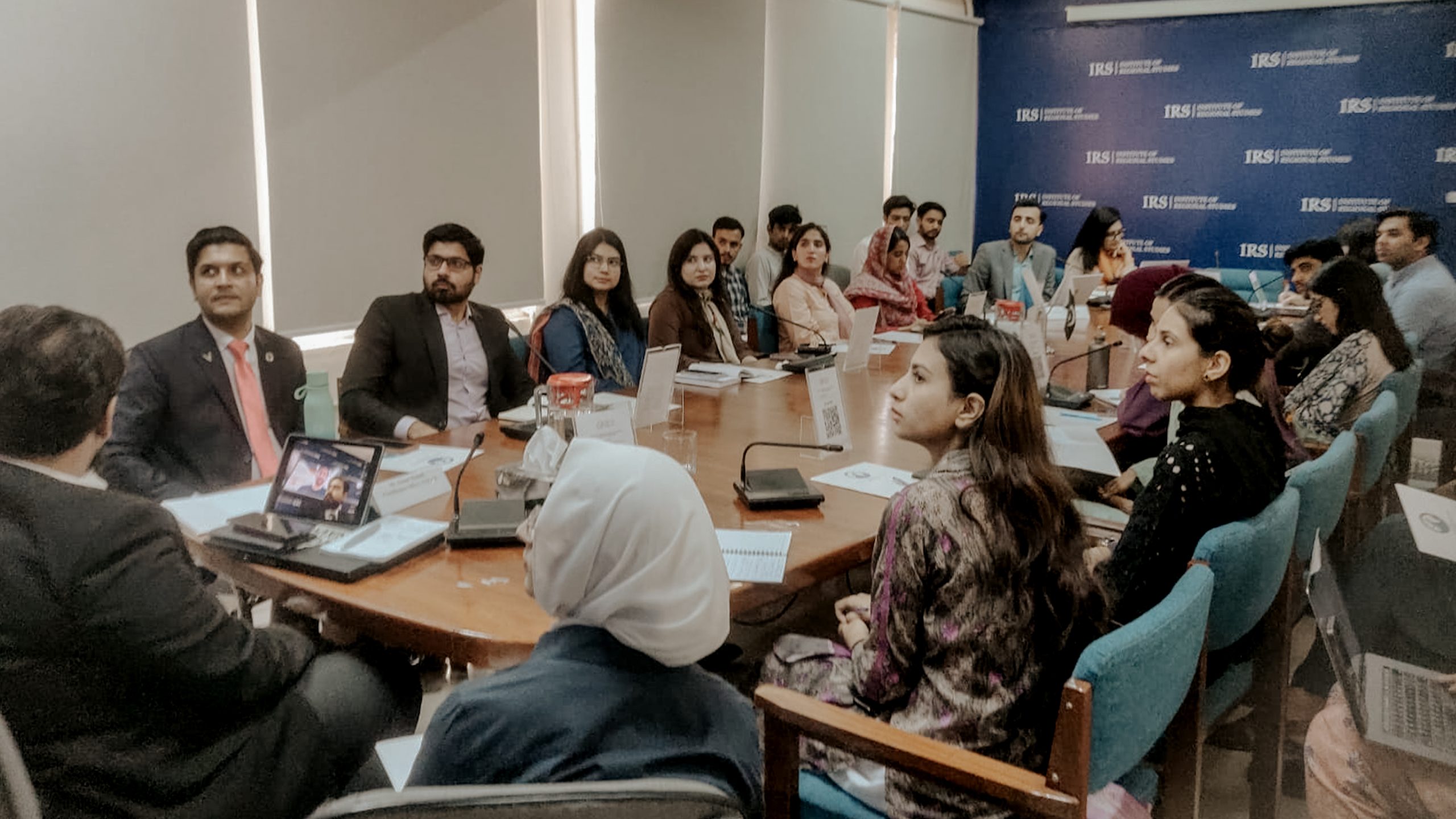
Youth Climate Leadership in Action: Building Pakistan’s Voice for COP30
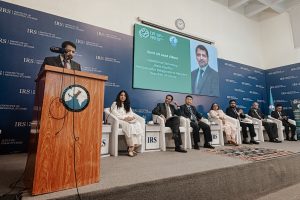
The CVF-V20 Secretariat convened a Youth Roundtable on Climate Non-Negotiables in Islamabad, Pakistan, on September 17, bringing together youth leaders, climate advocates, and representatives from the Ministry of Climate Change and Environmental Coordination, academia, and civil society. The dialogue, organized in collaboration with the Institute of Regional Studies (IRS), served as a national platform for youth to reflect on Pakistan’s recent climate catastrophes and define priorities for the upcoming COP-30 in Belém, Brazil.
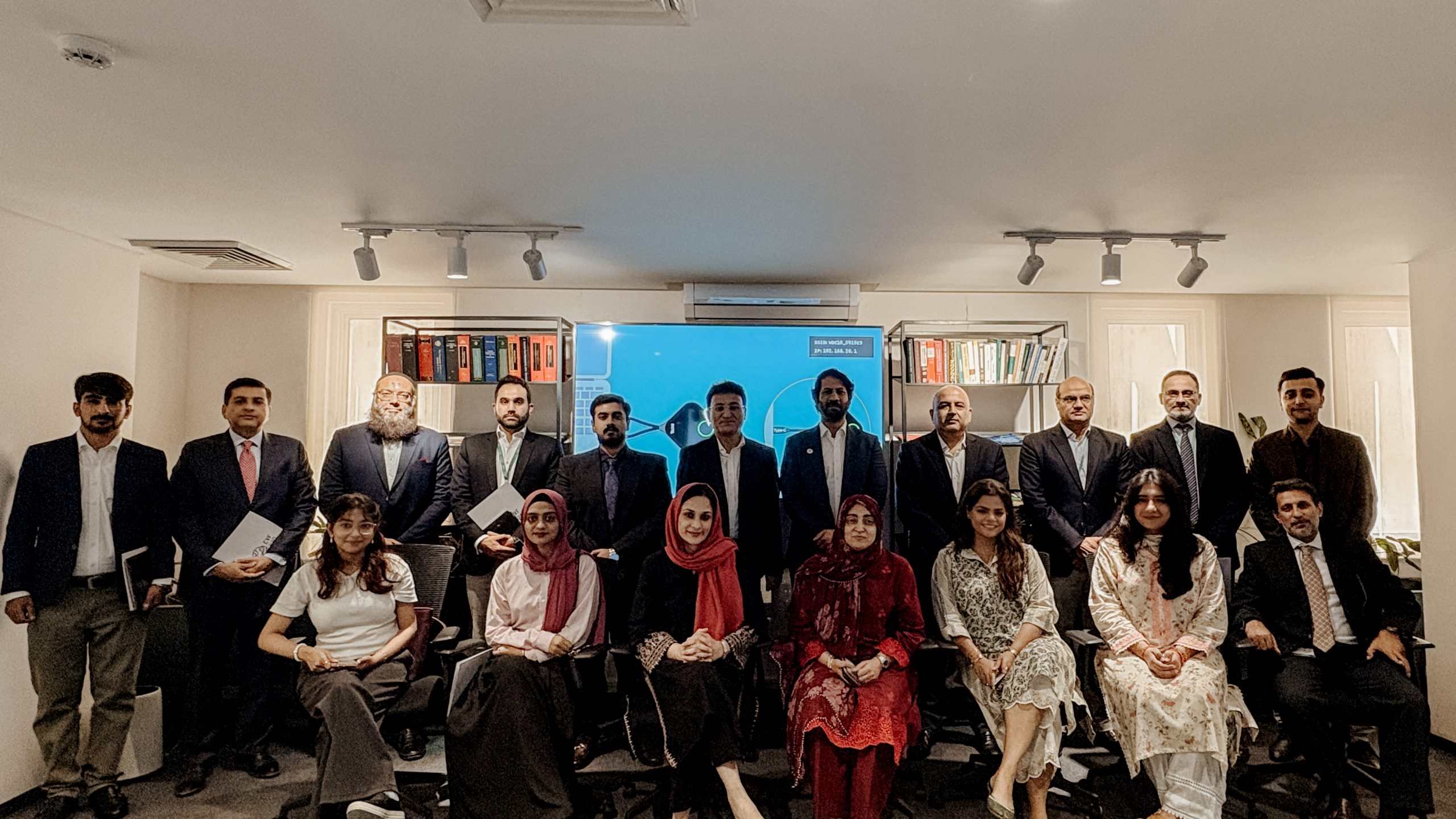
Sindh Consultations Engage Private Sector and Financial Institutions for Climate Prosperity
As part of the ongoing in-country consultations for the Pakistan Climate Prosperity Plan (CPP), the CVF-V20 visited the city of Karachi in Sindh on September 3 to 4 to engage with the province’s public–private ecosystem on climate investment and innovation.
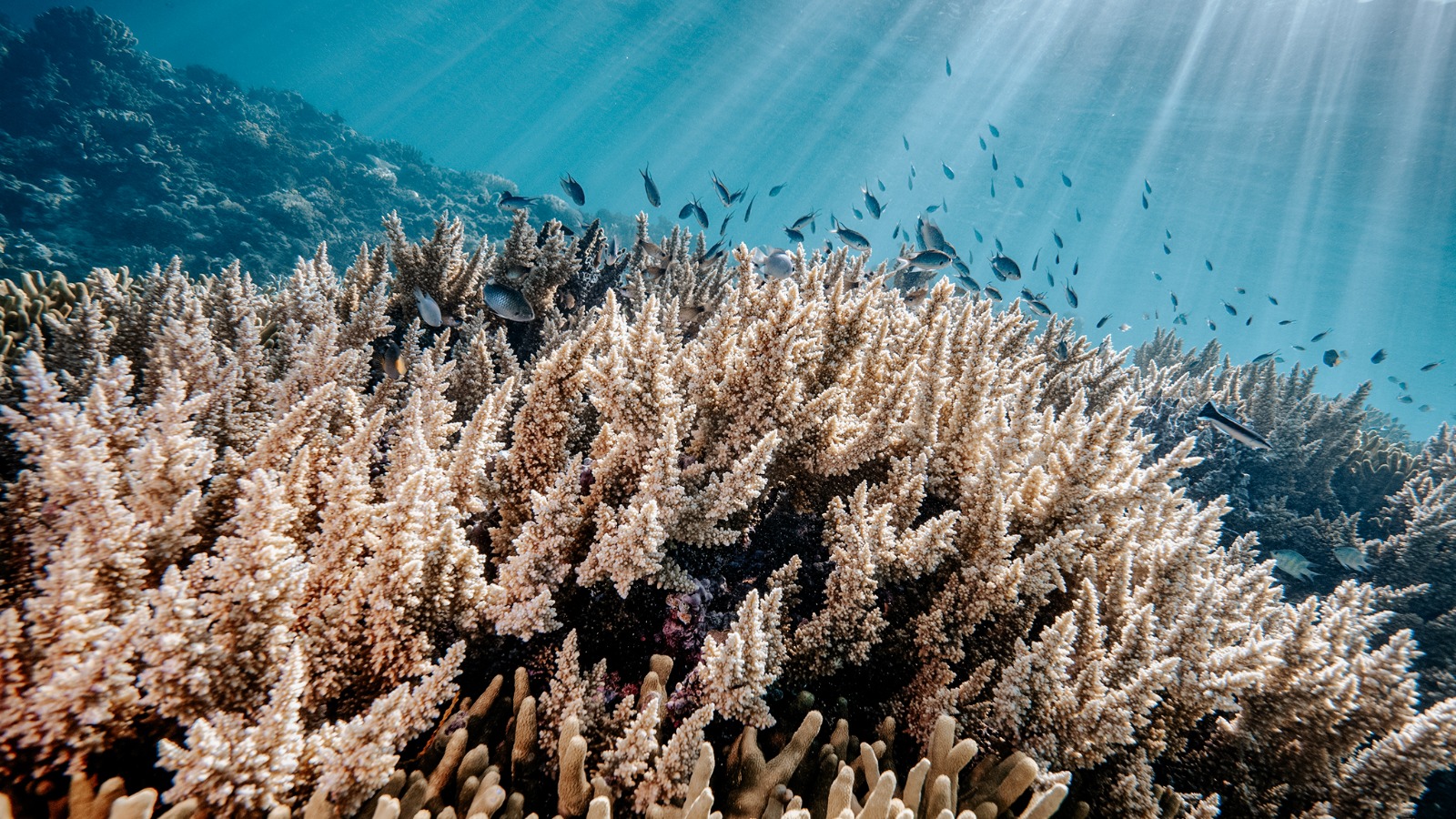
Ancient Corals Confirm: Maldives Sea Level Rise Began Decades Earlier
A significant study recently published in the journal Nature Communications has provided a critical, long-term history of sea-level change, directly impacting the climate outlook for the low-lying Maldives and Lakshadweep archipelagos.
Jordan Unveils Long-Term Climate-Resilient National Health Roadmap
The Hashemite Kingdom of Jordan launched its ten-year National Climate Change Health Adaptation Strategy and Action Plan (HNAP), joining the roster of first countries to climate-proof its health systems. The comprehensive roadmap, spanning from 2024 to 2034, outlines Jordan’s strategic response to climate-related health risks across seven priority areas—airborne and respiratory diseases, water- and food-borne illnesses, vector-borne diseases, nutrition, heatwaves, occupational health, and mental health.
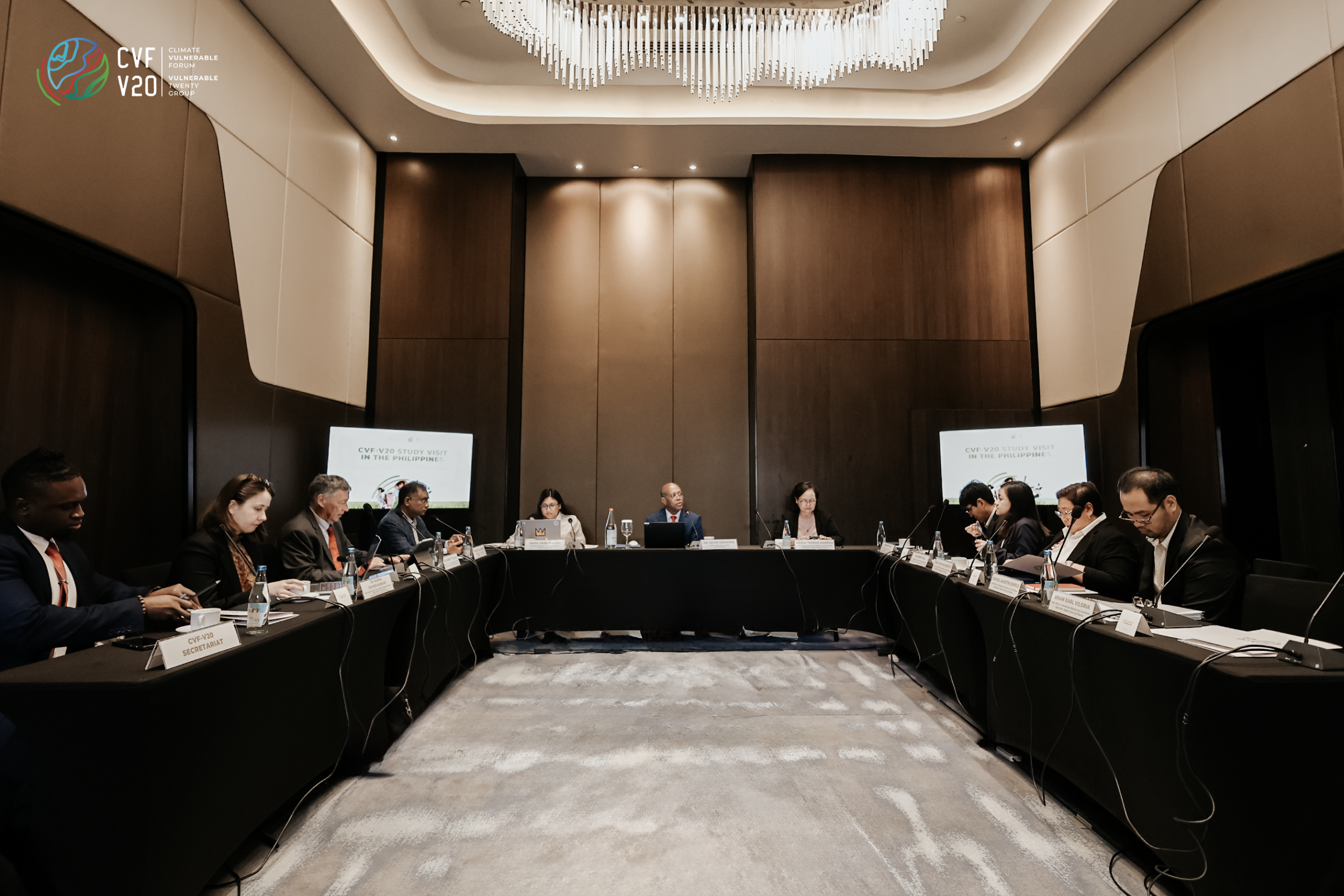
V20 Central Bank Governors Working Group Organizes a Technical Committee on Climate Shocks and Balance of Payments
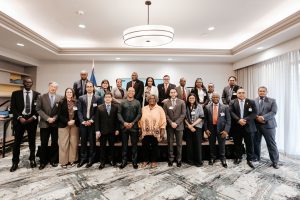
The Study Visit in Manila on August 26 bore much fruit as members of the V20 Central Bank Governors Working Group agreed to create a Technical Committee on Climate Shocks and Balance of Payments. The Study Visit aimed to strengthen technical collaboration and innovation among CVF-V20 central banks, focused on integrating climate risks into macroeconomic analysis and modeling tools in support of climate prosperity.
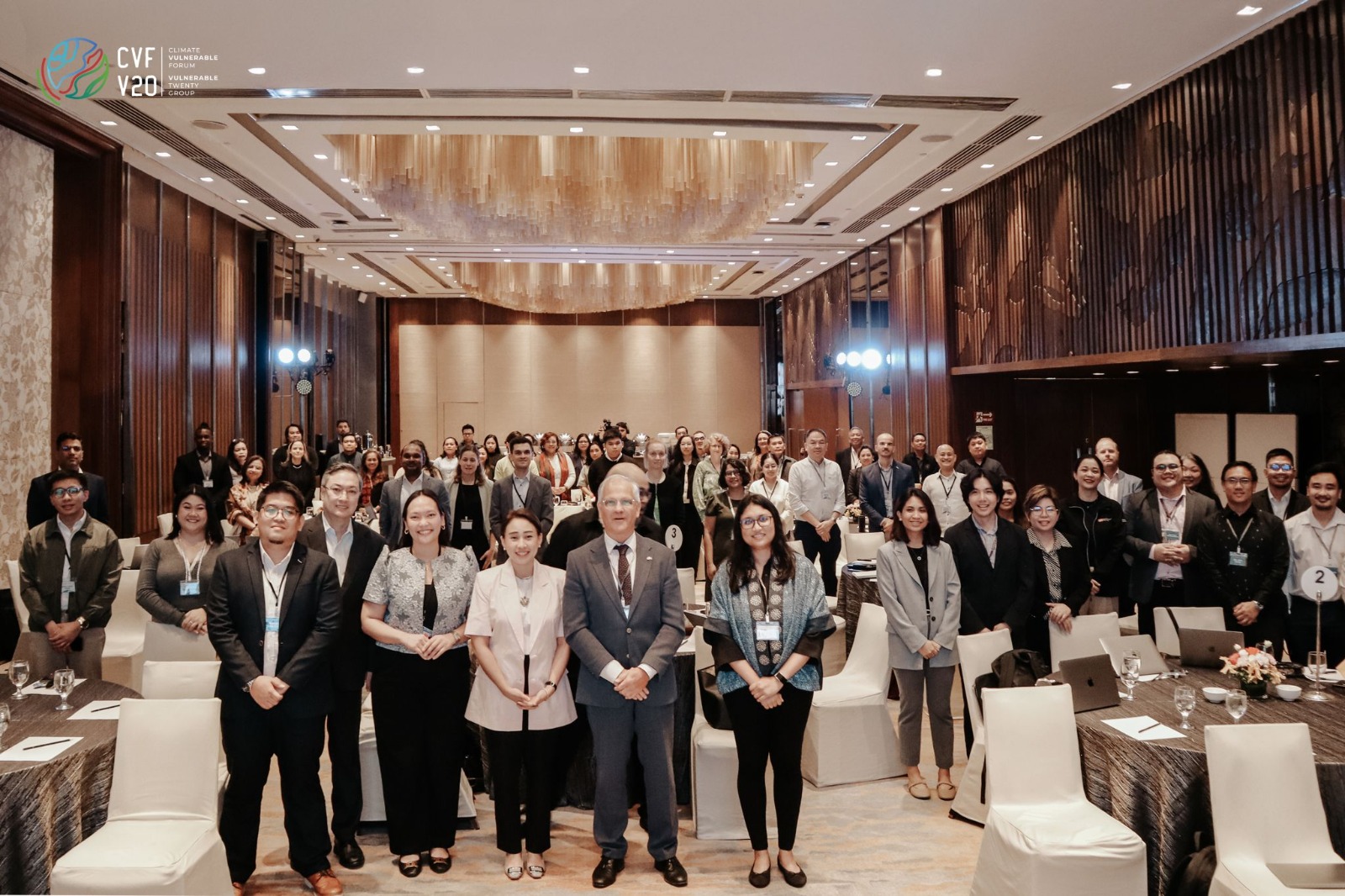
PH Completes In-Country Consultation and Stocktake in the Global Shield Implementation
The Republic of the Philippines continues to make strides as a country pathfinder under the G77-V20 Global Shield against Climate Risks initiative after completing the in-country process and stocktake, led by the Climate Finance Policy Group of the Department of Finance (DOF) and the Institute for Climate and Sustainable Cities (ICSC). Progress is underway for the gap analysis, bringing the country closer to developing its request for Climate and Disaster Risk Finance and Insurance (CDRFI) support.
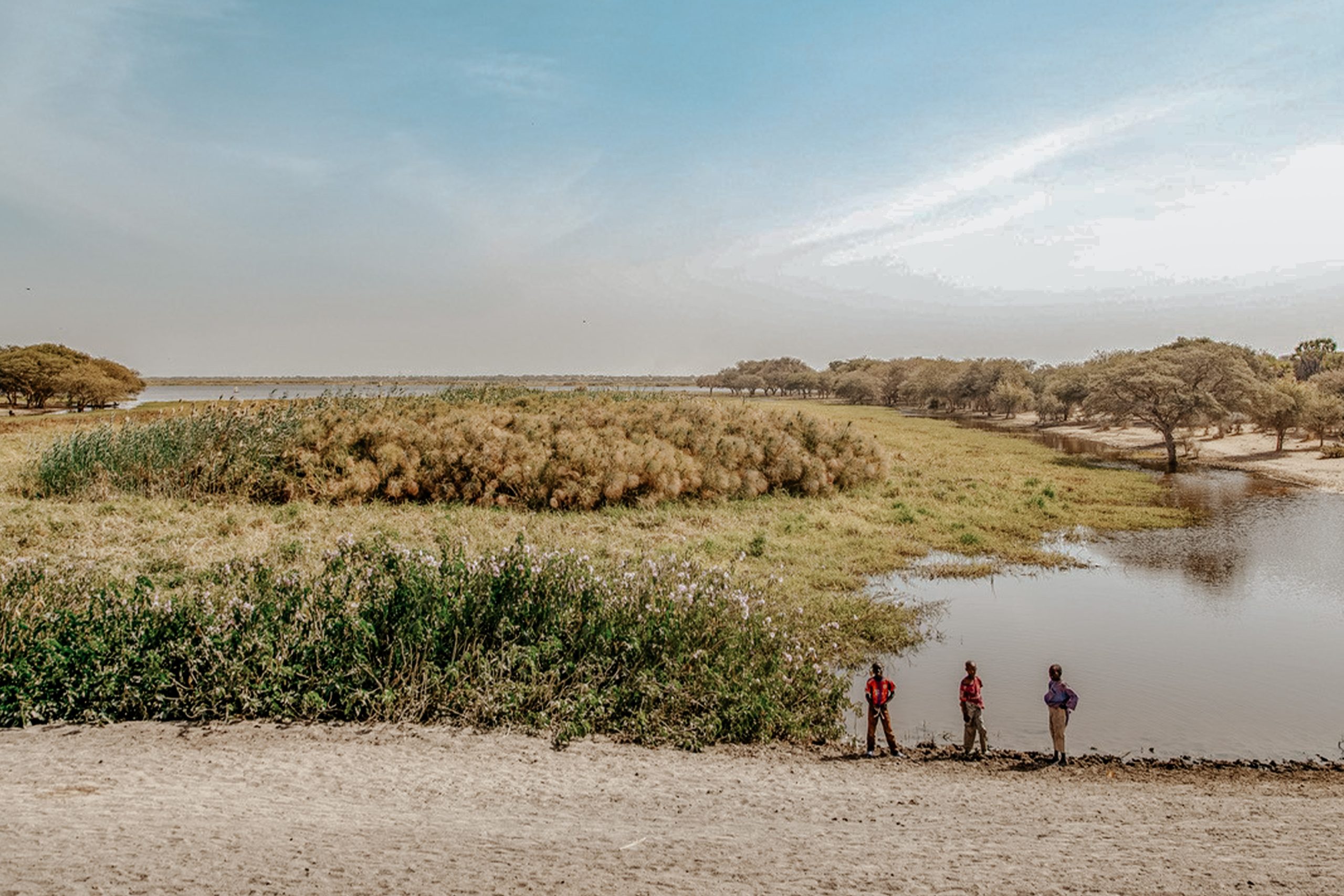
Community Vow: Chad Rolls Out Nationwide Drive for Environmental Responsibility
Strengthening environmental stewardship in Chad has reached a pivotal milestone with the launch of a nationwide campaign to implement Law No. 023. This legislative framework, bolstered by international partnerships and localized outreach, represents a shift from abstract policy to community-led conservation.
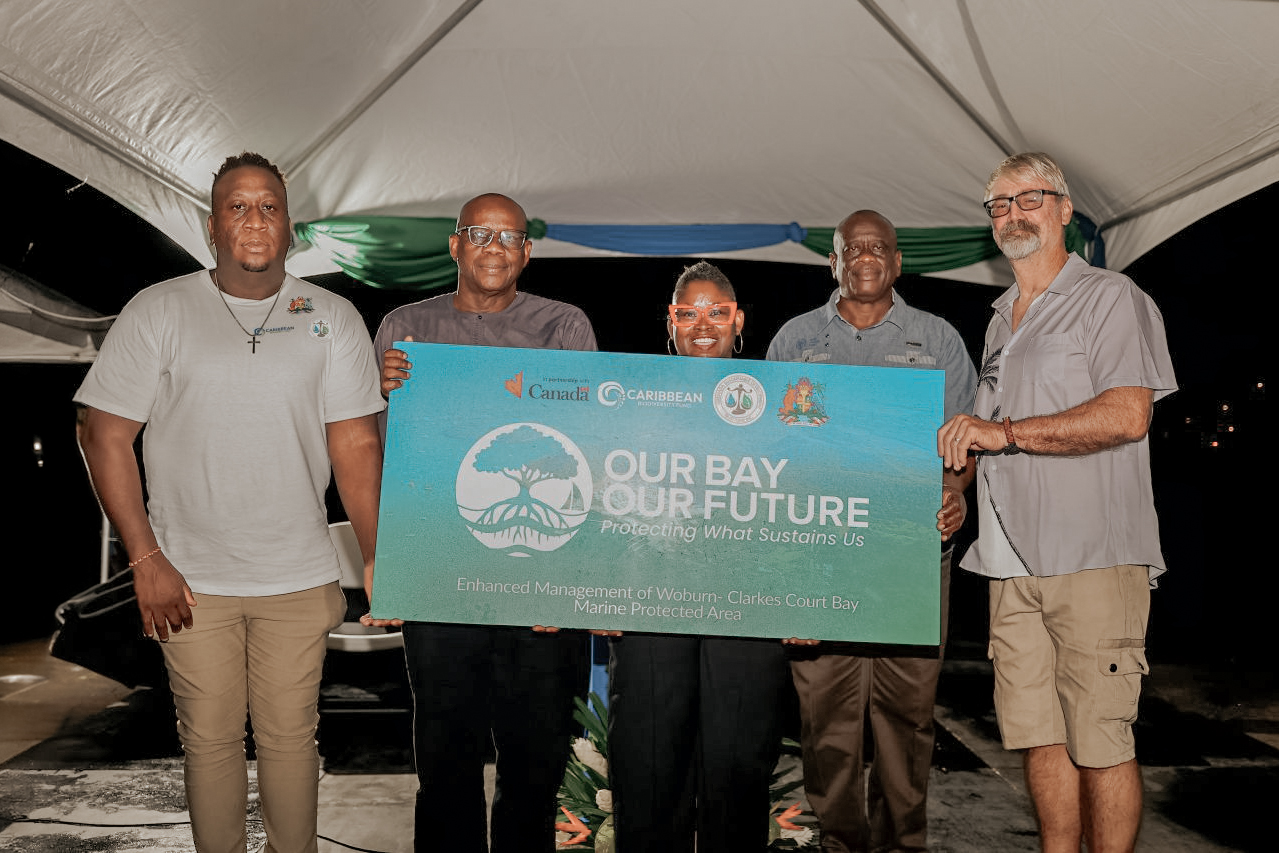
Protect What You Love: Grenada’s Community-Driven Marine Conservation
Our Bay, Our Future takes center stage as Grenada seeks to advance its marine protection initiatives. The project was officially launched last month at the Woburn Bay Jetty by the Caribbean Biodiversity Fund in collaboration with the Grenada Sustainable Development Trust Fund and with the financial support of Global Affairs Canada.
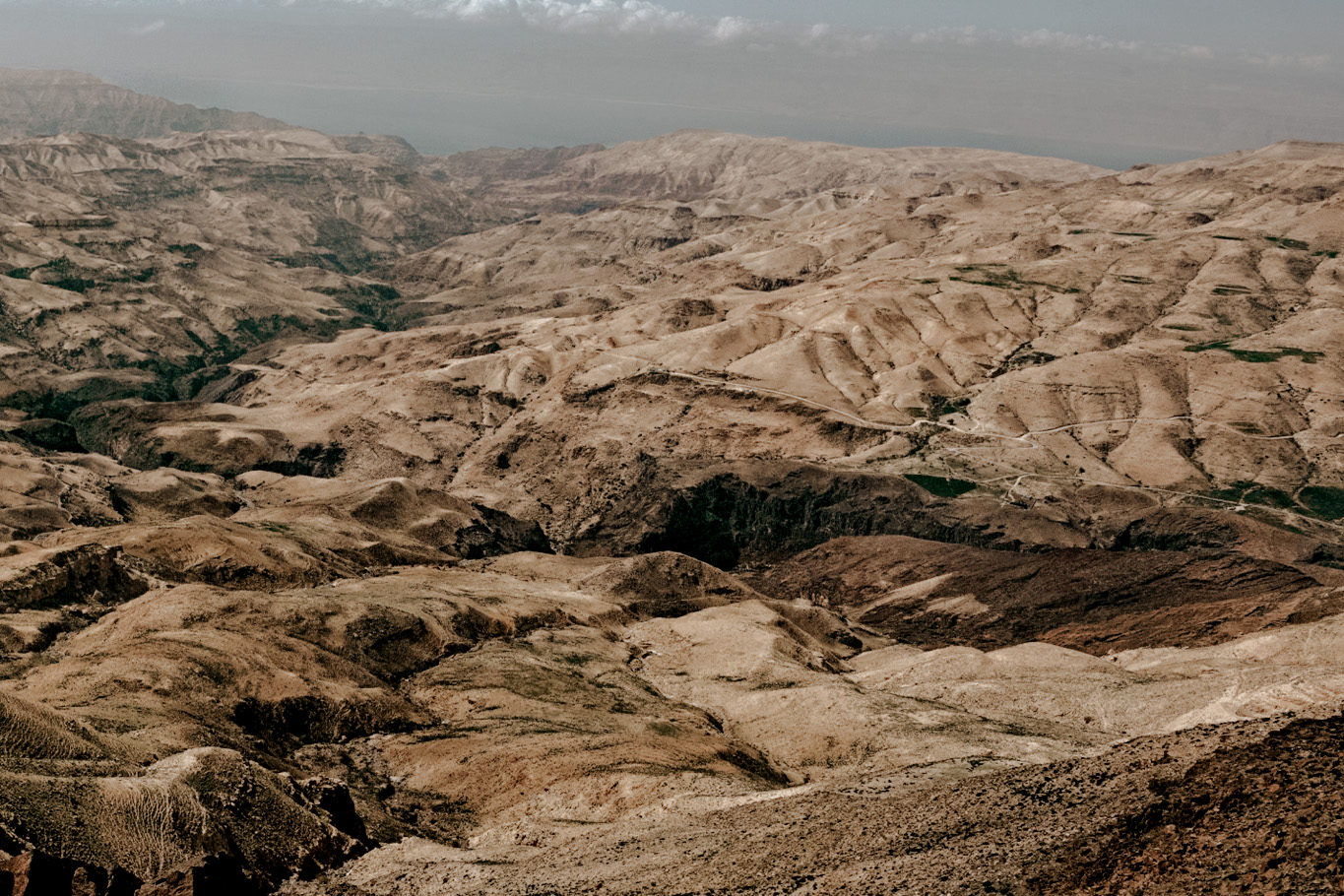
Ecosystems at the Heart of Jordan’s Adaptation Agenda
Jordan’s National Adaptation Plan (NAP) 2025 reflects a strategic shift toward embedding environmental resilience and nature‑based solutions at the heart of national climate adaptation planning.

Embracing Bamboo as a Pathway to Resilience in the Philippines
The Philippines is turning to one of its oldest natural resources to help secure a more resilient future, placing nature at the heart of climate action through a renewed national push for bamboo development. This month, the Climate Change Commission (CCC) launched the campaign “Kawayan: Kabalikat ng Klima at Komunidad,” highlighting bamboo as a powerful nature-based solution that supports environmental protection, community resilience, and sustainable livelihoods.
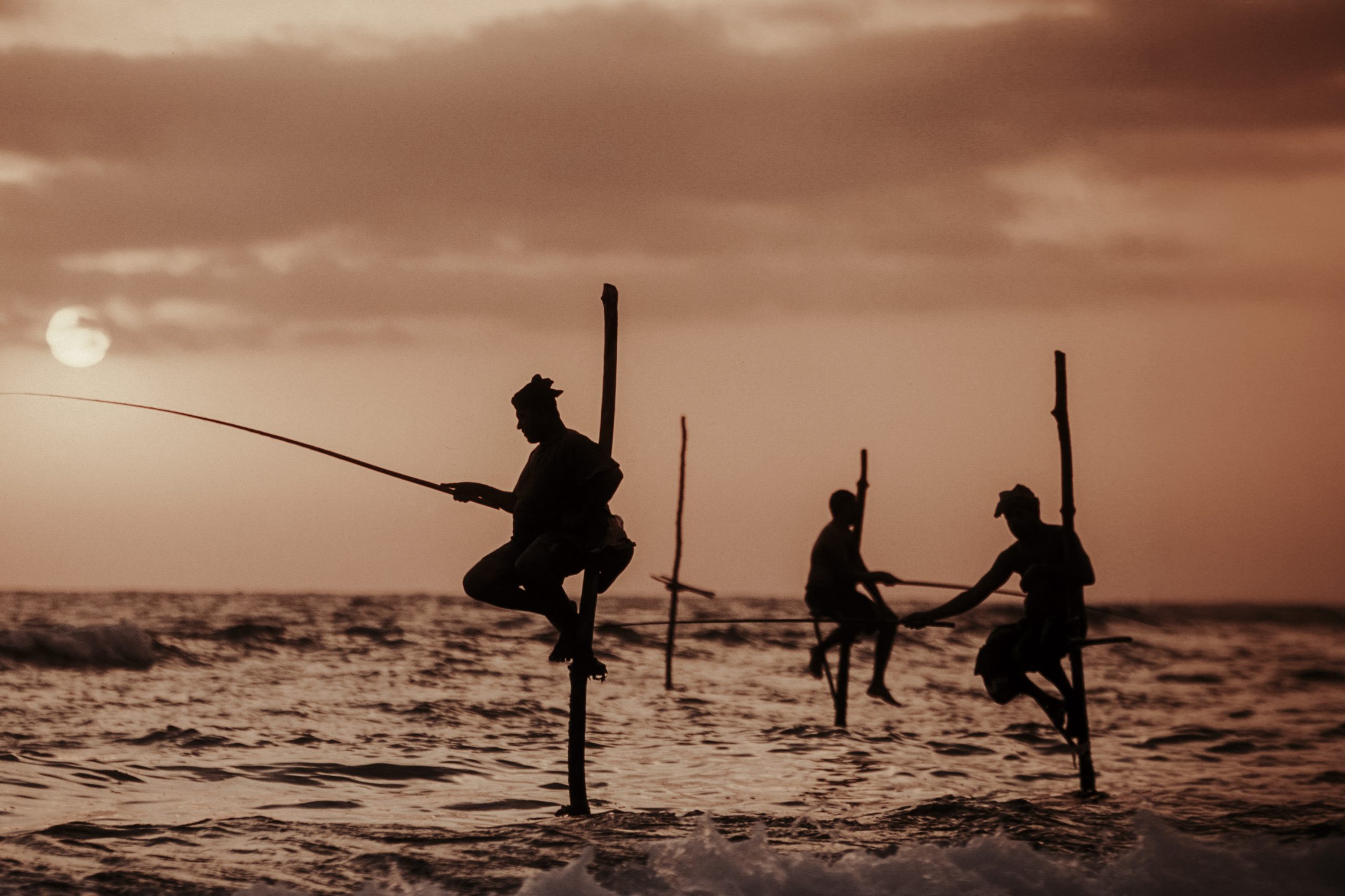
Sri Lanka’s Love Letter to the High Seas
Sri Lanka is taking steps to strengthen national stewardship of marine biodiversity in response to the entry into force of the Biodiversity Beyond National Jurisdiction (BBNJ) Agreement. This landmark international treaty, which entered into force in January 2026, establishes a global framework for conserving and sustainably using marine life in the high seas.
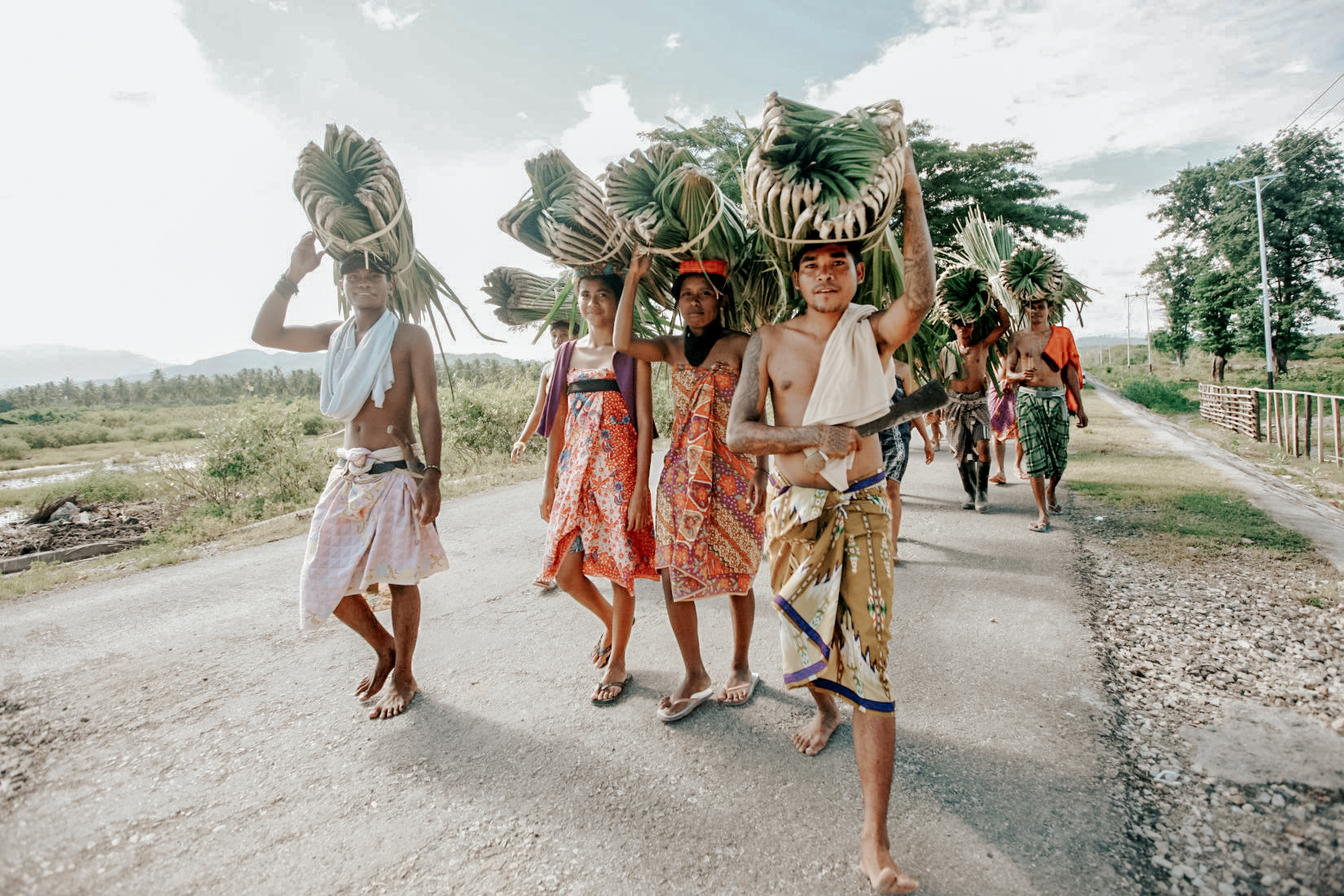
Loving Nature through Restoration, Strengthening Communities in Timor-Leste
In Timor-Leste, a new climate initiative is working to restore ecosystems while strengthening rural resilience. The project, led by the United Nations Environment Programme (UNEP) with national partners, aims to help communities adapt to climate change by rebuilding the natural systems they depend on.