PH Completes In-Country Consultation and Stocktake in the Global Shield Implementation
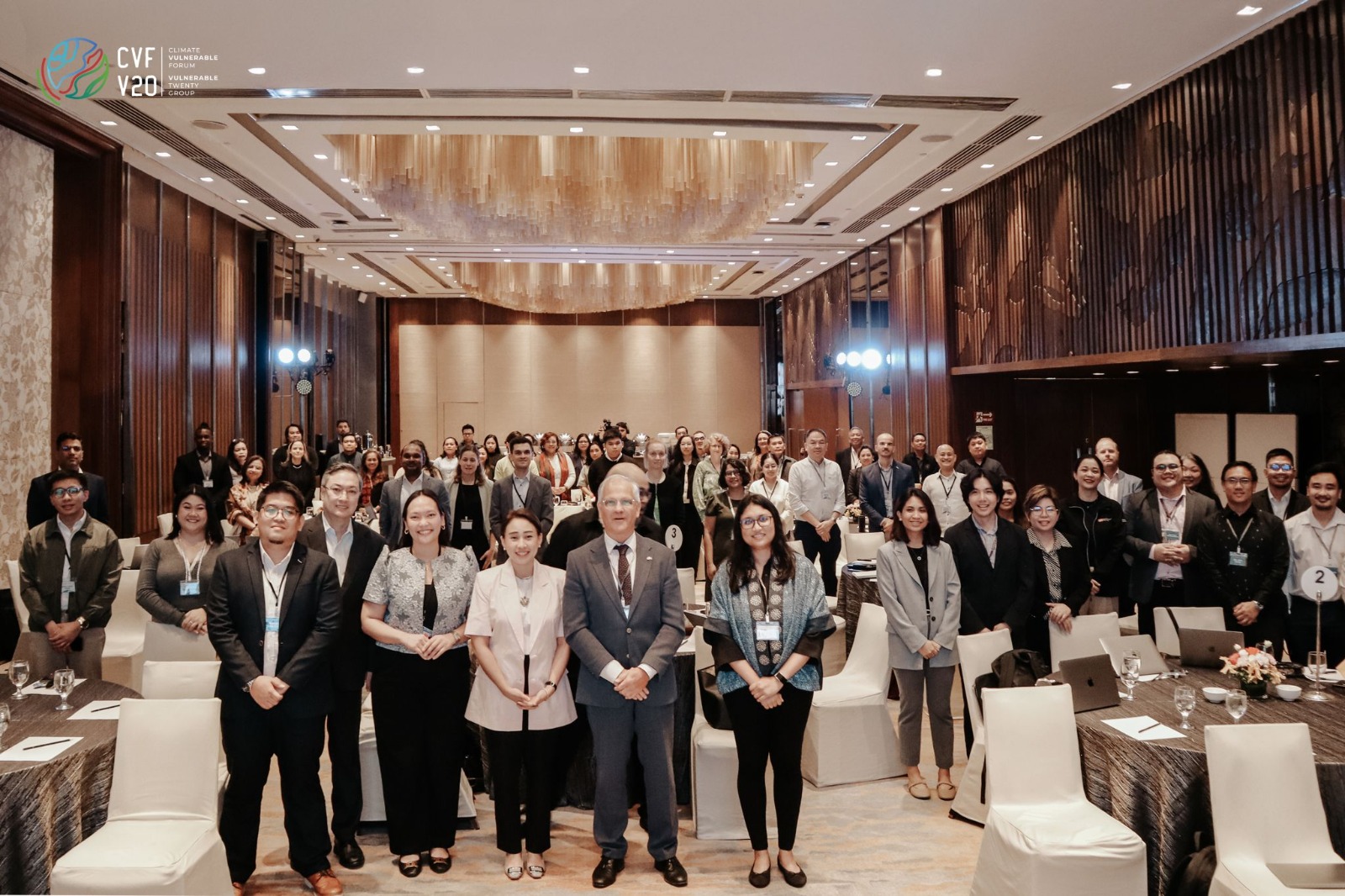
Organized by the Philippine Department of Finance, Institute for Climate and Sustainable Cities, and the Global Shield against Climate Risks Secretariat, the two-day workshop identified priority action areas for scaling up pre-arranged finance solutions and potential further support through the Global Shield and its partners.
Quezon City, Philippines—The Republic of the Philippines continues to make strides as a country pathfinder under the G7-V20 Global Shield against Climate Risks initiative after completing the in-country process and stocktake, led by the Climate Finance Policy Group of the Department of Finance (DOF) and the Institute for Climate and Sustainable Cities (ICSC). Progress is underway for the gap analysis, bringing the country closer to developing its request for Climate and Disaster Risk Finance and Insurance (CDRFI) support.
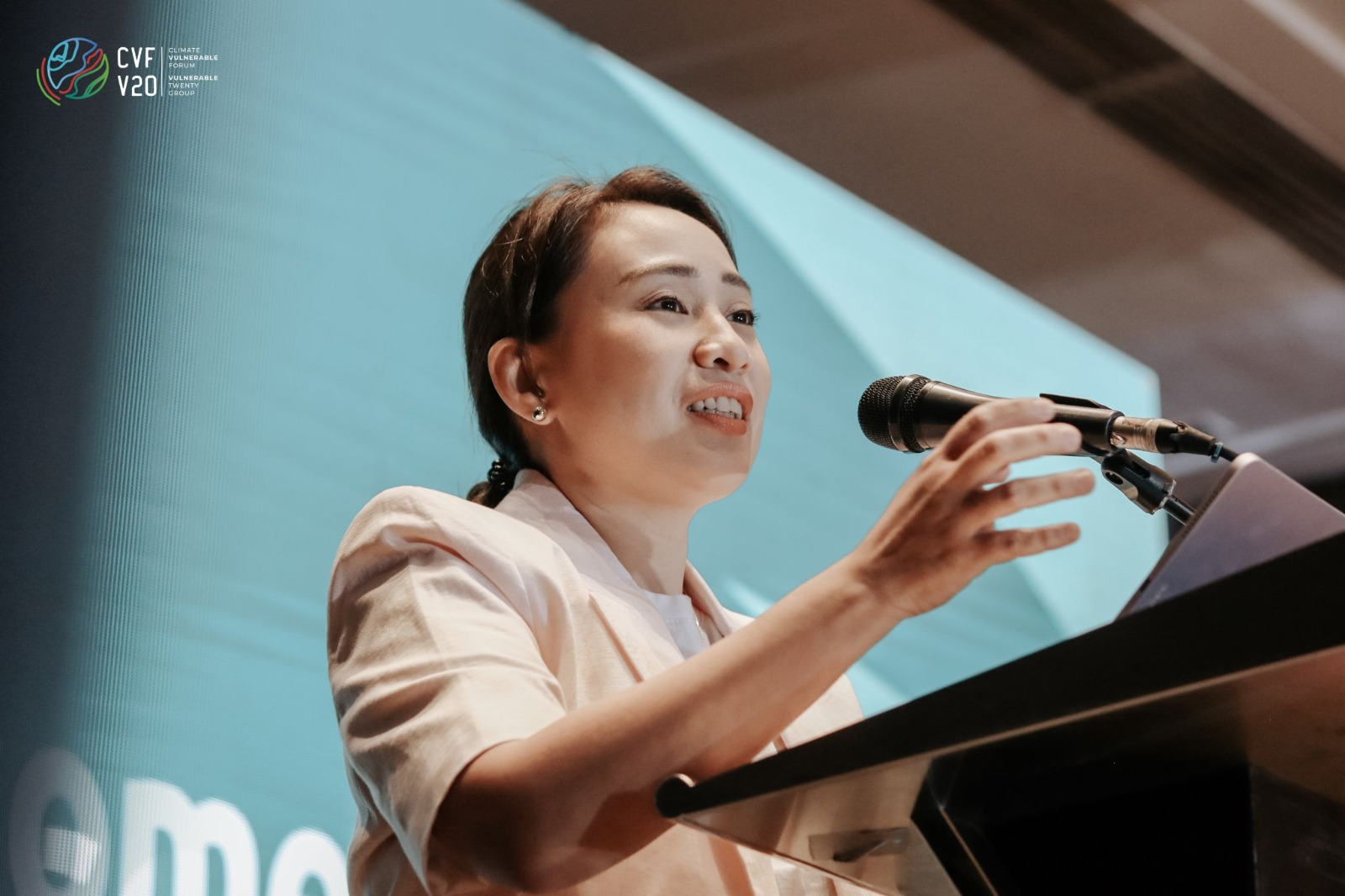
“With the Philippines being chosen to be one of the Global Shield’s pathfinder countries means an opportunity to establish a better pre-arranged finance to safeguard Filipinos from climate and disaster-related loss and damages,” said DOF’s Undersecretary Maria Luwalhati C. Dorotan-Tiuseco.
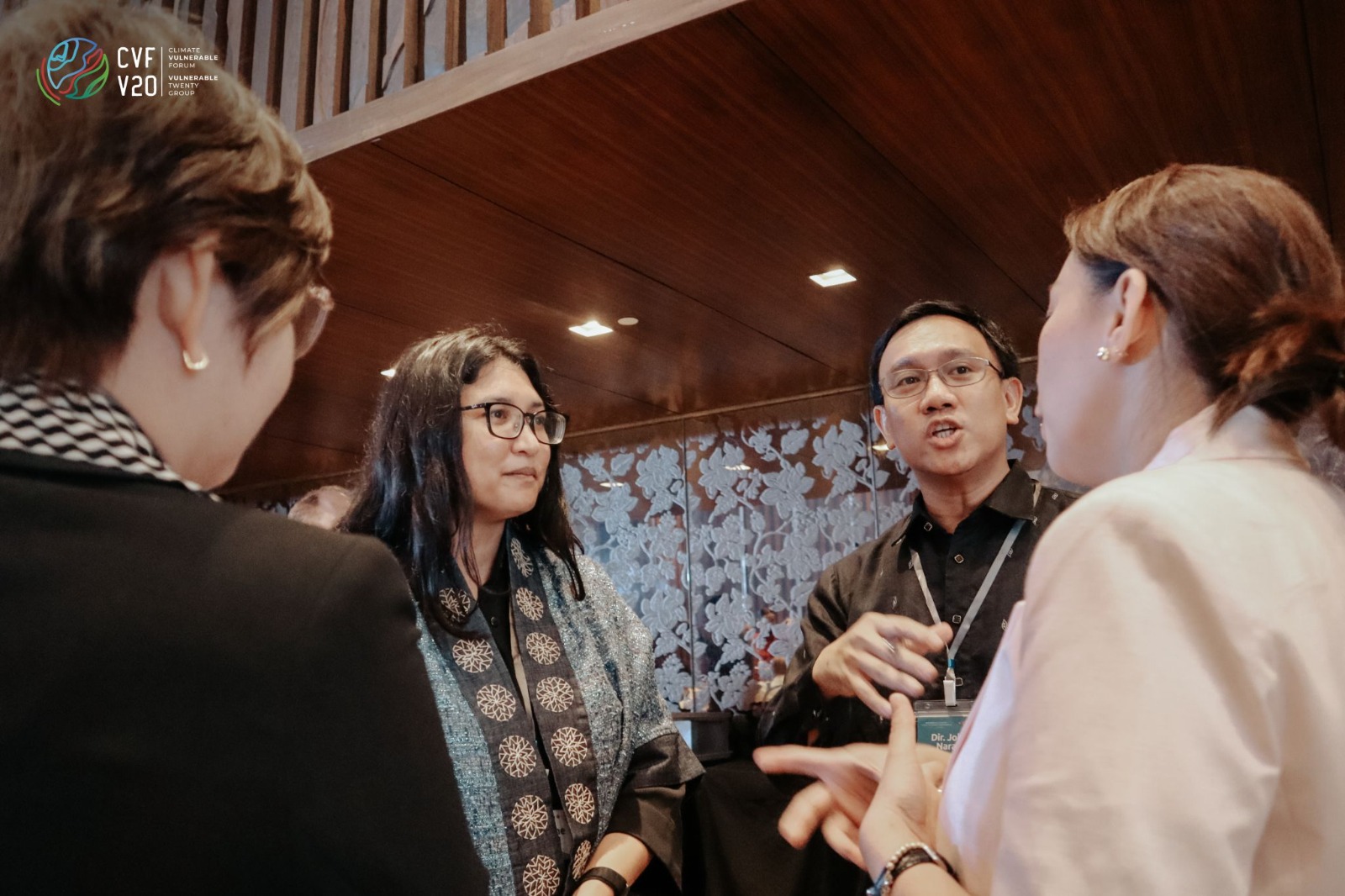
Last August 13 to 14, the Philippines held its Global Shield against Climate Risks Country Workshop gathering stakeholders from the government sector, civil society organizations, private sector, academia, and development institutions. The in-country process and the stocktake revealed the country’s financial protection landscape.
Several pre-arranged financial arrangements for climate-induced and disaster-related risks have been present across policies and legal frameworks. These include the National Disaster Risk Reduction and Management Fund, which requires local government units to allocate no less than 5% of their internal revenue for disaster risk management initiatives and payment of calamity insurance premiums; the People’s Survival Fund, which provides a domestic financing window and guarantees for risk insurance in the agricultural sector; and the Philippine Catastrophe Insurance Facility, a private-sector risk-pooling mechanism.
However, challenges persist in the implementation of CDRFI mechanisms. The availability of granular historical and modeled risk data remains limited, constraining the design of effective instruments. Local governments often lack the technical capacity and awareness to utilize CDRFI tools, while subnational actors continue to perceive microinsurance products as unaffordable and inaccessible.
The Philippines pushes for stronger adaptation measures and long-term solutions after facing socioeconomic losses of PHP 2.2 billion in agriculture and PHP 10.5 billion in key infrastructure.
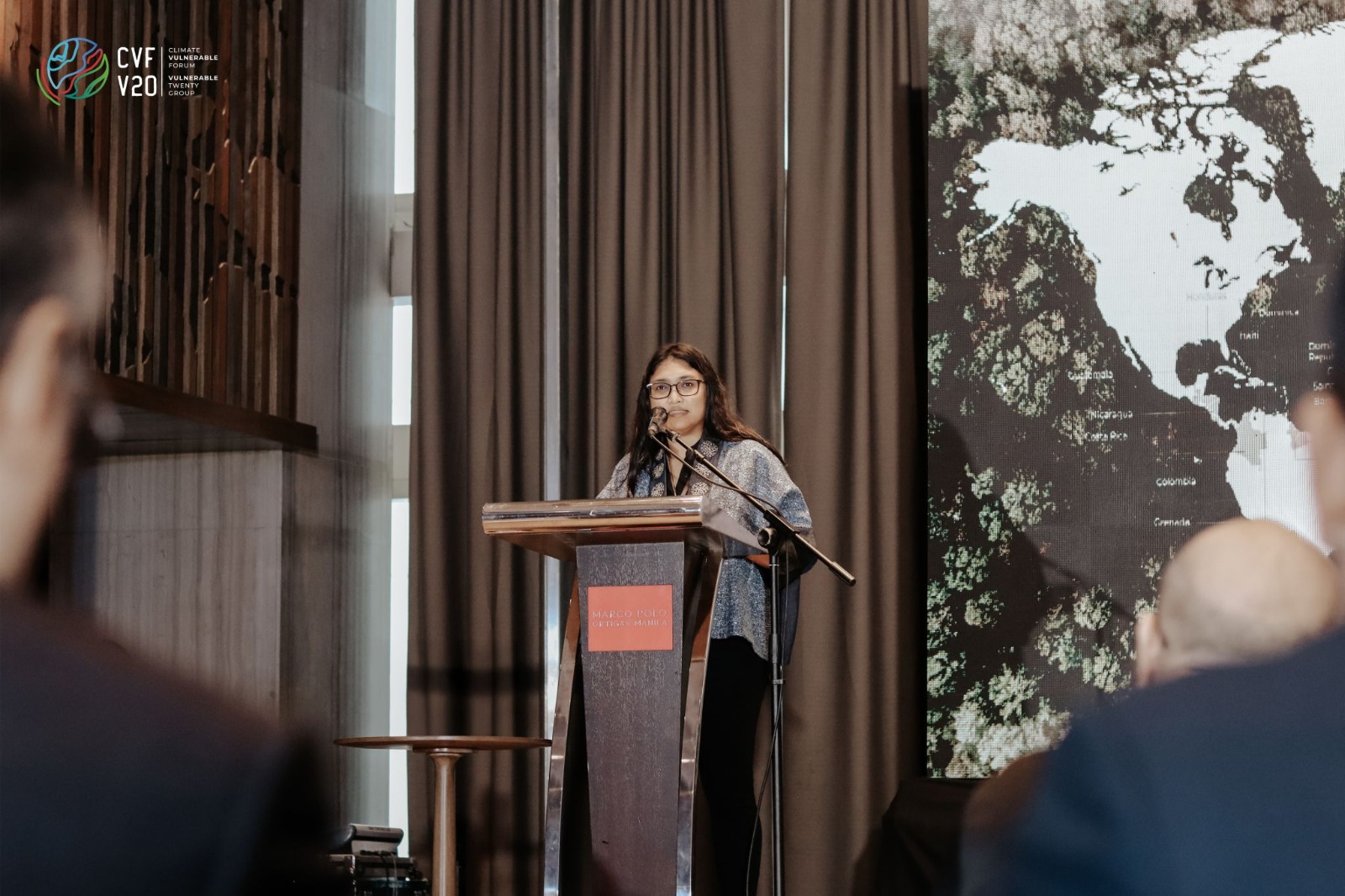
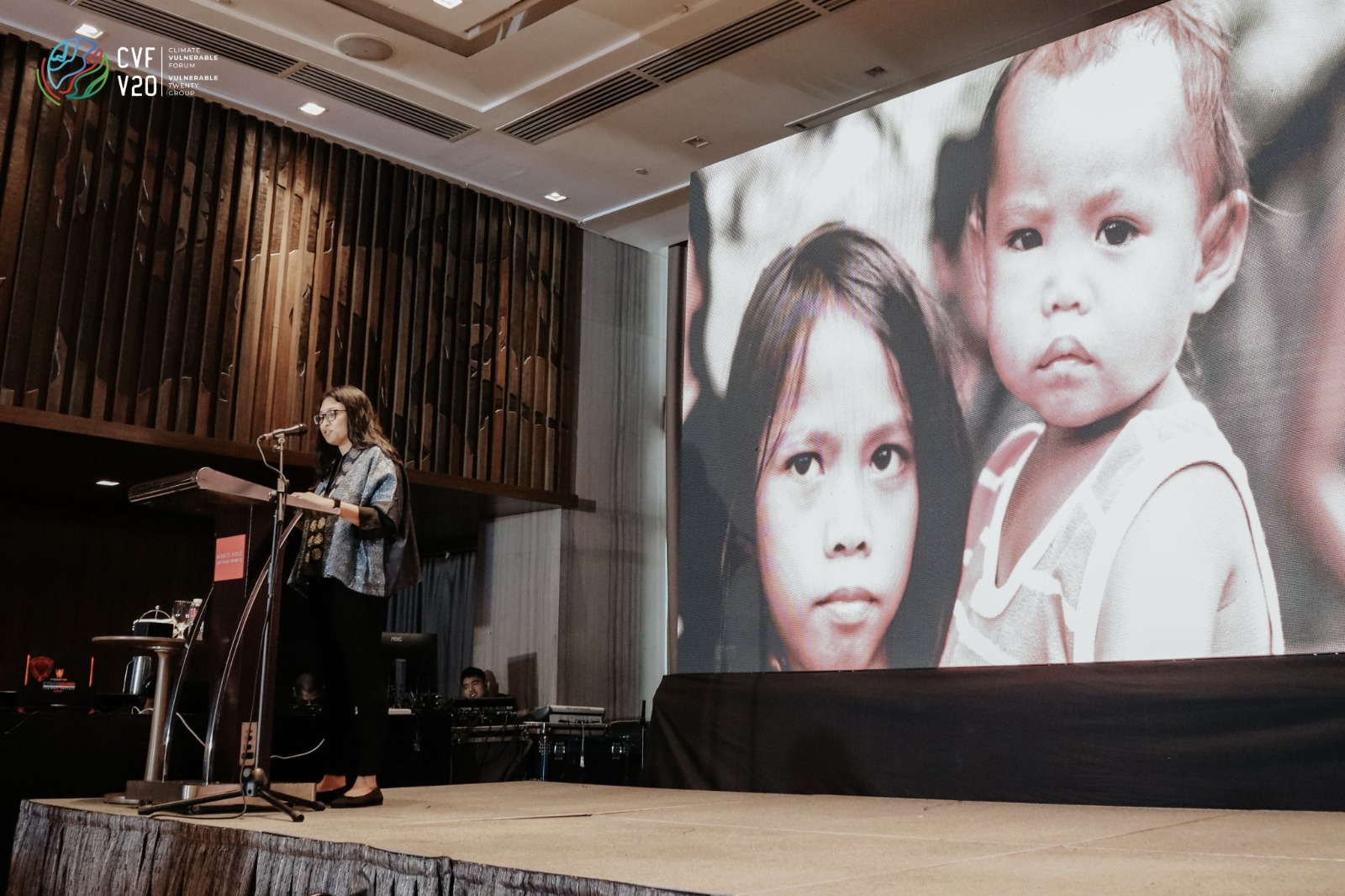
“Local government units shoulder substantial responsibilities—including public service delivery, and disaster preparedness. Strengthening climate and disaster risk financing and insurance is essential for them to succeed in these responsibilities by protecting their communities, infrastructure, and enterprises,” Sara Jane Ahmed, the CVF-V20 Secretariat’s Managing Director, explained.
Representatives from the civil society organizations and relevant sectors identified data governance and localization of policy instruments as essential in strengthening existing CDRFI mechanisms, with streamlined efforts from the government. National agencies have also expressed their support for the initiative.
“The Global Shield initiative’s vision lies deeply with the nation’s priority of enhancing our country’s resilience—its ability to adapt and recover from climate shocks. It is also central to the Climate Change Commission’s mandate under the National Adaptation Plan,” Atty. Romell Antonio O. Cuenca, Deputy Executive Director at the Climate Change Commission, said.
“The timing of this Global Shield initiative could not be more fitting. Just recently, we completed the midterm review of our Philippine Development Plan and released its updated version. This update reaffirms that resilience is not built after the storm has passed. It should be built long before through preparedness, foresight, and smart investment,” the Department of Economy, Planning, and Development’s Undersecretary Carlos Bernardo Abad Santos, added.
This equips the Philippines with the right tools and approaches to adapt and thrive to climate change impacts.