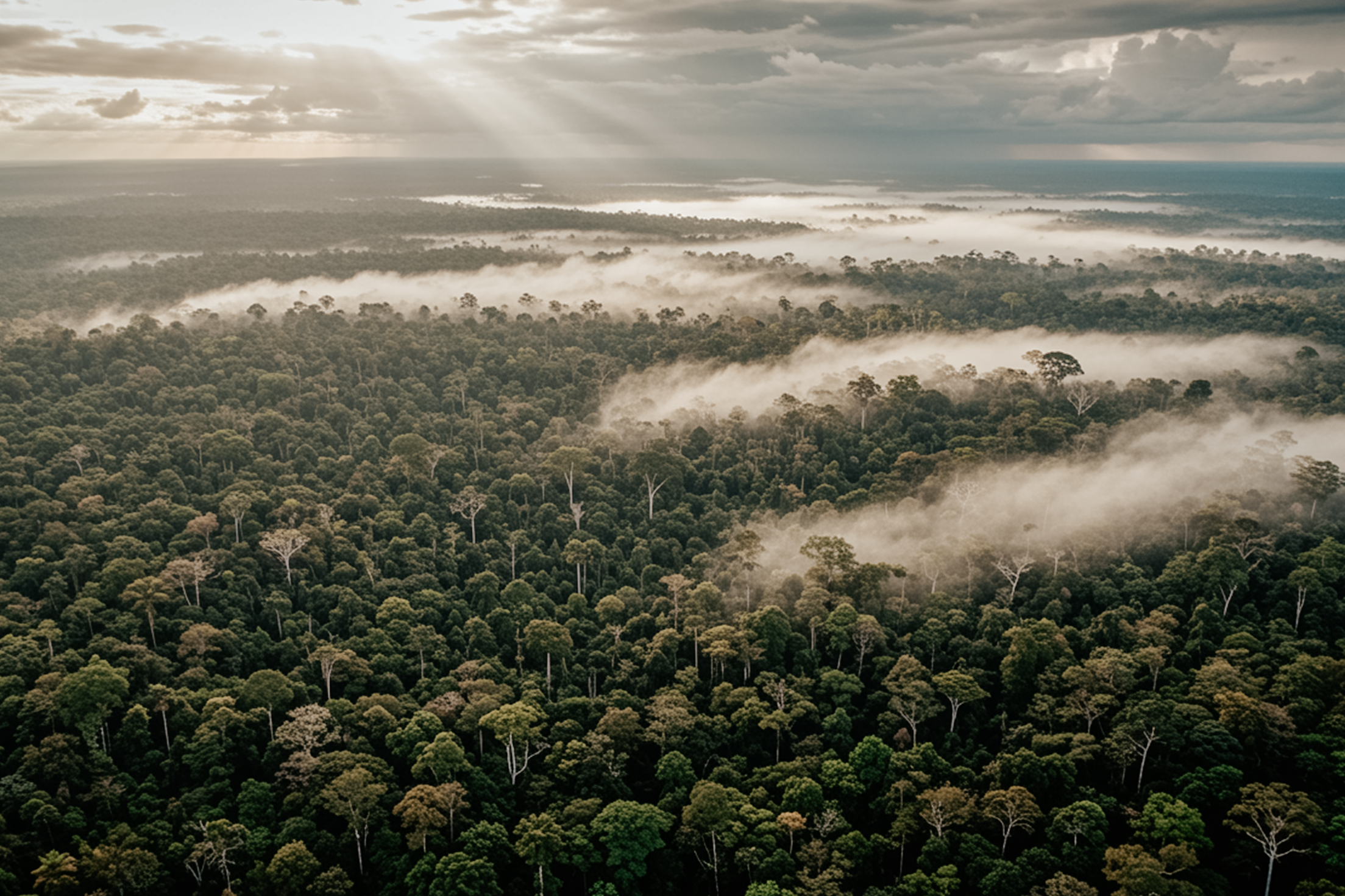
Colombia Frees Its Amazon Region from Large-Scale Mining
The Republic of Colombia vows to protect its share in the Amazon by declaring its entire biome off-limits to new large-scale mining and hydrocarbon projects, ensuring the conservation of ecological systems and the preservation of engraved ethical identity across the jungle. The declaration was made at a ministerial meeting of the Amazon Cooperation Treaty Organization (ACTO) ministers during COP30 in November 2015.
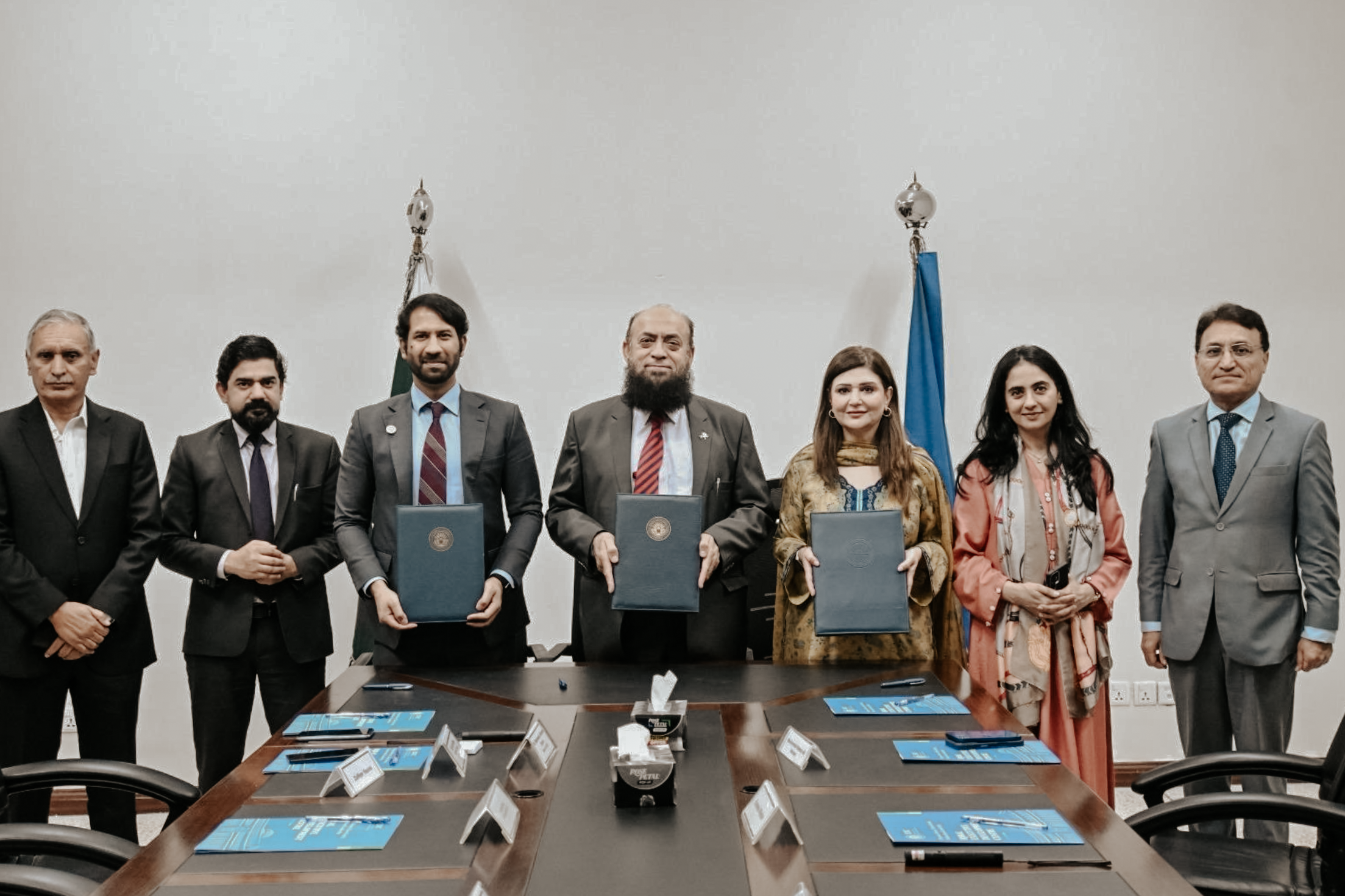
New Partnerships Forged in Pakistan to Accelerate Climate Action
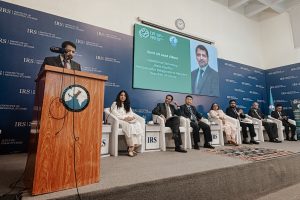
The CVF-V20 Secretariat has forged new partnerships with leading financial, academic, and media institutions in Pakistan in March, marking a significant step toward advancing climate finance, building national capacity, and strengthening implementation of the Pakistan Climate Prosperity Plan (CPP).
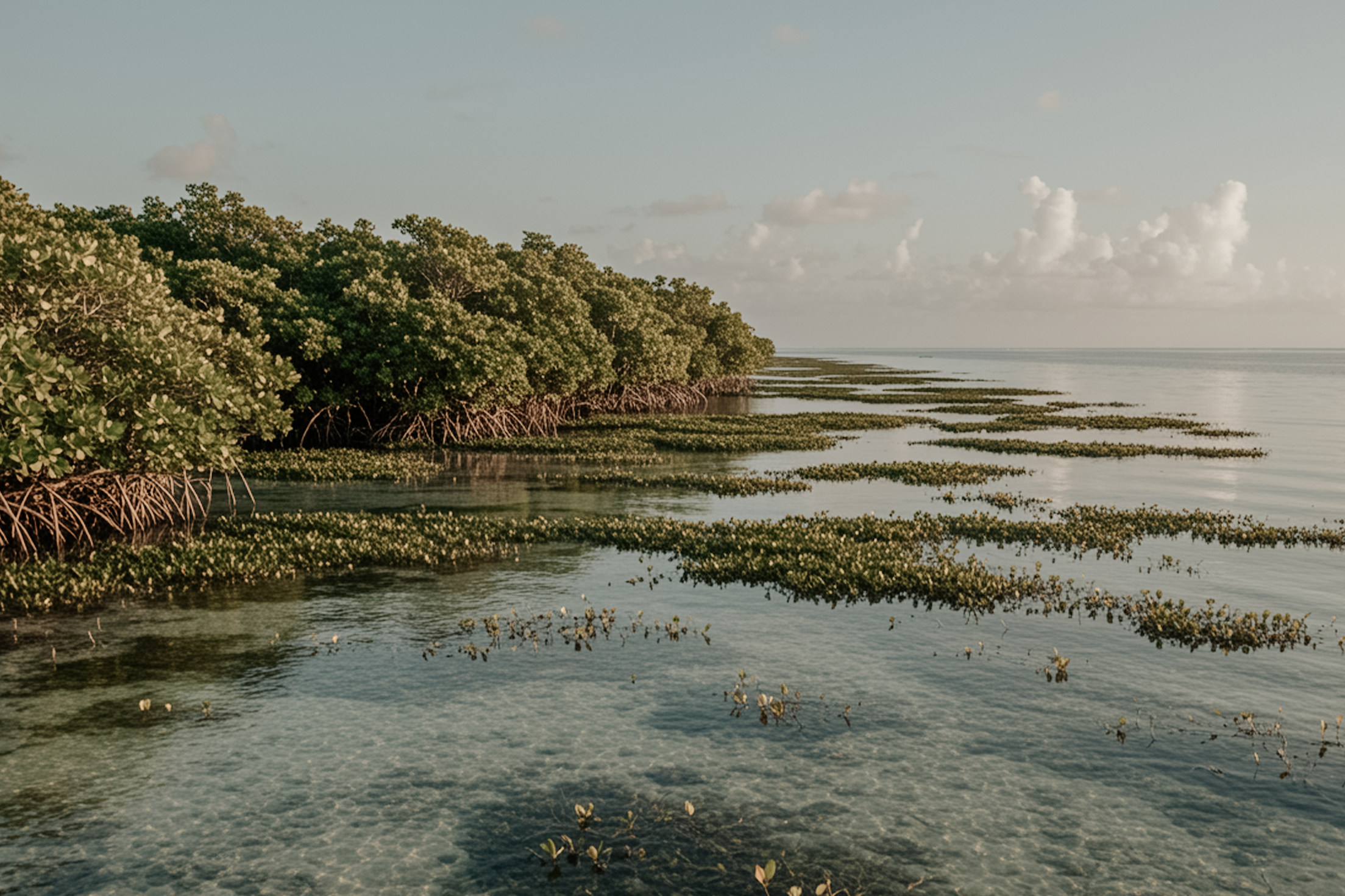
Nature-Based Solutions Drive Honduras’ NDC 3.0
Ten years after its first climate commitments under the Paris Agreement, Honduras is turning to the strength of its coastlines. In its third Nationally Determined Contribution (NDC), the country is prioritizing mangrove and seagrass conservation as a cornerstone of its climate action.

Levant Region Leverages Subnational Governance to Access Climate Finance
Ten municipalities from Lebanon, Palestine, and Jordan engaged with development banks and bilateral and multilateral donors at the Climate Finance Pathways Forum to mobilize resources for their subnational climate project proposals spanning water security and flood-risk reduction, nature-based solutions, climate-resilient infrastructure, urban cooling, solid waste management, and climate-smart agriculture.
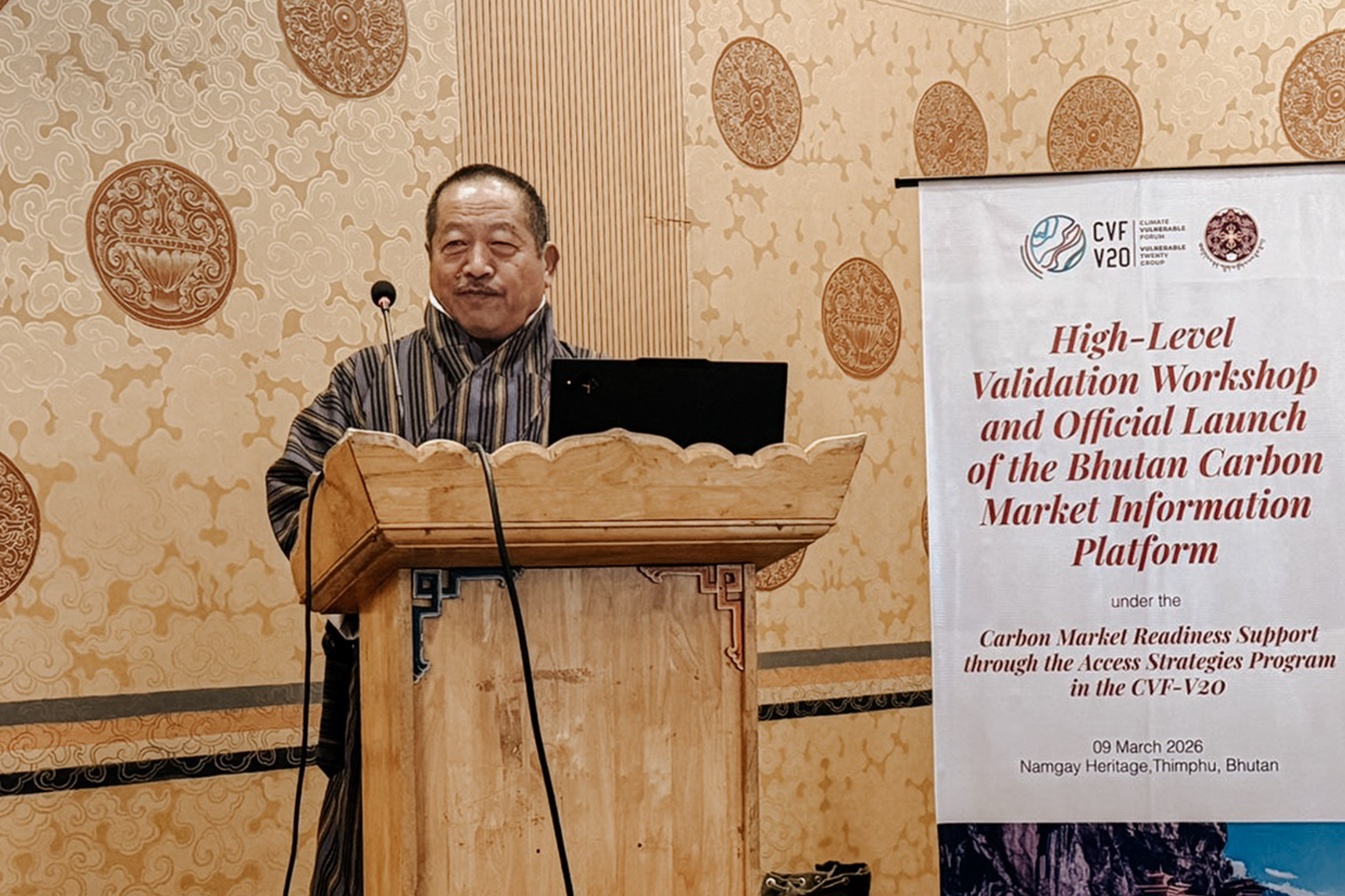
From Policy Ambition to Investment Readiness: Bhutan’s Progress with the V20–VCMI Carbon Finance Program
Through the Carbon Finance Program, Bhutan has accelerated the development of policy frameworks and strengthened the institutional foundations needed to advance the country’s participation in carbon markets, including the launch of a centralized carbon information platform.
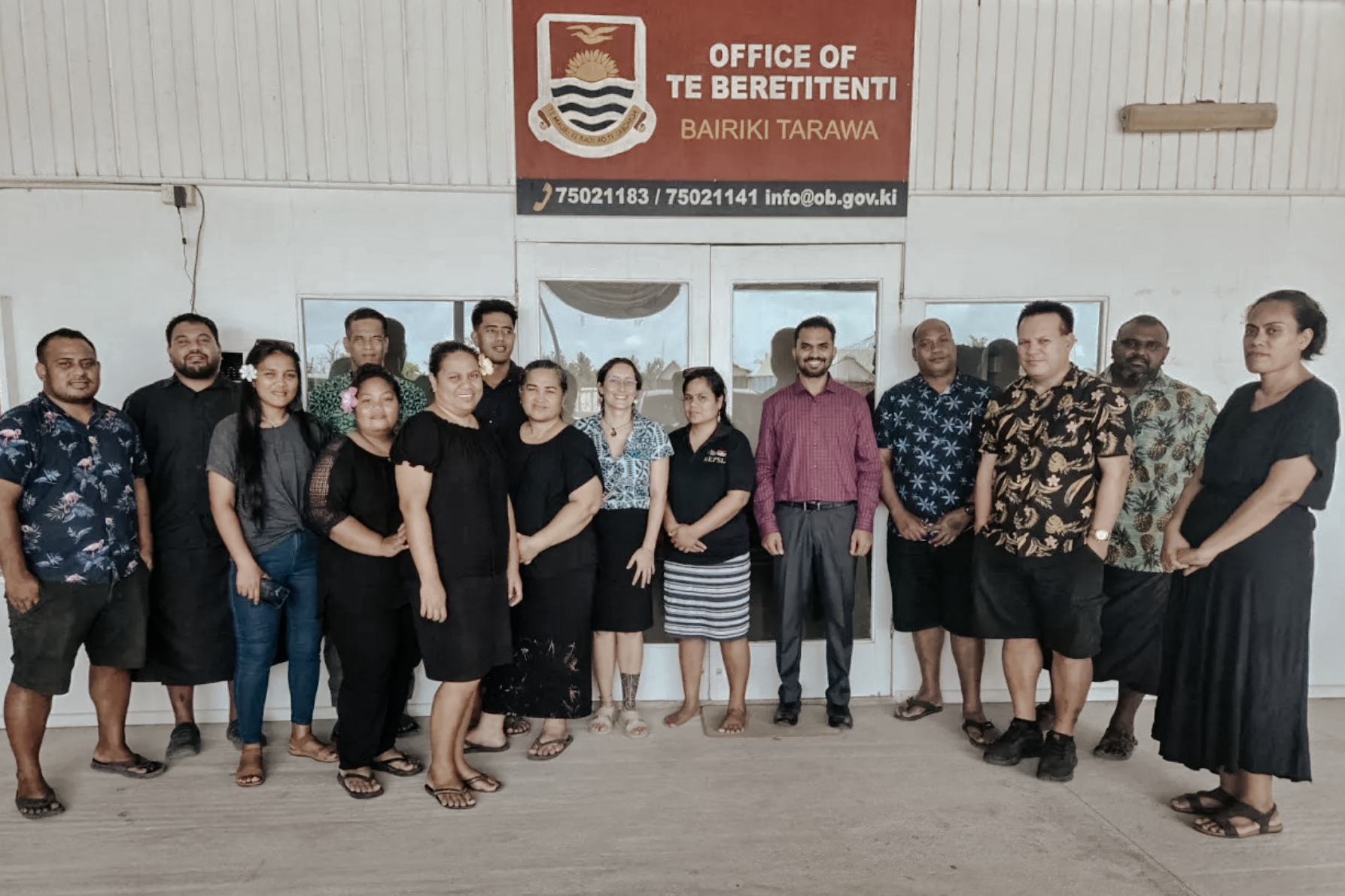
From Ambition to Implementation: Kiribati’s Climate Investment Pathway
Efforts are now underway to update Kiribati’s Nationally Determined Contribution (NDC) Investment Plan, with the support of the Regional Pacific NDC Hub. First developed in 2021. the investment plan provides a structured roadmap for translating national climate targets into concrete investment opportunities.
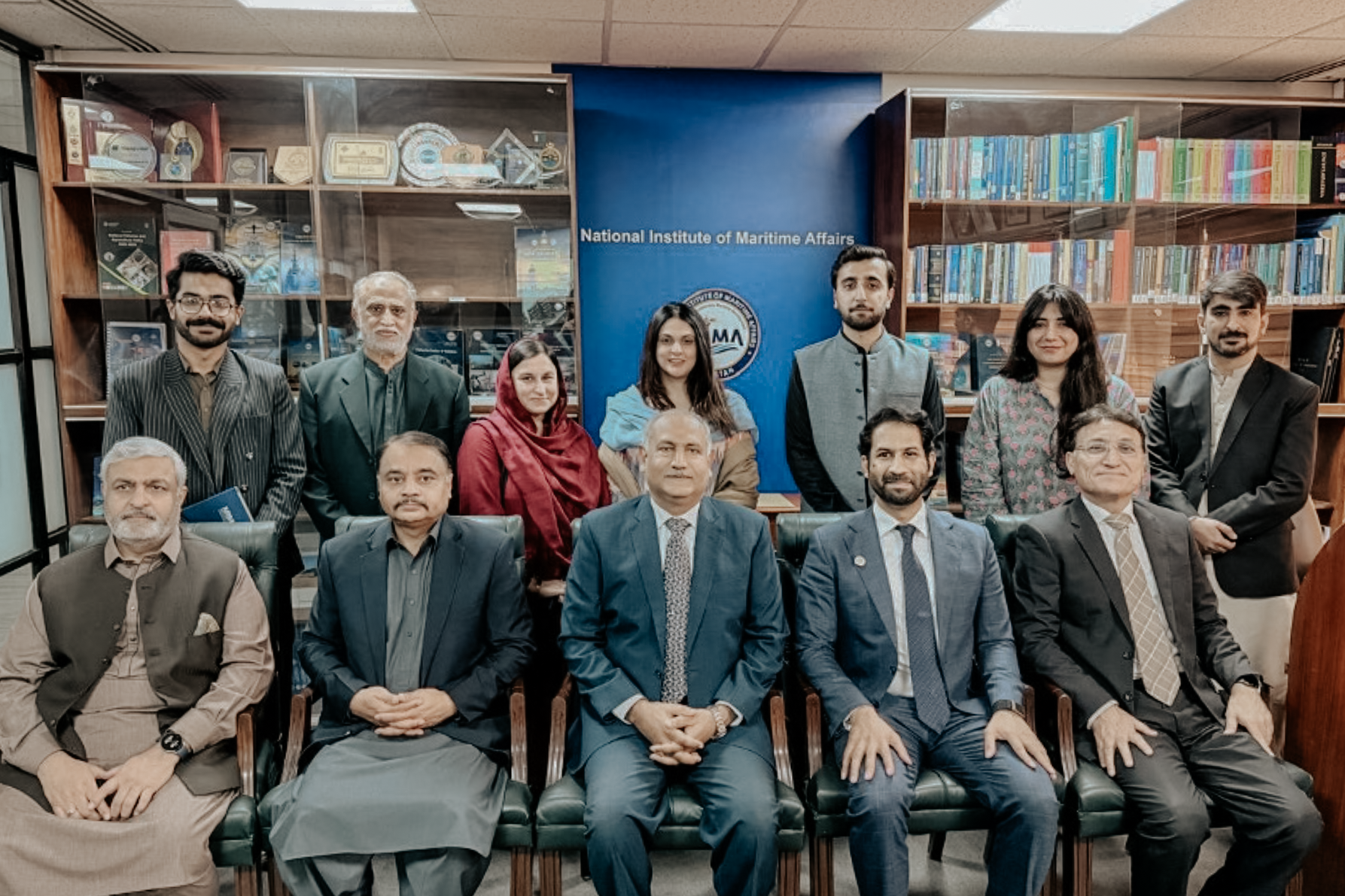
Advancing Climate Investment Pathways in Pakistan
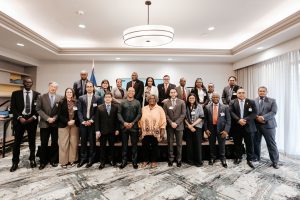
In February, a series of engagements with key institutions across Pakistan explored ways to strengthen the investment pipeline under the country’s Climate Prosperity Plan (CPP). The CVF-V20 South Asia team met with a range of stakeholders to discuss how sector reforms, research initiatives, and large-scale programs can be translated into bankable projects that attract international investment across infrastructure, renewable energy, agriculture, and the blue economy.
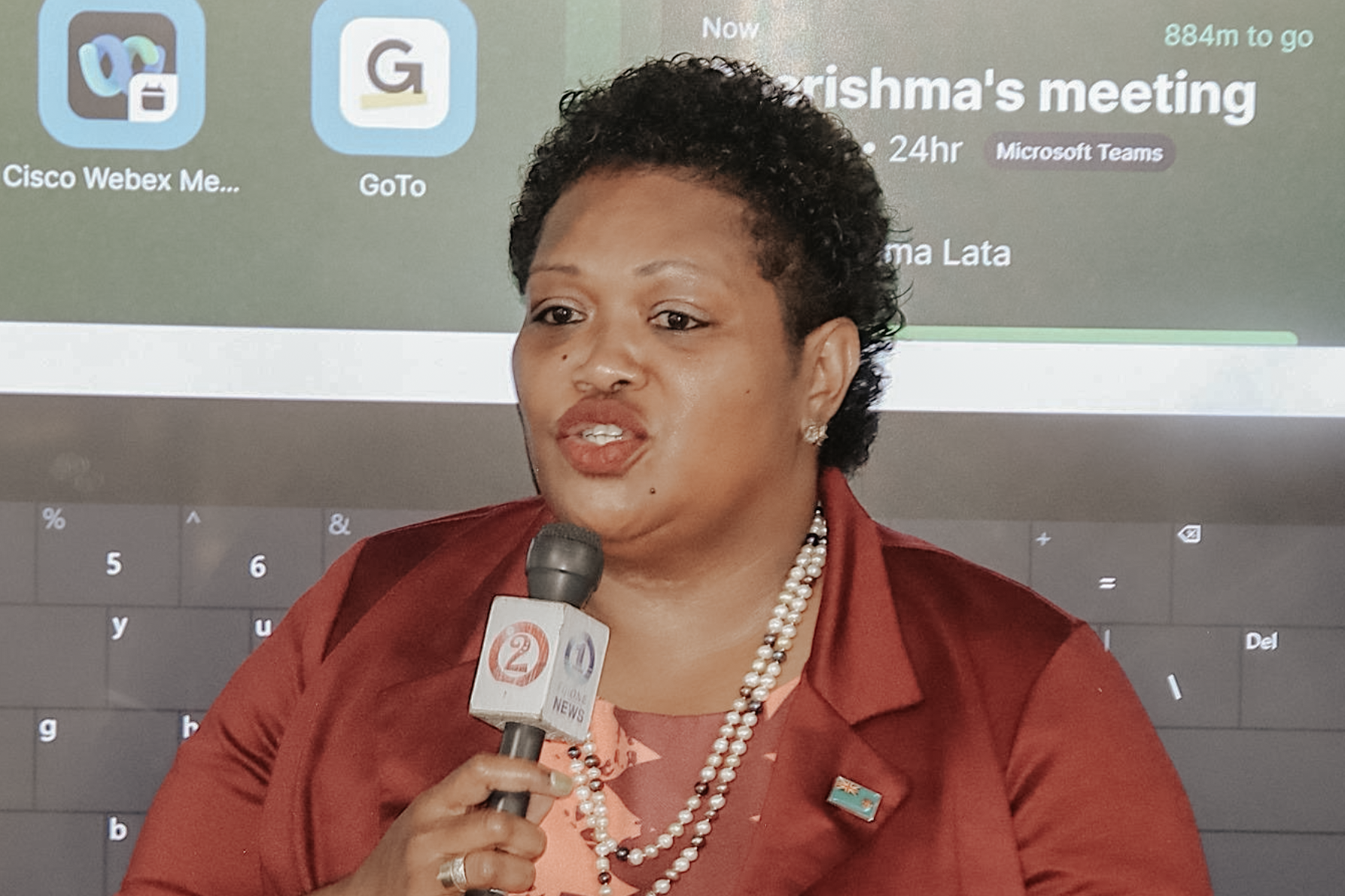
Fiji Strengthens Ocean Governance with 30×30 Targets
Fiji is taking its ocean governance to new heights with a revitalized commitment to protect 30% of its water by 2030. At the heart of this conservation initiative lies a rigorous, evidence-based, data-driven discussion among experts and government officials. With the Ministry of Fisheries at the forefront of this movement, Fiji is ensuring that its country-wide efforts align with the global 30×30 Initiative and international obligations under the Western and Central Pacific Fisheries Commission.
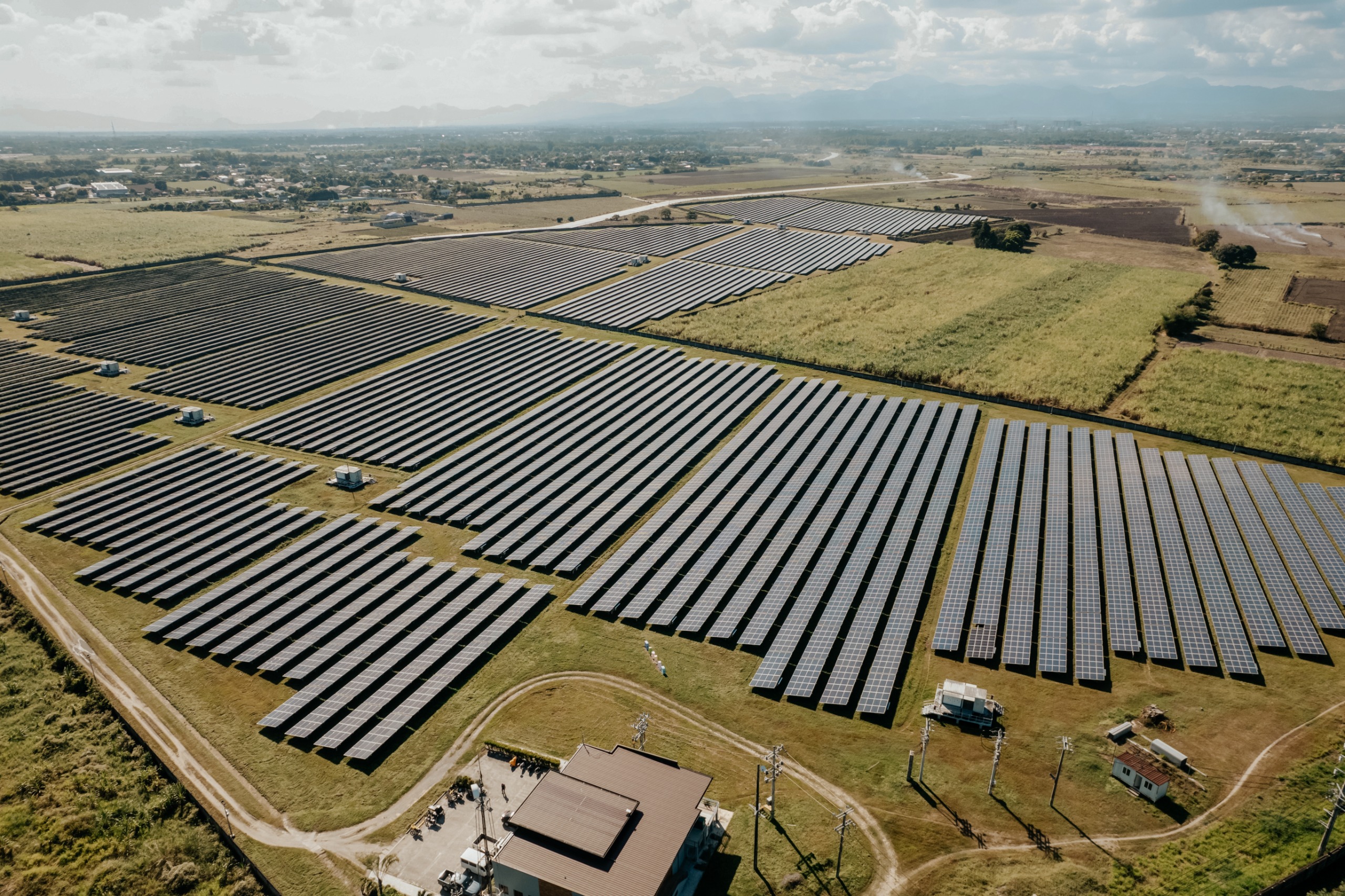
Empowering Communities: Accelerating Local Renewable Energy Transition in the Philippines
Subnational governance and local community participation emerges vital in realizing the ambitious renewable energy targets of the Philippines—achieving a 35% renewable energy share in the power generation mix by 2030, 50% by 2040, and more than 50% by 2050.

Care for the Blue Economy: Saint Lucia Charts a Sustainable Course
Saint Lucia is championing sustainable ocean governance with comprehensive blue economy strategies designed to strengthen economic resilience and foster inclusive growth.
The Coastal and Marine Spatial Plan, developed under the Caribbean Regional Oceanscape Project, provides a roadmap for the sustainable and equitable use of the coastal and marine spaces, protection of coastal and marine ecosystems, and management of land-water interactions.
The Right Union: Gabon Proves Conservation and Economic Growth Can Coexist
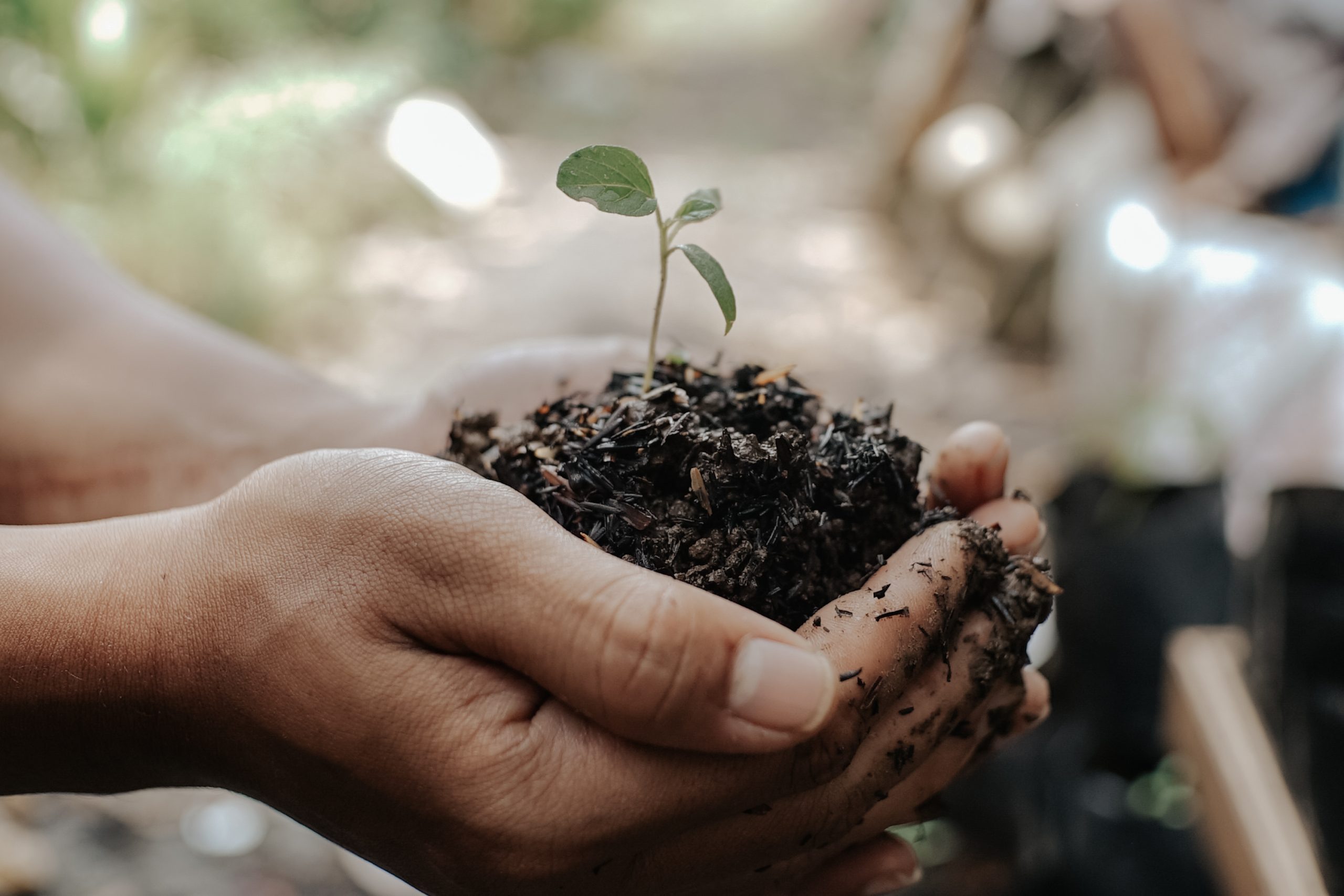
The Gabonese Republic has been classified as a high-forest low-deforestation country, with a recorded deforestatizgreon rate of just 0.6%. This remarkable outcome highlights the impact of forward-looking national policies and ambitious government commitments amid mounting threats of forest degradation across Africa.
Market Romance: Paraguay’s Carbon Credit Innovation and Climate Investments
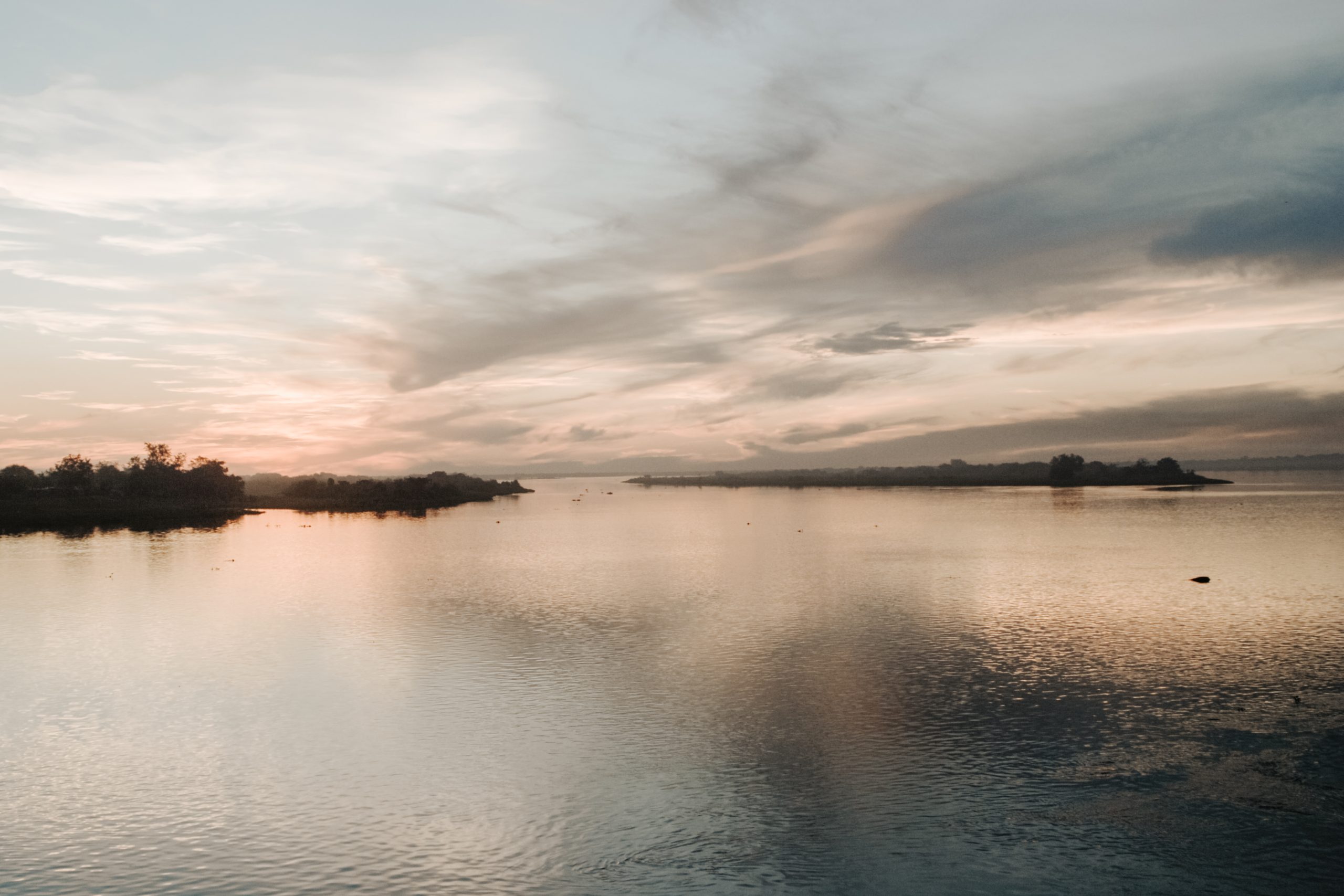
With strong legislative enforcement of the Carbon Credit Law, the Republic of Paraguay is advancing environmental protection and conservation in the Chaco region, supporting projects that safeguard ecosystems while attracting over USD 10 million in responsible investment. At the same time, the country is expanding certification processes across more than 400,000 hectares, strengthening long-term stewardship of forests, biodiversity, and natural carbon sinks.