
Fellowship Sessions Empower Climate Leaders to Drive Bold Action
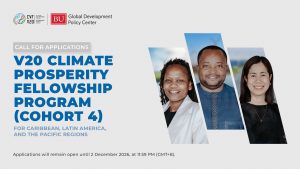
January 2026 witnessed a transformative gathering of climate champions as the CVF-V20 Secretariat hosted a series of fellowship retreats and a residency to equip youth and mid-to-senior-level officials from the world’s most climate-vulnerable nations with co-learning and networking opportunities necessary to advance ambitious development-positive climate action.
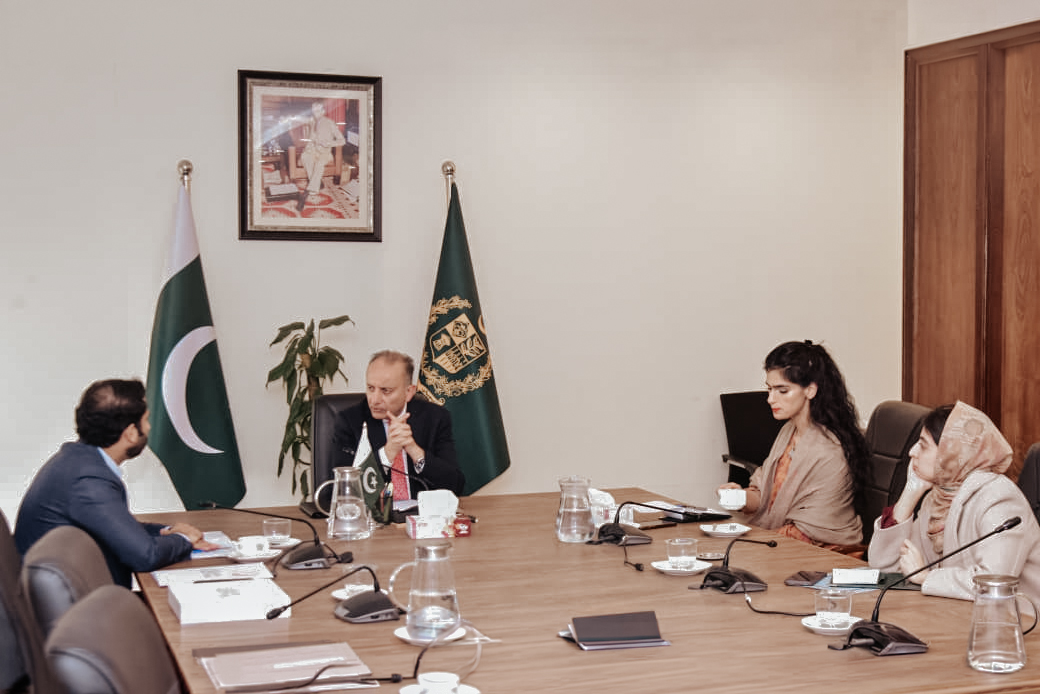
CVF-V20 Backs Evidence-Based Climate and Economic Decisions in Pakistan
The CVF-V20 Secretariat met with Pakistan’s Minister for Climate Change, H.E. Dr. Musadik Malik, on January 8 to align on how CVF-V20 tools and approaches can support national decision-making and delivery on climate and economic priorities. The discussion focused on positioning the Green Economy Model–Prosperity (GEM-P) as a practical, evidence-based tool for the Prime Minister’s Task Force, alongside advancing the launch and implementation of Pakistan’s Climate Prosperity Plan (CPP).
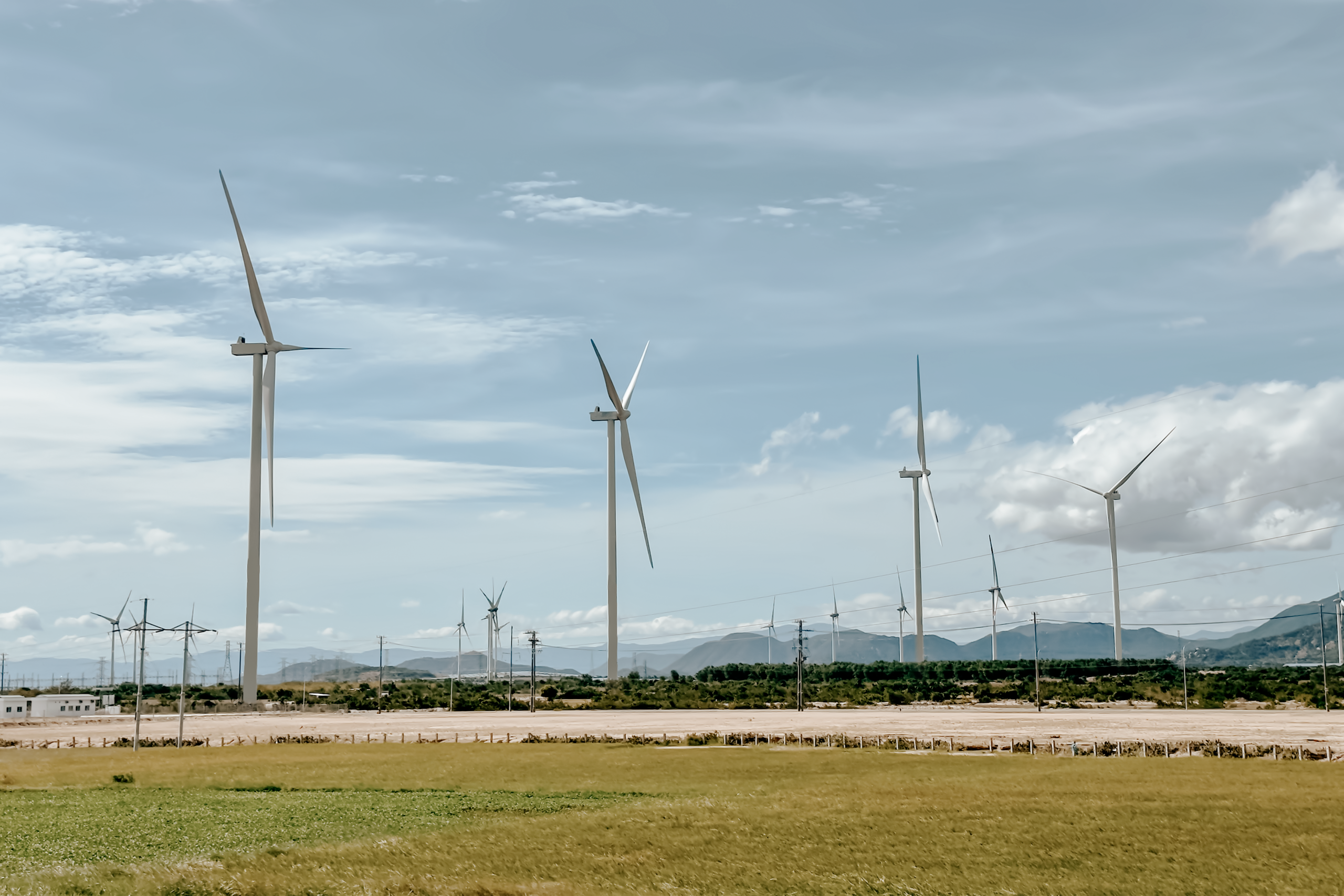
Viet Nam Calls for Stronger Global Commitments and Climate Finance at COP30
At the High-Level Segment of the COP30 in Belém, Brazil, the Socialist Republic of Viet Nam’s delegation, led by Deputy Minister Le Cong Thanh, recalled the principle of Common but Differentiated Responsibility and Respective Capabilities (CBRD-RC), demanding stronger action and financial commitment from the developed world.

Honduras and Suriname Pilot Sovereign Article 6.2 Carbon Credits for Rainforest Conservation
The Republics of Honduras and Suriname have signed a Letter of Intent (LoI) with Deutsche Bank, Bayer, Siemens, Symrise, and the Coalition for Rainforest Nations (CfRN) to pilot the issuance of high-integrity, rainforest-based carbon credits under Article 6.2 of the Paris Agreement.
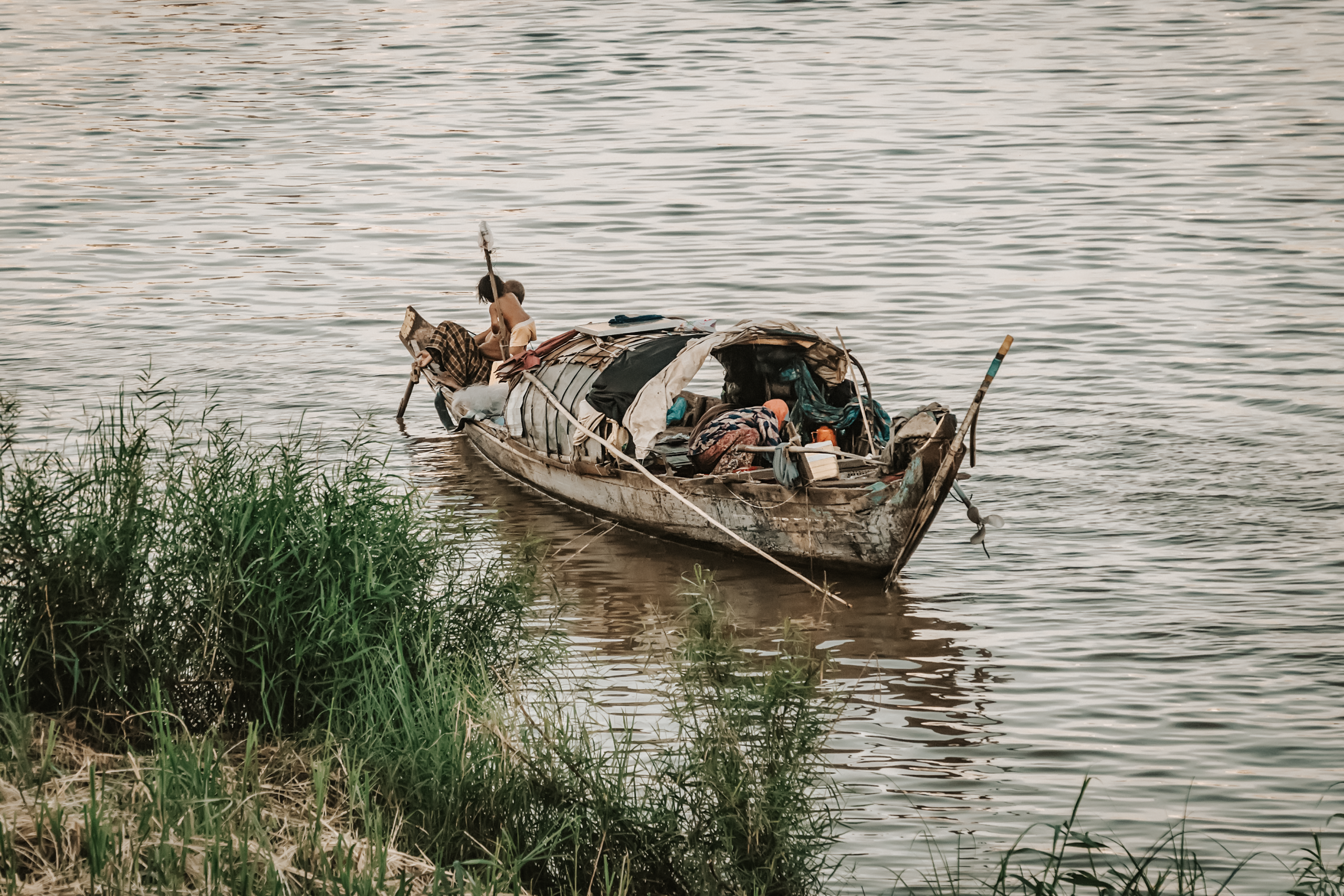
Cambodia Unlocks USD 9.8 Million GCF Funding to Enhance Climate Resilience
Fifteen climate-vulnerable districts located in Battambang, Preah Vihear, and Pursat Provinces of Cambodia will receive adequate capacity and funding to better implement local climate resiliency plans, after the government secured USD 9.8 million for the Third Phase of Local Governments and Climate Change (LGCC-III).
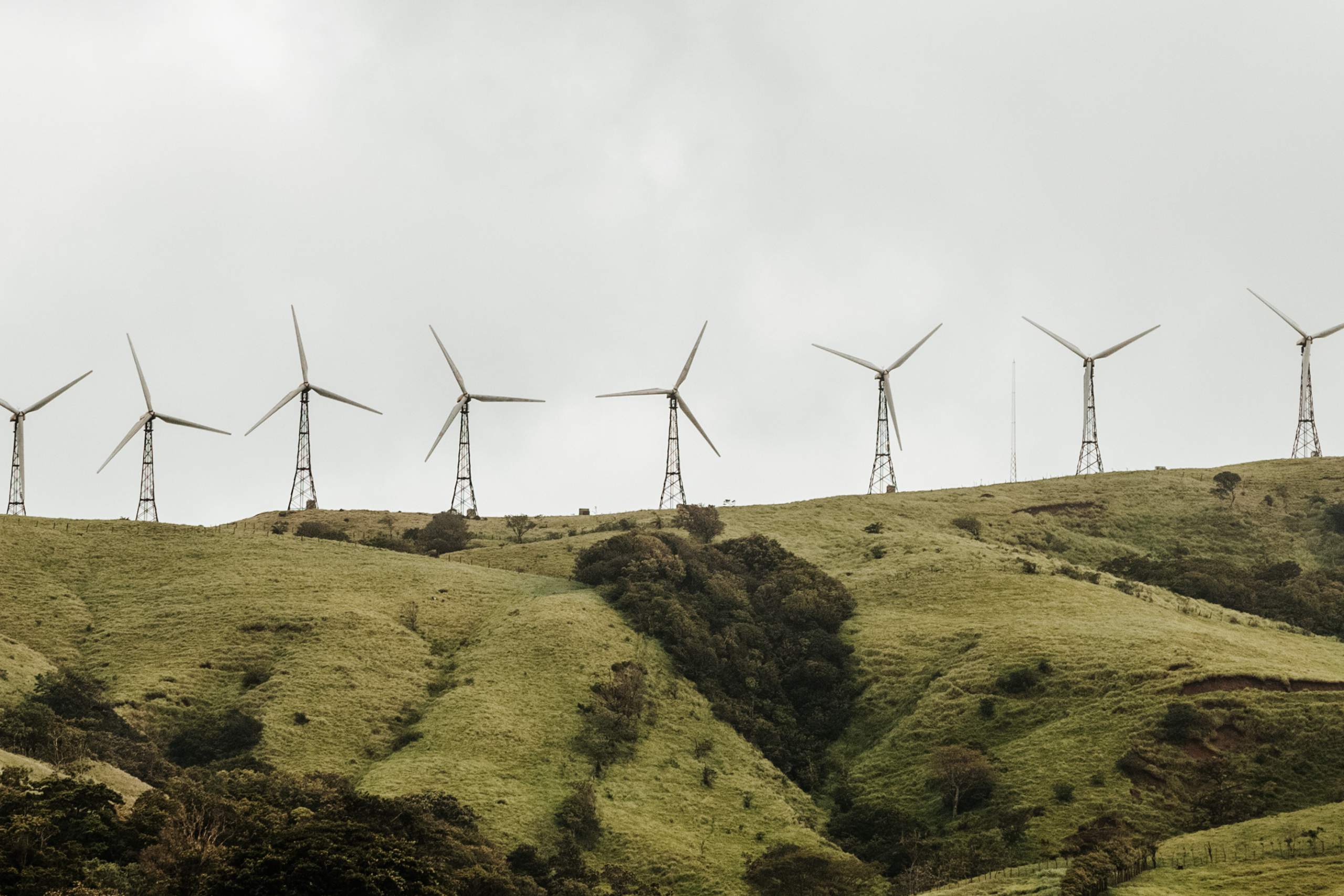
Costa Rica Runs on Renewable Energy, Leaves Fossil Fuel Behind
Almost 100% renewable energy powers Costa Rica’s energy mix, with electricity harnessed from hydroelectric, geothermal, solar, and wind energy. Successful with its green transition that peaked a decade ago, the country now gears toward carbon neutrality by 2050.

CVF-V20 Makes the Case for Green Industrialization at Pakistan-China Dialogue
The CVF-V20 participated in the Pakistan-China Industrialization Dialogue, hosted by the Pakistan-China Institute on 5 May 2026, bringing the perspective of climate-vulnerable economies into discussions on industrial transformation, strategic finance, and resilient development. The dialogue brought together policymakers, business leaders, Chinese and Pakistani enterprises, financial institutions, and experts to explore how Pakistan-China cooperation can move from connectivity toward joint production, technology transfer, export competitiveness, and climate-smart industrialization.
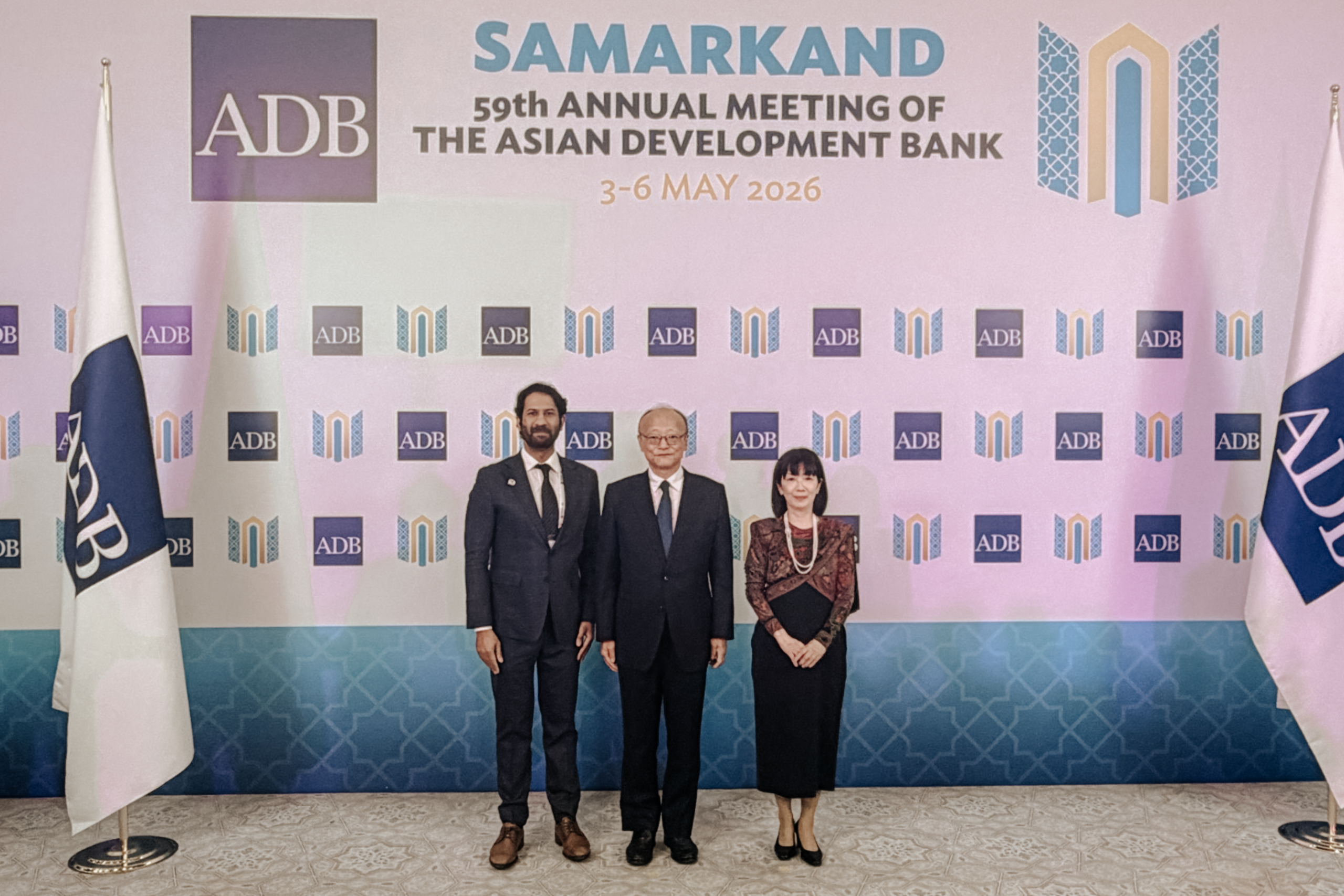
CVF-V20 Advances Climate Prosperity Partnerships at ADB Annual Meeting in Samarkand
The CVF-V20 Secretariat participated in the 59th Asian Development Bank Annual Meeting, held in Samarkand, Uzbekistan, from May 3 to 6, under the theme “Crossroads of Progress: Advancing the Region’s Connected Future.” The delegation represented the interests of climate-vulnerable economies in discussions on regional development, climate finance, and multilateral cooperation.
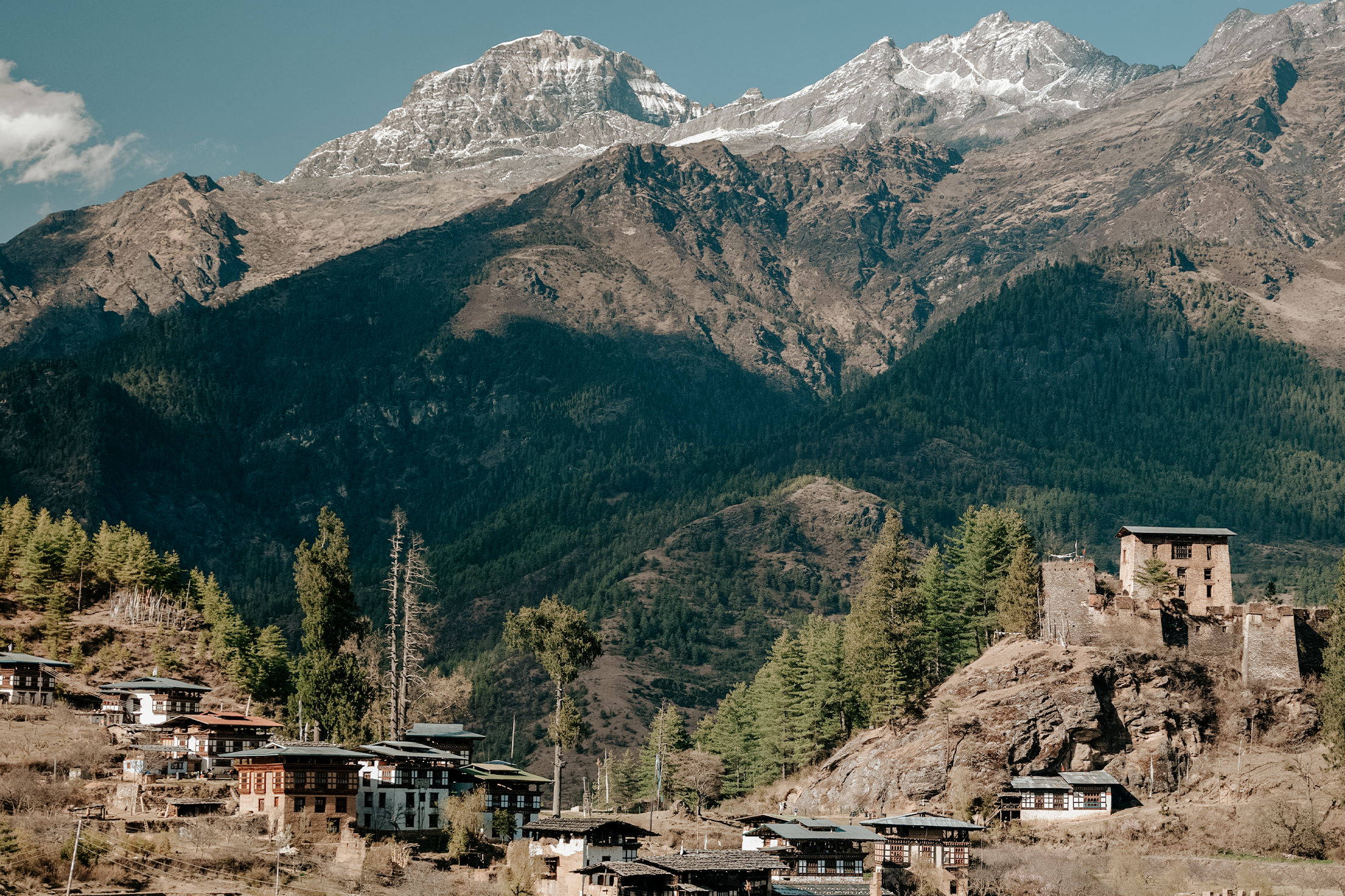
Bhutan’s Journey Toward Prosperity
From my perspective, working in climate finance, the Bhutan Resource Mobilization Plan (BRMP) is not simply about mobilizing more resources; it is about mobilizing the right kind of resources. Bhutan’s comparative advantage lies in its hydropower potential, vast forest cover, and strong environmental stewardship under the philosophy of Gross National Happiness. The plan strategically leverages these assets through energy exports, carbon market participation, and emerging instruments such as green bonds and a national climate fund to generate predictable and sustainable revenue streams.

Ghana Scales Carbon Market Leadership to Drive Development
Ghana has established a National Carbon Registry to collect, verify, and track emissions data and carbon market transactions. It has also created a Carbon Market Office to provide administrative and technical support for the implementation of both the international carbon market and non-market approaches.
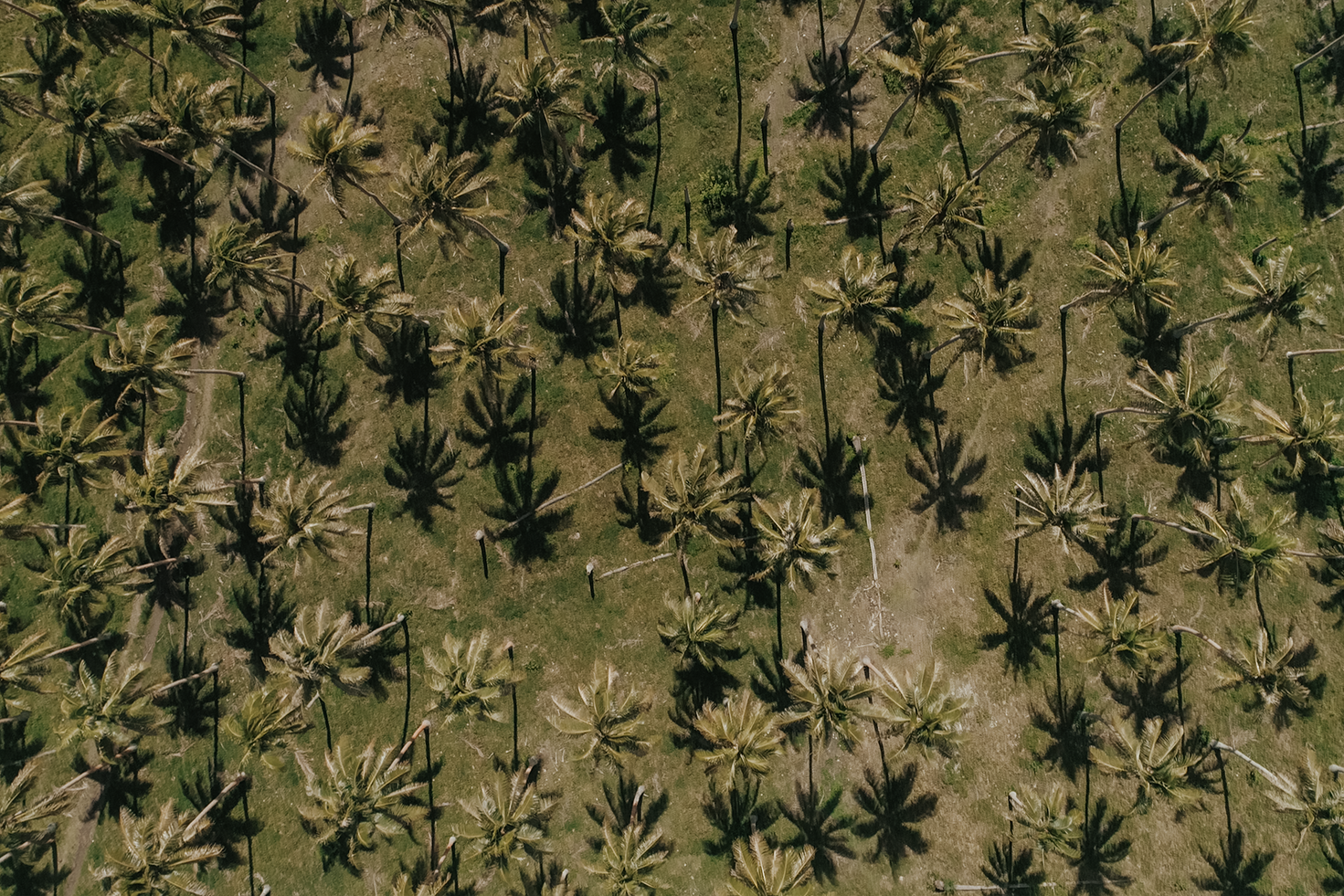
Pacific Nations Embrace Regenerative Farming as Climate Threats Mount
Samoa, Tonga, and Vanuatu have secured a five-year climate adaptation project worth US$43.7 million through the Green Climate Fund (GCF), a critical step toward transforming how Pacific communities grow food in the face of accelerating climate change. The funding will drive large-scale investments across agricultural production systems, unlocking new pathways to long-term food security, improved nutrition, and expanded livelihoods across the three nations.
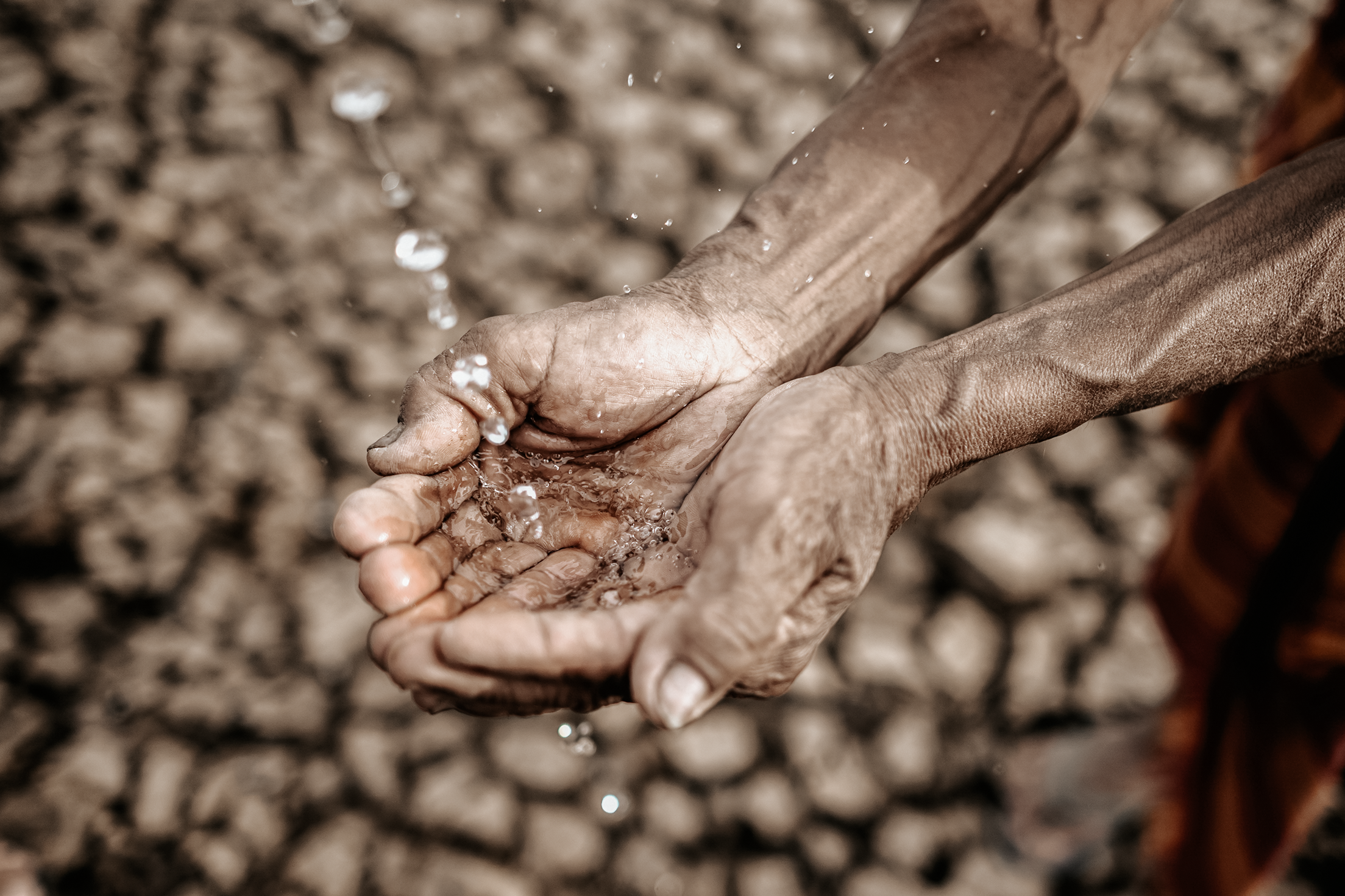
Africa’s Great Vision: Water for All
Africa takes on a greater mission to advance water security and community resiliency through the Africa Water Vision 2063 and Policy, under the leadership of the African Union Commission and the African Ministers’ Council on Water. This blueprint values water as a strategic asset in pursuing continental security and advancing economic power.