Breaking the Sovereign Debt Doom Loop: Reprofiling with rate cuts can unlock USD $454 billion until 2031 says new report
1 July 2025, Sevilla, Spain – A debt review just released by a bloc of 74 finance ministers revealed climate vulnerable countries are spending four
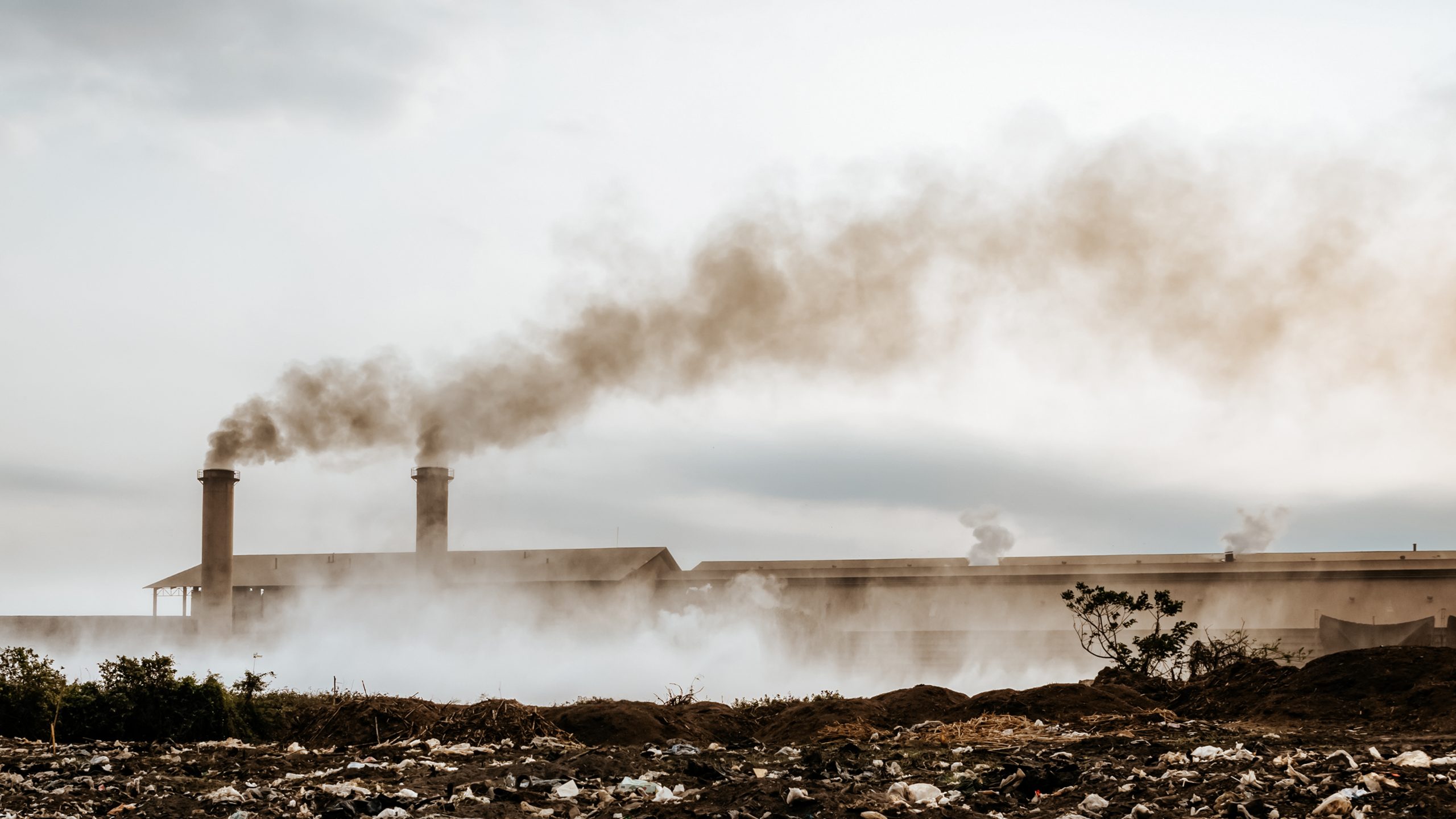
Nepal reaffirms commitment to clean air
June 30, 2025—The recently published World Bank report, “Towards Clean Air in Nepal,” identifies air pollution as Nepal’s leading health risk, responsible for around 26,000
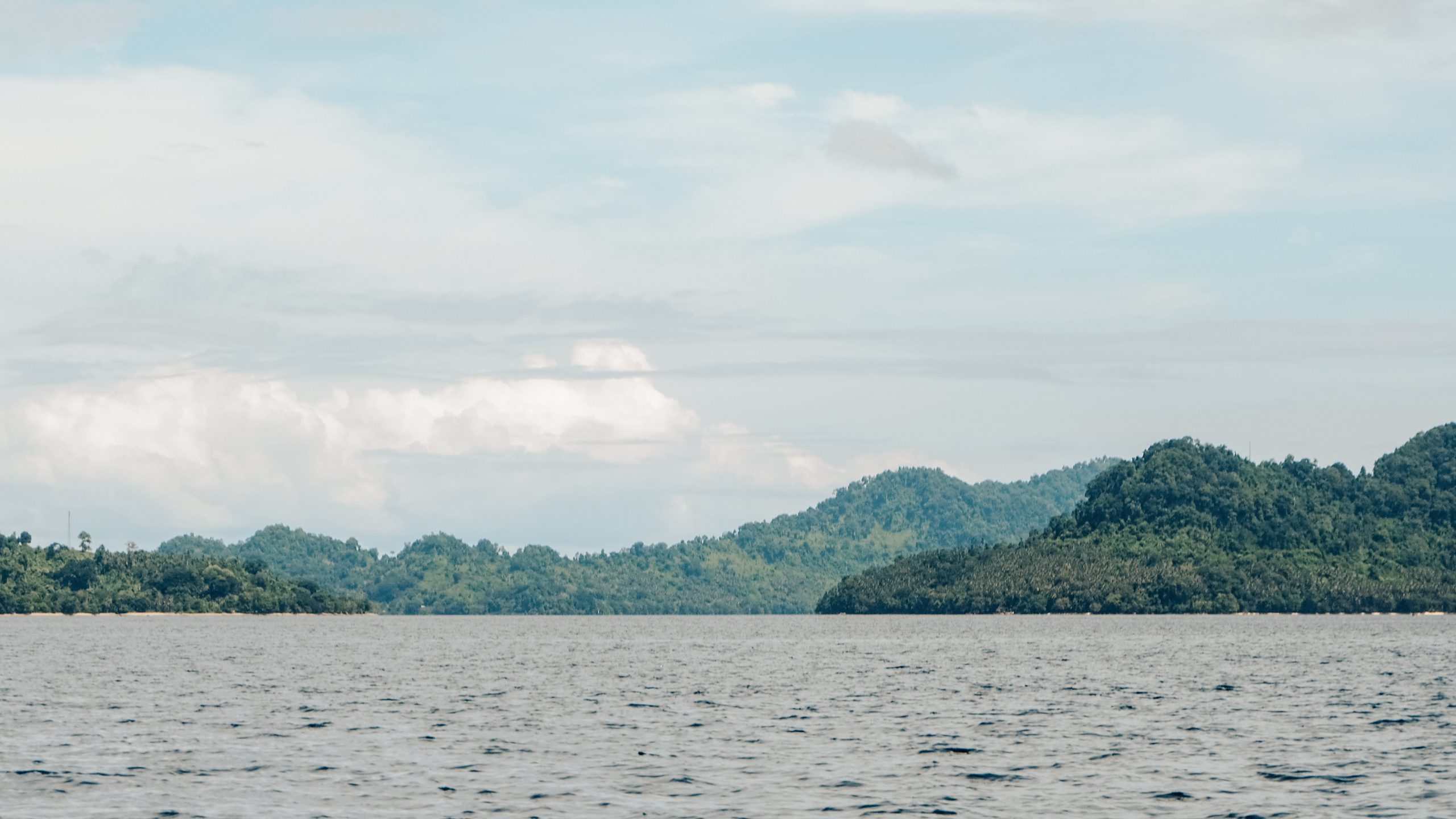
Solomon Islands and Vanuatu chart vast indigenous-led Ocean Reserve in Pacific
June 30, 2025—The Solomon Islands and Vanuatu are stepping forward to create the Melanesian Ocean Reserve, a groundbreaking initiative to protect the waters of the
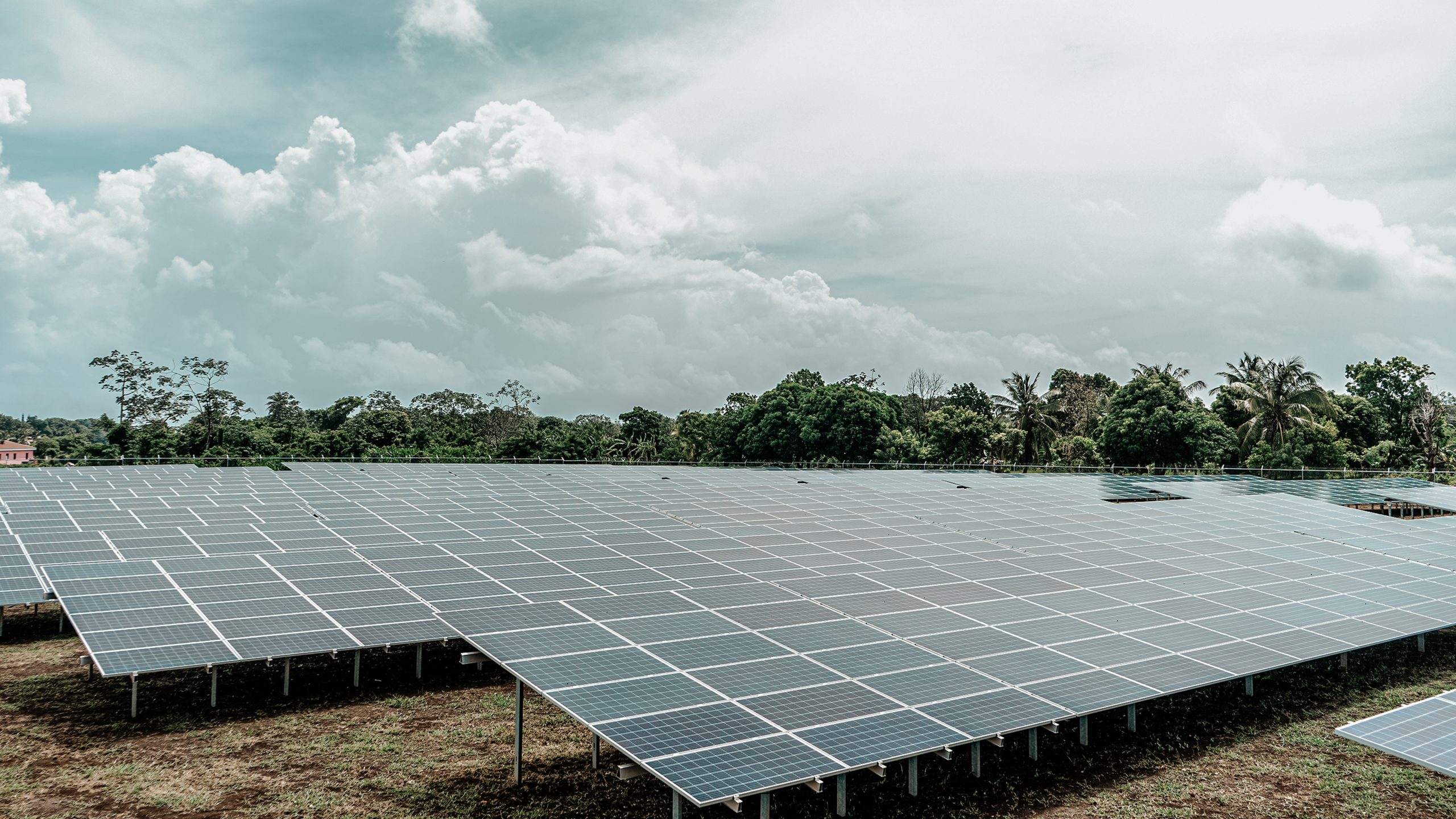
Nicaragua taps 70 MW solar project to boost water access
June 30, 2025—Work has begun on Nicaragua’s largest solar energy project, the 70 MW Enesolar-3 plant in Nindirí, with an $83 million investment support from

Major Reforms to IMF, Global Tax Rules Needed to Bridge Climate Investment Gap
June 30, 2025—A new policy brief authored by Daniel Titelman, Marilou Uy, and Amar Bhattacharya from the Task Force on Climate, Development, and the International
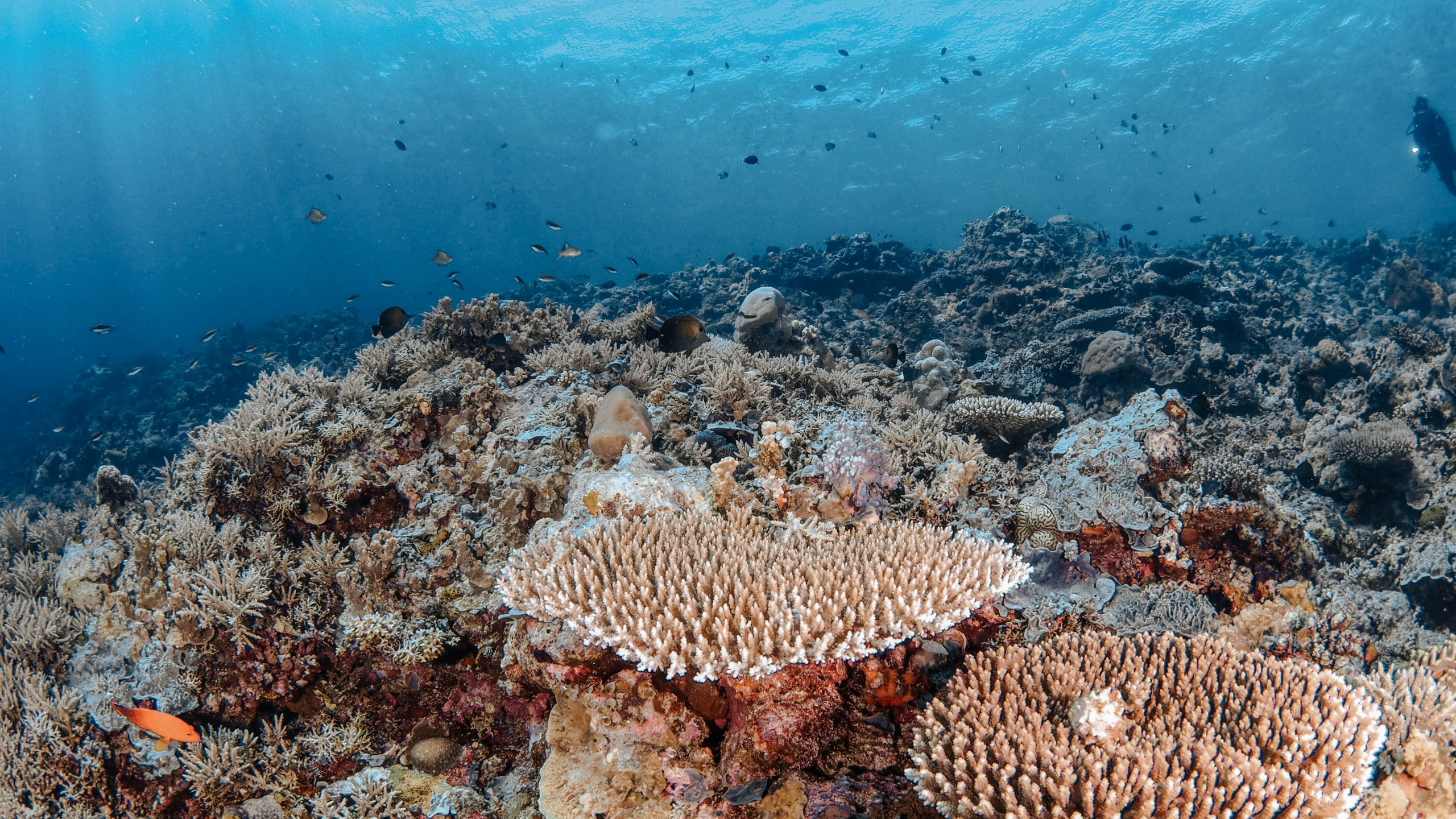
Why We Should Protect High Seas From All Extraction, Forever
June 30, 2025—As the UN Oceans Conference opened in Nice, France, in early June, a landmark paper published in the prestigious journal Nature, led by
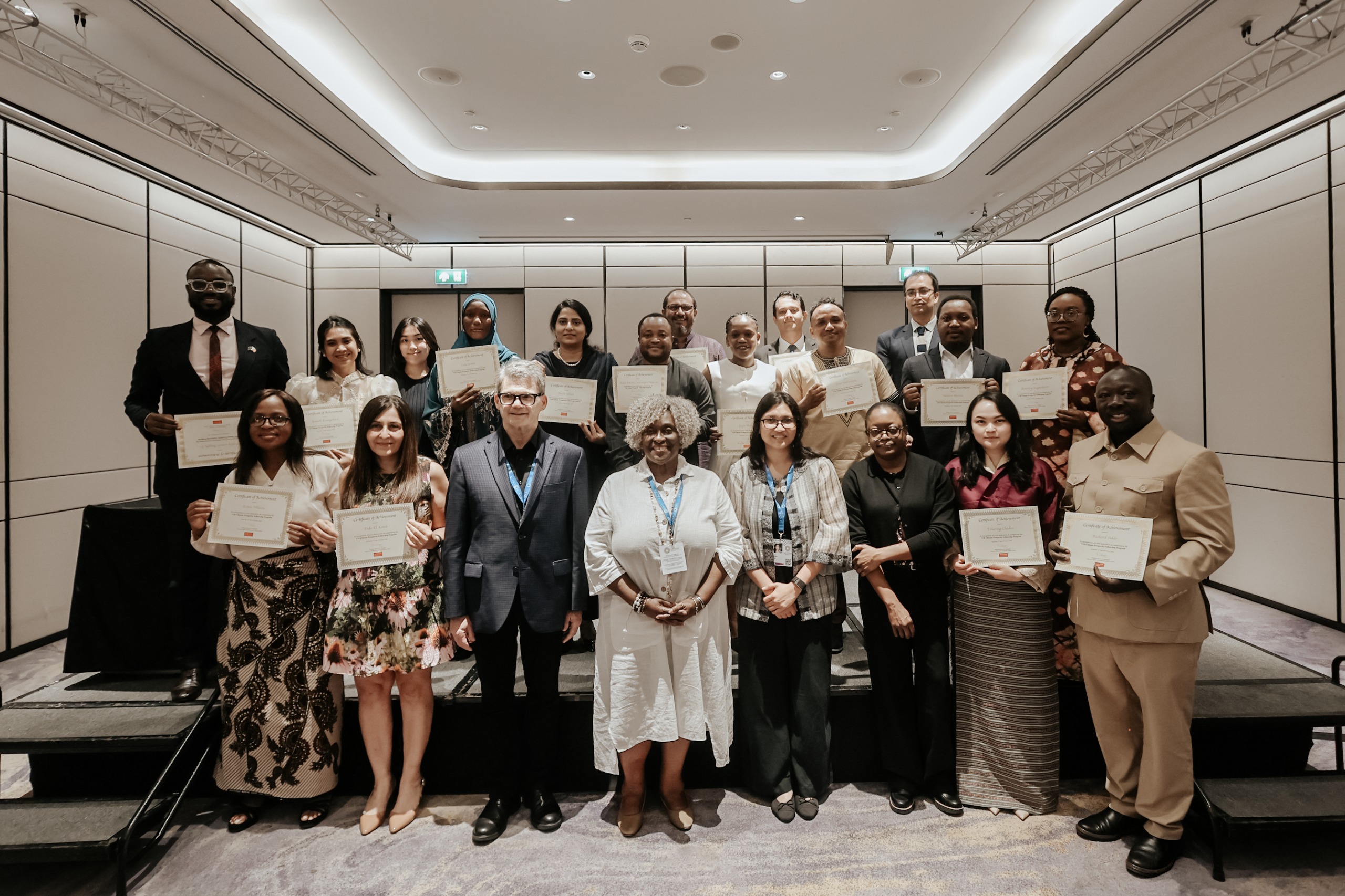
Climate Prosperity Fellows Finish Cohort, CVF-V20 Gains More Champion in Advancing Fit-for-Climate Financial System
Nineteen senior government officials from ministries of finance, economy, and planning across 14 climate-vulnerable countries have completed the third cohort of the V20 Climate Prosperity Fellowship Program, implemented by the Climate Vulnerable Forum and V20 Finance Ministers (CVF-V20) and Boston University Global Development Policy Center.
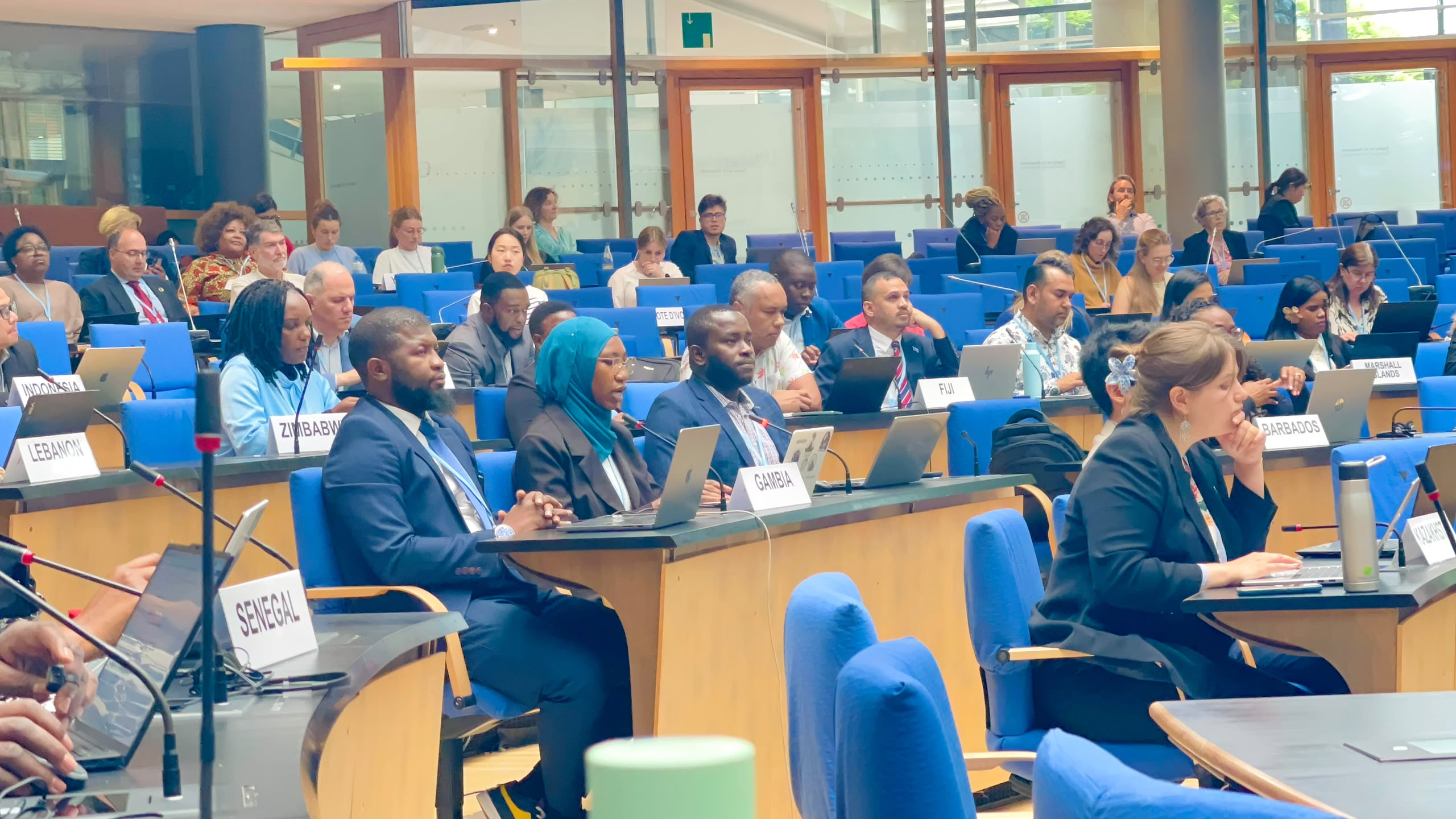
From Negotiation to Implementation: What SB64 Means for Adaptation and Youth Leadership
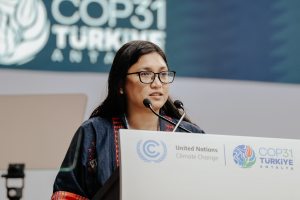
The 64th Sessions of the United Nations Framework Convention on Climate Change (UNFCCC) Subsidiary Bodies (SB64) in Bonn marked an important milestone on the road to COP31. For CVF Youth Fellow Haddijatou Ceesay, it was also a transformative experience.
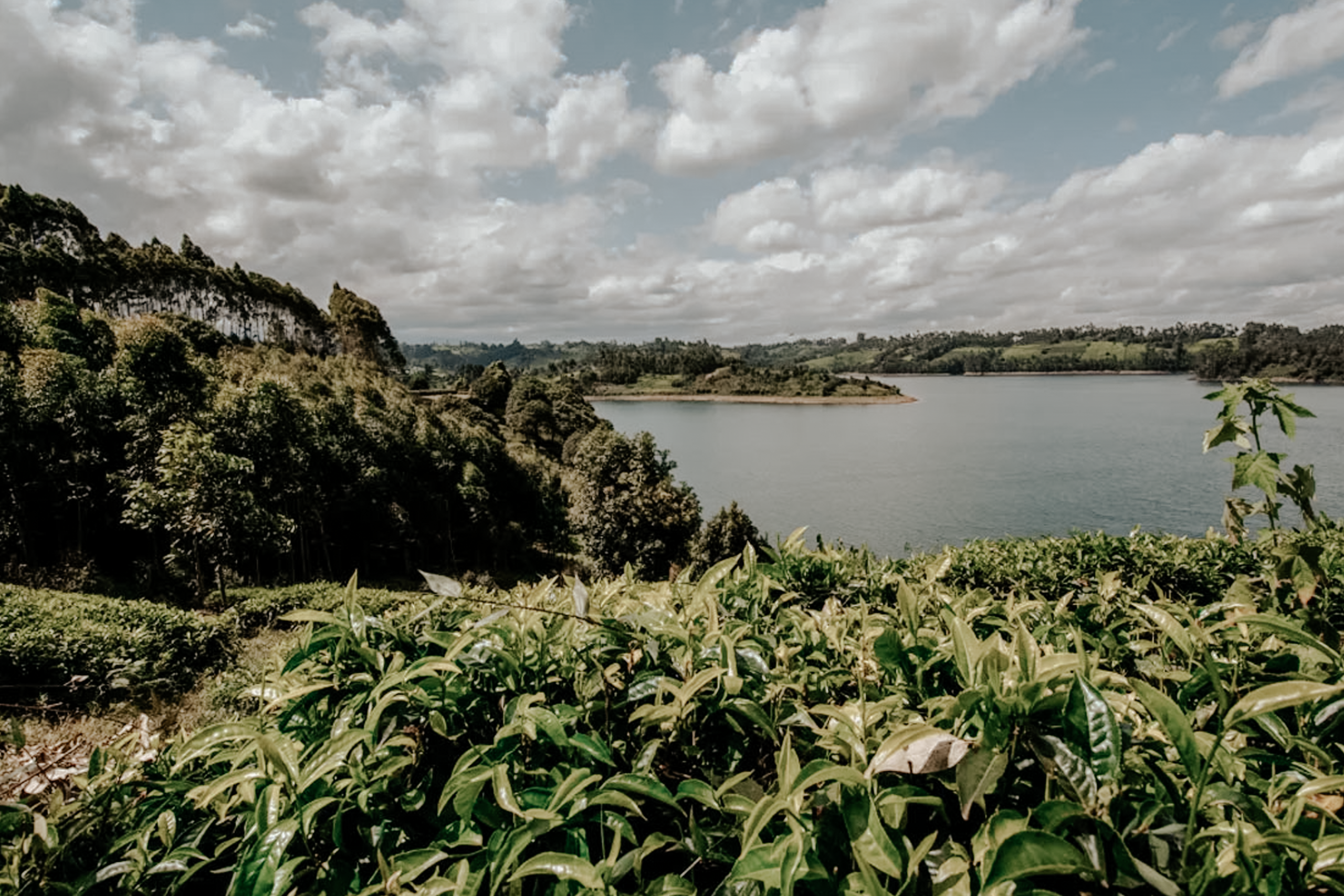
Jordan Retires Siloed Governance for Integrated Water-Energy-Food-Environment Strategy
The Hashemite Kingdom of Jordan is reshaping how it governs its most critical natural resources, moving away from fragmented sector-by-sector management toward a unified Water-Energy-Food-Environment (WEFE) nexus framework. Led by the Ministry of Planning and International Cooperation, the shift marks one of the most significant structural changes in the kingdom’s domestic policy in recent years, one driven by the compounding pressures of climate change, resource scarcity, and regional instability.
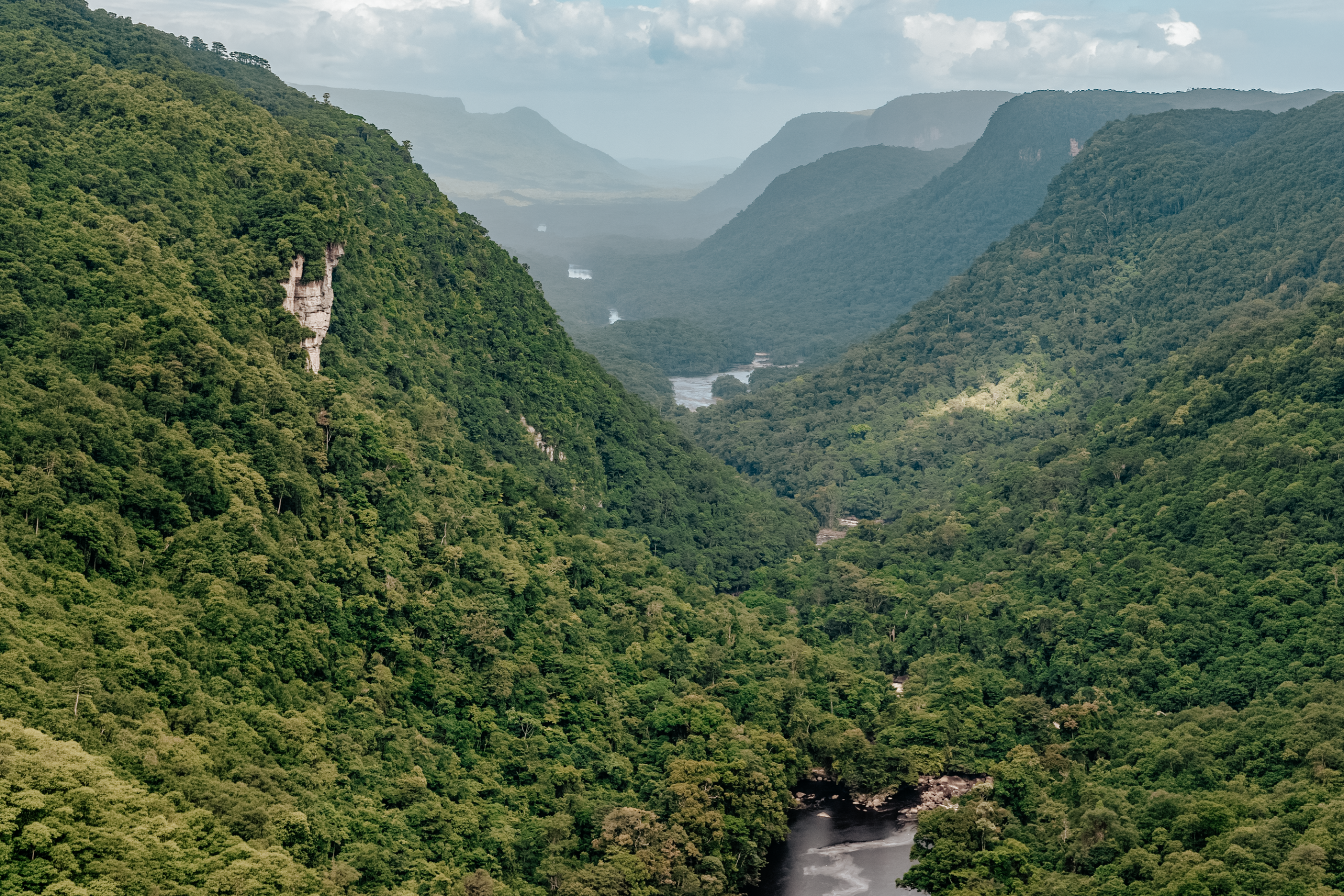
Guyana’s Forests Drive A New Era of Low-Carbon Development
On the northern coast of South America, along the borders of the Atlantic Ocean, Guyana is pursuing a development model that few countries have attempted: generating economic growth while preserving one of the world’s most intact tropical forests.

The Caribbean’s Push to Link Climate and Health
Over the years, the conversation on planetary instability has expanded in ways few could have anticipated. What began as a scientific concern focused on environmental damage has grown into a defining global conversation that reaches almost every part of humanity. In the Caribbean, that expansion is acutely felt. Climate change is no longer discussed solely as an environmental issue; it is increasingly recognized as a public health crisis. Empirical studies have demonstrated that countries in the region are highly susceptible to drought hazards and significantly affected by extreme heat.

Pakistan Climate Prosperity Plan Gains Federal and Provincial Backing as Primary Delivery Vehicle for NDC 3.0
Pakistan’s Ministry of Climate Change & Environmental Coordination (MoCC&EC) convened federal and provincial governments on 14 May 2026 to align the country behind a single delivery agenda, positioning the country’s Climate Prosperity Plan (CPP) as the vehicle for turning its climate commitments into investable projects and bankable financing partnerships.