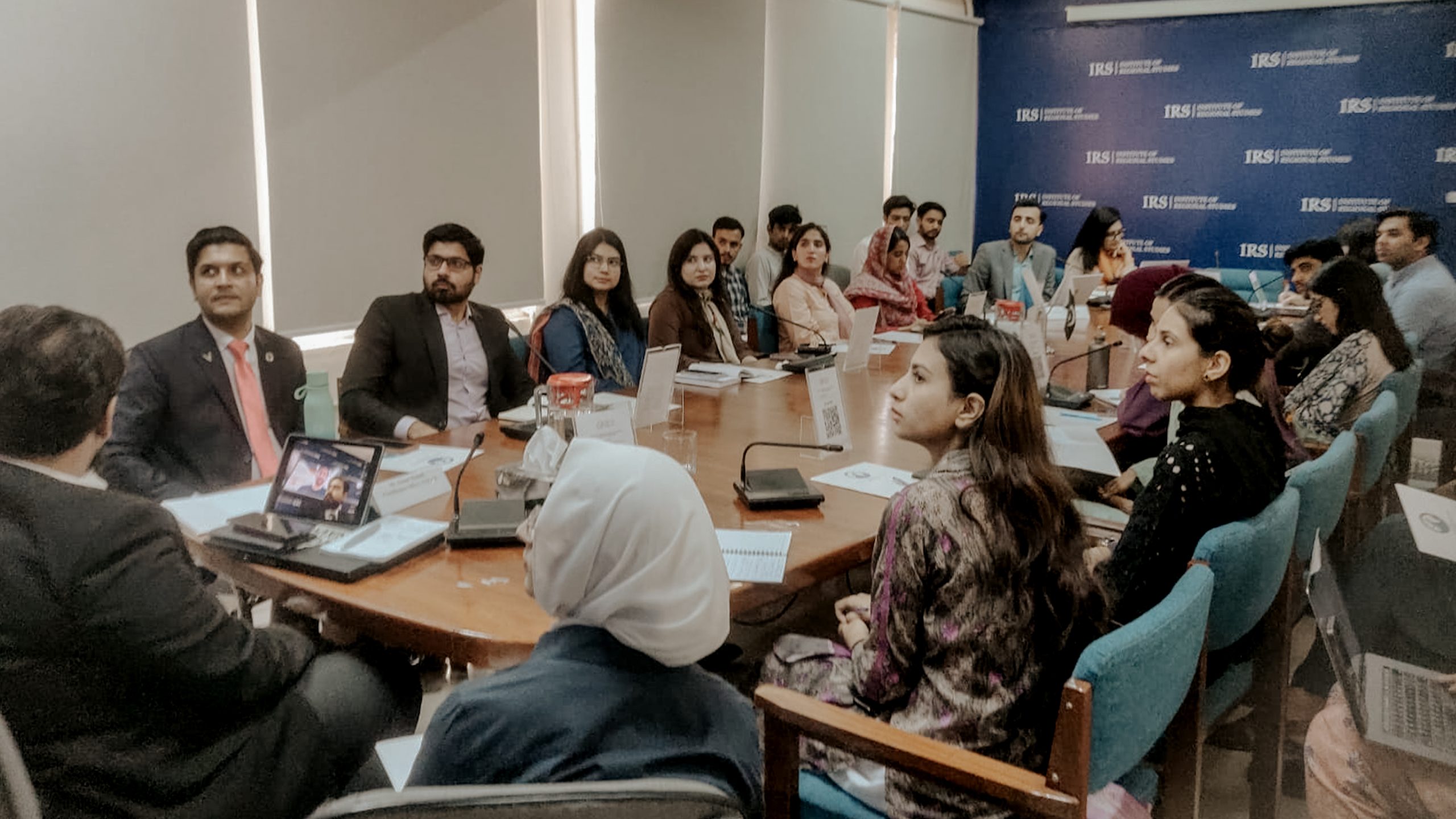
Youth Climate Leadership in Action: Building Pakistan’s Voice for COP30
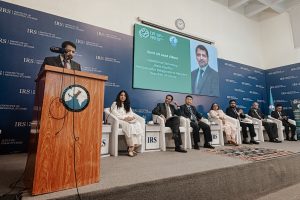
The CVF-V20 Secretariat convened a Youth Roundtable on Climate Non-Negotiables in Islamabad, Pakistan, on September 17, bringing together youth leaders, climate advocates, and representatives from the Ministry of Climate Change and Environmental Coordination, academia, and civil society. The dialogue, organized in collaboration with the Institute of Regional Studies (IRS), served as a national platform for youth to reflect on Pakistan’s recent climate catastrophes and define priorities for the upcoming COP-30 in Belém, Brazil.
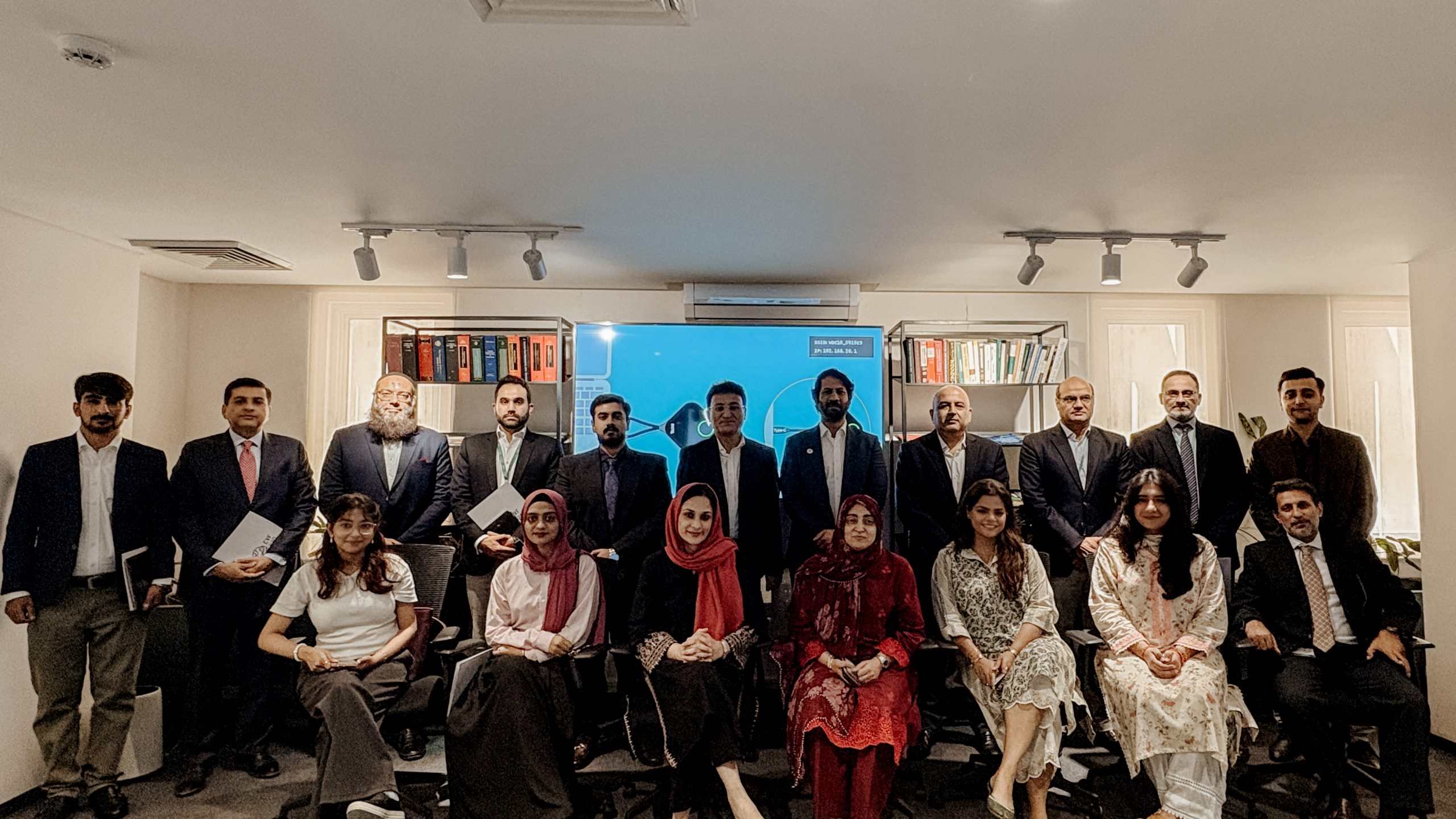
Sindh Consultations Engage Private Sector and Financial Institutions for Climate Prosperity
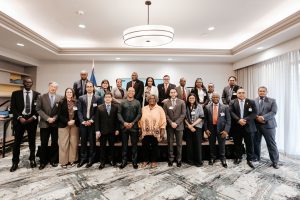
As part of the ongoing in-country consultations for the Pakistan Climate Prosperity Plan (CPP), the CVF-V20 visited the city of Karachi in Sindh on September 3 to 4 to engage with the province’s public–private ecosystem on climate investment and innovation.
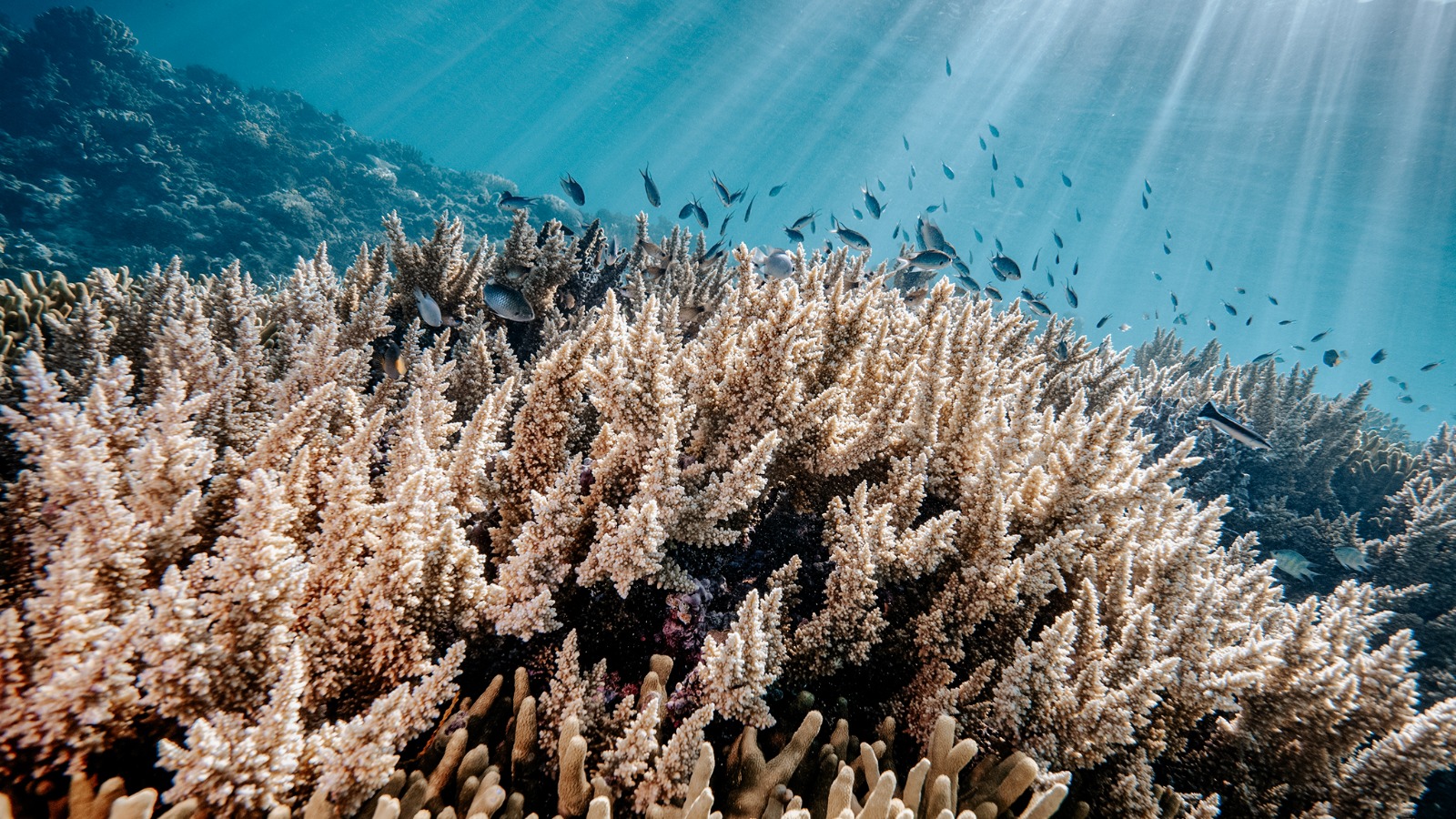
Ancient Corals Confirm: Maldives Sea Level Rise Began Decades Earlier
A significant study recently published in the journal Nature Communications has provided a critical, long-term history of sea-level change, directly impacting the climate outlook for the low-lying Maldives and Lakshadweep archipelagos.
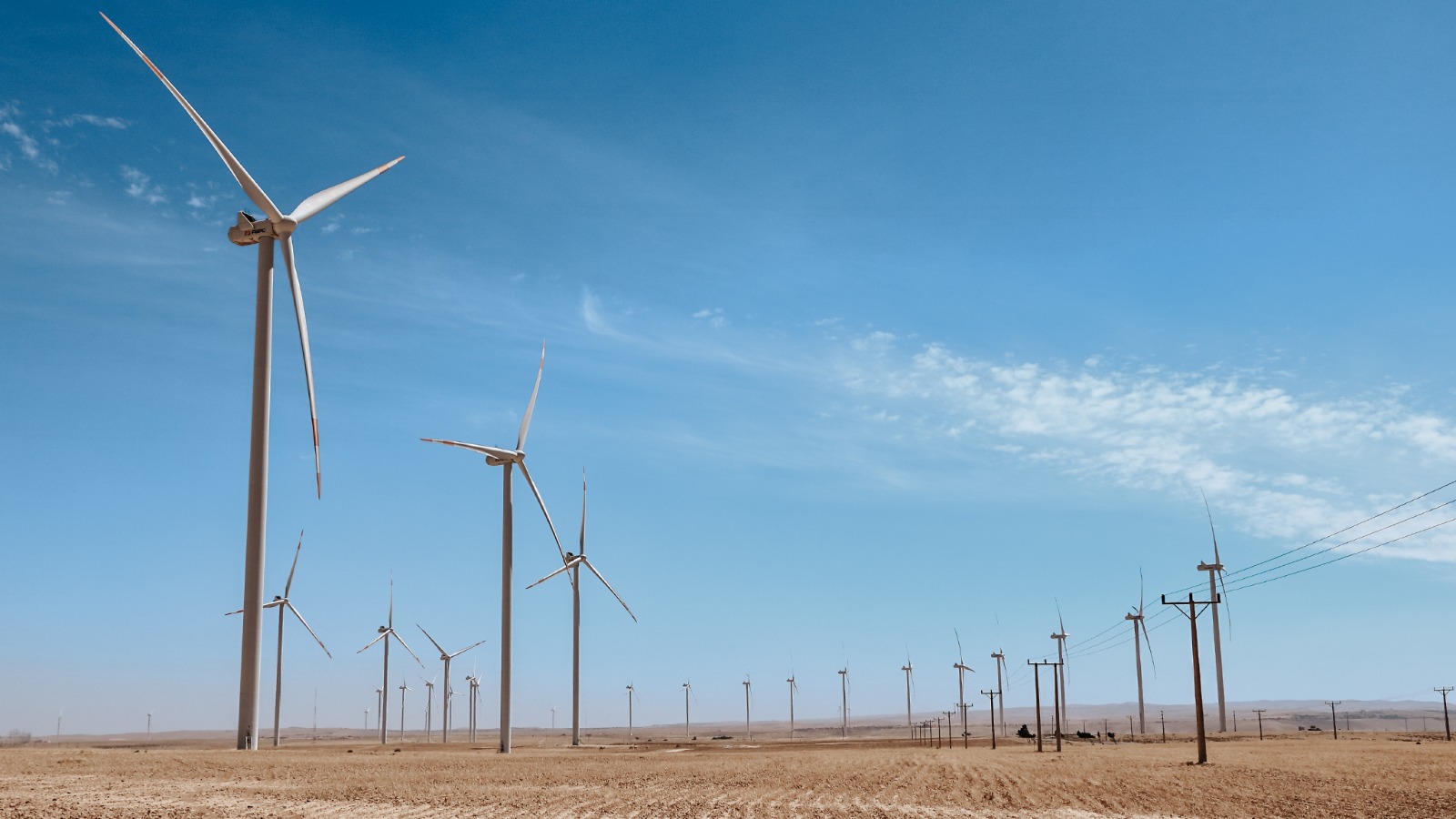
Jordan Unveils Long-Term Climate-Resilient National Health Roadmap
The Hashemite Kingdom of Jordan launched its ten-year National Climate Change Health Adaptation Strategy and Action Plan (HNAP), joining the roster of first countries to climate-proof its health systems. The comprehensive roadmap, spanning from 2024 to 2034, outlines Jordan’s strategic response to climate-related health risks across seven priority areas—airborne and respiratory diseases, water- and food-borne illnesses, vector-borne diseases, nutrition, heatwaves, occupational health, and mental health.
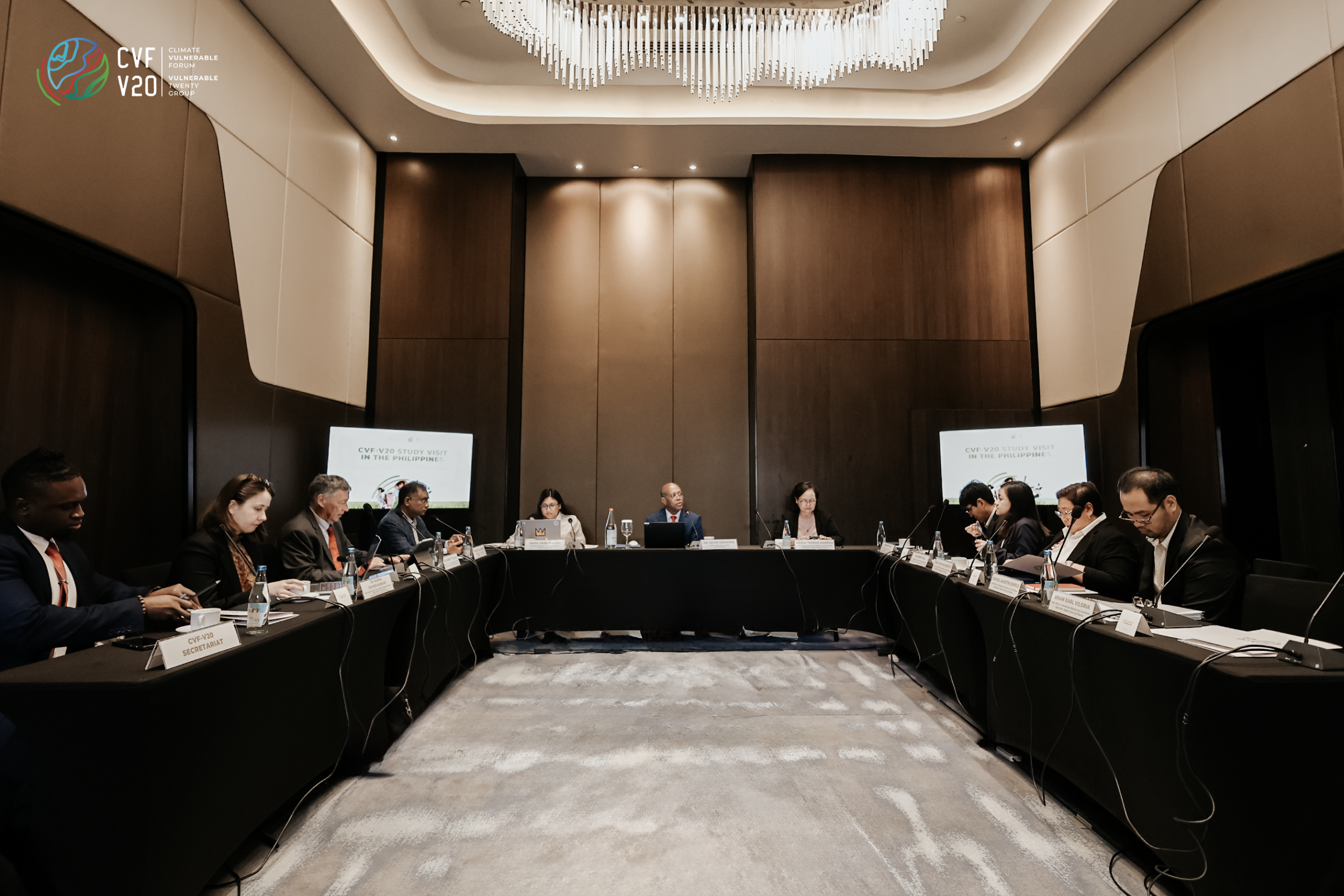
V20 Central Bank Governors Working Group Organizes a Technical Committee on Climate Shocks and Balance of Payments
The Study Visit in Manila on August 26 bore much fruit as members of the V20 Central Bank Governors Working Group agreed to create a Technical Committee on Climate Shocks and Balance of Payments. The Study Visit aimed to strengthen technical collaboration and innovation among CVF-V20 central banks, focused on integrating climate risks into macroeconomic analysis and modeling tools in support of climate prosperity.
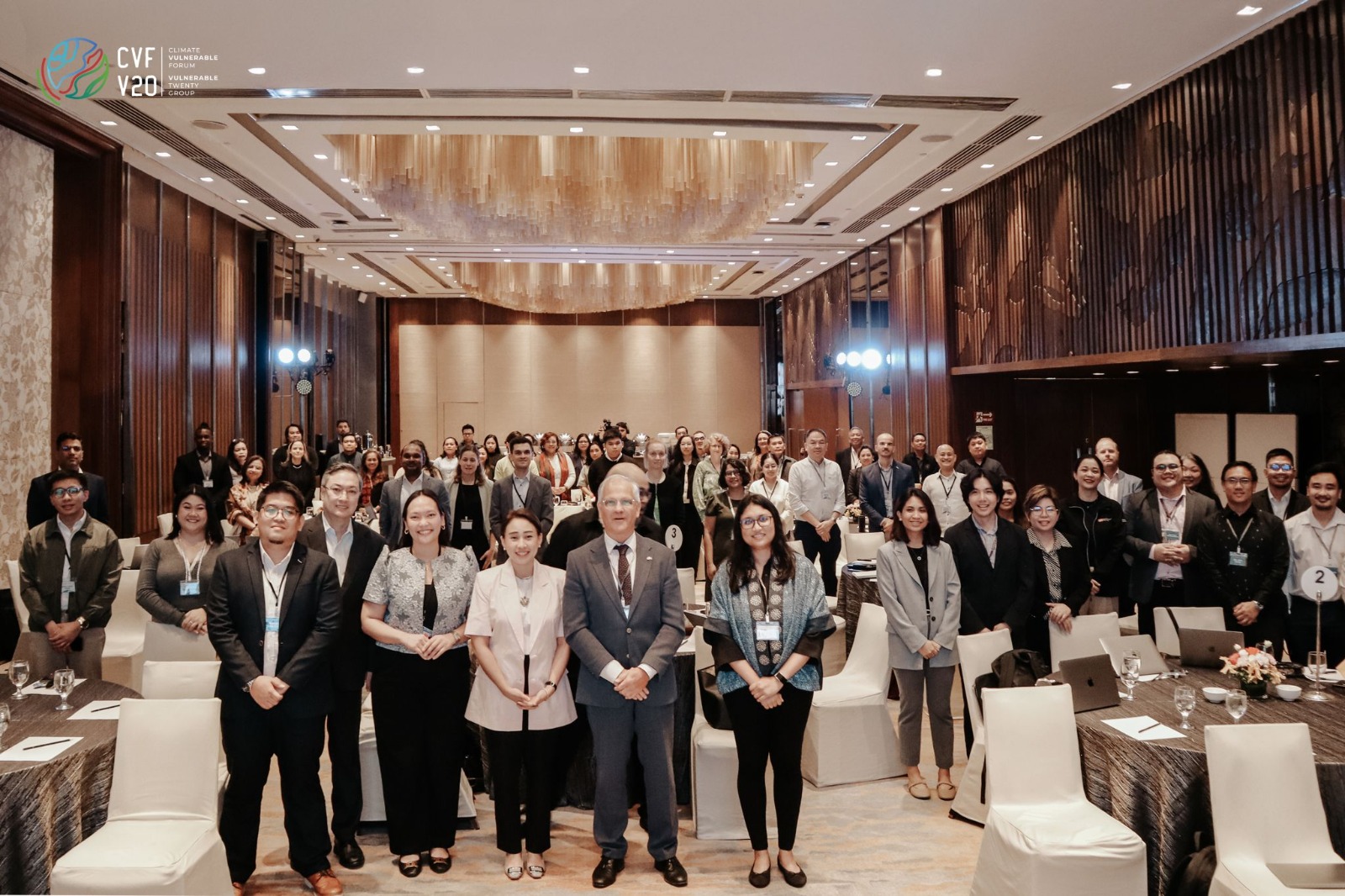
PH Completes In-Country Consultation and Stocktake in the Global Shield Implementation
The Republic of the Philippines continues to make strides as a country pathfinder under the G77-V20 Global Shield against Climate Risks initiative after completing the in-country process and stocktake, led by the Climate Finance Policy Group of the Department of Finance (DOF) and the Institute for Climate and Sustainable Cities (ICSC). Progress is underway for the gap analysis, bringing the country closer to developing its request for Climate and Disaster Risk Finance and Insurance (CDRFI) support.

Costa Rica’s “Más Mujer, Más Natura”
Costa Rica’s Más Mujer, Más Natura (More Women, More Nature) program is rewriting the script for rural empowerment. Launched in 2020 as a collaborative effort between the Ministry of Environment and Energy (MINAE), the United Nations Development Programme (UNDP), and the Office of the First Vice President, the program addresses a long-standing paradox: while women are often the primary stewards of local biodiversity, they frequently lack the land titles and capital to access traditional conservation incentives.
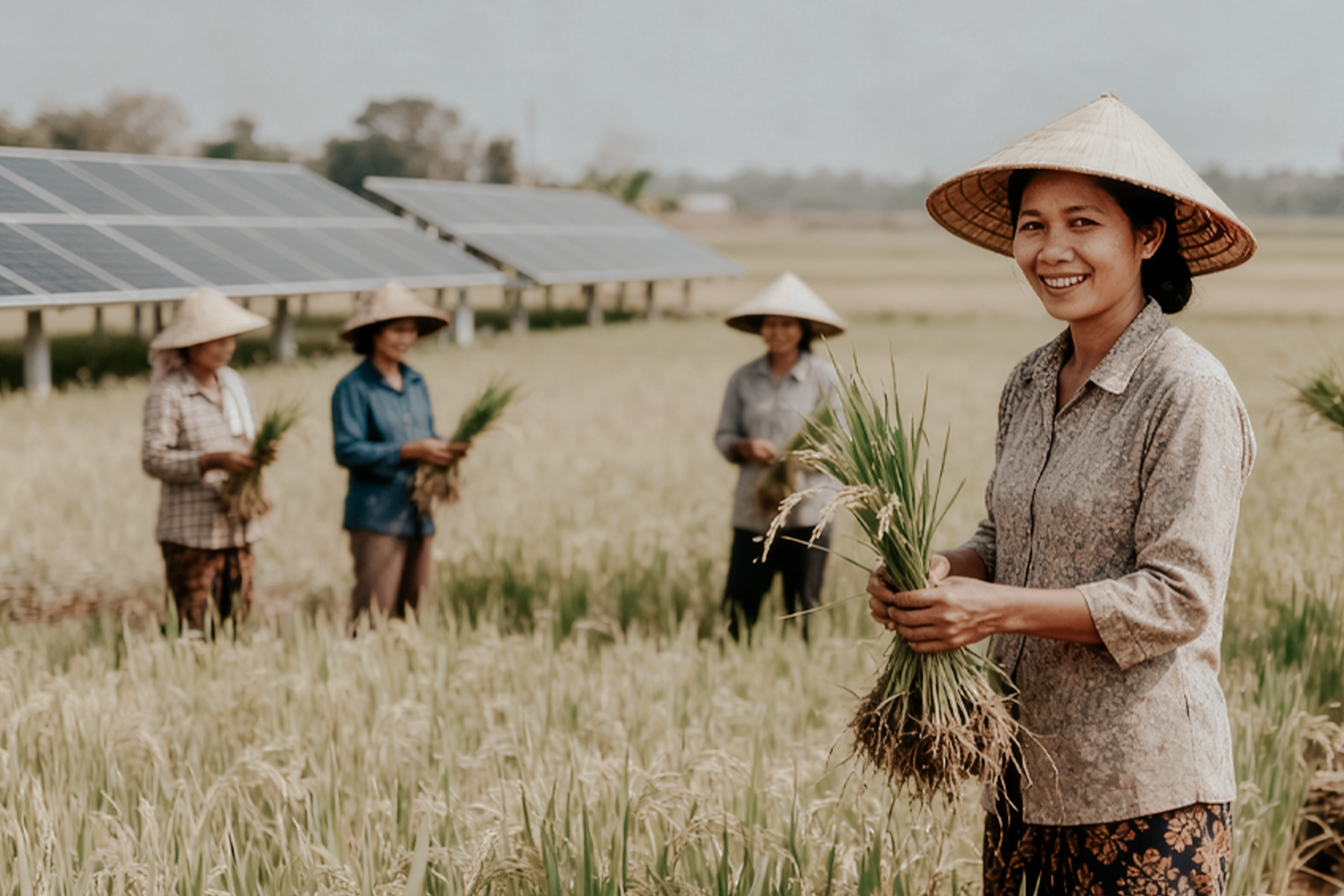
Women at the Core of Cambodia’s Green Economy Revolution
Cambodia recognizes women’s leadership as a robust accelerator of green economic development as the country approaches graduation from Least Developed Country status in 2029, seeking higher productivity, diversified growth, and greater uptake of green digitalization. Women are rising beyond perceptions of vulnerability, positioning themselves as champions of climate prosperity and sustainable development.
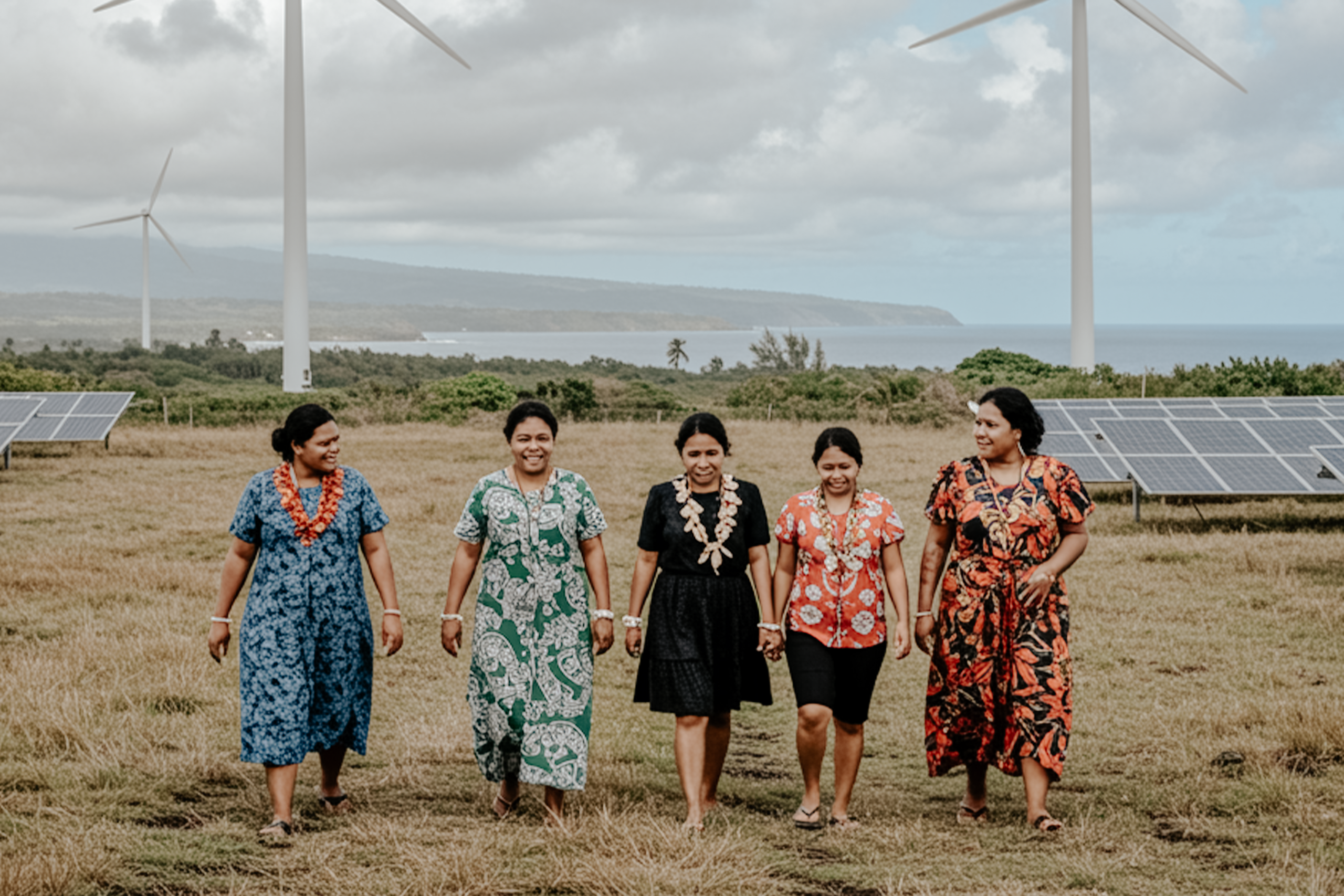
Pacific Women and the Call for Climate Justice
When island nations and regional allies presented their case before the International Court of Justice, women leaders, lawyers, and youth advocates were instrumental in building arguments that led to a landmark 2025 Advisory Opinion affirming states’ obligations to protect the climate and human rights.
Ni-Vanuatu Women Lead Disaster Response and Climate Action
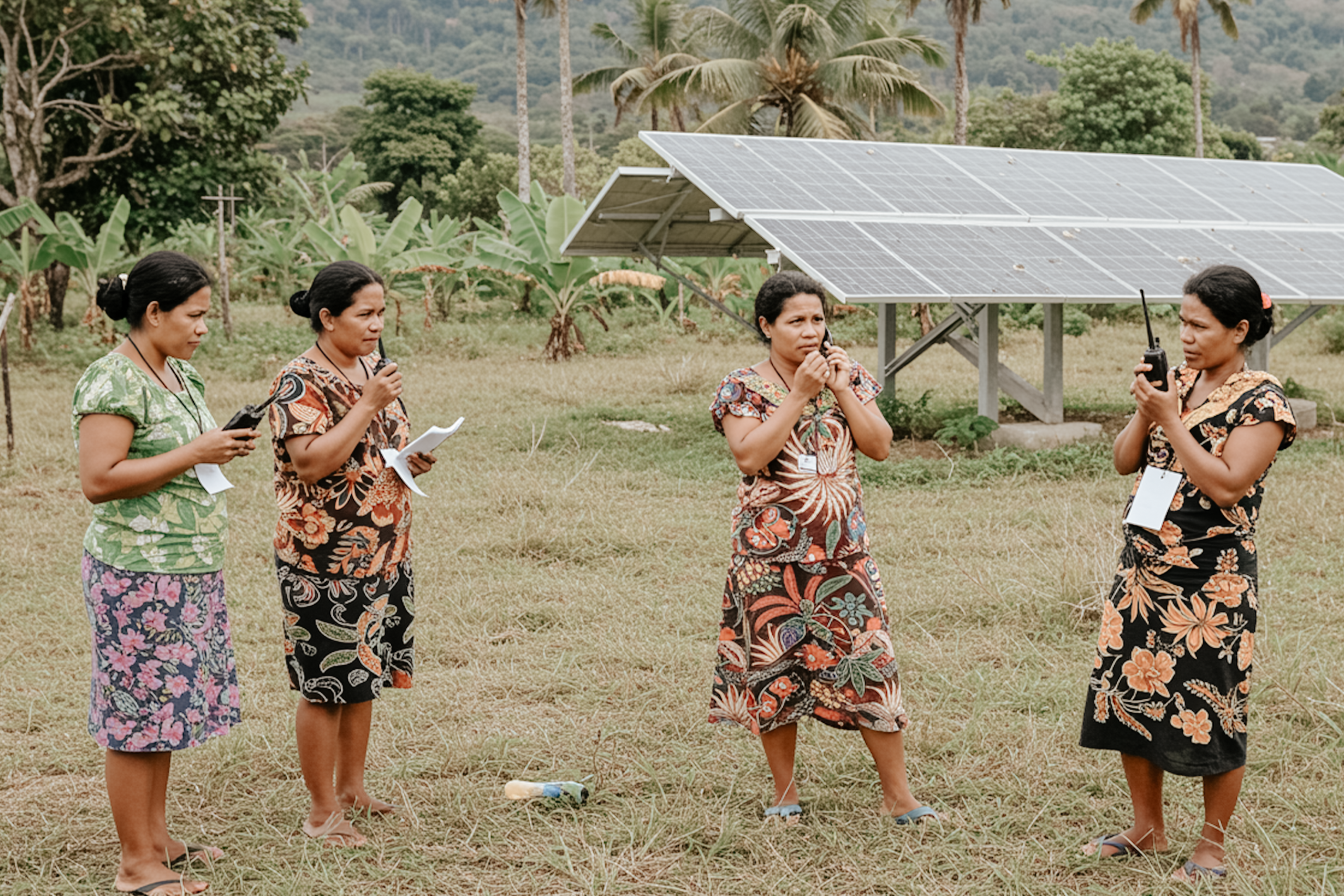
Vanuatu is among the nations most vulnerable to the climate crisis. These environmental shifts often worsen existing socioeconomic gaps, disproportionately pushing women toward poverty and marginalization. Despite these challenges, Ni-Vanuatu women have emerged as resilient leaders, transforming how their communities prepare for and recover from disasters.
Gender-Responsive Climate Action in Bangladesh and Kenya
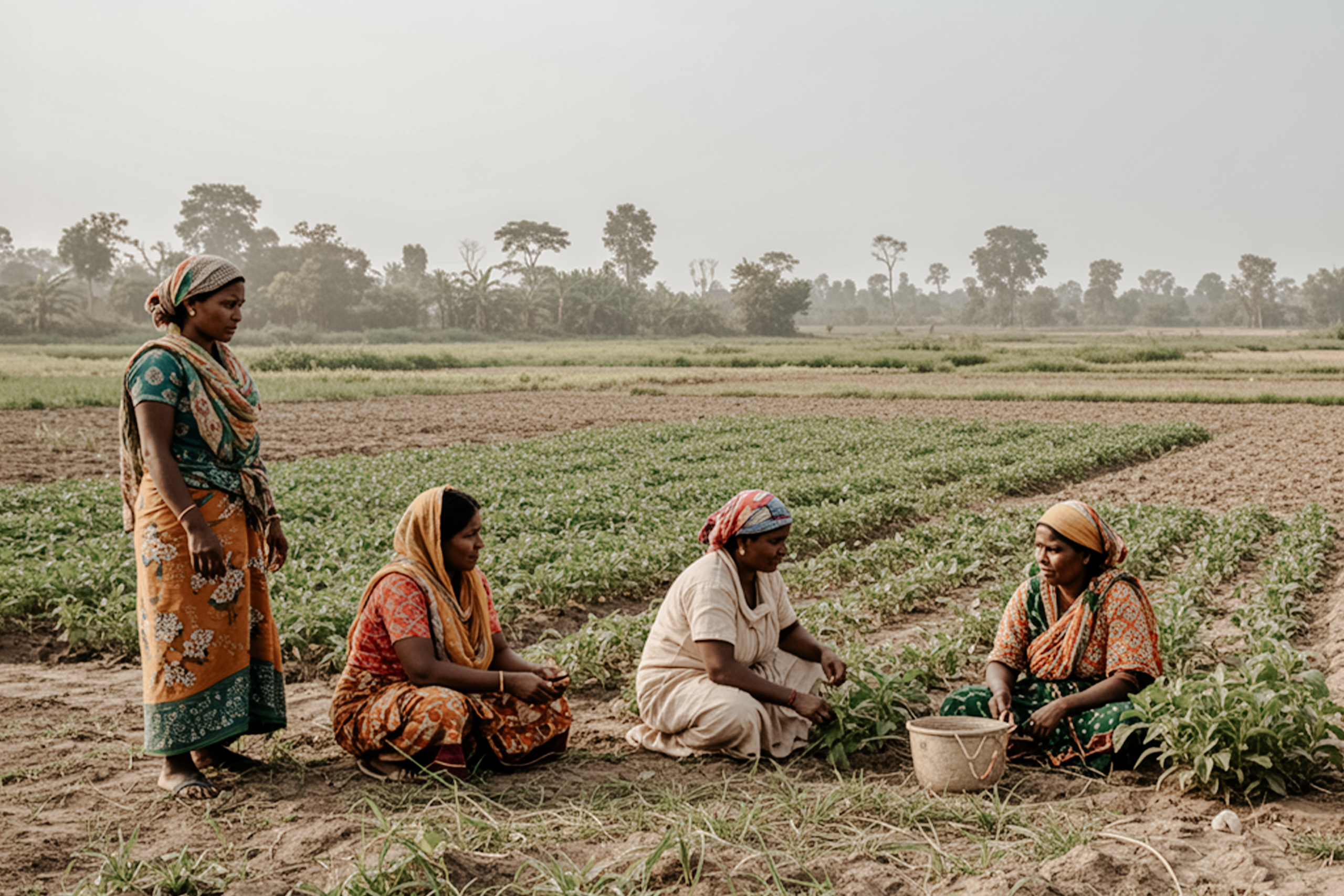
The worsening impacts of climate change are exposing gaps in financial and social systems while reshaping societies, with women often on the frontlines—managing households, securing resources, and caring for families under growing stress. The crisis exacerbates existing gender inequalities, yet women’s voices are largely missing from the policies meant to protect them. Without a gender-focused approach, millions of women and girls risk being pushed into extreme poverty, amplifying social and economic disparities worldwide.
Climate Shocks Are Rising, Our Financial Response Isn’t
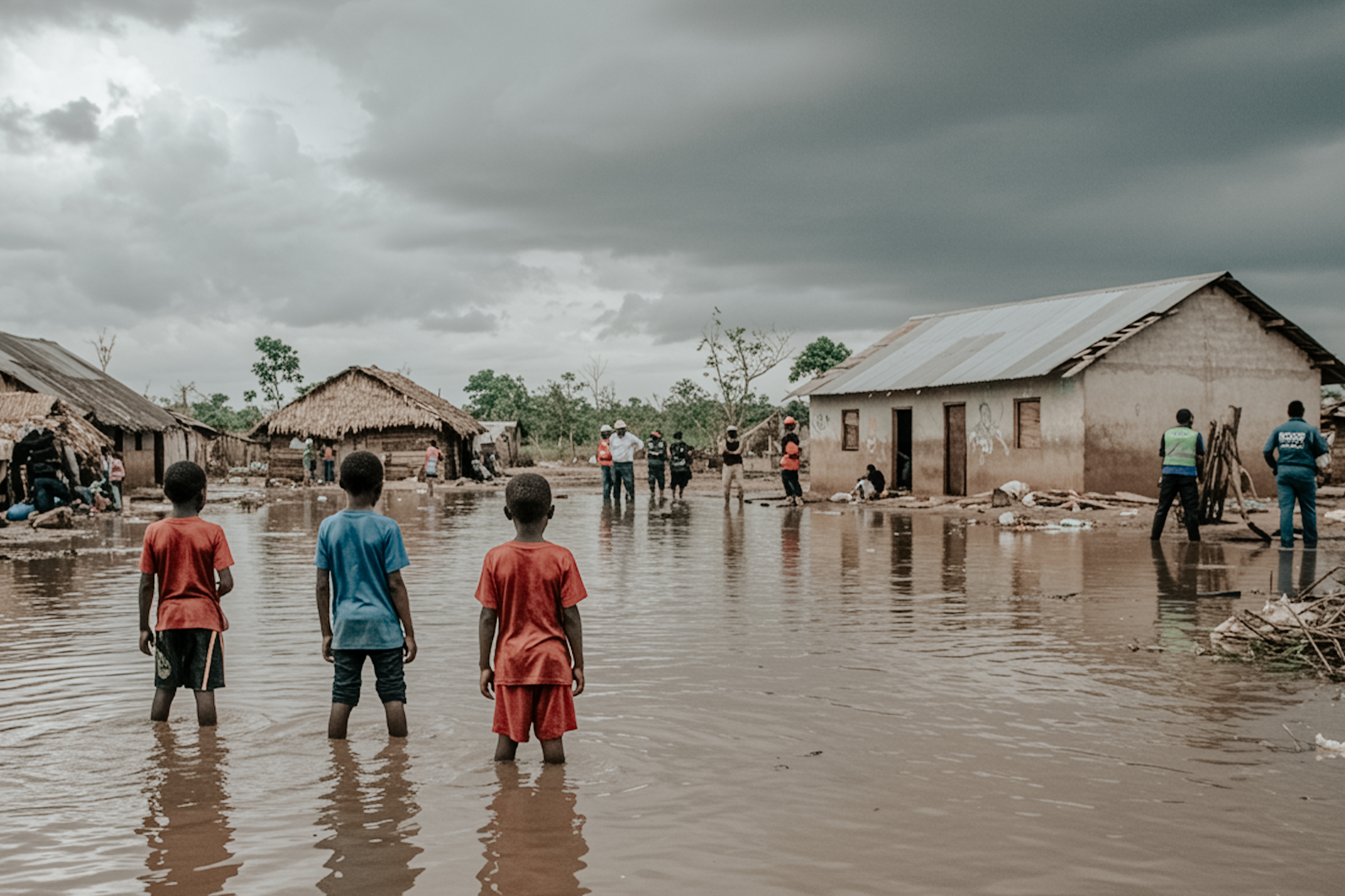
Recent floods and cyclones have displaced more than 720,000 people, destroyed schools and health facilities, and disrupted access to food and clean water, overwhelmingly affecting children and families already struggling with poverty and climate risk in Mozambique. These weather extremes are not isolated events: they reflect a relentless rise in climate-driven shocks.