Colombia Frees Its Amazon Region from Large-Scale Mining
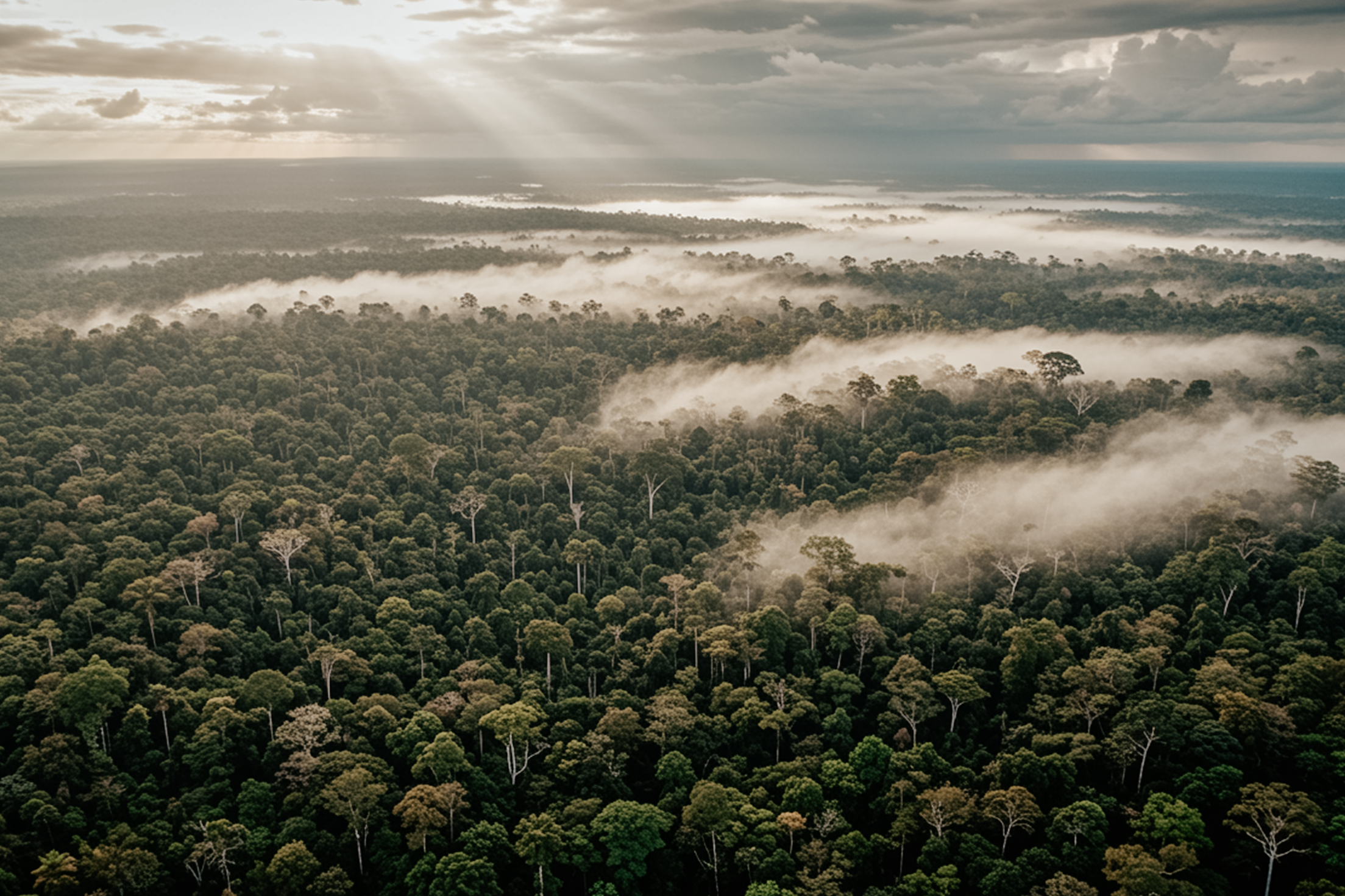
The Republic of Colombia vows to protect its share in the Amazon by declaring its entire biome off-limits to new large-scale mining and hydrocarbon projects, ensuring the conservation of ecological systems and the preservation of engraved ethical identity across the jungle. The declaration was made at a ministerial meeting of the Amazon Cooperation Treaty Organization (ACTO) ministers during COP30 in November 2015.
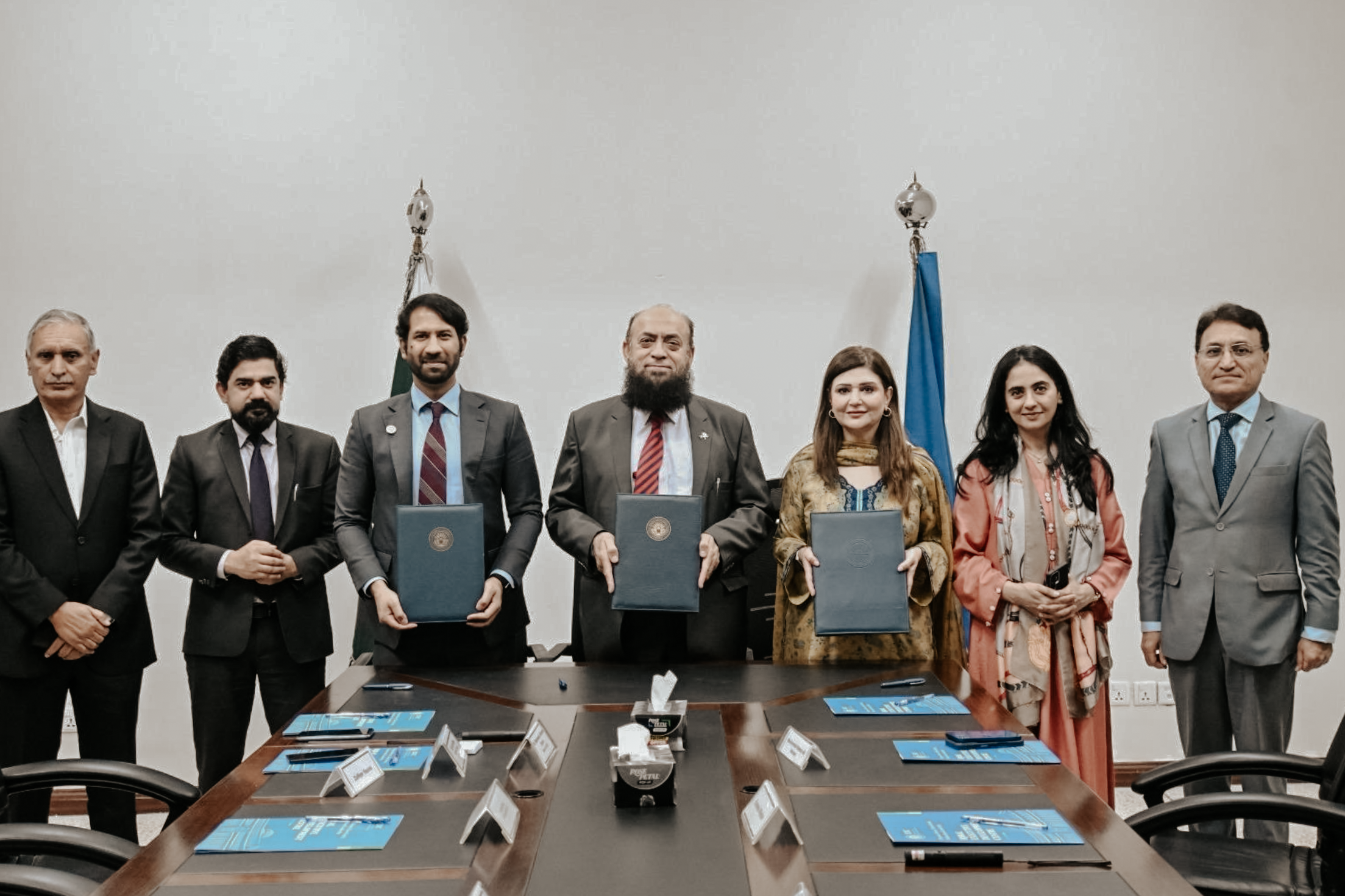
New Partnerships Forged in Pakistan to Accelerate Climate Action
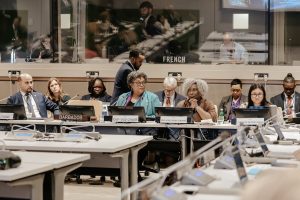
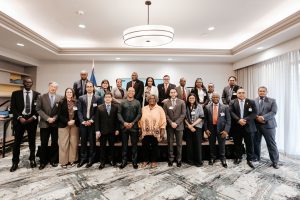
The CVF-V20 Secretariat has forged new partnerships with leading financial, academic, and media institutions in Pakistan in March, marking a significant step toward advancing climate finance, building national capacity, and strengthening implementation of the Pakistan Climate Prosperity Plan (CPP).
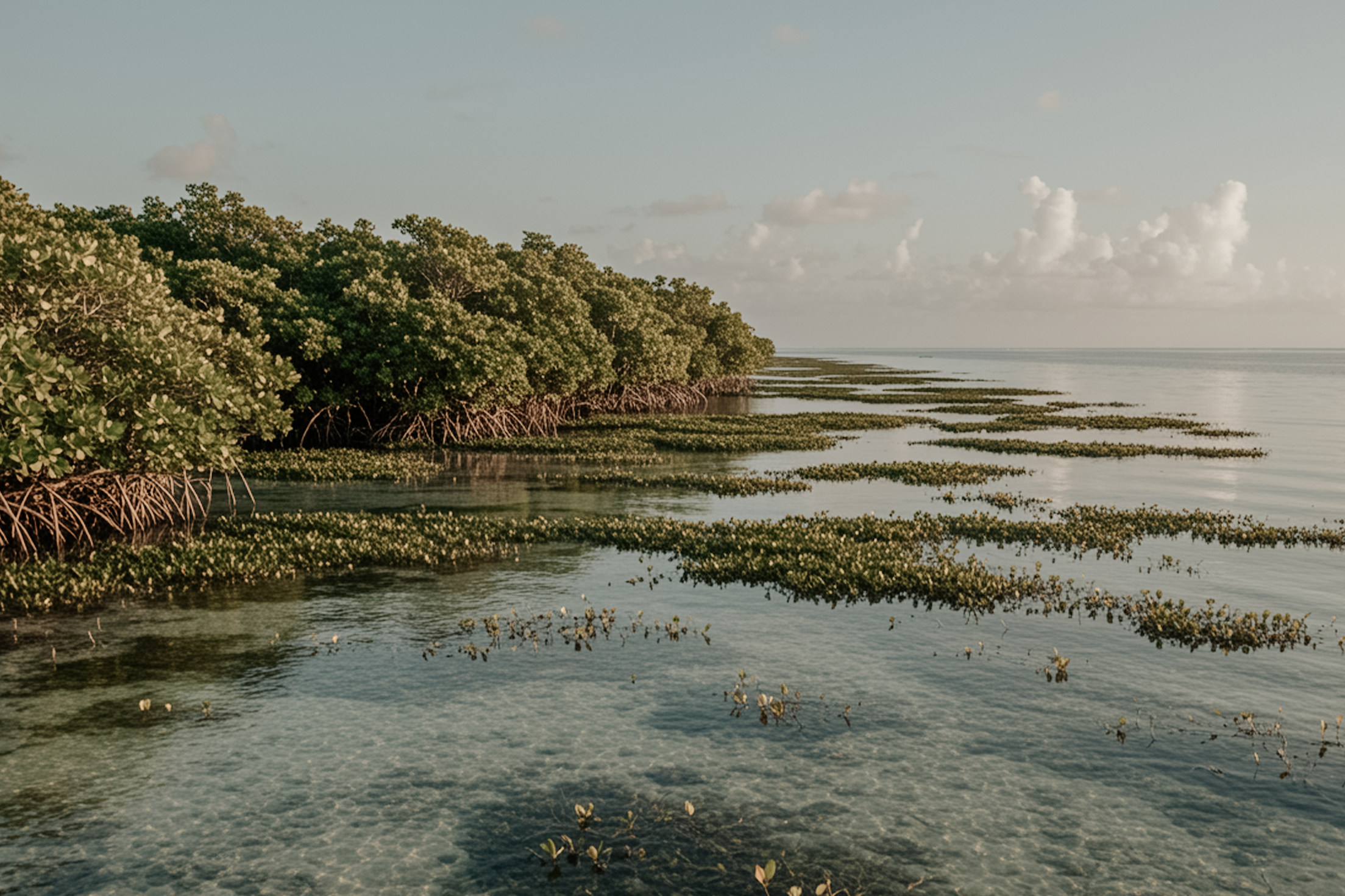
Nature-Based Solutions Drive Honduras’ NDC 3.0
Ten years after its first climate commitments under the Paris Agreement, Honduras is turning to the strength of its coastlines. In its third Nationally Determined Contribution (NDC), the country is prioritizing mangrove and seagrass conservation as a cornerstone of its climate action.
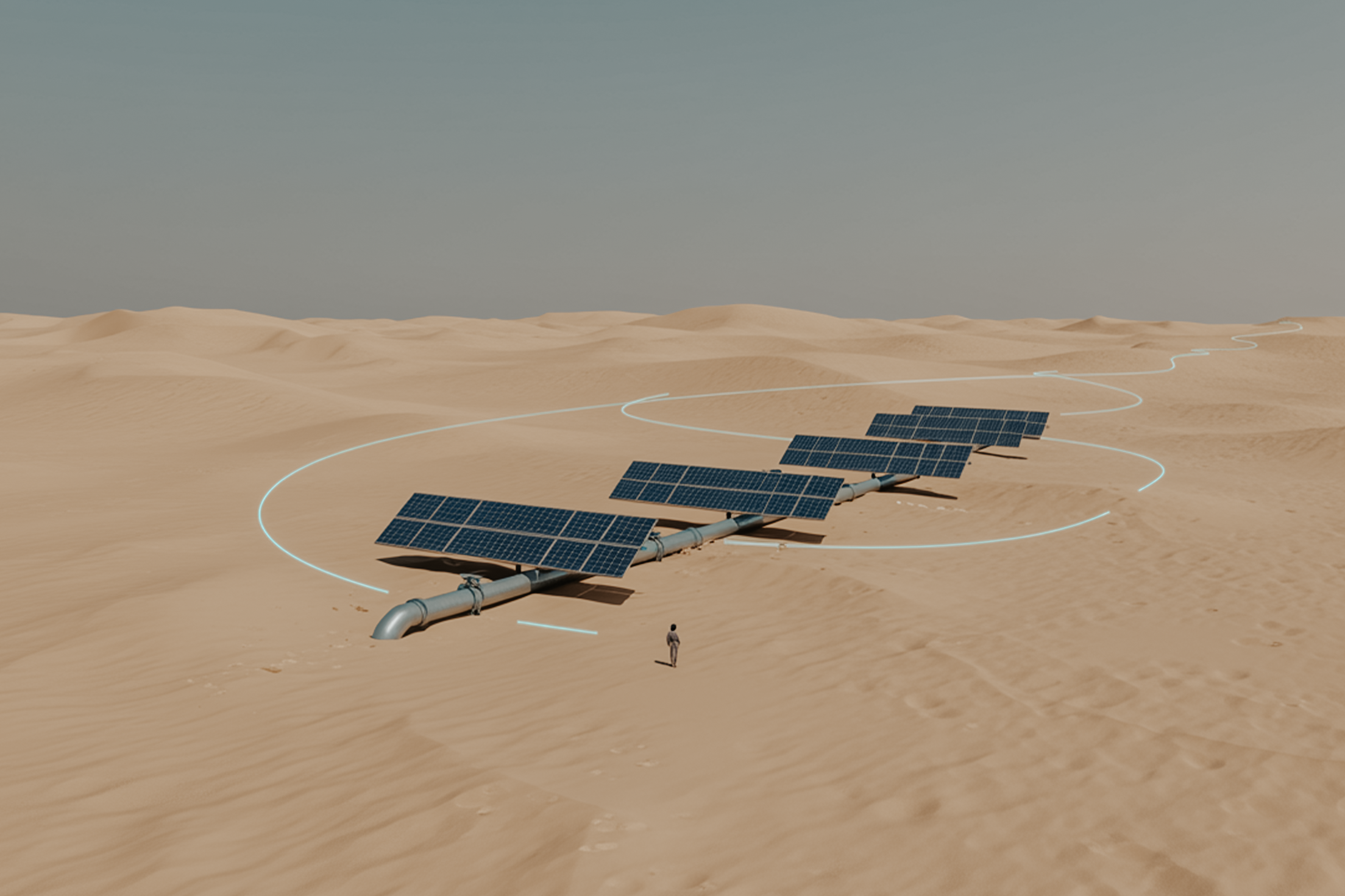
Levant Region Leverages Subnational Governance to Access Climate Finance
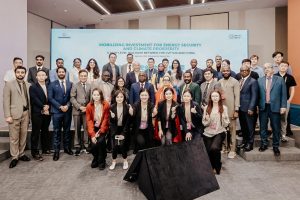
Ten municipalities from Lebanon, Palestine, and Jordan engaged with development banks and bilateral and multilateral donors at the Climate Finance Pathways Forum to mobilize resources for their subnational climate project proposals spanning water security and flood-risk reduction, nature-based solutions, climate-resilient infrastructure, urban cooling, solid waste management, and climate-smart agriculture.
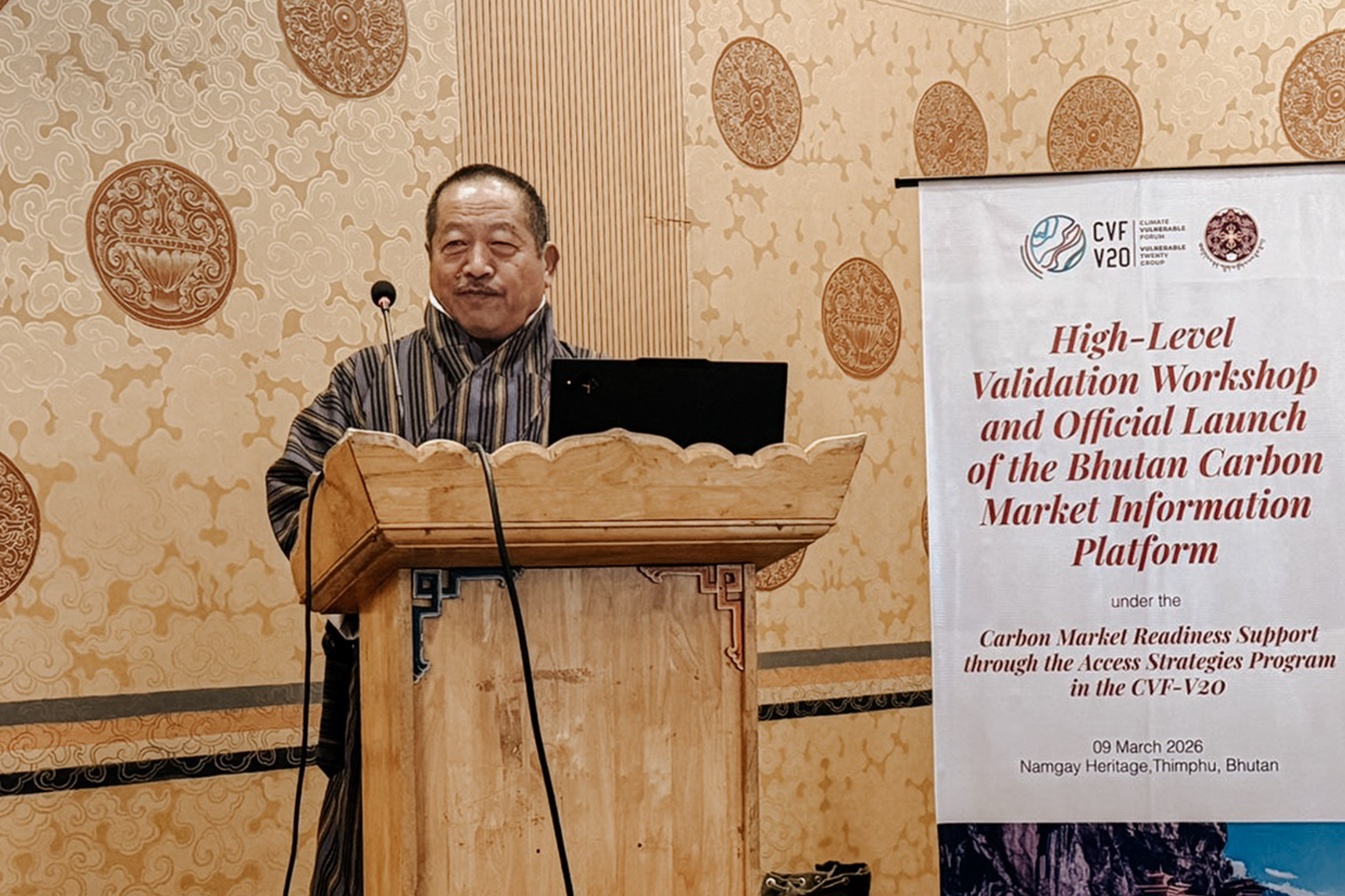
From Policy Ambition to Investment Readiness: Bhutan’s Progress with the V20–VCMI Carbon Finance Program
Through the Carbon Finance Program, Bhutan has accelerated the development of policy frameworks and strengthened the institutional foundations needed to advance the country’s participation in carbon markets, including the launch of a centralized carbon information platform.
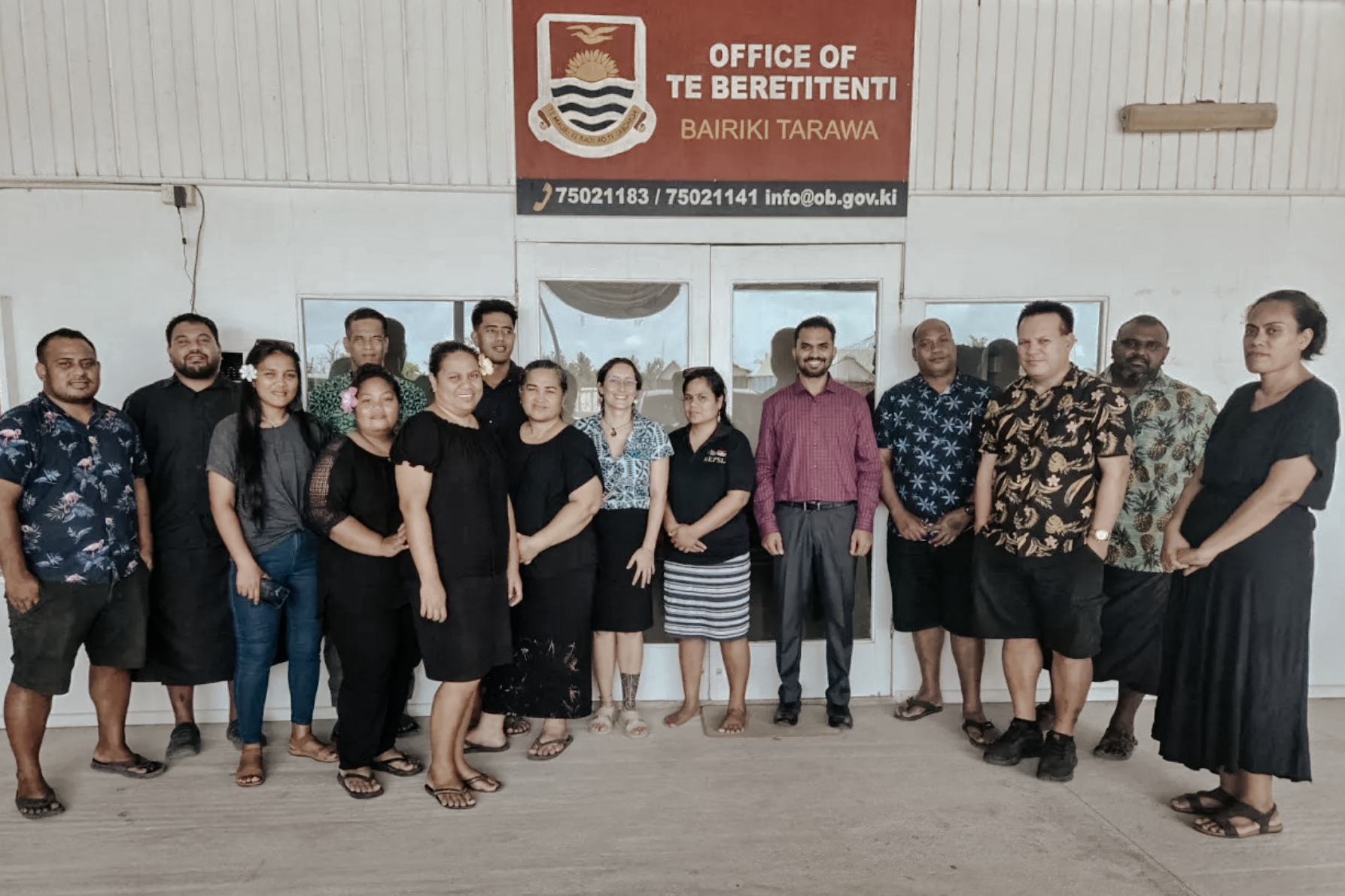
From Ambition to Implementation: Kiribati’s Climate Investment Pathway
Efforts are now underway to update Kiribati’s Nationally Determined Contribution (NDC) Investment Plan, with the support of the Regional Pacific NDC Hub. First developed in 2021. the investment plan provides a structured roadmap for translating national climate targets into concrete investment opportunities.
COP27 – A Meeting With Historic Potential
By Ms. Angela Ebeleke, CVF Capacity-Building Fellow Representatives of over 190 countries will gather in Egypt for the so-called ‘African COP’, and to engage in
Statement for Opening Plenaries ABA
STATEMENT FOR GHANA Opening plenaries (COP27, CMP17, CMA4, SB57) 06 November 2022 Excellencies, esteemed guests, colleagues, Ghana, as the current Climate Vulnerable Forum (CVF) Chair,
Voluntary Carbon Markets’ Credibility in Question Over Support for Adaptation
Voluntary Carbon Markets’ Credibility in Question Over Support for Adaptation Adopting a Share of Proceeds for Adaptation as part of the Integrity Council for the
Climate Vulnerable Nations Launch Payment Overdue
The CVF has decided to make a loss and damage its key communications issue in 2022 by launching an online social campaign entitled “Payment Overdue.” The campaign is asking for the biggest polluting nations to finally pay up for Loss & Damage. It aims to raise awareness of L&D, build support and attract funds to address L&D, and it aims to promote sharing of L&D solutions.
Developing countries are leading climate actions
The Climate Vulnerable Forum (CVF) was launched over 10 years ago, by then President Mohamed Nasheed of the Maldives, and has been operating since then with a different head of government in charge of it for a two-year tenure.
Call for emergency action to limit global temperature increases, restore biodiversity, and protect health
BMJ 2021; 374 doi: https://doi.org/10.1136/bmj.n1734 (Published 06 September 2021) Cite this as: BMJ 2021;374:n1734 Lukoye Atwoli, editor in chief1, Abdullah H Baqui, editor in chief2, Thomas Benfield, editor in chief3, Raffaella Bosurgi,