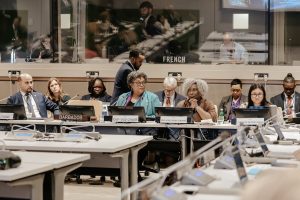
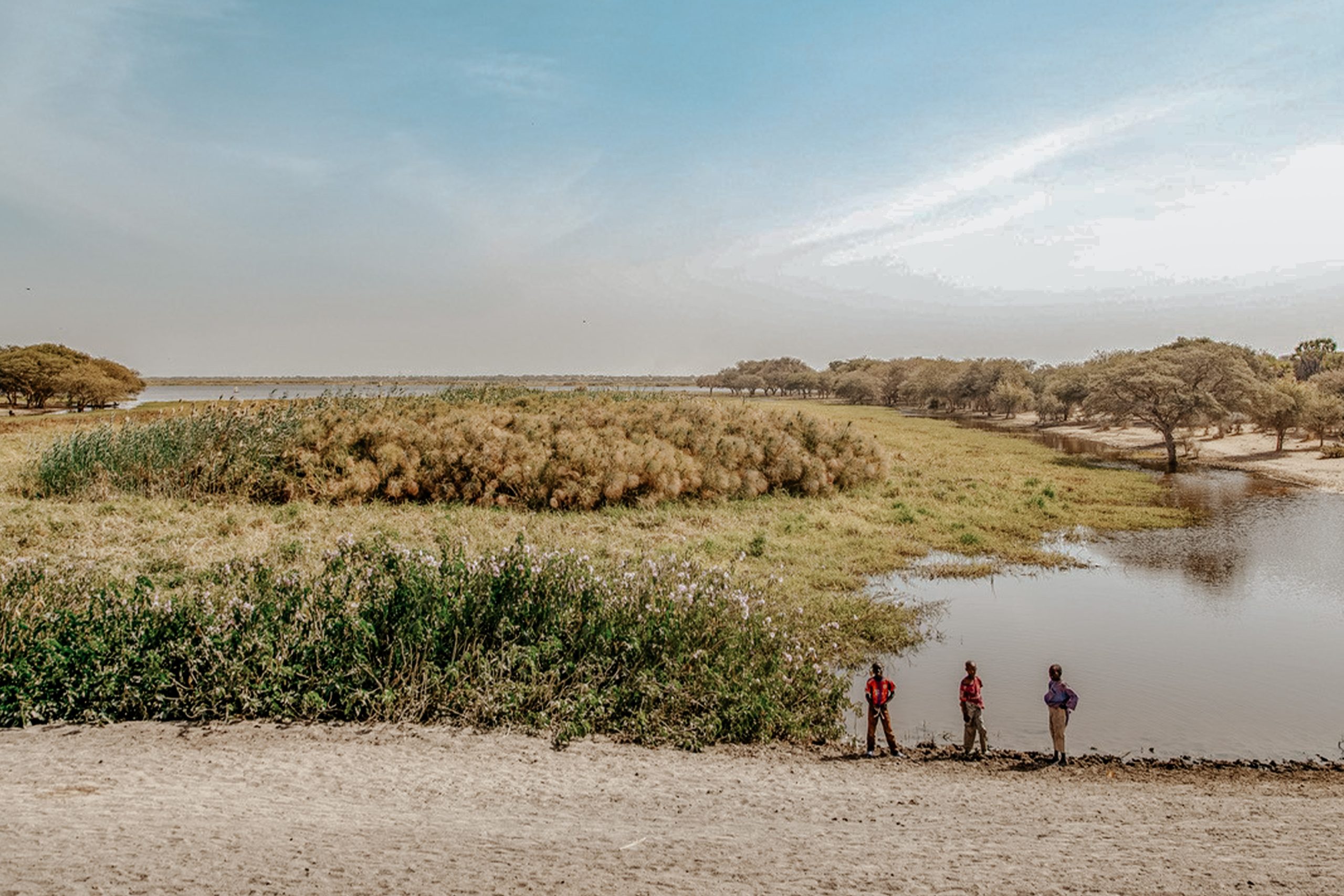
Community Vow: Chad Rolls Out Nationwide Drive for Environmental Responsibility
Strengthening environmental stewardship in Chad has reached a pivotal milestone with the launch of a nationwide campaign to implement Law No. 023. This legislative framework, bolstered by international partnerships and localized outreach, represents a shift from abstract policy to community-led conservation.
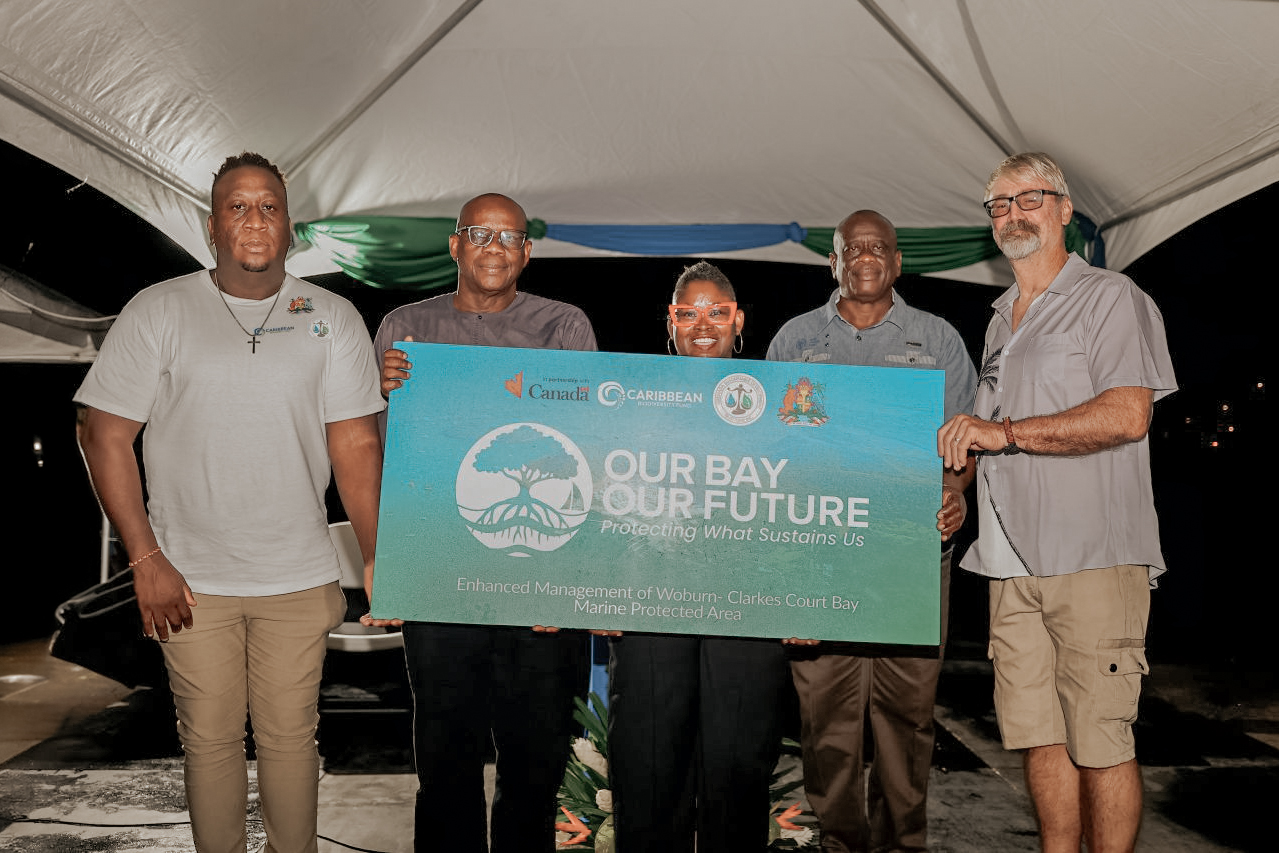
Protect What You Love: Grenada’s Community-Driven Marine Conservation
Our Bay, Our Future takes center stage as Grenada seeks to advance its marine protection initiatives. The project was officially launched last month at the Woburn Bay Jetty by the Caribbean Biodiversity Fund in collaboration with the Grenada Sustainable Development Trust Fund and with the financial support of Global Affairs Canada.

Ecosystems at the Heart of Jordan’s Adaptation Agenda
Jordan’s National Adaptation Plan (NAP) 2025 reflects a strategic shift toward embedding environmental resilience and nature‑based solutions at the heart of national climate adaptation planning.

Embracing Bamboo as a Pathway to Resilience in the Philippines
The Philippines is turning to one of its oldest natural resources to help secure a more resilient future, placing nature at the heart of climate action through a renewed national push for bamboo development. This month, the Climate Change Commission (CCC) launched the campaign “Kawayan: Kabalikat ng Klima at Komunidad,” highlighting bamboo as a powerful nature-based solution that supports environmental protection, community resilience, and sustainable livelihoods.

Sri Lanka’s Love Letter to the High Seas
Sri Lanka is taking steps to strengthen national stewardship of marine biodiversity in response to the entry into force of the Biodiversity Beyond National Jurisdiction (BBNJ) Agreement. This landmark international treaty, which entered into force in January 2026, establishes a global framework for conserving and sustainably using marine life in the high seas.
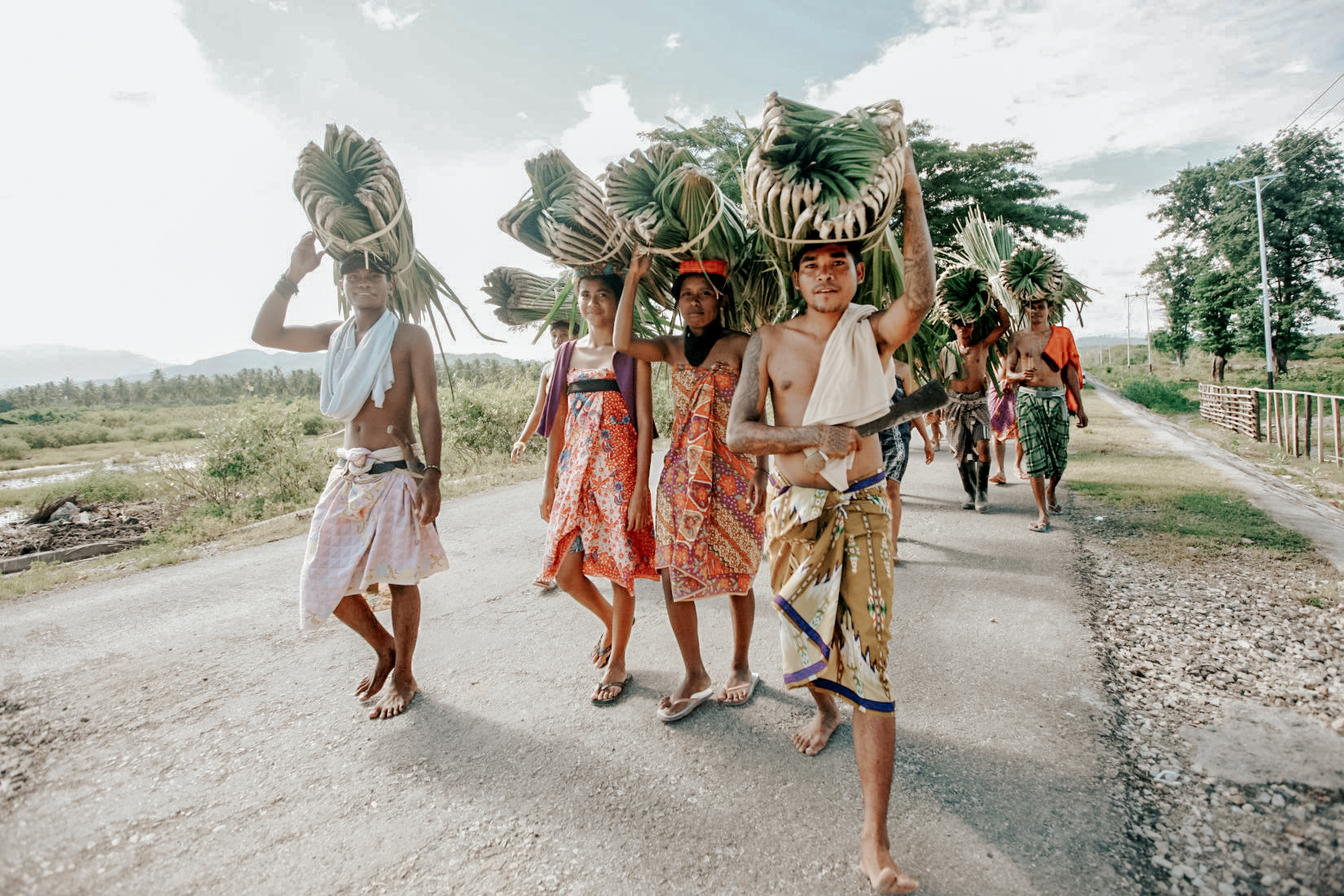
Loving Nature through Restoration, Strengthening Communities in Timor-Leste
In Timor-Leste, a new climate initiative is working to restore ecosystems while strengthening rural resilience. The project, led by the United Nations Environment Programme (UNEP) with national partners, aims to help communities adapt to climate change by rebuilding the natural systems they depend on.
Relevance of Carbon Market for Ethiopia and Article 6 Negotiations in SBESTA 58
Relevance of Carbon Market for Ethiopia and Article 6 Negotiations in SBESTA 58 By Mr. Eyob Tenkir, CVF Capacity-Building Fellow Relevance of Carbon Market Reports
Making the enhanced transparency work for developing countries
Photo: IISD/ENB – Kiara Worth Making the enhanced transparency work for developing countries By Ms. Khetsiwe Khumalo, Climate Change Programme Coordinator at the Ministry of
Rebranding Old Pledges
Rebranding Old Pledges Photo credit: Reuters By Noor Saghir A closer look at key issues and outcomes on Climate Finance within and outside the UNFCCC
Reflections on the June Climate Conference
Reflections on the June Climate Conference By Avril Chanel, Noor Saghir, and María José Vásquez The 58th session of Subsidiary Bodies (SB 58) of the
Effects of emissions allocations and ambition assessments immediately based on equity
National emissions targets are collectively insufficient to align with the Paris Agreement.
COP27 Benefits for Benin and Beyond
By Mr. Koto Daniel Dagnon, CVF Youth Fellow “Together For Implementation” was the theme of this year’s COP27 in Egypt. Also widely known as the Implementation