#COP31: Closing the Climate Delivery Gap from Plans to Platforms

Climate-vulnerable countries need national platforms that turn investment plans into financed projects, or their climate ambition will stay on paper, stakeholders said at COP31.

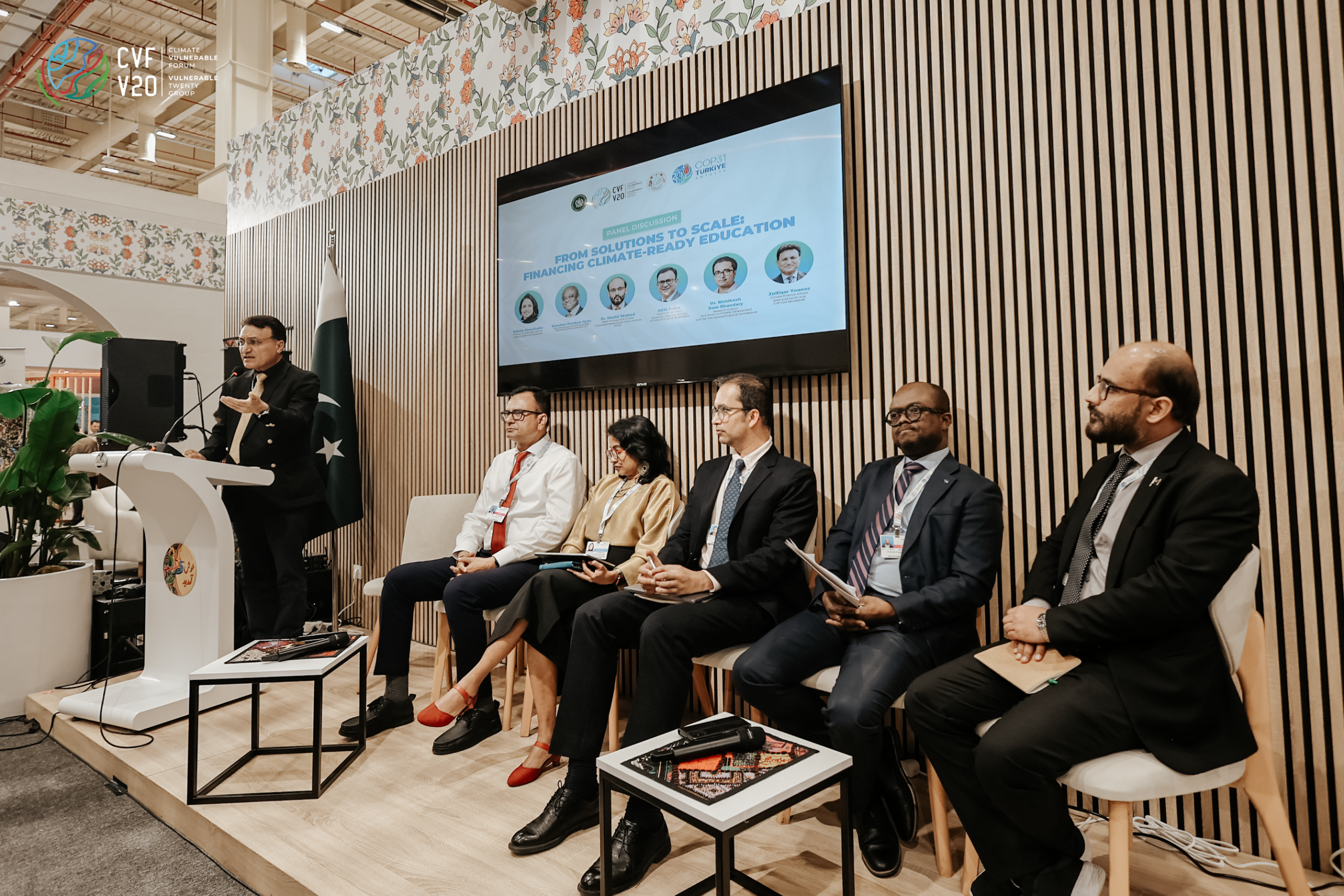
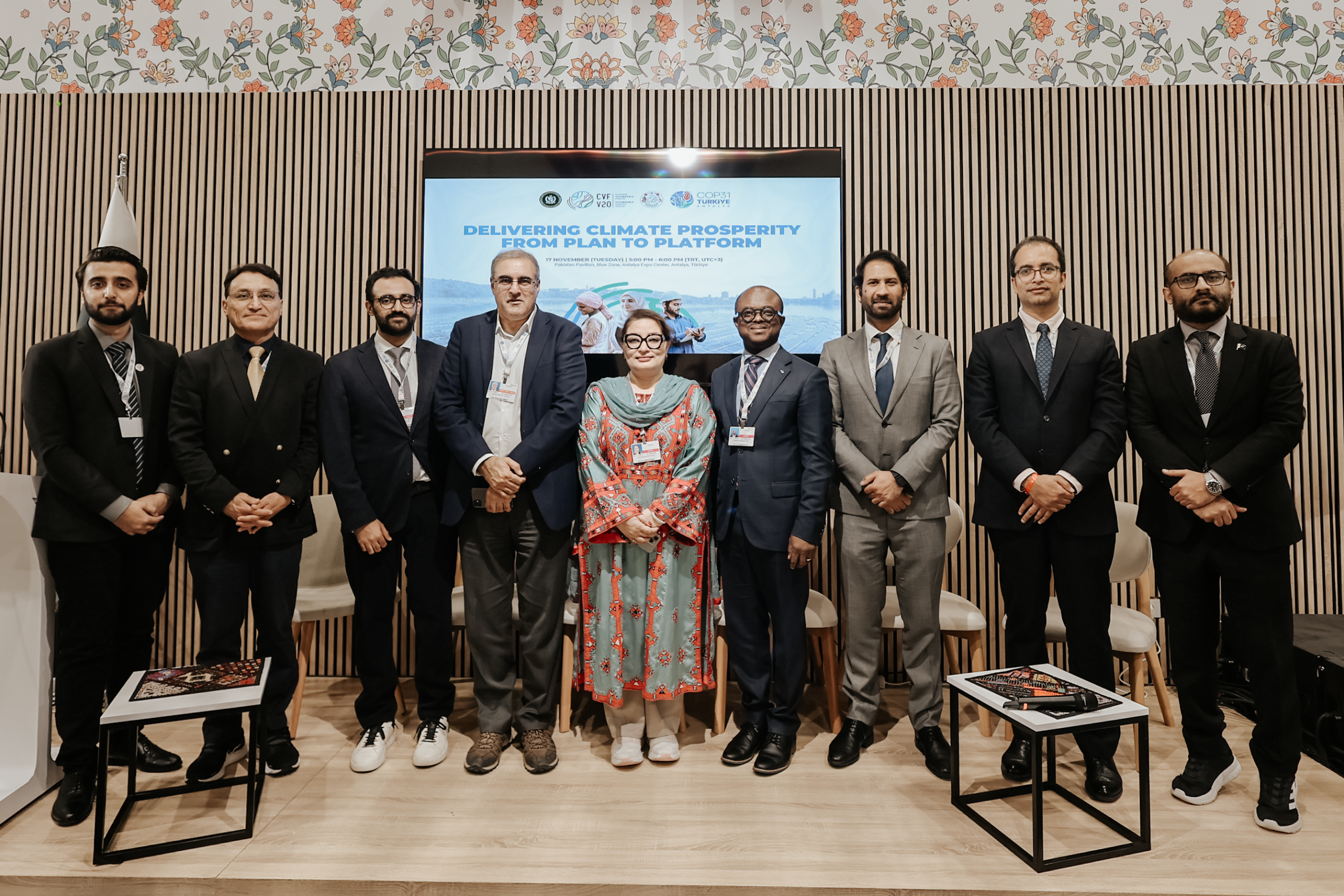
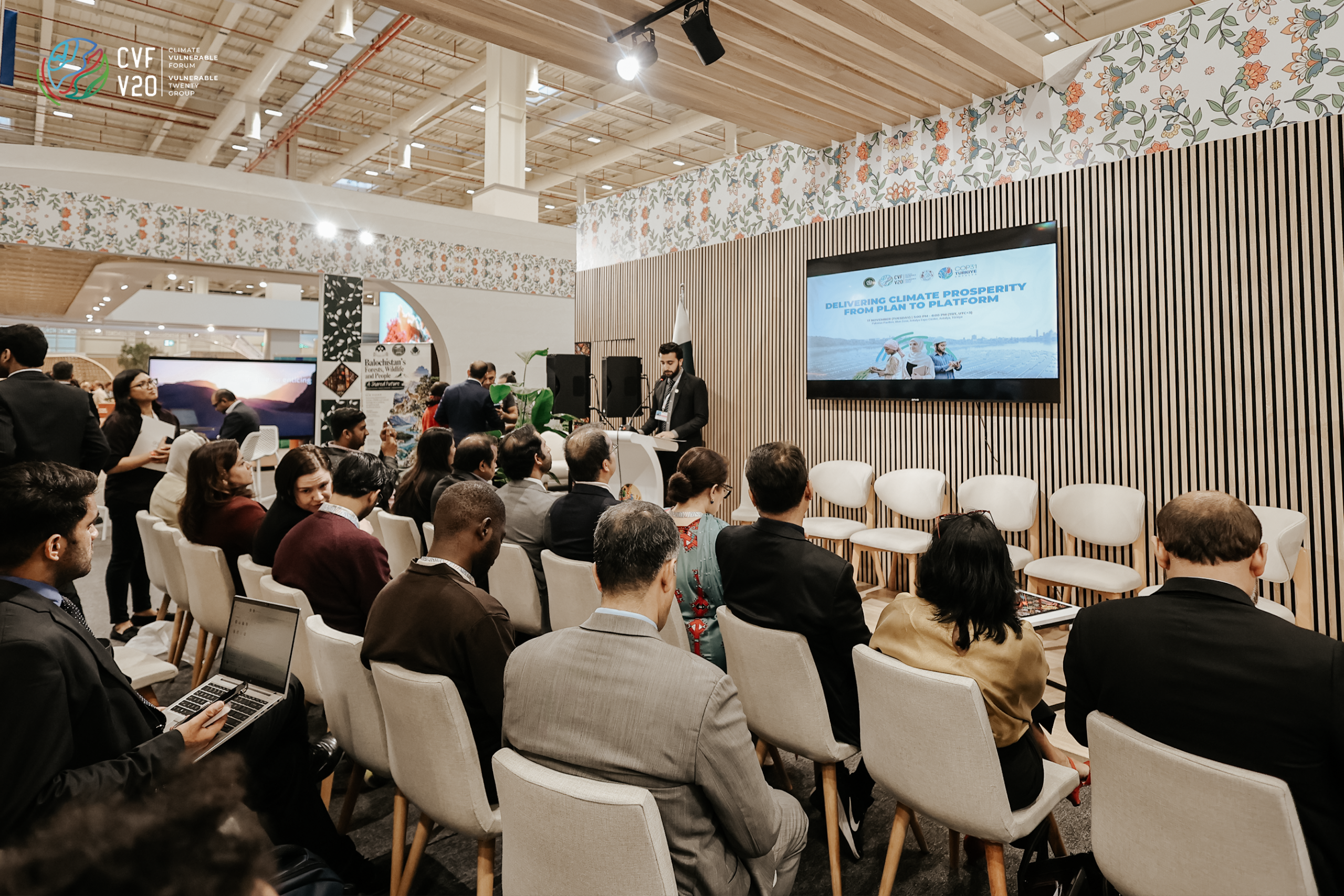
The dialogue, Delivering Climate Prosperity: From Plan to Platform, co-hosted by CVF-V20 and the Government of Pakistan at the Pakistan Pavilion, emphasized that finance and ambition are not what is missing. Delivery is. The stakes are high for the CVF-V20’s 77 climate-vulnerable economies, which have lost about a fifth of their potential growth to climate change over the past two decades.

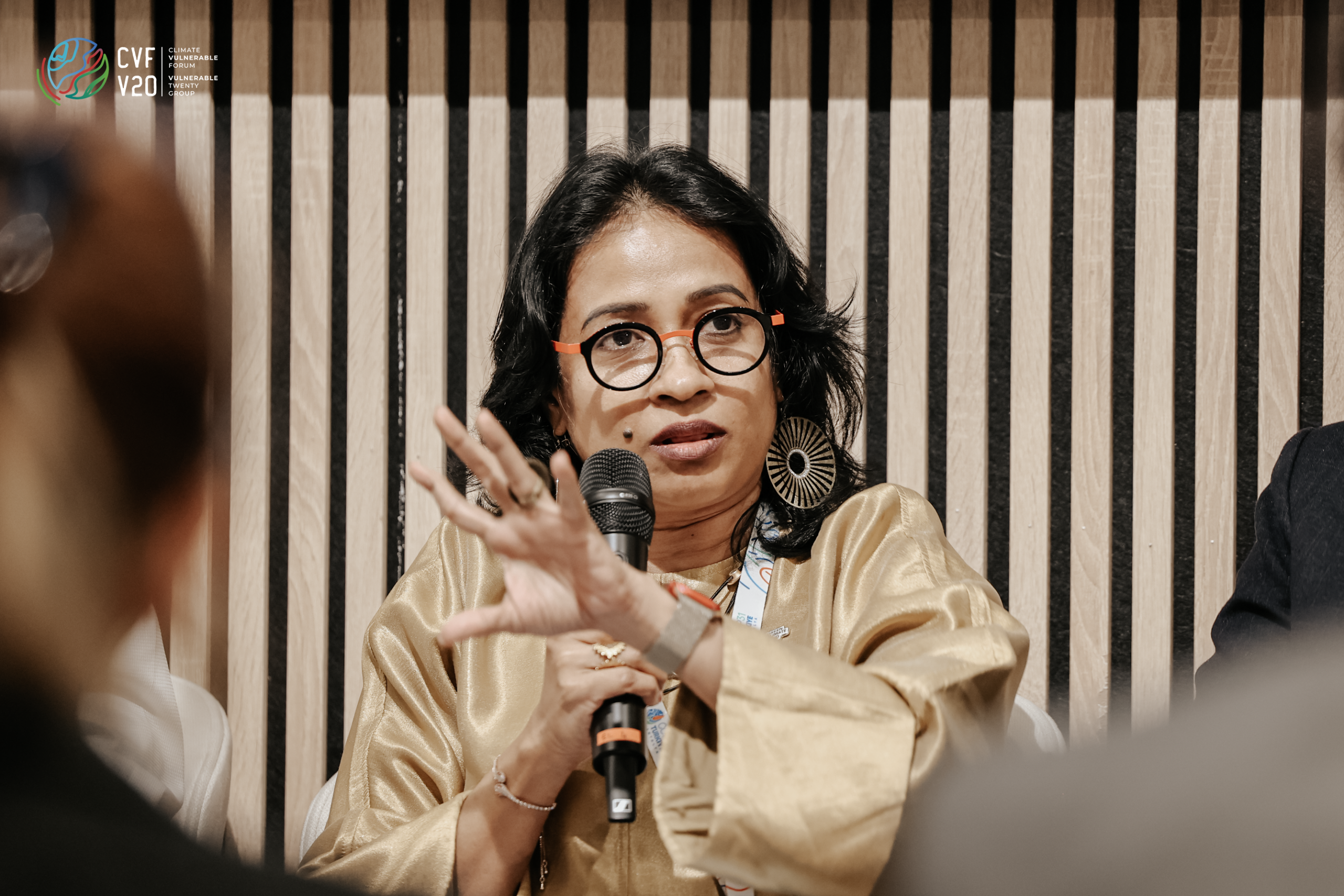
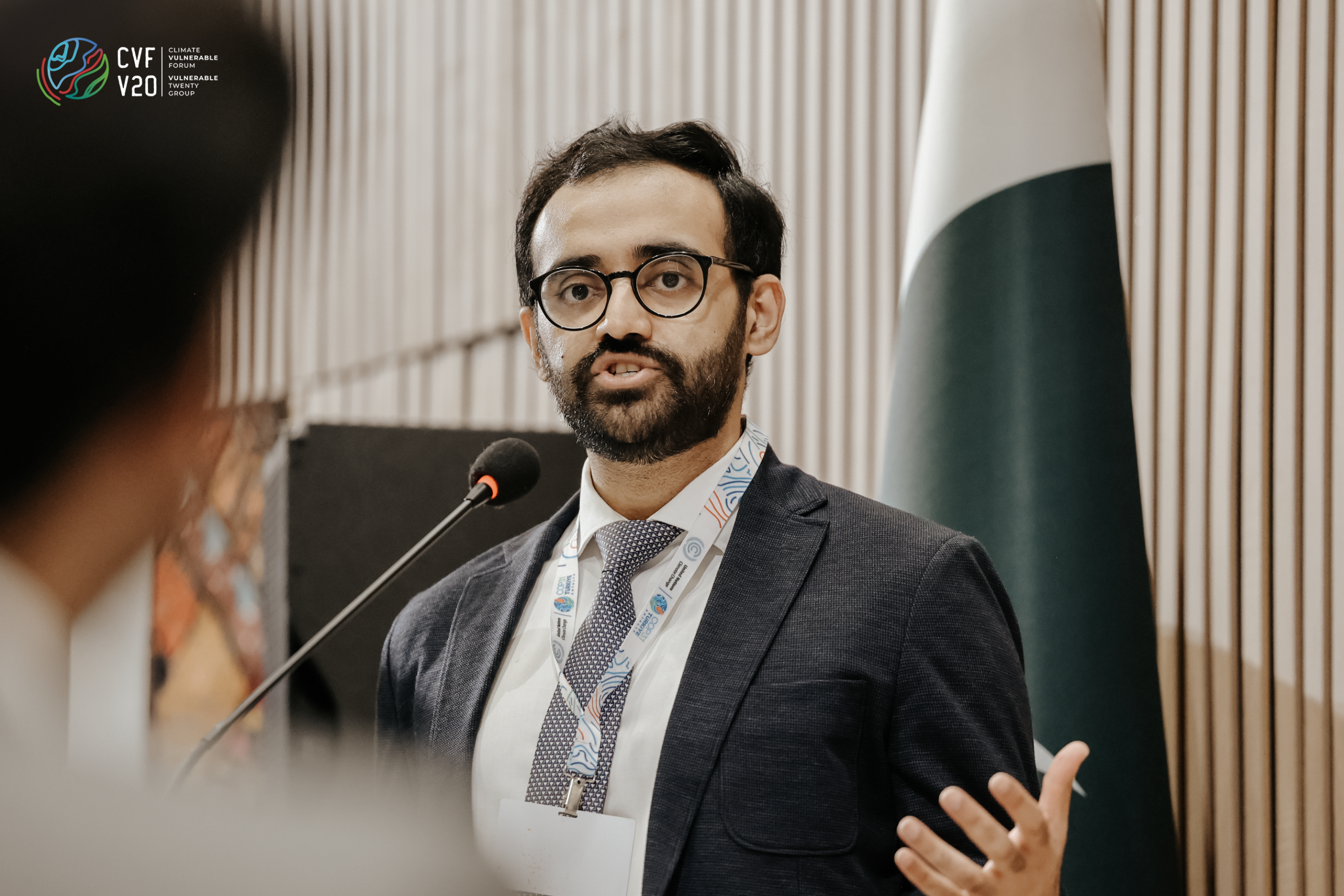
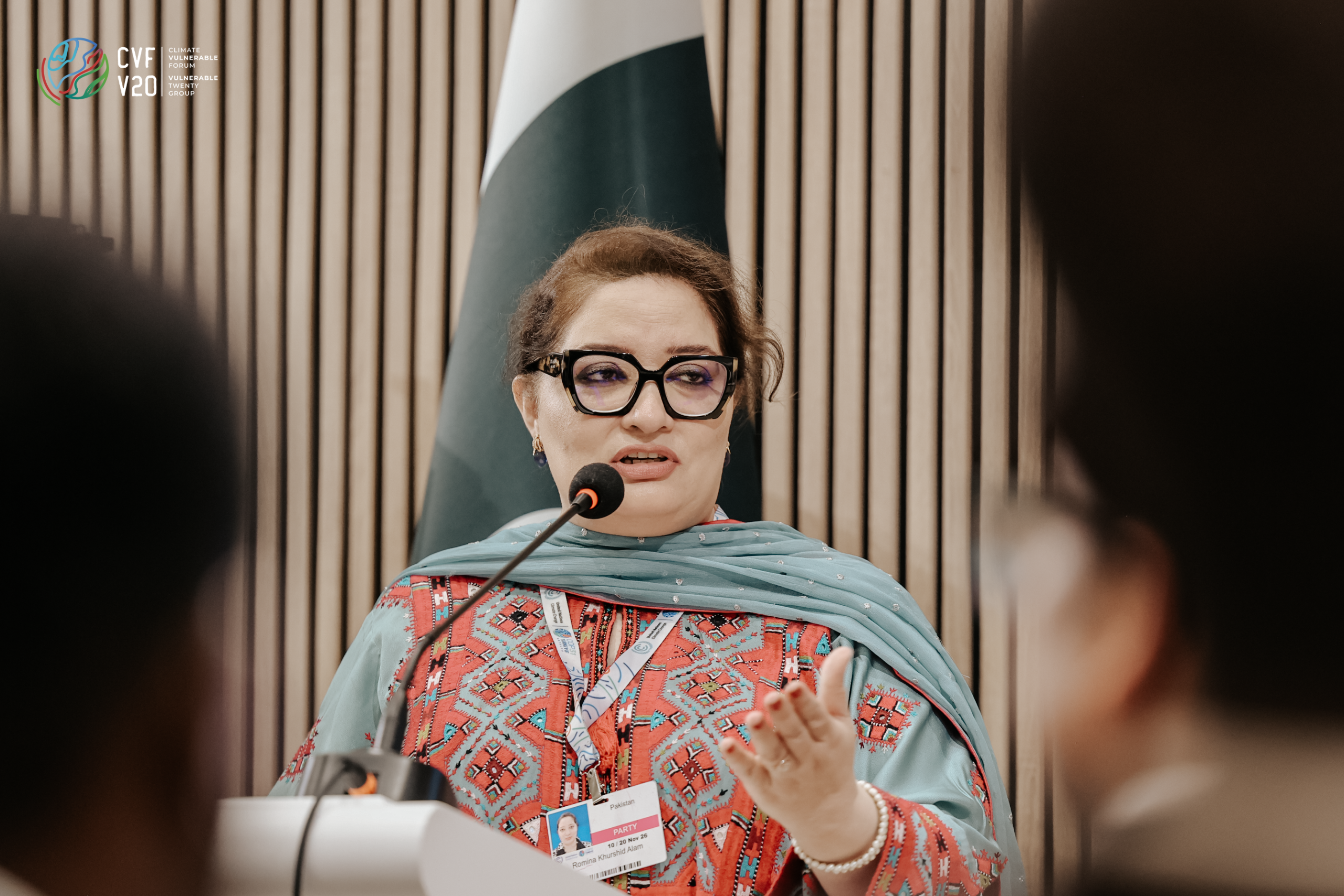
H.E. Romina Khurshid Alam, Coordinator to the Prime Minister on Climate Change, noted that Pakistan has adopted its Climate Prosperity Plan, introduced its first climate budget and put a green taxonomy in place. But “a plan is not a project,” she said. A country platform must bring the government, financiers, and the private sector around one national pipeline, and its finance must not deepen debt: “We did not cause this crisis, and we cannot keep borrowing to survive it.”

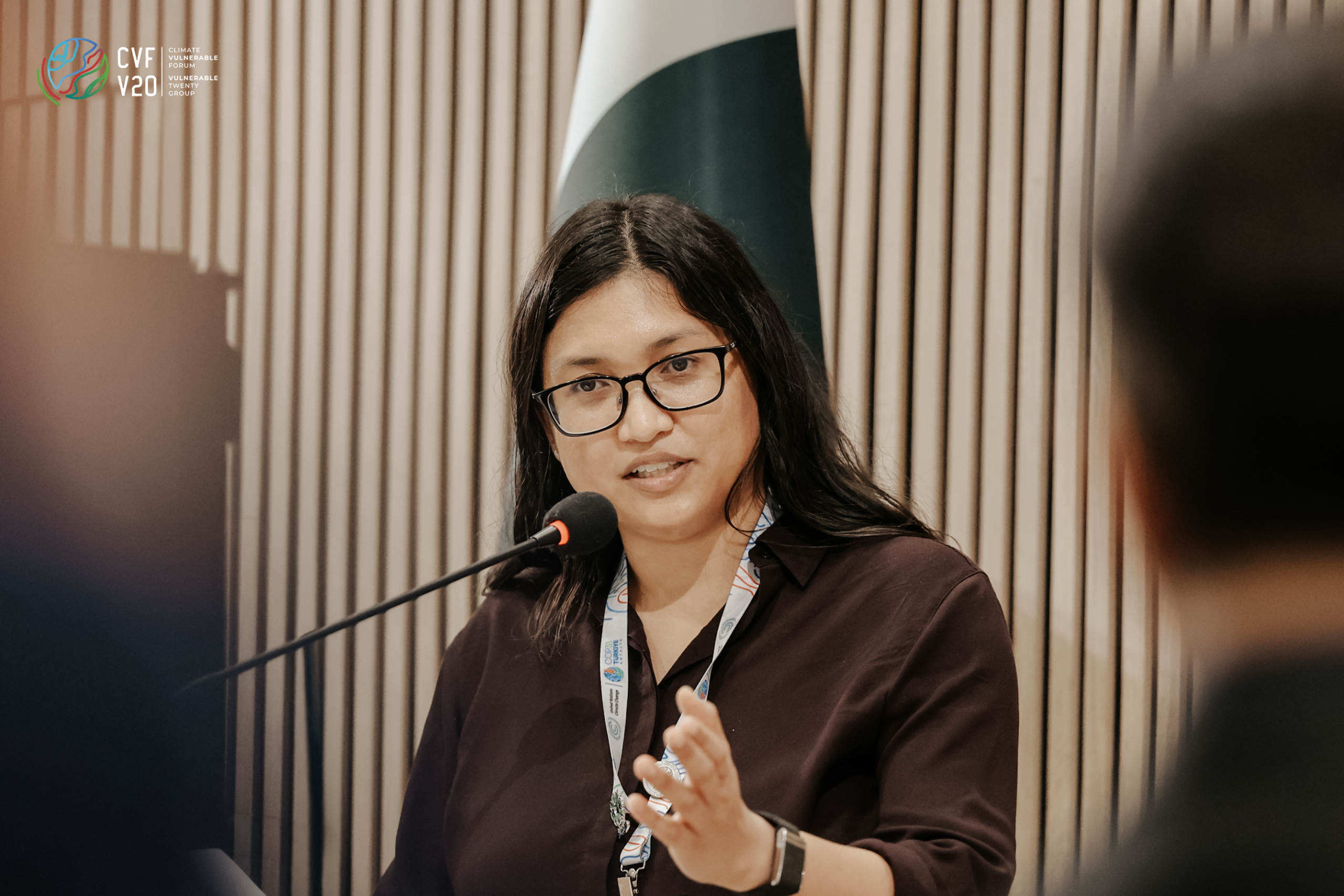
Sara Jane Ahmed, Managing Director and Finance Advisor of the CVF-V20 Secretariat, said high borrowing costs make climate finance unaffordable for CVF-V20 economies. Climate Prosperity Plans answer this by turning each country’s climate and development priorities into one investment strategy, delivered through its own institutions. “There’s no one-size-fits-all,” she said.

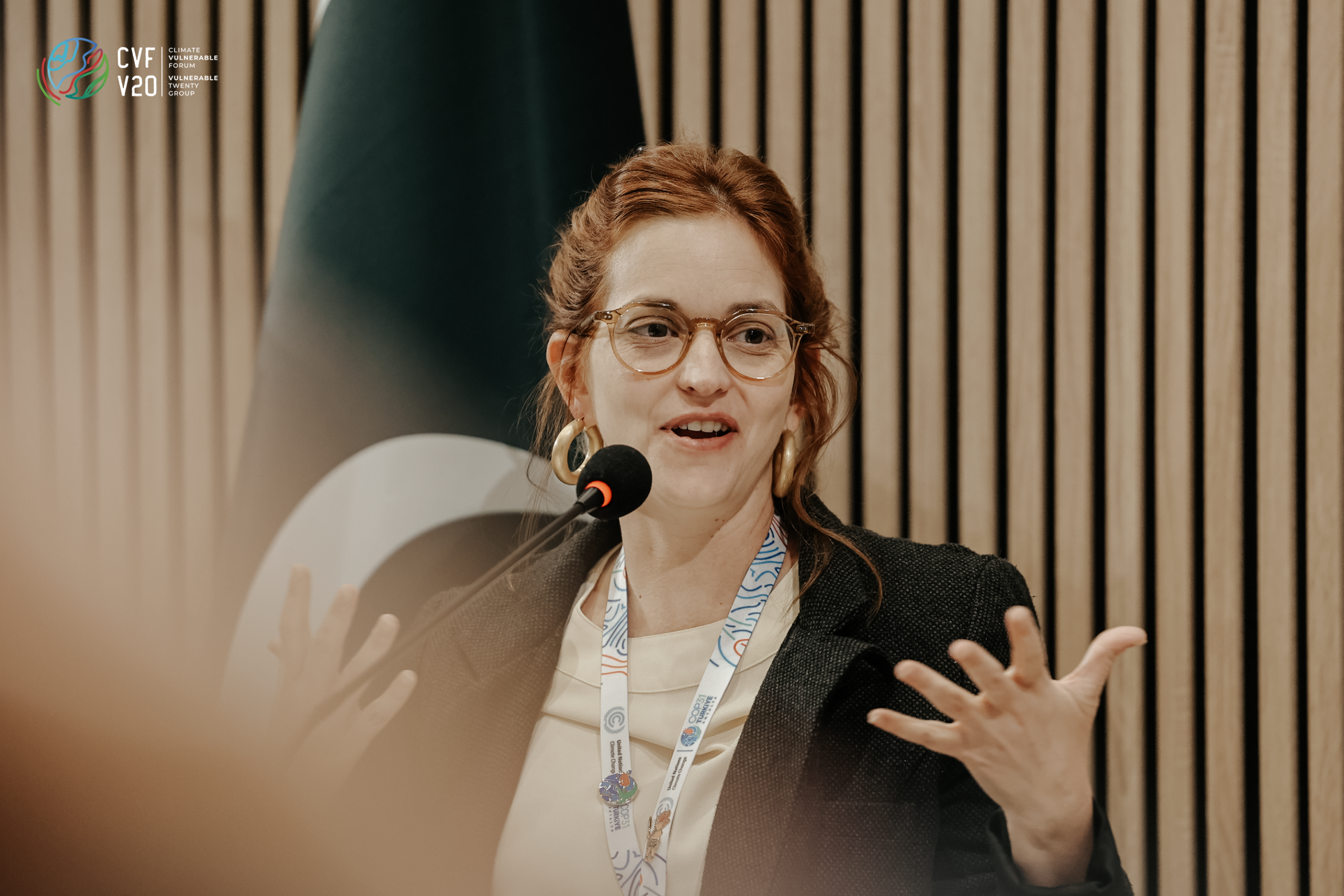
Brazil showed what delivery can look like. Carolina Grottera, Undersecretary for Ecological Transformation at Brazil’s Ministry of Finance, explained that the Brazilian Investment Platform is led by the Ministry of Finance, led by the Ministry of Finance, with the national development bank BNDES as its secretariat, and anchored in long-term national strategy. “It’s not a list of projects,” she said. The platform now hosts 25 projects, links more than 70 financial institutions, and has already secured investment for four.
What makes a platform work

Panelists, in a discussion moderated by Zulfiqar Younas, Climate Finance Advisor at the CVF-V20 Secretariat, agreed that ownership at the highest level is what makes platforms work. 

AKM Sohel of Bangladesh’s Ministry of Finance said his country overcame turf battles between ministries by placing its platform under the Prime Minister’s Office, with development partners and civil society at the table.

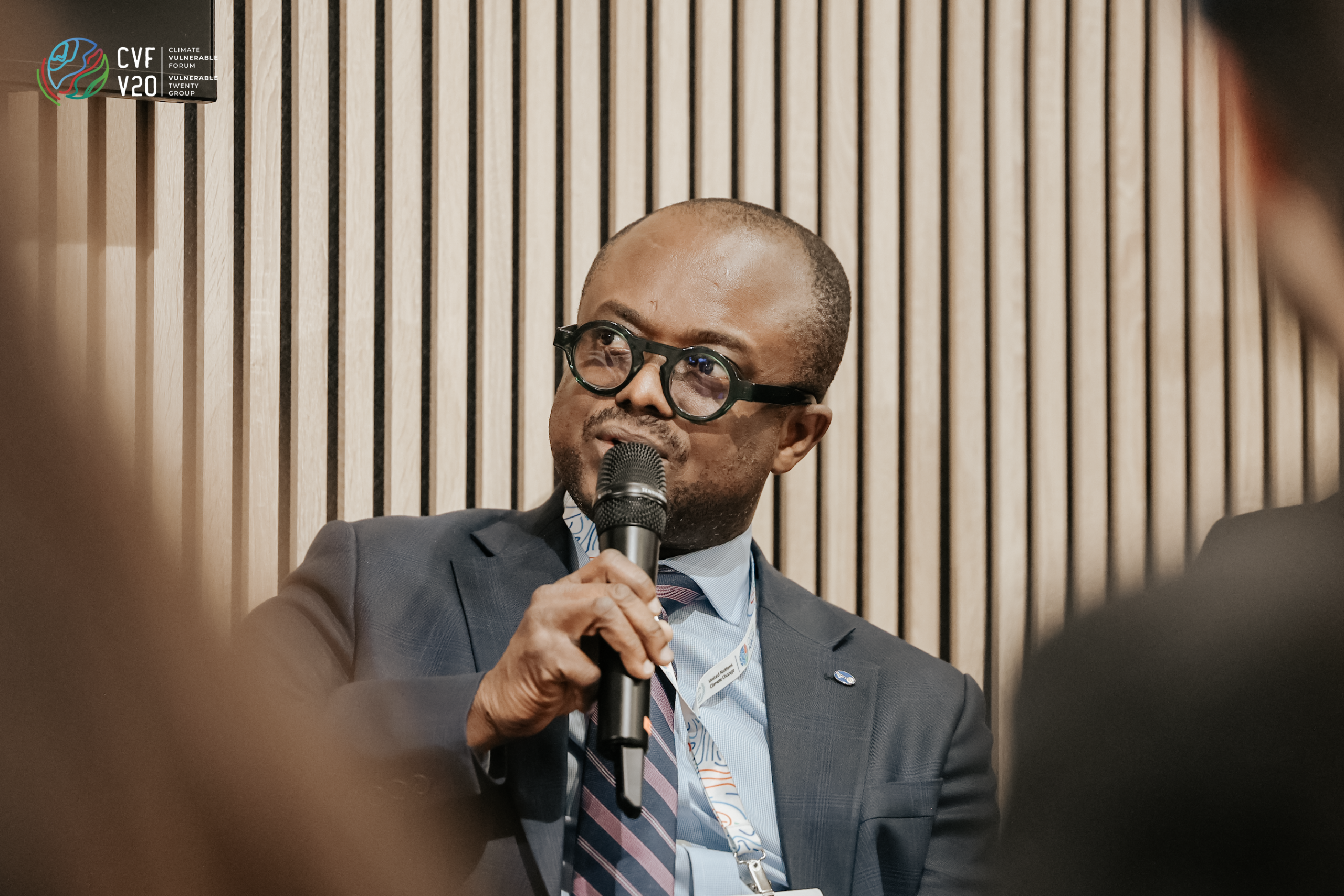
Achala Abeysinghe, Director of the Department of Investment Services at the Green Climate Fund, which has funded the set-up of 14 country platforms and one regional platform, urged countries to start from national priorities and match each project to the right finance. Kwadwo Kwakye Gyan of the Ghana Infrastructure Investment Fund said the real challenge is turning ideas into investable projects, which takes preparation capacity, sound revenue models and clear allocation of risk.

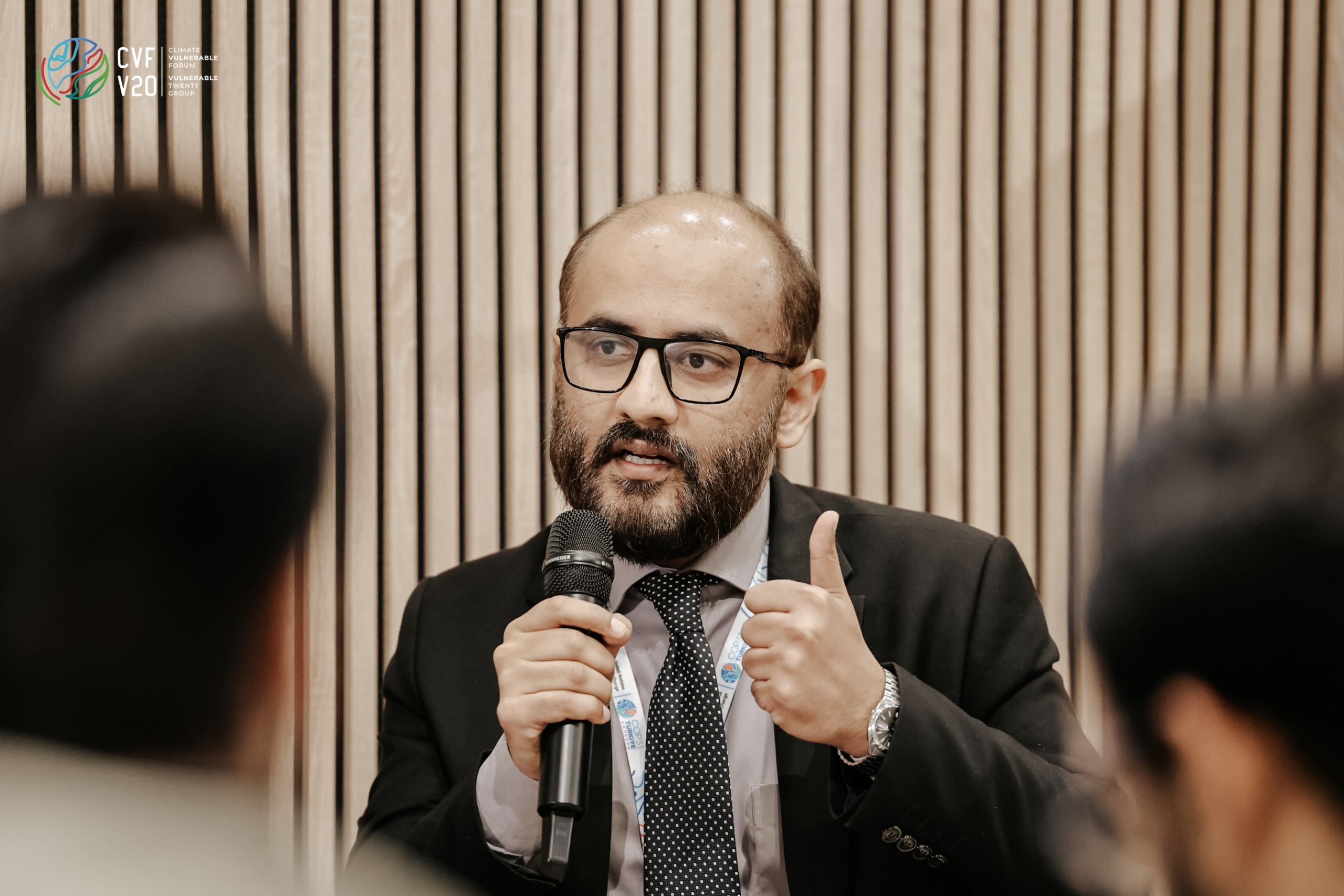
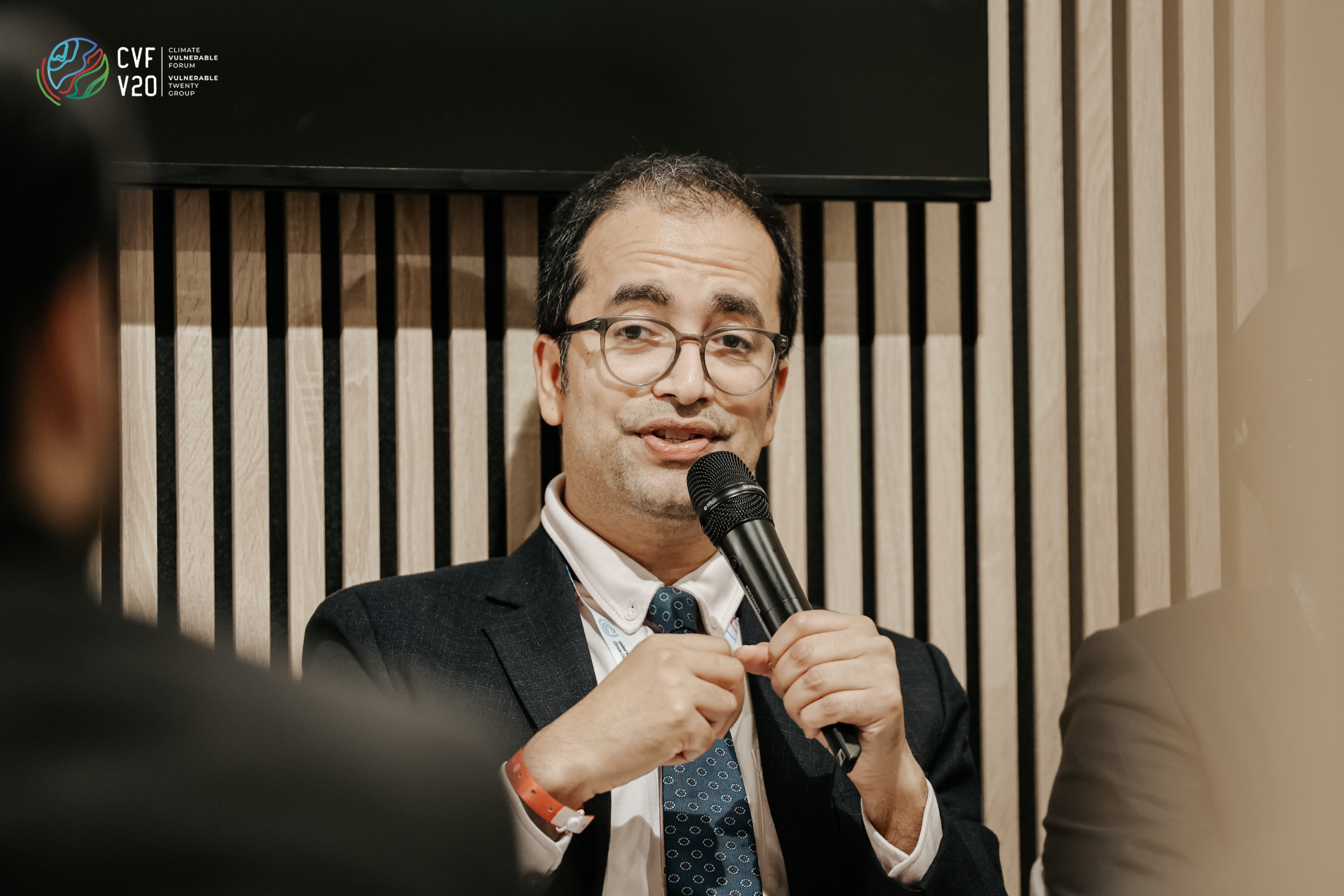
Dr. Khalid Waleed, Head of Energy and Climate at the Sustainable Development Policy Institute (SDPI), warned that ministries and development partners too often work at cross purposes, while Dr. Rishikesh Ram Bhandary, Research Director at the Task Force on Climate, Development and the International Financial Architecture, said development banks must lend at affordable rates and long tenors, and that platforms should build on the institutions countries already have.

Closing the gap

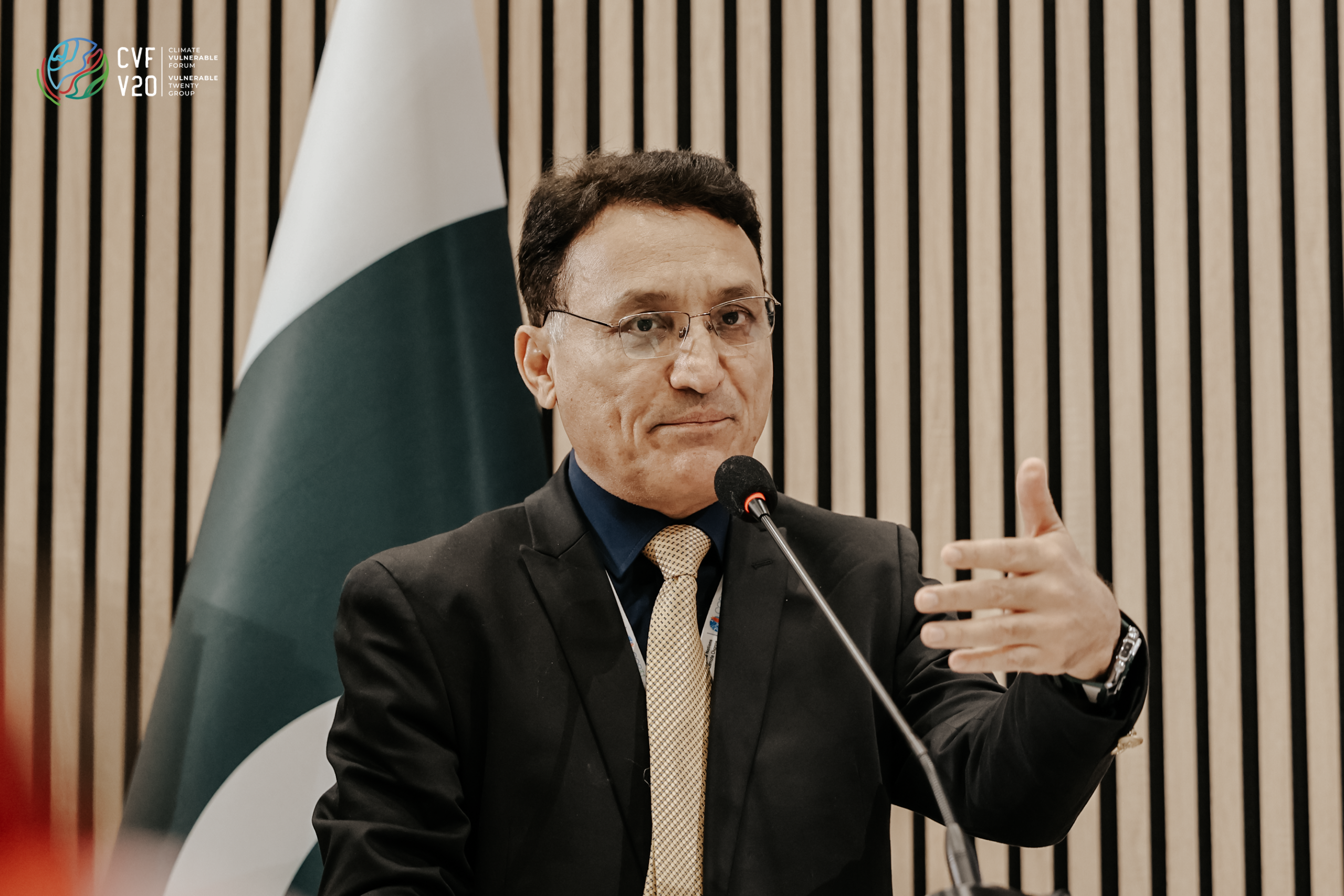
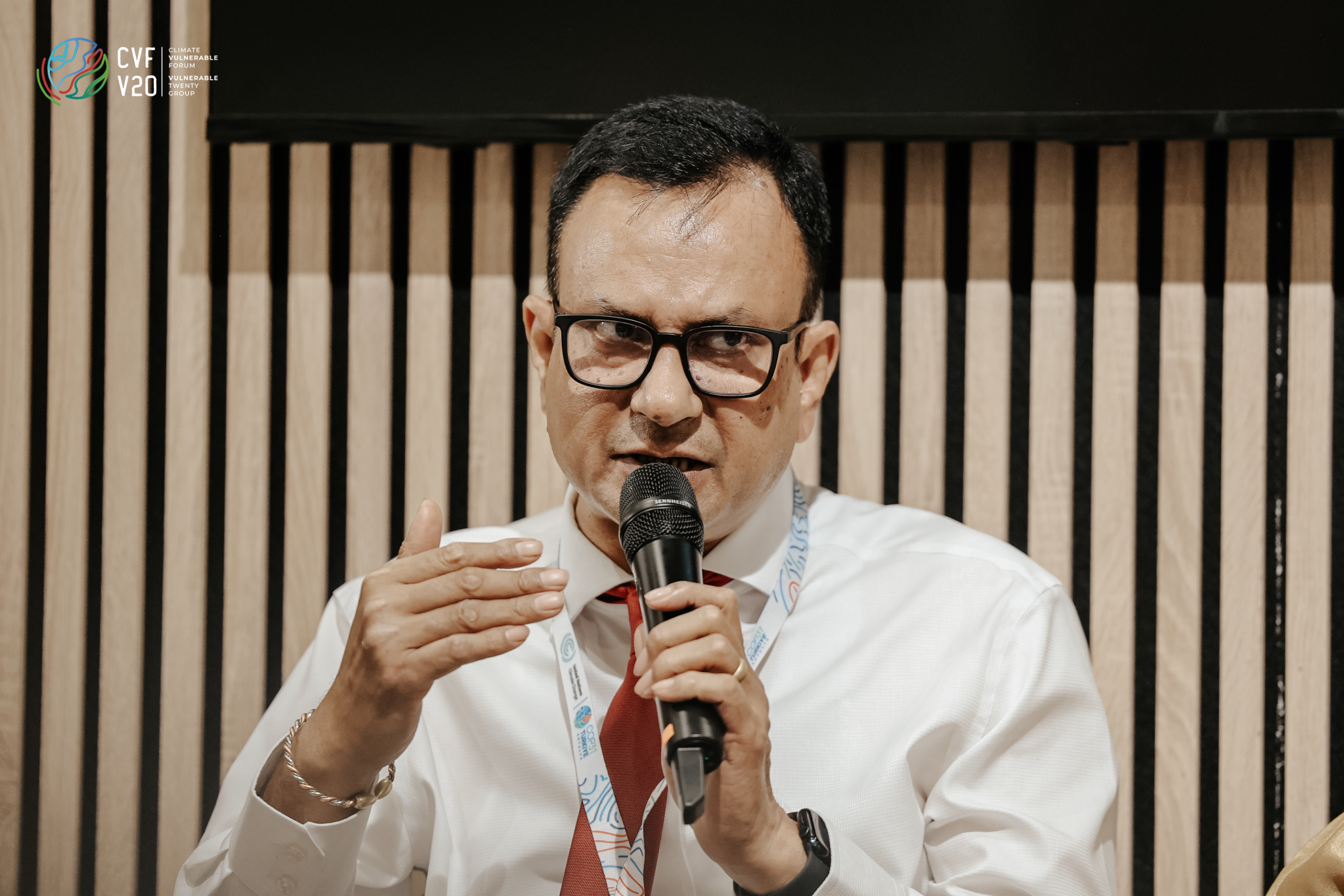
In his closing remarks, Hamza Farrukh, Chairman of the Pakistan Climate Change Authority (PCCA), said Pakistan does not lack developers, contractors or financial know-how. What it lacks is a cohesive approach. He called for breaking silos between government, finance, climate funds and civil society, and invited partners to work with PCCA, the government’s technical delivery arm.

Climate Prosperity Plans tell countries what to finance. Country platforms deliver it. Close the gap, and ambition becomes prosperity.

***