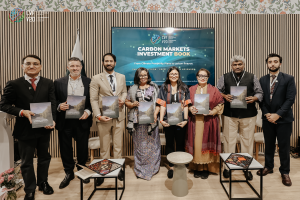



ANTALYA—The Climate Vulnerable Forum and V20 Finance Ministers (CVF-V20) Secretariat has launched a new parliamentary component of its Carbon Market Access Program, placing lawmakers at the center of carbon market implementation.
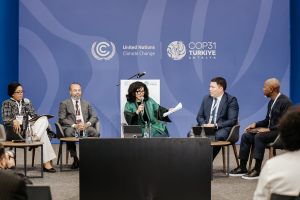
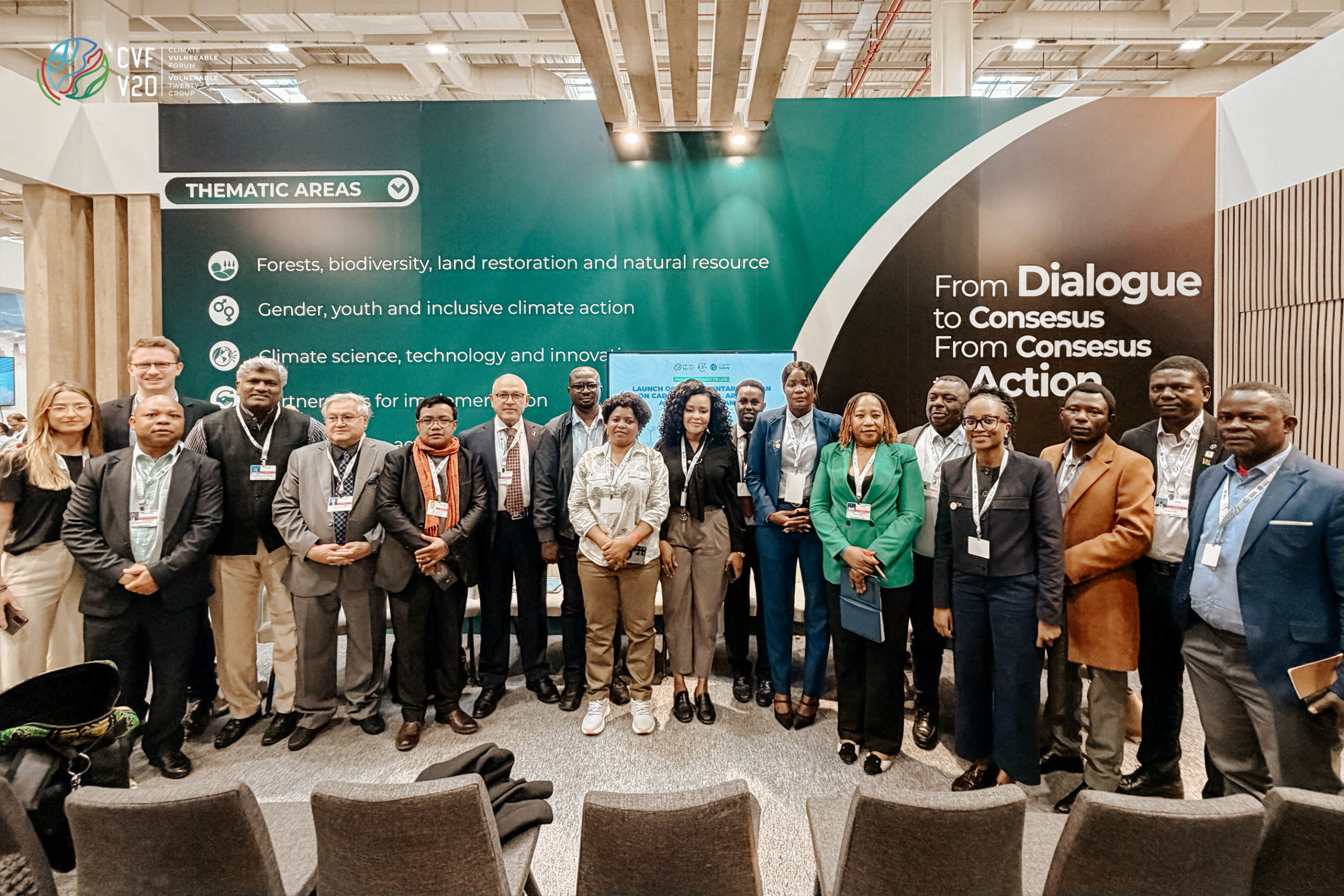
The new component was unveiled on the sidelines of the 31st Conference of Parties to the United Nations Framework Convention on Climate Change (COP31) during the launch event “From Commitments to Law: Parliamentary Action on Carbon Markets, Article 6, Climate Finance.”
The 12-month program will strengthen the capacity of lawmakers from CVF-V20 member states to oversee the strategy, authorization, revenues, benefit-sharing, and safeguards involved in implementing Article 6 of the Paris Agreement, whose rulebook was completed at COP29 in Baku.
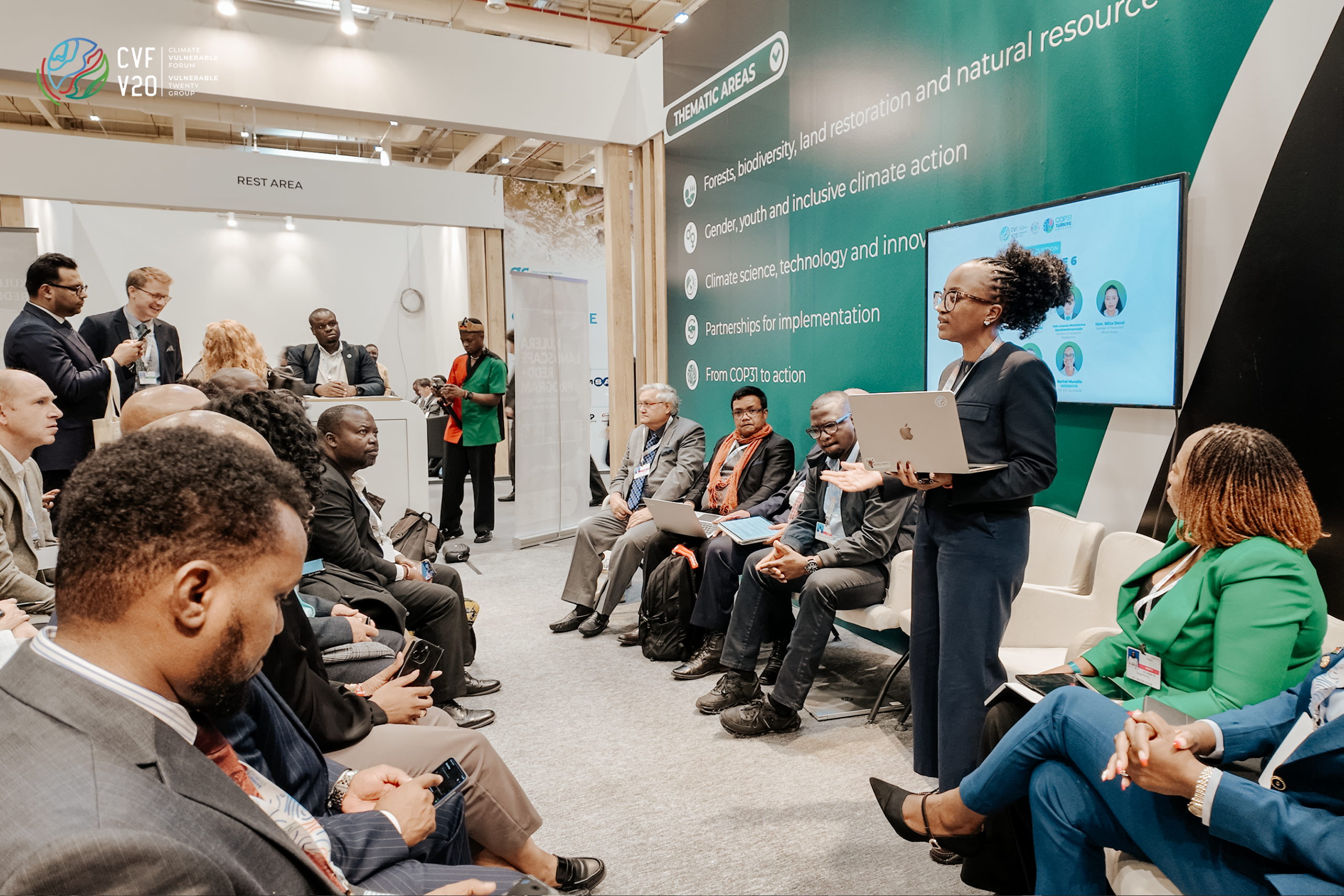
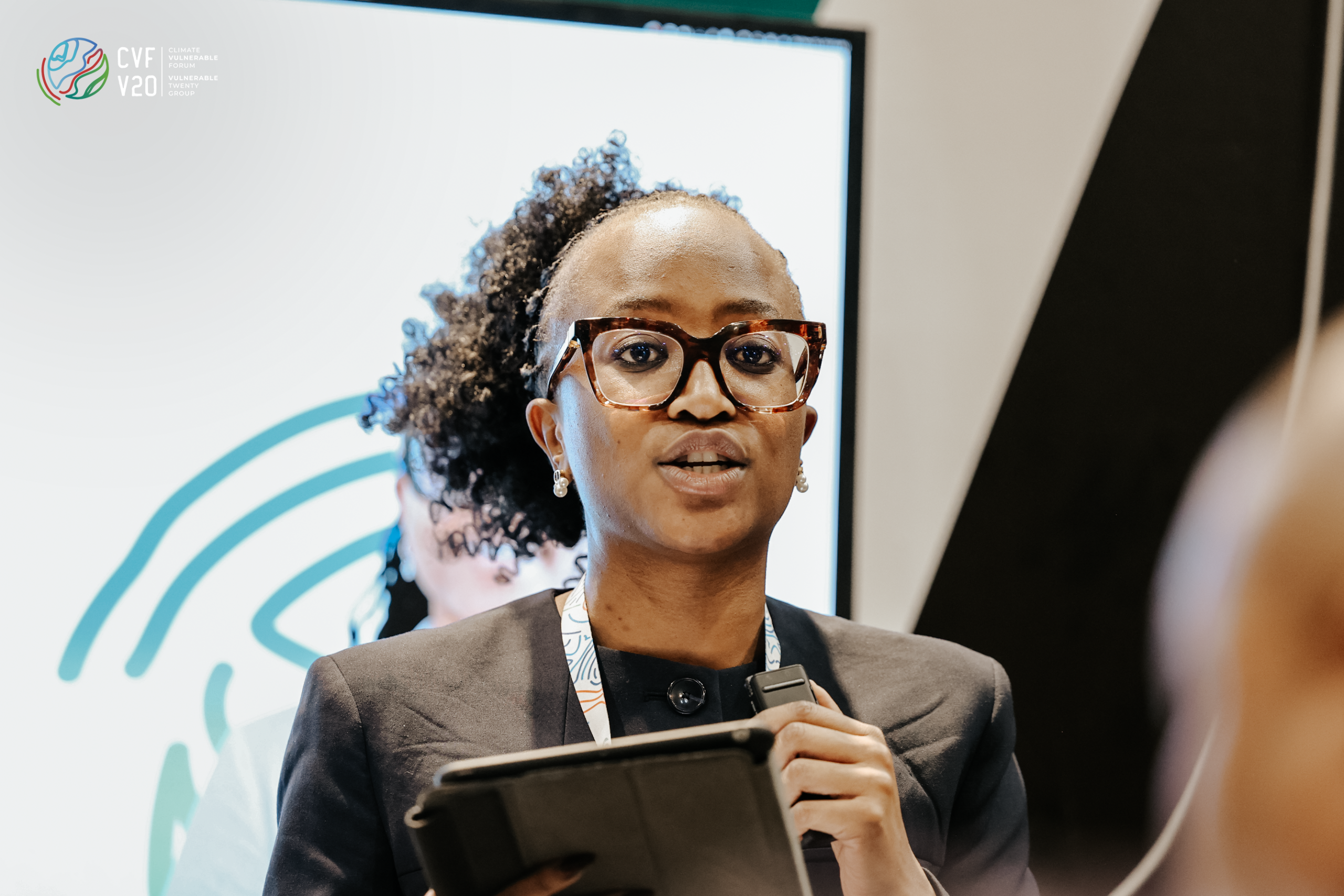
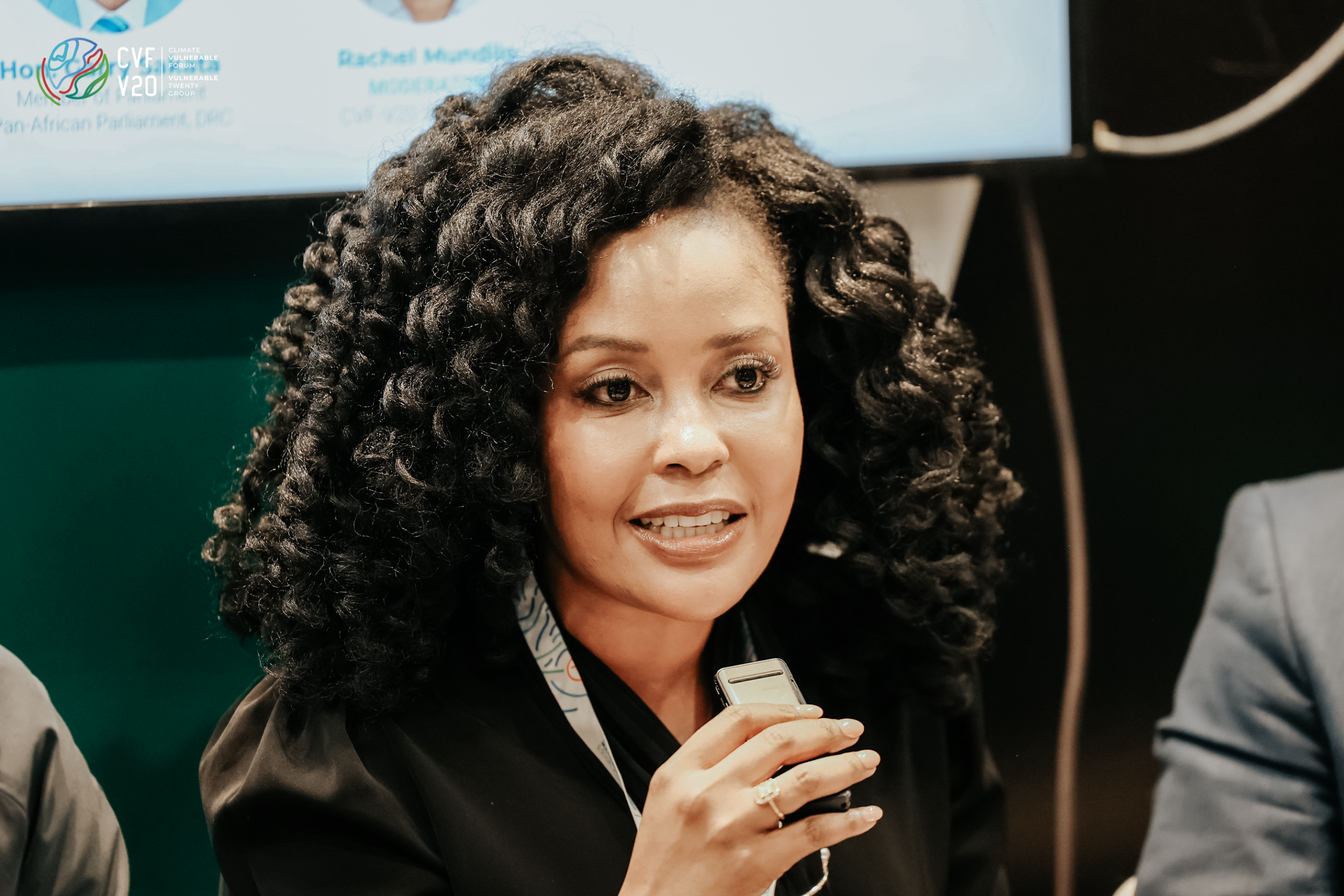
“Through this initiative we are bringing lawmakers into the heart of Article 6 implementation to ensure that the necessary laws, oversight mechanisms and benefit-sharing arrangements are in place for revenues to contribute meaningfully to national development,” said Rachel Mundilo, Deputy Director for Parliaments at the CVF-V20 Secretariat.
The Carbon Market Access program is focused on assisting member countries with carbon markets framework development, project pipeline preparation, capacity acceleration, technical assistance, and market access.
The CVF-V20 recently released the Article 6 Senior Officials’ Handbook, a decision-making tool for policymakers on carbon market engagement. The new parliamentary component takes that work into national legislatures, drawing on lawmakers’ legislative, fiscal and sectoral oversight to shape domestic carbon market infrastructure.
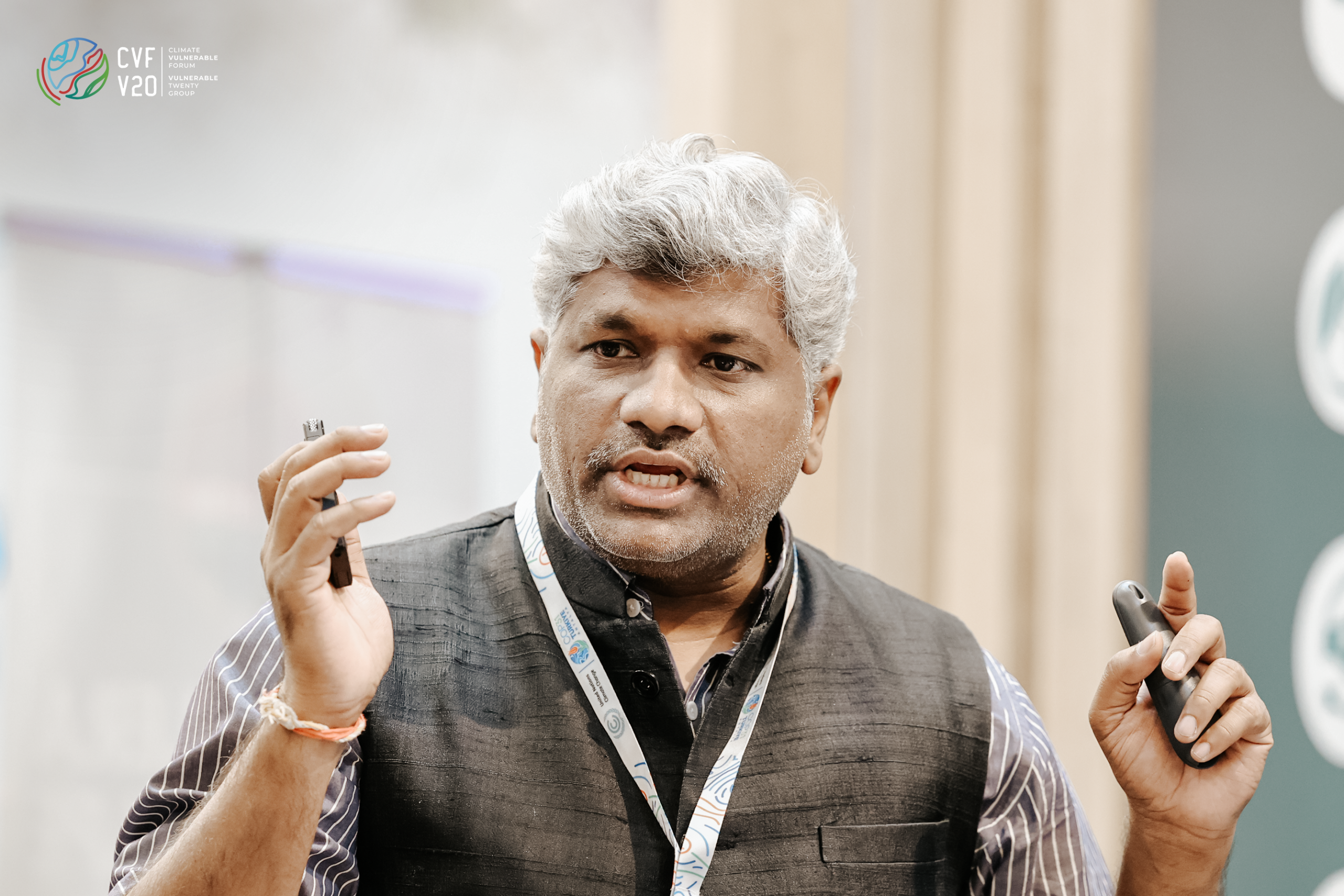
According to Umamaheswaran Krishnan, Director, Carbon Markets Access of the CVF-V20 Secretariat, carbon markets now need more than technical expertise. “We need a good amount of leverage from the political perspective, and that’s where we need the participation of the members of the parliaments in a very big way,” he said.
The new component will be delivered through the CVF’s Global Parliamentary Group (GPG), a network of legislators across member states who pursue climate prosperity through policy leadership and regulatory innovation. It has three core elements:
Masterclasses: These capacity-acceleration sessions will cover Article 6, focused on Article 6.2 and the Article 6.4 or Paris Agreement Crediting Mechanism (PACM), carbon pricing, legislation, revenues and safeguards and additional components.
Legislative diagnostics: Country assessments will cover authorization and enforcement frameworks and identify legal gaps in areas such as carbon rights, registries and benefit-sharing.
“CVF-V20 Parliamentary Carbon Markets Observatory”: This network of lawmakers and experts will support knowledge-sharing and benchmarking on carbon market implementation.
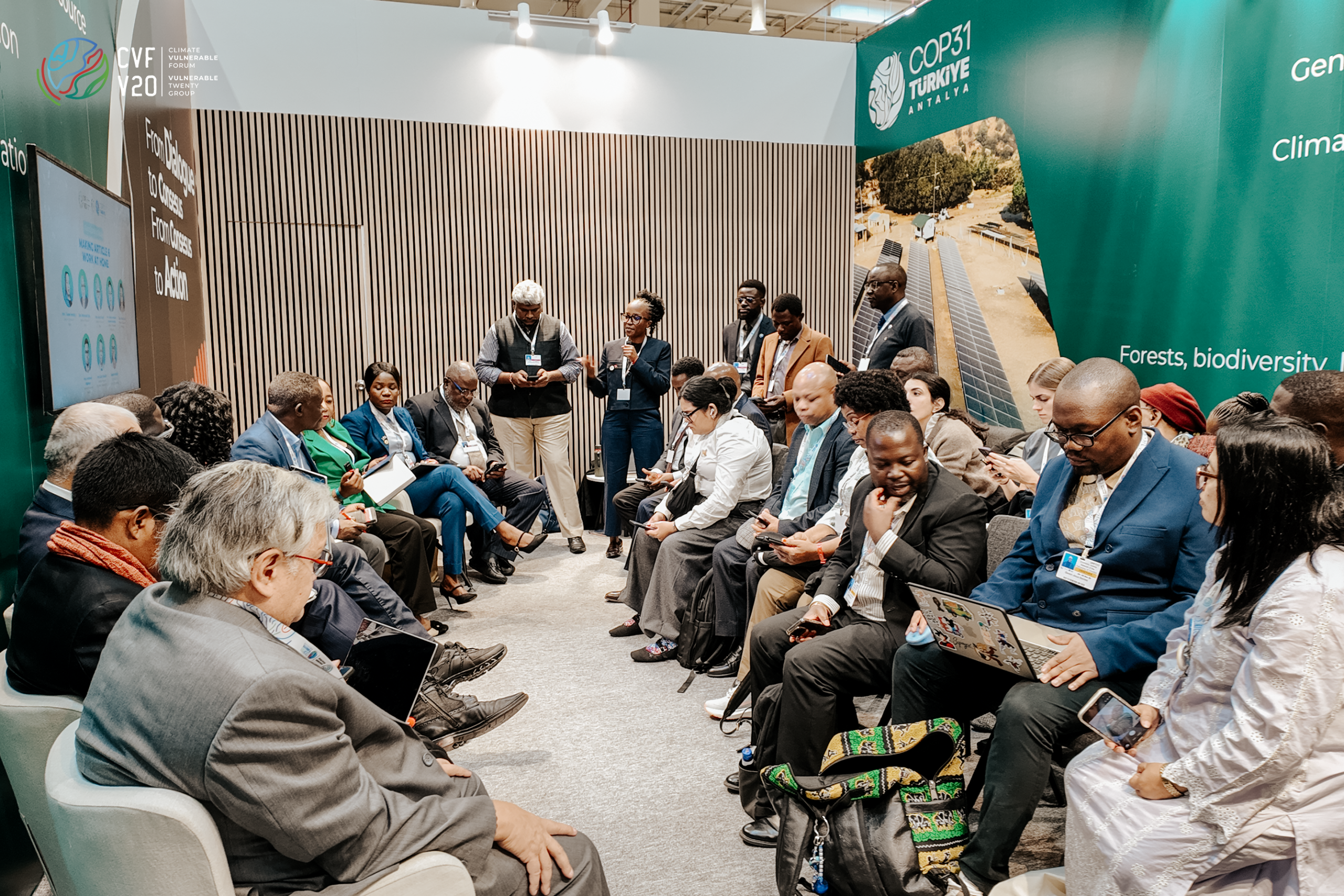
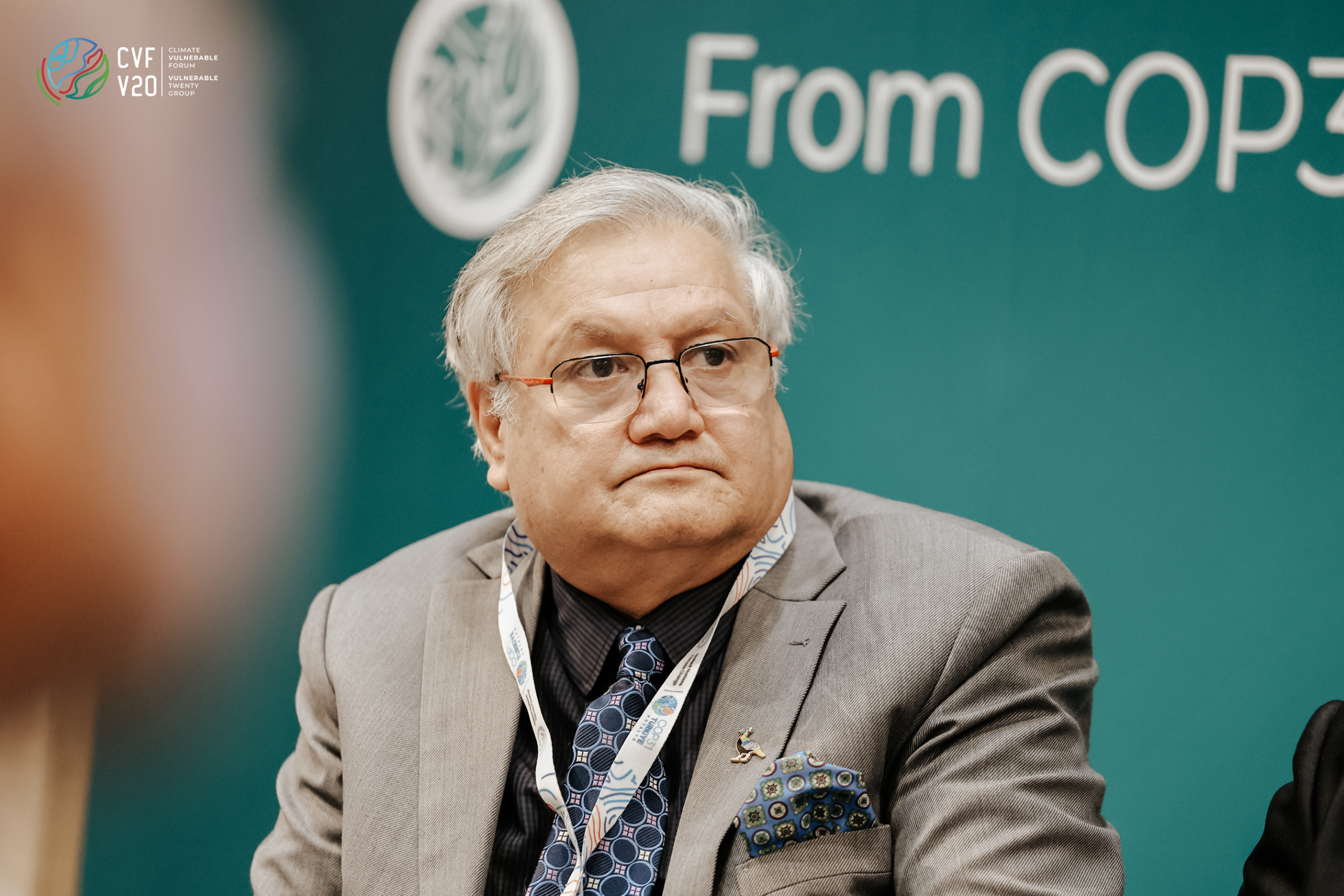
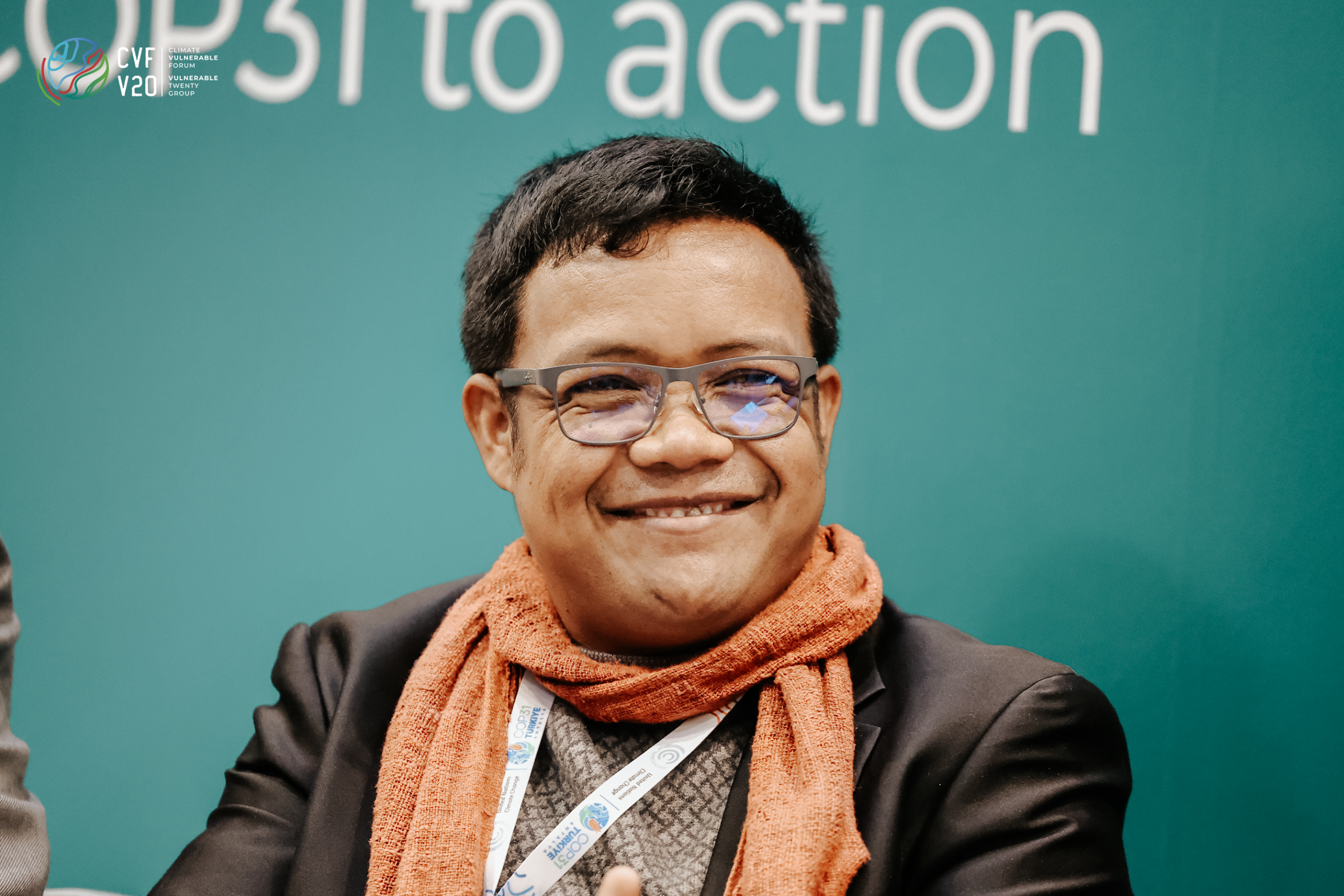
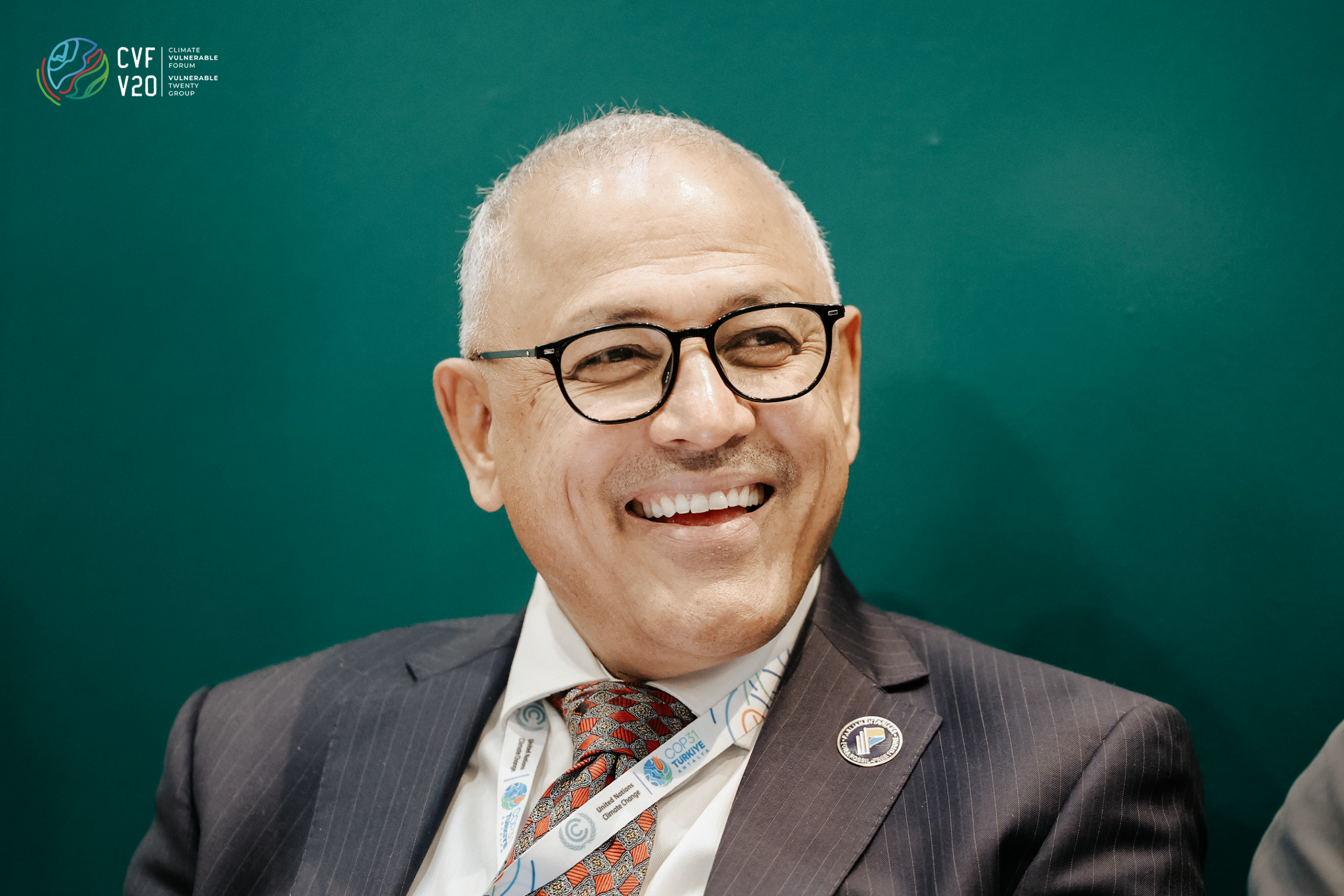
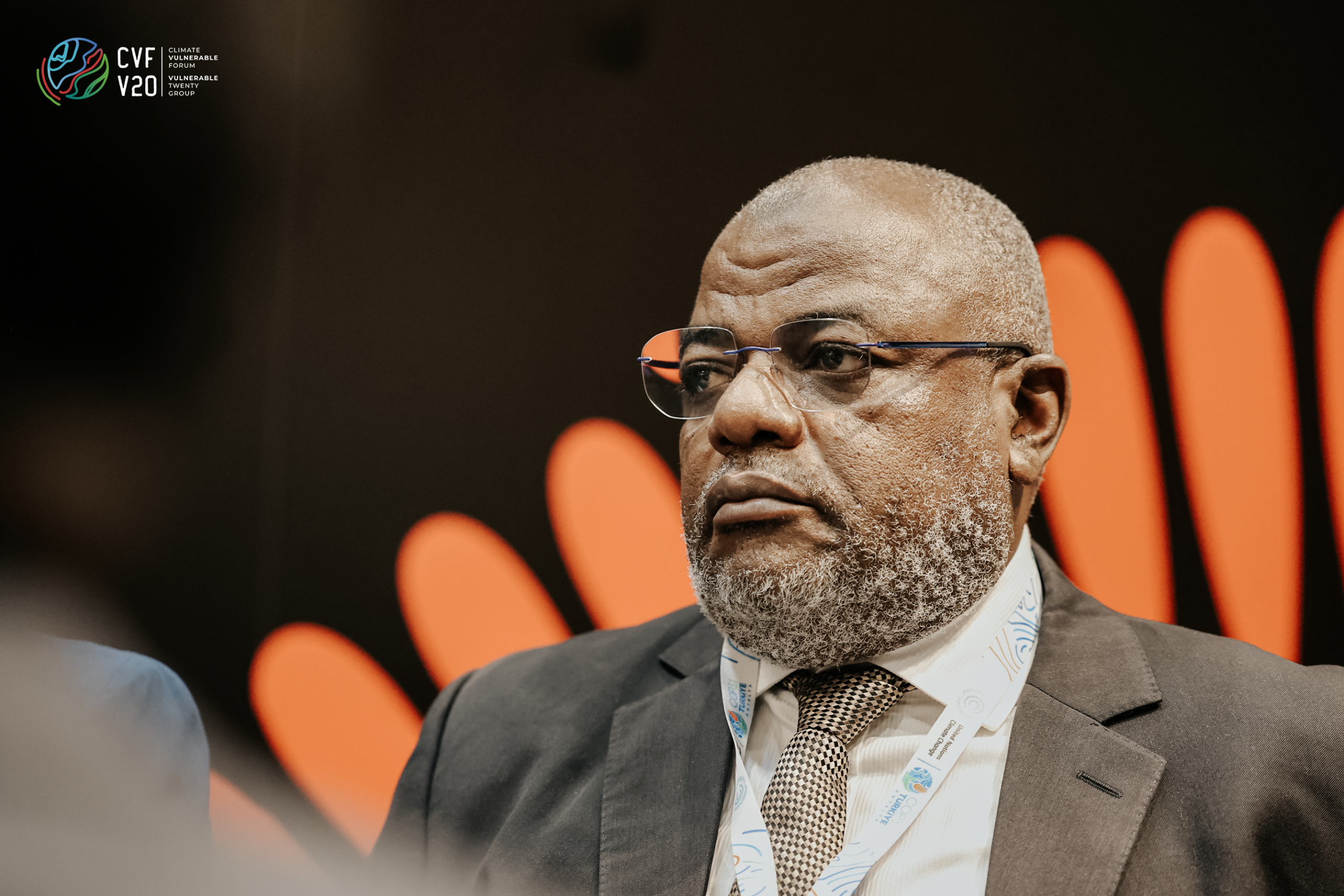
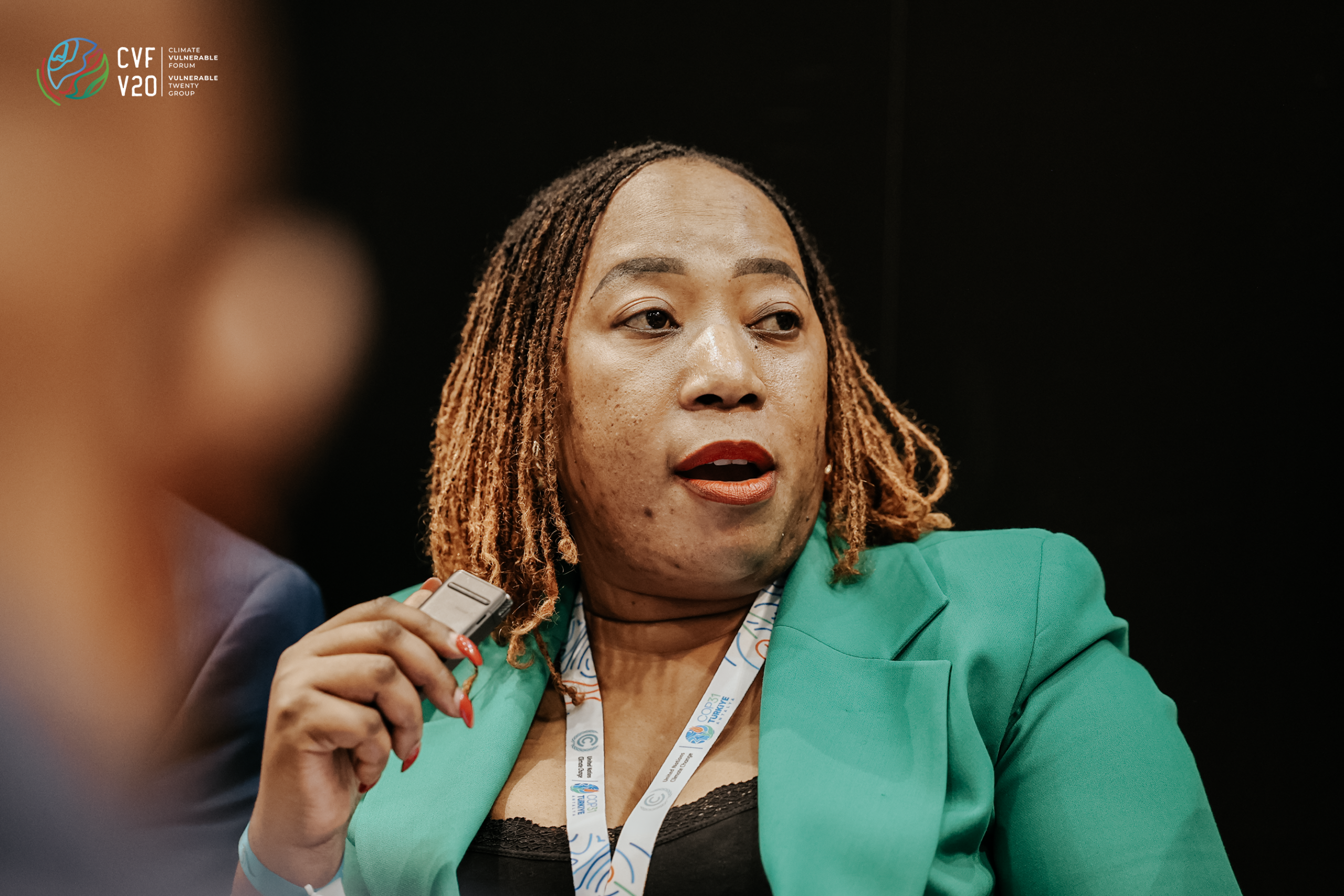
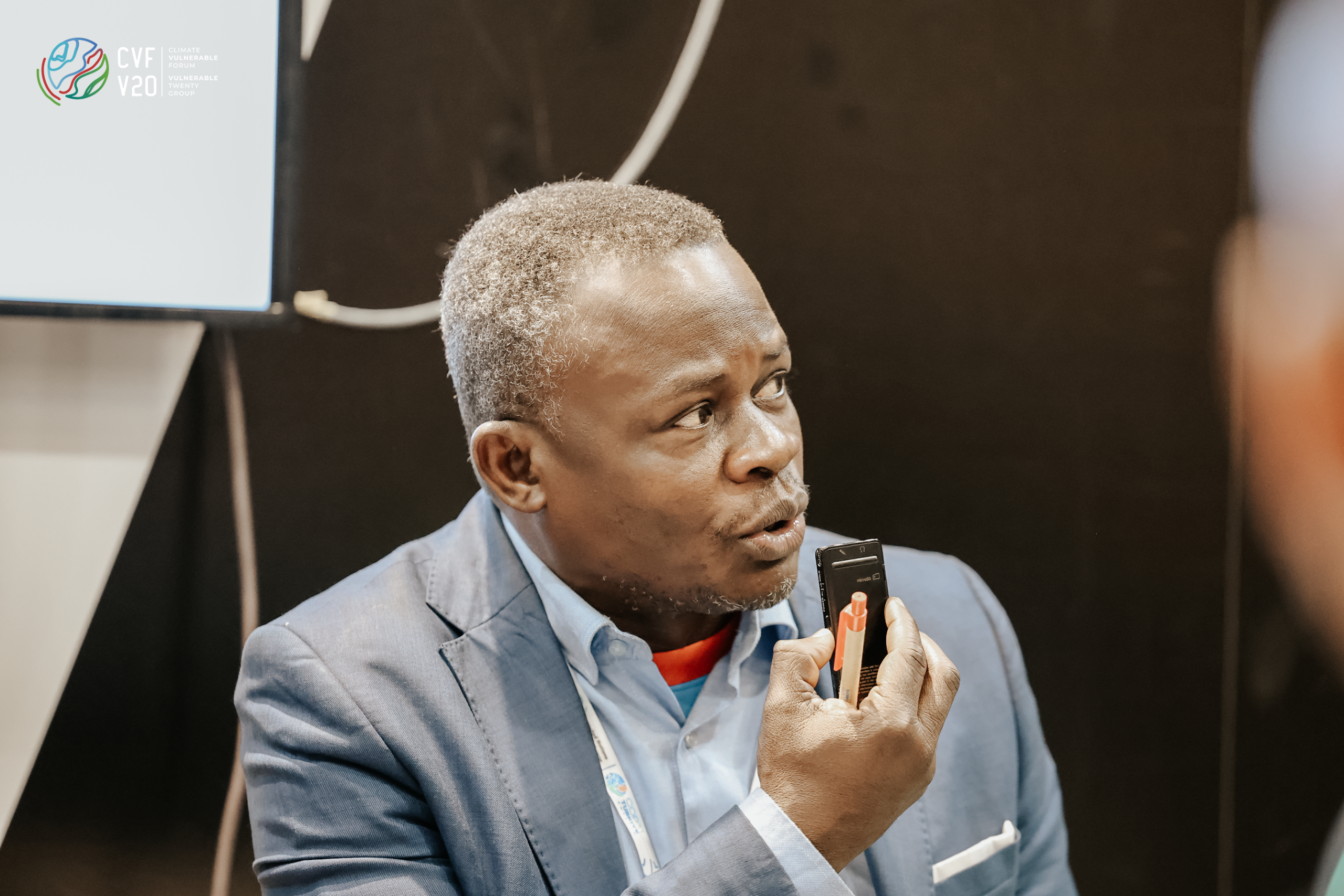
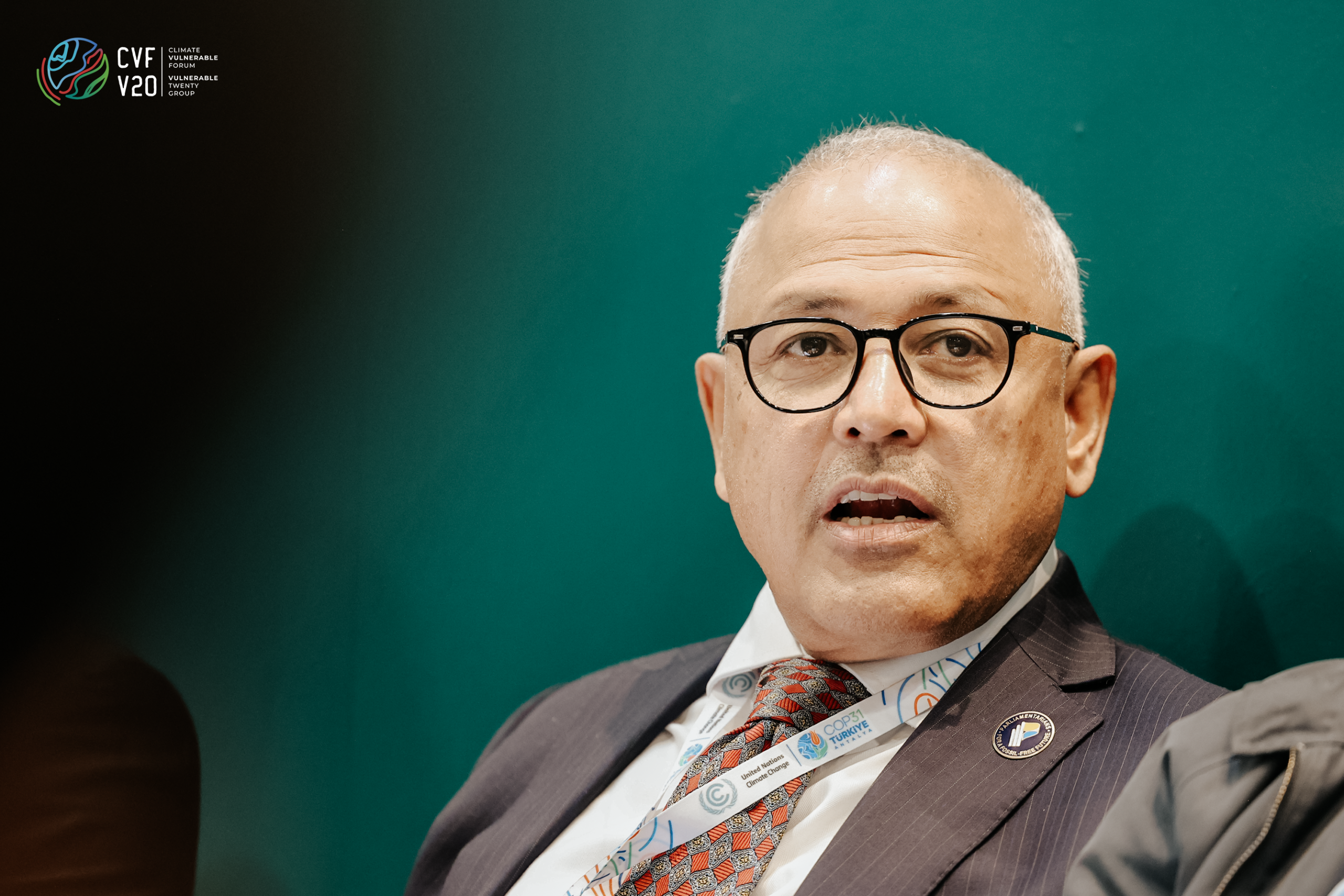
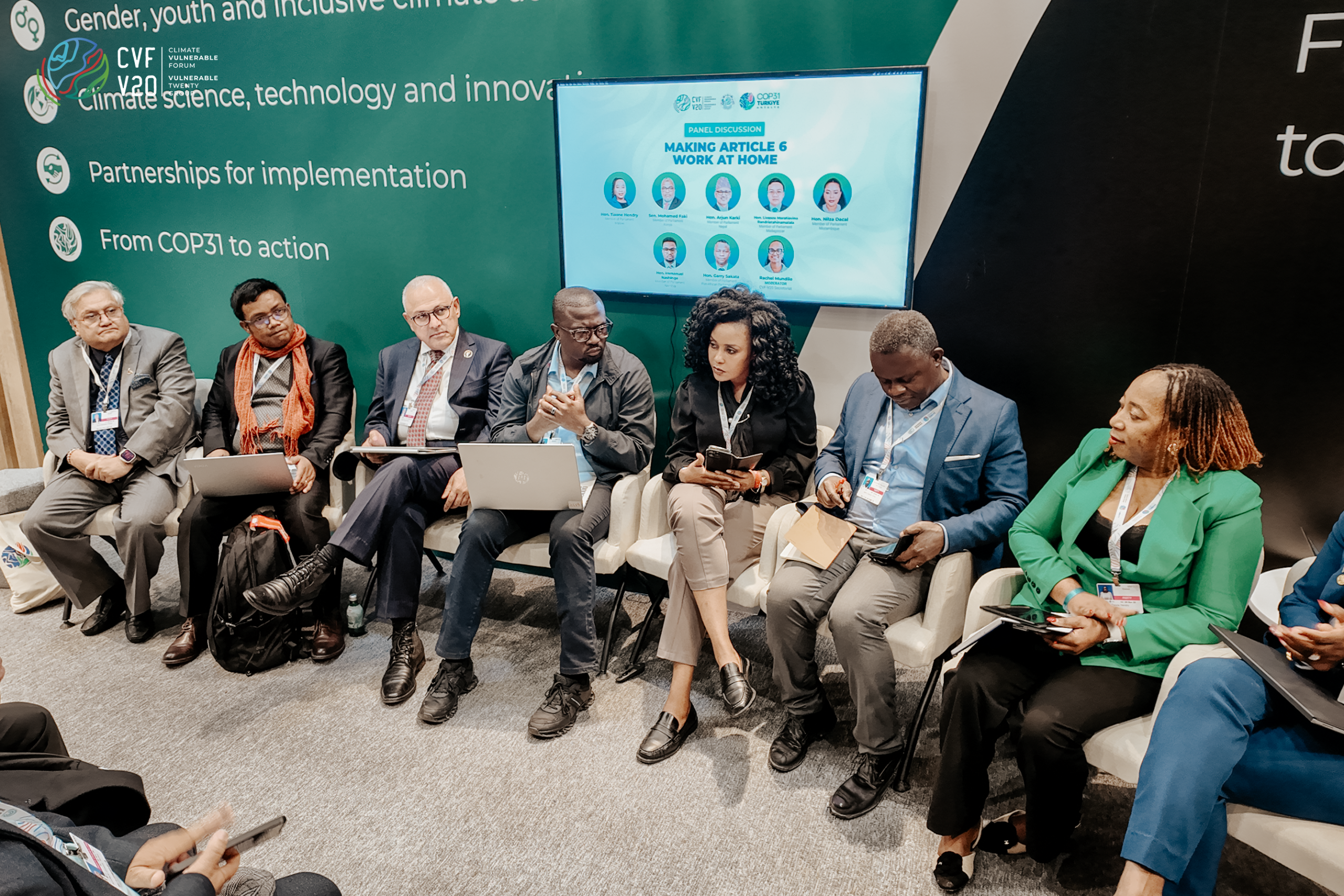
Members of the CVF-GPG took center stage at the launch event to discuss their role in operationalizing Article 6 of the Paris Agreement. The session comes at a critical time as countries begin authorizing Internationally Transferred Mitigation Outcome for participation in NDC implementations.
While carbon market authority typically rests within a single ministry, the discussion highlighted lawmakers as key decision-makers in managing market activity. The new program aims to build the capacity of these lawmakers to address legal gaps in authorization, carbon rights, registries, and benefit-sharing. Doing so will foster a cohesive national approach that unites sectoral ministries in developing carbon market infrastructure for national development.
“I would therefore like to see the program supporting structured engagements between our parliamentary committees and relevant ministries, beginning with a practical assessment of the gaps in our existing framework and leading to a clear national legislative and oversight agenda,” said Hon. Tiaone Hendry from Malawi.
“There is a need for our members of parliament to ensure that we share knowledge, we share experience, and we share the expertise to get members of parliament to understand what carbon market is about and what role they can actually play to ensure that we have a common understanding of what the benefits are and, most importantly, when, as a country, we are expected to get those benefits,” Hon. Patricia Wiskes, the Minister of Natural Resources and Climate Change in Malawi.
Demand for carbon market engagement is surging. Sixty-five countries have signed 112 bilateral Article 6.2 agreements, and Switzerland, Japan, Singapore, Sweden, Norway and the Republic of Korea are running active buying programs. This growth makes it urgent for countries to build both knowledge and political readiness.
Hon. Nilza Dacal of Mozambique anticipates that the program will help parliamentarians design a carbon market framework aligned with national interests and development priorities. Specifically, she aims to deepen her understanding of benefit-sharing principles and strong community safeguards, emphasizing that consultations must be meaningful and free from coercion. At the same time, beneficiary arrangements must remain fair, transparent, and enforceable.
For Namibia, the challenge is readiness. Hon. Immanuel Nashinge said the country has strong potential in renewable energy and land restoration, but “these opportunities that we have, they don’t mean anything if we are not properly prepared.” He said carbon finance is one of six priority areas Namibia brought to COP31. With amendments to the Environmental Management Act expected in 2027, he added, the program “comes at a great time.”
In Nepal, which has already adopted a Carbon Trading Regulation and launched a National Carbon Registry, the focus is shifting to communities. Hon. Arjun Karki said parliamentarians have a responsibility to ensure “decisions taken recognize the right and contribution of the communities delivering these emission reductions.” He added that parliamentarians must also understand how its existing forest benefit-sharing provisions interact with the new carbon trading rules. “This is where I see the real value of the GPG program,” he said.
In Madagascar, which adopted a carbon market decree in 2025, the hardest questions concern carbon ownership and land rights. Much of the country’s forest land belongs to the state, yet communities have lived on it and depended on it for generations. “For us, the priority is to ensure that the expansion of carbon markets does not create new uncertainty or conflict over land rights, and does not undermine the community interests we represent here,” said Hon. Livasoa Moratiavina Randriatahinamalala.
For Senator Mohamed Faki of Kenya, the new program will support their parliamentarians in designing clear procedures on authorizing and recording international transfers. He asked the program to deliver three things: capacity-building on legal and structural review of authorizations, hands-on training on oversight tasks, and the creation of a peer-exchange committee on legislative review or budget scrutiny.
As Article 6 conversations shift from negotiating the rules to implementing them, parliamentarians’ role becomes increasingly critical. They must develop a clear understanding of how carbon markets operate while ensuring that implementation safeguards national interests, upholds environmental integrity, and protects the rights and interests of local communities.
The CVF-V20 now represents 77 member countries from small island developing states (SIDS), least developed countries (LDCs), low to middle-income countries (LMICs), landlocked developing countries (LLDCs), and fragile and conflict-affected states (FCS). Working together, the CVF-V20 aims to achieve climate justice through the realization of Climate Prosperity Plans, which contain ambitious economic and financial resilience strategies designed to attract investment and resources that advance the attainment of the Sustainable Development Goals (SDGs), 30×30 Global Biodiversity, and help keep the average global temperature within the Paris Agreement’s 1.5°C safety threshold.
Africa: Benin, Burkina Faso, Cabo Verde, Central African Republic, Chad, Comoros, Côte d’Ivoire, Democratic Republic of the Congo, Eswatini, Ethiopia, Gabon, The Gambia, Ghana (Troika), Guinea, Kenya, Liberia, Madagascar, Malawi, Morocco, Mozambique, Namibia, Niger, Rwanda, Senegal, Sierra Leone, Somalia, South Sudan, Sudan, Tanzania, Togo, Tunisia, Uganda, Zambia
Asia: Afghanistan, Bangladesh (Troika), Bhutan, Cambodia, Jordan, Kyrgyzstan, Lebanon, Maldives, Mongolia, Nepal, Pakistan, Palestine, Philippines, Sri Lanka, Timor-Leste, Vietnam, Yemen
Caribbean: Barbados (Chair/Troika), Dominica, Dominican Republic, Grenada, Guyana, Haiti, Saint Lucia, Saint Vincent and the Grenadines, Suriname, Trinidad and Tobago
Latin America: Colombia, Costa Rica, Guatemala, Honduras, Nicaragua, Paraguay
Pacific: Fiji, Kiribati, Marshall Islands, Nauru, Palau, Papua New Guinea, Samoa, Solomon Islands, Tonga, Tuvalu, Vanuatu
For media enquiries, please contact [email protected].
For the latest updates, please follow us on: