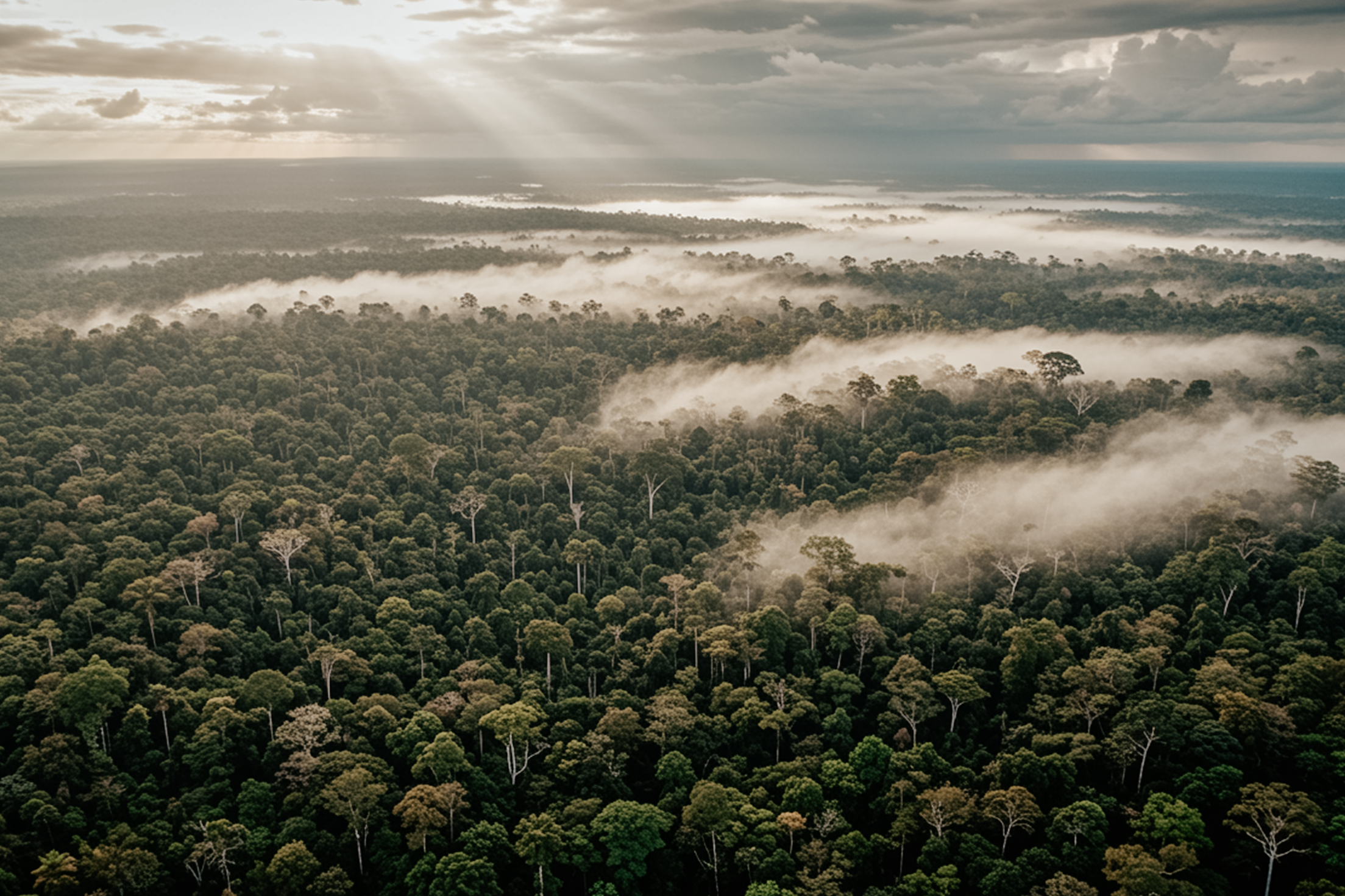
Colombia Frees Its Amazon Region from Large-Scale Mining
The Republic of Colombia vows to protect its share in the Amazon by declaring its entire biome off-limits to new large-scale mining and hydrocarbon projects, ensuring the conservation of ecological systems and the preservation of engraved ethical identity across the jungle. The declaration was made at a ministerial meeting of the Amazon Cooperation Treaty Organization (ACTO) ministers during COP30 in November 2015.
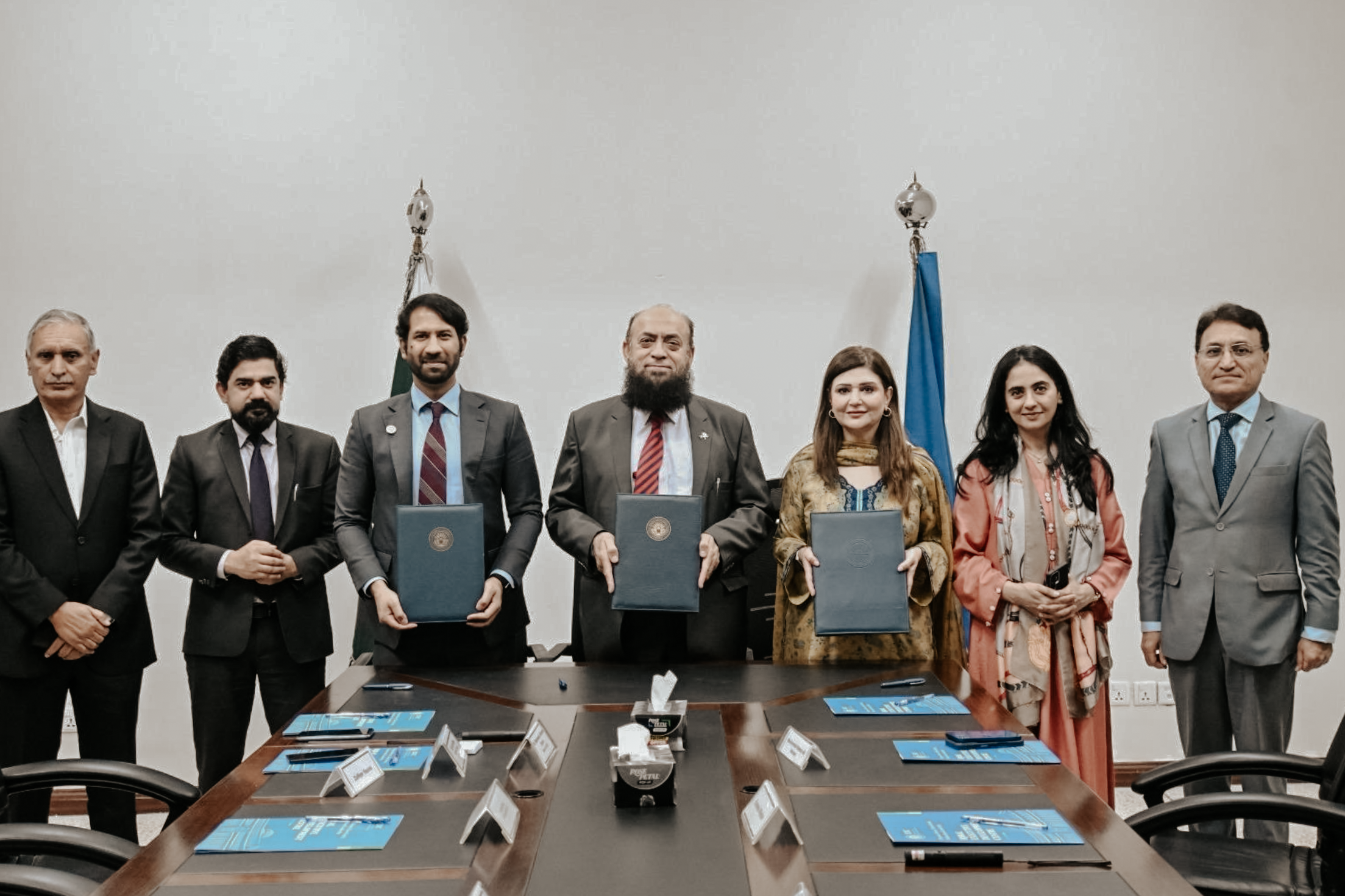
New Partnerships Forged in Pakistan to Accelerate Climate Action
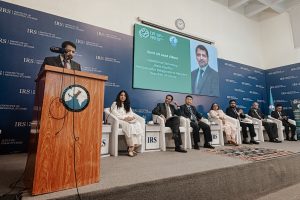
The CVF-V20 Secretariat has forged new partnerships with leading financial, academic, and media institutions in Pakistan in March, marking a significant step toward advancing climate finance, building national capacity, and strengthening implementation of the Pakistan Climate Prosperity Plan (CPP).
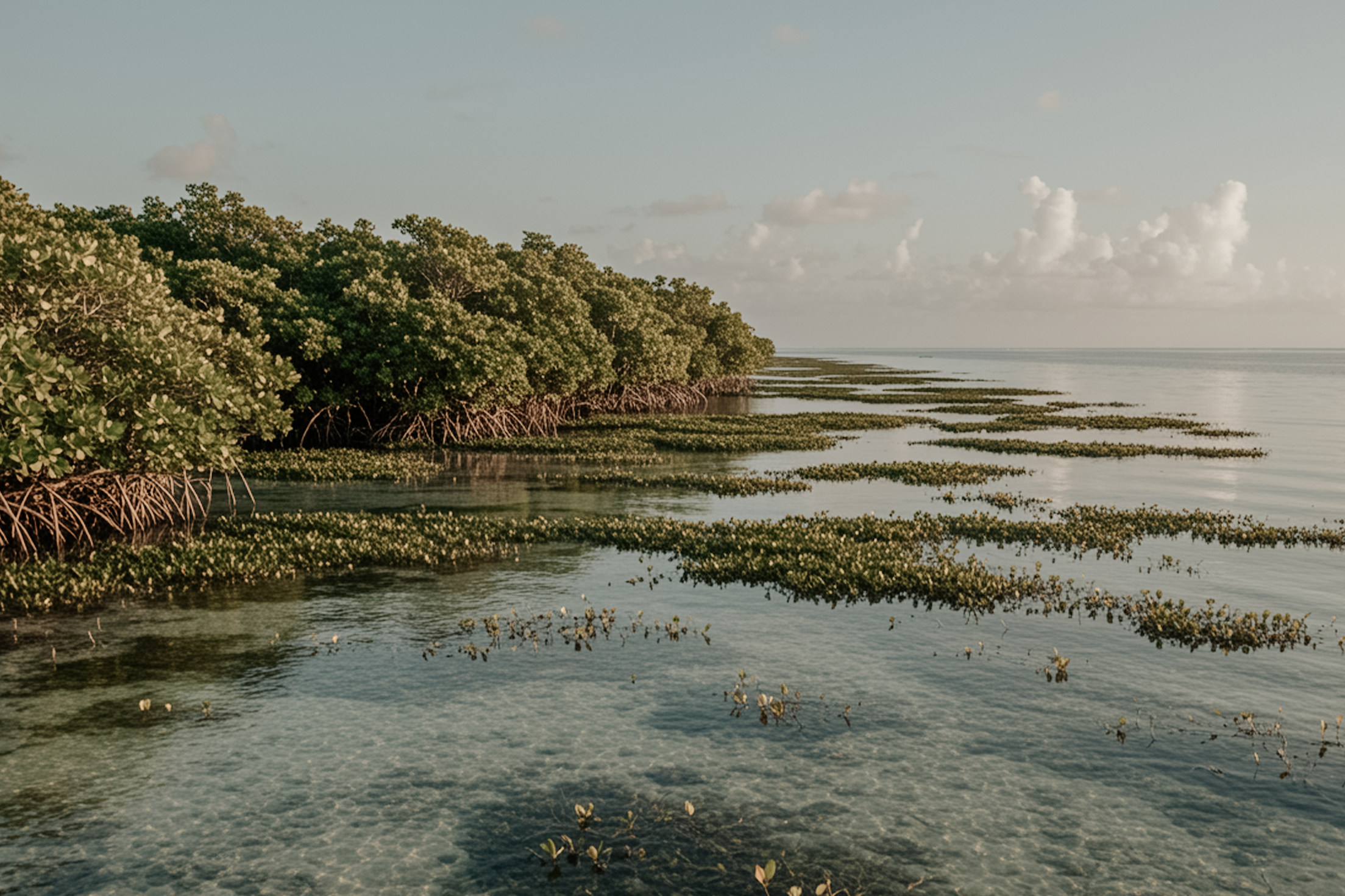
Nature-Based Solutions Drive Honduras’ NDC 3.0
Ten years after its first climate commitments under the Paris Agreement, Honduras is turning to the strength of its coastlines. In its third Nationally Determined Contribution (NDC), the country is prioritizing mangrove and seagrass conservation as a cornerstone of its climate action.

Levant Region Leverages Subnational Governance to Access Climate Finance
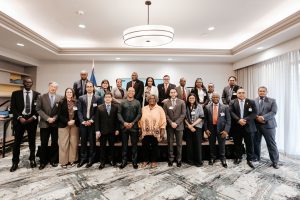
Ten municipalities from Lebanon, Palestine, and Jordan engaged with development banks and bilateral and multilateral donors at the Climate Finance Pathways Forum to mobilize resources for their subnational climate project proposals spanning water security and flood-risk reduction, nature-based solutions, climate-resilient infrastructure, urban cooling, solid waste management, and climate-smart agriculture.
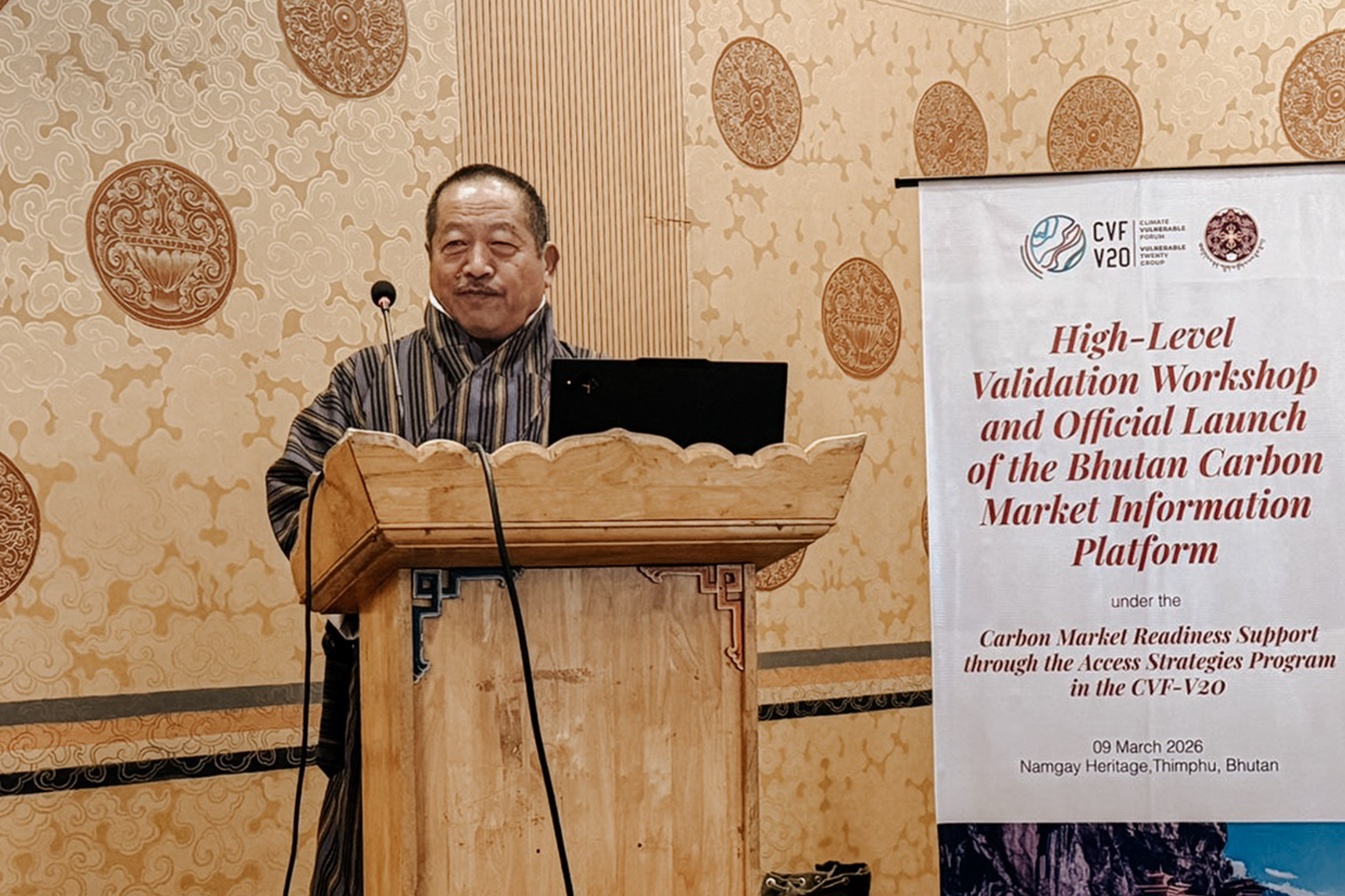
From Policy Ambition to Investment Readiness: Bhutan’s Progress with the V20–VCMI Carbon Finance Program
Through the Carbon Finance Program, Bhutan has accelerated the development of policy frameworks and strengthened the institutional foundations needed to advance the country’s participation in carbon markets, including the launch of a centralized carbon information platform.
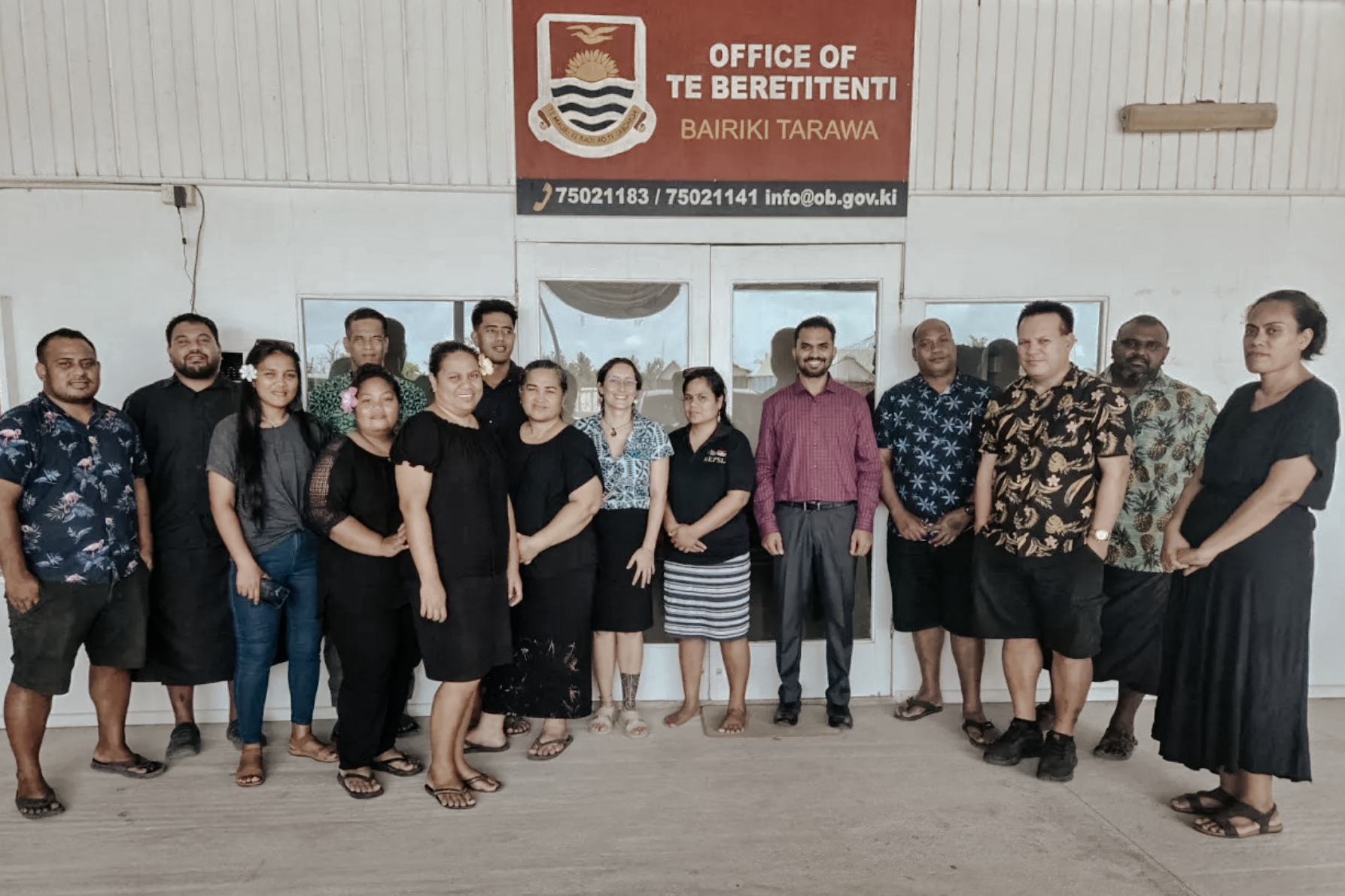
From Ambition to Implementation: Kiribati’s Climate Investment Pathway
Efforts are now underway to update Kiribati’s Nationally Determined Contribution (NDC) Investment Plan, with the support of the Regional Pacific NDC Hub. First developed in 2021. the investment plan provides a structured roadmap for translating national climate targets into concrete investment opportunities.
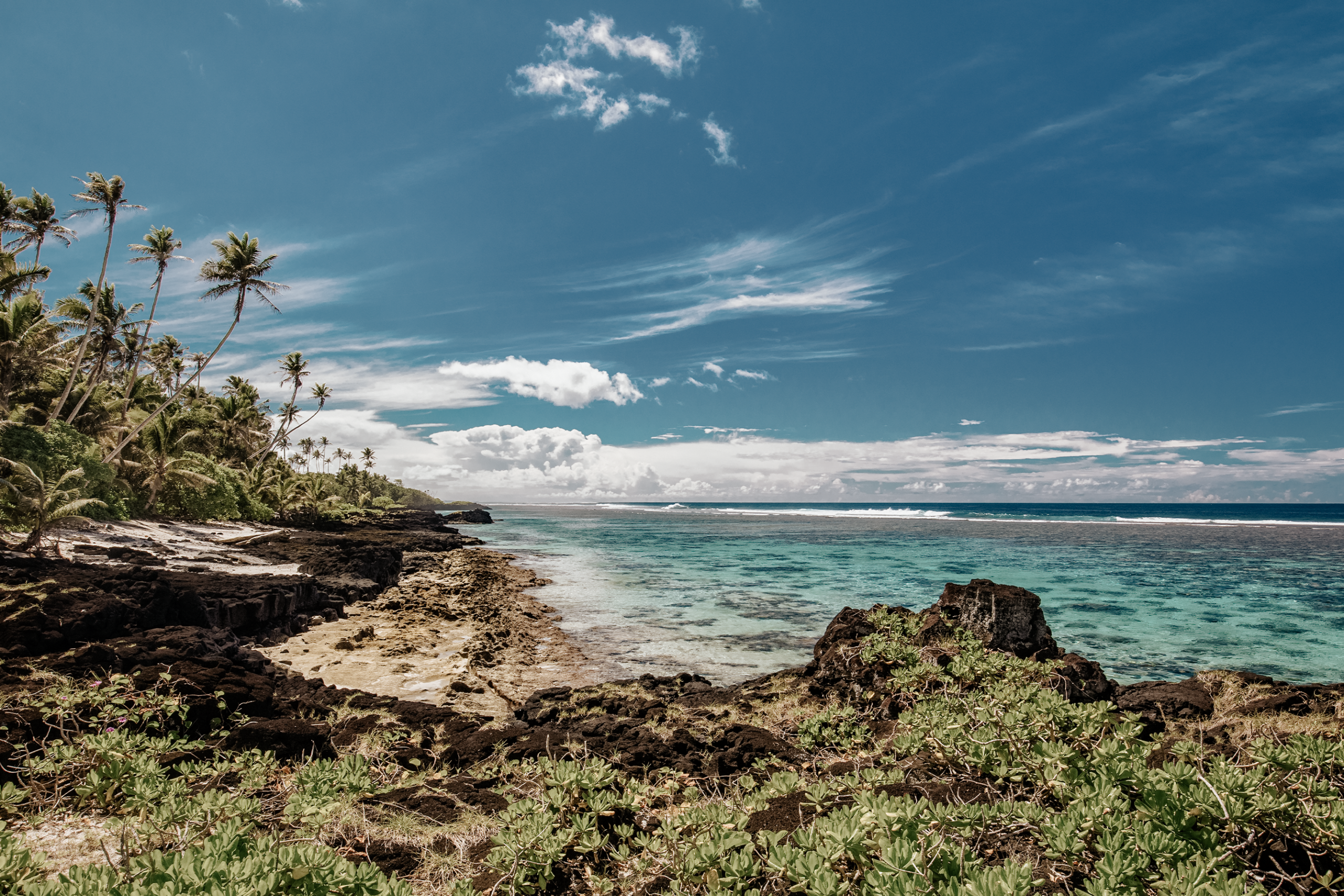
Samoa Shows Leadership in Early Warning System and Disaster Risk Management
Early warning and early action are among Samoa’s national strategic priorities, embedding multi-hazard early warning systems and disaster risk financing frameworks into the country’s governance landscape.

Malawi’s NDC Implementation: Lessons From the Past and Youth Priorities for NDC 3.0
Malawi, like many climate-vulnerable nations, has taken steady strides toward implementing its Nationally Determined Contribution (NDC) under the Paris Agreement. It has reaffirmed its commitment to reducing emissions, enhancing adaptation, and building climate resilience through its First Biennial Transparency Report (BTR1) and National Communication submitted to the United Nations Framework Convention on Climate Change (UNFCCC). Despite the commitment, there are efficient gains to be made in its next round of NDC 3.0, as revealed by the NDC 2.0 stocktake.

Khyber Pakhtunkhwa Charts Path for Climate-Linked Investments
As part of the ongoing in-country consultations for the Pakistan Climate Prosperity Plan (CPP), the CVF-V20 delegation held a high-level roundtable with the Planning and Development Department (P&DD) of the Province of Khyber Pakhtunkhwa (KP) on October 9 in Peshawar. The session brought together key provincial departments, including forestry, environment, wildlife, transport, energy, and infrastructure, to align KP’s climate priorities with the CPP framework and explore financing pathways for sustainable development.
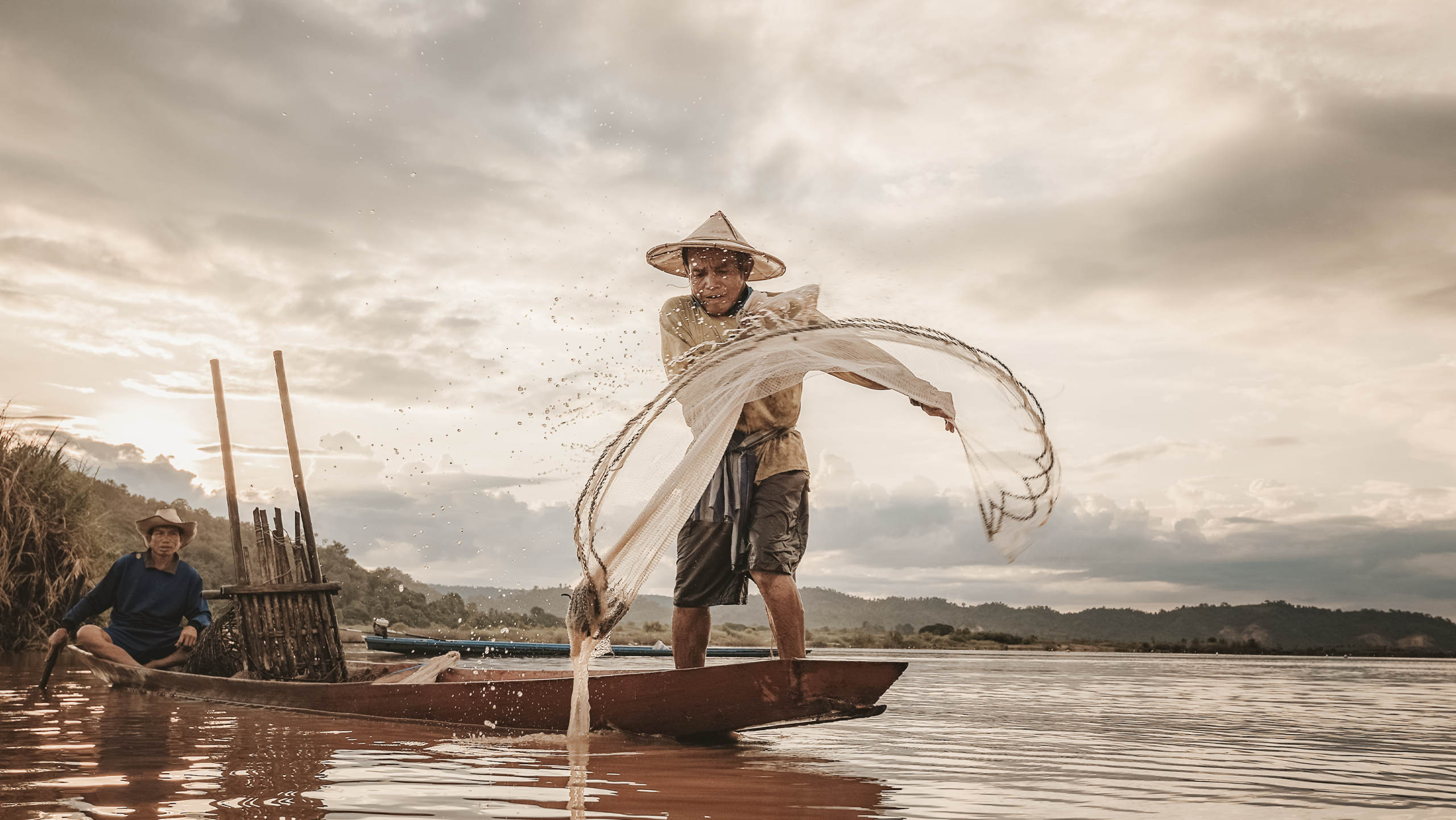
Bringing Climate Adaptation Finance Closer to Filipino Communities
The Philippines’ Department of Finance (DOF) is leading the charge to enhance local government access to the People’s Survival Fund (PSF), the country’s flagship climate adaptation financing mechanism.

Kyrgyz Leads Global Efforts in Mountain Ecosystem Conservation
At UNGA 80, The Kyrgyz Republic’s President, H.E. Sadyr Japarov, issued a powerful call to the international community: to support and endorse the Declaration of COP-29 on Climate, Mountains, and Glaciers as a decisive step in mobilizing ambitious initiatives to protect the mountain ecosystems across the globe.
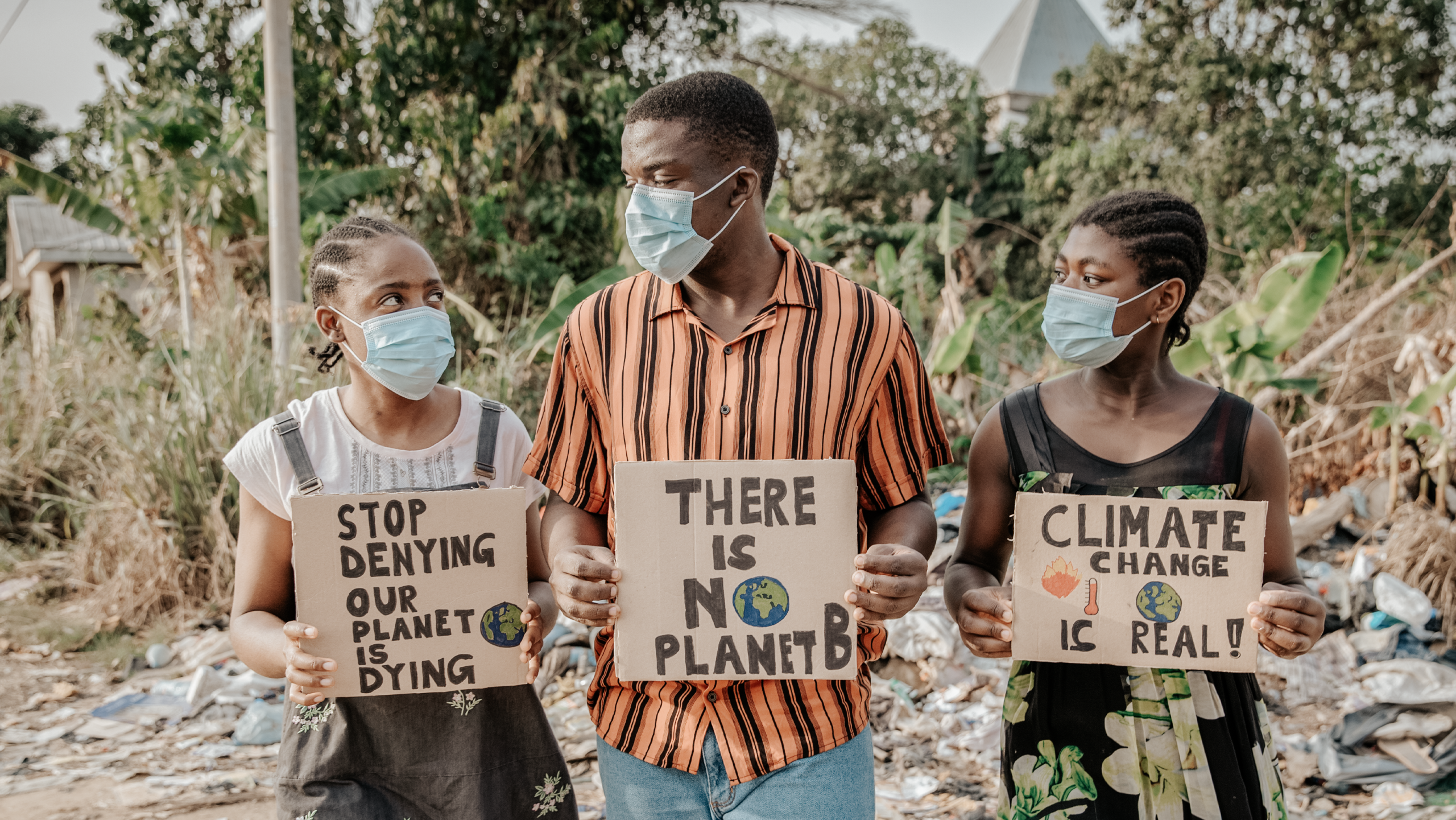
Africa’s Youth Don’t Need a Seat at the Table; They’re Building a New One
Africa’s youth don’t need saving. They need space, trust, and investment that matches their pace. They’re already powering homes, restoring forests, building apps, and running circular businesses that keep waste out of the environment. Every solar panel, reforested hill, and electric motor is a quiet rejection of the idea that Africa must wait to be helped.