Mountain Nations Demand Finance and a Permanent Place in Climate Talks at COP31
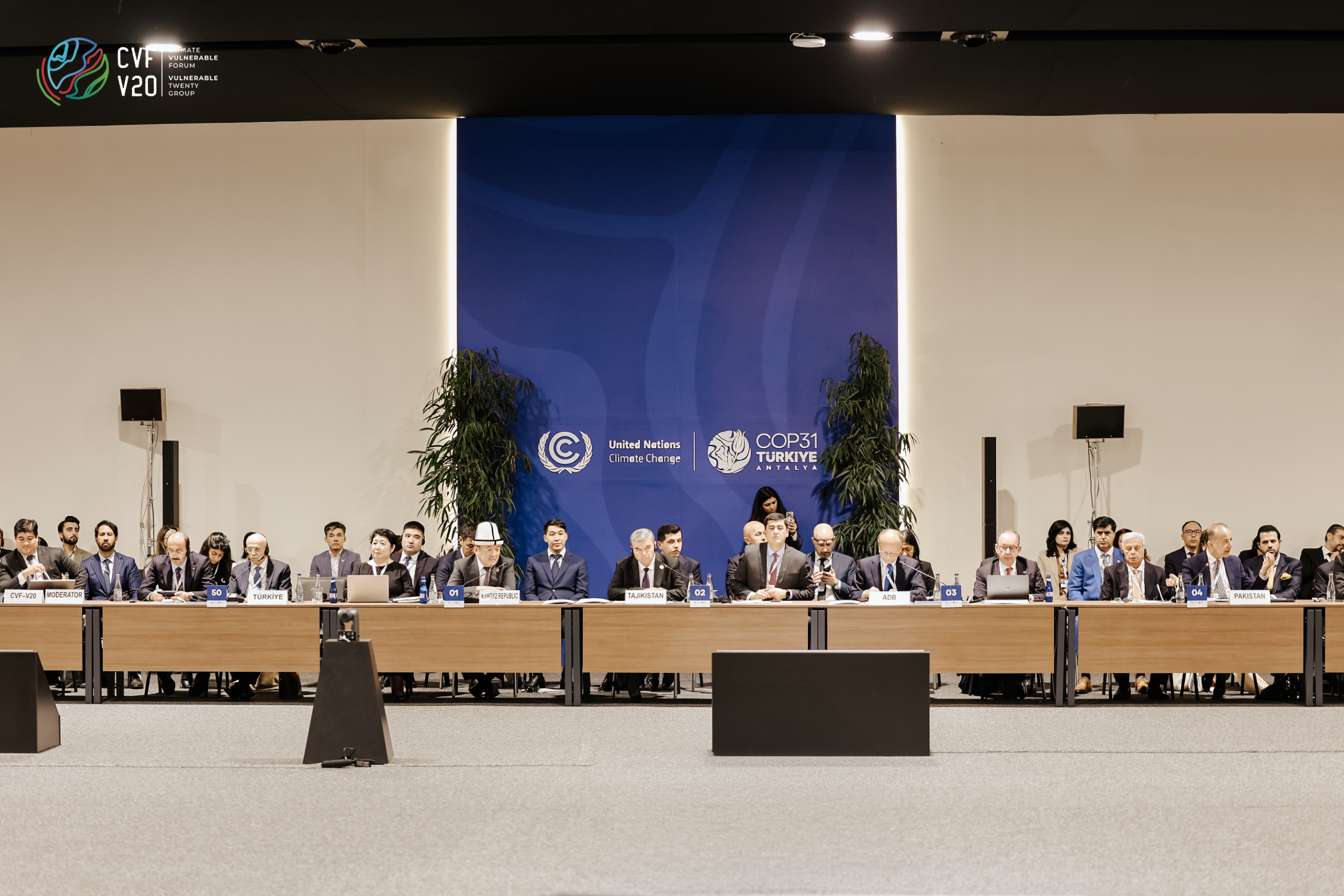
Mountain nations on the frontline of the climate crisis warned today that glacier disasters are outpacing the world’s response. They called for finance that reaches mountain communities, early warning for every mountain valley, and a permanent place for mountains in the United Nations climate negotiations.
#COP31: Electrotech Advances Climate Prosperity, Rewrites Energy Economics Across Supply, Connection, and Demand
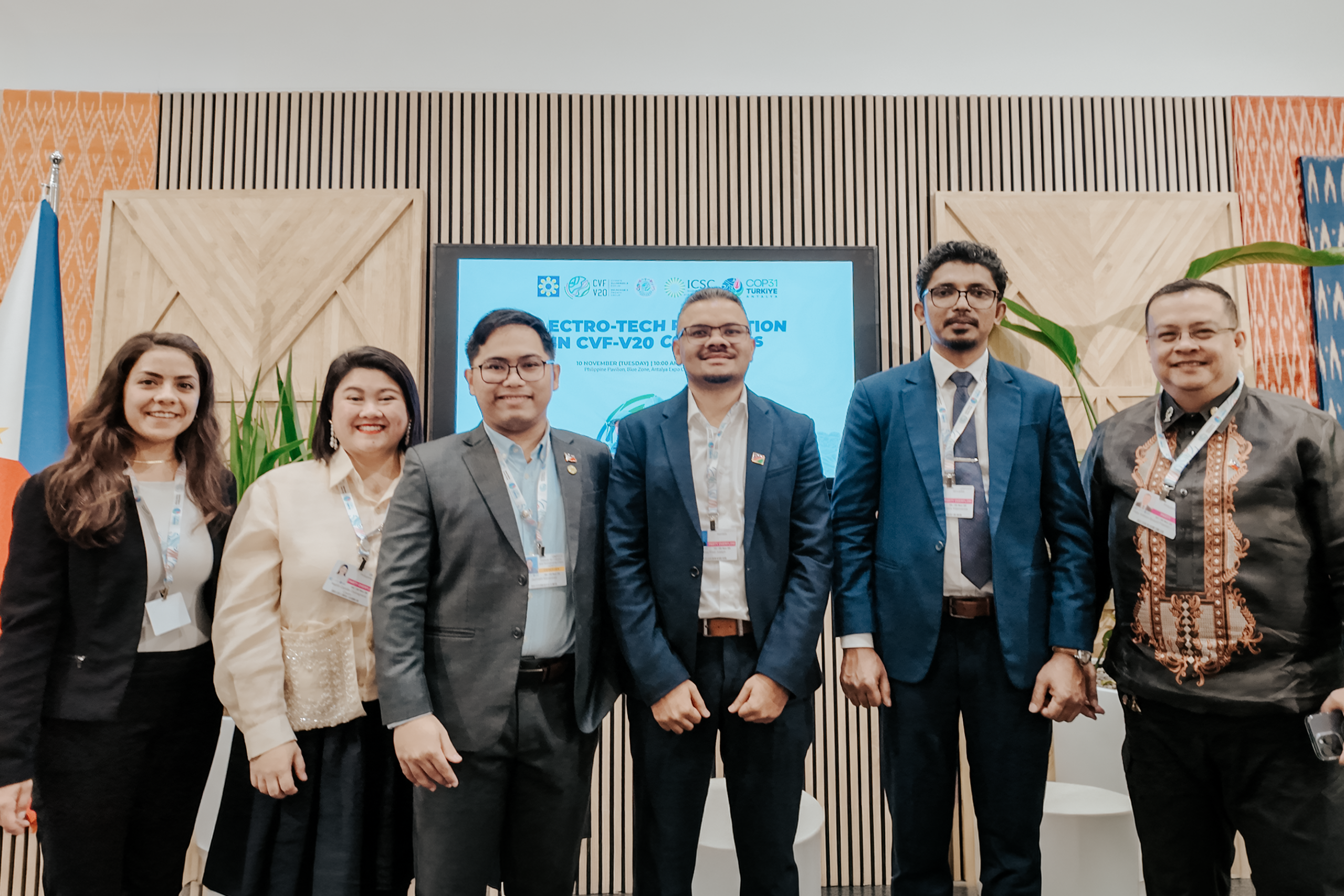
With electrification advancing simultaneously across CVF-V20 economies, shifting to clean electric technologies can save climate-vulnerable nations US$155 billion on fossil fuel imports while bringing power to more than 700 million people who still lack access to electricity. This was central to the technical briefing session on electrotech at the Philippine Pavilion during the Energy and Transport Day of the 31st Conference of the Parties to the United Nations Framework Convention on Climate Change (COP31) in Antalya.
From Belém to Bangkok: How Countries and Partners Are Rethinking Support for Country-Led Implementation
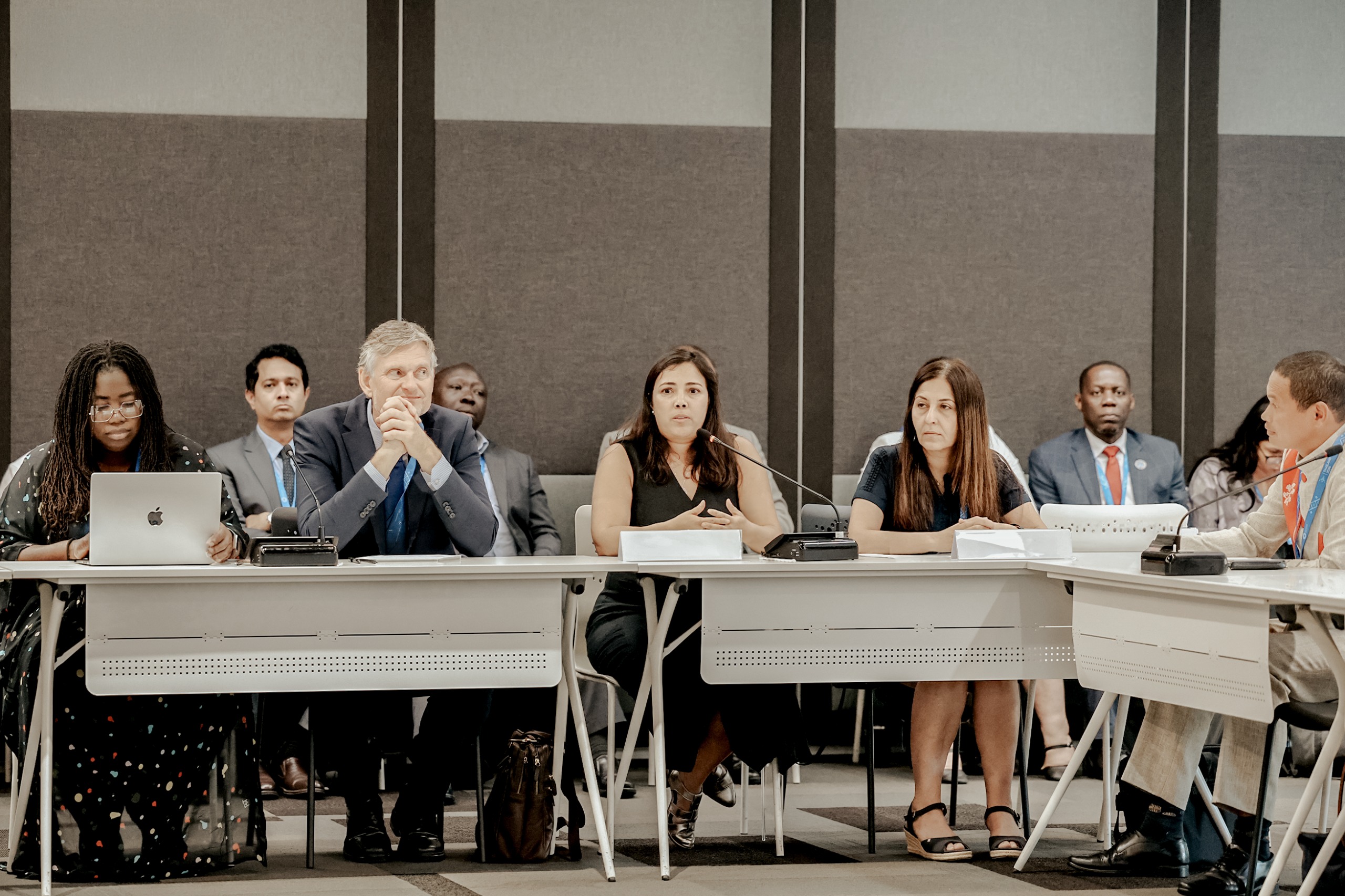
Discussions at the World Bank and IMF Annual Meetings highlighted the need to build on existing plans, strengthen national institutions, rethink how international support is organized, and move beyond measuring plans and financing commitments towards tangible development outcomes.
These are the central discussions to the implementation dialogue co-hosted by CVF-V20 Secretariat and 2050 Pathways Platform, building on an initial roundtable at the 30th Conference of the Parties to the UN Framework Convention on Climate Change (COP30) in Belém, where countries and partners emphasised three principles: international support should work through the national system of recipient countries, including those of CVF-V20 countries, development partners must act with greater coherence, and national institutions must sit at the core of delivery.
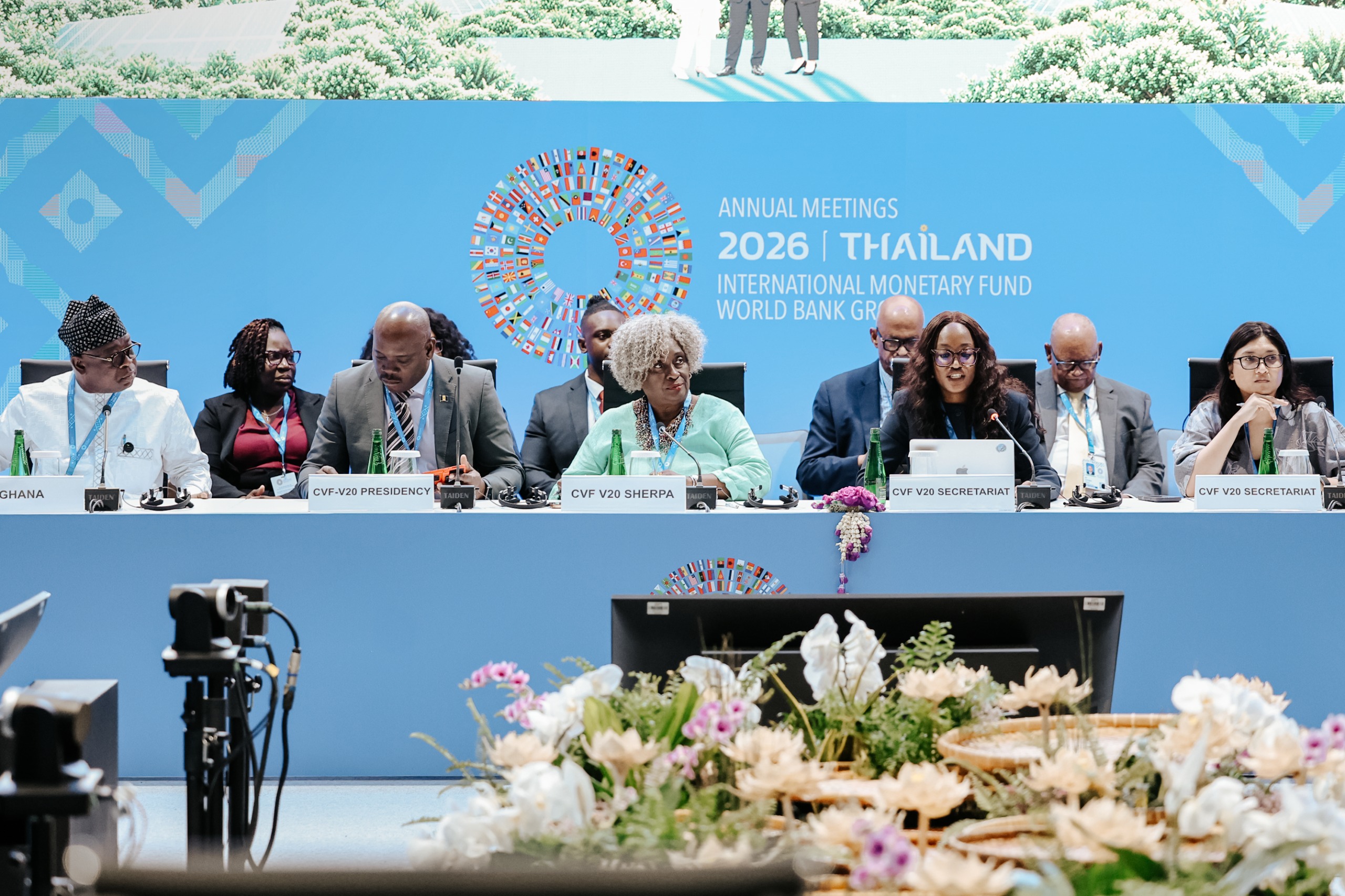
CVF-V20 Parliaments Step Up on Climate Finance and Accountability
On October 15, the CVF-V20 Global Parliamentary Group met on the margins of the International Monetary Fund (IMF) and World Bank Annual Meetings to work out what parliaments would need to deliver on the CVF-V20’s priorities.On October 15, the CVF-V20 Global Parliamentary Group met on the margins of the International Monetary Fund (IMF) and World Bank Annual Meetings to work out what parliaments would need to deliver on the CVF-V20’s priorities.
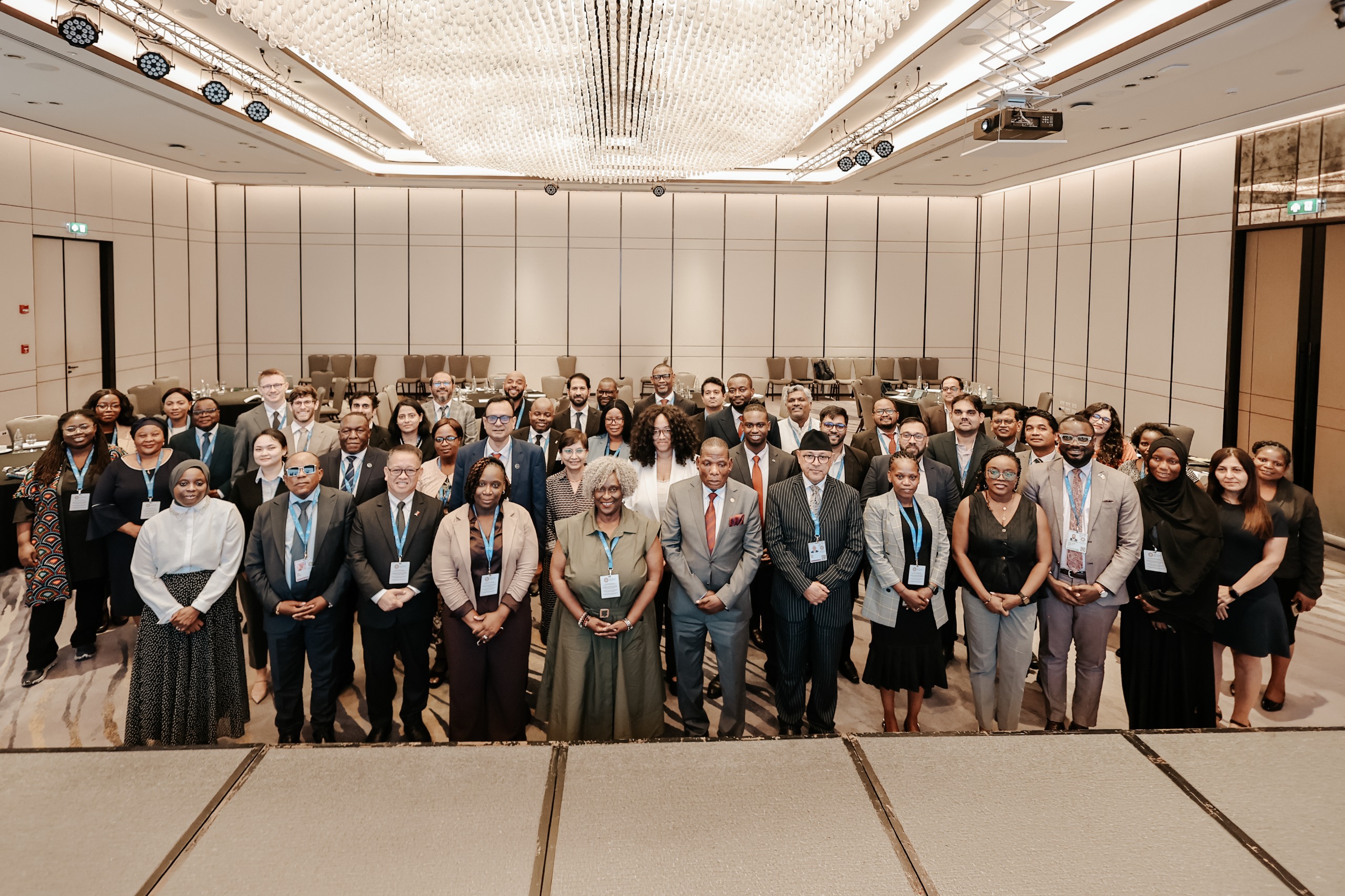
New Handbook Released Ahead of COP31 to Help Climate-Vulnerable Countries Raise Carbon Financing
A new decision-making policy tool, Article 6 Senior Officials’ Handbook, backed by 77 climate-vulnerable countries, will support policymakers accessing international carbon markets under Article 6 of the Paris Agreement. The handbook was jointly released by the Climate Vulnerable Forum and V20 Finance Ministers (CVF-V20) and the Voluntary Carbon Markets Integrity initiative (VCMI), as part of its Carbon Finance Program, designed to help climate-vulnerable countries unlock new forms of capital through carbon market access.
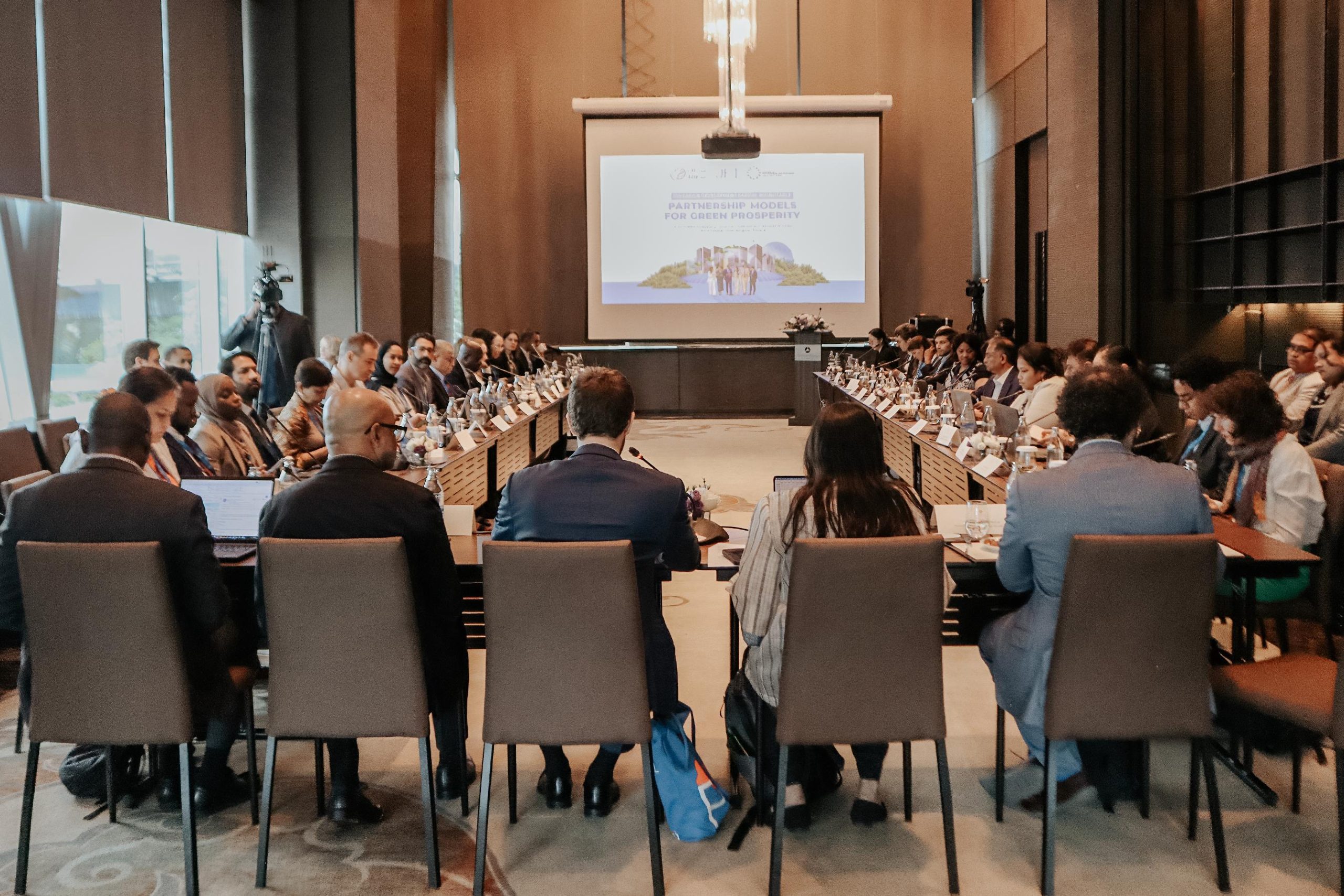
Putting US$3 Trillion to Work: Sovereign Funds and the Search for Green Prosperity
Some US$3 trillion of sovereign capital is now managed under a development mandate. As aid budgets shrink and cross-border sovereign investment concentrates in fewer markets, developing countries are multiplying the arrangements through which they put this capital to work.
How can this capital drive green industrial development? The question shaped Sovereign Development Capital: Partnership Models for Green Prosperity, a roundtable convened by the Climate Vulnerable Forum and V20 Finance Ministers (CVF-V20) and JFI Social Wealth on October 13, alongside the IMF and World Bank Annual Meetings in Bangkok. Held with the Forum of Brazilian Sovereign Wealth Funds and supported by the Open Society Foundations, it brought together more than 50 participants from 36 organizations, including officials from nine countries, development banks, investors, insurers, labor, philanthropy, and research institutes.
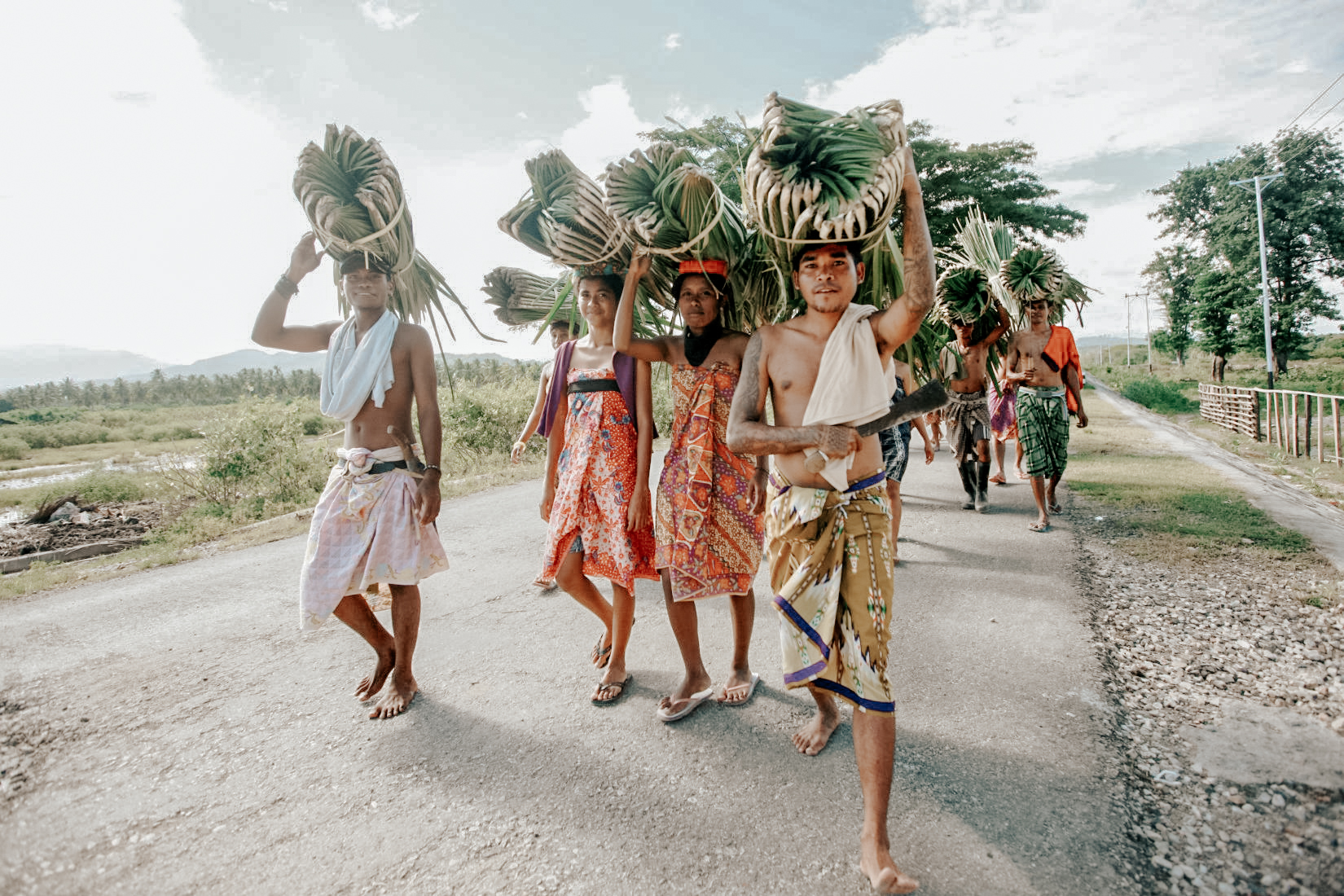
Loving Nature through Restoration, Strengthening Communities in Timor-Leste
In Timor-Leste, a new climate initiative is working to restore ecosystems while strengthening rural resilience. The project, led by the United Nations Environment Programme (UNEP) with national partners, aims to help communities adapt to climate change by rebuilding the natural systems they depend on.
When Climate Vulnerability Becomes Personal
Damage to infrastructure and agriculture, disruptions to transport and services, and the costs of emergency response ripple across the economy. When such shocks recur year after year, recovery becomes partial and fragile. Each rebuilding effort begins before the last has fully ended.
From the outside, climate impacts are often described as temporary setbacks. On the ground, they feel structural. Resources that could support education, healthcare, industrial development, or job creation are repeatedly redirected toward response and repair. Public debt grows not through poor decisions, but because climate shocks leave governments with few alternatives.
When Climate Reality Hits Home: CVF-V20 Secretariat in Madagascar as a Category 4 Cyclone Makes Landfall
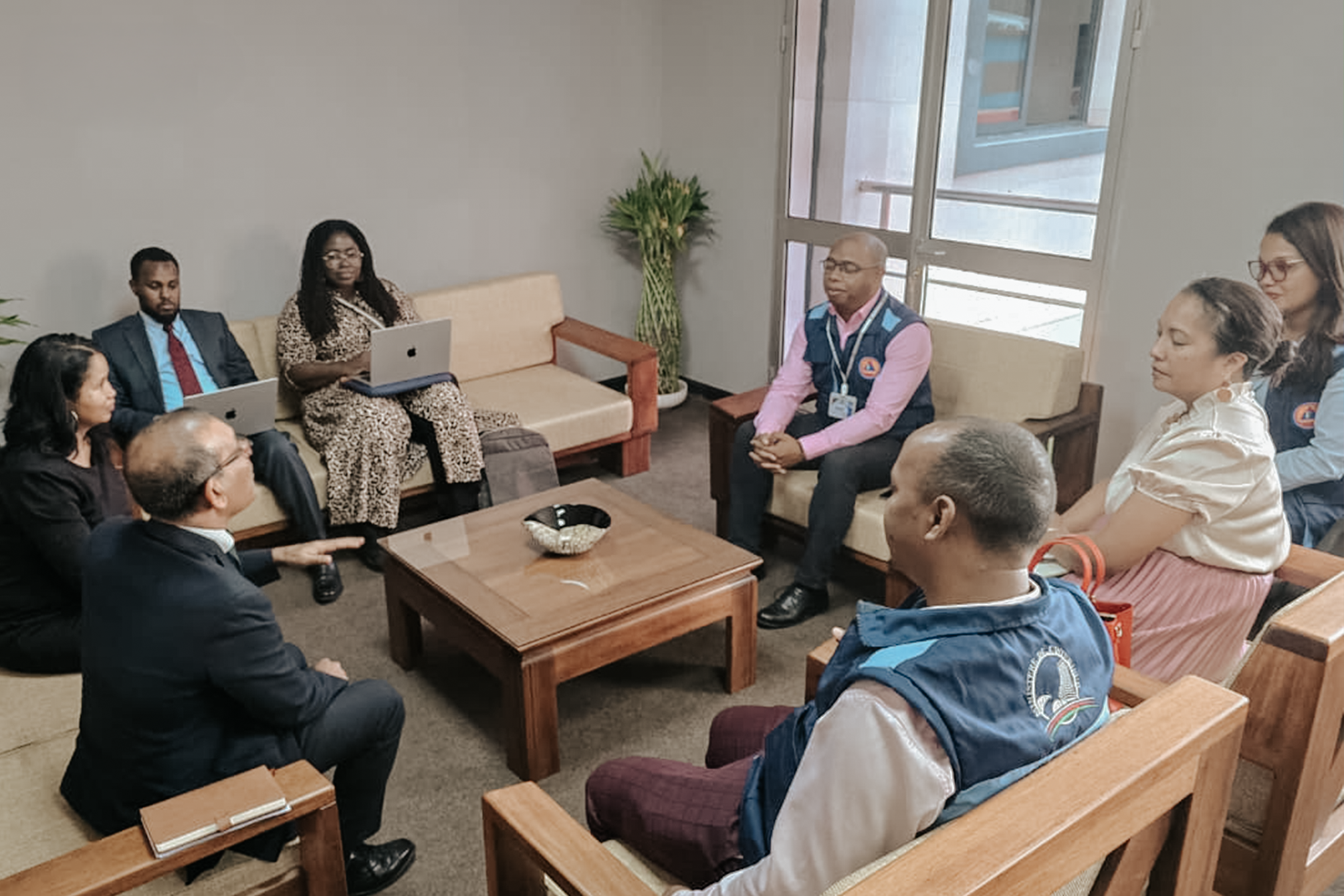
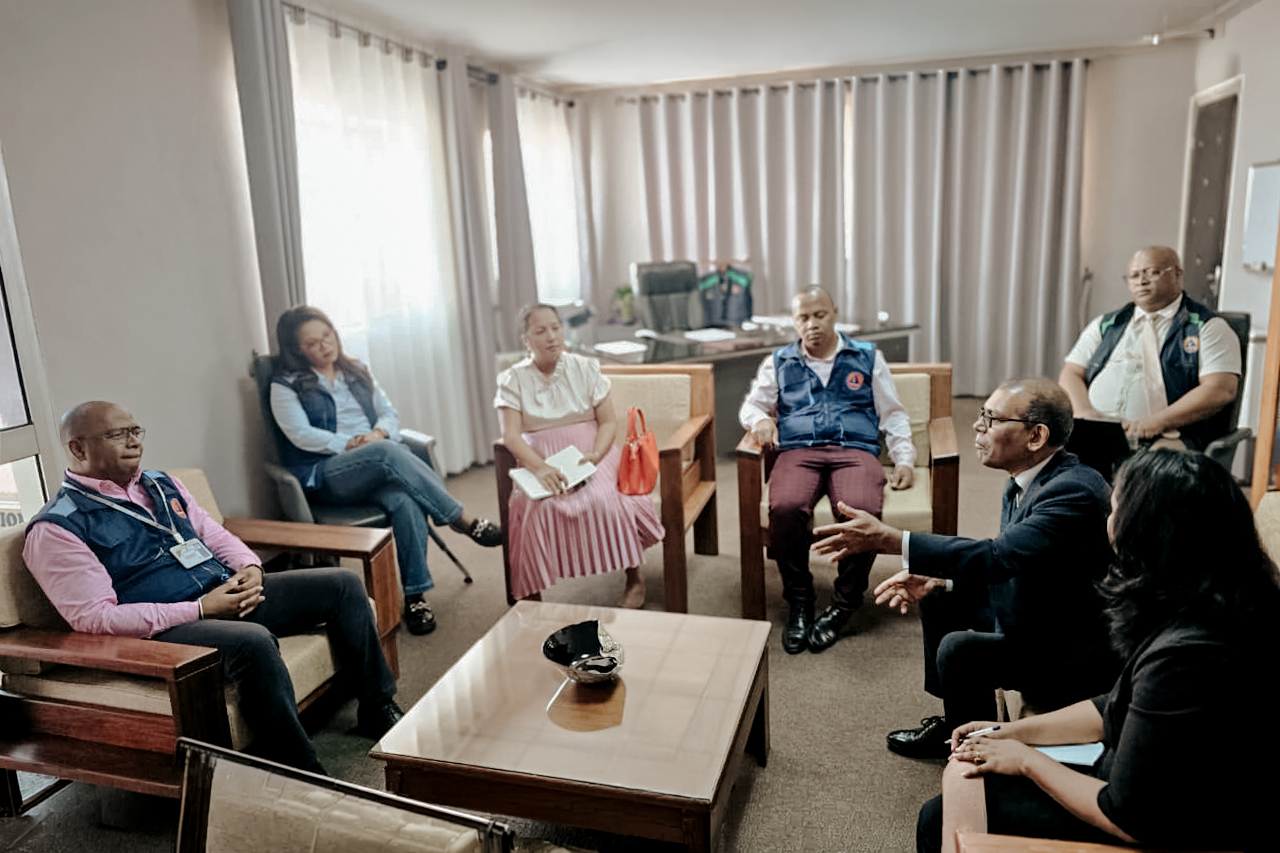
As a Category 4 cyclone slams into Madagascar’s coastline, the force of climate change is no longer abstract, it is immediate, physical, and deeply human. The CVF Secretariat team on the ground is witnessing firsthand how climate vulnerability translates into real-time emergency response, institutional coordination, and community resilience under pressure.

High Seas Treaty Enters Into Force
The first legally binding ocean instrument to provide for inclusive ocean governance, known as the Biodiversity Beyond National Jurisdiction (BBNJ) Agreement, entered into force on January 17, 120 days after at least 60 countries have ratified the treaty.
Liberia to Implement Carbon Levy on Maritime Shipping
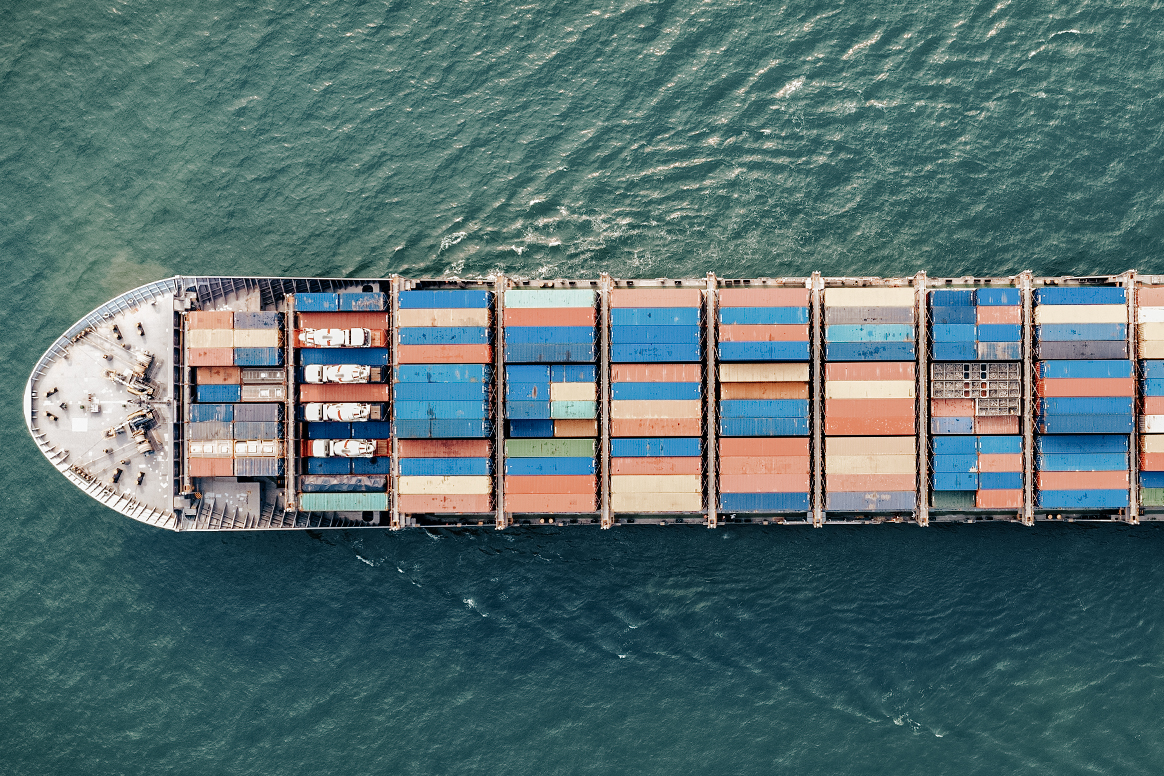
The Republic of Liberia becomes the third African country to introduce a carbon levy on maritime shipping, after Djibouti’s and Gabon’s domestic implementation. Starting on March 1 this year, the country will impose a USD 25 per tonne fee on CO2 emitted by ships entering and leaving its ports.
Marshall Islands Pioneers Climate Resilience Strategy for Atoll Nations
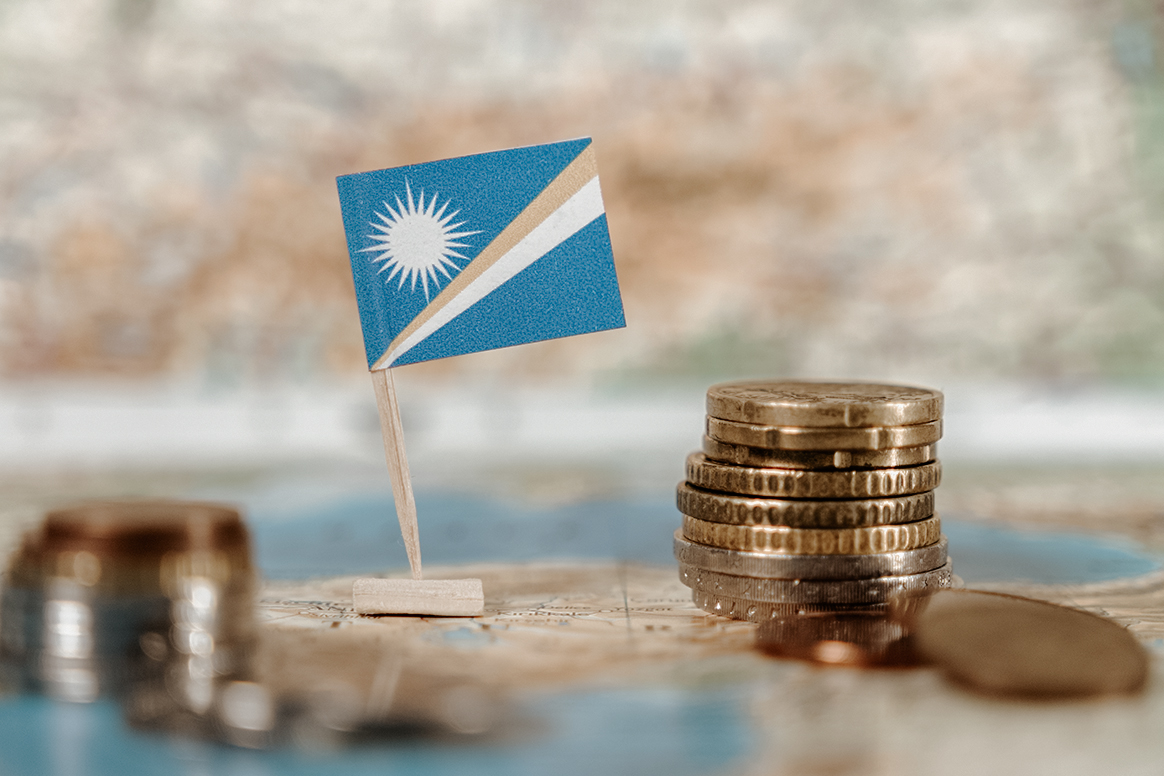
The Blue-Green Atolls Project by the Republic of Marshall Islands begins its preparation phase after securing approval from the Global Environment Facility (GEF) Trust Fund and the Special Climate Change Fund. Initial stages include technical assessments, stakeholder engagement, and the mobilization of complementary public and private finance. With the United Nations Development Programme as the implementing agency, the project receives USD 38.5 million from co-financing and USD 8.537 million from the GEF Project Grant.