CVF-V20 Advances Climate Prosperity Partnerships at ADB Annual Meeting in Samarkand
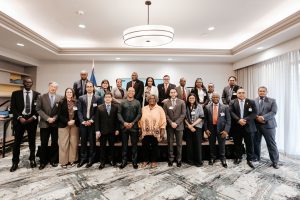
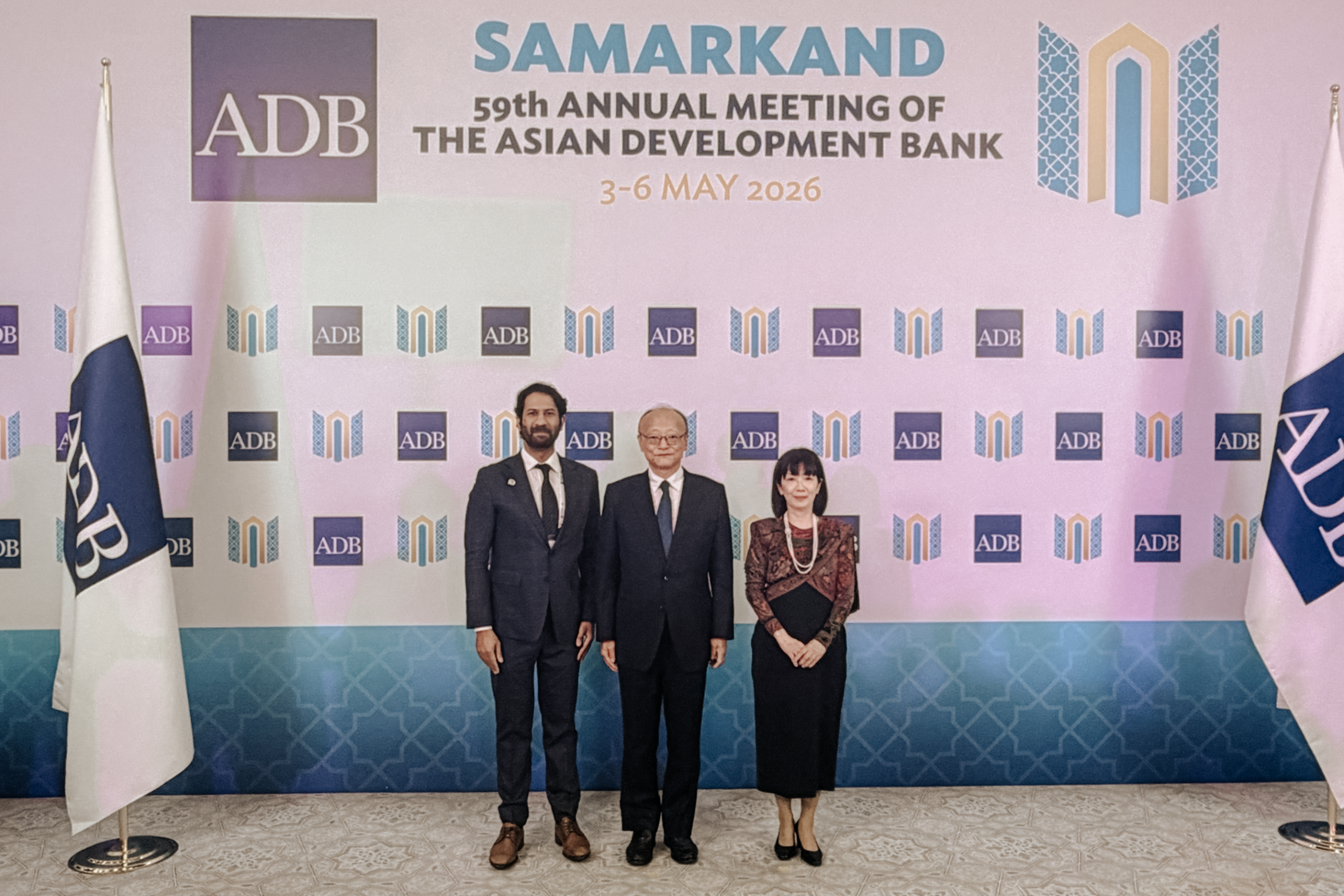
The CVF-V20 Secretariat participated in the 59th Asian Development Bank Annual Meeting, held in Samarkand, Uzbekistan, from May 3 to 6, under the theme “Crossroads of Progress: Advancing the Region’s Connected Future.” The delegation represented the interests of climate-vulnerable economies in discussions on regional development, climate finance, and multilateral cooperation.

Bhutan’s Journey Toward Prosperity
From my perspective, working in climate finance, the Bhutan Resource Mobilization Plan (BRMP) is not simply about mobilizing more resources; it is about mobilizing the right kind of resources. Bhutan’s comparative advantage lies in its hydropower potential, vast forest cover, and strong environmental stewardship under the philosophy of Gross National Happiness. The plan strategically leverages these assets through energy exports, carbon market participation, and emerging instruments such as green bonds and a national climate fund to generate predictable and sustainable revenue streams.

Ghana Scales Carbon Market Leadership to Drive Development
Ghana has established a National Carbon Registry to collect, verify, and track emissions data and carbon market transactions. It has also created a Carbon Market Office to provide administrative and technical support for the implementation of both the international carbon market and non-market approaches.

Pacific Nations Embrace Regenerative Farming as Climate Threats Mount
Samoa, Tonga, and Vanuatu have secured a five-year climate adaptation project worth US$43.7 million through the Green Climate Fund (GCF), a critical step toward transforming how Pacific communities grow food in the face of accelerating climate change. The funding will drive large-scale investments across agricultural production systems, unlocking new pathways to long-term food security, improved nutrition, and expanded livelihoods across the three nations.
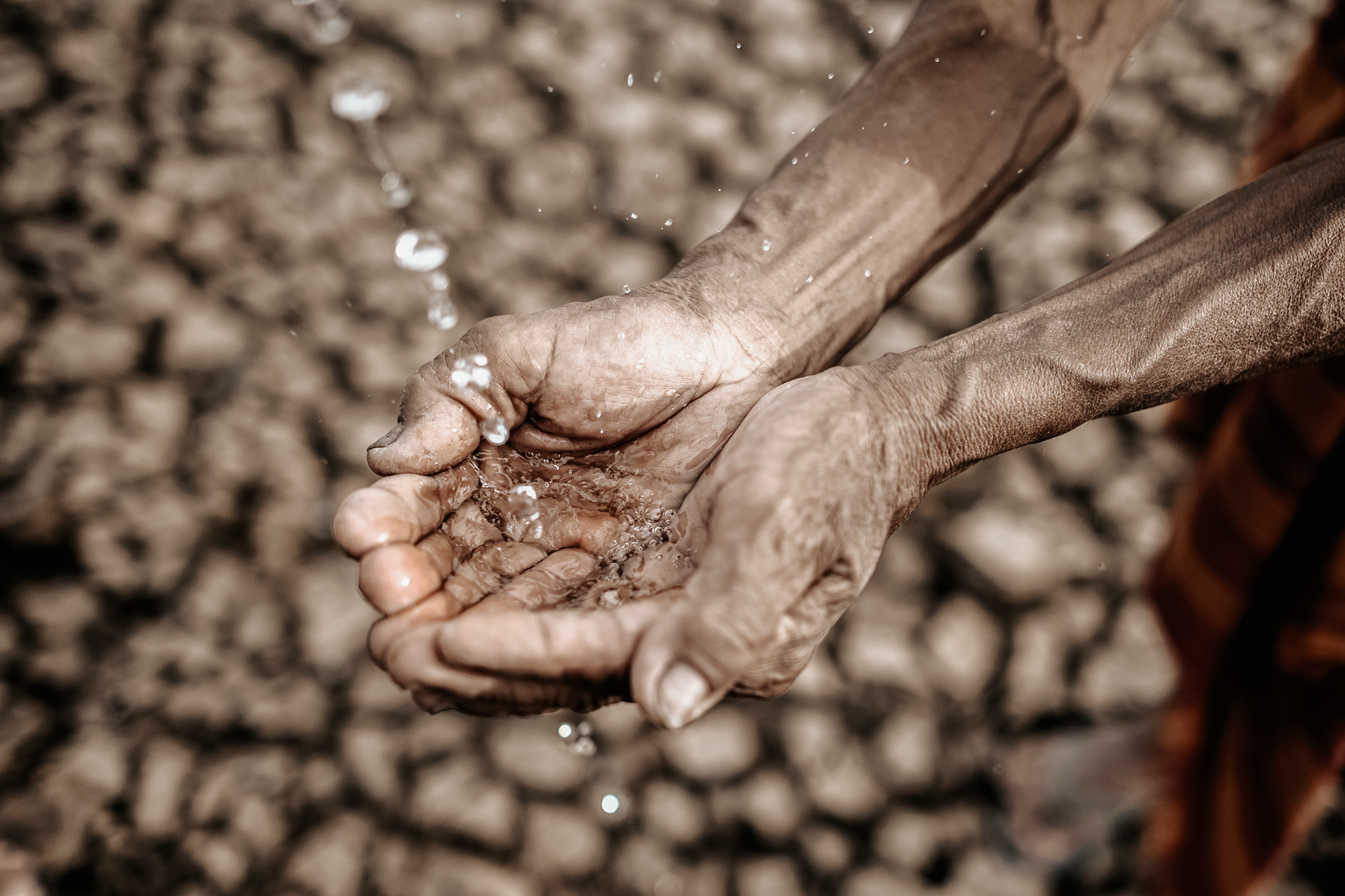
Africa’s Great Vision: Water for All
Africa takes on a greater mission to advance water security and community resiliency through the Africa Water Vision 2063 and Policy, under the leadership of the African Union Commission and the African Ministers’ Council on Water. This blueprint values water as a strategic asset in pursuing continental security and advancing economic power.

From Policy to Practice: Institutionalizing Climate Resilience in Pakistan’s Fiscal Framework
In the corridors of the Ministry of Finance, the conversation around fiscal policy has shifted dramatically. A few years ago, “climate resilience” was often treated as an environmental concern, relegated to line ministries. Today, having managed the USD 1.4 billion Resilience and Sustainability Facility (RSF) over the last two years, I see it differently: climate risk is a macroeconomic risk, and our fiscal sustainability is intrinsically linked to how well we prepare for the climate reality.
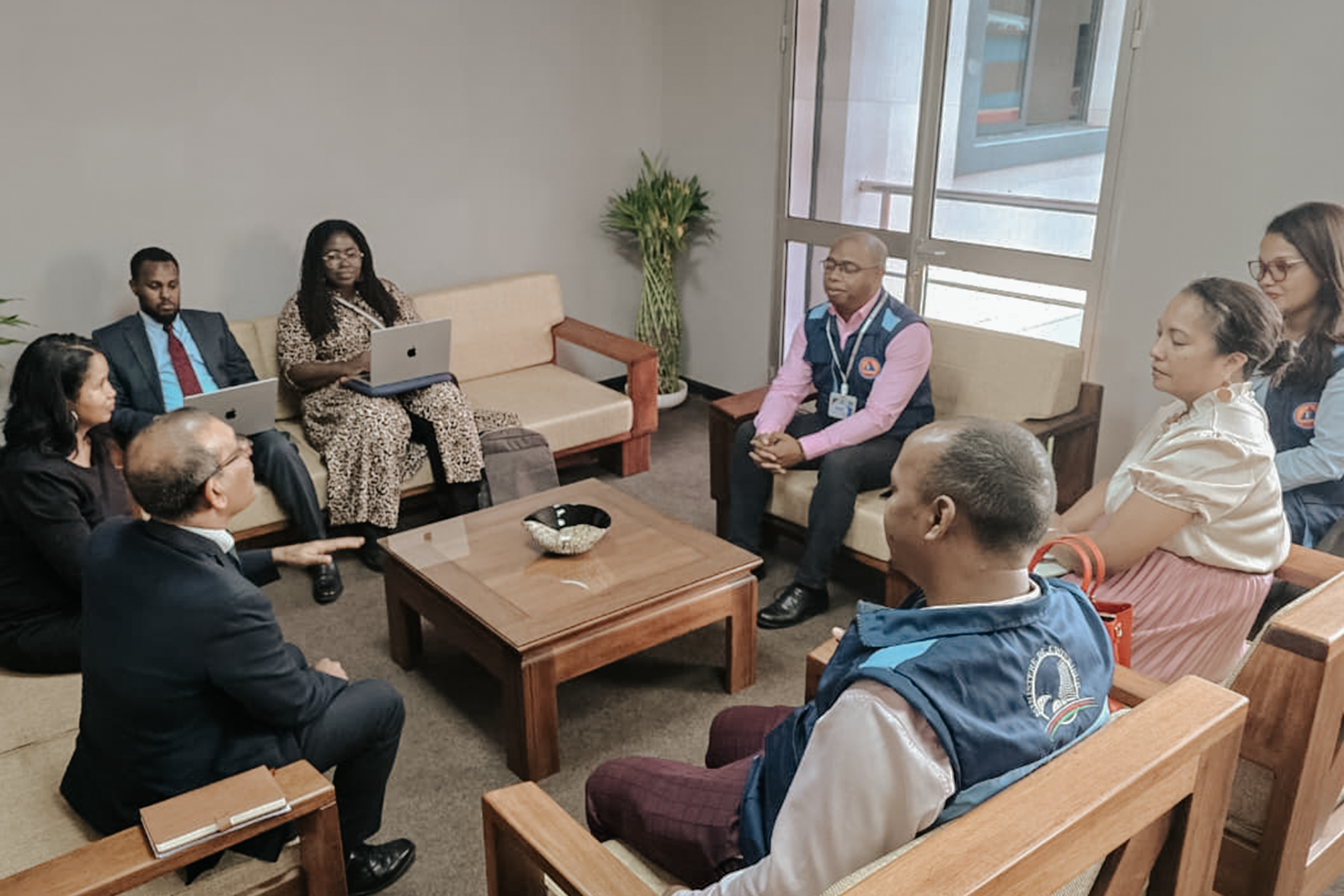
When Climate Vulnerability Becomes Personal
Damage to infrastructure and agriculture, disruptions to transport and services, and the costs of emergency response ripple across the economy. When such shocks recur year after year, recovery becomes partial and fragile. Each rebuilding effort begins before the last has fully ended.
From the outside, climate impacts are often described as temporary setbacks. On the ground, they feel structural. Resources that could support education, healthcare, industrial development, or job creation are repeatedly redirected toward response and repair. Public debt grows not through poor decisions, but because climate shocks leave governments with few alternatives.
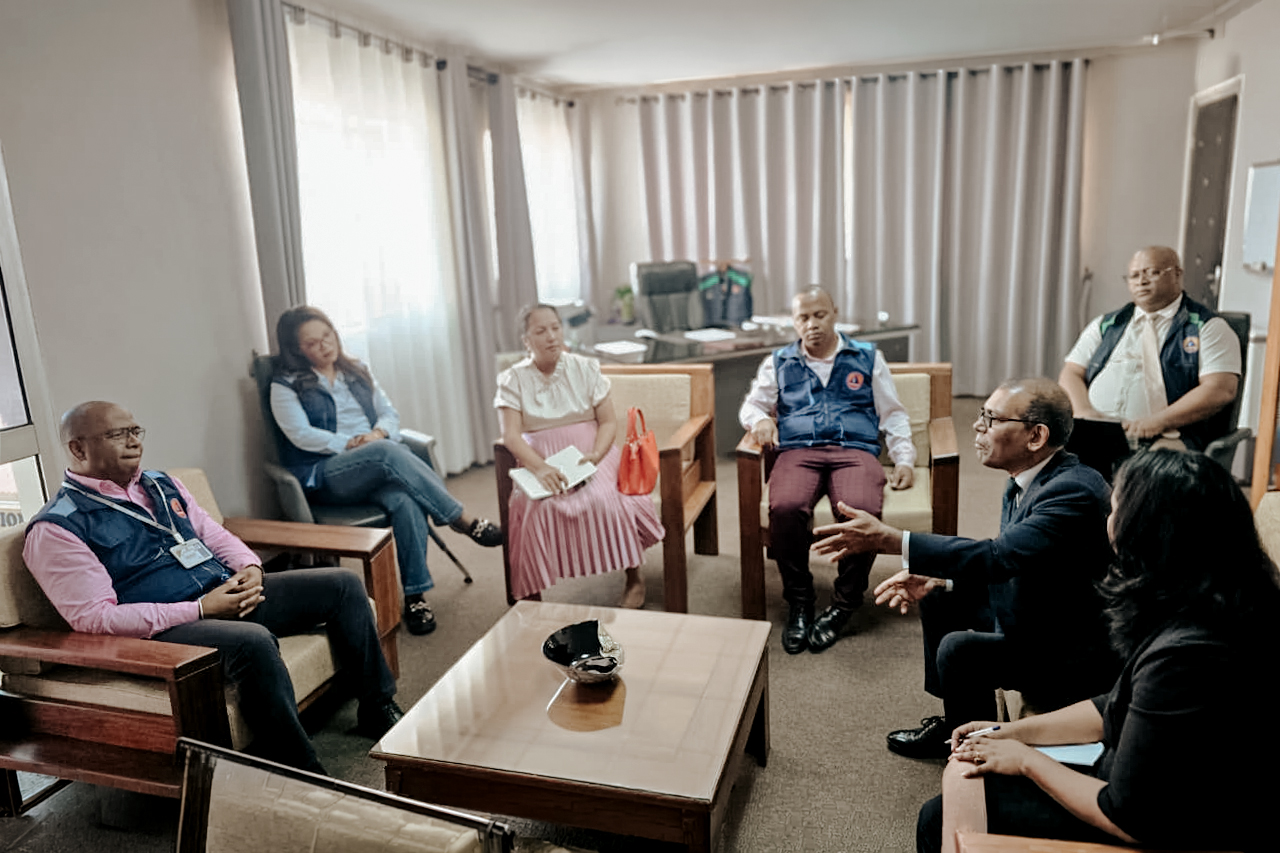
When Climate Reality Hits Home: CVF-V20 Secretariat in Madagascar as a Category 4 Cyclone Makes Landfall
As a Category 4 cyclone slams into Madagascar’s coastline, the force of climate change is no longer abstract, it is immediate, physical, and deeply human. The CVF Secretariat team on the ground is witnessing firsthand how climate vulnerability translates into real-time emergency response, institutional coordination, and community resilience under pressure.

High Seas Treaty Enters Into Force
The first legally binding ocean instrument to provide for inclusive ocean governance, known as the Biodiversity Beyond National Jurisdiction (BBNJ) Agreement, entered into force on January 17, 120 days after at least 60 countries have ratified the treaty.
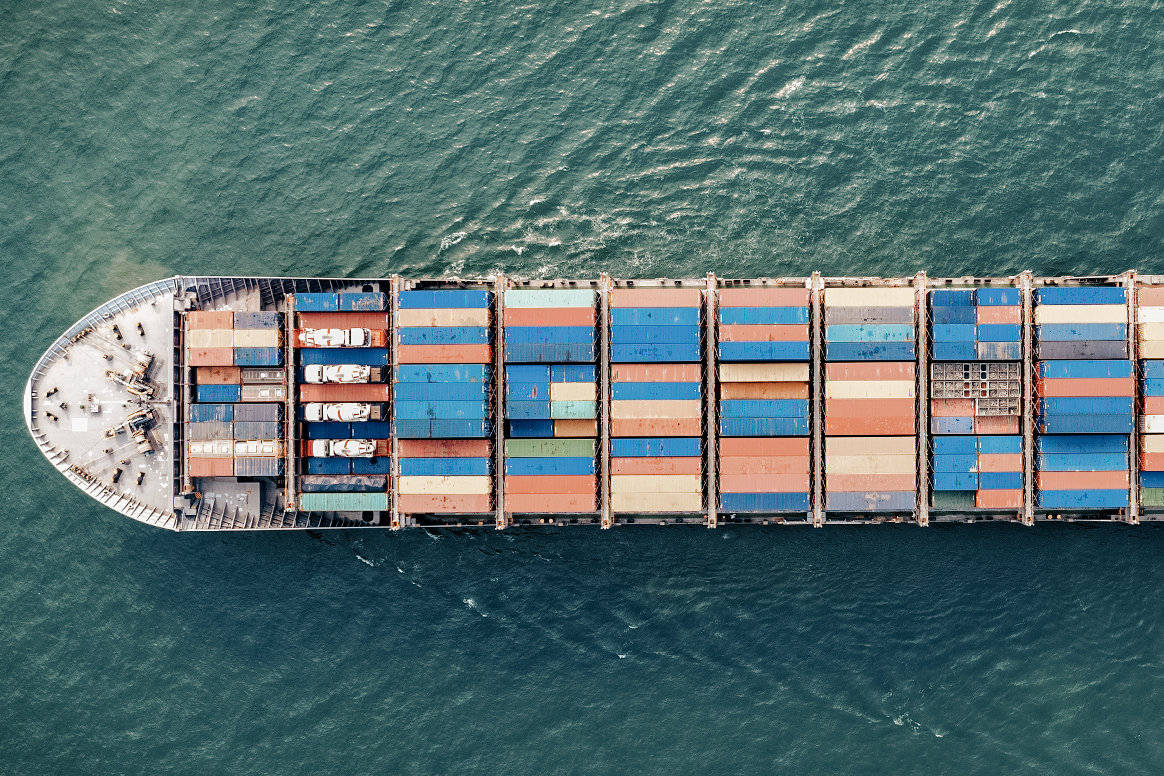
Liberia to Implement Carbon Levy on Maritime Shipping
The Republic of Liberia becomes the third African country to introduce a carbon levy on maritime shipping, after Djibouti’s and Gabon’s domestic implementation. Starting on March 1 this year, the country will impose a USD 25 per tonne fee on CO2 emitted by ships entering and leaving its ports.

Marshall Islands Pioneers Climate Resilience Strategy for Atoll Nations
The Blue-Green Atolls Project by the Republic of Marshall Islands begins its preparation phase after securing approval from the Global Environment Facility (GEF) Trust Fund and the Special Climate Change Fund. Initial stages include technical assessments, stakeholder engagement, and the mobilization of complementary public and private finance. With the United Nations Development Programme as the implementing agency, the project receives USD 38.5 million from co-financing and USD 8.537 million from the GEF Project Grant.

Fellowship Sessions Empower Climate Leaders to Drive Bold Action
January 2026 witnessed a transformative gathering of climate champions as the CVF-V20 Secretariat hosted a series of fellowship retreats and a residency to equip youth and mid-to-senior-level officials from the world’s most climate-vulnerable nations with co-learning and networking opportunities necessary to advance ambitious development-positive climate action.