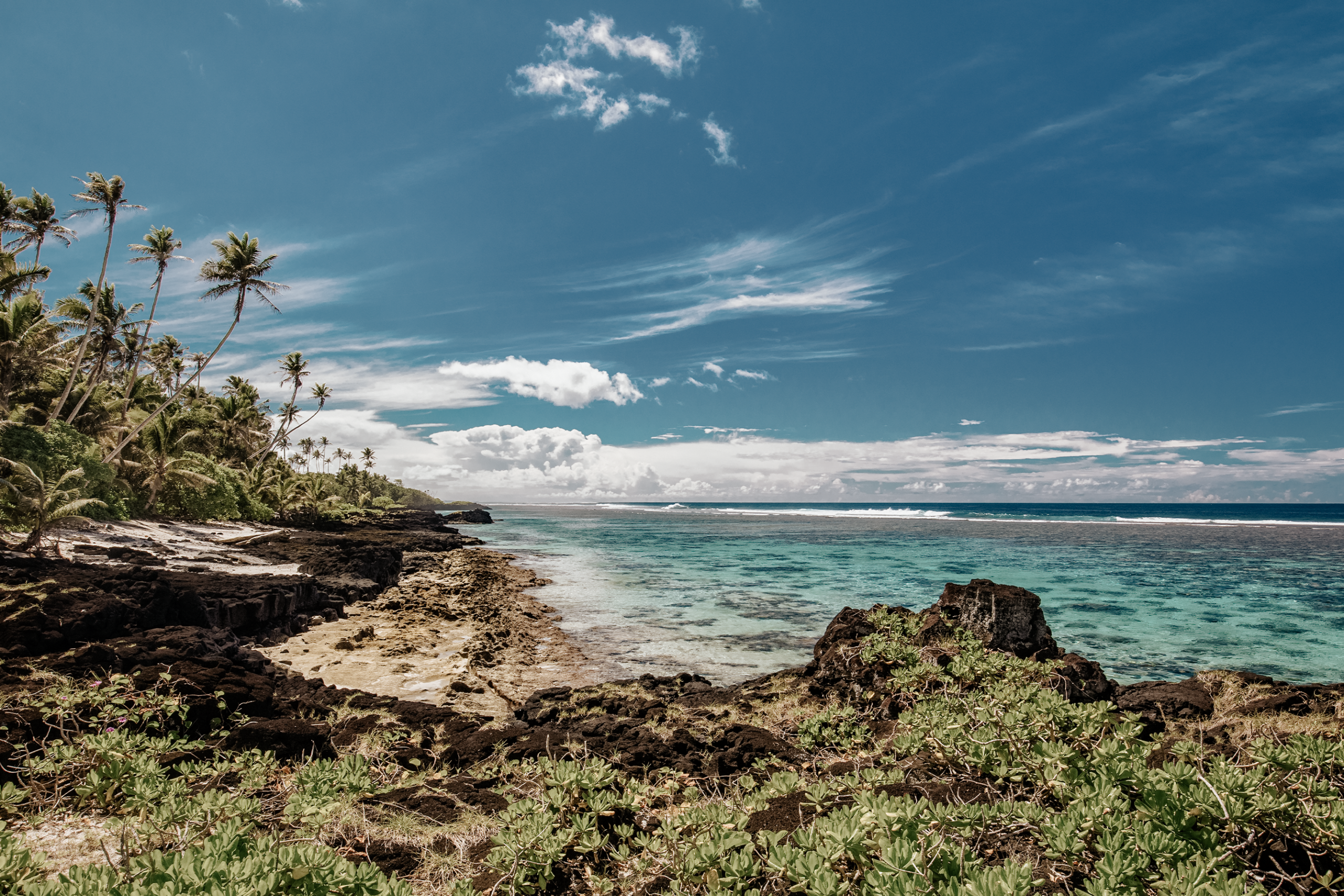
Samoa Shows Leadership in Early Warning System and Disaster Risk Management
Early warning and early action are among Samoa’s national strategic priorities, embedding multi-hazard early warning systems and disaster risk financing frameworks into the country’s governance landscape.
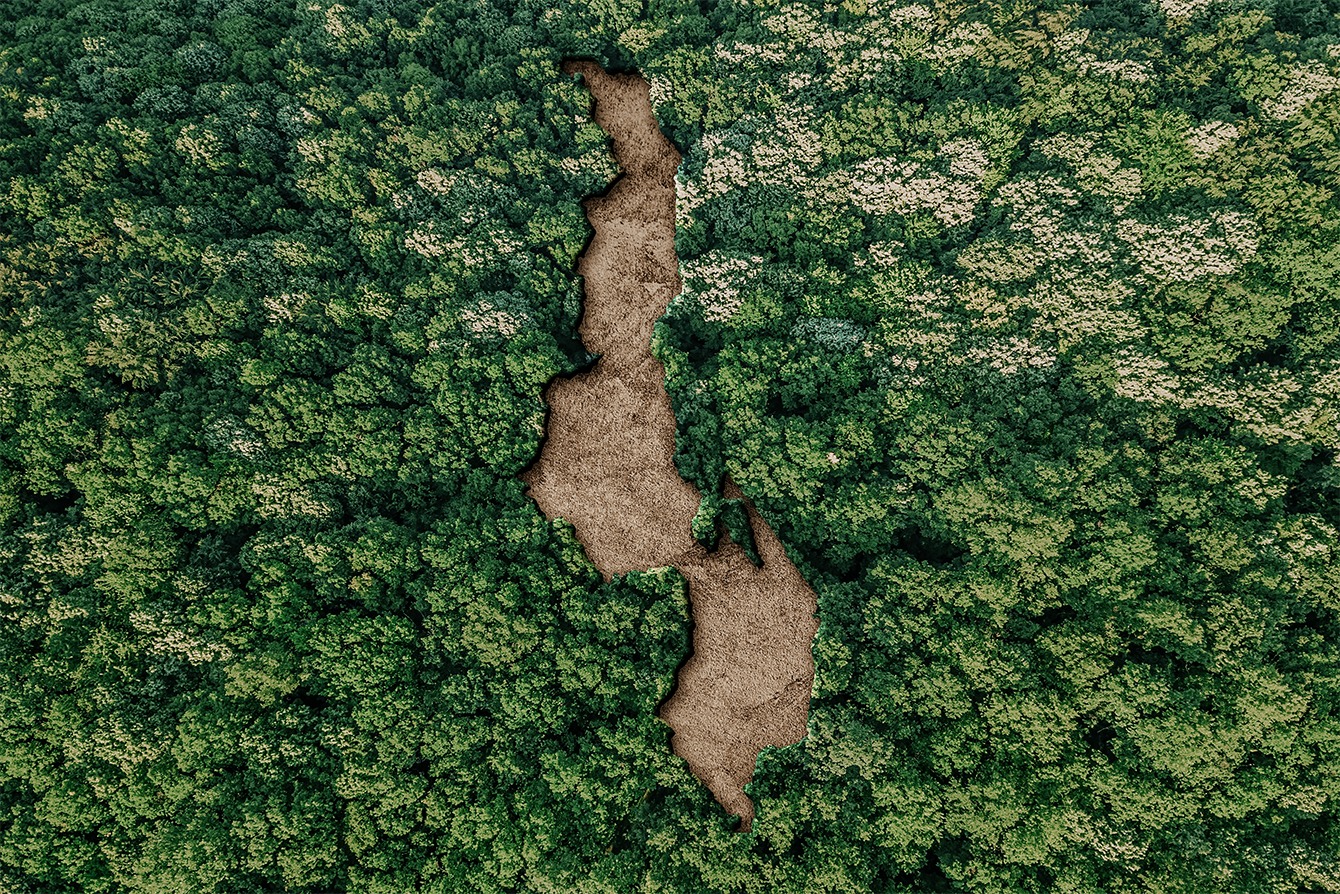
Malawi’s NDC Implementation: Lessons From the Past and Youth Priorities for NDC 3.0
Malawi, like many climate-vulnerable nations, has taken steady strides toward implementing its Nationally Determined Contribution (NDC) under the Paris Agreement. It has reaffirmed its commitment to reducing emissions, enhancing adaptation, and building climate resilience through its First Biennial Transparency Report (BTR1) and National Communication submitted to the United Nations Framework Convention on Climate Change (UNFCCC). Despite the commitment, there are efficient gains to be made in its next round of NDC 3.0, as revealed by the NDC 2.0 stocktake.

Khyber Pakhtunkhwa Charts Path for Climate-Linked Investments
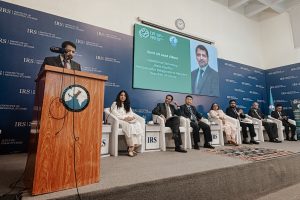
As part of the ongoing in-country consultations for the Pakistan Climate Prosperity Plan (CPP), the CVF-V20 delegation held a high-level roundtable with the Planning and Development Department (P&DD) of the Province of Khyber Pakhtunkhwa (KP) on October 9 in Peshawar. The session brought together key provincial departments, including forestry, environment, wildlife, transport, energy, and infrastructure, to align KP’s climate priorities with the CPP framework and explore financing pathways for sustainable development.
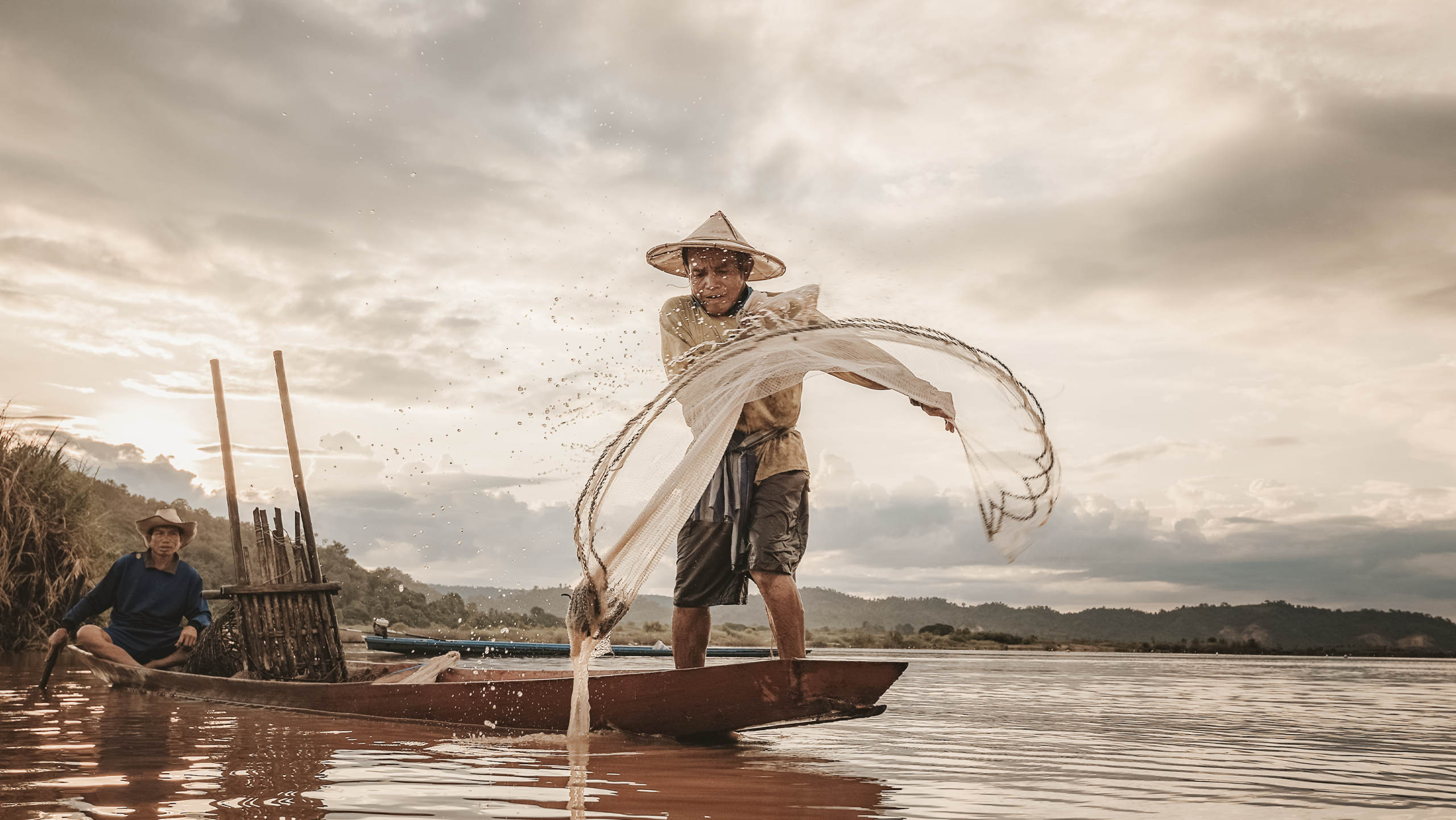
Bringing Climate Adaptation Finance Closer to Filipino Communities
The Philippines’ Department of Finance (DOF) is leading the charge to enhance local government access to the People’s Survival Fund (PSF), the country’s flagship climate adaptation financing mechanism.

Kyrgyz Leads Global Efforts in Mountain Ecosystem Conservation
At UNGA 80, The Kyrgyz Republic’s President, H.E. Sadyr Japarov, issued a powerful call to the international community: to support and endorse the Declaration of COP-29 on Climate, Mountains, and Glaciers as a decisive step in mobilizing ambitious initiatives to protect the mountain ecosystems across the globe.
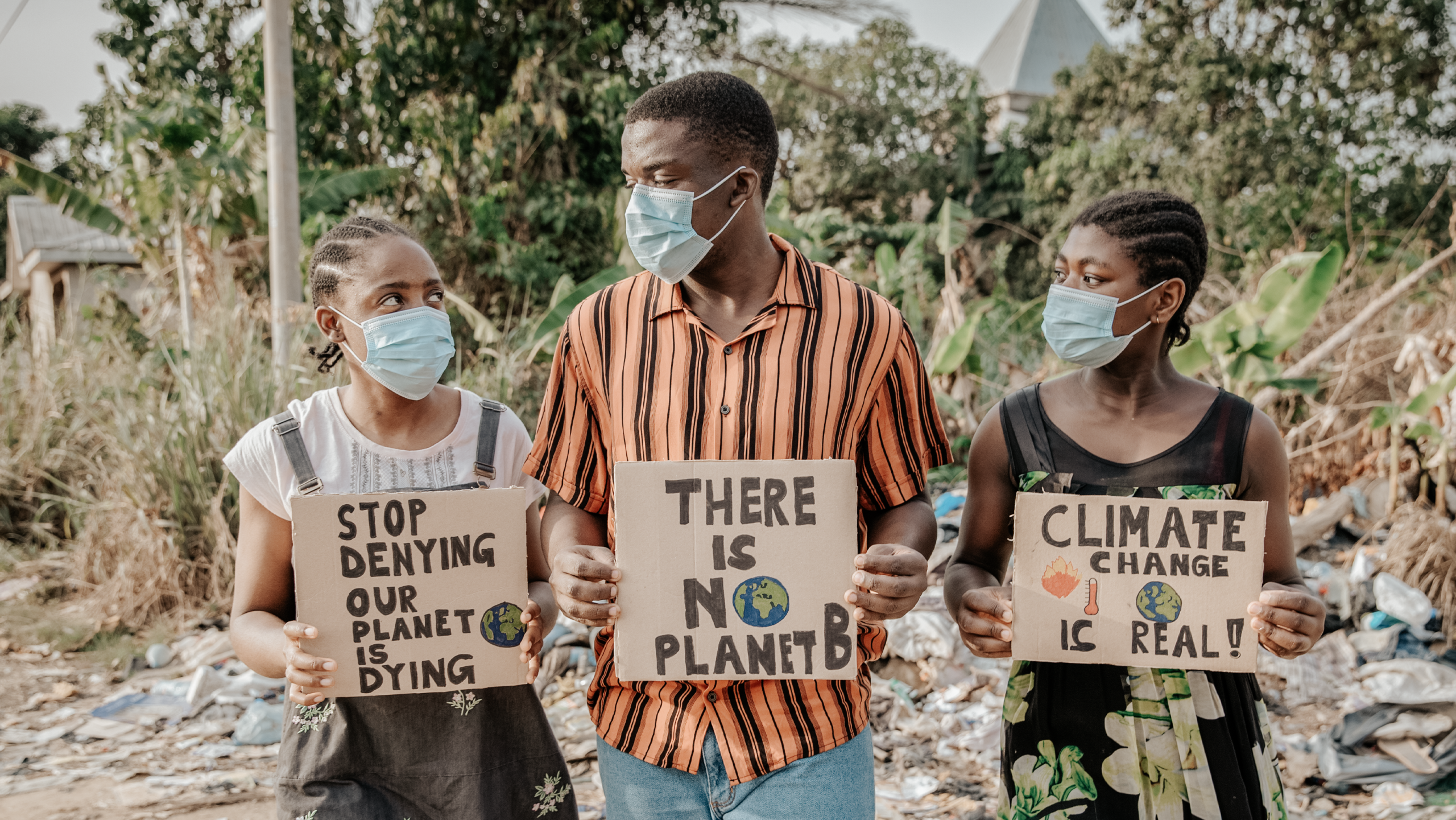
Africa’s Youth Don’t Need a Seat at the Table; They’re Building a New One
Africa’s youth don’t need saving. They need space, trust, and investment that matches their pace. They’re already powering homes, restoring forests, building apps, and running circular businesses that keep waste out of the environment. Every solar panel, reforested hill, and electric motor is a quiet rejection of the idea that Africa must wait to be helped.
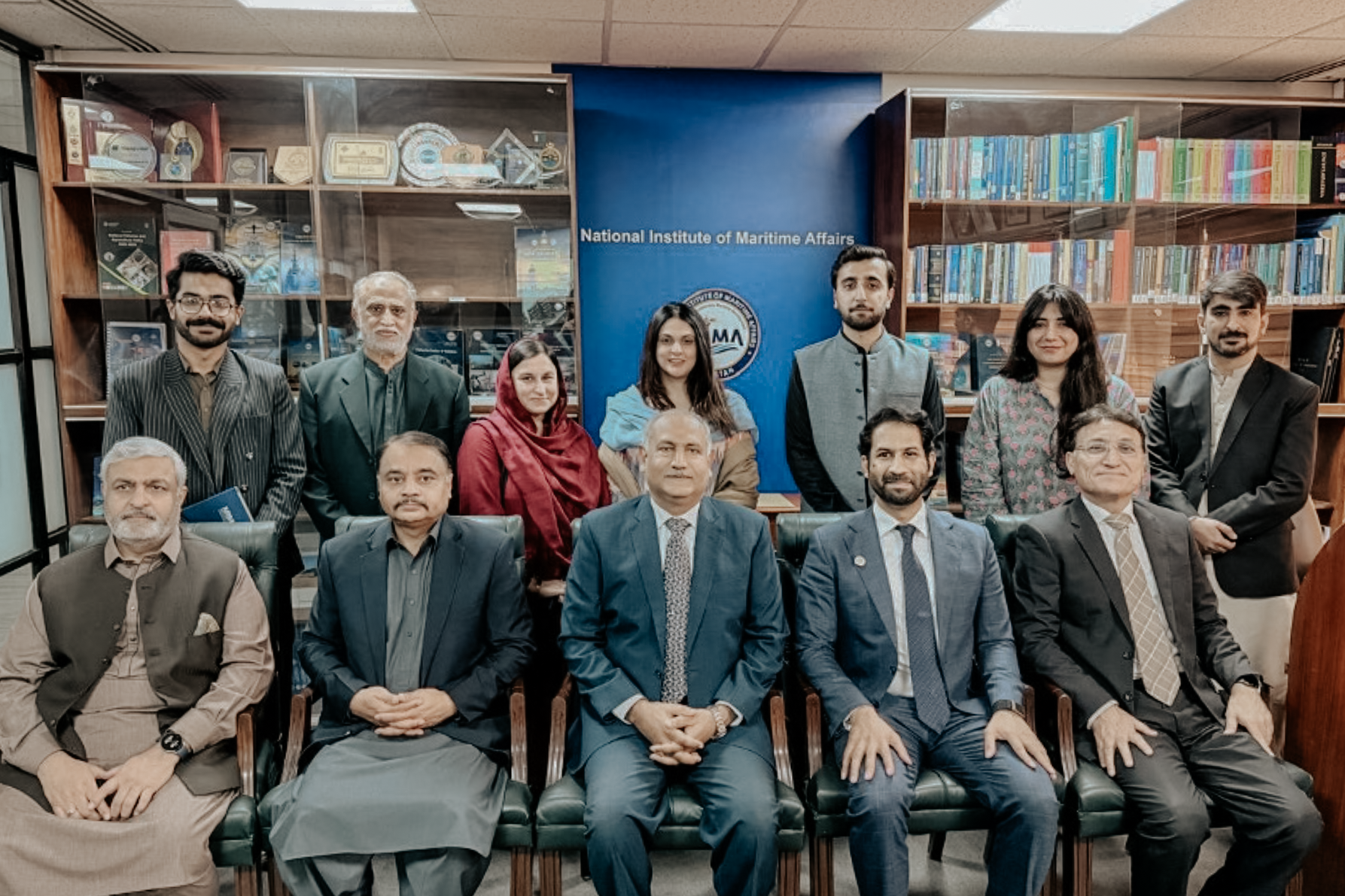
Advancing Climate Investment Pathways in Pakistan
In February, a series of engagements with key institutions across Pakistan explored ways to strengthen the investment pipeline under the country’s Climate Prosperity Plan (CPP). The CVF-V20 South Asia team met with a range of stakeholders to discuss how sector reforms, research initiatives, and large-scale programs can be translated into bankable projects that attract international investment across infrastructure, renewable energy, agriculture, and the blue economy.
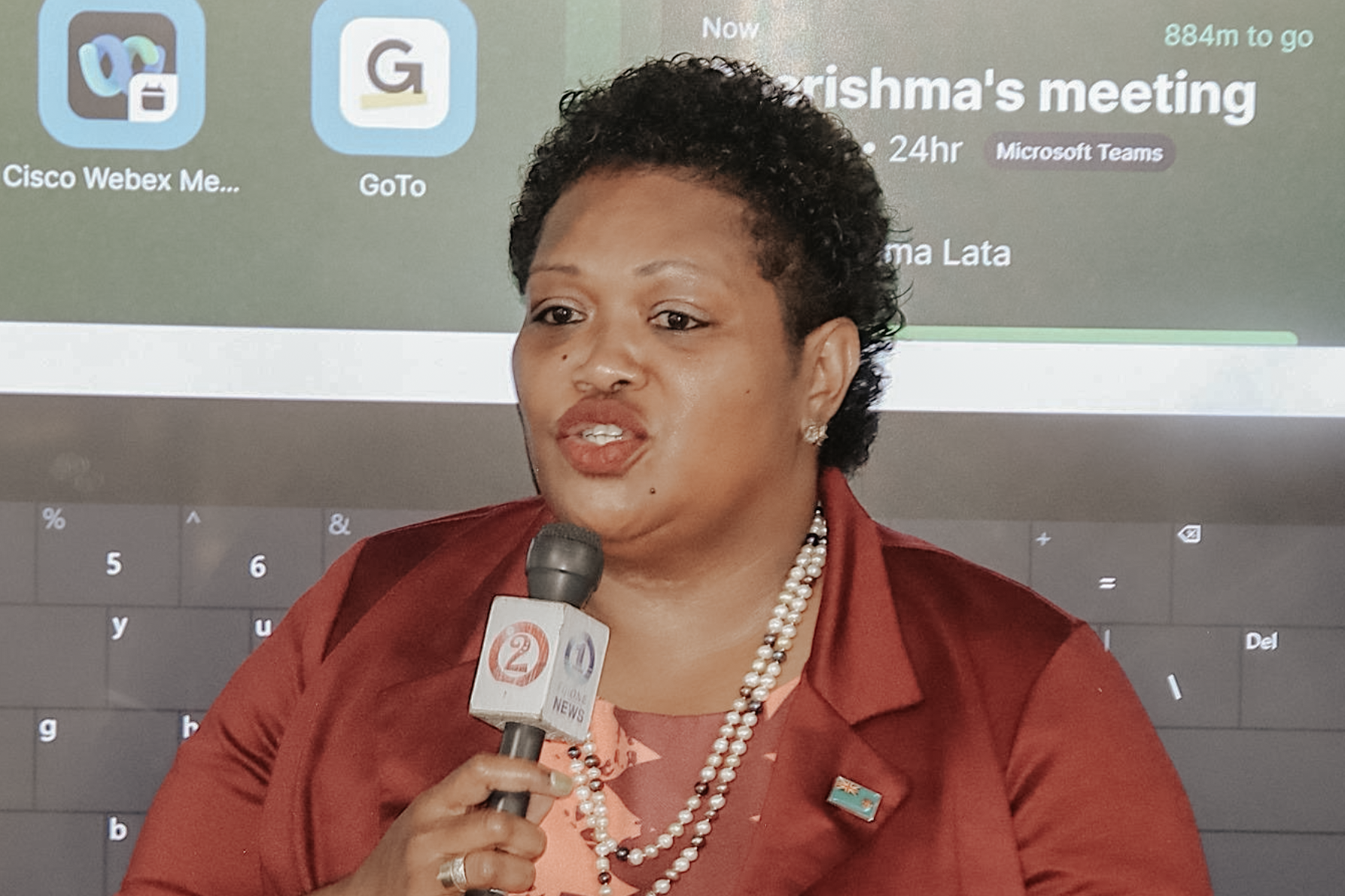
Fiji Strengthens Ocean Governance with 30×30 Targets
Fiji is taking its ocean governance to new heights with a revitalized commitment to protect 30% of its water by 2030. At the heart of this conservation initiative lies a rigorous, evidence-based, data-driven discussion among experts and government officials. With the Ministry of Fisheries at the forefront of this movement, Fiji is ensuring that its country-wide efforts align with the global 30×30 Initiative and international obligations under the Western and Central Pacific Fisheries Commission.
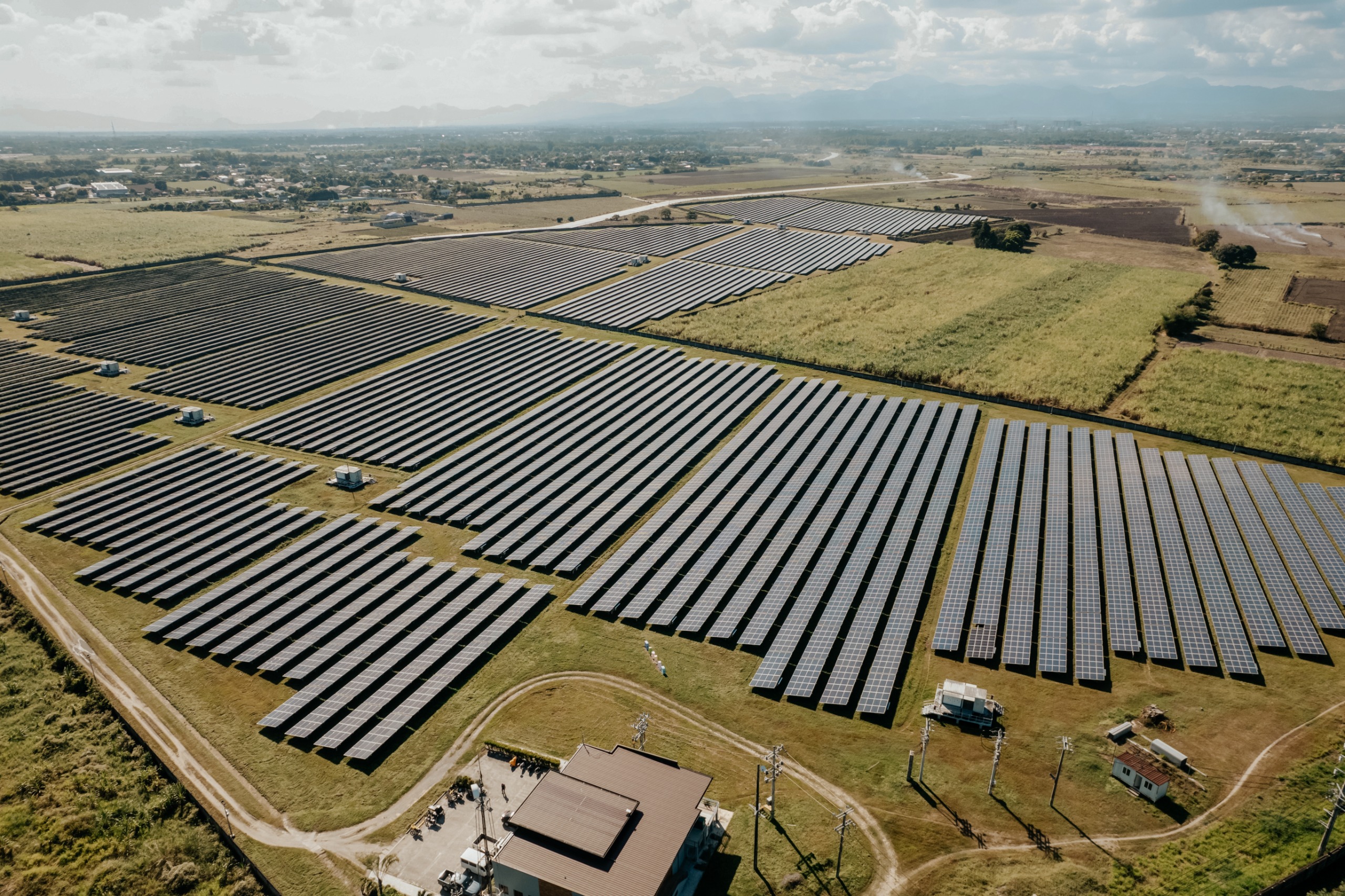
Empowering Communities: Accelerating Local Renewable Energy Transition in the Philippines
Subnational governance and local community participation emerges vital in realizing the ambitious renewable energy targets of the Philippines—achieving a 35% renewable energy share in the power generation mix by 2030, 50% by 2040, and more than 50% by 2050.

Care for the Blue Economy: Saint Lucia Charts a Sustainable Course
Saint Lucia is championing sustainable ocean governance with comprehensive blue economy strategies designed to strengthen economic resilience and foster inclusive growth.
The Coastal and Marine Spatial Plan, developed under the Caribbean Regional Oceanscape Project, provides a roadmap for the sustainable and equitable use of the coastal and marine spaces, protection of coastal and marine ecosystems, and management of land-water interactions.
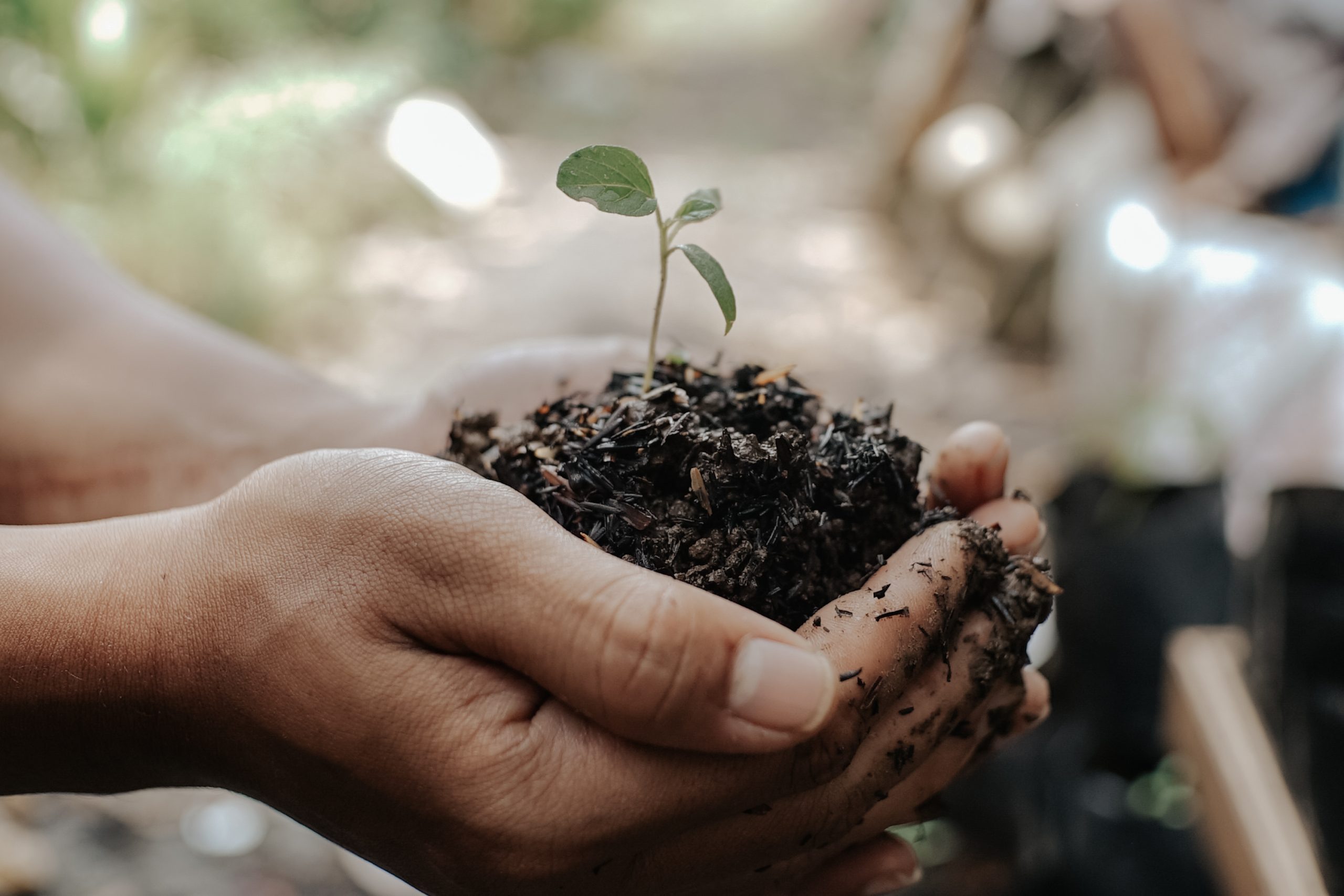
The Right Union: Gabon Proves Conservation and Economic Growth Can Coexist
The Gabonese Republic has been classified as a high-forest low-deforestation country, with a recorded deforestatizgreon rate of just 0.6%. This remarkable outcome highlights the impact of forward-looking national policies and ambitious government commitments amid mounting threats of forest degradation across Africa.
Market Romance: Paraguay’s Carbon Credit Innovation and Climate Investments
With strong legislative enforcement of the Carbon Credit Law, the Republic of Paraguay is advancing environmental protection and conservation in the Chaco region, supporting projects that safeguard ecosystems while attracting over USD 10 million in responsible investment. At the same time, the country is expanding certification processes across more than 400,000 hectares, strengthening long-term stewardship of forests, biodiversity, and natural carbon sinks.