V20 Central Banks lay groundwork for new climate liquidity facility
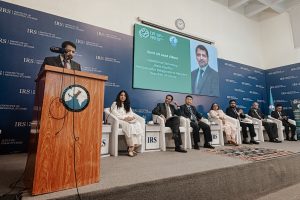
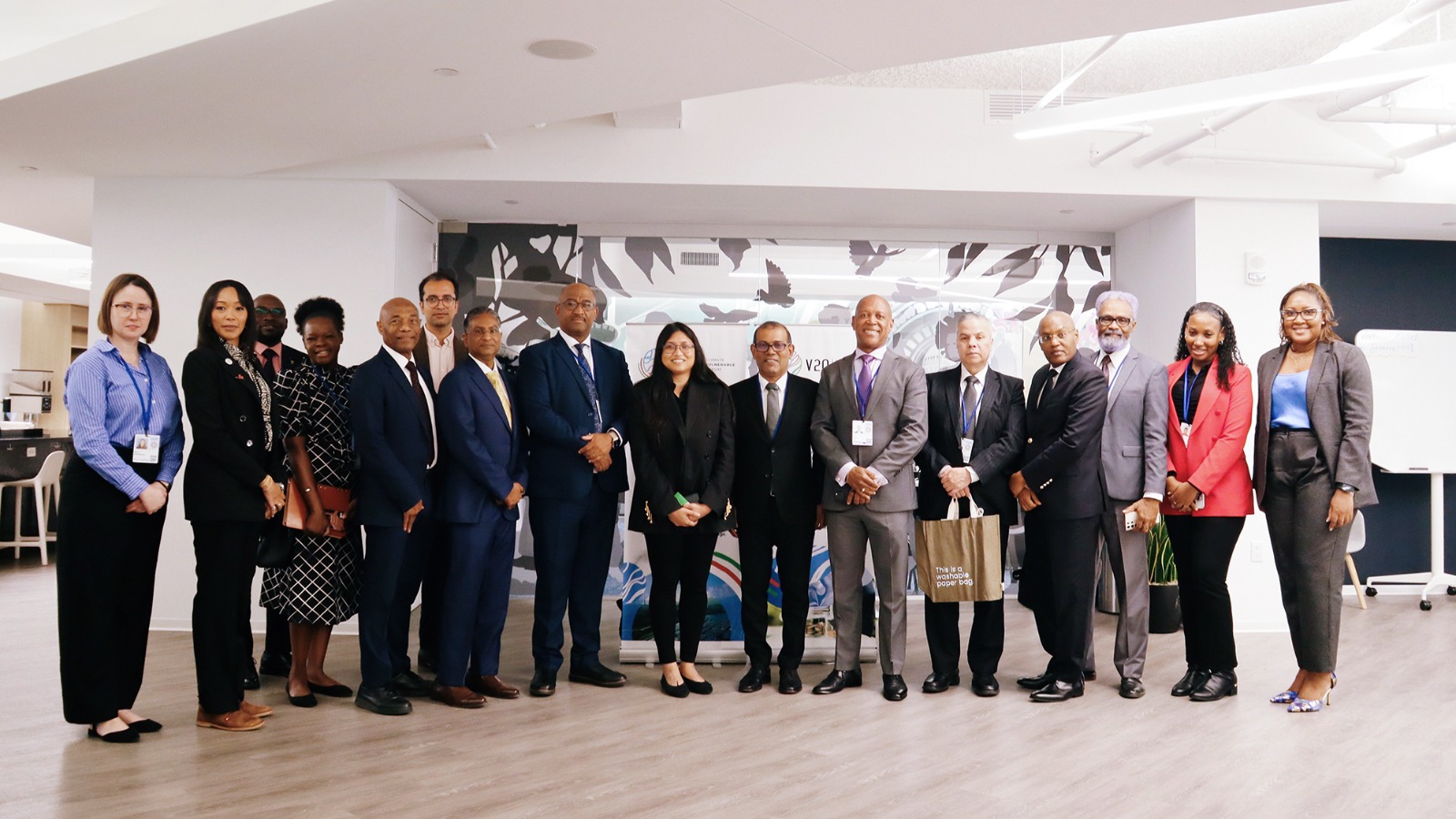
Washington, D.C. | April 23, 2025—Central Bank Governors from the V20 Finance Ministers of the Climate Vulnerable Forum are making significant strides in establishing “Lifeline,”
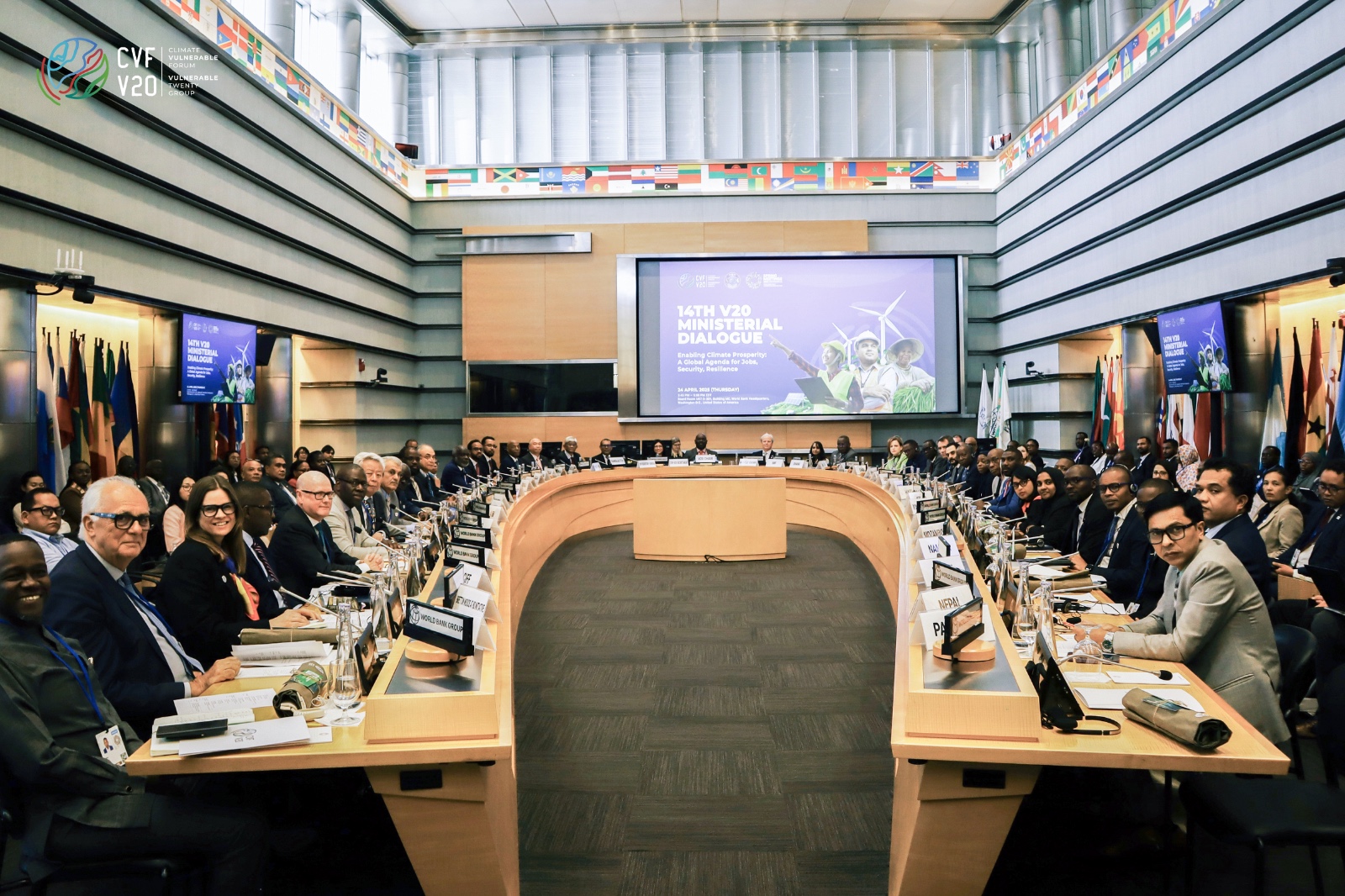
V20 Finance Ministers Call for Fair Representation and Urgent Financial Reforms for Jobs, Security, Resilience
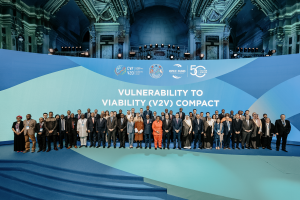
Washington D.C., 24 April 2025 —Vulnerable Twenty (V20) Finance Ministers of the Climate Vulnerable Forum (CVF), representing 74 vulnerable countries, convened today for the 14th
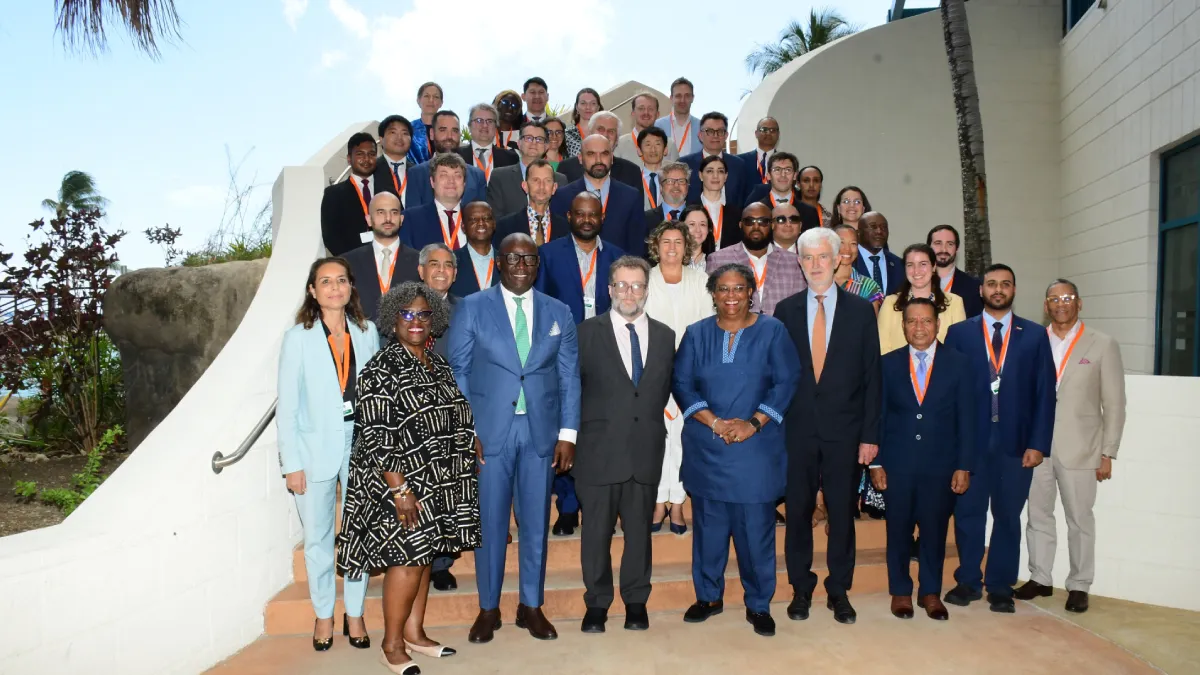
$250 Million Approved for Initial Phase of Loss and Damage Fund
Credit: Barbados Government Information Service “Small funds can’t help you — and regrettably, that is where we find ourselves still today, in a world in
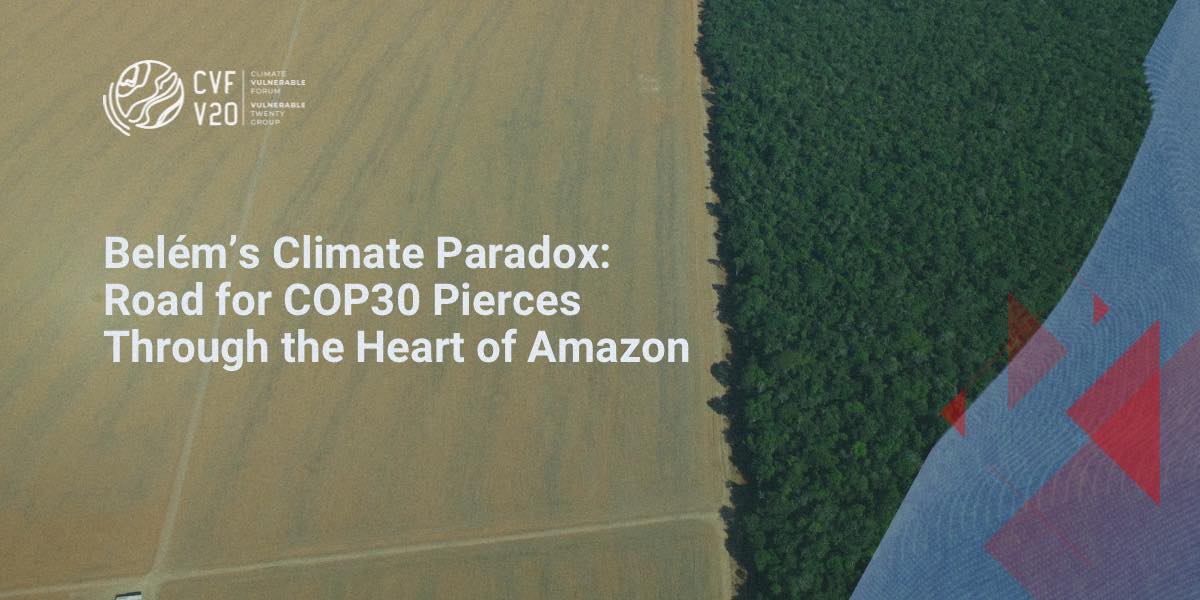
Belém’s Climate Paradox: Road for COP30 Pierces Through the Heart of Amazon
Source: https://media.un.org/photo/en/asset/oun7/oun7565955 The 1992 Earth Summit in Rio de Janeiro, Brazil gave birth to the Rio Conventions, which refer to the three landmark international agreements,

The Journey to COP28: A Road to Disappointment and Hope
The Journey to COP28: A Road to Disappointment and Hope By Jodahi Bezabih Petros, CVF Youth Fellow from Ethiopia Coming into COP28, I carried the
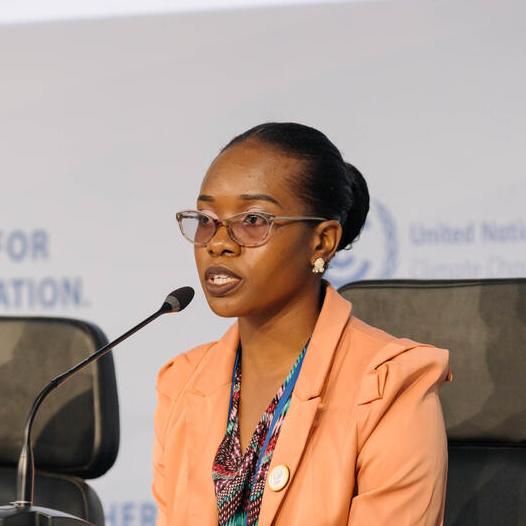
The Loss and Damage Fund: A glimmer of hope or an avenue for more questions?
The Loss and Damage Fund: A glimmer of hope or an avenue for more questions? By Barbra Kangwana, CVF Youth Fellow from Kenya COP28 was
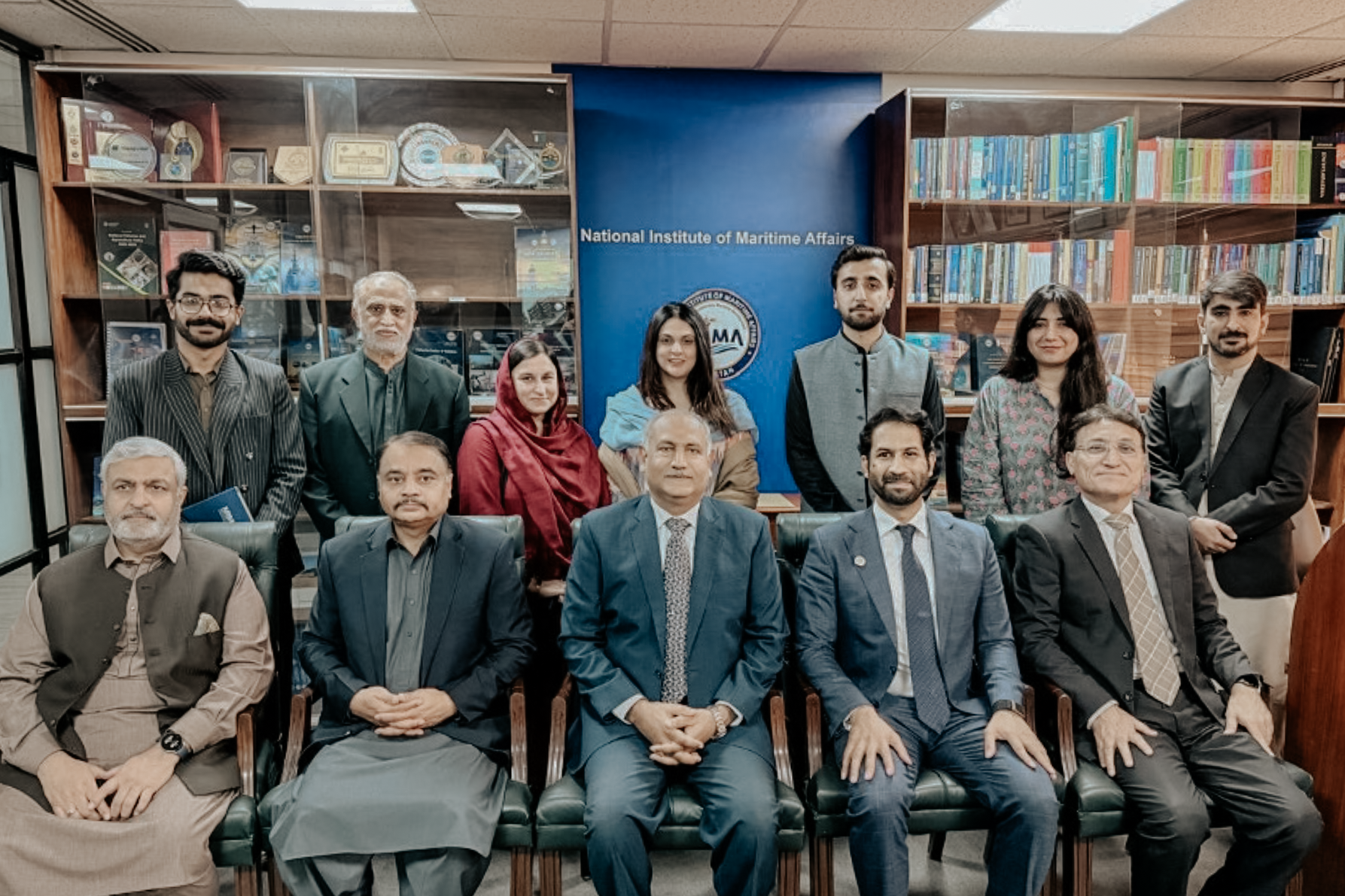
Advancing Climate Investment Pathways in Pakistan
In February, a series of engagements with key institutions across Pakistan explored ways to strengthen the investment pipeline under the country’s Climate Prosperity Plan (CPP). The CVF-V20 South Asia team met with a range of stakeholders to discuss how sector reforms, research initiatives, and large-scale programs can be translated into bankable projects that attract international investment across infrastructure, renewable energy, agriculture, and the blue economy.

Fiji Strengthens Ocean Governance with 30×30 Targets
Fiji is taking its ocean governance to new heights with a revitalized commitment to protect 30% of its water by 2030. At the heart of this conservation initiative lies a rigorous, evidence-based, data-driven discussion among experts and government officials. With the Ministry of Fisheries at the forefront of this movement, Fiji is ensuring that its country-wide efforts align with the global 30×30 Initiative and international obligations under the Western and Central Pacific Fisheries Commission.
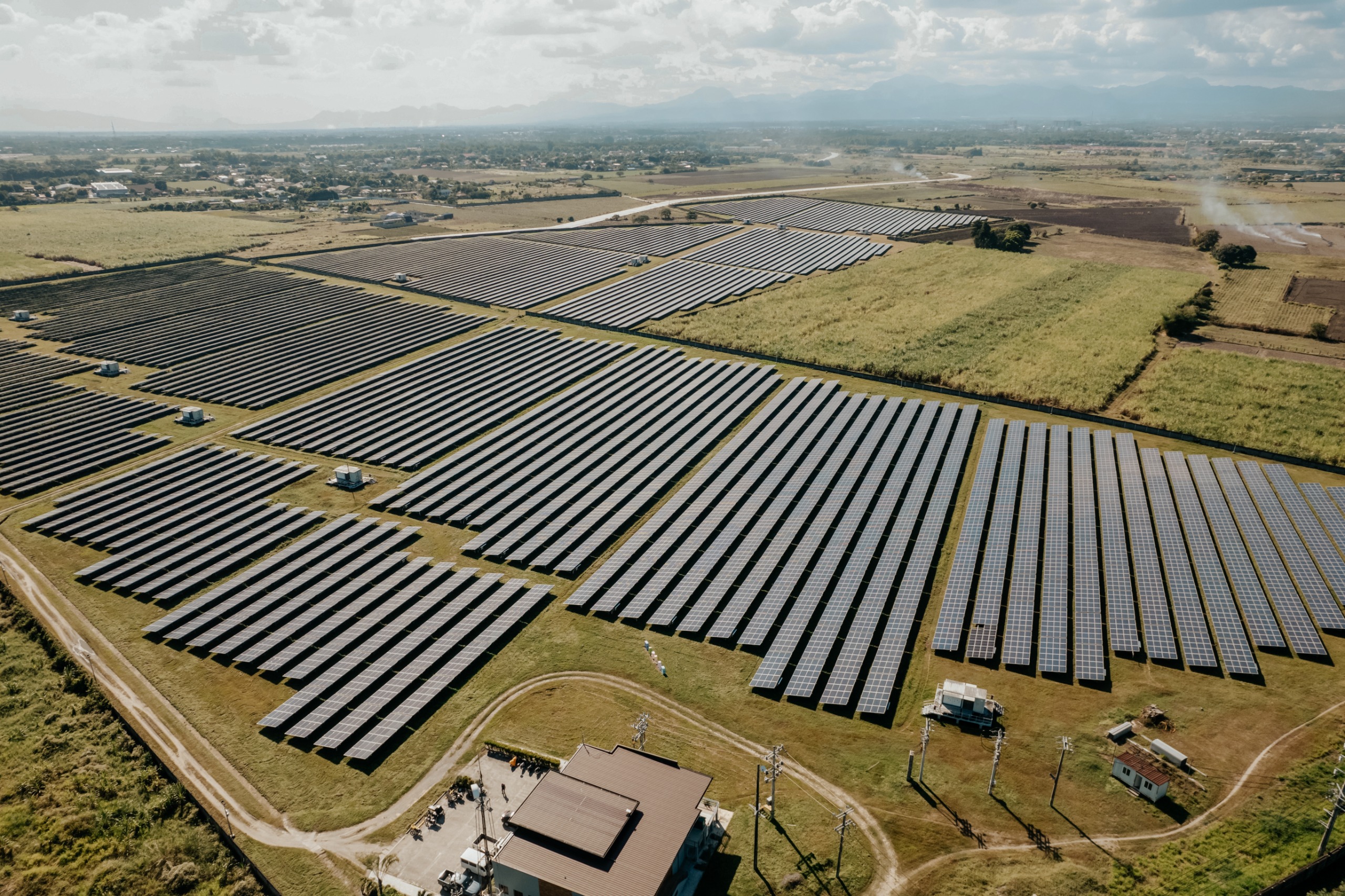
Empowering Communities: Accelerating Local Renewable Energy Transition in the Philippines
Subnational governance and local community participation emerges vital in realizing the ambitious renewable energy targets of the Philippines—achieving a 35% renewable energy share in the power generation mix by 2030, 50% by 2040, and more than 50% by 2050.

Care for the Blue Economy: Saint Lucia Charts a Sustainable Course
Saint Lucia is championing sustainable ocean governance with comprehensive blue economy strategies designed to strengthen economic resilience and foster inclusive growth.
The Coastal and Marine Spatial Plan, developed under the Caribbean Regional Oceanscape Project, provides a roadmap for the sustainable and equitable use of the coastal and marine spaces, protection of coastal and marine ecosystems, and management of land-water interactions.
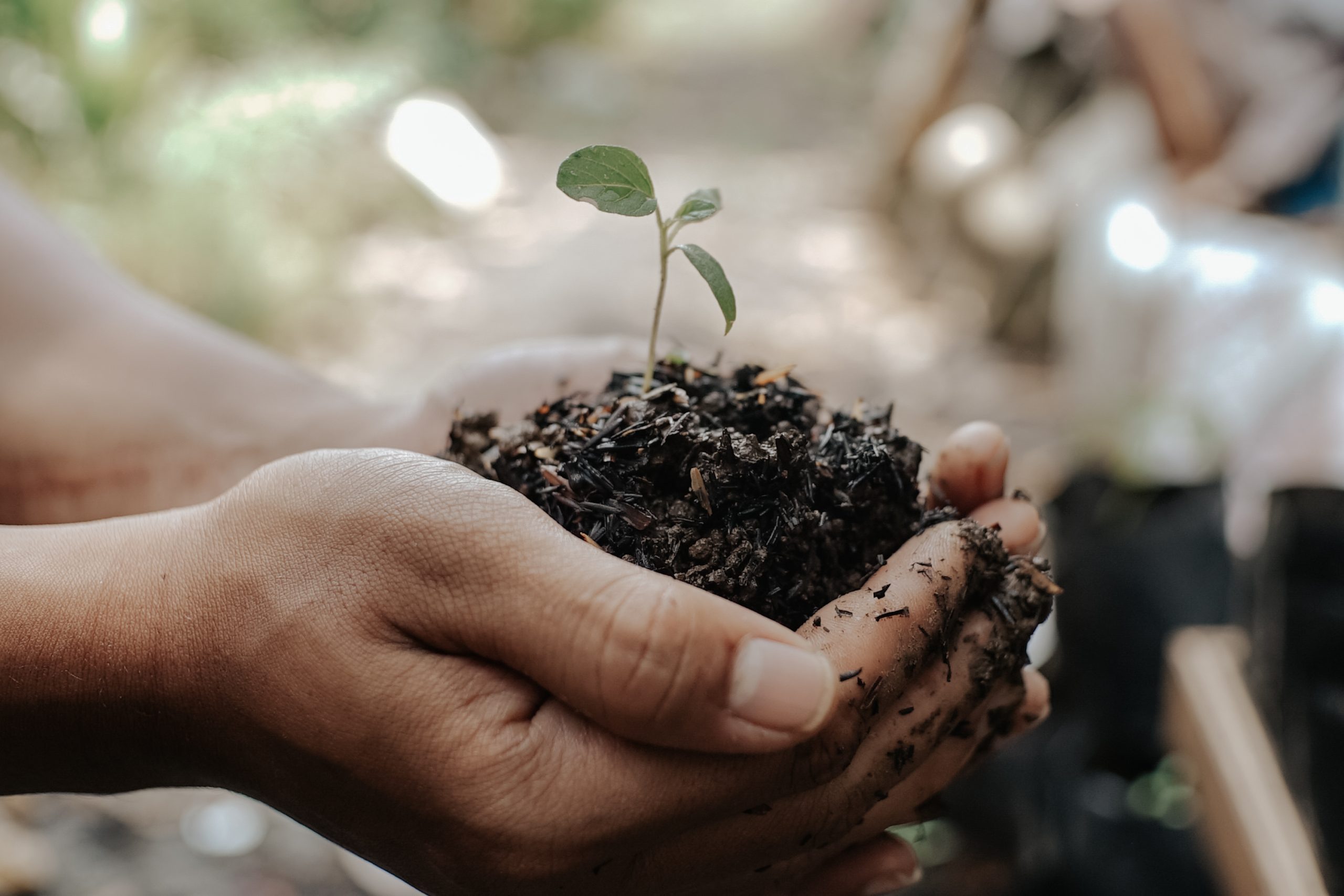
The Right Union: Gabon Proves Conservation and Economic Growth Can Coexist
The Gabonese Republic has been classified as a high-forest low-deforestation country, with a recorded deforestatizgreon rate of just 0.6%. This remarkable outcome highlights the impact of forward-looking national policies and ambitious government commitments amid mounting threats of forest degradation across Africa.
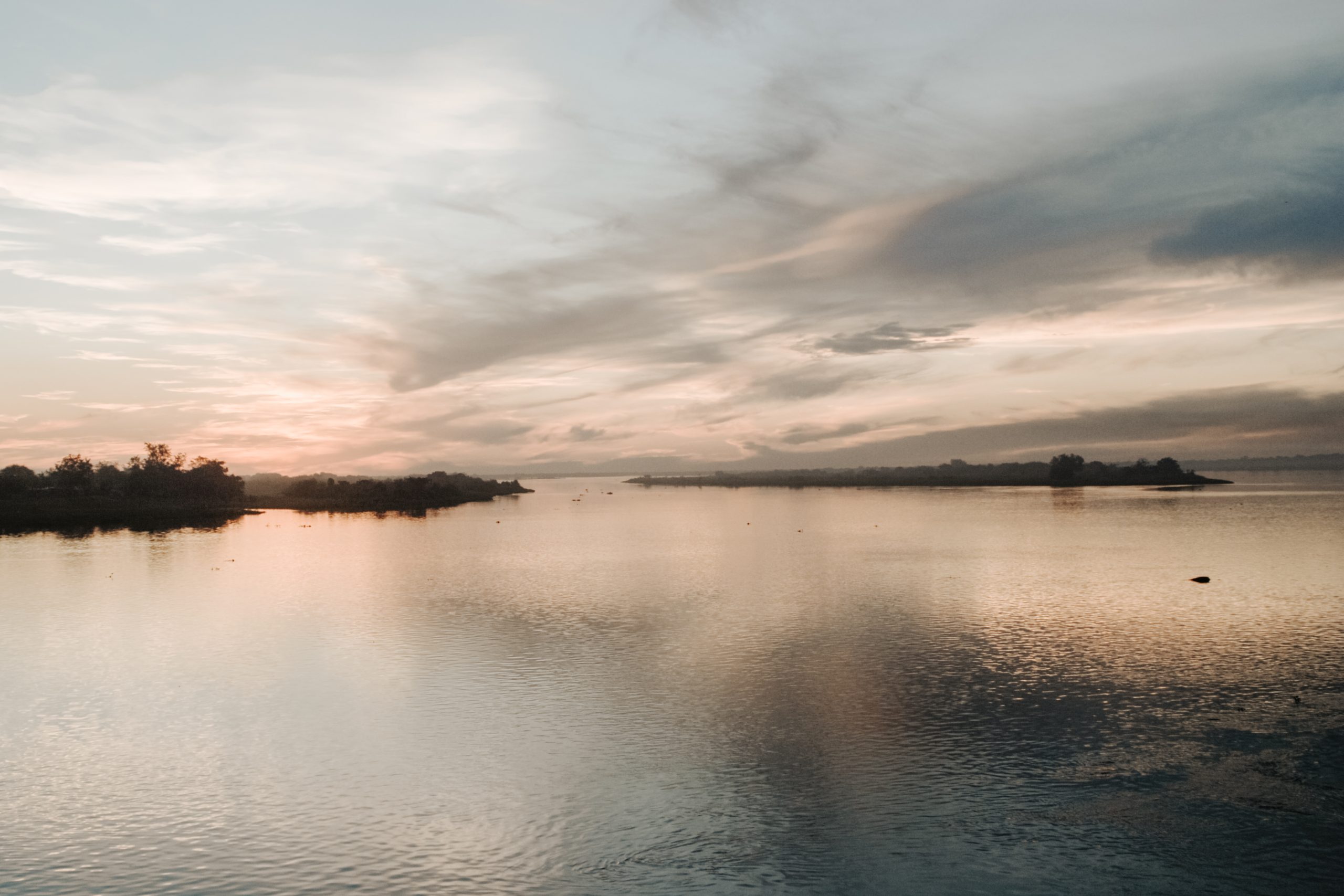
Market Romance: Paraguay’s Carbon Credit Innovation and Climate Investments
With strong legislative enforcement of the Carbon Credit Law, the Republic of Paraguay is advancing environmental protection and conservation in the Chaco region, supporting projects that safeguard ecosystems while attracting over USD 10 million in responsible investment. At the same time, the country is expanding certification processes across more than 400,000 hectares, strengthening long-term stewardship of forests, biodiversity, and natural carbon sinks.